ShipProof
A spec-driven release workspace that checks every deployed feature against its requirements, screenshots, and edge-case checklist.
Why a spec-driven release workspace is becoming essential
Shipping software is no longer the hard part. Modern teams can deploy to production several times a day using continuous integration, feature flags, preview environments, and managed cloud platforms. The harder problem is proving that what shipped actually satisfies the original product requirements.
That gap is where ShipProof fits.
ShipProof is a spec-driven release workspace that gives product, engineering, QA, and customer-facing teams one shared place to verify every deployed feature against its requirements, screenshots, acceptance criteria, and edge-case checklist. Instead of treating release validation as a scattered mix of ticket comments, browser tabs, chat messages, spreadsheets, and memory, ShipProof turns it into an auditable workflow.
The core promise is simple:
Every production release should have clear proof that the intended experience was tested, approved, and shipped correctly.
For teams that move quickly, this is not just a QA issue. It is a product quality, operational efficiency, compliance, and customer trust issue.
A feature can pass automated tests and still fail in the ways that matter most to users. A pricing page may show the wrong plan copy on mobile. A newly released onboarding flow may work for new accounts but fail for invited users. A dashboard may render correctly in staging yet break when a real customer has no data, too much data, a restricted role, or an older browser.
ShipProof addresses these real-world release gaps by connecting the intended specification to the deployed implementation.
The release validation problem ShipProof solves
Most software teams already have tools for planning, building, testing, and deploying. The challenge is that these tools often do not create a reliable link between the original requirement and the final production experience.
A typical release process looks like this:
- A product manager writes a ticket in a project management tool.
- A designer creates screens in a design tool.
- An engineer implements the feature in a code repository.
- Automated tests run in CI.
- A pull request is approved.
- The application deploys.
- Someone manually checks a few flows.
- Feedback, screenshots, and approvals get buried across chat, issue comments, and email.
The team may technically have shipped the feature, but it often cannot confidently answer important questions:
- Did the production version match the acceptance criteria?
- Which browser, device, role, and account state were checked?
- Is there a screenshot of the approved result?
- Were known edge cases explicitly verified or deferred?
- Who signed off on the release?
- What changed after the last approval?
- Can support or sales see the release evidence when a customer asks?
A spec-driven release workspace makes that evidence visible, structured, and repeatable.
The important distinction
Automated testing confirms that selected technical behaviors pass. Release proof confirms that a deployed feature meets the product promise in the real environment, including visual quality, user context, permissions, copy, and edge cases.
This category is especially relevant as AI coding tools increase development velocity. Teams can generate and merge code faster, but faster implementation does not automatically produce stronger product validation. In many organizations, the bottleneck shifts from writing code to reviewing the actual user experience.
Who needs ShipProof most
The best early customers for ShipProof are not every software company. They are teams that feel recurring pain from release ambiguity and have enough shipping volume that manual coordination is already expensive.
Product-led SaaS teams
Product-led SaaS companies are a strong fit because their customer experience is the product. A small release regression in onboarding, billing, account permissions, or activation can materially affect conversion, retention, and support volume.
Typical users include:
- Product managers responsible for release readiness
- Engineering managers accountable for delivery quality
- QA leads coordinating manual regression coverage
- Designers reviewing visual and interaction fidelity
- Customer success teams preparing release communication
- Support teams diagnosing “it does not work” reports after launch
For these teams, ShipProof can become the release record that ties together the “why,” “what,” and “did it work?” questions.
Agencies and product development studios
Agencies frequently face a proof problem with clients. A project can be delivered, but the client may dispute whether specific requirements were completed. Screenshots in email threads and project boards are difficult to audit later.
A release validation workspace gives agencies a professional way to document:
- Approved requirements
- Client-facing review checkpoints
- Before-and-after screenshots
- Browser and device validation
- Known limitations
- Explicit stakeholder approval
This can reduce scope disputes and create a more credible handoff process.
Enterprise product teams with compliance pressure
Regulated or security-conscious organizations need more than informal release notes. They may need evidence of validation for internal controls, accessibility expectations, release management policies, or audit procedures.
ShipProof should not position itself as a complete compliance platform unless it supports the necessary controls. However, it can provide valuable release evidence for organizations operating under structured governance requirements.
Potential use cases include:
- Internal control evidence for material product changes
- QA artifacts for regulated workflows
- Release approval history
- Change documentation for security review
- Accessibility review checklists
- Customer-specific deployment validation
Startups scaling beyond founder-led QA
Early-stage founders often test everything themselves. This works until deployment frequency, team size, and product complexity make informal knowledge unreliable.
ShipProof is particularly useful when a startup reaches the point where:
- Multiple people can approve a release
- Features affect different user roles
- Customers report regressions that “worked for us”
- Product requirements are documented but not consistently checked
- Teams need a repeatable launch process without adopting heavyweight enterprise QA software
The product should feel lightweight enough for a five-person startup while having a clear path to structured team workflows.
High-intent buyer
A product or engineering leader who ships frequently, has recurring release regressions, and cannot easily prove which requirements were checked in production.
Daily operator
A product manager, QA specialist, designer, or engineer who needs a faster way to collect validation evidence and coordinate sign-off.
Internal champion
A customer success, support, or operations leader who benefits from reliable release context when communicating with customers.
The market gap for release proof software
The current tooling landscape is fragmented. Teams use excellent point solutions, but each primarily solves a different part of the delivery lifecycle.
Project management systems organize work. Design tools document intended interfaces. Source control manages code changes. CI/CD tools build and deploy software. Test management platforms organize testing. Browser testing tools run tests across environments. Observability platforms reveal production failures.
What remains under-served is the layer that answers:
Can the team show that the live release fulfills the agreed specification?
This is a meaningful market gap because production validation is still frequently handled through improvisation. Teams paste screenshots into tickets, add “QA passed” comments, use ad hoc checklists in documents, or rely on a release manager’s institutional knowledge.
Those approaches fail as complexity grows.
Why existing workflows break down
A ticketing system is useful for requirements, but it is not optimized for repeatable evidence capture across releases. A task can be marked complete without clearly showing how the deployed behavior was validated.
A visual regression testing platform can detect UI changes, but it does not necessarily know whether a change is expected, whether it maps to an acceptance criterion, or whether a business workflow has been approved.
A test case management system can provide rigor, but many product teams find traditional QA systems too detached from product specifications and too burdensome for fast-moving releases.
A documentation tool can hold a checklist, but it does not naturally connect that checklist to deployments, environments, screenshots, assignees, and approval history.
ShipProof’s opportunity is to provide a focused release assurance layer between planning and customer impact.
Search intent and buyer language
Prospective users may not initially search for “spec-driven release workspace.” Their search intent is likely practical and problem-led. Relevant SEO themes include:
- Release checklist software
- Product release validation
- QA sign-off tool
- Deployment checklist software
- Release readiness checklist
- Feature acceptance criteria checklist
- Screenshot approval workflow
- Production verification checklist
- SaaS release management process
- Manual QA tracking tool
- Product launch QA checklist
- Software release evidence
ShipProof content should target these adjacent queries while establishing “spec-driven release validation” as the category language. This strategy captures existing demand while educating the market about a clearer solution.
The ShipProof value proposition and unique selling proposition
ShipProof’s unique selling proposition is not simply that it stores checklists or screenshots. Its differentiator is the traceable connection between a feature spec and proof from the deployed application.
A strong ShipProof workflow should let a team move through the following chain:
- Define or import a feature specification.
- Turn requirements into verifiable release checks.
- Associate checks with environments, builds, and deployment versions.
- Capture screenshots, recordings, links, and notes as evidence.
- Confirm edge cases across meaningful user states.
- Route unresolved issues to the correct owner.
- Record approvals and release decisions.
- Preserve an audit-ready release summary.
This is more useful than a generic checklist because it creates context. A screenshot is not merely an image. It is evidence that a named requirement was tested at a particular time, on a particular environment, against a specific release.
What makes ShipProof defensible
The product can create defensibility through workflow depth rather than broad feature volume.
Key differentiators include:
-
Requirement-to-evidence traceability
Every acceptance criterion can point to concrete validation evidence. -
Deployment-aware validation
Checks are tied to a release, environment, commit, version, or deployment URL. -
Visual proof as a first-class object
Screenshots and recordings are organized around requirements rather than buried in comments. -
Edge-case accountability
Teams explicitly decide whether critical scenarios are verified, deferred, blocked, or not applicable. -
Cross-functional sign-off
Product, design, QA, engineering, and customer-facing teams can approve within one shared workflow. -
Learning loop for release quality
Repeated failures reveal which parts of the product or process need better requirements, regression coverage, or automation.
Avoid an overly broad position
ShipProof should not try to replace Jira, GitHub, Figma, Playwright, or an entire QA management suite on day one. It wins by making the final validation and sign-off layer dramatically clearer.
Core ShipProof features for a compelling MVP
The MVP should solve the smallest complete workflow: create a release, define what must be true, validate it in a real environment, collect evidence, and make a ship decision.
Release workspaces and feature records
A workspace should contain projects, environments, releases, and feature records.
Each feature record needs enough context to let a reviewer understand the release without opening five external tools. At minimum, it should include:
- Feature title and concise description
- Linked product ticket or source URL
- Release version or deployment identifier
- Environment URL
- Owner and reviewers
- Target release date
- Status
- Requirements and acceptance criteria
- Evidence attachments
- Edge-case checklist
- Approval activity
This structure turns a vague “please QA this” request into a visible, accountable release unit.
Acceptance criteria builder
The acceptance criteria builder is central to ShipProof’s product experience. It should support both structured and flexible workflows.
Useful criterion fields include:
- Requirement statement
- Priority level
- Test status
- Assigned reviewer
- Evidence requirement
- Related user role
- Related device or browser
- Expected result
- Actual result
- Notes
- Linked issue
The interface should make it effortless to mark a criterion as passed, failed, blocked, deferred, or not applicable.
A mature version can use AI to convert product requirements into suggested validation checks. However, AI-generated checklists should always be clearly labeled as suggestions. The user remains responsible for validating that the checklist reflects actual business intent.
Screenshot and visual evidence capture
Visual proof is one of ShipProof’s strongest potential hooks. Product and design teams often need confirmation that a feature looks correct in the deployed environment, not merely in a local build or design mockup.
The product could support:
- Browser extension capture
- Drag-and-drop uploads
- URL-based evidence links
- Annotated screenshots
- Full-page screenshots
- Side-by-side expected and actual views
- Metadata such as viewport, browser, URL, and capture timestamp
- Evidence labels connected to a specific acceptance criterion
A browser extension can be a powerful later feature because it reduces friction. A reviewer visiting a preview or production URL should be able to capture evidence and attach it to the right release check in seconds.
Edge-case checklist templates
Teams repeatedly validate similar scenarios. ShipProof should make that knowledge reusable through templates.
Examples include:
- New user versus existing user
- Empty state versus populated state
- Trial versus paid account
- Admin versus member permissions
- Mobile versus desktop viewport
- Slow network behavior
- Error state behavior
- Locale and timezone handling
- Long text and unusual characters
- Accessibility keyboard navigation
Templates should be customizable by project, feature type, and risk category. For example, billing releases may require a payment failure scenario, while permission changes may require role-based access verification.
Approval workflow and release decision
A release needs a clear final decision. The workflow should support approvals without becoming bureaucratic.
Suggested release states include:
- Draft
- Ready for validation
- In validation
- Blocked
- Ready for approval
- Approved
- Released
- Released with known issues
- Rolled back
A release summary should show exactly what was approved, what was not tested, and what exceptions were accepted.
This is especially important for preventing silent risk. If a team decides to release despite an unresolved edge case, that decision should be explicit rather than hidden in a chat thread.
Integrations and notifications
Integrations should reduce duplicate work rather than become a feature checklist.
Prioritize integrations with the systems where requirements, code changes, deployments, and conversations already live:
- GitHub for pull request and commit references
- GitLab for repository and deployment context
- Linear for issue references
- Jira for enterprise work tracking
- Slack for reminders and approval notifications
- Vercel for preview and production deployment URLs
- Sentry for post-release issue context
The first version does not need deep bidirectional sync with every platform. A reliable link, metadata fetch, webhook trigger, and status update may deliver most of the value with far less integration complexity.
A release validation workflow that users will adopt
Adoption depends on ShipProof fitting into existing delivery behavior. If it requires teams to recreate their roadmap, test suite, and release notes manually, it will become another abandoned tool.
A practical workflow should look like this.
The ideal experience is not “more process.” It is less hunting for proof.
Example release check object
A simple release check can be represented in a structured format that supports reporting, integration, and AI-assisted analysis.
type ReleaseCheck = {
  id: string;
  releaseId: string;
  requirement: string;
  expectedResult: string;
  status: "pending" | "passed" | "failed" | "blocked" | "deferred";
  riskLevel: "low" | "medium" | "high";
  testedBy?: string;
  environmentUrl?: string;
  evidence: Array<{
    type: "screenshot" | "video" | "link" | "note";
    url: string;
    capturedAt: string;
  }>;
  edgeCaseTags: string[];
  approvedBy: string[];
};
This data model is intentionally straightforward. The power comes from consistently associating validation status and evidence with the requirement it proves.
Recommended tech stack for ShipProof
ShipProof needs a stack that supports multi-tenant SaaS, structured workflow data, image storage, secure collaboration, integrations, and rapid iteration.
A TypeScript-first architecture is a sensible choice because the same language can serve the product interface, API layer, validation schemas, and integration code.
Frontend and application framework
Next.js is an excellent fit for a release validation SaaS. It supports server-rendered pages, route handlers, authentication patterns, dashboard experiences, and performant marketing pages within one ecosystem.
Use React for interactive workflow components such as:
- Requirement editors
- Checklist state transitions
- Evidence upload flows
- Annotation interfaces
- Release timelines
- Filters and saved views
For styling, Tailwind CSS provides speed and consistency for a dashboard-heavy product. A utility-first approach is particularly useful when iterating on dense, operational UI.
Database and ORM
A relational database such as PostgreSQL is the right default because ShipProof has highly relational data:
- Organizations and memberships
- Projects and environments
- Releases and deployments
- Requirements and checks
- Evidence and comments
- Approvals and audit events
- Integration connections
Prisma can accelerate schema development and typed database access for a TypeScript application.
The primary trade-off is that relational schemas require thought upfront. That is a benefit here. Release evidence and approval history should be modeled carefully rather than stored as loosely structured documents that become difficult to query later.
File storage and image processing
Evidence files should live in object storage rather than the database. Options include Amazon S3 or Cloudflare R2.
Store metadata in PostgreSQL and files in object storage with signed upload URLs. This architecture improves upload performance and limits application server load.
Important capabilities include:
- Private file access by default
- Signed URLs with expiration
- Image thumbnail generation
- File size limits
- Content type validation
- Virus scanning for uploaded files
- Evidence retention controls
Authentication and permissions
ShipProof needs robust organization-level authorization. A release workspace contains sensitive product plans, preview URLs, screenshots, and potentially customer data.
Use an authentication provider such as Clerk or Auth0, depending on enterprise requirements. For smaller teams, Clerk can improve time to market. For larger enterprise demands, Auth0 may offer more extensive identity configuration.
Build role-based access control early. Common roles may include:
- Workspace owner
- Admin
- Release manager
- Contributor
- Reviewer
- Guest
- Auditor
Permissions should be enforced on the server, not only hidden in the frontend.
Background jobs and integrations
Integrations, reminder notifications, image processing, and webhook retries should run outside the request-response cycle.
A workflow platform such as Inngest or Trigger.dev can simplify durable background jobs in a TypeScript stack.
Use webhooks to ingest deployment events from platforms such as Vercel and repository activity from GitHub. Every integration should include retry logic, idempotency keys, failure logging, and clear user-facing connection health.
Product analytics and observability
Use product analytics to understand activation, engagement, and retention. Key events might include release created, first requirement added, first screenshot captured, first approval completed, and release summary shared.
For engineering observability, Sentry is a practical option for application error tracking. The product should also maintain internal audit logs for critical workflow actions, such as an approval being revoked or evidence being deleted.
Use Next.js, React, Tailwind CSS, PostgreSQL, Prisma, object storage, managed authentication, and a background job service. This combination supports fast iteration without prematurely building infrastructure.
Add SSO, SCIM provisioning, audit log export, custom retention policies, regional data controls, advanced role permissions, and a formal security review process once larger accounts require them.
Monetization options for ShipProof
A hybrid seat-and-usage model is likely the strongest monetization approach because ShipProof creates value for both individual collaborators and the organization’s release process.
Freemium for product discovery
A free plan can help small teams experience the core workflow before committing. Limit it by active projects, releases per month, storage, or collaboration features instead of crippling the primary use case.
A useful free tier could include:
- One workspace
- Limited active releases
- Basic checklists
- Screenshot uploads with a storage cap
- A small number of collaborators
- Public or basic shareable release summaries
The goal is to let a team reach the “aha” moment: a release is organized, verified, and easy to explain.
Team subscription
A team plan can charge per editor or per active release manager, with unlimited read-only reviewers. Charging every occasional reviewer may discourage adoption because cross-functional visibility is part of the product’s value.
Premium team capabilities could include:
- Unlimited projects and releases
- Templates
- Slack notifications
- GitHub and deployment integrations
- Approval workflows
- Evidence history
- Advanced filters
- Custom release summaries
Enterprise plan
Enterprise pricing should focus on governance, security, and operational scale rather than merely more storage.
Enterprise features may include:
- SAML SSO
- SCIM provisioning
- Advanced audit logs
- Custom roles
- Dedicated support
- Security questionnaires
- Data retention controls
- Private cloud or regional hosting options
- API access
- Custom integrations
- Compliance-oriented exports
Usage-based components
Storage and AI assistance are natural usage-based add-ons.
Potential metered capabilities include:
- High-volume screenshot and video storage
- Long-term archive retention
- AI-generated acceptance criteria
- AI release summary generation
- Automated screenshot capture runs
- Advanced analytics
- External guest review portals
Be transparent about what usage costs. Release teams dislike surprise bills, especially when evidence retention is tied to internal governance.
Competitive advantage and positioning strategy
ShipProof will compete indirectly with project management tools, test management platforms, visual testing products, release management tools, documentation products, and homegrown workflows.
The winning position is not “all-in-one software delivery.” It is:
The release proof system for teams that need confidence before and after deployment.
The strongest category framing combines emotional and operational value:
- Ship with confidence
- Make release readiness visible
- Prove what was tested
- Prevent avoidable regressions
- Preserve product knowledge
- Give every stakeholder a trustworthy release record
Competitive comparison
| Capability | Project tracker | Test management tool | Visual testing tool | ShipProof |
|---|---|---|---|---|
| Requirement tracking | ✅ | ✅ | ❌ | ✅ |
| Production release evidence | ⚠️ | ⚠️ | ✅ | ✅ |
| Visual screenshots tied to criteria | ⚠️ | ⚠️ | ✅ | ✅ |
| Cross-functional release sign-off | ⚠️ | ⚠️ | ❌ | ✅ |
| Explicit edge-case accountability | ❌ | ✅ | ❌ | ✅ |
The goal is not to claim competitors cannot do any of these things. Many can approximate pieces of the workflow through configuration. ShipProof’s advantage is making the complete release proof experience native, fast, and understandable to non-QA stakeholders.
Risks and practical mitigation strategies
Every SaaS opportunity has execution risk. ShipProof’s biggest challenge is not whether teams have release problems. It is whether the product becomes part of the existing workflow rather than another administrative task.
Risk of process resistance
Teams may see ShipProof as additional ceremony, especially if their release process is informal.
Mitigation involves reducing setup time. Offer templates, ticket imports, browser capture, deployment-triggered release creation, and a minimal “five-minute proof” workflow. The product should reward users immediately with a clearer release summary.
Risk of competing with entrenched tools
Organizations already use Jira, GitHub, Notion, and test tooling. Buyers may ask why they cannot use existing systems.
Mitigation involves demonstrating the hidden cost of fragmented evidence. Show how ShipProof complements current tools by connecting them at the release validation layer. Integrations are essential to this story.
Risk of shallow evidence
A screenshot alone does not prove correct behavior. Teams could check boxes without meaningful validation.
Mitigation involves structured evidence expectations. High-risk criteria can require a screenshot, test note, reviewer, or linked automated test result. Templates should guide reviewers toward relevant user states and expected outcomes.
Risk of sensitive data exposure
Screenshots may contain personally identifiable information, customer data, internal URLs, or confidential roadmap details.
Mitigation requires security by design:
- Private workspaces by default
- Role-based access control
- Encrypted storage and transit
- Signed file URLs
- Audit trails
- Configurable retention
- Screenshot redaction tools
- Secure integration token handling
- Clear data processing documentation
Before targeting enterprise buyers, commission an independent security assessment and publish an accurate security overview. Never overstate compliance claims.
Risk of AI-generated validation errors
AI can produce incomplete or incorrect acceptance criteria, especially when product specifications are ambiguous.
Mitigation is to keep humans in control. Label generated content clearly, provide editable suggestions, capture the source context, and avoid automatically marking anything as validated. AI should accelerate preparation and summarization, not manufacture proof.
Avoid building a full test automation platform, a generic project management system, a full design collaboration suite, or a complex enterprise governance product. The initial product should make manual and cross-functional release validation substantially easier.
A strong activation event is when a workspace completes its first release proof with linked requirements, at least one evidence item, a resolved checklist, and a documented approval decision.
Track the percentage of active releases that reach a completed proof state. This is stronger than tracking logins because it measures whether ShipProof is embedded in the release process.
Go-to-market strategy for a spec-driven release workspace
ShipProof should begin with a focused audience and a credible content-led strategy.
The initial message should speak directly to product and engineering teams that repeatedly ask, “Did we actually check this in production?” That language is more concrete than generic claims about quality assurance.
High-conversion content opportunities
Build SEO content around actionable templates and workflows:
- Product release checklist template
- Production deployment checklist
- Feature acceptance criteria examples
- SaaS QA checklist
- Release readiness checklist for product managers
- How to document software release sign-off
- Manual QA checklist for web applications
- How to reduce regressions after deployment
- Product launch checklist for SaaS teams
Each article should contain practical templates, examples, and decision frameworks. Where citing market statistics, reference authoritative primary research or recognized industry reports and verify the current publication date before publishing.
ShipProof can also offer downloadable or interactive assets:
- Release proof template
- Edge-case checklist generator
- Product QA sign-off template
- Release risk assessment scorecard
- Production validation workflow guide
These assets attract teams before they are actively seeking a dedicated platform.
Product-led distribution loops
The release summary is a natural distribution mechanism. When teams share a read-only release proof with stakeholders, clients, or customer success colleagues, recipients can see the value of a structured release record.
A shareable summary should be polished, permission-aware, and useful enough to replace a release status email. It should show:
- What shipped
- What was verified
- Evidence highlights
- Known issues or exceptions
- Approvers
- Related tickets and deployment details
This creates a collaborative loop without relying on aggressive viral mechanics.
Actionable implementation plan
The most effective way to build ShipProof is to validate the workflow before investing deeply in automation or enterprise infrastructure.
Phase one: validate the workflow
Interview product managers, QA leads, engineering managers, and agency delivery leads. Ask for a recent release that caused confusion or regression. Walk through the exact artifacts they used, where evidence lived, and what they wished they had known before shipping.
Build a clickable prototype around:
- Release creation
- Requirement checklist
- Screenshot evidence
- Edge-case tracking
- Approval status
- Release summary
The key question is whether users feel that this replaces their messy release coordination process.
Phase two: launch a focused MVP
Build the smallest end-to-end workflow for web application releases.
Prioritize:
- Workspace and project setup
- Release creation
- Checklist templates
- Requirement and edge-case checks
- Screenshot uploads
- Comments and assignments
- Approval states
- Shareable release summary
- GitHub, Slack, and Vercel links or lightweight integrations
- Basic audit history
Do not wait for comprehensive AI, automated browser testing, or every integration. The MVP must make release proof usable and trustworthy.
Phase three: measure retention and refine
Measure behavior rather than vanity metrics.
Important product metrics include:
- Time from release creation to approval
- Percentage of releases with evidence attached
- Average number of unresolved checks at approval
- Template reuse rate
- Active releases per workspace
- Weekly active reviewers
- Shareable summary views
- Releases created from deployment events
- Teams returning for the next release cycle
Interview retained and churned teams. Retained teams reveal the product’s real value. Churned teams reveal whether the workflow is too heavy, too disconnected, or insufficiently differentiated.
Phase four: add automation where it removes friction
Once the core workflow is proven, invest in higher-leverage automation:
- Deployment-triggered release creation
- Browser extension evidence capture
- AI-generated checklist suggestions
- Screenshot comparison
- Automatic environment metadata
- Reminder workflows
- Release risk scoring
- Integration-driven status updates
- Reusable validation templates by feature type
Build automation around validated user pain, not around what looks impressive in a demo.
For founders and teams building ShipProof quickly, TurboStarter can provide a practical foundation for launching a production-ready SaaS with common essentials already in place.
Final perspective
ShipProof has a credible opportunity because modern software teams have abundant tools for creating and deploying changes, but often lack a single trusted system for proving release quality.
The product’s strength is its focus. It does not need to replace every part of the software delivery lifecycle. It needs to become the place where teams answer a critical final question with confidence:
Did the deployed feature meet the specification, and can we prove it?
By connecting requirements, screenshots, edge cases, deployment context, approvals, and release history, a spec-driven release workspace can reduce avoidable regressions while improving collaboration across product, engineering, design, QA, support, and leadership.
The winning ShipProof experience will be fast enough for high-velocity startups, structured enough for growing SaaS teams, and trustworthy enough for organizations that need a durable release record.
More ⚡ Productivity Tool SaaS ideas
Discover more innovative productivity tool SaaS ideas that are trending in 2026. Each idea is AI-generated with market validation and growth potential to help you find your next profitable venture faster than competitors.
Your competitors are building with TurboStarter
Below are some of the SaaS ideas that have been generated and built with our starter kit.

Statiko
Monitor any Telegram channel in real time - track posts, edits, deletions, and growth with AI recaps 📡

Shibui
AI website builder - describe your business, pick a niche template, edit by chatting, and publish instantly ✨

Pro Service
Find verified home service professionals, compare quotes, and pay securely through escrow - built for Brazilians across the US 🏠
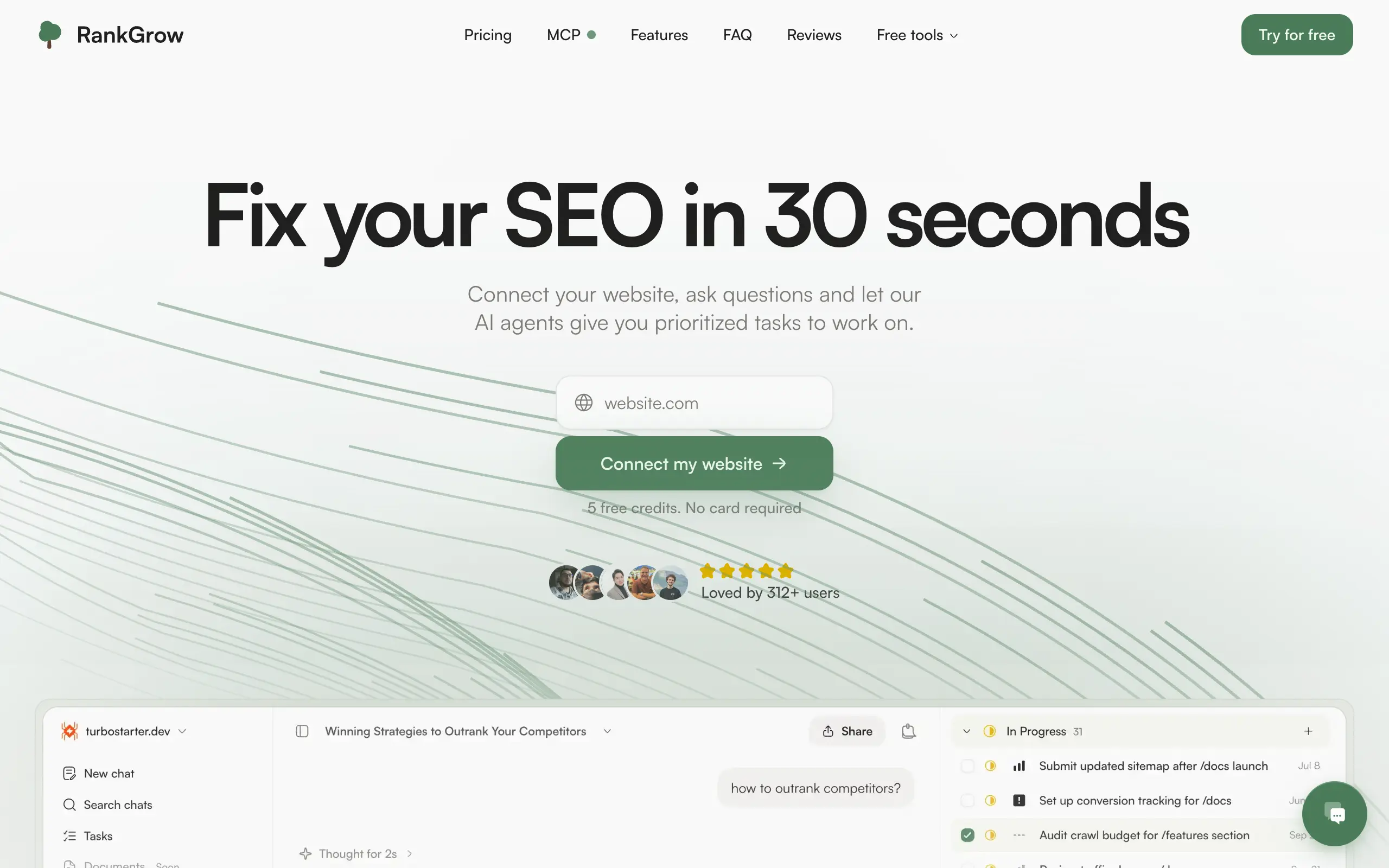
RankGrow
Fix your SEO with AI agents - connect Search Console, get prioritized tasks, and grow organic traffic 📈
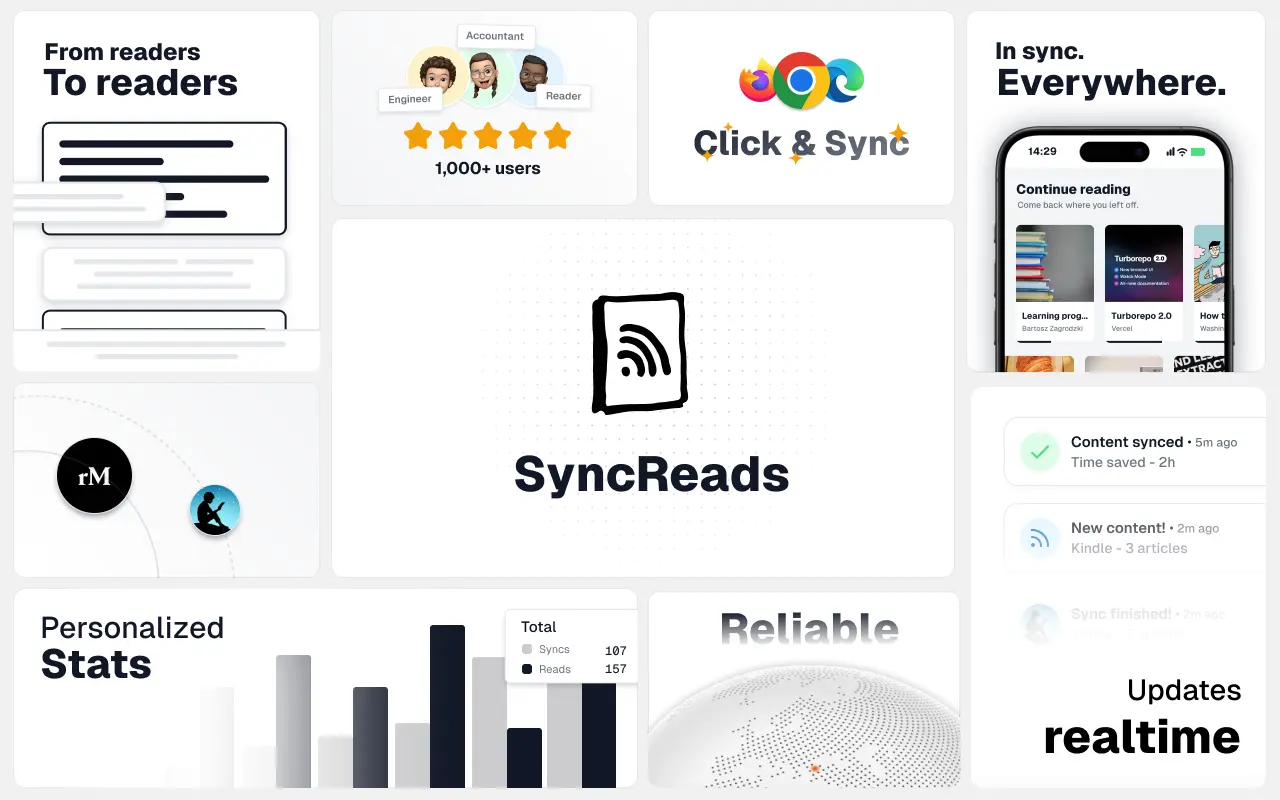
SyncReads
Sync your favorite content for distraction-free reading, save time and replace multiple apps. Anytime, anywhere 🔄
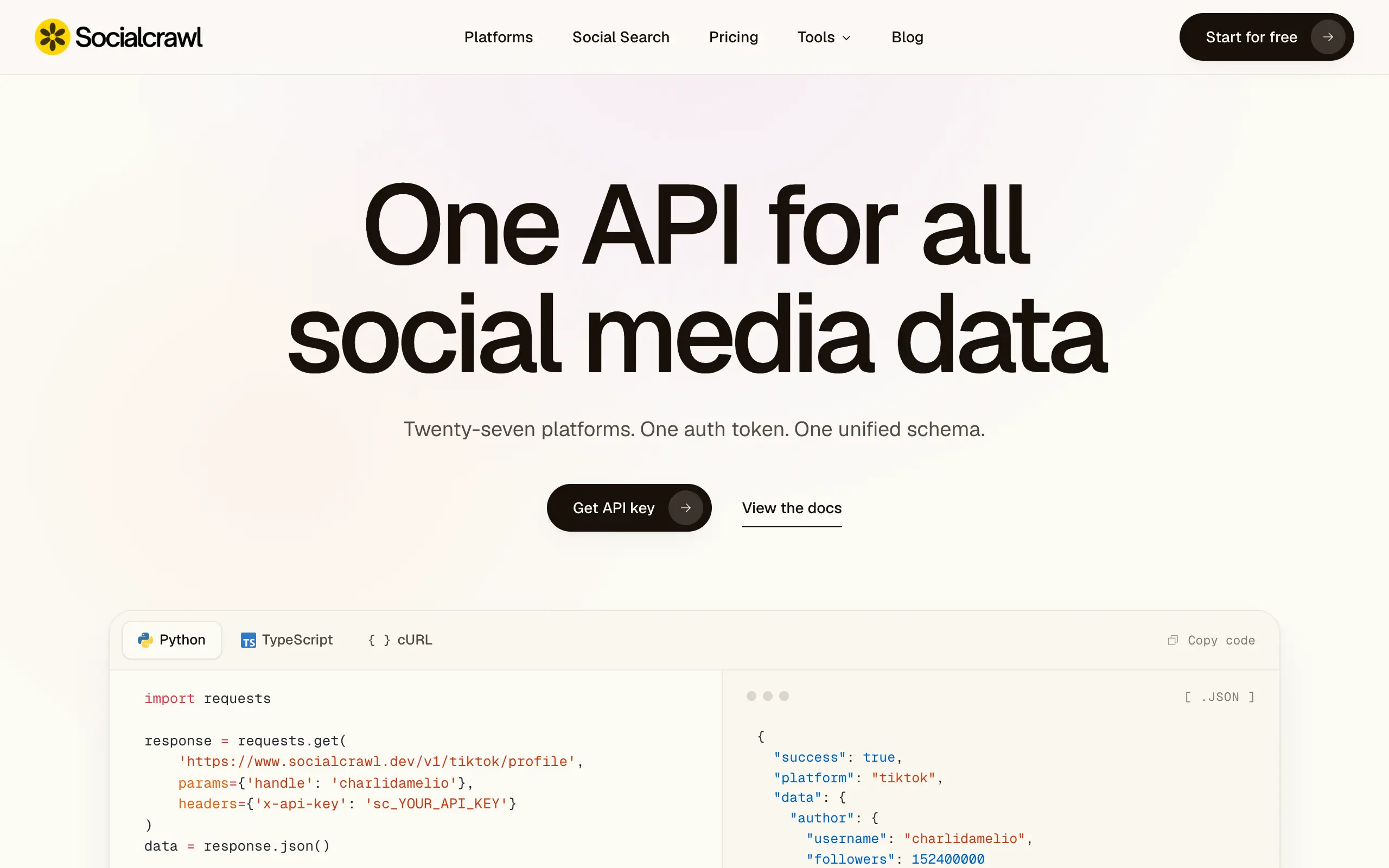
Socialcrawl
Get clean, structured data from 21 platforms like TikTok, Instagram, and YouTube with a single request 📊
Statiko
Monitor any Telegram channel in real time - track posts, edits, deletions, and growth with AI recaps 📡
Shibui
AI website builder - describe your business, pick a niche template, edit by chatting, and publish instantly ✨
Pro Service
Find verified home service professionals, compare quotes, and pay securely through escrow - built for Brazilians across the US 🏠
RankGrow
Fix your SEO with AI agents - connect Search Console, get prioritized tasks, and grow organic traffic 📈
SyncReads
Sync your favorite content for distraction-free reading, save time and replace multiple apps. Anytime, anywhere 🔄
Socialcrawl
Get clean, structured data from 21 platforms like TikTok, Instagram, and YouTube with a single request 📊
Statiko
Monitor any Telegram channel in real time - track posts, edits, deletions, and growth with AI recaps 📡
Shibui
AI website builder - describe your business, pick a niche template, edit by chatting, and publish instantly ✨
Pro Service
Find verified home service professionals, compare quotes, and pay securely through escrow - built for Brazilians across the US 🏠
RankGrow
Fix your SEO with AI agents - connect Search Console, get prioritized tasks, and grow organic traffic 📈
SyncReads
Sync your favorite content for distraction-free reading, save time and replace multiple apps. Anytime, anywhere 🔄
Socialcrawl
Get clean, structured data from 21 platforms like TikTok, Instagram, and YouTube with a single request 📊
Statiko
Monitor any Telegram channel in real time - track posts, edits, deletions, and growth with AI recaps 📡
Shibui
AI website builder - describe your business, pick a niche template, edit by chatting, and publish instantly ✨
Pro Service
Find verified home service professionals, compare quotes, and pay securely through escrow - built for Brazilians across the US 🏠
RankGrow
Fix your SEO with AI agents - connect Search Console, get prioritized tasks, and grow organic traffic 📈
SyncReads
Sync your favorite content for distraction-free reading, save time and replace multiple apps. Anytime, anywhere 🔄
Socialcrawl
Get clean, structured data from 21 platforms like TikTok, Instagram, and YouTube with a single request 📊
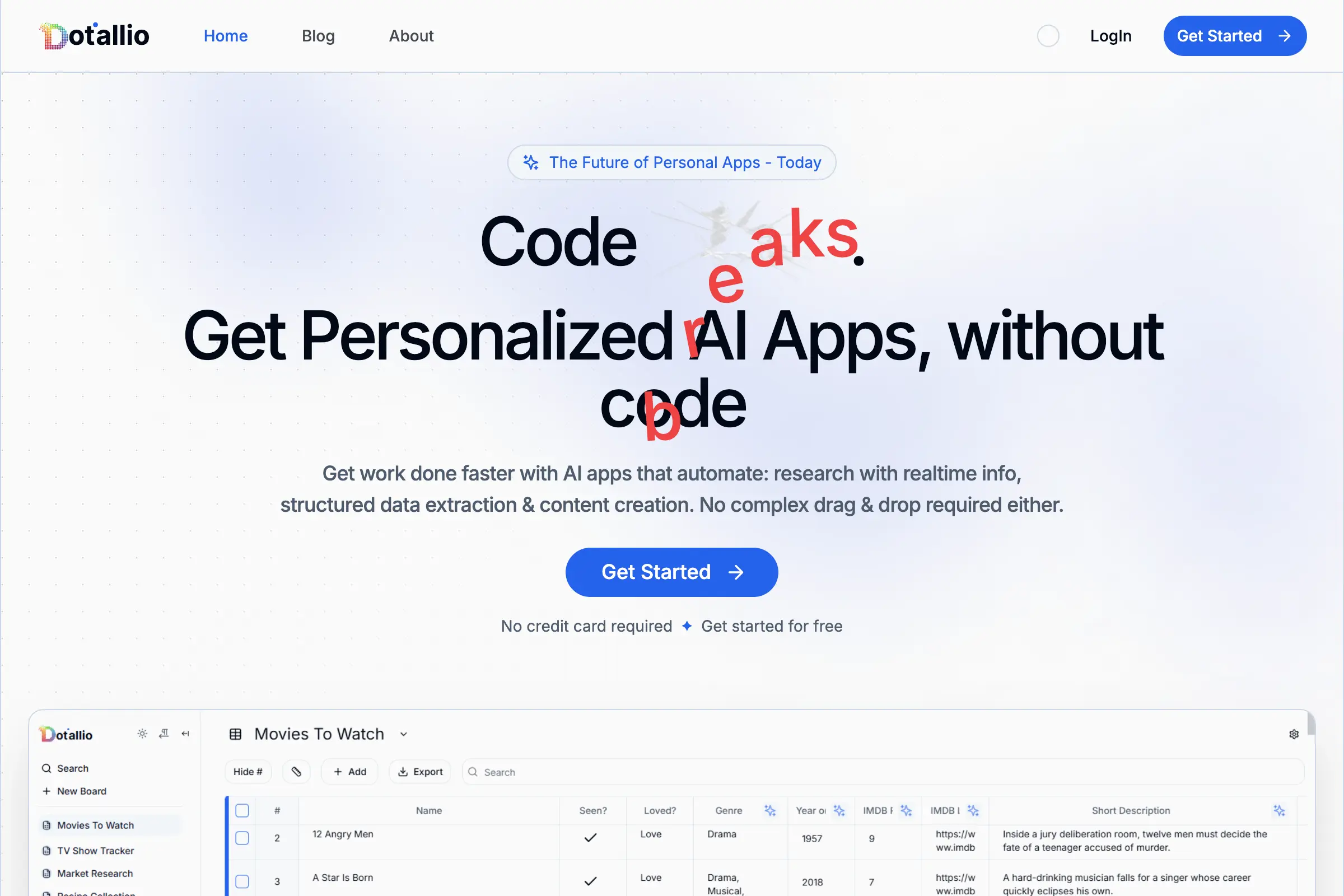
Dotallio
Personalized AI apps that automate research, data extraction, and content creation without code 🤖

Talk to Santa
Enjoy a magical live video chat or receive a unique AI-generated video greeting from Santa Claus 🎅

pozywka.pl
Scalable blog for food journalist, focused on performance and user experience 🌭
zagrodzki.me
Personal blog and portfolio of Bart Zagrodzki, where he shares his knowledge and work 💼
TurboStarter
Ship your startup everywhere. In minutes.
HTML to Markdown
Convert HTML to Markdown with ease, directly in your browser 📄
Dotallio
Personalized AI apps that automate research, data extraction, and content creation without code 🤖
Talk to Santa
Enjoy a magical live video chat or receive a unique AI-generated video greeting from Santa Claus 🎅
pozywka.pl
Scalable blog for food journalist, focused on performance and user experience 🌭
zagrodzki.me
Personal blog and portfolio of Bart Zagrodzki, where he shares his knowledge and work 💼
TurboStarter
Ship your startup everywhere. In minutes.
HTML to Markdown
Convert HTML to Markdown with ease, directly in your browser 📄
Dotallio
Personalized AI apps that automate research, data extraction, and content creation without code 🤖
Talk to Santa
Enjoy a magical live video chat or receive a unique AI-generated video greeting from Santa Claus 🎅
pozywka.pl
Scalable blog for food journalist, focused on performance and user experience 🌭
zagrodzki.me
Personal blog and portfolio of Bart Zagrodzki, where he shares his knowledge and work 💼
TurboStarter
Ship your startup everywhere. In minutes.
HTML to Markdown
Convert HTML to Markdown with ease, directly in your browser 📄
Dotallio
Personalized AI apps that automate research, data extraction, and content creation without code 🤖
Talk to Santa
Enjoy a magical live video chat or receive a unique AI-generated video greeting from Santa Claus 🎅
pozywka.pl
Scalable blog for food journalist, focused on performance and user experience 🌭
zagrodzki.me
Personal blog and portfolio of Bart Zagrodzki, where he shares his knowledge and work 💼
TurboStarter
Ship your startup everywhere. In minutes.
HTML to Markdown
Convert HTML to Markdown with ease, directly in your browser 📄
Omichat
Chat with 50+ AI models, including ChatGPT and Claude, in one place - switch models anytime without losing context 🤖
Claude Fast
Supercharge your Claude Code with 6x effective context window and specialized AI agents 🤖

EmojAI
AI-powered emoji picker with smart, context-aware suggestions 🤖

Solohacker
Autonomous company launcher - AI agents work 24/7, escalate what matters, and you stay in control 🤖

BeRawi: Storytelling Coach
Practice storytelling daily with instant feedback to sound clearer, more engaging, and confident 🎤
Omichat
Chat with 50+ AI models, including ChatGPT and Claude, in one place - switch models anytime without losing context 🤖
Claude Fast
Supercharge your Claude Code with 6x effective context window and specialized AI agents 🤖
EmojAI
AI-powered emoji picker with smart, context-aware suggestions 🤖
Solohacker
Autonomous company launcher - AI agents work 24/7, escalate what matters, and you stay in control 🤖
BeRawi: Storytelling Coach
Practice storytelling daily with instant feedback to sound clearer, more engaging, and confident 🎤
Omichat
Chat with 50+ AI models, including ChatGPT and Claude, in one place - switch models anytime without losing context 🤖
Claude Fast
Supercharge your Claude Code with 6x effective context window and specialized AI agents 🤖
EmojAI
AI-powered emoji picker with smart, context-aware suggestions 🤖
Solohacker
Autonomous company launcher - AI agents work 24/7, escalate what matters, and you stay in control 🤖
BeRawi: Storytelling Coach
Practice storytelling daily with instant feedback to sound clearer, more engaging, and confident 🎤
Omichat
Chat with 50+ AI models, including ChatGPT and Claude, in one place - switch models anytime without losing context 🤖
Claude Fast
Supercharge your Claude Code with 6x effective context window and specialized AI agents 🤖
EmojAI
AI-powered emoji picker with smart, context-aware suggestions 🤖
Solohacker
Autonomous company launcher - AI agents work 24/7, escalate what matters, and you stay in control 🤖
BeRawi: Storytelling Coach
Practice storytelling daily with instant feedback to sound clearer, more engaging, and confident 🎤

Connect with like-minded people
Join our community to get feedback, support, and grow together with 1,000+ builders on board, let's ship it!
Join usShip your startup everywhere. In minutes.
Don't burn tokens on setup and start building features on day one.