ShipStreak
A streak-based accountability app for indie devs that tracks daily shipping progress and punishes inactivity with public streak loss.
the rise of streak-based productivity for indie developers
In the fast-moving world of indie development, consistency often matters more than brilliance. The difference between a launched product and an abandoned idea is rarely talent—it’s momentum. That’s exactly where a tool like ShipStreak comes in: a streak-based accountability app designed to help indie developers ship consistently by leveraging psychological commitment, public accountability, and visible progress tracking.
The concept taps into a proven behavioral principle: streaks drive action. Popularized by platforms like Duolingo and GitHub contribution graphs, streak mechanics exploit loss aversion—the human tendency to strongly prefer avoiding losses over acquiring gains. ShipStreak applies this concept specifically to developers, makers, and builders who struggle with procrastination, perfectionism, or inconsistent execution.
This article explores the full potential of ShipStreak as a SaaS product: from market opportunity and feature design to monetization, tech stack, risks, and implementation strategy.
understanding the target audience
ShipStreak is not for everyone—and that’s a strength. Narrow targeting increases clarity, product-market fit, and conversion.
primary audience segments
1. indie hackers and solo founders
- Individuals building SaaS products independently
- Often juggling multiple roles (engineering, marketing, support)
- Struggle with consistency and shipping velocity
2. early-stage startup teams
- Small teams (2–10 people)
- Need lightweight accountability without heavy project management overhead
- Value public progress and transparency
3. developer creators
- Building in public on platforms like X (Twitter), YouTube, or blogs
- Motivated by audience engagement and visibility
- Already familiar with streak culture
4. side-project builders
- Full-time employees working on projects after hours
- Need motivation to stay consistent despite limited time
the core problem: inconsistency kills momentum
Most indie developers don’t fail because of bad ideas—they fail due to:
- lack of consistent execution
- overthinking and perfectionism
- absence of external accountability
- burnout cycles (burst productivity followed by inactivity)
Existing tools like Trello, Notion, or Jira focus on task management, not behavioral reinforcement. GitHub tracks contributions but lacks intent-driven accountability.
ShipStreak fills this gap by asking a simple question:
Did you ship something today?
And making the answer matter.
market opportunity and gap analysis
why now is the perfect time
Several macro trends make ShipStreak highly relevant:
- rise of indie hacking culture (platforms like Product Hunt, Indie Hackers)
- build-in-public movement gaining traction
- increased accessibility of dev tools lowering barriers to entry
- remote work culture reducing external accountability
According to public reports (e.g., GitHub Octoverse), developer activity continues to grow globally, with millions of new developers entering the ecosystem annually. However, retention and completion rates of personal projects remain low.
current alternatives (and their limitations)
| Tool | Streak Tracking | Accountability | Public Visibility | Developer Focus |
|---|---|---|---|---|
| GitHub | ✅ | ❌ | ✅ | ✅ |
| Duolingo | ✅ | ✅ | ❌ | ❌ |
| Notion | ❌ | ❌ | ❌ | ❌ |
| Habit apps | ✅ | ❌ | ❌ | ❌ |
| ShipStreak | ✅ | ✅ | ✅ | ✅ |
the gap ShipStreak fills
ShipStreak uniquely combines:
- streak mechanics
- developer-centric workflows
- public accountability
- shipping-focused tracking (not just activity tracking)
This combination is currently underserved in the market.
core features of ShipStreak
1. daily shipping tracker
At its core, ShipStreak allows users to log a daily “ship” event. This could include:
- pushing code
- deploying a feature
- writing documentation
- publishing content
- fixing bugs
The key is flexibility with intention.
2. streak engine
The heart of the app:
- tracks consecutive days of shipping
- visually displays streaks (calendar, graphs)
- resets streak after inactivity
3. public accountability profiles
Each user has a public profile showing:
- current streak
- longest streak
- recent activity
- projects being worked on
This introduces social pressure and motivation.
4. streak loss penalty system
This is the differentiator.
If a user misses a day:
- streak resets publicly
- optionally triggers consequences (e.g., public tweet, Slack notification)
Behavioral design matters
Overly harsh penalties can backfire. The system should allow configurable flexibility (e.g., “grace days”) to avoid discouragement.
5. integrations
- GitHub API for commit tracking
- Slack/Discord notifications
- X (Twitter) auto-posting
- Webhooks for custom workflows
6. build-in-public features
- shareable streak cards
- leaderboard of top builders
- public activity feed
how ShipStreak works (user journey)
recommended tech stack
Choosing the right stack is critical for scalability, developer experience, and speed of iteration.
frontend
- React or Next.js
- TailwindCSS for rapid UI development
backend
- Node.js with a framework like NestJS or Express
- PostgreSQL for relational data (users, streaks, logs)
integrations
- GitHub REST API
- OAuth for authentication
- Webhooks for automation
real-time features
- WebSockets or services like Pusher for live streak updates
hosting
- Vercel (frontend)
- Supabase or AWS for backend/database
example streak logic
function updateStreak(lastActivityDate: Date, currentDate: Date, currentStreak: number) {
  const diffDays = Math.floor(
    (currentDate.getTime() - lastActivityDate.getTime()) / (1000 * 60 * 60 * 24)
  );

  if (diffDays === 1) {
    return currentStreak + 1;
  } else if (diffDays > 1) {
    return 1; // streak reset
  }
  return currentStreak; // same day
}
trade-offs
- automation vs manual input: GitHub integration reduces friction but excludes non-code work
- public vs private tracking: privacy concerns vs accountability benefits
- strict vs flexible streak rules: motivation vs burnout
monetization strategies
ShipStreak has multiple viable revenue streams.
freemium model
- free tier:
- basic streak tracking
- limited history
- paid tier:
- advanced analytics
- integrations
- custom streak rules
subscription pricing ideas
- $5–$12/month for indie developers
- team plans for startups
add-on monetization
- custom domains for public profiles
- premium streak visualizations
- API access
community-driven monetization
- paid challenges (e.g., “30-day shipping sprint”)
- sponsored leaderboards
competitive advantage and differentiation
ShipStreak’s edge lies in its behavior-first design.
key differentiators
- shipping-focused tracking (not just activity)
- public accountability baked in
- punishment mechanics (loss aversion)
- indie developer niche focus
Psychological leverage
Uses loss aversion and streak psychology to drive consistent behavior.
Niche clarity
Built specifically for indie developers, not generic productivity users.
Social pressure
Public streaks increase commitment and engagement.
potential risks and mitigation strategies
1. burnout and streak anxiety
Risk: users feel stressed about maintaining streaks
Mitigation:
- introduce “grace days”
- allow streak pauses
- emphasize progress over perfection
2. low retention after streak loss
Risk: users churn after losing streak
Mitigation:
- recovery mechanics (e.g., “streak rebuild”)
- encouraging messaging
- gamified restart incentives
3. over-reliance on GitHub
Risk: excludes non-coding work
Mitigation:
- allow manual entries
- integrate with tools like Notion or Linear
4. competition from larger platforms
Risk: GitHub or Notion adding similar features
Mitigation:
- focus on niche community
- build strong brand identity
- move faster than incumbents
seo strategy for ShipStreak
To rank effectively, content should target keywords such as:
- streak productivity app for developers
- indie hacker productivity tools
- build in public tools
- developer accountability apps
- daily shipping tracker
content ideas
- “how to stay consistent as an indie developer”
- “why streaks work for productivity”
- “build in public: tools and strategies”
distribution channels
- Product Hunt launches
- Indie Hackers community
- X (Twitter) dev audience
- developer newsletters
implementation roadmap
phase 1: MVP (4–6 weeks)
- user authentication
- basic streak tracking
- manual logging
- simple dashboard
phase 2: integrations (4 weeks)
- GitHub integration
- social sharing
- notifications
phase 3: growth features (6–8 weeks)
- leaderboards
- public profiles
- streak penalties
phase 4: monetization
- subscription tiers
- premium features
building ShipStreak faster with modern tools
If you're looking to accelerate development, using a starter kit can significantly reduce setup time.
TurboStarter provides a strong foundation for SaaS products, including authentication, billing, and scalable architecture—allowing you to focus on building ShipStreak’s core differentiators instead of reinventing infrastructure.
actionable next steps
final thoughts
ShipStreak sits at the intersection of productivity, psychology, and developer culture. Its strength isn’t just in tracking progress—it’s in making consistency visible, meaningful, and slightly uncomfortable to break.
That discomfort is the product.
In a world where most developers struggle to finish what they start, a tool that helps them ship daily—consistently, publicly, and intentionally—has both emotional resonance and real market demand.
The opportunity isn’t just to build another productivity app. It’s to build a behavioral system that changes how developers work.
More ⚡ Productivity Tool SaaS ideas
Discover more innovative productivity tool SaaS ideas that are trending in 2026. Each idea is AI-generated with market validation and growth potential to help you find your next profitable venture faster than competitors.
Your competitors are building with TurboStarter
Below are some of the SaaS ideas that have been generated and built with our starter kit.
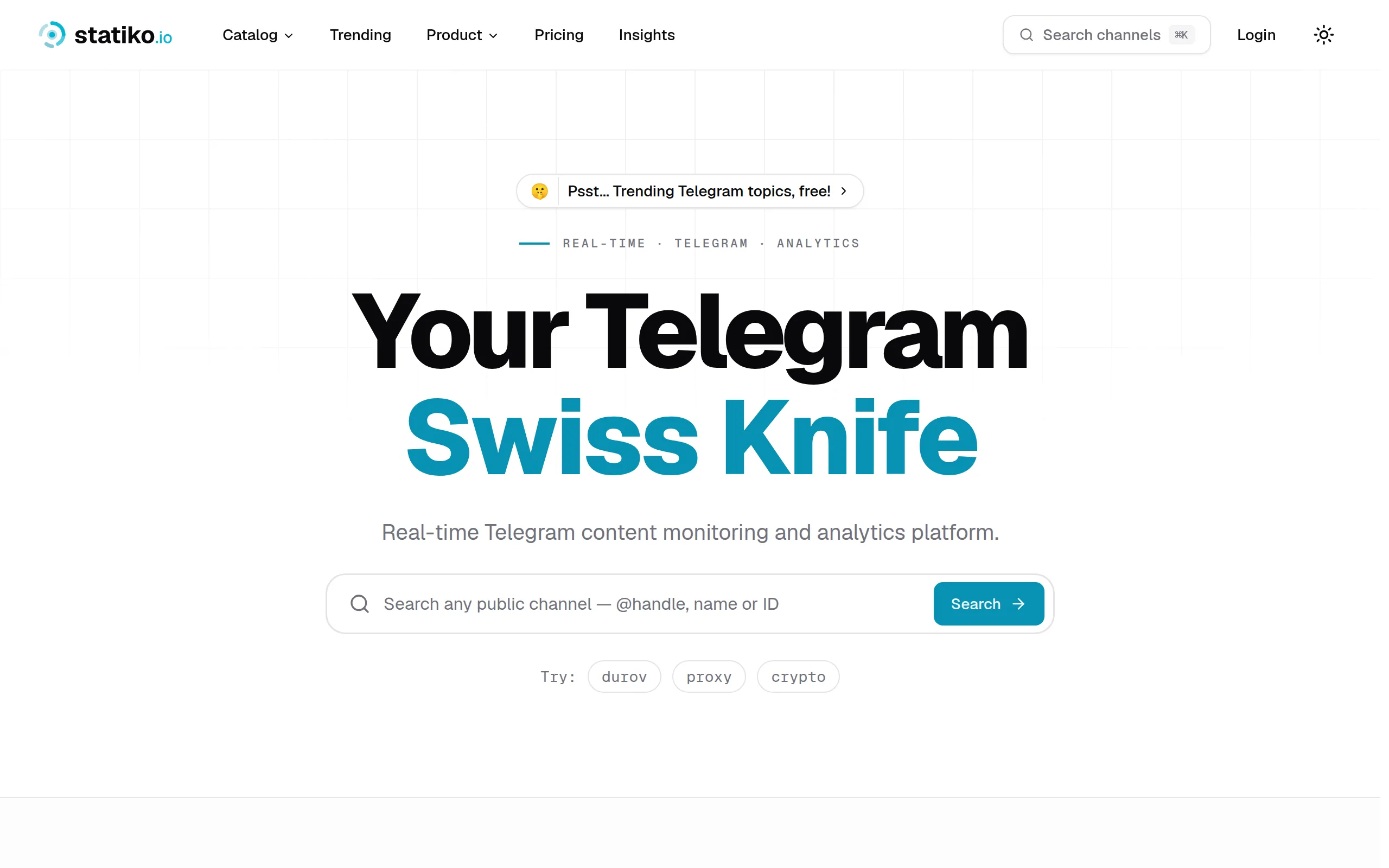
Statiko
Monitor any Telegram channel in real time - track posts, edits, deletions, and growth with AI recaps 📡

Shibui
AI website builder - describe your business, pick a niche template, edit by chatting, and publish instantly ✨

Pro Service
Find verified home service professionals, compare quotes, and pay securely through escrow - built for Brazilians across the US 🏠
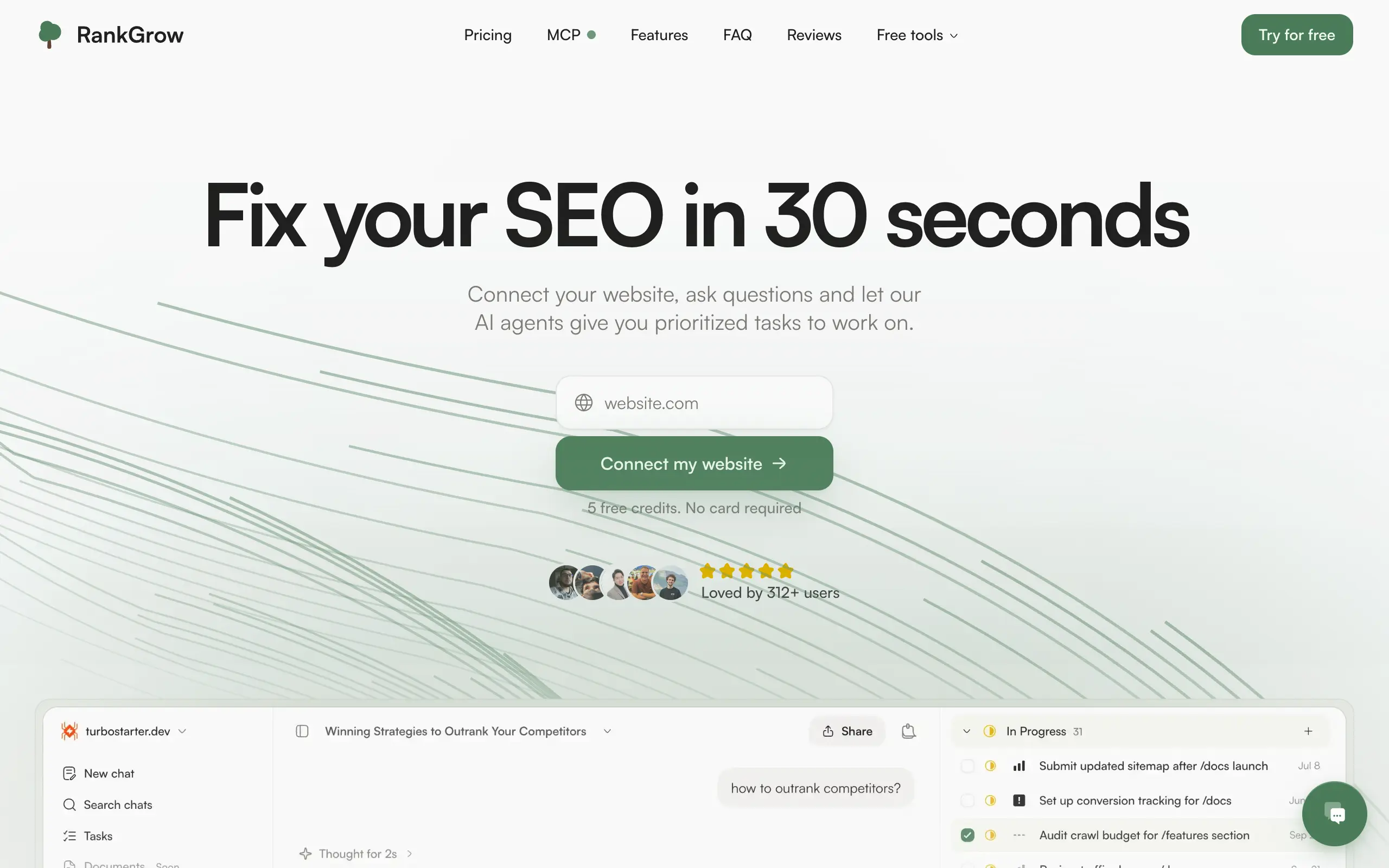
RankGrow
Fix your SEO with AI agents - connect Search Console, get prioritized tasks, and grow organic traffic 📈
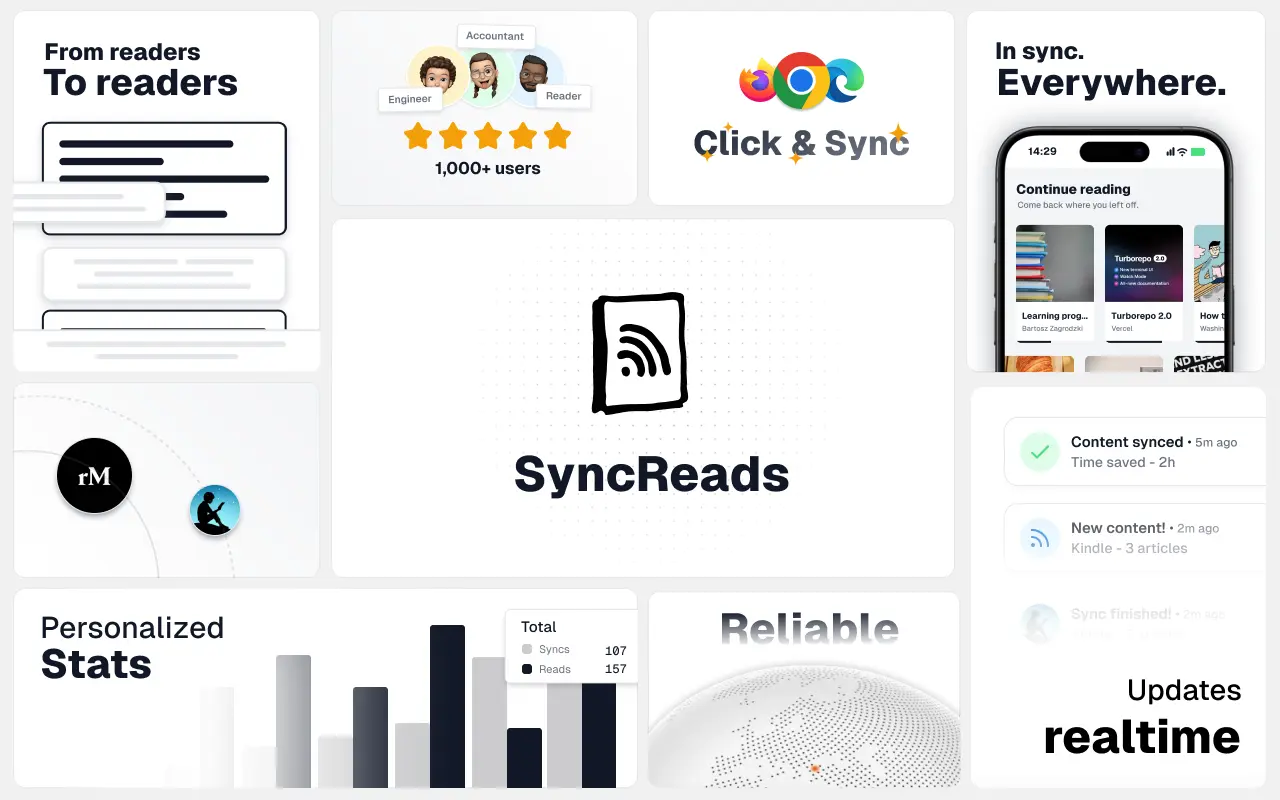
SyncReads
Sync your favorite content for distraction-free reading, save time and replace multiple apps. Anytime, anywhere 🔄
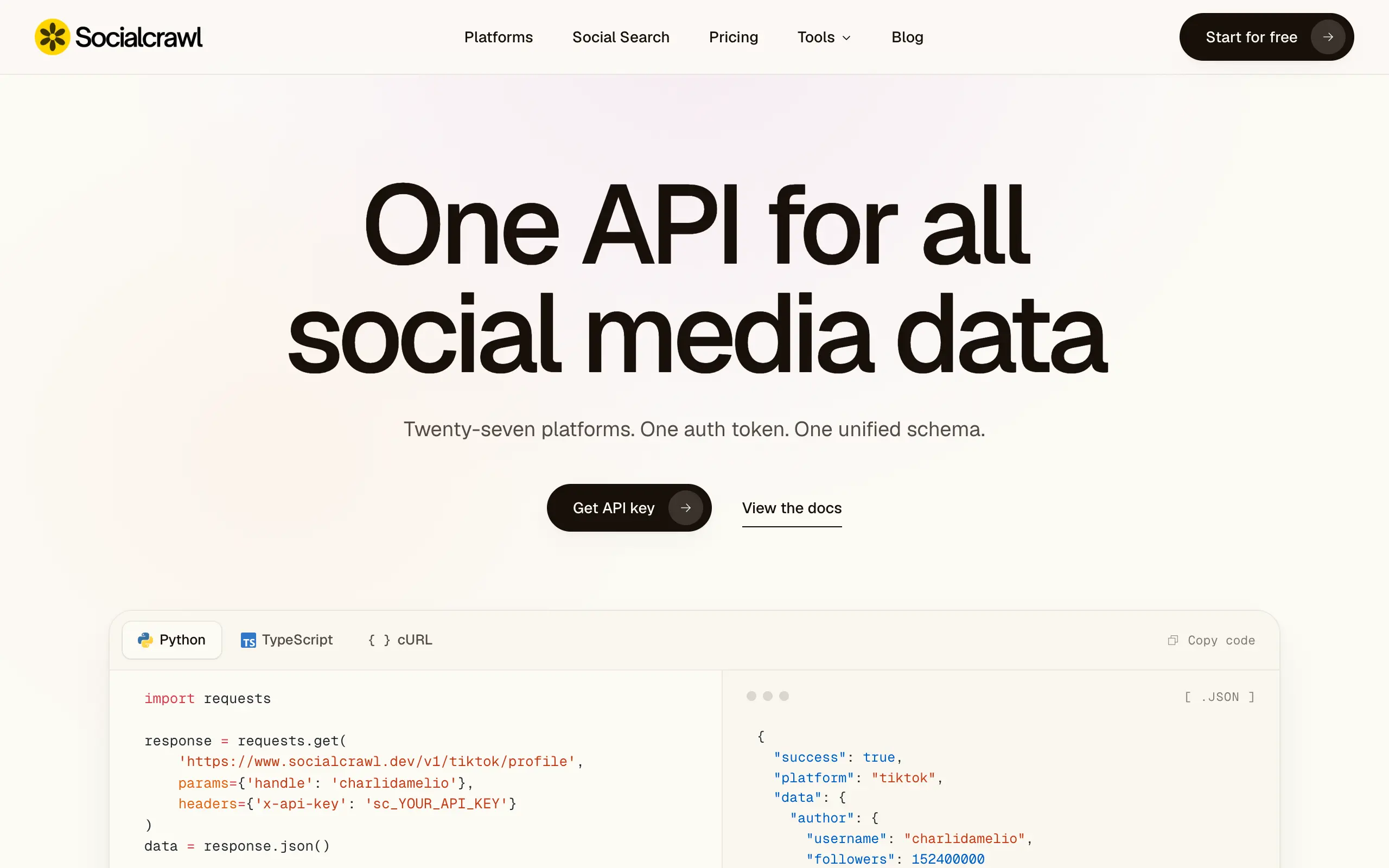
Socialcrawl
Get clean, structured data from 21 platforms like TikTok, Instagram, and YouTube with a single request 📊
Statiko
Monitor any Telegram channel in real time - track posts, edits, deletions, and growth with AI recaps 📡
Shibui
AI website builder - describe your business, pick a niche template, edit by chatting, and publish instantly ✨
Pro Service
Find verified home service professionals, compare quotes, and pay securely through escrow - built for Brazilians across the US 🏠
RankGrow
Fix your SEO with AI agents - connect Search Console, get prioritized tasks, and grow organic traffic 📈
SyncReads
Sync your favorite content for distraction-free reading, save time and replace multiple apps. Anytime, anywhere 🔄
Socialcrawl
Get clean, structured data from 21 platforms like TikTok, Instagram, and YouTube with a single request 📊
Statiko
Monitor any Telegram channel in real time - track posts, edits, deletions, and growth with AI recaps 📡
Shibui
AI website builder - describe your business, pick a niche template, edit by chatting, and publish instantly ✨
Pro Service
Find verified home service professionals, compare quotes, and pay securely through escrow - built for Brazilians across the US 🏠
RankGrow
Fix your SEO with AI agents - connect Search Console, get prioritized tasks, and grow organic traffic 📈
SyncReads
Sync your favorite content for distraction-free reading, save time and replace multiple apps. Anytime, anywhere 🔄
Socialcrawl
Get clean, structured data from 21 platforms like TikTok, Instagram, and YouTube with a single request 📊
Statiko
Monitor any Telegram channel in real time - track posts, edits, deletions, and growth with AI recaps 📡
Shibui
AI website builder - describe your business, pick a niche template, edit by chatting, and publish instantly ✨
Pro Service
Find verified home service professionals, compare quotes, and pay securely through escrow - built for Brazilians across the US 🏠
RankGrow
Fix your SEO with AI agents - connect Search Console, get prioritized tasks, and grow organic traffic 📈
SyncReads
Sync your favorite content for distraction-free reading, save time and replace multiple apps. Anytime, anywhere 🔄
Socialcrawl
Get clean, structured data from 21 platforms like TikTok, Instagram, and YouTube with a single request 📊
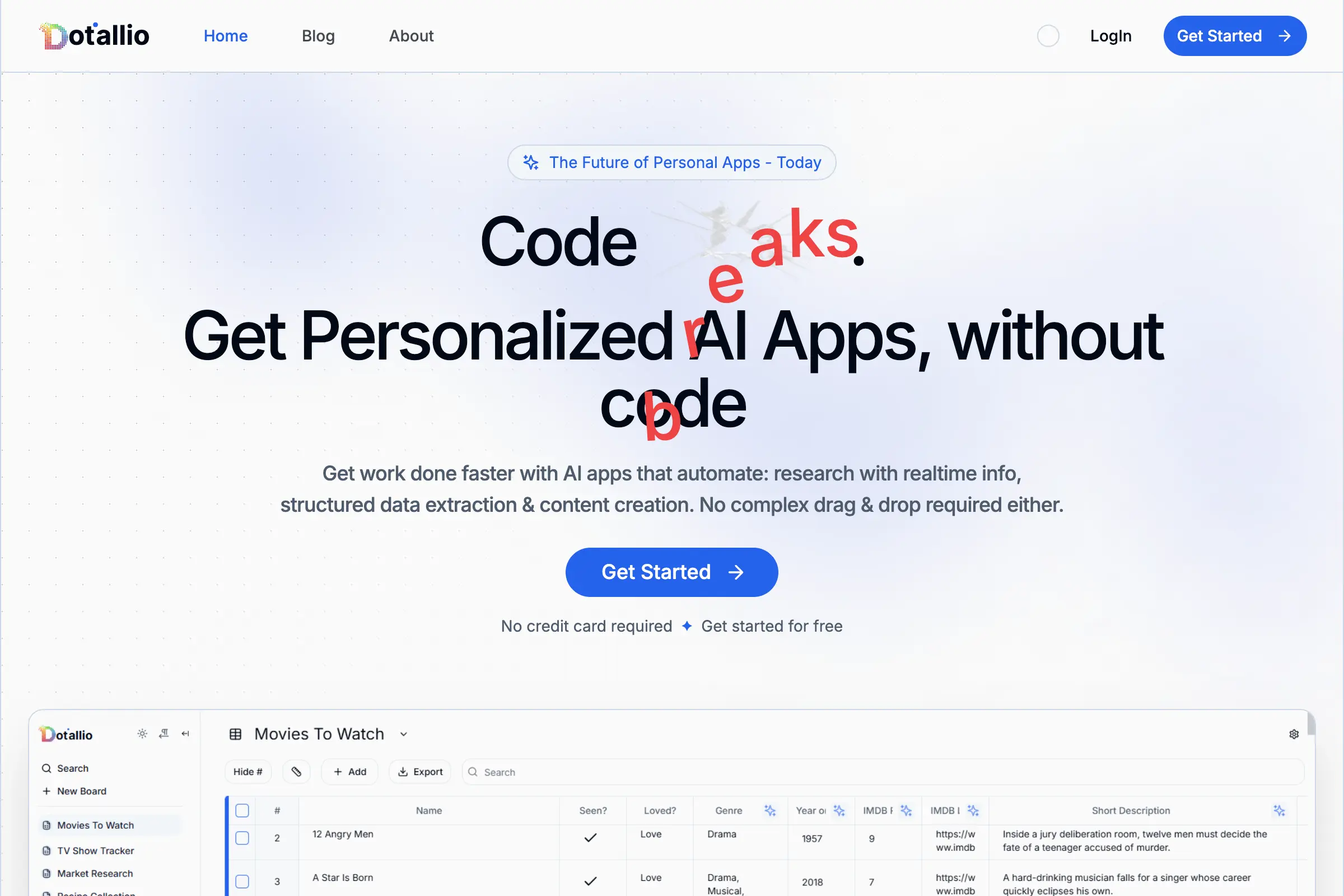
Dotallio
Personalized AI apps that automate research, data extraction, and content creation without code 🤖

Talk to Santa
Enjoy a magical live video chat or receive a unique AI-generated video greeting from Santa Claus 🎅

pozywka.pl
Scalable blog for food journalist, focused on performance and user experience 🌭
zagrodzki.me
Personal blog and portfolio of Bart Zagrodzki, where he shares his knowledge and work 💼
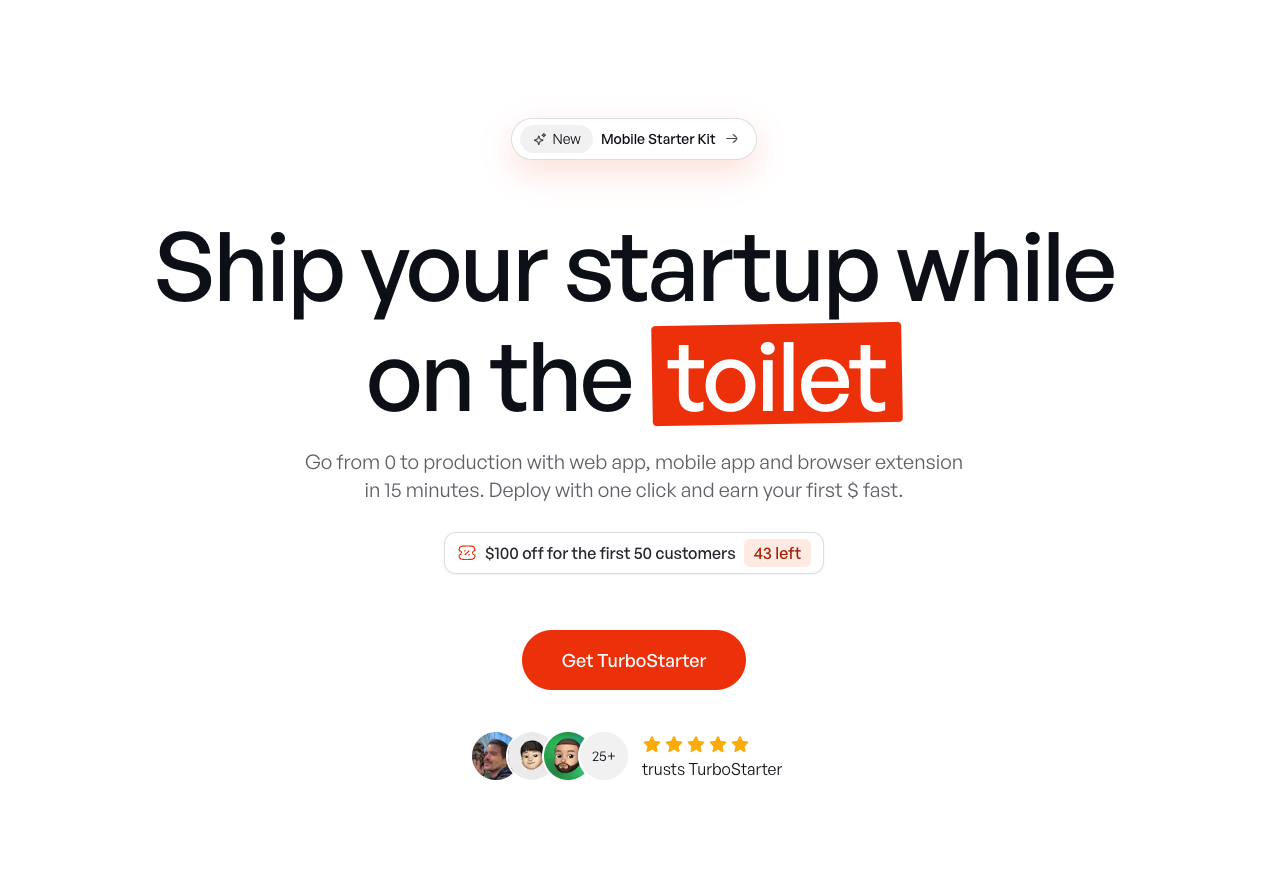
TurboStarter
Ship your startup everywhere. In minutes.
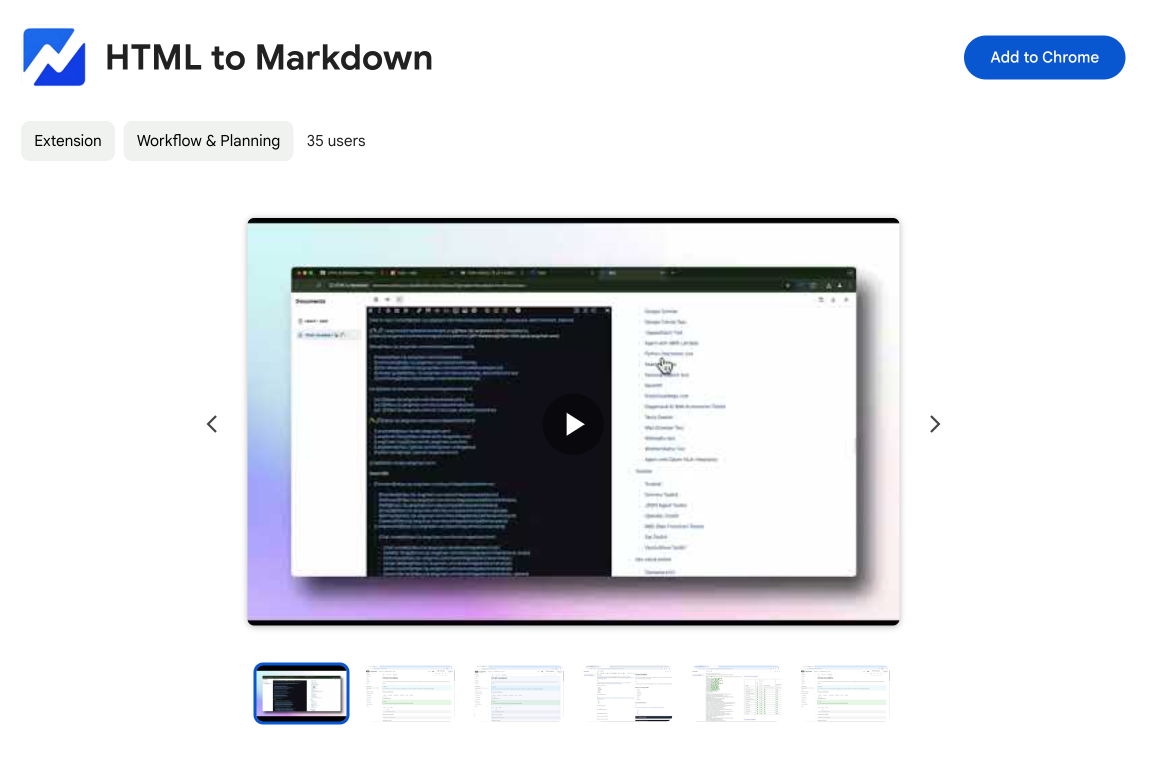
HTML to Markdown
Convert HTML to Markdown with ease, directly in your browser 📄
Dotallio
Personalized AI apps that automate research, data extraction, and content creation without code 🤖
Talk to Santa
Enjoy a magical live video chat or receive a unique AI-generated video greeting from Santa Claus 🎅
pozywka.pl
Scalable blog for food journalist, focused on performance and user experience 🌭
zagrodzki.me
Personal blog and portfolio of Bart Zagrodzki, where he shares his knowledge and work 💼
TurboStarter
Ship your startup everywhere. In minutes.
HTML to Markdown
Convert HTML to Markdown with ease, directly in your browser 📄
Dotallio
Personalized AI apps that automate research, data extraction, and content creation without code 🤖
Talk to Santa
Enjoy a magical live video chat or receive a unique AI-generated video greeting from Santa Claus 🎅
pozywka.pl
Scalable blog for food journalist, focused on performance and user experience 🌭
zagrodzki.me
Personal blog and portfolio of Bart Zagrodzki, where he shares his knowledge and work 💼
TurboStarter
Ship your startup everywhere. In minutes.
HTML to Markdown
Convert HTML to Markdown with ease, directly in your browser 📄
Dotallio
Personalized AI apps that automate research, data extraction, and content creation without code 🤖
Talk to Santa
Enjoy a magical live video chat or receive a unique AI-generated video greeting from Santa Claus 🎅
pozywka.pl
Scalable blog for food journalist, focused on performance and user experience 🌭
zagrodzki.me
Personal blog and portfolio of Bart Zagrodzki, where he shares his knowledge and work 💼
TurboStarter
Ship your startup everywhere. In minutes.
HTML to Markdown
Convert HTML to Markdown with ease, directly in your browser 📄
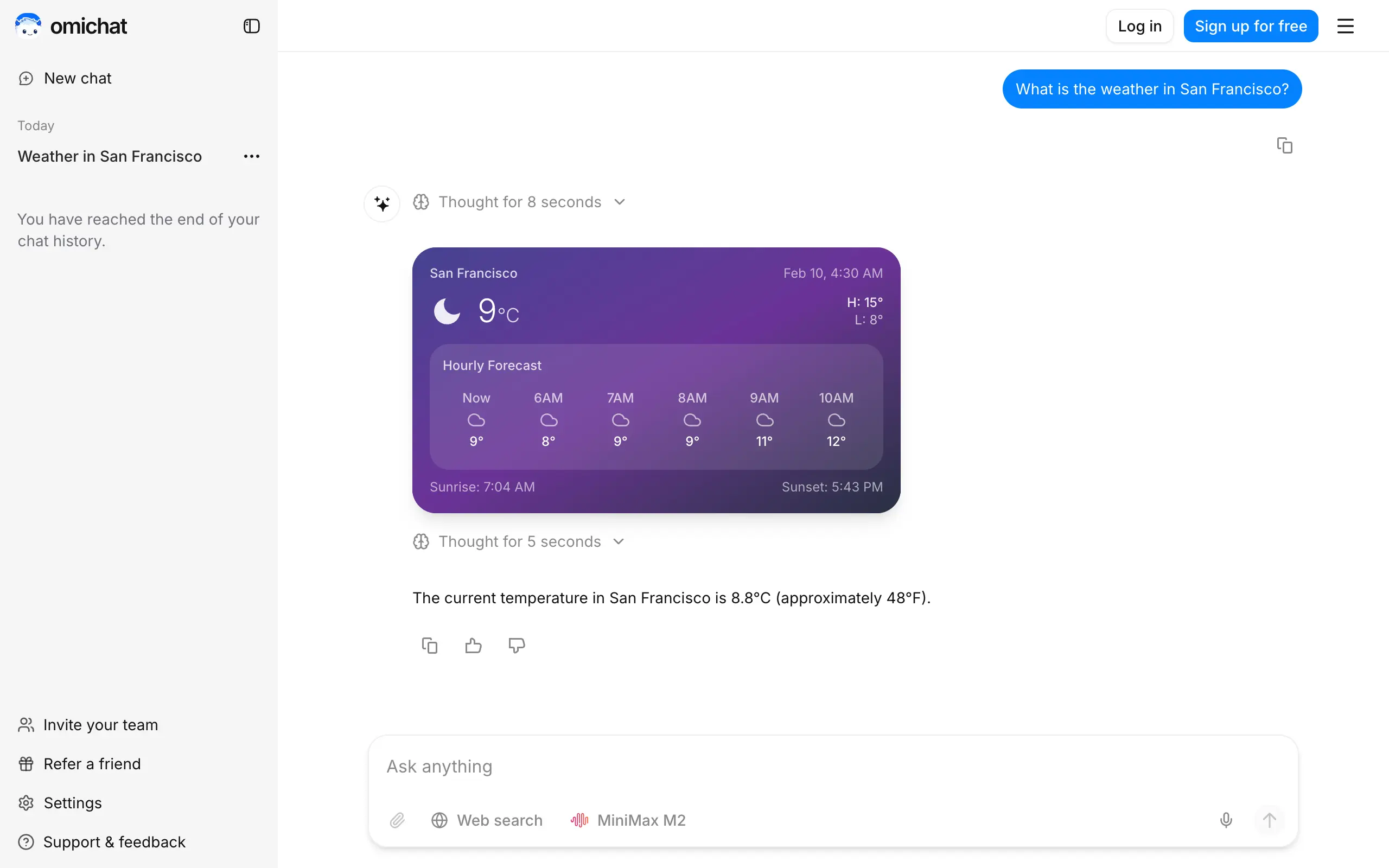
Omichat
Chat with 50+ AI models, including ChatGPT and Claude, in one place - switch models anytime without losing context 🤖
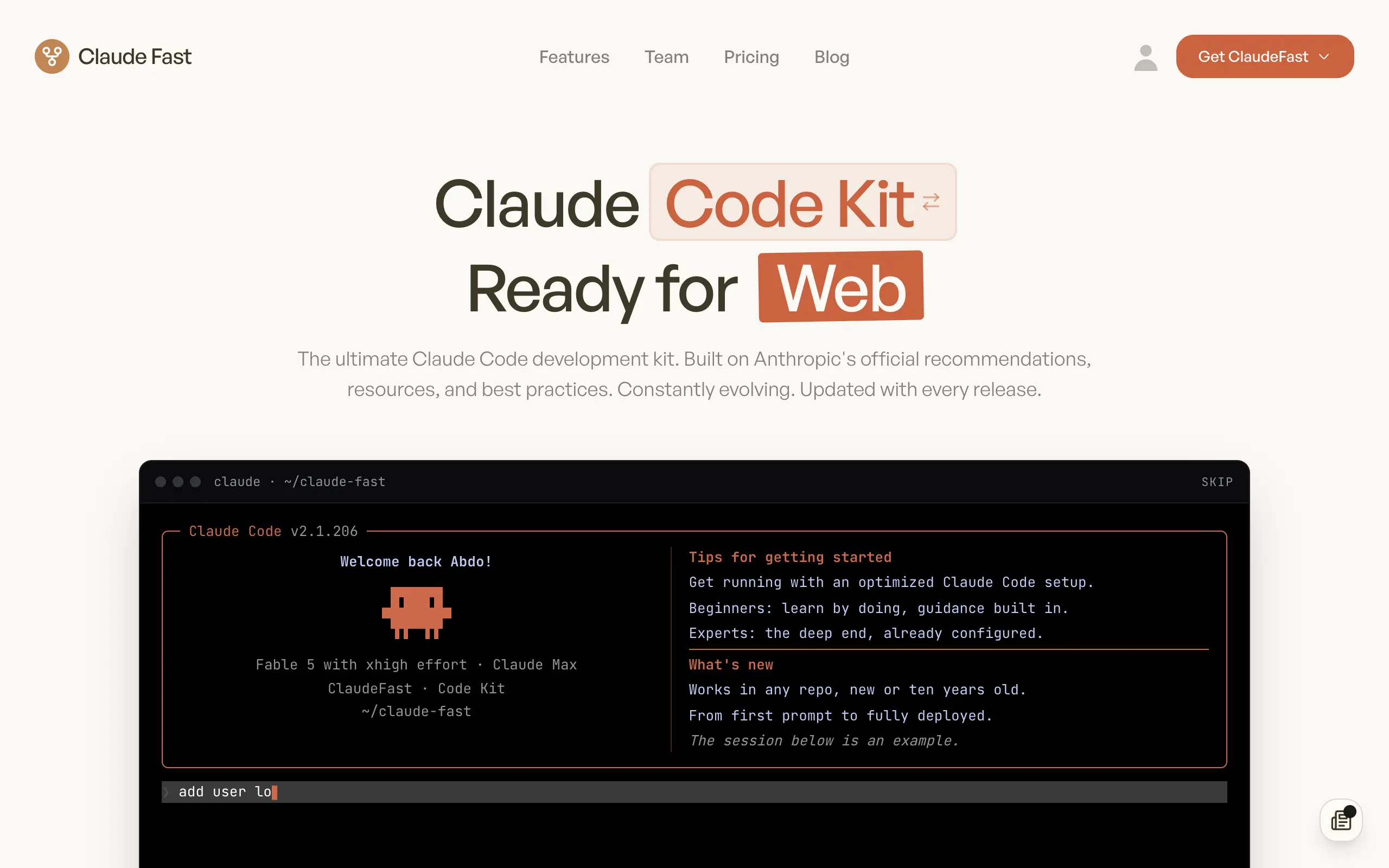
Claude Fast
Supercharge your Claude Code with 6x effective context window and specialized AI agents 🤖
EmojAI
AI-powered emoji picker with smart, context-aware suggestions 🤖
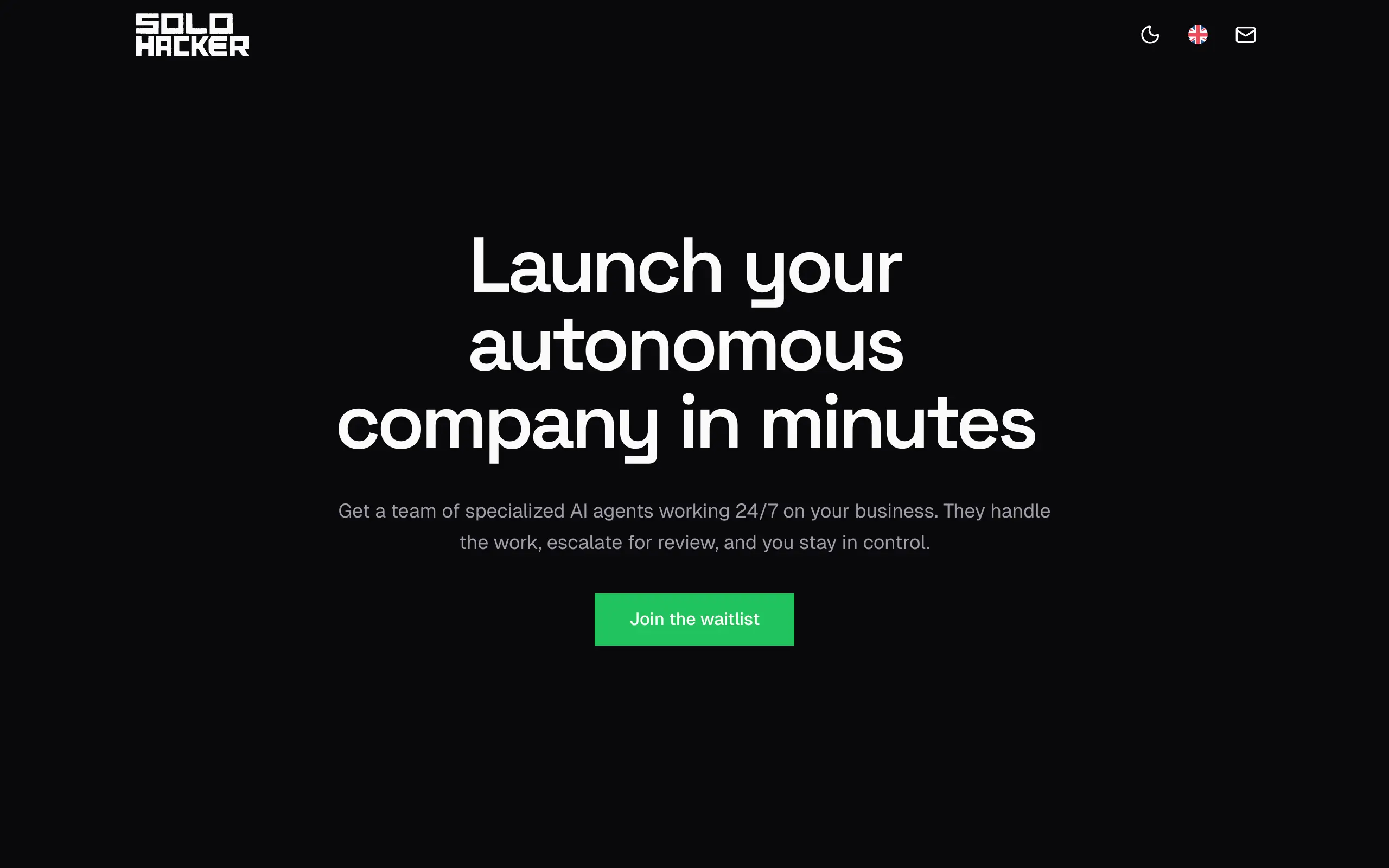
Solohacker
Autonomous company launcher - AI agents work 24/7, escalate what matters, and you stay in control 🤖
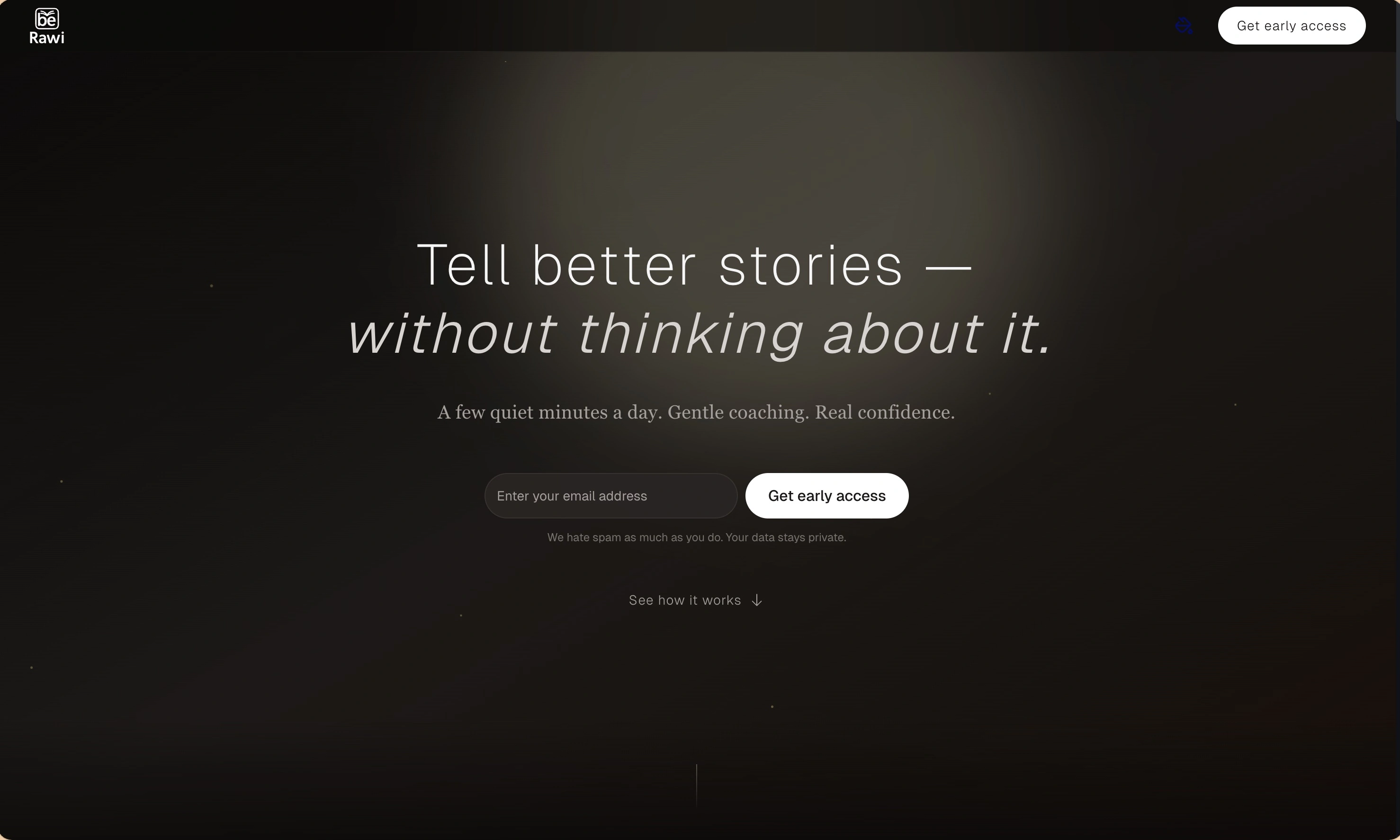
BeRawi: Storytelling Coach
Practice storytelling daily with instant feedback to sound clearer, more engaging, and confident 🎤
Omichat
Chat with 50+ AI models, including ChatGPT and Claude, in one place - switch models anytime without losing context 🤖
Claude Fast
Supercharge your Claude Code with 6x effective context window and specialized AI agents 🤖
EmojAI
AI-powered emoji picker with smart, context-aware suggestions 🤖
Solohacker
Autonomous company launcher - AI agents work 24/7, escalate what matters, and you stay in control 🤖
BeRawi: Storytelling Coach
Practice storytelling daily with instant feedback to sound clearer, more engaging, and confident 🎤
Omichat
Chat with 50+ AI models, including ChatGPT and Claude, in one place - switch models anytime without losing context 🤖
Claude Fast
Supercharge your Claude Code with 6x effective context window and specialized AI agents 🤖
EmojAI
AI-powered emoji picker with smart, context-aware suggestions 🤖
Solohacker
Autonomous company launcher - AI agents work 24/7, escalate what matters, and you stay in control 🤖
BeRawi: Storytelling Coach
Practice storytelling daily with instant feedback to sound clearer, more engaging, and confident 🎤
Omichat
Chat with 50+ AI models, including ChatGPT and Claude, in one place - switch models anytime without losing context 🤖
Claude Fast
Supercharge your Claude Code with 6x effective context window and specialized AI agents 🤖
EmojAI
AI-powered emoji picker with smart, context-aware suggestions 🤖
Solohacker
Autonomous company launcher - AI agents work 24/7, escalate what matters, and you stay in control 🤖
BeRawi: Storytelling Coach
Practice storytelling daily with instant feedback to sound clearer, more engaging, and confident 🎤

Connect with like-minded people
Join our community to get feedback, support, and grow together with 1,000+ builders on board, let's ship it!
Join usShip your startup everywhere. In minutes.
Don't burn tokens on setup and start building features on day one.