SkillBridge Tracker
A focused upskilling dashboard for career switchers that maps transferable skills, tracks proof-of-work projects, and benchmarks you against real job listings.
The ultimate guide to building a skillbridge tracker for career switchers
Career switching is no longer the exception — it’s becoming the norm. According to data from organizations like the World Economic Forum (Future of Jobs reports), rapid technological change is reshaping required skills across industries. Millions of professionals are actively exploring transitions into tech, design, data, product, marketing, and other digital-first roles.
Yet most career switchers struggle with three core questions:
- Which of my current skills are transferable?
- What proof-of-work do employers actually expect?
- How do I know if I’m competitive for real job listings?
This is where SkillBridge Tracker — a focused upskilling dashboard for career switchers — creates a powerful market opportunity. By mapping transferable skills, tracking proof-of-work projects, and benchmarking users against live job requirements, this SaaS product directly addresses the highest-friction part of career transition.
This article provides a comprehensive, expert-level breakdown of the opportunity, features, technology stack, monetization, risks, and implementation strategy behind building SkillBridge Tracker.
Understanding the target audience for a skillbridge tracker
Before building any productivity SaaS, clarity around user intent is critical. In this case, users are not simply looking for task management tools — they are looking for career validation and structured transformation.
Primary audience segments
Career switchers (0–2 years transition)
Professionals moving from traditional industries into tech, design, data, marketing, or product roles.
Self-taught learners
Bootcamp students, online course learners, and self-paced professionals building portfolios.
Mid-career professionals
Managers or specialists pivoting to higher-paying or more flexible industries.
Secondary audience
- Career coaches
- Bootcamps
- Upskilling platforms
- Corporate L&D departments
- Military-to-civilian transition programs
Deep user intent analysis
Most career switchers search for:
- “How to switch careers to tech”
- “Transferable skills for data analyst”
- “How to build portfolio for UX designer”
- “Am I qualified for [job title]?”
Their intent includes:
- Validation of readiness
- Clarity on gaps
- Structure for learning
- Motivation through progress tracking
- Competitive benchmarking
SkillBridge Tracker satisfies all five intents in a single system.
The market opportunity: closing the upskilling gap
The global e-learning and upskilling market continues to expand rapidly, with industry reports from sources like Statista and HolonIQ projecting sustained growth in digital education and workforce reskilling.
But here’s the gap:
Most platforms teach skills. Very few track employability.
Learning platforms like Coursera or Udemy focus on content delivery. Portfolio tools like GitHub or Behance showcase work. Job boards list requirements. But there is no unified dashboard that connects:
- Your current skills
- Your proof-of-work
- Actual job requirements
- Measurable readiness
Why this gap exists
- Education and hiring are siloed
- Job descriptions are inconsistent and messy
- Skill mapping is difficult without structured data
- Career switching is nonlinear
SkillBridge Tracker solves this by acting as a career operating system.
Core value proposition of skillbridge tracker
The product delivers three transformative capabilities:
- Transferable skill mapping
- Proof-of-work tracking
- Real job benchmarking
Let’s break each down.
Transferable skill mapping engine
Career switchers often underestimate their existing skills. A teacher moving into product management may already possess:
- Stakeholder communication
- Project planning
- Performance analytics
- Curriculum iteration (product iteration analog)
How SkillBridge Tracker solves this
Users input:
- Previous job roles
- Responsibilities
- Achievements
- Certifications
The system maps these against structured job-role skill frameworks.
Example mapping flow
type Skill = {
  name: string;
  category: "technical" | "soft" | "domain";
  proficiency: number; // 1-5
};

type JobRole = {
  title: string;
  requiredSkills: Skill[];
};

function calculateSkillOverlap(userSkills: Skill[], job: JobRole) {
  const matchCount = job.requiredSkills.filter(skill =>
    userSkills.some(u => u.name === skill.name)
  ).length;

  return matchCount / job.requiredSkills.length;
}
This overlap score becomes a readiness percentage.
Strategic advantage
Most career tools rely on resumes. SkillBridge Tracker focuses on skills as structured data, making benchmarking far more precise.
Proof-of-work tracking system
Recruiters increasingly value demonstrable output over credentials.
Examples:
- GitHub repos for developers
- Case studies for marketers
- Dashboards for data analysts
- UX portfolios for designers
SkillBridge Tracker enables:
- Project uploads
- Skill tagging per project
- Measurable outcomes (metrics, KPIs)
- Peer or mentor feedback scoring
Why this matters for SEO and product positioning
Search queries like:
- “How many projects before applying?”
- “How to build job-ready portfolio?”
SkillBridge Tracker becomes the authoritative system for tracking proof-of-work progress.
Benchmarking against real job listings
This is the product’s most defensible moat.
Feature components
- Job listing scraper (from publicly available postings)
- NLP parsing of skill requirements
- Skill frequency analysis
- Benchmark comparison dashboard
Example metrics shown to users:
- “You meet 63% of required skills”
- “You lack SQL in 72% of target listings”
- “Your portfolio lacks measurable outcomes”
Competitive landscape comparison
| Feature | Coursera | Notion | SkillBridge Tracker | |
|---|---|---|---|---|
| Transferable skill mapping | ❌ | ❌ | ❌ | ✅ |
| Proof-of-work tracking | ❌ | ❌ | ✅ | ✅ |
| Real job benchmarking | ❌ | ❌ | ❌ | ✅ |
SkillBridge Tracker becomes the only integrated employability intelligence dashboard.
Recommended tech stack for building skillbridge tracker
Choosing the right stack impacts scalability and speed to market.
Frontend
Why:
- Component scalability
- SEO-friendly rendering (SSR)
- Fast iteration for dashboards
Backend
- Node.js (API layer)
- PostgreSQL (structured skill data)
- Redis (caching job listing results)
AI & NLP layer
- OpenAI API for skill extraction
- Sentence-transformers for similarity matching
- Custom skill taxonomy database
Infrastructure
- Vercel (frontend hosting)
- Supabase (auth + database option)
- AWS for scalable scraping services
Trade-offs
| Option | Advantage | Limitation |
|---|---|---|
| Supabase | Fast MVP | Less flexibility at scale |
| Custom AWS stack | Full control | Higher complexity |
| AI-heavy parsing | Smart insights | Higher API cost |
Monetization strategy for skillbridge tracker
A strong SaaS product requires layered monetization.
Tiered subscription model
- Basic skill mapping
- Limited benchmarking
- 3 project uploads
- Unlimited projects
- Full job benchmarking
- AI skill gap suggestions
- Resume alignment export
- Bootcamp dashboards
- Career coach analytics
- Team skill gap heatmaps
Pricing recommendation
- Free
- $19–29/month Pro
- $99–299/month Team
Additional revenue streams
- Affiliate partnerships with learning platforms
- Resume review upsells
- API access for job platforms
- Corporate L&D licensing
Competitive advantage and defensibility
SkillBridge Tracker stands out through:
- Structured skill taxonomy
- Real-time job requirement benchmarking
- Portfolio + skill integration
- Readiness scoring system
Moat-building strategies
- Proprietary skill-role database
- Community-driven skill validation
- Longitudinal skill growth tracking
- Verified proof-of-work badges
The longer users stay, the more valuable their data becomes — increasing switching costs.
Potential risks and mitigation strategies
Risk 1: Inaccurate job parsing
Mitigation:
- Use hybrid AI + rule-based parsing
- Human validation dataset
Risk 2: Overwhelming users
Career switching is stressful.
Mitigation:
- Progressive onboarding
- Milestone gamification
- Clear 30-60-90 day roadmaps
Risk 3: API cost explosion
AI parsing can be expensive.
Mitigation:
- Cache job data
- Pre-aggregate role skill templates
- Use embeddings sparingly
Implementation roadmap for skillbridge tracker
Go-to-market strategy
Phase 1: Niche dominance
Target one segment first:
- Example: “Teachers transitioning into tech”
Create:
- SEO content around “teacher to UX designer”
- Case studies
- Skill mapping templates
Phase 2: Community partnerships
- Bootcamps
- LinkedIn creators
- Career coaches
- Transition communities
Phase 3: Authority building
Publish:
- Skill demand reports
- Hiring trend dashboards
- Annual career readiness index
This builds E-E-A-T and thought leadership.
Long-term product vision
SkillBridge Tracker evolves into:
- A career credit score
- A skill passport
- A hiring validation API
- A recruiter-facing talent intelligence platform
Eventually, employers could filter candidates by verified proof-of-work rather than resumes.
Why now is the perfect time to build this
Several macro trends align:
- AI reshaping skill demand
- Rise of non-traditional credentials
- Portfolio-first hiring in tech
- Economic pressure driving career pivots
- Growing distrust in traditional degrees
The intersection of these trends makes a skillbridge tracker uniquely timely.
Action plan for launching your MVP
- Validate with 20 career switchers
- Identify most painful friction point
- Build smallest benchmarking engine possible
- Launch with one job role
- Iterate aggressively
If you're building fast, frameworks like TurboStarter can accelerate SaaS development with production-ready architecture.
Final thoughts: building the operating system for career transformation
Career switching is chaotic. Most people piece together spreadsheets, Notion docs, job boards, and portfolios. SkillBridge Tracker centralizes that chaos into a structured employability intelligence platform.
It is not another productivity tool.
It is not another course platform.
It is a bridge between:
- Where you are
- What you can already do
- What employers actually require
- And what you must prove
That clarity is immensely valuable.
The future of work favors adaptability. The winners won’t just be those who learn new skills — but those who can prove and benchmark them strategically.
SkillBridge Tracker becomes the dashboard for that transformation.
If executed correctly, this SaaS product has the potential to define a new category: career transition intelligence systems.
And in a world where skills evolve faster than degrees, that category will only grow.
More ⚡ Productivity Tool SaaS ideas
Discover more innovative productivity tool SaaS ideas that are trending in 2026. Each idea is AI-generated with market validation and growth potential to help you find your next profitable venture faster than competitors.
Your competitors are building with TurboStarter
Below are some of the SaaS ideas that have been generated and built with our starter kit.
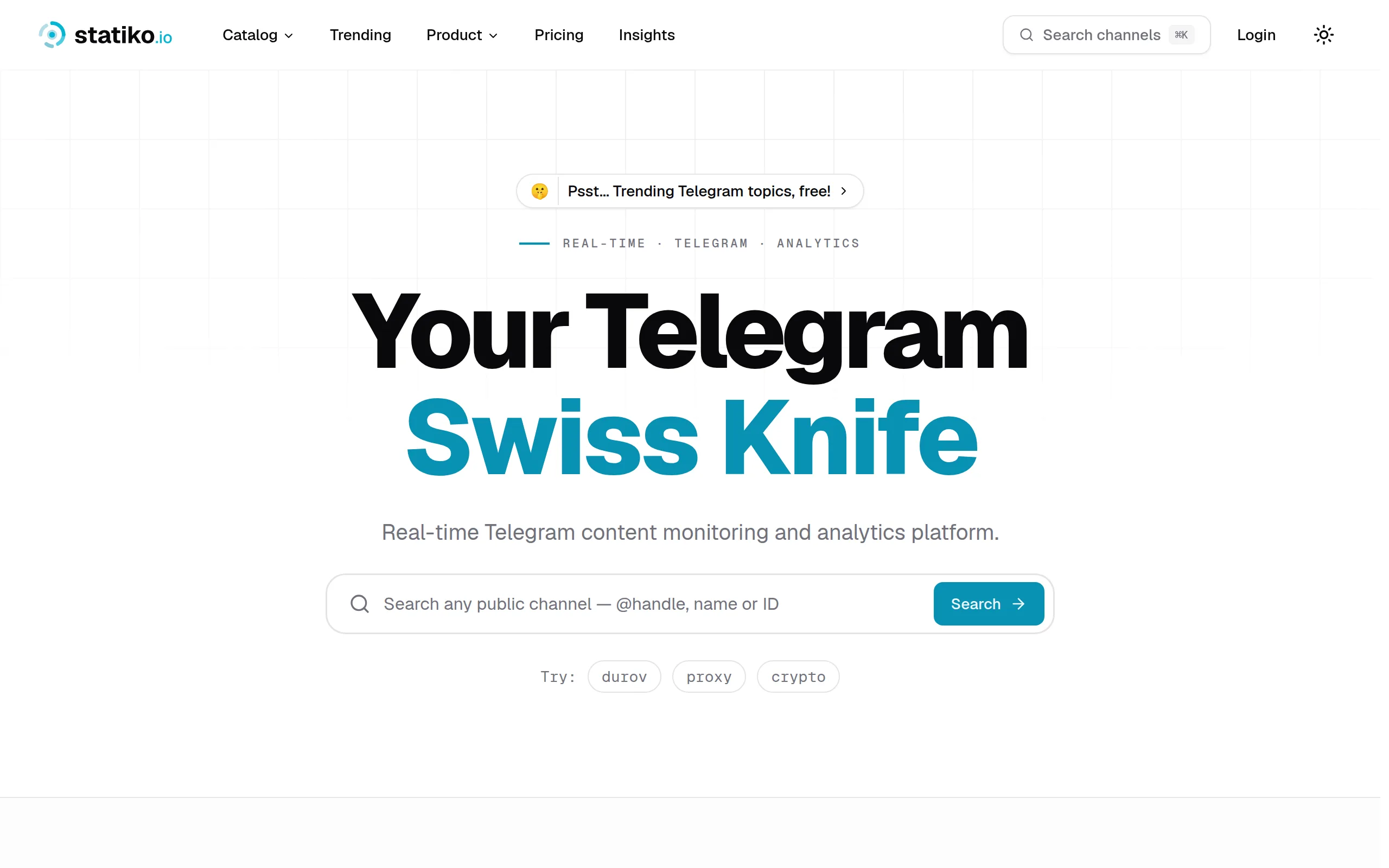
Statiko
Monitor any Telegram channel in real time - track posts, edits, deletions, and growth with AI recaps 📡

Shibui
AI website builder - describe your business, pick a niche template, edit by chatting, and publish instantly ✨

Pro Service
Find verified home service professionals, compare quotes, and pay securely through escrow - built for Brazilians across the US 🏠
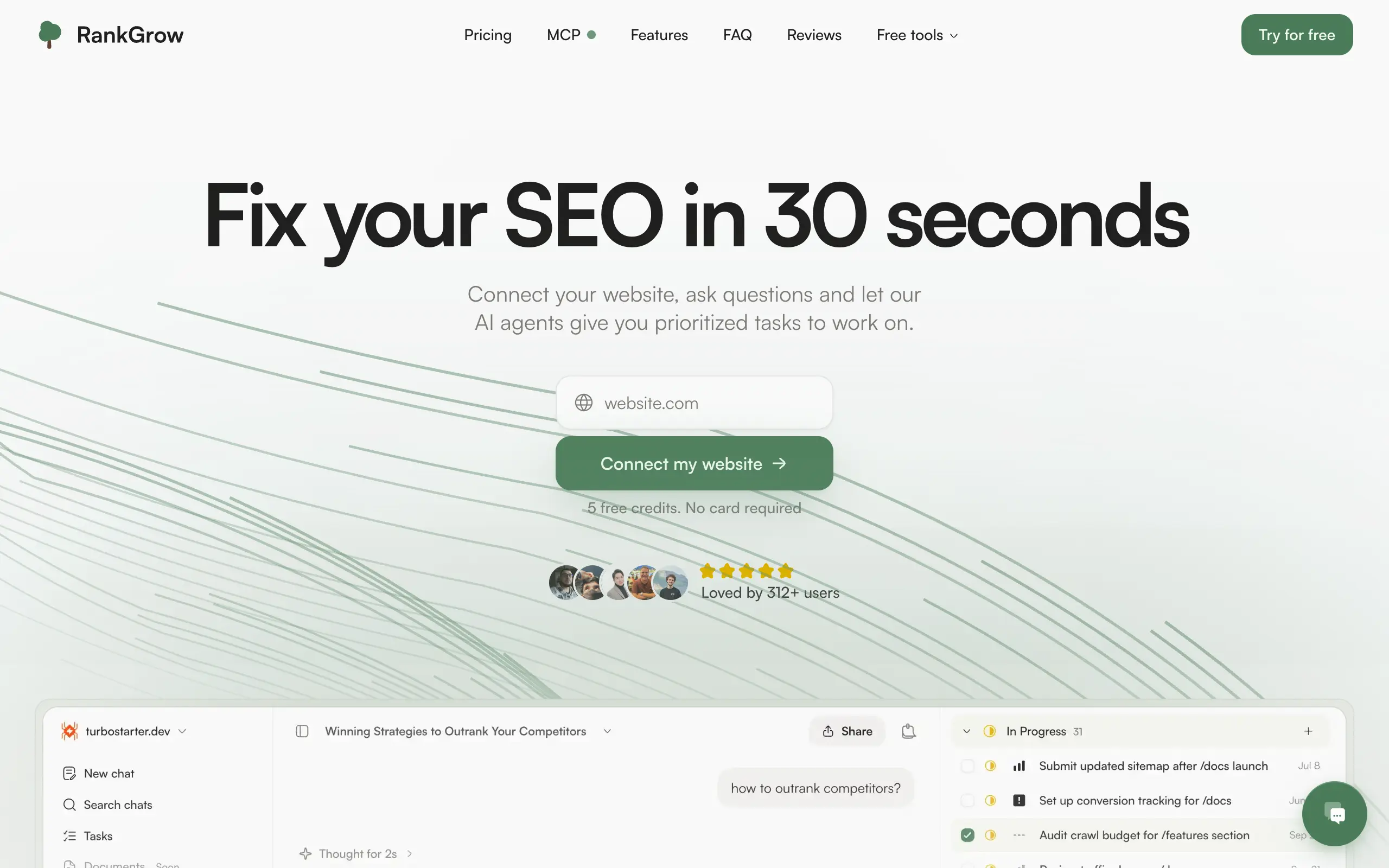
RankGrow
Fix your SEO with AI agents - connect Search Console, get prioritized tasks, and grow organic traffic 📈
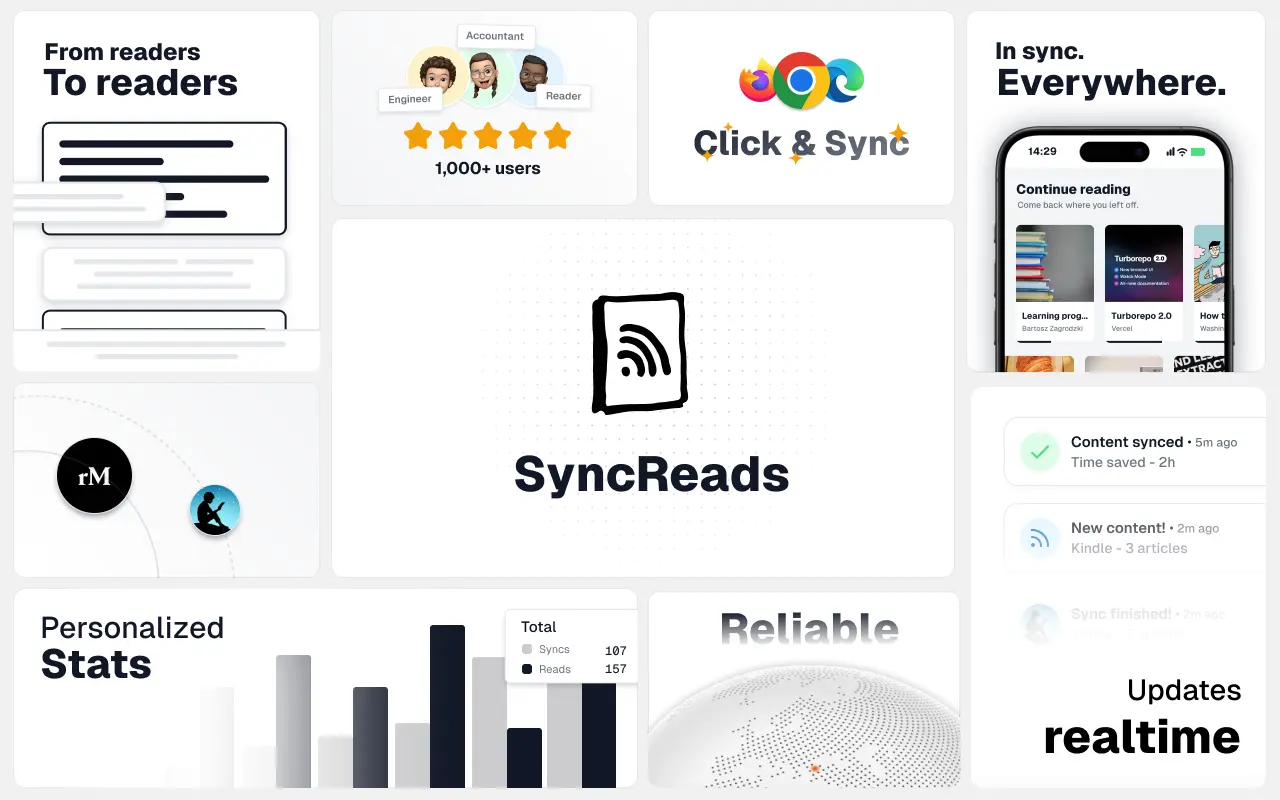
SyncReads
Sync your favorite content for distraction-free reading, save time and replace multiple apps. Anytime, anywhere 🔄
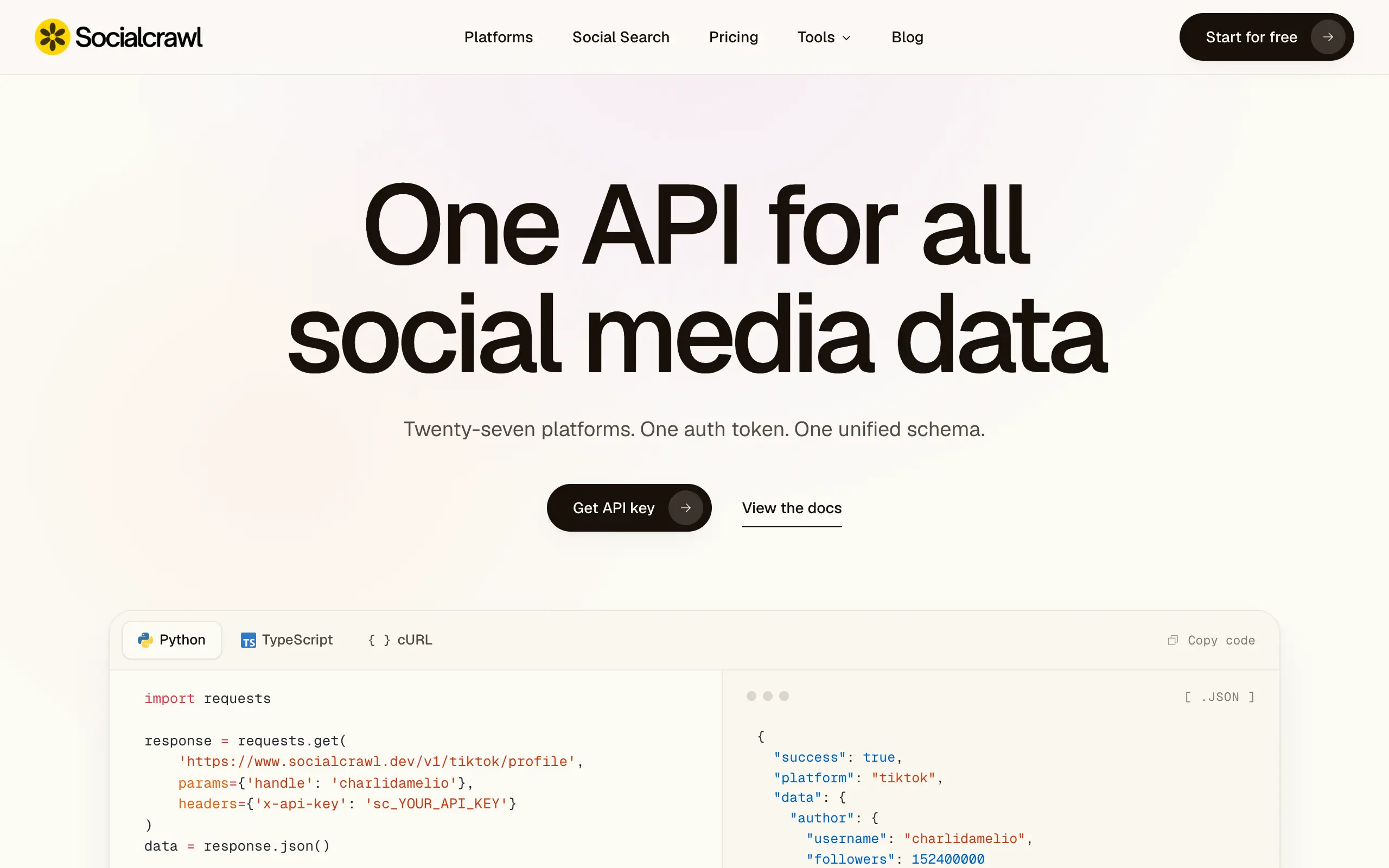
Socialcrawl
Get clean, structured data from 21 platforms like TikTok, Instagram, and YouTube with a single request 📊
Statiko
Monitor any Telegram channel in real time - track posts, edits, deletions, and growth with AI recaps 📡
Shibui
AI website builder - describe your business, pick a niche template, edit by chatting, and publish instantly ✨
Pro Service
Find verified home service professionals, compare quotes, and pay securely through escrow - built for Brazilians across the US 🏠
RankGrow
Fix your SEO with AI agents - connect Search Console, get prioritized tasks, and grow organic traffic 📈
SyncReads
Sync your favorite content for distraction-free reading, save time and replace multiple apps. Anytime, anywhere 🔄
Socialcrawl
Get clean, structured data from 21 platforms like TikTok, Instagram, and YouTube with a single request 📊
Statiko
Monitor any Telegram channel in real time - track posts, edits, deletions, and growth with AI recaps 📡
Shibui
AI website builder - describe your business, pick a niche template, edit by chatting, and publish instantly ✨
Pro Service
Find verified home service professionals, compare quotes, and pay securely through escrow - built for Brazilians across the US 🏠
RankGrow
Fix your SEO with AI agents - connect Search Console, get prioritized tasks, and grow organic traffic 📈
SyncReads
Sync your favorite content for distraction-free reading, save time and replace multiple apps. Anytime, anywhere 🔄
Socialcrawl
Get clean, structured data from 21 platforms like TikTok, Instagram, and YouTube with a single request 📊
Statiko
Monitor any Telegram channel in real time - track posts, edits, deletions, and growth with AI recaps 📡
Shibui
AI website builder - describe your business, pick a niche template, edit by chatting, and publish instantly ✨
Pro Service
Find verified home service professionals, compare quotes, and pay securely through escrow - built for Brazilians across the US 🏠
RankGrow
Fix your SEO with AI agents - connect Search Console, get prioritized tasks, and grow organic traffic 📈
SyncReads
Sync your favorite content for distraction-free reading, save time and replace multiple apps. Anytime, anywhere 🔄
Socialcrawl
Get clean, structured data from 21 platforms like TikTok, Instagram, and YouTube with a single request 📊
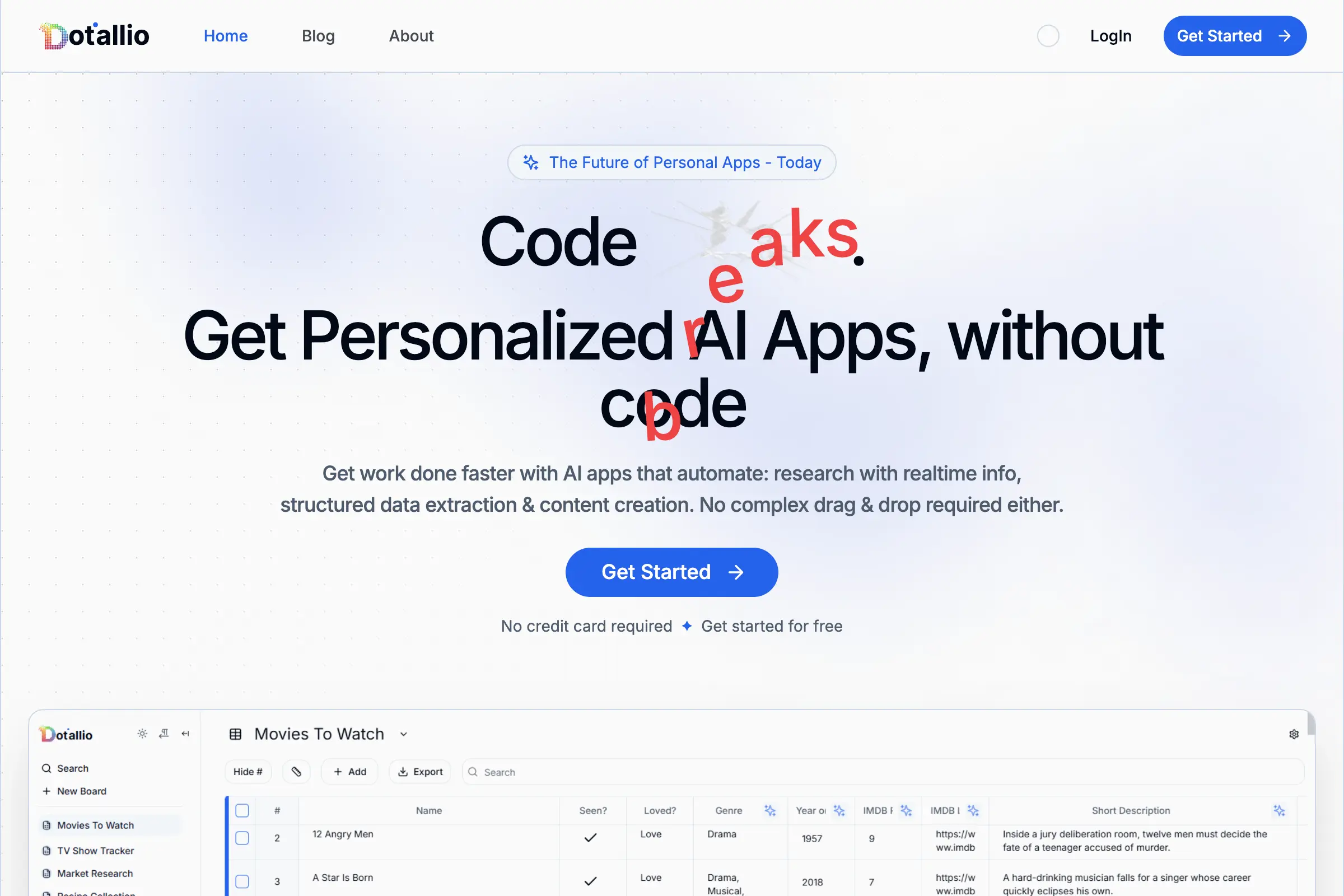
Dotallio
Personalized AI apps that automate research, data extraction, and content creation without code 🤖
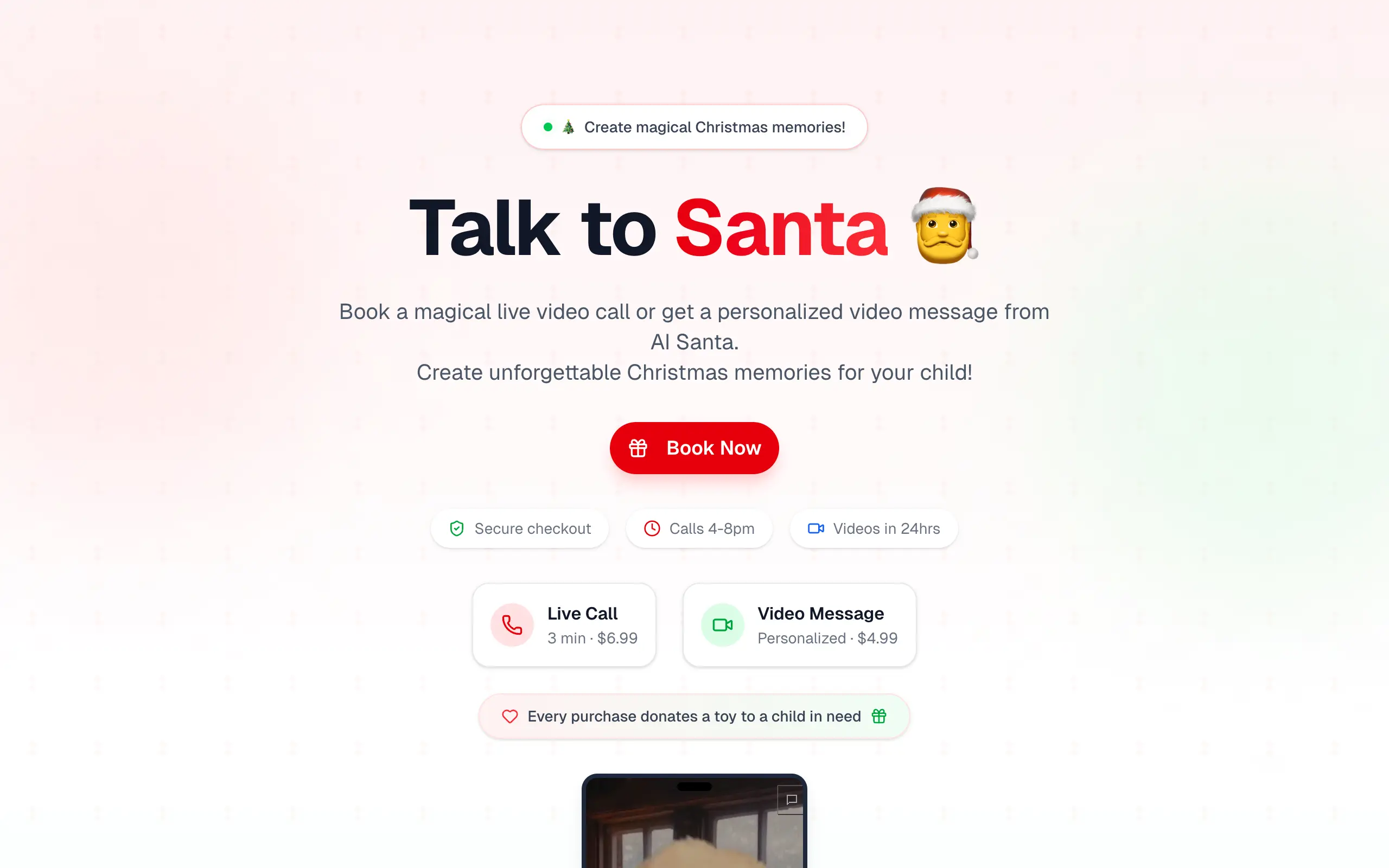
Talk to Santa
Enjoy a magical live video chat or receive a unique AI-generated video greeting from Santa Claus 🎅

pozywka.pl
Scalable blog for food journalist, focused on performance and user experience 🌭
zagrodzki.me
Personal blog and portfolio of Bart Zagrodzki, where he shares his knowledge and work 💼
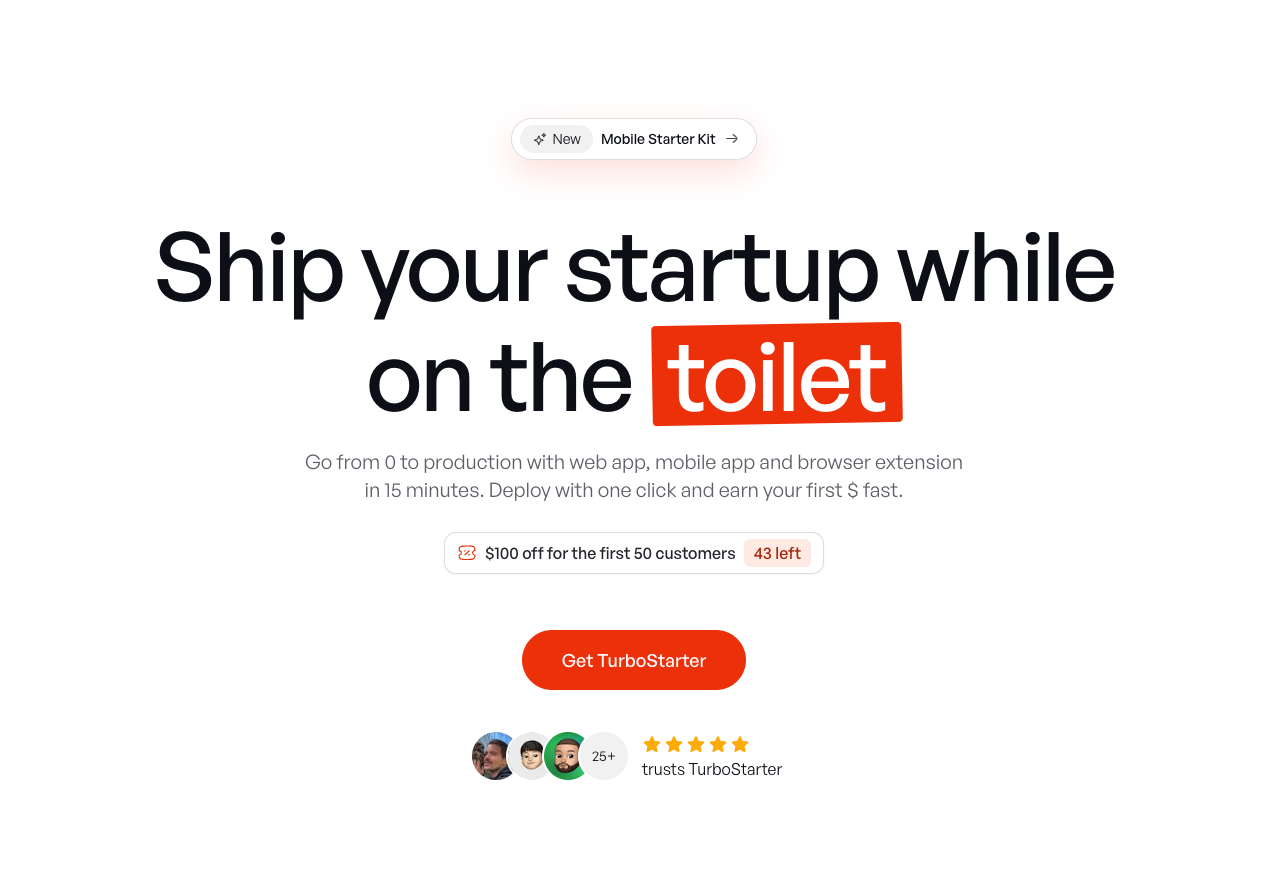
TurboStarter
Ship your startup everywhere. In minutes.
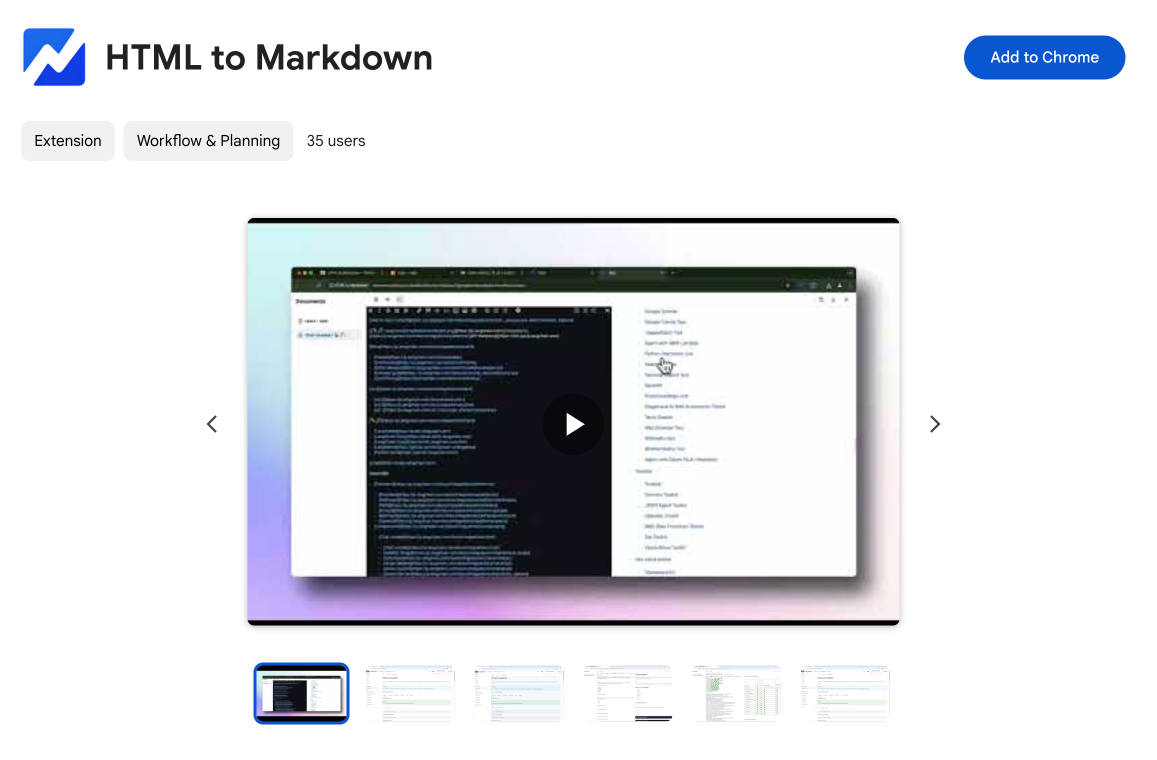
HTML to Markdown
Convert HTML to Markdown with ease, directly in your browser 📄
Dotallio
Personalized AI apps that automate research, data extraction, and content creation without code 🤖
Talk to Santa
Enjoy a magical live video chat or receive a unique AI-generated video greeting from Santa Claus 🎅
pozywka.pl
Scalable blog for food journalist, focused on performance and user experience 🌭
zagrodzki.me
Personal blog and portfolio of Bart Zagrodzki, where he shares his knowledge and work 💼
TurboStarter
Ship your startup everywhere. In minutes.
HTML to Markdown
Convert HTML to Markdown with ease, directly in your browser 📄
Dotallio
Personalized AI apps that automate research, data extraction, and content creation without code 🤖
Talk to Santa
Enjoy a magical live video chat or receive a unique AI-generated video greeting from Santa Claus 🎅
pozywka.pl
Scalable blog for food journalist, focused on performance and user experience 🌭
zagrodzki.me
Personal blog and portfolio of Bart Zagrodzki, where he shares his knowledge and work 💼
TurboStarter
Ship your startup everywhere. In minutes.
HTML to Markdown
Convert HTML to Markdown with ease, directly in your browser 📄
Dotallio
Personalized AI apps that automate research, data extraction, and content creation without code 🤖
Talk to Santa
Enjoy a magical live video chat or receive a unique AI-generated video greeting from Santa Claus 🎅
pozywka.pl
Scalable blog for food journalist, focused on performance and user experience 🌭
zagrodzki.me
Personal blog and portfolio of Bart Zagrodzki, where he shares his knowledge and work 💼
TurboStarter
Ship your startup everywhere. In minutes.
HTML to Markdown
Convert HTML to Markdown with ease, directly in your browser 📄
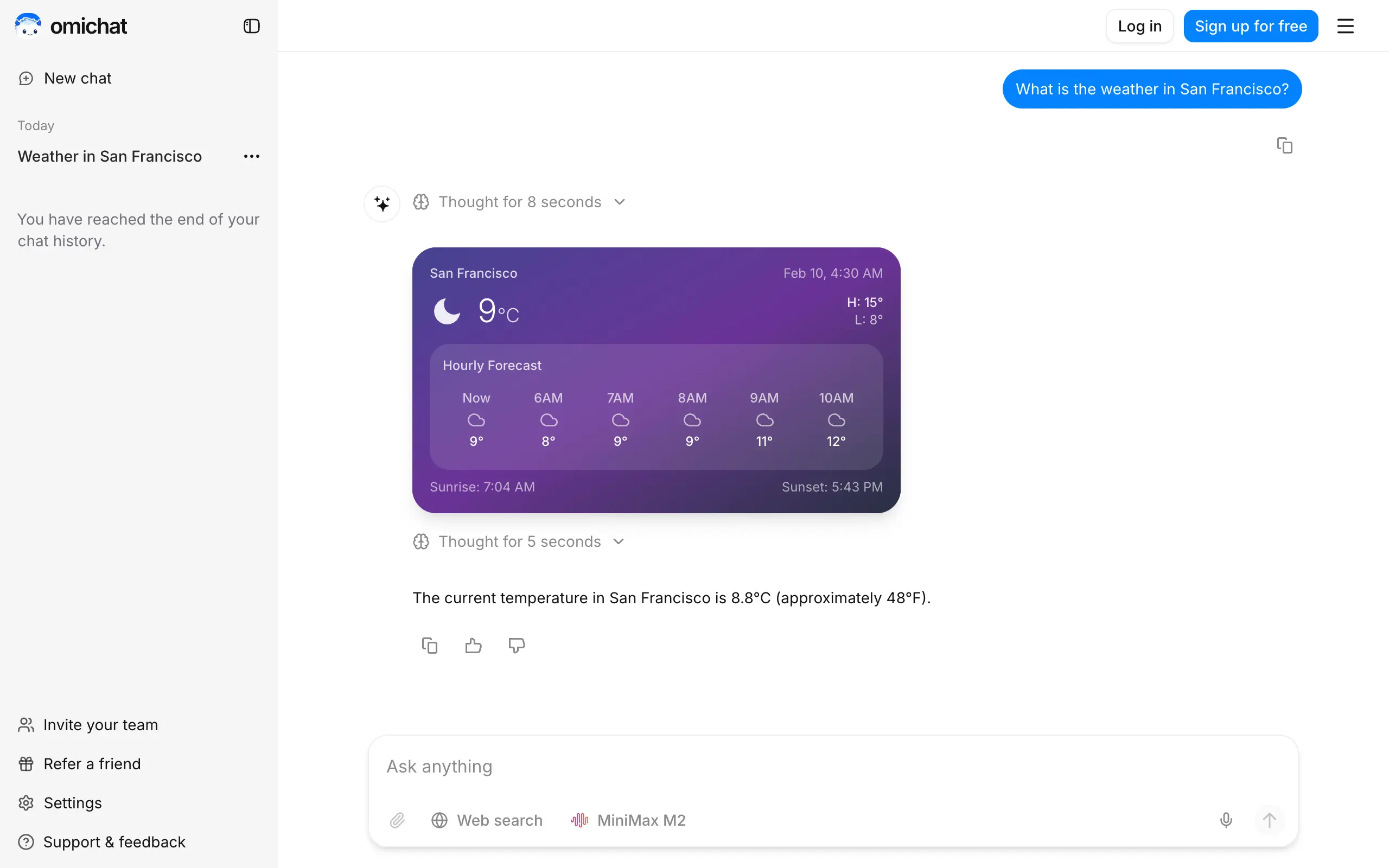
Omichat
Chat with 50+ AI models, including ChatGPT and Claude, in one place - switch models anytime without losing context 🤖
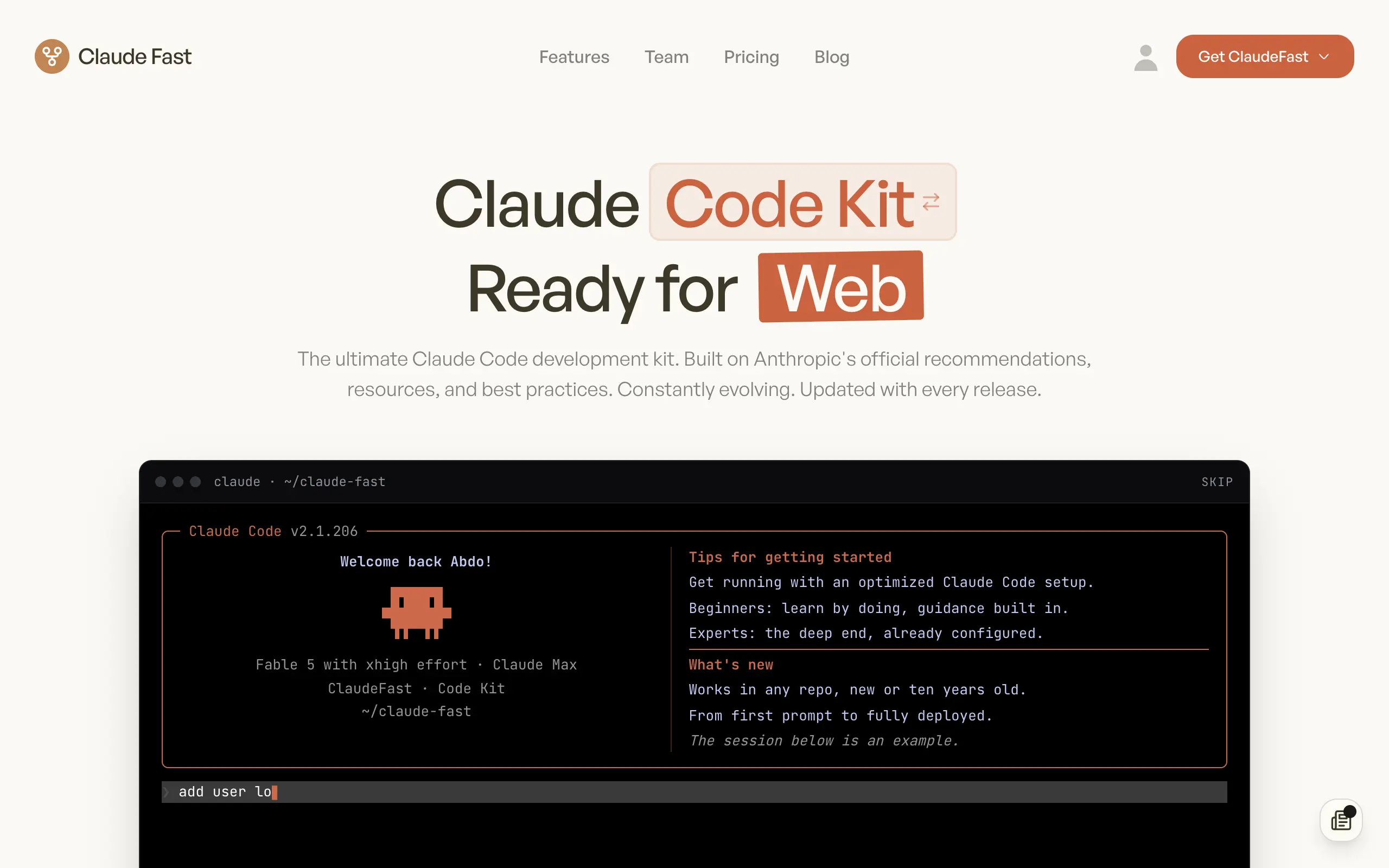
Claude Fast
Supercharge your Claude Code with 6x effective context window and specialized AI agents 🤖
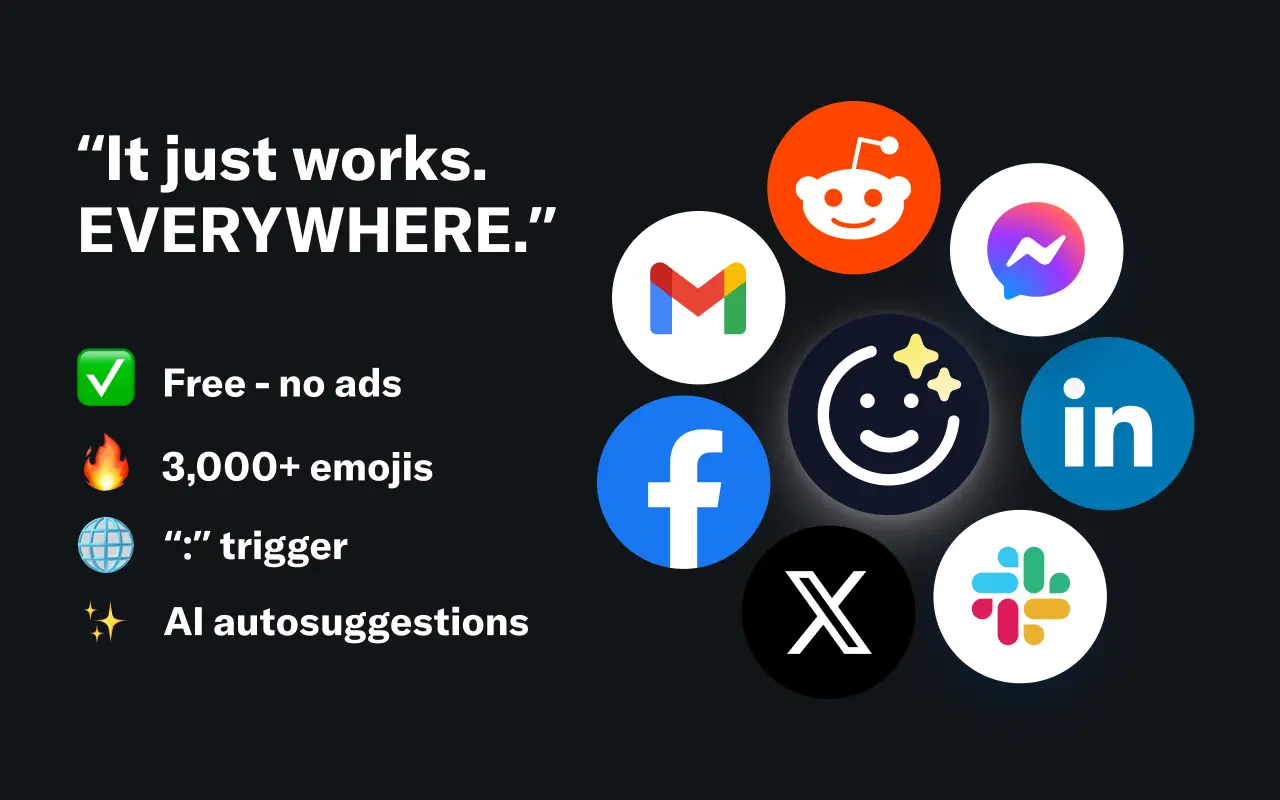
EmojAI
AI-powered emoji picker with smart, context-aware suggestions 🤖
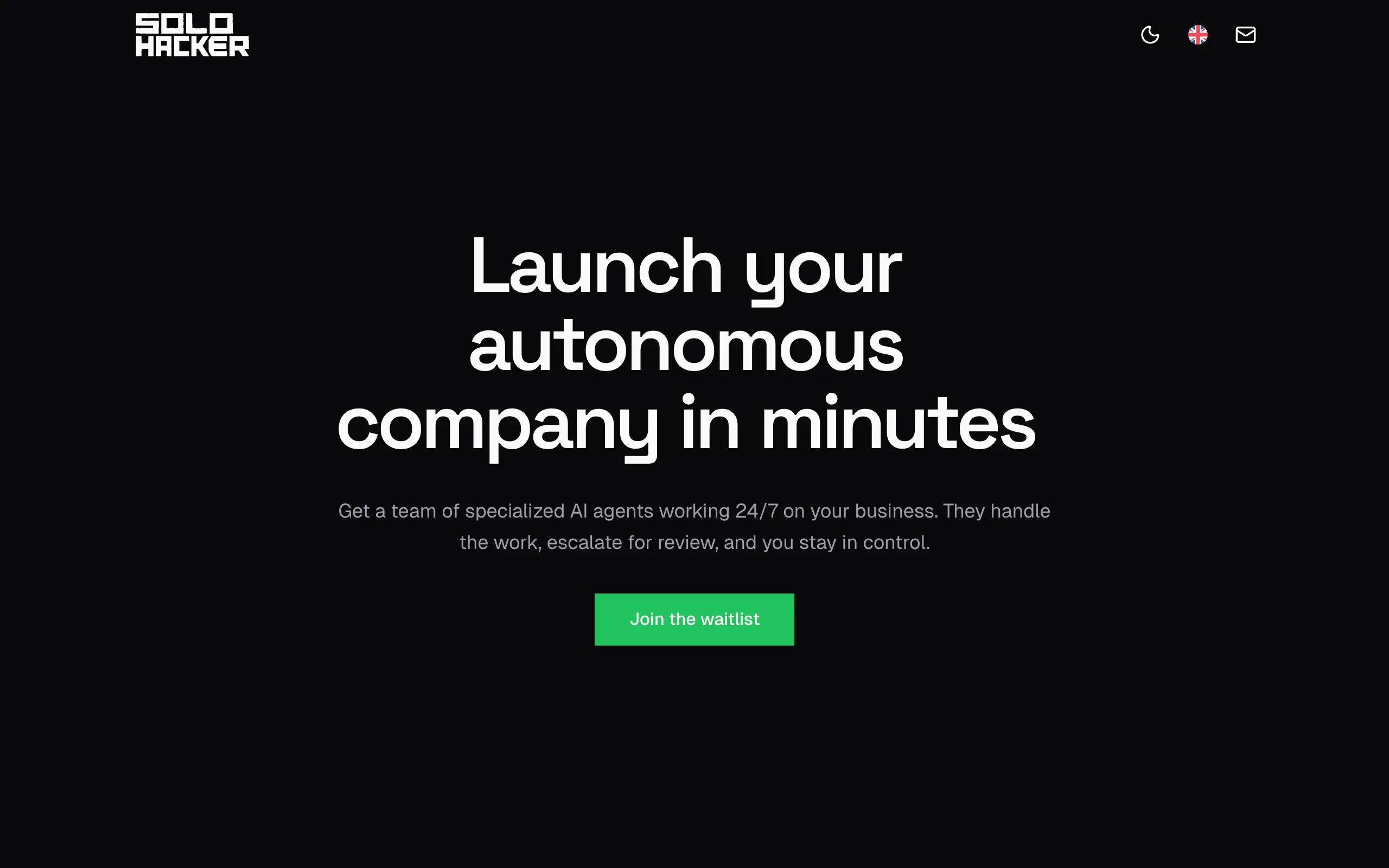
Solohacker
Autonomous company launcher - AI agents work 24/7, escalate what matters, and you stay in control 🤖
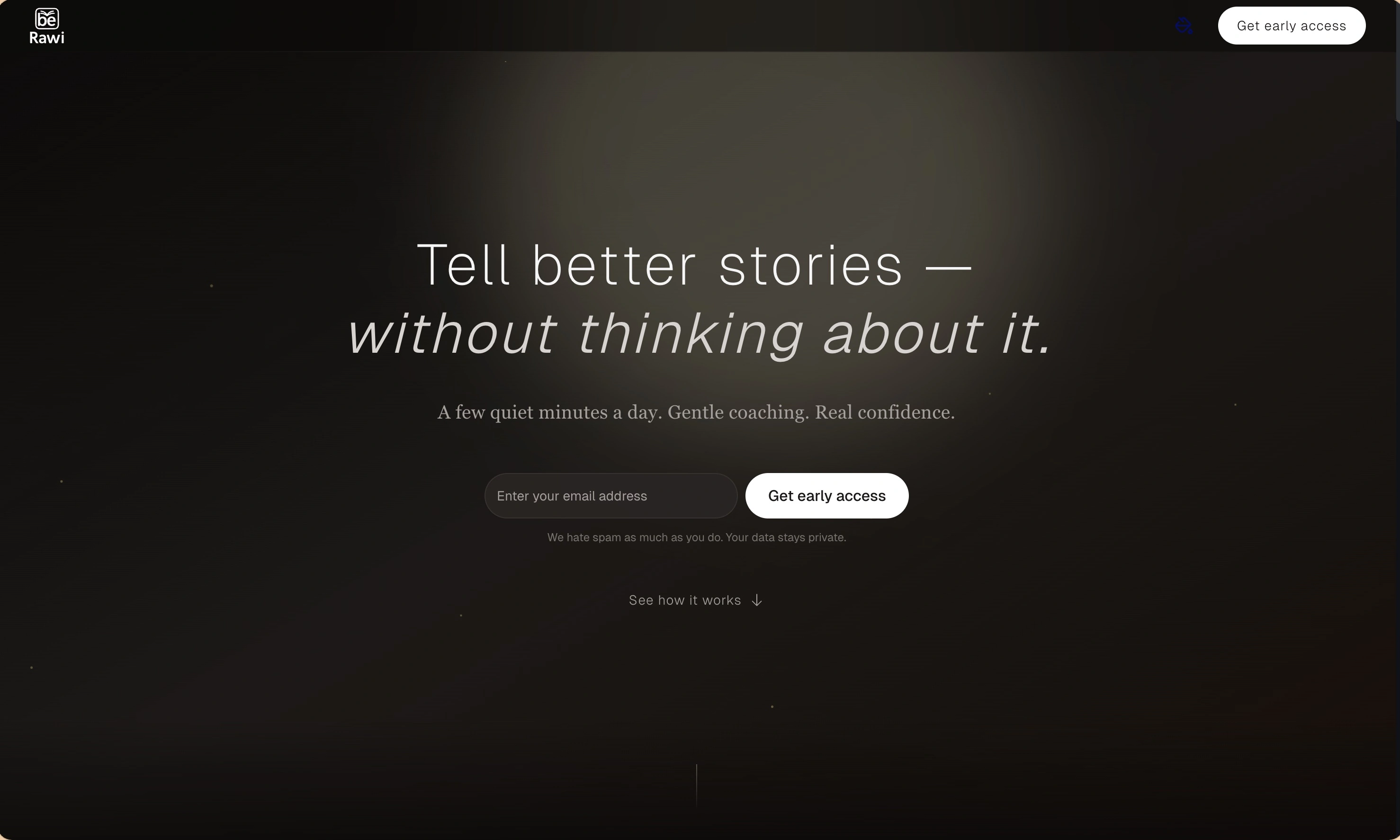
BeRawi: Storytelling Coach
Practice storytelling daily with instant feedback to sound clearer, more engaging, and confident 🎤
Omichat
Chat with 50+ AI models, including ChatGPT and Claude, in one place - switch models anytime without losing context 🤖
Claude Fast
Supercharge your Claude Code with 6x effective context window and specialized AI agents 🤖
EmojAI
AI-powered emoji picker with smart, context-aware suggestions 🤖
Solohacker
Autonomous company launcher - AI agents work 24/7, escalate what matters, and you stay in control 🤖
BeRawi: Storytelling Coach
Practice storytelling daily with instant feedback to sound clearer, more engaging, and confident 🎤
Omichat
Chat with 50+ AI models, including ChatGPT and Claude, in one place - switch models anytime without losing context 🤖
Claude Fast
Supercharge your Claude Code with 6x effective context window and specialized AI agents 🤖
EmojAI
AI-powered emoji picker with smart, context-aware suggestions 🤖
Solohacker
Autonomous company launcher - AI agents work 24/7, escalate what matters, and you stay in control 🤖
BeRawi: Storytelling Coach
Practice storytelling daily with instant feedback to sound clearer, more engaging, and confident 🎤
Omichat
Chat with 50+ AI models, including ChatGPT and Claude, in one place - switch models anytime without losing context 🤖
Claude Fast
Supercharge your Claude Code with 6x effective context window and specialized AI agents 🤖
EmojAI
AI-powered emoji picker with smart, context-aware suggestions 🤖
Solohacker
Autonomous company launcher - AI agents work 24/7, escalate what matters, and you stay in control 🤖
BeRawi: Storytelling Coach
Practice storytelling daily with instant feedback to sound clearer, more engaging, and confident 🎤

Connect with like-minded people
Join our community to get feedback, support, and grow together with 1,000+ builders on board, let's ship it!
Join usShip your startup everywhere. In minutes.
Don't burn tokens on setup and start building features on day one.