SpecRail
Turn plain-English product specs into versioned tasks, acceptance tests, and AI-ready coding prompts with deploy gates for solo builders.
Why AI product specification software is becoming essential for solo builders
Solo builders can now generate interface code, database schemas, tests, and deployment configurations in minutes. The bottleneck has moved upstream. It is no longer just writing code. It is deciding exactly what to build, preserving that decision as the product changes, and giving AI coding tools enough structured context to produce reliable work.
That is the opportunity behind SpecRail, an AI product specification software platform that turns plain-English product requirements into versioned tasks, acceptance tests, AI-ready implementation prompts, and deploy gates.
The core problem is familiar to anyone shipping a SaaS product alone. A feature starts as a note such as “add team invitations” or “let users export reports.” The idea seems simple until implementation begins. Questions multiply quickly:
- Who can invite users?
- What happens when an email address already belongs to an account?
- Can invitations expire?
- Which roles can export which report types?
- How should the product respond if export generation fails?
- What should be tested before the feature is released?
Without a durable specification, these decisions are scattered across chat threads, issue trackers, commit messages, AI conversations, and the builder’s memory. This creates scope drift, fragile AI-generated code, incomplete QA, and releases that solve only part of the intended user problem.
SpecRail should position itself as the planning and quality-control layer between product intent and AI-assisted implementation. Its unique value is not merely generating tickets. It preserves a traceable chain from a human-readable product goal to executable engineering work and release validation.
The product thesis
AI coding tools become dramatically more useful when they receive structured requirements, explicit constraints, acceptance criteria, and relevant product context. SpecRail can become the system that creates and governs that context.
The target audience for SpecRail
The strongest initial market is not every product team. SpecRail should begin with users who experience specification debt intensely, have a high willingness to experiment with AI workflows, and can make purchasing decisions without enterprise procurement.
Primary audience: technical solo founders
Technical solo founders are the ideal early adopter segment. They often play every role in the product lifecycle:
- Product manager who decides what to build
- Designer who defines the user journey
- Engineer who implements the feature
- QA lead who verifies behavior
- Release manager who decides when to deploy
- Customer support representative who handles regressions
They are especially likely to use tools such as Cursor, Claude, GitHub Copilot, ChatGPT, and coding agents. However, they still need a reliable way to define work before prompting those systems.
Their core jobs to be done include:
- Transforming rough feature ideas into an implementation plan
- Preventing missed edge cases before coding starts
- Producing AI coding prompts that include sufficient context
- Tracking which requirements changed between iterations
- Verifying that a feature is actually ready to ship
- Avoiding the overhead of heavyweight product management software
For these users, SpecRail must feel faster than writing a detailed issue manually and safer than asking an AI assistant to “build feature X” from a one-sentence prompt.
Secondary audience: indie hackers and small SaaS teams
Teams of two to ten people have a similar problem with an added coordination layer. Founders, contractors, and early employees need a shared source of truth, but conventional systems can feel too administrative.
These teams often operate with a mix of:
- Notion documents for product notes
- Linear, GitHub Issues, or Trello for tasks
- Slack or Discord for decisions
- AI chat histories for exploratory architecture work
- Pull requests for the final implementation record
SpecRail can unify the most important artifact in that process: a versioned, testable feature specification that can generate linked work items and AI-ready prompts.
Tertiary audience: agencies and fractional CTOs
Agencies and independent technical consultants can use SpecRail to turn client requirements into transparent delivery plans. This audience values repeatable workflows, exportable artifacts, audit trails, and a clear way to prevent misunderstanding before development begins.
For an agency, a structured spec can also become a commercial asset. It creates a paid discovery deliverable before implementation and reduces ambiguity that can otherwise turn into unprofitable revisions.
Solo builders
Need a fast path from an idea to structured implementation work, without enterprise process overhead.
Small SaaS teams
Need shared feature context, requirement versioning, and a consistent handoff from product decisions to code.
Agencies and consultants
Need transparent scopes, reusable discovery workflows, and client-ready acceptance criteria.
The market gap: AI coding has outpaced AI-ready product planning
The surge in AI-assisted software development has made implementation cheaper and faster. But it has also made poor requirements more expensive. When code can be generated quickly, a vague or incorrect request can produce a larger volume of incorrect code at greater speed.
Many existing tools solve only one slice of the workflow:
- Project management platforms organize tasks and sprints.
- Documentation tools store product requirements.
- AI chat tools help brainstorm and draft.
- Code assistants generate implementation details.
- Test tools validate software after it exists.
- CI/CD platforms automate deployment mechanics.
The missing layer is an opinionated workflow that begins with plain English, transforms it into a structured product specification, retains the version history, creates implementation artifacts, and enforces release readiness.
This gap matters because a ticket title is not a specification. “Add billing portal” does not answer the questions an engineer, coding agent, or tester needs to answer. A good spec captures actors, triggers, outcomes, constraints, non-goals, failure states, permissions, data changes, UX expectations, and measurable acceptance criteria.
Where existing workflows break down
A typical solo-builder workflow often looks like this:
- Write a rough feature idea in a notes app.
- Ask an AI assistant to propose an approach.
- Paste a shortened version into an issue tracker.
- Start coding before decisions are finalized.
- Discover missing rules midway through implementation.
- Ask the AI to patch the resulting gaps.
- Deploy after a quick manual check.
- Revisit the feature when users expose an edge case.
This process is fast initially but compounds hidden complexity. The feature may be shipped, yet nobody can clearly answer which version of the requirement was implemented or whether every acceptance condition was verified.
SpecRail creates a more resilient loop:
- Capture the desired outcome in plain English.
- Ask guided questions to resolve ambiguity.
- Generate a structured and versioned specification.
- Break the spec into linked tasks and acceptance tests.
- Export focused prompts for coding agents.
- Connect evidence from implementation and testing.
- Pass explicit deploy gates before release.
- Use production feedback to revise the next spec version.
Why versioning is the differentiator
Requirements change constantly, especially in early-stage SaaS products. Versioning is not a nice-to-have; it is the foundation for traceability.
A useful SpecRail version history should show:
- What changed in the product requirement
- Why the decision changed
- Which implementation tasks were affected
- Which acceptance tests need updating
- Whether the deployed code maps to the latest approved spec
- Who approved the change in collaborative plans
This makes the platform fundamentally different from a one-time AI prompt generator. Prompt generation is a feature. Specification lineage is the defensible product capability.
The SpecRail product workflow
SpecRail should guide users through a deliberate but lightweight progression from intent to deployable work. The platform must reduce cognitive load rather than force users into a rigid enterprise template.
Capture the outcome in natural language
The workflow begins with an input that feels easy to use. A solo builder should be able to paste a rough thought such as:
Let workspace owners invite teammates by email, choose a role, and see whether an invitation has been accepted.
The system should then identify missing details and propose a structured first draft. It should not pretend that the initial sentence is complete. Instead, it should distinguish between known requirements, assumptions, and unanswered questions.
A useful intake experience includes:
- Product goal and intended user outcome
- Target user roles
- Triggering event or user action
- Happy-path behavior
- Constraints and business rules
- Known technical context
- Non-goals for the current release
- Open questions requiring a decision
The AI should phrase questions in product language first, with technical detail available when needed. For example, “Should an invitation expire?” is more useful than immediately asking for a database field definition.
Generate a structured product spec
The central artifact should be a readable feature spec, not a wall of AI-generated prose. It needs predictable sections that make scanning and review easy.
A practical structure includes:
- Feature summary
- User problem and intended outcome
- User stories
- Scope and explicit non-goals
- Functional requirements
- Business rules and permission logic
- Edge cases and failure states
- Data model considerations
- UI and UX notes
- Analytics or observability requirements
- Acceptance criteria
- Risks and dependencies
- Open questions
- Revision history
The system should preserve human control. AI-generated sections need visible confidence indicators or labels that distinguish direct user input from inferred assumptions. A builder must be able to accept, edit, reject, or defer each recommendation.
Convert requirements into versioned tasks
Once the specification reaches a usable state, SpecRail should generate implementation tasks with direct links to the requirement sections that justify them.
For a team invitation feature, generated tasks might include:
- Create invitation persistence and status lifecycle.
- Build owner-only invitation management endpoints.
- Add an email delivery workflow with secure token handling.
- Build invitation acceptance UI and account matching logic.
- Add role assignment authorization checks.
- Add audit events for invitation creation, cancellation, and acceptance.
- Create automated tests for expiration, duplicate emails, and revoked invitations.
Each task should identify:
- The expected outcome
- Dependencies
- Technical considerations
- Definition of done
- Linked acceptance criteria
- Relevant files or repositories when connected
- Whether AI generation is appropriate or human review is required
This task model enables better prompt generation because the coding agent receives a narrow, contextual unit of work instead of an entire product document.
Create acceptance tests before implementation
Acceptance tests are where SpecRail can generate immediate practical value. They turn subjective feature descriptions into observable outcomes.
The platform should support several test expressions:
- Given, when, then scenarios for business behavior
- Checklist-style release conditions
- API contract assertions
- Role and permission matrices
- Manual QA scripts
- Suggested unit, integration, and end-to-end test cases
For example, a test for invitations could state:
Given a workspace owner creates an invitation for a new email address, when the recipient accepts before expiration, then the recipient joins the workspace with the selected role and the invitation status becomes accepted.
A high-quality acceptance test is specific enough to validate but avoids prescribing implementation unnecessarily. SpecRail should flag tests that are vague, untestable, contradictory, or disconnected from a stated requirement.
Generate AI-ready coding prompts
AI coding prompts are one of the strongest acquisition hooks, but they must be more than a copied task description. A good implementation prompt includes a curated context package.
The prompt should contain:
- The task objective
- Relevant feature requirements
- Explicit non-goals
- Acceptance criteria
- Architecture and repository conventions
- Likely files or modules
- Security and permission constraints
- Testing expectations
- Output format instructions
- A request to identify uncertainty before changing code
Here is an example of the kind of structured prompt SpecRail could export:
You are implementing the backend portion of workspace invitations.

Objective:
Allow workspace owners to invite users by email and assign either member or admin roles.

Requirements:
- Only workspace owners can create or cancel invitations.
- Invitations expire after seven days.
- A pending invitation cannot be duplicated for the same workspace and email.
- Accepted invitations must create a workspace membership with the selected role.
- Expired or cancelled invitations cannot be accepted.

Non-goals:
- Do not implement bulk invitations.
- Do not change existing authentication flows.
- Do not add billing seat enforcement in this task.

Acceptance criteria:
- API rejects unauthorized invitation creation.
- API returns a clear conflict response for duplicate pending invitations.
- Expired tokens cannot create memberships.
- Integration tests cover owner, non-owner, expired, duplicate, and accepted cases.

Before editing code, inspect existing workspace authorization, email token, and membership patterns. Report any conflicts with these requirements.
This approach helps users avoid a common AI coding failure mode: asking for code before defining the operational constraints that make the code correct.
Core features for an MVP and beyond
SpecRail should not attempt to replace every project management, documentation, testing, and deployment product in its first release. The MVP should prove that the spec-to-task-to-gate workflow creates a better shipping experience for solo builders.
| Capability | MVP priority | User value | Implementation complexity | Why it matters |
|---|---|---|---|---|
| Plain-English spec generation | High | High | Medium | Creates the first structured product artifact |
| Spec versioning and diffs | High | High | Medium | Builds trust and creates requirement traceability |
| Task and acceptance test generation | High | High | Medium | Turns planning into executable work |
| AI-ready prompt exports | High | High | Low | Delivers immediate value in existing coding workflows |
| GitHub and deployment integrations | Later | Medium | High | Strengthens the deploy-gate vision after core validation |
MVP feature set
The first version should focus on a complete, narrow workflow.
Spec workspace
Users need projects containing features, specs, revisions, tasks, and acceptance tests. A clean information architecture matters more than broad customization at this stage.
AI-assisted requirement clarification
Instead of producing a final spec instantly, the AI should ask a small number of high-impact questions. The system can prioritize ambiguities around user roles, permissions, destructive actions, failure behavior, scope boundaries, and success criteria.
Structured spec editor
The user should be able to edit every generated section. AI suggestions should never become hidden product decisions.
Version history and compare view
Every significant update creates a version. Users should be able to compare revisions and see downstream impact on tasks and tests.
Task generation
Generate implementation tasks that remain linked to their source requirement. Users should be able to adjust granularity, mark tasks as manual or AI-suitable, and export them to their preferred system.
Acceptance criteria and deploy checklist
Every feature should receive a release readiness view. The MVP can begin with manual evidence and checklist completion before adding automated CI evidence.
Prompt export
Support formats optimized for common AI workflows:
- A concise task prompt for interactive coding assistants
- A detailed implementation prompt for agentic workflows
- A test-generation prompt
- A code-review prompt
- A release-validation prompt
Post-MVP differentiators
Once the core workflow is validated, SpecRail can build stronger moats around context, evidence, and automation.
Repository-aware context
A GitHub integration can inspect repository structure, identify existing conventions, connect tasks to pull requests, and suggest files relevant to a task. This must be handled carefully because repository context can contain sensitive information.
Deploy gates with evidence
A real deploy gate should not just ask users to check a box. It should combine evidence such as:
- Linked pull request merged
- Required acceptance tests marked as verified
- CI checks passing
- Security review completed where applicable
- Migration plan approved
- Rollback plan documented for risky changes
- Product owner approval recorded
Spec drift detection
Spec drift occurs when implementation changes but requirements and tests do not. SpecRail could compare pull request descriptions, changed files, test updates, and the approved spec to flag potential mismatches.
Reusable templates
Templates for common SaaS features can accelerate adoption. Examples include authentication changes, billing flows, onboarding, multi-tenant permissions, integrations, reporting, data exports, and webhook handling.
Recommended technical stack for SpecRail
The best stack for SpecRail should optimize for fast iteration, type safety, reliable multi-tenant data handling, and a polished document-editing experience.
Application architecture
A pragmatic foundation includes Next.js with React and TypeScript. This combination supports a unified web application, server-rendered marketing pages, authenticated application routes, API endpoints, and strong developer ergonomics.
For styling, Tailwind CSS is a strong fit because it enables quick iteration on a dense, application-like interface without creating a large custom CSS maintenance burden.
A recommended baseline includes:
- Next.js for the web application and server-side capabilities
- React for interactive editors and workflow views
- TypeScript for reliable domain models
- Tailwind CSS for interface development
- PostgreSQL for relational, versioned product data
- Prisma or a typed SQL layer for database access
- Stripe for subscriptions and billing
- Sentry for error monitoring and application observability
- OpenAI or a multi-provider model gateway for AI generation
A production-ready SaaS foundation such as TurboStarter can reduce the time required to establish authentication, billing, application structure, and deployment conventions. That allows the product team to focus on the differentiated spec workflow rather than rebuilding commodity SaaS infrastructure.
Data model considerations
The data model should treat specifications as immutable revisions rather than documents that are overwritten in place.
Core entities may include:
type Feature = {
  id: string;
  projectId: string;
  title: string;
  status: "draft" | "in_review" | "approved" | "released";
  currentSpecVersionId: string;
};

type SpecVersion = {
  id: string;
  featureId: string;
  versionNumber: number;
  content: Record<string, unknown>;
  changeSummary: string;
  createdAt: Date;
  createdById: string;
};

type AcceptanceCriterion = {
  id: string;
  specVersionId: string;
  statement: string;
  verificationMethod: "manual" | "automated" | "integration";
  status: "unverified" | "passed" | "failed";
};

type DeployGate = {
  id: string;
  featureId: string;
  name: string;
  required: boolean;
  status: "pending" | "passed" | "blocked";
  evidenceUrl?: string;
};
A relational database is preferable to a purely document-oriented model because SpecRail depends on relationships. A task should point to requirements, a test should point to acceptance criteria, a deploy gate should point to evidence, and a feature should point to the approved spec revision.
AI architecture and trade-offs
The AI layer should use structured outputs wherever possible. Rather than requesting unrestricted prose, ask the model to return a validated schema containing requirements, assumptions, open questions, tasks, and tests.
This produces several benefits:
- More predictable UI rendering
- Easier validation before saving data
- Better auditability of AI-generated content
- Safer revision comparison
- Fewer malformed outputs
- Simpler prompt exports
The trade-off is that structured generation can feel less flexible than freeform chat. The best design combines both. Use schema-constrained generation for persistent artifacts and an optional conversational interface for exploration.
SpecRail should also support model abstraction. Different users may value different trade-offs across cost, latency, reasoning quality, data residency, and provider preference. A provider layer prevents the application from being permanently coupled to one model vendor.
Monetization options for SpecRail
SpecRail has a natural SaaS pricing model because the value compounds over time. Users create reusable specifications, build a release history, and establish workflows that become more valuable as their product grows.
Recommended pricing structure
A freemium or low-cost entry tier is appropriate for solo builders, provided usage limits are clear.
- "Free plan": one project, limited active features, limited AI credits, basic exports.
- "Builder plan": unlimited personal projects, higher AI limits, version history, prompt packs, and deploy checklists.
- "Team plan": shared workspaces, permissions, approvals, integrations, and collaborative review.
- "Agency plan": multiple client workspaces, branded exports, templates, and larger usage limits.
The paid value should not depend only on AI token consumption. If pricing is primarily credit-based, users may view SpecRail as a thin wrapper around a general AI model. Instead, monetize the durable workflow features: history, traceability, collaboration, templates, integrations, gates, and repository-aware context.
Additional revenue opportunities
Potential expansion revenue includes:
- Premium specification templates for regulated or complex workflows
- GitHub, Linear, and CI/CD integrations on higher tiers
- AI usage bundles for heavy users
- Client-facing review portals for agencies
- Compliance-oriented audit exports
- Implementation partner programs for consultants
- Workspace-level analytics that identify recurring release blockers
Competitive advantage and positioning
SpecRail should avoid positioning itself as “another AI project management tool.” That category is crowded and vague. The sharper category is AI product specification software for solo builders and lean SaaS teams.
Its defensible advantage comes from connecting artifacts that are usually disconnected.
| Alternative | What it does well | What is missing | SpecRail advantage | Best positioning message |
|---|---|---|---|---|
| General AI chat | Brainstorming and drafting | Persistent structure and traceability | Versioned specs connected to tasks and gates | Move from useful ideas to shippable requirements |
| Issue tracker | Task coordination | Requirement clarification and testable product intent | Tasks generated from an approved source specification | Make every task explainable and release-ready |
| Documentation tool | Flexible writing and collaboration | Structured execution workflow | Transforms documents into prompts, tests, and gates | Turn product documents into engineering momentum |
| AI coding assistant | Implementation acceleration | Product decisions and validated scope | Provides high-context prompts and acceptance criteria | Give coding agents a specification they can trust |
The SpecRail USP
The most compelling unique selling proposition is:
SpecRail turns plain-English product intent into versioned, testable, AI-ready delivery plans, then verifies that the feature is ready to deploy.
That positioning captures four valuable outcomes:
- Builders start with natural language rather than formal product documentation.
- The output is versioned, which makes change visible and manageable.
- The work becomes testable through acceptance criteria and deploy gates.
- The result is optimized for AI-assisted implementation, not merely human reading.
This is more specific than generic productivity software and more useful than a prompt library.
Risks and how to mitigate them
SpecRail addresses a real workflow problem, but the product has meaningful risks. Recognizing them early will improve execution.
AI-generated specs can sound comprehensive while missing critical business logic, legal constraints, or domain-specific edge cases.
Mitigate this by clearly labeling assumptions, asking targeted clarification questions, supporting review states, and never presenting generated content as verified truth. Add lightweight quality checks that flag vague language such as “fast,” “secure,” or “user-friendly” when no measurable condition follows.
Solo builders often resist process because they believe speed requires skipping documentation.
Mitigate this by proving that a useful spec can be created in minutes. Optimize for a short “idea to first implementation prompt” path, then reveal deeper workflow value as the feature matures. The product should feel like acceleration, not administration.
GitHub, Linear, Slack, Vercel, and CI integrations can consume substantial engineering time and introduce support burden.
Mitigate this by making exports excellent before building deep bidirectional sync. Start with the integration that offers the clearest evidence loop, likely GitHub pull requests and checks, after validating core product usage.
Specifications may contain unreleased product plans, customer workflows, credentials accidentally pasted into prompts, or security-sensitive architecture details.
Mitigate this with encryption, access controls, tenant isolation, retention controls, provider transparency, prompt redaction, audit logs, and a policy that prevents secrets from being sent to model providers.
Users may compare SpecRail to free documents, issue trackers, and general-purpose AI assistants.
Mitigate this by measuring time saved, defects prevented, and release readiness improvements. The paid product must provide durable value that cannot be replicated by a single prompt, particularly version lineage, linked acceptance evidence, and deploy governance.
Metrics that validate the SpecRail SaaS idea
The best early metrics are behavioral, not vanity metrics. A user who creates an account but never exports a prompt or completes a spec has not experienced the core value.
Track the following activation funnel:
- User creates a project.
- User creates a feature from plain English.
- User answers at least one clarification question.
- User approves or edits a generated spec.
- User generates tasks or acceptance criteria.
- User exports an AI-ready prompt.
- User marks a deploy gate as complete.
- User returns to create or revise another feature.
Key product metrics include:
- Time from feature creation to first usable spec
- Percentage of specs that receive human edits
- Prompt export rate per approved feature
- Acceptance criteria created per feature
- Percentage of features with at least one revision
- Deploy gate completion rate
- Weekly returning builders
- Conversion from free usage to paid plan
- Number of features managed per active workspace
For market research and investor-facing claims, use authoritative sources rather than unsupported statistics. Good reference categories include public reports from GitHub, Stack Overflow, Gartner, McKinsey, or established cloud providers. When citing a figure, document the publication date, methodology, sample size, and exact source in the final published article.
A practical implementation roadmap
The fastest path is to validate the core behavior with a small, opinionated product rather than building an all-in-one development platform.
Define one ideal user: a technical founder who uses AI coding tools weekly and ships a SaaS product without a dedicated product manager.
Interview at least 15 potential users about their last three features. Ask where requirements lived, what changed during implementation, which bugs came from ambiguity, and how they currently prompt coding assistants.
Prototype the intake flow, structured spec editor, acceptance criteria generator, and prompt export experience before building integrations.
Build the MVP around immutable spec versions, linked tasks, acceptance tests, and a simple deploy checklist. These are the product’s core data relationships.
Recruit a small design-partner group of solo builders. Review their specs and releases weekly to identify where AI output is useful, confusing, or dangerously incomplete.
Measure whether users return for a second feature. Repeat usage is stronger evidence than praise after a first demo.
Add GitHub pull request links and CI evidence only when users consistently complete the manual workflow and request automation.
A lean MVP can be built with a modern SaaS foundation, an LLM provider, a relational database, and carefully designed structured outputs. The challenge is not primarily technical. It is workflow design. SpecRail must make rigorous product thinking feel lightweight enough for a solo builder moving quickly.
Final recommendation: build the specification rail, not another task tracker
SpecRail has a credible SaaS opportunity because it targets a growing pain point in AI-assisted development: implementation is getting faster while product clarity remains difficult.
The winning product will not try to replace every tool in a builder’s stack. Instead, it will own the moment when a vague product idea becomes a trustworthy plan for humans and AI agents to execute.
Focus the initial promise on a concrete transformation:
- Start with a plain-English feature idea.
- Surface missing decisions before code is written.
- Produce a versioned product specification.
- Generate implementation tasks and acceptance tests.
- Export prompts that coding agents can act on safely.
- Use deploy gates to ensure the intended feature, not merely some code, is ready to ship.
That workflow gives SpecRail a distinct place between ideation, engineering, and release management. For solo builders who want the speed of AI coding without the chaos of undocumented decisions, that is a compelling and increasingly necessary product.
More ⚡ Productivity Tool SaaS ideas
Discover more innovative productivity tool SaaS ideas that are trending in 2026. Each idea is AI-generated with market validation and growth potential to help you find your next profitable venture faster than competitors.
Your competitors are building with TurboStarter
Below are some of the SaaS ideas that have been generated and built with our starter kit.
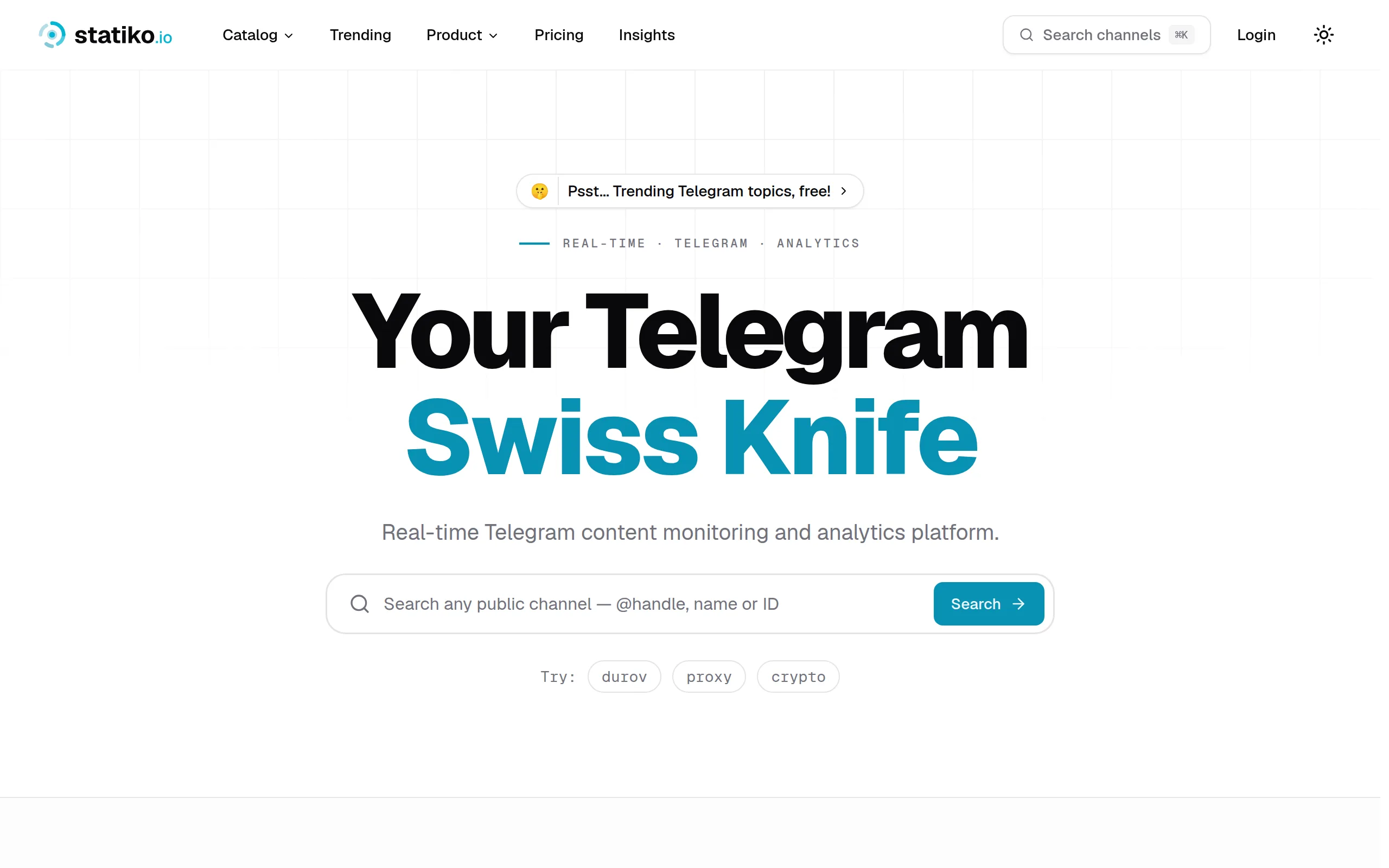
Statiko
Monitor any Telegram channel in real time - track posts, edits, deletions, and growth with AI recaps 📡

Shibui
AI website builder - describe your business, pick a niche template, edit by chatting, and publish instantly ✨

Pro Service
Find verified home service professionals, compare quotes, and pay securely through escrow - built for Brazilians across the US 🏠
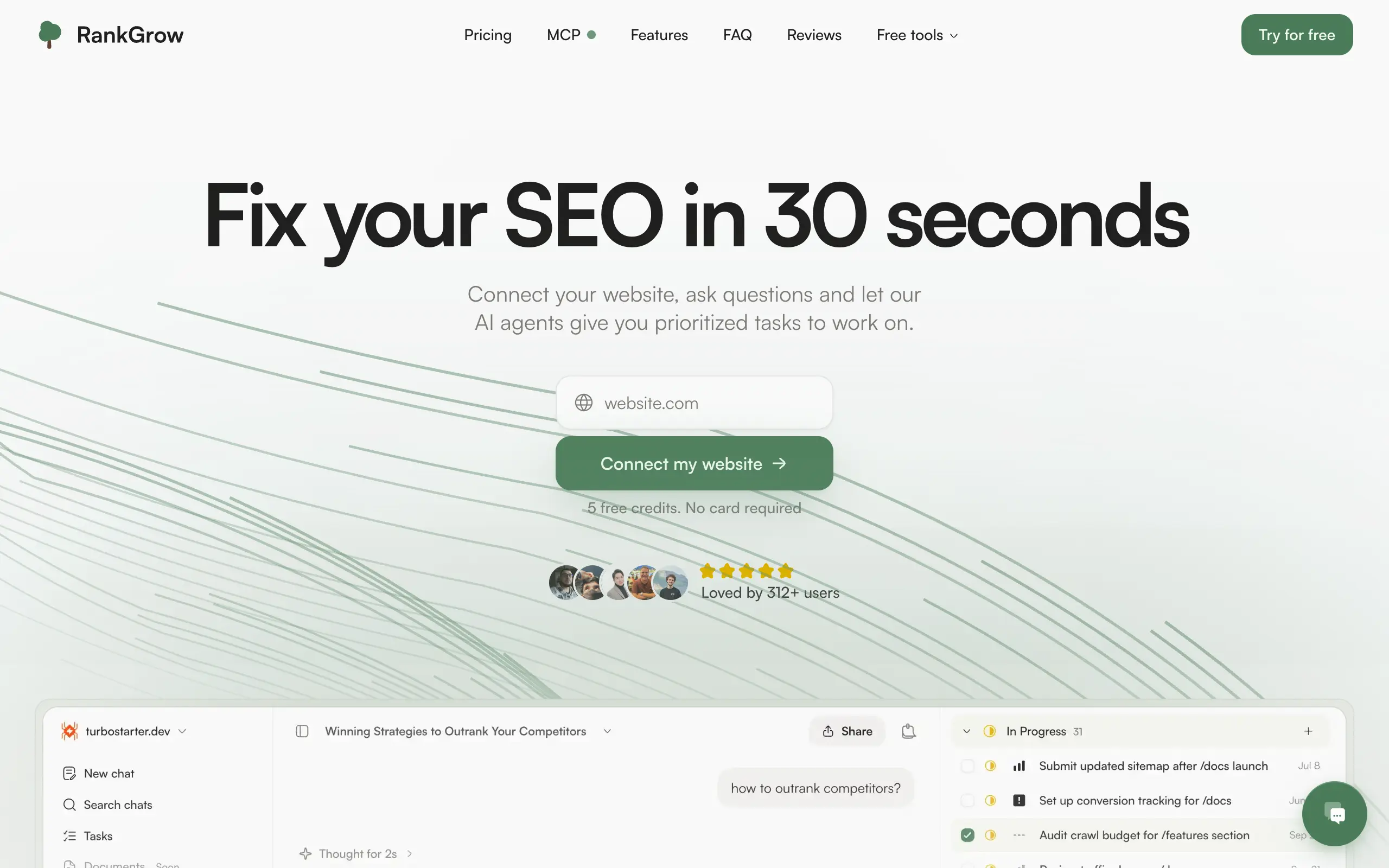
RankGrow
Fix your SEO with AI agents - connect Search Console, get prioritized tasks, and grow organic traffic 📈
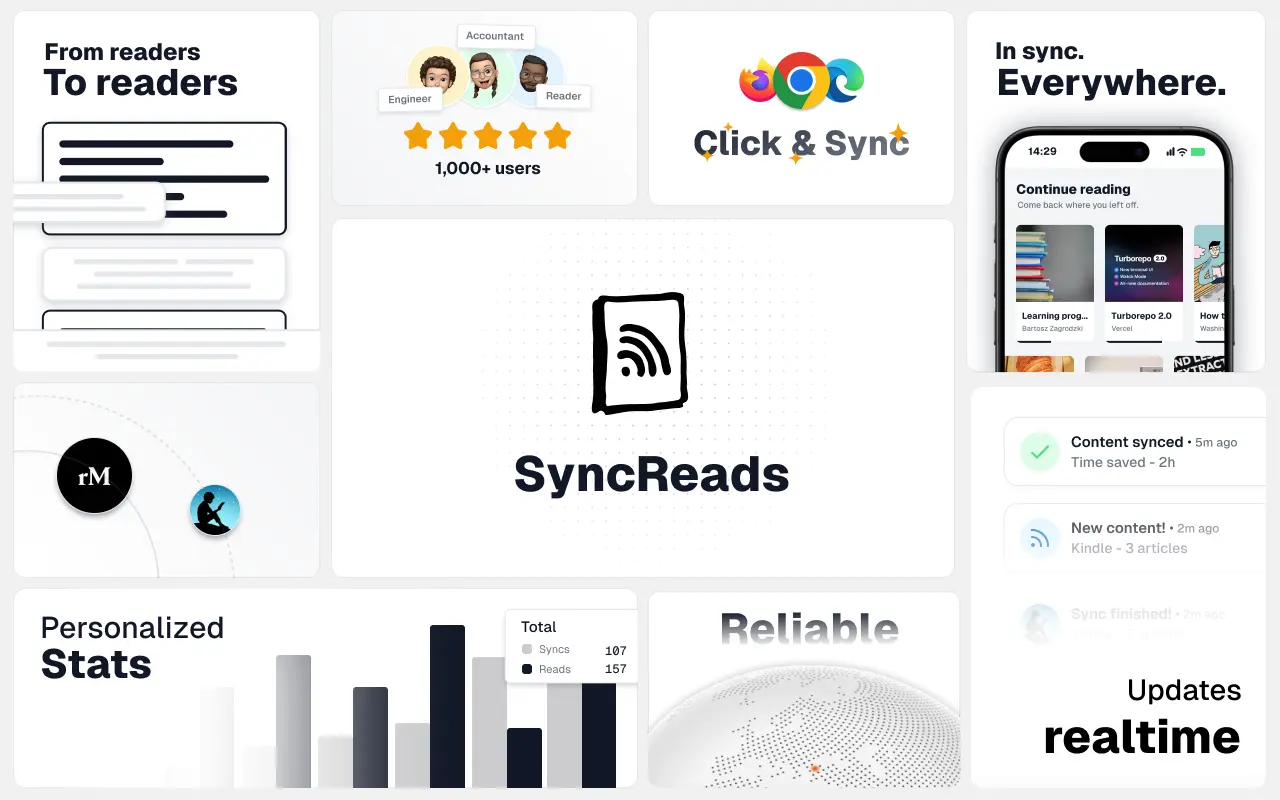
SyncReads
Sync your favorite content for distraction-free reading, save time and replace multiple apps. Anytime, anywhere 🔄
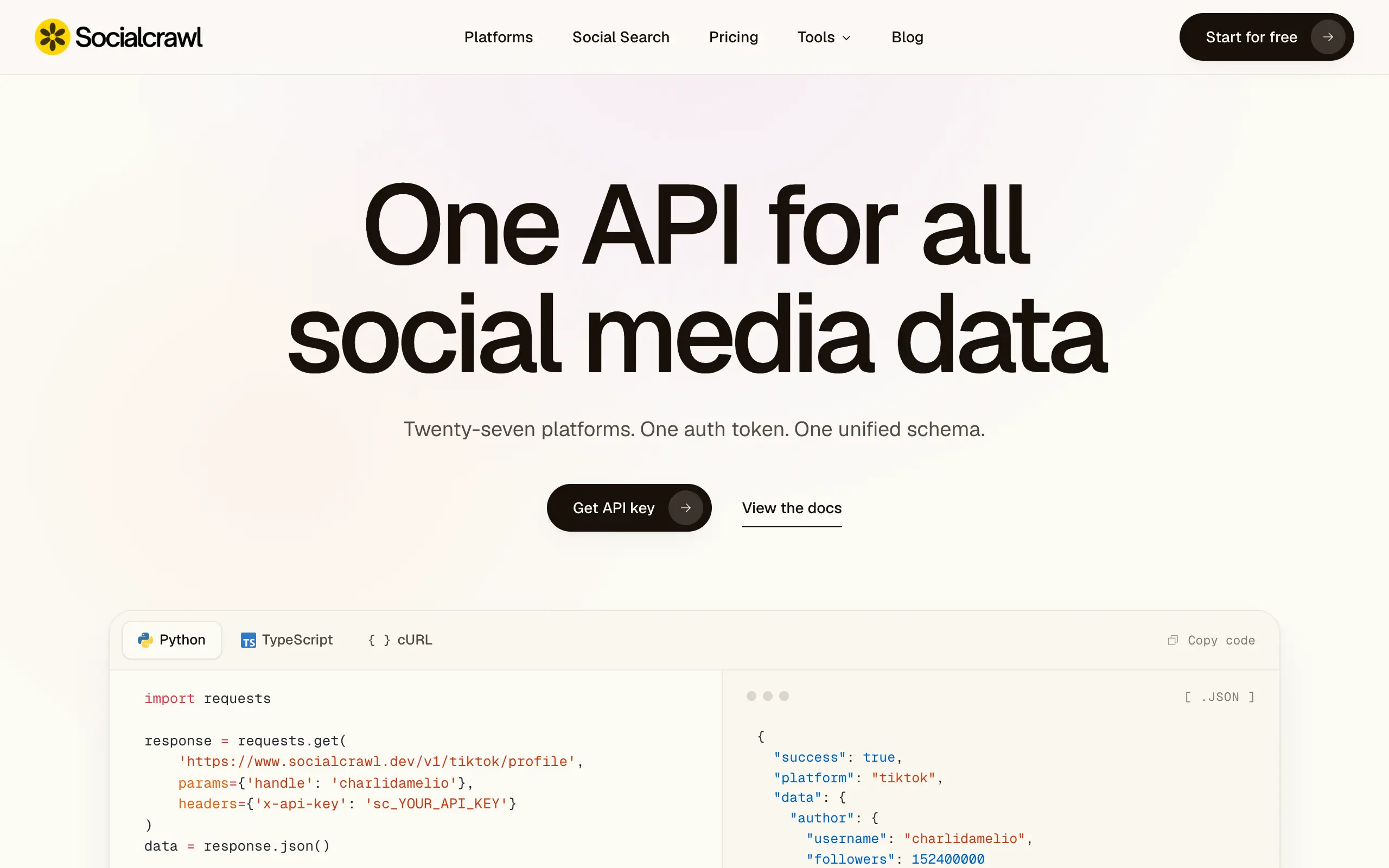
Socialcrawl
Get clean, structured data from 21 platforms like TikTok, Instagram, and YouTube with a single request 📊
Statiko
Monitor any Telegram channel in real time - track posts, edits, deletions, and growth with AI recaps 📡
Shibui
AI website builder - describe your business, pick a niche template, edit by chatting, and publish instantly ✨
Pro Service
Find verified home service professionals, compare quotes, and pay securely through escrow - built for Brazilians across the US 🏠
RankGrow
Fix your SEO with AI agents - connect Search Console, get prioritized tasks, and grow organic traffic 📈
SyncReads
Sync your favorite content for distraction-free reading, save time and replace multiple apps. Anytime, anywhere 🔄
Socialcrawl
Get clean, structured data from 21 platforms like TikTok, Instagram, and YouTube with a single request 📊
Statiko
Monitor any Telegram channel in real time - track posts, edits, deletions, and growth with AI recaps 📡
Shibui
AI website builder - describe your business, pick a niche template, edit by chatting, and publish instantly ✨
Pro Service
Find verified home service professionals, compare quotes, and pay securely through escrow - built for Brazilians across the US 🏠
RankGrow
Fix your SEO with AI agents - connect Search Console, get prioritized tasks, and grow organic traffic 📈
SyncReads
Sync your favorite content for distraction-free reading, save time and replace multiple apps. Anytime, anywhere 🔄
Socialcrawl
Get clean, structured data from 21 platforms like TikTok, Instagram, and YouTube with a single request 📊
Statiko
Monitor any Telegram channel in real time - track posts, edits, deletions, and growth with AI recaps 📡
Shibui
AI website builder - describe your business, pick a niche template, edit by chatting, and publish instantly ✨
Pro Service
Find verified home service professionals, compare quotes, and pay securely through escrow - built for Brazilians across the US 🏠
RankGrow
Fix your SEO with AI agents - connect Search Console, get prioritized tasks, and grow organic traffic 📈
SyncReads
Sync your favorite content for distraction-free reading, save time and replace multiple apps. Anytime, anywhere 🔄
Socialcrawl
Get clean, structured data from 21 platforms like TikTok, Instagram, and YouTube with a single request 📊
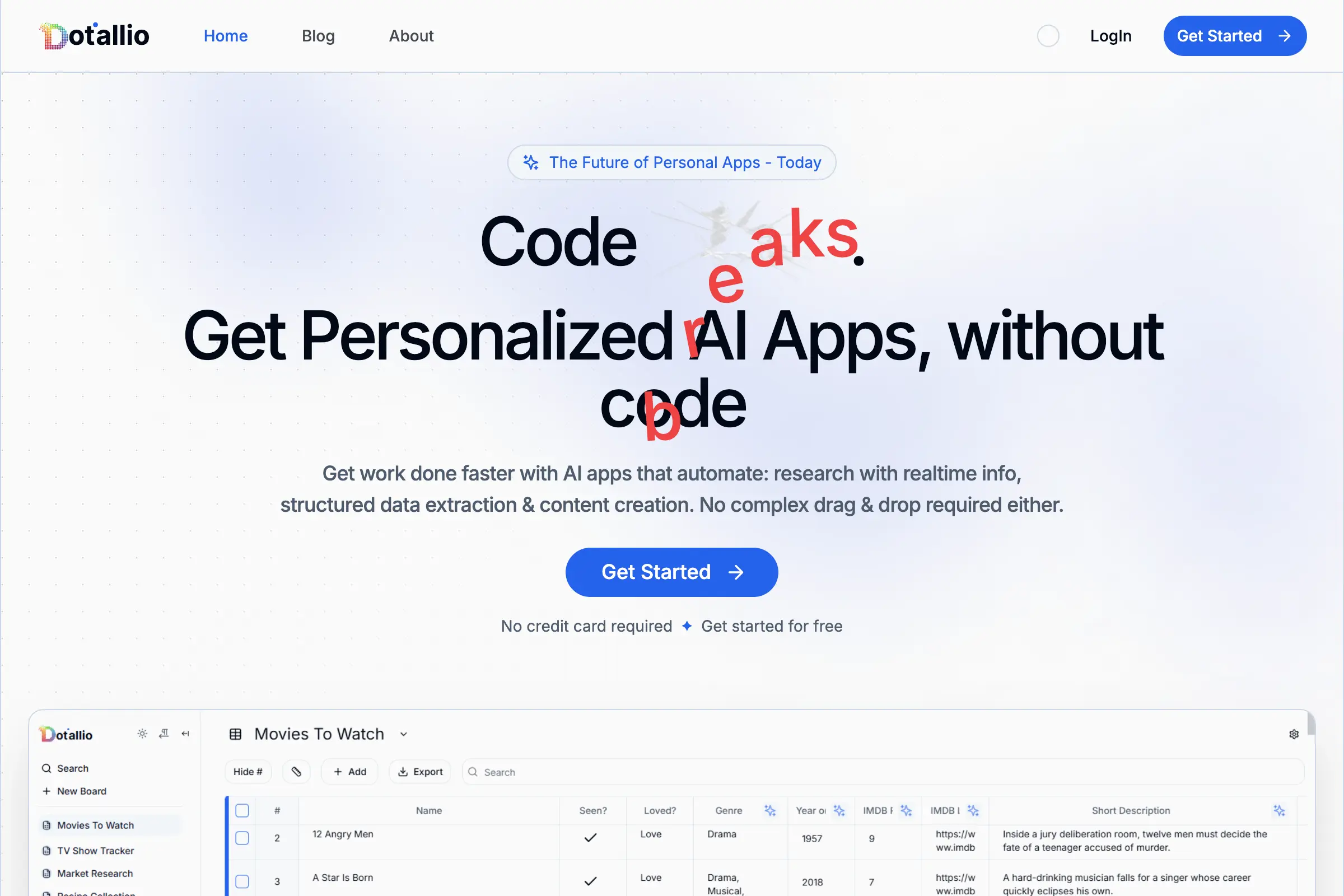
Dotallio
Personalized AI apps that automate research, data extraction, and content creation without code 🤖

Talk to Santa
Enjoy a magical live video chat or receive a unique AI-generated video greeting from Santa Claus 🎅

pozywka.pl
Scalable blog for food journalist, focused on performance and user experience 🌭
zagrodzki.me
Personal blog and portfolio of Bart Zagrodzki, where he shares his knowledge and work 💼
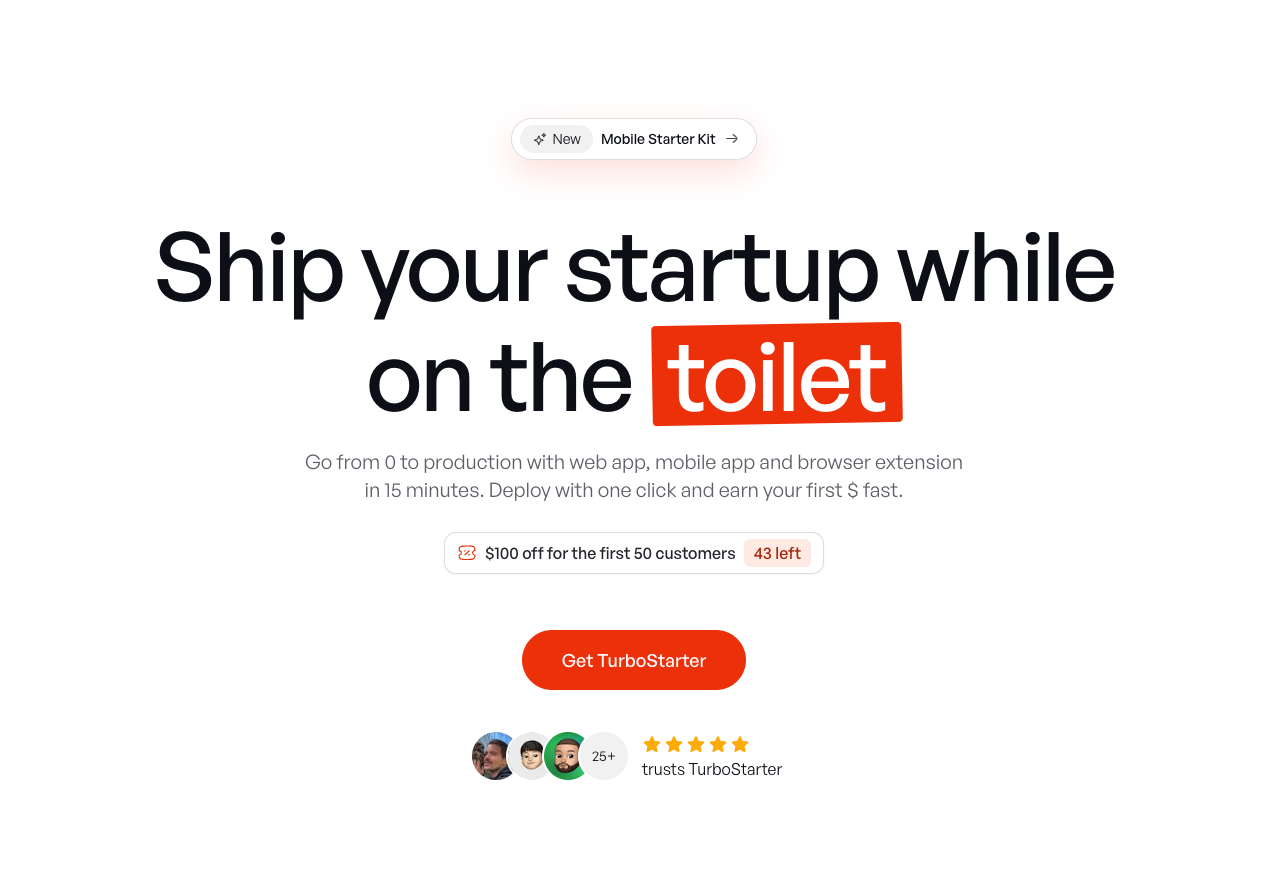
TurboStarter
Ship your startup everywhere. In minutes.
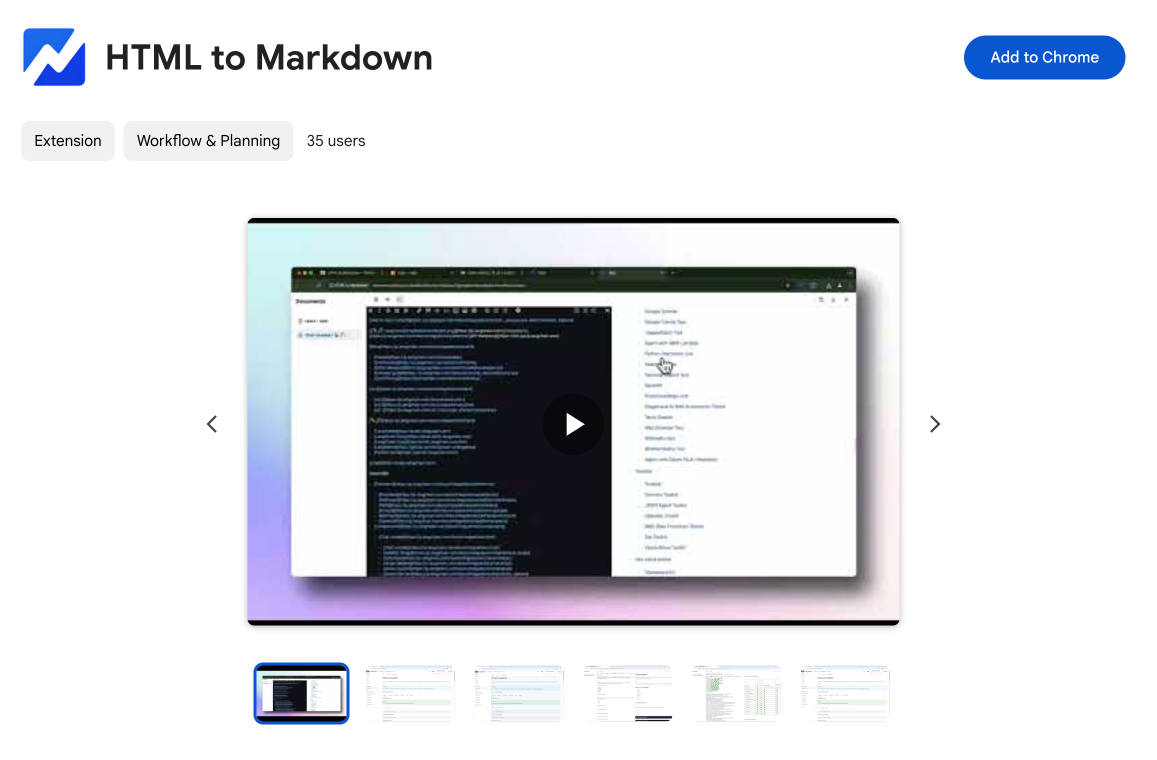
HTML to Markdown
Convert HTML to Markdown with ease, directly in your browser 📄
Dotallio
Personalized AI apps that automate research, data extraction, and content creation without code 🤖
Talk to Santa
Enjoy a magical live video chat or receive a unique AI-generated video greeting from Santa Claus 🎅
pozywka.pl
Scalable blog for food journalist, focused on performance and user experience 🌭
zagrodzki.me
Personal blog and portfolio of Bart Zagrodzki, where he shares his knowledge and work 💼
TurboStarter
Ship your startup everywhere. In minutes.
HTML to Markdown
Convert HTML to Markdown with ease, directly in your browser 📄
Dotallio
Personalized AI apps that automate research, data extraction, and content creation without code 🤖
Talk to Santa
Enjoy a magical live video chat or receive a unique AI-generated video greeting from Santa Claus 🎅
pozywka.pl
Scalable blog for food journalist, focused on performance and user experience 🌭
zagrodzki.me
Personal blog and portfolio of Bart Zagrodzki, where he shares his knowledge and work 💼
TurboStarter
Ship your startup everywhere. In minutes.
HTML to Markdown
Convert HTML to Markdown with ease, directly in your browser 📄
Dotallio
Personalized AI apps that automate research, data extraction, and content creation without code 🤖
Talk to Santa
Enjoy a magical live video chat or receive a unique AI-generated video greeting from Santa Claus 🎅
pozywka.pl
Scalable blog for food journalist, focused on performance and user experience 🌭
zagrodzki.me
Personal blog and portfolio of Bart Zagrodzki, where he shares his knowledge and work 💼
TurboStarter
Ship your startup everywhere. In minutes.
HTML to Markdown
Convert HTML to Markdown with ease, directly in your browser 📄
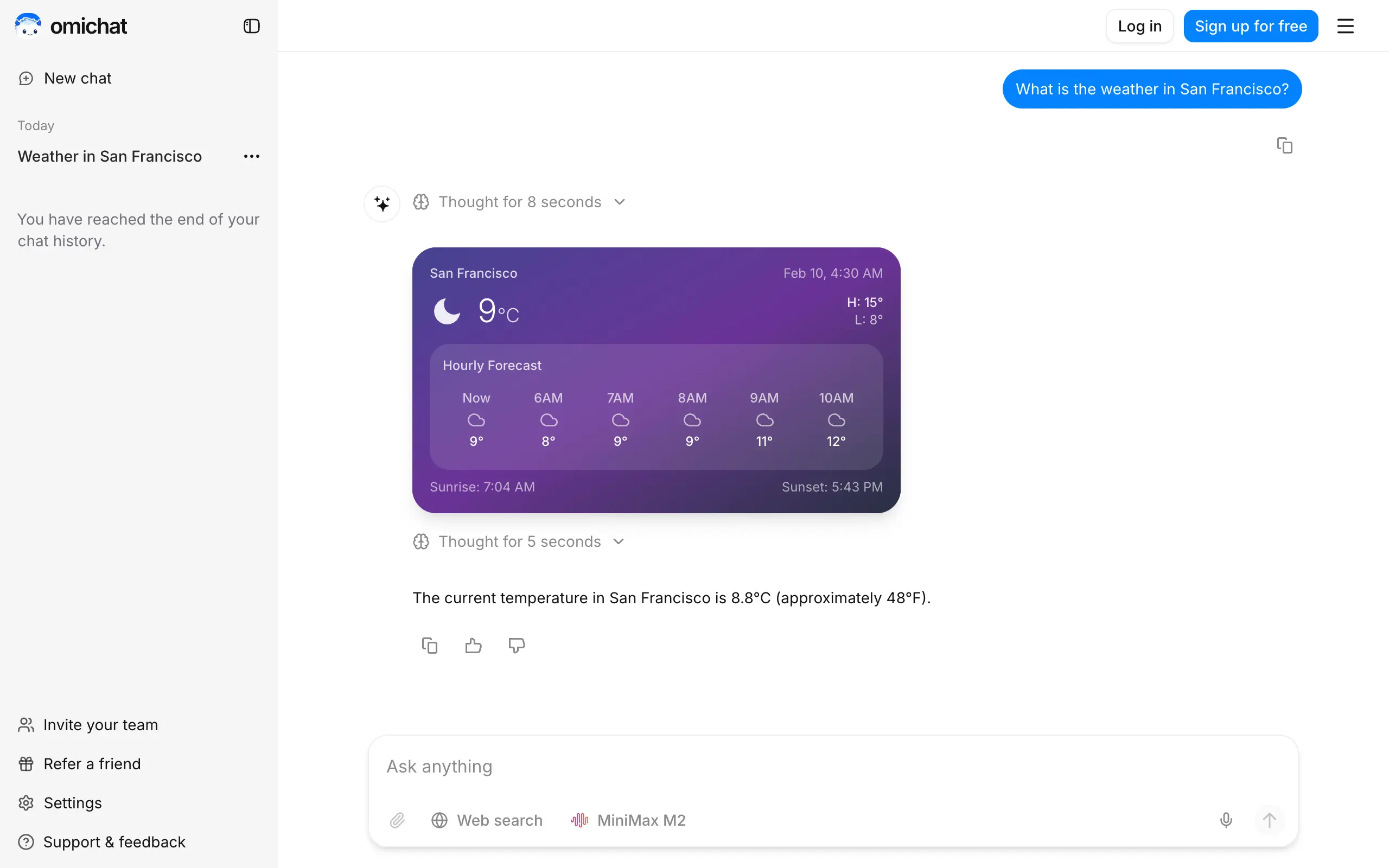
Omichat
Chat with 50+ AI models, including ChatGPT and Claude, in one place - switch models anytime without losing context 🤖
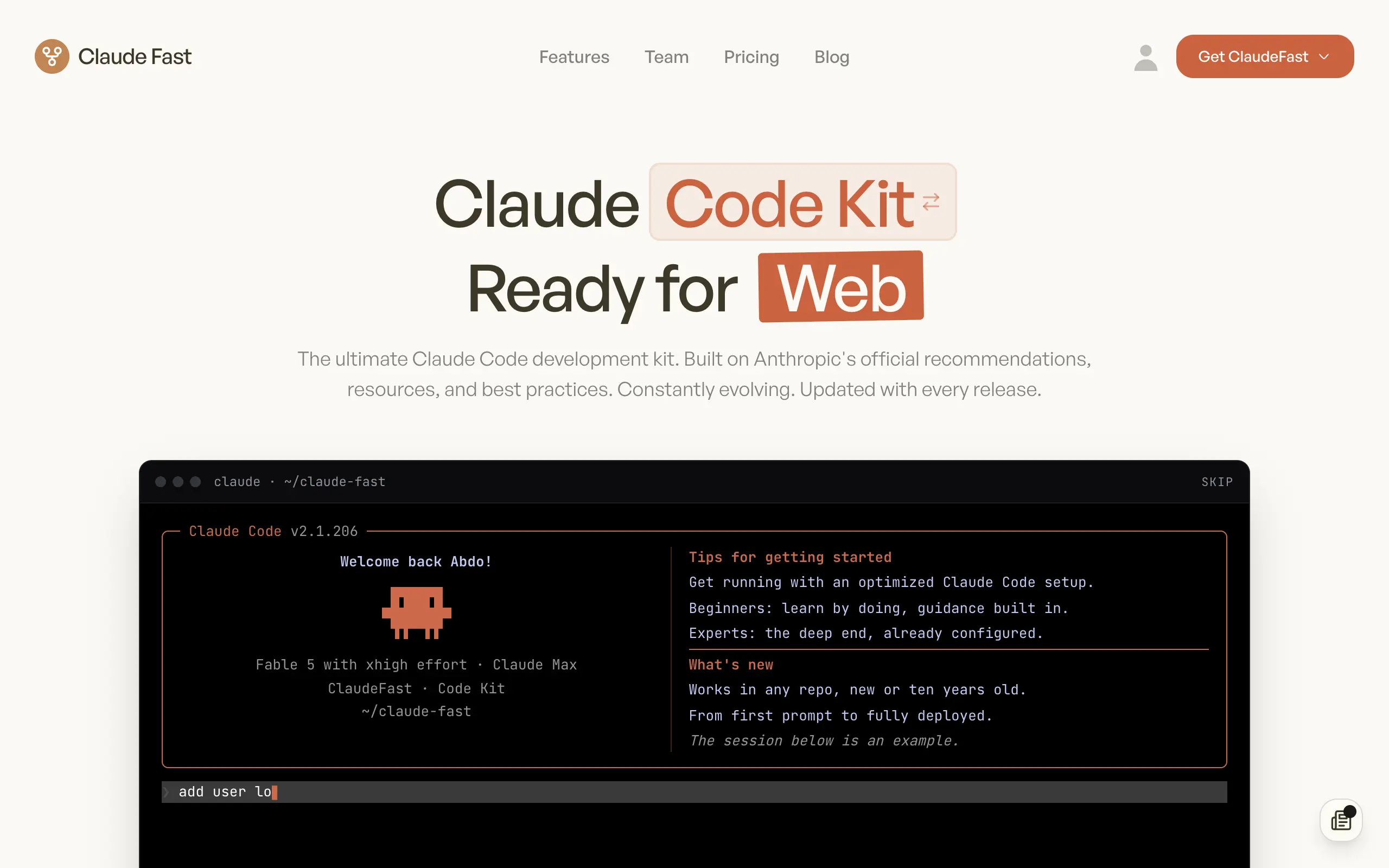
Claude Fast
Supercharge your Claude Code with 6x effective context window and specialized AI agents 🤖
EmojAI
AI-powered emoji picker with smart, context-aware suggestions 🤖
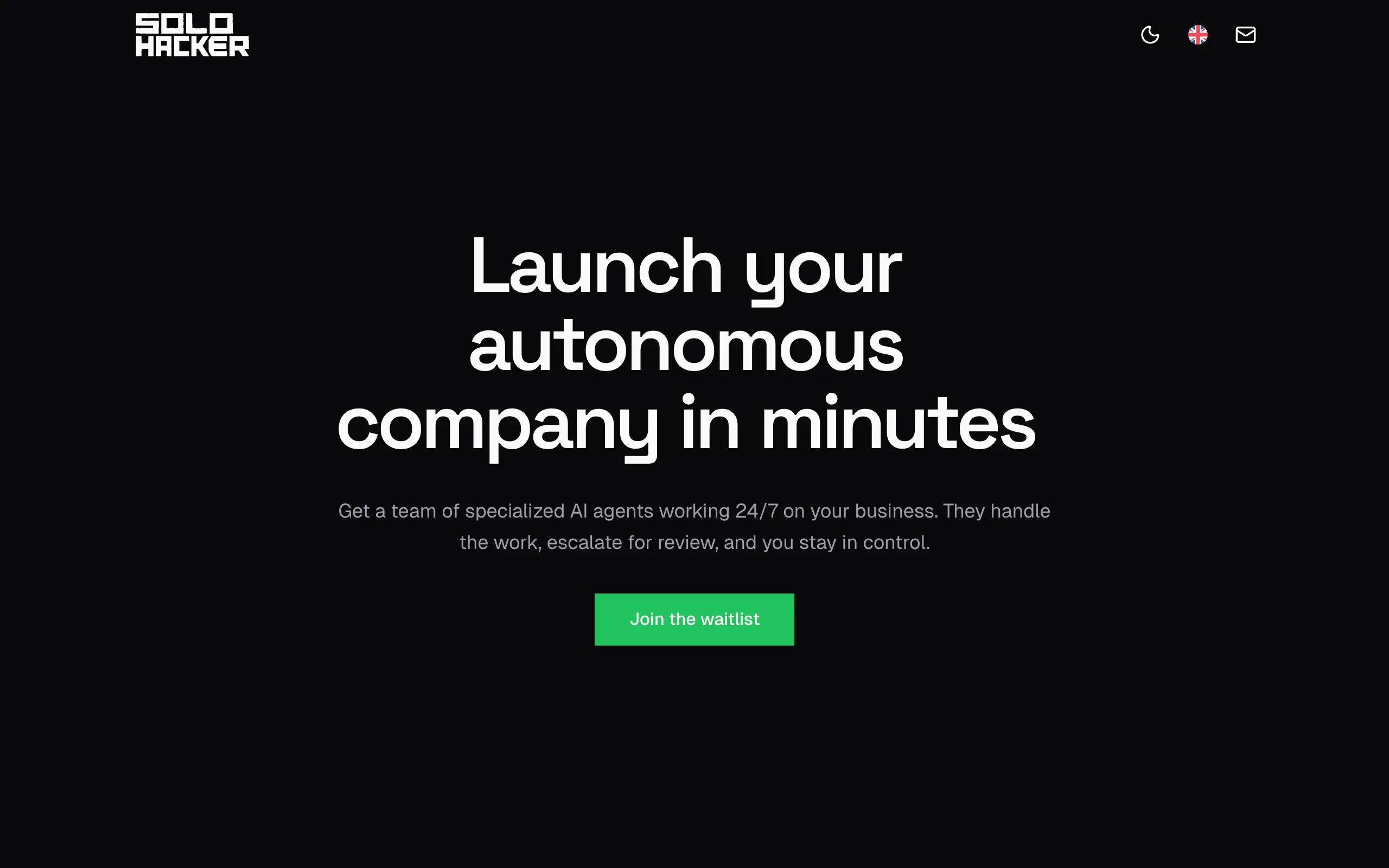
Solohacker
Autonomous company launcher - AI agents work 24/7, escalate what matters, and you stay in control 🤖
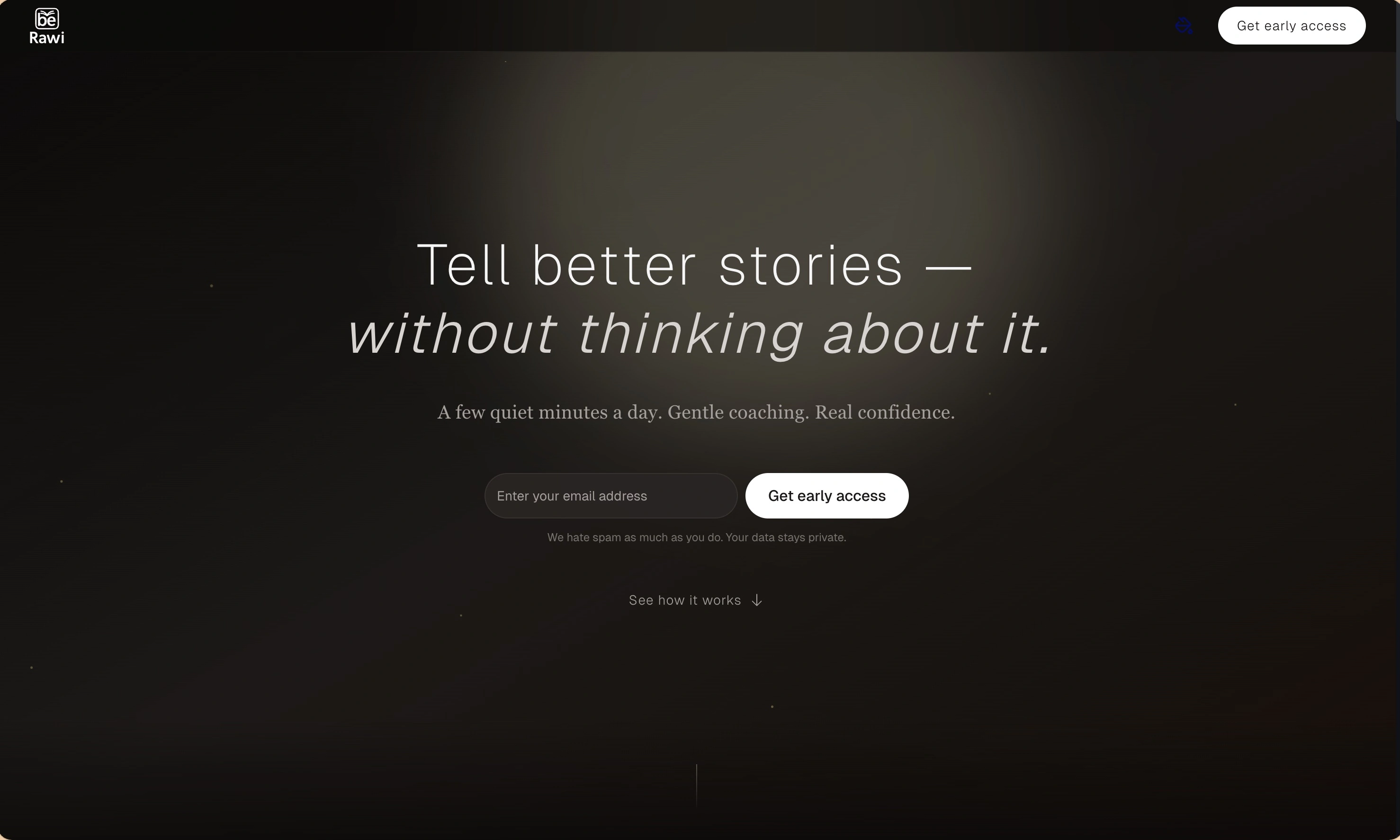
BeRawi: Storytelling Coach
Practice storytelling daily with instant feedback to sound clearer, more engaging, and confident 🎤
Omichat
Chat with 50+ AI models, including ChatGPT and Claude, in one place - switch models anytime without losing context 🤖
Claude Fast
Supercharge your Claude Code with 6x effective context window and specialized AI agents 🤖
EmojAI
AI-powered emoji picker with smart, context-aware suggestions 🤖
Solohacker
Autonomous company launcher - AI agents work 24/7, escalate what matters, and you stay in control 🤖
BeRawi: Storytelling Coach
Practice storytelling daily with instant feedback to sound clearer, more engaging, and confident 🎤
Omichat
Chat with 50+ AI models, including ChatGPT and Claude, in one place - switch models anytime without losing context 🤖
Claude Fast
Supercharge your Claude Code with 6x effective context window and specialized AI agents 🤖
EmojAI
AI-powered emoji picker with smart, context-aware suggestions 🤖
Solohacker
Autonomous company launcher - AI agents work 24/7, escalate what matters, and you stay in control 🤖
BeRawi: Storytelling Coach
Practice storytelling daily with instant feedback to sound clearer, more engaging, and confident 🎤
Omichat
Chat with 50+ AI models, including ChatGPT and Claude, in one place - switch models anytime without losing context 🤖
Claude Fast
Supercharge your Claude Code with 6x effective context window and specialized AI agents 🤖
EmojAI
AI-powered emoji picker with smart, context-aware suggestions 🤖
Solohacker
Autonomous company launcher - AI agents work 24/7, escalate what matters, and you stay in control 🤖
BeRawi: Storytelling Coach
Practice storytelling daily with instant feedback to sound clearer, more engaging, and confident 🎤

Connect with like-minded people
Join our community to get feedback, support, and grow together with 1,000+ builders on board, let's ship it!
Join usShip your startup everywhere. In minutes.
Don't burn tokens on setup and start building features on day one.