SpecShip
Turn plain-English product specs into versioned tickets, AI-ready coding prompts, and safe deployment checklists for solo builders.
Why an AI product specification tool is becoming essential for solo builders
The hardest part of shipping software is rarely writing the first line of code. For solo founders, indie hackers, product-minded developers, and small SaaS teams, the real bottleneck is converting an idea into a buildable, testable, and deployable plan.
A feature request may begin as a short note such as, “Let users export their reports to CSV.” That sentence conceals dozens of decisions:
- Which users can export data?
- Which report types are included?
- What columns should appear?
- How are large exports handled?
- What happens when an export fails?
- Which privacy and authorization rules apply?
- How will the work be tested before release?
- What must be checked before deployment?
Without a structured process, builders jump from a vague product thought directly into code. The result is familiar: unclear requirements, rework, inconsistent AI coding prompts, incomplete pull requests, risky releases, and a product backlog full of half-defined tasks.
SpecShip is positioned as an AI product specification tool for this exact gap. It turns plain-English product specs into versioned tickets, AI-ready coding prompts, and safe deployment checklists for solo builders.
Its core value proposition is not merely “AI writes tickets.” It creates a practical bridge between product thinking and technical execution. Rather than forcing founders to adopt enterprise-heavy product management software, SpecShip can help them transform lightweight ideas into structured delivery artifacts that are useful to both humans and AI coding assistants.
The central opportunity
Solo builders do not need more places to store ideas. They need a reliable workflow that turns an idea into a clear implementation plan, a high-quality coding prompt, and a release process with fewer avoidable mistakes.
Who SpecShip should serve first
The best initial audience for SpecShip is not every product team. Broad positioning may sound attractive, but a focused initial customer profile makes product decisions, onboarding, messaging, and pricing far clearer.
Primary audience: technical solo founders
The primary audience is technical founders building SaaS products, internal tools, marketplaces, APIs, or developer products. They may be comfortable coding in TypeScript, Python, Ruby, Go, or another modern language, but they often lack dedicated product operations support.
These users commonly work in a fragmented loop:
- Capture an idea in notes, chat, or a task manager.
- Think through implementation while coding.
- Ask an AI assistant for help with individual files or functions.
- Discover missing requirements halfway through the build.
- Ship with a mental checklist that varies from release to release.
- Return later and struggle to remember why a decision was made.
For this segment, an AI product specification tool must feel faster than their current informal process. If creating a structured spec takes longer than opening an editor and improvising, adoption will fail.
The product should promise a concrete outcome: go from rough feature idea to a build-ready package in minutes, not meetings.
Secondary audience: fractional CTOs and product consultants
Fractional CTOs, startup advisors, and product consultants manage several clients at once. They need to communicate decisions clearly, reduce ambiguity with outsourced developers, and keep a durable record of requirements.
SpecShip can be valuable as a client-facing deliverable generator. A consultant could take a discovery call transcript or a short brief, then produce:
- A feature specification
- User stories and acceptance criteria
- A scoped implementation prompt
- A QA checklist
- A deployment plan
- A versioned decision history
This audience may have higher willingness to pay than individual founders because the tool directly improves the quality and repeatability of client work.
Tertiary audience: lean startup teams
Small teams of two to ten people often feel the pain of missing product process but resist heavyweight software. They need enough structure to align a founder, designer, engineer, and contractor without adopting a process designed for a hundred-person organization.
For these teams, collaboration should be an expansion feature rather than the initial product focus. The early SpecShip experience should remain optimized for one person moving quickly.
Technical solo founders
Need fast clarity before coding, especially when using AI coding assistants and working without a product manager.
Fractional CTOs
Need repeatable deliverables, clear client communication, and an auditable history of implementation decisions.
Lean SaaS teams
Need lightweight alignment across product and engineering without enterprise project management overhead.
The market gap for versioned product specs and AI coding prompts
Project management tools are mature. Products such as issue trackers, documentation platforms, and roadmapping tools already help teams organize work. AI coding tools are also rapidly improving the speed at which developers can generate code, tests, refactors, and documentation.
However, there is a meaningful gap between those categories.
Traditional issue trackers often capture work after a team has already clarified it. They are excellent systems of record but weak systems for turning a messy idea into a complete specification. General-purpose documents are flexible, but flexibility can lead to inconsistent quality. AI chat tools can generate output quickly, but outputs are usually ephemeral, difficult to version, and disconnected from release workflows.
The missing layer is a specification-to-shipping workflow:
- Input in natural language
- Guided clarification of product and technical unknowns
- Structured tickets with acceptance criteria
- Context-aware prompts for AI coding tools
- Versioned changes and decision records
- Release and rollback checklists
SpecShip can own this layer.
Why AI coding changes the importance of specifications
AI coding assistants increase the value of good context. A vague request can still produce plausible code, but plausible code is not necessarily correct code. It may ignore authorization constraints, edge cases, existing architecture, data migrations, observability, or user experience expectations.
The quality of AI-assisted implementation is heavily influenced by the quality of the prompt and supporting context. In practice, a strong coding prompt needs more than an instruction to “add CSV export.” It needs:
- Product intent and user value
- Scope and explicit non-goals
- Relevant routes, modules, and data models
- Permission requirements
- Expected behavior and edge cases
- Test expectations
- Definition of done
- Constraints around dependencies or architecture
SpecShip can package this context consistently. That makes it useful even for developers who already use tools such as GitHub Copilot, Cursor, or agentic coding workflows.
The underserved job to be done
The core job to be done is:
When I have a feature idea, help me turn it into a trustworthy build plan that I can execute myself or hand to an AI coding assistant without losing important context.
This differs from “help me manage my tasks” and “help me write code.” The customer is hiring SpecShip to reduce uncertainty before and during implementation.
A successful workflow should create confidence in three moments:
- Before coding — “I understand what I am building and why.”
- During coding — “My AI prompt and technical plan include the right context.”
- Before release — “I have checked the risks that commonly cause avoidable production issues.”
The SpecShip product workflow
SpecShip should be designed around an opinionated workflow rather than a blank canvas. Blank canvases create flexibility, but they also create cognitive load. The product should make the recommended path obvious while allowing advanced users to customize it.
From plain-English idea to structured specification
The entry point should be deceptively simple: a founder writes a short product request in their own words.
For example:
Add an option for workspace owners to export monthly usage data as CSV from the analytics page.
SpecShip should then guide the user through targeted clarifying questions. The AI should not ask every conceivable question. Instead, it should identify the highest-risk ambiguities that would materially affect implementation.
Useful clarification prompts might include:
- Who is allowed to export data?
- Is the export limited to a date range?
- Which usage metrics are included?
- Should exports be generated instantly or asynchronously?
- What should happen if the data set is too large?
- Is the export activity security-sensitive enough to audit?
- Are there existing analytics or reporting modules to reuse?
- What is explicitly out of scope for the first release?
After clarification, SpecShip produces a structured feature spec that users can edit. The generated output should read like a concise, practical internal product brief rather than generic AI prose.
Versioned specs are a core differentiator
Versioning is central to the SpecShip value proposition. Requirements change. Scope changes. Architecture changes. A release may reveal an edge case that requires a decision to be revisited.
A simple “last edited” timestamp is not enough. Users need to understand what changed, why it changed, and which implementation artifacts are now outdated.
Each spec version should include:
- A version number
- Author and timestamp
- Change summary
- Linked decision notes
- Updated acceptance criteria
- Prompt regeneration status
- Ticket synchronization status
- Release impact markers
For example, changing a feature from synchronous export to asynchronous background processing should trigger clear notices. Existing coding prompts, test plans, and deployment checklists may no longer be valid.
This is where SpecShip can differentiate itself from basic AI writing tools. It treats specs as living operational artifacts, not static documents.
Generate tickets that engineering can actually use
Tickets should be generated from the specification but should not be a shallow copy of it. Each ticket needs a focused implementation goal, dependencies, acceptance criteria, and technical context appropriate to its scope.
A feature may be decomposed into tickets such as:
- Add export permission and authorization policy
- Create a usage data query service
- Build asynchronous CSV export generation
- Add export request and download UI
- Add audit log events and observability
- Add unit, integration, and end-to-end coverage
- Prepare release notes and rollout checks
The ticket generator should allow users to choose a decomposition strategy:
Use fewer, broader tickets for a solo developer who understands the codebase and wants minimal administrative overhead.
Split work by risk boundaries such as data access, migrations, background jobs, user interface, testing, and deployment.
Create independently assignable tickets with fuller context, explicit dependencies, estimated complexity, and acceptance criteria.
A practical ticket includes enough detail to prevent rediscovery while avoiding the false precision of overly rigid requirements.
Create AI-ready coding prompts with reusable context
The AI-ready prompt generator is likely to be one of SpecShip’s strongest acquisition hooks. Many builders understand that prompt quality matters but do not want to manually assemble context every time they start a task.
A useful coding prompt should have modular sections:
Task
Implement the CSV usage export feature for workspace owners.

Product intent
Workspace owners need a downloadable monthly record of usage metrics for finance and operational reporting.

Relevant constraints
- Only workspace owners can request exports
- Exports must include data only from the active workspace
- Use the existing background job infrastructure
- Do not introduce a new third-party analytics dependency

Acceptance criteria
- Owners can select a monthly date range and request an export
- Non-owners receive an authorization error
- Large exports are generated asynchronously
- Users receive a notification when the file is ready
- Export activity is captured in the audit log

Testing expectations
Add authorization, query filtering, background job, and UI state tests.
The prompt should adapt to the user’s chosen coding environment. A prompt for a repository-aware coding agent may include file paths, architectural conventions, and validation commands. A prompt for a browser-based chat assistant may need a smaller, self-contained context bundle.
SpecShip should also support prompt templates for common stacks. For example, the user may select a Next.js and PostgreSQL template, a Rails template, or a Django template. Templates must remain editable because every codebase has conventions that a generic tool cannot know.
Core features for a useful AI product specification tool
The initial feature set should be cohesive. Trying to become a full project management suite, documentation system, design tool, and coding agent at launch would dilute the product.
| Capability | User problem | SpecShip solution | MVP priority | Why it matters |
|---|---|---|---|---|
| Idea intake | Requests start vague | Plain-English input with guided questions | High | Creates a low-friction entry point |
| Spec generator | Requirements are incomplete | Structured scope, stories, criteria, risks, and non-goals | High | Establishes the product’s core value |
| Ticket generator | Work is difficult to break down | Implementation-focused tickets with dependencies | High | Moves users toward execution |
| Prompt builder | AI tools lack business context | Context-rich coding prompts by task | High | Connects specs to AI-assisted delivery |
| Release checklist | Solo releases skip safeguards | Dynamic pre-deploy and rollback checklist | High | Creates a credible shipping advantage |
| Integrations | Manual copy-paste creates friction | Export and sync with existing tools | Medium | Improves retention after workflow value is proven |
MVP feature recommendations
The first version of SpecShip should include the following capabilities.
- "Guided specification generation": Convert a plain-language request into a structured feature spec with goals, non-goals, user stories, acceptance criteria, assumptions, edge cases, and risks.
- "Clarification engine": Ask a small number of high-value questions before generating the final spec.
- "Version history": Save revisions, compare changes, and mark downstream tickets or prompts as stale when requirements change.
- "Ticket decomposition": Generate implementation tickets with dependencies and definitions of done.
- "AI coding prompt builder": Produce copy-ready prompts at feature and ticket levels.
- "Deployment checklist generator": Generate a tailored checklist covering migrations, environment variables, monitoring, feature flags, rollback, and post-release validation.
- "Export options": Support Markdown, plain text, and structured JSON exports from the beginning.
The first release does not need real-time multiplayer editing, a native mobile app, advanced roadmaps, time tracking, or deep two-way integrations. Those features can wait until user behavior proves their importance.
Safe deployment checklists should be more than generic templates
Deployment checklists are often treated as boilerplate. That is a missed opportunity.
A strong release checklist should change based on the spec. If a feature contains a database migration, it should ask about migration safety, backwards compatibility, duration, locking risk, and rollback. If it introduces billing behavior, it should require test mode validation and customer communication. If it changes authentication, it should require authorization testing and session behavior checks.
A dynamic checklist could include sections such as:
- Pre-deployment validation
- Database and data migration safety
- Feature flags and staged rollout
- Environment configuration
- Monitoring and alerting
- Security and privacy review
- Rollback plan
- Post-deployment smoke testing
- Customer support readiness
This feature reinforces a powerful brand message: SpecShip helps builders ship faster without treating safety as an afterthought.
Recommended technology stack for SpecShip
A good technical stack should support rapid iteration, secure multi-tenant data handling, AI orchestration, and reliable version history. The right choice is less about following trends and more about minimizing operational burden for the stage of the company.
Recommended web application stack
For a TypeScript-first SaaS, the following stack is pragmatic:
- Next.js for the application framework, server rendering, route handlers, and a mature deployment ecosystem.
- React for composable interactive interfaces.
- TypeScript for safer application and domain model development.
- Tailwind CSS for fast, consistent interface implementation.
- PostgreSQL for relational data, transaction support, JSON fields, full-text capabilities, and dependable multi-tenant modeling.
- Prisma or a SQL-first ORM/query layer for typed database access and migrations.
- Vercel or another managed platform for early deployment simplicity.
- Stripe for subscriptions, metered billing, invoices, and payment flows.
- Sentry for error monitoring and production diagnostics.
For founders who want to move from concept to production quickly, TurboStarter can reduce foundational SaaS setup work by providing a production-oriented starting point for authentication, billing, user management, and application architecture.
AI architecture and model strategy
SpecShip should use a provider-agnostic AI layer. AI providers, model capabilities, cost profiles, and latency characteristics change quickly. Hard-coding business logic around a single model provider creates unnecessary platform risk.
The application should separate:
- Prompt templates — the instructions and output contracts
- Context assembly — user inputs, spec history, workspace standards, and template data
- Model execution — the provider and model used for each task
- Output validation — schema checking, safety checks, retries, and user-facing formatting
- Evaluation — quality scoring against representative product scenarios
Structured outputs are especially important. Instead of requesting freeform text, ask the model to populate a defined schema for a product spec, ticket, or checklist. This makes rendering predictable and enables downstream features such as version comparison and export.
A simplified schema could look like this:
type FeatureSpec = {
  title: string;
  problemStatement: string;
  goals: string[];
  nonGoals: string[];
  userStories: Array<{
    persona: string;
    need: string;
    benefit: string;
  }>;
  acceptanceCriteria: string[];
  edgeCases: string[];
  risks: string[];
  openQuestions: string[];
};
Trade-offs to consider
A serverless-first architecture is ideal for an MVP because it reduces infrastructure work. However, long-running AI jobs, bulk imports, large document processing, and high-volume exports may require a durable background job system as the product grows.
Similarly, PostgreSQL is a strong default for structured application data. But semantic retrieval over large repositories or workspace knowledge bases may eventually benefit from embeddings and vector search. That capability should be introduced only after validating that users want repository-aware or documentation-aware prompt generation.
Do not begin by building a complex retrieval-augmented generation system. Start with manually configurable workspace context, reusable templates, and structured specs. Add repository ingestion when there is clear evidence that it improves activation or retention.
Monetization strategy for SpecShip
SpecShip is well suited to a freemium SaaS model because users need to experience the transformation from a rough idea to usable delivery artifacts before they understand the value.
Suggested pricing structure
- "Free": Limited specs per month, basic exports, and a small number of AI generations. Designed for evaluation and early-stage builders.
- "Builder": A monthly individual plan with unlimited or generous spec generation, version history, prompt templates, deployment checklists, and private workspaces.
- "Pro": Higher AI usage limits, advanced export formats, custom workspace standards, integrations, and reusable organization templates.
- "Consultant": Multiple client workspaces, white-label exports, priority support, and higher collaboration limits.
- "Team": Per-seat or workspace pricing with shared templates, approval flows, integration sync, and administrative controls.
The pricing metric should align with value and cost. Pure seat-based pricing may not fit solo founders well. A hybrid model can work better: charge for workspace capability while including a reasonable AI usage allowance, then offer paid usage packs or model upgrades for heavy users.
Monetize outcomes, not just generation credits
AI credits are easy to understand, but they can commoditize the product. SpecShip should primarily sell the workflow and reliability layer around AI.
Premium features should include:
- Versioned specifications and change impact analysis
- Custom spec frameworks and templates
- Reusable coding prompt packs
- Branded client-ready exports
- Release governance and approval records
- Integration automation
- Workspace-specific engineering standards
- Audit history and retention controls
This positioning makes SpecShip more defensible than a simple prompt generator.
Competitive advantage and differentiation
SpecShip will compete indirectly with project management platforms, documentation tools, AI chat products, coding assistants, and template libraries. Its competitive advantage must be specific.
The strongest positioning is:
SpecShip is the versioned specification-to-shipping workspace for solo builders who use AI to build software but still need product clarity, implementation boundaries, and safe release discipline.
What makes SpecShip different
It starts with product intent. Coding tools typically begin once a developer has chosen what to build. SpecShip starts earlier by helping users define the problem, scope, and success criteria.
It creates connected artifacts. The spec, tickets, prompts, and deployment checklist should remain linked. A requirement change should visibly affect downstream work.
It is optimized for solo execution. Enterprise product workflows can be overwhelming for one-person teams. SpecShip should favor speed, defaults, and practical detail over ceremonies and status reporting.
It combines velocity with safety. Most AI developer tooling emphasizes faster output. SpecShip can stand out by making testing, security, observability, rollout, and rollback part of the normal workflow.
It builds an institutional memory. A versioned record of why a feature was scoped a certain way becomes more valuable as the product grows. This is especially useful when founders revisit old areas of the codebase or begin hiring.
Issue trackers are valuable destinations for planned work, but they usually do not solve the upstream problem of converting ambiguous requests into complete, implementation-ready requirements. SpecShip can complement an issue tracker by generating higher-quality work items before they are synced.
A general AI chatbot can produce a document, but it does not automatically maintain versions, connect changes to tickets, enforce a consistent schema, generate release checklists, or preserve reusable workspace standards. SpecShip productizes the repeatable workflow around generation.
Coding assistants are strongest inside the development environment. SpecShip can remain tool-agnostic and focus on the product-to-engineering handoff, generating context packages that work across editors, agents, issue trackers, and development workflows.
Risks and practical mitigation strategies
Building an AI product specification tool has real risks. Addressing them early is essential for trustworthiness.
Risk: generic or incorrect AI output
A spec that sounds professional but misses key requirements can create false confidence. This is one of the most serious product risks.
Mitigation should include:
- Structured output schemas rather than unrestricted prose
- Explicit assumptions and open questions in every generated spec
- A review step before artifacts are marked ready
- Domain-specific templates for common SaaS workflows
- Evaluation datasets based on realistic feature requests
- User feedback controls that improve future prompt templates
- Clear messaging that SpecShip assists judgment rather than replacing it
The interface should make uncertainty visible. It is better to show “Open question: Should deleted users remain in exports?” than to silently invent an answer.
Risk: sensitive product and codebase information
Users may paste product strategy, customer data, architecture details, credentials, or proprietary code into the product. Security and privacy are therefore product requirements, not compliance theater.
Mitigation should include:
- Encryption in transit and at rest
- Strong workspace tenancy boundaries
- Role-based access controls as collaboration expands
- Clear data retention settings
- Secret detection and warnings for pasted credentials
- Provider controls that align with customer privacy expectations
- Audit trails for sensitive workspace activity
- A documented incident response process
Avoid claiming certifications or compliance status until they are actually achieved. Trust is improved by precise, verifiable statements about data handling.
Risk: integration complexity
Users may request integrations with every issue tracker, documentation platform, repository host, and coding assistant. Building all of them too early can slow down the core product.
Mitigation should include starting with high-value export formats and one or two carefully selected integrations. A reliable Markdown export, JSON export, and clipboard-friendly prompt format can provide immediate utility before direct synchronization is available.
Risk: AI costs exceed revenue
Long prompts, multiple regeneration cycles, and premium reasoning models can make margins unpredictable.
Mitigation should include:
- Model routing by task complexity
- Token budgets and transparent usage limits
- Caching of stable context and generated artifacts
- Incremental updates instead of full regeneration
- User-selectable quality modes where appropriate
- Cost monitoring at the workspace and feature level
Risk: users do not change their workflow
Founders are busy and may default to notes, chat, and code. The onboarding experience must demonstrate value immediately.
The activation event should be concrete: a user creates one spec and exports or copies a ticket or coding prompt they actually use. Time-to-value should be measured in minutes.
An implementation roadmap for launching SpecShip
The fastest path is to validate the workflow before investing deeply in integrations or sophisticated AI infrastructure.
Define a strict initial user profile. Focus on technical solo SaaS founders who already use AI coding tools and regularly ship product features.
Interview at least fifteen target users about their last five shipped features. Look for the exact points where requirements changed, AI output failed, testing was skipped, or releases created avoidable problems.
Create a clickable prototype around the core journey: plain-English request, clarifying questions, generated spec, ticket breakdown, coding prompt, and release checklist.
Build the MVP with structured output, editable artifacts, version history, Markdown export, and usage analytics. Avoid broad integration work initially.
Recruit design partners who agree to use SpecShip on real features. Review their generated artifacts and compare them with what they would have created without the tool.
Measure activation, repeat weekly usage, generation-to-export conversion, spec revision rates, and the percentage of users who create a release checklist.
Use the results to prioritize templates, integrations, collaboration, and repository context features based on proven demand.
A practical MVP can be built around a narrow but complete workflow. The goal is not to generate the longest possible product requirements document. The goal is to help users confidently ship one real feature.
Metrics that indicate product-market fit
Early metrics should focus on behavior, not vanity signups.
- "Activation rate": Percentage of new users who generate a spec and use at least one downstream artifact.
- "Time to first usable output": Minutes from account creation to copied prompt, exported ticket set, or saved release checklist.
- "Weekly repeat usage": Percentage of active users returning to plan another feature.
- "Artifact adoption": Whether users copy, export, or synchronize generated tickets and prompts.
- "Revision engagement": Whether users use version history when scope changes.
- "Release checklist completion": A signal that the product is embedded in the shipping workflow.
- "Qualitative proof": User statements that SpecShip prevented rework, improved AI output, or made a release safer.
Avoid a misleading early metric
High generation volume alone does not prove value. Users may regenerate content repeatedly because it is poor, too generic, or difficult to edit. Track whether generated artifacts are actually used in implementation and release workflows.
The path to a durable SaaS business
SpecShip has a compelling opportunity because AI has made implementation faster while making product clarity more valuable, not less valuable. When software can be generated quickly, poorly defined work can also be generated quickly. That amplifies the cost of ambiguity.
The product should not try to replace a founder’s judgment, a product manager’s discovery work, or an engineer’s technical expertise. Instead, it should provide a disciplined system that helps builders preserve context, identify missing decisions, create better AI coding prompts, and reduce release risk.
Its durable moat will not come from a single model prompt. Prompts are replicable. The defensibility comes from a connected workflow, versioned artifacts, user-specific templates, integration into daily shipping behavior, and a growing data model of how successful builders translate ideas into reliable releases.
Start with one promise and make it true: give a solo builder a clearer path from feature idea to safe production release.
More ⚡ Productivity Tool SaaS ideas
Discover more innovative productivity tool SaaS ideas that are trending in 2026. Each idea is AI-generated with market validation and growth potential to help you find your next profitable venture faster than competitors.
Your competitors are building with TurboStarter
Below are some of the SaaS ideas that have been generated and built with our starter kit.
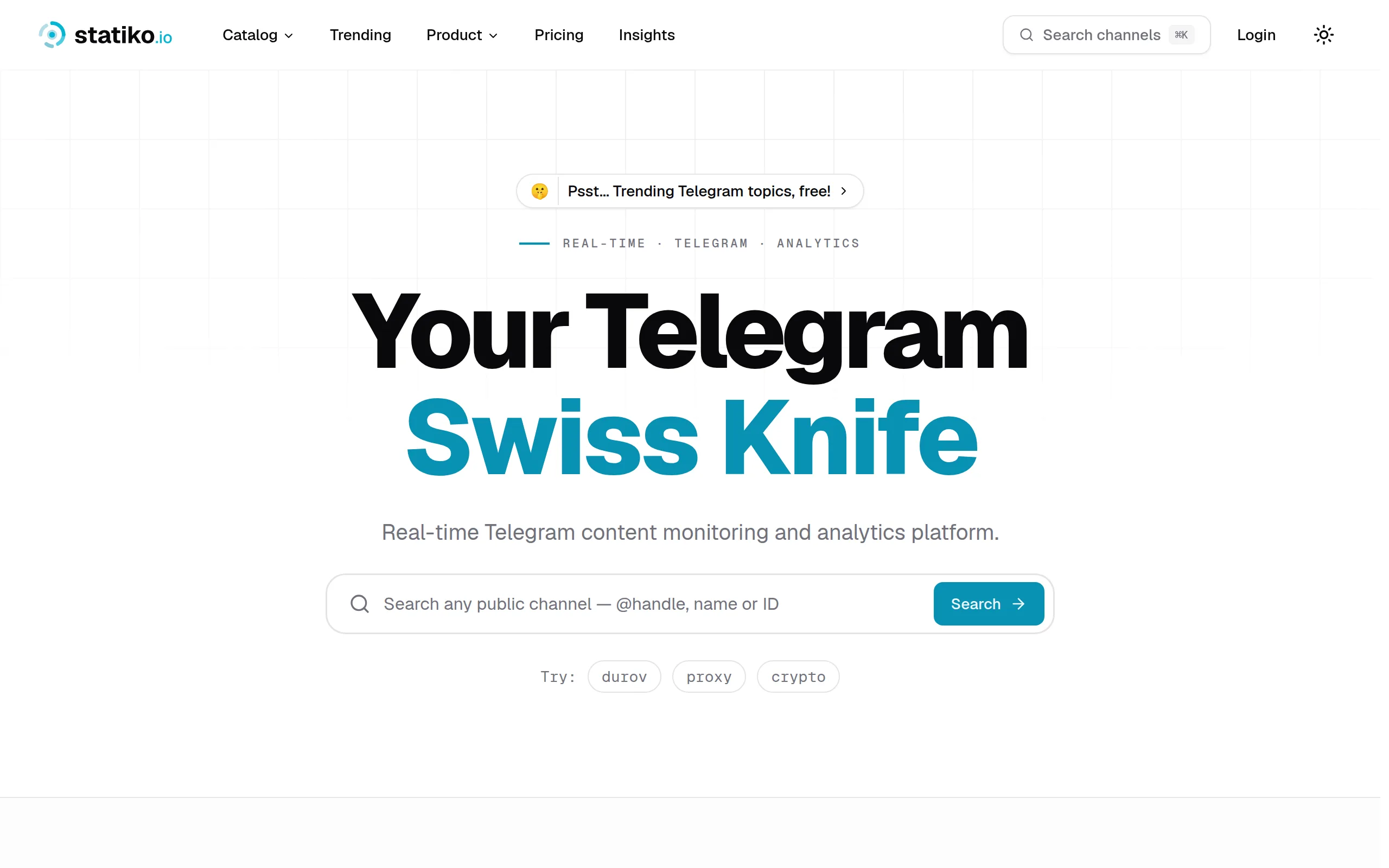
Statiko
Monitor any Telegram channel in real time - track posts, edits, deletions, and growth with AI recaps 📡

Shibui
AI website builder - describe your business, pick a niche template, edit by chatting, and publish instantly ✨

Pro Service
Find verified home service professionals, compare quotes, and pay securely through escrow - built for Brazilians across the US 🏠
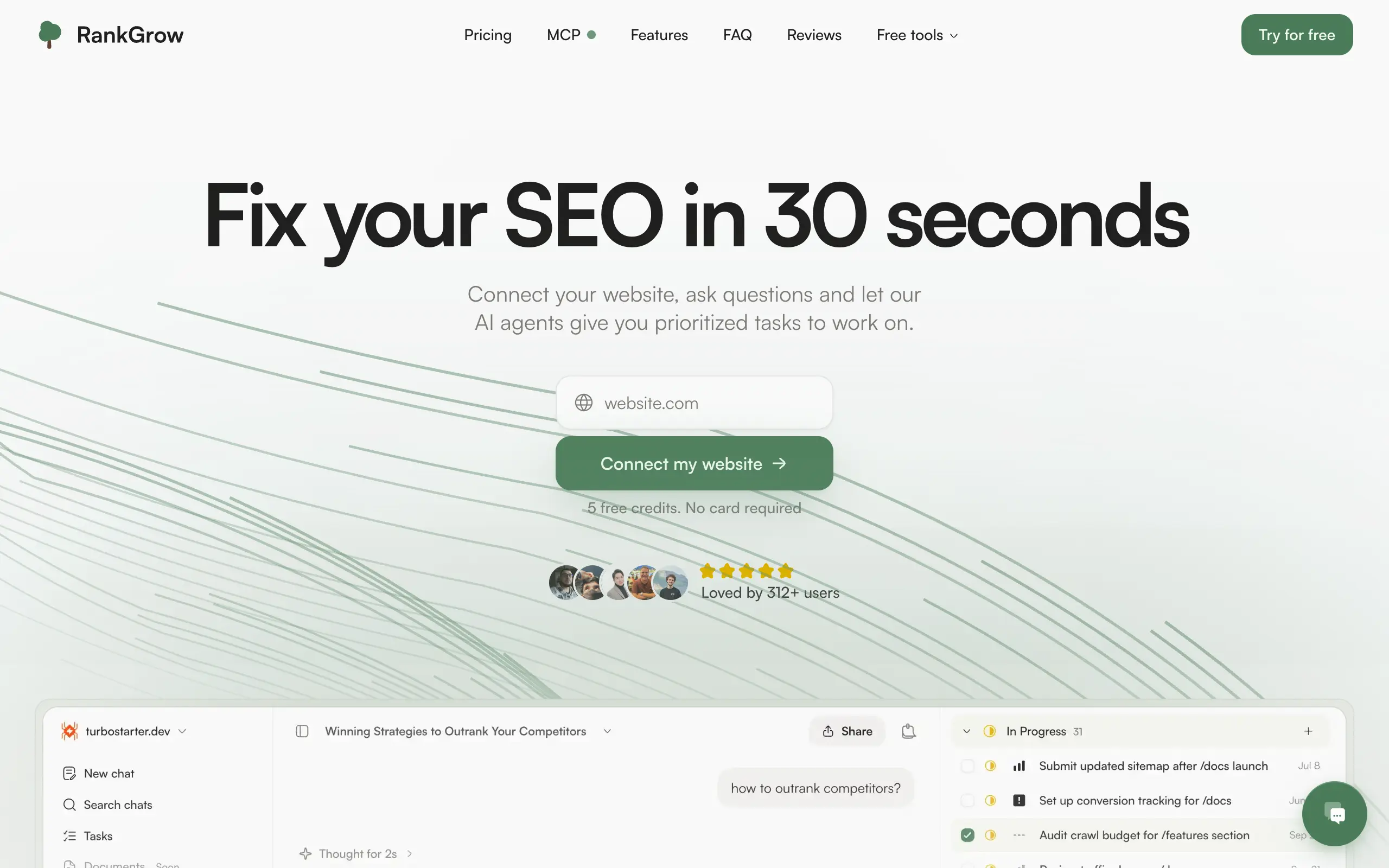
RankGrow
Fix your SEO with AI agents - connect Search Console, get prioritized tasks, and grow organic traffic 📈
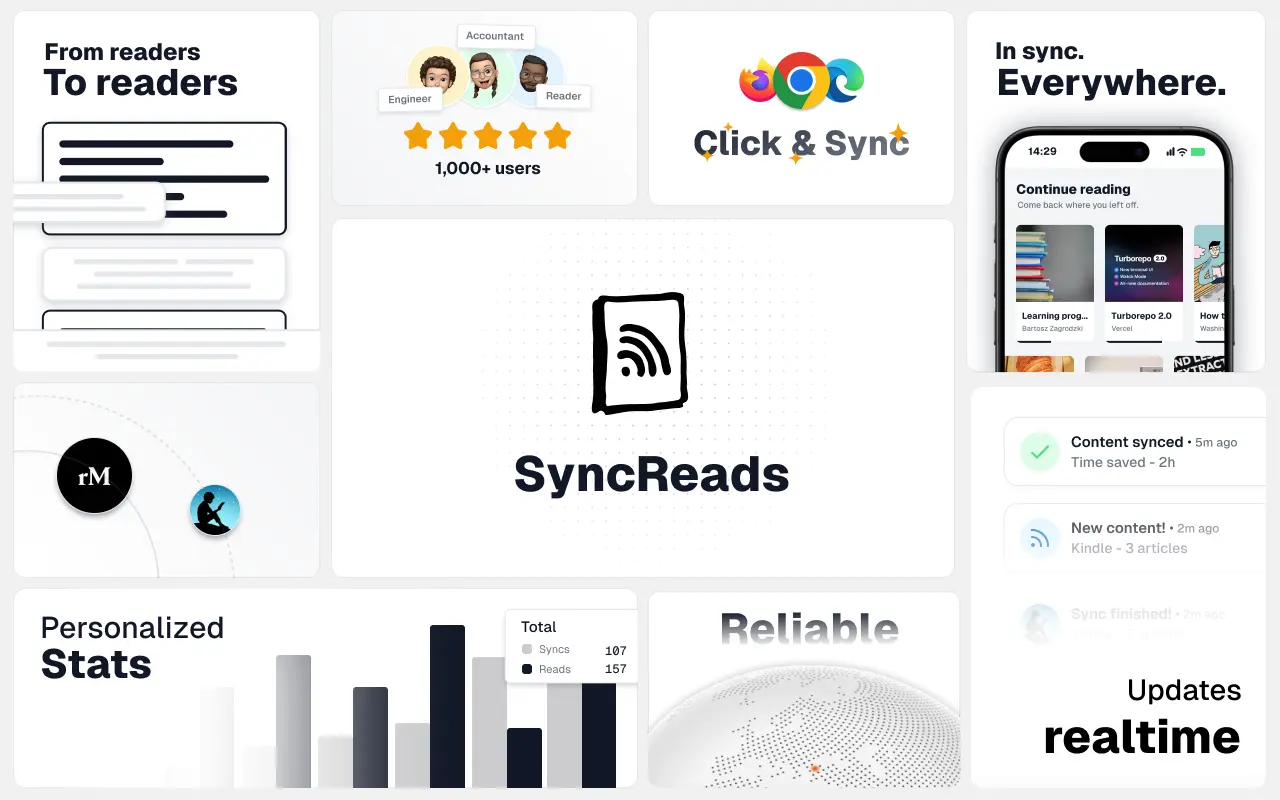
SyncReads
Sync your favorite content for distraction-free reading, save time and replace multiple apps. Anytime, anywhere 🔄
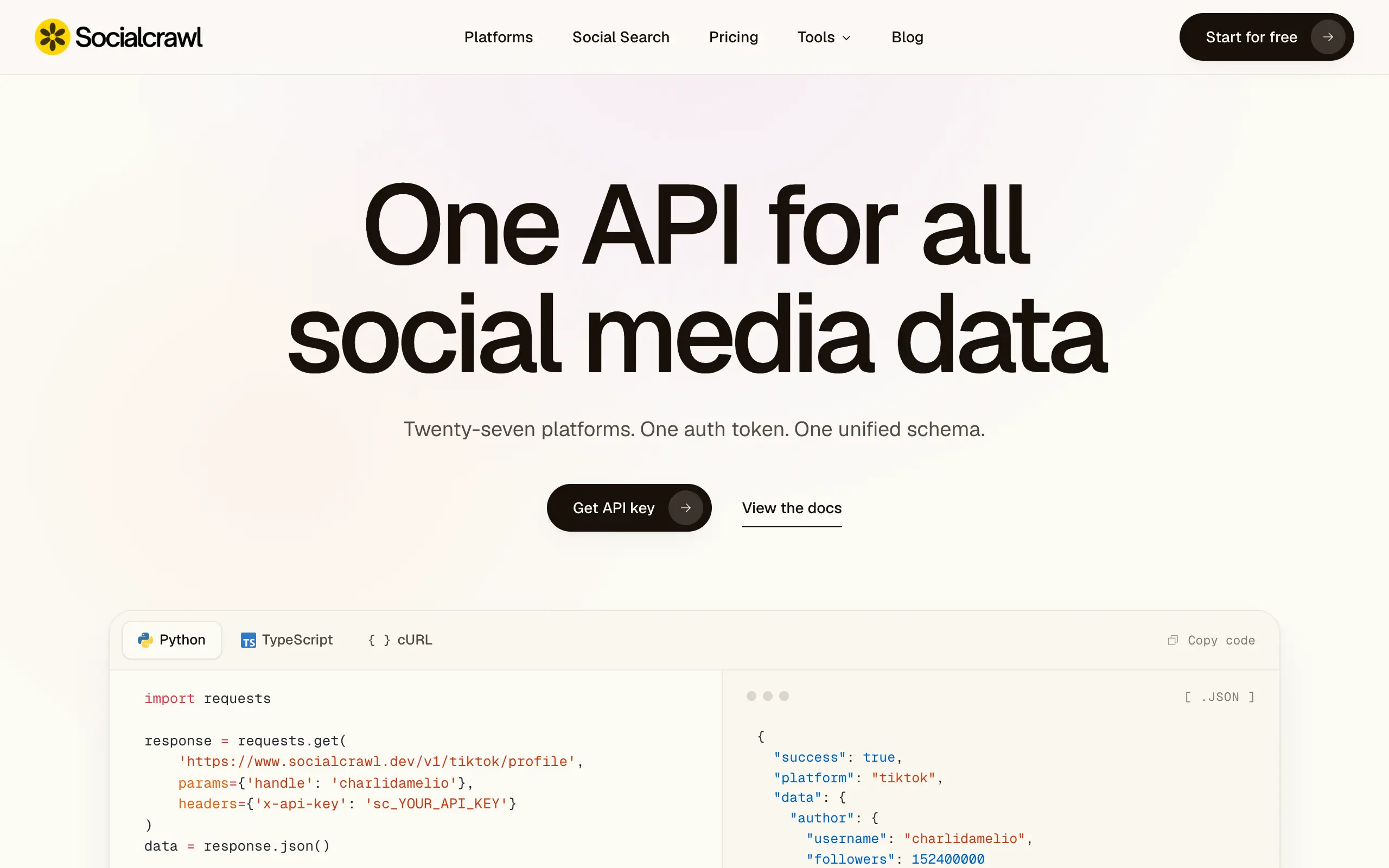
Socialcrawl
Get clean, structured data from 21 platforms like TikTok, Instagram, and YouTube with a single request 📊
Statiko
Monitor any Telegram channel in real time - track posts, edits, deletions, and growth with AI recaps 📡
Shibui
AI website builder - describe your business, pick a niche template, edit by chatting, and publish instantly ✨
Pro Service
Find verified home service professionals, compare quotes, and pay securely through escrow - built for Brazilians across the US 🏠
RankGrow
Fix your SEO with AI agents - connect Search Console, get prioritized tasks, and grow organic traffic 📈
SyncReads
Sync your favorite content for distraction-free reading, save time and replace multiple apps. Anytime, anywhere 🔄
Socialcrawl
Get clean, structured data from 21 platforms like TikTok, Instagram, and YouTube with a single request 📊
Statiko
Monitor any Telegram channel in real time - track posts, edits, deletions, and growth with AI recaps 📡
Shibui
AI website builder - describe your business, pick a niche template, edit by chatting, and publish instantly ✨
Pro Service
Find verified home service professionals, compare quotes, and pay securely through escrow - built for Brazilians across the US 🏠
RankGrow
Fix your SEO with AI agents - connect Search Console, get prioritized tasks, and grow organic traffic 📈
SyncReads
Sync your favorite content for distraction-free reading, save time and replace multiple apps. Anytime, anywhere 🔄
Socialcrawl
Get clean, structured data from 21 platforms like TikTok, Instagram, and YouTube with a single request 📊
Statiko
Monitor any Telegram channel in real time - track posts, edits, deletions, and growth with AI recaps 📡
Shibui
AI website builder - describe your business, pick a niche template, edit by chatting, and publish instantly ✨
Pro Service
Find verified home service professionals, compare quotes, and pay securely through escrow - built for Brazilians across the US 🏠
RankGrow
Fix your SEO with AI agents - connect Search Console, get prioritized tasks, and grow organic traffic 📈
SyncReads
Sync your favorite content for distraction-free reading, save time and replace multiple apps. Anytime, anywhere 🔄
Socialcrawl
Get clean, structured data from 21 platforms like TikTok, Instagram, and YouTube with a single request 📊
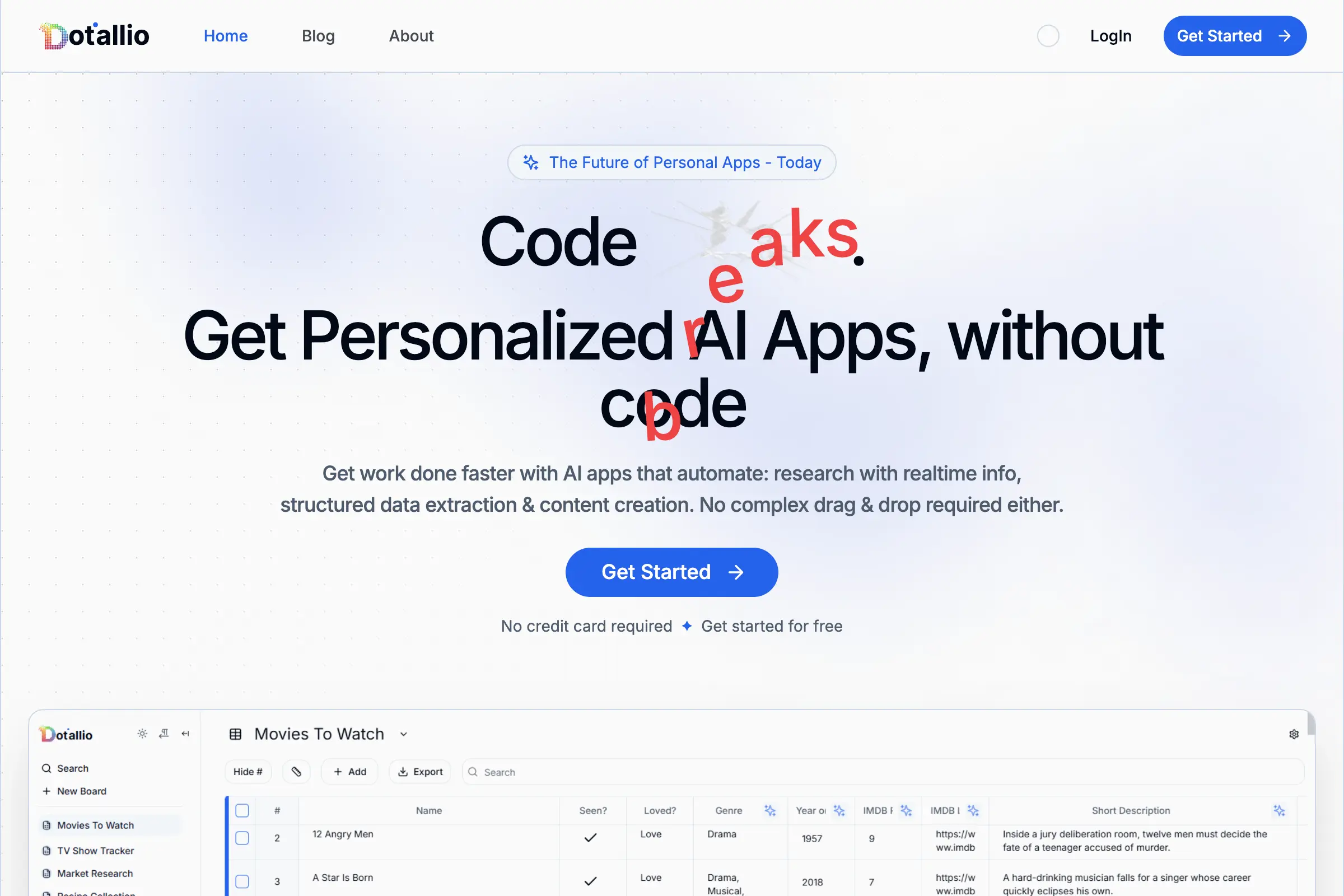
Dotallio
Personalized AI apps that automate research, data extraction, and content creation without code 🤖

Talk to Santa
Enjoy a magical live video chat or receive a unique AI-generated video greeting from Santa Claus 🎅
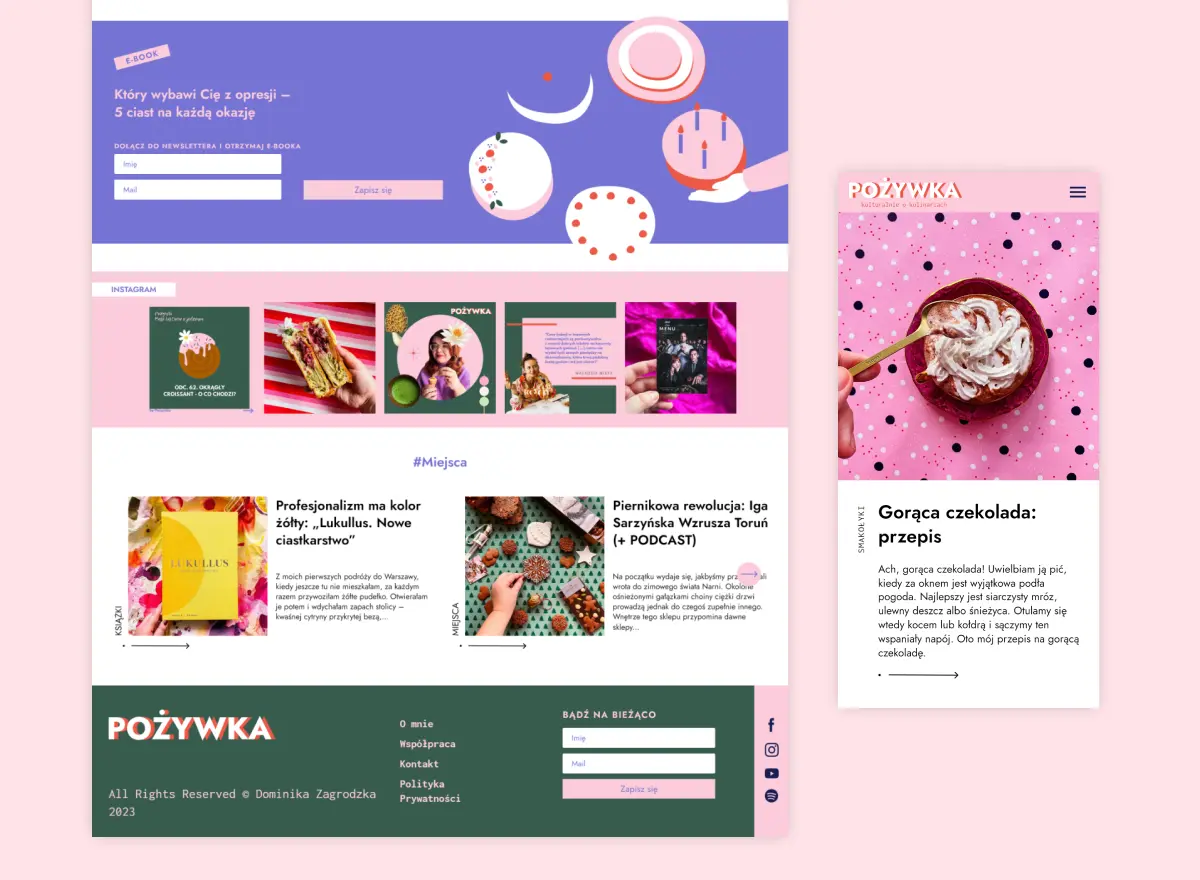
pozywka.pl
Scalable blog for food journalist, focused on performance and user experience 🌭
zagrodzki.me
Personal blog and portfolio of Bart Zagrodzki, where he shares his knowledge and work 💼
TurboStarter
Ship your startup everywhere. In minutes.
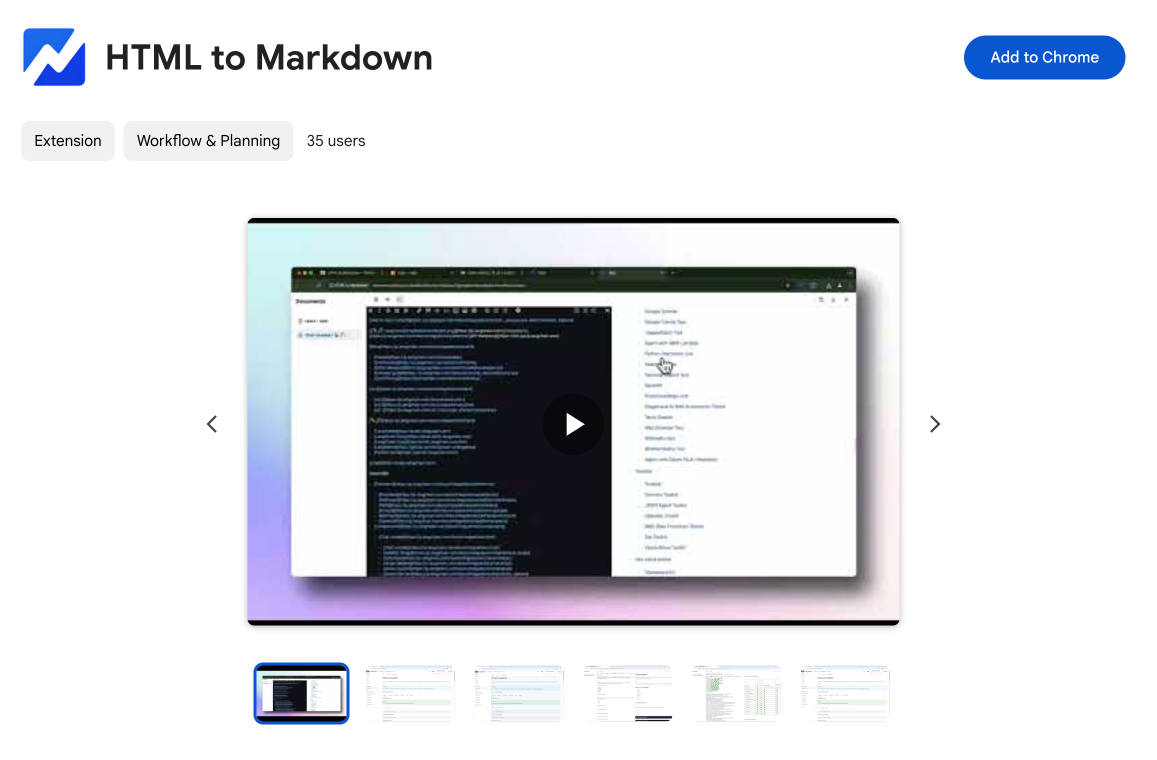
HTML to Markdown
Convert HTML to Markdown with ease, directly in your browser 📄
Dotallio
Personalized AI apps that automate research, data extraction, and content creation without code 🤖
Talk to Santa
Enjoy a magical live video chat or receive a unique AI-generated video greeting from Santa Claus 🎅
pozywka.pl
Scalable blog for food journalist, focused on performance and user experience 🌭
zagrodzki.me
Personal blog and portfolio of Bart Zagrodzki, where he shares his knowledge and work 💼
TurboStarter
Ship your startup everywhere. In minutes.
HTML to Markdown
Convert HTML to Markdown with ease, directly in your browser 📄
Dotallio
Personalized AI apps that automate research, data extraction, and content creation without code 🤖
Talk to Santa
Enjoy a magical live video chat or receive a unique AI-generated video greeting from Santa Claus 🎅
pozywka.pl
Scalable blog for food journalist, focused on performance and user experience 🌭
zagrodzki.me
Personal blog and portfolio of Bart Zagrodzki, where he shares his knowledge and work 💼
TurboStarter
Ship your startup everywhere. In minutes.
HTML to Markdown
Convert HTML to Markdown with ease, directly in your browser 📄
Dotallio
Personalized AI apps that automate research, data extraction, and content creation without code 🤖
Talk to Santa
Enjoy a magical live video chat or receive a unique AI-generated video greeting from Santa Claus 🎅
pozywka.pl
Scalable blog for food journalist, focused on performance and user experience 🌭
zagrodzki.me
Personal blog and portfolio of Bart Zagrodzki, where he shares his knowledge and work 💼
TurboStarter
Ship your startup everywhere. In minutes.
HTML to Markdown
Convert HTML to Markdown with ease, directly in your browser 📄
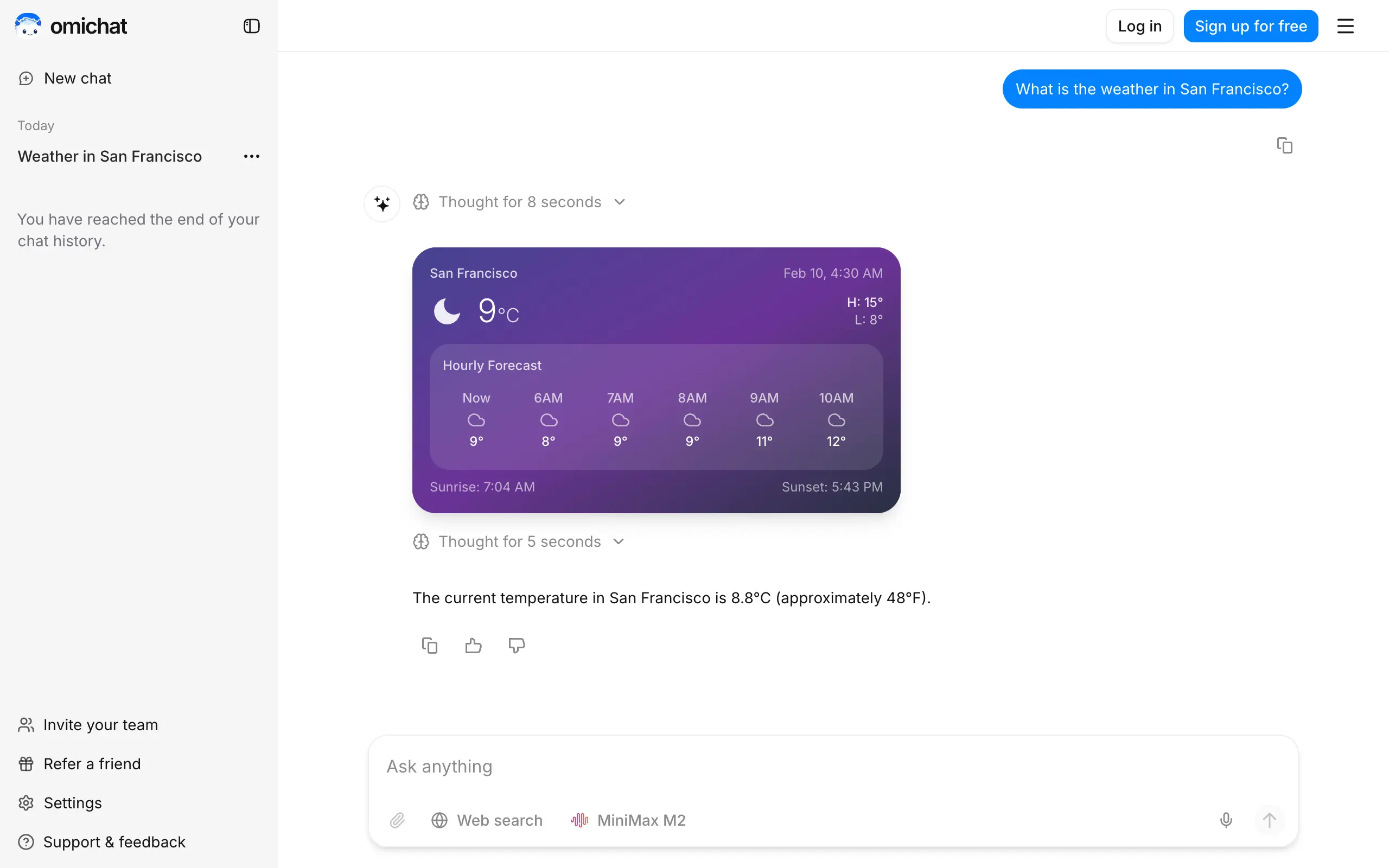
Omichat
Chat with 50+ AI models, including ChatGPT and Claude, in one place - switch models anytime without losing context 🤖
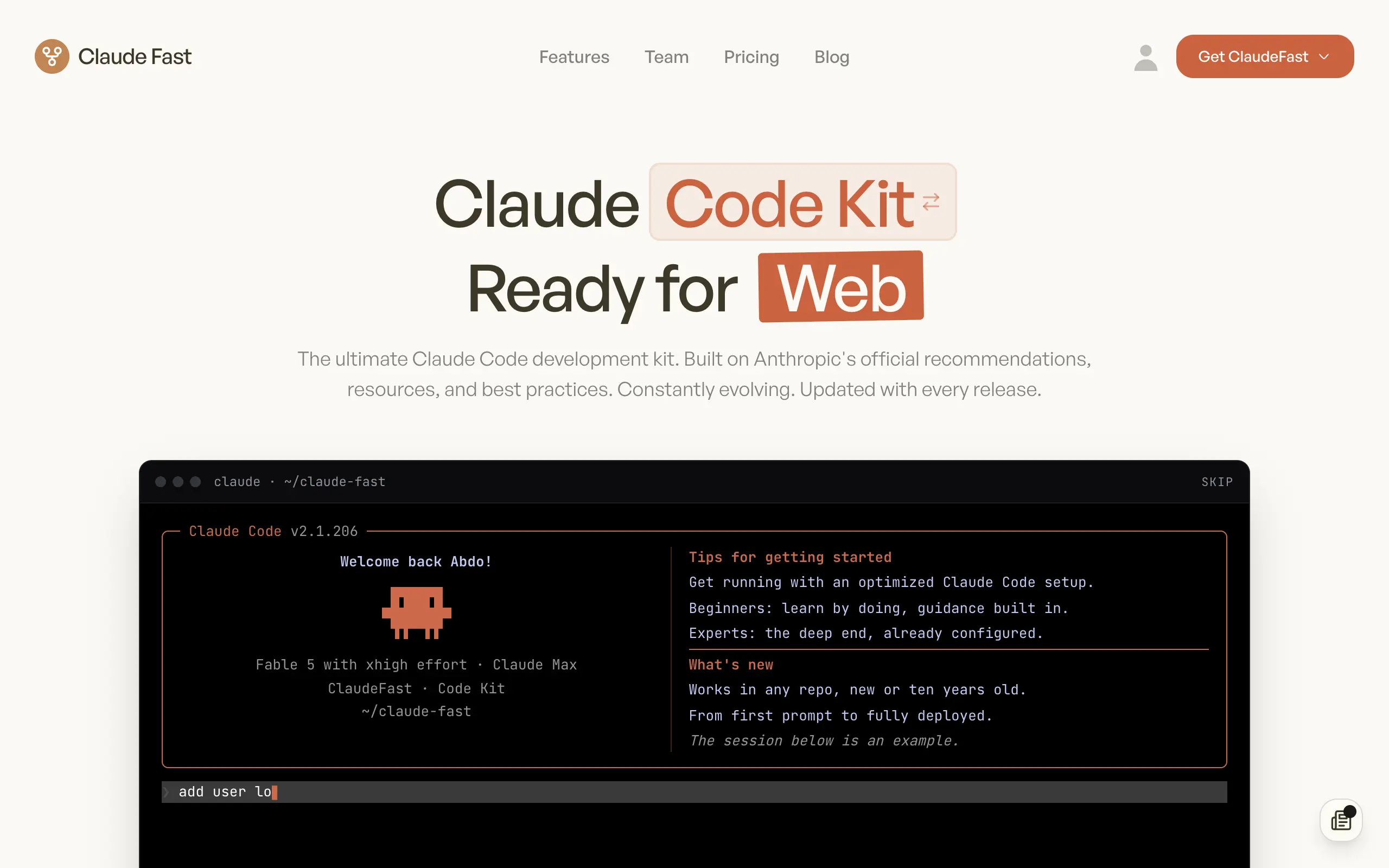
Claude Fast
Supercharge your Claude Code with 6x effective context window and specialized AI agents 🤖
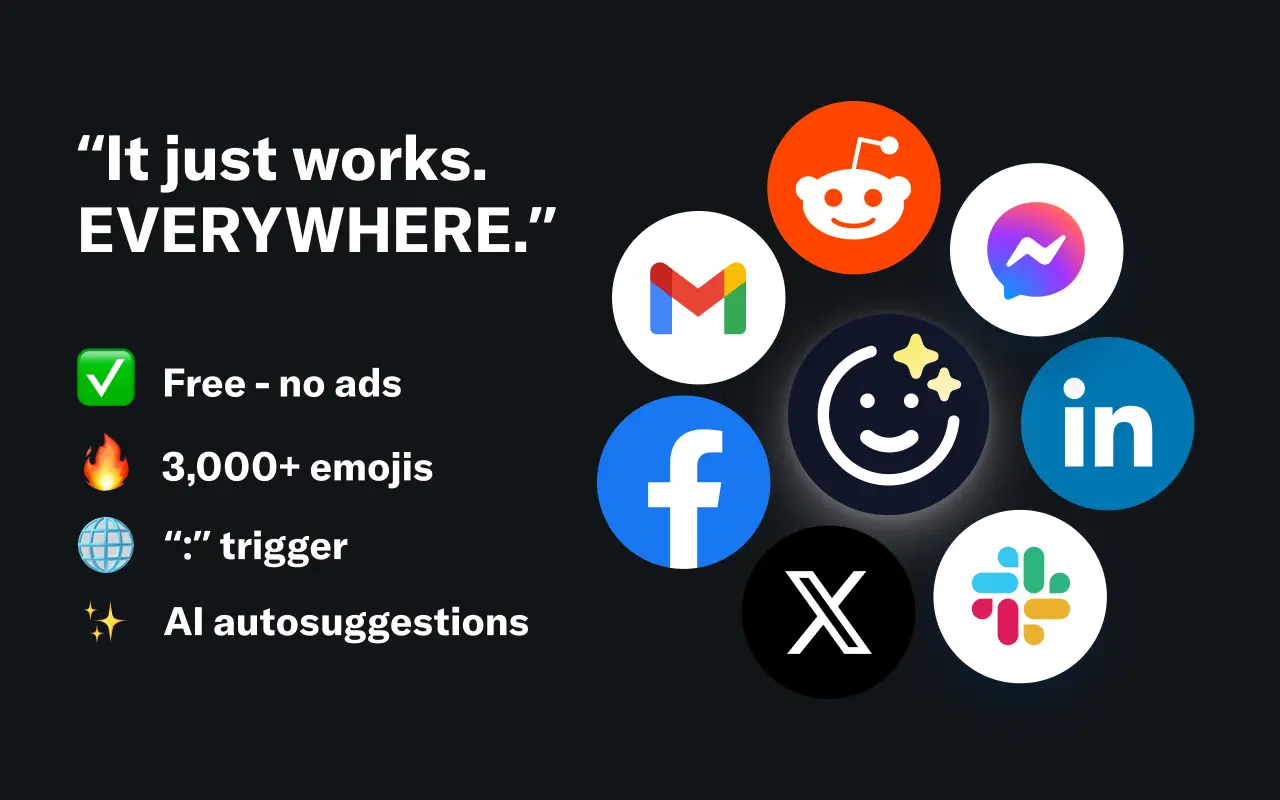
EmojAI
AI-powered emoji picker with smart, context-aware suggestions 🤖
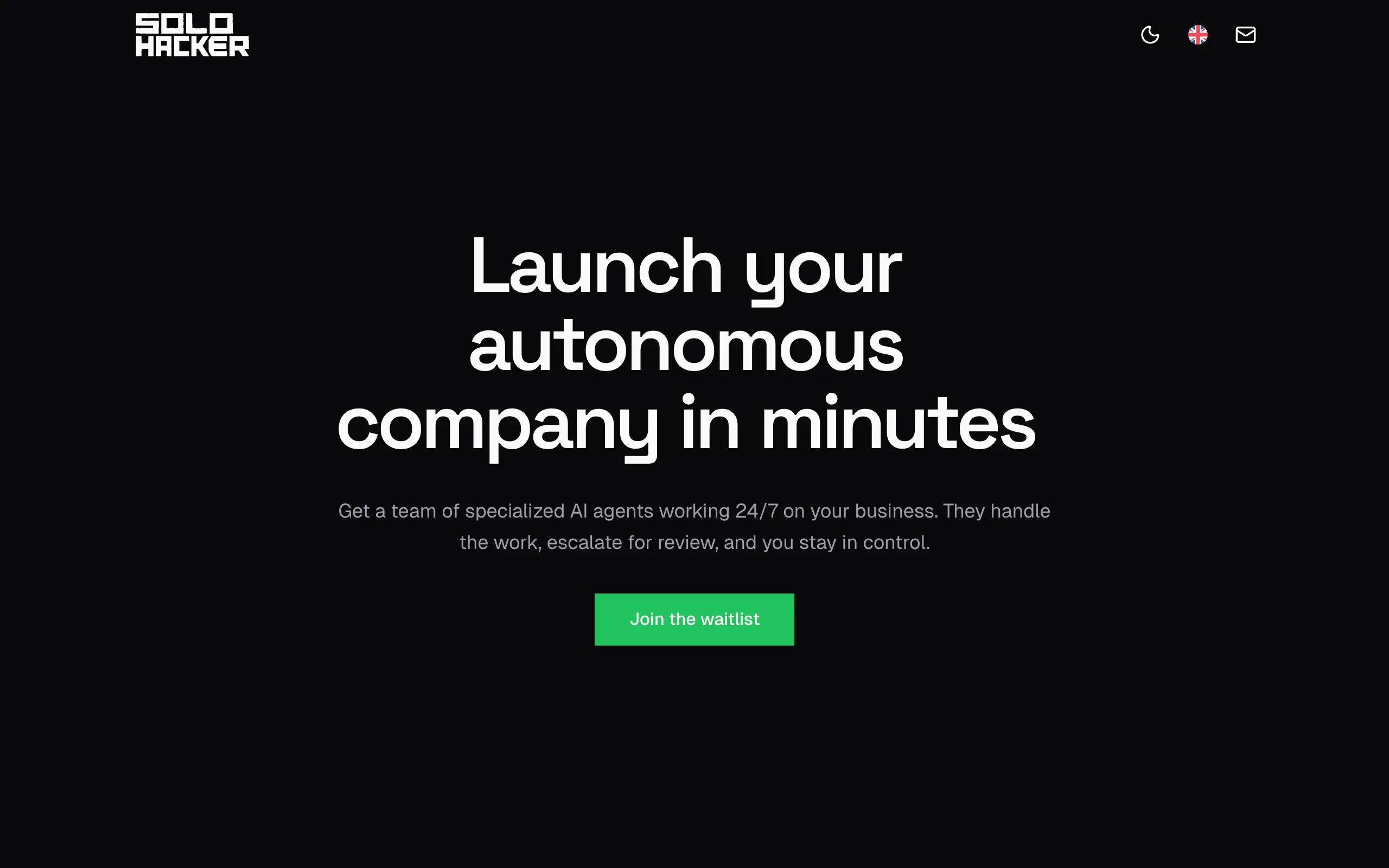
Solohacker
Autonomous company launcher - AI agents work 24/7, escalate what matters, and you stay in control 🤖
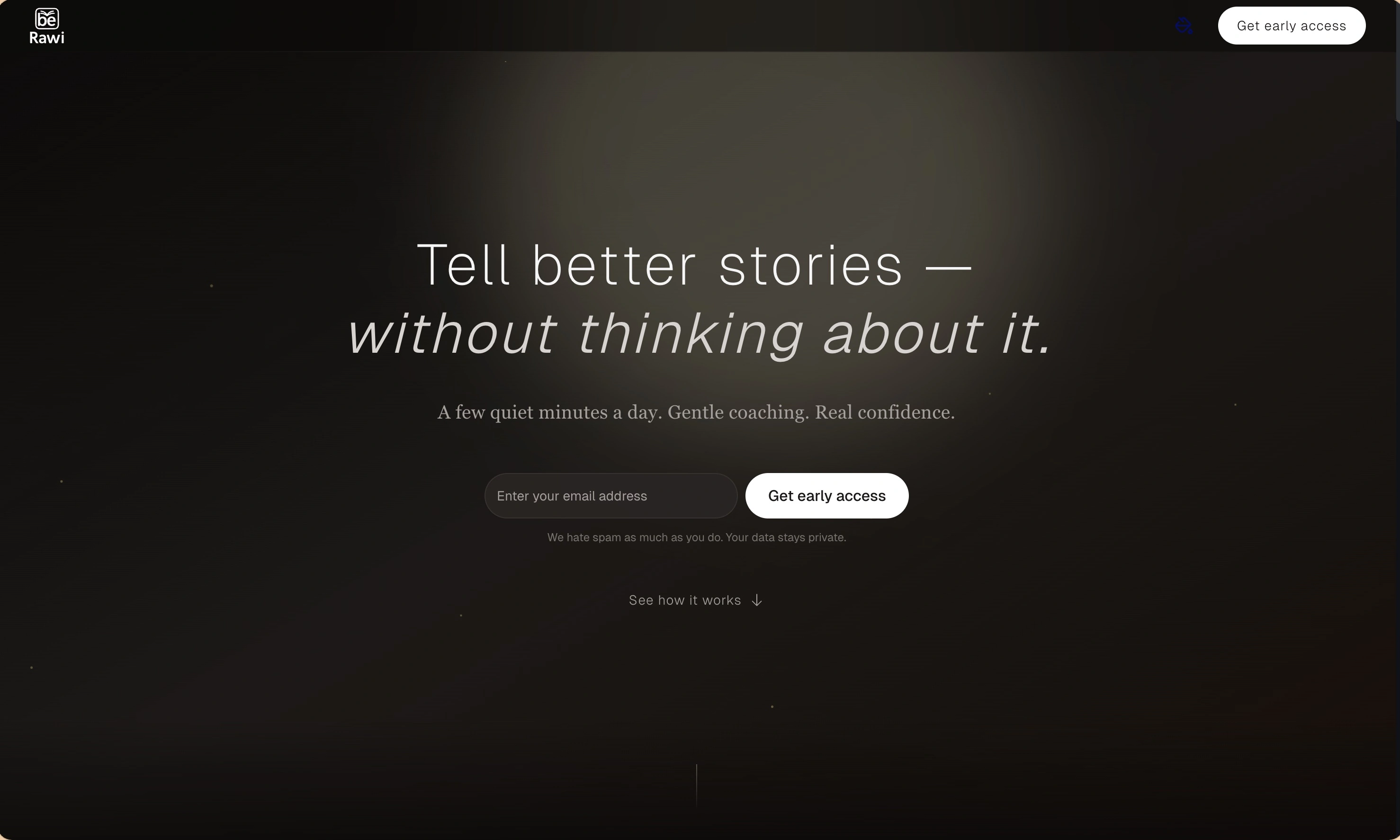
BeRawi: Storytelling Coach
Practice storytelling daily with instant feedback to sound clearer, more engaging, and confident 🎤
Omichat
Chat with 50+ AI models, including ChatGPT and Claude, in one place - switch models anytime without losing context 🤖
Claude Fast
Supercharge your Claude Code with 6x effective context window and specialized AI agents 🤖
EmojAI
AI-powered emoji picker with smart, context-aware suggestions 🤖
Solohacker
Autonomous company launcher - AI agents work 24/7, escalate what matters, and you stay in control 🤖
BeRawi: Storytelling Coach
Practice storytelling daily with instant feedback to sound clearer, more engaging, and confident 🎤
Omichat
Chat with 50+ AI models, including ChatGPT and Claude, in one place - switch models anytime without losing context 🤖
Claude Fast
Supercharge your Claude Code with 6x effective context window and specialized AI agents 🤖
EmojAI
AI-powered emoji picker with smart, context-aware suggestions 🤖
Solohacker
Autonomous company launcher - AI agents work 24/7, escalate what matters, and you stay in control 🤖
BeRawi: Storytelling Coach
Practice storytelling daily with instant feedback to sound clearer, more engaging, and confident 🎤
Omichat
Chat with 50+ AI models, including ChatGPT and Claude, in one place - switch models anytime without losing context 🤖
Claude Fast
Supercharge your Claude Code with 6x effective context window and specialized AI agents 🤖
EmojAI
AI-powered emoji picker with smart, context-aware suggestions 🤖
Solohacker
Autonomous company launcher - AI agents work 24/7, escalate what matters, and you stay in control 🤖
BeRawi: Storytelling Coach
Practice storytelling daily with instant feedback to sound clearer, more engaging, and confident 🎤

Connect with like-minded people
Join our community to get feedback, support, and grow together with 1,000+ builders on board, let's ship it!
Join usShip your startup everywhere. In minutes.
Don't burn tokens on setup and start building features on day one.