StackCost Optimizer
Tracks and optimizes cloud and tool sprawl across dev teams, cutting SaaS waste and infra costs with actionable usage insights.
Why SaaS cost optimization is now a mission-critical priority
In today’s software-first world, companies rely on dozens—sometimes hundreds—of SaaS tools to operate efficiently. From collaboration platforms to analytics dashboards, the modern stack has become both a growth enabler and a silent budget drain.
The rise of decentralized purchasing, remote teams, and “bottom-up SaaS adoption” has created a new problem: uncontrolled SaaS sprawl.
This is exactly where a stack cost optimizer like StackCost Optimizer becomes essential.
Businesses are no longer just asking “what tools do we need?”—they’re asking:
- Where are we overspending?
- Which tools are redundant?
- How many licenses are unused?
- Can we consolidate without hurting productivity?
This article explores how a SaaS cost optimization platform can solve these challenges, what it takes to build one, and how to position it for market success.
The hidden problem: SaaS sprawl and budget leakage
SaaS spending has grown exponentially over the last decade. According to reports from firms like Gartner and Zylo (reference recommended), the average mid-sized company uses over 100 SaaS applications.
But here’s the issue:
- 30–40% of SaaS spend is wasted
- Licenses often go unused
- Teams adopt duplicate tools unknowingly
- Renewal cycles lock companies into unnecessary contracts
Common inefficiencies in SaaS stacks
- Duplicate tools (e.g., multiple project management platforms)
- Idle licenses assigned to inactive users
- Over-provisioned plans
- Forgotten subscriptions billed annually
- Lack of centralized visibility
The real cost of inaction
Ignoring SaaS inefficiencies doesn’t just waste money—it compounds over time. Annual contracts, auto-renewals, and scaling teams can quietly double your SaaS spend within a year.
What is a stack cost optimizer?
A stack cost optimizer is a platform designed to analyze a company’s SaaS ecosystem and identify opportunities to reduce costs without sacrificing performance or productivity.
StackCost Optimizer focuses on three core outcomes:
- Cost reduction
- Tool consolidation
- Usage optimization
Core capabilities
- Automated SaaS discovery
- License usage tracking
- Cost analysis dashboards
- Redundancy detection
- Optimization recommendations
Target audience: who needs a SaaS cost optimization tool?
Understanding the target audience is critical for positioning and product design.
Primary audiences
1. Finance teams (CFOs, FP&A)
- Need visibility into SaaS spend
- Responsible for cost control
- Seek predictable budgeting
2. IT & operations teams
- Manage software procurement
- Ensure security and compliance
- Handle onboarding/offboarding
3. Startup founders & operators
- Highly cost-sensitive
- Often lack centralized tooling oversight
- Need fast ROI
4. Mid-market and enterprise companies
- Experience the most SaaS sprawl
- Require automation and integrations
- Have complex organizational structures
Market opportunity and gap analysis
The SaaS management space is growing rapidly, but there’s still a clear gap.
Existing players
- Zylo
- Torii
- Vendr
- BetterCloud
Where they fall short
- Too enterprise-heavy (complex onboarding, high cost)
- Limited real-time optimization insights
- Weak UX or data visualization
- Focus on management, not actionable cost reduction
The opportunity for StackCost Optimizer
StackCost Optimizer can differentiate by:
- Prioritizing instant cost-saving insights
- Offering a self-serve onboarding experience
- Providing clear, actionable recommendations
- Targeting SMBs and mid-market companies
Core features that define a winning stack cost optimizer
1. Automated SaaS discovery
Connect to:
- Google Workspace
- Microsoft 365
- Slack
- Finance tools (e.g., Stripe, QuickBooks)
This enables automatic detection of all SaaS subscriptions.
2. License utilization tracking
Track:
- Active vs inactive users
- Feature usage
- Login frequency
3. Cost breakdown dashboard
Provide a clear visualization of:
- Monthly vs annual spend
- Cost per team
- Cost per tool
- Trends over time
4. Redundancy detection engine
Identify overlapping tools like:
- Multiple CRM systems
- Duplicate analytics platforms
- Parallel communication tools
5. Optimization recommendations
Examples:
- Downgrade plans
- Remove unused licenses
- Consolidate tools
- Negotiate pricing
Quick wins
Identify and eliminate unused licenses within minutes.
Strategic savings
Consolidate overlapping tools for long-term efficiency.
Continuous monitoring
Track spend in real time and prevent future waste.
Product workflow: how the system works
Recommended tech stack for building StackCost Optimizer
Choosing the right tech stack is critical for scalability, performance, and speed.
Frontend
Benefits:
- Fast UI development
- SEO-friendly architecture
- Component reusability
Backend
- Node.js (NestJS or Express)
- Python (for data analysis pipelines)
Data processing
- Apache Kafka or queues for event ingestion
- PostgreSQL for structured data
- Snowflake or BigQuery for analytics
Integrations
- OAuth 2.0 for SaaS APIs
- Webhooks for real-time updates
Infrastructure
- AWS or GCP
- Docker for containerization
- Kubernetes for scaling
Trade-offs to consider
- Real-time processing vs batch processing cost
- Data privacy vs depth of insights
- Integration breadth vs maintenance complexity
Example: analyzing SaaS usage data
const calculateUnusedLicenses = (users) => {
  return users.filter(user => {
    const lastActive = new Date(user.lastActive);
    const now = new Date();
    const diffDays = (now - lastActive) / (1000 * 60 * 60 * 24);
    return diffDays > 30;
  });
};
This simple logic can help flag inactive users and identify cost-saving opportunities.
Monetization strategies
1. Subscription-based pricing
- Tiered plans based on company size or integrations
- Example:
- Starter: $29/month
- Growth: $99/month
- Enterprise: custom pricing
2. Percentage of savings model
- Charge a % of cost savings achieved
- Aligns incentives with customer success
3. Hybrid model
- Base subscription + performance fee
4. Add-ons
- Procurement assistance
- Vendor negotiation support
- Advanced analytics
Competitive advantage analysis
| Feature | StackCost Optimizer | Zylo | Torii | Vendr |
|---|---|---|---|---|
| Real-time insights | ✅ | ❌ | ✅ | ❌ |
| SMB-friendly pricing | ✅ | ❌ | ❌ | ❌ |
| Actionable recommendations | ✅ | ✅ | ✅ | ✅ |
| Ease of onboarding | ✅ | ❌ | ✅ | ❌ |
Risks and challenges (and how to mitigate them)
1. Data privacy concerns
Users may hesitate to connect sensitive systems.
Mitigation:
- SOC 2 compliance
- Transparent data policies
- Minimal data storage approach
2. Integration complexity
APIs change frequently.
Mitigation:
- Modular integration architecture
- Regular updates and monitoring
3. Accuracy of insights
Incorrect recommendations can damage trust.
Mitigation:
- Machine learning validation
- User feedback loops
4. Market competition
Established players already exist.
Mitigation:
- Focus on niche (SMBs)
- Superior UX and onboarding
Key trends shaping SaaS cost optimization
1. Rise of FinOps
Companies are adopting financial operations practices to control cloud and SaaS spend.
2. AI-driven optimization
AI can:
- Predict usage trends
- Recommend cost-saving actions
- Automate decisions
3. Consolidation of SaaS tools
Businesses prefer fewer, more powerful tools.
4. Increased CFO involvement
SaaS purchasing is shifting from teams to finance leadership.
Go-to-market strategy
1. Content marketing
Target keywords like:
- SaaS cost optimization
- reduce SaaS spend
- SaaS audit tools
- license management software
2. Product-led growth
- Free audit reports
- Freemium tier
- Instant insights
3. Partnerships
- Integrate with accounting platforms
- Collaborate with SaaS vendors
4. Cold outreach
- Target CFOs and IT leaders
- Offer free cost audits
Implementation roadmap
Phase 1: MVP
- Basic integrations (Google Workspace, Slack)
- Cost dashboard
- License tracking
Phase 2: Intelligence layer
- Redundancy detection
- Optimization suggestions
Phase 3: Automation
- Auto-removal of unused licenses
- Renewal alerts
- Negotiation insights
Practical steps to build your SaaS cost optimizer
If you want to accelerate development, platforms like TurboStarter can significantly reduce setup time by providing a pre-built SaaS foundation.
Frequently asked questions
Most companies can save between 20% and 40% of their SaaS spend, depending on stack complexity and inefficiencies.
No. Startups and SMBs often benefit the most because they lack structured SaaS management processes.
No. It complements them by focusing specifically on cost optimization and financial efficiency.
Final thoughts: why this idea has strong potential
StackCost Optimizer sits at the intersection of:
- Financial efficiency
- SaaS management
- Data analytics
This combination makes it highly relevant in today’s economic climate, where companies are under pressure to do more with less.
Unlike many SaaS tools that promise growth, this product promises something even more compelling:
Immediate, measurable savings.
That’s a powerful value proposition.
Ready to build your SaaS cost optimization platform?
The opportunity is clear. The demand is growing. The technology is accessible.
What matters now is execution.
Start small, focus on real user pain, and build a product that delivers tangible value from day one.
More ⚡ Productivity Tool SaaS ideas
Discover more innovative productivity tool SaaS ideas that are trending in 2026. Each idea is AI-generated with market validation and growth potential to help you find your next profitable venture faster than competitors.
Your competitors are building with TurboStarter
Below are some of the SaaS ideas that have been generated and built with our starter kit.

Statiko
Monitor any Telegram channel in real time - track posts, edits, deletions, and growth with AI recaps 📡

Shibui
AI website builder - describe your business, pick a niche template, edit by chatting, and publish instantly ✨

Pro Service
Find verified home service professionals, compare quotes, and pay securely through escrow - built for Brazilians across the US 🏠
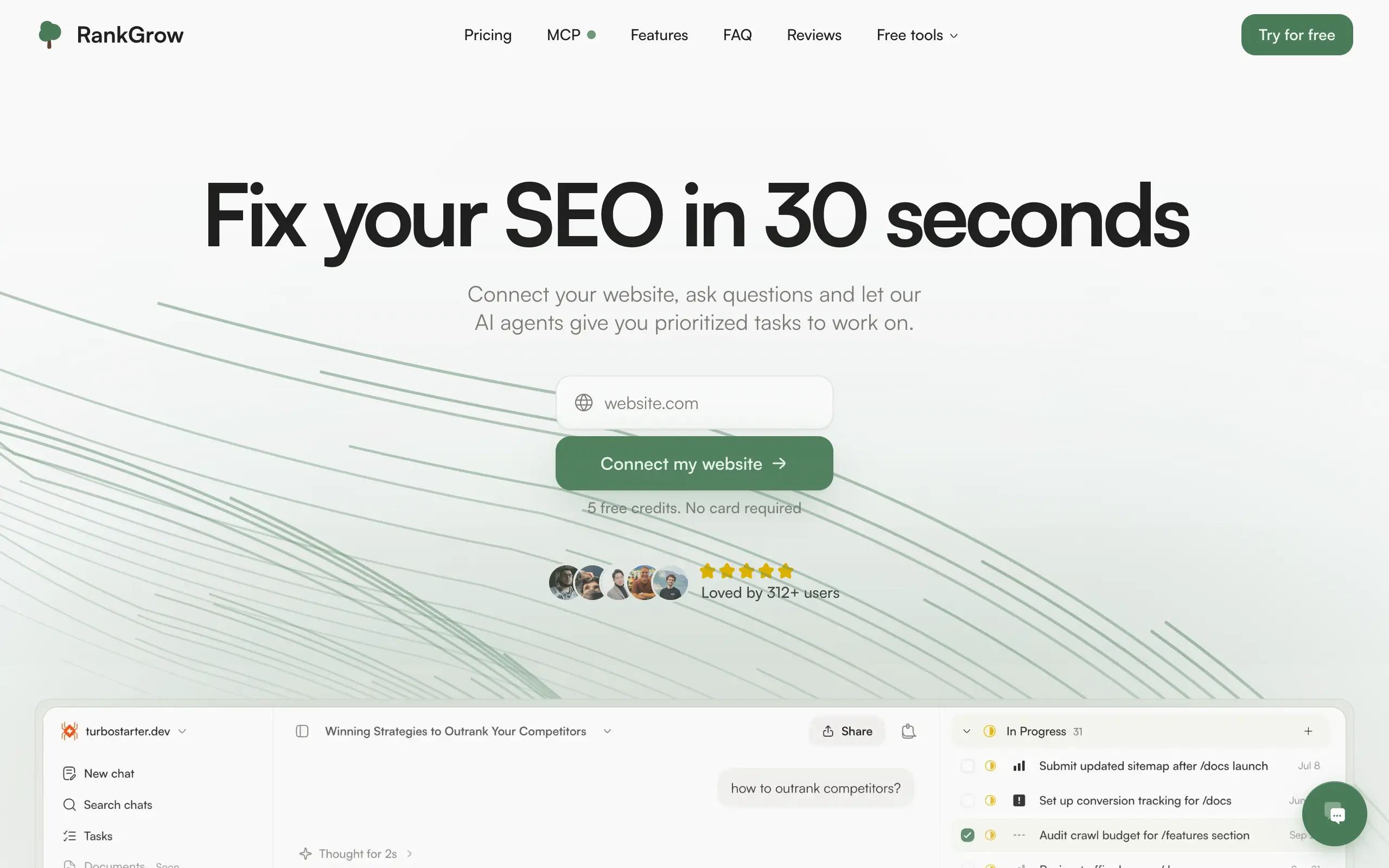
RankGrow
Fix your SEO with AI agents - connect Search Console, get prioritized tasks, and grow organic traffic 📈
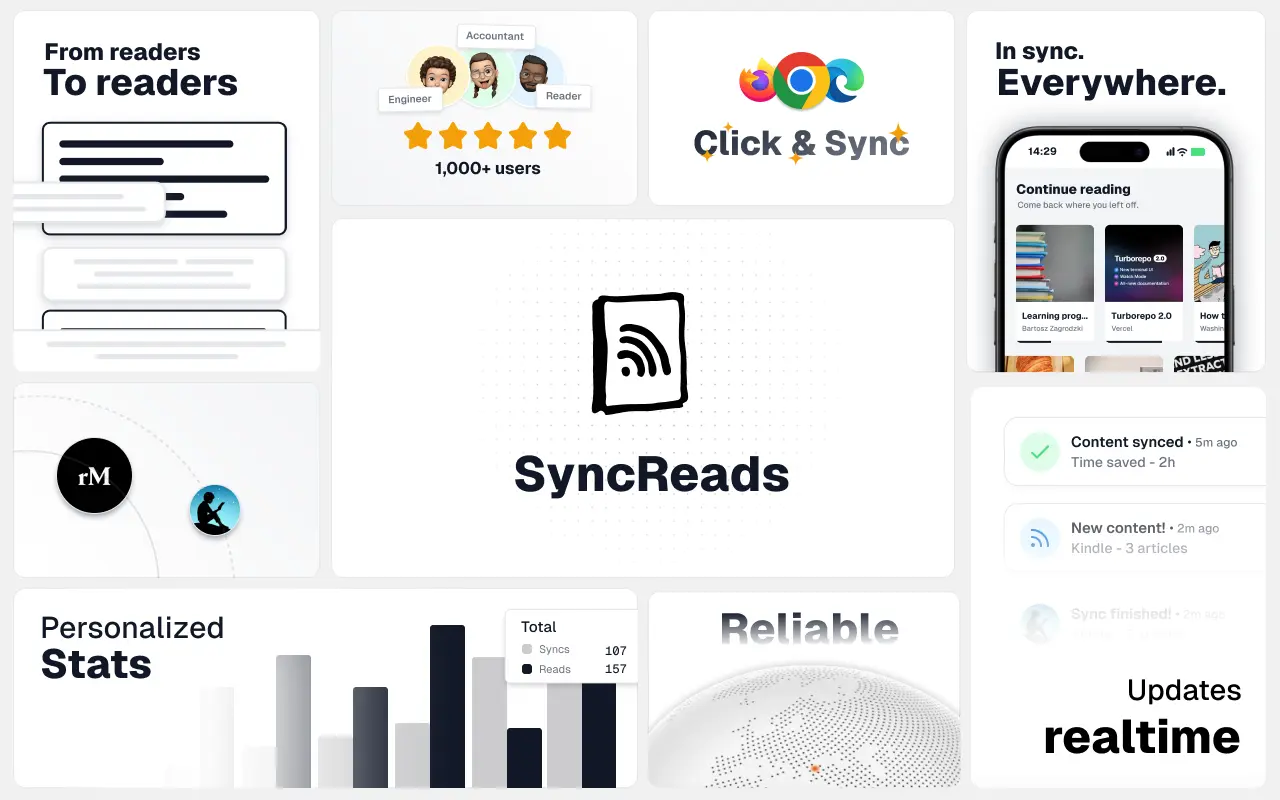
SyncReads
Sync your favorite content for distraction-free reading, save time and replace multiple apps. Anytime, anywhere 🔄
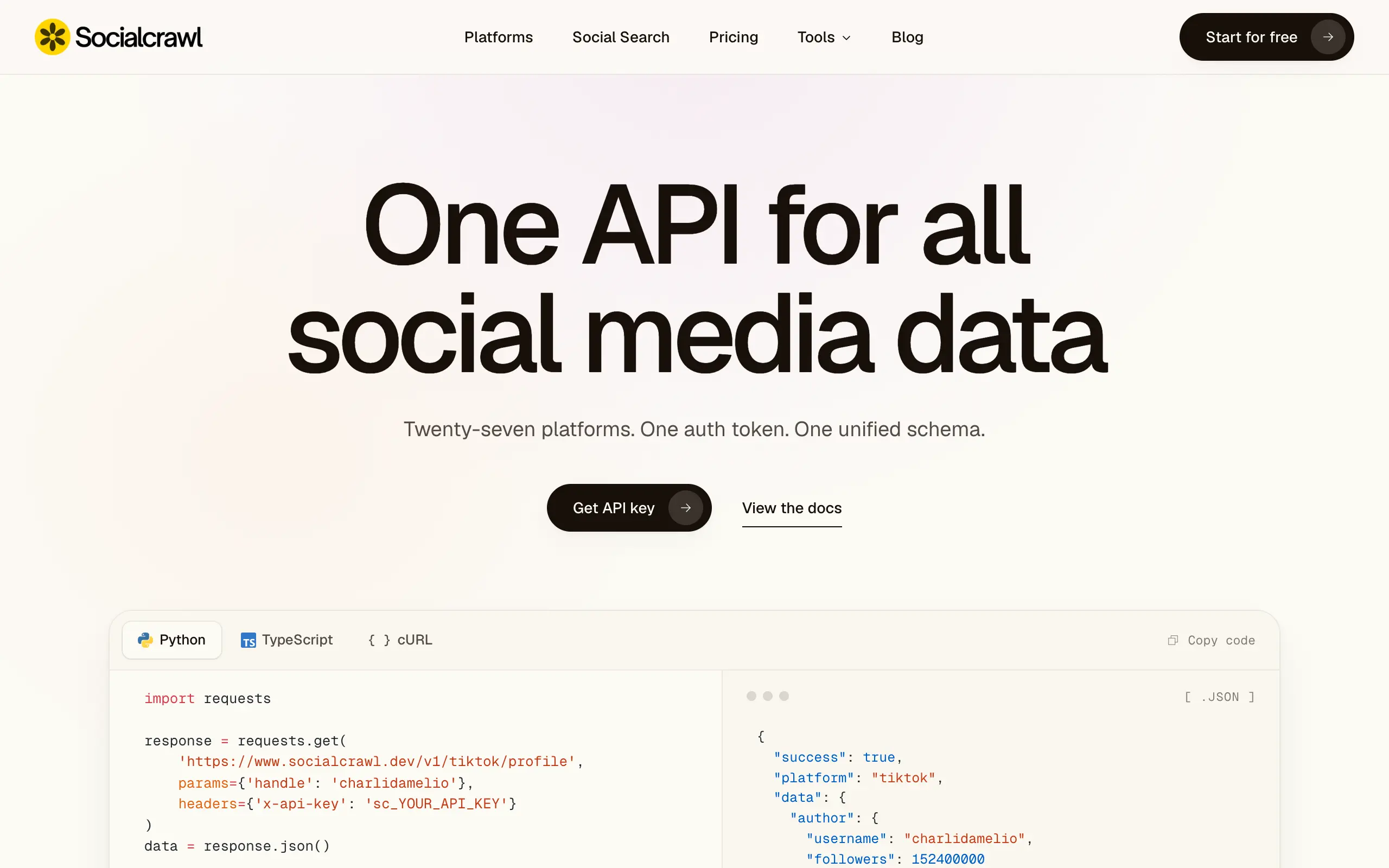
Socialcrawl
Get clean, structured data from 21 platforms like TikTok, Instagram, and YouTube with a single request 📊
Statiko
Monitor any Telegram channel in real time - track posts, edits, deletions, and growth with AI recaps 📡
Shibui
AI website builder - describe your business, pick a niche template, edit by chatting, and publish instantly ✨
Pro Service
Find verified home service professionals, compare quotes, and pay securely through escrow - built for Brazilians across the US 🏠
RankGrow
Fix your SEO with AI agents - connect Search Console, get prioritized tasks, and grow organic traffic 📈
SyncReads
Sync your favorite content for distraction-free reading, save time and replace multiple apps. Anytime, anywhere 🔄
Socialcrawl
Get clean, structured data from 21 platforms like TikTok, Instagram, and YouTube with a single request 📊
Statiko
Monitor any Telegram channel in real time - track posts, edits, deletions, and growth with AI recaps 📡
Shibui
AI website builder - describe your business, pick a niche template, edit by chatting, and publish instantly ✨
Pro Service
Find verified home service professionals, compare quotes, and pay securely through escrow - built for Brazilians across the US 🏠
RankGrow
Fix your SEO with AI agents - connect Search Console, get prioritized tasks, and grow organic traffic 📈
SyncReads
Sync your favorite content for distraction-free reading, save time and replace multiple apps. Anytime, anywhere 🔄
Socialcrawl
Get clean, structured data from 21 platforms like TikTok, Instagram, and YouTube with a single request 📊
Statiko
Monitor any Telegram channel in real time - track posts, edits, deletions, and growth with AI recaps 📡
Shibui
AI website builder - describe your business, pick a niche template, edit by chatting, and publish instantly ✨
Pro Service
Find verified home service professionals, compare quotes, and pay securely through escrow - built for Brazilians across the US 🏠
RankGrow
Fix your SEO with AI agents - connect Search Console, get prioritized tasks, and grow organic traffic 📈
SyncReads
Sync your favorite content for distraction-free reading, save time and replace multiple apps. Anytime, anywhere 🔄
Socialcrawl
Get clean, structured data from 21 platforms like TikTok, Instagram, and YouTube with a single request 📊
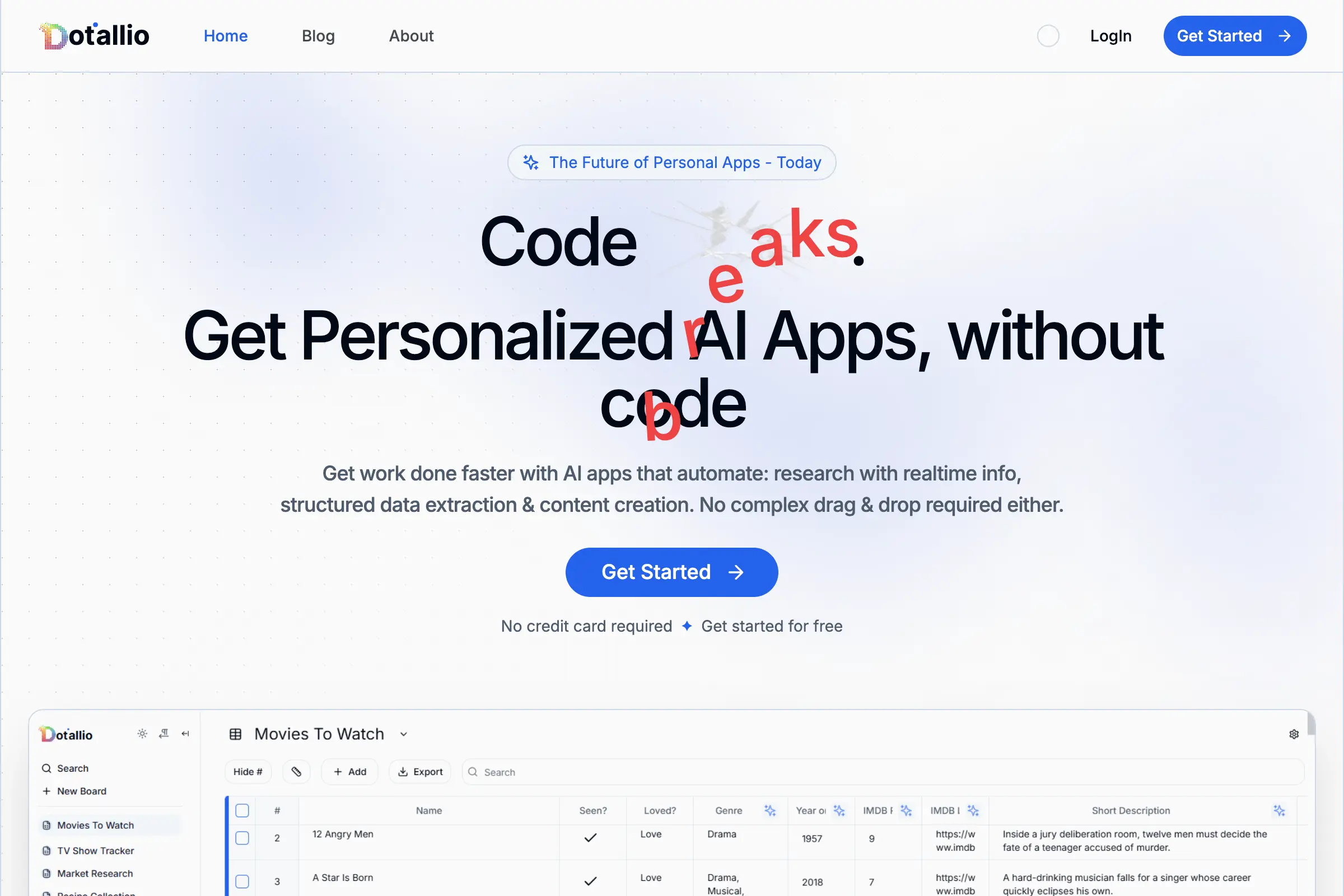
Dotallio
Personalized AI apps that automate research, data extraction, and content creation without code 🤖

Talk to Santa
Enjoy a magical live video chat or receive a unique AI-generated video greeting from Santa Claus 🎅

pozywka.pl
Scalable blog for food journalist, focused on performance and user experience 🌭
zagrodzki.me
Personal blog and portfolio of Bart Zagrodzki, where he shares his knowledge and work 💼
TurboStarter
Ship your startup everywhere. In minutes.
HTML to Markdown
Convert HTML to Markdown with ease, directly in your browser 📄
Dotallio
Personalized AI apps that automate research, data extraction, and content creation without code 🤖
Talk to Santa
Enjoy a magical live video chat or receive a unique AI-generated video greeting from Santa Claus 🎅
pozywka.pl
Scalable blog for food journalist, focused on performance and user experience 🌭
zagrodzki.me
Personal blog and portfolio of Bart Zagrodzki, where he shares his knowledge and work 💼
TurboStarter
Ship your startup everywhere. In minutes.
HTML to Markdown
Convert HTML to Markdown with ease, directly in your browser 📄
Dotallio
Personalized AI apps that automate research, data extraction, and content creation without code 🤖
Talk to Santa
Enjoy a magical live video chat or receive a unique AI-generated video greeting from Santa Claus 🎅
pozywka.pl
Scalable blog for food journalist, focused on performance and user experience 🌭
zagrodzki.me
Personal blog and portfolio of Bart Zagrodzki, where he shares his knowledge and work 💼
TurboStarter
Ship your startup everywhere. In minutes.
HTML to Markdown
Convert HTML to Markdown with ease, directly in your browser 📄
Dotallio
Personalized AI apps that automate research, data extraction, and content creation without code 🤖
Talk to Santa
Enjoy a magical live video chat or receive a unique AI-generated video greeting from Santa Claus 🎅
pozywka.pl
Scalable blog for food journalist, focused on performance and user experience 🌭
zagrodzki.me
Personal blog and portfolio of Bart Zagrodzki, where he shares his knowledge and work 💼
TurboStarter
Ship your startup everywhere. In minutes.
HTML to Markdown
Convert HTML to Markdown with ease, directly in your browser 📄
Omichat
Chat with 50+ AI models, including ChatGPT and Claude, in one place - switch models anytime without losing context 🤖
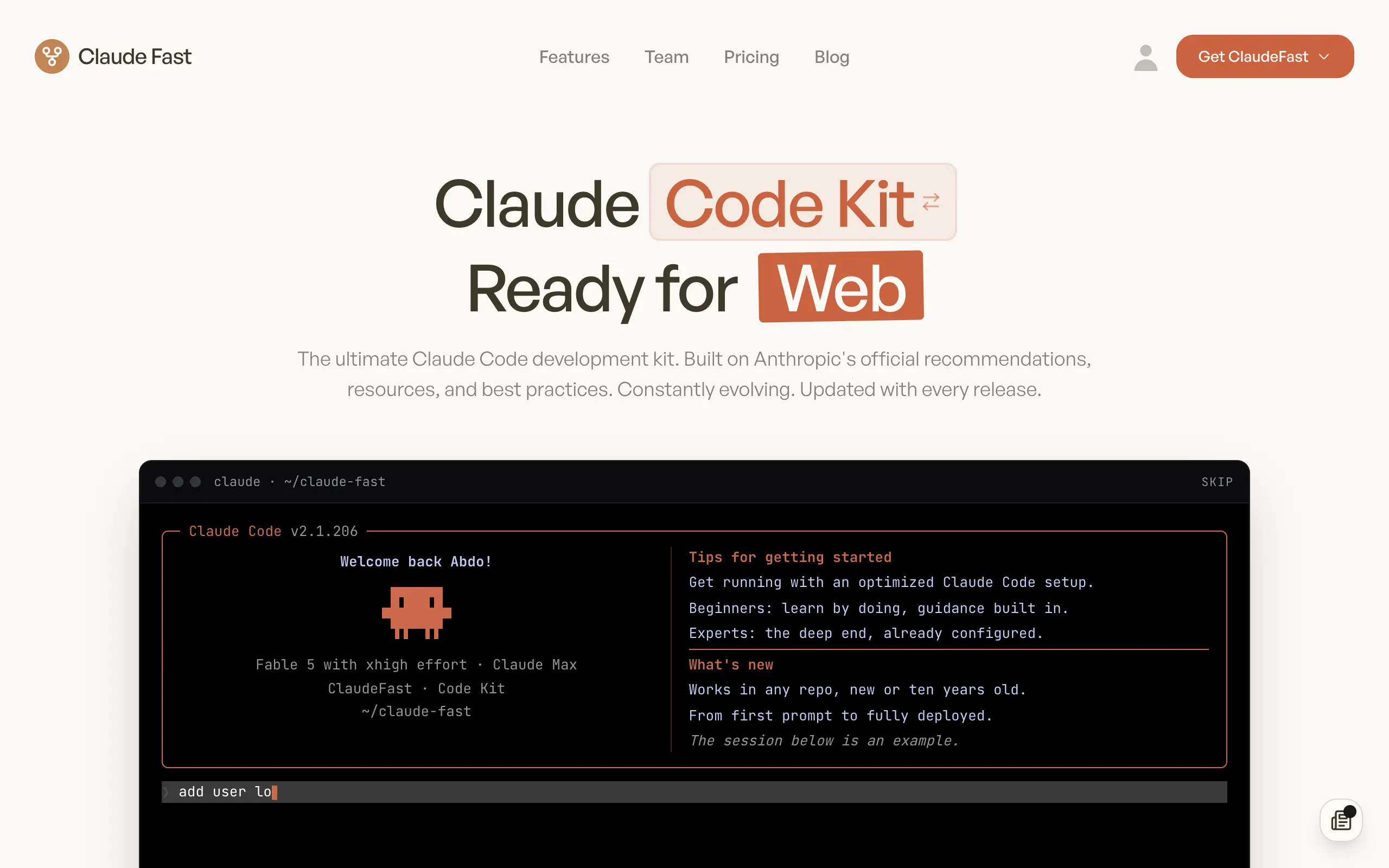
Claude Fast
Supercharge your Claude Code with 6x effective context window and specialized AI agents 🤖
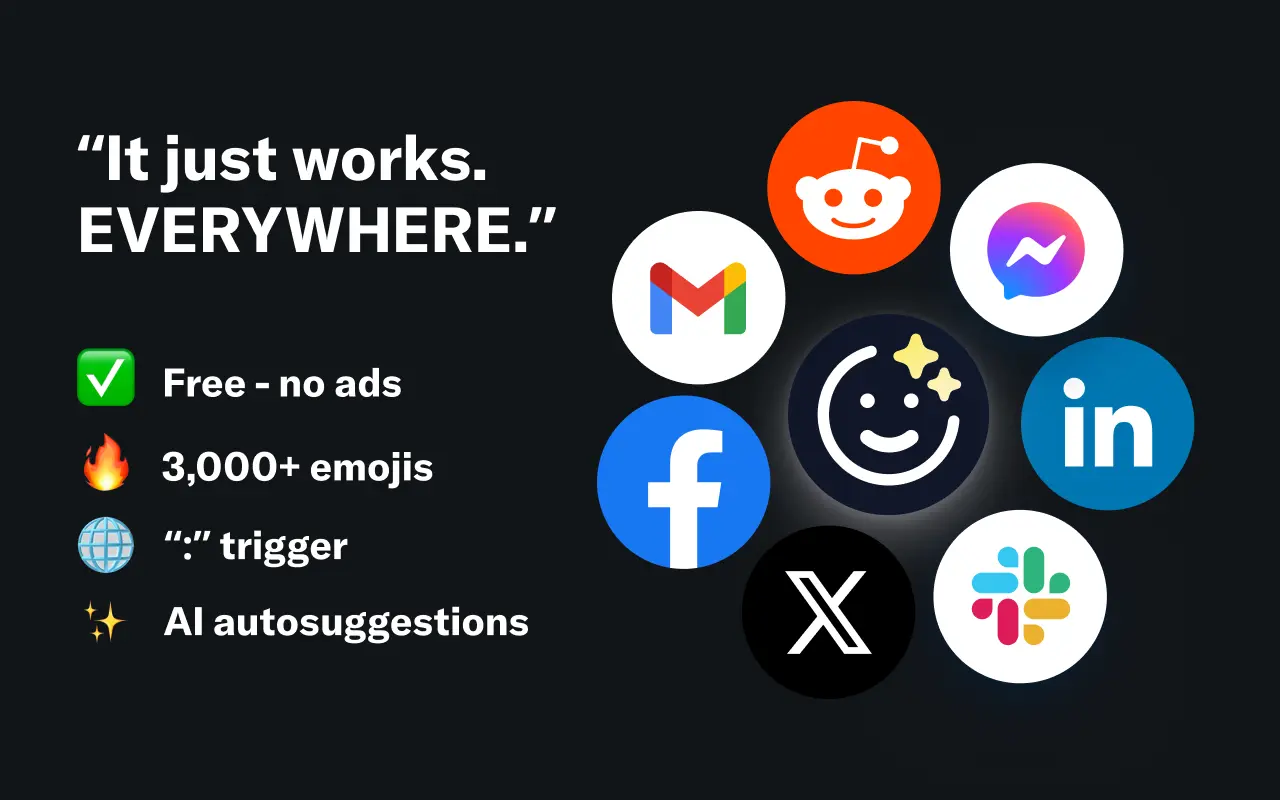
EmojAI
AI-powered emoji picker with smart, context-aware suggestions 🤖
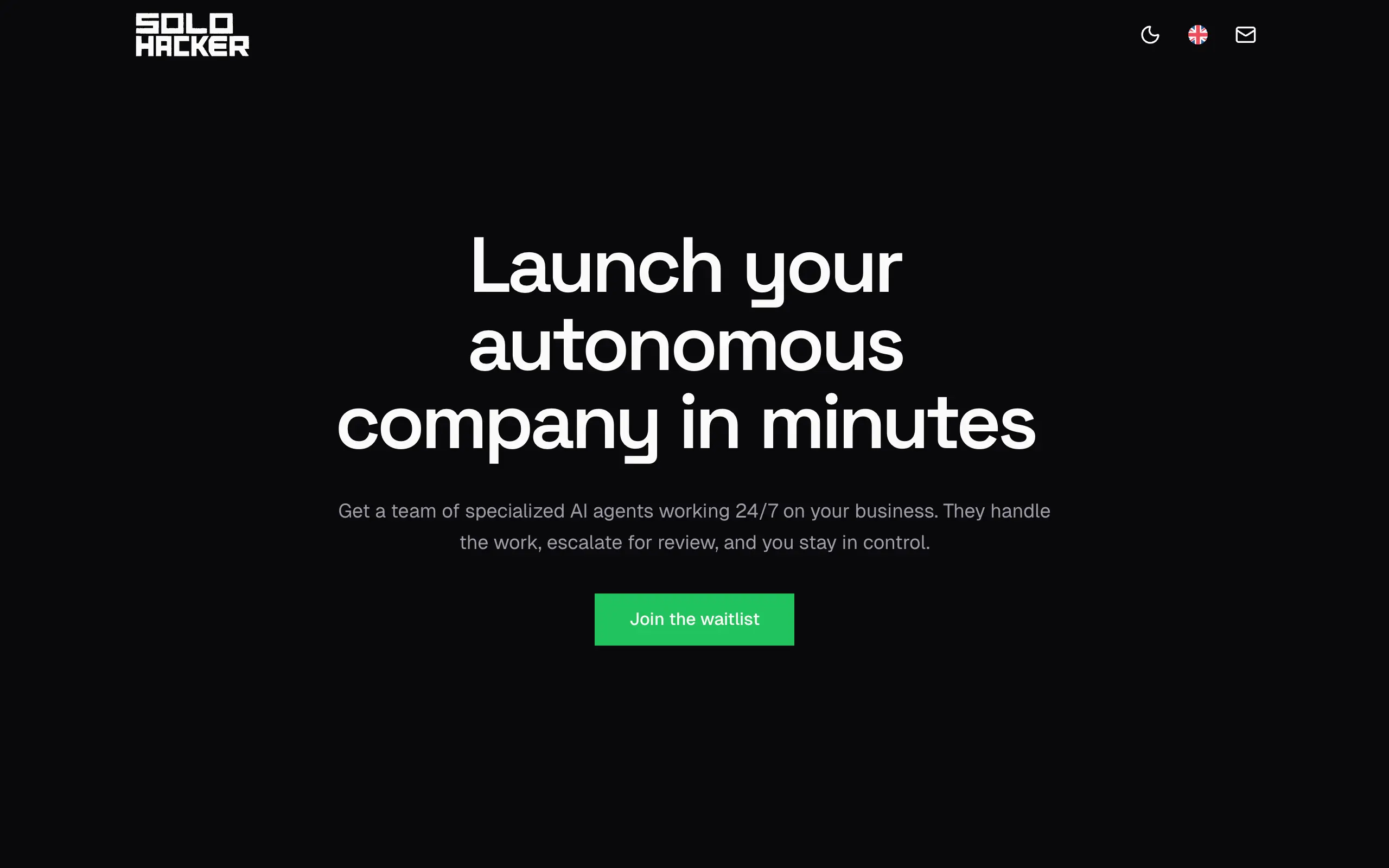
Solohacker
Autonomous company launcher - AI agents work 24/7, escalate what matters, and you stay in control 🤖

BeRawi: Storytelling Coach
Practice storytelling daily with instant feedback to sound clearer, more engaging, and confident 🎤
Omichat
Chat with 50+ AI models, including ChatGPT and Claude, in one place - switch models anytime without losing context 🤖
Claude Fast
Supercharge your Claude Code with 6x effective context window and specialized AI agents 🤖
EmojAI
AI-powered emoji picker with smart, context-aware suggestions 🤖
Solohacker
Autonomous company launcher - AI agents work 24/7, escalate what matters, and you stay in control 🤖
BeRawi: Storytelling Coach
Practice storytelling daily with instant feedback to sound clearer, more engaging, and confident 🎤
Omichat
Chat with 50+ AI models, including ChatGPT and Claude, in one place - switch models anytime without losing context 🤖
Claude Fast
Supercharge your Claude Code with 6x effective context window and specialized AI agents 🤖
EmojAI
AI-powered emoji picker with smart, context-aware suggestions 🤖
Solohacker
Autonomous company launcher - AI agents work 24/7, escalate what matters, and you stay in control 🤖
BeRawi: Storytelling Coach
Practice storytelling daily with instant feedback to sound clearer, more engaging, and confident 🎤
Omichat
Chat with 50+ AI models, including ChatGPT and Claude, in one place - switch models anytime without losing context 🤖
Claude Fast
Supercharge your Claude Code with 6x effective context window and specialized AI agents 🤖
EmojAI
AI-powered emoji picker with smart, context-aware suggestions 🤖
Solohacker
Autonomous company launcher - AI agents work 24/7, escalate what matters, and you stay in control 🤖
BeRawi: Storytelling Coach
Practice storytelling daily with instant feedback to sound clearer, more engaging, and confident 🎤

Connect with like-minded people
Join our community to get feedback, support, and grow together with 1,000+ builders on board, let's ship it!
Join usShip your startup everywhere. In minutes.
Don't burn tokens on setup and start building features on day one.