StackLess
Reduce SaaS overload with a single platform that merges project management, docs, CRM, and automation tools into one streamlined interface and payment plan.
the rise of SaaS overload and why “all-in-one” is back
Over the past decade, SaaS has exploded into a fragmented ecosystem. Teams now juggle dozens of tools—project management apps, CRMs, documentation platforms, automation workflows, communication tools, analytics dashboards, and more. While each tool excels in its niche, the cumulative effect is SaaS overload: rising costs, context switching, data silos, and operational inefficiency.
This is exactly where a platform like StackLess positions itself: a unified workspace that merges project management, documentation, CRM, and automation into a single streamlined interface and pricing model.
The primary keyword here is all-in-one SaaS platform, supported by LSI keywords like:
- unified workspace software
- SaaS consolidation tools
- project management CRM integration
- no-code automation platform
- productivity SaaS suite
Search intent for this topic is typically validation + implementation. Founders, operators, and product leaders want to understand:
- Is the “all-in-one SaaS” model viable today?
- What features actually matter?
- How do you build and monetize such a platform?
- What are the risks and competitive pressures?
This guide answers all of those in depth.
understanding the target audience for an all-in-one SaaS platform
StackLess is not for everyone—and that’s a good thing. The biggest mistake in building an all-in-one platform is trying to serve everyone equally.
primary user segments
1. startups and small teams (1–50 people)
These teams feel SaaS overload the most:
- Limited budgets
- High need for speed
- Constant tool switching
They often use:
- Notion (docs)
- Trello/Asana (projects)
- HubSpot (CRM)
- Zapier (automation)
StackLess replaces this stack with a single subscription.
2. agencies and service businesses
Agencies need:
- Client tracking (CRM)
- Project management
- Documentation
- Workflow automation
The value here is client lifecycle consolidation.
3. solopreneurs and creators
This group values:
- Simplicity
- Cost reduction
- Minimal setup
They don’t want enterprise complexity—they want clarity and control.
4. operations managers in SMBs
Ops leaders struggle with:
- Tool fragmentation
- Data inconsistency
- Process inefficiencies
StackLess offers centralized operational visibility.
the market opportunity: why SaaS consolidation is trending again
The SaaS market is maturing. The “best-of-breed tools for everything” approach is starting to hit diminishing returns.
key industry trends supporting StackLess
- Tool fatigue: Teams now use 50–100 tools on average (source: industry reports like BetterCloud or Gartner—suggest citing current reports).
- Rising SaaS costs: Subscription creep is a real budget problem.
- AI integration complexity: Every tool adds its own AI layer, increasing fragmentation.
- Demand for simplicity: Companies are actively consolidating tools in 2024–2026.
Important insight
The next wave of SaaS isn’t just about adding features—it’s about reducing complexity.
gap in the market
While tools like Notion, ClickUp, and HubSpot attempt consolidation, gaps remain:
- Poor CRM + project integration
- Weak automation compared to Zapier/Make
- Fragmented UX despite “all-in-one” branding
- Expensive pricing tiers
StackLess can win by focusing on true integration, not feature bundling.
core product vision: what StackLess actually solves
At its core, StackLess is about operational unification.
Instead of stitching tools together, it provides a single data model across:
- Tasks
- Documents
- Contacts
- Workflows
This eliminates:
- Duplicate data entry
- Sync issues
- Context switching
core features of StackLess
1. unified workspace architecture
Everything exists in a shared environment:
- Projects
- Documents
- CRM pipelines
- Automations
This allows deep linking between entities.
Example:
- A task links to a client
- The client links to documents
- Documents trigger workflows
2. project management system
Essential capabilities:
- Kanban boards
- Timeline views
- Task dependencies
- Team collaboration
But the differentiator is native CRM linkage.
3. built-in CRM
Instead of a separate system:
- Contacts
- Deals
- Pipelines
- Interaction history
All connected to projects and docs.
4. documentation layer (Notion-style)
Features include:
- Rich text editing
- Knowledge base creation
- Internal wikis
- Embedded data from CRM/projects
5. no-code automation engine
Automation is critical to replacing tools like Zapier.
Capabilities:
- Trigger-based workflows
- Conditional logic
- Cross-module actions
Example:
- When deal closes → create project → assign tasks → notify team
6. unified analytics dashboard
Insights across:
- Sales pipelines
- Project progress
- Team productivity
feature comparison with existing tools
| Feature | Notion | ClickUp | HubSpot | StackLess |
|---|---|---|---|---|
| Docs | ✅ | ✅ | ❌ | ✅ |
| Project mgmt | ⚠️ | ✅ | ❌ | ✅ |
| CRM | ⚠️ | ⚠️ | ✅ | ✅ |
| Automation | ⚠️ | ✅ | ✅ | ✅ |
| Unified UX | ✅ | ⚠️ | ❌ | ✅ |
recommended tech stack for building StackLess
Building an all-in-one SaaS requires careful architectural decisions.
frontend
- React – component-based UI
- Next.js – SSR and performance
- TailwindCSS – rapid UI styling
backend
- Node.js (with NestJS or Express)
- GraphQL for flexible data querying
database
- PostgreSQL (structured relational data)
- Redis (caching + real-time updates)
automation engine
- Event-driven architecture
- Message queues (e.g., Kafka or BullMQ)
real-time collaboration
- WebSockets or WebRTC
example: workflow trigger logic
if (deal.status === "closed_won") {
  createProject({
    name: deal.name,
    client: deal.clientId,
  });

  assignTasks(defaultTemplate);

  sendNotification(team, "New project created");
}
development accelerator
Using a SaaS starter kit like TurboStarter can significantly reduce build time by handling:
- Auth
- Billing
- Multi-tenancy
- Dashboard scaffolding
monetization strategy for StackLess
pricing model options
1. tiered subscription (recommended)
- Free tier (limited usage)
- Pro ($15–$30/user/month)
- Business ($50+/user/month)
2. usage-based pricing
Charge based on:
- Automations executed
- Storage
- API usage
3. hybrid model
Base subscription + usage add-ons
pricing psychology
StackLess wins by positioning itself as:
“Replace 5 tools with 1 subscription”
This makes pricing feel cheaper—even if it’s $30–$50/month.
competitive advantage: how StackLess stands out
1. true data unification
Most tools integrate. StackLess merges data models.
2. simplicity-first UX
Competitors often become bloated.
StackLess should:
- Hide complexity
- Use progressive disclosure
- Focus on clarity
3. automation as a core feature (not an add-on)
Automation isn’t optional—it’s central.
4. pricing clarity
No hidden upgrades or fragmented billing.
risks and how to mitigate them
risk 1: feature bloat
Trying to do everything leads to:
- Slow performance
- Confusing UX
solution: start with a narrow core (projects + CRM)
risk 2: competition from incumbents
Notion, ClickUp, HubSpot are strong players.
solution:
- Focus on underserved segments (SMBs, agencies)
- Win on UX simplicity
risk 3: technical complexity
Building a unified system is hard.
solution:
- Modular architecture
- Incremental rollout
risk 4: user migration friction
Switching tools is painful.
solution:
- Import tools (CSV, APIs)
- Migration templates
- Concierge onboarding
go-to-market strategy
phase 1: niche domination
Start with:
- Agencies
- Freelancers
Why?
- Clear use case
- High pain from tool fragmentation
phase 2: product-led growth
- Freemium model
- Viral templates
- Community-driven adoption
phase 3: expansion
Target:
- SMBs
- Remote teams
actionable steps to build StackLess
product roadmap example
- Projects + CRM
- Basic docs
- Simple automation
- Advanced workflows
- Analytics dashboard
- Integrations
- AI assistant
- Enterprise features
- Marketplace
future opportunities: AI and automation
AI can significantly enhance StackLess:
- Smart task generation
- Automated CRM updates
- Predictive analytics
- Natural language workflows
AI should reduce work—not add complexity. Keep it invisible and helpful.
frequently asked questions
Yes—especially for SMBs. The trend is shifting from tool expansion to consolidation.
By focusing on simplicity, unified data, and better UX—not feature parity.
Designing a scalable unified data model across multiple modules.
final thoughts: why StackLess is a strong SaaS opportunity
StackLess aligns perfectly with a major shift in SaaS:
- From fragmentation → consolidation
- From complexity → simplicity
- From tools → systems
The opportunity isn’t just to build another productivity app—it’s to redefine how teams operate.
If executed well, StackLess can become:
- The operating system for small teams
- A cost-saving alternative to SaaS sprawl
- A productivity multiplier
next steps to bring StackLess to life
- Validate your niche (start narrow)
- Build a focused MVP
- Prioritize UX over features
- Integrate automation early
- Use proven tooling like TurboStarter
key takeaways
Big opportunity
SaaS consolidation is a growing trend with strong demand.
Core differentiator
Unified data model across projects, CRM, docs, and automation.
Main risk
Overbuilding too early—focus on simplicity.
Winning strategy
Start niche, iterate fast, and expand gradually.
By focusing on real user pain—tool overload—and solving it with clarity and cohesion, StackLess has the potential to become a category-defining all-in-one SaaS platform.
More ⚡ Productivity Tool SaaS ideas
Discover more innovative productivity tool SaaS ideas that are trending in 2026. Each idea is AI-generated with market validation and growth potential to help you find your next profitable venture faster than competitors.
Your competitors are building with TurboStarter
Below are some of the SaaS ideas that have been generated and built with our starter kit.
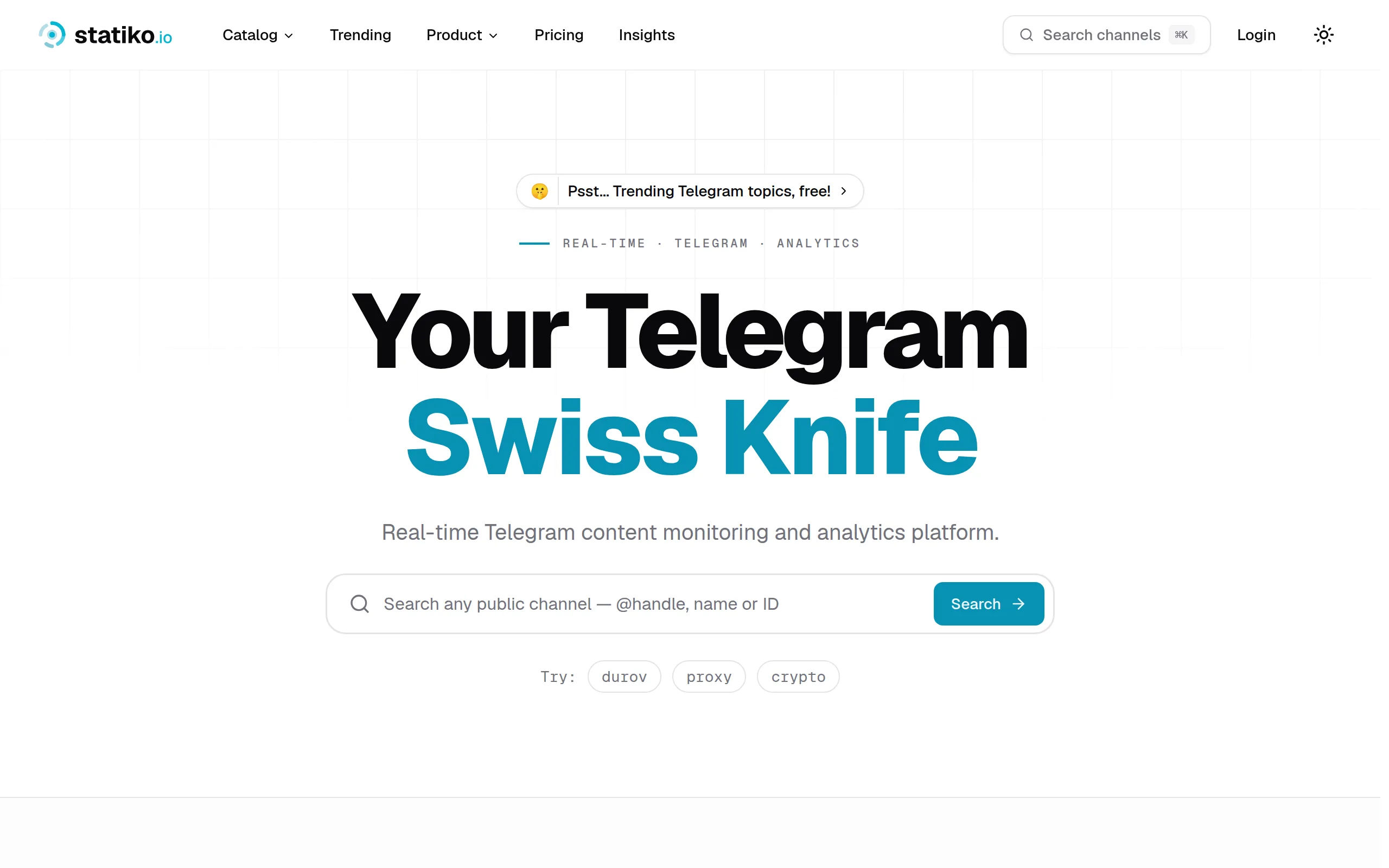
Statiko
Monitor any Telegram channel in real time - track posts, edits, deletions, and growth with AI recaps 📡

Shibui
AI website builder - describe your business, pick a niche template, edit by chatting, and publish instantly ✨
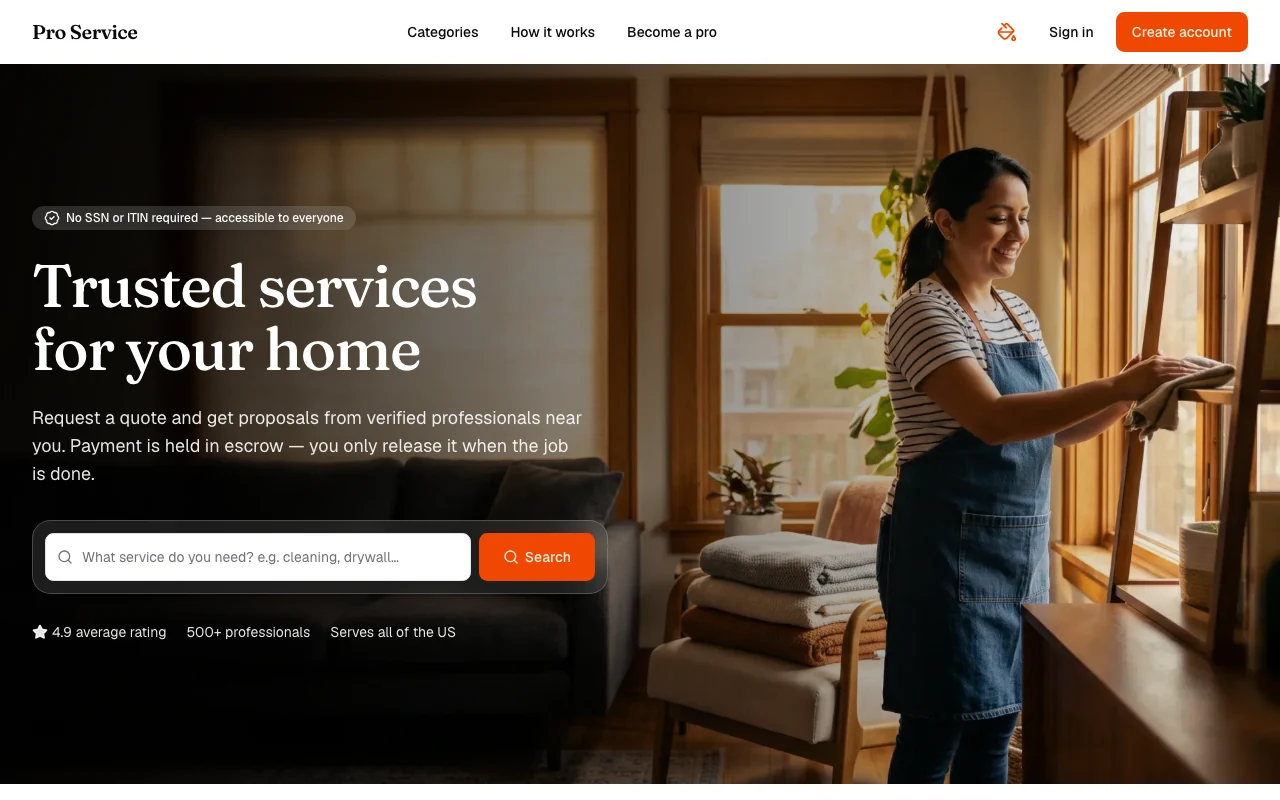
Pro Service
Find verified home service professionals, compare quotes, and pay securely through escrow - built for Brazilians across the US 🏠
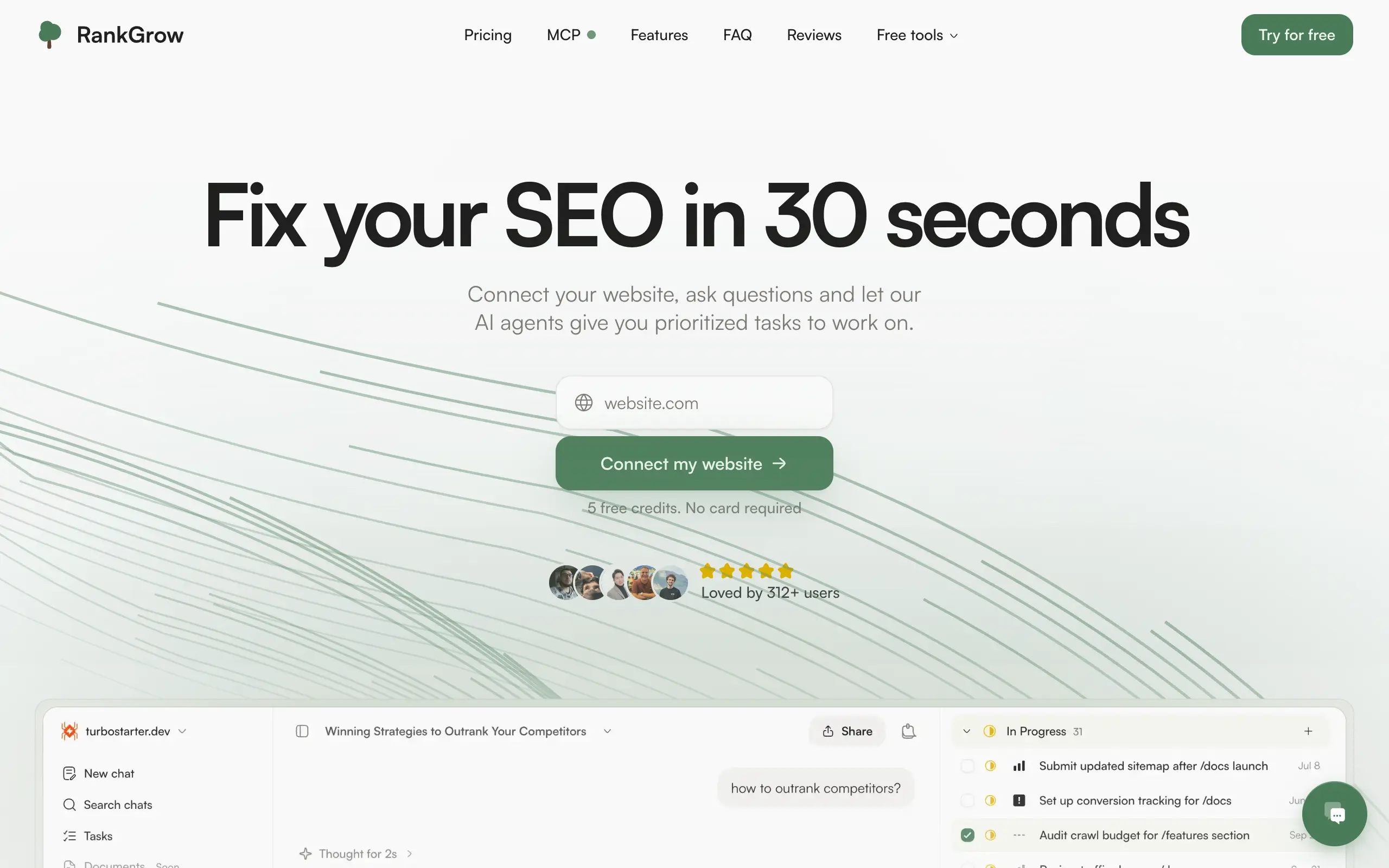
RankGrow
Fix your SEO with AI agents - connect Search Console, get prioritized tasks, and grow organic traffic 📈
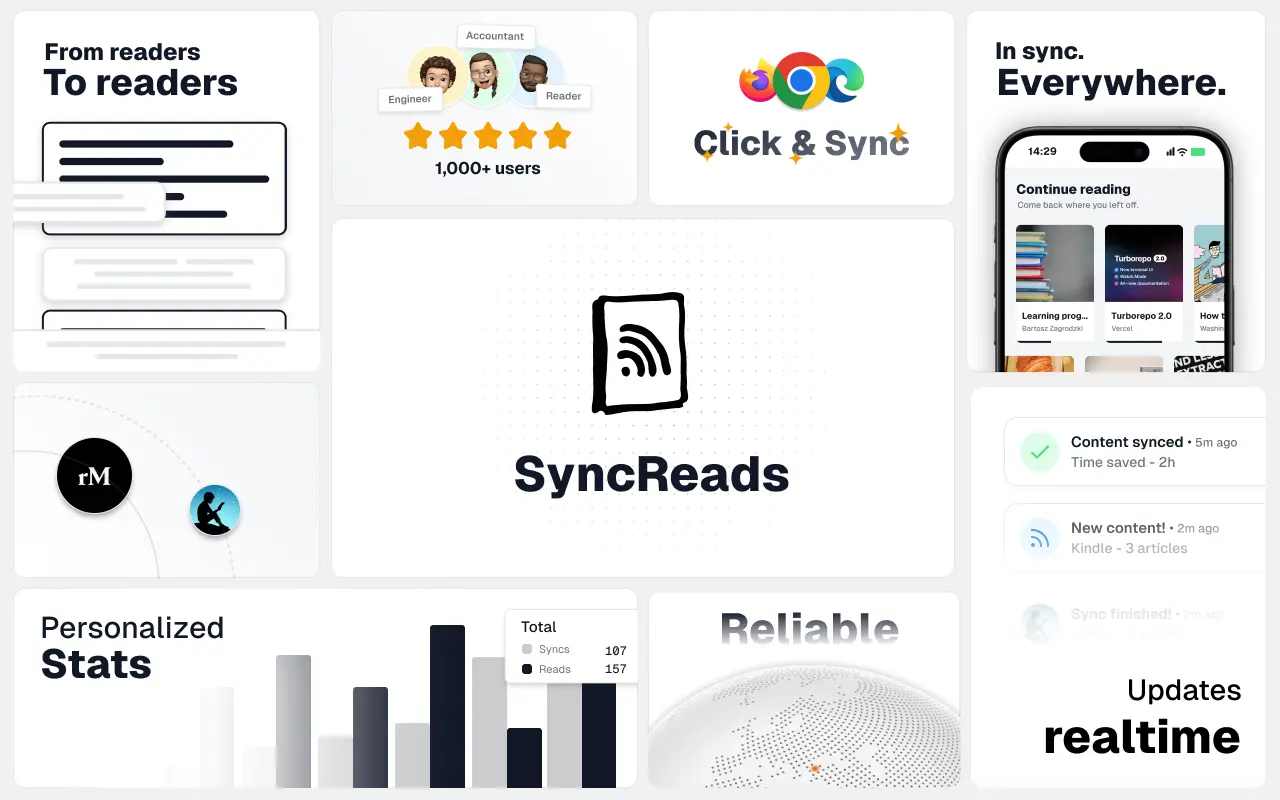
SyncReads
Sync your favorite content for distraction-free reading, save time and replace multiple apps. Anytime, anywhere 🔄
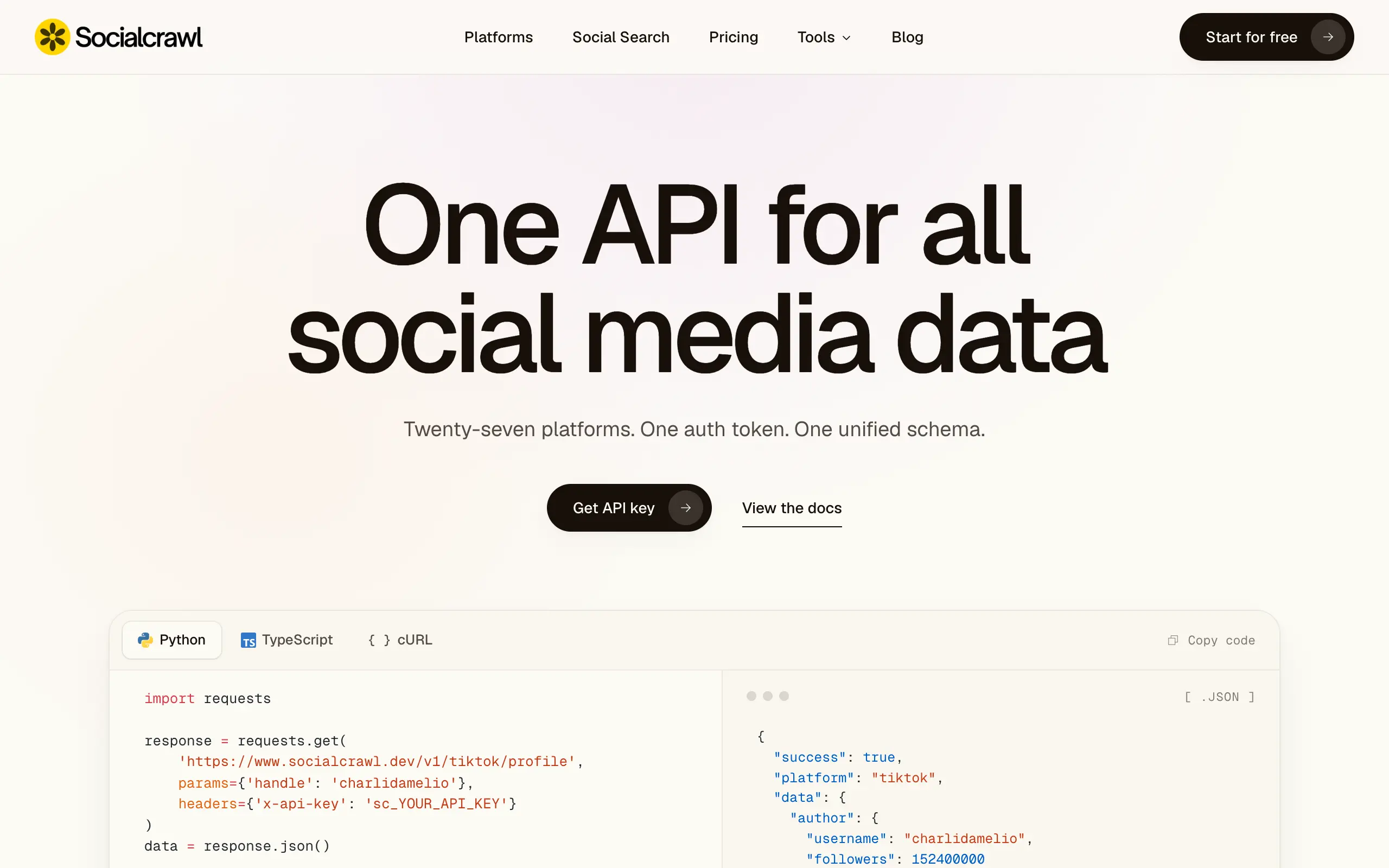
Socialcrawl
Get clean, structured data from 21 platforms like TikTok, Instagram, and YouTube with a single request 📊
Statiko
Monitor any Telegram channel in real time - track posts, edits, deletions, and growth with AI recaps 📡
Shibui
AI website builder - describe your business, pick a niche template, edit by chatting, and publish instantly ✨
Pro Service
Find verified home service professionals, compare quotes, and pay securely through escrow - built for Brazilians across the US 🏠
RankGrow
Fix your SEO with AI agents - connect Search Console, get prioritized tasks, and grow organic traffic 📈
SyncReads
Sync your favorite content for distraction-free reading, save time and replace multiple apps. Anytime, anywhere 🔄
Socialcrawl
Get clean, structured data from 21 platforms like TikTok, Instagram, and YouTube with a single request 📊
Statiko
Monitor any Telegram channel in real time - track posts, edits, deletions, and growth with AI recaps 📡
Shibui
AI website builder - describe your business, pick a niche template, edit by chatting, and publish instantly ✨
Pro Service
Find verified home service professionals, compare quotes, and pay securely through escrow - built for Brazilians across the US 🏠
RankGrow
Fix your SEO with AI agents - connect Search Console, get prioritized tasks, and grow organic traffic 📈
SyncReads
Sync your favorite content for distraction-free reading, save time and replace multiple apps. Anytime, anywhere 🔄
Socialcrawl
Get clean, structured data from 21 platforms like TikTok, Instagram, and YouTube with a single request 📊
Statiko
Monitor any Telegram channel in real time - track posts, edits, deletions, and growth with AI recaps 📡
Shibui
AI website builder - describe your business, pick a niche template, edit by chatting, and publish instantly ✨
Pro Service
Find verified home service professionals, compare quotes, and pay securely through escrow - built for Brazilians across the US 🏠
RankGrow
Fix your SEO with AI agents - connect Search Console, get prioritized tasks, and grow organic traffic 📈
SyncReads
Sync your favorite content for distraction-free reading, save time and replace multiple apps. Anytime, anywhere 🔄
Socialcrawl
Get clean, structured data from 21 platforms like TikTok, Instagram, and YouTube with a single request 📊
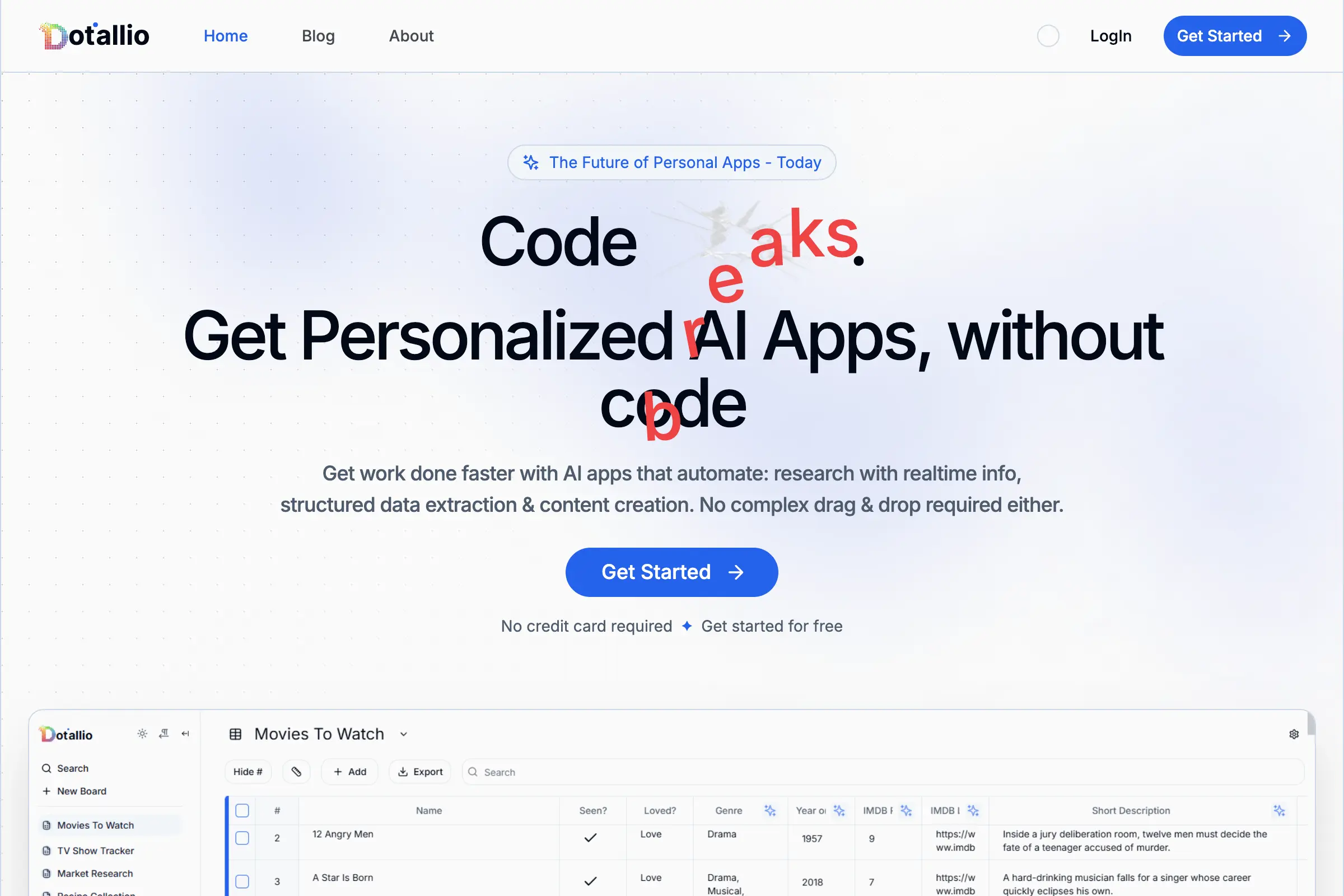
Dotallio
Personalized AI apps that automate research, data extraction, and content creation without code 🤖
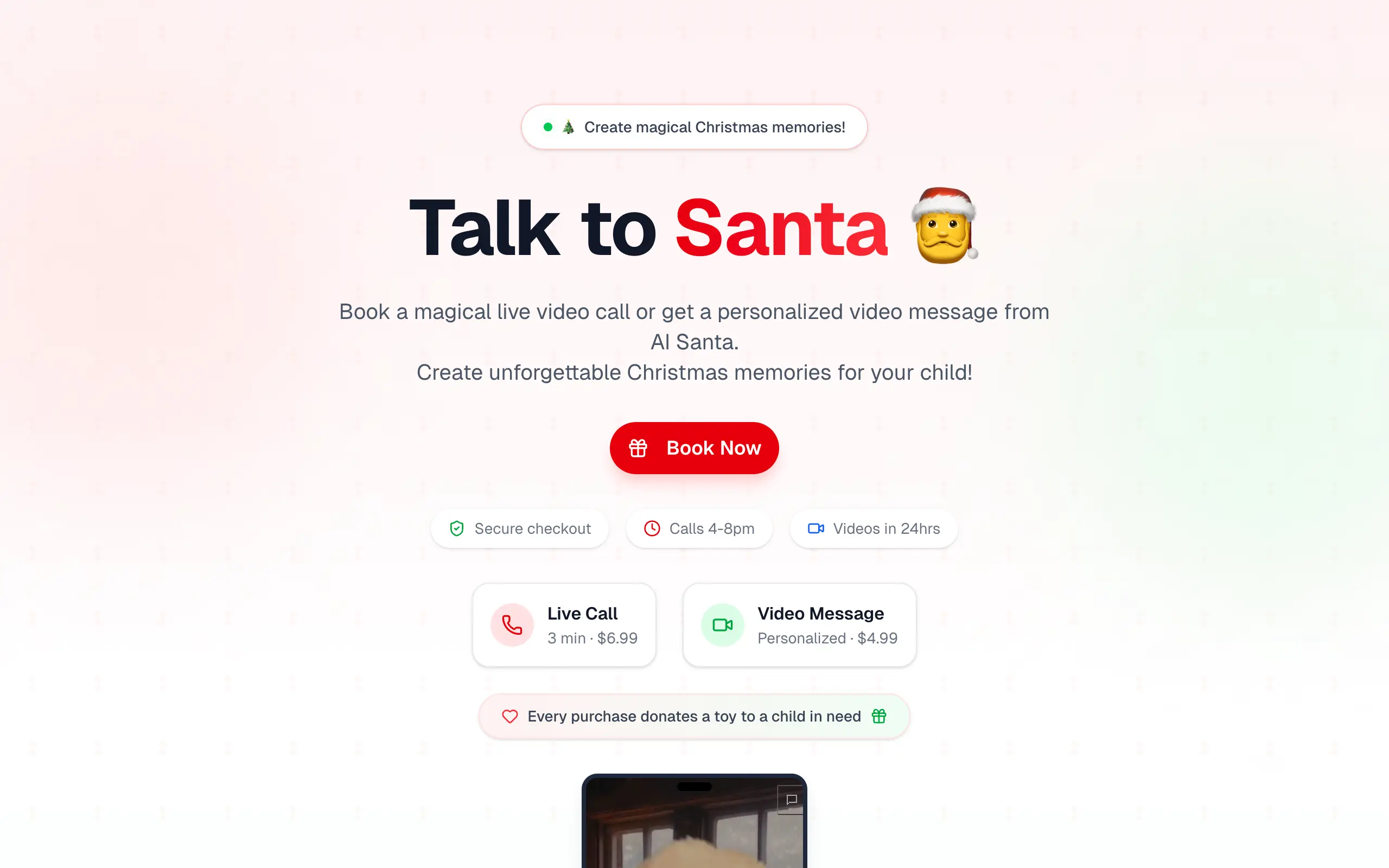
Talk to Santa
Enjoy a magical live video chat or receive a unique AI-generated video greeting from Santa Claus 🎅
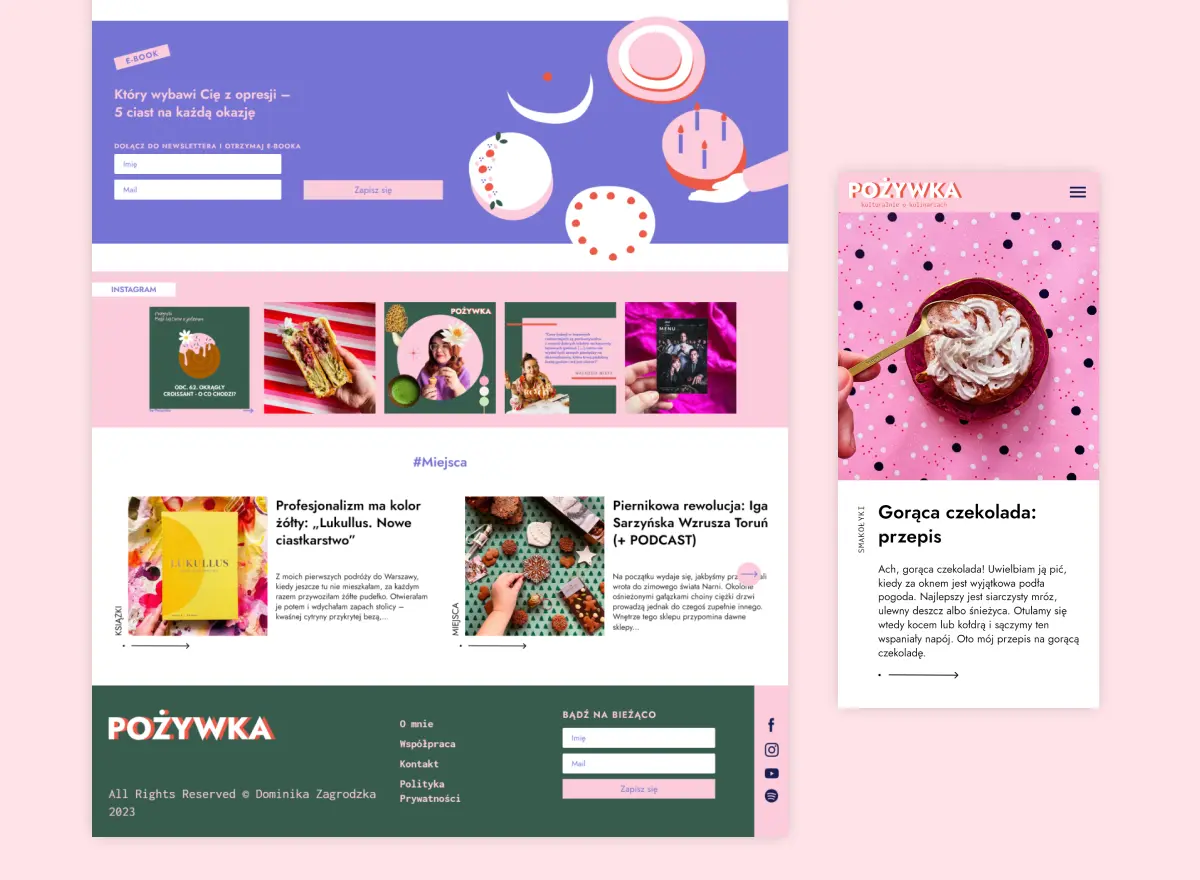
pozywka.pl
Scalable blog for food journalist, focused on performance and user experience 🌭
zagrodzki.me
Personal blog and portfolio of Bart Zagrodzki, where he shares his knowledge and work 💼
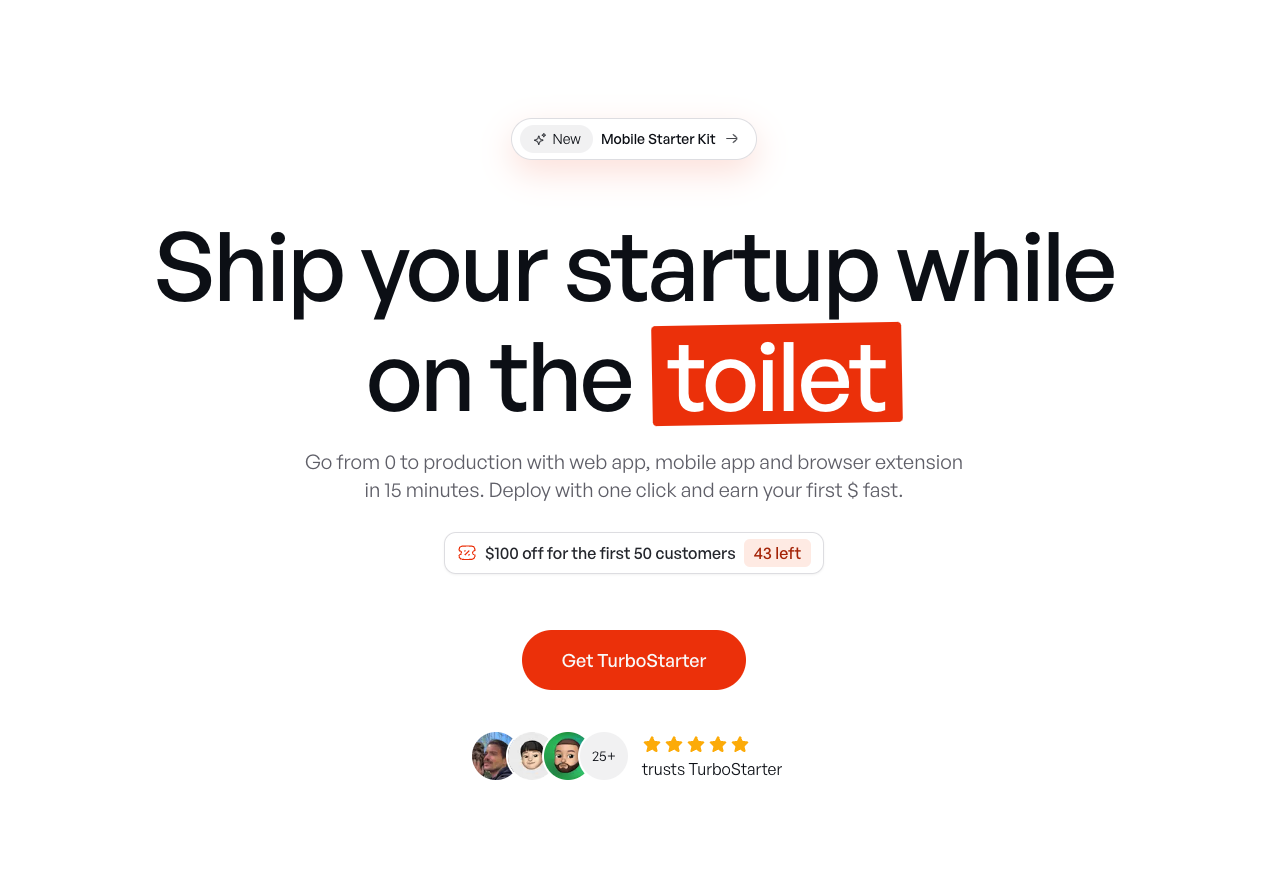
TurboStarter
Ship your startup everywhere. In minutes.
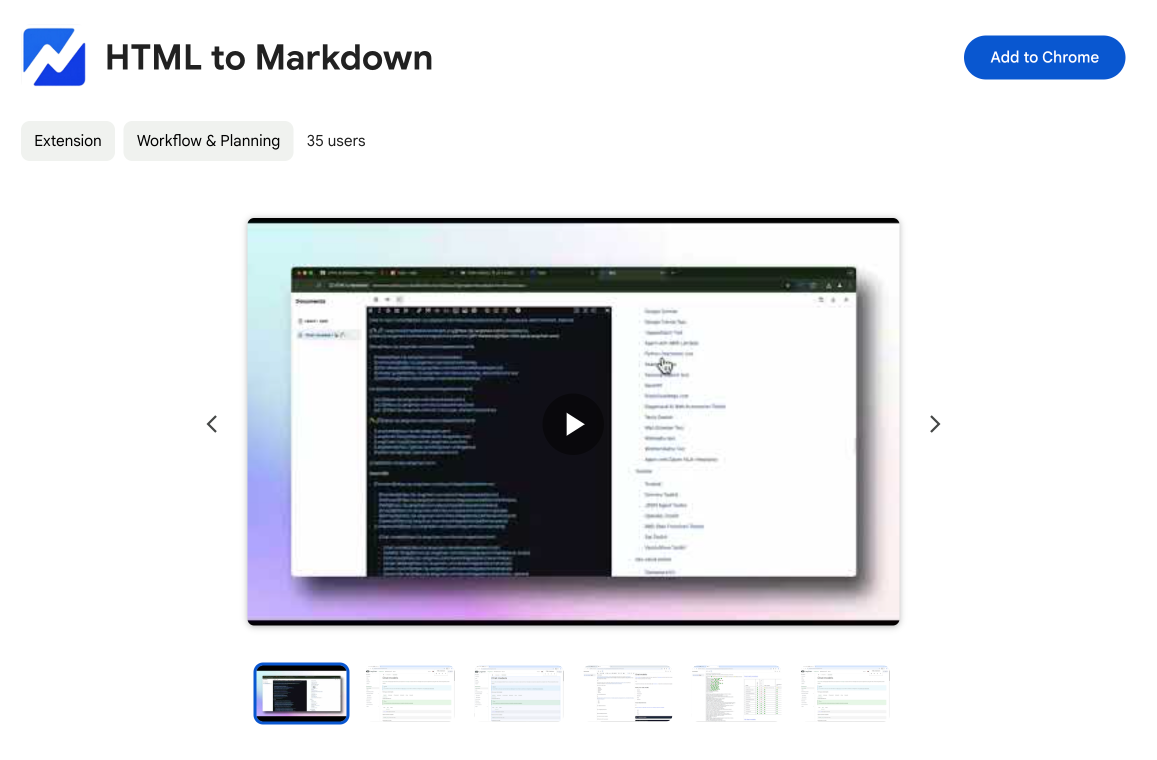
HTML to Markdown
Convert HTML to Markdown with ease, directly in your browser 📄
Dotallio
Personalized AI apps that automate research, data extraction, and content creation without code 🤖
Talk to Santa
Enjoy a magical live video chat or receive a unique AI-generated video greeting from Santa Claus 🎅
pozywka.pl
Scalable blog for food journalist, focused on performance and user experience 🌭
zagrodzki.me
Personal blog and portfolio of Bart Zagrodzki, where he shares his knowledge and work 💼
TurboStarter
Ship your startup everywhere. In minutes.
HTML to Markdown
Convert HTML to Markdown with ease, directly in your browser 📄
Dotallio
Personalized AI apps that automate research, data extraction, and content creation without code 🤖
Talk to Santa
Enjoy a magical live video chat or receive a unique AI-generated video greeting from Santa Claus 🎅
pozywka.pl
Scalable blog for food journalist, focused on performance and user experience 🌭
zagrodzki.me
Personal blog and portfolio of Bart Zagrodzki, where he shares his knowledge and work 💼
TurboStarter
Ship your startup everywhere. In minutes.
HTML to Markdown
Convert HTML to Markdown with ease, directly in your browser 📄
Dotallio
Personalized AI apps that automate research, data extraction, and content creation without code 🤖
Talk to Santa
Enjoy a magical live video chat or receive a unique AI-generated video greeting from Santa Claus 🎅
pozywka.pl
Scalable blog for food journalist, focused on performance and user experience 🌭
zagrodzki.me
Personal blog and portfolio of Bart Zagrodzki, where he shares his knowledge and work 💼
TurboStarter
Ship your startup everywhere. In minutes.
HTML to Markdown
Convert HTML to Markdown with ease, directly in your browser 📄
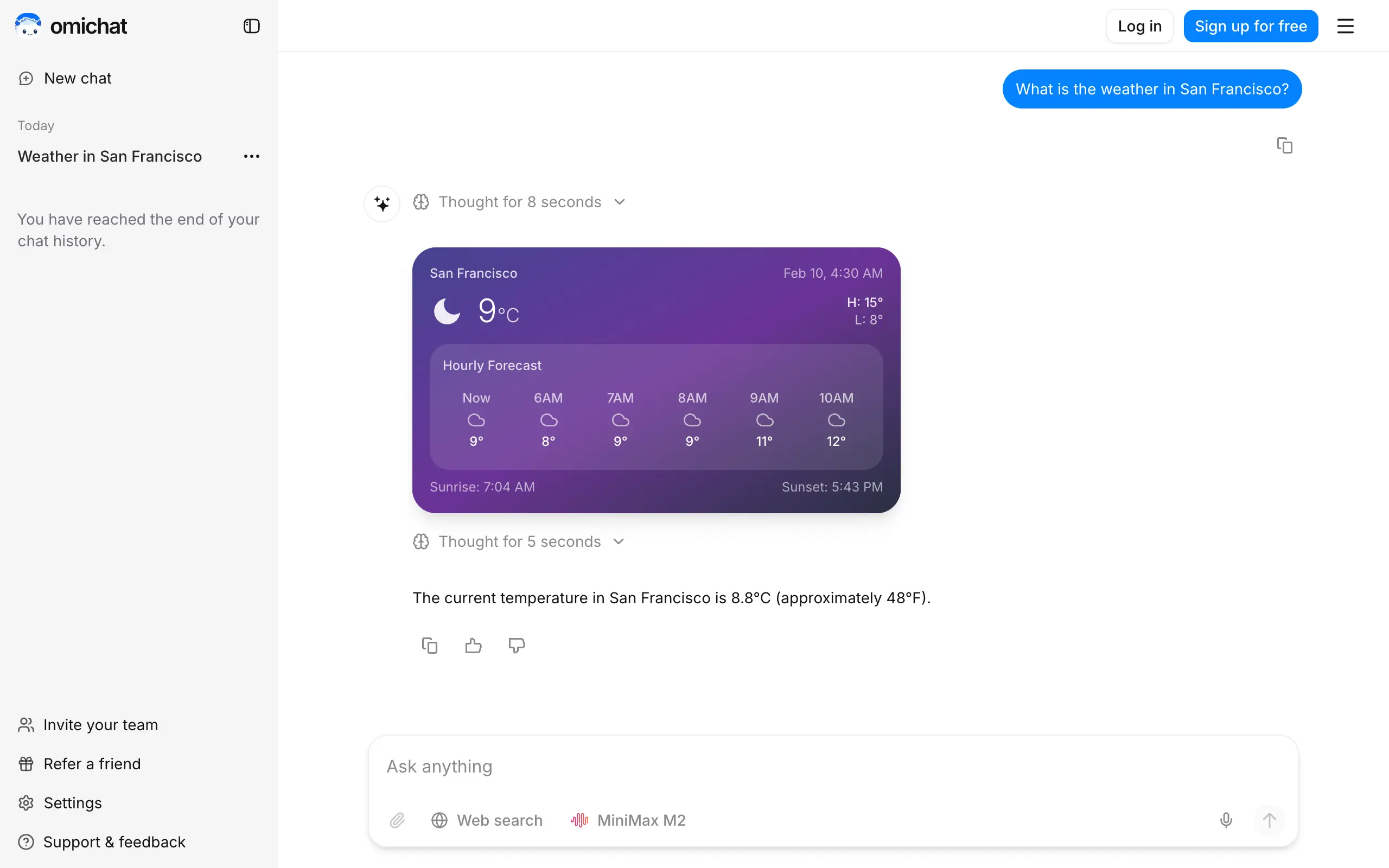
Omichat
Chat with 50+ AI models, including ChatGPT and Claude, in one place - switch models anytime without losing context 🤖
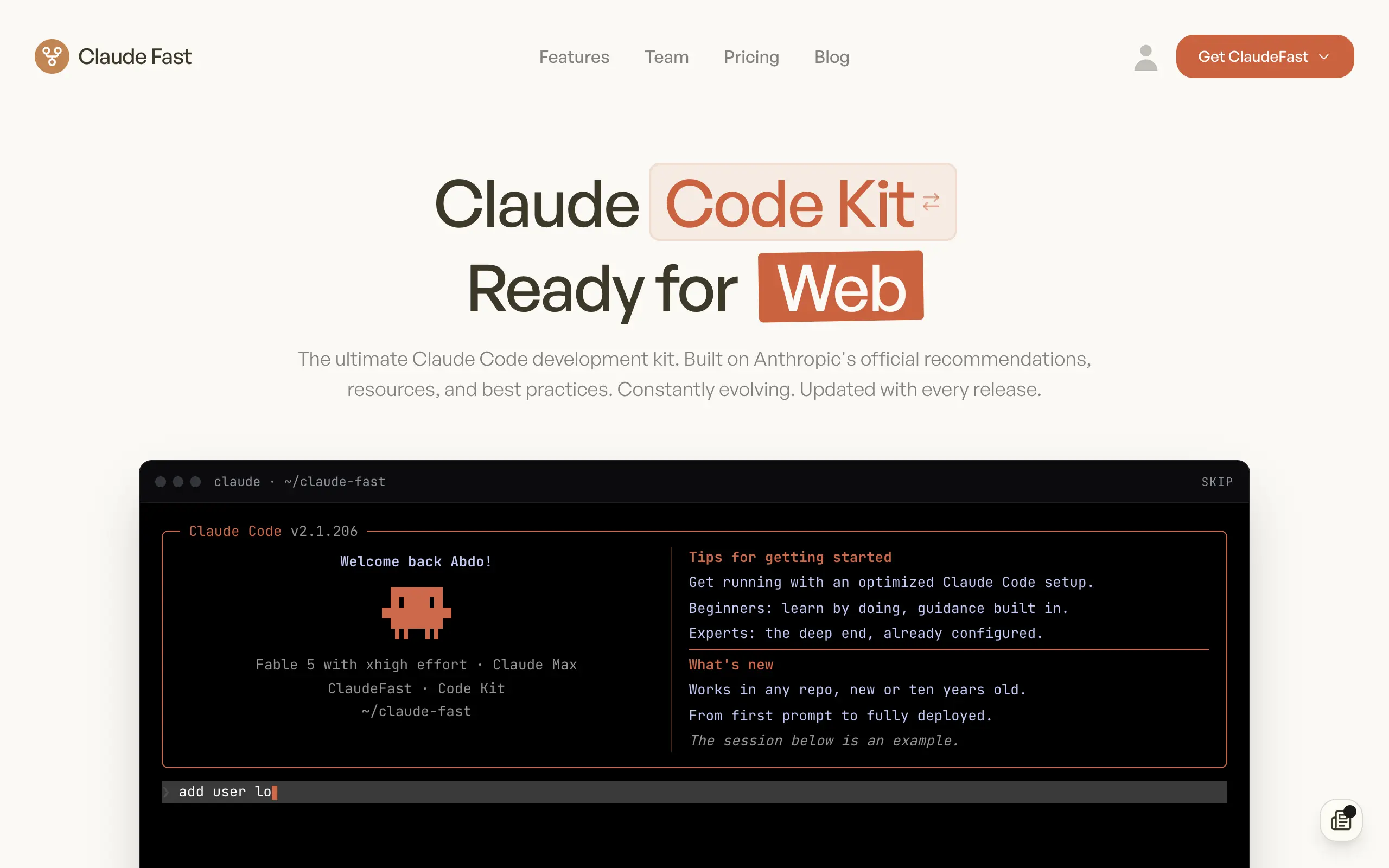
Claude Fast
Supercharge your Claude Code with 6x effective context window and specialized AI agents 🤖
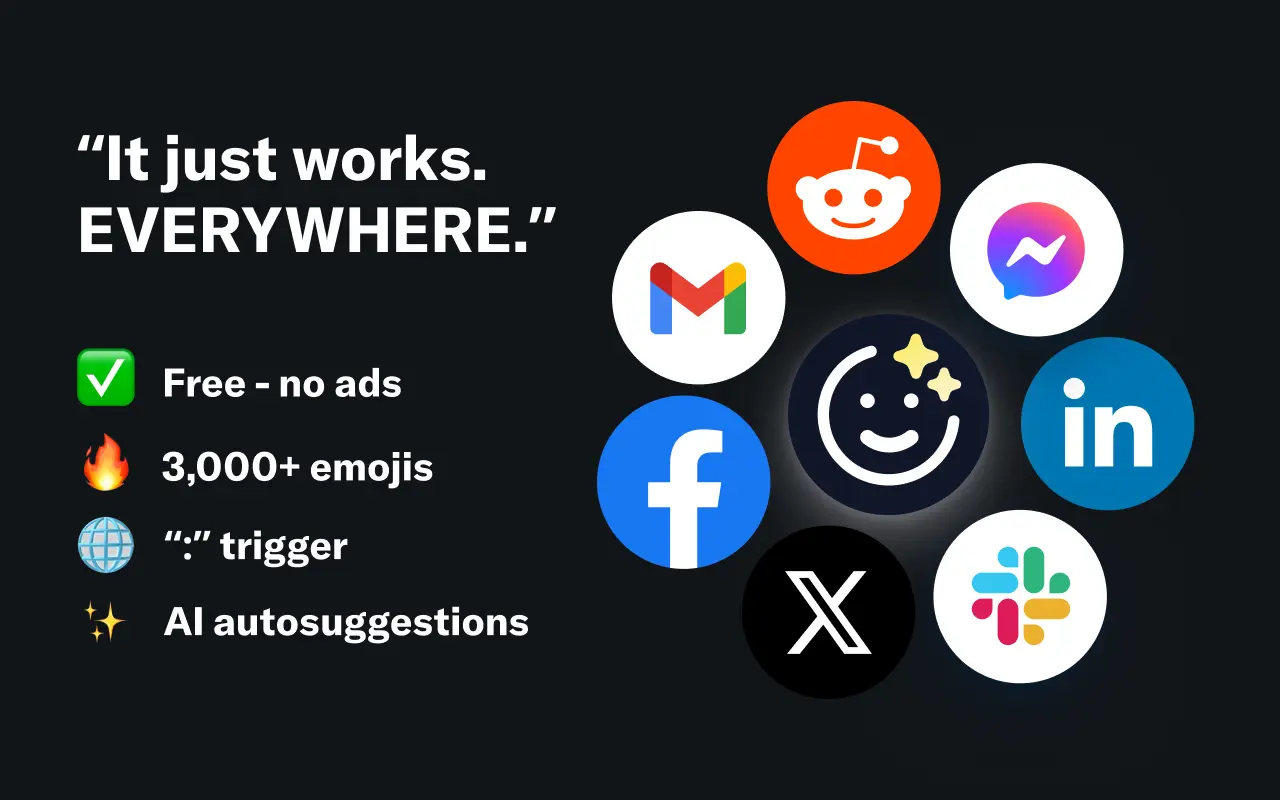
EmojAI
AI-powered emoji picker with smart, context-aware suggestions 🤖
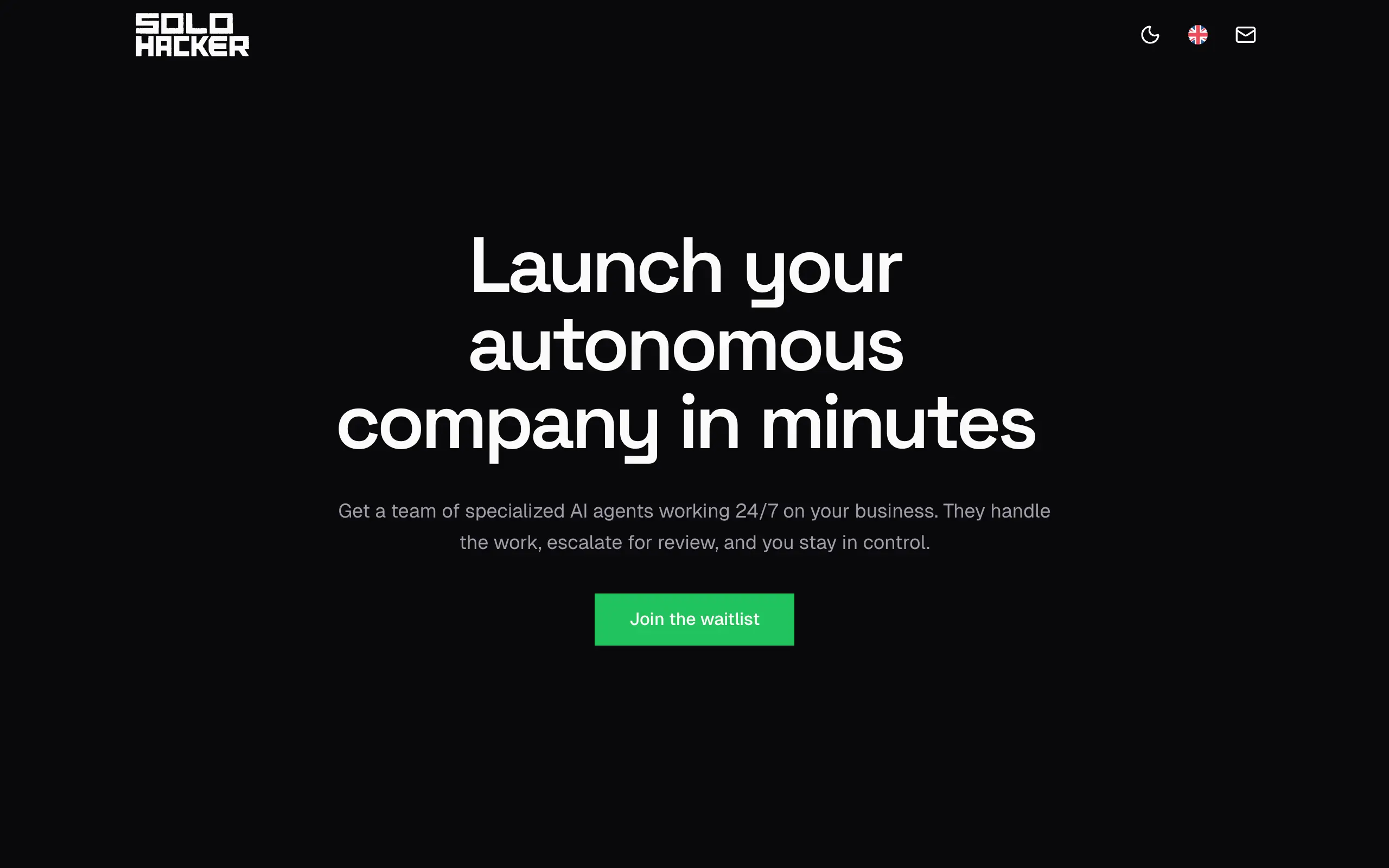
Solohacker
Autonomous company launcher - AI agents work 24/7, escalate what matters, and you stay in control 🤖
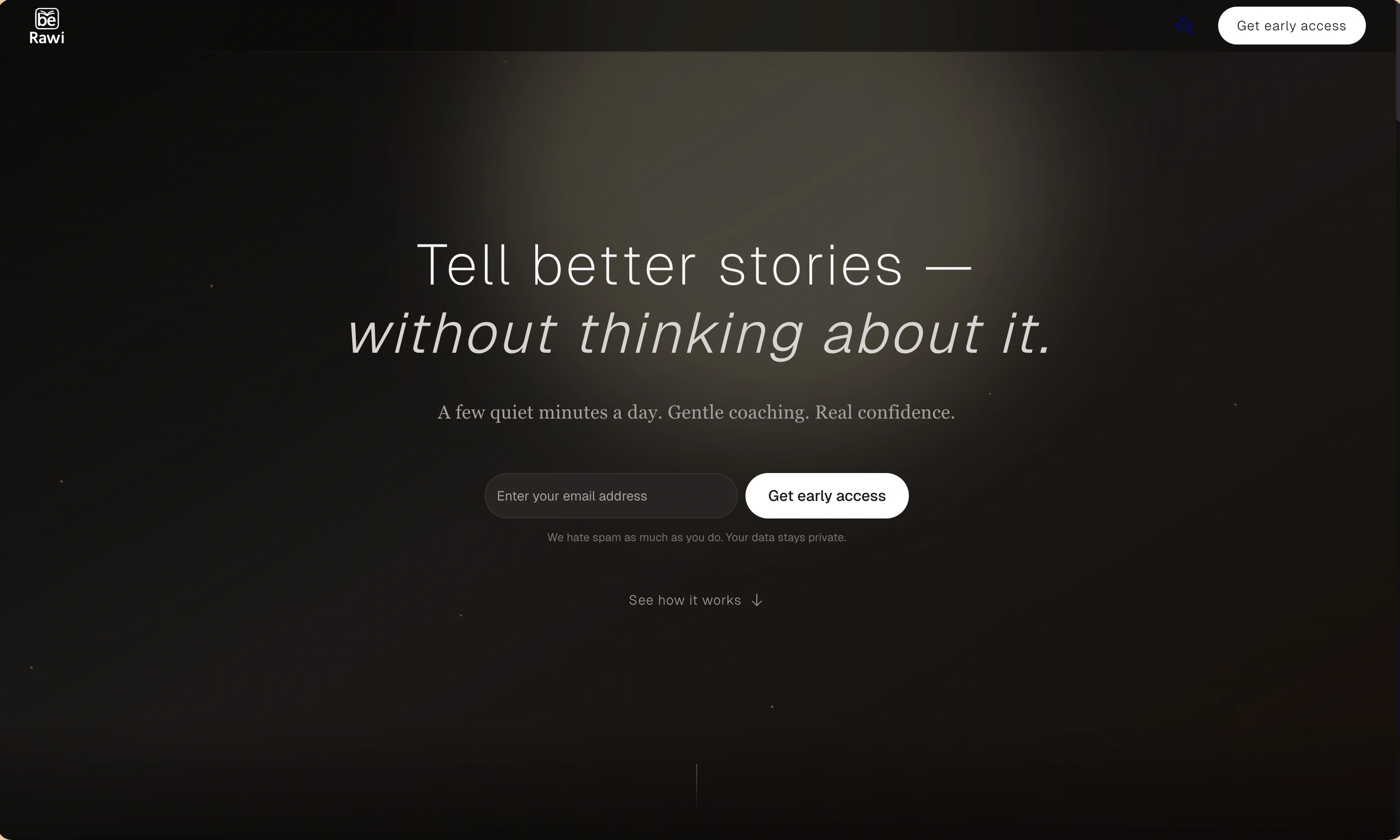
BeRawi: Storytelling Coach
Practice storytelling daily with instant feedback to sound clearer, more engaging, and confident 🎤
Omichat
Chat with 50+ AI models, including ChatGPT and Claude, in one place - switch models anytime without losing context 🤖
Claude Fast
Supercharge your Claude Code with 6x effective context window and specialized AI agents 🤖
EmojAI
AI-powered emoji picker with smart, context-aware suggestions 🤖
Solohacker
Autonomous company launcher - AI agents work 24/7, escalate what matters, and you stay in control 🤖
BeRawi: Storytelling Coach
Practice storytelling daily with instant feedback to sound clearer, more engaging, and confident 🎤
Omichat
Chat with 50+ AI models, including ChatGPT and Claude, in one place - switch models anytime without losing context 🤖
Claude Fast
Supercharge your Claude Code with 6x effective context window and specialized AI agents 🤖
EmojAI
AI-powered emoji picker with smart, context-aware suggestions 🤖
Solohacker
Autonomous company launcher - AI agents work 24/7, escalate what matters, and you stay in control 🤖
BeRawi: Storytelling Coach
Practice storytelling daily with instant feedback to sound clearer, more engaging, and confident 🎤
Omichat
Chat with 50+ AI models, including ChatGPT and Claude, in one place - switch models anytime without losing context 🤖
Claude Fast
Supercharge your Claude Code with 6x effective context window and specialized AI agents 🤖
EmojAI
AI-powered emoji picker with smart, context-aware suggestions 🤖
Solohacker
Autonomous company launcher - AI agents work 24/7, escalate what matters, and you stay in control 🤖
BeRawi: Storytelling Coach
Practice storytelling daily with instant feedback to sound clearer, more engaging, and confident 🎤

Connect with like-minded people
Join our community to get feedback, support, and grow together with 1,000+ builders on board, let's ship it!
Join usShip your startup everywhere. In minutes.
Don't burn tokens on setup and start building features on day one.