StackPulse
Real-time observability layer that maps code changes to business impact, helping startups see how deployments affect revenue, churn, and user behavior instantly.
what is stackpulse and why developer productivity analytics is the next frontier
Modern software teams ship faster than ever—but they’re also drowning in fragmented workflows. Code lives in GitHub, tickets in Jira, discussions in Slack, CI pipelines in separate dashboards, and deployment logs somewhere else entirely. The result? A lack of visibility into how work actually flows across the stack.
This is where StackPulse, a fullstack workflow analytics platform, fits in.
StackPulse tracks developer activity across repositories, tickets, commits, and workflows to surface bottlenecks, inefficiencies, and optimization opportunities. Instead of guessing why velocity is slowing down, teams get data-backed, actionable insights.
The primary keyword here—developer productivity analytics platform—is central to understanding both the opportunity and the urgency behind this SaaS idea.
the growing need for developer productivity insights
why traditional metrics are failing engineering teams
For years, engineering managers relied on flawed metrics like:
- Lines of code written
- Number of commits
- Story points completed
These metrics are not only misleading—they often incentivize the wrong behavior.
Modern teams need better answers to questions like:
- Why are PR reviews taking longer this sprint?
- Where are tickets getting stuck in the lifecycle?
- Which part of the stack is slowing down delivery?
StackPulse addresses this by providing contextual, cross-system insights, not isolated metrics.
Industry trend
The rise of DevEx (Developer Experience) platforms and frameworks like DORA metrics highlights a shift toward holistic productivity measurement rather than raw output tracking.
target audience: who needs stackpulse the most?
1. engineering managers and team leads
They need visibility into team performance without micromanaging.
Pain points:
- Lack of clarity on bottlenecks
- Difficulty justifying process changes
- Limited insight into cross-team dependencies
StackPulse value:
- Unified dashboard of workflow health
- Bottleneck detection across systems
- Actionable recommendations
2. CTOs and VP of engineering
They care about organizational efficiency and delivery predictability.
Pain points:
- Inconsistent team performance
- Scaling inefficiencies
- Lack of high-level visibility
StackPulse value:
- Organization-wide productivity analytics
- Benchmarking across teams
- Strategic insights for scaling
3. developer experience (DevEx) teams
DevEx teams focus on improving developer workflows.
Pain points:
- Hard to measure impact of tooling changes
- Lack of real-time feedback loops
StackPulse value:
- Quantifiable DevEx improvements
- Workflow instrumentation
- Feedback loops tied to real data
4. startup founders and small teams
They need to move fast and optimize early.
Pain points:
- Limited resources
- Unknown inefficiencies
StackPulse value:
- Early detection of workflow issues
- Lean optimization without guesswork
market opportunity and gap analysis
The developer tooling market is booming, but there’s a clear gap.
existing categories
Tools: Jira, Linear, Asana
Focus: Task tracking
Limitation:
They track what is being worked on, not how efficiently work flows across systems.
Tools: GitHub Insights, GitLab Analytics
Focus: Code activity
Limitation:
They ignore ticket lifecycle, reviews, and cross-tool dependencies.
Tools: Datadog, New Relic
Focus: Infrastructure and performance
Limitation:
They don’t address developer workflow inefficiencies.
StackPulse combines all three layers:
- Code
- Tickets
- Workflow events
And transforms them into actionable productivity insights.
the gap: fragmented workflow intelligence
The key gap is lack of unified workflow intelligence.
Teams use dozens of tools, but no platform answers:
- Where does work slow down?
- Why do delays happen?
- How can we fix them systematically?
StackPulse fills this gap by acting as a central intelligence layer.
core features that define stackpulse
1. unified workflow tracking
StackPulse integrates with:
- GitHub / GitLab
- Jira / Linear
- Slack / communication tools
- CI/CD systems
It creates a timeline of events across the full development lifecycle.
2. bottleneck detection engine
Using event correlation, StackPulse identifies:
- PRs waiting too long for review
- Tickets stuck in specific stages
- Rework cycles (e.g., repeated commits after review)
Key insight
Most teams don’t realize their biggest delays come from handoffs—not coding itself.
3. developer flow analytics
StackPulse analyzes:
- Time in flow state vs interruptions
- Context switching frequency
- Work fragmentation
This helps teams optimize for deep work, not just output.
4. actionable recommendations
Instead of raw data, StackPulse provides:
- Suggested workflow improvements
- Alerts for emerging bottlenecks
- Benchmark comparisons
5. team-level and org-level dashboards
Different stakeholders get tailored insights:
- Engineers → personal workflow improvements
- Managers → team bottlenecks
- Executives → strategic performance
6. historical trends and forecasting
StackPulse tracks trends over time:
- Sprint velocity changes
- Cycle time improvements
- Impact of process changes
how stackpulse works under the hood
data ingestion layer
StackPulse connects via APIs and webhooks:
- GitHub webhooks for commits and PRs
- Jira APIs for ticket updates
- CI/CD events
Example:
// Example webhook handler (Node.js)
app.post('/webhook/github', (req, res) => {
  const event = req.headers['x-github-event'];

  if (event === 'pull_request') {
    processPullRequest(req.body);
  }

  res.sendStatus(200);
});
event correlation engine
This is the core differentiator.
StackPulse links:
- Commits → PRs
- PRs → tickets
- Tickets → releases
This creates a graph of workflow activity.
analytics and insights layer
Using statistical models and heuristics:
- Detect anomalies
- Identify delays
- Generate recommendations
frontend dashboard
Built with modern frameworks like:
recommended tech stack (with trade-offs)
| Layer | Technology | Pros | Cons | Notes |
|---|---|---|---|---|
| Frontend | React + Tailwind | Fast UI dev | Requires optimization | Great for dashboards |
| Backend | Node.js | Event-driven | Scaling complexity | Good for integrations |
| Data | PostgreSQL | Reliable | Complex queries | Use with analytics DB |
| Analytics | ClickHouse | Fast queries | Setup complexity | Ideal for events |
| Infra | AWS | Scalable | Cost | Use managed services |
monetization strategies for stackpulse
subscription-based SaaS pricing
Typical tiers:
- Free (limited integrations)
- Pro (team insights)
- Enterprise (advanced analytics + security)
usage-based pricing
Charge based on:
- Number of developers
- Events processed
- Integrations connected
add-on revenue streams
- Advanced analytics modules
- Custom reports
- Consulting services
competitive advantage: why stackpulse stands out
Fullstack visibility
Tracks workflows across tools, not just code or tickets.
Actionable insights
Provides recommendations, not just dashboards.
Developer-centric metrics
Focuses on flow and efficiency, not vanity metrics.
Cross-tool intelligence
Connects fragmented data into a unified view.
potential risks and mitigation strategies
1. data privacy concerns
Risk: Accessing code and workflow data raises security concerns.
Mitigation:
- End-to-end encryption
- SOC 2 compliance
- Clear data policies
2. integration complexity
Risk: Supporting multiple tools is technically challenging.
Mitigation:
- Start with top integrations (GitHub, Jira)
- Build modular connectors
3. perceived surveillance
Risk: Developers may feel monitored.
Mitigation:
- Focus on team-level insights
- Avoid individual performance scoring
- Emphasize productivity, not tracking
Critical mistake to avoid
If StackPulse is positioned as a surveillance tool, adoption will fail. It must be framed as a developer empowerment platform.
4. data overload
Risk: Too many metrics can overwhelm users.
Mitigation:
- Prioritize insights over raw data
- Use summaries and recommendations
seo strategy for stackpulse content growth
To rank for developer productivity analytics platform, StackPulse should target:
primary keywords
- developer productivity analytics
- engineering workflow optimization
- dev team performance metrics
secondary keywords
- DORA metrics tools
- developer experience platform
- engineering analytics SaaS
content ideas
- “How to measure developer productivity in 2026”
- “Top bottlenecks slowing down engineering teams”
- “DORA metrics vs real productivity insights”
actionable steps to build stackpulse
go-to-market strategy
1. product-led growth
- Free tier for small teams
- Easy onboarding
2. content marketing
- SEO blog targeting DevEx topics
- Case studies
3. developer community engagement
- Hacker News
- Dev Twitter/X
4. partnerships
- Integration marketplaces
- Dev tooling ecosystems
future trends shaping stackpulse
AI-driven insights
StackPulse can evolve into:
- Predictive bottleneck detection
- AI-generated workflow suggestions
developer experience platforms
The DevEx category is growing rapidly, with companies investing heavily in tooling that improves developer happiness and efficiency.
remote and async work
Distributed teams need better visibility than ever—StackPulse fits perfectly into this shift.
conclusion: why stackpulse is a high-potential SaaS opportunity
StackPulse sits at the intersection of:
- Developer productivity
- Workflow intelligence
- Data-driven engineering
Its biggest strength is not just tracking activity—but turning it into meaningful, actionable insights.
In a world where engineering velocity defines competitive advantage, tools like StackPulse are becoming essential.
ready to build stackpulse?
If you’re serious about launching a developer productivity analytics platform, the fastest way to get started is with a proven SaaS foundation.
Using a robust starter like TurboStarter can help you skip boilerplate and focus on building StackPulse’s core differentiator—its analytics engine and workflow intelligence.
final thoughts
StackPulse isn’t just another dev tool. It represents a shift toward understanding how software is built, not just what gets built.
Teams that embrace this level of insight will:
- Ship faster
- Reduce burnout
- Improve collaboration
And ultimately, build better products.
That’s the real promise behind StackPulse—and why this idea has strong potential in today’s SaaS landscape.
More ⚡ Productivity Tool SaaS ideas
Discover more innovative productivity tool SaaS ideas that are trending in 2026. Each idea is AI-generated with market validation and growth potential to help you find your next profitable venture faster than competitors.
Your competitors are building with TurboStarter
Below are some of the SaaS ideas that have been generated and built with our starter kit.
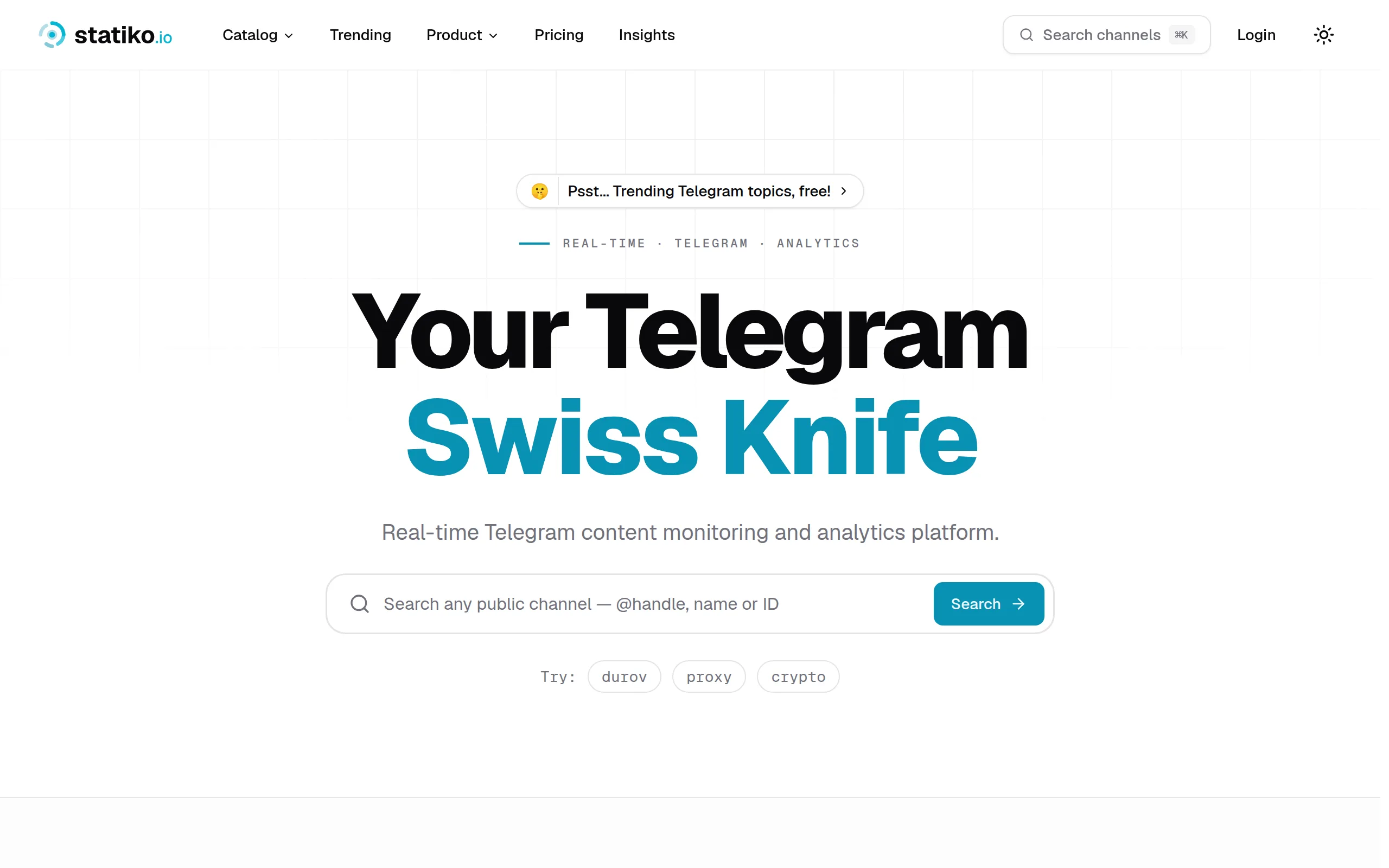
Statiko
Monitor any Telegram channel in real time - track posts, edits, deletions, and growth with AI recaps 📡

Shibui
AI website builder - describe your business, pick a niche template, edit by chatting, and publish instantly ✨

Pro Service
Find verified home service professionals, compare quotes, and pay securely through escrow - built for Brazilians across the US 🏠
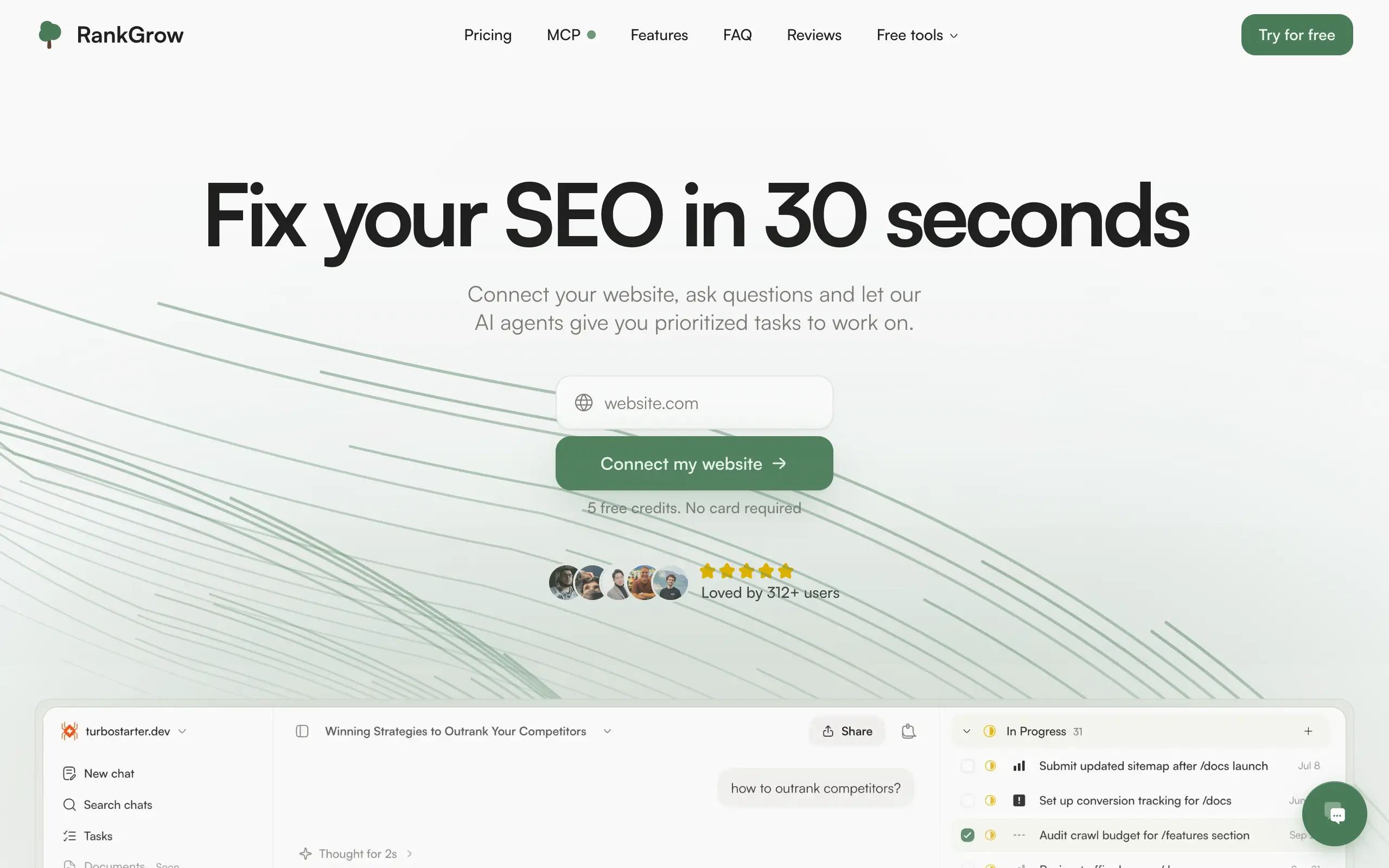
RankGrow
Fix your SEO with AI agents - connect Search Console, get prioritized tasks, and grow organic traffic 📈
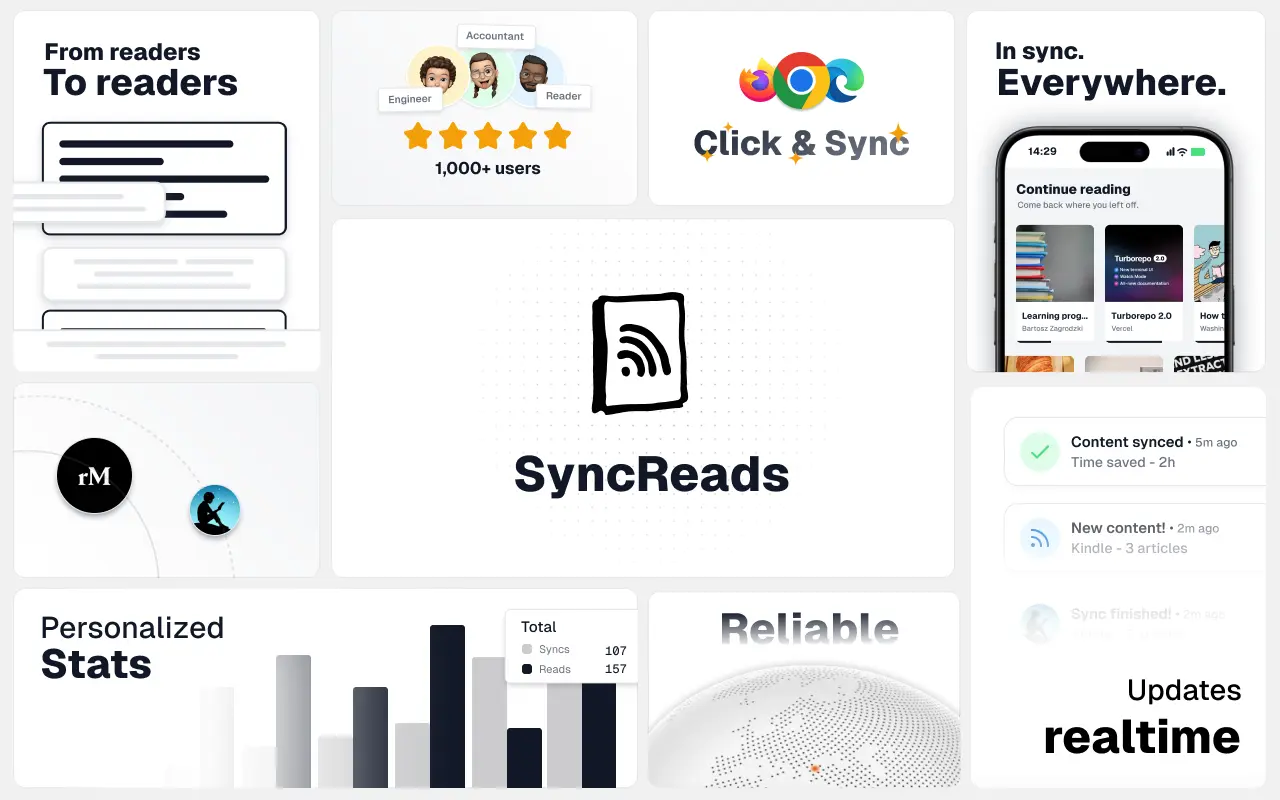
SyncReads
Sync your favorite content for distraction-free reading, save time and replace multiple apps. Anytime, anywhere 🔄
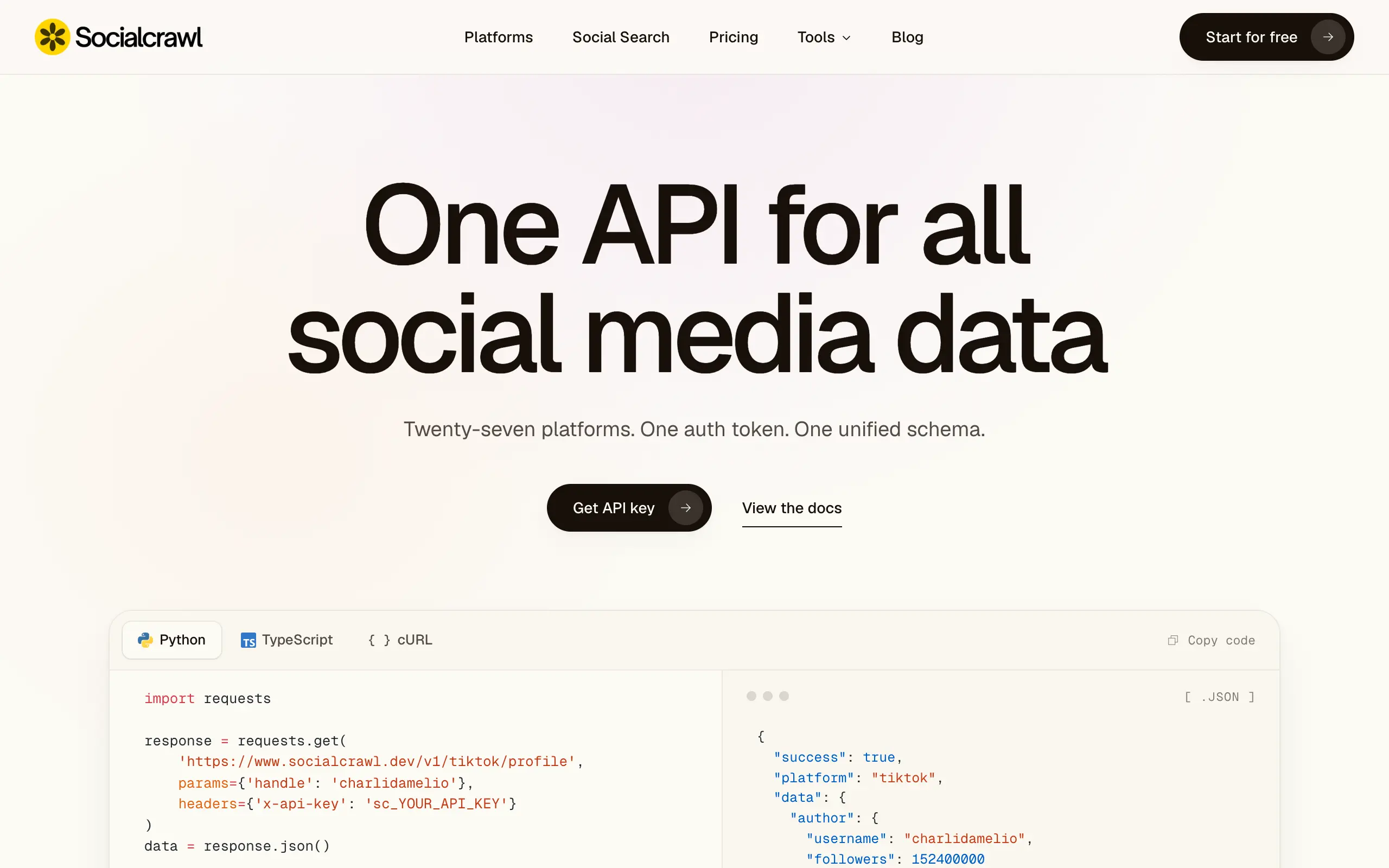
Socialcrawl
Get clean, structured data from 21 platforms like TikTok, Instagram, and YouTube with a single request 📊
Statiko
Monitor any Telegram channel in real time - track posts, edits, deletions, and growth with AI recaps 📡
Shibui
AI website builder - describe your business, pick a niche template, edit by chatting, and publish instantly ✨
Pro Service
Find verified home service professionals, compare quotes, and pay securely through escrow - built for Brazilians across the US 🏠
RankGrow
Fix your SEO with AI agents - connect Search Console, get prioritized tasks, and grow organic traffic 📈
SyncReads
Sync your favorite content for distraction-free reading, save time and replace multiple apps. Anytime, anywhere 🔄
Socialcrawl
Get clean, structured data from 21 platforms like TikTok, Instagram, and YouTube with a single request 📊
Statiko
Monitor any Telegram channel in real time - track posts, edits, deletions, and growth with AI recaps 📡
Shibui
AI website builder - describe your business, pick a niche template, edit by chatting, and publish instantly ✨
Pro Service
Find verified home service professionals, compare quotes, and pay securely through escrow - built for Brazilians across the US 🏠
RankGrow
Fix your SEO with AI agents - connect Search Console, get prioritized tasks, and grow organic traffic 📈
SyncReads
Sync your favorite content for distraction-free reading, save time and replace multiple apps. Anytime, anywhere 🔄
Socialcrawl
Get clean, structured data from 21 platforms like TikTok, Instagram, and YouTube with a single request 📊
Statiko
Monitor any Telegram channel in real time - track posts, edits, deletions, and growth with AI recaps 📡
Shibui
AI website builder - describe your business, pick a niche template, edit by chatting, and publish instantly ✨
Pro Service
Find verified home service professionals, compare quotes, and pay securely through escrow - built for Brazilians across the US 🏠
RankGrow
Fix your SEO with AI agents - connect Search Console, get prioritized tasks, and grow organic traffic 📈
SyncReads
Sync your favorite content for distraction-free reading, save time and replace multiple apps. Anytime, anywhere 🔄
Socialcrawl
Get clean, structured data from 21 platforms like TikTok, Instagram, and YouTube with a single request 📊
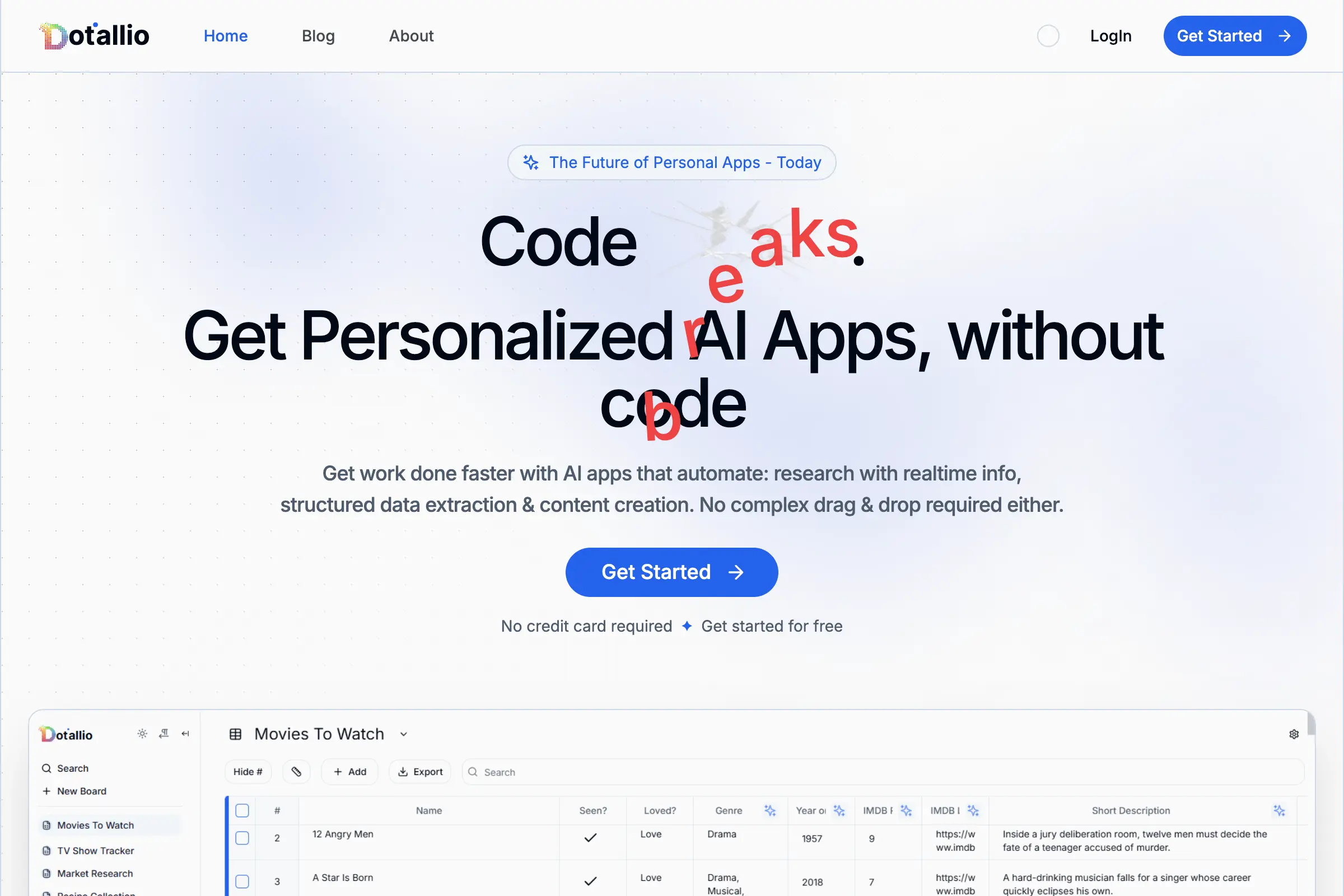
Dotallio
Personalized AI apps that automate research, data extraction, and content creation without code 🤖

Talk to Santa
Enjoy a magical live video chat or receive a unique AI-generated video greeting from Santa Claus 🎅

pozywka.pl
Scalable blog for food journalist, focused on performance and user experience 🌭
zagrodzki.me
Personal blog and portfolio of Bart Zagrodzki, where he shares his knowledge and work 💼
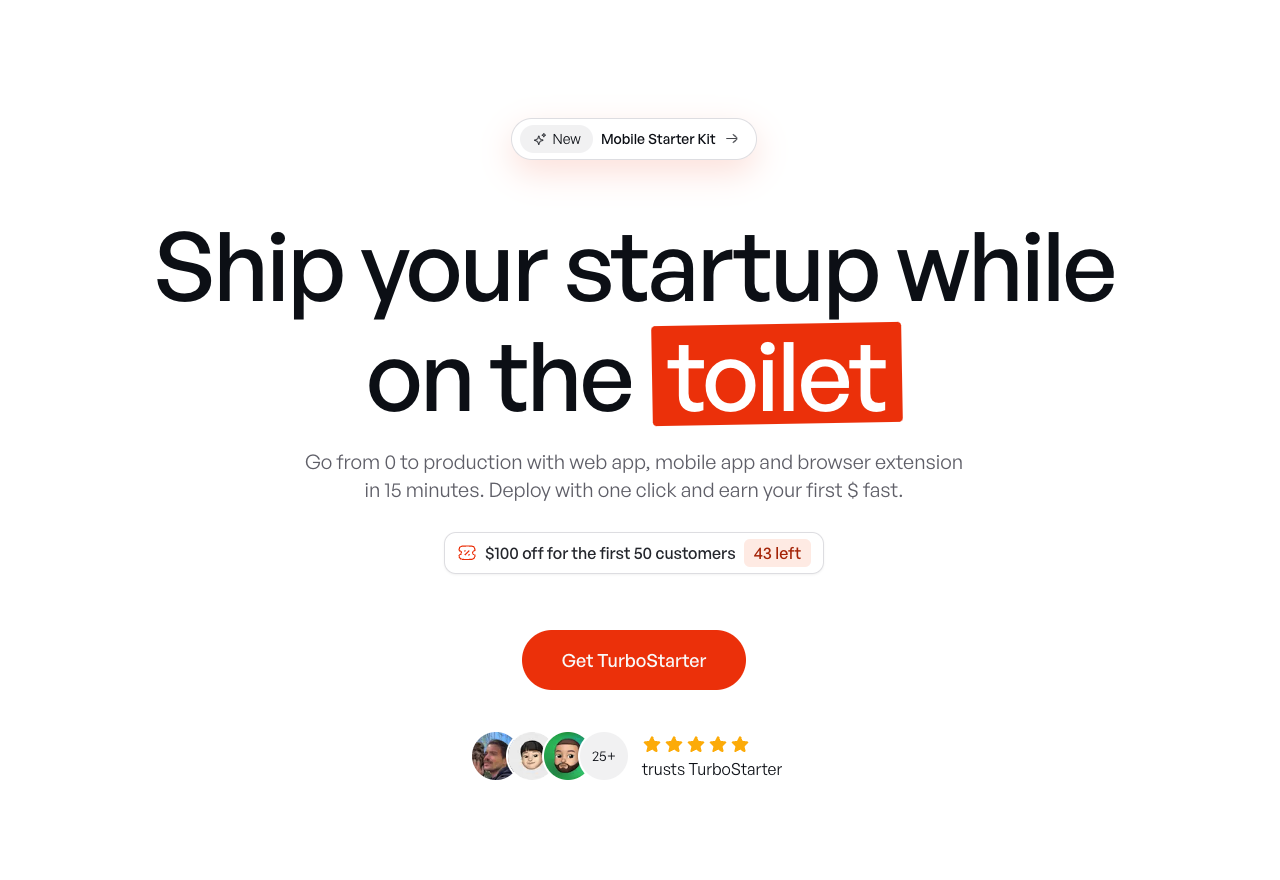
TurboStarter
Ship your startup everywhere. In minutes.
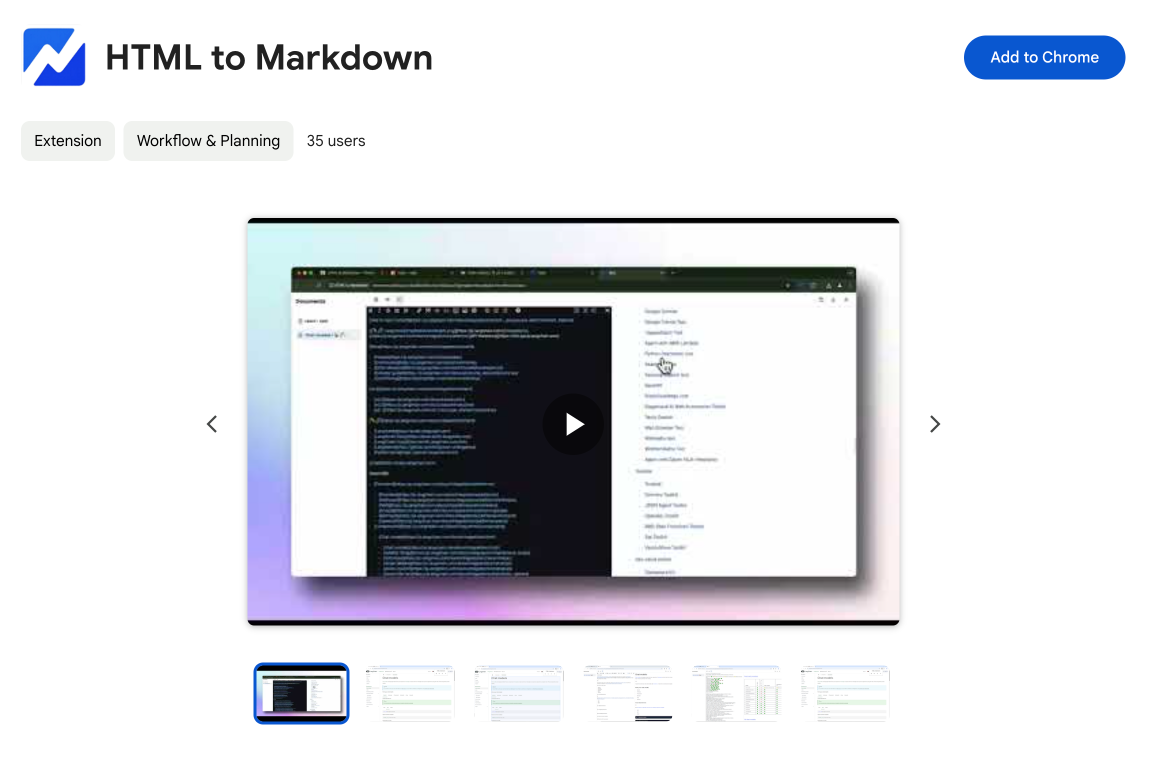
HTML to Markdown
Convert HTML to Markdown with ease, directly in your browser 📄
Dotallio
Personalized AI apps that automate research, data extraction, and content creation without code 🤖
Talk to Santa
Enjoy a magical live video chat or receive a unique AI-generated video greeting from Santa Claus 🎅
pozywka.pl
Scalable blog for food journalist, focused on performance and user experience 🌭
zagrodzki.me
Personal blog and portfolio of Bart Zagrodzki, where he shares his knowledge and work 💼
TurboStarter
Ship your startup everywhere. In minutes.
HTML to Markdown
Convert HTML to Markdown with ease, directly in your browser 📄
Dotallio
Personalized AI apps that automate research, data extraction, and content creation without code 🤖
Talk to Santa
Enjoy a magical live video chat or receive a unique AI-generated video greeting from Santa Claus 🎅
pozywka.pl
Scalable blog for food journalist, focused on performance and user experience 🌭
zagrodzki.me
Personal blog and portfolio of Bart Zagrodzki, where he shares his knowledge and work 💼
TurboStarter
Ship your startup everywhere. In minutes.
HTML to Markdown
Convert HTML to Markdown with ease, directly in your browser 📄
Dotallio
Personalized AI apps that automate research, data extraction, and content creation without code 🤖
Talk to Santa
Enjoy a magical live video chat or receive a unique AI-generated video greeting from Santa Claus 🎅
pozywka.pl
Scalable blog for food journalist, focused on performance and user experience 🌭
zagrodzki.me
Personal blog and portfolio of Bart Zagrodzki, where he shares his knowledge and work 💼
TurboStarter
Ship your startup everywhere. In minutes.
HTML to Markdown
Convert HTML to Markdown with ease, directly in your browser 📄
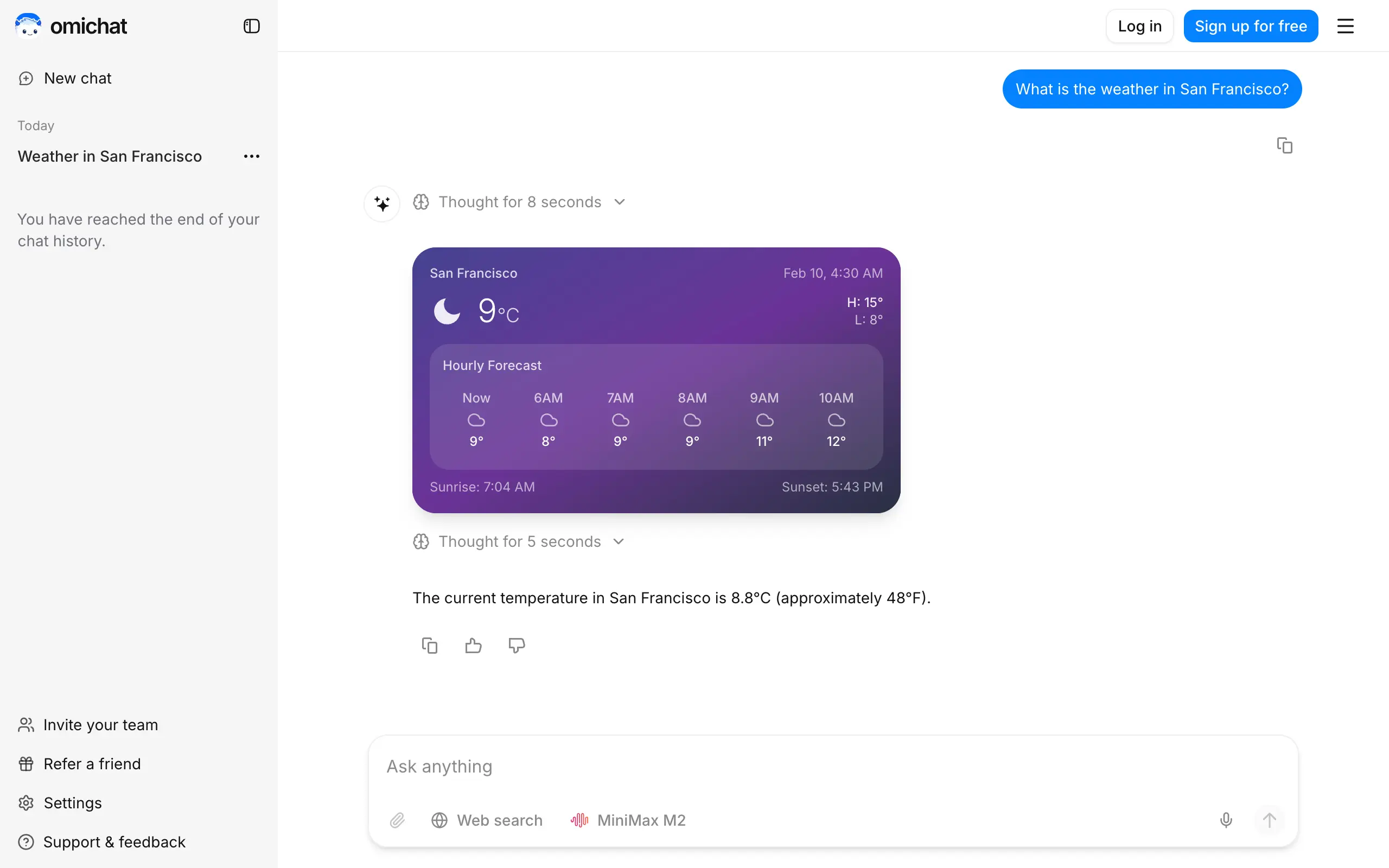
Omichat
Chat with 50+ AI models, including ChatGPT and Claude, in one place - switch models anytime without losing context 🤖
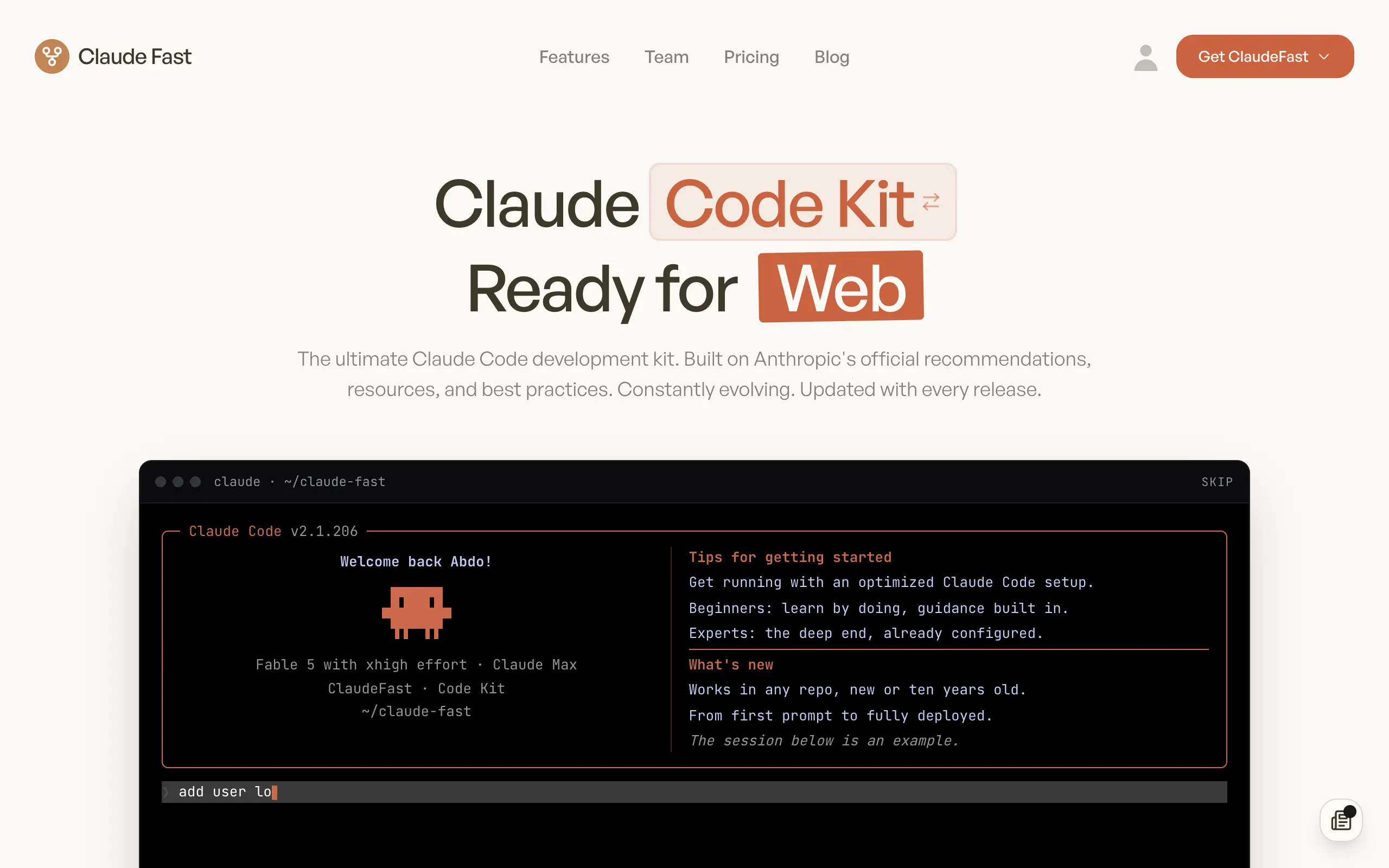
Claude Fast
Supercharge your Claude Code with 6x effective context window and specialized AI agents 🤖
EmojAI
AI-powered emoji picker with smart, context-aware suggestions 🤖
Solohacker
Autonomous company launcher - AI agents work 24/7, escalate what matters, and you stay in control 🤖
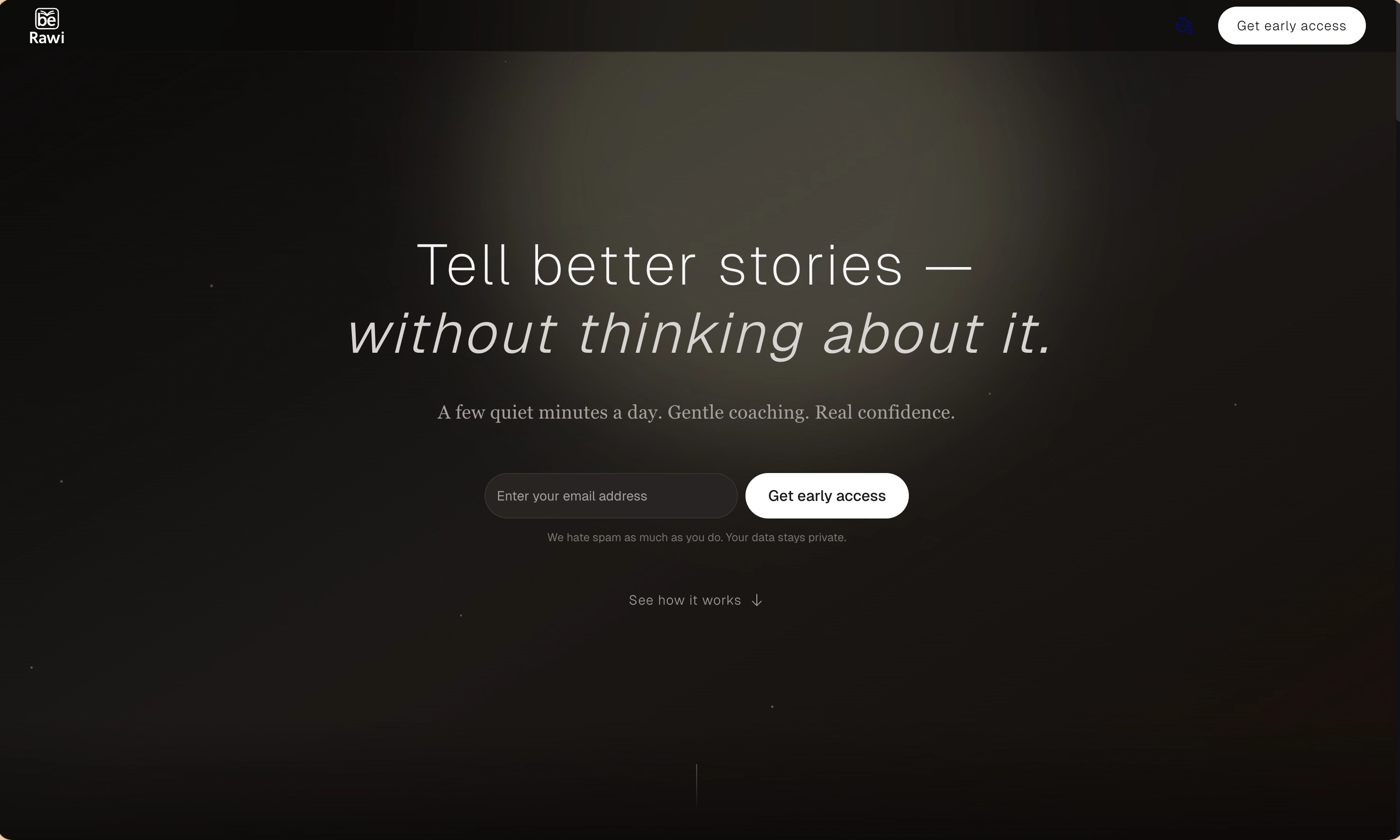
BeRawi: Storytelling Coach
Practice storytelling daily with instant feedback to sound clearer, more engaging, and confident 🎤
Omichat
Chat with 50+ AI models, including ChatGPT and Claude, in one place - switch models anytime without losing context 🤖
Claude Fast
Supercharge your Claude Code with 6x effective context window and specialized AI agents 🤖
EmojAI
AI-powered emoji picker with smart, context-aware suggestions 🤖
Solohacker
Autonomous company launcher - AI agents work 24/7, escalate what matters, and you stay in control 🤖
BeRawi: Storytelling Coach
Practice storytelling daily with instant feedback to sound clearer, more engaging, and confident 🎤
Omichat
Chat with 50+ AI models, including ChatGPT and Claude, in one place - switch models anytime without losing context 🤖
Claude Fast
Supercharge your Claude Code with 6x effective context window and specialized AI agents 🤖
EmojAI
AI-powered emoji picker with smart, context-aware suggestions 🤖
Solohacker
Autonomous company launcher - AI agents work 24/7, escalate what matters, and you stay in control 🤖
BeRawi: Storytelling Coach
Practice storytelling daily with instant feedback to sound clearer, more engaging, and confident 🎤
Omichat
Chat with 50+ AI models, including ChatGPT and Claude, in one place - switch models anytime without losing context 🤖
Claude Fast
Supercharge your Claude Code with 6x effective context window and specialized AI agents 🤖
EmojAI
AI-powered emoji picker with smart, context-aware suggestions 🤖
Solohacker
Autonomous company launcher - AI agents work 24/7, escalate what matters, and you stay in control 🤖
BeRawi: Storytelling Coach
Practice storytelling daily with instant feedback to sound clearer, more engaging, and confident 🎤

Connect with like-minded people
Join our community to get feedback, support, and grow together with 1,000+ builders on board, let's ship it!
Join usShip your startup everywhere. In minutes.
Don't burn tokens on setup and start building features on day one.