StackSprint
A guided productivity app for junior developers that turns real-world coding skills into structured weekly sprints with goals, feedback loops, and portfolio-ready outputs.
The problem StackSprint solves for junior developers
Breaking into tech has never been more accessible—and never more overwhelming. Thousands of aspiring developers enroll in online courses, follow YouTube tutorials, and experiment with side projects. Yet many junior developers struggle with the same core issues:
- Lack of structure in their learning journey
- No accountability or consistent feedback loops
- Difficulty translating learning into portfolio-ready work
- Uncertainty about what to build next
- Gaps between theory and real-world development practices
StackSprint is a guided productivity app for junior developers that turns real-world coding skills into structured weekly sprints with clear goals, deliverables, feedback mechanisms, and tangible portfolio outputs.
Instead of asking “What should I build next?”, StackSprint answers it with a focused sprint plan, real-world constraints, and measurable outcomes.
This article explores:
- The target audience and their unmet needs
- Market opportunity in the developer productivity and edtech space
- Core features and system architecture
- Recommended tech stack and trade-offs
- Monetization models and growth strategies
- Risks and mitigation
- Competitive differentiation
- Step-by-step implementation plan
If you’re validating or building a productivity SaaS for developers, this deep dive will help you think strategically and build with clarity.
Understanding the target audience: junior developers in transition
StackSprint is designed for a specific user profile—not “all developers.”
Primary target segments
Bootcamp Graduates
Have basic full-stack knowledge but lack depth, real-world practice, and portfolio differentiation.
Self-Taught Developers
Follow tutorials inconsistently and struggle with structured progression and accountability.
CS Students
Strong theoretical knowledge but limited exposure to production-ready, real-world workflows.
Secondary audience
- Career switchers entering tech
- Developers returning after a break
- Early-stage freelancers building credibility
Their core pain points
- Tutorial trap – Constantly consuming content without building original projects.
- No feedback loops – GitHub repos exist, but no one reviews architecture, testing, or code quality.
- Weak portfolios – Projects look like clones, not problem-solving case studies.
- Low accountability – Motivation fades without deadlines.
- Misalignment with hiring expectations – Recruiters look for production mindset, not just completed courses.
User search intent behind “guided coding sprints” or “developer productivity app”
Users searching for solutions in this space typically want:
- Structured learning roadmaps
- Practical project-based skill building
- Accountability systems
- Real-world simulation of team workflows
- Clear portfolio outcomes
StackSprint aligns tightly with this intent by combining productivity systems + real-world development sprints.
Market opportunity in developer productivity and career acceleration
The opportunity lies at the intersection of:
- Online education
- Developer tooling
- Productivity SaaS
- Career acceleration platforms
Why now?
Several trends strengthen the timing:
- Continued growth of remote tech jobs
- High competition for junior roles
- Increased emphasis on demonstrable skills over credentials
- Rise of project-based hiring
- Popularity of GitHub portfolios and public proof-of-work
According to industry reporting from platforms like GitHub’s annual developer surveys and Stack Overflow’s Developer Survey (suggest referencing the latest reports directly from their official sites), developers increasingly value:
- Real-world collaboration skills
- DevOps familiarity
- Testing and CI/CD knowledge
- Clear documentation
Most learning platforms still focus on content delivery, not skill operationalization.
StackSprint fills that gap.
Product vision: what makes StackSprint different?
StackSprint is not:
- A course platform
- A task manager
- A generic roadmap generator
It is a guided sprint engine for junior developers.
Each sprint includes:
- ✅ A real-world project brief
- ✅ Technical constraints (e.g., must include auth, testing, API integration)
- ✅ Weekly deliverables
- ✅ Reflection checkpoints
- ✅ Code quality checklist
- ✅ Portfolio documentation template
Think of it as “Scrum for solo developers” combined with portfolio building.
Core features of StackSprint
1. Structured weekly coding sprints
Each sprint simulates real-world work:
- Sprint goal
- User stories
- Acceptance criteria
- Suggested tech stack
- Required features
- Stretch goals
Example:
Build a SaaS landing page with authentication and dashboard analytics using React and a backend API.
Deliverables:
- Deployed app
- GitHub repo with clean README
- Documented architecture decisions
- Test coverage minimum (e.g., 60%)
2. Guided feedback loops
Feedback mechanisms include:
- Self-review checklist
- AI-based code review suggestions
- Peer sprint reviews (optional)
- Architecture reflection prompts
This builds metacognition and critical thinking—skills employers value.
3. Portfolio-ready outputs
Every sprint ends with:
- Case study template
- Screenshots checklist
- Metrics (performance, Lighthouse scores)
- “What I learned” structured reflection
- Resume bullet generator
Instead of random repos, users produce curated portfolio artifacts.
4. Skill progression paths
Users can choose tracks:
Focus on UI architecture, state management, accessibility, performance optimization, and API integration.
Emphasis on database modeling, REST/GraphQL APIs, authentication, logging, and testing.
Combines both ends plus deployment, CI/CD, and environment configuration.
Infrastructure as code, containerization, cloud deployment, monitoring, and scaling concepts.
Each track contains progressive difficulty:
- Beginner
- Intermediate
- Advanced
- “Production-ready” challenge
5. Productivity system integration
StackSprint incorporates:
- Weekly planning templates
- Time-blocking guidance
- Sprint retrospectives
- Burn-down tracking
- Focus metrics
It becomes both a skill accelerator and a productivity coach.
Recommended tech stack for building StackSprint
Choosing the right tech stack is crucial for scalability and developer experience.
Frontend
- React for UI
- Next.js for SSR and performance
- TailwindCSS for rapid UI development
Why this stack?
- Fast iteration
- Strong ecosystem
- SEO-friendly rendering
- Developer familiarity (important for developer audience)
Backend
Options:
Option A: Node.js + PostgreSQL
- REST or GraphQL API
- Flexible scaling
- Strong open-source ecosystem
Option B: Supabase
- Built-in auth
- PostgreSQL
- Realtime features
- Rapid MVP build
Option C: Firebase
- Fast setup
- Scales well
- Less relational flexibility
AI integration layer
For feedback:
- Code quality analysis
- Reflection summaries
- Resume bullet generation
This can be implemented via API-based LLM providers with secure architecture.
Example sprint model schema
type Sprint = {
  id: string;
  title: string;
  track: "frontend" | "backend" | "fullstack" | "devops";
  difficulty: "beginner" | "intermediate" | "advanced";
  durationInDays: number;
  goals: string[];
  deliverables: string[];
  requiredFeatures: string[];
  stretchGoals?: string[];
  portfolioTemplateId: string;
};
This modular schema enables dynamic sprint generation and customization.
Trade-offs in architecture decisions
Early-stage insight
For an MVP targeting junior developers, speed to market is more important than perfect infrastructure.
Monolith vs microservices
- Monolith → Faster MVP
- Microservices → Scalable but complex
Start monolithic. Refactor later.
Pre-built sprint templates vs AI-generated
- Templates = quality control
- AI generation = scale and personalization
Best strategy: curated templates + AI customization layer.
Monetization strategies for StackSprint
StackSprint fits well within a SaaS subscription model.
1. Freemium model
Free tier:
- 2 beginner sprints
- Limited feedback
- Basic portfolio templates
Pro tier:
- Full sprint library
- AI code review
- Peer review access
- Resume bullet automation
- Advanced tracks
2. Tiered pricing
Example structure:
- $12/month – Solo learner
- $29/month – Pro with advanced feedback
- $99/month – Bootcamp partnership plan
3. B2B opportunities
Bootcamps and universities could integrate StackSprint as:
- Capstone infrastructure
- Cohort accountability tool
- Portfolio development system
Competitive landscape analysis
Indirect competitors
- Udemy (courses)
- Coursera (courses)
- freeCodeCamp (guided tutorials)
- Notion (productivity)
- Trello (task management)
Direct-ish competitors
- Roadmap.sh (learning paths)
- CodeMentor (mentorship)
- GitHub Copilot (coding assistance)
Competitive differentiation
| Feature | Courses | Roadmaps | Task Apps | StackSprint | Mentorship |
|---|---|---|---|---|---|
| Structured weekly sprints | ❌ | ❌ | ❌ | ✅ | ❌ |
| Portfolio-ready outputs | ❌ | ❌ | ❌ | ✅ | ✅ |
Unique selling proposition (USP)
StackSprint turns learning into production-like execution with portfolio-grade outcomes.
That combination is rare.
Risks and mitigation strategies
Risk 1: Users lose motivation mid-sprint
Mitigation:
- Streak system
- Community leaderboard
- Email nudges
- Micro-wins
Risk 2: AI feedback feels generic
Mitigation:
- Combine rubric-based checks
- Integrate static analysis tools
- Allow human peer feedback layer
Risk 3: Market saturation
Mitigation:
- Niche focus: junior developers only
- Strong branding around “sprint-based skill building”
- Partnerships with bootcamps
Growth strategy
Content marketing
Target SEO keywords:
- “how to build a developer portfolio”
- “coding sprint plan”
- “project-based learning for developers”
- “junior developer roadmap”
Create authoritative guides demonstrating real sprint outputs.
Community-driven growth
- Public sprint challenges
- Twitter/X and LinkedIn sharing badges
- GitHub portfolio tagging system
Strategic partnerships
- Bootcamps
- Coding YouTubers
- Developer Discord communities
Implementation roadmap
MVP development approach
To accelerate development, use a production-ready SaaS starter kit like TurboStarter.
Why?
- Authentication built-in
- Billing integration
- Scalable Next.js architecture
- Saves 4–8 weeks of setup time
This allows you to focus on the core differentiator: the sprint engine and feedback system.
Long-term vision
StackSprint can evolve into:
- A hiring marketplace
- A verified “production readiness” certification
- AI-powered personalized sprint paths
- Team sprint simulation with collaborative roles
Eventually, it could become the default training ground for junior developers preparing for real-world engineering roles.
Final thoughts: building a productivity SaaS that truly matters
The biggest gap in developer education isn’t information.
It’s structured execution.
StackSprint bridges that gap by combining:
- Real-world simulation
- Productivity science
- Feedback loops
- Portfolio creation
- Progressive skill development
In a world where junior developers compete globally, those who can demonstrate production readiness win.
If built correctly—with strong UX, meaningful feedback, and high-quality sprint design—StackSprint has the potential to become a category-defining developer productivity app.
The opportunity is real. The need is clear. The execution is what matters now.
More ⚡ Productivity Tool SaaS ideas
Discover more innovative productivity tool SaaS ideas that are trending in 2026. Each idea is AI-generated with market validation and growth potential to help you find your next profitable venture faster than competitors.
Your competitors are building with TurboStarter
Below are some of the SaaS ideas that have been generated and built with our starter kit.
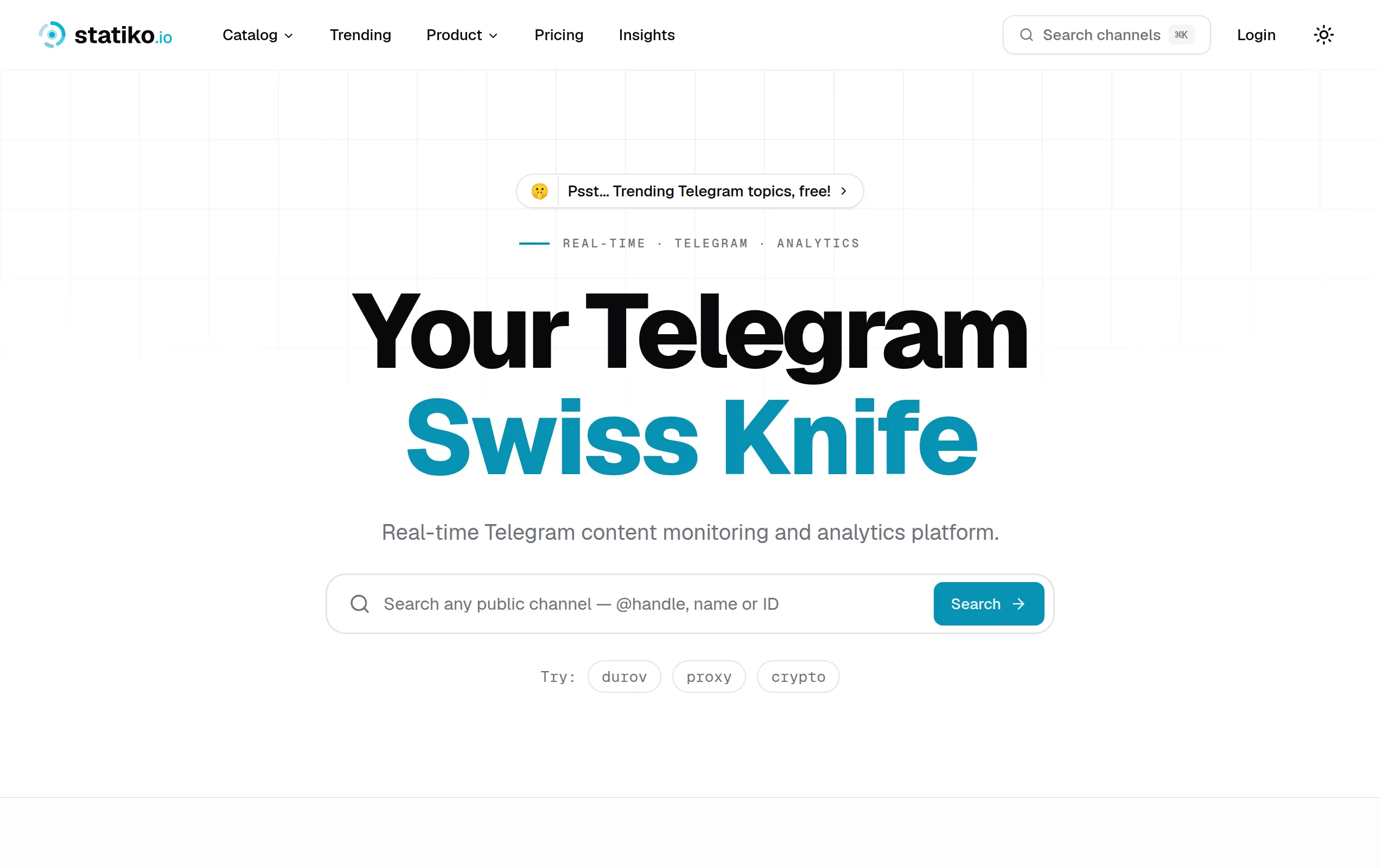
Statiko
Monitor any Telegram channel in real time - track posts, edits, deletions, and growth with AI recaps 📡

Shibui
AI website builder - describe your business, pick a niche template, edit by chatting, and publish instantly ✨

Pro Service
Find verified home service professionals, compare quotes, and pay securely through escrow - built for Brazilians across the US 🏠
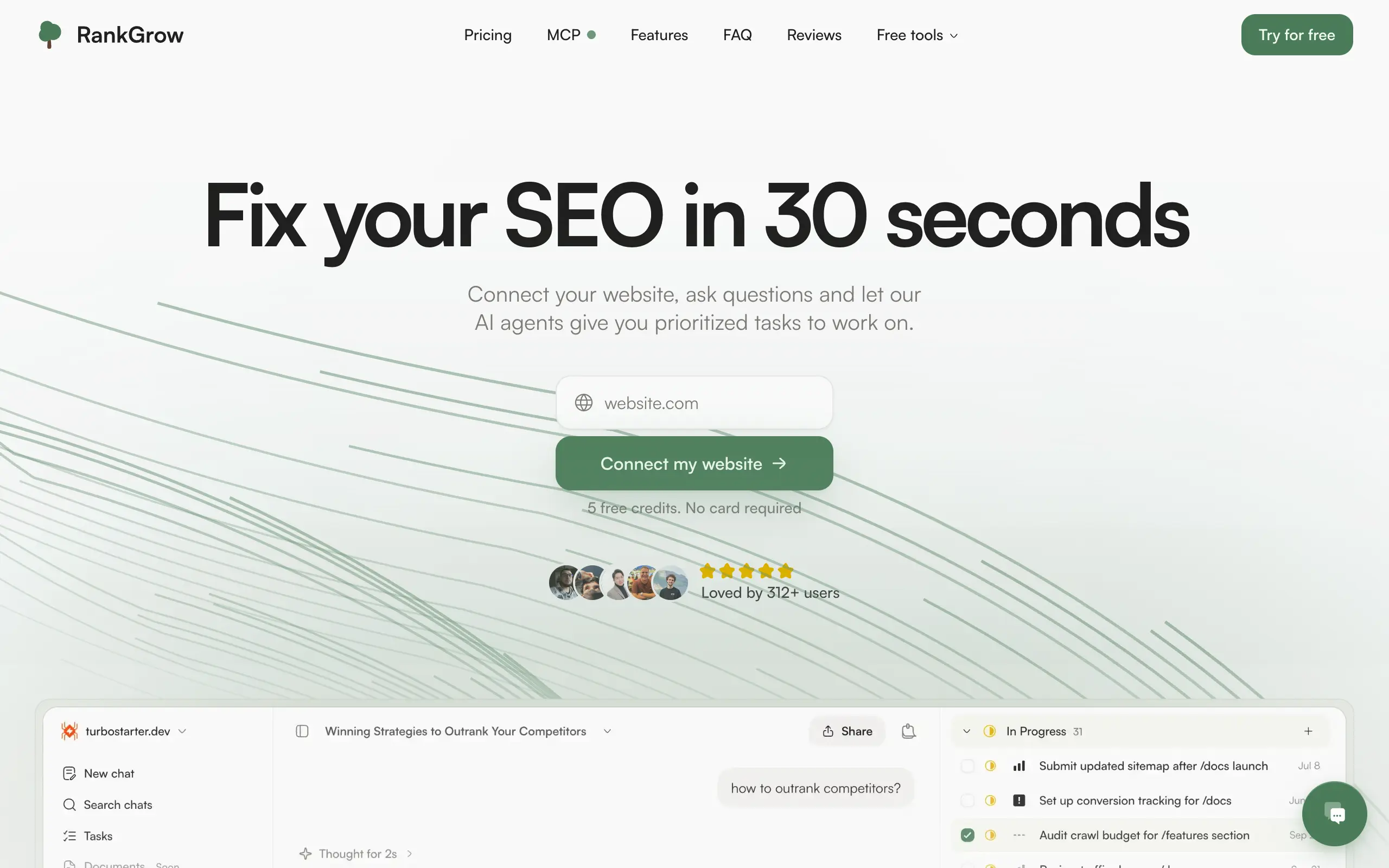
RankGrow
Fix your SEO with AI agents - connect Search Console, get prioritized tasks, and grow organic traffic 📈
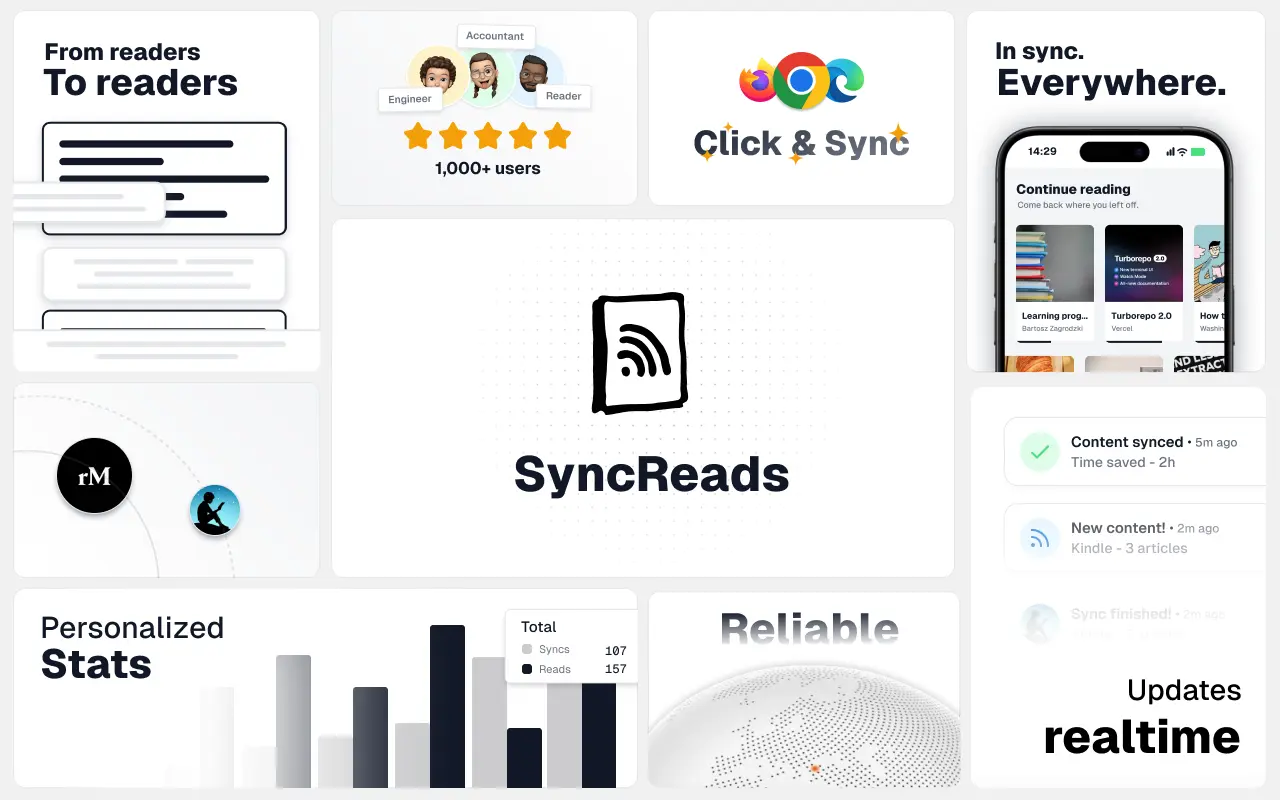
SyncReads
Sync your favorite content for distraction-free reading, save time and replace multiple apps. Anytime, anywhere 🔄
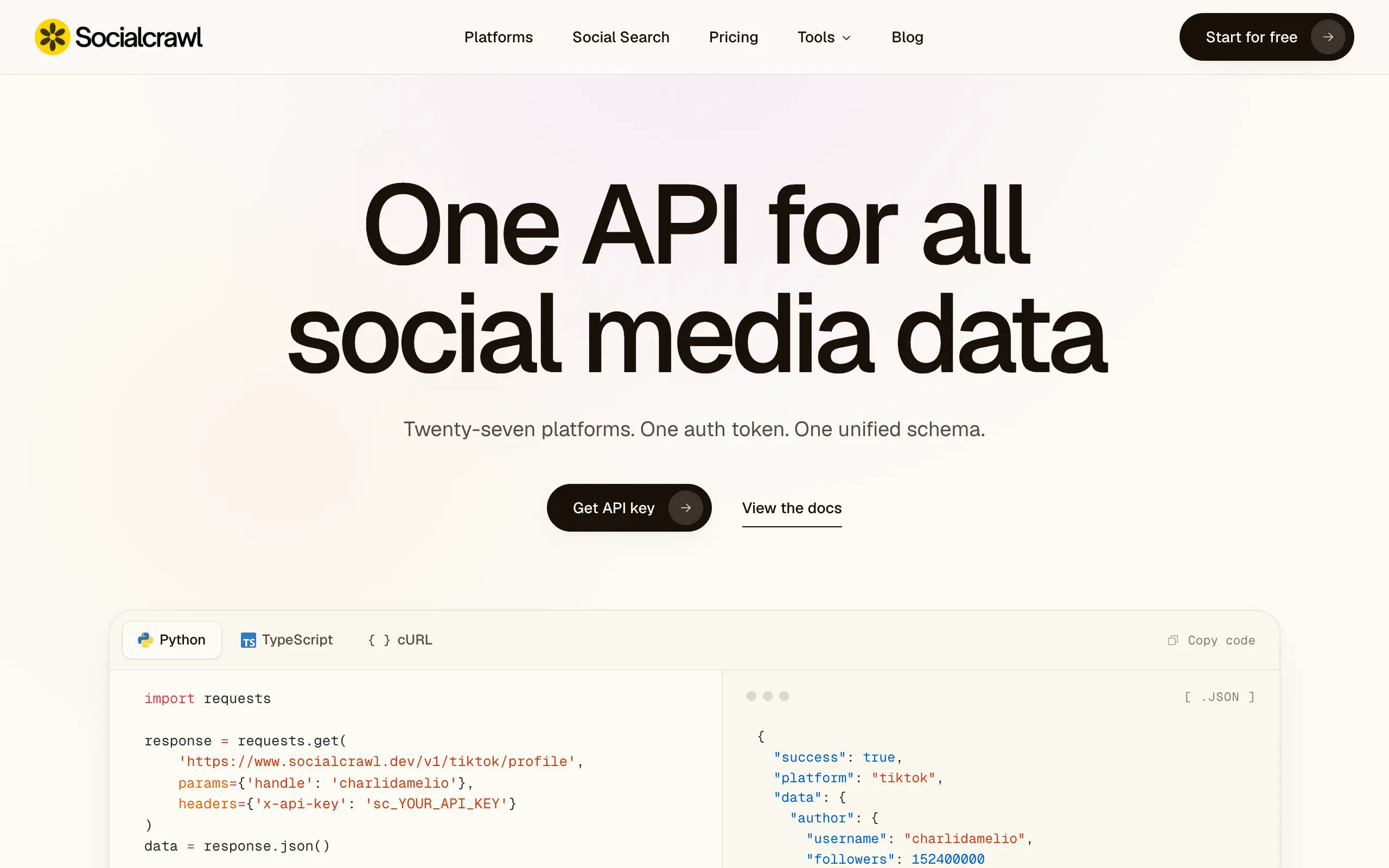
Socialcrawl
Get clean, structured data from 21 platforms like TikTok, Instagram, and YouTube with a single request 📊
Statiko
Monitor any Telegram channel in real time - track posts, edits, deletions, and growth with AI recaps 📡
Shibui
AI website builder - describe your business, pick a niche template, edit by chatting, and publish instantly ✨
Pro Service
Find verified home service professionals, compare quotes, and pay securely through escrow - built for Brazilians across the US 🏠
RankGrow
Fix your SEO with AI agents - connect Search Console, get prioritized tasks, and grow organic traffic 📈
SyncReads
Sync your favorite content for distraction-free reading, save time and replace multiple apps. Anytime, anywhere 🔄
Socialcrawl
Get clean, structured data from 21 platforms like TikTok, Instagram, and YouTube with a single request 📊
Statiko
Monitor any Telegram channel in real time - track posts, edits, deletions, and growth with AI recaps 📡
Shibui
AI website builder - describe your business, pick a niche template, edit by chatting, and publish instantly ✨
Pro Service
Find verified home service professionals, compare quotes, and pay securely through escrow - built for Brazilians across the US 🏠
RankGrow
Fix your SEO with AI agents - connect Search Console, get prioritized tasks, and grow organic traffic 📈
SyncReads
Sync your favorite content for distraction-free reading, save time and replace multiple apps. Anytime, anywhere 🔄
Socialcrawl
Get clean, structured data from 21 platforms like TikTok, Instagram, and YouTube with a single request 📊
Statiko
Monitor any Telegram channel in real time - track posts, edits, deletions, and growth with AI recaps 📡
Shibui
AI website builder - describe your business, pick a niche template, edit by chatting, and publish instantly ✨
Pro Service
Find verified home service professionals, compare quotes, and pay securely through escrow - built for Brazilians across the US 🏠
RankGrow
Fix your SEO with AI agents - connect Search Console, get prioritized tasks, and grow organic traffic 📈
SyncReads
Sync your favorite content for distraction-free reading, save time and replace multiple apps. Anytime, anywhere 🔄
Socialcrawl
Get clean, structured data from 21 platforms like TikTok, Instagram, and YouTube with a single request 📊
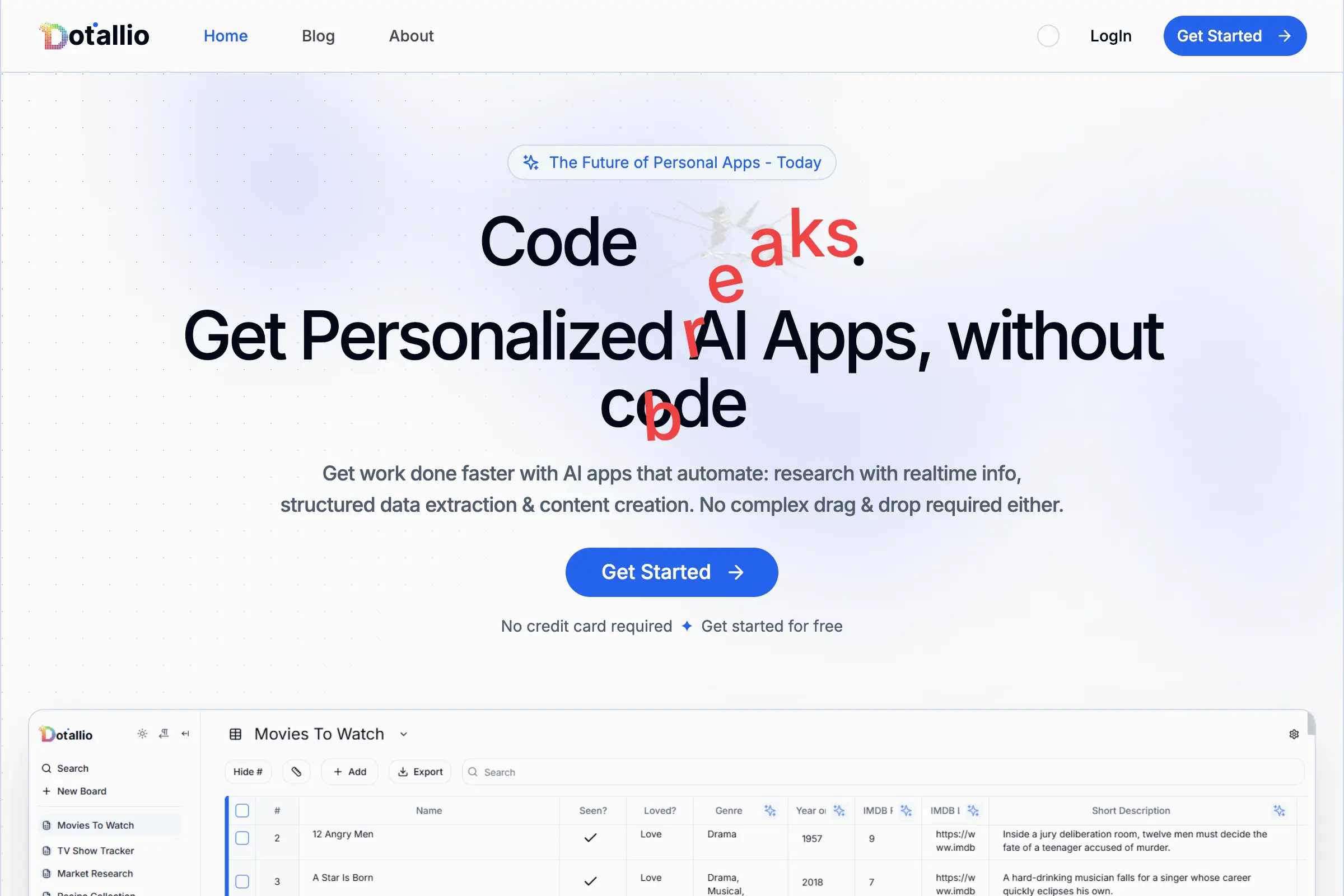
Dotallio
Personalized AI apps that automate research, data extraction, and content creation without code 🤖

Talk to Santa
Enjoy a magical live video chat or receive a unique AI-generated video greeting from Santa Claus 🎅

pozywka.pl
Scalable blog for food journalist, focused on performance and user experience 🌭
zagrodzki.me
Personal blog and portfolio of Bart Zagrodzki, where he shares his knowledge and work 💼
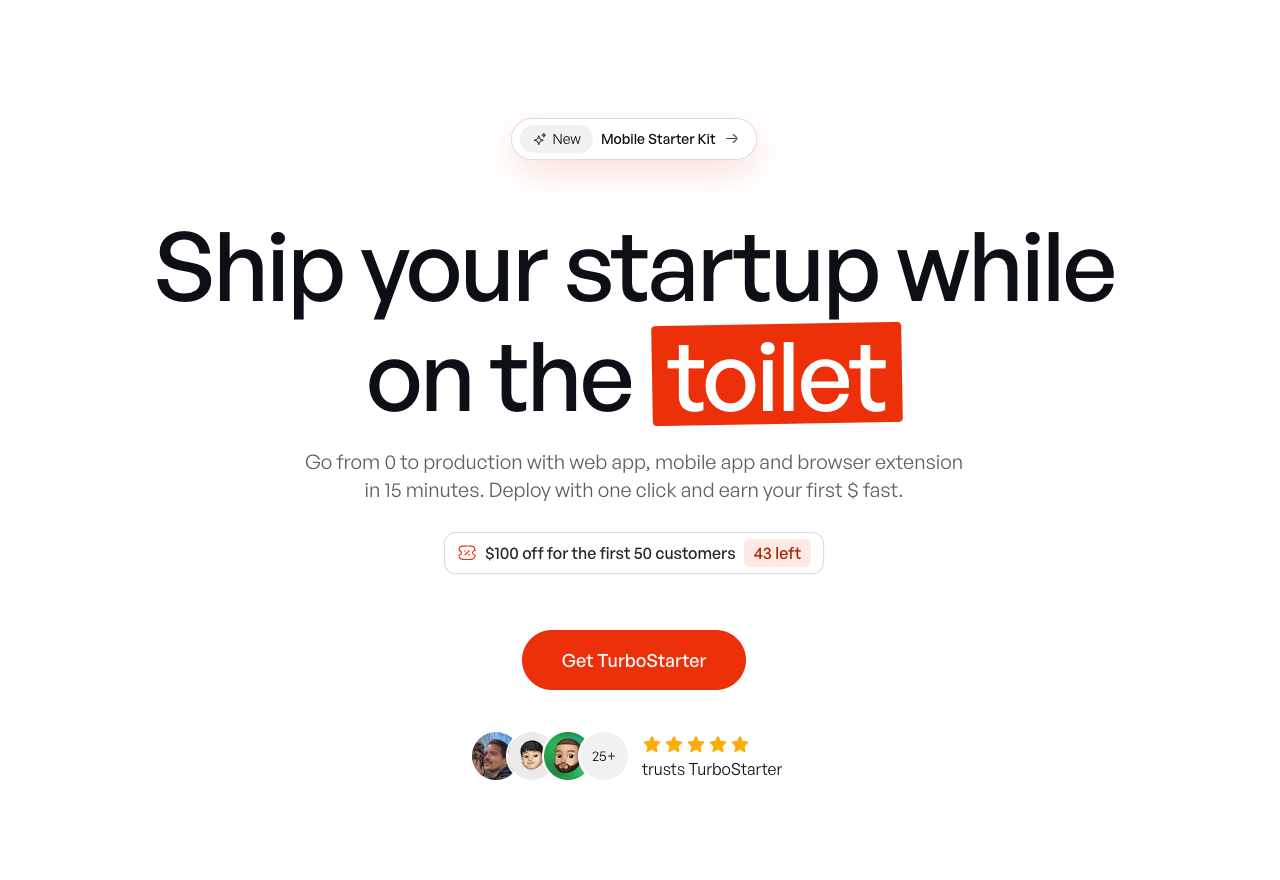
TurboStarter
Ship your startup everywhere. In minutes.
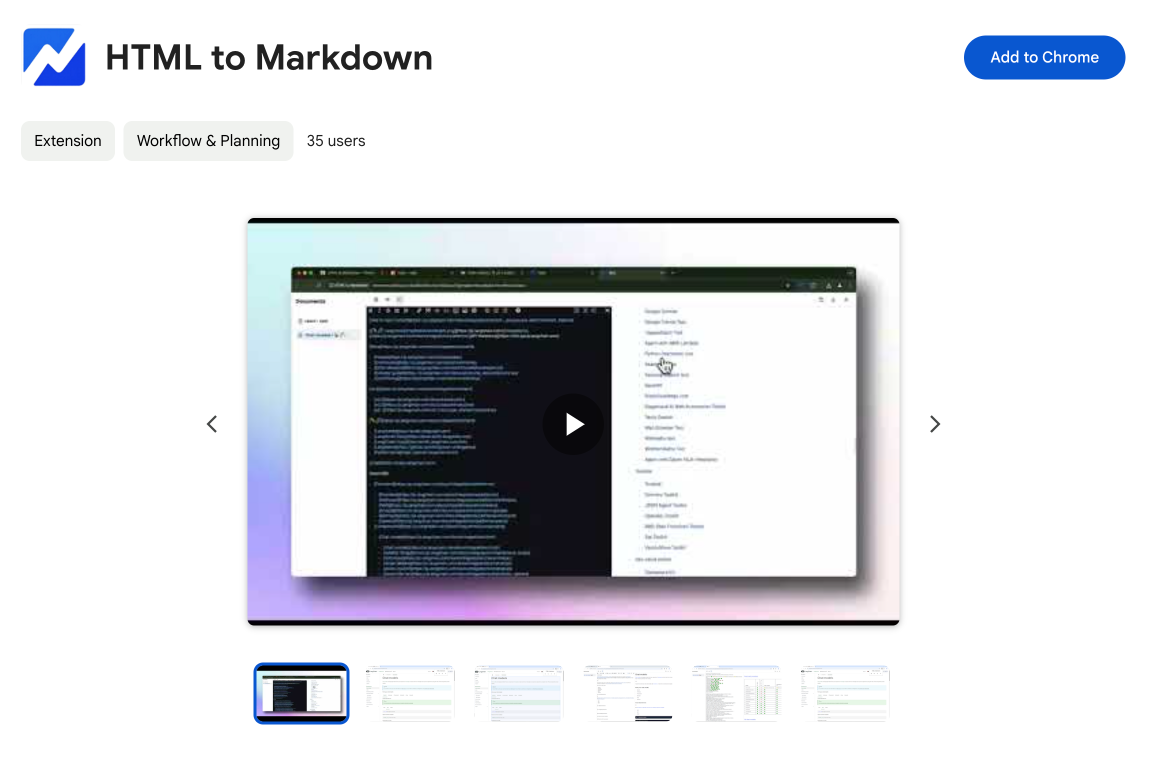
HTML to Markdown
Convert HTML to Markdown with ease, directly in your browser 📄
Dotallio
Personalized AI apps that automate research, data extraction, and content creation without code 🤖
Talk to Santa
Enjoy a magical live video chat or receive a unique AI-generated video greeting from Santa Claus 🎅
pozywka.pl
Scalable blog for food journalist, focused on performance and user experience 🌭
zagrodzki.me
Personal blog and portfolio of Bart Zagrodzki, where he shares his knowledge and work 💼
TurboStarter
Ship your startup everywhere. In minutes.
HTML to Markdown
Convert HTML to Markdown with ease, directly in your browser 📄
Dotallio
Personalized AI apps that automate research, data extraction, and content creation without code 🤖
Talk to Santa
Enjoy a magical live video chat or receive a unique AI-generated video greeting from Santa Claus 🎅
pozywka.pl
Scalable blog for food journalist, focused on performance and user experience 🌭
zagrodzki.me
Personal blog and portfolio of Bart Zagrodzki, where he shares his knowledge and work 💼
TurboStarter
Ship your startup everywhere. In minutes.
HTML to Markdown
Convert HTML to Markdown with ease, directly in your browser 📄
Dotallio
Personalized AI apps that automate research, data extraction, and content creation without code 🤖
Talk to Santa
Enjoy a magical live video chat or receive a unique AI-generated video greeting from Santa Claus 🎅
pozywka.pl
Scalable blog for food journalist, focused on performance and user experience 🌭
zagrodzki.me
Personal blog and portfolio of Bart Zagrodzki, where he shares his knowledge and work 💼
TurboStarter
Ship your startup everywhere. In minutes.
HTML to Markdown
Convert HTML to Markdown with ease, directly in your browser 📄
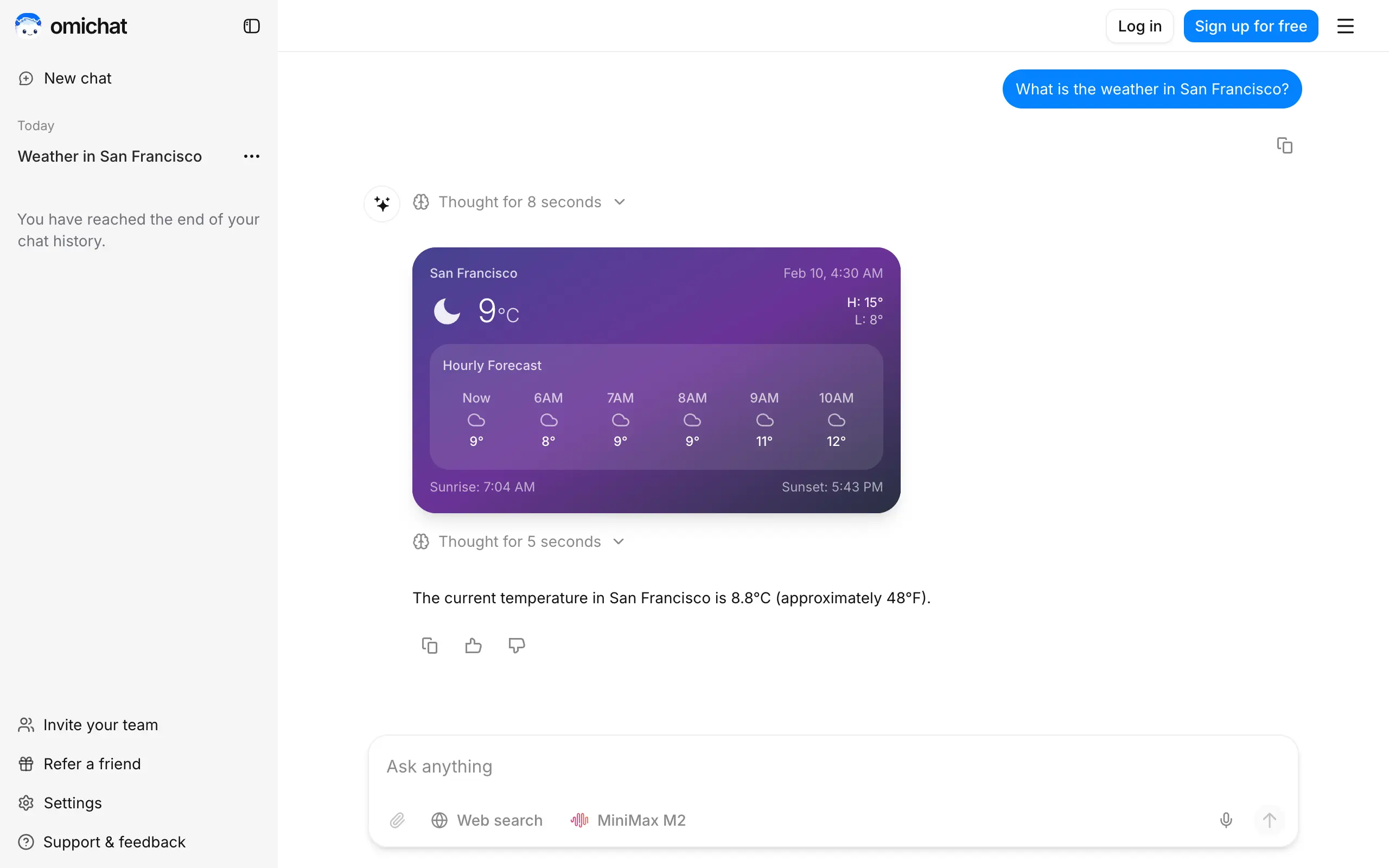
Omichat
Chat with 50+ AI models, including ChatGPT and Claude, in one place - switch models anytime without losing context 🤖
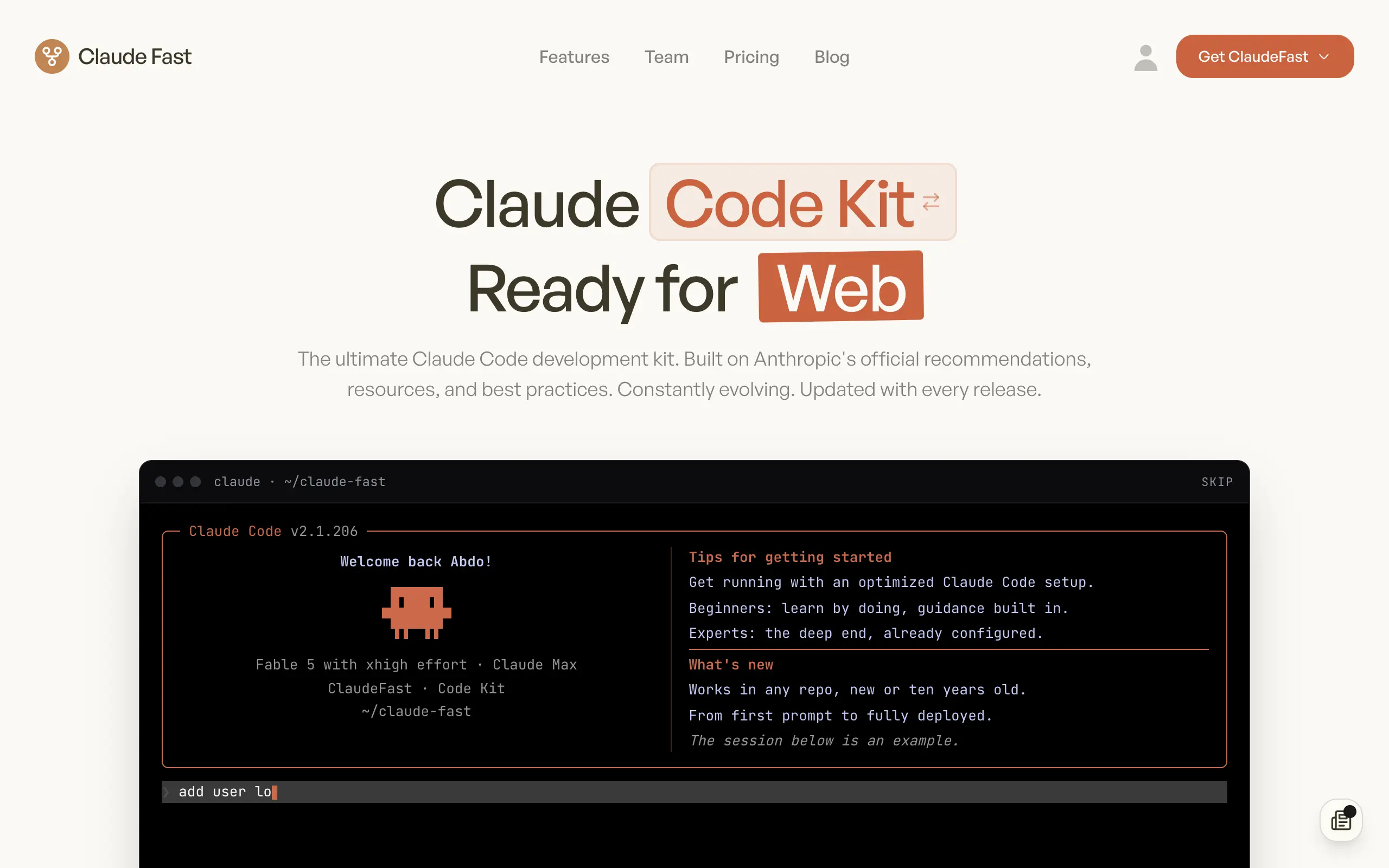
Claude Fast
Supercharge your Claude Code with 6x effective context window and specialized AI agents 🤖
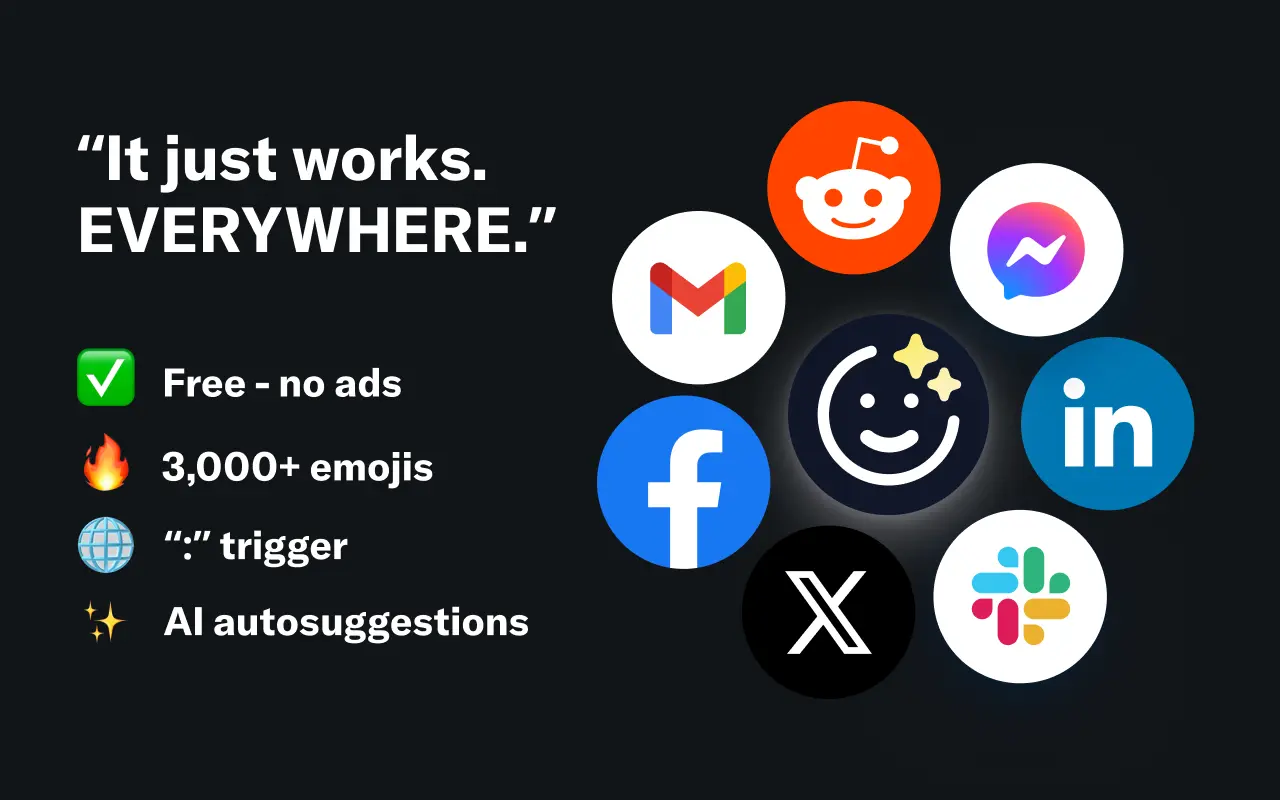
EmojAI
AI-powered emoji picker with smart, context-aware suggestions 🤖

Solohacker
Autonomous company launcher - AI agents work 24/7, escalate what matters, and you stay in control 🤖

BeRawi: Storytelling Coach
Practice storytelling daily with instant feedback to sound clearer, more engaging, and confident 🎤
Omichat
Chat with 50+ AI models, including ChatGPT and Claude, in one place - switch models anytime without losing context 🤖
Claude Fast
Supercharge your Claude Code with 6x effective context window and specialized AI agents 🤖
EmojAI
AI-powered emoji picker with smart, context-aware suggestions 🤖
Solohacker
Autonomous company launcher - AI agents work 24/7, escalate what matters, and you stay in control 🤖
BeRawi: Storytelling Coach
Practice storytelling daily with instant feedback to sound clearer, more engaging, and confident 🎤
Omichat
Chat with 50+ AI models, including ChatGPT and Claude, in one place - switch models anytime without losing context 🤖
Claude Fast
Supercharge your Claude Code with 6x effective context window and specialized AI agents 🤖
EmojAI
AI-powered emoji picker with smart, context-aware suggestions 🤖
Solohacker
Autonomous company launcher - AI agents work 24/7, escalate what matters, and you stay in control 🤖
BeRawi: Storytelling Coach
Practice storytelling daily with instant feedback to sound clearer, more engaging, and confident 🎤
Omichat
Chat with 50+ AI models, including ChatGPT and Claude, in one place - switch models anytime without losing context 🤖
Claude Fast
Supercharge your Claude Code with 6x effective context window and specialized AI agents 🤖
EmojAI
AI-powered emoji picker with smart, context-aware suggestions 🤖
Solohacker
Autonomous company launcher - AI agents work 24/7, escalate what matters, and you stay in control 🤖
BeRawi: Storytelling Coach
Practice storytelling daily with instant feedback to sound clearer, more engaging, and confident 🎤

Connect with like-minded people
Join our community to get feedback, support, and grow together with 1,000+ builders on board, let's ship it!
Join usShip your startup everywhere. In minutes.
Don't burn tokens on setup and start building features on day one.