StackTrackr
A smart learning and project tracker that connects your daily coding tasks with skill gaps, helping junior developers grow while shipping real work.
The smarter way to grow as a developer while shipping real work
Junior developers often face a frustrating paradox: they are told to “learn more” while also being expected to deliver production-ready features. Tutorials don’t translate cleanly into job-ready skills, and day-to-day tickets rarely feel aligned with long-term growth.
StackTrackr solves this by acting as a smart learning and project tracker for developers. It connects real coding tasks to skill gaps, turning everyday work into a structured, measurable growth path.
This article explores:
- The market opportunity for a developer skill tracking SaaS
- Target audience insights and pain points
- Core features and technical architecture
- Monetization models and competitive positioning
- Risks and mitigation strategies
- Actionable steps to build and launch StackTrackr
If you're evaluating this idea as a founder, product manager, or technical builder, this deep dive will help you validate and execute.
Understanding the problem: why junior developers struggle to grow
The global developer population continues to expand rapidly. According to public developer surveys (such as Stack Overflow’s annual developer survey), millions of new developers enter the workforce every year. Yet companies consistently report skill gaps in practical engineering, system design, testing, and collaboration.
The core pain points
Junior developers typically struggle with:
- Unstructured growth – Learning is reactive, driven by tasks rather than goals
- Skill blind spots – They don’t know what they don’t know
- Low visibility into progress – No measurable framework for improvement
- Mentorship bottlenecks – Senior engineers lack time to coach deeply
- Disconnect between tutorials and real-world work
Meanwhile, engineering managers face:
- Difficulty assessing skill progression
- Inconsistent onboarding processes
- Limited visibility into learning ROI
- High churn among junior talent
This gap creates a compelling opportunity for a developer productivity SaaS that bridges real work and structured growth.
What is StackTrackr?
StackTrackr is a smart coding skill tracker and project-based learning system that:
- Connects GitHub/Jira/Linear tasks to skill categories
- Maps completed work to competency frameworks
- Identifies skill gaps based on activity patterns
- Suggests targeted learning paths
- Tracks measurable growth over time
Instead of separating “learning” and “doing,” StackTrackr integrates them.
Target audience analysis
Understanding user intent is critical for SEO and product-market fit. People searching for terms like:
- “how to track developer skill growth”
- “junior developer learning roadmap”
- “engineering skill matrix tool”
- “developer performance tracking software”
- “learning while working as a developer”
…are looking for structure, clarity, and measurable progress.
Primary audience segments
Junior developers
Developers with 0–3 years experience who want structured growth while working on real projects.
Engineering managers
Leaders who need visibility into skill progression and team capability gaps.
Tech bootcamps & academies
Programs that want measurable outcomes tied to project work.
Startups hiring early talent
Small teams that need juniors to level up quickly without heavy mentorship overhead.
Jobs to be done (JTBD)
Junior developer job:
“Help me understand what skills I’m building through my daily work and what I should focus on next.”
Manager job:
“Help me track and accelerate junior developer growth without micromanaging.”
StackTrackr directly satisfies both.
Market opportunity and gap analysis
Existing solutions
The market has:
- Learning platforms (e.g., Udemy, Coursera)
- Roadmap repositories (e.g., roadmap.sh)
- Project management tools (e.g., Jira, Linear)
- Performance review tools (e.g., Lattice)
But none tightly connect daily shipped code with structured skill development.
The gap
There is no dominant platform that:
- Auto-detects skills from real tickets
- Maps commits to competency frameworks
- Provides a real-time developer skill dashboard
- Bridges learning and production output
This gap is particularly large in:
- Remote-first teams
- Fast-scaling startups
- Distributed engineering teams
- Junior-heavy organizations
The total addressable market (TAM) includes:
- Tech startups worldwide
- Coding bootcamps
- Enterprise engineering departments
- Freelance developer communities
Even capturing a small portion of startups alone could represent significant recurring revenue.
Core product features of StackTrackr
To deliver meaningful value, StackTrackr needs more than a task tracker. It must function as an intelligent skill intelligence layer.
1. Task-to-skill mapping engine
StackTrackr integrates with:
- GitHub
- GitLab
- Bitbucket
- Jira
- Linear
It analyzes:
- PR titles
- Commit messages
- File changes
- Labels and tags
Then maps work to predefined skill categories:
- Frontend (React, CSS, performance)
- Backend (APIs, auth, database design)
- DevOps (CI/CD, deployment)
- Testing
- System design
- Collaboration
Over time, it builds a skill heatmap.
2. Developer skill matrix dashboard
A visual representation of:
- Current proficiency levels
- Activity-based evidence
- Growth over time
- Weak areas
Example:
const skill = {
  name: "API Design",
  level: 2,
  evidence: 14,
  lastActivity: "2026-03-05"
}
This isn’t self-reported. It’s evidence-based.
3. AI-powered skill gap detection
Using rule-based logic + LLM-assisted analysis, StackTrackr can:
- Identify underdeveloped skills
- Compare developer patterns to role benchmarks
- Recommend relevant tasks or learning resources
Example:
“You’ve worked on UI features for 6 weeks but haven’t touched testing or backend logic. Consider taking a backend-focused ticket.”
4. Growth roadmap generator
StackTrackr generates a dynamic roadmap:
- 30-day growth plan
- 90-day leveling roadmap
- Role-based roadmap (e.g., Junior → Mid-level)
- Strengthen Git fundamentals
- Increase PR ownership
- Add testing coverage
- Improve debugging efficiency
- Performance optimization
- Accessibility compliance
- State management patterns
- RESTful API design
- Database indexing
- Authentication & authorization
5. Manager analytics & team insights
For engineering leaders:
- Team-wide skill heatmap
- Risk alerts (single points of failure)
- Skill distribution analysis
- Promotion readiness indicators
This turns StackTrackr into a strategic workforce planning tool.
Competitive comparison
| Feature | StackTrackr | Learning Platforms | Project Mgmt Tools | HR Tools | Roadmap Sites |
|---|---|---|---|---|---|
| Task-based skill tracking | ✅ | ❌ | ❌ | ❌ | ❌ |
| Real project integration | ✅ | ❌ | ✅ | ❌ | ❌ |
| Skill gap detection | ✅ | ❌ | ❌ | ✅ | ❌ |
| Growth roadmap automation | ✅ | ✅ | ❌ | ❌ | ✅ |
Competitive advantage: StackTrackr sits at the intersection of productivity, learning, and performance management.
Recommended tech stack (with trade-offs)
Building a developer-focused SaaS requires scalability, integrations, and strong analytics.
Frontend
- React – mature ecosystem
- Next.js – SSR for SEO & performance
- TailwindCSS – fast UI development
Trade-off: Tailwind accelerates development but may reduce design uniqueness without a strong design system.
Backend
- Node.js with TypeScript
- PostgreSQL for relational data
- Redis for caching skill calculations
Alternative:
- Go for performance-heavy analysis workloads
AI layer
- OpenAI API (for semantic task analysis)
- Embedding-based similarity scoring
Trade-off:
- LLM costs scale with usage
- Must implement caching and batching
Infrastructure
- Vercel (frontend)
- AWS or Supabase for backend
- GitHub OAuth for authentication
Security and data privacy are critical, especially when accessing repository data.
Security consideration
StackTrackr must request minimal permissions and clearly communicate data usage. Transparency builds trust and reduces friction during onboarding.
Monetization strategy
StackTrackr can use a hybrid SaaS model.
1. Free tier
- Personal dashboard
- Basic skill tracking
- Limited integrations
2. Pro ($15–$25/month per developer)
- Advanced AI insights
- Skill gap detection
- Personalized roadmaps
- Exportable reports
3. Team plan ($10–$20/user/month)
- Manager dashboards
- Team heatmaps
- Promotion readiness tracking
- Custom skill frameworks
4. Enterprise
- SSO
- Custom integrations
- On-prem options
- Dedicated support
High retention potential: skill tracking compounds over time, increasing switching costs.
Risks and mitigation strategies
Risk 1: Overcomplicated skill modeling
Mitigation:
- Start with simple frameworks
- Allow customizable skill categories
- Use progressive enhancement
Risk 2: Developer distrust
Developers may fear surveillance.
Mitigation:
- Position as growth tool, not monitoring
- Allow opt-in analytics
- Transparent scoring logic
Risk 3: AI inaccuracies
Mitigation:
- Combine rule-based + AI systems
- Allow manual overrides
- Continuous feedback loops
Unique selling proposition (USP)
StackTrackr’s differentiation:
“Turn shipped code into measurable growth.”
Unlike LMS platforms or HR tools, it:
- Derives skills from real production work
- Connects growth to output
- Makes developer improvement measurable
This is powerful in modern remote and async teams.
Implementation roadmap
Go-to-market strategy
1. Content marketing (SEO-first)
Target keywords:
- “developer skill tracker”
- “junior developer growth plan”
- “engineering skill matrix tool”
- “how to measure developer progress”
Create:
- Long-form guides
- Growth case studies
- Templates for skill matrices
2. Developer communities
- Indie Hacker communities
- Reddit developer threads
- Dev.to articles
- Open-source maintainers
3. Bootcamp partnerships
Offer:
- Cohort analytics dashboards
- Outcome tracking
- Placement-focused reporting
Why now is the right time
Several macro trends support StackTrackr:
- Remote engineering teams
- AI-assisted coding tools
- Increased hiring scrutiny
- Demand for measurable productivity
- Rise of developer-first SaaS products
AI tools like Copilot increase output, but measuring real skill depth becomes harder. StackTrackr helps differentiate “prompt-driven output” from actual competency.
Validation strategy before full build
Before investing heavily:
- Interview 20 junior developers
- Interview 10 engineering managers
- Build a Notion-based manual prototype
- Validate willingness to pay
- Run a private beta
Focus on:
- Retention
- Daily/weekly engagement
- Roadmap usage
Example MVP architecture snippet
// Skill scoring example
function calculateSkillScore(tasks: Task[]) {
  return tasks.reduce((acc, task) => {
    acc[task.skill] = (acc[task.skill] || 0) + task.weight;
    return acc;
  }, {});
}
Keep it simple first. Sophistication can come later.
Scaling strategy
After product-market fit:
- Add marketplace for curated learning paths
- Integrate with HR systems
- Offer certification reports
- Introduce benchmarking against anonymized peers
Long-term vision: Become the developer growth infrastructure layer.
Final thoughts: building a meaningful productivity SaaS
StackTrackr isn’t just another developer tool. It addresses a real, persistent problem:
Developers want growth clarity. Managers want measurable progress.
By connecting daily coding tasks to structured skill development, StackTrackr occupies a unique position in the developer productivity ecosystem.
If executed correctly, it can:
- Increase junior developer retention
- Accelerate promotions
- Reduce mentorship load
- Improve engineering quality
And most importantly, help developers grow intentionally while shipping real work.
Ready to build StackTrackr?
If you want to launch a SaaS like StackTrackr quickly and avoid boilerplate setup overhead, you can start with a production-ready foundation like TurboStarter, which provides authentication, billing, and scalable architecture out of the box.
Build the infrastructure once. Focus the rest of your energy on the intelligence layer that makes StackTrackr unique.
The future of developer growth is measurable, data-driven, and integrated into daily work. StackTrackr can lead that shift.
More ⚡ Productivity Tool SaaS ideas
Discover more innovative productivity tool SaaS ideas that are trending in 2026. Each idea is AI-generated with market validation and growth potential to help you find your next profitable venture faster than competitors.
Your competitors are building with TurboStarter
Below are some of the SaaS ideas that have been generated and built with our starter kit.
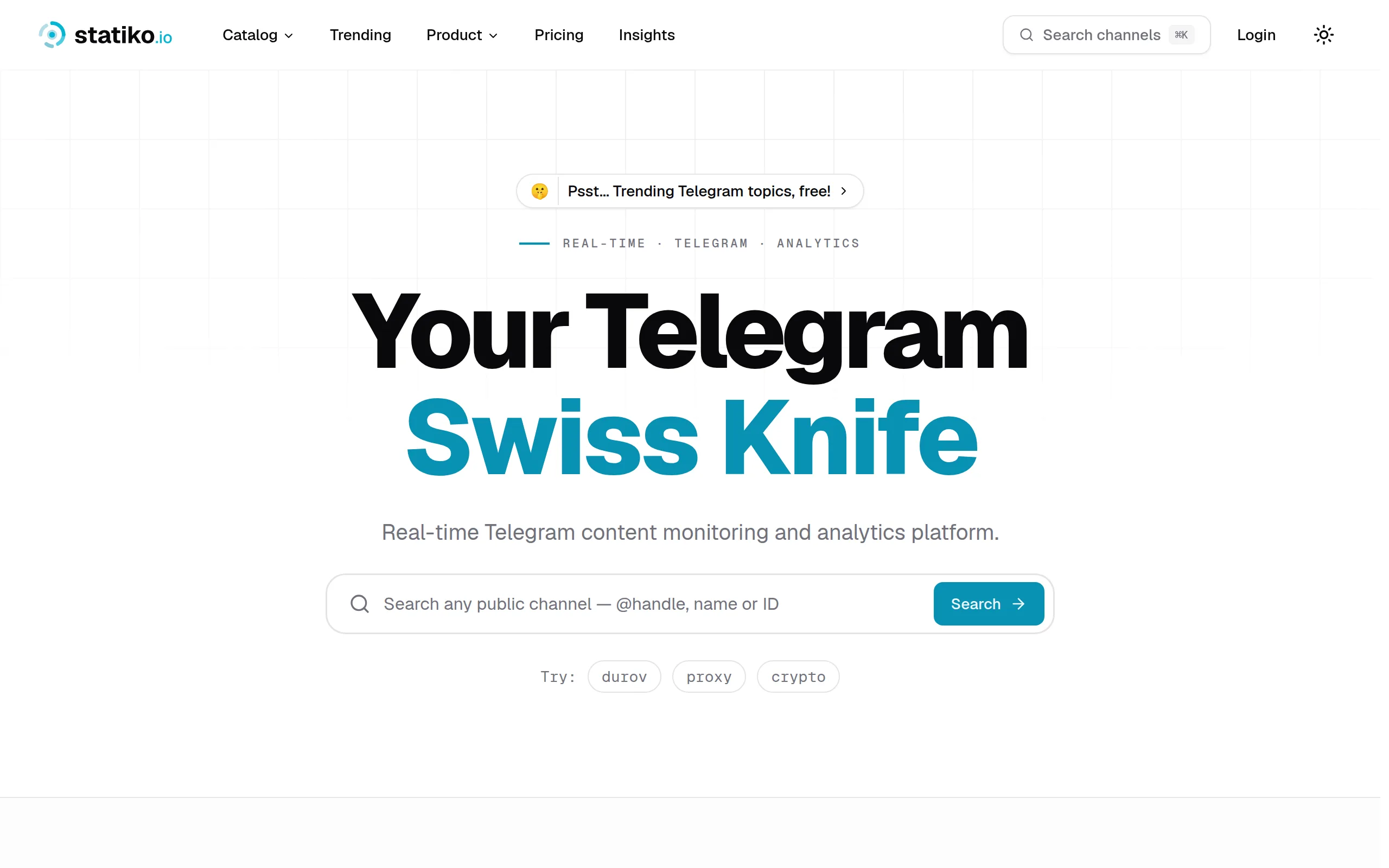
Statiko
Monitor any Telegram channel in real time - track posts, edits, deletions, and growth with AI recaps 📡

Shibui
AI website builder - describe your business, pick a niche template, edit by chatting, and publish instantly ✨

Pro Service
Find verified home service professionals, compare quotes, and pay securely through escrow - built for Brazilians across the US 🏠
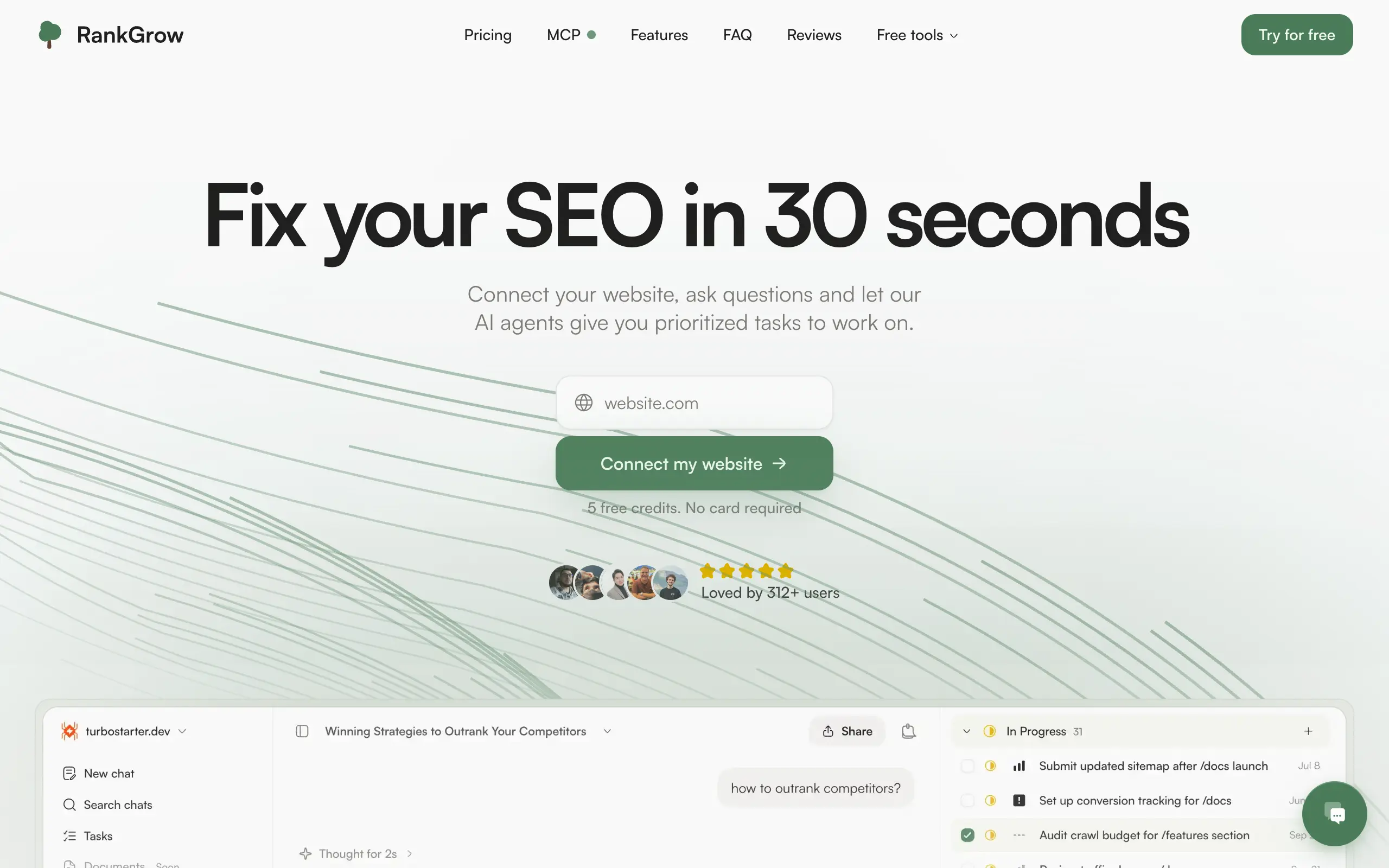
RankGrow
Fix your SEO with AI agents - connect Search Console, get prioritized tasks, and grow organic traffic 📈
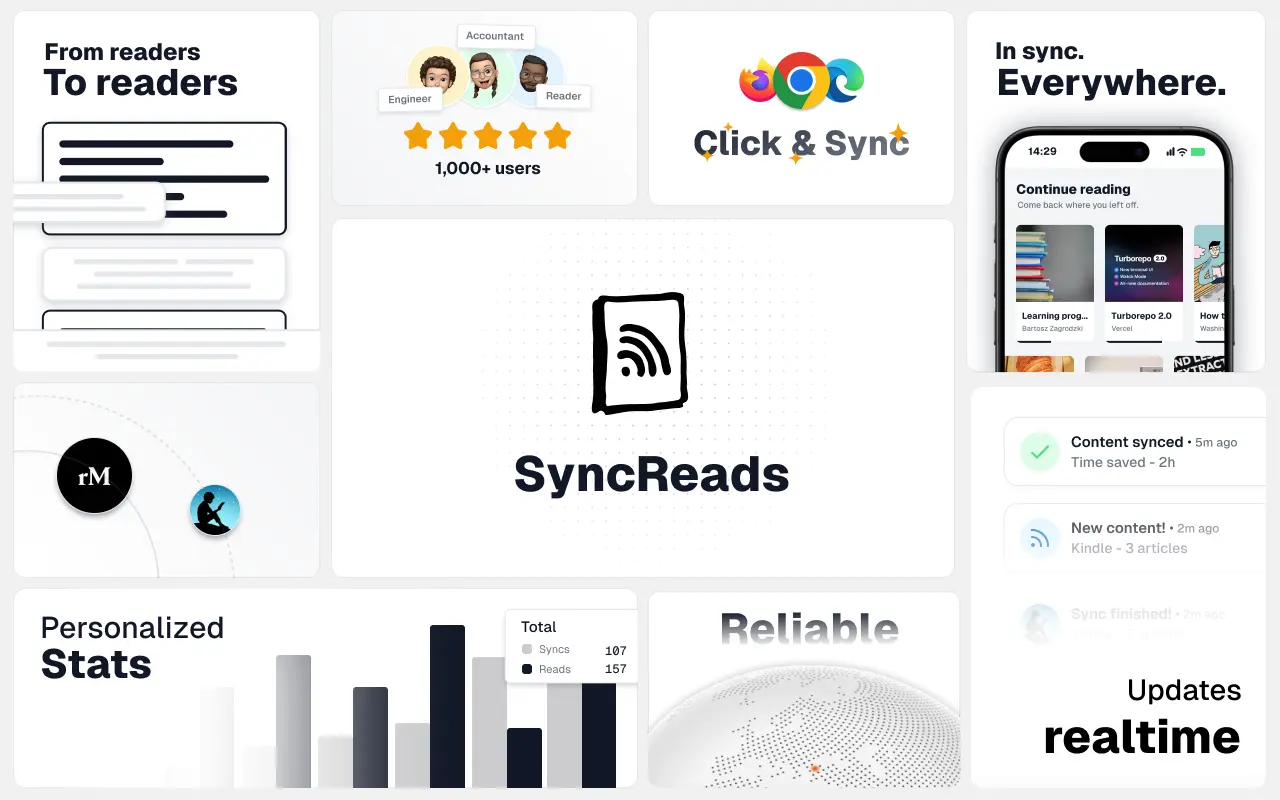
SyncReads
Sync your favorite content for distraction-free reading, save time and replace multiple apps. Anytime, anywhere 🔄
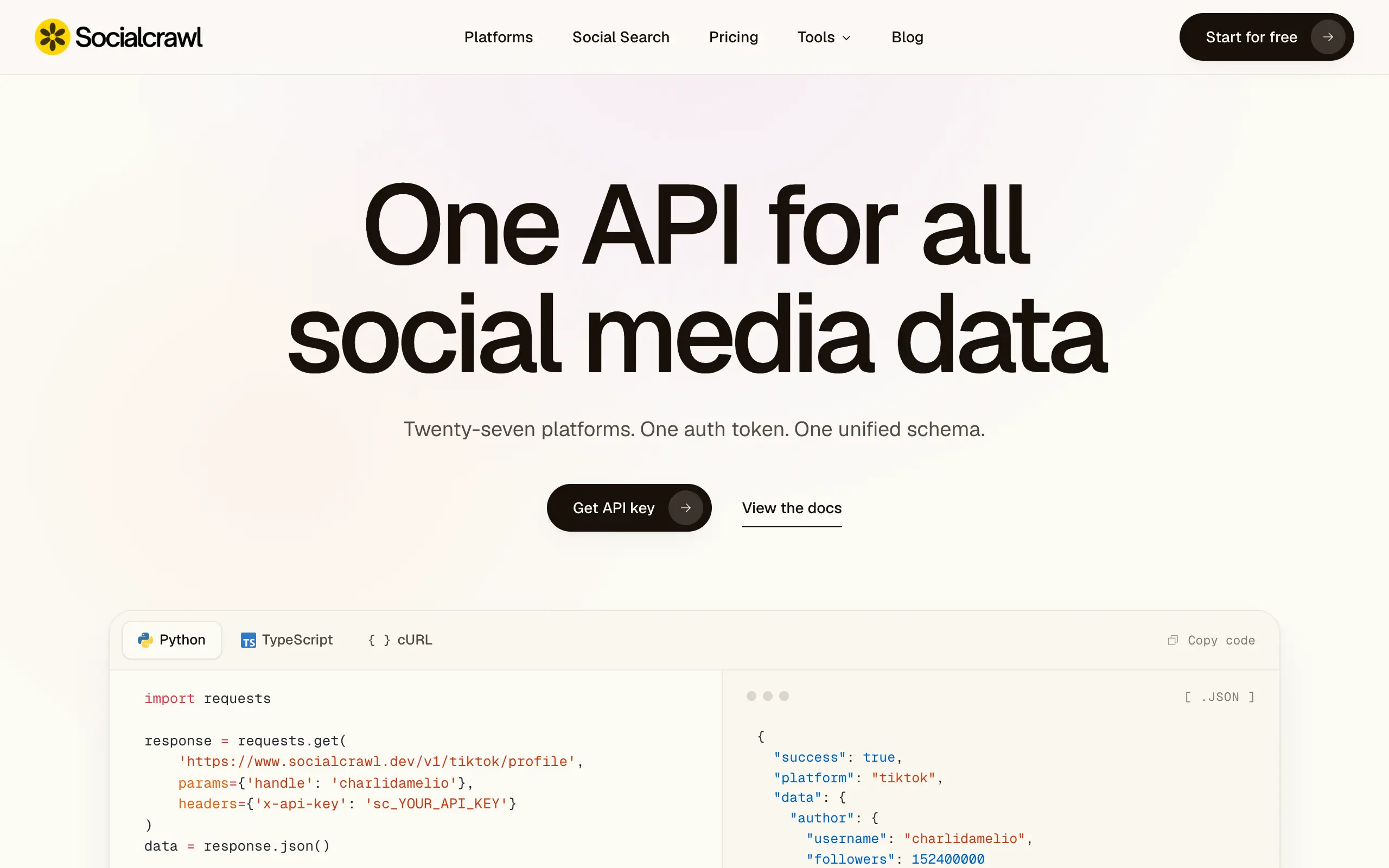
Socialcrawl
Get clean, structured data from 21 platforms like TikTok, Instagram, and YouTube with a single request 📊
Statiko
Monitor any Telegram channel in real time - track posts, edits, deletions, and growth with AI recaps 📡
Shibui
AI website builder - describe your business, pick a niche template, edit by chatting, and publish instantly ✨
Pro Service
Find verified home service professionals, compare quotes, and pay securely through escrow - built for Brazilians across the US 🏠
RankGrow
Fix your SEO with AI agents - connect Search Console, get prioritized tasks, and grow organic traffic 📈
SyncReads
Sync your favorite content for distraction-free reading, save time and replace multiple apps. Anytime, anywhere 🔄
Socialcrawl
Get clean, structured data from 21 platforms like TikTok, Instagram, and YouTube with a single request 📊
Statiko
Monitor any Telegram channel in real time - track posts, edits, deletions, and growth with AI recaps 📡
Shibui
AI website builder - describe your business, pick a niche template, edit by chatting, and publish instantly ✨
Pro Service
Find verified home service professionals, compare quotes, and pay securely through escrow - built for Brazilians across the US 🏠
RankGrow
Fix your SEO with AI agents - connect Search Console, get prioritized tasks, and grow organic traffic 📈
SyncReads
Sync your favorite content for distraction-free reading, save time and replace multiple apps. Anytime, anywhere 🔄
Socialcrawl
Get clean, structured data from 21 platforms like TikTok, Instagram, and YouTube with a single request 📊
Statiko
Monitor any Telegram channel in real time - track posts, edits, deletions, and growth with AI recaps 📡
Shibui
AI website builder - describe your business, pick a niche template, edit by chatting, and publish instantly ✨
Pro Service
Find verified home service professionals, compare quotes, and pay securely through escrow - built for Brazilians across the US 🏠
RankGrow
Fix your SEO with AI agents - connect Search Console, get prioritized tasks, and grow organic traffic 📈
SyncReads
Sync your favorite content for distraction-free reading, save time and replace multiple apps. Anytime, anywhere 🔄
Socialcrawl
Get clean, structured data from 21 platforms like TikTok, Instagram, and YouTube with a single request 📊
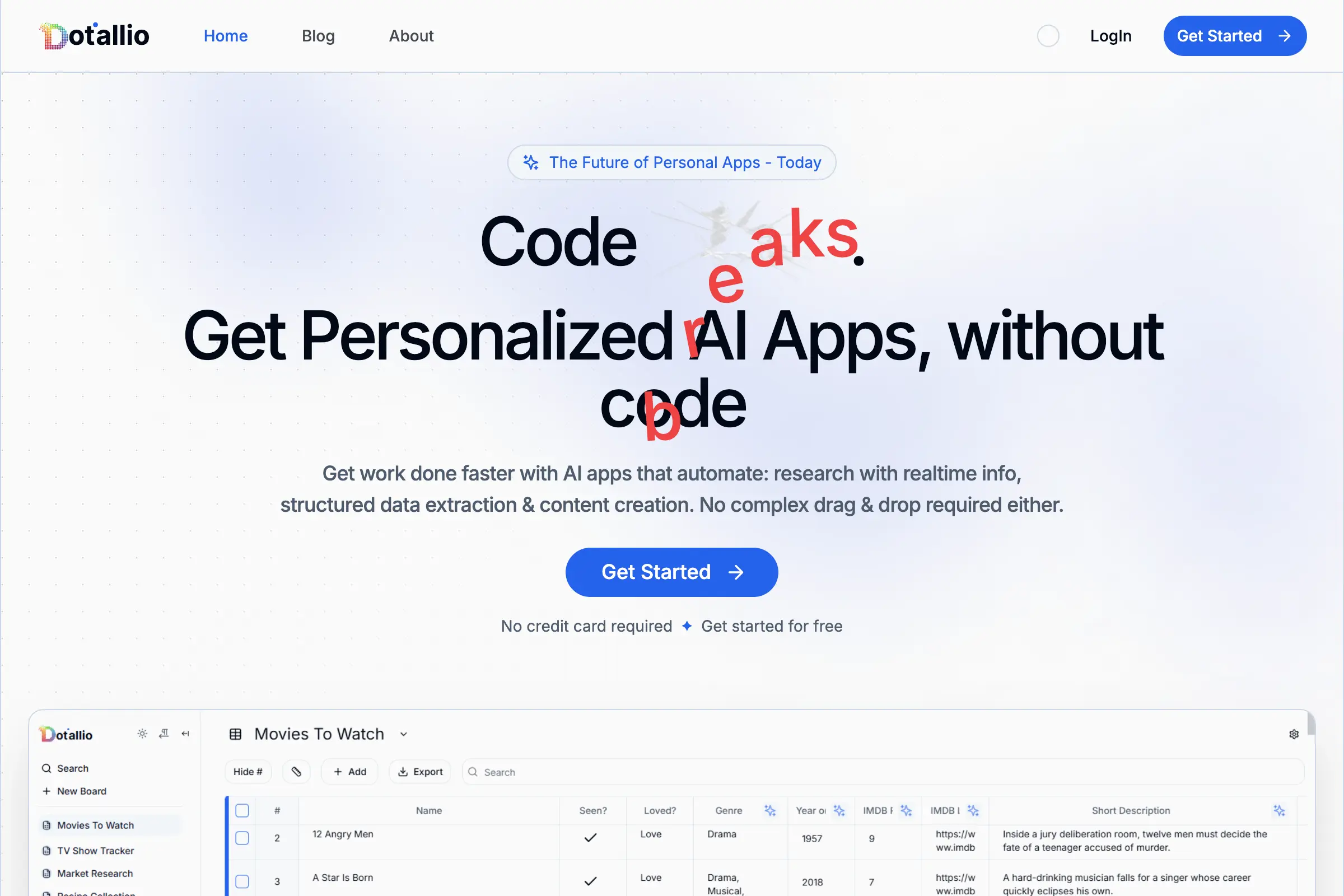
Dotallio
Personalized AI apps that automate research, data extraction, and content creation without code 🤖

Talk to Santa
Enjoy a magical live video chat or receive a unique AI-generated video greeting from Santa Claus 🎅

pozywka.pl
Scalable blog for food journalist, focused on performance and user experience 🌭
zagrodzki.me
Personal blog and portfolio of Bart Zagrodzki, where he shares his knowledge and work 💼
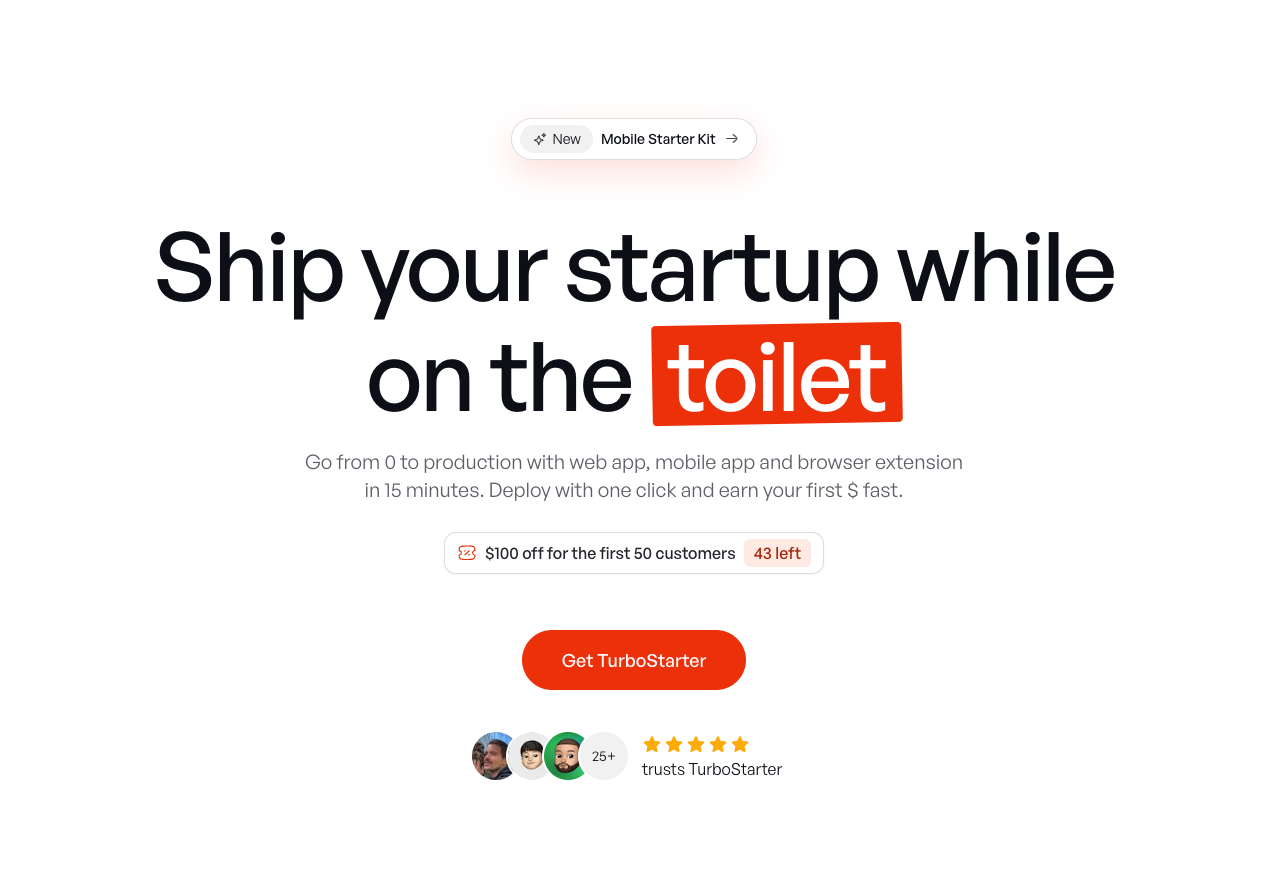
TurboStarter
Ship your startup everywhere. In minutes.
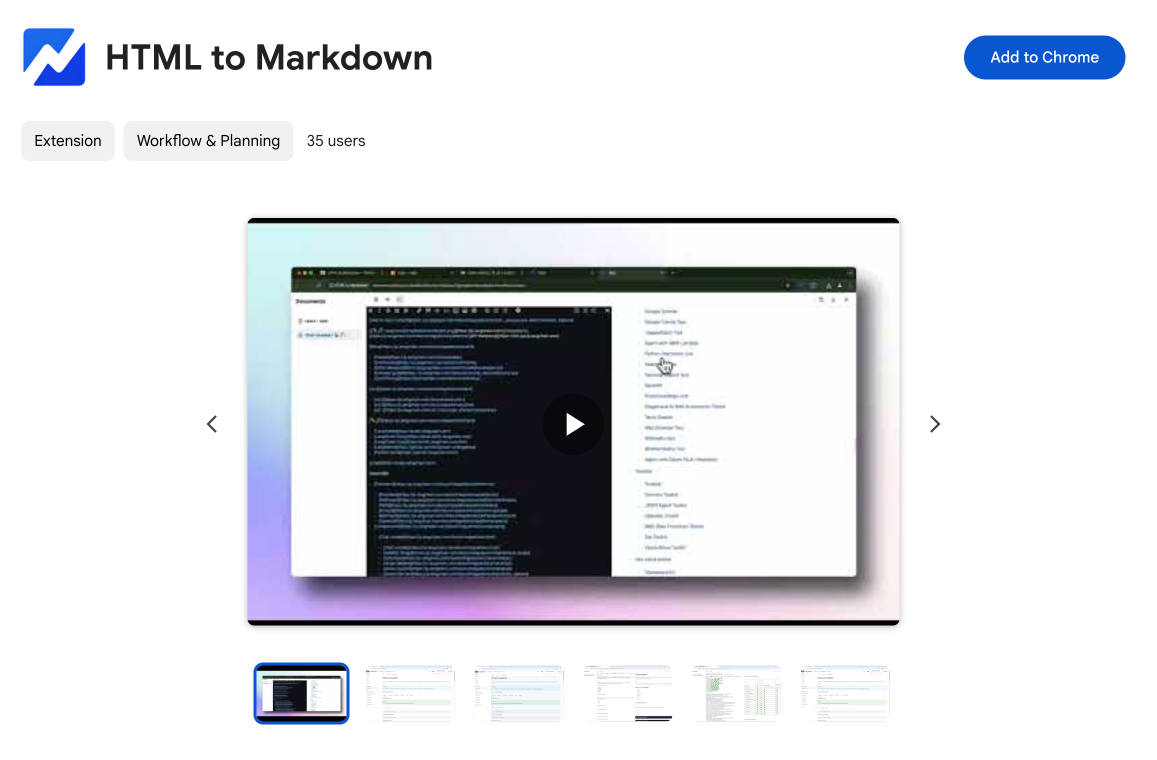
HTML to Markdown
Convert HTML to Markdown with ease, directly in your browser 📄
Dotallio
Personalized AI apps that automate research, data extraction, and content creation without code 🤖
Talk to Santa
Enjoy a magical live video chat or receive a unique AI-generated video greeting from Santa Claus 🎅
pozywka.pl
Scalable blog for food journalist, focused on performance and user experience 🌭
zagrodzki.me
Personal blog and portfolio of Bart Zagrodzki, where he shares his knowledge and work 💼
TurboStarter
Ship your startup everywhere. In minutes.
HTML to Markdown
Convert HTML to Markdown with ease, directly in your browser 📄
Dotallio
Personalized AI apps that automate research, data extraction, and content creation without code 🤖
Talk to Santa
Enjoy a magical live video chat or receive a unique AI-generated video greeting from Santa Claus 🎅
pozywka.pl
Scalable blog for food journalist, focused on performance and user experience 🌭
zagrodzki.me
Personal blog and portfolio of Bart Zagrodzki, where he shares his knowledge and work 💼
TurboStarter
Ship your startup everywhere. In minutes.
HTML to Markdown
Convert HTML to Markdown with ease, directly in your browser 📄
Dotallio
Personalized AI apps that automate research, data extraction, and content creation without code 🤖
Talk to Santa
Enjoy a magical live video chat or receive a unique AI-generated video greeting from Santa Claus 🎅
pozywka.pl
Scalable blog for food journalist, focused on performance and user experience 🌭
zagrodzki.me
Personal blog and portfolio of Bart Zagrodzki, where he shares his knowledge and work 💼
TurboStarter
Ship your startup everywhere. In minutes.
HTML to Markdown
Convert HTML to Markdown with ease, directly in your browser 📄
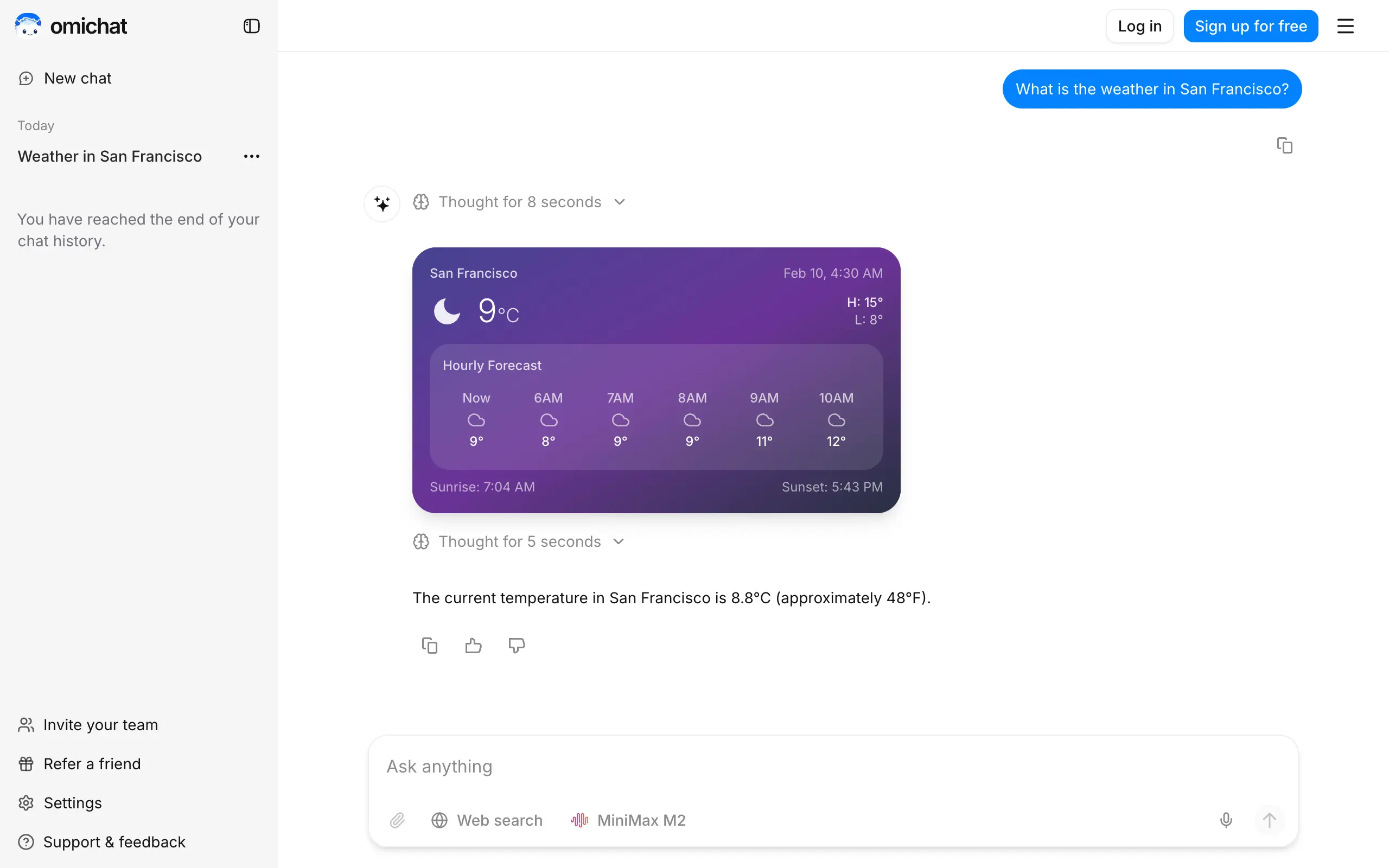
Omichat
Chat with 50+ AI models, including ChatGPT and Claude, in one place - switch models anytime without losing context 🤖
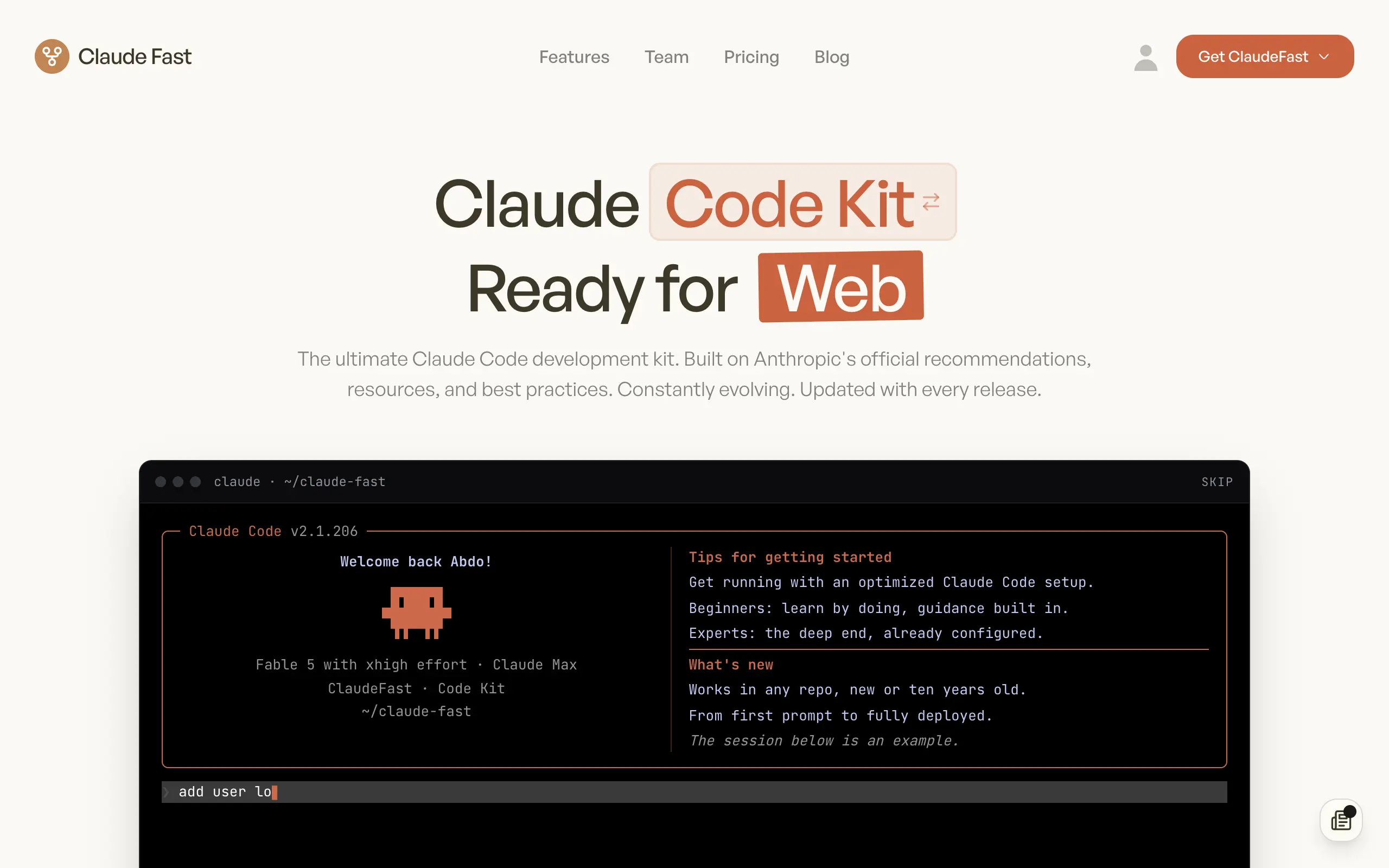
Claude Fast
Supercharge your Claude Code with 6x effective context window and specialized AI agents 🤖
EmojAI
AI-powered emoji picker with smart, context-aware suggestions 🤖
Solohacker
Autonomous company launcher - AI agents work 24/7, escalate what matters, and you stay in control 🤖
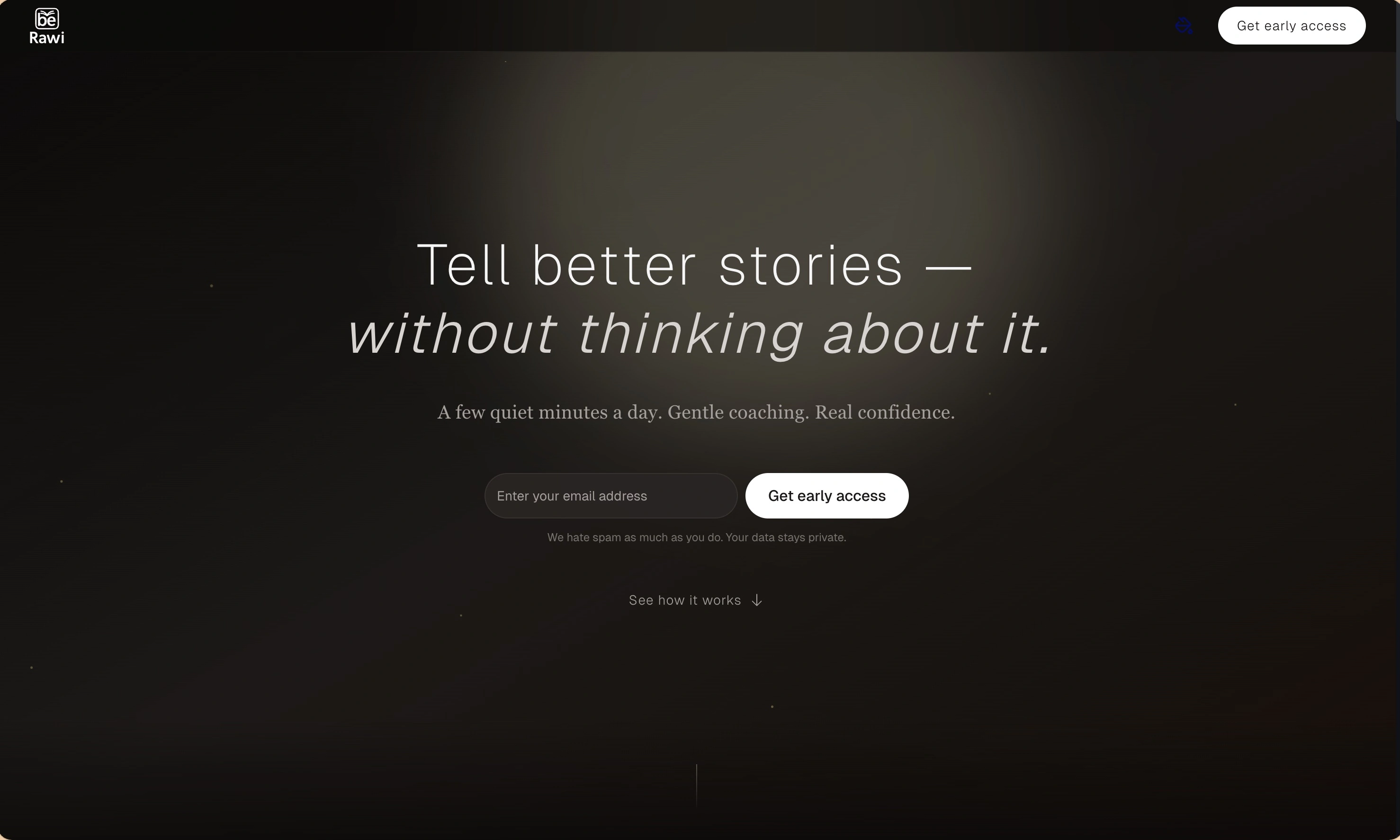
BeRawi: Storytelling Coach
Practice storytelling daily with instant feedback to sound clearer, more engaging, and confident 🎤
Omichat
Chat with 50+ AI models, including ChatGPT and Claude, in one place - switch models anytime without losing context 🤖
Claude Fast
Supercharge your Claude Code with 6x effective context window and specialized AI agents 🤖
EmojAI
AI-powered emoji picker with smart, context-aware suggestions 🤖
Solohacker
Autonomous company launcher - AI agents work 24/7, escalate what matters, and you stay in control 🤖
BeRawi: Storytelling Coach
Practice storytelling daily with instant feedback to sound clearer, more engaging, and confident 🎤
Omichat
Chat with 50+ AI models, including ChatGPT and Claude, in one place - switch models anytime without losing context 🤖
Claude Fast
Supercharge your Claude Code with 6x effective context window and specialized AI agents 🤖
EmojAI
AI-powered emoji picker with smart, context-aware suggestions 🤖
Solohacker
Autonomous company launcher - AI agents work 24/7, escalate what matters, and you stay in control 🤖
BeRawi: Storytelling Coach
Practice storytelling daily with instant feedback to sound clearer, more engaging, and confident 🎤
Omichat
Chat with 50+ AI models, including ChatGPT and Claude, in one place - switch models anytime without losing context 🤖
Claude Fast
Supercharge your Claude Code with 6x effective context window and specialized AI agents 🤖
EmojAI
AI-powered emoji picker with smart, context-aware suggestions 🤖
Solohacker
Autonomous company launcher - AI agents work 24/7, escalate what matters, and you stay in control 🤖
BeRawi: Storytelling Coach
Practice storytelling daily with instant feedback to sound clearer, more engaging, and confident 🎤

Connect with like-minded people
Join our community to get feedback, support, and grow together with 1,000+ builders on board, let's ship it!
Join usShip your startup everywhere. In minutes.
Don't burn tokens on setup and start building features on day one.