SyncSprint
Collaborative daily standup and progress tracker for remote teams, integrating with major project management tools to streamline updates and accountability.
Understanding the need for collaborative daily standup and progress tracking tools
Remote work has become the new normal for teams worldwide, but it brings unique challenges—especially around communication, accountability, and project visibility. Traditional daily standups, once a staple of in-person agile teams, often lose their effectiveness when moved to distributed, asynchronous environments. This is where a solution like SyncSprint—a collaborative daily standup and progress tracker for remote teams—fills a critical gap.
By integrating with major project management tools, SyncSprint aims to streamline updates, foster accountability, and ensure that every team member stays aligned, no matter where they are. In this article, we’ll explore the market need, target audience, core features, technical considerations, monetization strategies, risks, and actionable steps to bring SyncSprint to life.
Who needs SyncSprint? Target audience analysis
Understanding the target audience is essential for building a SaaS product that resonates and delivers real value. SyncSprint is designed for:
- Remote and distributed teams: Companies with employees spread across different locations and time zones.
- Agile software development teams: Teams practicing Scrum, Kanban, or other agile methodologies that rely on daily standups and progress tracking.
- Project managers and team leads: Individuals responsible for tracking progress, identifying blockers, and ensuring accountability.
- Startups and SMBs: Smaller organizations seeking lightweight, easy-to-integrate solutions.
- Enterprises with hybrid workforces: Larger organizations balancing in-office and remote work.
Key pain points addressed:
- Standup meetings that are time-consuming, unstructured, or ineffective in remote settings.
- Lack of visibility into team progress and blockers.
- Difficulty integrating updates with existing project management tools.
- Accountability gaps due to asynchronous communication.
Identifying the market opportunity and gaps
The productivity SaaS market is crowded, but there’s a clear and growing demand for tools that bridge the gap between communication and project management for remote teams.
Current landscape
- Project management platforms like Jira, Trello, and Asana offer robust task tracking but often lack lightweight, focused standup and daily progress features.
- Communication tools such as Slack and Microsoft Teams facilitate conversation but don’t provide structured progress tracking.
- Standalone standup bots exist, but many lack deep integrations, analytics, or a collaborative experience.
Market gaps SyncSprint addresses
- Unified experience: Combining daily standup facilitation with progress tracking and seamless integration into existing workflows.
- Deep integrations: Syncing updates with major project management tools, reducing manual duplication.
- Actionable insights: Providing analytics on team performance, blockers, and trends over time.
- Asynchronous and synchronous support: Catering to teams across time zones.
Industry trend
According to a 2023 Gartner report, over 70% of digital teams now operate in hybrid or fully remote models, increasing the need for tools that support asynchronous collaboration and accountability.
Core features and solution details
SyncSprint’s value lies in its ability to streamline daily standups and progress tracking while integrating seamlessly with the tools teams already use.
Essential features
Automated daily standup prompts
Schedule and automate daily standup questions, delivered via Slack, Teams, or email.
Progress tracking dashboard
Visualize team updates, blockers, and completed tasks in a centralized dashboard.
Deep project management integrations
Sync with Jira, Trello, Asana, and more to pull in tasks and push updates.
Accountability and reminders
Automated reminders for team members who miss standups or have unresolved blockers.
Analytics and reporting
Track participation, recurring blockers, and team velocity over time.
Asynchronous and synchronous support
Enable both real-time and flexible, timezone-friendly standup participation.
How SyncSprint works
- Setup and integration: Connect SyncSprint to your team’s project management and communication tools.
- Daily standup automation: Team members receive prompts to share what they did yesterday, what they plan today, and any blockers.
- Progress aggregation: Updates are collected and visualized in a dashboard, with links to relevant tasks.
- Accountability features: Missed updates trigger reminders; unresolved blockers are flagged for follow-up.
- Analytics: Managers access reports on participation, blockers, and trends.
Example workflow
// Pseudocode for automated standup prompt
function sendDailyStandupPrompt(user, channel) {
  const questions = [
    "What did you accomplish yesterday?",
    "What are you working on today?",
    "Any blockers?"
  ];
  channel.send(`Hi ${user.name}, it's time for your daily standup!`);
  questions.forEach(q => channel.send(q));
}
Recommended tech stack and trade-offs
Choosing the right technology stack is crucial for building a scalable, maintainable, and integration-friendly SaaS product like SyncSprint.
Frontend
- React: For building a responsive, interactive dashboard.
- TailwindCSS: For rapid, consistent UI development.
- TypeScript: For type safety and maintainability.
Backend
- Node.js: For scalable, event-driven server logic.
- Express: Lightweight API framework.
- PostgreSQL: Reliable, scalable relational database.
- Redis: For caching and real-time features.
Integrations
- OAuth 2.0: Secure authentication with third-party tools.
- Webhooks and APIs: For real-time sync with project management platforms.
Hosting and DevOps
Trade-offs
- Monolithic vs. microservices: A monolithic approach is faster to launch and easier to manage for early-stage products, while microservices offer better scalability for future growth.
- Custom integrations vs. Zapier-style connectors: Building deep, native integrations provides a better user experience but requires more development effort.
No-code tools can accelerate MVP development, but they often lack the flexibility and performance needed for deep integrations and real-time features required by SyncSprint.
Monetization strategy options
A sustainable SaaS business model is key to long-term success. SyncSprint can explore several monetization strategies:
1. Freemium model
- Free tier: Limited users, basic integrations, and core standup features.
- Paid tiers: Advanced analytics, unlimited integrations, priority support, and custom branding.
2. Per-user or per-team pricing
- Charge based on the number of active users or teams, aligning cost with value delivered.
3. Enterprise licensing
- Custom pricing for large organizations, including dedicated support, SLAs, and advanced security features.
4. Add-on marketplace
- Offer premium integrations or analytics modules as paid add-ons.
| Freemium | Per-user | Enterprise | Add-ons | Ads |
|---|---|---|---|---|
| ✅ | ❌ | ❌ | ✅ | ❌ |
| ✅ | ❌ | ✅ | ✅ | ❌ |
Potential risks and mitigation strategies
Launching a SaaS product like SyncSprint comes with inherent risks. Proactively identifying and addressing these risks is crucial.
1. Integration complexity
- Risk: Maintaining compatibility with multiple third-party APIs can be resource-intensive.
- Mitigation: Start with the most popular platforms (e.g., Jira, Trello, Asana) and expand based on user demand. Use modular integration architecture.
2. User adoption and engagement
- Risk: Teams may revert to old habits or fail to see the value.
- Mitigation: Focus on onboarding, in-app guidance, and demonstrating quick wins. Provide analytics to show ROI.
3. Data privacy and security
- Risk: Handling sensitive project and user data requires robust security.
- Mitigation: Implement strong encryption, regular security audits, and compliance with standards like GDPR.
4. Market competition
- Risk: Competing with established tools and new entrants.
- Mitigation: Differentiate through deep integrations, superior UX, and actionable analytics.
Pro tip
Regularly solicit user feedback and iterate quickly to stay ahead of competitors and evolving team needs.
Competitive advantage analysis
SyncSprint’s unique selling proposition (USP) is its combination of collaborative daily standup facilitation, progress tracking, and deep integration with major project management tools—all in a single, user-friendly platform.
What sets SyncSprint apart?
- Seamless integrations: Unlike generic standup bots, SyncSprint syncs directly with tools like Jira, Trello, and Asana, reducing manual work.
- Actionable analytics: Provides insights into team health, participation, and blockers, helping managers make data-driven decisions.
- Flexible participation: Supports both synchronous and asynchronous workflows, ideal for distributed teams.
- Accountability features: Automated reminders and follow-ups ensure nothing falls through the cracks.
- User-centric design: Focused on minimizing friction and maximizing adoption.
Actionable implementation steps
Ready to bring SyncSprint to life? Here’s a step-by-step roadmap:
Conclusion: Why SyncSprint is the future of remote team productivity
Remote and hybrid work are here to stay, and the need for structured, integrated, and actionable daily standup and progress tracking tools is only growing. SyncSprint stands out by offering a collaborative, integration-first approach that meets the real-world needs of distributed teams.
By focusing on seamless workflows, actionable insights, and user-centric design, SyncSprint is poised to become an essential part of the modern remote team’s productivity stack.
For founders and builders, leveraging platforms like TurboStarter can accelerate your SaaS journey, from MVP to scale.
Frequently asked questions
SyncSprint uses official APIs and webhooks to sync tasks and updates with platforms like Jira, Trello, and Asana. This ensures real-time, reliable data exchange.
Absolutely. While it’s designed with agile software teams in mind, any remote or hybrid team that values structured updates and accountability can benefit.
SyncSprint goes beyond simple standup prompts by offering deep integrations, analytics, and a collaborative dashboard that ties updates directly to project tasks.
SyncSprint prioritizes security with encryption, regular audits, and compliance with industry standards like GDPR.
Next steps
- Validate your team’s needs and pain points.
- Prioritize integrations based on your workflow.
- Start with a focused MVP and iterate based on real user feedback.
- Explore TurboStarter for rapid SaaS development resources.
By addressing the evolving needs of remote teams, SyncSprint is well-positioned to become a leader in collaborative productivity solutions.
More ⚡ Productivity Tool SaaS ideas
Discover more innovative productivity tool SaaS ideas that are trending in 2026. Each idea is AI-generated with market validation and growth potential to help you find your next profitable venture faster than competitors.
Your competitors are building with TurboStarter
Below are some of the SaaS ideas that have been generated and built with our starter kit.
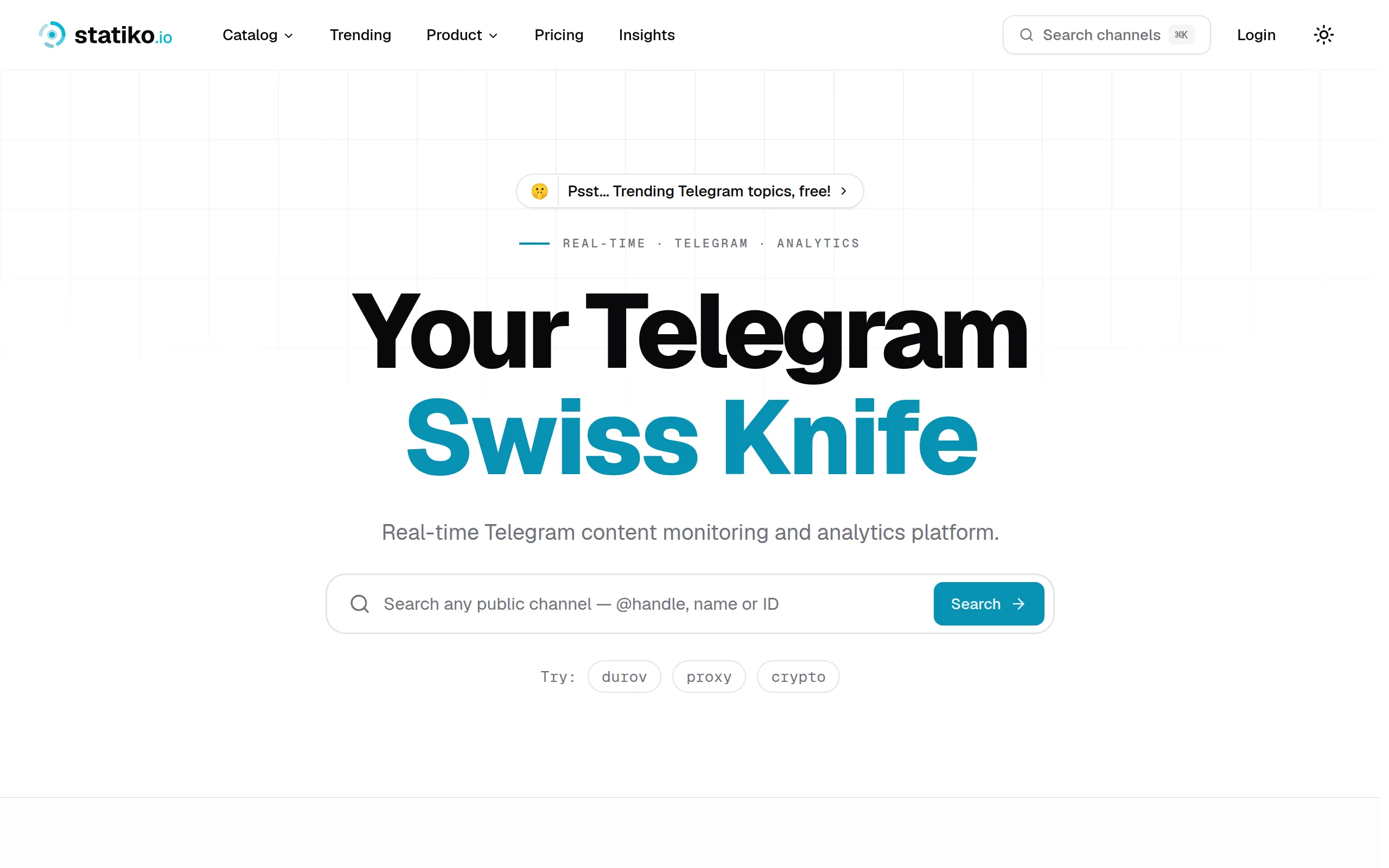
Statiko
Monitor any Telegram channel in real time - track posts, edits, deletions, and growth with AI recaps 📡

Shibui
AI website builder - describe your business, pick a niche template, edit by chatting, and publish instantly ✨

Pro Service
Find verified home service professionals, compare quotes, and pay securely through escrow - built for Brazilians across the US 🏠
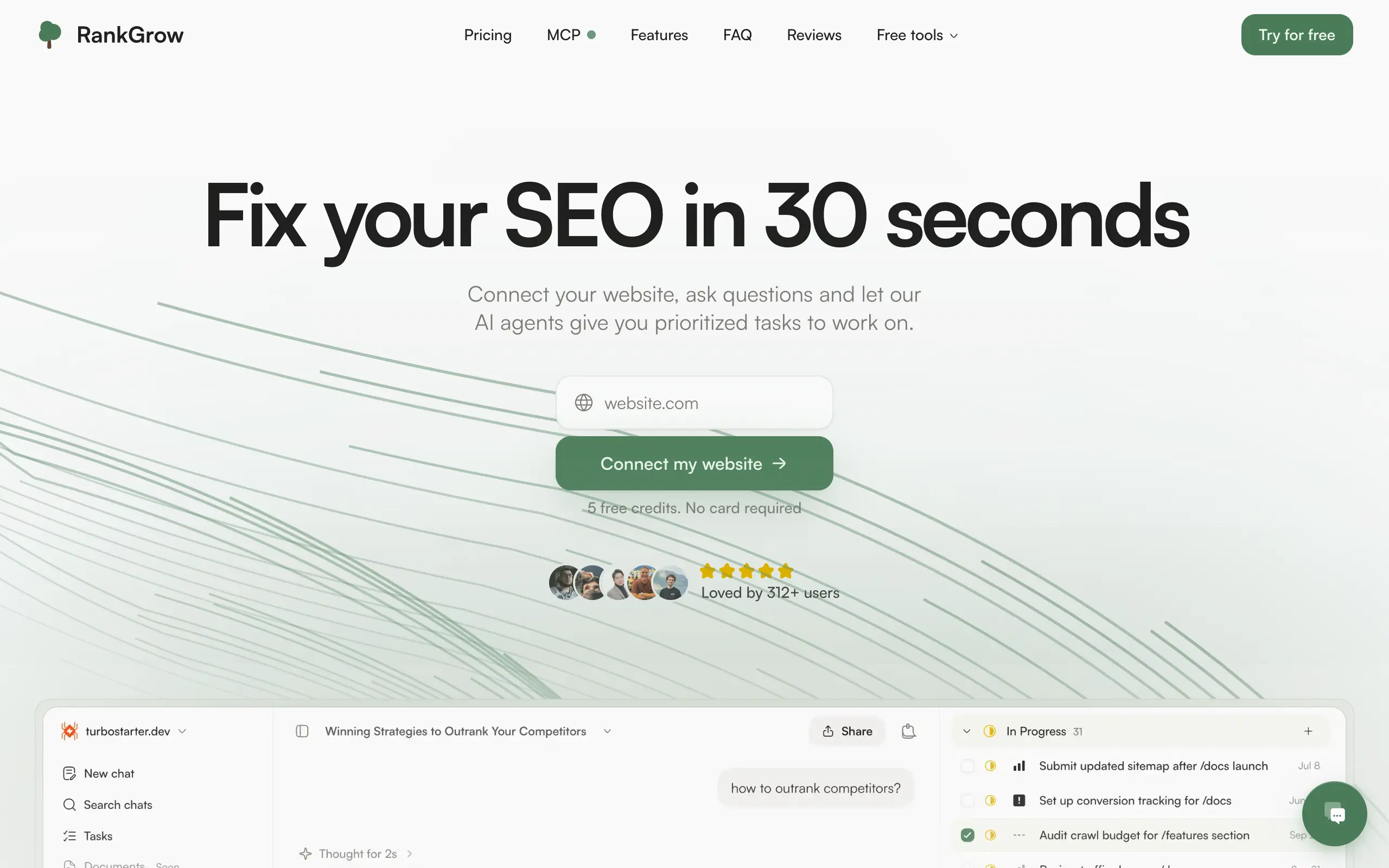
RankGrow
Fix your SEO with AI agents - connect Search Console, get prioritized tasks, and grow organic traffic 📈
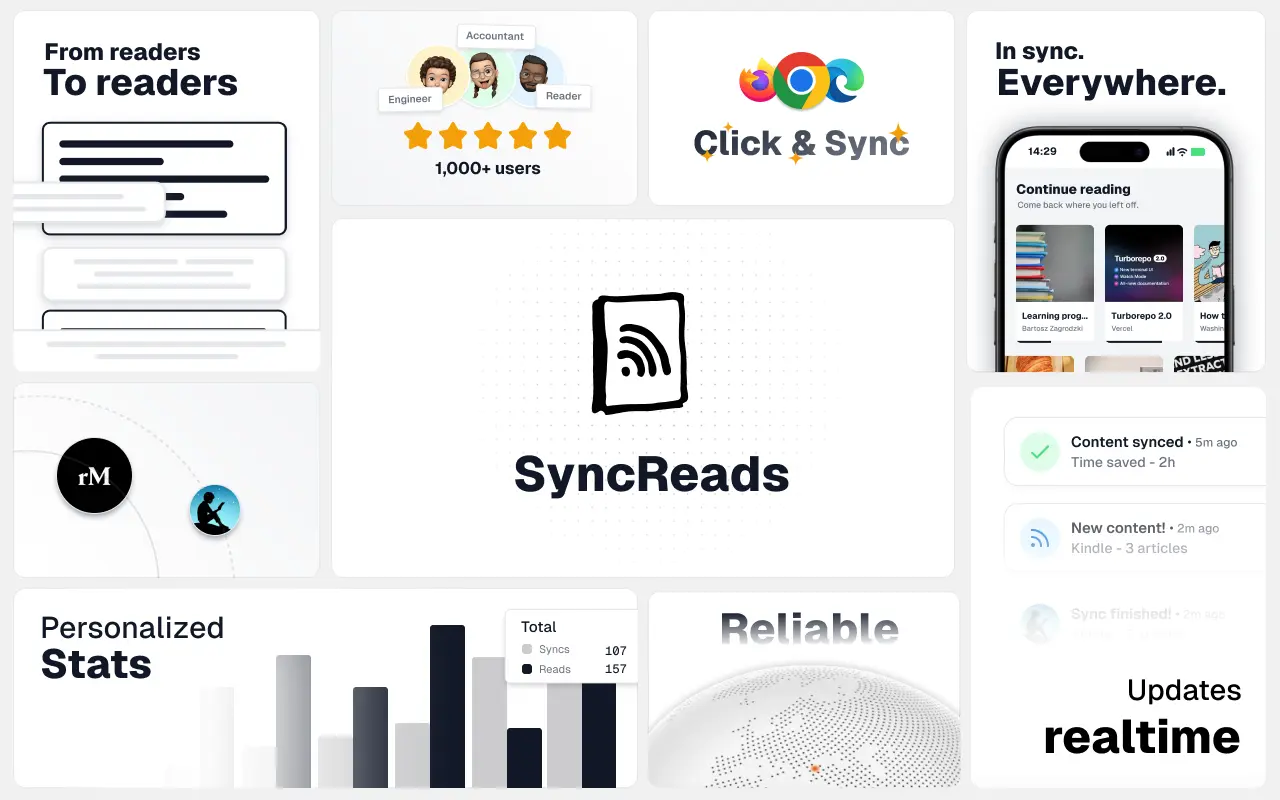
SyncReads
Sync your favorite content for distraction-free reading, save time and replace multiple apps. Anytime, anywhere 🔄
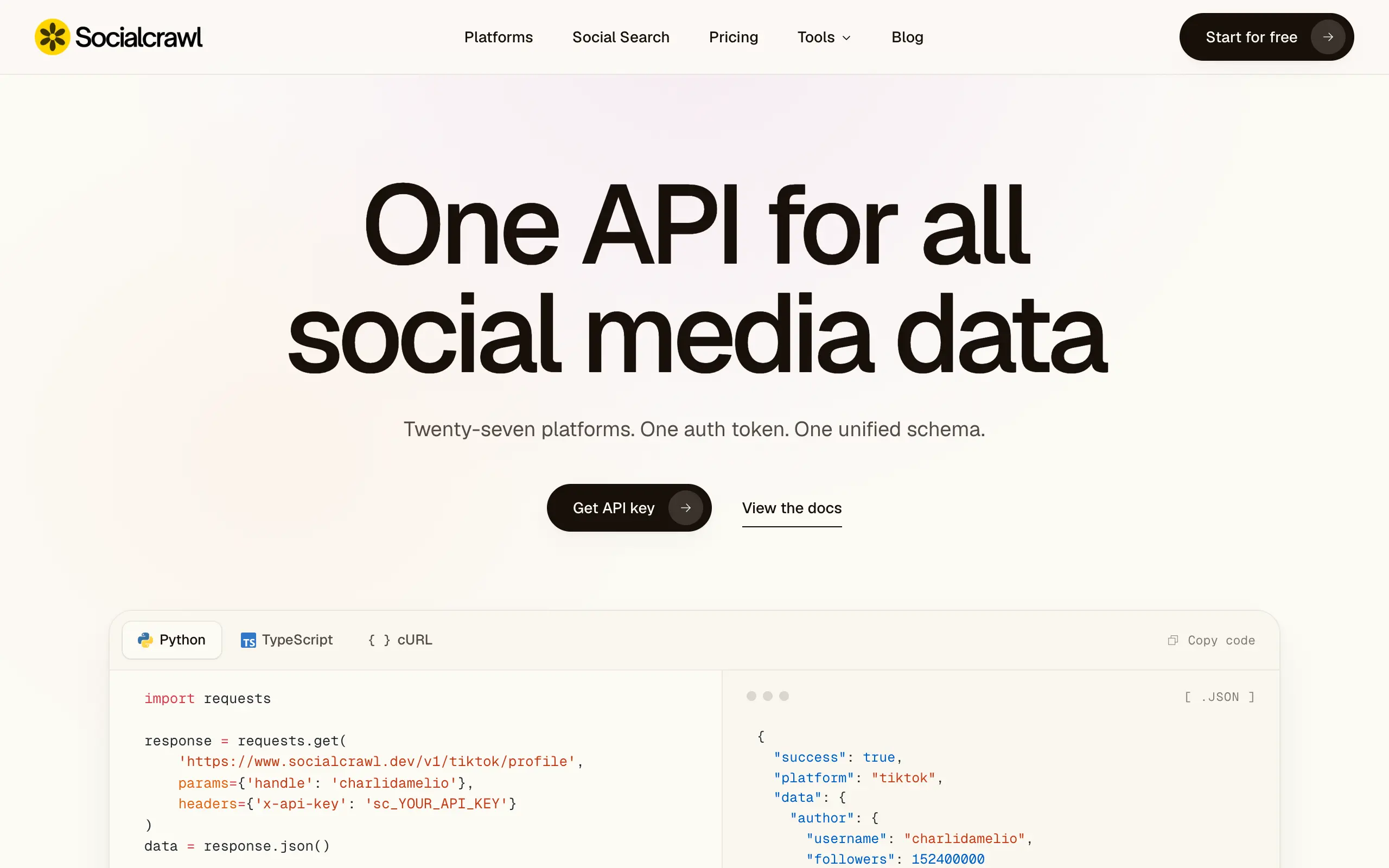
Socialcrawl
Get clean, structured data from 21 platforms like TikTok, Instagram, and YouTube with a single request 📊
Statiko
Monitor any Telegram channel in real time - track posts, edits, deletions, and growth with AI recaps 📡
Shibui
AI website builder - describe your business, pick a niche template, edit by chatting, and publish instantly ✨
Pro Service
Find verified home service professionals, compare quotes, and pay securely through escrow - built for Brazilians across the US 🏠
RankGrow
Fix your SEO with AI agents - connect Search Console, get prioritized tasks, and grow organic traffic 📈
SyncReads
Sync your favorite content for distraction-free reading, save time and replace multiple apps. Anytime, anywhere 🔄
Socialcrawl
Get clean, structured data from 21 platforms like TikTok, Instagram, and YouTube with a single request 📊
Statiko
Monitor any Telegram channel in real time - track posts, edits, deletions, and growth with AI recaps 📡
Shibui
AI website builder - describe your business, pick a niche template, edit by chatting, and publish instantly ✨
Pro Service
Find verified home service professionals, compare quotes, and pay securely through escrow - built for Brazilians across the US 🏠
RankGrow
Fix your SEO with AI agents - connect Search Console, get prioritized tasks, and grow organic traffic 📈
SyncReads
Sync your favorite content for distraction-free reading, save time and replace multiple apps. Anytime, anywhere 🔄
Socialcrawl
Get clean, structured data from 21 platforms like TikTok, Instagram, and YouTube with a single request 📊
Statiko
Monitor any Telegram channel in real time - track posts, edits, deletions, and growth with AI recaps 📡
Shibui
AI website builder - describe your business, pick a niche template, edit by chatting, and publish instantly ✨
Pro Service
Find verified home service professionals, compare quotes, and pay securely through escrow - built for Brazilians across the US 🏠
RankGrow
Fix your SEO with AI agents - connect Search Console, get prioritized tasks, and grow organic traffic 📈
SyncReads
Sync your favorite content for distraction-free reading, save time and replace multiple apps. Anytime, anywhere 🔄
Socialcrawl
Get clean, structured data from 21 platforms like TikTok, Instagram, and YouTube with a single request 📊
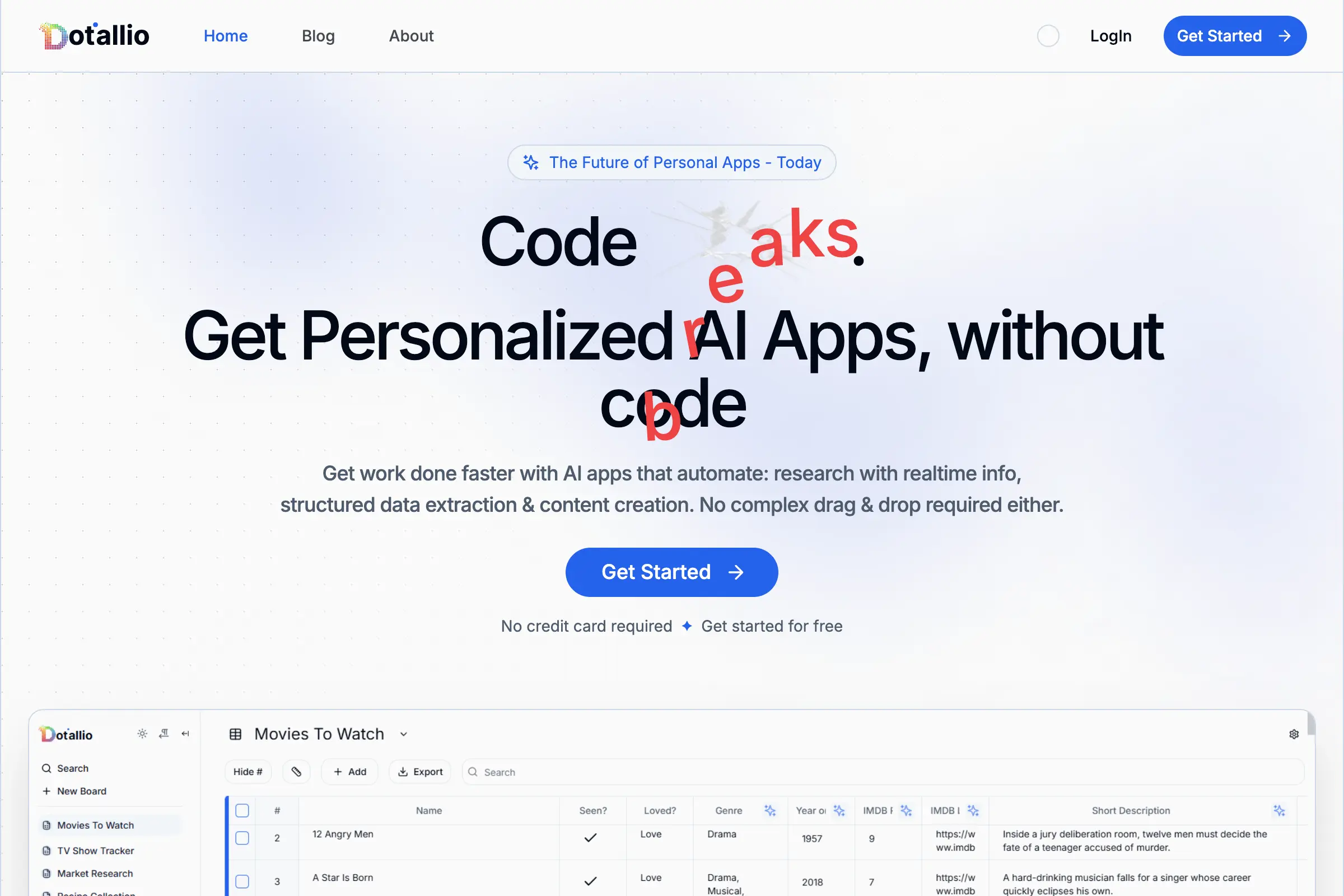
Dotallio
Personalized AI apps that automate research, data extraction, and content creation without code 🤖

Talk to Santa
Enjoy a magical live video chat or receive a unique AI-generated video greeting from Santa Claus 🎅

pozywka.pl
Scalable blog for food journalist, focused on performance and user experience 🌭
zagrodzki.me
Personal blog and portfolio of Bart Zagrodzki, where he shares his knowledge and work 💼
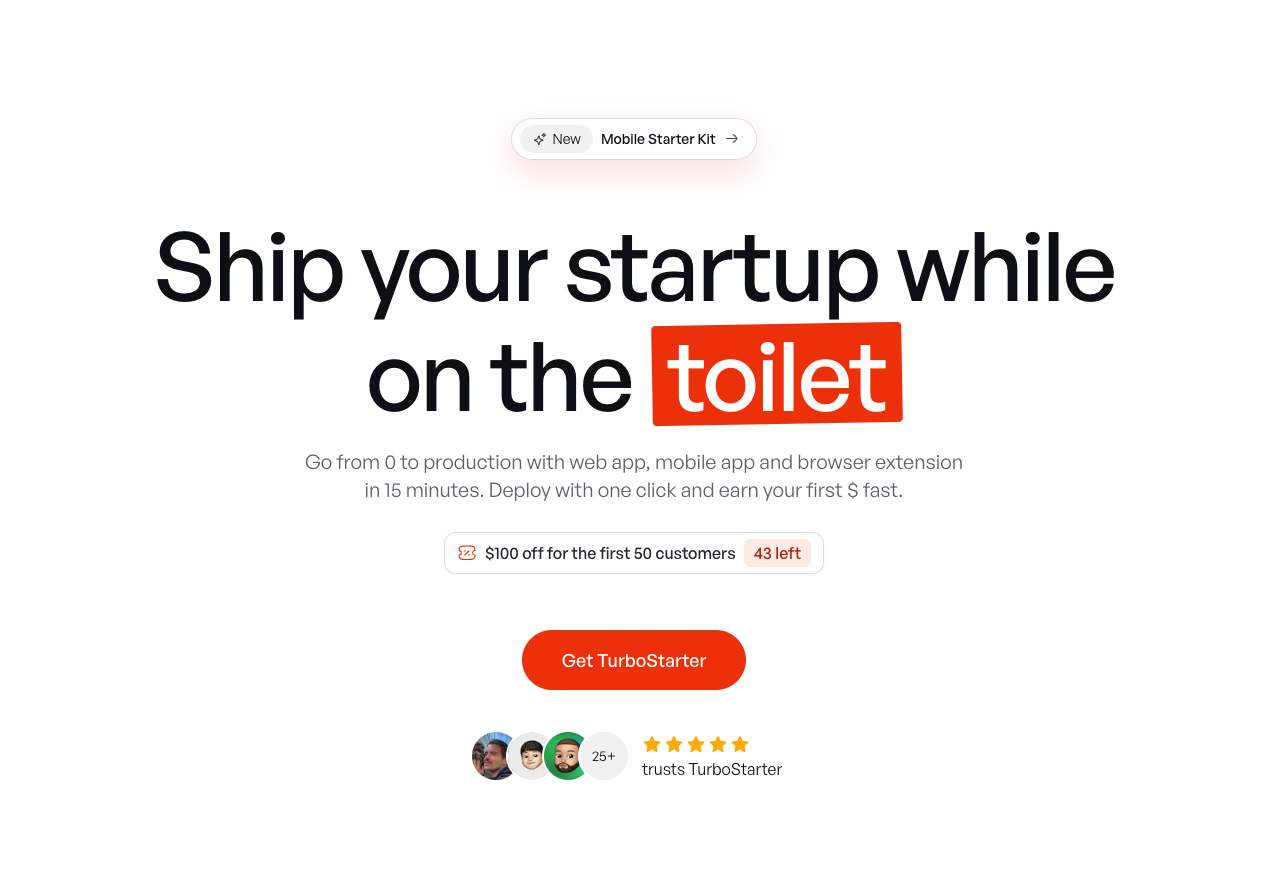
TurboStarter
Ship your startup everywhere. In minutes.
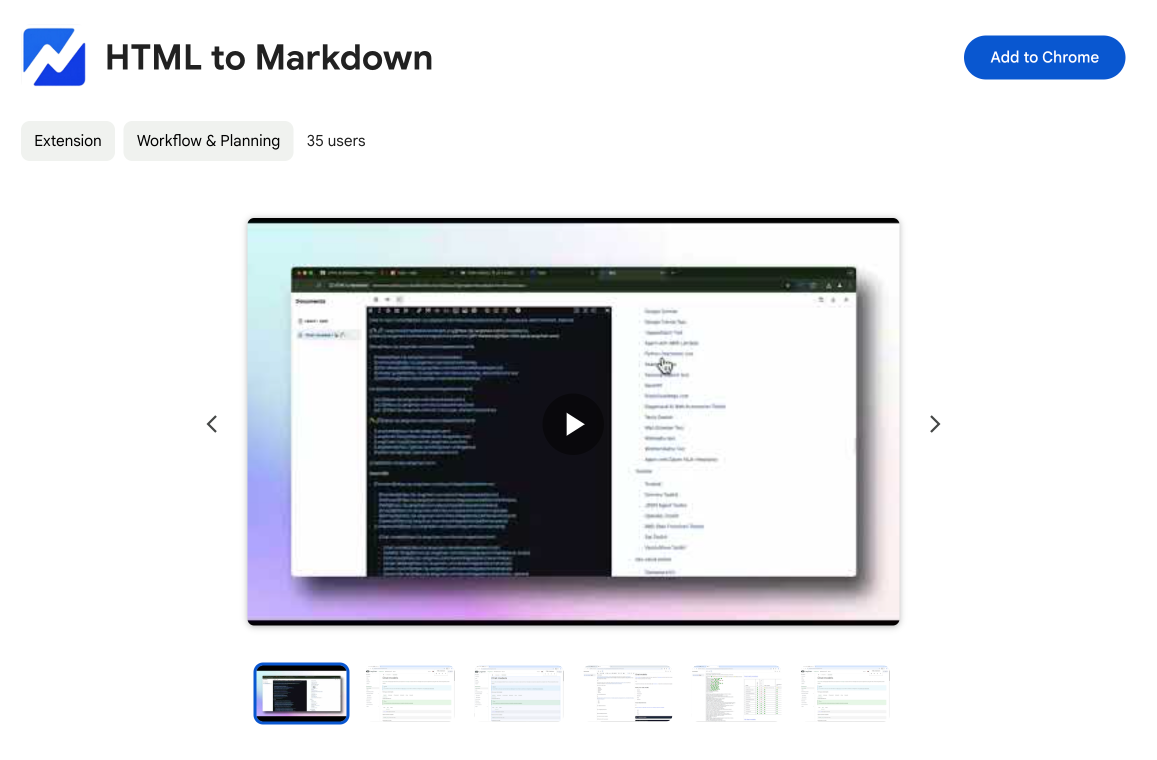
HTML to Markdown
Convert HTML to Markdown with ease, directly in your browser 📄
Dotallio
Personalized AI apps that automate research, data extraction, and content creation without code 🤖
Talk to Santa
Enjoy a magical live video chat or receive a unique AI-generated video greeting from Santa Claus 🎅
pozywka.pl
Scalable blog for food journalist, focused on performance and user experience 🌭
zagrodzki.me
Personal blog and portfolio of Bart Zagrodzki, where he shares his knowledge and work 💼
TurboStarter
Ship your startup everywhere. In minutes.
HTML to Markdown
Convert HTML to Markdown with ease, directly in your browser 📄
Dotallio
Personalized AI apps that automate research, data extraction, and content creation without code 🤖
Talk to Santa
Enjoy a magical live video chat or receive a unique AI-generated video greeting from Santa Claus 🎅
pozywka.pl
Scalable blog for food journalist, focused on performance and user experience 🌭
zagrodzki.me
Personal blog and portfolio of Bart Zagrodzki, where he shares his knowledge and work 💼
TurboStarter
Ship your startup everywhere. In minutes.
HTML to Markdown
Convert HTML to Markdown with ease, directly in your browser 📄
Dotallio
Personalized AI apps that automate research, data extraction, and content creation without code 🤖
Talk to Santa
Enjoy a magical live video chat or receive a unique AI-generated video greeting from Santa Claus 🎅
pozywka.pl
Scalable blog for food journalist, focused on performance and user experience 🌭
zagrodzki.me
Personal blog and portfolio of Bart Zagrodzki, where he shares his knowledge and work 💼
TurboStarter
Ship your startup everywhere. In minutes.
HTML to Markdown
Convert HTML to Markdown with ease, directly in your browser 📄
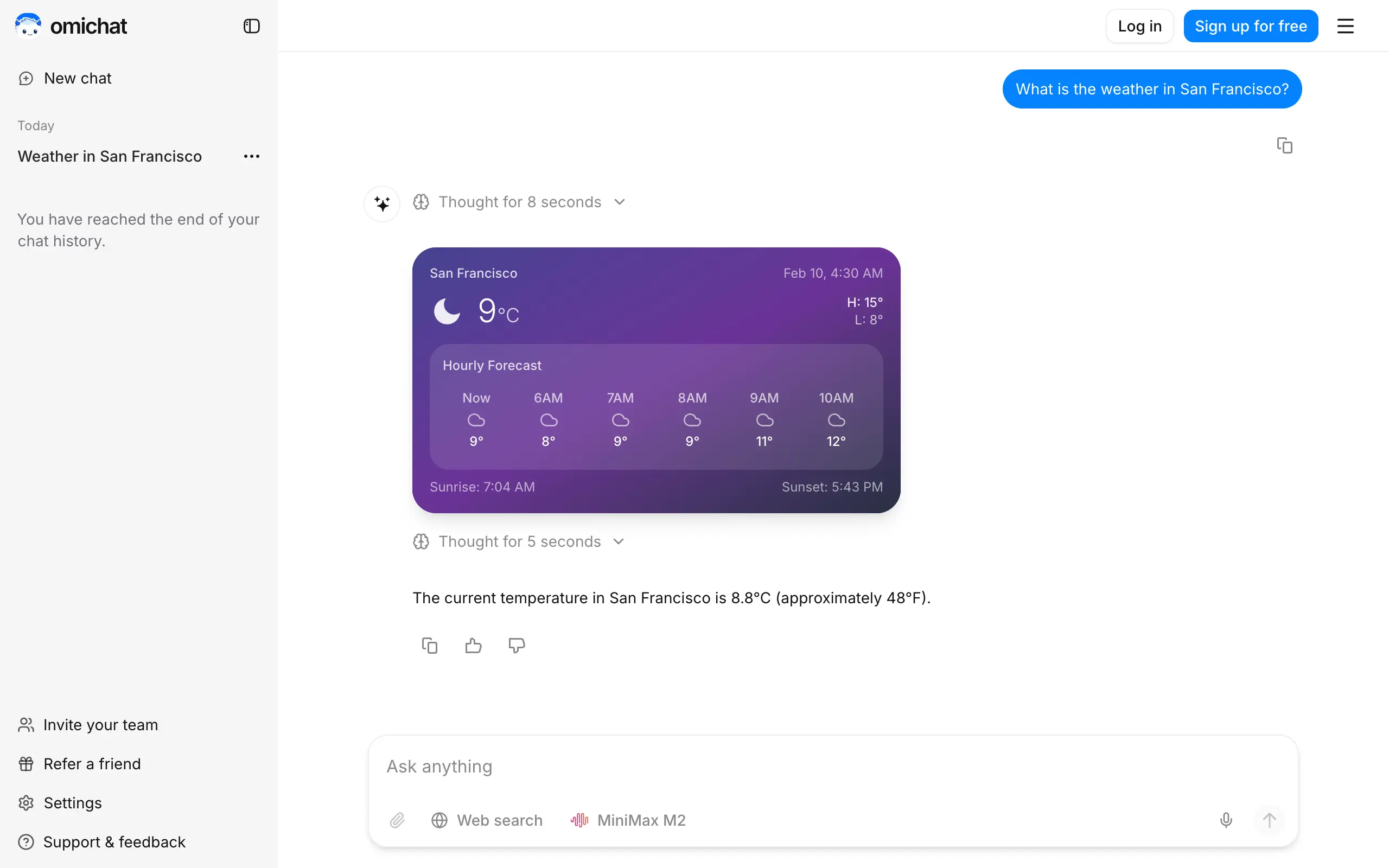
Omichat
Chat with 50+ AI models, including ChatGPT and Claude, in one place - switch models anytime without losing context 🤖
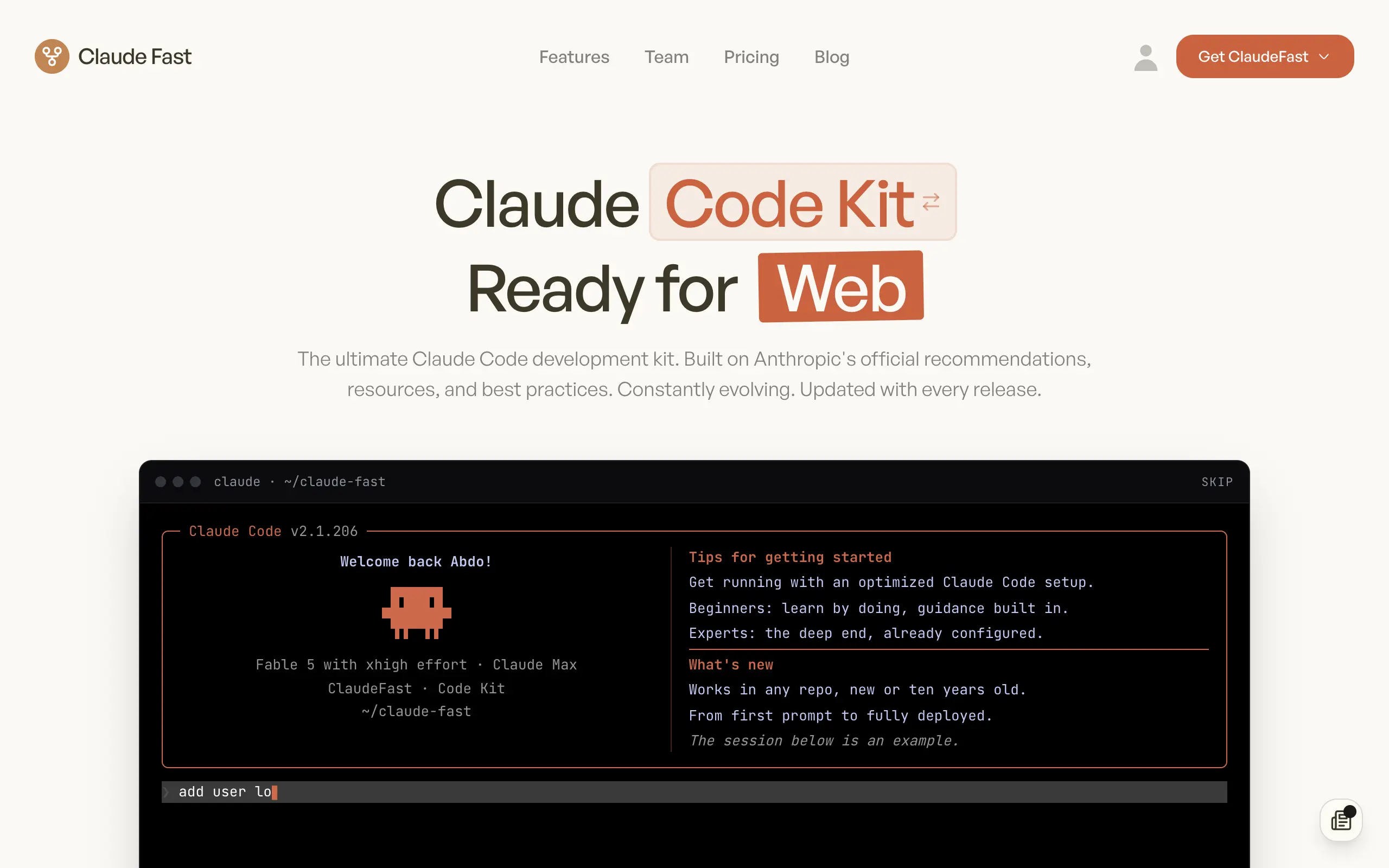
Claude Fast
Supercharge your Claude Code with 6x effective context window and specialized AI agents 🤖
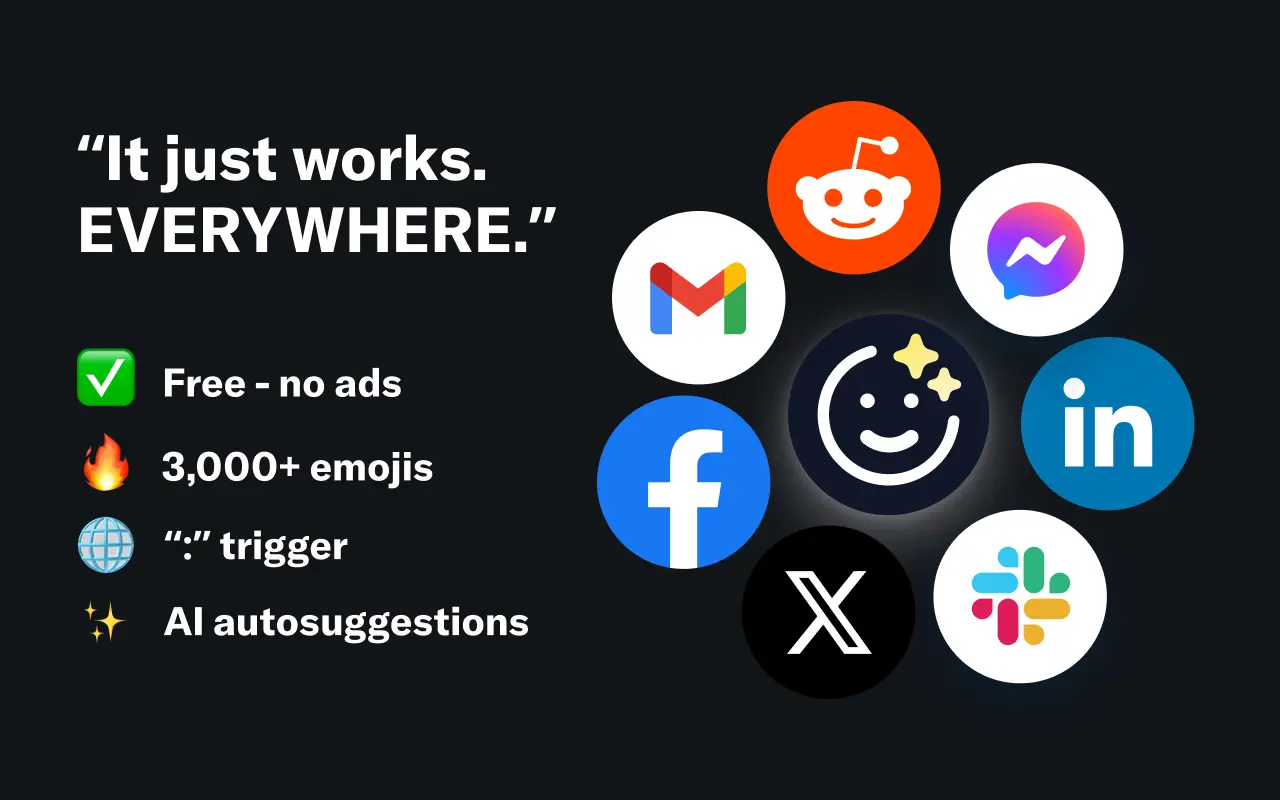
EmojAI
AI-powered emoji picker with smart, context-aware suggestions 🤖
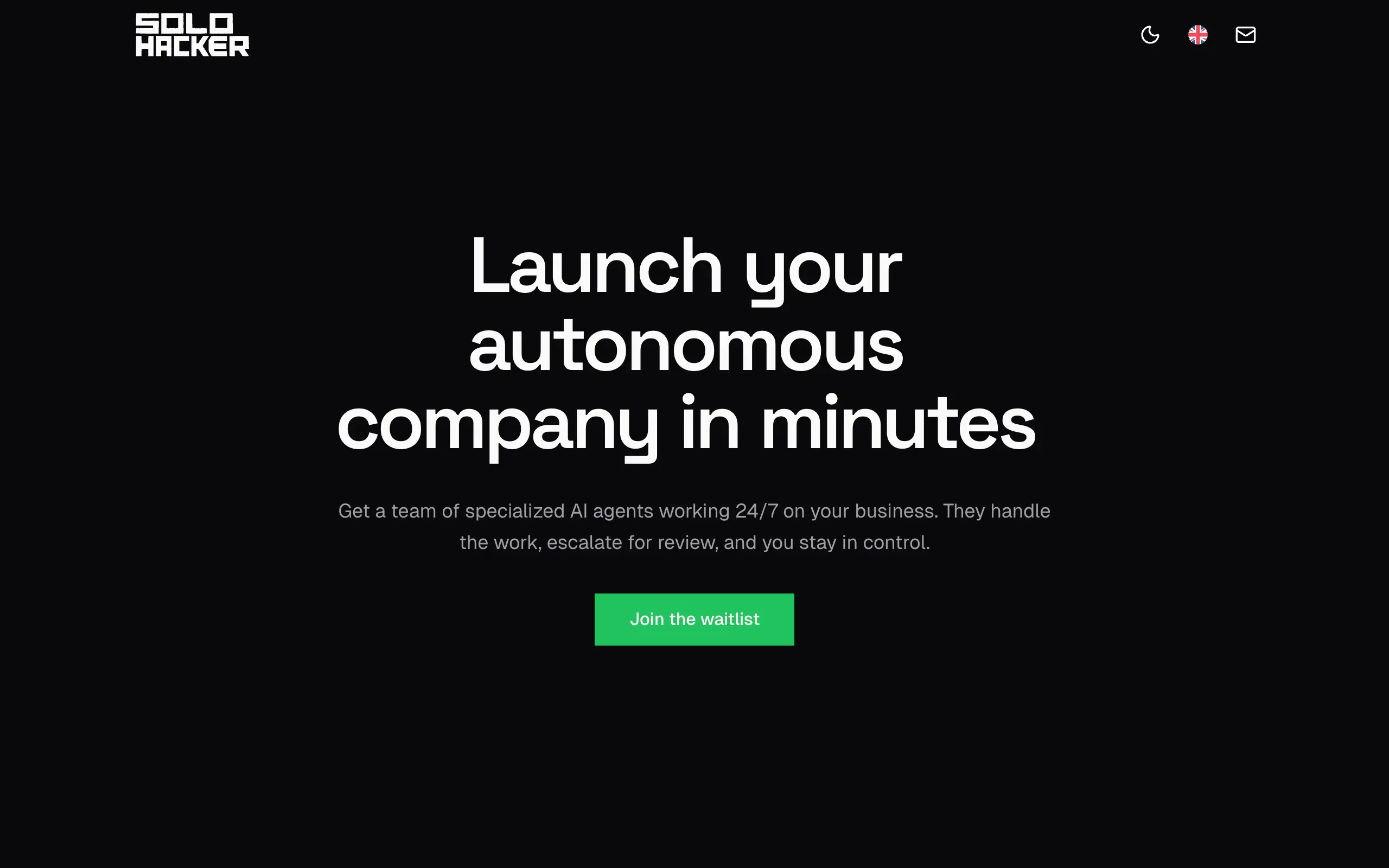
Solohacker
Autonomous company launcher - AI agents work 24/7, escalate what matters, and you stay in control 🤖
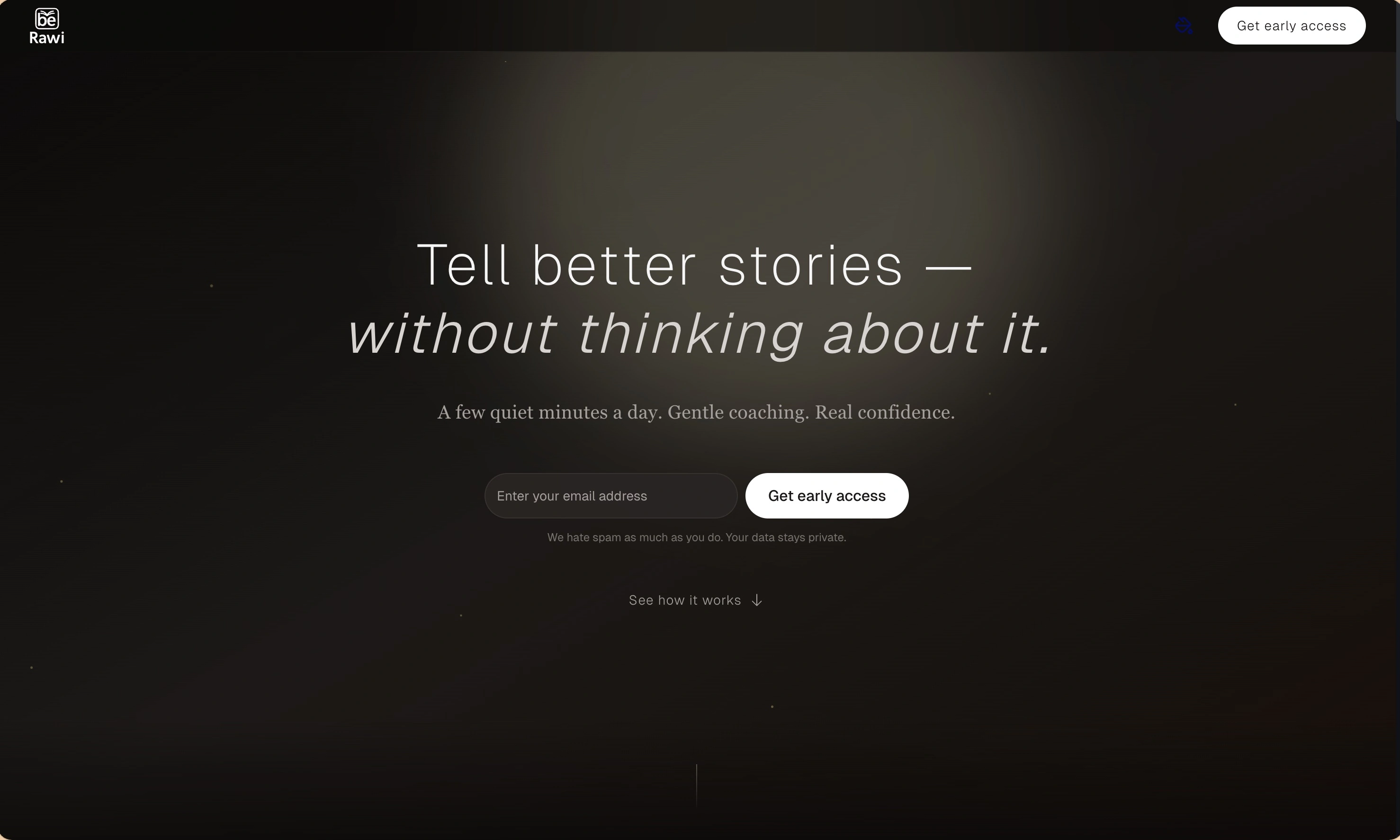
BeRawi: Storytelling Coach
Practice storytelling daily with instant feedback to sound clearer, more engaging, and confident 🎤
Omichat
Chat with 50+ AI models, including ChatGPT and Claude, in one place - switch models anytime without losing context 🤖
Claude Fast
Supercharge your Claude Code with 6x effective context window and specialized AI agents 🤖
EmojAI
AI-powered emoji picker with smart, context-aware suggestions 🤖
Solohacker
Autonomous company launcher - AI agents work 24/7, escalate what matters, and you stay in control 🤖
BeRawi: Storytelling Coach
Practice storytelling daily with instant feedback to sound clearer, more engaging, and confident 🎤
Omichat
Chat with 50+ AI models, including ChatGPT and Claude, in one place - switch models anytime without losing context 🤖
Claude Fast
Supercharge your Claude Code with 6x effective context window and specialized AI agents 🤖
EmojAI
AI-powered emoji picker with smart, context-aware suggestions 🤖
Solohacker
Autonomous company launcher - AI agents work 24/7, escalate what matters, and you stay in control 🤖
BeRawi: Storytelling Coach
Practice storytelling daily with instant feedback to sound clearer, more engaging, and confident 🎤
Omichat
Chat with 50+ AI models, including ChatGPT and Claude, in one place - switch models anytime without losing context 🤖
Claude Fast
Supercharge your Claude Code with 6x effective context window and specialized AI agents 🤖
EmojAI
AI-powered emoji picker with smart, context-aware suggestions 🤖
Solohacker
Autonomous company launcher - AI agents work 24/7, escalate what matters, and you stay in control 🤖
BeRawi: Storytelling Coach
Practice storytelling daily with instant feedback to sound clearer, more engaging, and confident 🎤

Connect with like-minded people
Join our community to get feedback, support, and grow together with 1,000+ builders on board, let's ship it!
Join usShip your startup everywhere. In minutes.
Don't burn tokens on setup and start building features on day one.