SynthNote AI
Turn messy lectures, PDFs, and NotebookLM exports into structured study systems with auto-generated recall drills and spaced repetition plans.
The smarter way to turn messy notes into high-performance study systems
Students today are drowning in information but starving for structure.
Between recorded lectures, exported PDFs, Google Docs, slides, and AI-generated summaries from tools like NotebookLM, the modern learner accumulates massive amounts of content — yet struggles to convert it into long-term memory.
That’s where AI-powered study system builders like SynthNote AI come in.
This article explores the full strategy, market opportunity, technical architecture, and go-to-market blueprint behind a SaaS platform that transforms unstructured academic content into structured, recall-driven, spaced-repetition study systems.
If you're validating this idea, building it, or investing in it — this guide will give you the complete roadmap.
Why students struggle despite having more tools than ever
The real problem isn’t content — it’s structure
Today’s students use:
- AI summaries (ChatGPT, NotebookLM)
- Recorded lectures
- PDF textbooks
- Class notes
- Slides
- Flashcard apps
- Notion databases
- Obsidian vaults
Yet retention remains low.
Why?
Because learning is not information consumption — it’s retrieval practice over time.
Most note-taking apps optimize for storage and organization. Very few optimize for:
- Active recall
- Spaced repetition
- Cognitive load management
- Systematic review planning
Students end up with:
- 300 pages of summarized content
- 0 structured recall plan
- Last-minute cramming cycles
This gap creates a clear opportunity for an AI-powered study system builder.
Primary keyword focus: AI study system builder
Throughout this article, we’ll analyze how an AI study system builder like SynthNote AI can dominate the productivity and edtech space by converting unstructured academic material into:
- Structured notes
- Auto-generated recall drills
- Spaced repetition schedules
- Concept hierarchies
- Active learning workflows
Target audience analysis
Understanding user intent is critical for building a successful SaaS.
1. University students (core segment)
Pain points:
- Overwhelmed by lecture content
- Inefficient study sessions
- Poor exam retention
- No structured review timeline
High-demand fields:
- Medicine
- Law
- Engineering
- Computer Science
- Pre-med tracks
These students need systems — not summaries.
2. High-performing competitive exam takers
Examples:
- MCAT
- USMLE
- LSAT
- GRE
- Bar exam
- CFA
These learners:
- Already use Anki or flashcards
- Value spaced repetition
- Want structured recall
- Need efficiency
They are willing to pay for performance gains.
3. AI-native learners
Students who:
- Export NotebookLM summaries
- Use ChatGPT for note compression
- Create PDFs from lecture transcripts
- Use Notion/Obsidian heavily
Their pain point: fragmented AI outputs with no learning structure.
User search intent breakdown
Users searching for:
- “Turn lecture notes into flashcards automatically”
- “AI spaced repetition generator”
- “Convert PDF to study system”
- “Best AI tool for exam prep”
Are not looking for:
- A generic note-taking app
- A document viewer
They want:
- Structured learning workflow
- Automated recall design
- Time-based review planning
SynthNote AI directly satisfies this intent.
Market opportunity and gap analysis
EdTech and AI convergence
The global EdTech market continues to expand rapidly (industry reports from HolonIQ and Global Market Insights show multi-billion dollar annual growth trajectories). Simultaneously:
- AI adoption in education is accelerating
- Students increasingly trust AI-generated summaries
- Productivity SaaS tools are normalized
Yet most tools fall into one of these categories:
- Note storage (Notion, Obsidian)
- Flashcards (Anki, Quizlet)
- AI summarization (ChatGPT, NotebookLM)
- LMS platforms (Canvas, Blackboard)
What’s missing?
A bridge layer that converts content → structured learning architecture.
That’s the gap.
Competitive landscape comparison
Let’s compare key tools in the space.
| Feature | Notion | Anki | NotebookLM | SynthNote AI | Quizlet |
|---|---|---|---|---|---|
| AI summarization | ✅ | ❌ | ✅ | ✅ | ✅ |
| Auto recall drills | ❌ | ✅ | ❌ | ✅ | ✅ |
| Spaced repetition planning | ❌ | ✅ | ❌ | ✅ | Limited |
| PDF to structured system | ❌ | ❌ | Partial | ✅ | ❌ |
| Full study workflow | ❌ | ❌ | ❌ | ✅ | ❌ |
Key insight: SynthNote AI doesn’t replace existing tools — it orchestrates them into a cohesive learning system.
Core product vision: From chaos to cognitive architecture
SynthNote AI is not a note-taking app.
It’s an AI-powered study system builder that transforms unstructured input into:
- Concept hierarchies
- Atomic knowledge blocks
- Recall prompts
- Difficulty-weighted flashcards
- Spaced repetition timelines
- Weekly review dashboards
Core features breakdown
1. Multi-format ingestion engine
Supports:
- Lecture transcripts
- PDF uploads
- NotebookLM exports
- Markdown files
- Google Docs paste
- Audio transcription imports
AI processes content into:
- Topic clusters
- Subtopic trees
- Concept graphs
2. AI knowledge decomposition
Instead of summarizing, the system:
- Breaks content into atomic units
- Extracts definitions
- Identifies cause-effect relationships
- Builds conceptual dependencies
This is critical for long-term retention.
3. Automatic recall drill generation
Each concept generates:
- Active recall questions
- Fill-in-the-blank prompts
- Reverse questions
- Scenario-based applications
Example:
// Example AI-generated recall structure
{
  concept: "Action Potential",
  definition: "Rapid electrical signal in neurons",
  recallPrompts: [
    "Define action potential.",
    "What ion movement triggers depolarization?",
    "Explain action potential in 3 steps."
  ],
  difficultyScore: 0.72
}
4. Dynamic spaced repetition planning
Instead of static flashcards:
- Difficulty-weighted scheduling
- Cognitive load balancing
- Time-aware planning (exam date input)
If exam date = 30 days away:
- System auto-generates optimal review frequency
- Increases intervals after successful recall
- Compresses weak areas
5. Study dashboard
Displays:
- Retention rate
- Weak concepts
- Review velocity
- Projected exam readiness
This turns studying into a performance system.
Unique selling proposition (USP)
SynthNote AI doesn’t summarize content — it transforms it into a structured cognitive training system.
Key differentiators:
- End-to-end workflow
- AI-generated spaced repetition
- Knowledge graph-based recall
- Exam-aware planning
- Input-agnostic ingestion
Recommended tech stack
Choosing the right tech stack affects scalability, performance, and cost.
Frontend
- React for UI
- Next.js for SSR & routing
- TailwindCSS for fast styling
Why?
- Strong ecosystem
- Fast iteration
- SEO-friendly pages
- Modern component architecture
Backend
Options:
Serverless-first architecture
- Next.js API routes
- Vercel functions
- OpenAI API for LLM processing
- Pinecone for vector storage
Pros:
- Fast to ship
- Lower DevOps overhead
- Scales automatically
Cons:
- High LLM usage cost
- Less customization
Dedicated AI microservice
- Node.js backend
- Python AI microservice
- Custom prompt orchestration
- Vector DB (Weaviate or Pinecone)
Pros:
- Fine-tuned control
- Lower cost at scale
- Custom learning models
Cons:
- More infrastructure complexity
Database layer
- PostgreSQL for relational data
- Redis for session & caching
- Vector database for embeddings
Authentication & payments
- Clerk or Auth.js
- Stripe for subscriptions
Monetization strategy
1. Freemium model (recommended)
Free tier:
- 2 uploads per month
- Limited recall drills
- Basic dashboard
Pro tier ($15–25/month):
- Unlimited uploads
- Full spaced repetition engine
- Exam date planning
- Advanced analytics
2. Power user tier
For medical or law students:
- Priority processing
- Advanced concept graph visualization
- API export to Anki
3. Institutional licensing
- University bulk licenses
- Exam prep companies
- Coaching institutes
Growth strategy
1. SEO-driven acquisition
High-intent keywords:
- “Convert PDF to flashcards automatically”
- “AI spaced repetition tool”
- “Turn lecture notes into study plan”
- “NotebookLM to flashcards”
Each keyword can rank with:
- Feature pages
- Blog tutorials
- Case studies
2. Viral student loops
Students share:
- Generated recall decks
- Study dashboards
- Exam performance improvements
Gamified leaderboards increase retention.
3. YouTube + TikTok study community
Demonstrate:
- Before vs after workflow
- 30-day exam prep transformation
- AI study hacks
Risks and mitigation
Risk 1: AI hallucinations
Mitigation:
- Use citation extraction
- Provide source traceability
- Allow user edits
Risk 2: High inference costs
Mitigation:
- Chunking optimization
- Embedding reuse
- Caching
- Tiered processing
Risk 3: Students reverting to free tools
Mitigation:
- Offer structured system advantage
- Show measurable retention gains
- Integrate with Anki exports
Implementation roadmap
MVP feature prioritization
Use the 80/20 rule.
Must-have
- PDF ingestion
- AI concept breakdown
- Auto recall generation
- Basic spaced repetition
Later
- Knowledge graph visualization
- Collaboration
- Mobile app
- Offline mode
Technical example: Spaced repetition logic
function calculateNextReview(interval: number, performance: number) {
  const difficultyMultiplier = 1 + (performance - 0.5);
  return interval * difficultyMultiplier;
}
In production:
- Use SM-2 algorithm variations
- Adjust based on recall latency
- Track decay curves
Why this idea aligns with cognitive science
Research in educational psychology supports:
- Active recall > passive review
- Spaced repetition > cramming
- Interleaving improves retention
- Retrieval difficulty improves long-term memory
SynthNote AI operationalizes these principles.
That’s powerful positioning.
Competitive moat potential
Data moat
Over time:
- User recall data
- Difficulty metrics
- Retention curves
This enables:
- Personalized learning optimization
- Proprietary scheduling improvements
Behavioral lock-in
Once students:
- Upload all lectures
- Track exam readiness
- Build habit loops
Switching cost increases.
Expansion opportunities
Mobile app
Daily micro-review sessions with push notifications.
Institutional analytics
University-level performance dashboards.
AI tutoring mode
Socratic questioning for weak concepts.
Why timing is perfect
2025–2026 trends:
- AI-native students entering universities
- Increased trust in LLM tools
- Demand for structured productivity systems
- Growing competitive exam intensity
The market is primed for an AI study system builder.
How to build and launch efficiently
If you're a solo founder or small team, speed matters.
Use:
- Next.js + React
- Stripe subscriptions
- LLM APIs
- Prebuilt SaaS starter infrastructure like TurboStarter
This reduces:
- Auth complexity
- Billing setup time
- Boilerplate coding
- Deployment friction
Focus engineering effort on:
- AI learning engine
- Spaced repetition logic
- UX clarity
Go-to-market positioning statement
“Turn messy lectures into a structured recall system in minutes.”
Clear. Outcome-driven. Exam-focused.
Final execution checklist
- 100+ waitlist signups
- 20 beta testers
- 5 case studies showing improved retention
- Optimized LLM cost per user
- Scalable ingestion pipeline
- Error handling for large PDFs
- SEO landing pages
- Demo video
- Student ambassador program
The bottom line
The future of learning is not more information.
It’s structured cognition.
SynthNote AI fits into a powerful market gap between:
- Content storage
- Flashcards
- AI summarization
By combining:
- AI ingestion
- Knowledge decomposition
- Recall generation
- Spaced repetition planning
It becomes a true AI-powered study system builder — not just another note app.
If executed well, this product can become indispensable to high-performance students worldwide.
More ⚡ Productivity Tool SaaS ideas
Discover more innovative productivity tool SaaS ideas that are trending in 2026. Each idea is AI-generated with market validation and growth potential to help you find your next profitable venture faster than competitors.
Your competitors are building with TurboStarter
Below are some of the SaaS ideas that have been generated and built with our starter kit.
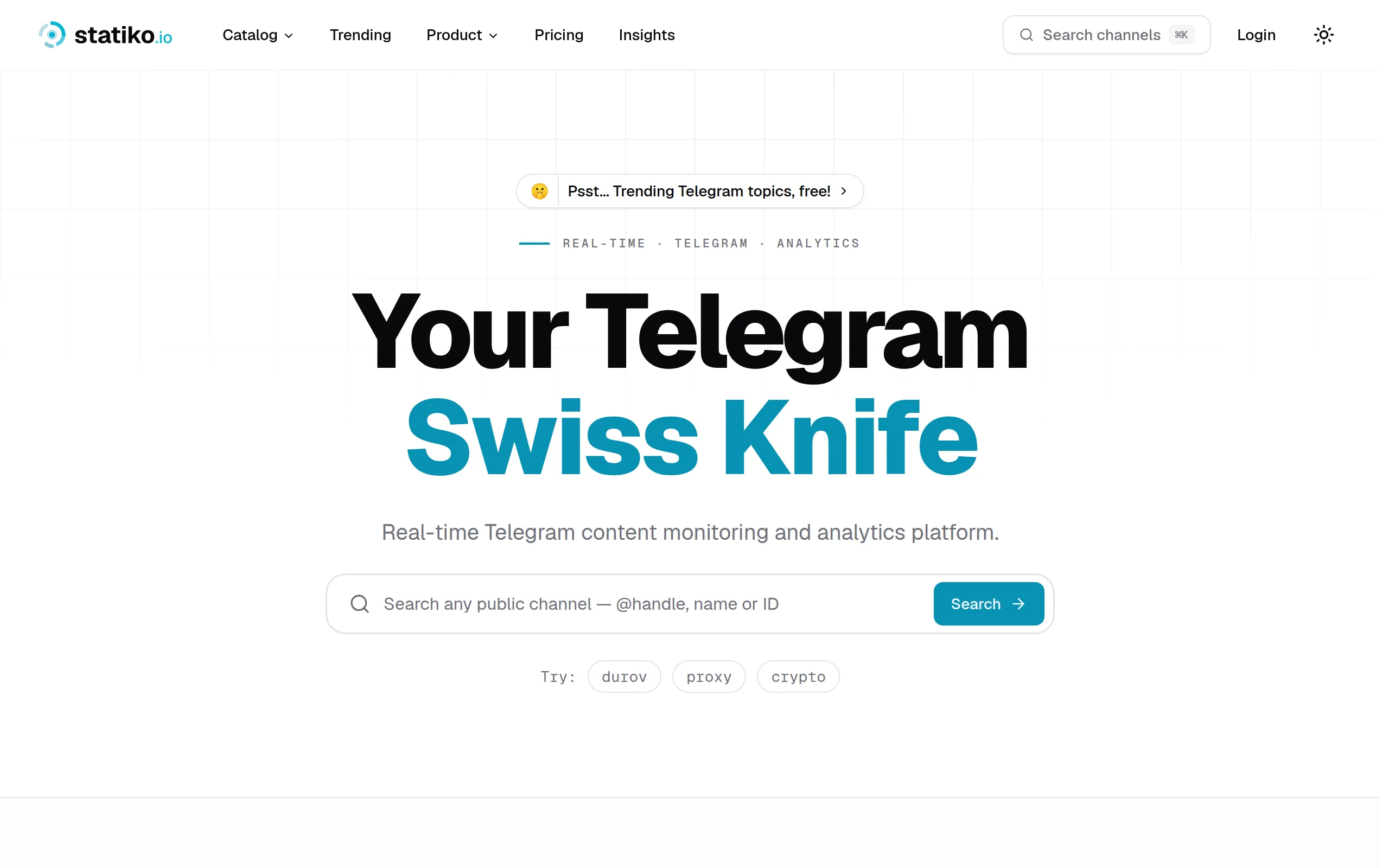
Statiko
Monitor any Telegram channel in real time - track posts, edits, deletions, and growth with AI recaps 📡

Shibui
AI website builder - describe your business, pick a niche template, edit by chatting, and publish instantly ✨

Pro Service
Find verified home service professionals, compare quotes, and pay securely through escrow - built for Brazilians across the US 🏠
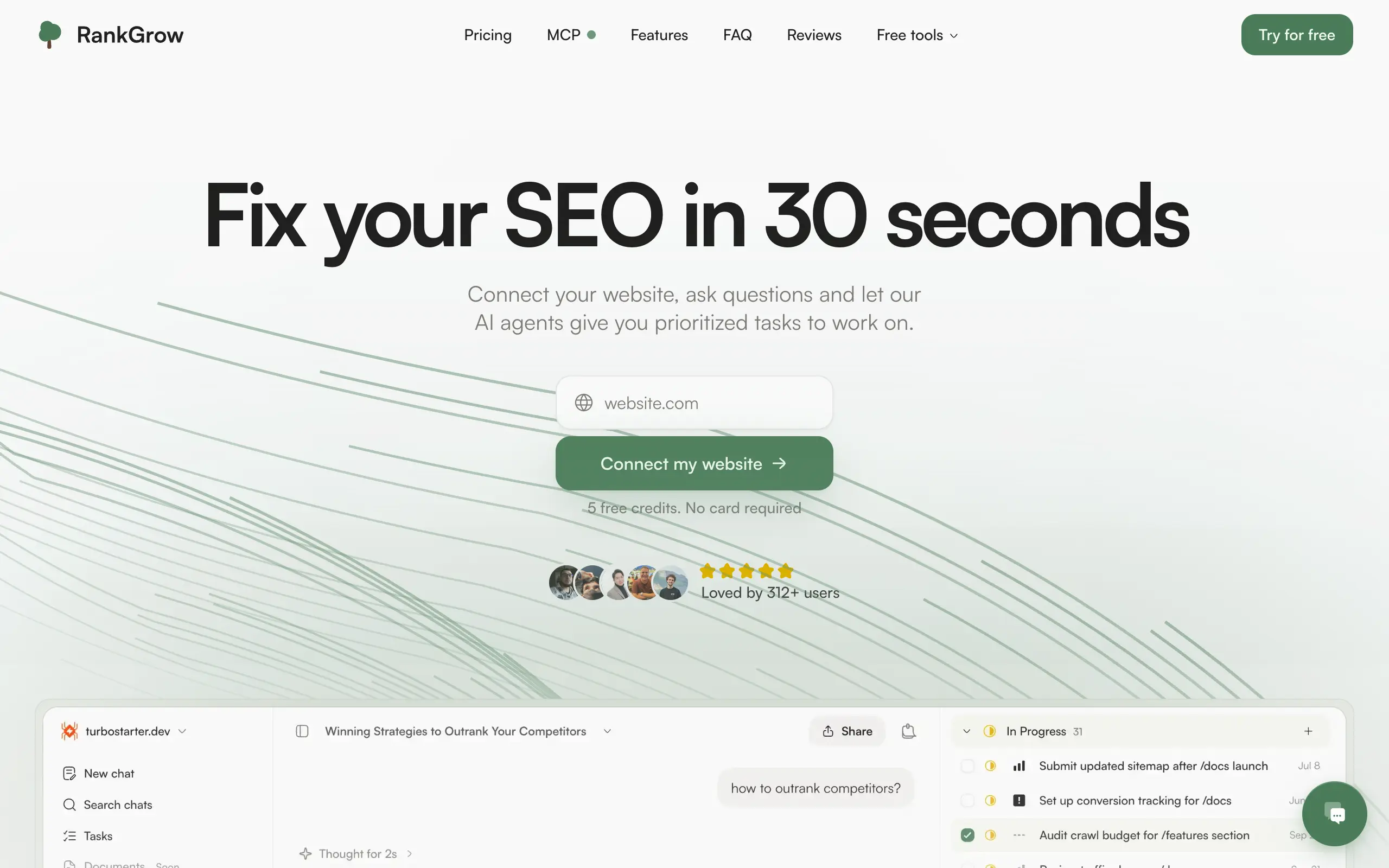
RankGrow
Fix your SEO with AI agents - connect Search Console, get prioritized tasks, and grow organic traffic 📈
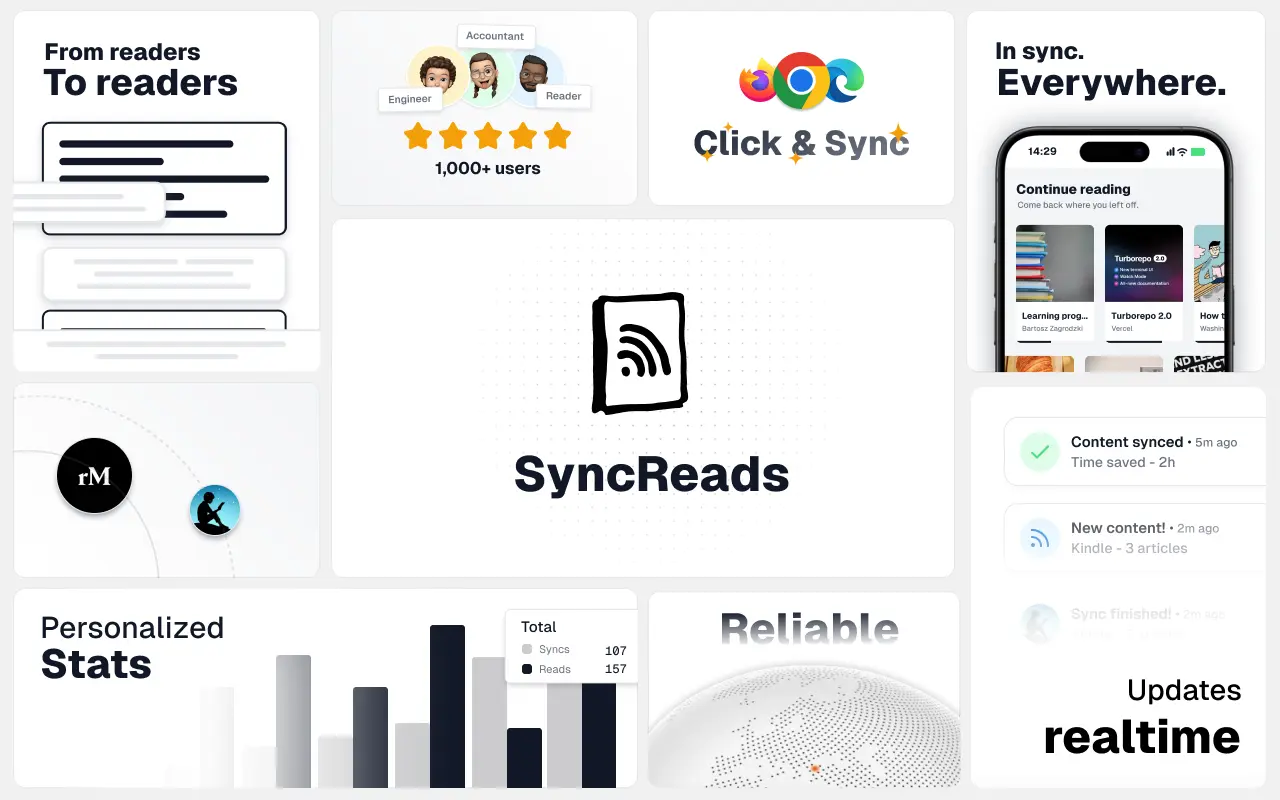
SyncReads
Sync your favorite content for distraction-free reading, save time and replace multiple apps. Anytime, anywhere 🔄
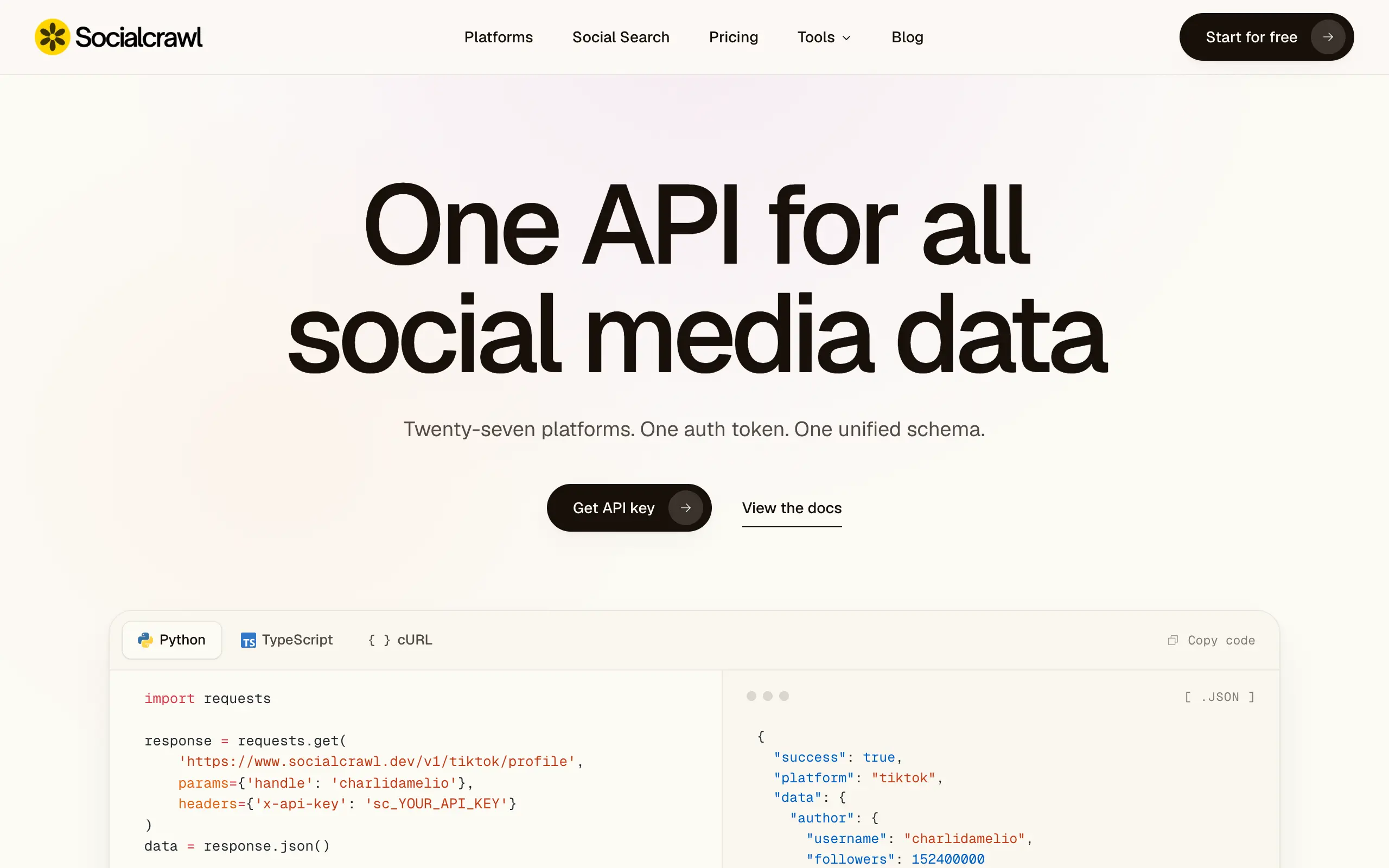
Socialcrawl
Get clean, structured data from 21 platforms like TikTok, Instagram, and YouTube with a single request 📊
Statiko
Monitor any Telegram channel in real time - track posts, edits, deletions, and growth with AI recaps 📡
Shibui
AI website builder - describe your business, pick a niche template, edit by chatting, and publish instantly ✨
Pro Service
Find verified home service professionals, compare quotes, and pay securely through escrow - built for Brazilians across the US 🏠
RankGrow
Fix your SEO with AI agents - connect Search Console, get prioritized tasks, and grow organic traffic 📈
SyncReads
Sync your favorite content for distraction-free reading, save time and replace multiple apps. Anytime, anywhere 🔄
Socialcrawl
Get clean, structured data from 21 platforms like TikTok, Instagram, and YouTube with a single request 📊
Statiko
Monitor any Telegram channel in real time - track posts, edits, deletions, and growth with AI recaps 📡
Shibui
AI website builder - describe your business, pick a niche template, edit by chatting, and publish instantly ✨
Pro Service
Find verified home service professionals, compare quotes, and pay securely through escrow - built for Brazilians across the US 🏠
RankGrow
Fix your SEO with AI agents - connect Search Console, get prioritized tasks, and grow organic traffic 📈
SyncReads
Sync your favorite content for distraction-free reading, save time and replace multiple apps. Anytime, anywhere 🔄
Socialcrawl
Get clean, structured data from 21 platforms like TikTok, Instagram, and YouTube with a single request 📊
Statiko
Monitor any Telegram channel in real time - track posts, edits, deletions, and growth with AI recaps 📡
Shibui
AI website builder - describe your business, pick a niche template, edit by chatting, and publish instantly ✨
Pro Service
Find verified home service professionals, compare quotes, and pay securely through escrow - built for Brazilians across the US 🏠
RankGrow
Fix your SEO with AI agents - connect Search Console, get prioritized tasks, and grow organic traffic 📈
SyncReads
Sync your favorite content for distraction-free reading, save time and replace multiple apps. Anytime, anywhere 🔄
Socialcrawl
Get clean, structured data from 21 platforms like TikTok, Instagram, and YouTube with a single request 📊
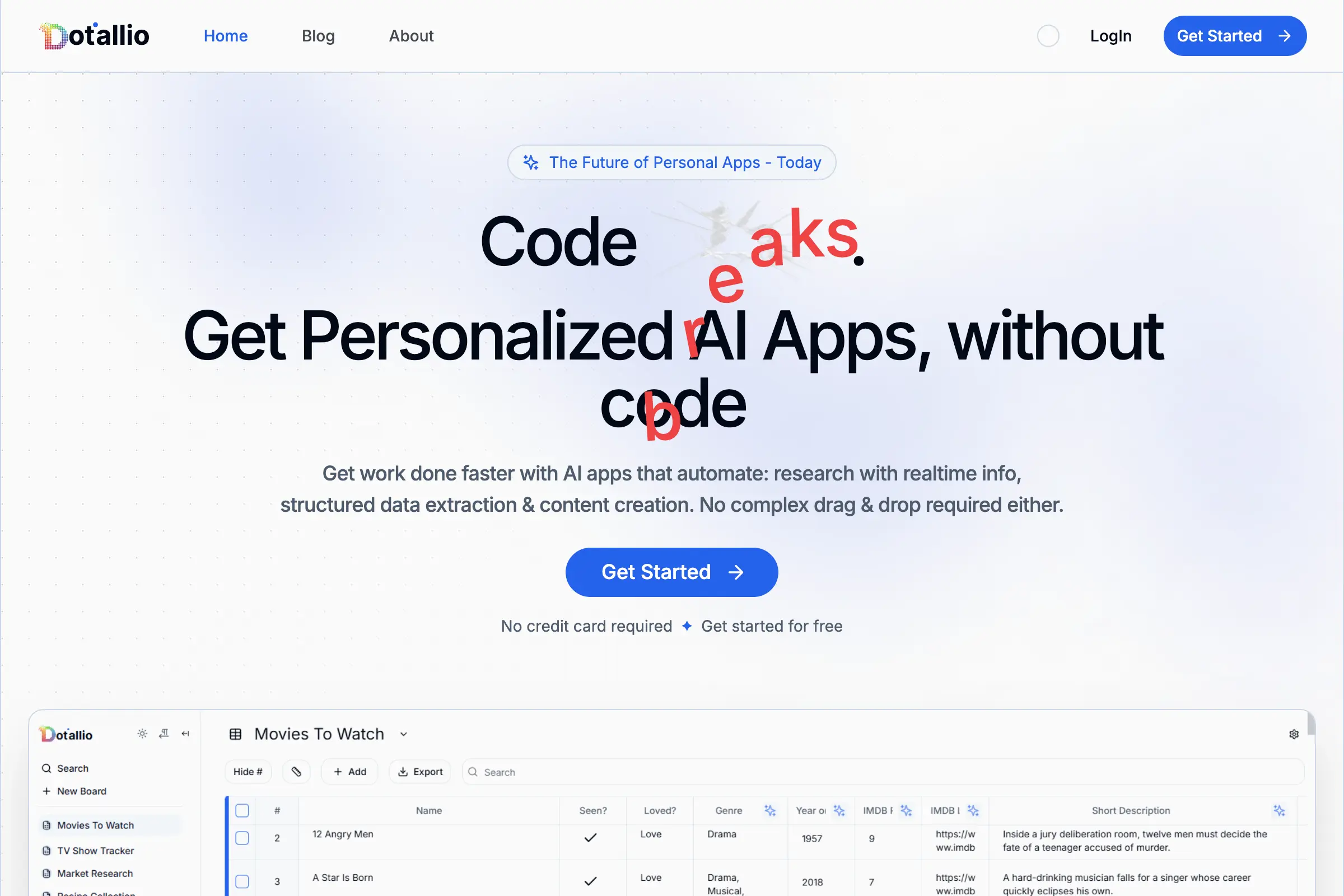
Dotallio
Personalized AI apps that automate research, data extraction, and content creation without code 🤖
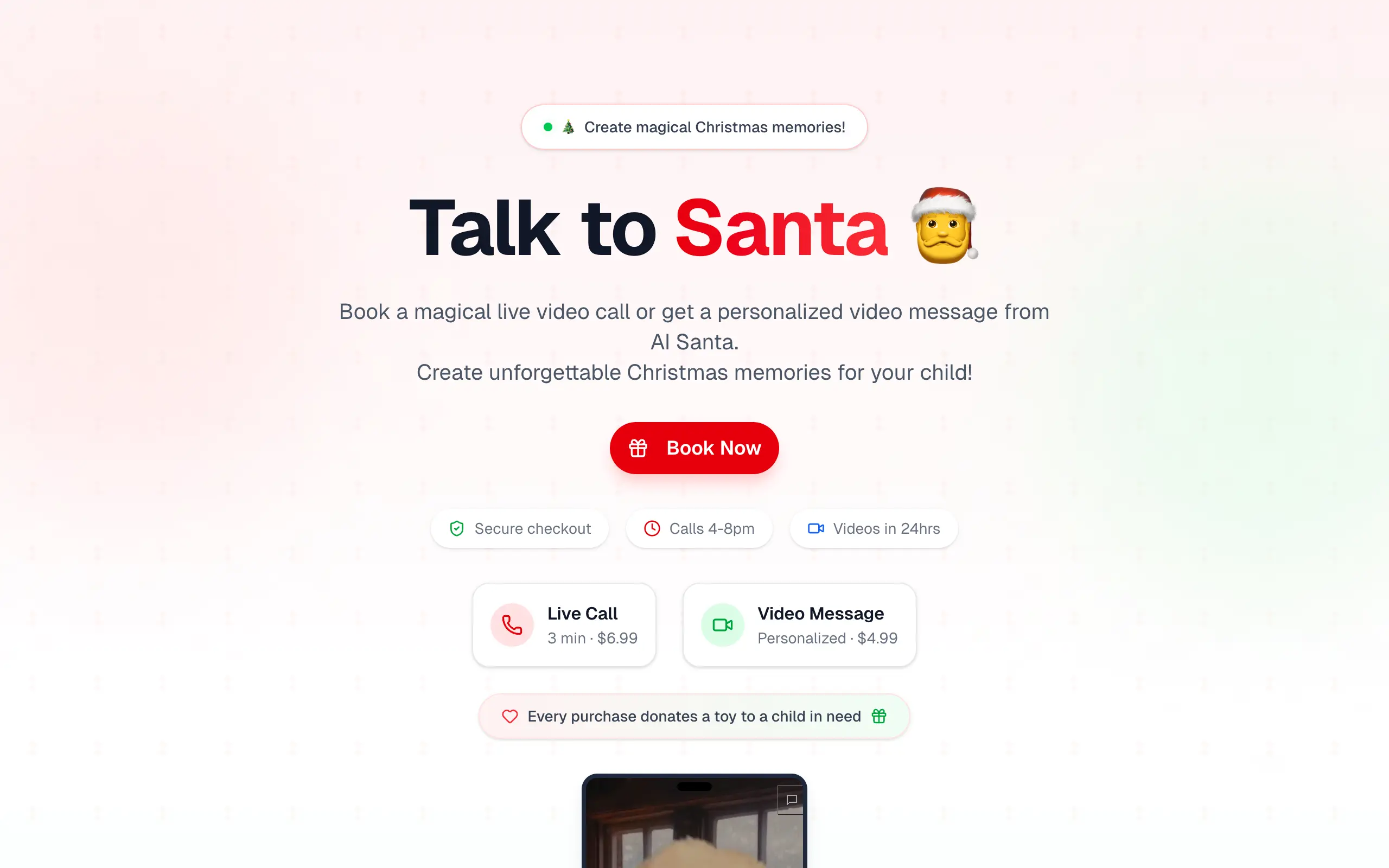
Talk to Santa
Enjoy a magical live video chat or receive a unique AI-generated video greeting from Santa Claus 🎅
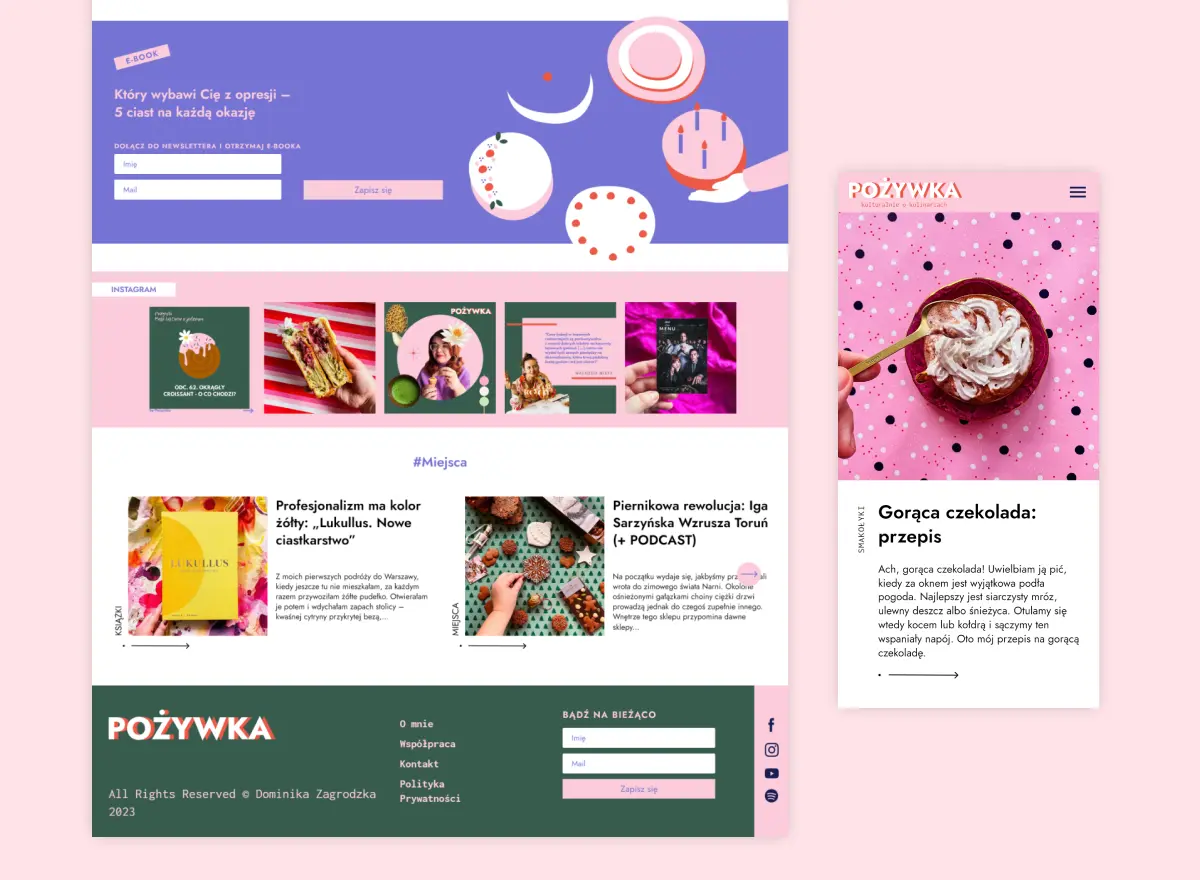
pozywka.pl
Scalable blog for food journalist, focused on performance and user experience 🌭
zagrodzki.me
Personal blog and portfolio of Bart Zagrodzki, where he shares his knowledge and work 💼
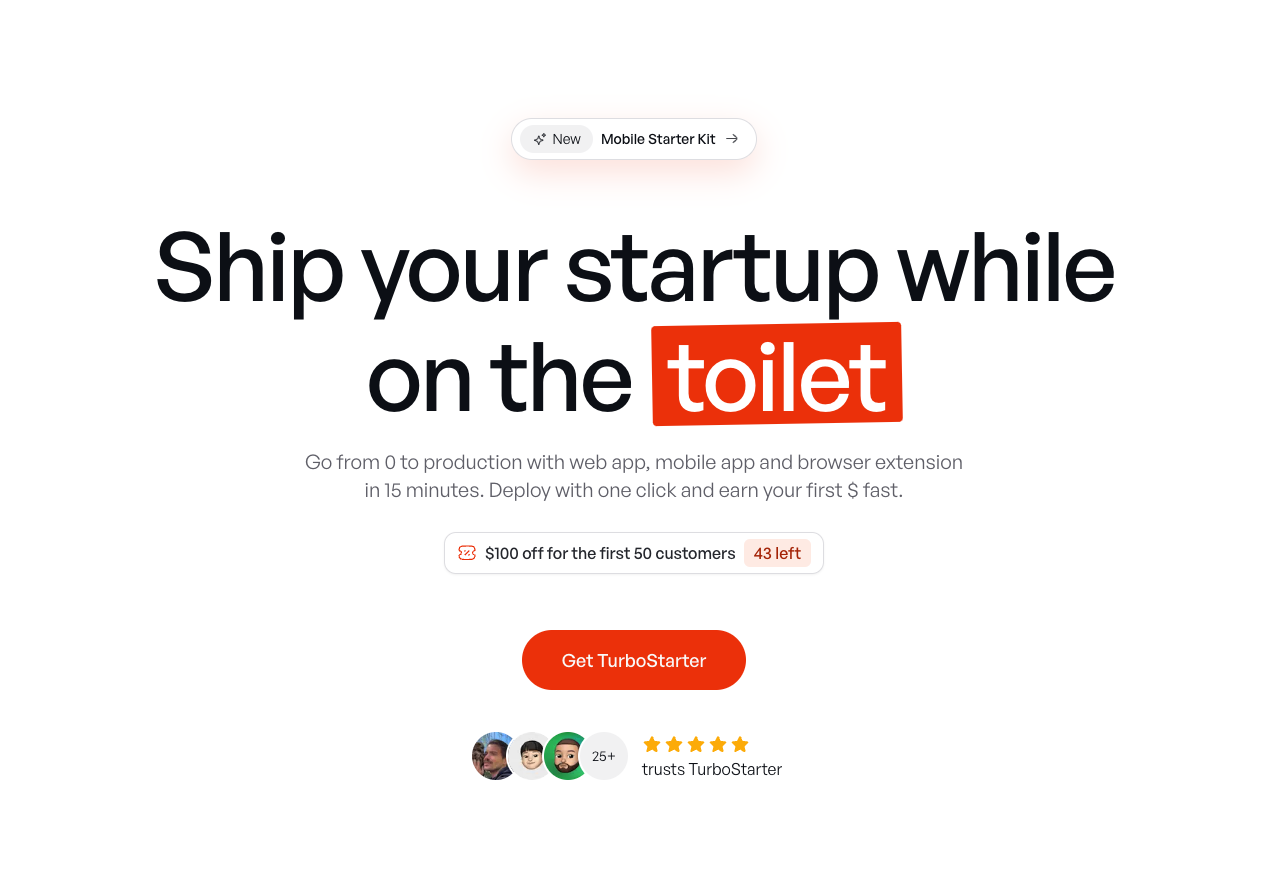
TurboStarter
Ship your startup everywhere. In minutes.
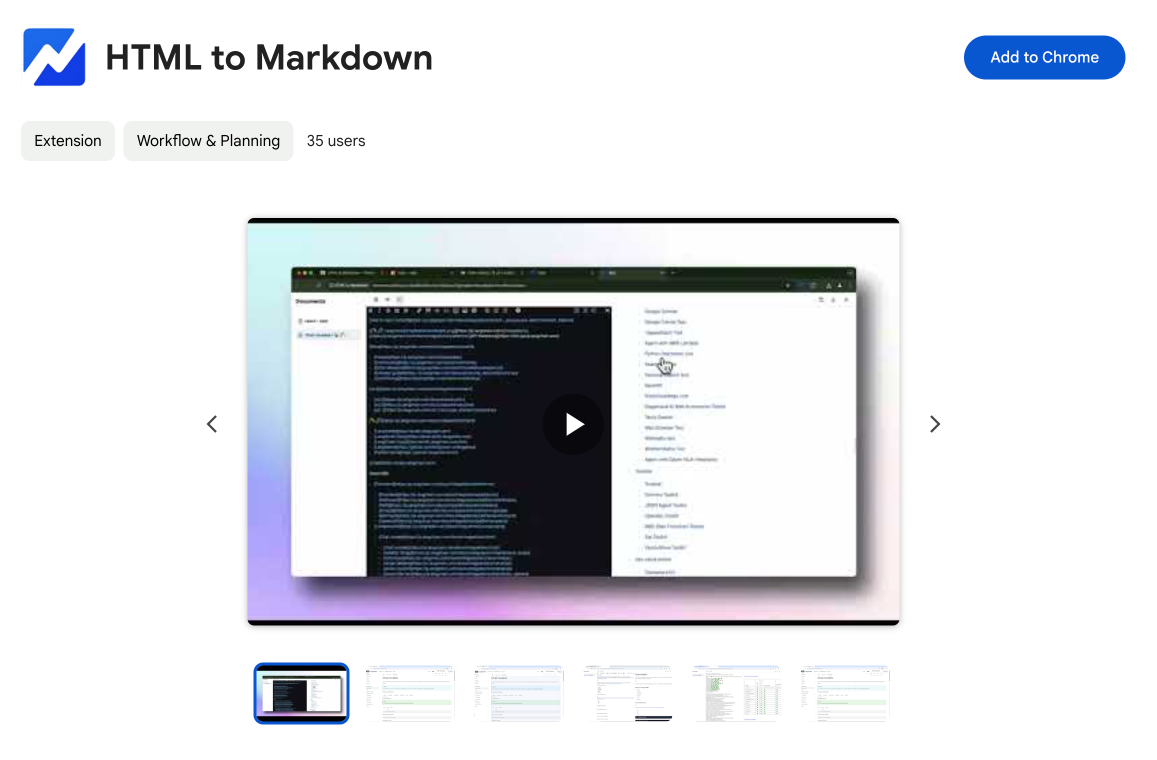
HTML to Markdown
Convert HTML to Markdown with ease, directly in your browser 📄
Dotallio
Personalized AI apps that automate research, data extraction, and content creation without code 🤖
Talk to Santa
Enjoy a magical live video chat or receive a unique AI-generated video greeting from Santa Claus 🎅
pozywka.pl
Scalable blog for food journalist, focused on performance and user experience 🌭
zagrodzki.me
Personal blog and portfolio of Bart Zagrodzki, where he shares his knowledge and work 💼
TurboStarter
Ship your startup everywhere. In minutes.
HTML to Markdown
Convert HTML to Markdown with ease, directly in your browser 📄
Dotallio
Personalized AI apps that automate research, data extraction, and content creation without code 🤖
Talk to Santa
Enjoy a magical live video chat or receive a unique AI-generated video greeting from Santa Claus 🎅
pozywka.pl
Scalable blog for food journalist, focused on performance and user experience 🌭
zagrodzki.me
Personal blog and portfolio of Bart Zagrodzki, where he shares his knowledge and work 💼
TurboStarter
Ship your startup everywhere. In minutes.
HTML to Markdown
Convert HTML to Markdown with ease, directly in your browser 📄
Dotallio
Personalized AI apps that automate research, data extraction, and content creation without code 🤖
Talk to Santa
Enjoy a magical live video chat or receive a unique AI-generated video greeting from Santa Claus 🎅
pozywka.pl
Scalable blog for food journalist, focused on performance and user experience 🌭
zagrodzki.me
Personal blog and portfolio of Bart Zagrodzki, where he shares his knowledge and work 💼
TurboStarter
Ship your startup everywhere. In minutes.
HTML to Markdown
Convert HTML to Markdown with ease, directly in your browser 📄
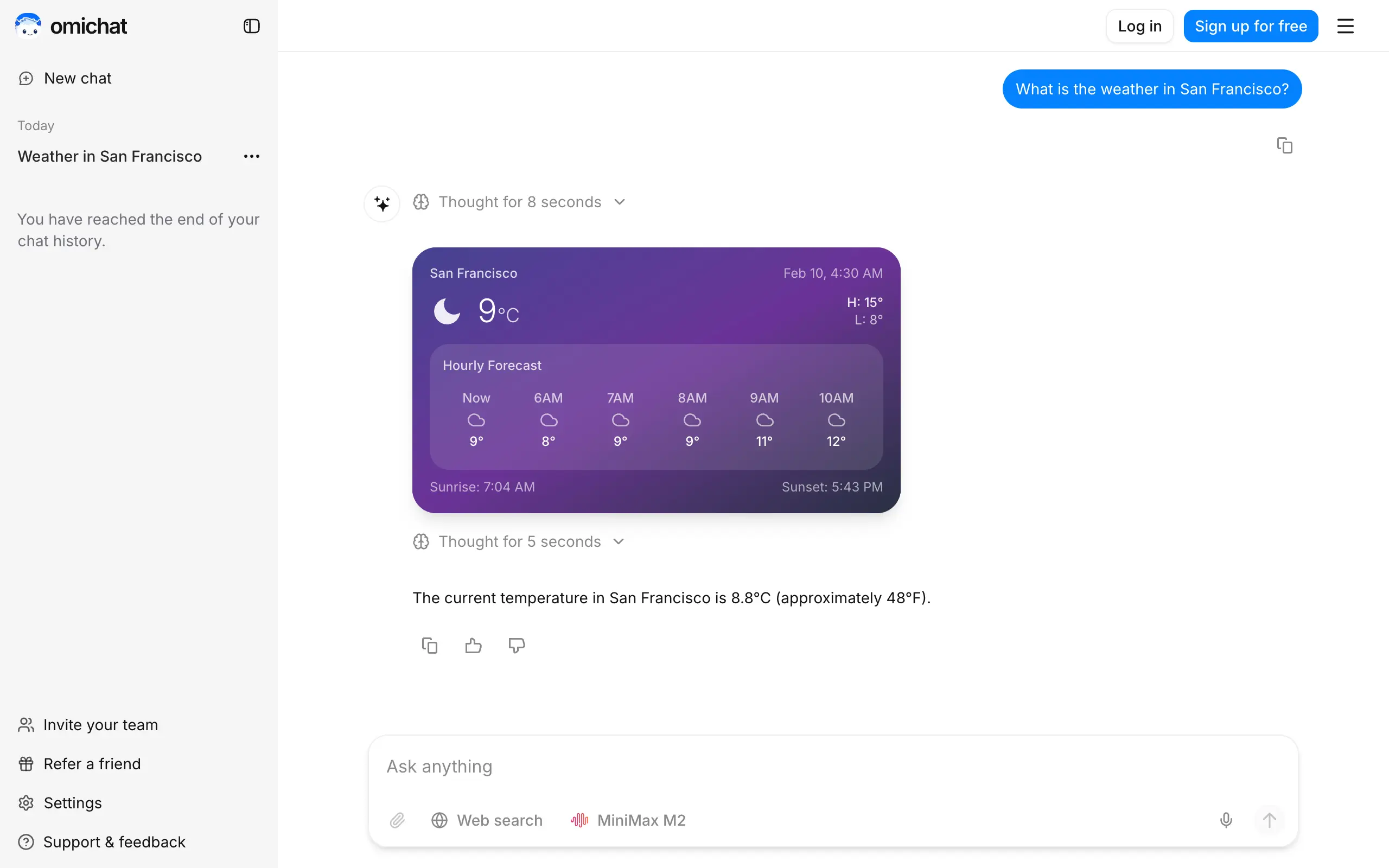
Omichat
Chat with 50+ AI models, including ChatGPT and Claude, in one place - switch models anytime without losing context 🤖
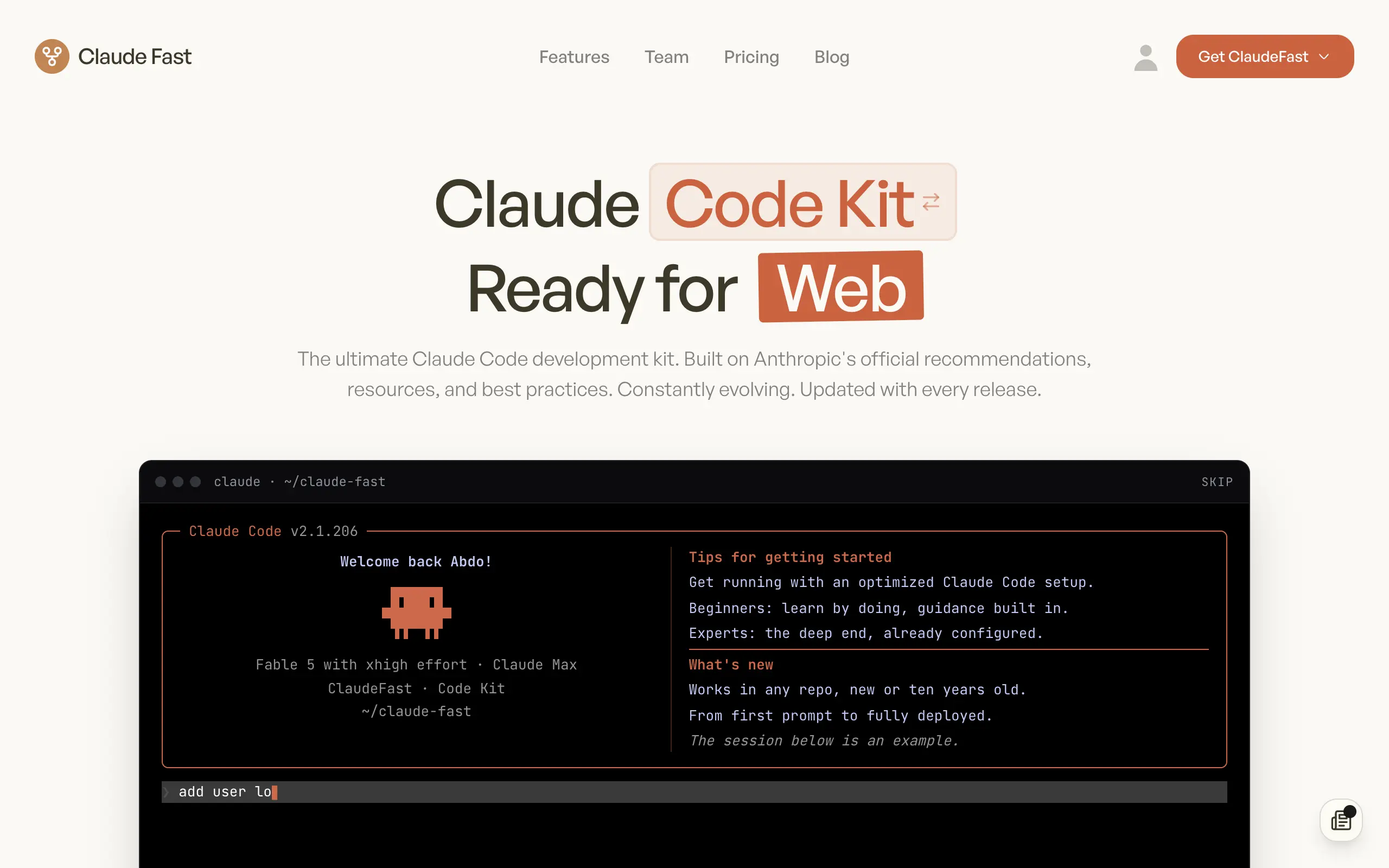
Claude Fast
Supercharge your Claude Code with 6x effective context window and specialized AI agents 🤖
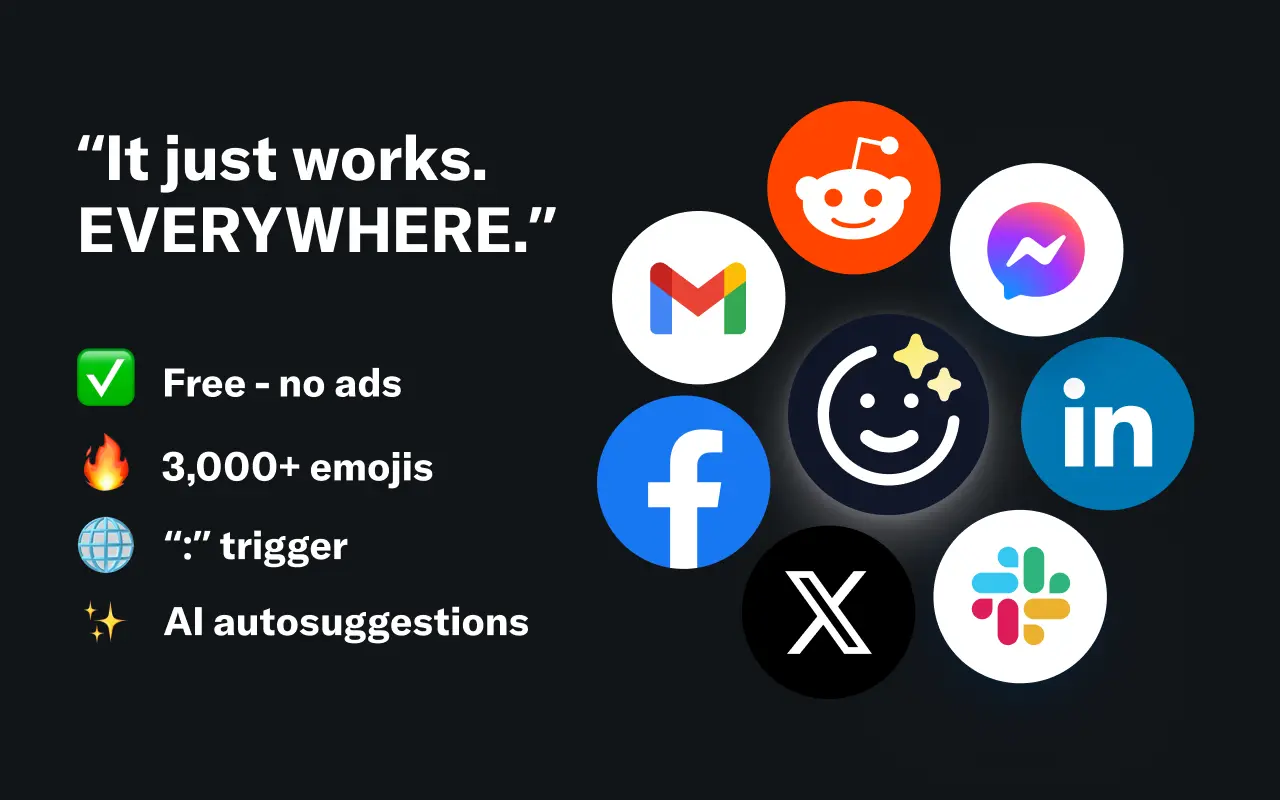
EmojAI
AI-powered emoji picker with smart, context-aware suggestions 🤖
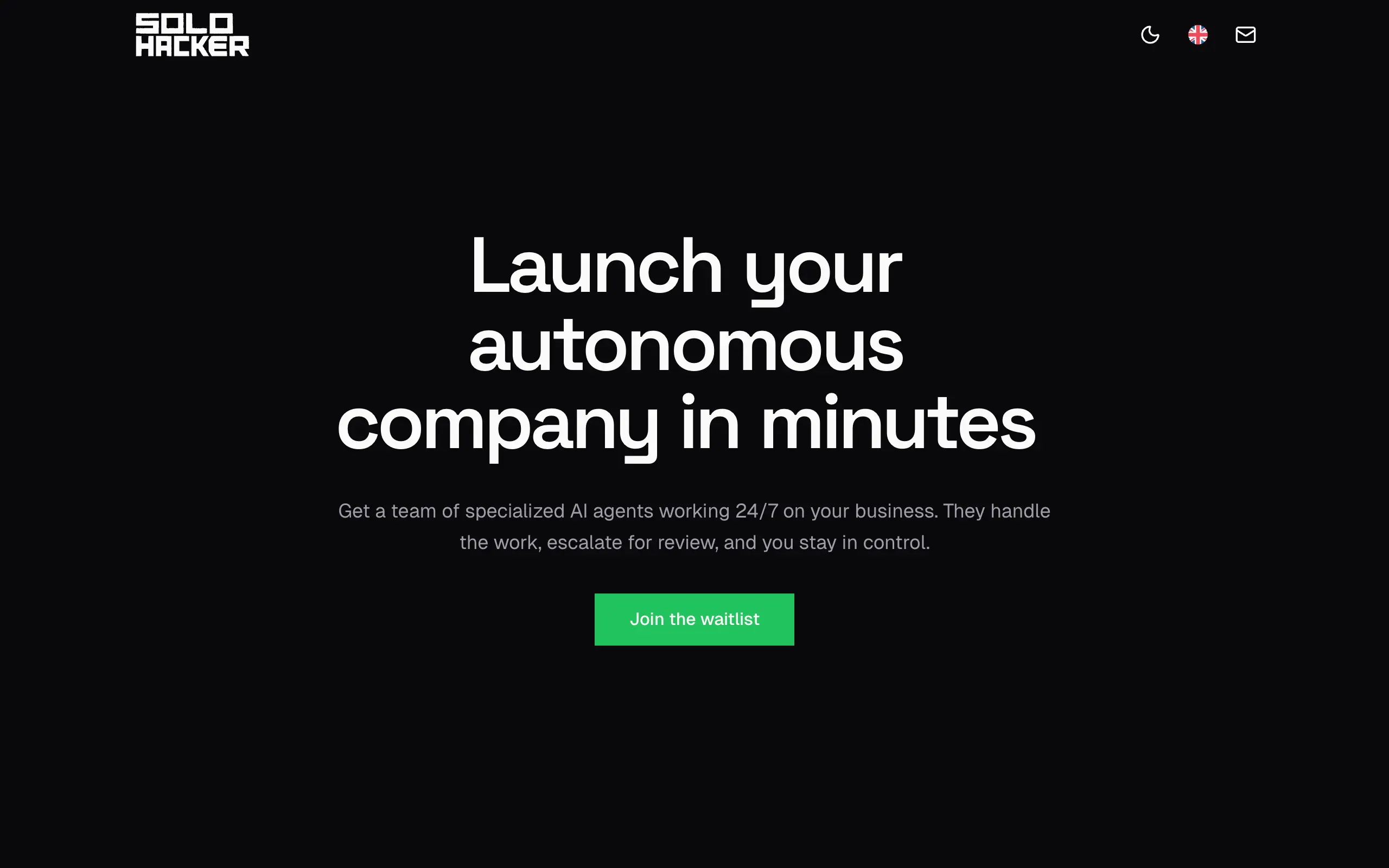
Solohacker
Autonomous company launcher - AI agents work 24/7, escalate what matters, and you stay in control 🤖
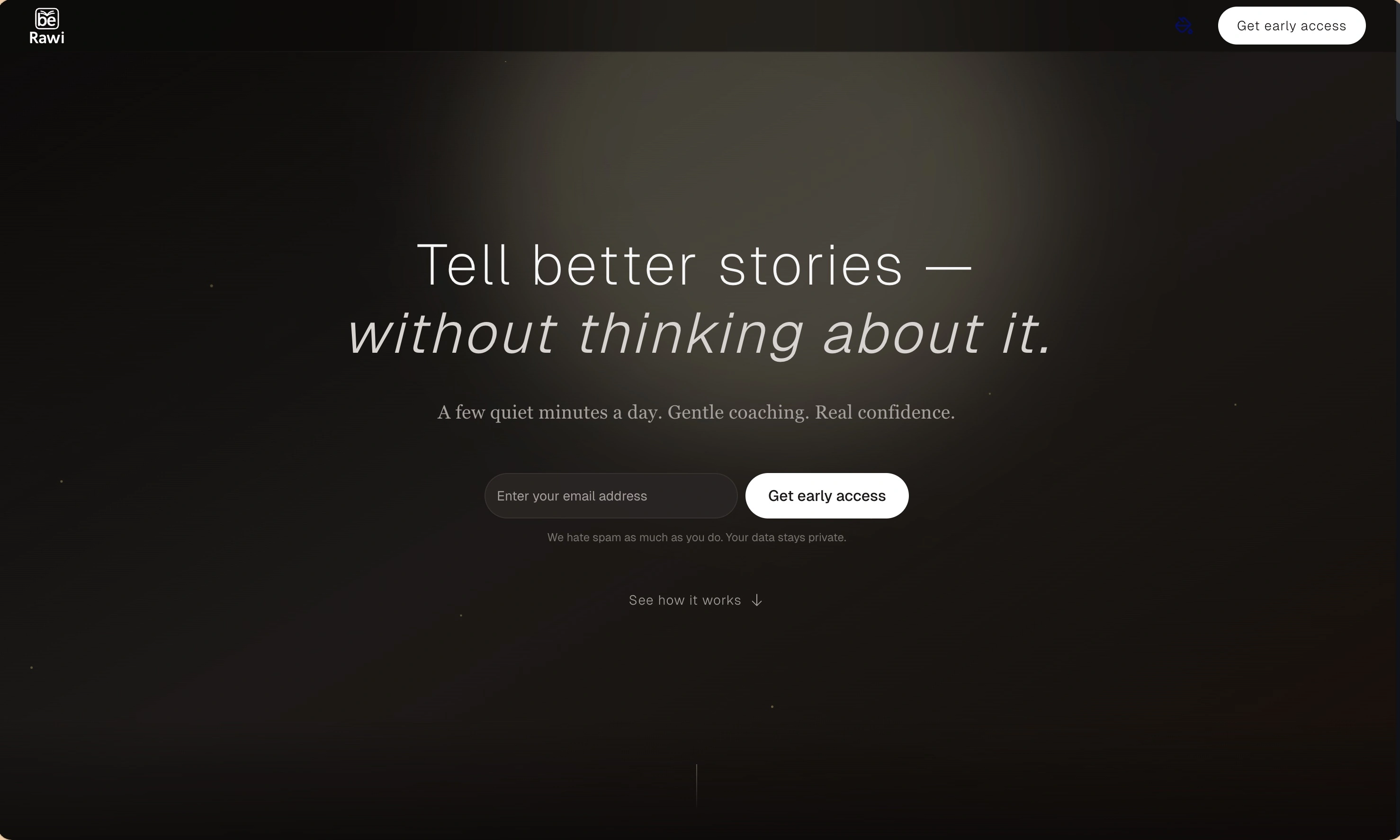
BeRawi: Storytelling Coach
Practice storytelling daily with instant feedback to sound clearer, more engaging, and confident 🎤
Omichat
Chat with 50+ AI models, including ChatGPT and Claude, in one place - switch models anytime without losing context 🤖
Claude Fast
Supercharge your Claude Code with 6x effective context window and specialized AI agents 🤖
EmojAI
AI-powered emoji picker with smart, context-aware suggestions 🤖
Solohacker
Autonomous company launcher - AI agents work 24/7, escalate what matters, and you stay in control 🤖
BeRawi: Storytelling Coach
Practice storytelling daily with instant feedback to sound clearer, more engaging, and confident 🎤
Omichat
Chat with 50+ AI models, including ChatGPT and Claude, in one place - switch models anytime without losing context 🤖
Claude Fast
Supercharge your Claude Code with 6x effective context window and specialized AI agents 🤖
EmojAI
AI-powered emoji picker with smart, context-aware suggestions 🤖
Solohacker
Autonomous company launcher - AI agents work 24/7, escalate what matters, and you stay in control 🤖
BeRawi: Storytelling Coach
Practice storytelling daily with instant feedback to sound clearer, more engaging, and confident 🎤
Omichat
Chat with 50+ AI models, including ChatGPT and Claude, in one place - switch models anytime without losing context 🤖
Claude Fast
Supercharge your Claude Code with 6x effective context window and specialized AI agents 🤖
EmojAI
AI-powered emoji picker with smart, context-aware suggestions 🤖
Solohacker
Autonomous company launcher - AI agents work 24/7, escalate what matters, and you stay in control 🤖
BeRawi: Storytelling Coach
Practice storytelling daily with instant feedback to sound clearer, more engaging, and confident 🎤

Connect with like-minded people
Join our community to get feedback, support, and grow together with 1,000+ builders on board, let's ship it!
Join usShip your startup everywhere. In minutes.
Don't burn tokens on setup and start building features on day one.