TalentPipeline Hub
Visual pipeline manager that tracks candidate engagement, automates follow-ups, and flags at-risk applicants before they drop off.
Why a visual talent pipeline manager is the future of hiring
Recruitment has evolved from simple resume screening to a complex, multi-touch engagement process. In today’s competitive talent market, the companies that win are not just those with the best employer brand—but those with the most structured, data-driven hiring pipeline.
A visual talent pipeline manager like TalentPipeline Hub addresses a critical gap: tracking candidate engagement in real time, automating intelligent follow-ups, and proactively flagging at-risk applicants before they drop off.
If you’re exploring how to build, validate, or scale a SaaS in the HR tech space—or you’re evaluating whether a candidate engagement platform is worth investing in—this comprehensive guide will walk you through:
- Market opportunity and hiring pain points
- Target audience analysis
- Core features and product architecture
- Technical stack recommendations
- Monetization models
- Competitive positioning
- Risks and mitigation strategies
- Step-by-step implementation roadmap
This is a deep-dive designed to demonstrate real expertise and strategic clarity.
The real hiring problem: candidate drop-off and pipeline blindness
Most companies believe their problem is “not enough applicants.” In reality, the issue is pipeline leakage.
Here’s what typically happens:
- Recruiters manually track candidates in spreadsheets or outdated ATS systems
- Follow-ups are inconsistent or delayed
- High-potential candidates go silent
- There’s no early warning system for disengagement
- Hiring managers lack visibility into pipeline health
The result? Lost talent, longer time-to-hire, and higher recruitment costs.
The cost of candidate drop-off
Industry research consistently shows that:
- A slow or inconsistent hiring process significantly increases candidate drop-off
- Poor communication is one of the top reasons candidates withdraw
- Time-to-hire directly impacts acceptance rates
(For data validation, refer to annual recruiting benchmark reports from reputable sources like SHRM, LinkedIn Talent Solutions, and Gartner.)
What’s missing is not another Applicant Tracking System (ATS). It’s an engagement intelligence layer on top of the hiring pipeline.
That’s where TalentPipeline Hub fits.
What is TalentPipeline Hub?
TalentPipeline Hub is a visual pipeline management platform that:
- Tracks candidate engagement signals
- Automates personalized follow-ups
- Flags at-risk applicants before they churn
- Gives hiring teams predictive insights into pipeline health
Unlike traditional ATS systems, it focuses on engagement analytics and workflow automation, not just resume storage.
Target audience analysis
To build and market TalentPipeline Hub effectively, you must deeply understand who experiences the most pain.
Primary audience: growing startups (Series A–C)
These companies:
- Hire rapidly across multiple roles
- Lack mature recruiting processes
- Rely heavily on spreadsheets or lightweight ATS tools
- Need visibility and automation
Pain points:
- Recruiter burnout
- Lost candidates due to missed follow-ups
- No predictive visibility into pipeline performance
Secondary audience: mid-market HR teams
Mid-sized organizations often:
- Use traditional ATS systems
- Lack candidate engagement analytics
- Struggle with multi-role tracking
They don’t need another ATS—they need a layer of intelligence on top of their existing system.
Tertiary audience: recruitment agencies
Agencies benefit from:
- Engagement scoring
- Client-facing pipeline dashboards
- Automated candidate communication sequences
Market opportunity and gap identification
The HR tech market is mature—but fragmented.
Existing tools focus on:
- Resume parsing
- Applicant tracking
- Interview scheduling
- Sourcing automation
Very few tools specialize in engagement health tracking and predictive drop-off detection.
This creates a clear positioning opportunity:
“The engagement intelligence layer for modern hiring teams.”
Gap analysis
| Feature | Traditional ATS | CRM for Recruiting | Email Automation | TalentPipeline Hub |
|---|---|---|---|---|
| Visual pipeline overview | ✅ | ✅ | ❌ | ✅ |
| Engagement scoring | ❌ | ❌ | ❌ | ✅ |
| Automated follow-ups | Limited | ✅ | ✅ | ✅ |
| Drop-off prediction | ❌ | ❌ | ❌ | ✅ |
The opportunity lies in predictive intelligence + engagement automation + visual clarity in one focused platform.
Core features of TalentPipeline Hub
1. Visual pipeline dashboard
A Kanban-style board that displays:
- Candidate stage
- Time in stage
- Engagement score
- Risk level indicator
Recruiters instantly see where attention is needed.
2. Candidate engagement scoring engine
Each candidate receives a dynamic score based on:
- Email open/click rates
- Response time
- Interview attendance
- Stage duration
- Interaction frequency
This becomes a real-time signal of engagement health.
interface EngagementMetrics {
  emailOpenRate: number
  avgResponseTimeHours: number
  stageDurationDays: number
  interviewAttendance: boolean
}

function calculateEngagementScore(metrics: EngagementMetrics): number {
  let score = 100

  if (metrics.emailOpenRate < 0.5) score -= 20
  if (metrics.avgResponseTimeHours > 48) score -= 15
  if (metrics.stageDurationDays > 10) score -= 25
  if (!metrics.interviewAttendance) score -= 30

  return Math.max(score, 0)
}
3. Automated follow-up sequences
Recruiters can configure:
- Stage-based triggers
- Smart nudges if no reply in X days
- Personalized dynamic fields
This reduces manual follow-ups and improves candidate experience.
4. At-risk candidate alerts
When engagement score drops below threshold:
- Slack notifications
- Email alerts
- Dashboard red flags
Recruiters can intervene before losing top talent.
5. Pipeline analytics & forecasting
Metrics include:
- Stage conversion rates
- Average time-in-stage
- Engagement trends by role
- Drop-off prediction probability
Unique selling proposition (USP)
TalentPipeline Hub isn’t just another ATS or recruitment CRM.
Its unique advantage is:
Predictive engagement intelligence that prevents candidate churn before it happens.
Key differentiators:
- Engagement scoring instead of passive tracking
- Drop-off prediction models
- Visual risk heatmaps
- ATS-agnostic integration layer
Recommended tech stack (with trade-offs)
Choosing the right tech stack determines scalability and development velocity.
Frontend
- React – component-based UI
- TailwindCSS – rapid UI styling
- TypeScript – safer large-scale development
Trade-off: React offers flexibility but requires architectural discipline for scaling dashboards.
Backend
- Node.js with NestJS or Express
- PostgreSQL for relational candidate data
- Redis for caching engagement scores
AI/ML layer
- Python microservice for engagement scoring
- Simple logistic regression or gradient boosting model
- Hosted on AWS/GCP
Infrastructure
- Dockerized microservices
- Deployed via Kubernetes or managed container services
- CI/CD via GitHub Actions
Integrations
- ATS APIs (Greenhouse, Lever, Workable)
- Email APIs (SendGrid, AWS SES)
- Slack Webhooks
Monetization strategy
TalentPipeline Hub fits well into SaaS subscription pricing.
Option 1: Per recruiter pricing
- $39–$79 per recruiter per month
- Scales with team growth
Option 2: Pipeline volume pricing
- Based on number of active candidates
- Attractive for agencies
Option 3: Tiered plans
Starter
Basic pipeline tracking and limited automation.
Growth
Engagement scoring, alerts, and integrations.
Scale
Advanced analytics, forecasting, API access.
Add-ons
- Advanced AI forecasting
- Custom analytics dashboards
- Dedicated onboarding
Competitive advantage analysis
Why incumbents won’t easily replicate this
Large ATS platforms:
- Move slowly
- Focus on compliance and enterprise needs
- Rarely prioritize engagement intelligence
TalentPipeline Hub can:
- Stay focused
- Integrate instead of compete directly
- Position as a complementary tool
Strategic positioning
Instead of saying:
“Replace your ATS.”
Say:
“Make your ATS smarter.”
Risks and mitigation strategies
Risk 1: ATS vendors add similar features
Mitigation:
Focus on deeper predictive models and faster innovation cycles.
Risk 2: Data privacy concerns
Handling candidate data requires:
- GDPR compliance
- SOC 2 certification roadmap
- Transparent data policies
Risk 3: Model accuracy issues
If risk scoring is wrong, trust erodes.
Mitigation:
- Start rule-based
- Introduce ML gradually
- Provide explainable score breakdown
Critical trust factor
Predictive hiring tools must prioritize transparency. Always show users why a candidate is flagged as at-risk.
Implementation roadmap
Here’s a practical way to build TalentPipeline Hub.
Go-to-market strategy
Phase 1: Niche positioning
Target:
- Tech startups hiring 10+ roles per quarter
Message:
“Stop losing top candidates to silence.”
Phase 2: Content marketing
SEO strategy:
Primary keyword targets:
- visual talent pipeline manager
- candidate engagement software
- recruitment pipeline automation
- reduce candidate drop-off
Content clusters:
- How to reduce time-to-hire
- Improving candidate engagement
- Recruitment analytics guide
- Hiring pipeline optimization
Why now is the right time
Several trends make this SaaS idea timely:
- AI-driven hiring tools adoption is accelerating
- Remote hiring increases candidate drop-off risk
- Recruiters are overwhelmed with high-volume pipelines
- Data-driven HR is becoming standard
The convergence of automation + AI + visual dashboards makes TalentPipeline Hub strategically positioned.
Building faster with the right foundation
Instead of building from scratch, using a production-ready SaaS starter kit accelerates development and reduces infrastructure mistakes.
For example, you can leverage:
- Auth
- Payments
- Dashboard structure
- Multi-tenant architecture
Using something like TurboStarter significantly reduces time-to-MVP and lets you focus on the engagement intelligence layer.
Final thoughts: is TalentPipeline Hub worth building?
From a strategic SaaS perspective, TalentPipeline Hub is:
✅ Positioned in a large, proven HR tech market
✅ Focused on a clear and painful problem
✅ Complementary to existing ATS tools
✅ Well-suited for subscription monetization
✅ Expandable into predictive hiring intelligence
The key to success is disciplined execution:
- Start with rule-based engagement scoring
- Focus on integration, not replacement
- Build trust through transparency
- Target fast-growing companies first
If executed correctly, TalentPipeline Hub can become the engagement intelligence layer that modern hiring teams rely on daily—transforming recruitment from reactive tracking into proactive talent retention.
The opportunity is real. The gap is clear. The timing is strong.
Now it’s about building strategically.
More ⚡ Productivity Tool SaaS ideas
Discover more innovative productivity tool SaaS ideas that are trending in 2026. Each idea is AI-generated with market validation and growth potential to help you find your next profitable venture faster than competitors.
Your competitors are building with TurboStarter
Below are some of the SaaS ideas that have been generated and built with our starter kit.
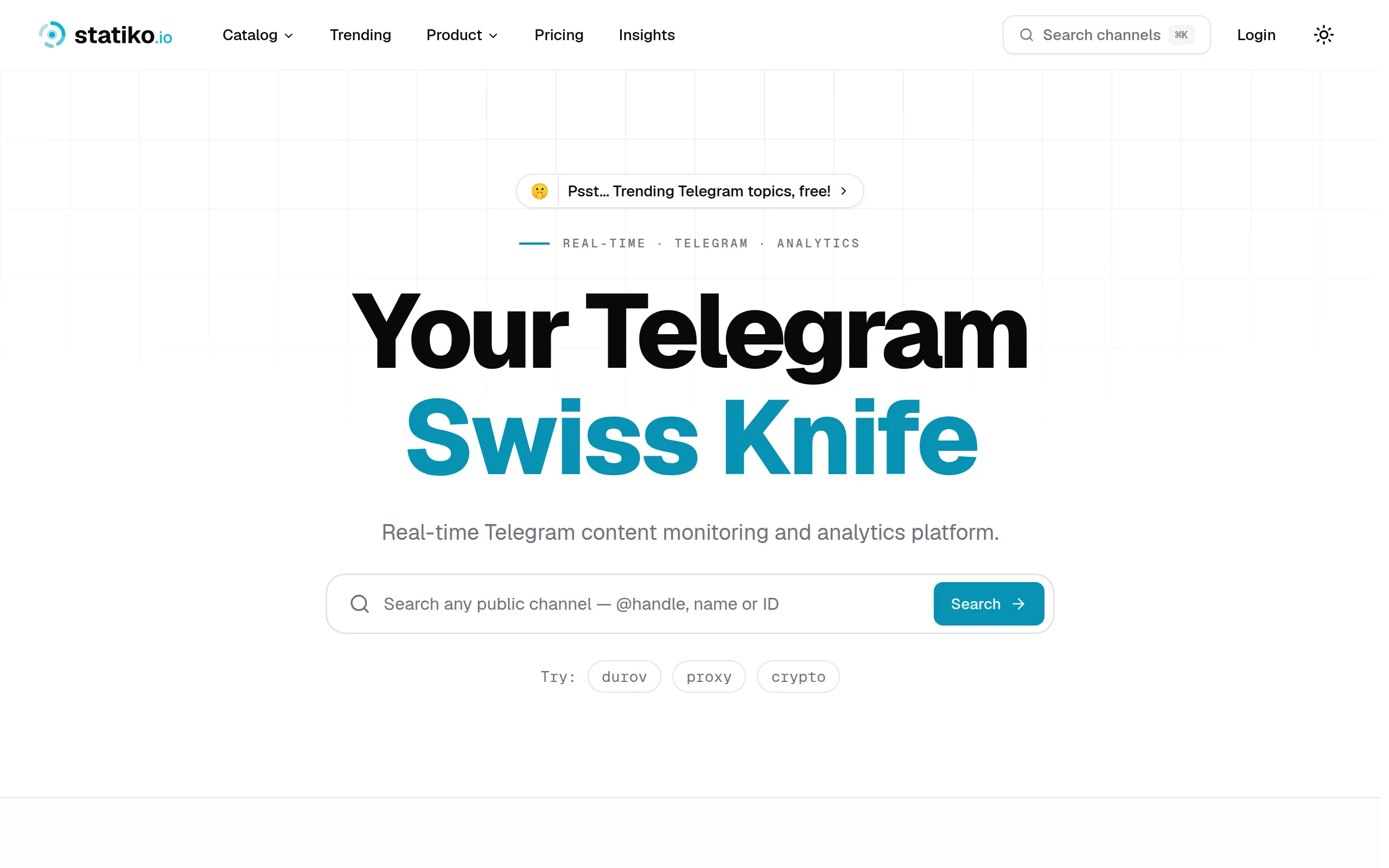
Statiko
Monitor any Telegram channel in real time - track posts, edits, deletions, and growth with AI recaps 📡

Shibui
AI website builder - describe your business, pick a niche template, edit by chatting, and publish instantly ✨

Pro Service
Find verified home service professionals, compare quotes, and pay securely through escrow - built for Brazilians across the US 🏠
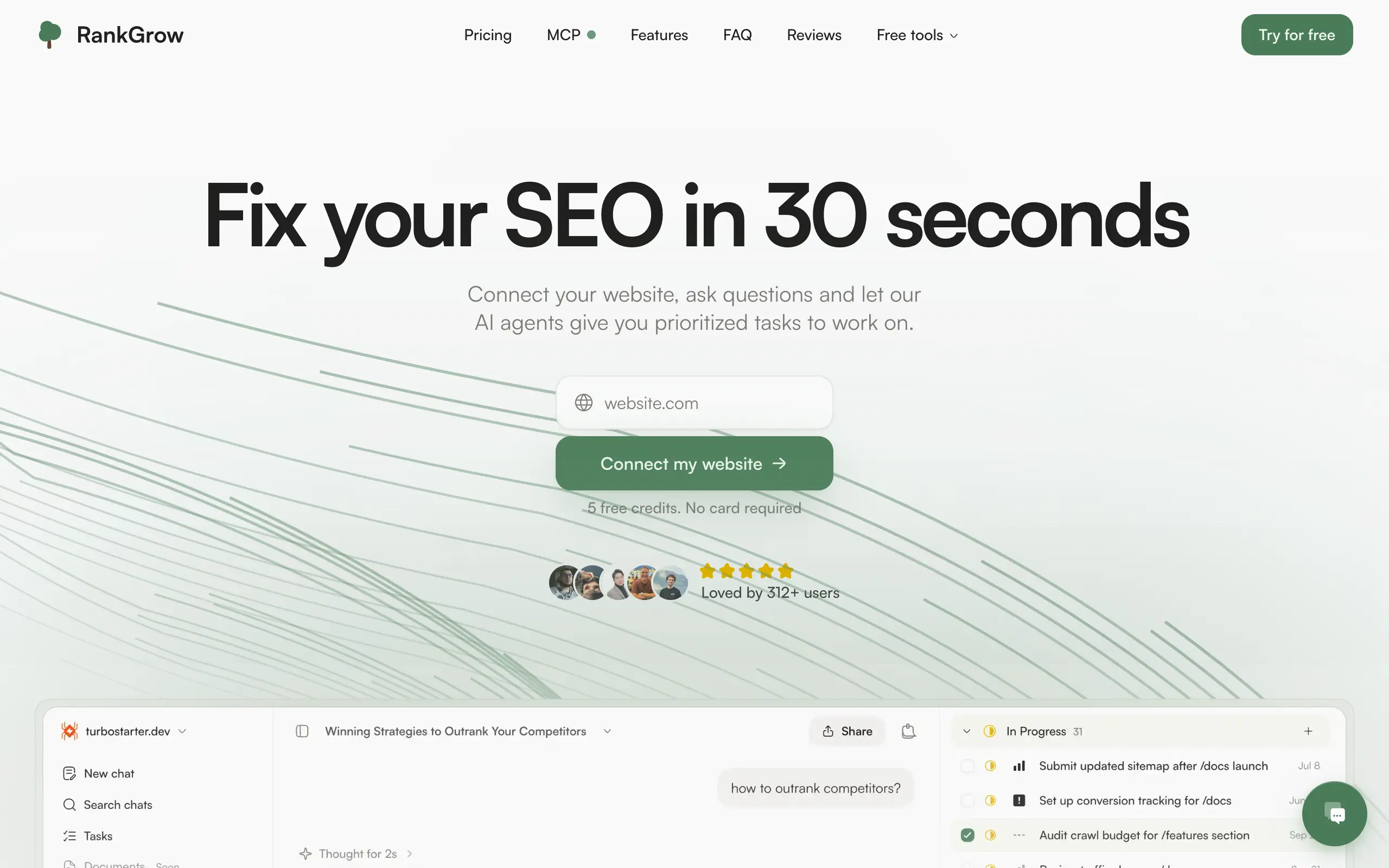
RankGrow
Fix your SEO with AI agents - connect Search Console, get prioritized tasks, and grow organic traffic 📈
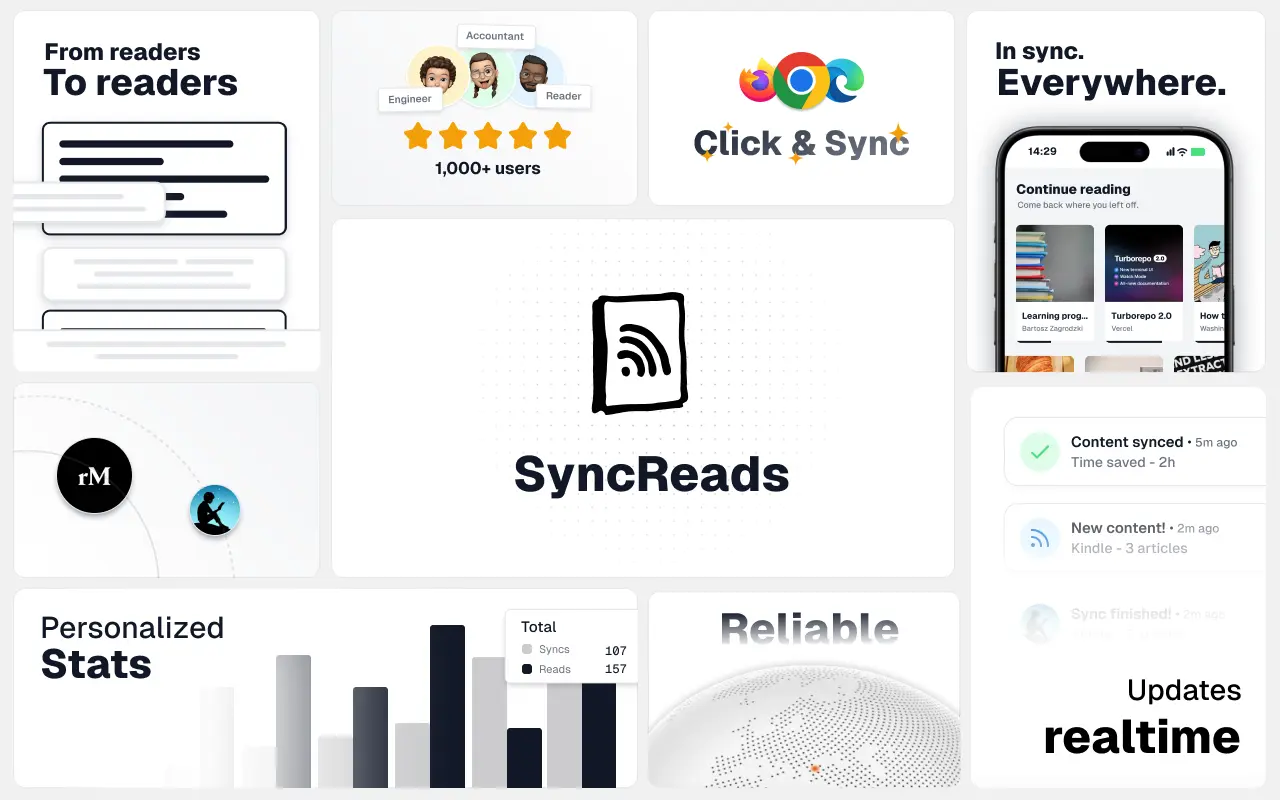
SyncReads
Sync your favorite content for distraction-free reading, save time and replace multiple apps. Anytime, anywhere 🔄
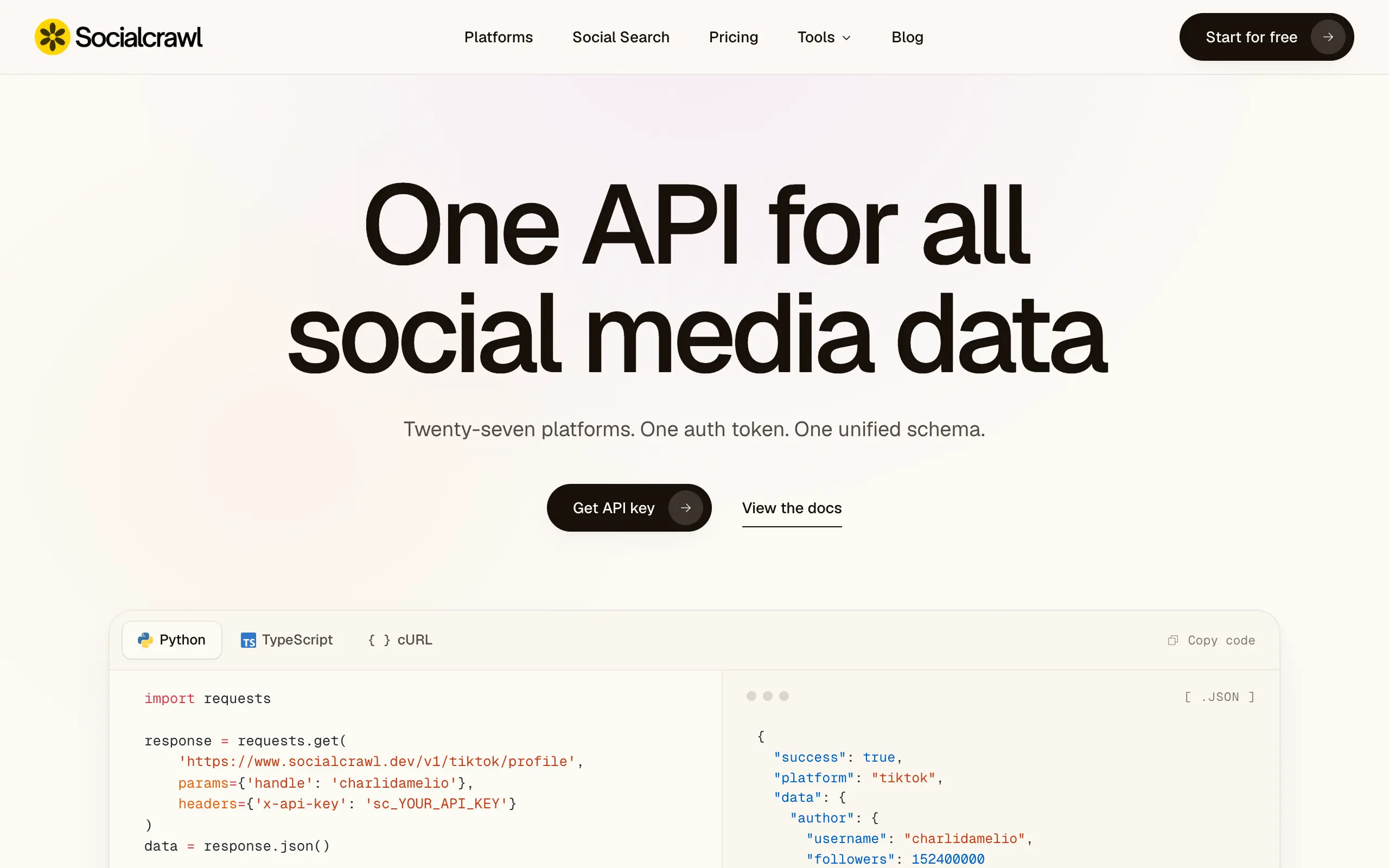
Socialcrawl
Get clean, structured data from 21 platforms like TikTok, Instagram, and YouTube with a single request 📊
Statiko
Monitor any Telegram channel in real time - track posts, edits, deletions, and growth with AI recaps 📡
Shibui
AI website builder - describe your business, pick a niche template, edit by chatting, and publish instantly ✨
Pro Service
Find verified home service professionals, compare quotes, and pay securely through escrow - built for Brazilians across the US 🏠
RankGrow
Fix your SEO with AI agents - connect Search Console, get prioritized tasks, and grow organic traffic 📈
SyncReads
Sync your favorite content for distraction-free reading, save time and replace multiple apps. Anytime, anywhere 🔄
Socialcrawl
Get clean, structured data from 21 platforms like TikTok, Instagram, and YouTube with a single request 📊
Statiko
Monitor any Telegram channel in real time - track posts, edits, deletions, and growth with AI recaps 📡
Shibui
AI website builder - describe your business, pick a niche template, edit by chatting, and publish instantly ✨
Pro Service
Find verified home service professionals, compare quotes, and pay securely through escrow - built for Brazilians across the US 🏠
RankGrow
Fix your SEO with AI agents - connect Search Console, get prioritized tasks, and grow organic traffic 📈
SyncReads
Sync your favorite content for distraction-free reading, save time and replace multiple apps. Anytime, anywhere 🔄
Socialcrawl
Get clean, structured data from 21 platforms like TikTok, Instagram, and YouTube with a single request 📊
Statiko
Monitor any Telegram channel in real time - track posts, edits, deletions, and growth with AI recaps 📡
Shibui
AI website builder - describe your business, pick a niche template, edit by chatting, and publish instantly ✨
Pro Service
Find verified home service professionals, compare quotes, and pay securely through escrow - built for Brazilians across the US 🏠
RankGrow
Fix your SEO with AI agents - connect Search Console, get prioritized tasks, and grow organic traffic 📈
SyncReads
Sync your favorite content for distraction-free reading, save time and replace multiple apps. Anytime, anywhere 🔄
Socialcrawl
Get clean, structured data from 21 platforms like TikTok, Instagram, and YouTube with a single request 📊
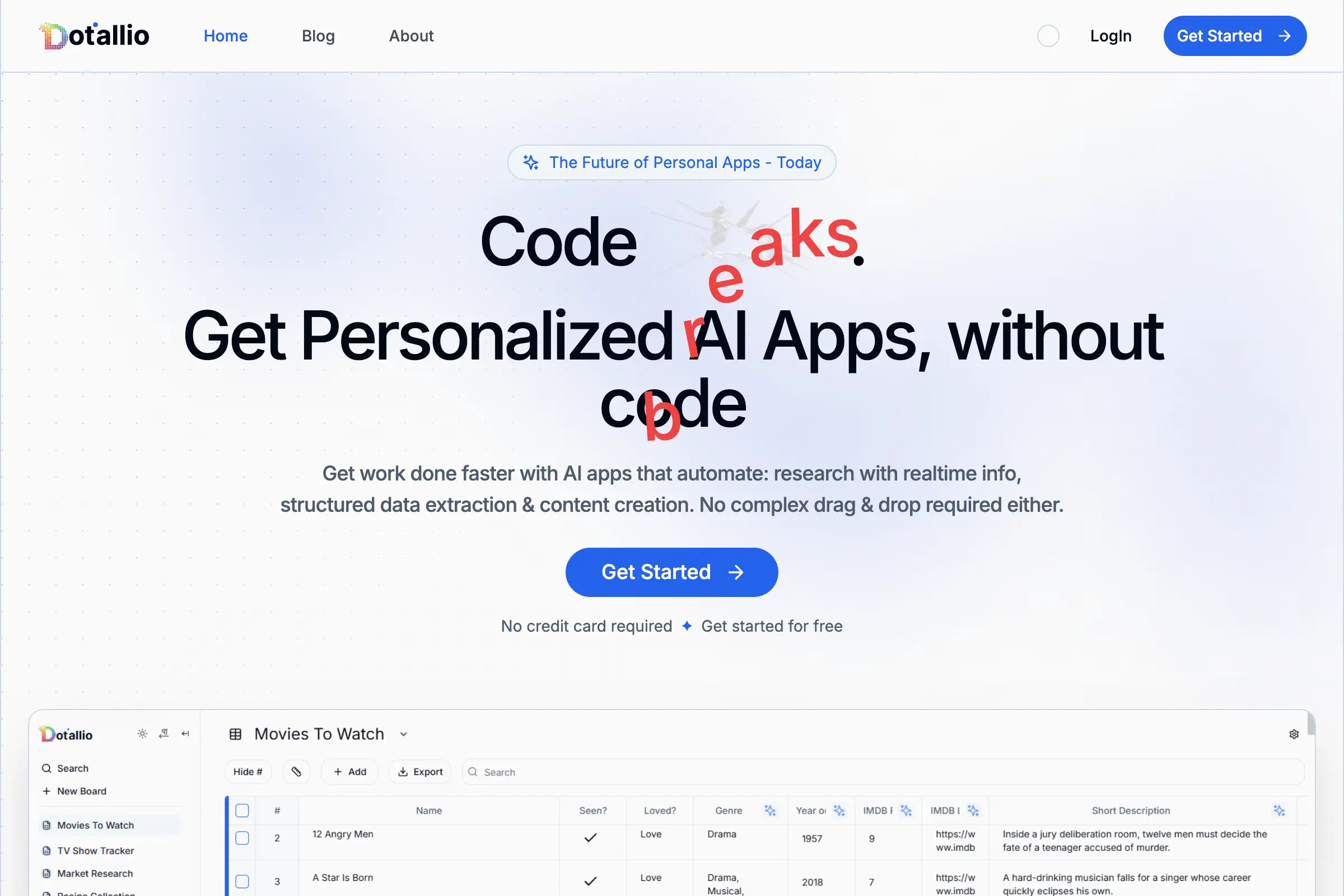
Dotallio
Personalized AI apps that automate research, data extraction, and content creation without code 🤖

Talk to Santa
Enjoy a magical live video chat or receive a unique AI-generated video greeting from Santa Claus 🎅

pozywka.pl
Scalable blog for food journalist, focused on performance and user experience 🌭
zagrodzki.me
Personal blog and portfolio of Bart Zagrodzki, where he shares his knowledge and work 💼
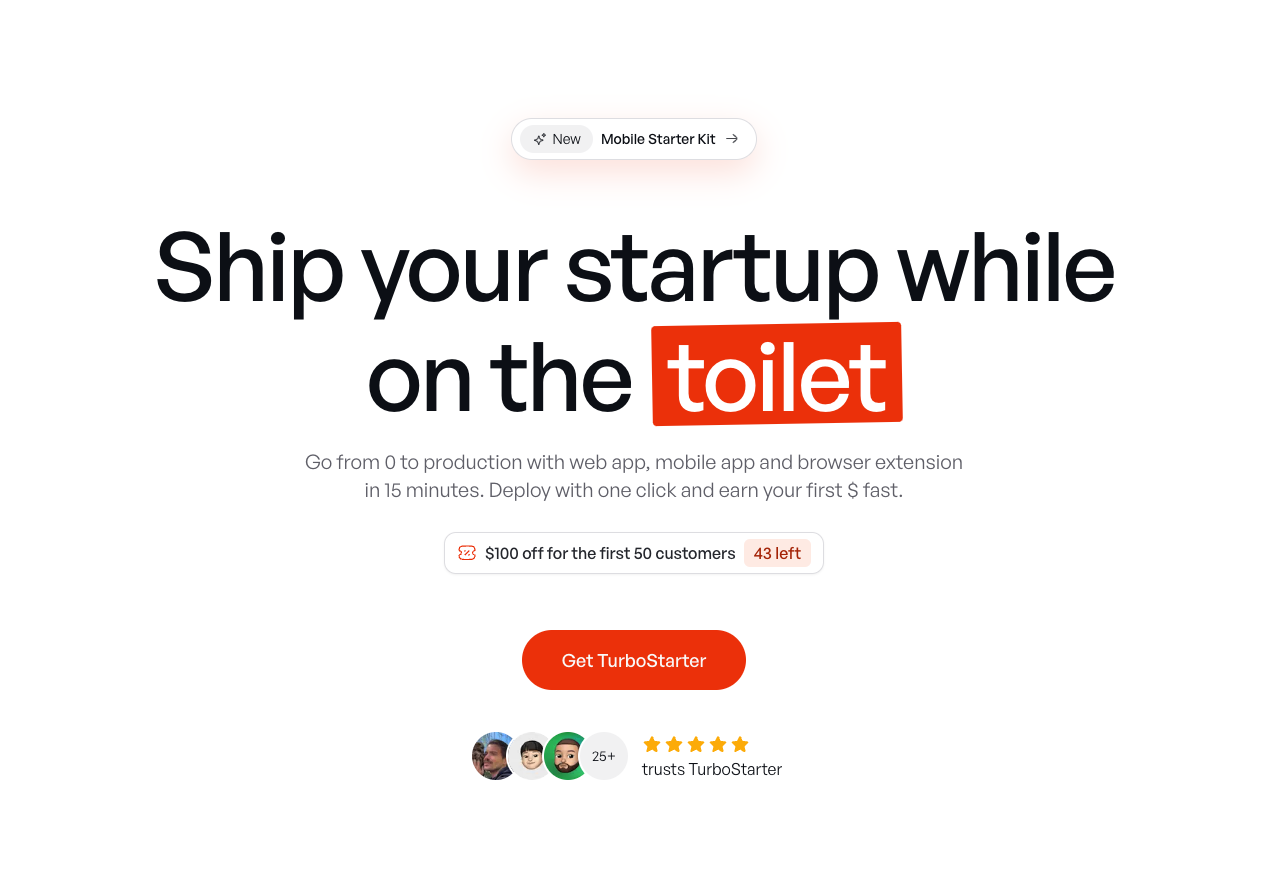
TurboStarter
Ship your startup everywhere. In minutes.
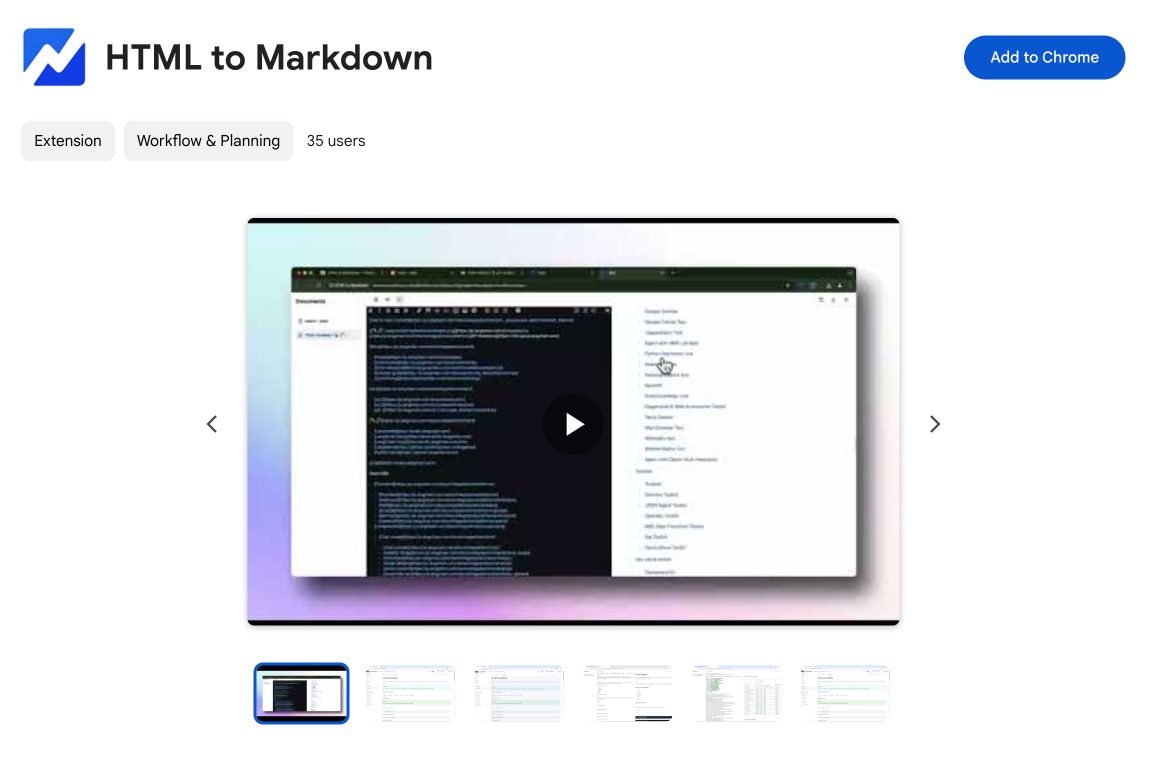
HTML to Markdown
Convert HTML to Markdown with ease, directly in your browser 📄
Dotallio
Personalized AI apps that automate research, data extraction, and content creation without code 🤖
Talk to Santa
Enjoy a magical live video chat or receive a unique AI-generated video greeting from Santa Claus 🎅
pozywka.pl
Scalable blog for food journalist, focused on performance and user experience 🌭
zagrodzki.me
Personal blog and portfolio of Bart Zagrodzki, where he shares his knowledge and work 💼
TurboStarter
Ship your startup everywhere. In minutes.
HTML to Markdown
Convert HTML to Markdown with ease, directly in your browser 📄
Dotallio
Personalized AI apps that automate research, data extraction, and content creation without code 🤖
Talk to Santa
Enjoy a magical live video chat or receive a unique AI-generated video greeting from Santa Claus 🎅
pozywka.pl
Scalable blog for food journalist, focused on performance and user experience 🌭
zagrodzki.me
Personal blog and portfolio of Bart Zagrodzki, where he shares his knowledge and work 💼
TurboStarter
Ship your startup everywhere. In minutes.
HTML to Markdown
Convert HTML to Markdown with ease, directly in your browser 📄
Dotallio
Personalized AI apps that automate research, data extraction, and content creation without code 🤖
Talk to Santa
Enjoy a magical live video chat or receive a unique AI-generated video greeting from Santa Claus 🎅
pozywka.pl
Scalable blog for food journalist, focused on performance and user experience 🌭
zagrodzki.me
Personal blog and portfolio of Bart Zagrodzki, where he shares his knowledge and work 💼
TurboStarter
Ship your startup everywhere. In minutes.
HTML to Markdown
Convert HTML to Markdown with ease, directly in your browser 📄
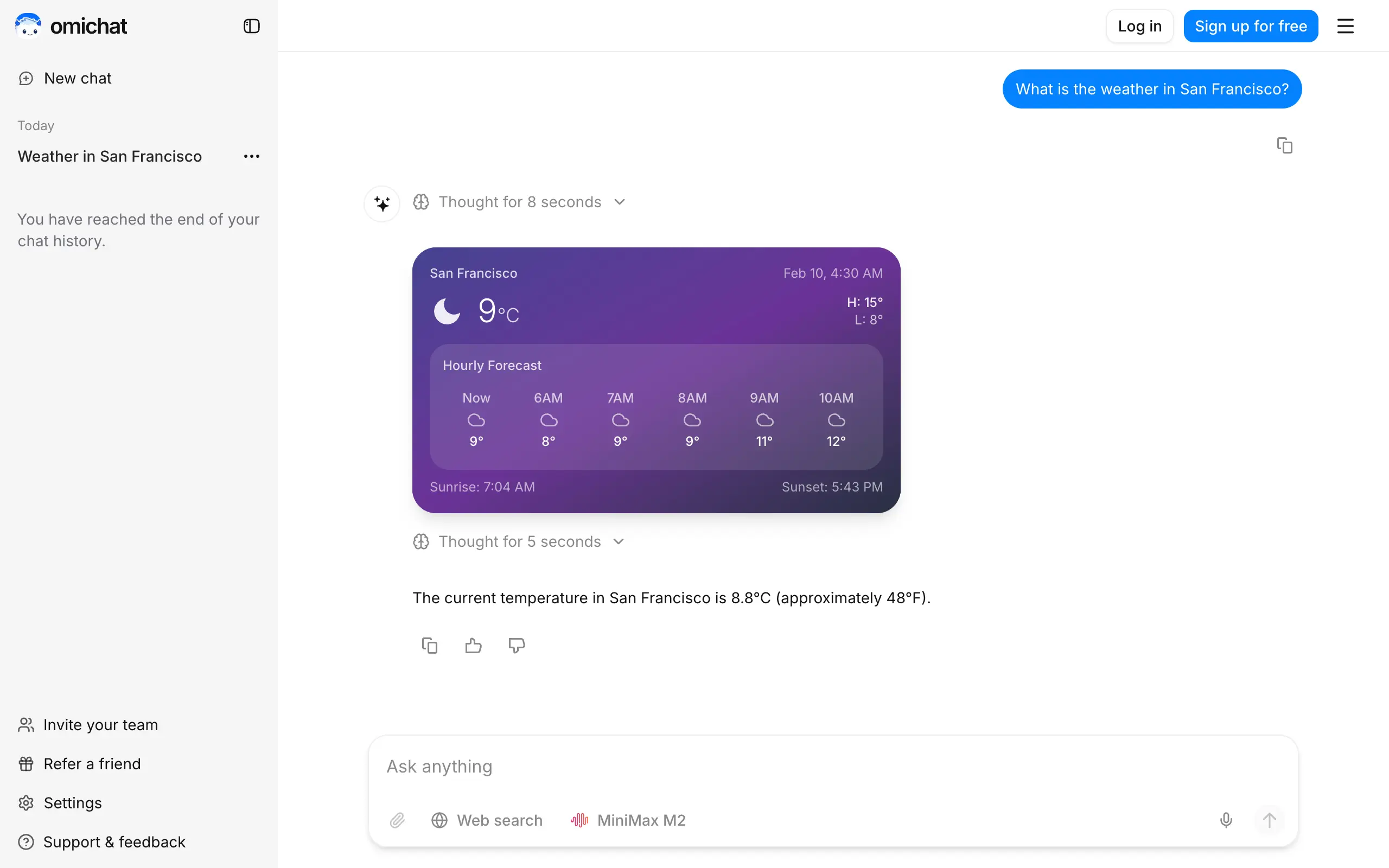
Omichat
Chat with 50+ AI models, including ChatGPT and Claude, in one place - switch models anytime without losing context 🤖
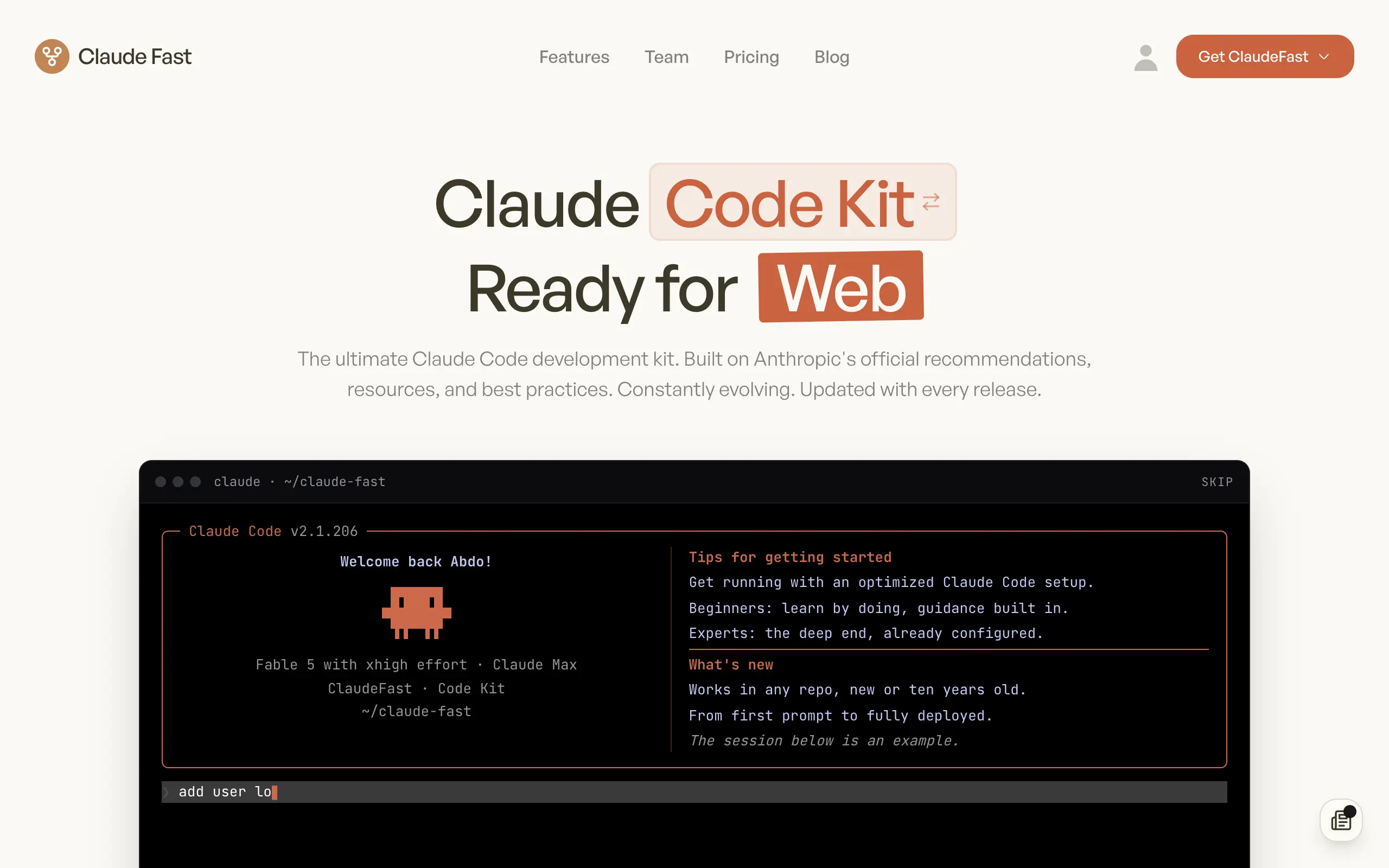
Claude Fast
Supercharge your Claude Code with 6x effective context window and specialized AI agents 🤖
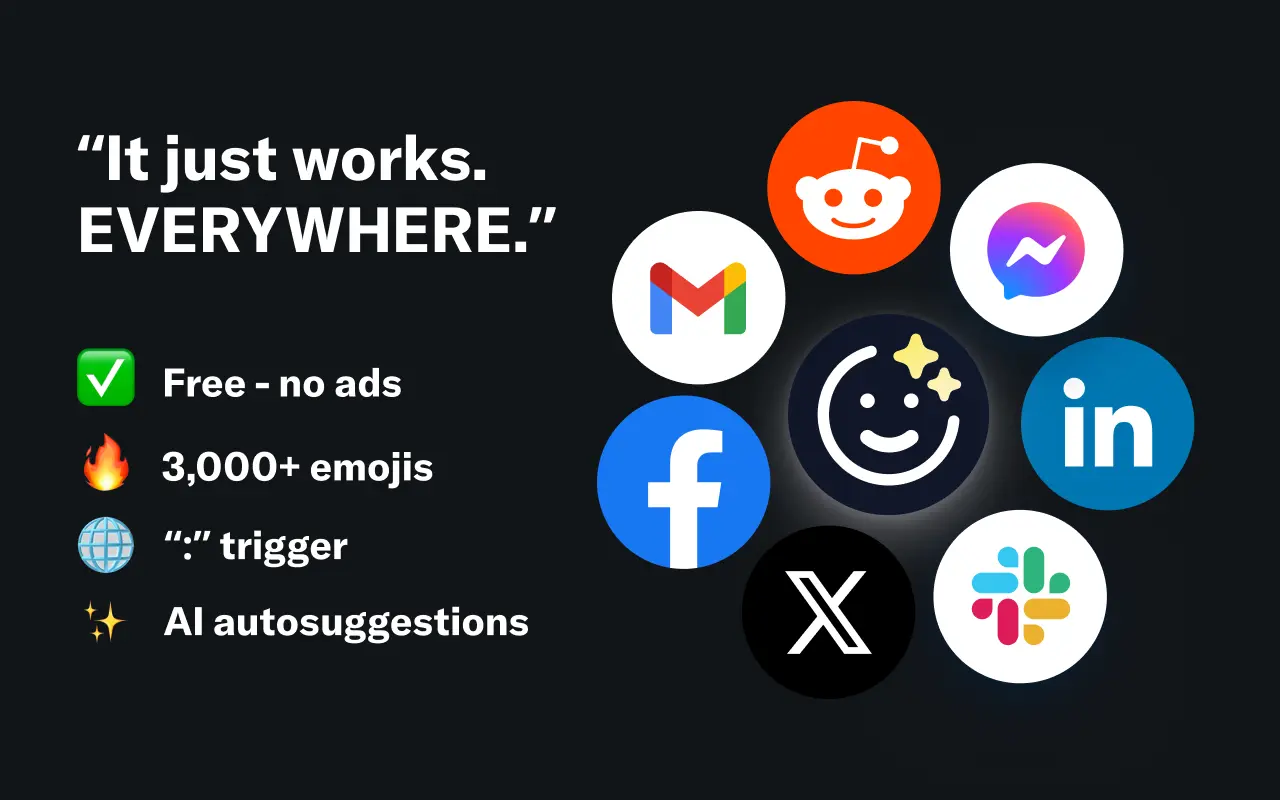
EmojAI
AI-powered emoji picker with smart, context-aware suggestions 🤖
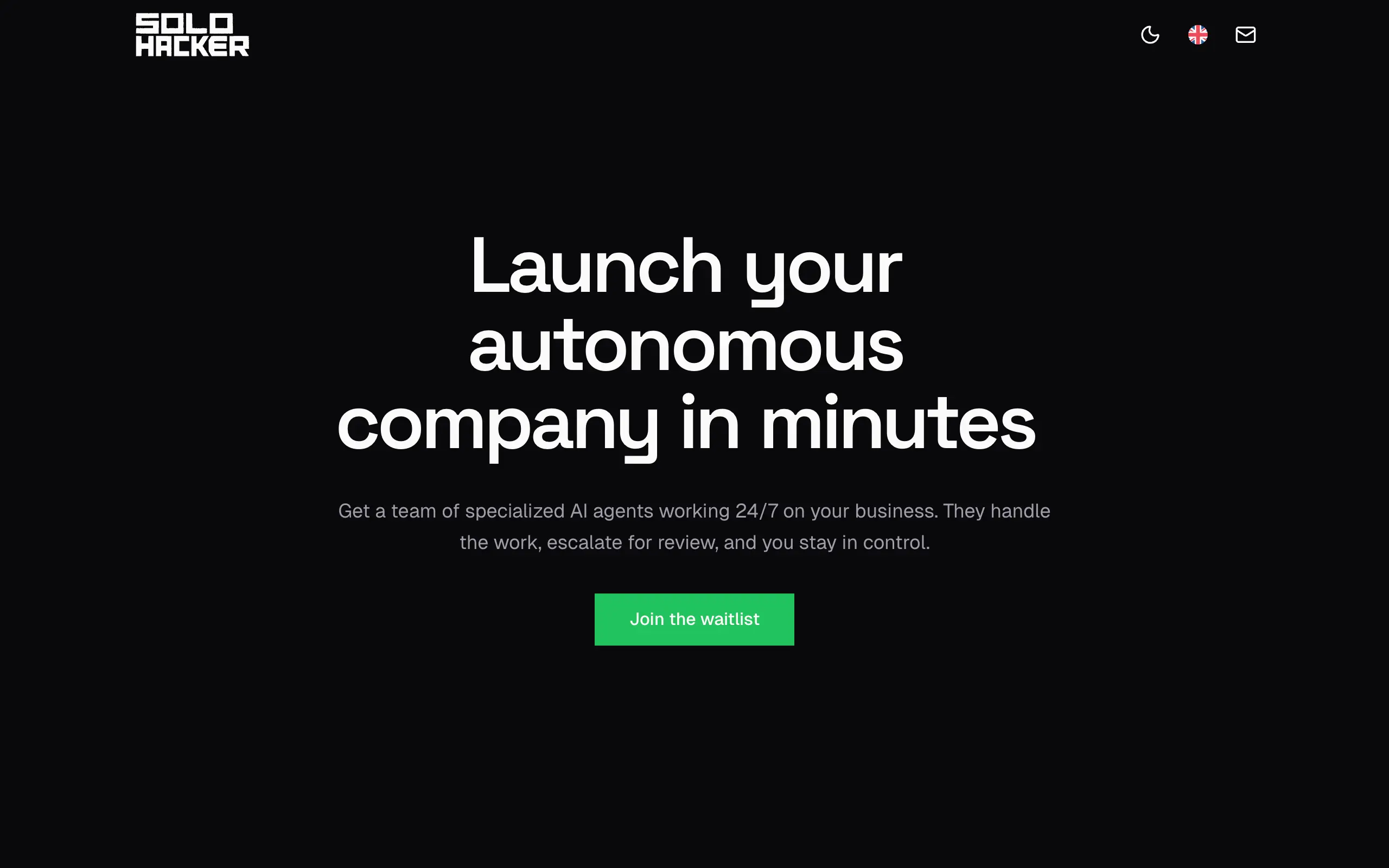
Solohacker
Autonomous company launcher - AI agents work 24/7, escalate what matters, and you stay in control 🤖
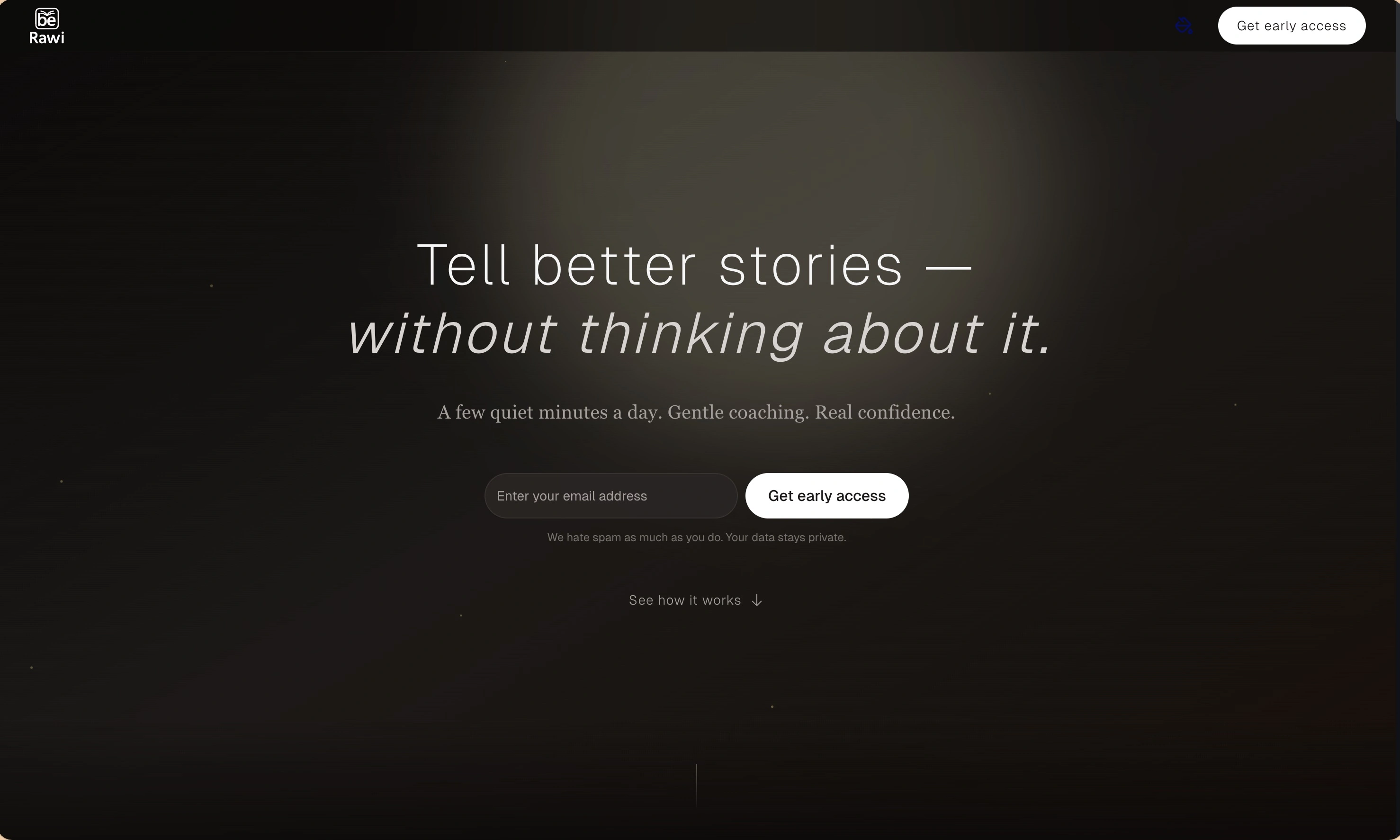
BeRawi: Storytelling Coach
Practice storytelling daily with instant feedback to sound clearer, more engaging, and confident 🎤
Omichat
Chat with 50+ AI models, including ChatGPT and Claude, in one place - switch models anytime without losing context 🤖
Claude Fast
Supercharge your Claude Code with 6x effective context window and specialized AI agents 🤖
EmojAI
AI-powered emoji picker with smart, context-aware suggestions 🤖
Solohacker
Autonomous company launcher - AI agents work 24/7, escalate what matters, and you stay in control 🤖
BeRawi: Storytelling Coach
Practice storytelling daily with instant feedback to sound clearer, more engaging, and confident 🎤
Omichat
Chat with 50+ AI models, including ChatGPT and Claude, in one place - switch models anytime without losing context 🤖
Claude Fast
Supercharge your Claude Code with 6x effective context window and specialized AI agents 🤖
EmojAI
AI-powered emoji picker with smart, context-aware suggestions 🤖
Solohacker
Autonomous company launcher - AI agents work 24/7, escalate what matters, and you stay in control 🤖
BeRawi: Storytelling Coach
Practice storytelling daily with instant feedback to sound clearer, more engaging, and confident 🎤
Omichat
Chat with 50+ AI models, including ChatGPT and Claude, in one place - switch models anytime without losing context 🤖
Claude Fast
Supercharge your Claude Code with 6x effective context window and specialized AI agents 🤖
EmojAI
AI-powered emoji picker with smart, context-aware suggestions 🤖
Solohacker
Autonomous company launcher - AI agents work 24/7, escalate what matters, and you stay in control 🤖
BeRawi: Storytelling Coach
Practice storytelling daily with instant feedback to sound clearer, more engaging, and confident 🎤

Connect with like-minded people
Join our community to get feedback, support, and grow together with 1,000+ builders on board, let's ship it!
Join usShip your startup everywhere. In minutes.
Don't burn tokens on setup and start building features on day one.