TaskWhisperer
An AI-driven task management app that learns from your habits and suggests optimal times for task completion, helping you achieve peak productivity. It integrates with your calendar and email to provide seamless task scheduling.
Unlocking Your Efficiency with AI-Driven Task Management
Imagine an intelligent assistant that not only organizes your schedule but also learns from your daily habits. An AI-powered approach to task management is redefining productivity. This solution orchestrates your daily tasks, monitors your work patterns, and suggests the most efficient times for when to accomplish your key activities. By integrating with your calendar and syncing with your email, you can experience an unprecedented level of automation that not only helps you manage your time but also optimizes it.
The system employs cutting-edge machine learning algorithms that continuously analyze your work routines. It recognizes patterns and predicts optimal task timings based on your habits. The result? You spend less time planning and more time executing your projects, resulting in enhanced productivity and a dramatic improvement in work-life balance.
Target Audience: Empowering Professionals and Teams
This task management app is designed for:
- Busy Professionals: Individuals who handle multiple responsibilities and need a reliable tool to prioritize and schedule their workload.
- Entrepreneurs and Freelancers: Those juggling diverse projects and clients; this solution offers time optimization to handle all commitments efficiently.
- Corporate Teams: Organizations looking to boost productivity across departments can rely on the AI-driven insights to schedule tasks and improve collaboration.
- Remote Workers: In a world where remote work has become the norm, the app helps in maintaining structure, syncing tasks with virtual calendars, and even proposing break times to prevent burnout.
- Tech Enthusiasts: Early adopters who are passionate about the latest SaaS innovations and appreciate technology that learns with them.
With such a diverse array of users, the application not only streamlines individual workflows but also integrates smoothly into team collaboration environments.
Evaluating the Market Opportunity
The market for AI-driven productivity tools is booming, driven by the increasing need for enhanced time management and the rising complexity of modern work. Key market insights include:
- Growing Demand for Automation: With an increasing number of businesses embracing digital transformation, automation in task scheduling and time management is in high demand.
- Productivity Software Adoption: Recent trends indicate significant adoption of productivity tools, with a growing consumer base ranging from individual professionals to large enterprises.
- Remote and Hybrid Work Trends: The evolving work ecosystem means that solutions that help manage remote teams and facilitate asynchronous work are more critical than ever.
- Integration Ecosystem: The ability to plug seamlessly into existing calendar and email applications further expands the market reach, making the tool a favorite for organizations looking for interoperability.
In this environment, the challenge is not just about offering a scheduling tool, but about creating an intelligent assistant that understands your working style. Moreover, the market continues to value tools that can reduce cognitive overhead, and this advanced AI tool meets that need perfectly.
Exploring the Tech Stack
Building an innovative AI-driven task management solution requires a robust and scalable tech stack. Here, we focus on the following components:
- Frontend Frameworks: Leveraging modern JavaScript frameworks such as React allows the creation of highly interactive user interfaces. For instance, you can quickly spin up components using a starter kit like TurboStarter to expedite development.
- Backend Technologies: A combination of Node.js and Express provides a scalable backend system. These technologies support the continuous integration and deployment processes that are critical for keeping the application running smoothly.
- Machine Learning Models: Implementing libraries like TensorFlow or PyTorch enables the integration of advanced AI models that dynamically learn from user behavior.
- Database Systems: Utilizing NoSQL databases like MongoDB or high-performance SQL databases ensures that real-time data can be quickly accessed and updated.
- APIs and Integration: RESTful APIs facilitate robust integrations with third-party services (e.g., calendar apps, email providers). This interoperability is essential for the seamless scheduling capabilities.
- Containerization and Deployment: Tools like Docker and Kubernetes allow for smoother deployment processes, enhancing scalability and resilience during peak usage times.
Below is a lightweight code snippet that illustrates how you might initialize a sample task processing function:
const scheduleTask = (task, optimalTime) => {
  // Log the suggested time for the task
  console.log(`Task '${task}' scheduled for optimized time: ${optimalTime}`);
};
Using a solid tech stack not only results in a reliable solution but also sets the stage for continuous improvement as AI technology evolves.
Monetization Strategy: Value at Every Level
A diversified monetization plan is key to sustainable success. The revenue model can incorporate several streams, including:
- Subscription Tiers: Offer various subscription levels tailored to individual users, teams, and enterprise clients. Premium plans could include advanced AI scheduling, priority support, and extended integrations.
- Freemium Model: A basic version available for free can attract users. Conversion to paid plans can be driven by added value through in-app features and enhanced analytics.
- In-App Advertising: For the free version, consider non-intrusive, targeted ads that align with user interests, enhancing the overall experience without compromising usability.
- Affiliate Partnerships: Collaborate with productivity and project management brands to offer bundled services, earning commissions on referrals and partnerships.
- Data Analytics Services: Offer anonymized insights to businesses, enabling them to better understand productivity trends (always ensuring data privacy and user consent).
This multi-faceted approach not only diversifies revenue streams but also allows the product to scale while meeting diverse customer needs.
Identifying and Managing Risks
While the potential is vast, it’s important to address the primary risks:
- Data Privacy: Integration with personal calendars and email services mandates extreme caution regarding data security. Robust encryption and compliance with data protection regulations (e.g., GDPR) are non-negotiable.
- User Adoption: Convincing users to trust AI with sensitive scheduling decisions requires a reliable track record. A phased rollout along with transparency in how the data is used can help build trust.
- Technical Challenges: The complexity of machine learning algorithms and real-time integrations might lead to unexpected downtimes or glitches. Continuous monitoring and agile development practices are vital.
- Market Competition: The productivity space is competitive. Staying ahead means continuous innovation and regularly updating the AI models to offer unique value propositions.
- Integration Hurdles: Dependence on third-party integrations (for calendars, emails, etc.) means that changes in those services can disrupt core functionality. Building adaptive integration layers to handle API changes is essential.
Risk Mitigation
It is crucial to invest in robust security protocols and ensure that the machine learning models are regularly audited and updated to meet evolving compliance requirements.
Competitive Advantages: Standing Out in the Crowd
What sets this intelligent task management tool apart in a crowded market? Consider the following strengths:
- Adaptive AI Capabilities: Unlike static scheduling apps, the underlying AI learns continuously. It analyzes patterns to suggest optimal task timings, giving users a personalized productivity plan.
- Seamless Integration: By syncing with popular calendars and email applications, the tool provides a unified platform for managing all work-related activities.
- User-Centric Design: The intuitive design minimizes the learning curve. Users can quickly understand and leverage features without extensive onboarding.
- Continuous Improvement: Regular updates and adaptive learning mechanisms ensure that the app stays relevant even as work habits evolve. Small iterative improvements fuel long-term gains.
- Efficiency and Flexibility: Whether you're an individual professional or part of a large team, the tool is built for scalability and adapts to diverse workflows.
Personalized Productivity
Experience tailor-made task scheduling that adapts to your unique habits.
Seamless Integrations
Connect effortlessly with your calendar, email, and other essential tools.
Moreover, the competitive edge is fortified by leveraging industry-leading development practices and integrating modern frameworks. This ensures that the application can be easily maintained and expanded as newer AI capabilities emerge. The agility provided by using TurboStarter TurboStarter makes it possible to rapidly iterate and keep ahead of emerging market trends.
Leveraging Advanced Development Tools for Speedy Implementation
The approach to rapid development is supported by leveraging modern starter kits like TurboStarter. This tool streamlines the bootstrap process, providing a structured yet flexible baseline which allows for focus on innovation rather than foundational setup. Here’s a glimpse into how TurboStarter can accelerate the development process:
For the backend, TurboStarter provides pre-configured modules for RESTful API development, ensuring that integrations with third-party services are smooth and efficient.
The user interface components come with a modern, responsive design, reducing time needed to develop interactive and attractive UI elements.
The development journey benefits from this setup by minimizing boilerplate code, allowing full attention on enhancing the AI algorithms and user experience.
Emphasizing Developer Experience with Modern Practices
Adopting modern toolkits and streamlined methodologies not only improves product quality but also enhances developer experience. Developers can enjoy:
- Rapid Prototyping: Quickly prototype features and test them with end-users, making iterative improvements based on real feedback.
- Modular Code Structure: A clean modular architecture ensures scalability and facilitates easier debugging and feature enhancements.
- Robust Testing Environments: Integrated testing frameworks and continuous integration pipelines prevent disruptions and ensure that each update maintains quality.
A typical developer setup might include the following configuration:
import React from "react";
import { render } from "react-dom";

const App = () => {
  return <div>Welcome to an intelligent task management experience!</div>;
};

render(<App />, document.getElementById("root"));
This setup exemplifies how modern frameworks help in building a resilient and scalable application foundation.
Addressing User Concerns with Transparency
User trust is paramount when dealing with personal data and sensitive scheduling details. Detailed documentation and clear privacy policies should be readily available. Consider hosting a dedicated documentation portal, similar to readthedocs, where users can explore:
- Data handling practices
- Security measures
- Regular updates on compliance with international standards
In parallel, conducting webinars and interactive Q&A sessions builds community trust and educates users on how the smart scheduling process works behind the scenes.
Paving the Way for Future Development
The future roadmap for this AI-driven task management system involves:
- Enhanced AI Capabilities: Periodically updating machine learning models to capture emerging work habits and external factors (e.g., seasonal workload variations).
- Expanding Integrations: Increasing compatibility with a broader range of third-party tools such as project management software and communication platforms.
- User Feedback Loop: Deploying in-app surveys and real-time feedback mechanisms to continuously refine and enhance the user experience.
- Global Reach: Incorporating multi-language support and regional customization to support global teams.
- Cloud Scalability: Utilizing cloud services to ensure that the application can seamlessly handle the scaling needs of users across different time zones and environments.
Upcoming features include real-time collaborative scheduling, AI-powered meeting insights, and a fully integrated digital workspace.
The product’s ability to evolve alongside user needs is its cornerstone. By continuously tapping into market insights and user feedback, developers can ensure that the application remains at the forefront of productivity solutions.
Conclusion and Implementation Steps
In summary, an AI-driven task management application represents a blend of innovative technology and practical usability. With its ability to learn from user habits, the system dynamically schedules tasks and syncs seamlessly with existing tools like calendars and email, positioning itself as a productivity game-changer.
The journey to build such a system involves strategic planning and careful execution. Here are some key implementation steps to bring the idea to reality:
By breaking down the implementation into these actionable steps and maintaining a relentless focus on both technology and user experience, this AI-driven task management tool is poised to transform productivity. With a clear monetization strategy, strong competitive advantages, and a keen awareness of potential risks, the product can carve out a significant niche in the productivity software market.
For developers and decision-makers looking to accelerate this journey, leveraging the right development kits and methodologies from the start is fundamental. Solving the productivity problem with a blend of advanced AI and dynamic integrations turns everyday task management into a strategic advantage, empowering users to take control of their workday and achieve unparalleled efficiency.
By following these steps and continuously engaging with your user base, your team can transform a bold idea into a market-leading solution, setting new standards for productivity in the digital age.
More ⚡ Productivity Tool SaaS ideas
Discover more innovative productivity tool SaaS ideas that are trending in 2026. Each idea is AI-generated with market validation and growth potential to help you find your next profitable venture faster than competitors.
Your competitors are building with TurboStarter
Below are some of the SaaS ideas that have been generated and built with our starter kit.
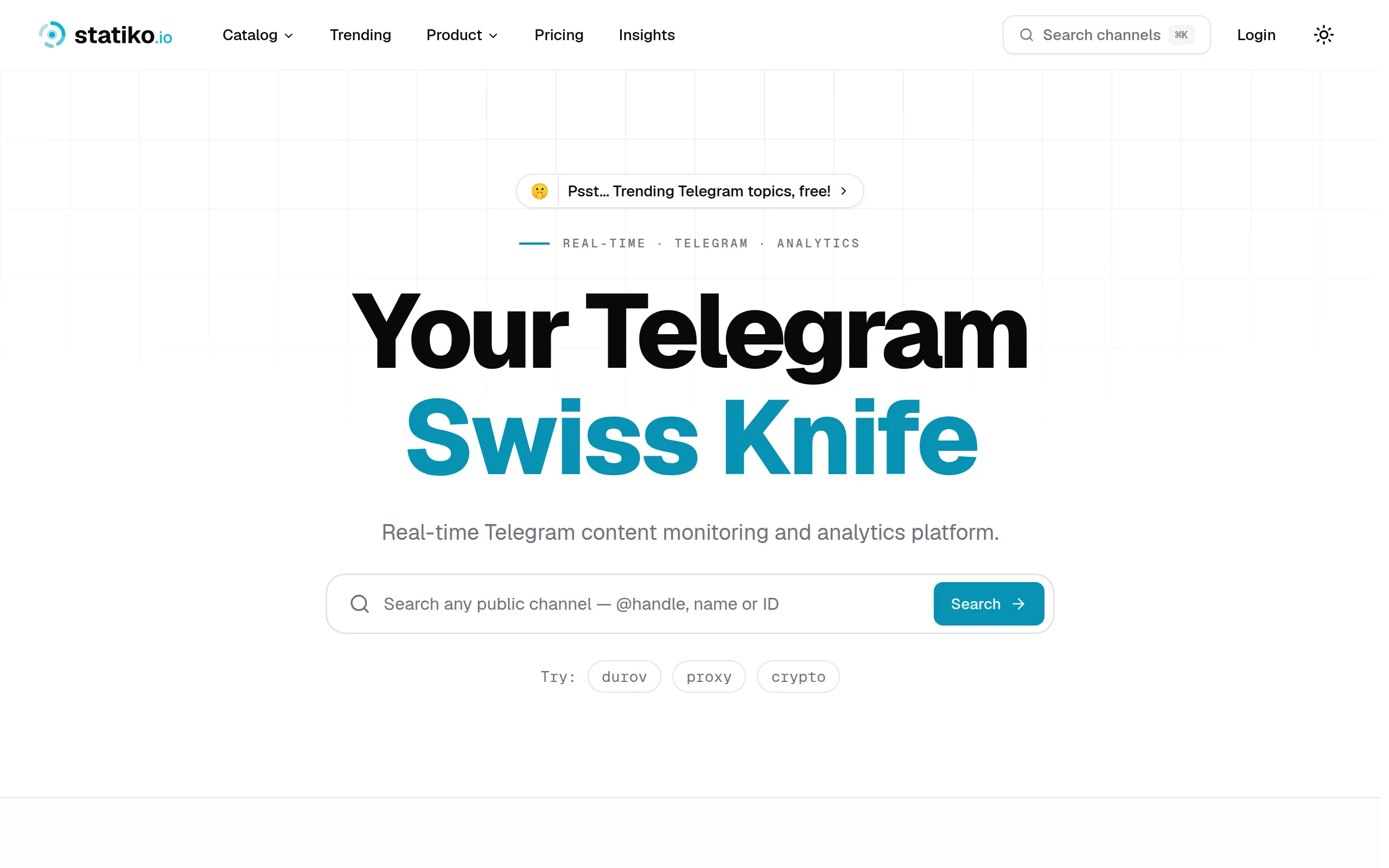
Statiko
Monitor any Telegram channel in real time - track posts, edits, deletions, and growth with AI recaps 📡

Shibui
AI website builder - describe your business, pick a niche template, edit by chatting, and publish instantly ✨

Pro Service
Find verified home service professionals, compare quotes, and pay securely through escrow - built for Brazilians across the US 🏠
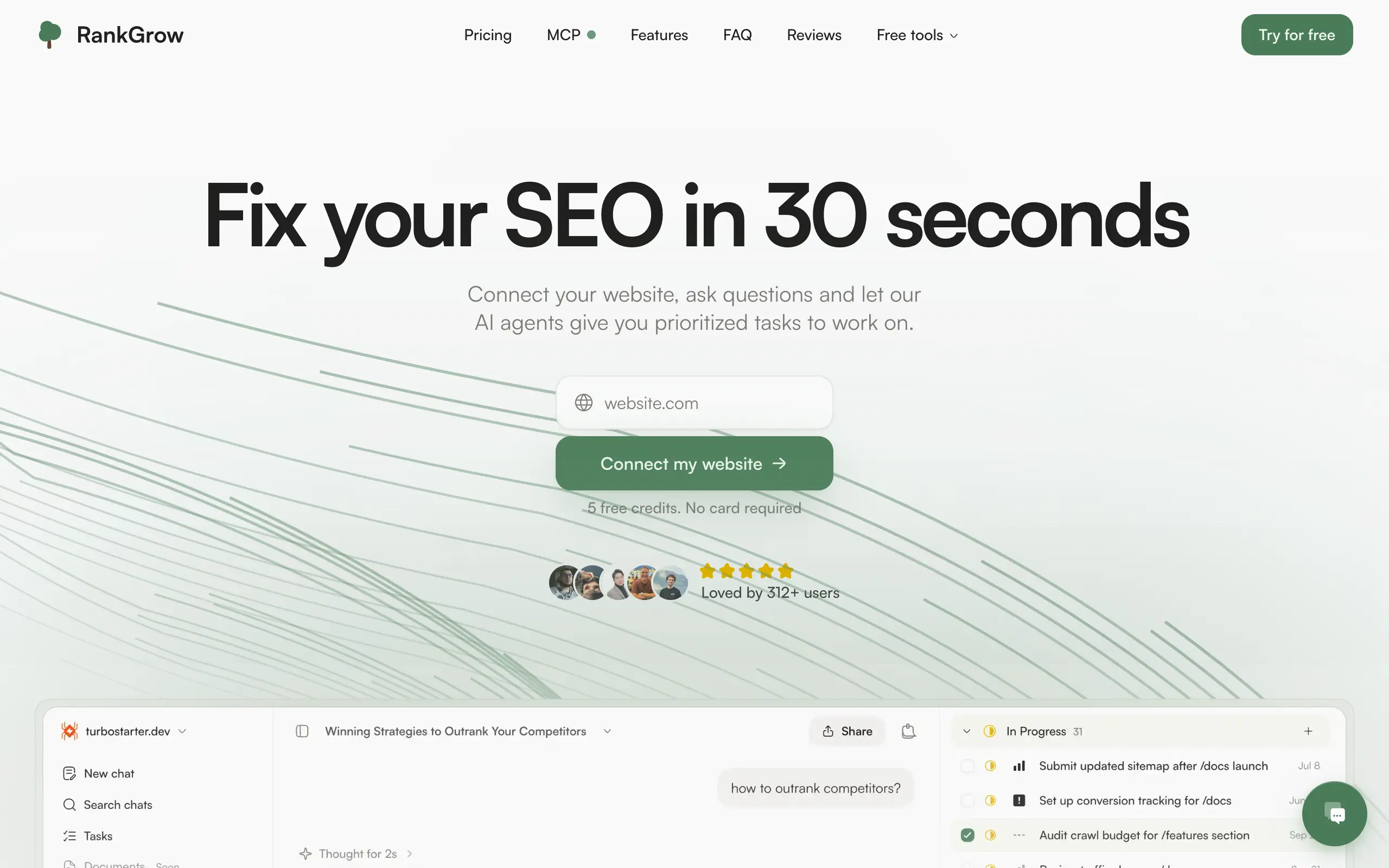
RankGrow
Fix your SEO with AI agents - connect Search Console, get prioritized tasks, and grow organic traffic 📈
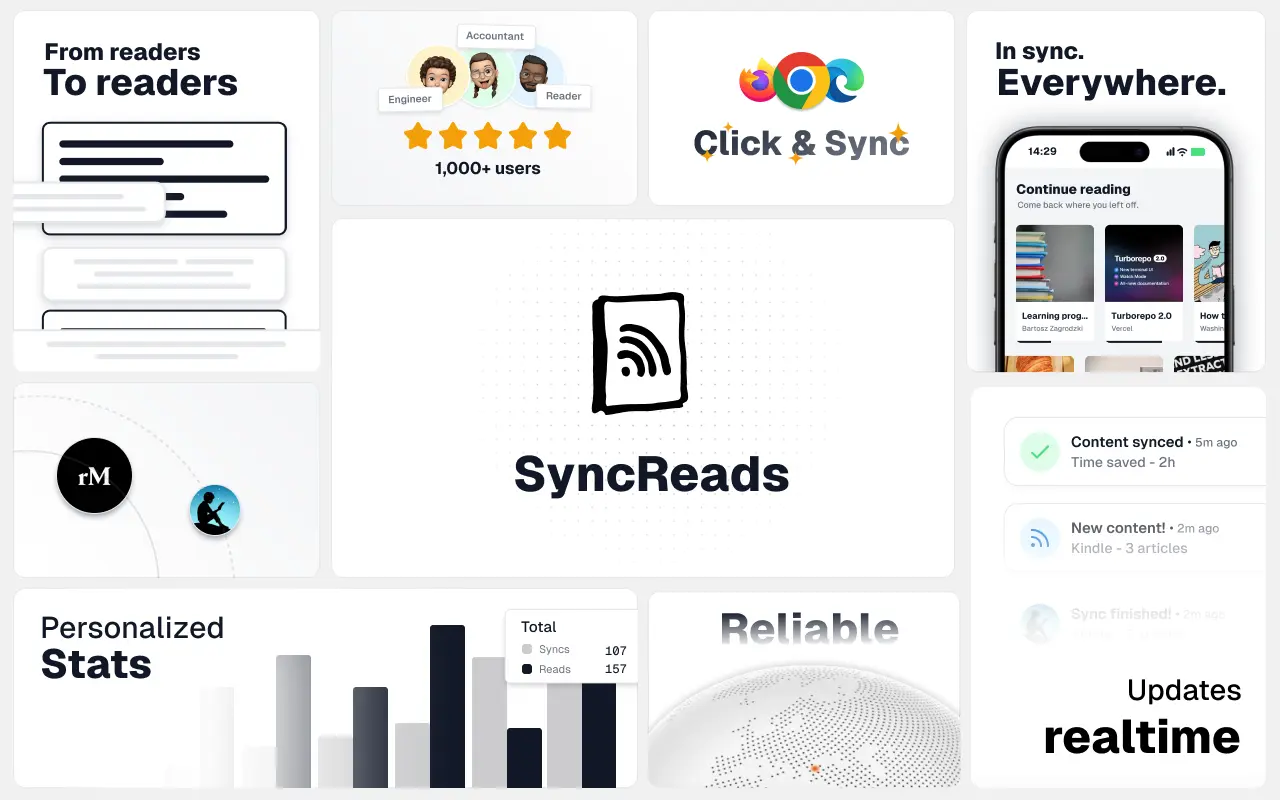
SyncReads
Sync your favorite content for distraction-free reading, save time and replace multiple apps. Anytime, anywhere 🔄
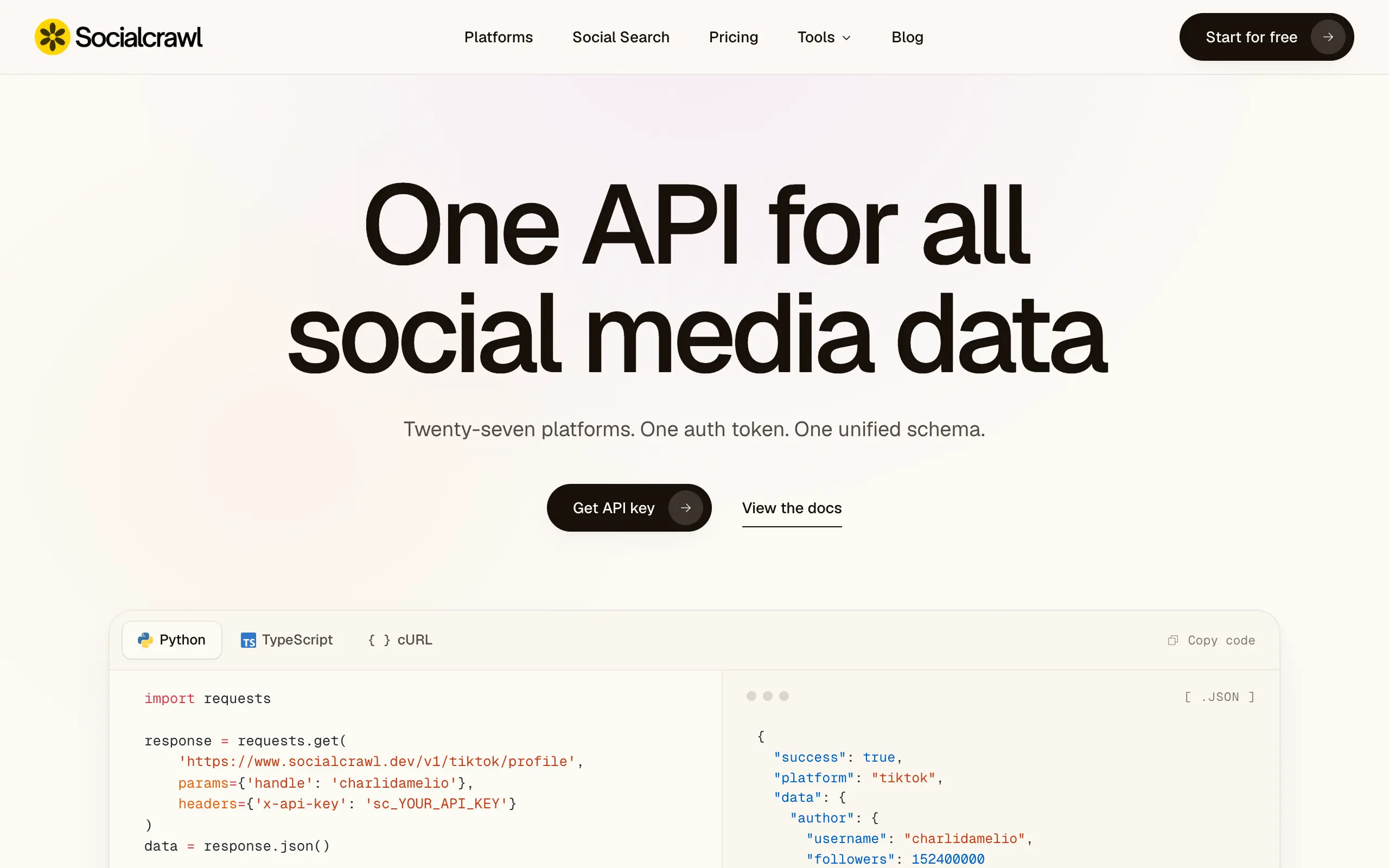
Socialcrawl
Get clean, structured data from 21 platforms like TikTok, Instagram, and YouTube with a single request 📊
Statiko
Monitor any Telegram channel in real time - track posts, edits, deletions, and growth with AI recaps 📡
Shibui
AI website builder - describe your business, pick a niche template, edit by chatting, and publish instantly ✨
Pro Service
Find verified home service professionals, compare quotes, and pay securely through escrow - built for Brazilians across the US 🏠
RankGrow
Fix your SEO with AI agents - connect Search Console, get prioritized tasks, and grow organic traffic 📈
SyncReads
Sync your favorite content for distraction-free reading, save time and replace multiple apps. Anytime, anywhere 🔄
Socialcrawl
Get clean, structured data from 21 platforms like TikTok, Instagram, and YouTube with a single request 📊
Statiko
Monitor any Telegram channel in real time - track posts, edits, deletions, and growth with AI recaps 📡
Shibui
AI website builder - describe your business, pick a niche template, edit by chatting, and publish instantly ✨
Pro Service
Find verified home service professionals, compare quotes, and pay securely through escrow - built for Brazilians across the US 🏠
RankGrow
Fix your SEO with AI agents - connect Search Console, get prioritized tasks, and grow organic traffic 📈
SyncReads
Sync your favorite content for distraction-free reading, save time and replace multiple apps. Anytime, anywhere 🔄
Socialcrawl
Get clean, structured data from 21 platforms like TikTok, Instagram, and YouTube with a single request 📊
Statiko
Monitor any Telegram channel in real time - track posts, edits, deletions, and growth with AI recaps 📡
Shibui
AI website builder - describe your business, pick a niche template, edit by chatting, and publish instantly ✨
Pro Service
Find verified home service professionals, compare quotes, and pay securely through escrow - built for Brazilians across the US 🏠
RankGrow
Fix your SEO with AI agents - connect Search Console, get prioritized tasks, and grow organic traffic 📈
SyncReads
Sync your favorite content for distraction-free reading, save time and replace multiple apps. Anytime, anywhere 🔄
Socialcrawl
Get clean, structured data from 21 platforms like TikTok, Instagram, and YouTube with a single request 📊
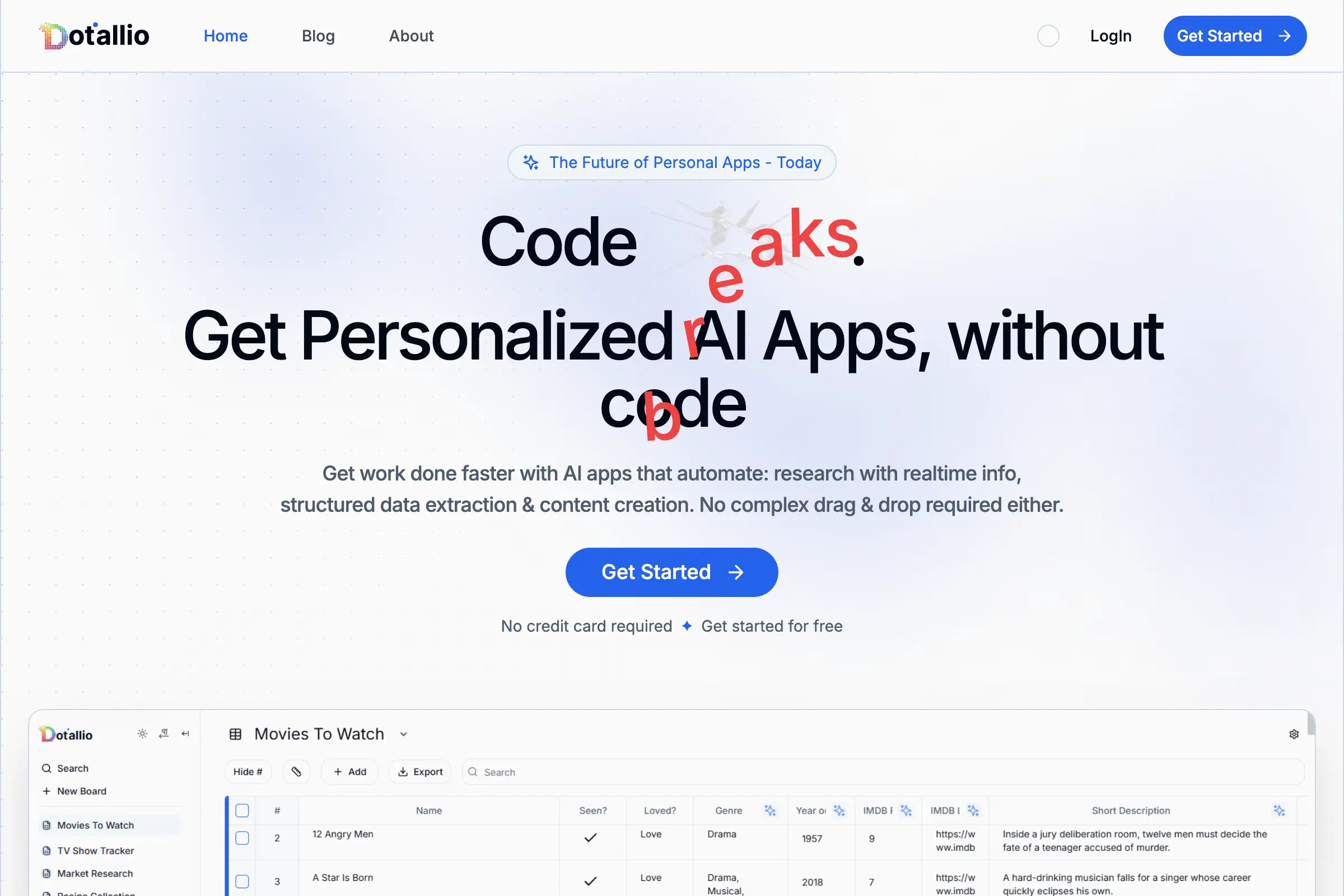
Dotallio
Personalized AI apps that automate research, data extraction, and content creation without code 🤖

Talk to Santa
Enjoy a magical live video chat or receive a unique AI-generated video greeting from Santa Claus 🎅
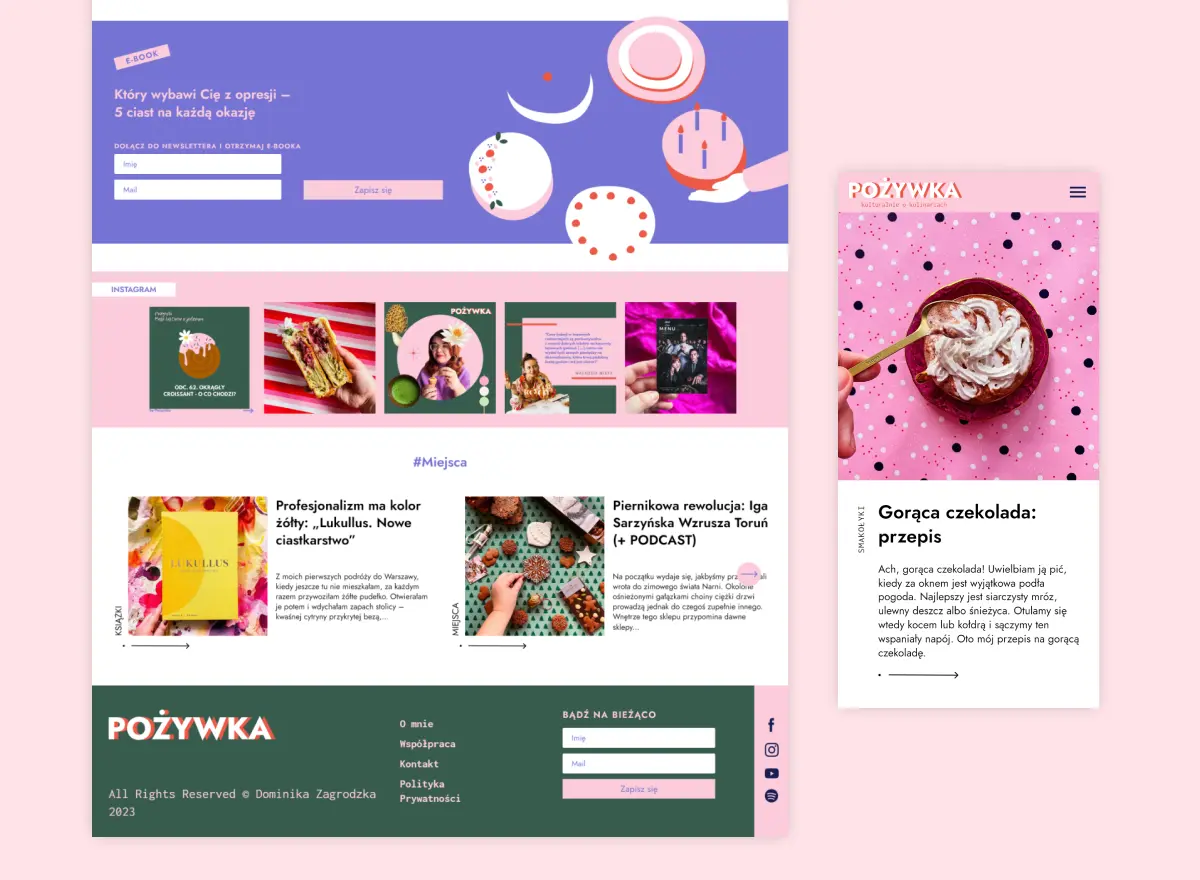
pozywka.pl
Scalable blog for food journalist, focused on performance and user experience 🌭
zagrodzki.me
Personal blog and portfolio of Bart Zagrodzki, where he shares his knowledge and work 💼
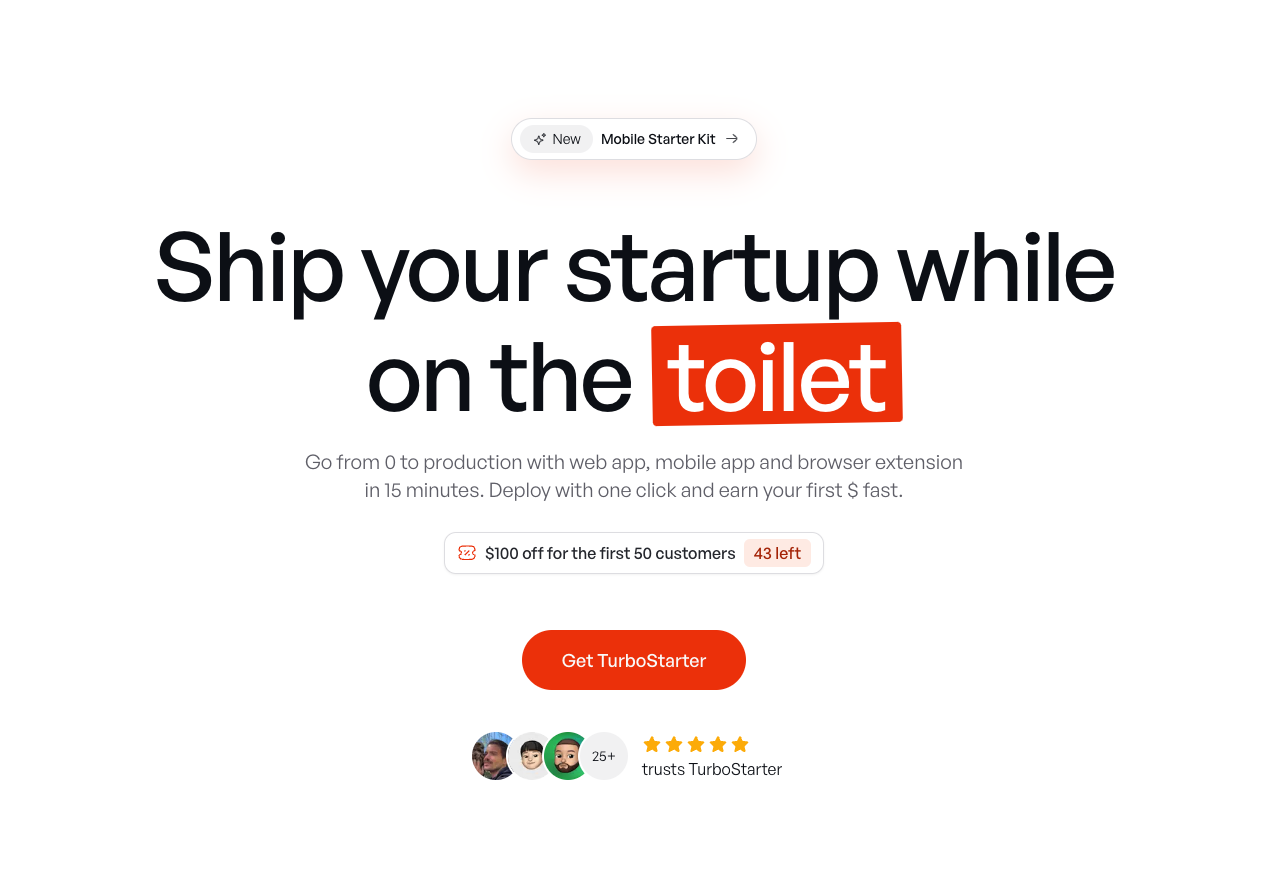
TurboStarter
Ship your startup everywhere. In minutes.
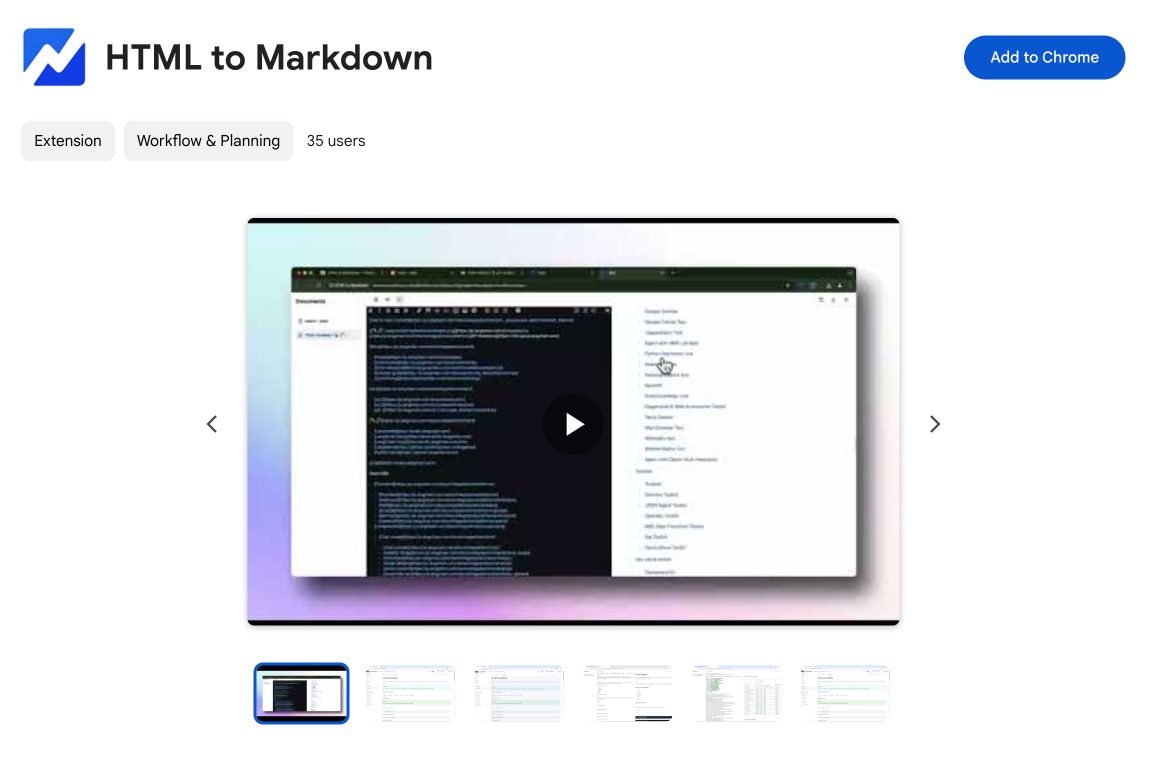
HTML to Markdown
Convert HTML to Markdown with ease, directly in your browser 📄
Dotallio
Personalized AI apps that automate research, data extraction, and content creation without code 🤖
Talk to Santa
Enjoy a magical live video chat or receive a unique AI-generated video greeting from Santa Claus 🎅
pozywka.pl
Scalable blog for food journalist, focused on performance and user experience 🌭
zagrodzki.me
Personal blog and portfolio of Bart Zagrodzki, where he shares his knowledge and work 💼
TurboStarter
Ship your startup everywhere. In minutes.
HTML to Markdown
Convert HTML to Markdown with ease, directly in your browser 📄
Dotallio
Personalized AI apps that automate research, data extraction, and content creation without code 🤖
Talk to Santa
Enjoy a magical live video chat or receive a unique AI-generated video greeting from Santa Claus 🎅
pozywka.pl
Scalable blog for food journalist, focused on performance and user experience 🌭
zagrodzki.me
Personal blog and portfolio of Bart Zagrodzki, where he shares his knowledge and work 💼
TurboStarter
Ship your startup everywhere. In minutes.
HTML to Markdown
Convert HTML to Markdown with ease, directly in your browser 📄
Dotallio
Personalized AI apps that automate research, data extraction, and content creation without code 🤖
Talk to Santa
Enjoy a magical live video chat or receive a unique AI-generated video greeting from Santa Claus 🎅
pozywka.pl
Scalable blog for food journalist, focused on performance and user experience 🌭
zagrodzki.me
Personal blog and portfolio of Bart Zagrodzki, where he shares his knowledge and work 💼
TurboStarter
Ship your startup everywhere. In minutes.
HTML to Markdown
Convert HTML to Markdown with ease, directly in your browser 📄
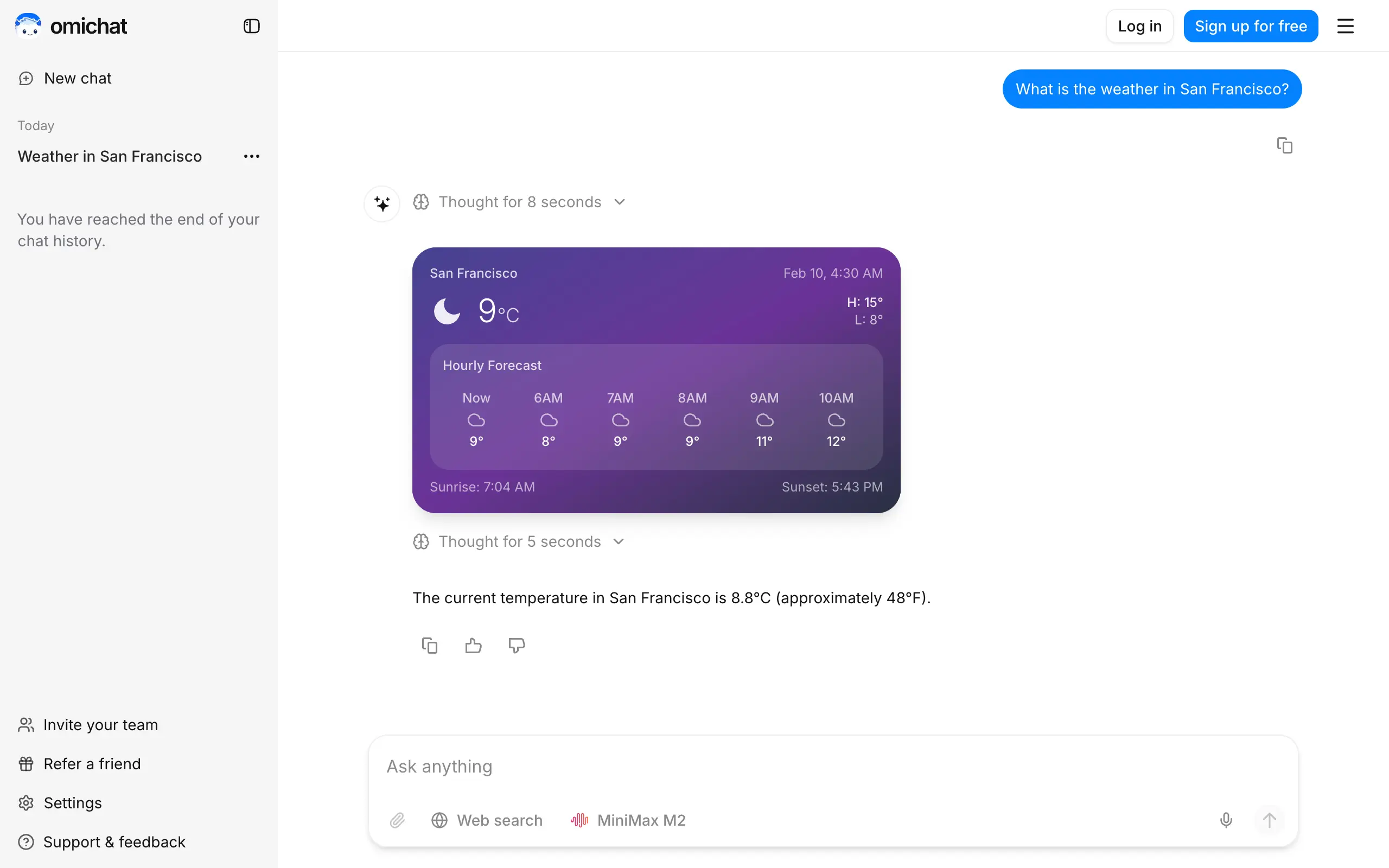
Omichat
Chat with 50+ AI models, including ChatGPT and Claude, in one place - switch models anytime without losing context 🤖
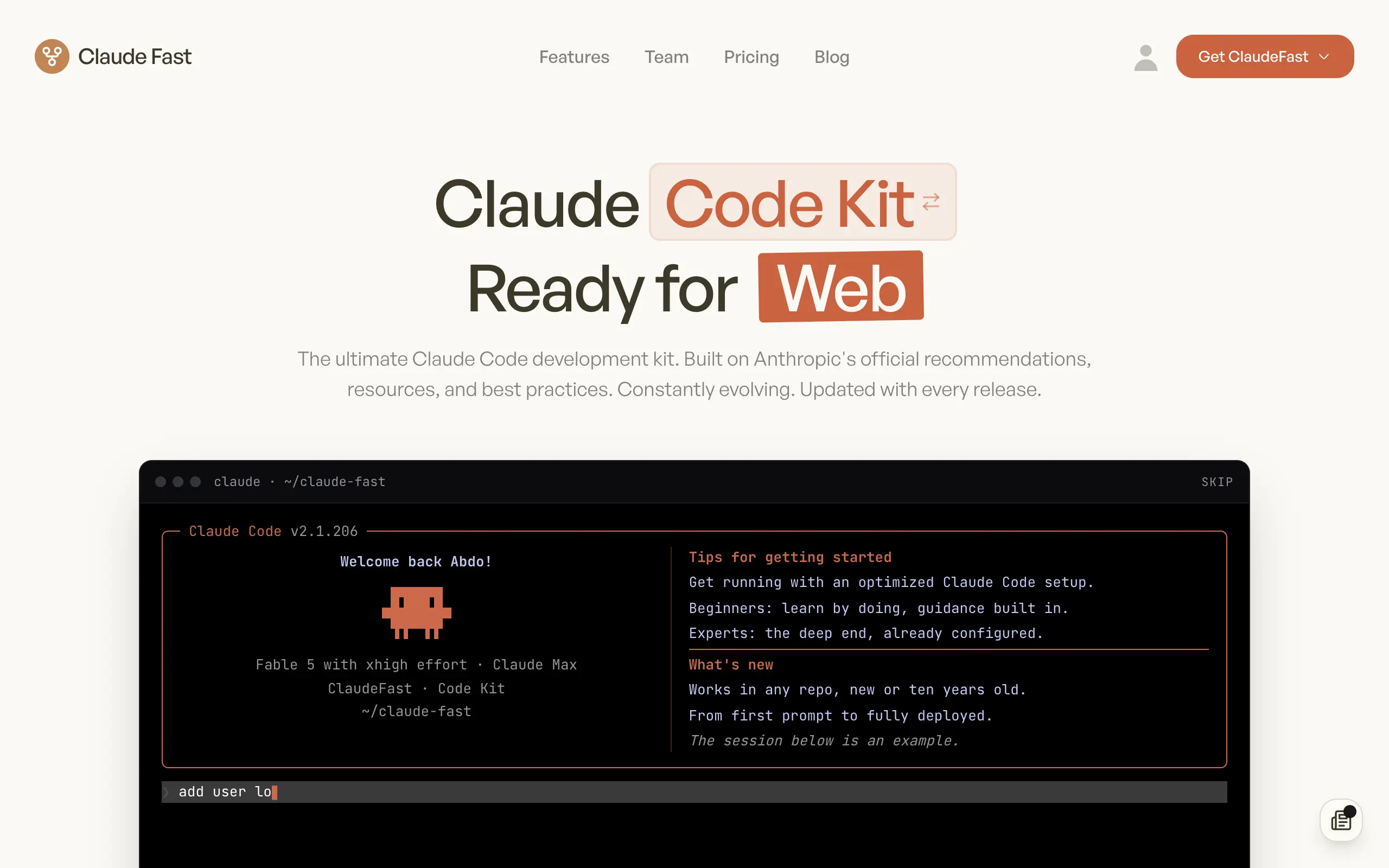
Claude Fast
Supercharge your Claude Code with 6x effective context window and specialized AI agents 🤖
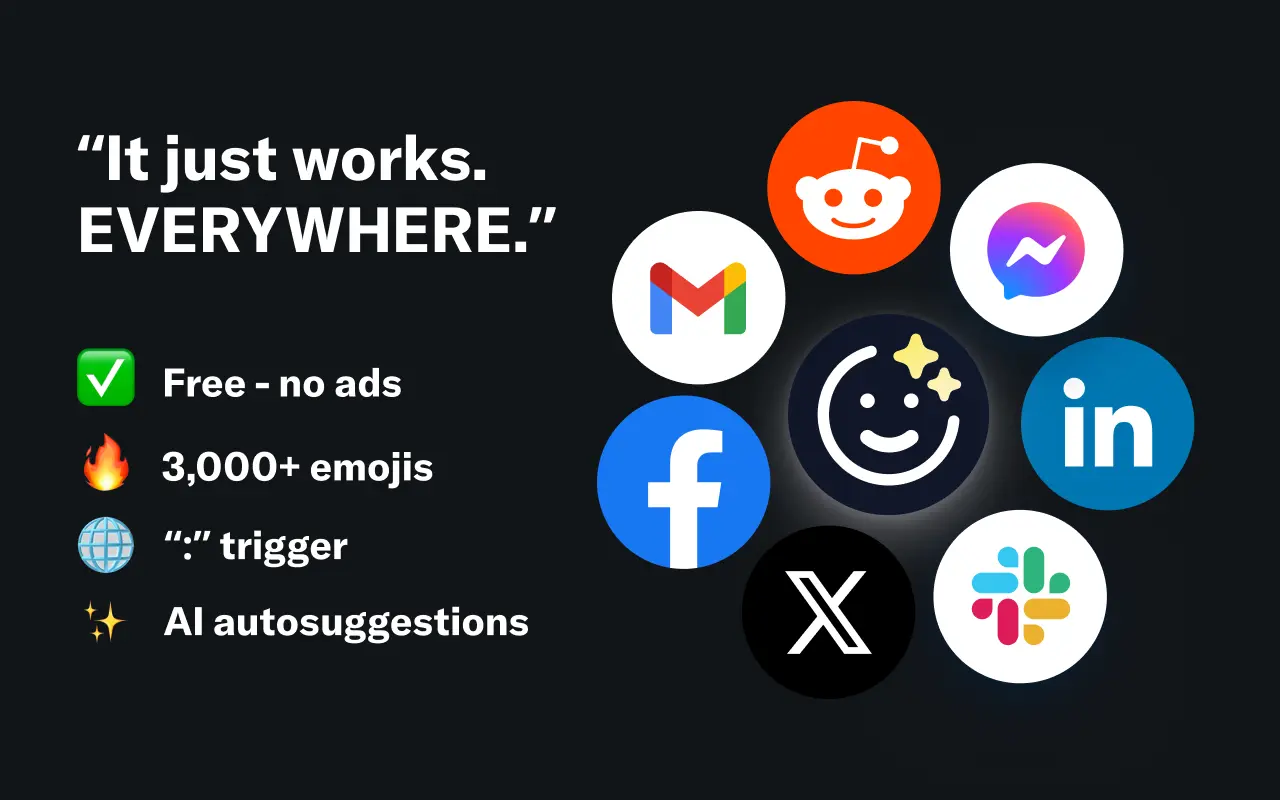
EmojAI
AI-powered emoji picker with smart, context-aware suggestions 🤖
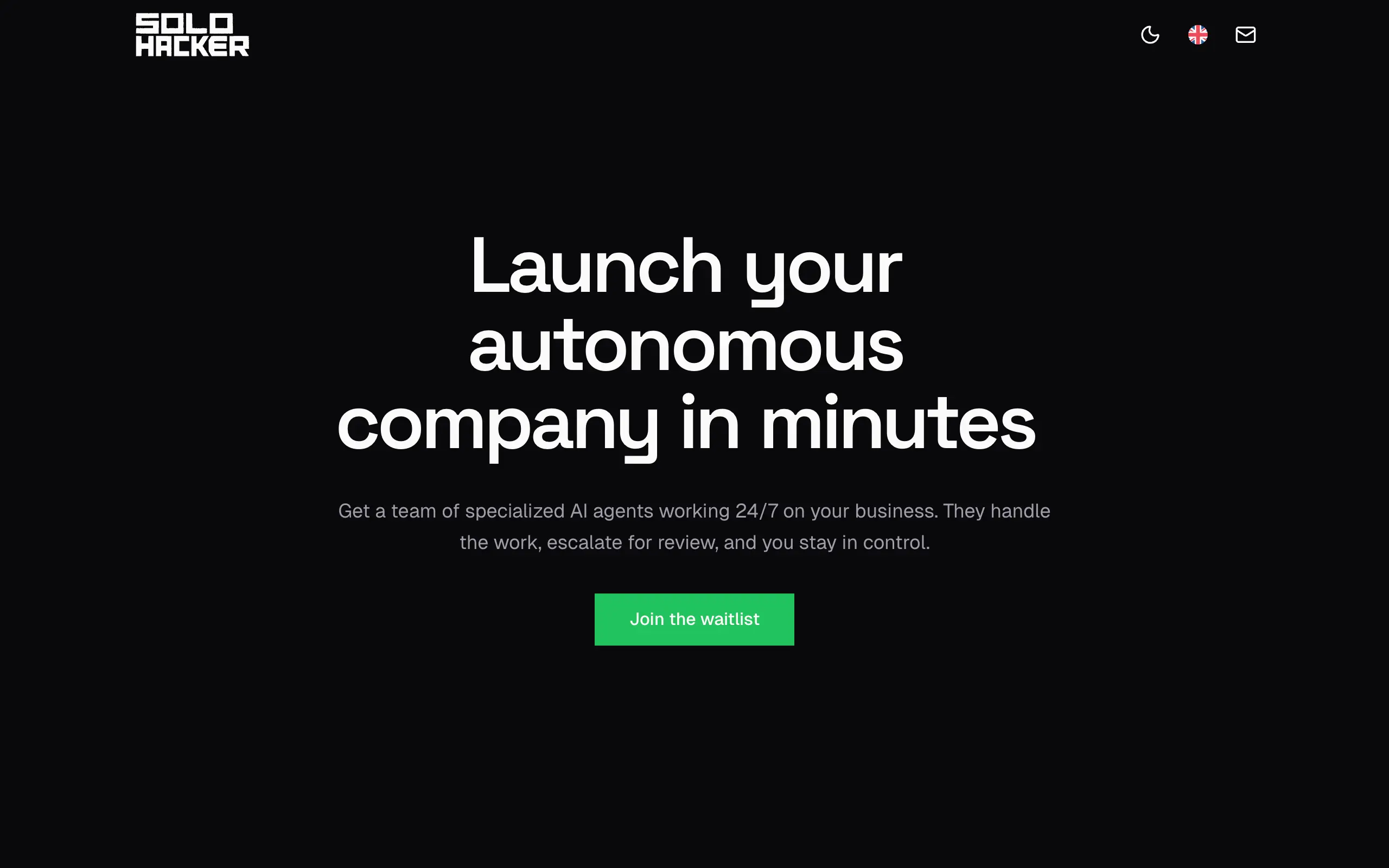
Solohacker
Autonomous company launcher - AI agents work 24/7, escalate what matters, and you stay in control 🤖
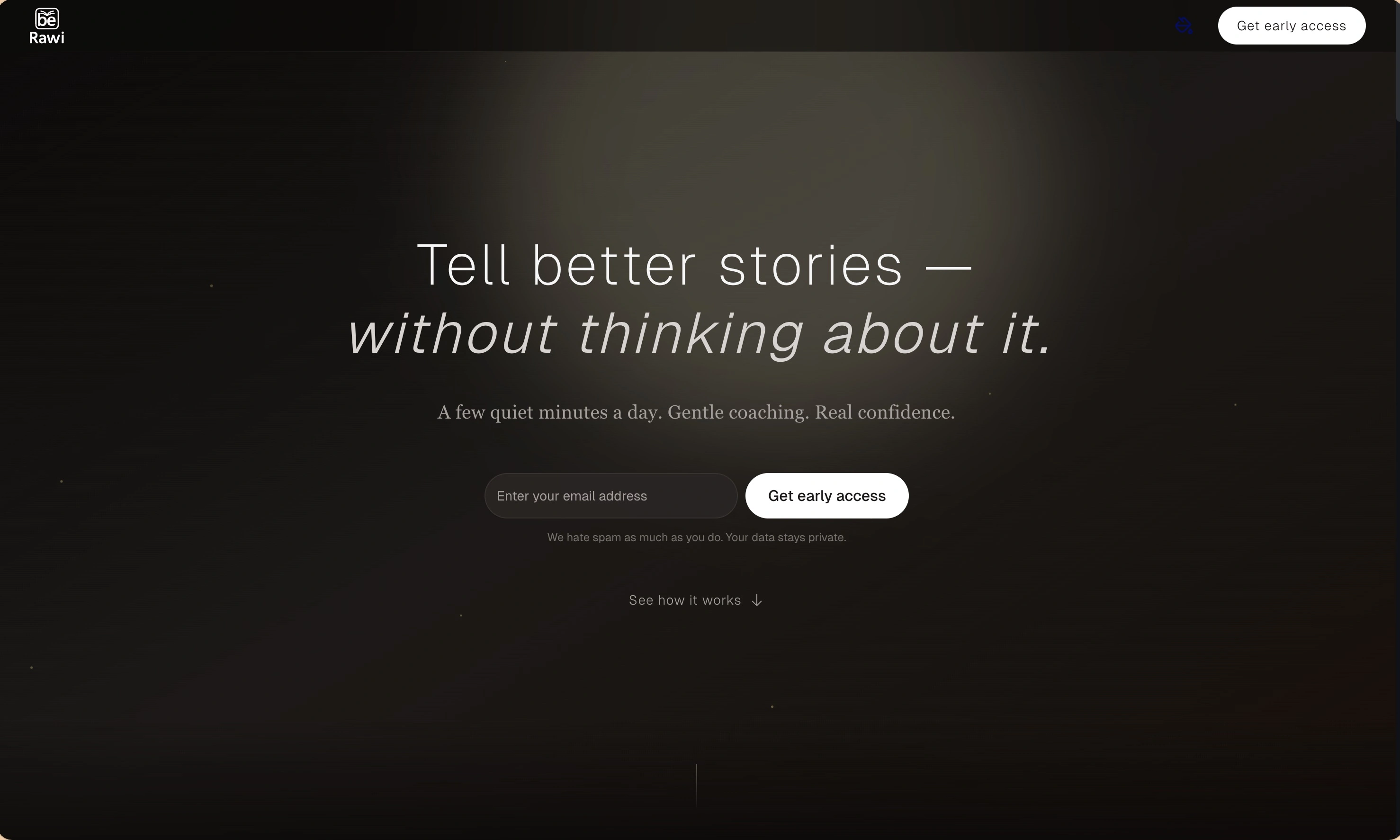
BeRawi: Storytelling Coach
Practice storytelling daily with instant feedback to sound clearer, more engaging, and confident 🎤
Omichat
Chat with 50+ AI models, including ChatGPT and Claude, in one place - switch models anytime without losing context 🤖
Claude Fast
Supercharge your Claude Code with 6x effective context window and specialized AI agents 🤖
EmojAI
AI-powered emoji picker with smart, context-aware suggestions 🤖
Solohacker
Autonomous company launcher - AI agents work 24/7, escalate what matters, and you stay in control 🤖
BeRawi: Storytelling Coach
Practice storytelling daily with instant feedback to sound clearer, more engaging, and confident 🎤
Omichat
Chat with 50+ AI models, including ChatGPT and Claude, in one place - switch models anytime without losing context 🤖
Claude Fast
Supercharge your Claude Code with 6x effective context window and specialized AI agents 🤖
EmojAI
AI-powered emoji picker with smart, context-aware suggestions 🤖
Solohacker
Autonomous company launcher - AI agents work 24/7, escalate what matters, and you stay in control 🤖
BeRawi: Storytelling Coach
Practice storytelling daily with instant feedback to sound clearer, more engaging, and confident 🎤
Omichat
Chat with 50+ AI models, including ChatGPT and Claude, in one place - switch models anytime without losing context 🤖
Claude Fast
Supercharge your Claude Code with 6x effective context window and specialized AI agents 🤖
EmojAI
AI-powered emoji picker with smart, context-aware suggestions 🤖
Solohacker
Autonomous company launcher - AI agents work 24/7, escalate what matters, and you stay in control 🤖
BeRawi: Storytelling Coach
Practice storytelling daily with instant feedback to sound clearer, more engaging, and confident 🎤

Connect with like-minded people
Join our community to get feedback, support, and grow together with 1,000+ builders on board, let's ship it!
Join usShip your startup everywhere. In minutes.
Don't burn tokens on setup and start building features on day one.