TeamSync Calendar
Collaborative online calendars that let teams align schedules, set availability, and coordinate projects in real time without any AI dependencies.
Understanding the real need for collaborative team calendars
Today's workplaces increasingly rely on seamless coordination between distributed team members. Whether your team is remote, hybrid, or on-site, productivity often hinges on how effectively everyone can align their schedules, share availability, and keep projects moving without miscommunication or time wasted in back-and-forths.
TeamSync Calendar is designed to directly address this by providing a real-time, collaborative online calendar platform—purpose-built for teams to synchronize schedules, set and view availabilities, and coordinate projects without any AI dependencies. Unlike crowded legacy solutions or complex AI-driven scheduling tools, TeamSync Calendar emphasizes privacy, clarity, and instant updates so teams can move fast and stay organized.
Who will benefit most from TeamSync Calendar? (target audience analysis)
The best productivity SaaS tools captivate their market by intimately understanding core users and their workflows. Let's break down the primary audiences for TeamSync Calendar:
1. Distributed and hybrid teams
- Remote-first organizations: companies operating across time zones need instant visibility into colleague availability and shared project timelines.
- Hybrid teams: balancing on-site and remote staff can create scheduling headaches—simple shared calendars cut through this noise.
2. Project managers and team leads
- Need reliable tools to coordinate deadlines, team meetings, and resource allocation.
- Benefit from real-time updates and the ability to overlay or filter calendars (personal, project, department).
3. Agencies and consultancies
- Agencies working with multiple clients and internal teams must manage competing schedules and project milestones.
- External stakeholders can be invited for limited-view access without exposing sensitive information.
4. Academic, nonprofit, and volunteer groups
- Universities, research groups, and nonprofits collaborate on shifting project and event schedules.
- Teams without dedicated IT staff benefit from a self-serve, intuitive solution.
5. Any business wishing to avoid AI in scheduling
- Privacy-conscious organizations: TeamSync Calendar does not rely on AI assistants, minimizing data privacy risks.
- Teams in highly regulated sectors (healthcare, finance, legal) who want scheduling sophistication without ML-driven automation.
In summary: If you need fluid, privacy-first, non-AI team scheduling, TeamSync Calendar is a prime fit.
Why the market needs a purpose-built collaborative team calendar (opportunity and gaps)
The online calendar SaaS market is competitive, but several gaps remain unaddressed by existing solutions. Understanding these will help you see TeamSync Calendar's strategic advantage.
Market trends and pain points
- Legacy calendars (like Google, Outlook) are designed for individual use and basic sharing, not deep team project collaboration.
- AI-powered scheduling assistants introduce privacy and predictability concerns—many users prefer human-driven coordination.
- Fragmented solutions: Teams often juggle multiple disconnected calendar apps, leading to double bookings and communication breakdown.
Where existing tools fall short
Most calendars update passively or on refresh. TeamSync Calendar is built for real-time updates: when someone joins, cancels, or changes an event, everyone knows instantly—no manual refreshes.
AI scheduling tools raise compliance flags in certain industries. TeamSync Calendar's no-AI stance means you control your data—no opaque algorithms processing sensitive information.
Many “enterprise” calendar solutions pile on bloat—making them hard to use or onboard new team members. TeamSync Calendar will have frictionless onboarding and a learning curve measured in minutes.
Market data (2023-2024):
- Distributed and hybrid teams increased by >30% [suggest referencing Gartner or FlexJobs].
- Calendar and productivity SaaS tools see high churn—often due to poor UX or privacy concerns.
- Emerging compliance regulations (e.g., GDPR, HIPAA) mean teams seek tools with transparent data processing and storage.
Opportunity: There is a market gap for a secure, easy-to-use, collaborative calendar SaaS that provides all the power teams need—without the privacy risks or AI-driven complexity.
Deep dive: Core features & unique value proposition
What sets TeamSync Calendar apart as an essential productivity SaaS? Here's what makes it not just another calendar:
Real-time team collaboration
Instantly see teammates' availability, propose meetings, and adjust schedules—all changes reflect immediately for everyone, ensuring true collaboration.
No AI, full control
TeamSync Calendar is 100% free from AI dependencies. Your team’s data stays private and scheduling remains predictable and transparent.
Smart availability setting
Set standard working hours, custom time slots, and recurring availability for each team member, with visibility settings for privacy and compliance.
Calendars for projects, not just people
Create dedicated calendars for projects, departments, or client engagement, then assign team members as needed. Overlay multiple calendars for clarity.
Seamless integrations
Effortless sync with Google Calendar, Outlook, and more—choose what’s shared and where, keeping work and personal lines clear.
Granular permissions
Fine-tune who can view, edit, or share each calendar to safeguard sensitive data and prevent scheduling mishaps.
Additional anticipated features:
- Custom reminders and notifications
- Export/share read-only or interactive links for stakeholders
- Mobile-optimized experience for on-the-go coordination
- Audit logs for compliance
Unique Selling Proposition (USP):
TeamSync Calendar empowers teams with real-time, collaborative scheduling—no AI required, fully privacy-first, and specifically crafted for project-based teamwork.
Key technologies for building a collaborative online calendar
The tech stack behind TeamSync Calendar will determine its performance, scalability, and usability. Let’s explore the recommended technologies and the reasoning behind each choice.
Recommended tech stack
| Layer | Tech | Rationale | Trade-offs |
|---|---|---|---|
| Frontend | React, TailwindCSS | Rapid development, strong community, interactive UI, mobile-friendly | Requires careful state management for real-time UX |
| Backend | Node.js, NestJS | Scalable, supports real-time web sockets, TypeScript support | May require extra setup for high scale |
| Real-time Sync | Socket.IO or Ably | True instant updates—critical for team collaboration | Web sockets add complexity/noise handling |
| Database | PostgreSQL, Redis | Reliable, handles relational data and speed-boosted caching | Operational overhead for multi-instance setup |
| Authentication | Auth0 or Clerk | Secure, scalable user authentication | Costs scale with seats |
| Calendar Sync | Google Calendar API, Microsoft Graph API | Allows bidirectional sync, handles permissions | Integration complexity |
| Hosting | Vercel / AWS | Global reach, serverless auto-scaling, robust uptime | Vendor lock-in possible |
Sample: Real-time sync calendar event update (React + Socket.IO)
// React: useEffect for listening to calendar event updates via Socket.IO
import { useEffect } from 'react';
import io from 'socket.io-client';

const socket = io('https://your-calendar-api.com');

export function useCalendarSync(onEventUpdate) {
  useEffect(() => {
    socket.on('calendarEventUpdated', onEventUpdate);

    return () => {
      socket.off('calendarEventUpdated', onEventUpdate);
    };
  }, [onEventUpdate]);
}
Tech stack decisions
Emphasize open standards, strong documentation, and integration options. Avoid lock-in to niche SaaS or AI-driven event engines. Prioritize developer productivity and security best practices (OAuth2, audit logging).
Smart monetization for productivity SaaS: TeamSync Calendar strategies
A collaborative calendar SaaS has a number of proven paths for monetization. Here’s a look at effective (and future-proof) models and tactics.
1. Freemium with feature tiers
-
Free plan:
- Limited users/calendars (e.g., up to 5 seats, 3 project calendars)
- Basic integrations
- Community support
-
Pro/Team plan:
- Unlimited calendars & seats
- Real-time sync and advanced permissions
- Enhanced integrations (Outlook, Slack, Zapier)
- Priority support
-
Enterprise plan:
- SSO, advanced compliance (HIPAA, SOC2)
- Dedicated onboarding and premium SLA
- API access for custom integrations
2. Add-on and usage-based pricing
- Buy "integration packs" for sync with external providers.
- Pay-as-you-go charges for SMS/email reminders above base quotas.
3. White-label and partnership offerings
- Resell customizable versions to agencies, consultancies, or industry verticals needing branded scheduling.
4. Volume discounting for education and nonprofit
- Encourage adoption with deep discounts for schools and charities, driving word-of-mouth and network effects.
Keep pricing transparent
If you position TeamSync Calendar as the no-AI, privacy-first alternative, keep pricing simple and predictable—no hidden metered charges or surprise “AI usage” fees.
What are the big risks and how can you mitigate them?
Launching and scaling a collaborative productivity SaaS like TeamSync Calendar involves several challenges. Let's highlight the main risks and proven strategies for mitigation.
1. Privacy and compliance concerns
- Risk: Mishandling of personal or calendar data, even accidentally, can lead to trust erosion or regulatory penalties.
- Mitigation: Build strict privacy layers into your architecture. Regularly audit security and privacy controls. Stay up to date on new regulations (e.g., GDPR, CCPA).
2. Real-time data consistency
- Risk: Sync conflicts or network issues could cause users to see stale or conflicting data—damaging trust in the calendar as a source of truth.
- Mitigation: Use established real-time protocols; build robust conflict resolution logic; offer clear visual feedback for sync issues.
3. User adoption and churn
- Risk: Teams may default to existing (even if inferior) calendar tools, or abandon new solutions quickly if onboarding is tough.
- Mitigation: Invest in world-class onboarding UX; provide migration/import tools; offer trial periods and rapid support response.
4. Performance and scalability
- Risk: As user count grows, calendar operations and notifications must remain fast and reliable.
- Mitigation: Use horizontal scaling strategies, caching, and CDN delivery for static assets. Choose reliable hosting and database options.
5. Market competition
- Risk: Large players (Google, Microsoft) or nimble startups could imitate or outpace you.
- Mitigation: Spotlight the privacy-first, no-AI stance and real-time experience. Develop a passionate early adopter community.
Standing out: Competitive advantage analysis
TeamSync Calendar isn't "just another calendar." Here's how it wins against legacy and new competitors:
| Features | Legacy Calendars | AI Schedulers | TeamSync Calendar | Generic Team SaaS |
|---|---|---|---|---|
| Real-time sync | ❌ | ❌ | ✅ | ❌ |
| No-AI, privacy-first | ✅ | ❌ | ✅ | ❌ |
| Project-based calendars | ❌ | ✅ | ✅ | ❌ |
| Fine-grained permissions | ✅ | ❌ | ✅ | ❌ |
| Instant onboarding | ❌ | ❌ | ✅ | ❌ |
Key differentiators:
- Real-time, project-based collaboration, not just sharing individual events.
- No AI dependencies: Complete control and compliance.
- Instant feedback: Every change is reflected instantly for the team—reducing friction.
- User-centric: Built for productivity, not maximizing engagement time or data mining.
Step-by-step: How to build and launch TeamSync Calendar
To move from idea to MVP, and then to a scalable SaaS business, follow these actionable steps:
If you want to accelerate this build or skip boilerplate, a SaaS starter kit like TurboStarter can cut time-to-MVP dramatically, offering built-in authentication, billing, and dashboard scaffolding.
Conclusion: The future of collaborative team productivity—no AI required
Modern work isn’t slowing down—it’s getting more distributed, more project-driven, and more demanding of intuitive coordination tools. TeamSync Calendar delivers a calendar SaaS aligned with 2024 priorities:
- Real-time, project-first scheduling
- Absolute privacy, with no AI dependencies
- Scalable, UX-focused, and ready for remote/hybrid era
By focusing on clear, authoritative answers to the core needs of teams, TeamSync Calendar promises an edge over both legacy calendars and disruptive, privacy-questionable AI assistants.
Ready to turn this vision into a productivity reality? Take the next step and start building the backbone of better teamwork!
More ⚡ Productivity Tool SaaS ideas
Discover more innovative productivity tool SaaS ideas that are trending in 2026. Each idea is AI-generated with market validation and growth potential to help you find your next profitable venture faster than competitors.
Your competitors are building with TurboStarter
Below are some of the SaaS ideas that have been generated and built with our starter kit.
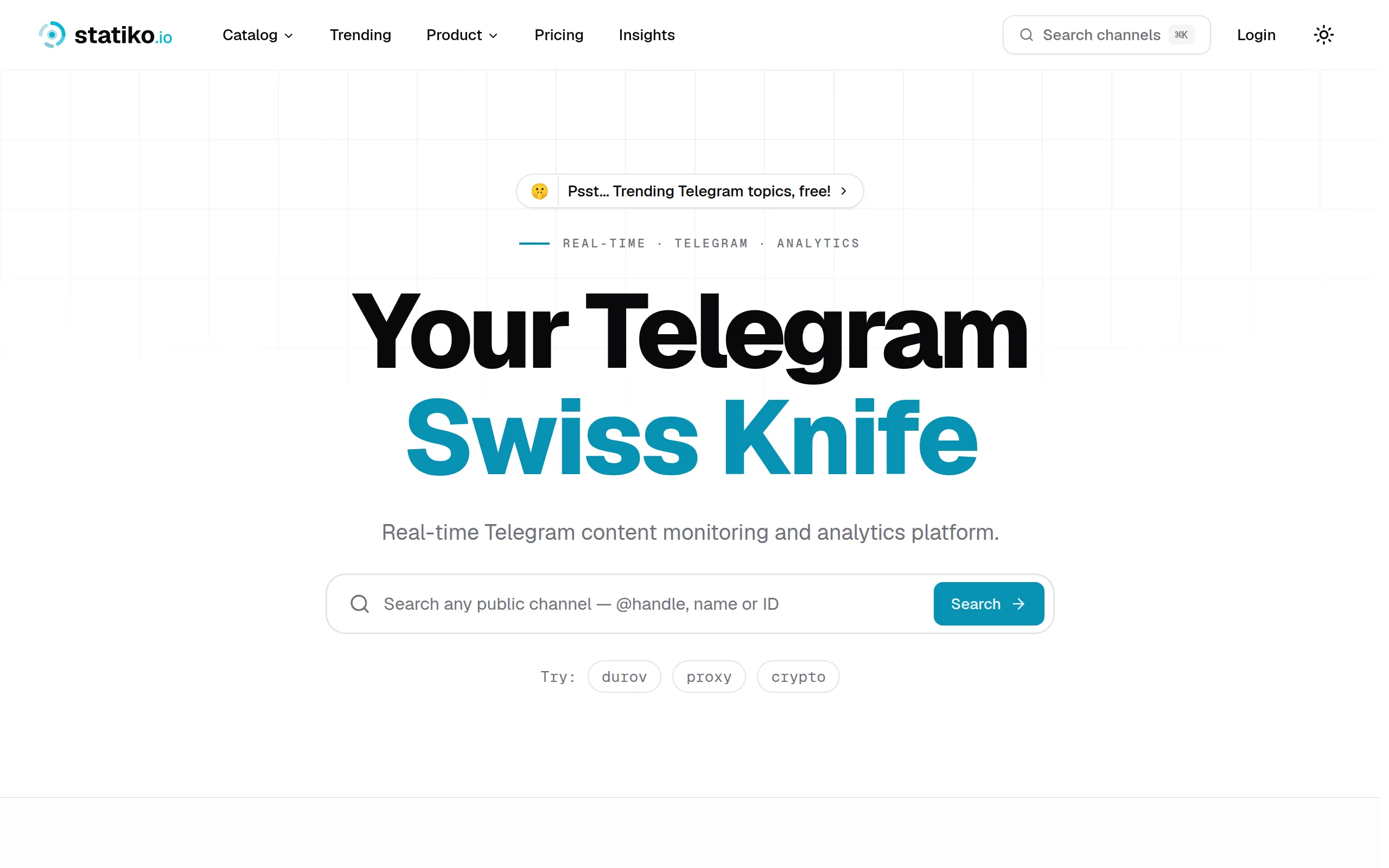
Statiko
Monitor any Telegram channel in real time - track posts, edits, deletions, and growth with AI recaps 📡

Shibui
AI website builder - describe your business, pick a niche template, edit by chatting, and publish instantly ✨

Pro Service
Find verified home service professionals, compare quotes, and pay securely through escrow - built for Brazilians across the US 🏠
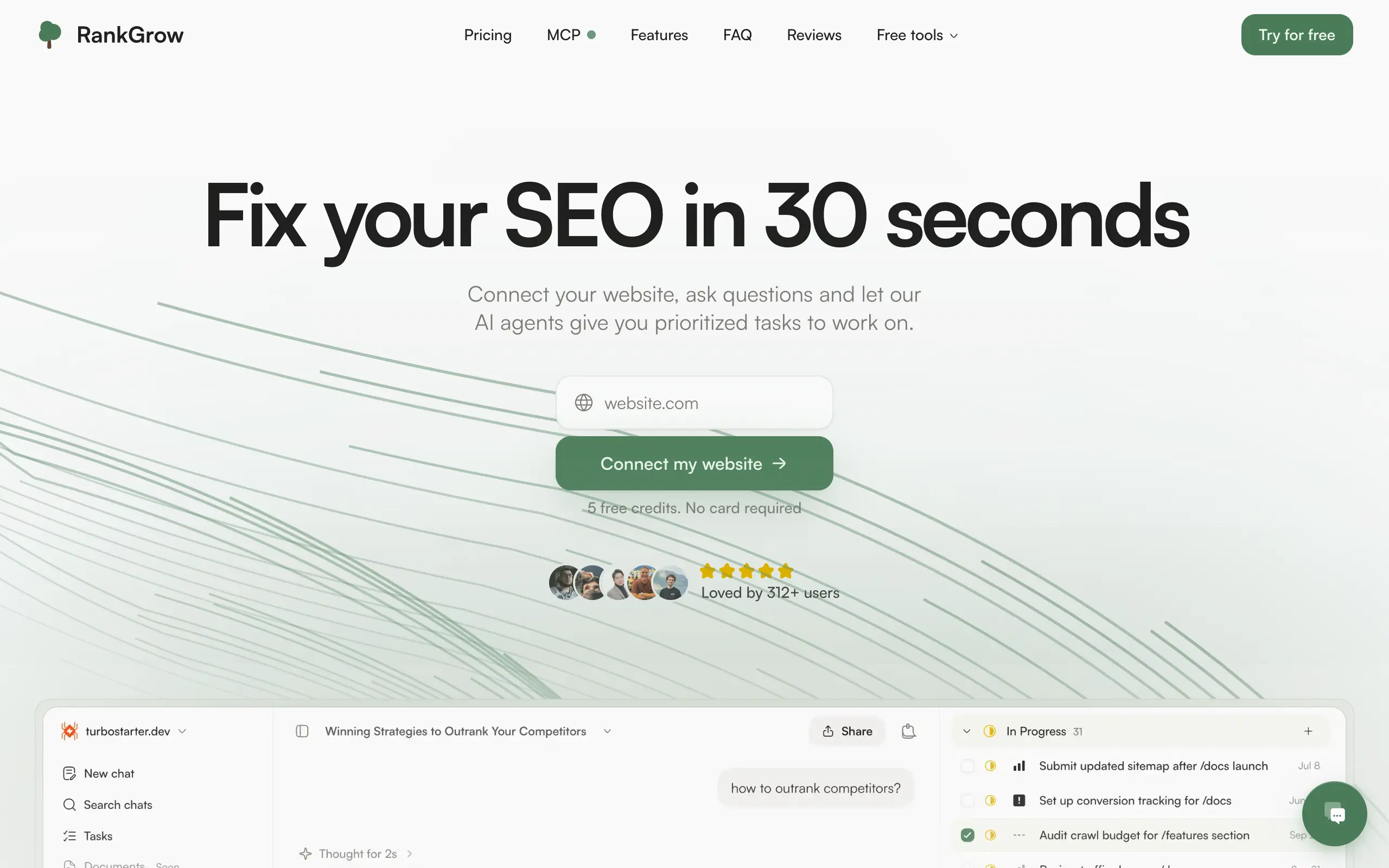
RankGrow
Fix your SEO with AI agents - connect Search Console, get prioritized tasks, and grow organic traffic 📈
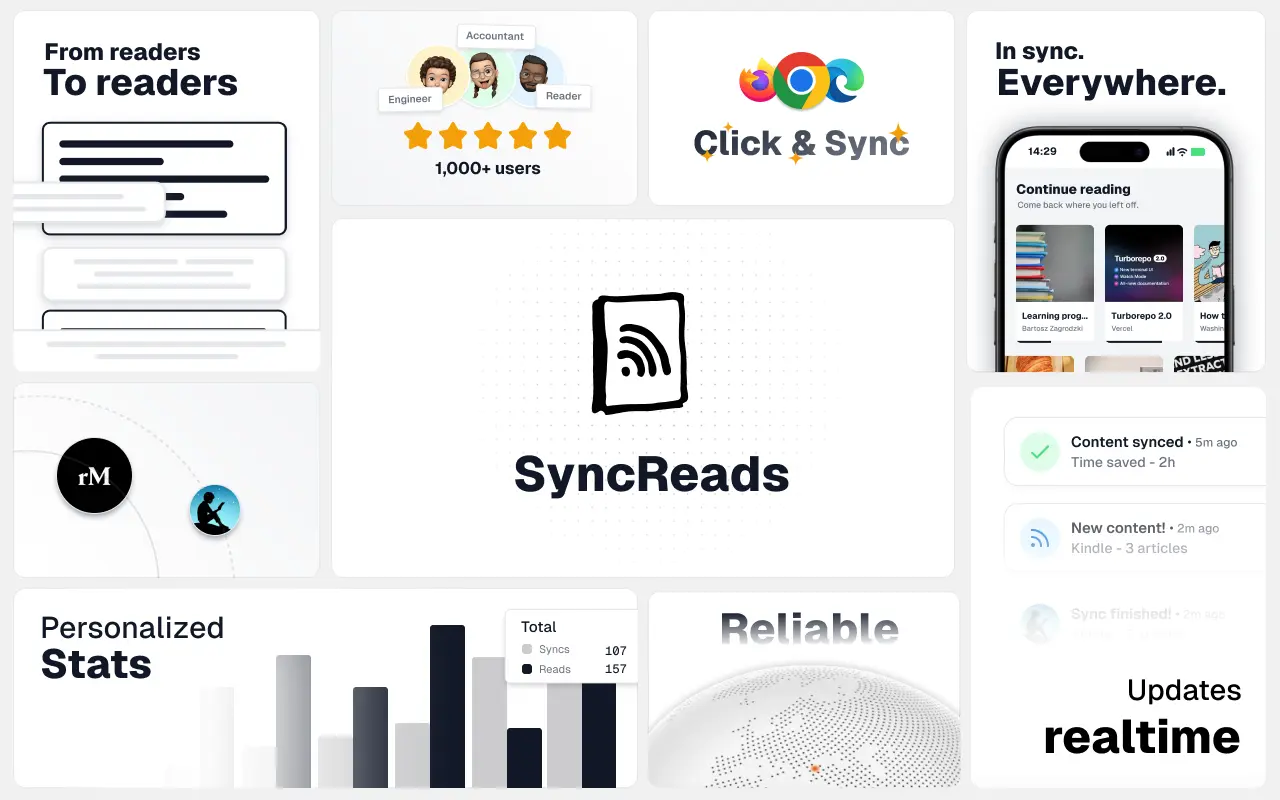
SyncReads
Sync your favorite content for distraction-free reading, save time and replace multiple apps. Anytime, anywhere 🔄
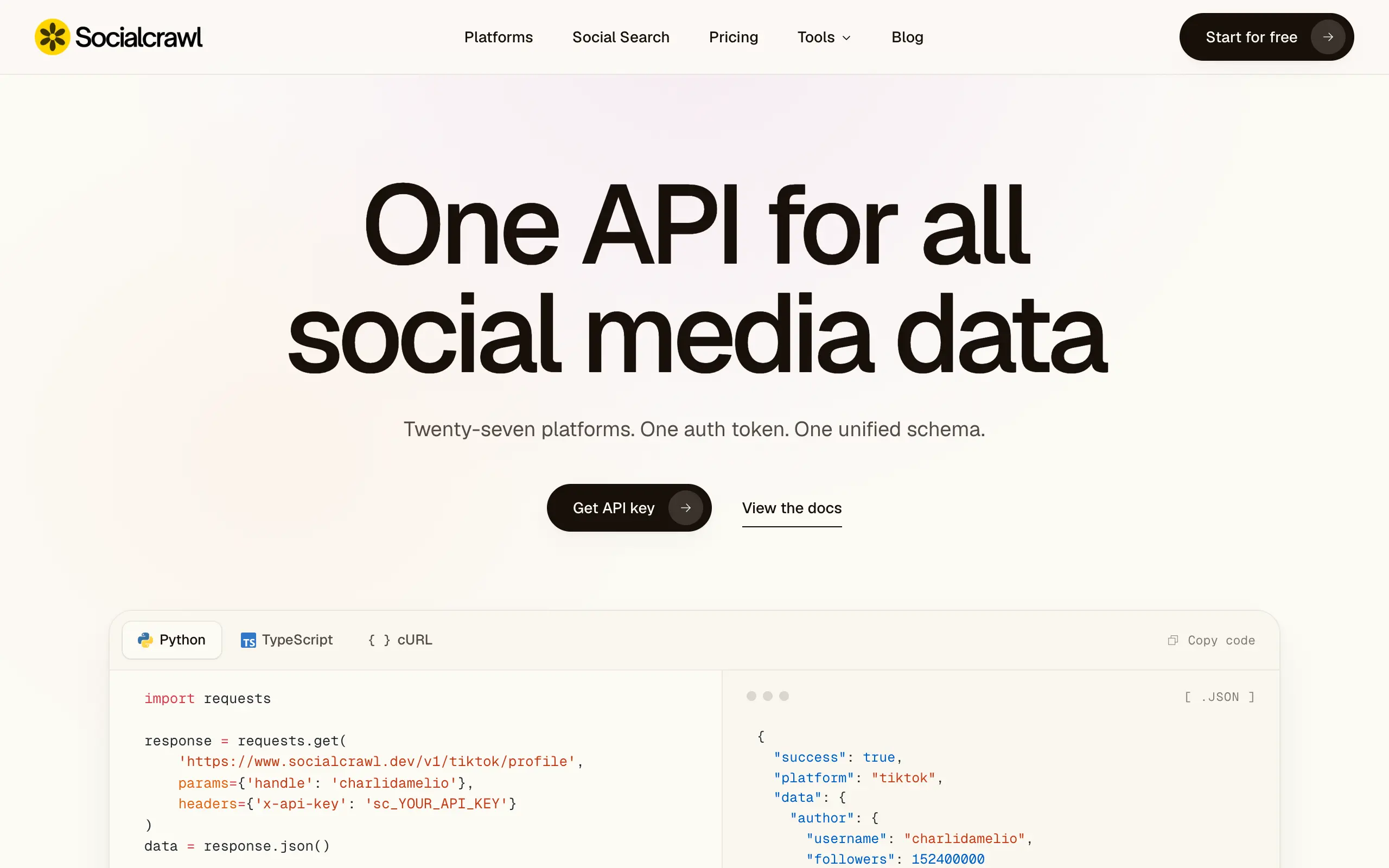
Socialcrawl
Get clean, structured data from 21 platforms like TikTok, Instagram, and YouTube with a single request 📊
Statiko
Monitor any Telegram channel in real time - track posts, edits, deletions, and growth with AI recaps 📡
Shibui
AI website builder - describe your business, pick a niche template, edit by chatting, and publish instantly ✨
Pro Service
Find verified home service professionals, compare quotes, and pay securely through escrow - built for Brazilians across the US 🏠
RankGrow
Fix your SEO with AI agents - connect Search Console, get prioritized tasks, and grow organic traffic 📈
SyncReads
Sync your favorite content for distraction-free reading, save time and replace multiple apps. Anytime, anywhere 🔄
Socialcrawl
Get clean, structured data from 21 platforms like TikTok, Instagram, and YouTube with a single request 📊
Statiko
Monitor any Telegram channel in real time - track posts, edits, deletions, and growth with AI recaps 📡
Shibui
AI website builder - describe your business, pick a niche template, edit by chatting, and publish instantly ✨
Pro Service
Find verified home service professionals, compare quotes, and pay securely through escrow - built for Brazilians across the US 🏠
RankGrow
Fix your SEO with AI agents - connect Search Console, get prioritized tasks, and grow organic traffic 📈
SyncReads
Sync your favorite content for distraction-free reading, save time and replace multiple apps. Anytime, anywhere 🔄
Socialcrawl
Get clean, structured data from 21 platforms like TikTok, Instagram, and YouTube with a single request 📊
Statiko
Monitor any Telegram channel in real time - track posts, edits, deletions, and growth with AI recaps 📡
Shibui
AI website builder - describe your business, pick a niche template, edit by chatting, and publish instantly ✨
Pro Service
Find verified home service professionals, compare quotes, and pay securely through escrow - built for Brazilians across the US 🏠
RankGrow
Fix your SEO with AI agents - connect Search Console, get prioritized tasks, and grow organic traffic 📈
SyncReads
Sync your favorite content for distraction-free reading, save time and replace multiple apps. Anytime, anywhere 🔄
Socialcrawl
Get clean, structured data from 21 platforms like TikTok, Instagram, and YouTube with a single request 📊
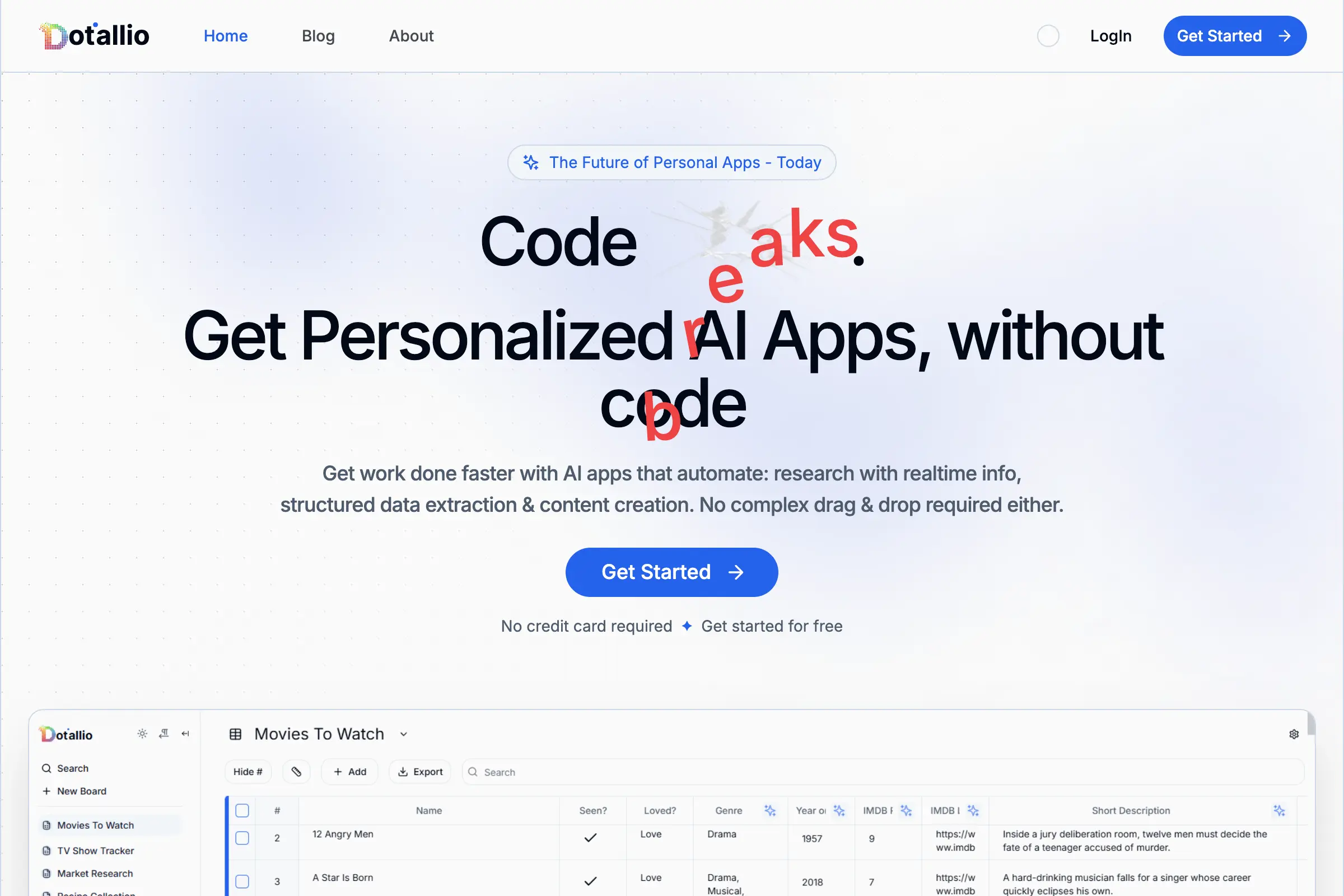
Dotallio
Personalized AI apps that automate research, data extraction, and content creation without code 🤖
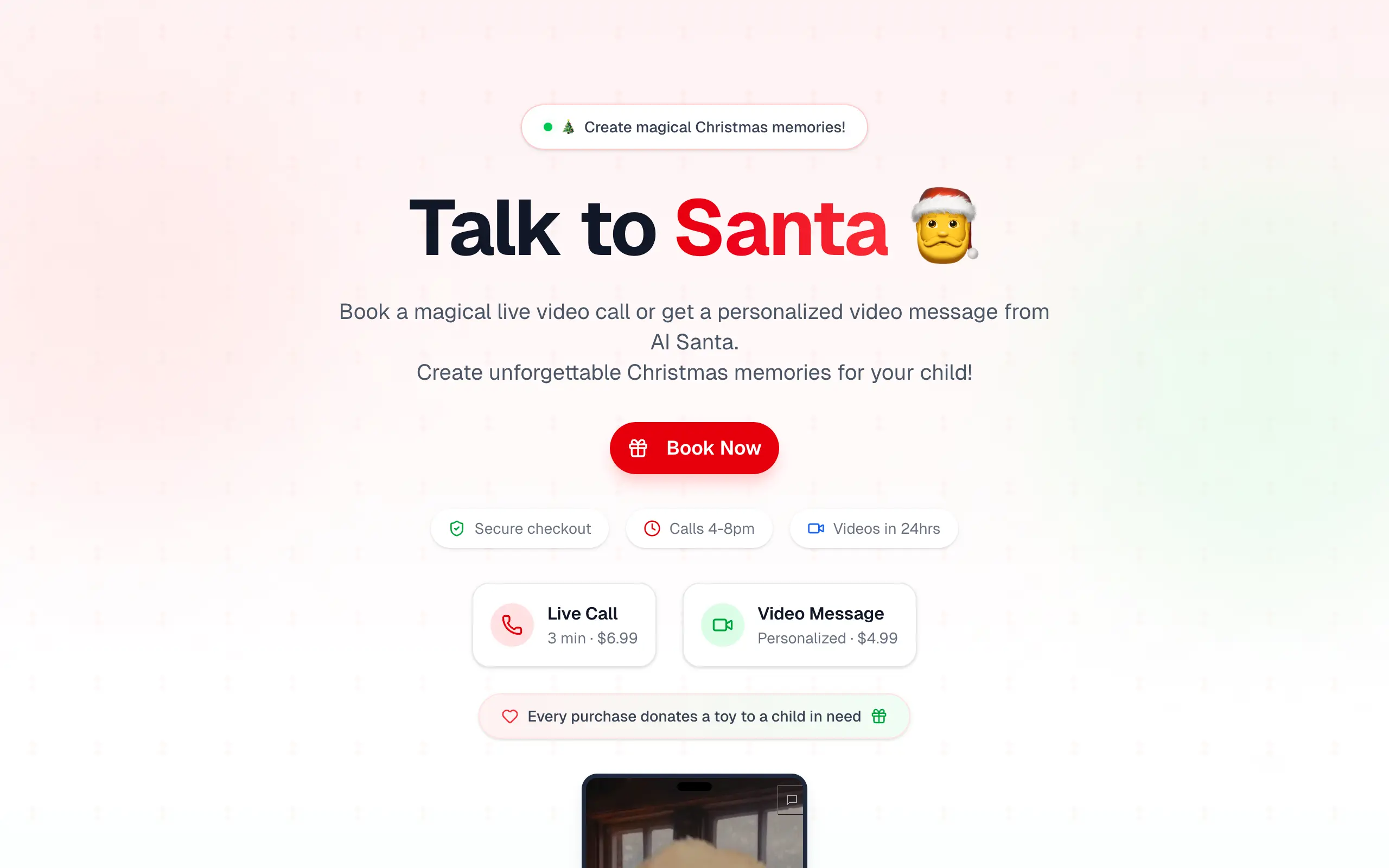
Talk to Santa
Enjoy a magical live video chat or receive a unique AI-generated video greeting from Santa Claus 🎅
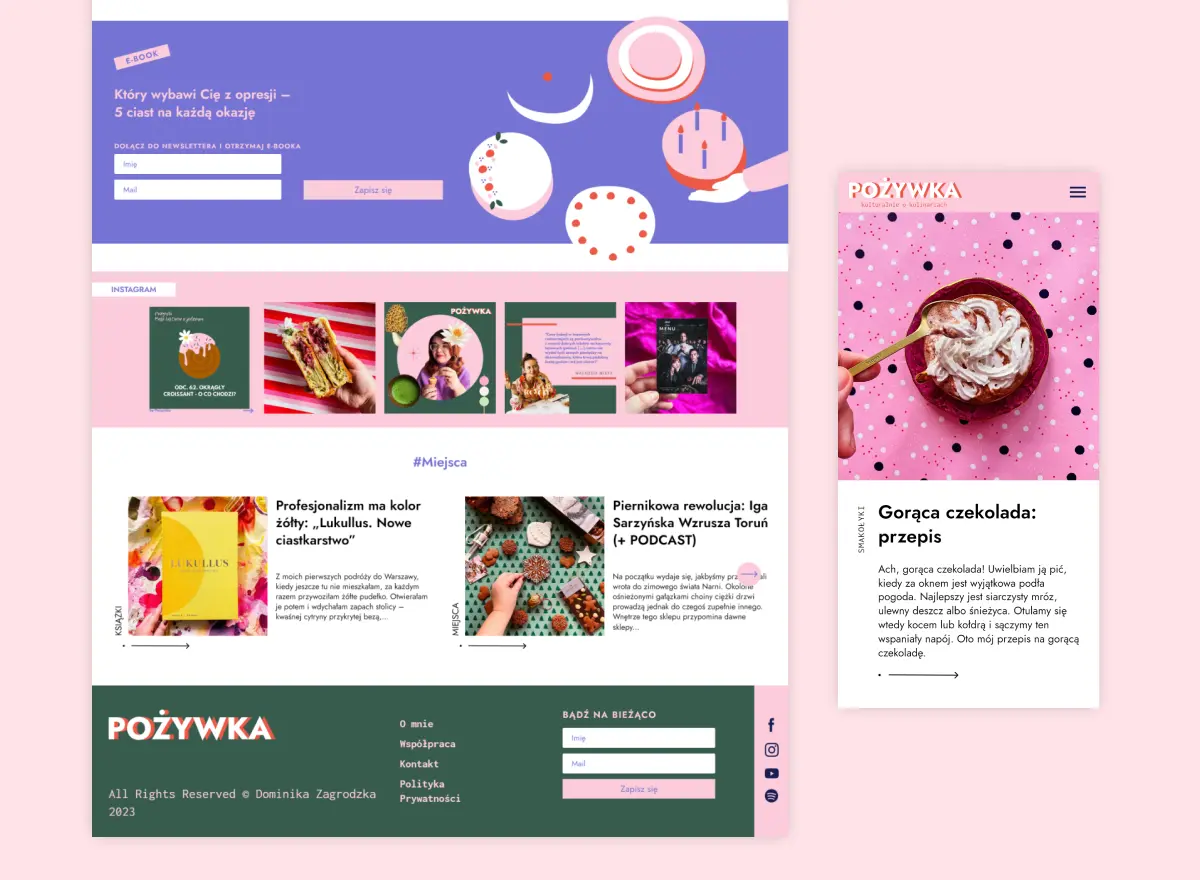
pozywka.pl
Scalable blog for food journalist, focused on performance and user experience 🌭
zagrodzki.me
Personal blog and portfolio of Bart Zagrodzki, where he shares his knowledge and work 💼
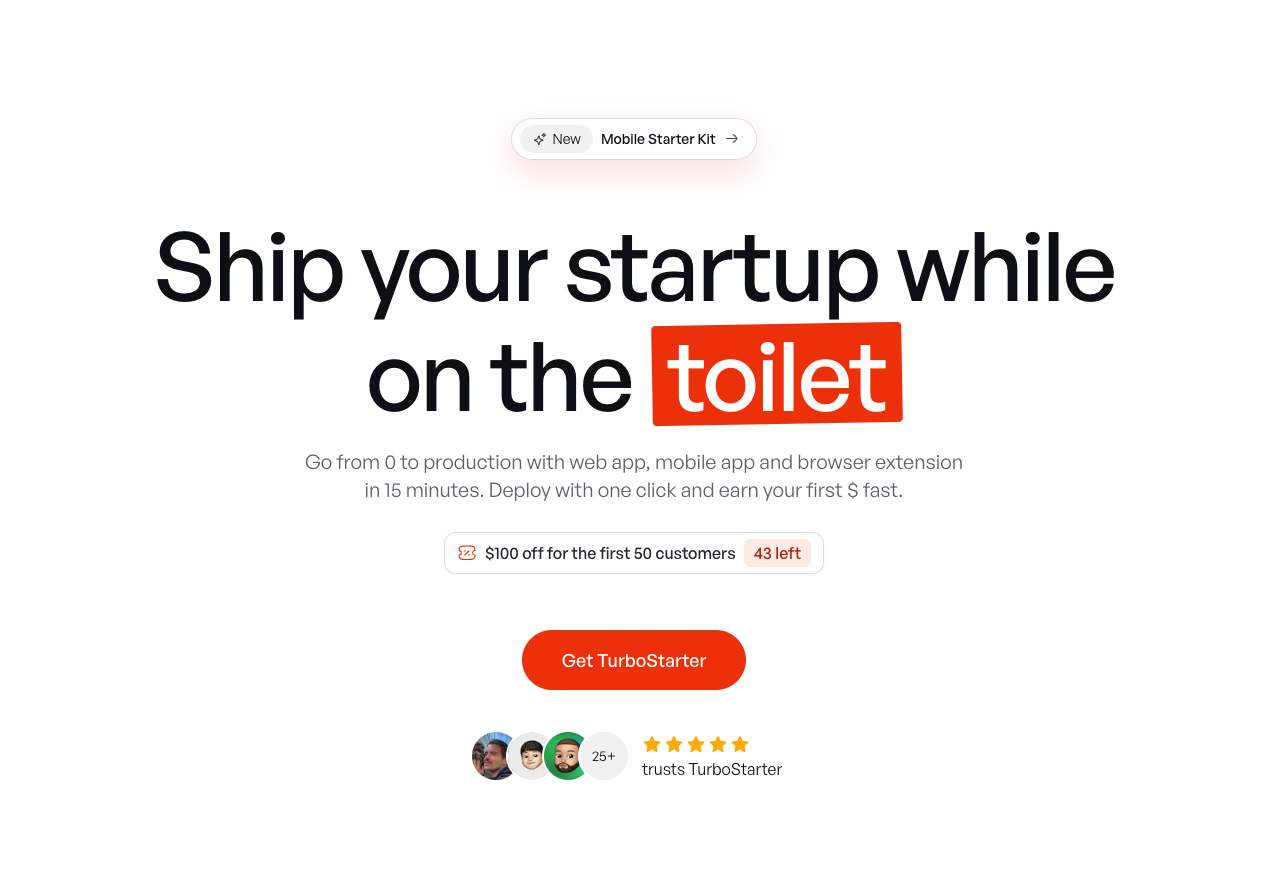
TurboStarter
Ship your startup everywhere. In minutes.
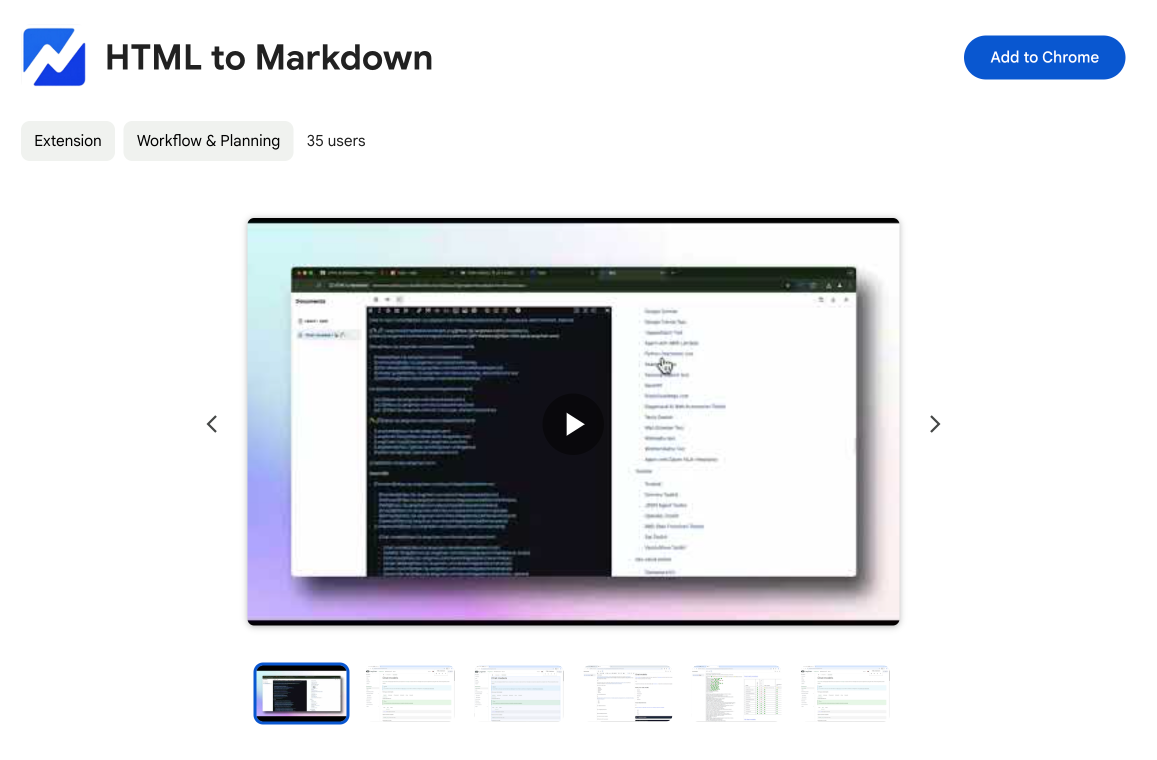
HTML to Markdown
Convert HTML to Markdown with ease, directly in your browser 📄
Dotallio
Personalized AI apps that automate research, data extraction, and content creation without code 🤖
Talk to Santa
Enjoy a magical live video chat or receive a unique AI-generated video greeting from Santa Claus 🎅
pozywka.pl
Scalable blog for food journalist, focused on performance and user experience 🌭
zagrodzki.me
Personal blog and portfolio of Bart Zagrodzki, where he shares his knowledge and work 💼
TurboStarter
Ship your startup everywhere. In minutes.
HTML to Markdown
Convert HTML to Markdown with ease, directly in your browser 📄
Dotallio
Personalized AI apps that automate research, data extraction, and content creation without code 🤖
Talk to Santa
Enjoy a magical live video chat or receive a unique AI-generated video greeting from Santa Claus 🎅
pozywka.pl
Scalable blog for food journalist, focused on performance and user experience 🌭
zagrodzki.me
Personal blog and portfolio of Bart Zagrodzki, where he shares his knowledge and work 💼
TurboStarter
Ship your startup everywhere. In minutes.
HTML to Markdown
Convert HTML to Markdown with ease, directly in your browser 📄
Dotallio
Personalized AI apps that automate research, data extraction, and content creation without code 🤖
Talk to Santa
Enjoy a magical live video chat or receive a unique AI-generated video greeting from Santa Claus 🎅
pozywka.pl
Scalable blog for food journalist, focused on performance and user experience 🌭
zagrodzki.me
Personal blog and portfolio of Bart Zagrodzki, where he shares his knowledge and work 💼
TurboStarter
Ship your startup everywhere. In minutes.
HTML to Markdown
Convert HTML to Markdown with ease, directly in your browser 📄
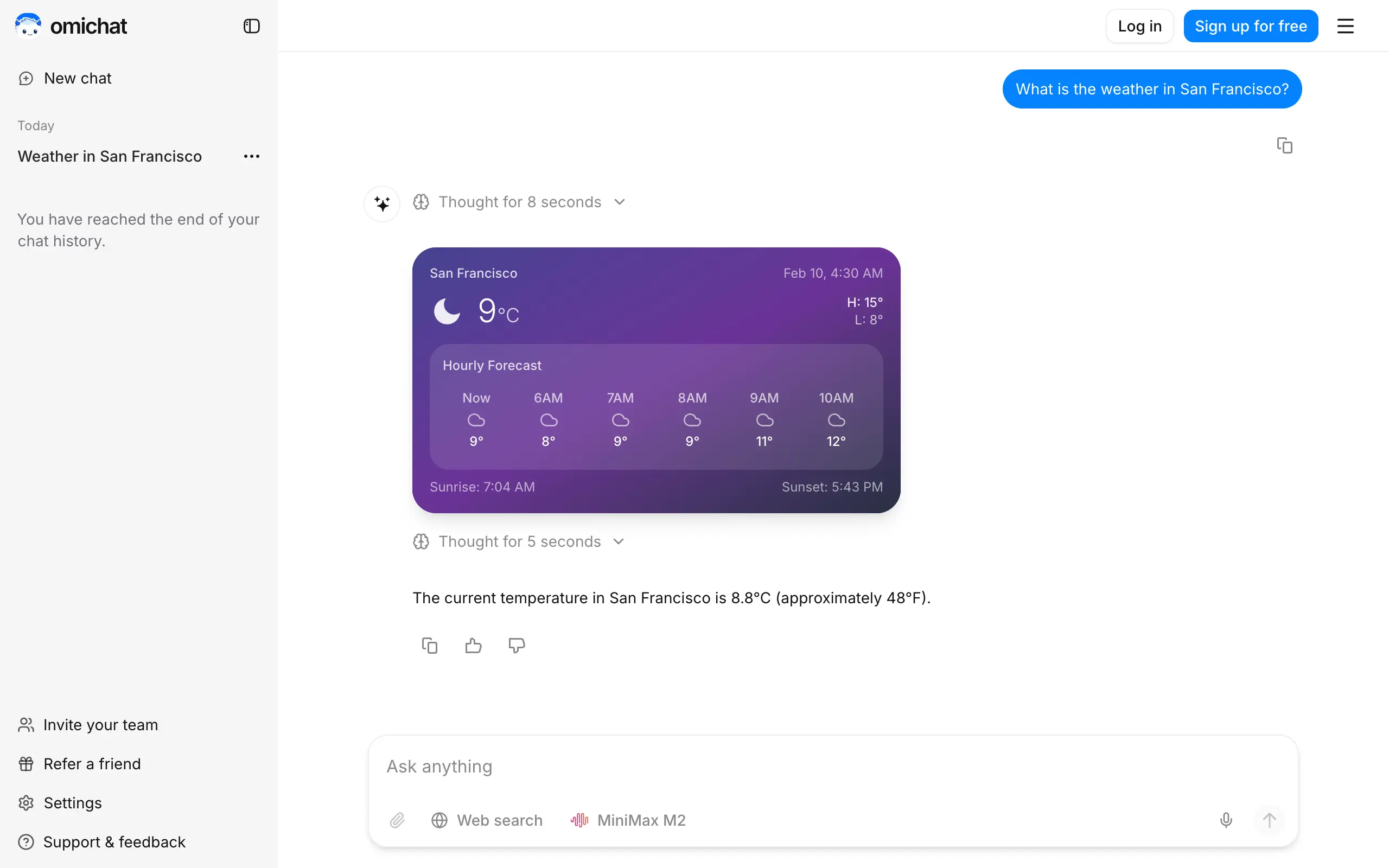
Omichat
Chat with 50+ AI models, including ChatGPT and Claude, in one place - switch models anytime without losing context 🤖
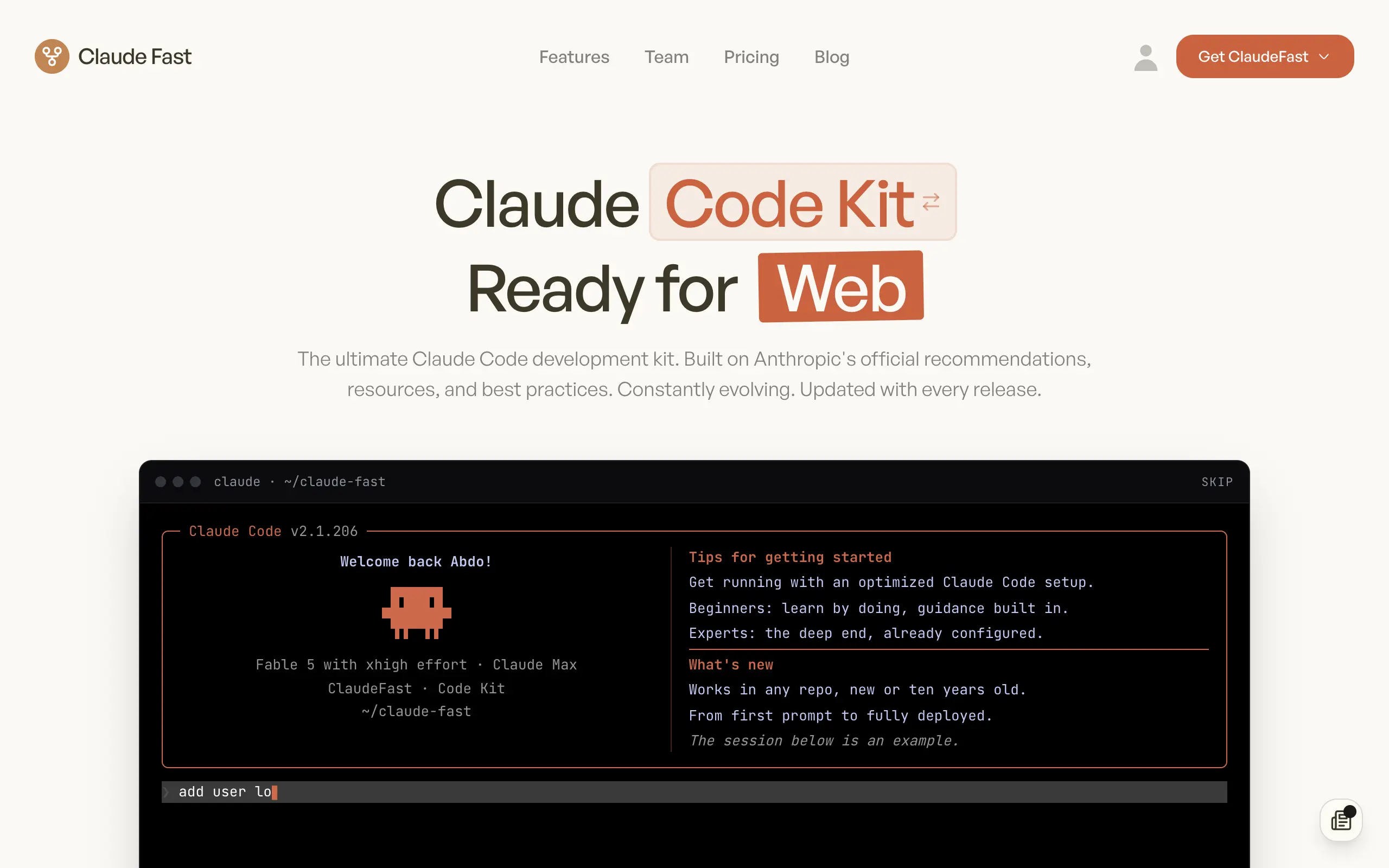
Claude Fast
Supercharge your Claude Code with 6x effective context window and specialized AI agents 🤖
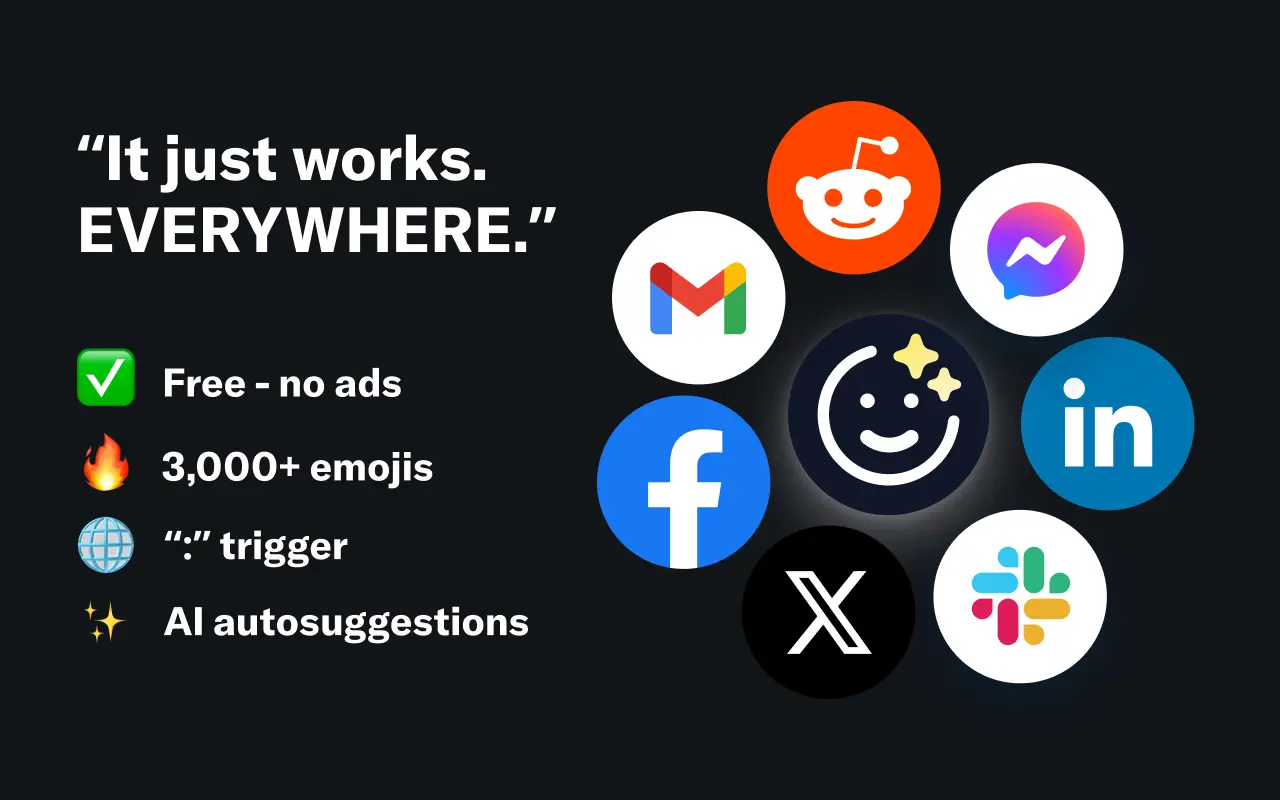
EmojAI
AI-powered emoji picker with smart, context-aware suggestions 🤖
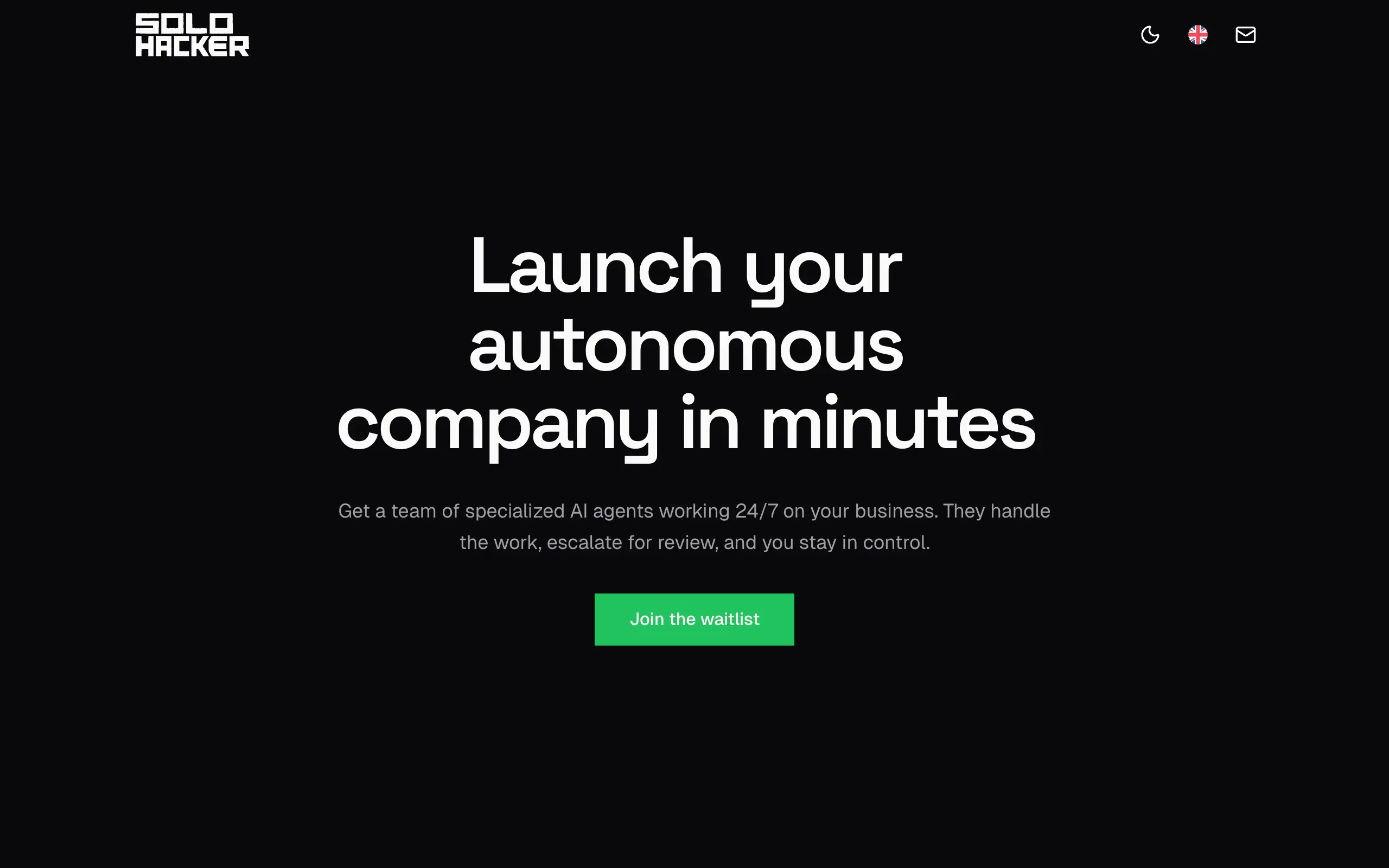
Solohacker
Autonomous company launcher - AI agents work 24/7, escalate what matters, and you stay in control 🤖
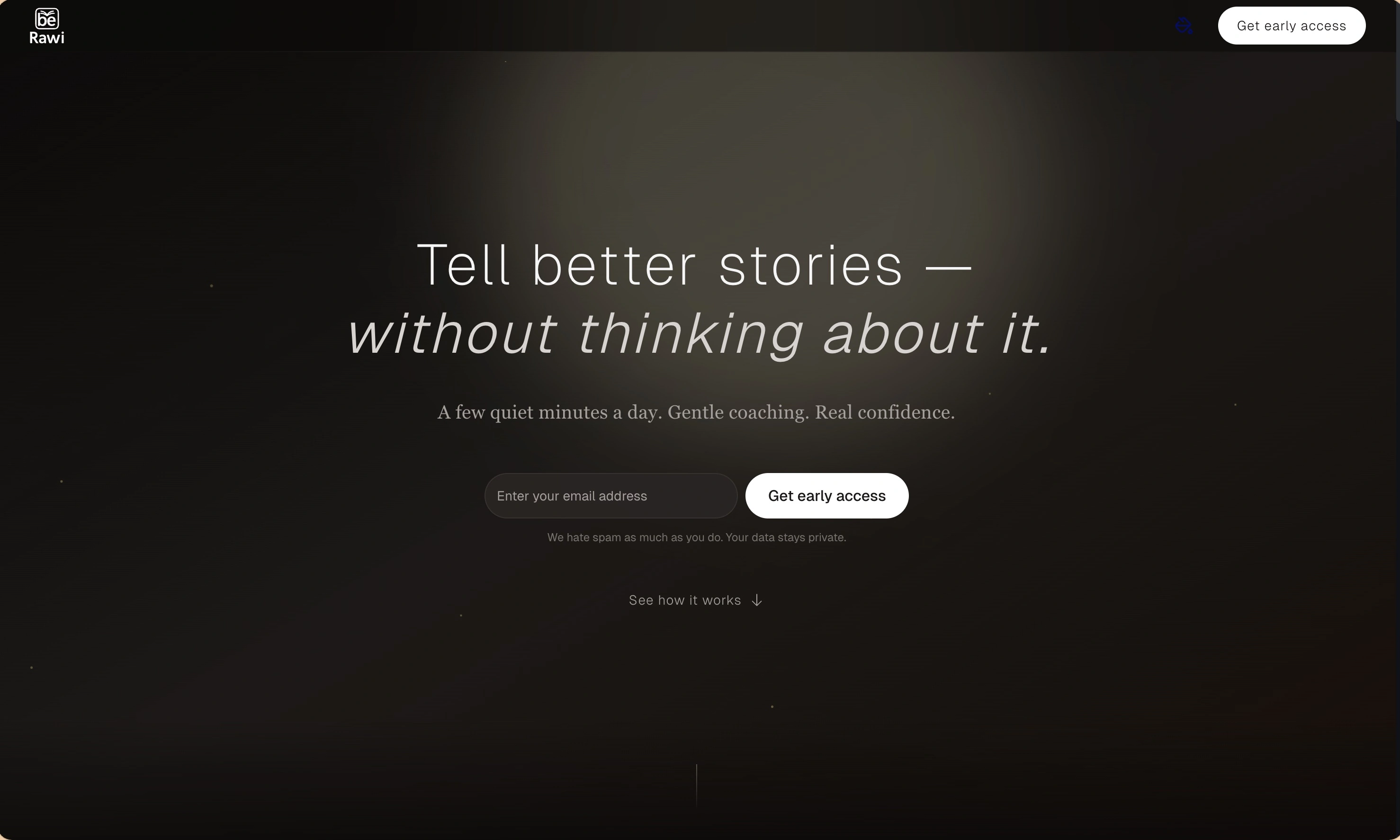
BeRawi: Storytelling Coach
Practice storytelling daily with instant feedback to sound clearer, more engaging, and confident 🎤
Omichat
Chat with 50+ AI models, including ChatGPT and Claude, in one place - switch models anytime without losing context 🤖
Claude Fast
Supercharge your Claude Code with 6x effective context window and specialized AI agents 🤖
EmojAI
AI-powered emoji picker with smart, context-aware suggestions 🤖
Solohacker
Autonomous company launcher - AI agents work 24/7, escalate what matters, and you stay in control 🤖
BeRawi: Storytelling Coach
Practice storytelling daily with instant feedback to sound clearer, more engaging, and confident 🎤
Omichat
Chat with 50+ AI models, including ChatGPT and Claude, in one place - switch models anytime without losing context 🤖
Claude Fast
Supercharge your Claude Code with 6x effective context window and specialized AI agents 🤖
EmojAI
AI-powered emoji picker with smart, context-aware suggestions 🤖
Solohacker
Autonomous company launcher - AI agents work 24/7, escalate what matters, and you stay in control 🤖
BeRawi: Storytelling Coach
Practice storytelling daily with instant feedback to sound clearer, more engaging, and confident 🎤
Omichat
Chat with 50+ AI models, including ChatGPT and Claude, in one place - switch models anytime without losing context 🤖
Claude Fast
Supercharge your Claude Code with 6x effective context window and specialized AI agents 🤖
EmojAI
AI-powered emoji picker with smart, context-aware suggestions 🤖
Solohacker
Autonomous company launcher - AI agents work 24/7, escalate what matters, and you stay in control 🤖
BeRawi: Storytelling Coach
Practice storytelling daily with instant feedback to sound clearer, more engaging, and confident 🎤

Connect with like-minded people
Join our community to get feedback, support, and grow together with 1,000+ builders on board, let's ship it!
Join usShip your startup everywhere. In minutes.
Don't burn tokens on setup and start building features on day one.