Utilify Hub
A customizable dashboard offering dozens of mini-tools for wealth, health, planning, and home maintenance—all in one productivity platform.
Understanding the user intent behind customizable dashboard platforms
The surge in all-in-one productivity solutions reflects a major shift in how people manage wealth, health, planning, and even home-related tasks. Users searching for platforms like Utilify Hub want more than mere inspiration—they seek practical insights, validation, and technical direction for how such dashboards truly improve personal organization and productivity.
Specifically, their intent typically falls into these categories:
- Evaluation: Determining if an all-in-one customizable dashboard is worth adopting over piecemeal apps.
- Feature Exploration: Understanding what mini-tools/parity features are available for wealth management, health tracking, daily planning, and home management.
- Implementation Guidance: Reviewing which tech stack or SaaS best practices enable such a platform.
- Competitive Comparison: Identifying how Utilify Hub stacks up against solutions like Notion, ClickUp, and category-specific apps.
In this article, we'll go deep into Utilify Hub as a customizable dashboard SaaS, blending E-E-A-T (Experience, Expertise, Authoritativeness, Trustworthiness) principles to provide a knowledge-dense, actionable guide.
Target audience analysis: Who benefits from Utilify Hub?
A key strength of Utilify Hub is its broad—but not unfocused—target audience. Here’s a breakdown of primary user segments:
- Busy professionals and entrepreneurs: Want to consolidate wealth tracking, calendar planning, fitness logs, and home maintenance without jumping across multiple apps.
- Families and households: Coordinating chores, bill payments, member schedules, and shared health goals in one centralized hub.
- Remote workers and freelancers: Need agile tools to manage both professional projects and personal well-being.
- Productivity enthusiasts: Constantly experimenting with life management, habit tracking, and integrated digital workflows.
Pain points these users face:
- App fatigue and context switching among dozens of niche apps.
- Lack of high-level insights connecting finances, health, time, and home responsibilities.
- Manual data duplication between apps, leading to errors or lost information.
- Inability to customize a dashboard to fit evolving personal priorities and goals.
Research insight
Recent market research shows 72% of productivity tool users want better integration and centralization of their personal data sources.
Reference: Forrester Productivity Platforms Report 2023
Market opportunity and identifying the gap
The productivity SaaS market is crowded, yet most tools remain siloed, focusing on a single life domain. Utilify Hub’s platform addresses a clear market gap for adaptive dashboards that support interdisciplinary mini-tools—all configurable from a single interface.
Noteworthy trends amplifying the opportunity:
- Unified experience: The digital workspace “unbundling” trend is now reversing, with users preferring platforms that unify and give cross-domain overviews.
- Micro-tools revolution: Instead of “kitchen sink” apps, users demand lightweight, focused mini-tools that plug into their broader productivity ecosystem.
- Custom dashboards for modern life: No one-size-fits-all; customization, modular widgets, and personal automations rank highest among SaaS adoption drivers.
Who are the main competitors and what do they lack?
- Notion: Great for documents/databases, but limited in native mini-apps and external integrations for specialized tools.
- ClickUp: Strong for team/project planning, less so for holistic personal tracking.
- Trello: Card-based boards don’t natively cover wealth, health, or home verticals.
- Tody: Outstanding for home cleaning, but not as part of a unified dashboard.
Utilify Hub stands out by offering integrated mini-tools for every life area, all in a customizable, user-friendly productivity dashboard.
Core features: What makes Utilify Hub’s mini-tools and customization unique?
A standout SaaS requires both depth and flexibility. Here are the features that make Utilify Hub truly distinct:
1. Modular, customizable dashboard
- Drag-and-drop widgets—users choose which mini-tools to activate.
- Theme, color, and layout options for personal or household preferences.
- Responsive design for desktop, tablet, and mobile use.
2. Cross-domain mini-tools suite
Wealth tools:
- Budget planner
- Expense/income tracker
- Investment goal monitor
Health tools:
- Habit tracking (sleep, water, exercise)
- Medication and supplement logs
- Mood/journal prompts
Planning tools:
- Calendar sync (with Google Calendar and Outlook)
- To-do/priority manager
- Shopping list and meal planner
Home maintenance tools:
- Cleaning schedules
- Appliance maintenance reminders
- Home inventory organizer
3. Seamless data connections
- Integrations with banking APIs, health devices, and digital calendars
- Export/import via CSV/Excel for easy onboarding or backup
4. Privacy-centric design
- Local data encryption, granular permission controls
- Option for self-hosted deployments (for tech-savvy users)
5. Smart reminders and insights
- Automatic nudges based on deadline, routine, or health trends
- Weekly/monthly summary reports across modules
Example dashboard module table
| Wealth | Health | Planning | Home | Customization |
|---|---|---|---|---|
| ✅ | ❌ | ❌ | ✅ | ❌ |
| ✅ | ❌ | ✅ | ✅ | ❌ |
Recommended tech stack for building a customizable productivity dashboard
Building a robust SaaS like Utilify Hub requires a forward-thinking, scalable tech stack. Here’s a suggested architecture—with reasoning for each component:
Frontend
- React: Ideal for building dynamic, single-page dashboards and widget systems.
- TypeScript: Ensures type safety and maintainability of complex interoperable modules.
- TailwindCSS: Enables rapid, consistent UI prototyping and custom theming.
- State management: Redux Toolkit or Zustand for scalable and easy-to-debug state flows.
Backend
- Node.js/Express: Non-blocking I/O, high performance for handling API integrations and real-time updates.
- PostgreSQL: Reliable, scalable relational database for structured data (budgets, schedules, inventory).
- Redis: Caching and managing real-time notifications or reminders.
Integrations & APIs
- Plaid/Finnhub/other banking APIs: Secure wealth and transaction data sync.
- Google Calendar API: Calendar/planning sync.
- Fitbit or Apple HealthKit: For optional health/fitness data (with user consent).
Hosting & DevOps
- Vercel or Netlify: Fast front-end deployments.
- AWS or Google Cloud: Backend infrastructure for scale, security, and reliability.
- CI/CD tools: GitHub Actions for automated testing and deployment.
Trade-offs to consider
- All-in-one vs. microservices: Starting with a monolith speeds the MVP, but modular microservices promote scale and maintainability.
- Fully hosted vs. self-hosted: Hosted SaaS offers simplicity and updates, while self-hosted attracts privacy-oriented users—provide both where feasible.
- No-code modules: Could speed widget addition, but may constrain fine-tuned customization that Utilify Hub aims to offer.
While Notion is highly customizable, it lacks built-in mini-app logic (e.g., financial calculators, cleaning reminders) and can't natively automate reminders or integrate with external APIs as deeply as a purpose-built dashboard.
Require clear user permissioning, use encrypted storage for sensitive areas, and allow users to export/delete their data at any time. Offer optional local/offline mode for maximum discretion.
Monetization strategy options
Utilify Hub’s business model should align with paying for true utility. Consider these major approaches:
1. Freemium model
- Free with limited dashboard widgets or integrations
- Paid tiers unlock more modules (e.g., investment tracker, smart home integrations)
2. Subscription (monthly/annual)
- Tiered pricing based on feature depth, team/family members, or data sync limits
3. Marketplace for premium mini-tools
- Allow third-party developers to build/monetize custom widgets (e.g., advanced fitness planner, pet care tools)
4. One-time personalization fee
- Charge for advanced setup, onboarding, or custom dashboard themes
Revenue safeguards and growth levers
- Retention: Leverage habit-based reminders, regular insights, and smooth cross-device sync
- Upgrades: Offer compelling “power user” modules or API integrations as upgrade paths
Potential risks and mitigation strategies
Launching and scaling a SaaS like Utilify Hub comes with specific risks:
| Risk | Mitigation |
|---|---|
| Over-complexity | Start with MVP modules, prioritize feedback for new tools |
| Low engagement | Focus on onboarding, nudge reminders, and clear value visualization |
| Integration fragility | Use robust APIs, graceful error handling, alerting users to connection issues |
| Data privacy concerns | Transparency, user control, and optional self-hosting features |
| Market differentiation dilution | Continually highlight USP and regularly innovate unique modules |
Competitive advantage analysis: How Utilify Hub stands out
Let’s distill why Utilify Hub has a distinct edge over even well-established productivity solutions:
Holistic life management
Where competitors focus on single domains, Utilify Hub interlinks finances, health, tasks, and home maintenance—generating new personal insights.
Modular customization
Users genuinely build their dashboard, selecting only the mini-tools they need, streamlining their daily workflows.
Integrated mini-tools, not just templates
Unlike template-based platforms, Utilify Hub offers active, logic-driven mini-apps with dynamic reminders and data sync.
Privacy-first
Gives users real control over their data (export, delete, optional self-hosting), establishing trust especially for sensitive financial and health info.
Marketplace of widgets
Potential for third-party developers to innovate and distribute new mini-tools further strengthens platform stickiness.
Implementation steps: Building your customizable productivity dashboard
Building a robust SaaS like Utilify Hub requires a deliberate, iterative approach. Here are step-by-step recommendations for turning the idea into reality:
Define your MVP scope: Start with high-impact modules—consider budget/expense tracker, health habit widget, basic calendar sync, and simple home task list.
Design your widget system: Use React to create reusable widget components. Ensure each module can be independently toggled and rearranged by users.
Implement secure backend and integrations: Set up a Node.js/Express API, connect PostgreSQL for persistent storage, and integrate at least one financial and health data provider.
Focus on user onboarding: Make it easy to add widgets, import calendar/bank data, and customize dashboard layout immediately.
Iterate based on feedback: Use analytics and user interviews to prioritize which new mini-tools, reports, or integrations to add next.
Plan for monetization: Whether via tiered subscriptions or premium widgets, give users a clear upgrade path beyond initial free use.
Continually emphasize privacy and control: Regularly audit for data security, and be transparent about data use.
Unpacking the unique selling proposition (USP)
Utilify Hub merges customization and breadth—offering a true dashboard for your entire life. The days of juggling five+ productivity apps are over. Instead, users get:
- A modular, drag-and-drop dashboard, personalized for every individual or household.
- A cross-domain suite of wealth, health, planning, and home mini-tools.
- Powerful connectivity—pulling data from banks, calendars, devices, and home inventories—with privacy at the core.
- The restful certainty that everything one cares about is at their metaphorical fingertips.
This isn’t just another productivity tool. It’s a platform that scales with the demands of modern life—efficient, personal, comprehensive, and secure.
Actionable next steps
Getting started with a productivity SaaS like Utilify Hub hinges on a few smart moves:
- Validate demand: Survey potential users, build a landing page (consider TurboStarter), and share feature concepts.
- Build your MVP: Concentrate on a few mini-tools with true synergy. Prioritize stability and UX over quantity.
- Embed E-E-A-T in every aspect: From transparent pricing to robust documentation and user guides, foster trust at every user touchpoint.
- Gather feedback early: Implement feedback loops directly in the app, ensuring the dashboard evolves around genuine user needs.
- Market with clarity: Leverage targeted SEO (e.g., “all-in-one dashboard”, “customizable productivity hub”, “wealth and health planner in one”), showing real-world use cases for each target segment.
Final thoughts
The demand for all-in-one customizable dashboards is set to rise as digital lives become increasingly intertwined. Utilify Hub’s approach—modular, privacy-first, integrated across wealth, health, planning, and home—offers a compelling proposition both for users and as a scalable SaaS venture.
With a thoughtful launch using the strategies and features discussed above, Utilify Hub can not only capture significant market share but genuinely transform the way people manage and optimize every area of their lives.
More ⚡ Productivity Tool SaaS ideas
Discover more innovative productivity tool SaaS ideas that are trending in 2026. Each idea is AI-generated with market validation and growth potential to help you find your next profitable venture faster than competitors.
Your competitors are building with TurboStarter
Below are some of the SaaS ideas that have been generated and built with our starter kit.
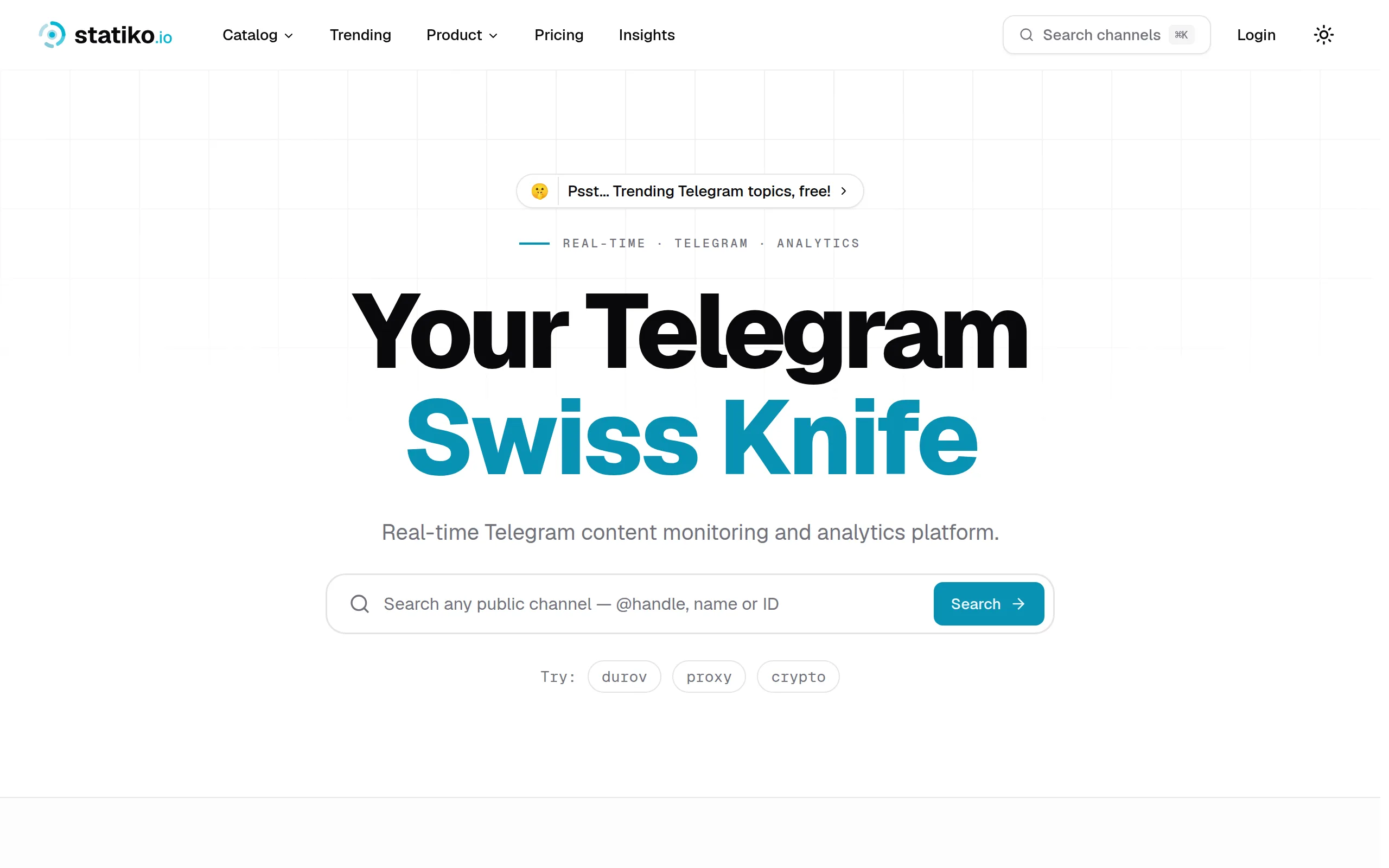
Statiko
Monitor any Telegram channel in real time - track posts, edits, deletions, and growth with AI recaps 📡
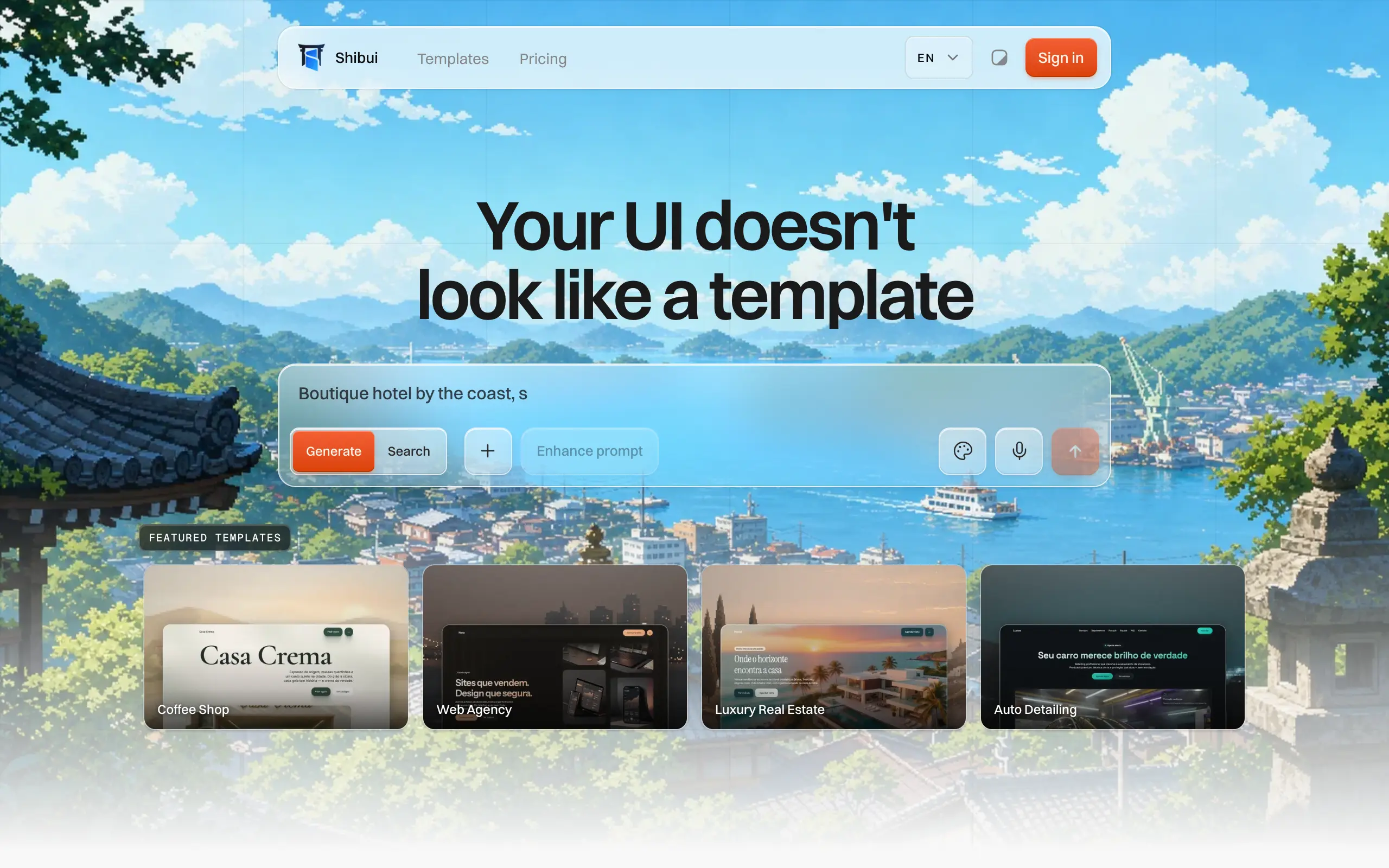
Shibui
AI website builder - describe your business, pick a niche template, edit by chatting, and publish instantly ✨

Pro Service
Find verified home service professionals, compare quotes, and pay securely through escrow - built for Brazilians across the US 🏠
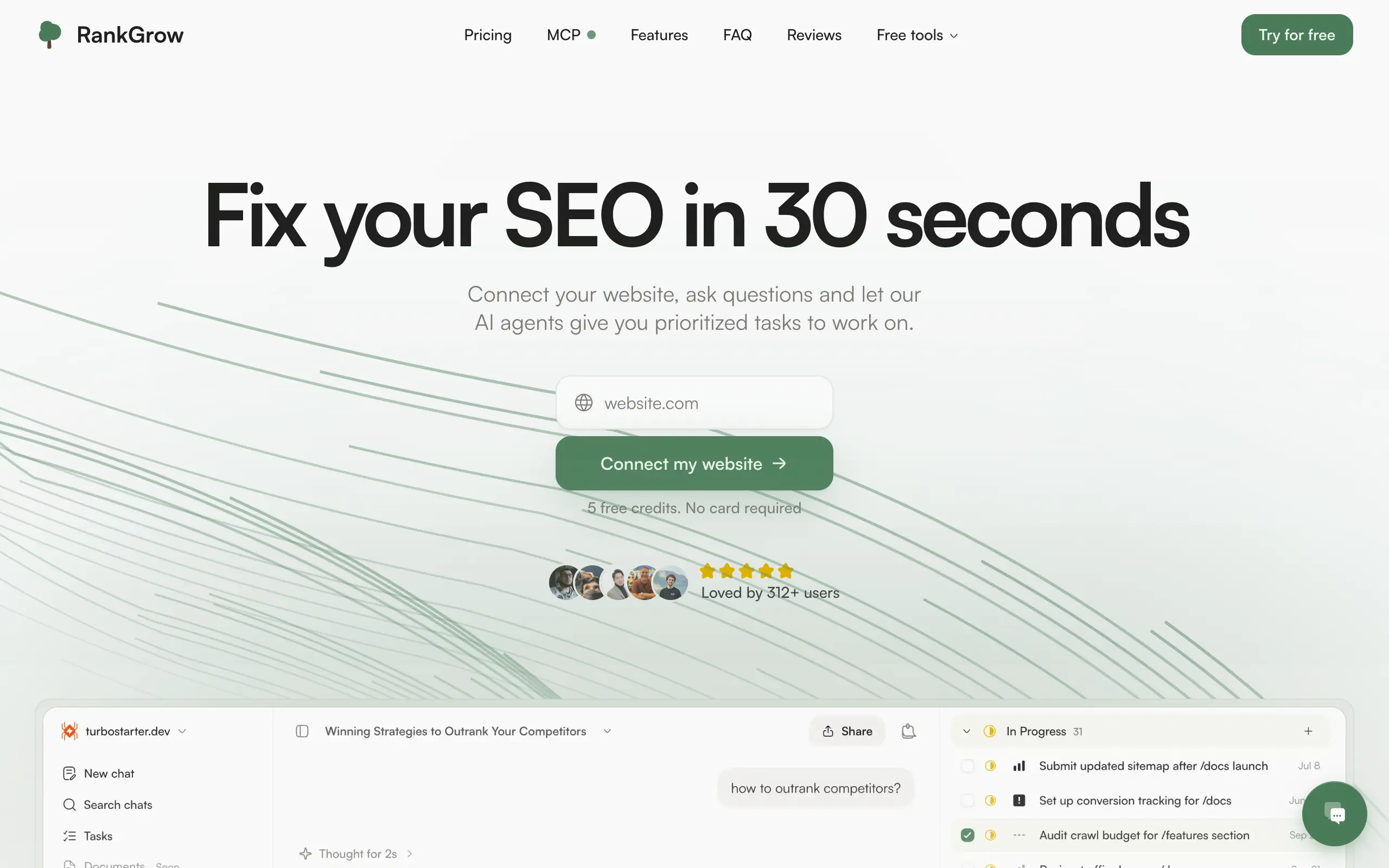
RankGrow
Fix your SEO with AI agents - connect Search Console, get prioritized tasks, and grow organic traffic 📈
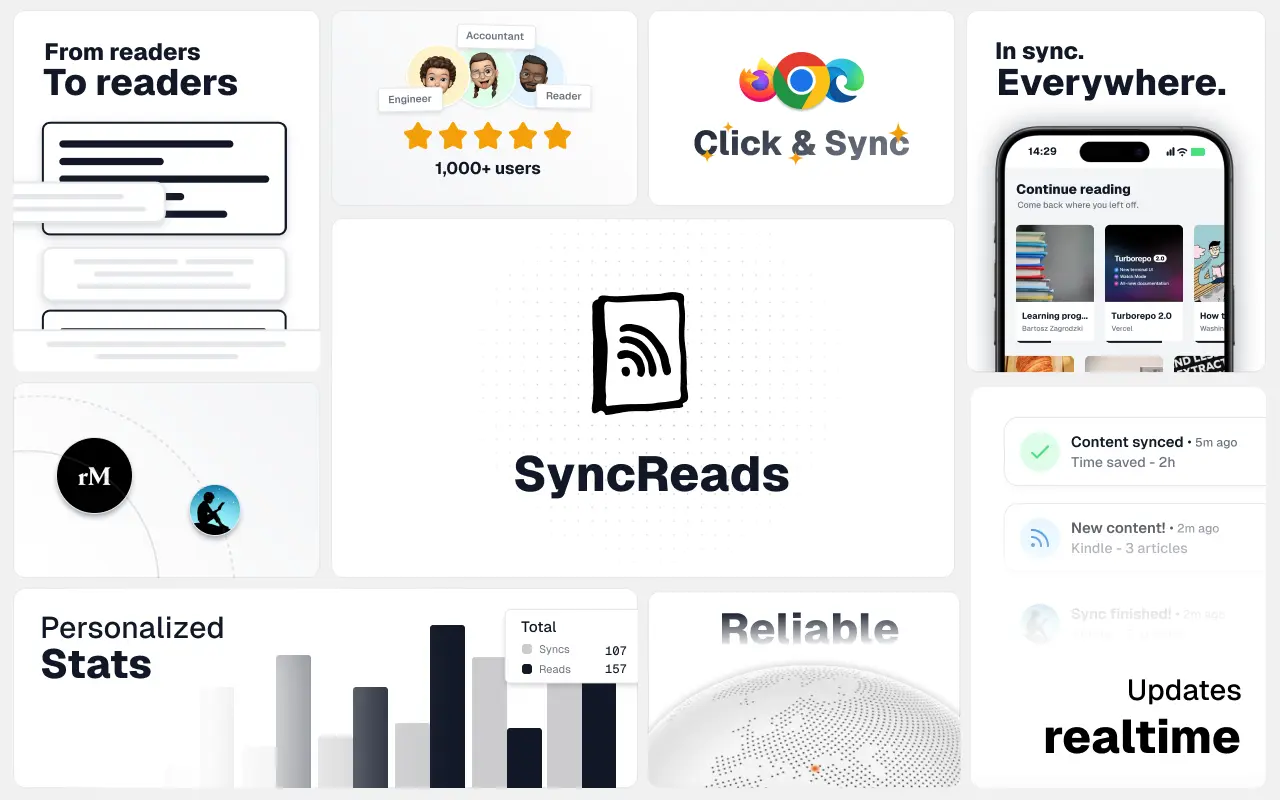
SyncReads
Sync your favorite content for distraction-free reading, save time and replace multiple apps. Anytime, anywhere 🔄
Socialcrawl
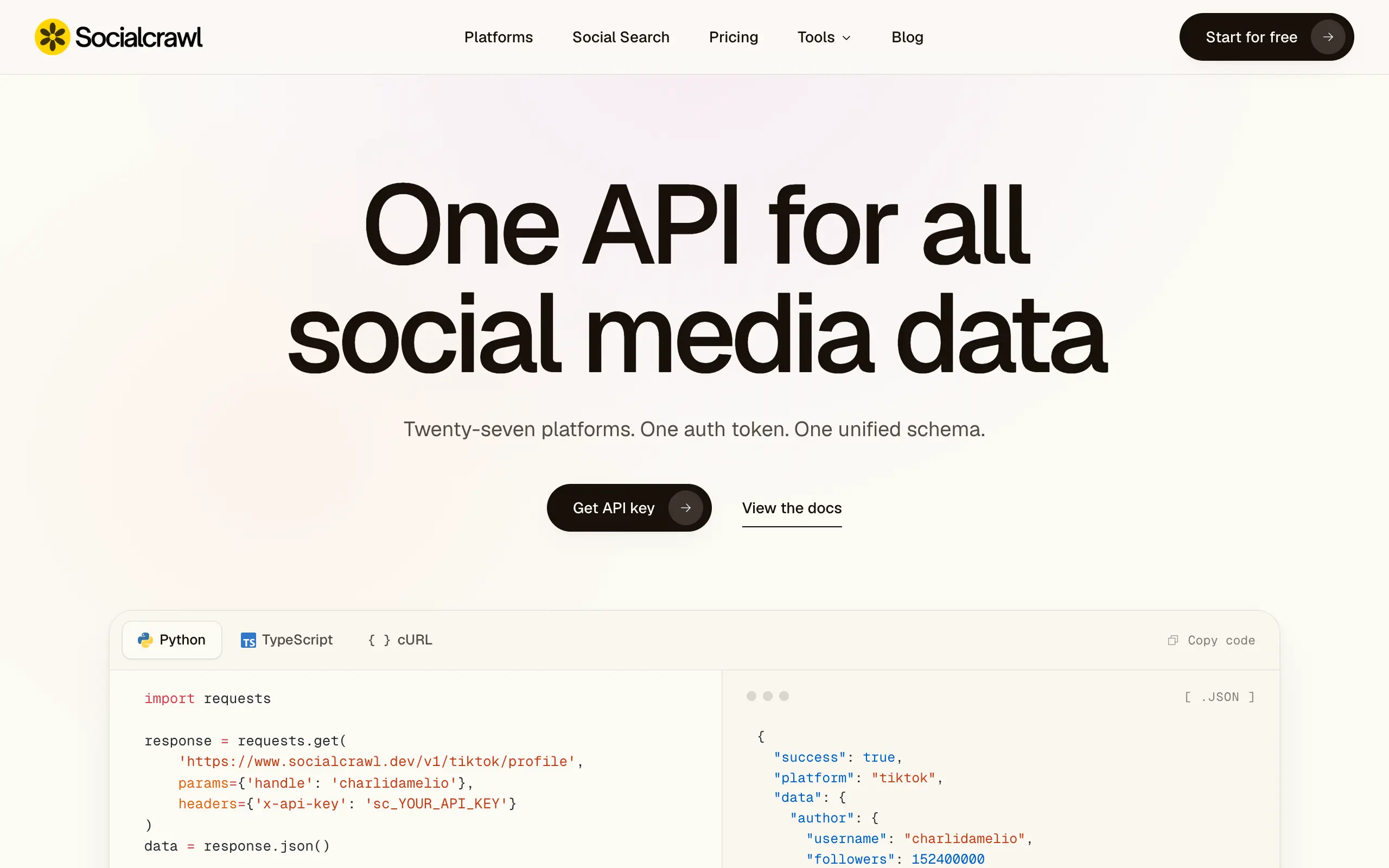
Get clean, structured data from 21 platforms like TikTok, Instagram, and YouTube with a single request 📊
Statiko
Monitor any Telegram channel in real time - track posts, edits, deletions, and growth with AI recaps 📡
Shibui
AI website builder - describe your business, pick a niche template, edit by chatting, and publish instantly ✨
Pro Service
Find verified home service professionals, compare quotes, and pay securely through escrow - built for Brazilians across the US 🏠
RankGrow
Fix your SEO with AI agents - connect Search Console, get prioritized tasks, and grow organic traffic 📈
SyncReads
Sync your favorite content for distraction-free reading, save time and replace multiple apps. Anytime, anywhere 🔄
Socialcrawl
Get clean, structured data from 21 platforms like TikTok, Instagram, and YouTube with a single request 📊
Statiko
Monitor any Telegram channel in real time - track posts, edits, deletions, and growth with AI recaps 📡
Shibui
AI website builder - describe your business, pick a niche template, edit by chatting, and publish instantly ✨
Pro Service
Find verified home service professionals, compare quotes, and pay securely through escrow - built for Brazilians across the US 🏠
RankGrow
Fix your SEO with AI agents - connect Search Console, get prioritized tasks, and grow organic traffic 📈
SyncReads
Sync your favorite content for distraction-free reading, save time and replace multiple apps. Anytime, anywhere 🔄
Socialcrawl
Get clean, structured data from 21 platforms like TikTok, Instagram, and YouTube with a single request 📊
Statiko
Monitor any Telegram channel in real time - track posts, edits, deletions, and growth with AI recaps 📡
Shibui
AI website builder - describe your business, pick a niche template, edit by chatting, and publish instantly ✨
Pro Service
Find verified home service professionals, compare quotes, and pay securely through escrow - built for Brazilians across the US 🏠
RankGrow
Fix your SEO with AI agents - connect Search Console, get prioritized tasks, and grow organic traffic 📈
SyncReads
Sync your favorite content for distraction-free reading, save time and replace multiple apps. Anytime, anywhere 🔄
Socialcrawl
Get clean, structured data from 21 platforms like TikTok, Instagram, and YouTube with a single request 📊
Dotallio
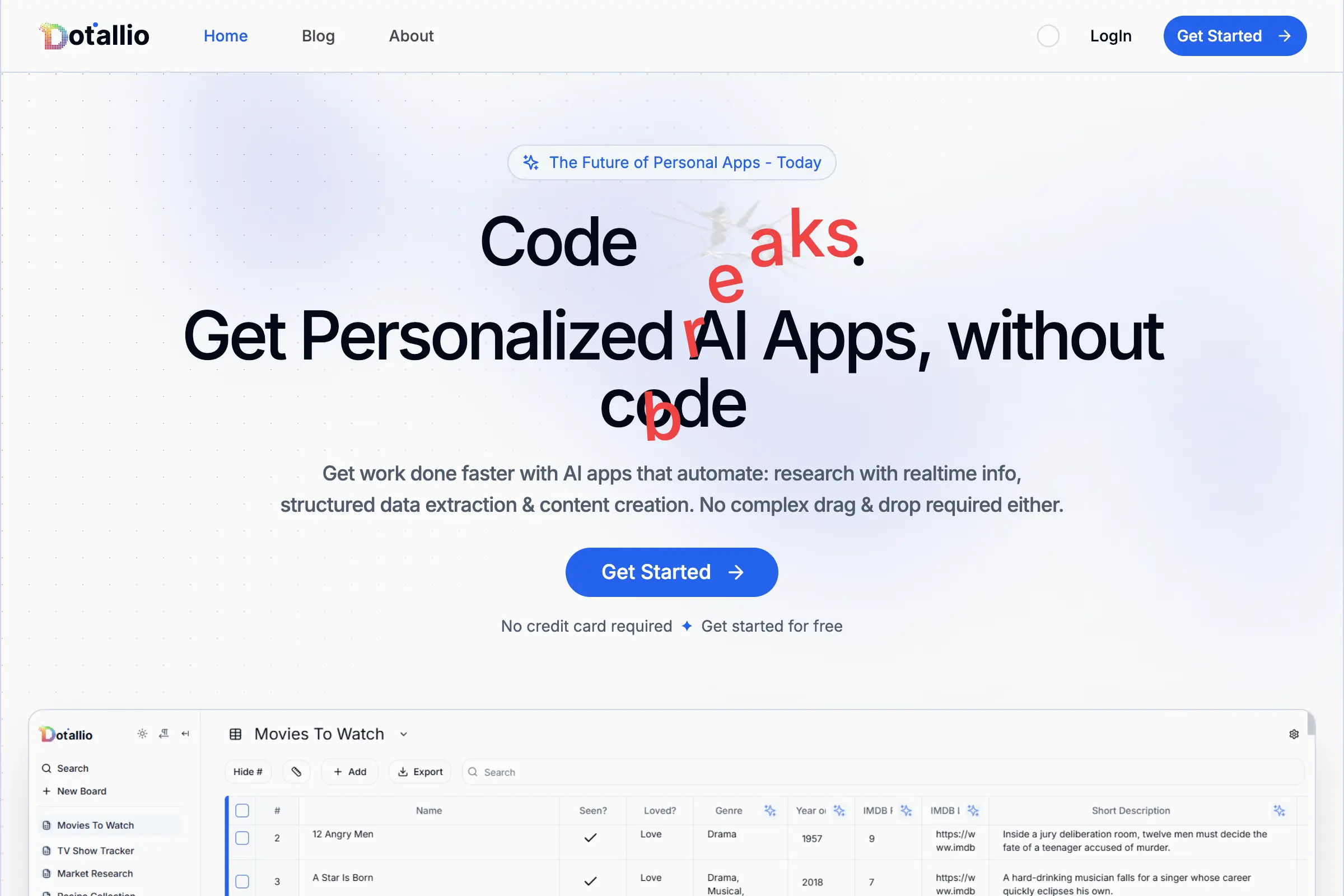
Personalized AI apps that automate research, data extraction, and content creation without code 🤖
Talk to Santa
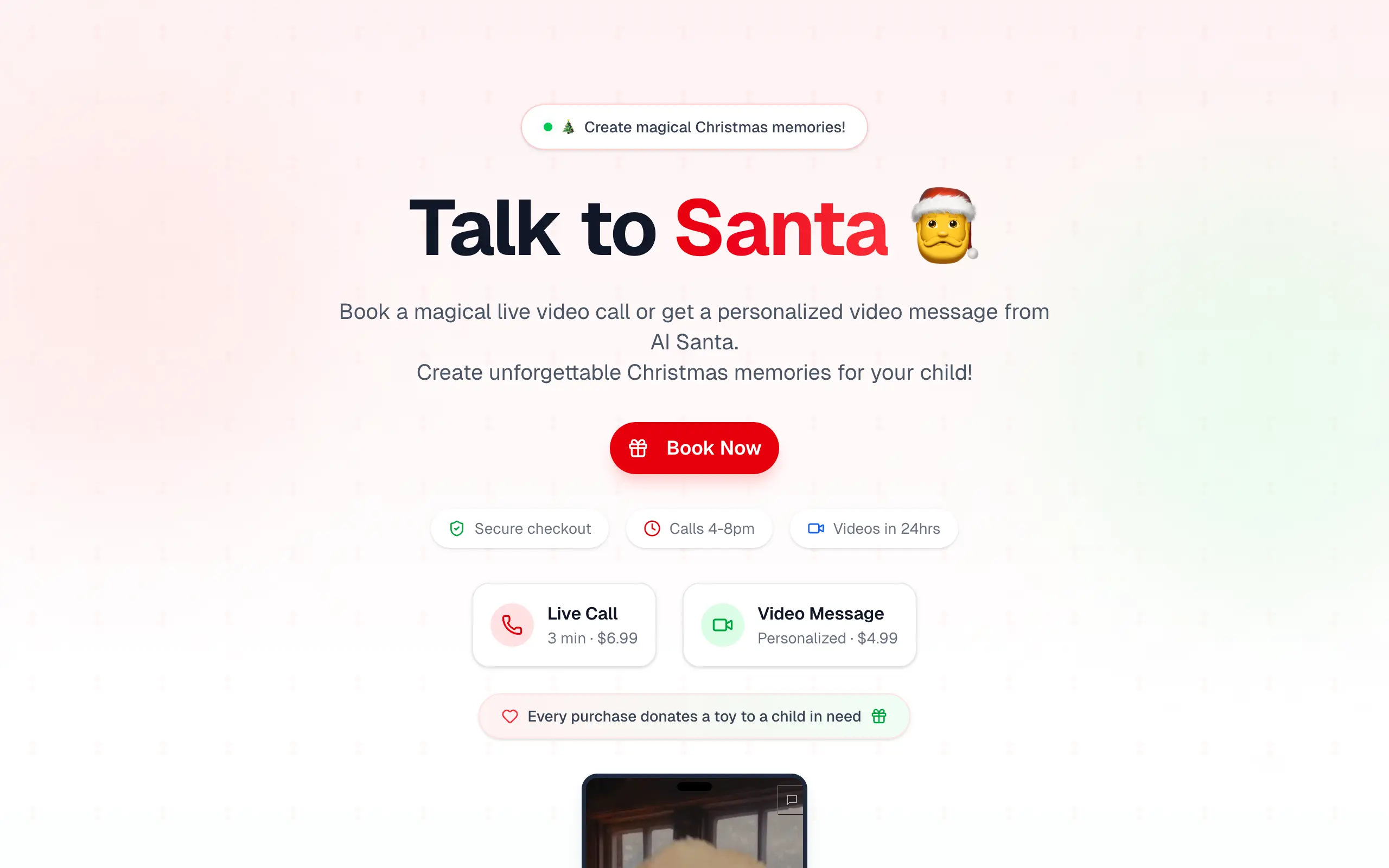
Enjoy a magical live video chat or receive a unique AI-generated video greeting from Santa Claus 🎅
pozywka.pl
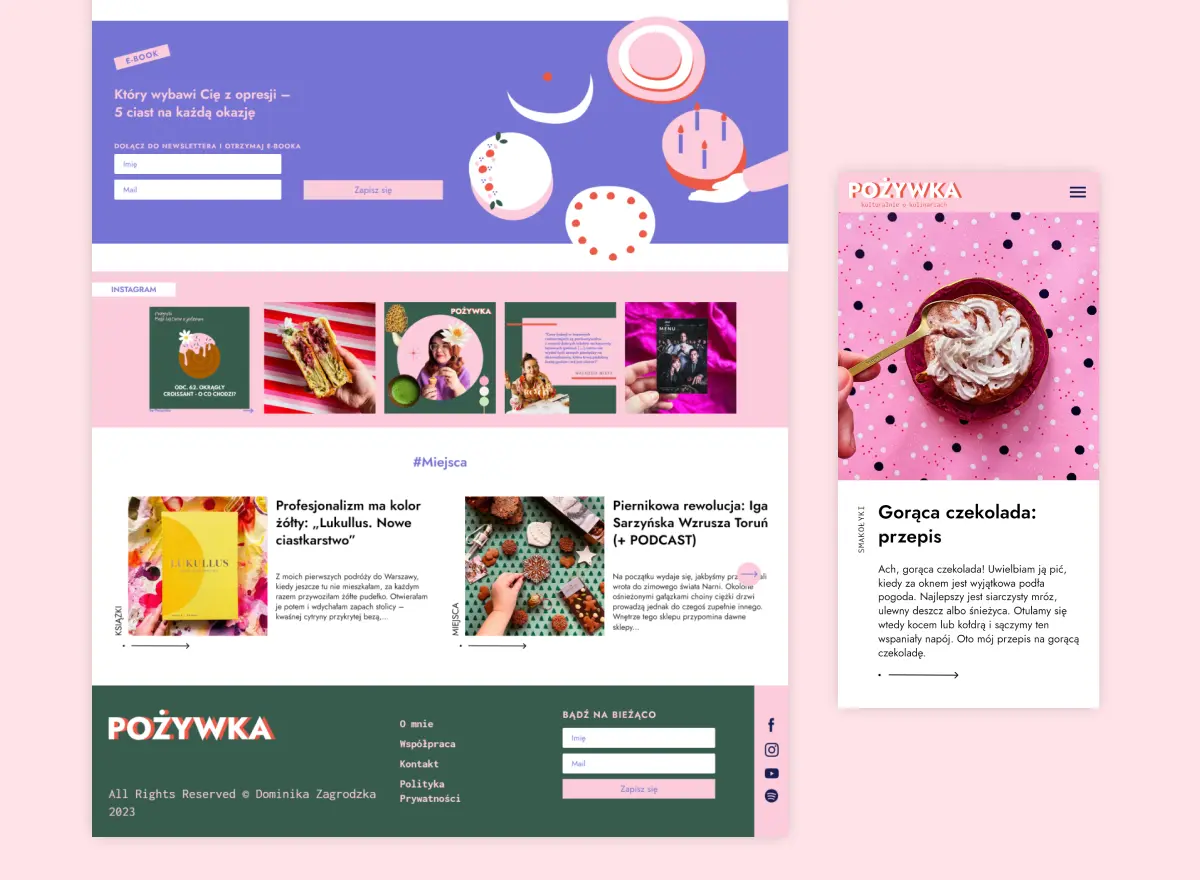
Scalable blog for food journalist, focused on performance and user experience 🌭
zagrodzki.me
Personal blog and portfolio of Bart Zagrodzki, where he shares his knowledge and work 💼
TurboStarter
Ship your startup everywhere. In minutes.
HTML to Markdown
Convert HTML to Markdown with ease, directly in your browser 📄
Dotallio
Personalized AI apps that automate research, data extraction, and content creation without code 🤖
Talk to Santa
Enjoy a magical live video chat or receive a unique AI-generated video greeting from Santa Claus 🎅
pozywka.pl
Scalable blog for food journalist, focused on performance and user experience 🌭
zagrodzki.me
Personal blog and portfolio of Bart Zagrodzki, where he shares his knowledge and work 💼
TurboStarter
Ship your startup everywhere. In minutes.
HTML to Markdown
Convert HTML to Markdown with ease, directly in your browser 📄
Dotallio
Personalized AI apps that automate research, data extraction, and content creation without code 🤖
Talk to Santa
Enjoy a magical live video chat or receive a unique AI-generated video greeting from Santa Claus 🎅
pozywka.pl
Scalable blog for food journalist, focused on performance and user experience 🌭
zagrodzki.me
Personal blog and portfolio of Bart Zagrodzki, where he shares his knowledge and work 💼
TurboStarter
Ship your startup everywhere. In minutes.
HTML to Markdown
Convert HTML to Markdown with ease, directly in your browser 📄
Dotallio
Personalized AI apps that automate research, data extraction, and content creation without code 🤖
Talk to Santa
Enjoy a magical live video chat or receive a unique AI-generated video greeting from Santa Claus 🎅
pozywka.pl
Scalable blog for food journalist, focused on performance and user experience 🌭
zagrodzki.me
Personal blog and portfolio of Bart Zagrodzki, where he shares his knowledge and work 💼
TurboStarter
Ship your startup everywhere. In minutes.
HTML to Markdown
Convert HTML to Markdown with ease, directly in your browser 📄
Omichat
Chat with 50+ AI models, including ChatGPT and Claude, in one place - switch models anytime without losing context 🤖
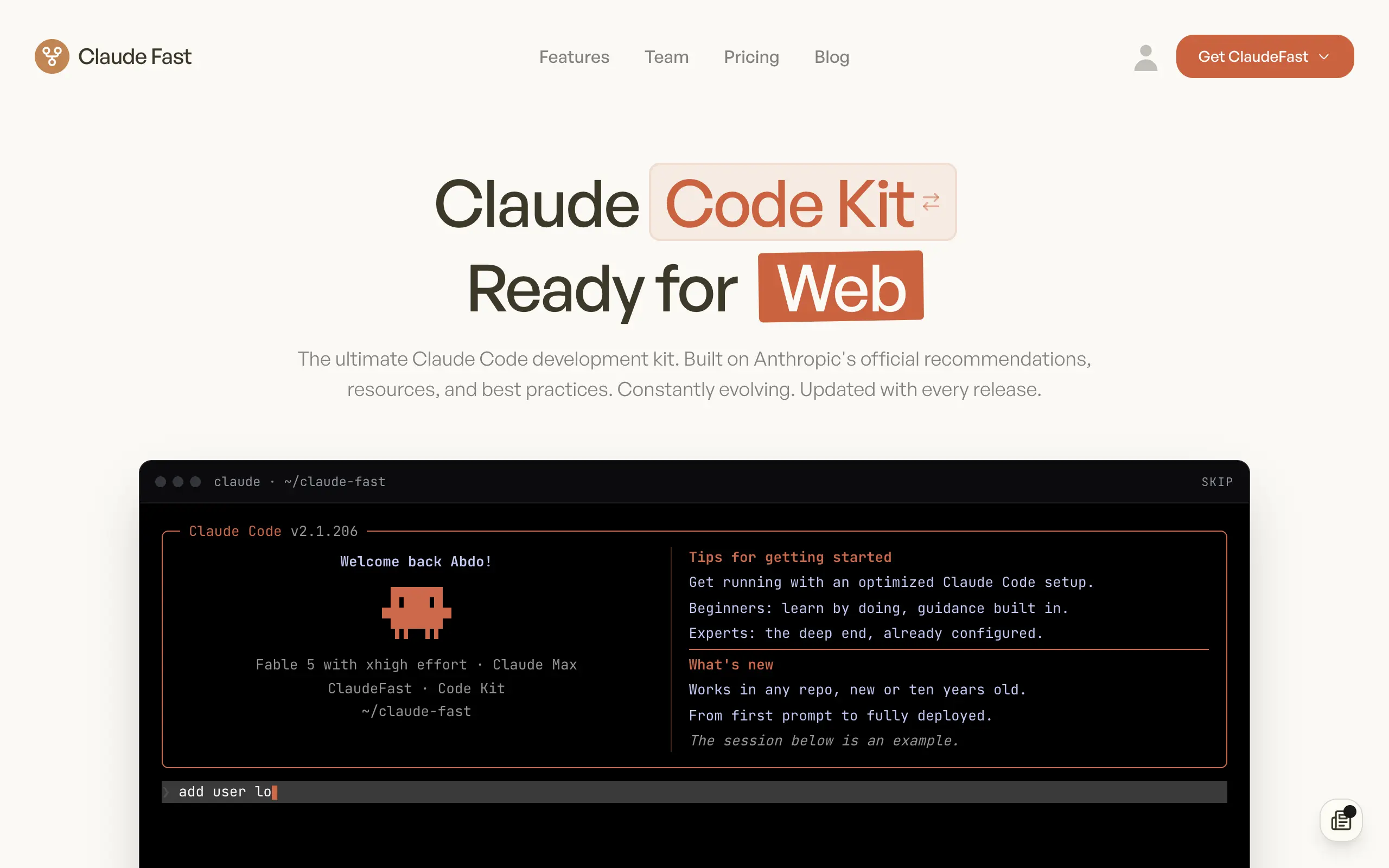
Claude Fast
Supercharge your Claude Code with 6x effective context window and specialized AI agents 🤖
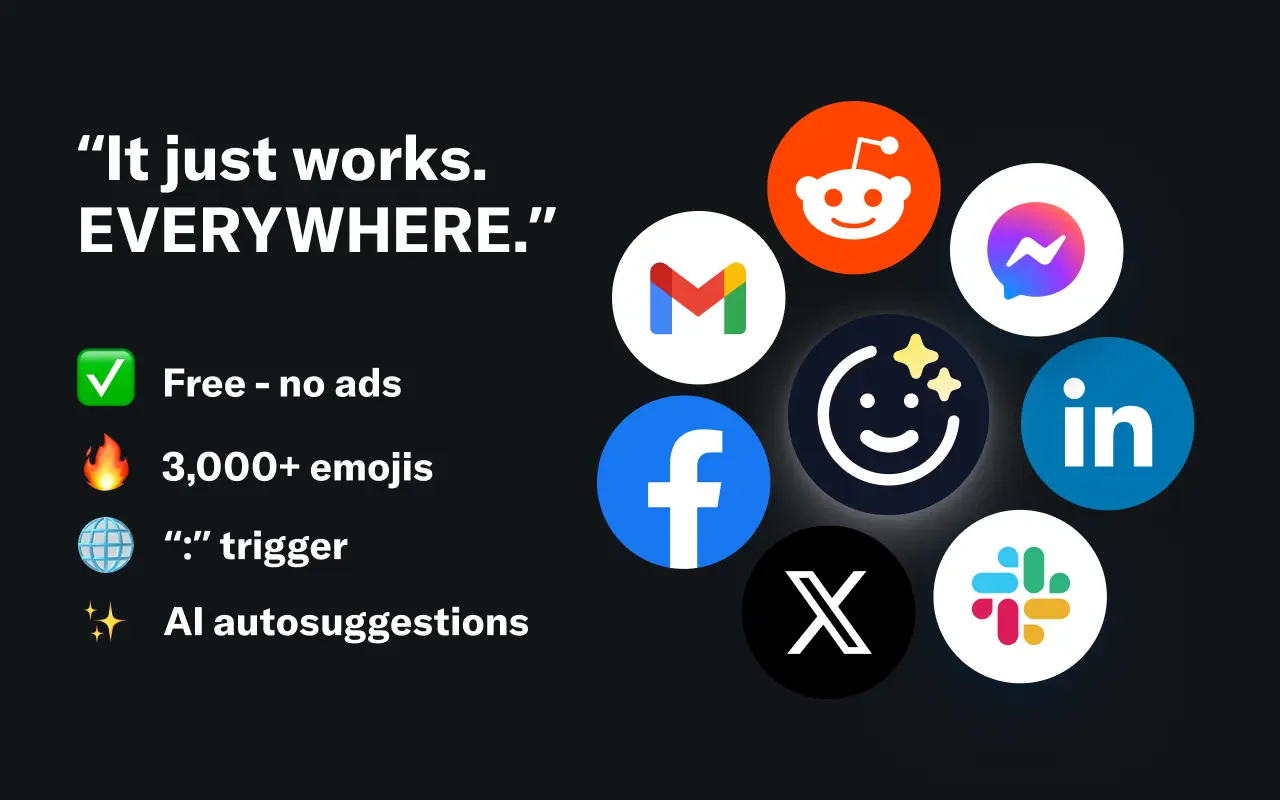
EmojAI
AI-powered emoji picker with smart, context-aware suggestions 🤖
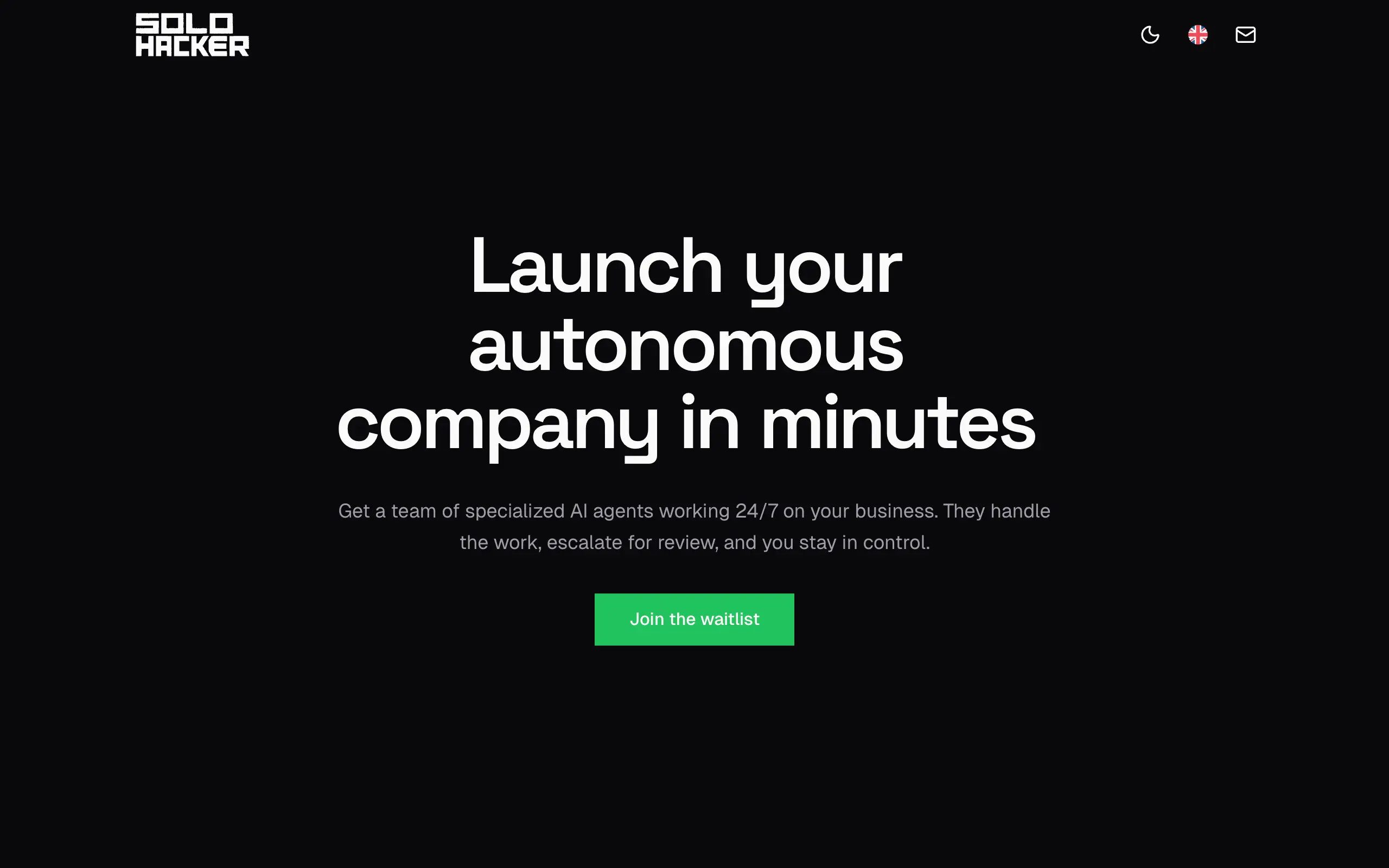
Solohacker
Autonomous company launcher - AI agents work 24/7, escalate what matters, and you stay in control 🤖
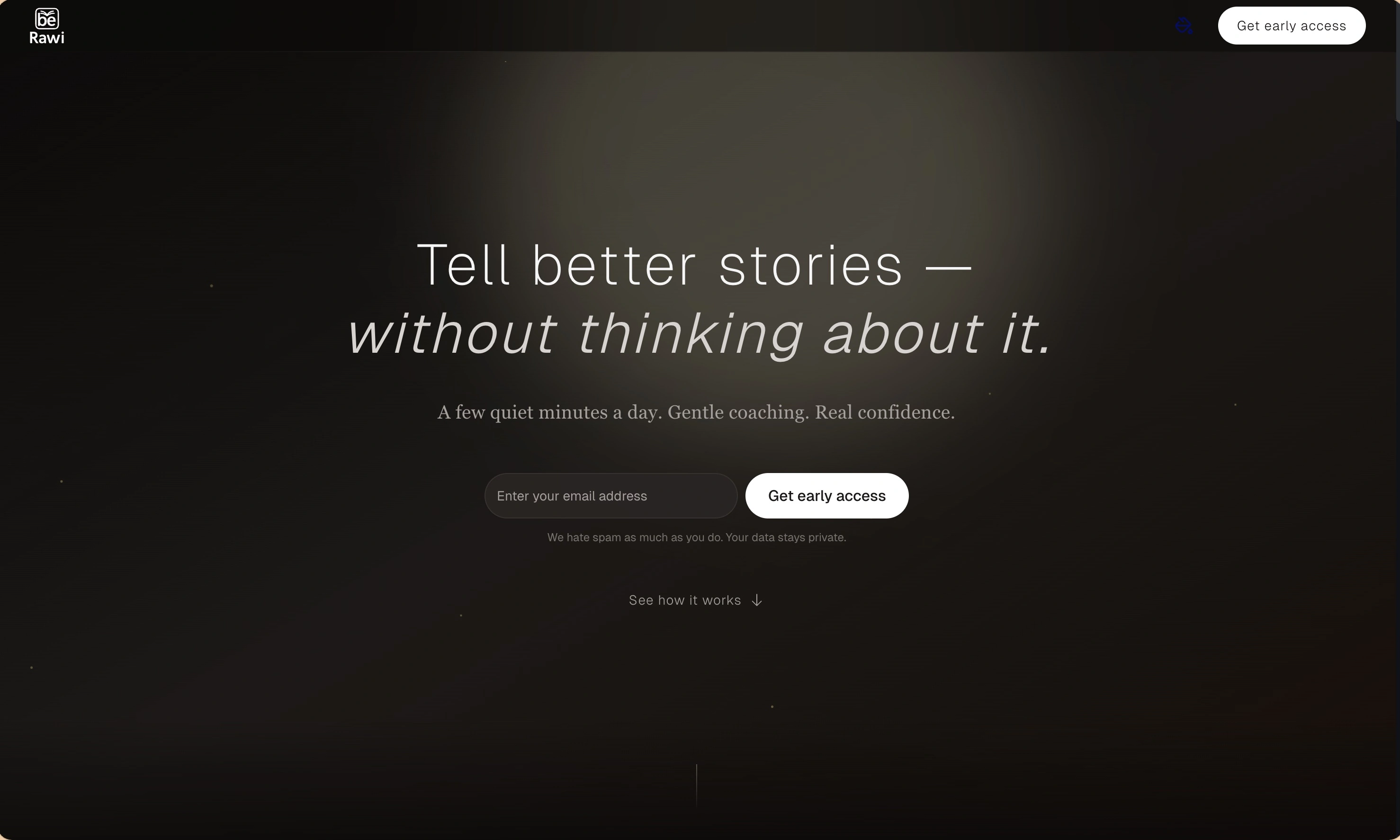
BeRawi: Storytelling Coach
Practice storytelling daily with instant feedback to sound clearer, more engaging, and confident 🎤
Omichat
Chat with 50+ AI models, including ChatGPT and Claude, in one place - switch models anytime without losing context 🤖
Claude Fast
Supercharge your Claude Code with 6x effective context window and specialized AI agents 🤖
EmojAI
AI-powered emoji picker with smart, context-aware suggestions 🤖
Solohacker
Autonomous company launcher - AI agents work 24/7, escalate what matters, and you stay in control 🤖
BeRawi: Storytelling Coach
Practice storytelling daily with instant feedback to sound clearer, more engaging, and confident 🎤
Omichat
Chat with 50+ AI models, including ChatGPT and Claude, in one place - switch models anytime without losing context 🤖
Claude Fast
Supercharge your Claude Code with 6x effective context window and specialized AI agents 🤖
EmojAI
AI-powered emoji picker with smart, context-aware suggestions 🤖
Solohacker
Autonomous company launcher - AI agents work 24/7, escalate what matters, and you stay in control 🤖
BeRawi: Storytelling Coach
Practice storytelling daily with instant feedback to sound clearer, more engaging, and confident 🎤
Omichat
Chat with 50+ AI models, including ChatGPT and Claude, in one place - switch models anytime without losing context 🤖
Claude Fast
Supercharge your Claude Code with 6x effective context window and specialized AI agents 🤖
EmojAI
AI-powered emoji picker with smart, context-aware suggestions 🤖
Solohacker
Autonomous company launcher - AI agents work 24/7, escalate what matters, and you stay in control 🤖
BeRawi: Storytelling Coach
Practice storytelling daily with instant feedback to sound clearer, more engaging, and confident 🎤

Connect with like-minded people
Join our community to get feedback, support, and grow together with 1,000+ builders on board, let's ship it!
Join usShip your startup everywhere. In minutes.
Don't burn tokens on setup and start building features on day one.