AddaArena
A social mini-game hub where friends join private rooms, play quick games, vote on dares, and keep the adda alive from anywhere.
Why a campus social app like AddaArena matters now
College campuses are full of people, yet many students still struggle to find someone available for a simple chai break, a quick badminton game, a study session, or an unplanned evening hangout. Existing social platforms are optimized for broadcasting, dating, professional networking, or large groups. They rarely solve the immediate question students ask every day: who nearby wants to do something right now?
AddaArena is a campus-first social discovery app designed around that gap. It helps students find nearby friends for chai adda, casual games, spontaneous hangouts, and shared-interest activities. Rather than asking users to build a polished public identity, the platform should make it easy to signal availability, discover compatible people, and turn small moments of free time into real-world social connection.
The primary opportunity is not to build another generic social network. It is to build a campus social app for spontaneous offline connection.
This distinction matters. Students do not necessarily need more followers, more content feeds, or another group chat with hundreds of silent members. They need a fast, low-pressure way to find people who are:
- In the same campus area or nearby neighborhood
- Available within the next few minutes or hours
- Interested in the same casual activity
- Safe and credible enough to meet in person
- Looking for friendship, community, or a shared experience rather than a transactional interaction
AddaArena can become the default coordination layer for campus life by combining local discovery, interest matching, time-sensitive plans, verified student identity, and safety-first interaction design.
The core product thesis
The strongest version of AddaArena does not compete with every social platform. It owns a focused moment: helping students convert idle time into meaningful, nearby, real-world social activity.
The campus social app market opportunity
The broader social networking market is crowded, but the campus social discovery space remains fragmented. Students currently piece together their social lives through WhatsApp groups, Instagram stories, university clubs, Discord servers, roommate networks, event posters, and word of mouth. These channels work for known communities, but they are weak at matching people based on location, availability, intent, and shared interests in the moment.
For example, a student might post “Anyone up for chai?” in a class group. The message could be ignored, buried, viewed by people who are too far away, or seen by people who are interested but hesitant to respond publicly. A campus social app can make this interaction much easier by turning a vague broadcast into a structured, discoverable activity request.
The problem with existing social coordination tools
Most existing tools create friction because they are not purpose-built for spontaneous campus interactions.
| Current channel | What it does well | What it misses | AddaArena opportunity | User value |
|---|---|---|---|---|
| WhatsApp groups | Known group communication | High noise and weak discovery | Structured nearby activity posts | Faster coordination |
| Social identity and content sharing | Limited real-time availability matching | Intent-based hangout discovery | More spontaneous plans | |
| Dating apps | One-to-one matching | Romantic expectations and social pressure | Friendship-first campus connections | Lower-pressure interaction |
| College clubs | Community and recurring events | Slow onboarding and scheduled participation | Quick casual micro-activities | Everyday social utility |
The market gap is especially clear in large universities and dense student neighborhoods, where students are physically close but socially segmented. First-year students, transfer students, commuters, international students, hostel residents, and students changing majors often have the highest need for new connections.
The platform also benefits from a natural density advantage. Unlike a global consumer social product that must acquire users across many geographies, AddaArena can launch one campus at a time. A concentrated user base within a university, hostel cluster, or college district creates a more useful experience even at lower total user numbers.
Why campus-first distribution is strategically attractive
Campus communities have properties that can make network effects easier to achieve:
- "High physical density": users are often within walking distance of one another.
- "Repeated interaction": students see the same peers across classes, cafeterias, libraries, hostels, and events.
- "Shared context": campus landmarks, schedules, traditions, and activities reduce coordination friction.
- "Natural trust signals": institutional email addresses, student IDs, mutual connections, and organization memberships can support safer discovery.
- "Word-of-mouth potential": a useful social tool can spread quickly through friend groups, societies, and hostel communities.
- "Recurring demand": the need for casual company repeats daily, unlike one-time event discovery.
A strong market analysis should validate this opportunity on each launch campus. Founders should conduct interviews with students, residence advisors, club leaders, student councils, and campus administrators. They should also examine trusted research from university mental health organizations, student experience reports, and public health institutions when making claims about loneliness, belonging, or student wellbeing.
Who AddaArena should serve first
A broad message such as “make friends on campus” is emotionally appealing but too vague for early product design. AddaArena needs clear initial user segments with recurring, high-intent use cases.
Primary audience: socially open students seeking low-pressure plans
The ideal early adopter is a student who wants more social activity but does not want the awkwardness of approaching strangers without context. They may already have some friends, but their friends are not always available when they are.
Typical characteristics include:
- Undergraduate or postgraduate students aged roughly 18 to 26
- Students living in hostels, dormitories, shared apartments, or dense campus neighborhoods
- People interested in chai, food walks, sports, gaming, study sessions, music, photography, or casual conversations
- Students who value new friendships but dislike high-pressure dating-style matching
- Users with variable schedules and short windows of free time
The core value proposition for this group is simple: find people nearby who want to do the same thing at the same time.
Secondary audience: students in transition
Students in transition feel the pain more strongly and can be excellent acquisition targets:
- First-year students who have not yet built a social circle
- Students who moved cities for college
- International students adjusting to a new culture and language
- Transfer students entering established friend groups
- Students returning after internships, breaks, or exchanges
- Commuters who spend time between lectures without a stable peer group
- Students joining campuses with large, diverse populations
For these users, AddaArena can be positioned as a campus belonging tool rather than simply a social app. The product should communicate that making new friends is normal, shared, and easier when everyone participates with clear expectations.
Community organizers and student leaders
A later but important audience includes club organizers, student ambassadors, resident assistants, sports captains, and cultural society leaders. They can use AddaArena to fill informal events, recruit volunteers, promote open sessions, and welcome newcomers.
However, organizers should not be the initial product focus. Building advanced event management features too early risks turning AddaArena into a generic campus events directory. The early product should remain centered on small, immediate, person-to-person or small-group plans.
Chai seeker
Has 30 minutes free between classes and wants company for tea near campus.
Casual gamer
Wants two more people for a quick football, badminton, board game, or mobile gaming session.
Study companion
Needs accountability and company for an evening library session.
Newcomer
Recently joined campus and wants approachable ways to meet people without forcing a formal introduction.
The unique value proposition of AddaArena
AddaArena’s USP is its ability to make spontaneous, local, friendship-first plans feel normal, safe, and easy on campus.
A useful positioning statement could be:
AddaArena helps verified students find nearby people for chai, games, study sessions, and spontaneous hangouts based on shared interests and real-time availability.
This positioning is stronger than “make friends nearby” because it specifies the social context. Students can imagine themselves using the product at a real moment: after class, during an evening break, while sitting in a hostel common room, or when they want to play a quick game.
What makes AddaArena different
The product should differentiate on five dimensions.
-
Spontaneity over endless swiping
Instead of a feed designed for passive consumption, AddaArena should prioritize activity cards and availability signals. A user should be able to post “Chai at the north gate in 20 minutes” in a few taps.
-
Friendship-first social design
The platform should avoid visual and interaction patterns that make it feel like a dating app. Profiles should foreground interests, campus context, activity preferences, and mutual communities instead of appearance-first browsing.
-
Hyperlocal relevance
Recommendations should be useful within a walking radius and current time window. A student does not need to discover an interesting person five kilometers away if they have only forty minutes free.
-
Purpose-driven interactions
Shared activities reduce the awkwardness of introductions. Meeting for chai, a walk, a game, or a study session gives people a natural reason to connect.
-
Campus trust infrastructure
Verified university identity, reporting tools, mutual-community cues, privacy controls, and safety defaults can create a more trusted environment than an open anonymous social network.
Core features for an MVP campus social app
The AddaArena MVP should focus on the smallest set of features that can reliably create successful offline meetups. The goal is not feature volume. The goal is a repeatable social loop.
1. Student onboarding and campus verification
Onboarding should collect enough information to create relevant recommendations without asking users to build a long profile.
Recommended onboarding fields include:
- University or college selection
- Institutional email verification where available
- Year of study or broad student stage
- Campus area, hostel, or neighborhood selection
- Interest tags such as chai, cricket, coding, football, movies, music, gaming, books, fitness, and study sessions
- Preferred social activities
- Optional profile photo and short introduction
- Privacy and visibility preferences
Verification should be tiered. A verified academic email is ideal, but not all campuses offer predictable email formats. AddaArena can support alternative verification workflows, such as student ID review or ambassador-assisted verification, while clearly showing what level of verification a profile has completed.
2. Real-time activity posts
Activity posts are the core supply mechanism. A post should include:
- Activity type
- Start time or time window
- Approximate meetup location
- Group size needed
- Visibility setting
- Optional short note
- Basic participation requirements
Examples include:
- “Looking for two people for chai near the library at 5:30”
- “Anyone for a quick badminton session in the sports complex?”
- “Study together at the reading room until 9?”
- “Three people needed for cards in the hostel common area”
- “Walking to the canteen after class, join?”
Every post should expire automatically. Expiration keeps the feed relevant and prevents stale plans from cluttering discovery.
3. Nearby activity feed
The main feed should prioritize relevance over popularity. The ranking model should consider:
- Distance from the user’s selected campus zone
- Time remaining before the activity starts
- Shared interests
- Mutual communities or mutual connections
- Group size and open spots
- Host reliability signals
- Safety constraints and user preferences
- Recent engagement patterns
A new user should see enough meaningful content even before the network becomes large. This may require curated campus prompts, scheduled micro-events, ambassador-created activities, or “open circles” that reduce the cold-start problem.
4. Join requests and lightweight chat
Users should be able to join an activity with a low-friction request. The host can choose whether requests are auto-approved or require approval.
Once accepted, participants enter a temporary activity chat. This chat should be intentionally limited in scope:
- It opens after a request is accepted
- It supports location clarification and simple coordination
- It can close or archive after the activity ends
- It includes report and block controls
- It avoids becoming a full replacement for messaging platforms
This design keeps AddaArena focused on turning plans into meetups rather than building an expensive all-purpose chat system.
5. Interest circles and recurring communities
After product-market fit for spontaneous activities, AddaArena can add lightweight interest circles. These can be campus-specific groups for chess, indie music, cycling, coding, photography, books, language practice, or startup discussions.
The key is to maintain quality. Circles should encourage real activity, not become passive content feeds. Useful features may include recurring weekly prompts, member-created plans, community guidelines, and trusted moderators.
6. Reputation and trust signals
Trust is a core product feature, not an optional moderation layer. AddaArena should display trustworthy, non-gamified signals such as:
- Verified student status
- Completed profile indicators
- Shared campus or mutual circles
- Attendance reliability
- Positive post-activity feedback in aggregate
- Account age
- Community guideline acknowledgments
Avoid overly public rating systems that can create social anxiety or popularity contests. A simple private reliability score can be more useful for recommendation quality than a visible star rating.
Prioritize verification, profiles, interests, activity creation, nearby discovery, join requests, temporary chats, notifications, reporting, blocking, and an internal moderation dashboard.
Add interest circles, recurring campus events, ambassador tools, group recommendations, venue partnerships, intelligent matching, student organization pages, and advanced analytics after the core activity loop works.
Designing the AddaArena user journey
A campus social app succeeds when users experience value quickly. The ideal activation moment is not simply account creation. It is joining or creating a real plan within the first day.
A strong onboarding flow could follow this path:
The product should make creating a plan feel easier than sending a message to a large group chat. Predefined prompts can reduce blank-page friction:
- “Grab chai”
- “Play a quick game”
- “Study together”
- “Take a walk”
- “Explore food spots”
- “Watch a match”
- “Need company between classes”
Retention loop for a spontaneous hangout app
The most valuable recurring loop is:
- A student sees an activity or creates one.
- They meet another student or small group.
- The interaction is positive and useful.
- They save contacts, follow each other, or join a circle.
- They return when they have another free window.
- They invite friends, making the local network denser.
Product metrics should measure this real-world loop, not vanity metrics alone. Daily active users are useful, but a better north-star metric may be successful verified activity meetups per active campus per week.
Supporting metrics can include:
- Time from registration to first join request
- Percentage of users who create or join an activity in the first seven days
- Activity post fill rate
- Join-request acceptance rate
- Report rate per completed activity
- Repeat participation rate
- Week-four retention for users who completed at least one meetup
- Referral rate by campus and hostel cluster
Recommended technology stack for AddaArena
The right tech stack should support fast iteration, location-aware discovery, secure identity management, real-time notifications, and reliable moderation workflows. Early technical choices should minimize operational burden without blocking future scale.
Frontend and mobile application
A mobile-first experience is essential because students discover and coordinate plans while moving around campus.
A practical approach is:
- React for shared interface patterns and web surfaces
- React Native for iOS and Android apps from a shared codebase
- Expo to accelerate mobile builds, notifications, updates, and device capabilities
- Tailwind CSS for a fast, consistent web design system
- NativeWind or a similar utility-first approach for shared styling patterns in React Native
Trade-off: React Native and Expo help a small team ship quickly, but highly specialized background location behavior, advanced map performance, or deeply native interactions may eventually require custom native modules. For an MVP, the speed advantage is usually worth it.
Backend, database, and real-time infrastructure
A location-aware social product needs relational data, geospatial queries, authentication, and real-time updates.
A strong starting stack could include:
- Next.js for the web application, admin portal, landing pages, and server-side APIs
- PostgreSQL for reliable relational data storage
- PostGIS for geographic indexing and nearby activity queries
- Prisma for type-safe database access and migrations
- Supabase for managed PostgreSQL, authentication, storage, and real-time capabilities
- Redis for rate limiting, caching, queues, and ephemeral activity state where needed
Trade-off: Supabase can substantially reduce initial backend complexity. As AddaArena scales across campuses, the team may choose to move some workloads to dedicated services for greater control over queues, search, recommendation pipelines, and observability. The early priority should be validated user behavior, not premature infrastructure complexity.
Maps, notifications, and observability
Key integrations should include:
- Mapbox for maps, geocoding, and location presentation
- Firebase for push notification delivery and mobile analytics support
- Sentry for error tracking and performance monitoring
- PostHog for product analytics, feature flags, funnels, and experimentation
- Stripe for future payments, subscriptions, and venue partnership transactions
Location should be treated carefully. The app does not need to display exact real-time user locations to work. In fact, it should not do so by default.
A safer implementation displays approximate locations, campus zones, landmarks, or venue names. Exact meeting details can be shared only after acceptance, based on user settings and activity type.
Example activity data model
type ActivityPost = {
  id: string;
  hostId: string;
  campusId: string;
  category: "chai" | "sports" | "study" | "games" | "walk" | "food";
  title: string;
  startsAt: Date;
  expiresAt: Date;
  locationZone: string;
  latitude: number;
  longitude: number;
  locationPrecision: "campus_zone" | "venue" | "exact_after_acceptance";
  maxParticipants: number;
  acceptedParticipants: number;
  visibility: "verified_students" | "mutual_circles" | "invite_only";
  status: "open" | "full" | "cancelled" | "completed";
};
The model should store only the location precision necessary for the feature. For example, discovery can use coarse geographic cells rather than continually tracking precise user coordinates.
Privacy, safety, and moderation for campus social discovery
Safety will determine whether AddaArena earns durable trust. A casual hangout app can create positive social experiences, but it can also expose users to unwanted contact, harassment, impersonation, stalking risks, discrimination, and unsafe meeting situations if safety is treated as an afterthought.
The product must build safety into the user experience from the first release.
Essential safety controls
At a minimum, AddaArena should provide:
- Verified student identity options
- Profile visibility controls
- Approximate location by default
- Age eligibility rules and campus-specific policy enforcement
- Block and report actions available from profiles, chats, and activity posts
- Clear community guidelines
- Moderation review queues with response targets
- Spam detection and rate limits
- Restrictions on repeated unsolicited requests
- Sensitive-content and harassment detection workflows
- Activity cancellation and participant removal controls
- Private post-activity feedback
- Audit logs for moderator decisions
The platform should also avoid showing a user’s precise presence history. “Nearby” does not need to mean “currently standing at this exact coordinate.”
Do not treat verification as complete safety
Student verification can reduce impersonation, but it does not eliminate harmful behavior. AddaArena needs reporting, responsive moderation, privacy defaults, abuse detection, and clear escalation processes from day one.
Moderation operations should be planned before launch
Moderation is not just a policy document. It is an operational system. Before expanding beyond a pilot campus, the team should define:
- What content is prohibited
- Which reports require immediate action
- How users can appeal moderation decisions
- How repeat offenders are identified
- When a report should trigger account restrictions
- How urgent safety concerns are escalated
- What data is retained and for how long
- Which team members have access to sensitive moderation data
Legal and privacy requirements vary by country and institution. AddaArena should consult qualified legal counsel before launch, especially when handling student identification, geolocation data, user-generated content, and reports involving potential safety incidents.
Monetization strategies for AddaArena
Monetization should follow trust and engagement, not precede them. Students are price-sensitive, and a paywall around core friendship discovery can weaken network effects. The best early revenue models align with campus utility rather than forcing users to pay to participate.
1. Venue and local business partnerships
Cafes, tea stalls, restaurants, gaming lounges, bookstores, sports facilities, and local event venues benefit when groups of students choose them as meetup locations.
Potential offerings include:
- Sponsored but clearly labeled activity prompts
- Student-only venue offers
- Featured safe meetup locations
- Group discounts unlocked after an activity fills
- Local discovery placements with strict relevance rules
- Venue analytics based on aggregated, privacy-safe engagement
This model fits AddaArena naturally because chai, food, games, and casual hangouts often happen at physical venues.
2. Premium student features
A low-cost premium tier may work after the core network is healthy. It should enhance convenience rather than create social inequality.
Possible premium features include:
- Advanced interest and availability filters
- More activity creation slots
- Activity boosts within a defined campus zone
- Custom profile themes or badges
- Advanced event planning tools
- Personal activity history and social insights
- Priority support
The risk is making users feel they must pay to be seen. Keep basic discovery, joining, safety, and core messaging free.
3. Student organization tools
Once AddaArena supports circles and recurring activities, clubs and student organizations could pay for optional administration tools:
- Verified organization pages
- Member communication tools
- RSVP and attendance tracking
- Recurring activity templates
- Campus promotion workflows
- Moderator controls
- Engagement analytics
This can create a B2B revenue stream without compromising the consumer product.
4. Campus partnerships
Universities may eventually use AddaArena to support student orientation, belonging initiatives, wellbeing programming, and peer community building. This model has longer sales cycles and higher compliance requirements, so it should be approached after the product proves engagement independently.
Competitive advantage and defensibility
The main competitive threat is not one direct competitor. It is user inertia. Students already use familiar platforms, and AddaArena must be noticeably better for a specific job.
Its defensibility can emerge from local density, trust, behavioral data, and campus-specific community infrastructure.
AddaArena’s defensible advantages
- "Campus density": a focused launch creates better matching relevance than a broad but sparse consumer app.
- "Activity graph": the platform learns which activities, times, venues, and group sizes lead to successful participation.
- "Trust graph": verified identity, mutual circles, reliability patterns, and moderation history improve match quality over time.
- "Local cultural relevance": chai adda, hostel life, campus games, and informal group plans can make the brand feel more native than a generic global platform.
- "Institutional relationships": trusted campus ambassadors, student clubs, and venue partners can become difficult for a new entrant to replicate quickly.
- "Workflow ownership": if students repeatedly use AddaArena to create plans, discover people, and coordinate meetups, it becomes part of daily campus behavior.
A key product decision is whether to be broad or culturally specific. AddaArena’s name and “chai adda” framing are powerful because they communicate warmth, informality, and conversation. The app can retain that personality while allowing each campus to shape local activity categories and language.
Risks and mitigation strategies
Every campus social app faces product, operational, and market risks. Identifying them early makes the roadmap more credible.
A new user will leave if there are no nearby activities or compatible people. Launch narrowly at one campus or even one hostel cluster. Recruit ambassadors, seed recurring prompts, partner with clubs, and schedule onboarding drives during high-social-intensity periods such as orientation weeks.
Build verification, location privacy, blocking, reporting, moderation queues, rate limiting, and incident response processes before large-scale growth. Encourage public venue meetups and provide clear safety guidance without making the experience alarmist.
Use post expiration, category templates, posting limits, abuse detection, and community reputation signals. Make it easier to create a useful structured activity post than a vague or promotional message.
Use friendship-first language, activity-centered cards, group options, interest context, and safety-focused design. Avoid swipe mechanics, appearance-first ranking, and engagement loops that imply romantic matching.
Measure completed meetup quality, not only app opens. Add recurring circles, friend reconnection, personalized activity prompts, and relevant notifications after users have a successful first activity.
Engage student leadership and administrators early where appropriate. Maintain clear terms, privacy practices, and moderation standards. Do not imply official university endorsement without a formal agreement.
A practical go-to-market plan for AddaArena
The best launch strategy is campus-by-campus, not citywide. Social discovery products need density more than reach.
Phase one: validate the problem
Before building a complete app, interview at least 30 to 50 students within a target campus community. Look for repeated stories about:
- Wanting company for small activities
- Feeling uncomfortable posting in large groups
- Having free time between classes
- Difficulty meeting people outside existing friend circles
- Frustration with club discovery or inactive group chats
- Concerns about safety and trust when meeting new people
Test messaging concepts as well. “Find people for chai and games nearby” may convert differently than “make friends on campus.” The first is more concrete and action-oriented.
Phase two: launch a concierge pilot
A pilot can begin with a small community rather than a fully automated product. For example, ambassadors can help seed activity posts, welcome users, coordinate first-week challenges, and collect feedback after every meetup.
The objective is to validate whether students repeatedly participate in real activities. If the team cannot create successful offline connections manually at one campus, more automation will not solve the core issue.
Phase three: establish campus density
Select a launch campus with:
- A large on-campus or near-campus student population
- Active hostel, dorm, or residence culture
- Walkable social venues
- Strong student club ecosystems
- A concentrated academic calendar
- Potential student ambassadors
- Openness to informal social coordination
Launch tactics can include:
- Ambassador programs with clear community standards
- Welcome-week “find your adda” campaigns
- QR codes at cafes, hostels, libraries, and common spaces
- Partnerships with student societies
- Referral loops that reward group participation rather than individual popularity
- Campus micro-events such as chai walks, open game sessions, or study circles
- Short-form social content featuring activity prompts rather than polished influencer content
Phase four: repeat before expanding
Do not expand to ten campuses after one busy launch week. First prove that one campus sustains activity over multiple academic cycles.
A reasonable expansion criterion might include:
- Consistent weekly completed activities
- Healthy report and moderation rates
- Strong repeat participation
- Reliable ambassador operations
- Meaningful organic invites
- Enough activity supply at multiple times of day
- Evidence that new users find value without manual intervention
Implementation roadmap for building AddaArena
A disciplined roadmap helps the team avoid building too much before validating the social loop.
First 30 days: research and product definition
- Interview students across target segments
- Define the first campus or campus cluster
- Map the highest-frequency activity types
- Write community guidelines and safety requirements
- Create clickable prototypes for onboarding, discovery, posting, and joining
- Identify campus ambassadors and potential venue partners
- Define activation and retention metrics
Days 31 to 60: MVP development
- Build student authentication and verification flows
- Create profile and interest onboarding
- Develop activity post creation and expiration logic
- Implement location-zone discovery
- Add join requests, activity chat, notifications, reporting, and blocking
- Build a secure internal moderation dashboard
- Instrument analytics for activation and successful meetups
- Run security and privacy reviews before public testing
Days 61 to 90: closed beta and iteration
- Launch with a limited campus cohort
- Seed activities with ambassadors and trusted organizers
- Monitor fill rates, reports, no-shows, and retention
- Interview users after successful and unsuccessful attempts
- Improve matching, copy, notifications, and safety settings
- Test whether group activities outperform one-to-one plans
- Validate which categories create the best repeat behavior
For founders who want to move quickly without spending weeks assembling authentication, billing, dashboards, and foundational SaaS infrastructure, TurboStarter can provide a practical starting point for the product and operational surfaces around AddaArena.
Final perspective: build connection, not just engagement
AddaArena has the potential to solve a deeply practical campus problem: students want more real connection, but coordinating it often feels awkward, fragmented, or unsafe. The winning product will not be the one with the most features or the loudest feed. It will be the one that consistently helps students turn “I’m free right now” into “Let’s meet.”
The strategic focus should remain clear:
- Start with a dense campus community
- Make activity creation exceptionally easy
- Match people through shared intent, interests, proximity, and time
- Build trust and privacy into every interaction
- Measure successful offline experiences rather than passive engagement
- Expand only after one community has a repeatable social loop
A campus social app becomes valuable when it reduces the friction of everyday friendship. If AddaArena can make chai adda, quick games, study sessions, and spontaneous hangouts feel easier to start and safer to join, it can become more than another student platform. It can become part of how campus communities form.
More 🌐 Social Network SaaS ideas
Discover more innovative social network SaaS ideas that are trending in 2026. Each idea is AI-generated with market validation and growth potential to help you find your next profitable venture faster than competitors.
Your competitors are building with TurboStarter
Below are some of the SaaS ideas that have been generated and built with our starter kit.
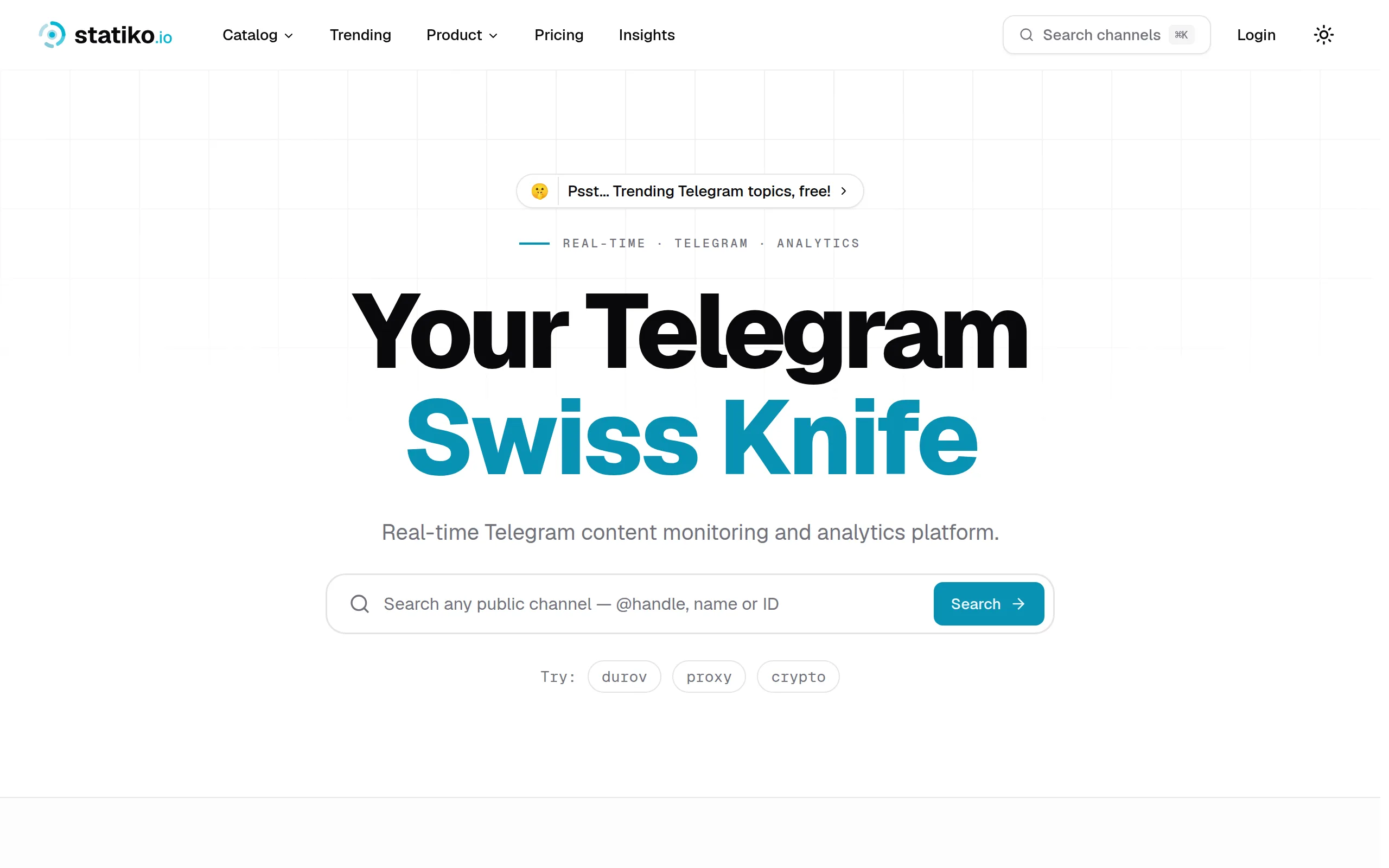
Statiko
Monitor any Telegram channel in real time - track posts, edits, deletions, and growth with AI recaps 📡
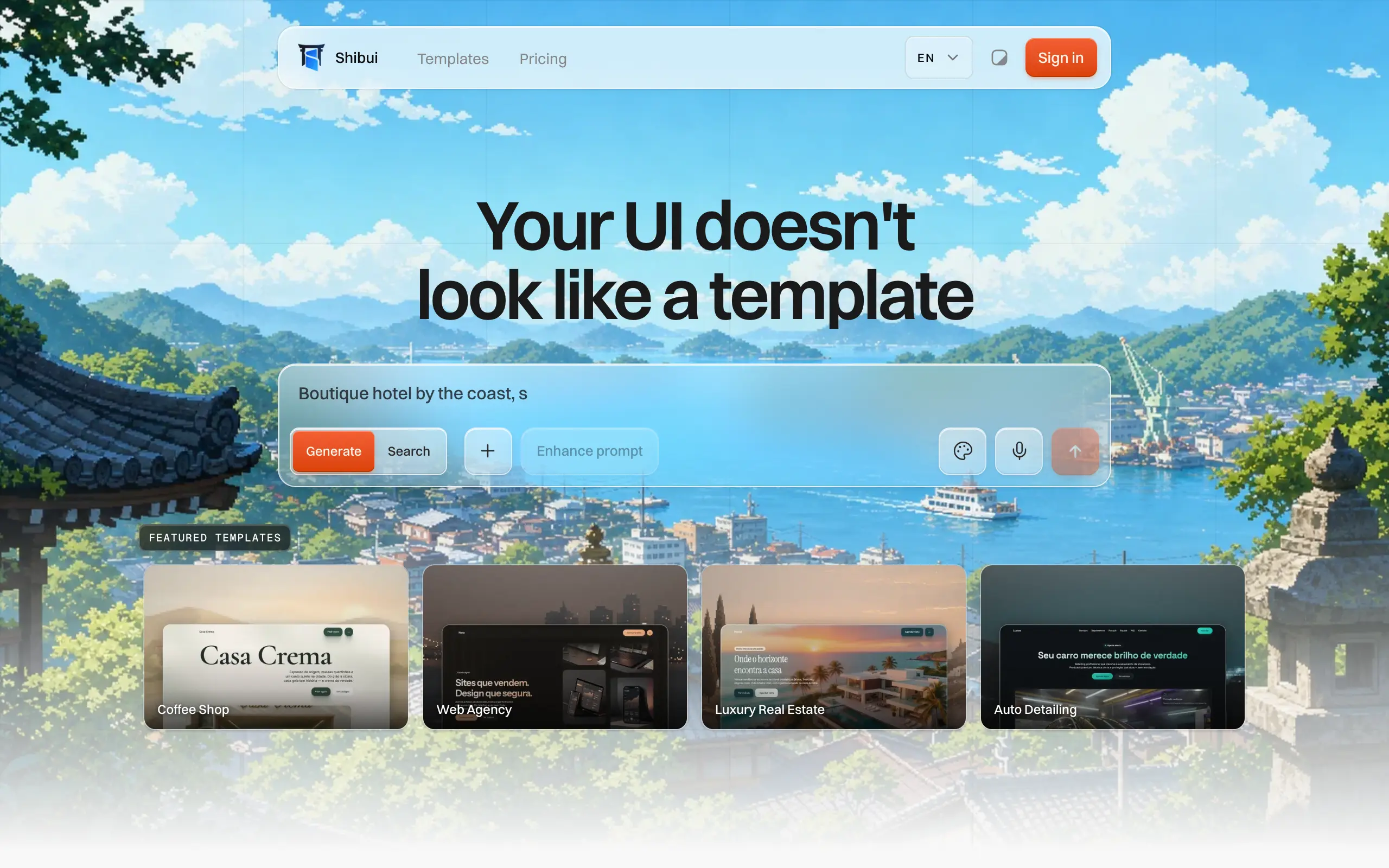
Shibui
AI website builder - describe your business, pick a niche template, edit by chatting, and publish instantly ✨
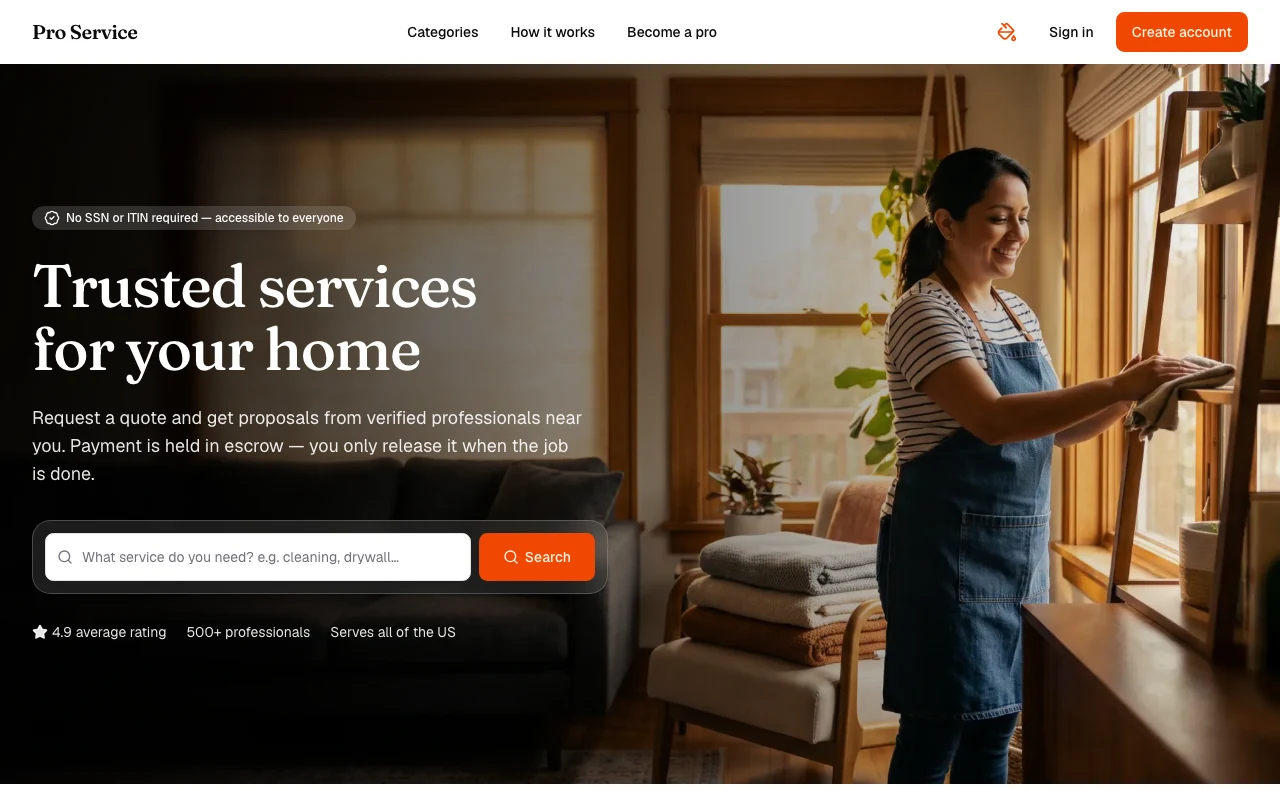
Pro Service
Find verified home service professionals, compare quotes, and pay securely through escrow - built for Brazilians across the US 🏠
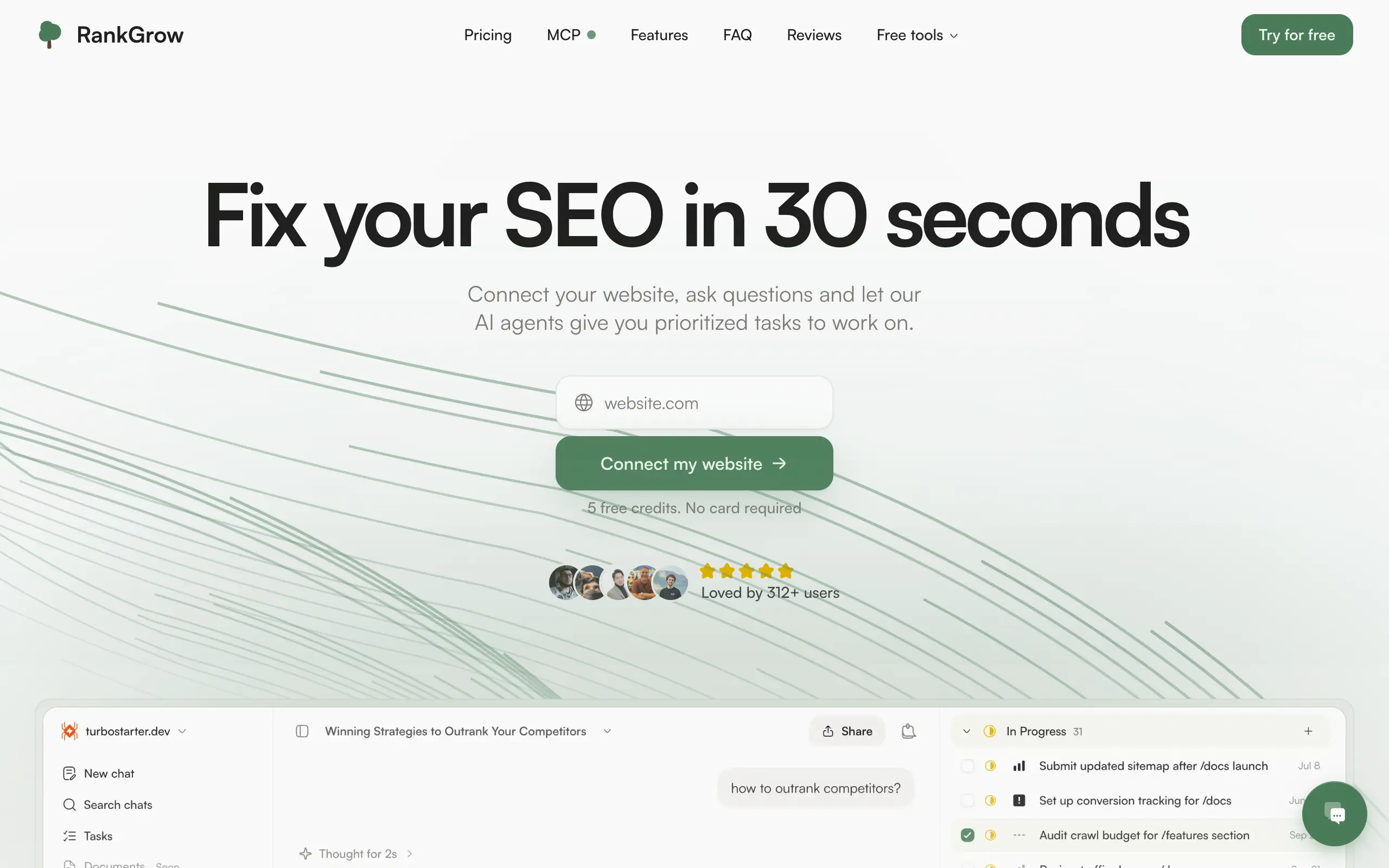
RankGrow
Fix your SEO with AI agents - connect Search Console, get prioritized tasks, and grow organic traffic 📈
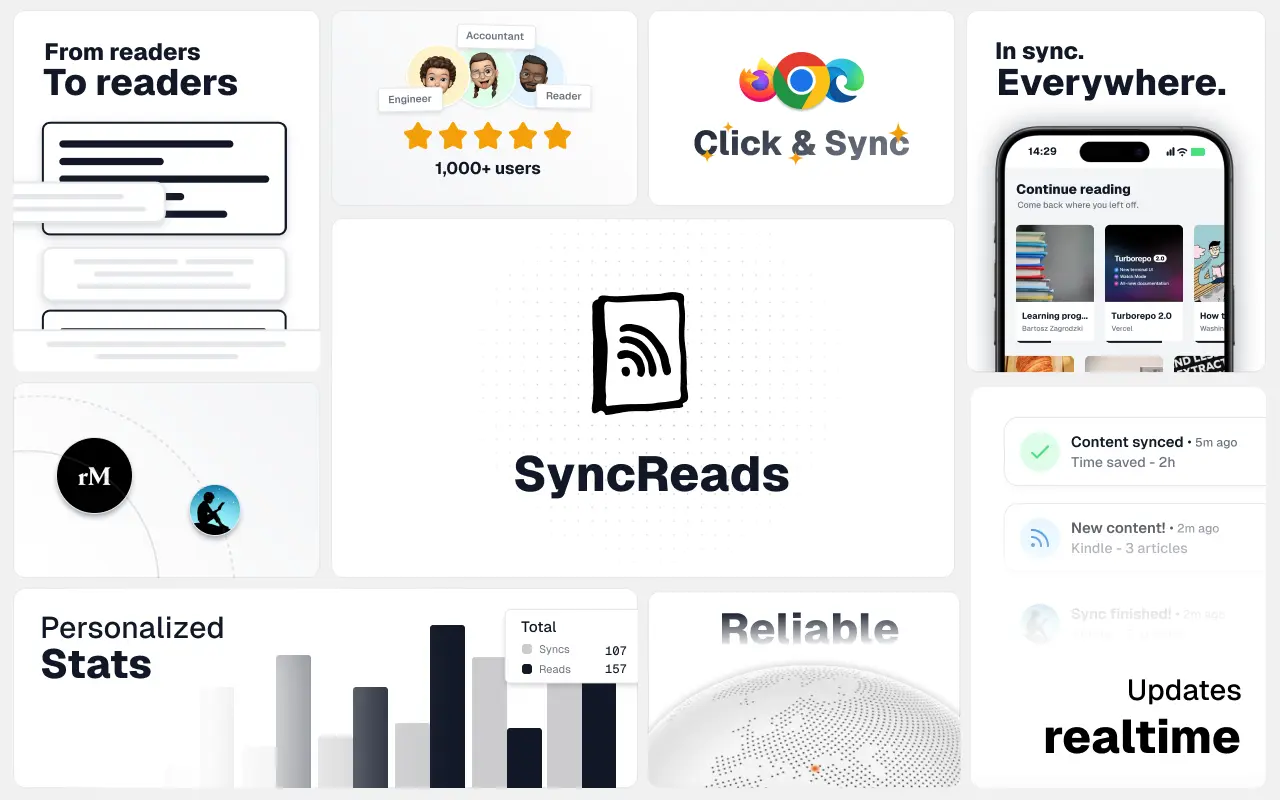
SyncReads
Sync your favorite content for distraction-free reading, save time and replace multiple apps. Anytime, anywhere 🔄
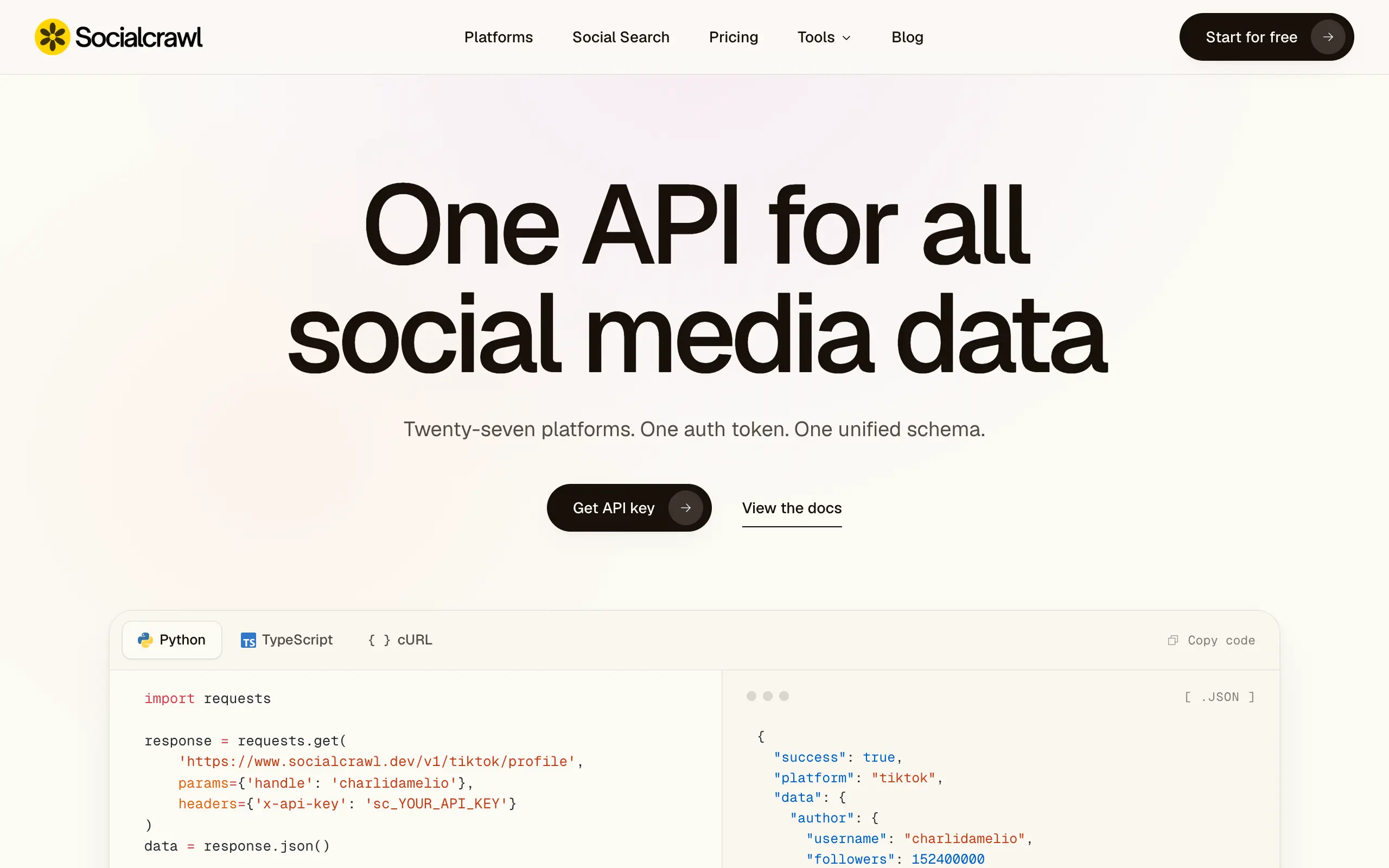
Socialcrawl
Get clean, structured data from 21 platforms like TikTok, Instagram, and YouTube with a single request 📊
Statiko
Monitor any Telegram channel in real time - track posts, edits, deletions, and growth with AI recaps 📡
Shibui
AI website builder - describe your business, pick a niche template, edit by chatting, and publish instantly ✨
Pro Service
Find verified home service professionals, compare quotes, and pay securely through escrow - built for Brazilians across the US 🏠
RankGrow
Fix your SEO with AI agents - connect Search Console, get prioritized tasks, and grow organic traffic 📈
SyncReads
Sync your favorite content for distraction-free reading, save time and replace multiple apps. Anytime, anywhere 🔄
Socialcrawl
Get clean, structured data from 21 platforms like TikTok, Instagram, and YouTube with a single request 📊
Statiko
Monitor any Telegram channel in real time - track posts, edits, deletions, and growth with AI recaps 📡
Shibui
AI website builder - describe your business, pick a niche template, edit by chatting, and publish instantly ✨
Pro Service
Find verified home service professionals, compare quotes, and pay securely through escrow - built for Brazilians across the US 🏠
RankGrow
Fix your SEO with AI agents - connect Search Console, get prioritized tasks, and grow organic traffic 📈
SyncReads
Sync your favorite content for distraction-free reading, save time and replace multiple apps. Anytime, anywhere 🔄
Socialcrawl
Get clean, structured data from 21 platforms like TikTok, Instagram, and YouTube with a single request 📊
Statiko
Monitor any Telegram channel in real time - track posts, edits, deletions, and growth with AI recaps 📡
Shibui
AI website builder - describe your business, pick a niche template, edit by chatting, and publish instantly ✨
Pro Service
Find verified home service professionals, compare quotes, and pay securely through escrow - built for Brazilians across the US 🏠
RankGrow
Fix your SEO with AI agents - connect Search Console, get prioritized tasks, and grow organic traffic 📈
SyncReads
Sync your favorite content for distraction-free reading, save time and replace multiple apps. Anytime, anywhere 🔄
Socialcrawl
Get clean, structured data from 21 platforms like TikTok, Instagram, and YouTube with a single request 📊
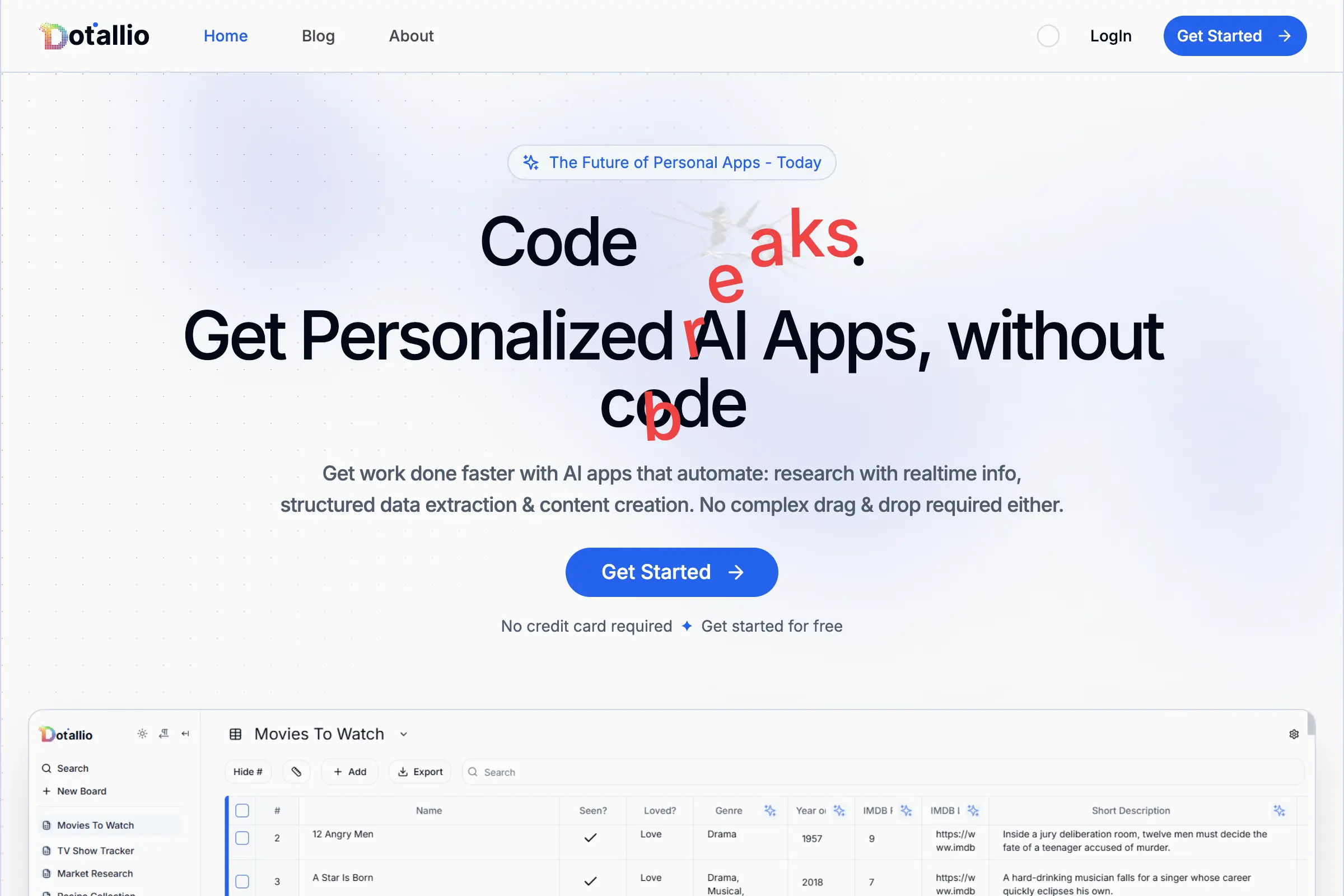
Dotallio
Personalized AI apps that automate research, data extraction, and content creation without code 🤖
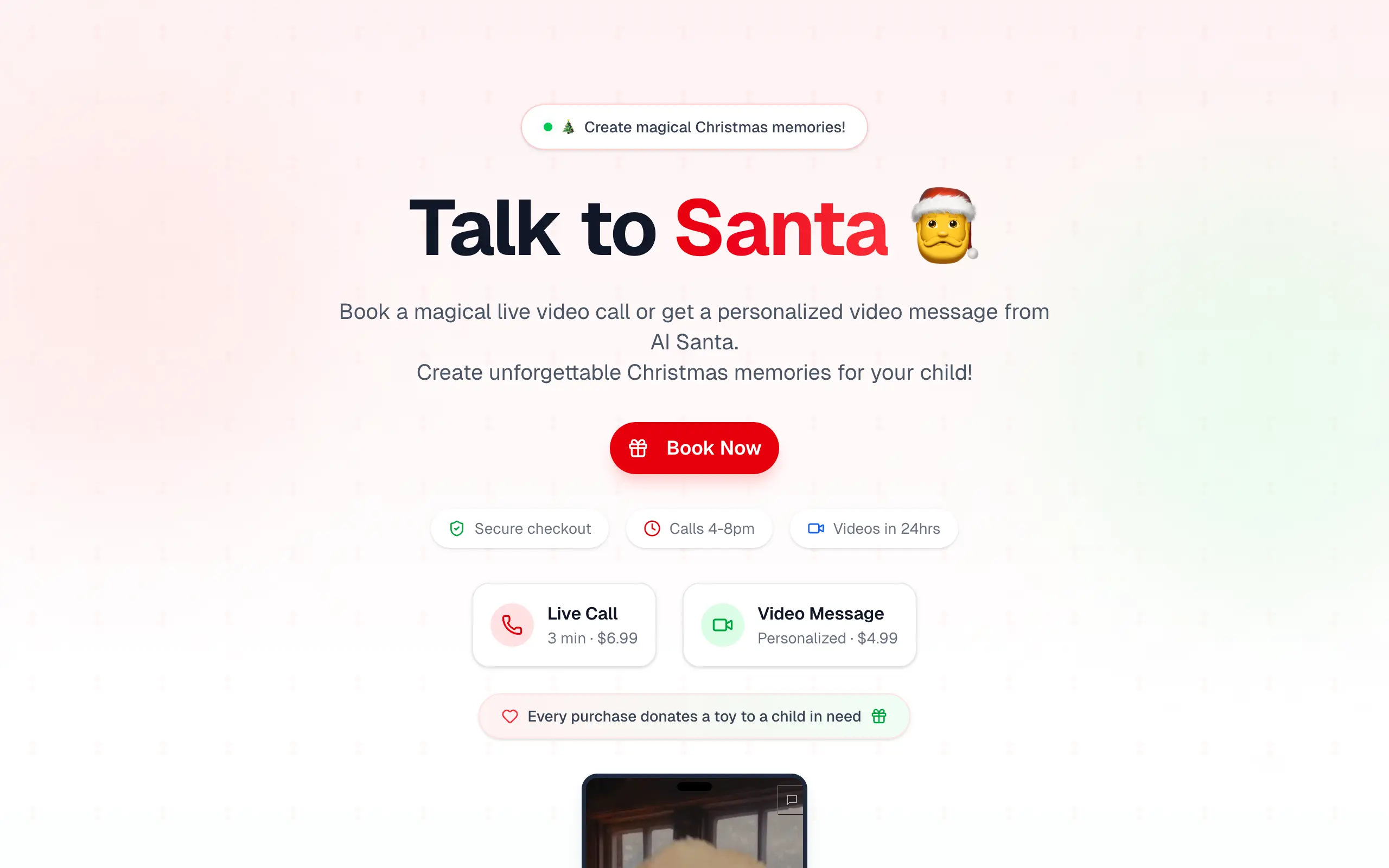
Talk to Santa
Enjoy a magical live video chat or receive a unique AI-generated video greeting from Santa Claus 🎅
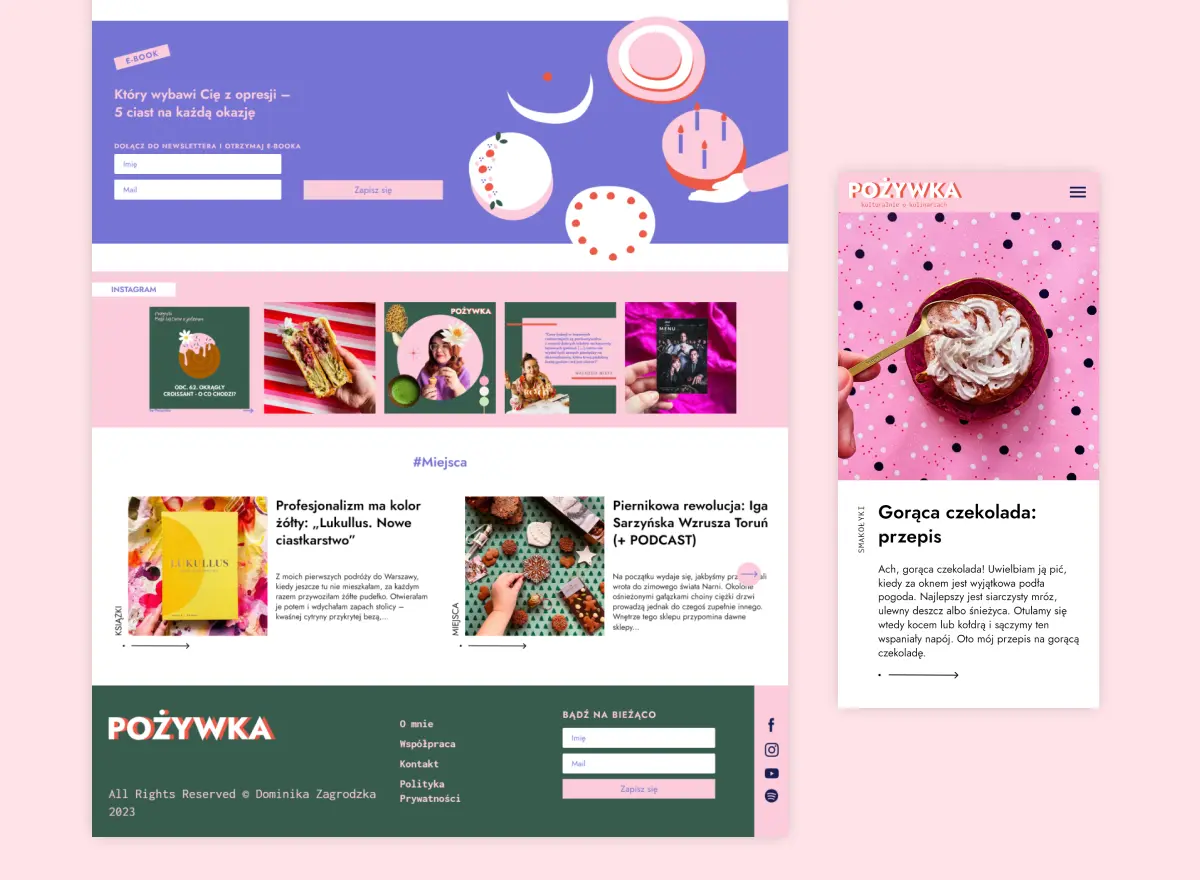
pozywka.pl
Scalable blog for food journalist, focused on performance and user experience 🌭
zagrodzki.me
Personal blog and portfolio of Bart Zagrodzki, where he shares his knowledge and work 💼
TurboStarter
Ship your startup everywhere. In minutes.
HTML to Markdown
Convert HTML to Markdown with ease, directly in your browser 📄
Dotallio
Personalized AI apps that automate research, data extraction, and content creation without code 🤖
Talk to Santa
Enjoy a magical live video chat or receive a unique AI-generated video greeting from Santa Claus 🎅
pozywka.pl
Scalable blog for food journalist, focused on performance and user experience 🌭
zagrodzki.me
Personal blog and portfolio of Bart Zagrodzki, where he shares his knowledge and work 💼
TurboStarter
Ship your startup everywhere. In minutes.
HTML to Markdown
Convert HTML to Markdown with ease, directly in your browser 📄
Dotallio
Personalized AI apps that automate research, data extraction, and content creation without code 🤖
Talk to Santa
Enjoy a magical live video chat or receive a unique AI-generated video greeting from Santa Claus 🎅
pozywka.pl
Scalable blog for food journalist, focused on performance and user experience 🌭
zagrodzki.me
Personal blog and portfolio of Bart Zagrodzki, where he shares his knowledge and work 💼
TurboStarter
Ship your startup everywhere. In minutes.
HTML to Markdown
Convert HTML to Markdown with ease, directly in your browser 📄
Dotallio
Personalized AI apps that automate research, data extraction, and content creation without code 🤖
Talk to Santa
Enjoy a magical live video chat or receive a unique AI-generated video greeting from Santa Claus 🎅
pozywka.pl
Scalable blog for food journalist, focused on performance and user experience 🌭
zagrodzki.me
Personal blog and portfolio of Bart Zagrodzki, where he shares his knowledge and work 💼
TurboStarter
Ship your startup everywhere. In minutes.
HTML to Markdown
Convert HTML to Markdown with ease, directly in your browser 📄
Omichat
Chat with 50+ AI models, including ChatGPT and Claude, in one place - switch models anytime without losing context 🤖
Claude Fast
Supercharge your Claude Code with 6x effective context window and specialized AI agents 🤖
EmojAI
AI-powered emoji picker with smart, context-aware suggestions 🤖
Solohacker
Autonomous company launcher - AI agents work 24/7, escalate what matters, and you stay in control 🤖
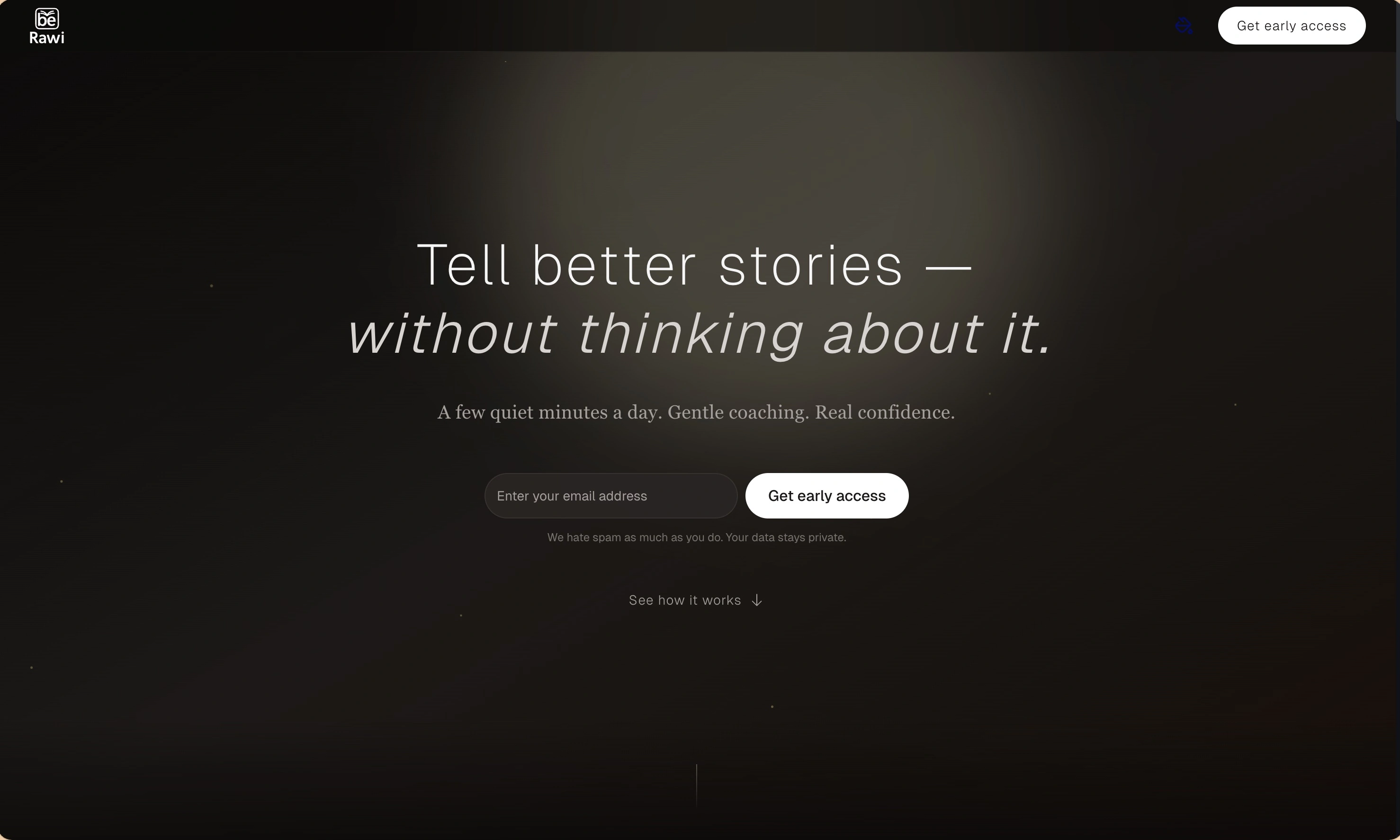
BeRawi: Storytelling Coach
Practice storytelling daily with instant feedback to sound clearer, more engaging, and confident 🎤
Omichat
Chat with 50+ AI models, including ChatGPT and Claude, in one place - switch models anytime without losing context 🤖
Claude Fast
Supercharge your Claude Code with 6x effective context window and specialized AI agents 🤖
EmojAI
AI-powered emoji picker with smart, context-aware suggestions 🤖
Solohacker
Autonomous company launcher - AI agents work 24/7, escalate what matters, and you stay in control 🤖
BeRawi: Storytelling Coach
Practice storytelling daily with instant feedback to sound clearer, more engaging, and confident 🎤
Omichat
Chat with 50+ AI models, including ChatGPT and Claude, in one place - switch models anytime without losing context 🤖
Claude Fast
Supercharge your Claude Code with 6x effective context window and specialized AI agents 🤖
EmojAI
AI-powered emoji picker with smart, context-aware suggestions 🤖
Solohacker
Autonomous company launcher - AI agents work 24/7, escalate what matters, and you stay in control 🤖
BeRawi: Storytelling Coach
Practice storytelling daily with instant feedback to sound clearer, more engaging, and confident 🎤
Omichat
Chat with 50+ AI models, including ChatGPT and Claude, in one place - switch models anytime without losing context 🤖
Claude Fast
Supercharge your Claude Code with 6x effective context window and specialized AI agents 🤖
EmojAI
AI-powered emoji picker with smart, context-aware suggestions 🤖
Solohacker
Autonomous company launcher - AI agents work 24/7, escalate what matters, and you stay in control 🤖
BeRawi: Storytelling Coach
Practice storytelling daily with instant feedback to sound clearer, more engaging, and confident 🎤

Connect with like-minded people
Join our community to get feedback, support, and grow together with 1,000+ builders on board, let's ship it!
Join usShip your startup everywhere. In minutes.
Don't burn tokens on setup and start building features on day one.