Bug2Backpack
AI micro-SaaS that converts GitHub activity into shareable outdoor-themed story cards to build your dev brand across social media.
Turn your GitHub activity into a powerful developer brand
Developers ship code every day. Commits, pull requests, merged features, resolved issues — all of it reflects real expertise. Yet most of that effort stays buried inside GitHub activity feeds.
Bug2Backpack is an AI micro-SaaS that transforms GitHub activity into shareable, outdoor-themed story cards designed for social media. Instead of another generic “Today I coded X” post, developers get visually engaging narratives — like climbing a mountain for every major feature shipped or crossing a river for each production bug resolved.
This article explores the full opportunity behind an AI GitHub social content generator like Bug2Backpack: market demand, target users, core features, tech stack, monetization, competitive landscape, risks, and a practical roadmap to launch.
If you're considering building or validating a social AI micro-SaaS in the developer branding space, this is your deep dive.
Why developer personal branding is a massive opportunity
The demand for developer visibility is higher than ever:
- Remote work has globalized competition.
- Recruiters increasingly use GitHub, LinkedIn, and X (Twitter) to source talent.
- Indie hackers monetize audiences through courses, sponsorships, and open-source funding.
- Tech layoffs have pushed engineers to invest in long-term personal brand equity.
According to Stack Overflow’s annual developer surveys (see official reports on stackoverflow.com), a large percentage of developers maintain GitHub profiles and contribute to open source. However, only a fraction actively showcase their work in narrative form.
The gap
There’s a clear disconnect:
- Developers create valuable work.
- Social platforms reward storytelling and visual content.
- Most engineers don’t have time (or desire) to manually craft polished posts.
Bug2Backpack bridges that gap by automating storytelling from GitHub activity.
Instead of:
“Merged a refactor PR.”
You get:
“Scaled Mount Refactor — reduced tech debt and improved performance by 32%.”
That shift from log entry to story is the core value proposition.
Understanding user search intent
Anyone searching for tools like:
- “Turn GitHub activity into social posts”
- “Developer personal branding tools”
- “AI tool for dev Twitter posts”
- “Automate LinkedIn posts from GitHub”
- “GitHub to Instagram generator”
- “Build dev brand on social media”
…is looking for one of the following:
- A way to grow their developer audience
- A way to automate content creation
- A creative edge in standing out
- A portfolio amplification tool
Bug2Backpack must directly satisfy those needs:
✅ Save time
✅ Make content visually appealing
✅ Make content consistent
✅ Translate technical activity into human stories
Target audience analysis
1. Indie hackers and solo founders
Motivation: Build audience, attract users, validate ideas publicly.
Pain point: Inconsistent posting, low engagement, burnout from content creation.
They need:
- Auto-generated posts from shipped features
- “Build in public” storytelling
- Visual share cards for X, LinkedIn, Instagram
2. Junior developers and bootcamp grads
Motivation: Get hired.
Pain point: Hard to demonstrate growth publicly.
They need:
- Shareable proof of progress
- Visual milestones (e.g., “First merged PR”, “10th project deployed”)
- Narrative-driven progress arcs
3. Open-source contributors
Motivation: Recognition and credibility.
Pain point: Contributions go unnoticed outside GitHub.
They need:
- Automatic “Contribution stories”
- Highlighted impact (stars, forks, issues resolved)
- Branded cards for community sharing
4. Dev influencers & tech creators
Motivation: Audience growth and monetization.
Pain point: Content fatigue.
They need:
- Fresh content ideas derived from real work
- A unique aesthetic theme (outdoor storytelling)
- Customizable branding
Market opportunity: AI + developer branding + micro-SaaS
The convergence of three trends creates strong opportunity:
- AI content generation (LLMs are now mainstream)
- Micro-SaaS tooling for niche creator segments
- Developer-as-creator economy
AI writing tools exist — but few are developer-specific. Even fewer are tied directly to GitHub activity.
Competitive gap
Current alternatives include:
- Generic AI writing tools (ChatGPT, Jasper)
- GitHub stats dashboards
- LinkedIn post generators
- Manual Canva templates
None combine:
- GitHub API automation
- AI summarization
- Thematic storytelling
- One-click social-ready cards
That positioning makes Bug2Backpack defensible if executed correctly.
Core product concept: from bug to backpack
The metaphor matters.
Bug2Backpack reframes software development as an outdoor expedition:
- Bug fix → crossing a river
- Feature shipped → summit reached
- Refactor → clearing a trail
- Major release → basecamp milestone
Core value engine
- Pull GitHub activity
- Classify and summarize it with AI
- Convert into narrative storytelling
- Render into visual share cards
- Optimize for social platform dimensions
- Schedule or auto-post
Core features that drive adoption
1. GitHub integration
- OAuth login
- Repository selection
- Activity parsing (commits, PRs, issues, releases)
- Private repo opt-in with strict security
Security is critical
Use minimal required scopes from GitHub OAuth. Clearly communicate data handling. Developer trust is non-negotiable.
2. AI narrative engine
The AI layer does more than summarize:
- Detect milestone-worthy events
- Translate technical jargon into human-friendly storytelling
- Add emotional framing
- Highlight measurable impact
Example transformation:
Raw commit:
Refactor auth middleware to reduce duplicate logicAI output:
Cleared the Auth Trail 🥾
Reduced complexity and removed redundant checks — making the authentication layer faster and easier to maintain.
3. Outdoor-themed story card generator
Visual storytelling is the differentiation layer.
Card elements:
- Title (Adventure theme)
- Milestone subtitle
- Key impact metrics
- GitHub repo name
- Developer handle
- Custom color theme
- Social platform optimized dimensions
Use consistent design system with:
- Adventure illustrations
- Minimalist typography
- Dark/light mode
4. Social optimization engine
Each platform has different constraints.
- Professional tone
- Slightly longer captions
- Emphasis on impact and collaboration
- Short, punchy copy
- Hashtag suggestions
- Thread expansion option
- Visual-first
- Square or vertical cards
- Carousel mode for multi-commit stories
5. Scheduled auto-posting (Premium)
Allow:
- Weekly recap automation
- “Milestone only” posting mode
- Manual approval toggle
6. Analytics dashboard
Track:
- Engagement rate
- Follower growth
- Top-performing story types
- Best posting time
This closes the loop between coding and brand growth.
Recommended tech stack (with trade-offs)
Choosing the right stack is critical for speed and scalability.
Frontend
Why?
- Fast UI development
- SSR for SEO landing pages
- Component-based card rendering
- Easy image export via server-side rendering
Backend
Options:
- Node.js (aligned with frontend stack)
- Serverless functions (e.g., Vercel)
- Edge runtime for webhook handling
AI layer
- OpenAI API or similar LLM
- Structured prompt templates
- Cost control with token limits
- Caching summaries per commit hash
GitHub integration
Use:
- GitHub REST API
- Webhooks for real-time triggers
Image rendering
Two main approaches:
- HTML → image conversion (e.g., headless browser)
- Canvas-based rendering
Trade-off:
- HTML is faster to build
- Canvas gives tighter control and potentially lower compute costs
Example: generating a story payload
const storyPayload = {
  repo: "bug2backpack",
  type: "feature",
  title: "Reached Summit: Social Scheduler",
  impact: "Enabled automated weekly recap posts",
  metrics: {
    commits: 12,
    filesChanged: 8
  },
  theme: "mountain"
};
Monetization strategy options
1. Freemium model (recommended)
Free:
- 5 story cards/month
- Basic themes
- Manual download
Pro ($12–$19/month):
- Unlimited cards
- Auto-posting
- Custom branding
- Analytics
- Milestone detection
2. Creator plan
Target dev influencers:
- White-label export
- Remove watermark
- Advanced analytics
- Priority AI tone control
3. Team plan
For dev agencies:
- Multiple GitHub accounts
- Unified brand theme
- Company page auto-sharing
Competitive analysis
| Feature | Generic AI Tool | GitHub Stats App | Canva Template | Bug2Backpack |
|---|---|---|---|---|
| GitHub auto-sync | ❌ | ✅ | ❌ | ✅ |
| AI storytelling | ✅ | ❌ | ❌ | ✅ |
| Outdoor-themed branding | ❌ | ❌ | Manual | ✅ |
| Auto social posting | ❌ | ❌ | ❌ | ✅ |
Unique selling proposition (USP)
Bug2Backpack is not a writing tool. It’s a narrative automation engine for developers.
Key differentiators:
- Adventure-themed identity (memorable branding)
- Automatic GitHub activity transformation
- Platform-optimized output
- Focused exclusively on developers
This narrow niche creates defensibility.
Risks and mitigation
Risk 1: AI fatigue
Developers may feel AI-generated content is generic.
Mitigation:
- Tone customization
- Personal voice memory
- Editable drafts
- “Humanize mode” with user-provided style samples
Risk 2: GitHub API limitations
Rate limits can block heavy usage.
Mitigation:
- Smart caching
- Webhook triggers instead of polling
- Batch summarization
Risk 3: Social platform API restrictions
Auto-posting may require approval.
Mitigation:
- Manual download fallback
- Zapier-style integrations
- Browser extension for posting assist
Risk 4: Low retention
If content doesn’t drive engagement, users churn.
Mitigation:
- Built-in analytics
- Weekly recap emails
- Engagement suggestions
- Social growth tips dashboard
Go-to-market strategy
1. Launch in dev communities
- Product Hunt
- Indie Hackers
- Dev.to
- Hacker News (if positioned correctly)
2. Build in public (dogfood strategy)
Use Bug2Backpack to grow Bug2Backpack.
3. Influencer beta
Give early access to:
- Dev YouTubers
- Twitter builders
- Open-source maintainers
Step-by-step implementation roadmap
How to build it faster
If you're building this as a solo founder, speed matters.
Instead of setting up auth, billing, dashboard logic, and infrastructure from scratch, use a modern SaaS starter kit like TurboStarter. It accelerates:
- Authentication
- Payments
- Dashboard scaffolding
- SaaS architecture best practices
This lets you focus on your unique AI narrative engine — not boilerplate.
Long-term expansion opportunities
Once validated, Bug2Backpack could expand into:
- AI-powered resume builder from GitHub
- Developer year-in-review videos
- Gamified achievement badges
- Web3 credential integration
- Team engineering culture storytelling
Final thoughts
Bug2Backpack sits at the intersection of:
- AI automation
- Developer identity
- Social storytelling
- Micro-SaaS economics
It solves a real pain point:
Developers create value daily — but rarely showcase it effectively.
By converting GitHub activity into visually compelling, shareable outdoor-themed story cards, Bug2Backpack transforms quiet technical work into public narrative momentum.
For developers, that means:
- More visibility
- Stronger brand equity
- Better career leverage
- Audience growth
For founders, it represents a focused, defensible, and scalable AI micro-SaaS opportunity.
The real question isn’t whether developers need better branding tools.
It’s whether you’ll build the one that turns their daily commits into legendary journeys.
More 🌐 Social Network SaaS ideas
Discover more innovative social network SaaS ideas that are trending in 2026. Each idea is AI-generated with market validation and growth potential to help you find your next profitable venture faster than competitors.
Your competitors are building with TurboStarter
Below are some of the SaaS ideas that have been generated and built with our starter kit.
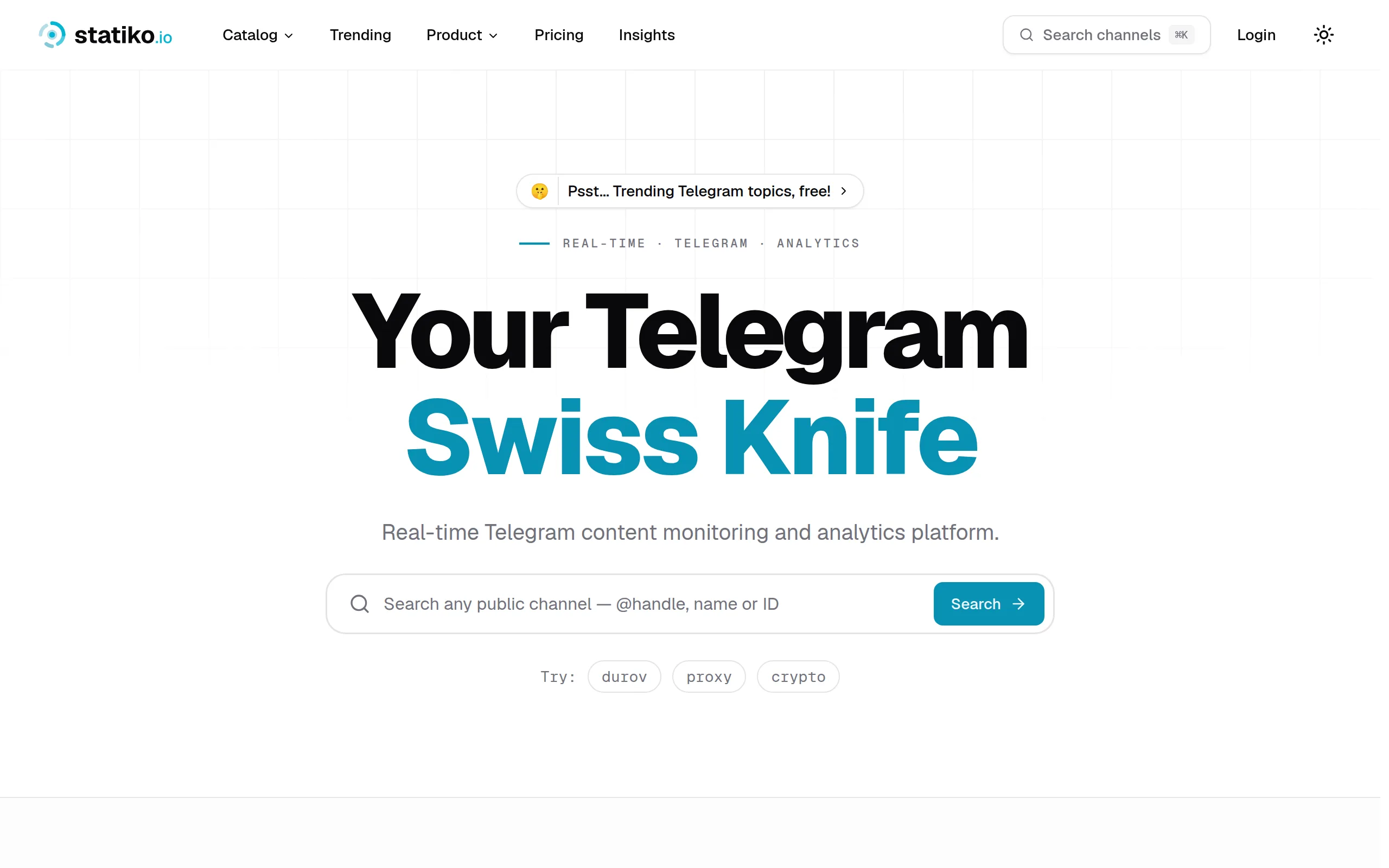
Statiko
Monitor any Telegram channel in real time - track posts, edits, deletions, and growth with AI recaps 📡

Shibui
AI website builder - describe your business, pick a niche template, edit by chatting, and publish instantly ✨

Pro Service
Find verified home service professionals, compare quotes, and pay securely through escrow - built for Brazilians across the US 🏠

RankGrow
Fix your SEO with AI agents - connect Search Console, get prioritized tasks, and grow organic traffic 📈

SyncReads
Sync your favorite content for distraction-free reading, save time and replace multiple apps. Anytime, anywhere 🔄
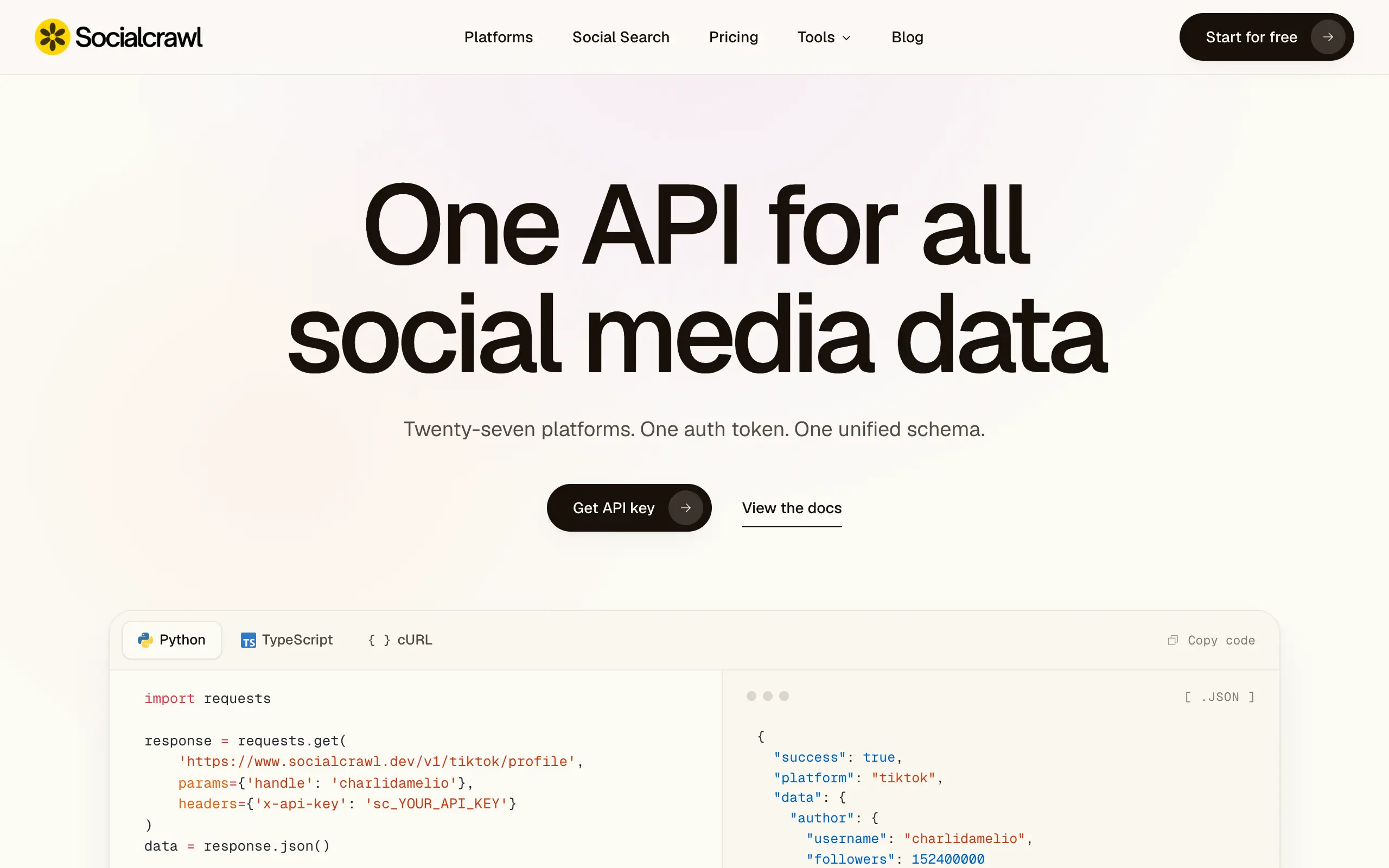
Socialcrawl
Get clean, structured data from 21 platforms like TikTok, Instagram, and YouTube with a single request 📊
Statiko
Monitor any Telegram channel in real time - track posts, edits, deletions, and growth with AI recaps 📡
Shibui
AI website builder - describe your business, pick a niche template, edit by chatting, and publish instantly ✨
Pro Service
Find verified home service professionals, compare quotes, and pay securely through escrow - built for Brazilians across the US 🏠
RankGrow
Fix your SEO with AI agents - connect Search Console, get prioritized tasks, and grow organic traffic 📈
SyncReads
Sync your favorite content for distraction-free reading, save time and replace multiple apps. Anytime, anywhere 🔄
Socialcrawl
Get clean, structured data from 21 platforms like TikTok, Instagram, and YouTube with a single request 📊
Statiko
Monitor any Telegram channel in real time - track posts, edits, deletions, and growth with AI recaps 📡
Shibui
AI website builder - describe your business, pick a niche template, edit by chatting, and publish instantly ✨
Pro Service
Find verified home service professionals, compare quotes, and pay securely through escrow - built for Brazilians across the US 🏠
RankGrow
Fix your SEO with AI agents - connect Search Console, get prioritized tasks, and grow organic traffic 📈
SyncReads
Sync your favorite content for distraction-free reading, save time and replace multiple apps. Anytime, anywhere 🔄
Socialcrawl
Get clean, structured data from 21 platforms like TikTok, Instagram, and YouTube with a single request 📊
Statiko
Monitor any Telegram channel in real time - track posts, edits, deletions, and growth with AI recaps 📡
Shibui
AI website builder - describe your business, pick a niche template, edit by chatting, and publish instantly ✨
Pro Service
Find verified home service professionals, compare quotes, and pay securely through escrow - built for Brazilians across the US 🏠
RankGrow
Fix your SEO with AI agents - connect Search Console, get prioritized tasks, and grow organic traffic 📈
SyncReads
Sync your favorite content for distraction-free reading, save time and replace multiple apps. Anytime, anywhere 🔄
Socialcrawl
Get clean, structured data from 21 platforms like TikTok, Instagram, and YouTube with a single request 📊
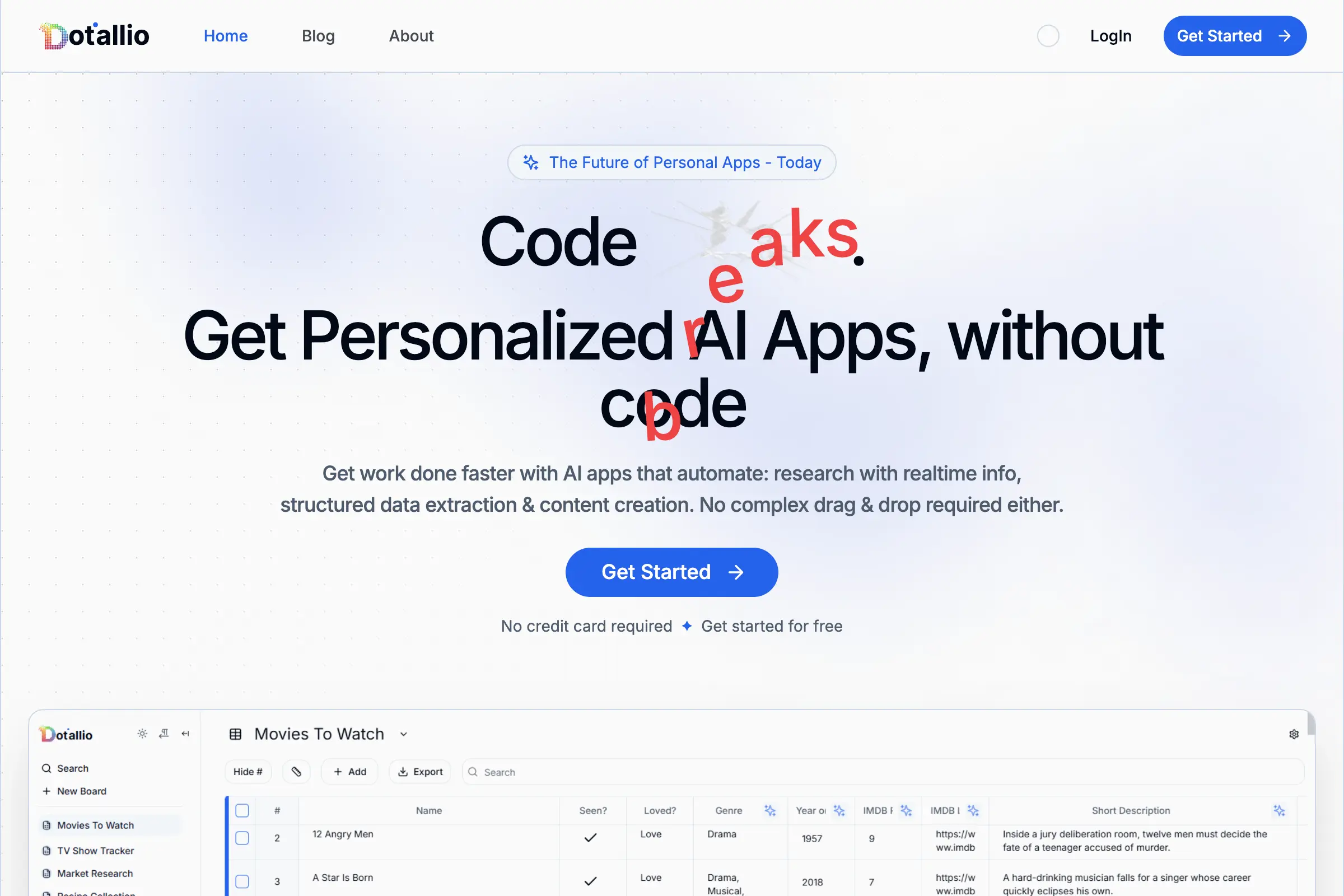
Dotallio
Personalized AI apps that automate research, data extraction, and content creation without code 🤖

Talk to Santa
Enjoy a magical live video chat or receive a unique AI-generated video greeting from Santa Claus 🎅

pozywka.pl
Scalable blog for food journalist, focused on performance and user experience 🌭
zagrodzki.me
Personal blog and portfolio of Bart Zagrodzki, where he shares his knowledge and work 💼
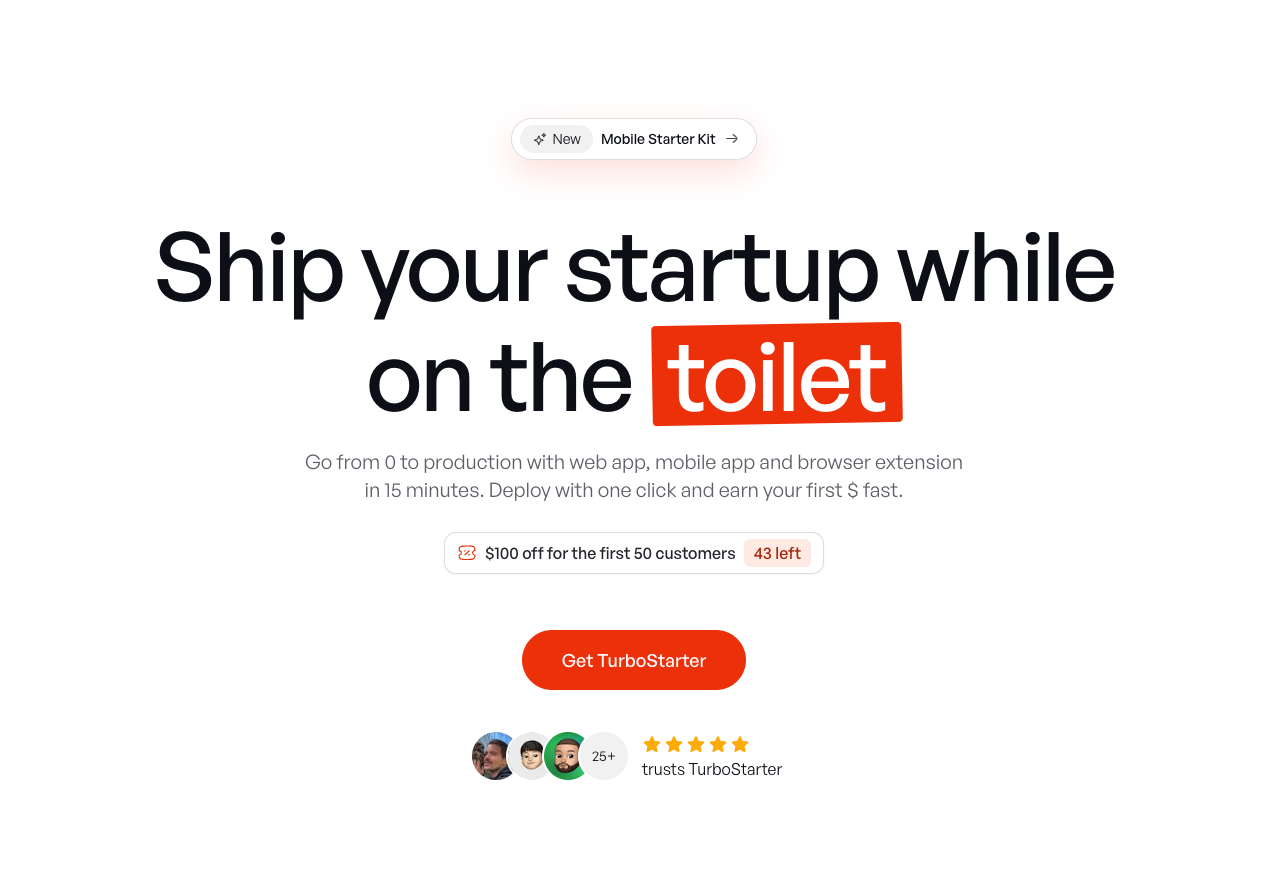
TurboStarter
Ship your startup everywhere. In minutes.
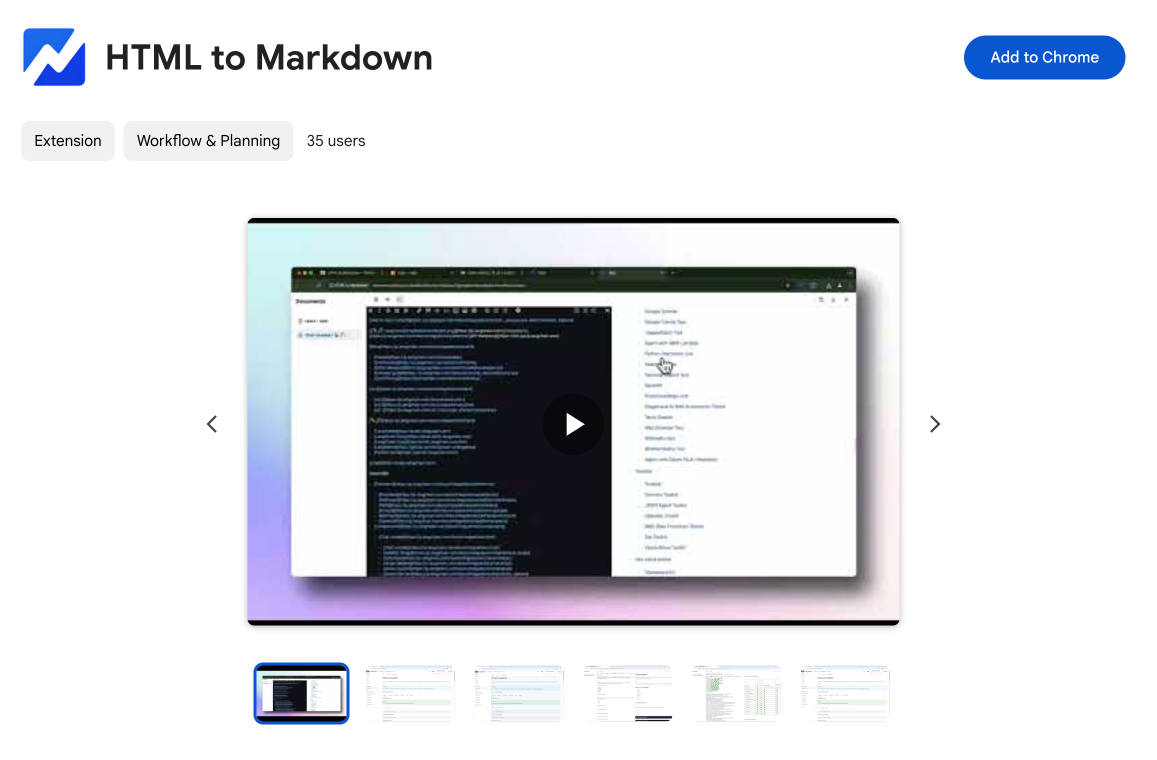
HTML to Markdown
Convert HTML to Markdown with ease, directly in your browser 📄
Dotallio
Personalized AI apps that automate research, data extraction, and content creation without code 🤖
Talk to Santa
Enjoy a magical live video chat or receive a unique AI-generated video greeting from Santa Claus 🎅
pozywka.pl
Scalable blog for food journalist, focused on performance and user experience 🌭
zagrodzki.me
Personal blog and portfolio of Bart Zagrodzki, where he shares his knowledge and work 💼
TurboStarter
Ship your startup everywhere. In minutes.
HTML to Markdown
Convert HTML to Markdown with ease, directly in your browser 📄
Dotallio
Personalized AI apps that automate research, data extraction, and content creation without code 🤖
Talk to Santa
Enjoy a magical live video chat or receive a unique AI-generated video greeting from Santa Claus 🎅
pozywka.pl
Scalable blog for food journalist, focused on performance and user experience 🌭
zagrodzki.me
Personal blog and portfolio of Bart Zagrodzki, where he shares his knowledge and work 💼
TurboStarter
Ship your startup everywhere. In minutes.
HTML to Markdown
Convert HTML to Markdown with ease, directly in your browser 📄
Dotallio
Personalized AI apps that automate research, data extraction, and content creation without code 🤖
Talk to Santa
Enjoy a magical live video chat or receive a unique AI-generated video greeting from Santa Claus 🎅
pozywka.pl
Scalable blog for food journalist, focused on performance and user experience 🌭
zagrodzki.me
Personal blog and portfolio of Bart Zagrodzki, where he shares his knowledge and work 💼
TurboStarter
Ship your startup everywhere. In minutes.
HTML to Markdown
Convert HTML to Markdown with ease, directly in your browser 📄
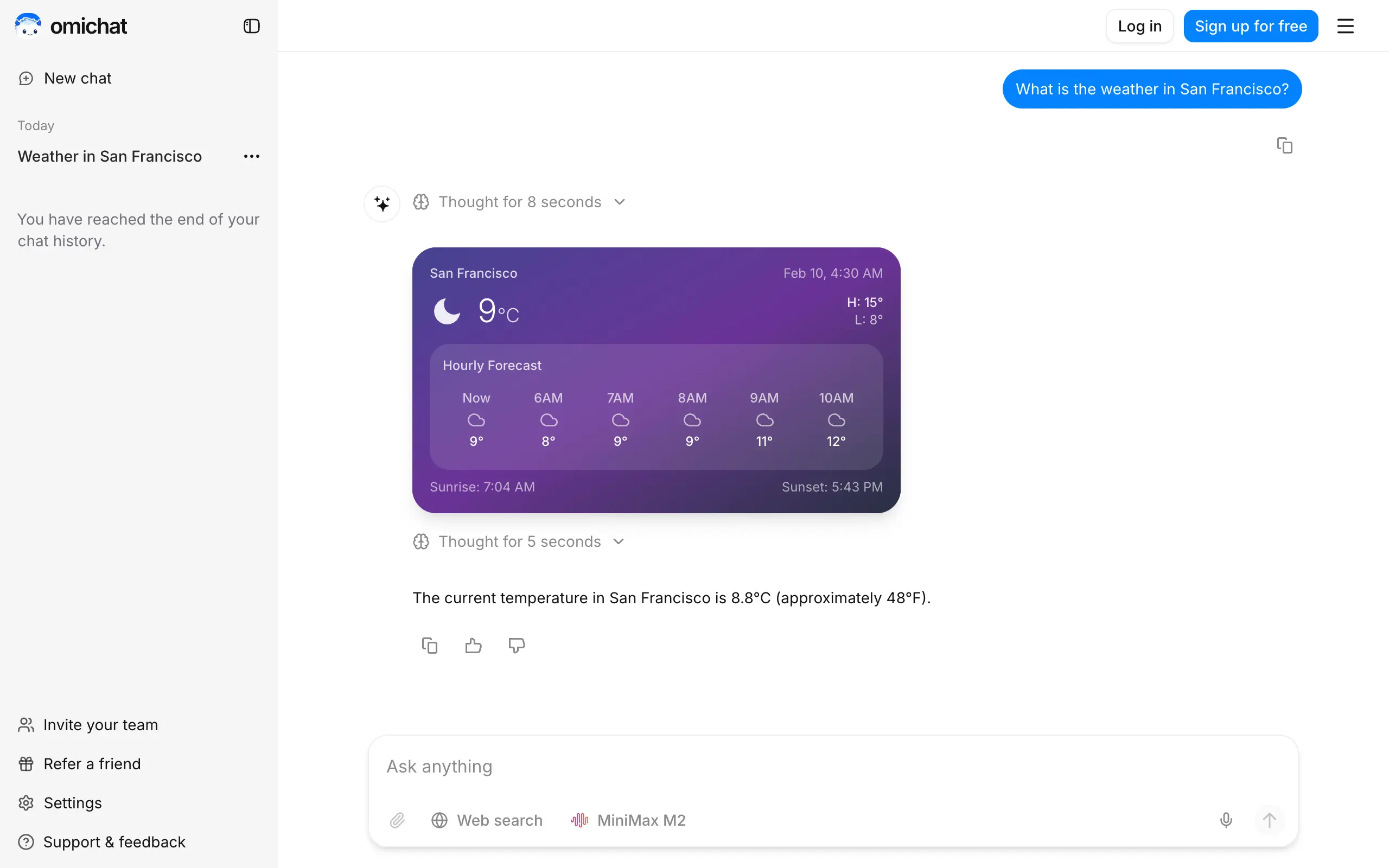
Omichat
Chat with 50+ AI models, including ChatGPT and Claude, in one place - switch models anytime without losing context 🤖
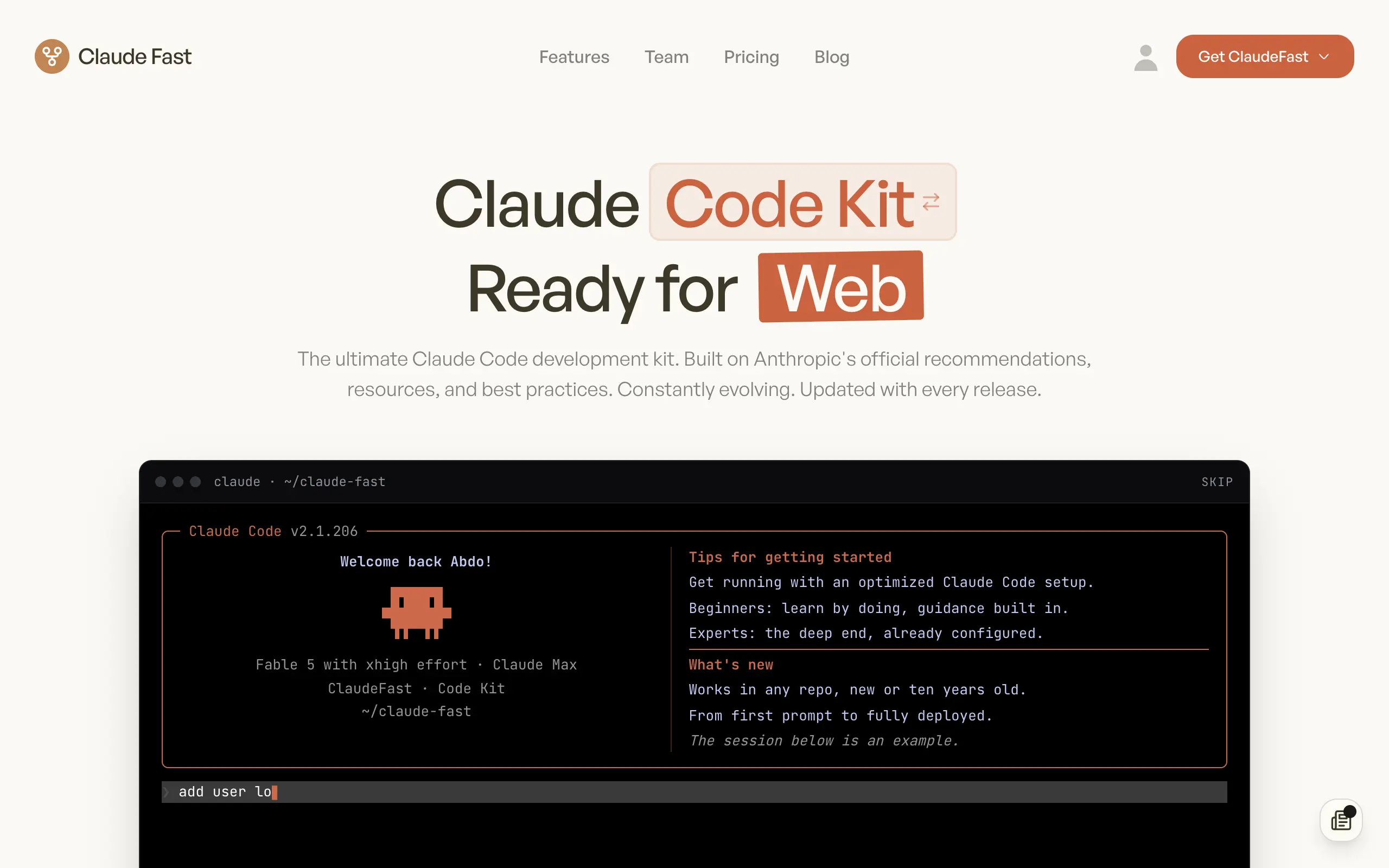
Claude Fast
Supercharge your Claude Code with 6x effective context window and specialized AI agents 🤖
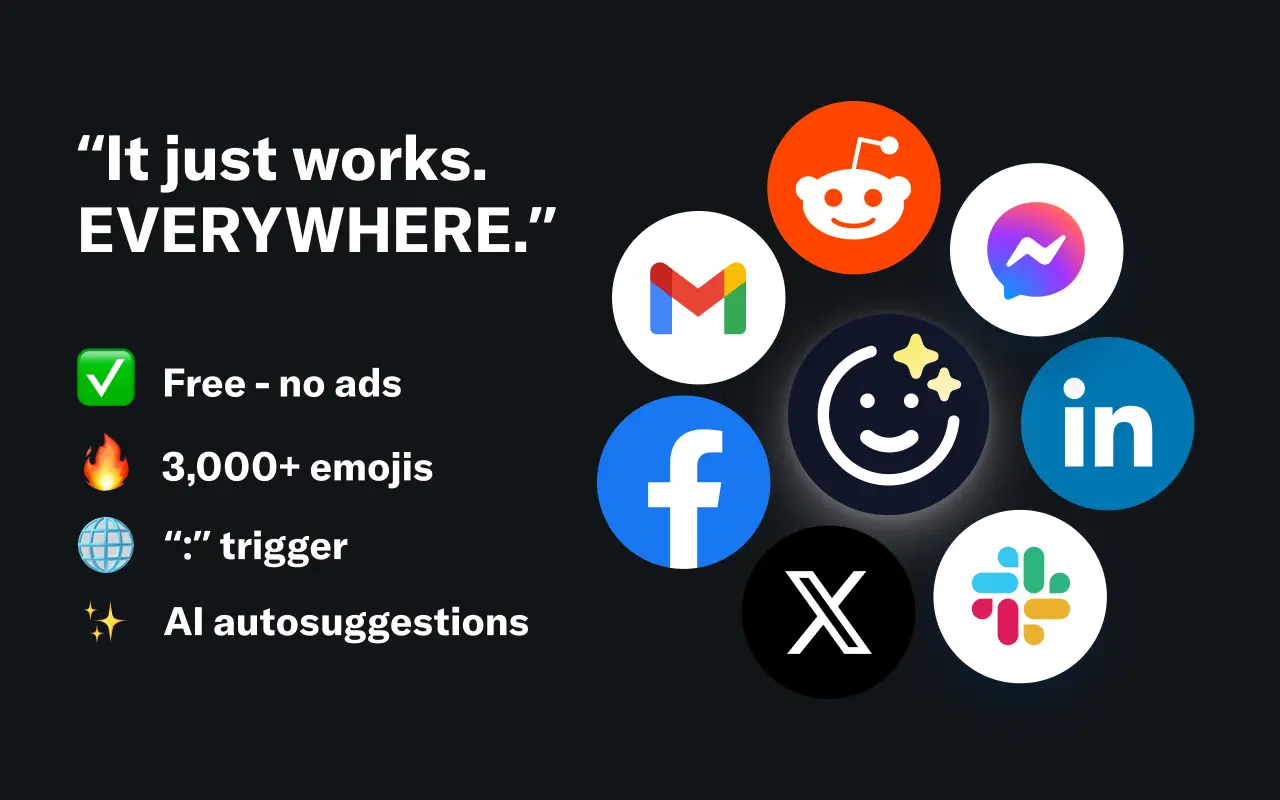
EmojAI
AI-powered emoji picker with smart, context-aware suggestions 🤖

Solohacker
Autonomous company launcher - AI agents work 24/7, escalate what matters, and you stay in control 🤖
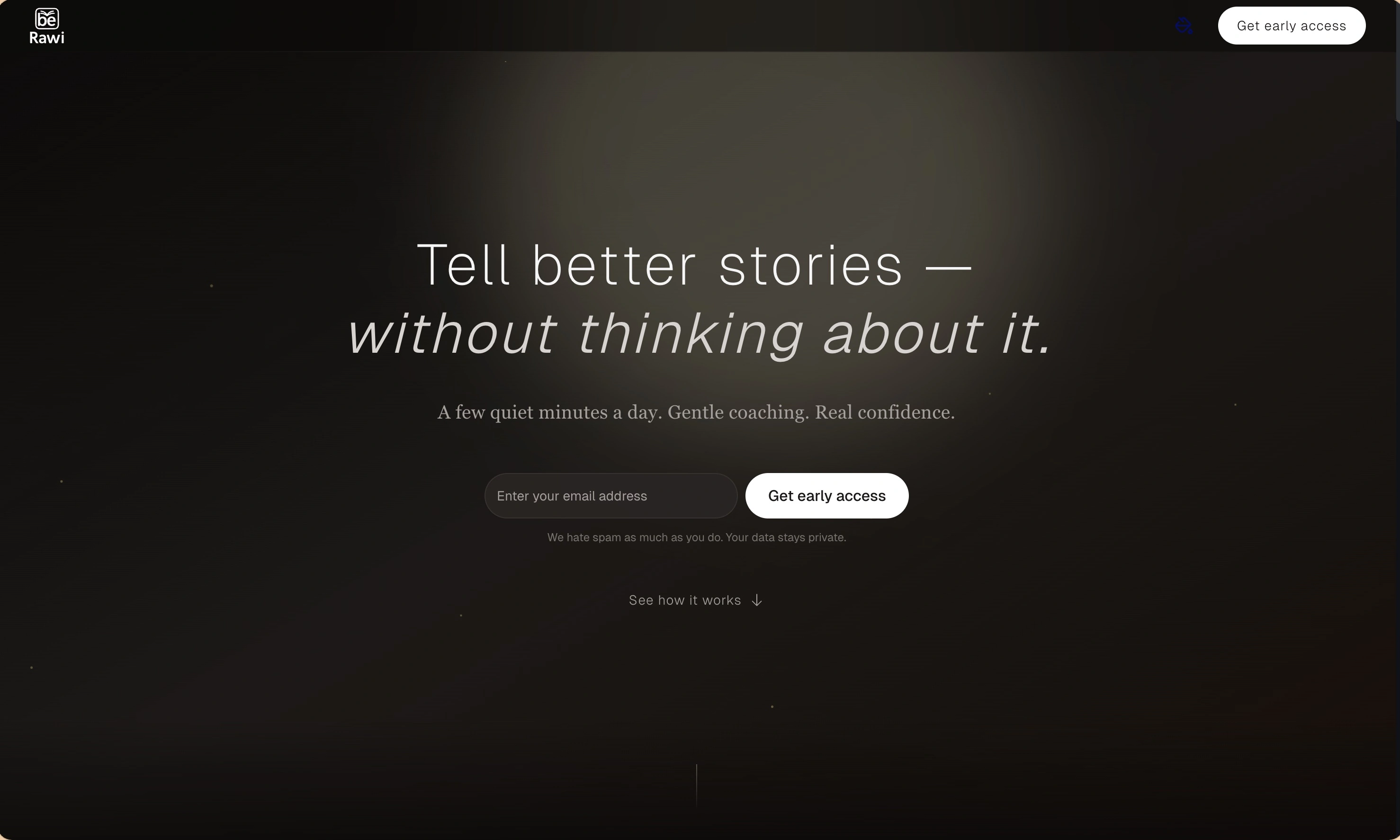
BeRawi: Storytelling Coach
Practice storytelling daily with instant feedback to sound clearer, more engaging, and confident 🎤
Omichat
Chat with 50+ AI models, including ChatGPT and Claude, in one place - switch models anytime without losing context 🤖
Claude Fast
Supercharge your Claude Code with 6x effective context window and specialized AI agents 🤖
EmojAI
AI-powered emoji picker with smart, context-aware suggestions 🤖
Solohacker
Autonomous company launcher - AI agents work 24/7, escalate what matters, and you stay in control 🤖
BeRawi: Storytelling Coach
Practice storytelling daily with instant feedback to sound clearer, more engaging, and confident 🎤
Omichat
Chat with 50+ AI models, including ChatGPT and Claude, in one place - switch models anytime without losing context 🤖
Claude Fast
Supercharge your Claude Code with 6x effective context window and specialized AI agents 🤖
EmojAI
AI-powered emoji picker with smart, context-aware suggestions 🤖
Solohacker
Autonomous company launcher - AI agents work 24/7, escalate what matters, and you stay in control 🤖
BeRawi: Storytelling Coach
Practice storytelling daily with instant feedback to sound clearer, more engaging, and confident 🎤
Omichat
Chat with 50+ AI models, including ChatGPT and Claude, in one place - switch models anytime without losing context 🤖
Claude Fast
Supercharge your Claude Code with 6x effective context window and specialized AI agents 🤖
EmojAI
AI-powered emoji picker with smart, context-aware suggestions 🤖
Solohacker
Autonomous company launcher - AI agents work 24/7, escalate what matters, and you stay in control 🤖
BeRawi: Storytelling Coach
Practice storytelling daily with instant feedback to sound clearer, more engaging, and confident 🎤

Connect with like-minded people
Join our community to get feedback, support, and grow together with 1,000+ builders on board, let's ship it!
Join usShip your startup everywhere. In minutes.
Don't burn tokens on setup and start building features on day one.