CoverMuse
A social studio for creators to turn outfit photos into Pinterest-ready TikTok covers with editorial layouts, doodles, and shoppable look cards.
Why a TikTok cover maker for fashion creators is a strong SaaS opportunity
Fashion content is increasingly discovered through short-form video, but creators still need a polished visual system that works beyond the video feed. A TikTok post may earn attention through motion, sound, and personality, while its cover image determines whether someone taps when browsing a profile, saves a pin, or clicks through a shoppable lookbook.
That gap creates a clear opportunity for CoverMuse: a social studio that turns raw outfit photos into Pinterest-ready TikTok covers, editorial collages, doodle-enhanced layouts, and shoppable look cards.
The primary keyword opportunity is TikTok cover maker, supported by related search terms such as:
- TikTok cover creator
- TikTok cover template
- fashion TikTok covers
- Pinterest-ready video covers
- outfit collage maker
- shoppable outfit cards
- creator content design tool
- fashion creator toolkit
- editorial social media templates
- social media cover design app
Unlike general-purpose design software, CoverMuse can focus on the specific workflow fashion and lifestyle creators repeat every week: select an outfit photo, choose an editorial composition, add a recognizable visual identity, create a cover for TikTok, and optionally generate a product-focused look card for affiliate links or brand collaborations.
The product’s core advantage is not simply “making graphics.” It is helping creators transform one outfit shoot into a consistent, discoverable, and monetizable set of visual assets.
The strategic product thesis
Creators do not need another blank design canvas. They need a fast, opinionated publishing workflow built around the formats, visual language, and monetization needs of fashion content.
The target audience for CoverMuse
A successful TikTok cover maker should not target every social media user. CoverMuse is strongest when it serves creators who already care about visual identity and whose content benefits from outfit-centric storytelling.
Primary audience: fashion and lifestyle creators
The most valuable early users are independent creators who publish outfit videos, styling advice, try-on hauls, capsule wardrobe content, beauty-adjacent lifestyle posts, and shopping recommendations.
These users often have the following characteristics:
- They post on TikTok, Pinterest, Instagram, or more than one platform.
- They create content in batches and need to publish consistently.
- They use affiliate programs, storefronts, discount codes, or brand partnerships.
- They want a cohesive profile grid and recognizable cover style.
- They may use Canva, CapCut, Pinterest, Lightroom, or mobile photo-editing apps today.
- They have limited time for manual graphic design.
- They want their outfit content to look editorial rather than generic.
For this audience, CoverMuse should make the path from a mirror selfie or campaign photo to a usable cover feel nearly instant. The user is not asking for unlimited creative freedom. They are asking for faster, better-looking output that still feels personal.
Secondary audience: UGC creators and affiliate marketers
User-generated content creators often make video assets for fashion, beauty, retail, and direct-to-consumer brands. Their work frequently requires:
- Clear product visibility
- Brand-safe typography
- Fast asset turnaround
- Multiple creative variants
- Purchase-oriented calls to action
- A way to show product names, categories, and links
A shoppable look card feature makes CoverMuse particularly relevant to affiliate marketers. Instead of placing a vague “links in bio” label over a video cover, users can create a stylish companion asset that identifies each item in a look.
This is valuable for content such as:
- “Three ways to style wide-leg jeans”
- “Wedding guest outfit ideas”
- “My autumn capsule wardrobe”
- “Affordable workwear finds”
- “What I wore in Paris”
- “Amazon fashion haul”
- “Festival outfit inspiration”
Tertiary audience: social media managers and small fashion brands
Boutique fashion labels, vintage sellers, stylists, personal shoppers, and small agencies can use CoverMuse to produce consistent content without maintaining a full in-house design team.
Their needs differ slightly from solo creators:
- Team approvals and shared brand kits
- Product catalog imports
- Reusable campaign templates
- Asset libraries
- Permissions for collaborators
- Higher-volume exports
- Brand compliance controls
This segment should likely be a later expansion rather than the first go-to-market audience. Early product messaging should remain emotionally specific to creators, because a generic “social media design platform” message will weaken differentiation.
Solo fashion creator
Needs quick covers that make a profile look polished, recognizable, and worth following.
Affiliate content creator
Needs editorial look cards that connect styling content to products and conversion opportunities.
Small fashion team
Needs a repeatable template system for consistent social campaigns and creator collaboration.
The market gap in TikTok cover design
Most creators currently assemble covers through fragmented tools. They may edit an image in Lightroom, add text in Canva, compose a video in CapCut, collect inspiration on Pinterest, and manage affiliate links through a separate storefront platform.
That workflow works, but it is slow and inconsistent.
General design tools are powerful because they are flexible. They are also often inefficient for repeatable social workflows. A creator who wants an editorial fashion cover may face an empty canvas, thousands of templates, unclear safe areas, inconsistent typography, and no direct relationship between the visual design and the products featured in the outfit.
CoverMuse can address several gaps at once.
The gap between video-first publishing and profile-first discovery
TikTok is experienced as a feed, but creator profiles are still browsed as visual catalogs. Covers help viewers understand what a video offers before they watch it. A clean visual system can make a profile feel like a curated magazine rather than a collection of disconnected posts.
Pinterest introduces a related opportunity. Fashion users search visually for outfits, aesthetics, color palettes, seasonal looks, and shopping inspiration. The same editorial creative direction that improves TikTok cover consistency can make an image more saveable and pin-friendly.
CoverMuse can solve this by generating layout variants optimized for multiple discovery contexts:
- A vertical TikTok cover with readable focal text
- A Pinterest-friendly image crop with a clear style narrative
- A square or portrait social graphic for repurposing
- A shoppable card with item labels and a destination link
- A carousel-ready collage for cross-platform publishing
The gap between aesthetic content and commerce content
Fashion creators often have to choose between beautiful editorial visuals and obvious commerce graphics. A collage may feel aspirational but not explain where products are from. An affiliate card may include product details but look overly promotional.
CoverMuse should bridge this divide by making product information feel native to the creator’s aesthetic. The best shoppable look cards can include:
- Item names
- Retailer labels
- Product categories
- Price ranges
- Affiliate disclosures where appropriate
- QR codes for offline or cross-device discovery
- “Shop the look” prompts
- A creator’s own note or styling rationale
The key is restraint. Product metadata should support the outfit story, not overpower it.
The gap between inspiration and original creator identity
Pinterest-style editorial design often includes handwritten notes, cutout imagery, scrapbook composition, collage grids, textured paper, arrows, stickers, and fashion-magazine typography. These formats are highly engaging, but copying inspiration too literally can lead to generic work or potential intellectual property issues.
CoverMuse should provide original, licensed, and configurable visual primitives rather than reproducing a particular publication’s aesthetic. Users should be able to define their own look through brand colors, font pairs, layout rules, doodle styles, and image treatments.
Avoid the template trap
A template library alone is easy to copy. The defensible product is a creator-specific system that learns preferences, preserves a consistent visual identity, and turns each outfit into a complete publishing package.
CoverMuse core features and product workflow
The MVP should center on one outcome: a creator can upload an outfit image and publish a distinctive TikTok cover in minutes.
The experience should be mobile-friendly from day one, even if the first complete editor ships on desktop. Fashion creators commonly shoot, edit, and post from their phones, so a desktop-only workflow will create friction.
AI-assisted outfit photo preparation
Raw creator images vary widely. Some are mirror selfies, some are street-style photos, some are screenshots from video, and others are product flat lays. CoverMuse should provide lightweight image assistance rather than promise unrealistic full image generation.
Useful capabilities include:
- Automatic background removal for cutout-based layouts
- Subject detection and face-aware crops
- Smart vertical framing for different social platform ratios
- Image quality checks for blur, darkness, and low resolution
- Suggested placement based on the image’s focal point
- Optional background colors, gradients, textures, and paper effects
- Shadow and outline controls for cutout subjects
The UX should make these choices approachable. A creator should see a polished default result before needing to adjust advanced controls.
Editorial TikTok cover templates
The template system should be organized around content intent, not only visual style. A creator often starts with a topic such as “date night outfit” or “how I style loafers,” not with a specific typeface.
Useful template categories include:
- Outfit of the day
- Styling tips
- Seasonal wardrobe
- Travel looks
- Try-on haul
- Event outfits
- Trend analysis
- Before and after styling
- Designer versus affordable alternatives
- Capsule wardrobe
- Shop my closet
- Wedding guest outfits
Each template should include platform-safe text zones. This matters because user-interface overlays, profile cropping, and different devices can obscure important words. CoverMuse can differentiate by showing a visibility preview rather than merely offering a fixed canvas size.
Doodles, annotations, and visual storytelling
Doodles are not a superficial feature. They add personality and make static images feel like creator-led recommendations rather than catalog images.
The product can include editable design elements such as:
- Hand-drawn arrows
- Underlines and circles
- Starbursts and hearts
- Tape, labels, and paper scraps
- Handwritten-style notes
- Highlight marker effects
- Moodboard-inspired frames
- Numbered callouts
- “Wear this with” prompts
To prevent repetitive output, doodles should have controlled variation. The user might select “minimal,” “playful,” “scrapbook,” or “editorial,” then apply a style consistently across a series.
Shoppable look cards
Shoppable look cards are a high-value feature because they connect visual content to revenue.
A creator should be able to create a card by attaching products to regions of an image or adding a simple list below an outfit. The creator can then export the card for social use or publish it to a hosted CoverMuse landing page.
An effective look card workflow could include:
- Upload an outfit photo or select a cover design.
- Add the items in the outfit manually or through a product URL.
- Enter a product name, retailer, price, and destination link.
- Place elegant tags near the relevant garments.
- Add an affiliate disclosure when required.
- Export the graphic or publish a mobile-friendly shoppable page.
The product should not rely on retailer scraping in the MVP. Product data extraction may be unreliable, legally sensitive, and difficult to maintain. Start with direct links and manual product details, then evaluate approved affiliate-network integrations when demand is proven.
Brand kits and recurring content series
Consistency is one of the strongest reasons a creator will pay for a TikTok cover maker. Brand kits should therefore be a core paid feature.
A creator’s kit can include:
- Brand colors
- Preferred fonts
- Default text hierarchy
- Doodle style
- Logo or watermark
- Favorite layout formats
- Tone-of-voice prompts
- Disclosure defaults
- Saved product labels
- A recurring “series” template
For example, a creator might create a weekly “Sunday outfit diary” series with a cream paper background, red handwritten notes, an oversized serif title, and a small heart doodle. Every new episode would preserve the recognizable system while allowing new photos and copy.
Export, scheduling, and asset organization
Creators want flexibility, but integrations should be implemented carefully. Start with reliable exports and build native integrations only where platform permissions and user demand justify them.
The first release should support:
- High-resolution PNG and JPEG exports
- Platform-specific canvas presets
- Downloadable cover packs
- Duplicate and resize controls
- Draft saving
- Folder organization
- Searchable asset history
- Shared links for client review
Later, consider publishing workflows, content calendars, and integrations with social scheduling tools. The product should never imply official publishing support unless it uses approved platform capabilities and complies with each platform’s rules.
A competitive advantage analysis for CoverMuse
CoverMuse will compete indirectly with broad design products, video editors, link-in-bio tools, and social content templates. Its advantage comes from depth in one creator workflow.
| Capability | General design tools | Video editors | Link tools | CoverMuse |
|---|---|---|---|---|
| TikTok cover-safe layouts | Partial | Partial | No | Yes |
| Editorial fashion templates | Broad | Limited | No | Specialized |
| Shoppable outfit cards | Manual | No | Partial | Native workflow |
| Creator style memory | Variable | Limited | No | Core feature |
The CoverMuse USP
The unique selling proposition can be stated simply:
CoverMuse is the TikTok cover maker built for fashion creators who want editorial visual identity and shoppable outfit storytelling in one workflow.
This positioning is specific enough to resonate with the right users and broad enough to expand into adjacent creator categories later, including beauty, travel, interiors, food, and wellness.
The product should avoid competing on “more templates.” It should compete on:
- Faster creation from outfit photo to publish-ready design
- Better fashion-native art direction
- Consistent creator identity across content series
- Commerce-ready visuals without an awkward sales aesthetic
- High-quality multi-platform repurposing
- A growing library of data-informed cover patterns
Defensibility beyond templates
Template libraries can be copied. A stronger long-term moat comes from creator workflow data and personalization, handled with transparent consent and privacy controls.
Over time, CoverMuse can learn:
- Which layouts a creator selects most often
- Which colors, font pairs, and doodles define their identity
- Which cover formats correlate with saves, clicks, or profile visits
- Which content topics lead to the most product-card engagement
- How a creator’s visual system changes by season or campaign
This can power helpful recommendations such as “Use your saved autumn look format” or “This title may be too close to the right-side crop area.”
It is important not to overstate analytics-driven performance claims. Social platform outcomes depend on content quality, timing, audience, hooks, and distribution. CoverMuse can provide design guidance without promising views, reach, sales, or algorithmic ranking.
Recommended tech stack for a creator design SaaS
CoverMuse needs a stack that supports a responsive editor, secure user accounts, image processing, subscription billing, and scalable media storage. The technology should prioritize iteration speed for an MVP while leaving room for more advanced rendering later.
Frontend architecture
A strong frontend option is React with Next.js. This combination supports interactive editing experiences, server-rendered marketing pages, secure server endpoints, and a mature deployment ecosystem.
For styling, Tailwind CSS is a practical choice because it enables fast visual iteration while maintaining a consistent design system. CoverMuse will need a polished interface, so reusable primitives for buttons, panels, crop controls, font selectors, and asset cards are more important than one-off page styling.
For canvas editing, consider Konva or Fabric.js.
Konva is well suited to React-based interactive canvases. It offers a clean approach to layers, drag-and-drop interactions, transforms, selection boxes, and export flows.
Fabric.js offers a mature canvas object model and can be useful for rich editing behavior. It may require more deliberate integration work in a React application, particularly as editor complexity grows.
Server-side rendering produces predictable exports and can reduce browser-specific differences. It adds infrastructure complexity but is valuable for premium-quality templates, batch generation, and scheduled exports.
For the first version, a client-side canvas editor is usually the fastest route. It should be paired with deterministic export testing across devices and browsers. If the product later supports batch rendering, high-resolution exports, or complex AI pipelines, server-side rendering can become worthwhile.
Backend, data, and authentication
A relational database is a good fit because CoverMuse includes users, subscriptions, brand kits, templates, projects, product links, assets, and potentially teams.
Recommended building blocks include:
- PostgreSQL for relational data
- Prisma for type-safe database access
- Supabase if the team wants managed PostgreSQL, authentication, storage, and realtime features
- Auth.js for flexible authentication in a Next.js application
- Stripe for subscriptions, invoicing, taxes, and billing portal workflows
The trade-off is operational control versus development speed. Supabase can reduce MVP infrastructure work significantly. A more custom architecture can offer deeper control later, but premature customization often slows validation.
Media storage and image processing
Image uploads are central to the product and must be treated as a first-class subsystem.
Use object storage rather than storing image binaries directly in the database. Amazon S3 is a reliable option, while Cloudinary can accelerate transformations, responsive delivery, and optimization.
For server-side image processing, Sharp is a strong Node.js choice for resize operations, compositing, format conversion, and image optimization.
The product should enforce sensible upload protections:
- File type validation
- File size limits
- Malware scanning where appropriate
- Signed upload URLs
- Access-controlled private media
- Image lifecycle deletion policies
- Clear user controls for deleting projects and source photos
AI capabilities and responsible implementation
AI can be useful when it removes tedious work rather than replacing the creator’s taste. Consider AI features such as:
- Background removal
- Image tagging for asset search
- Layout suggestions based on photo composition
- Cover text suggestions based on a user-provided topic
- Automatic accessibility descriptions for exported assets
- Product description cleanup
Do not make AI the core dependency before the non-AI workflow is validated. The product should still create strong covers when users choose every element manually.
When implementing AI, disclose where source images are sent, whether they are retained, and whether they are used for model training. Creators work with personal images, client campaigns, and unreleased products. Trust is a product feature, not just a legal requirement.
A simple project model
The editor should save structured design data rather than only flattened images. This allows users to revisit an asset, replace a photo, change the title, and generate new size variants.
type CoverProject = {
  id: string;
  userId: string;
  title: string;
  canvas: {
    width: number;
    height: number;
    background: string;
  };
  layers: Array<{
    id: string;
    type: "image" | "text" | "shape" | "doodle" | "product-tag";
    x: number;
    y: number;
    width: number;
    height: number;
    rotation?: number;
    data: Record<string, unknown>;
  }>;
  templateId?: string;
  brandKitId?: string;
  createdAt: string;
  updatedAt: string;
};
This model supports versioning, template updates, export regeneration, analytics attribution, and future collaboration features.
Monetization strategies for CoverMuse
The ideal pricing model should align with the value creators receive from consistent publishing, time savings, and affiliate or sponsorship revenue. A freemium subscription model is likely the best starting point.
Free plan for product-led growth
The free plan should let users experience the core “wow” moment. A user should be able to create a few high-quality TikTok covers, not merely browse the interface.
Possible free-tier limits include:
- A limited number of exports per month
- Access to a starter template collection
- Basic image upload and crop tools
- One brand kit
- Standard-resolution downloads
- A small CoverMuse attribution mark, if this does not damage user trust
Avoid making the free experience so restricted that users cannot evaluate whether the designs fit their aesthetic.
Creator subscription
A paid creator plan can unlock the workflows that recurring users value most:
- Unlimited exports
- Premium editorial templates
- Multiple brand kits
- High-resolution exports
- Shoppable look cards
- Product link management
- Asset history and organization
- Seasonal template drops
- Advanced crop and background tools
- Custom font uploads, subject to licensing controls
Pricing should be tested based on the target customer’s creator maturity and geographic market. The important metric is not a theoretical price point. It is whether paid users create enough assets each month to feel that CoverMuse is part of their publishing stack.
Pro and team plans
A higher tier can target affiliate professionals, freelancers, agencies, and small brands with:
- Multiple workspaces
- Client brand kits
- Collaboration permissions
- Review and approval links
- Shared template libraries
- Batch export
- Content calendar tools
- More storage
- Priority support
Team plans often have stronger retention because assets and workflows become embedded in a group process. However, collaboration should not distract from the solo creator MVP.
Additional revenue opportunities
Once the core subscription is proven, CoverMuse could consider:
- Premium designer template packs
- Seasonal editorial collections
- Paid custom brand onboarding
- Affiliate-network integrations
- Creator storefront upgrades
- White-label plans for agencies
- An opt-in template marketplace with revenue sharing
Any marketplace should have quality review standards, licensing terms, and clear intellectual property processes. Low-quality template marketplaces can dilute a brand quickly.
Risks and mitigation strategies
A creator design SaaS has real risks, but each can be addressed through focused product choices.
Mitigate this with narrow messaging and an opinionated workflow. Lead with fashion TikTok covers, editorial styling layouts, and shoppable look cards instead of generic graphic design capabilities.
Maintain editable safe-area configurations, document assumptions, and avoid promising exact cross-device rendering. Test against current device and platform behavior regularly.
Provide configurable disclosure labels and educational guidance. Make it easy for creators to include required disclosures, but avoid offering legal advice.
Use clear terms, private-by-default projects, deletion controls, secure storage, and transparent AI data handling. Users should retain control over their creative assets.
Keep the creator in control. Use AI for suggestions, cleanup, and speed, while making manual editing and original brand kits central to the experience.
Copyright and design ethics
CoverMuse should not encourage users to recreate protected brand campaigns, magazine covers, or other creators’ designs. Its template direction can reference broad, lawful visual concepts such as collage, minimal editorial, scrapbook, handwritten annotation, and retro print.
Important safeguards include:
- Original template design
- Licensed fonts and graphics
- A transparent intellectual property policy
- Reporting and takedown workflows
- Guidance around rights to uploaded photos
- Restrictions on prohibited content where necessary
For font uploads, clarify that the user is responsible for having the appropriate font license. This is particularly relevant for commercial creators and agencies.
Avoiding misleading performance claims
A polished cover can improve clarity and brand recognition, but it cannot guarantee TikTok views or sales. CoverMuse’s marketing should focus on tangible outcomes it can reliably support:
- Faster cover creation
- Stronger visual consistency
- Easier cross-platform repurposing
- Clearer product discovery
- Better organization of creator assets
If publishing data or user studies are later used in marketing, cite methodology clearly. For industry statistics, reference authoritative reports from organizations such as platform owners, established market research firms, or reputable creator-economy publications, and always include publication date and scope.
Go-to-market strategy for a fashion creator SaaS
The best initial distribution channel is likely the same ecosystem that inspires the product: fashion creators sharing styling workflows.
Build content around searchable creator pain points
SEO content should target high-intent queries such as:
- How to make a TikTok cover
- Best TikTok cover size
- TikTok cover ideas for fashion creators
- How to create aesthetic TikTok covers
- Pinterest-style TikTok cover templates
- How to make shoppable outfit posts
- Outfit collage ideas for social media
- Fashion content creation tools
Each article should include practical examples, visual guidance, template use cases, and clear discussion of platform limitations. Avoid thin, keyword-focused pages that provide no original utility.
Create a template-led acquisition loop
A template gallery can attract users looking for immediate help. Each template landing page should explain the use case, show its design intent, and provide a clear starting action.
Examples include:
- “Capsule wardrobe TikTok cover template”
- “Wedding guest outfit cover template”
- “Fall outfit collage template”
- “Shop my look card template”
- “Minimalist fashion creator cover template”
The key conversion path is simple: a creator sees a template that reflects their content, customizes it with their own outfit photo, and realizes that CoverMuse can become their recurring system.
Partner with micro-creators first
Micro-creators are often more accessible and more willing to test new tools than large influencers. A focused pilot program can provide valuable qualitative feedback on:
- Which templates feel authentic
- Which cover styles get saved or reused
- Where the editing flow is confusing
- What creators would pay for
- Whether shoppable cards create actual workflow value
Offer early partners meaningful value, such as a free premium period, a custom template kit, or visibility in the product’s creator gallery. Do not frame these relationships as endorsements unless the creator has explicitly agreed.
Actionable implementation steps for launching CoverMuse
The fastest path is not building every possible design feature. It is validating the smallest workflow that creates an obvious improvement over a creator’s current process.
MVP success metrics to track
Do not judge the product only by signups. A creator tool earns retention when it becomes part of a recurring publishing habit.
Track metrics such as:
- Activation rate from signup to first export
- Time from image upload to export
- Percentage of users who create a second project
- Weekly active creators
- Template reuse rate
- Brand kit adoption rate
- Free-to-paid conversion
- Monthly subscriber retention
- Number of shoppable cards created
- Product link click-through rate, where tracking is enabled and consented to
The strongest early signal is likely repeat project creation. If users build one cover and never return, the product may be a novelty. If users return every week to create their next outfit series, CoverMuse has the foundation for durable SaaS retention.
Build the first version with speed and focus
CoverMuse has a compelling opportunity because it sits at the intersection of creator identity, visual discovery, short-form content, and social commerce. The product should remain sharply focused on fashion creators before expanding into adjacent categories.
Start with a delightful TikTok cover maker, not an all-purpose design suite. Make it easy to turn an outfit photo into an editorial cover that looks intentional, recognizable, and ready to publish. Then build outward into brand kits, cross-platform layouts, shoppable look cards, and creator analytics.
For founders who want to move from concept to a production-ready SaaS foundation faster, TurboStarter can help accelerate common setup work around application architecture, authentication, billing, and SaaS infrastructure.
More 🌐 Social Network SaaS ideas
Discover more innovative social network SaaS ideas that are trending in 2026. Each idea is AI-generated with market validation and growth potential to help you find your next profitable venture faster than competitors.
Your competitors are building with TurboStarter
Below are some of the SaaS ideas that have been generated and built with our starter kit.
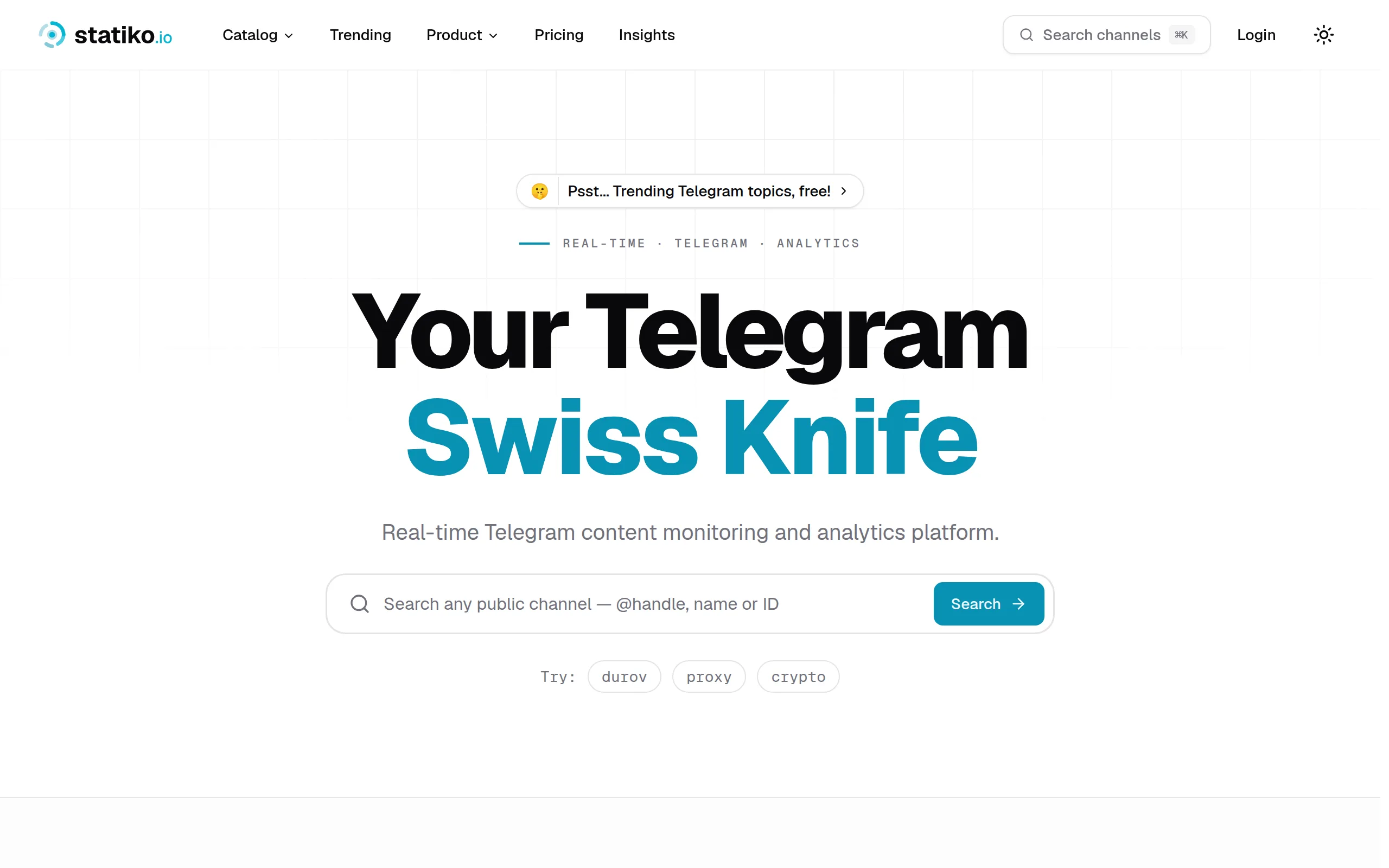
Statiko
Monitor any Telegram channel in real time - track posts, edits, deletions, and growth with AI recaps 📡

Shibui
AI website builder - describe your business, pick a niche template, edit by chatting, and publish instantly ✨
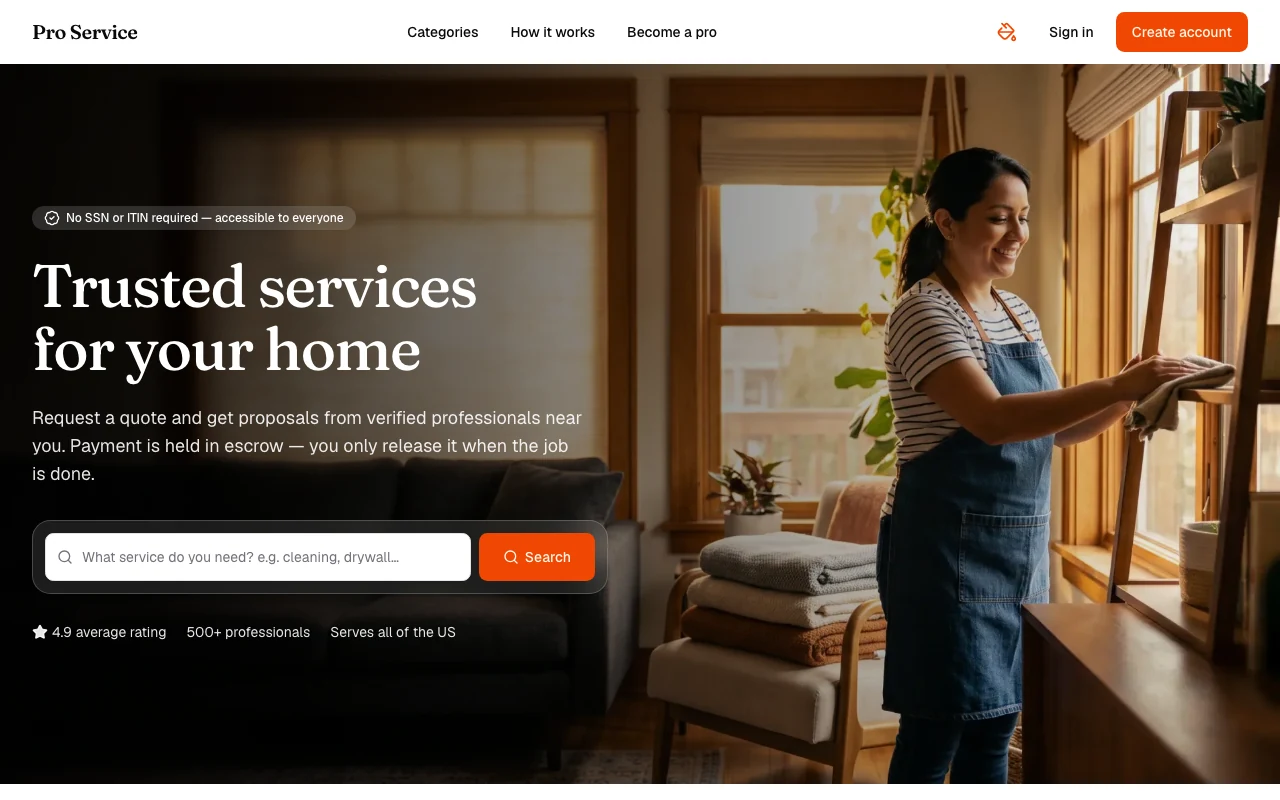
Pro Service
Find verified home service professionals, compare quotes, and pay securely through escrow - built for Brazilians across the US 🏠

RankGrow
Fix your SEO with AI agents - connect Search Console, get prioritized tasks, and grow organic traffic 📈
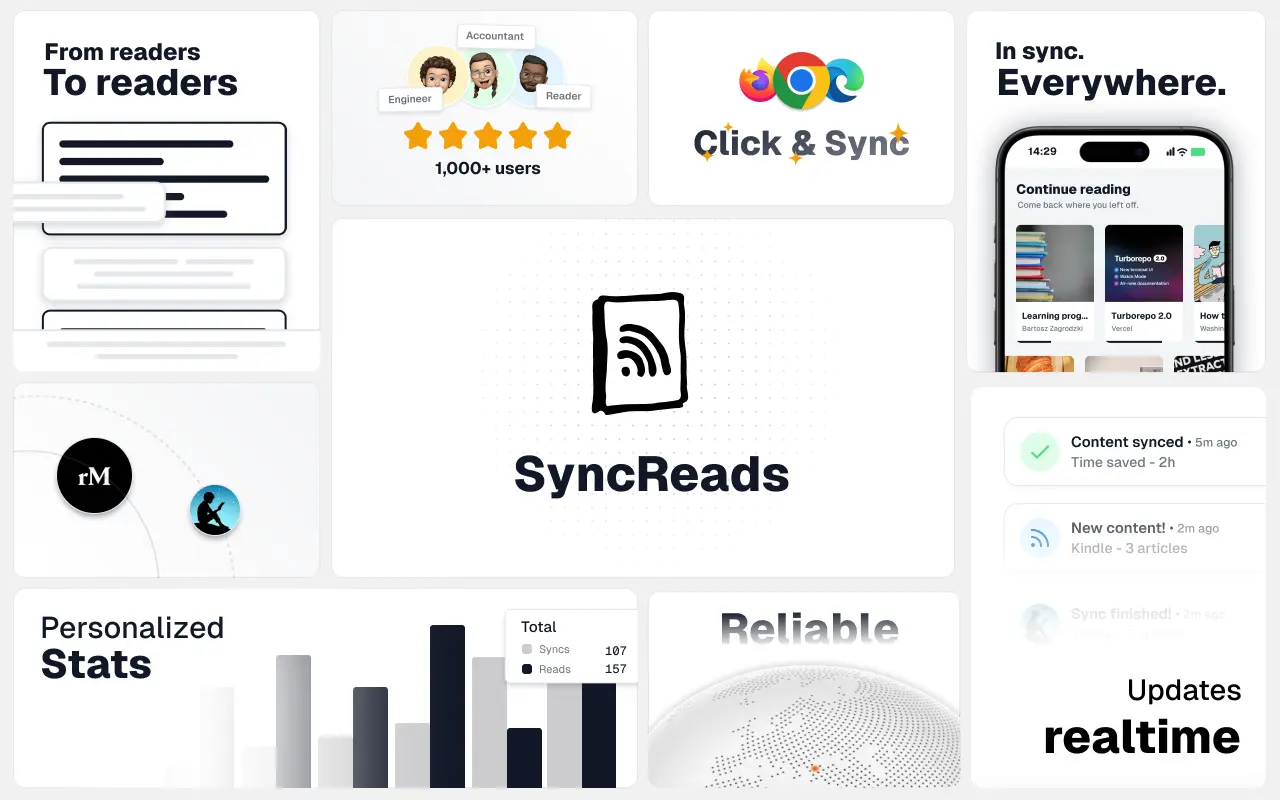
SyncReads
Sync your favorite content for distraction-free reading, save time and replace multiple apps. Anytime, anywhere 🔄
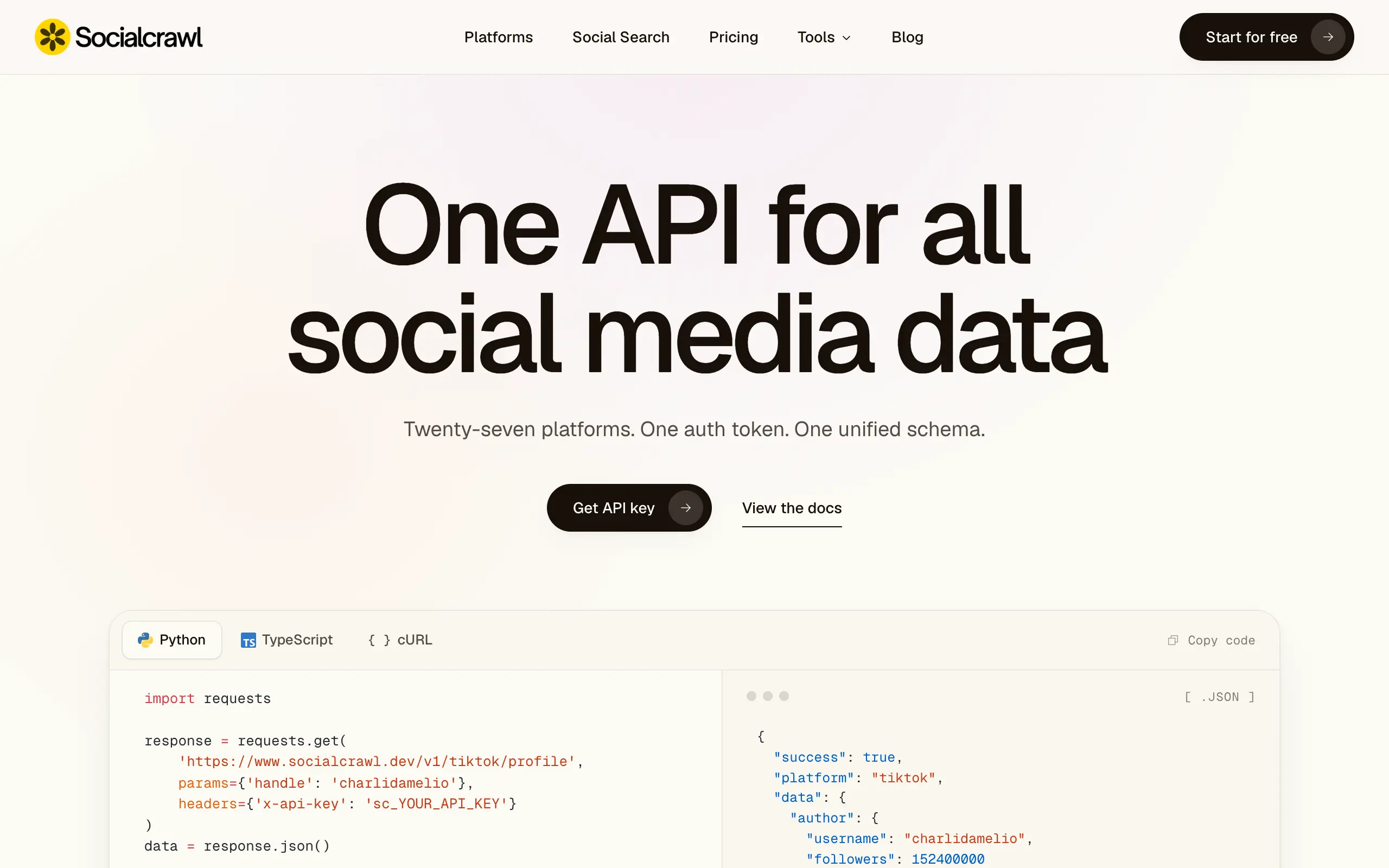
Socialcrawl
Get clean, structured data from 21 platforms like TikTok, Instagram, and YouTube with a single request 📊
Statiko
Monitor any Telegram channel in real time - track posts, edits, deletions, and growth with AI recaps 📡
Shibui
AI website builder - describe your business, pick a niche template, edit by chatting, and publish instantly ✨
Pro Service
Find verified home service professionals, compare quotes, and pay securely through escrow - built for Brazilians across the US 🏠
RankGrow
Fix your SEO with AI agents - connect Search Console, get prioritized tasks, and grow organic traffic 📈
SyncReads
Sync your favorite content for distraction-free reading, save time and replace multiple apps. Anytime, anywhere 🔄
Socialcrawl
Get clean, structured data from 21 platforms like TikTok, Instagram, and YouTube with a single request 📊
Statiko
Monitor any Telegram channel in real time - track posts, edits, deletions, and growth with AI recaps 📡
Shibui
AI website builder - describe your business, pick a niche template, edit by chatting, and publish instantly ✨
Pro Service
Find verified home service professionals, compare quotes, and pay securely through escrow - built for Brazilians across the US 🏠
RankGrow
Fix your SEO with AI agents - connect Search Console, get prioritized tasks, and grow organic traffic 📈
SyncReads
Sync your favorite content for distraction-free reading, save time and replace multiple apps. Anytime, anywhere 🔄
Socialcrawl
Get clean, structured data from 21 platforms like TikTok, Instagram, and YouTube with a single request 📊
Statiko
Monitor any Telegram channel in real time - track posts, edits, deletions, and growth with AI recaps 📡
Shibui
AI website builder - describe your business, pick a niche template, edit by chatting, and publish instantly ✨
Pro Service
Find verified home service professionals, compare quotes, and pay securely through escrow - built for Brazilians across the US 🏠
RankGrow
Fix your SEO with AI agents - connect Search Console, get prioritized tasks, and grow organic traffic 📈
SyncReads
Sync your favorite content for distraction-free reading, save time and replace multiple apps. Anytime, anywhere 🔄
Socialcrawl
Get clean, structured data from 21 platforms like TikTok, Instagram, and YouTube with a single request 📊
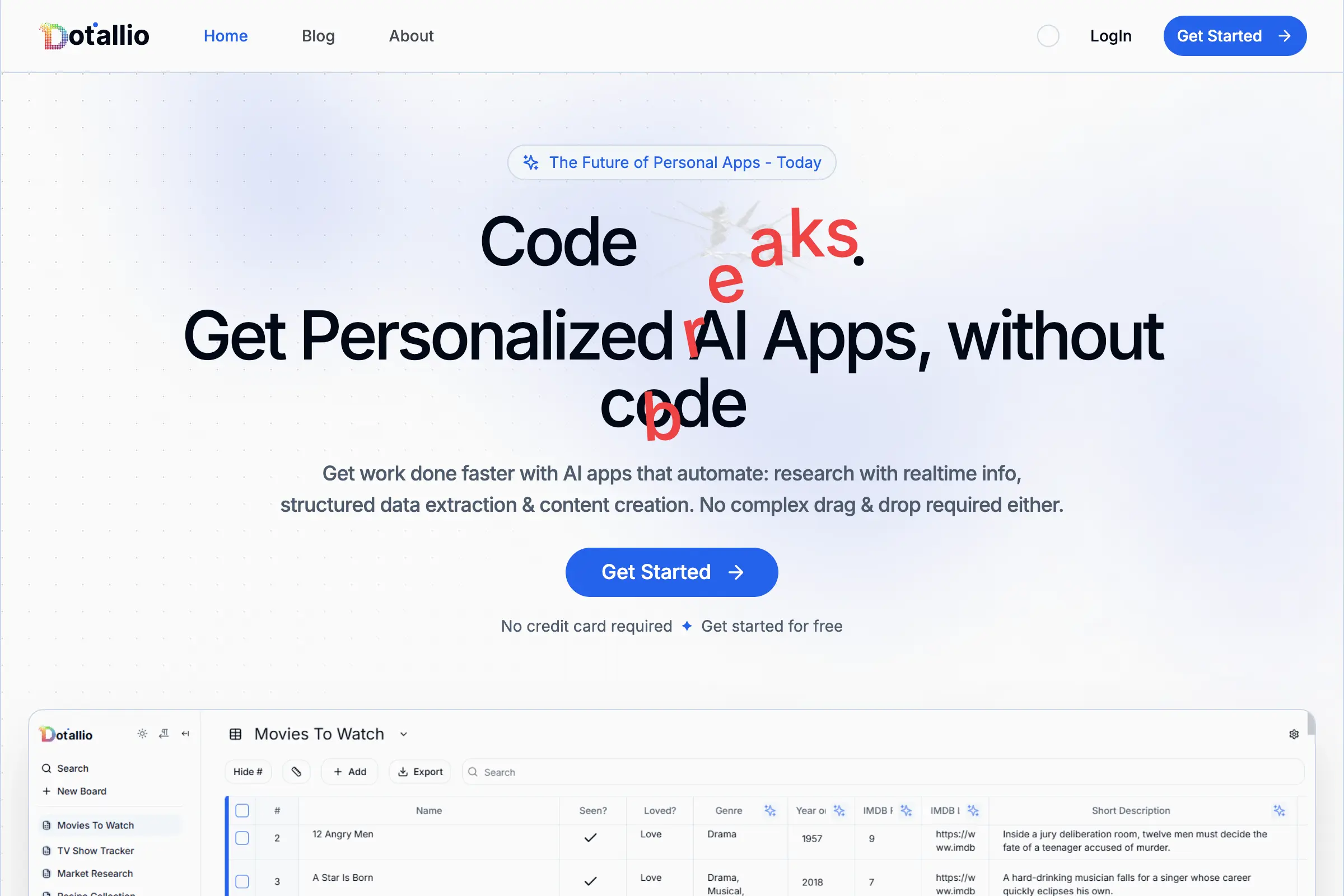
Dotallio
Personalized AI apps that automate research, data extraction, and content creation without code 🤖
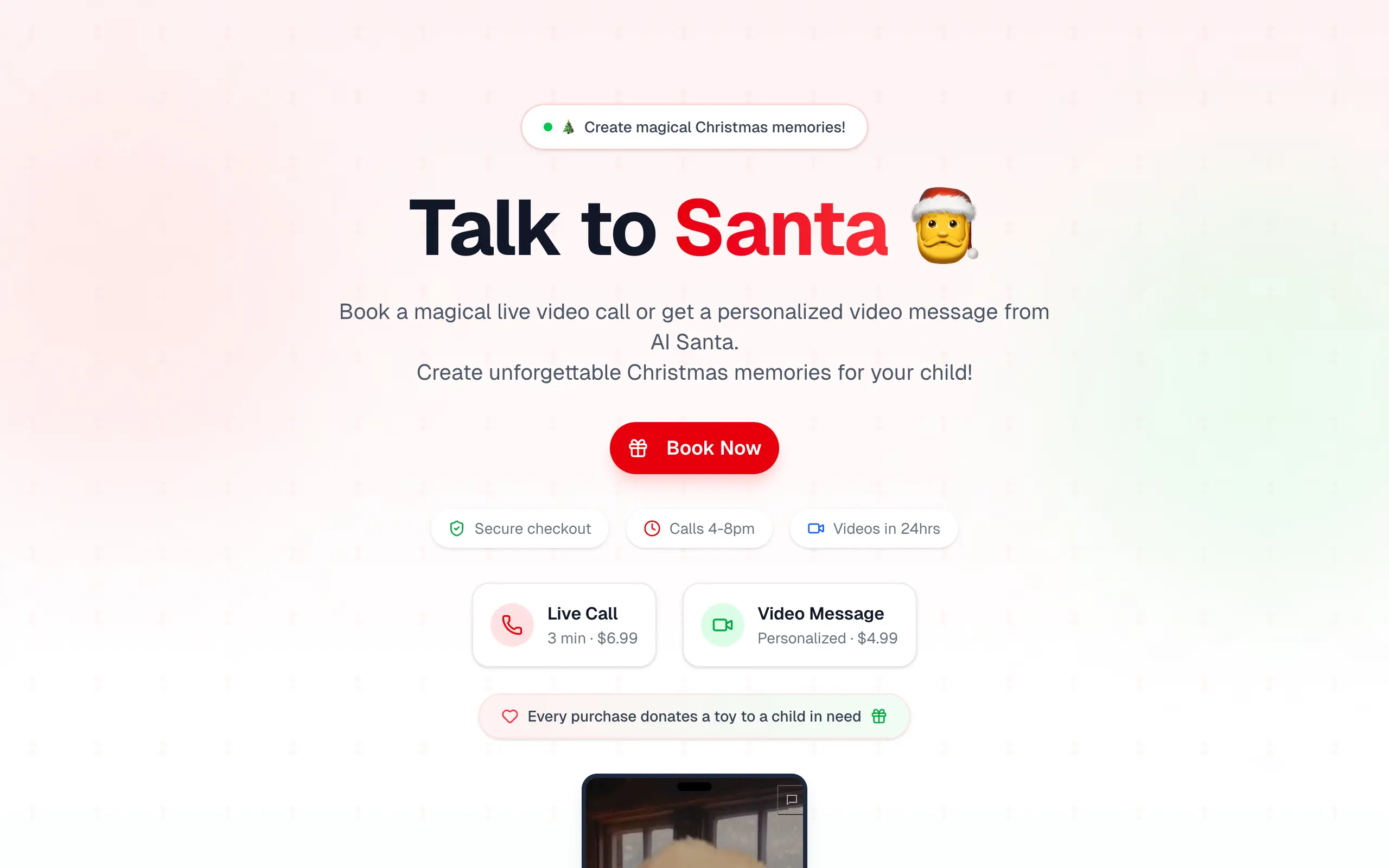
Talk to Santa
Enjoy a magical live video chat or receive a unique AI-generated video greeting from Santa Claus 🎅
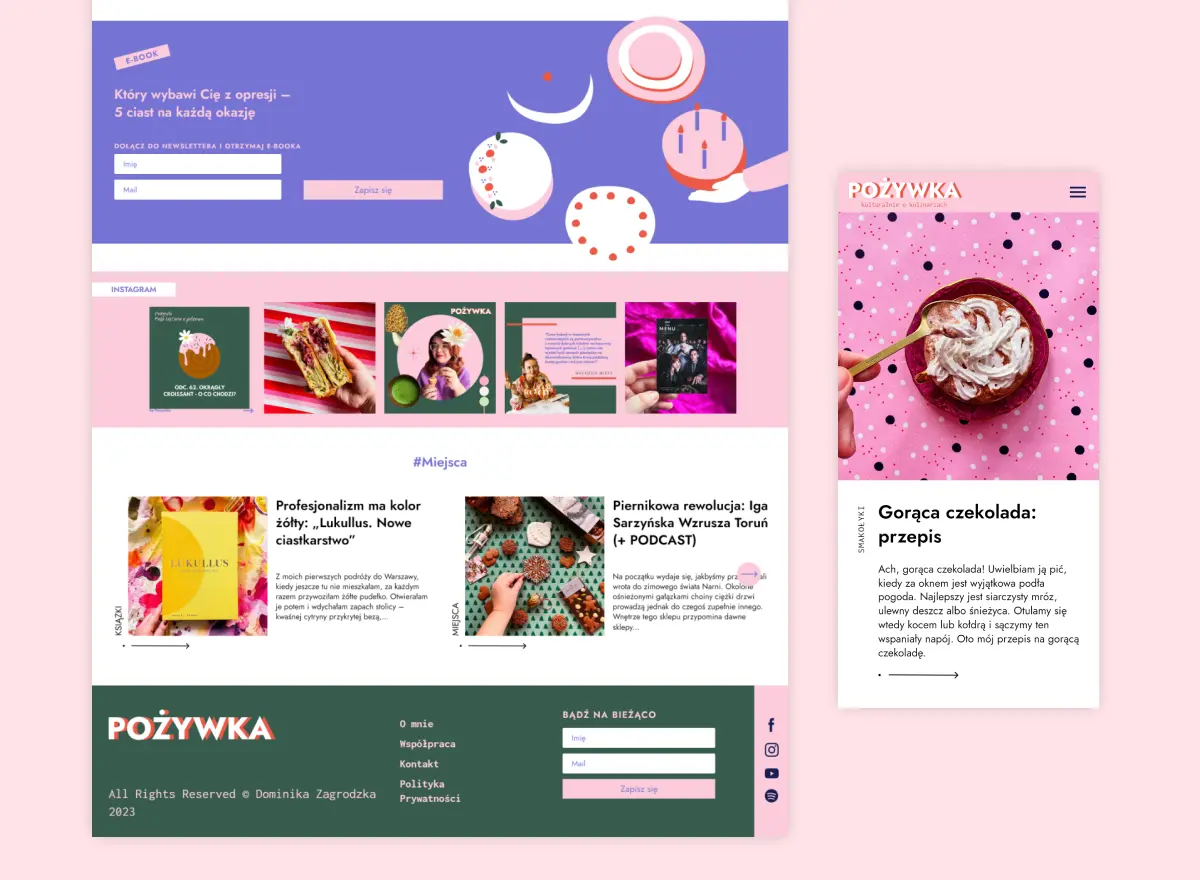
pozywka.pl
Scalable blog for food journalist, focused on performance and user experience 🌭
zagrodzki.me
Personal blog and portfolio of Bart Zagrodzki, where he shares his knowledge and work 💼
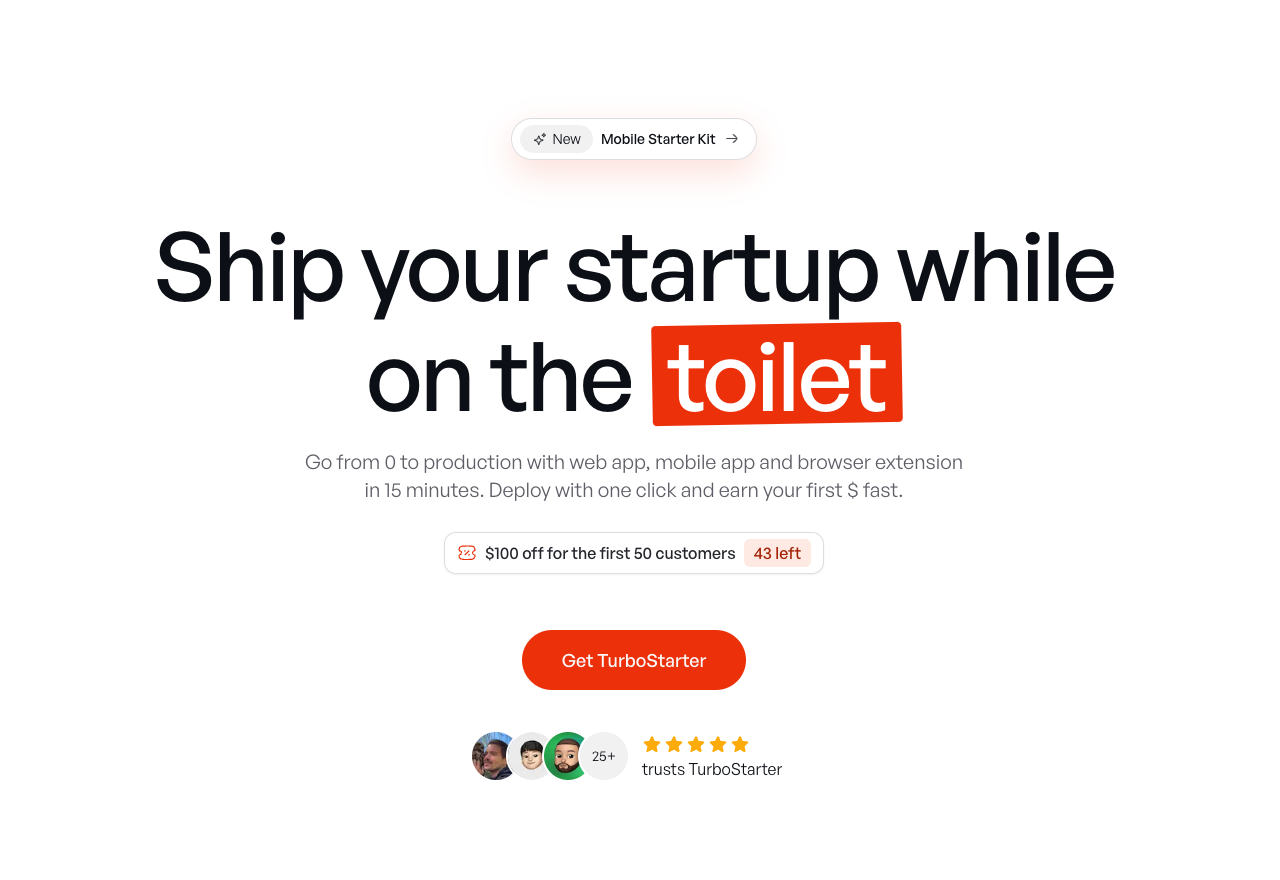
TurboStarter
Ship your startup everywhere. In minutes.
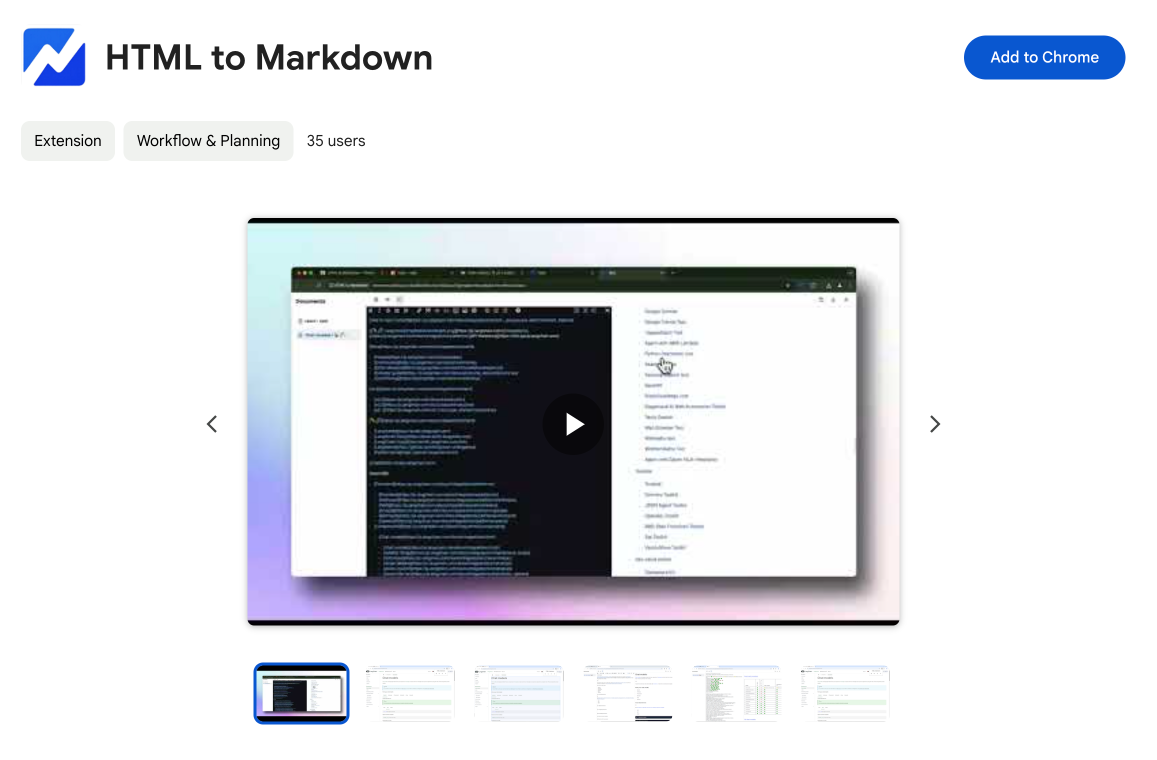
HTML to Markdown
Convert HTML to Markdown with ease, directly in your browser 📄
Dotallio
Personalized AI apps that automate research, data extraction, and content creation without code 🤖
Talk to Santa
Enjoy a magical live video chat or receive a unique AI-generated video greeting from Santa Claus 🎅
pozywka.pl
Scalable blog for food journalist, focused on performance and user experience 🌭
zagrodzki.me
Personal blog and portfolio of Bart Zagrodzki, where he shares his knowledge and work 💼
TurboStarter
Ship your startup everywhere. In minutes.
HTML to Markdown
Convert HTML to Markdown with ease, directly in your browser 📄
Dotallio
Personalized AI apps that automate research, data extraction, and content creation without code 🤖
Talk to Santa
Enjoy a magical live video chat or receive a unique AI-generated video greeting from Santa Claus 🎅
pozywka.pl
Scalable blog for food journalist, focused on performance and user experience 🌭
zagrodzki.me
Personal blog and portfolio of Bart Zagrodzki, where he shares his knowledge and work 💼
TurboStarter
Ship your startup everywhere. In minutes.
HTML to Markdown
Convert HTML to Markdown with ease, directly in your browser 📄
Dotallio
Personalized AI apps that automate research, data extraction, and content creation without code 🤖
Talk to Santa
Enjoy a magical live video chat or receive a unique AI-generated video greeting from Santa Claus 🎅
pozywka.pl
Scalable blog for food journalist, focused on performance and user experience 🌭
zagrodzki.me
Personal blog and portfolio of Bart Zagrodzki, where he shares his knowledge and work 💼
TurboStarter
Ship your startup everywhere. In minutes.
HTML to Markdown
Convert HTML to Markdown with ease, directly in your browser 📄
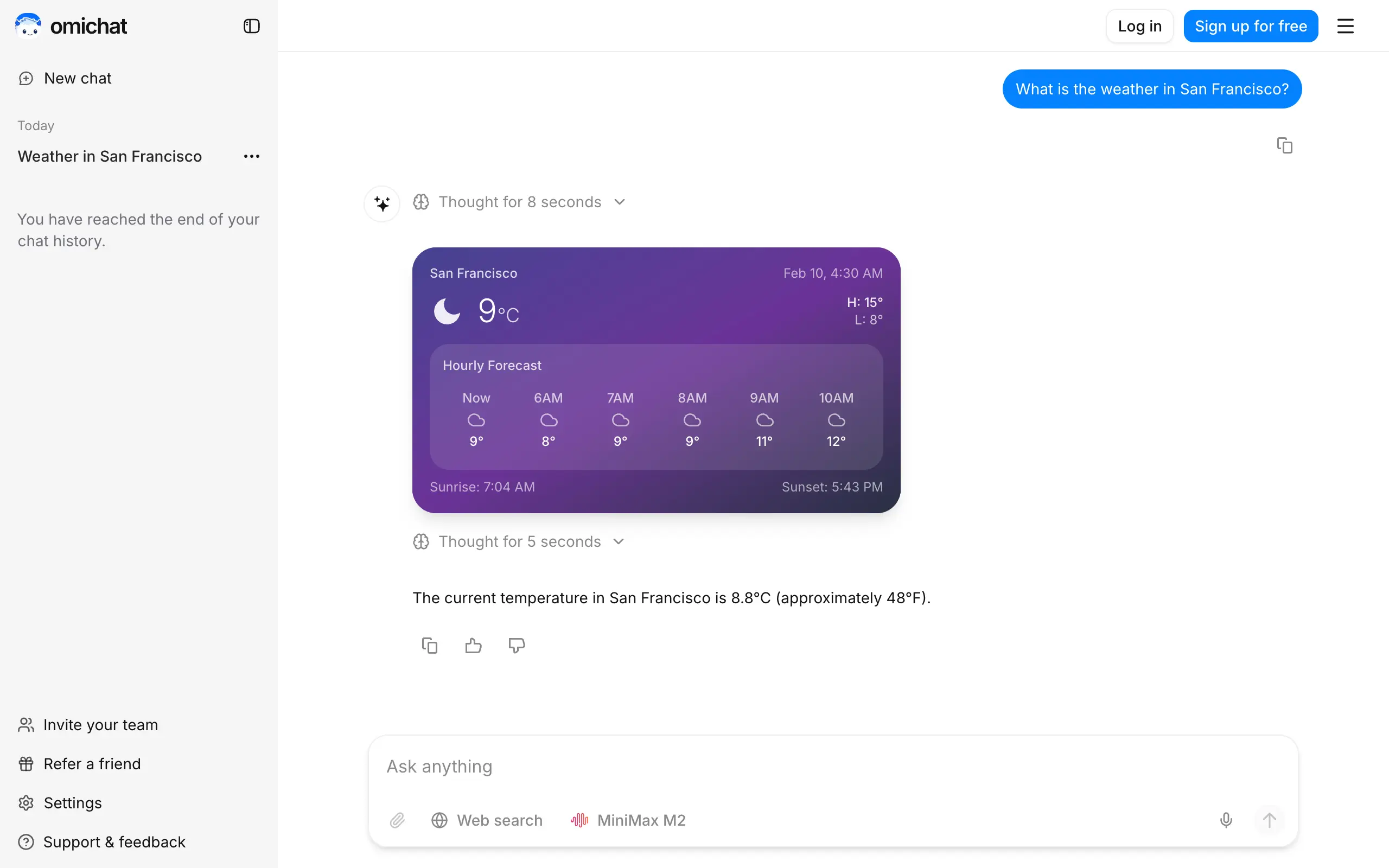
Omichat
Chat with 50+ AI models, including ChatGPT and Claude, in one place - switch models anytime without losing context 🤖
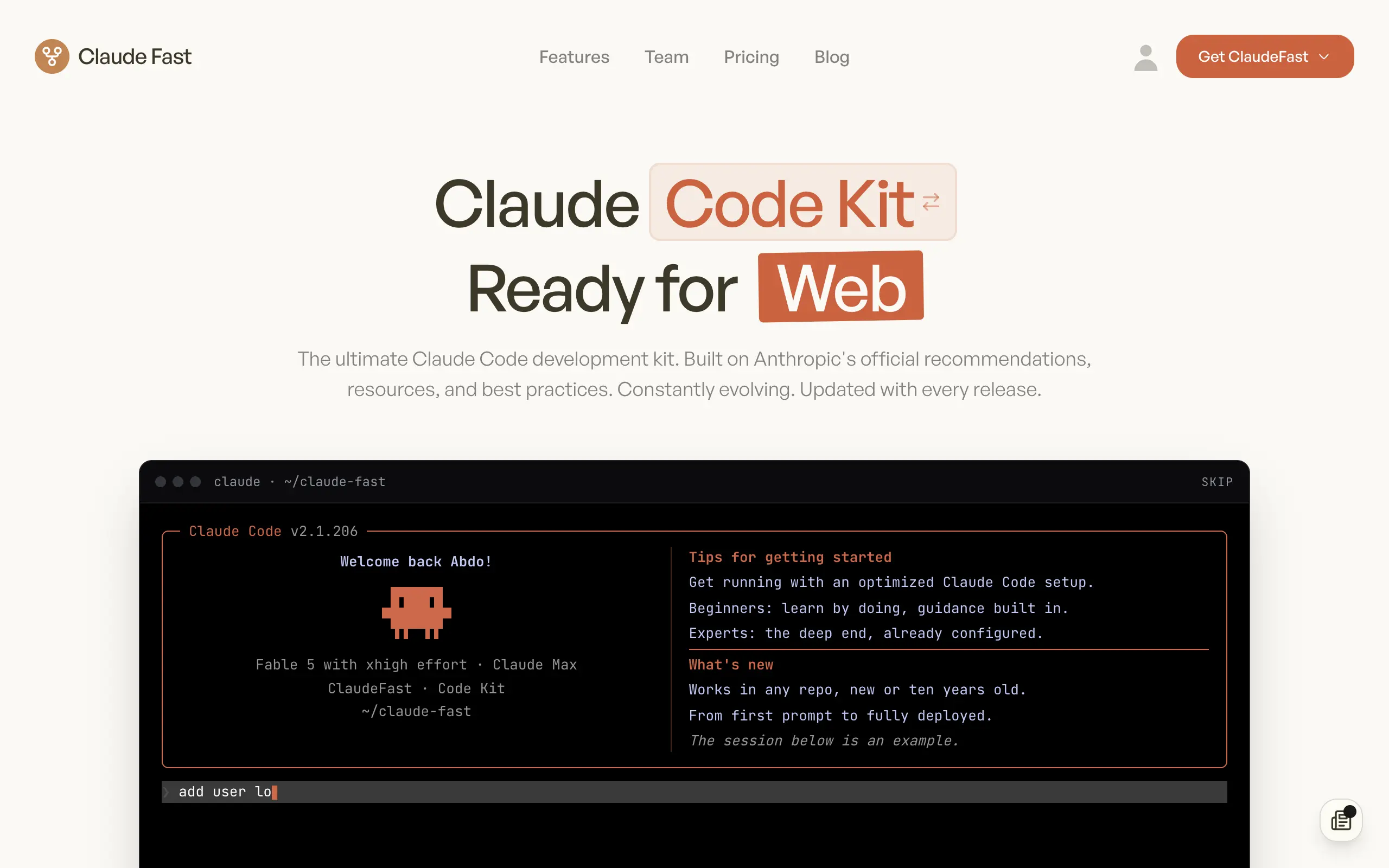
Claude Fast
Supercharge your Claude Code with 6x effective context window and specialized AI agents 🤖
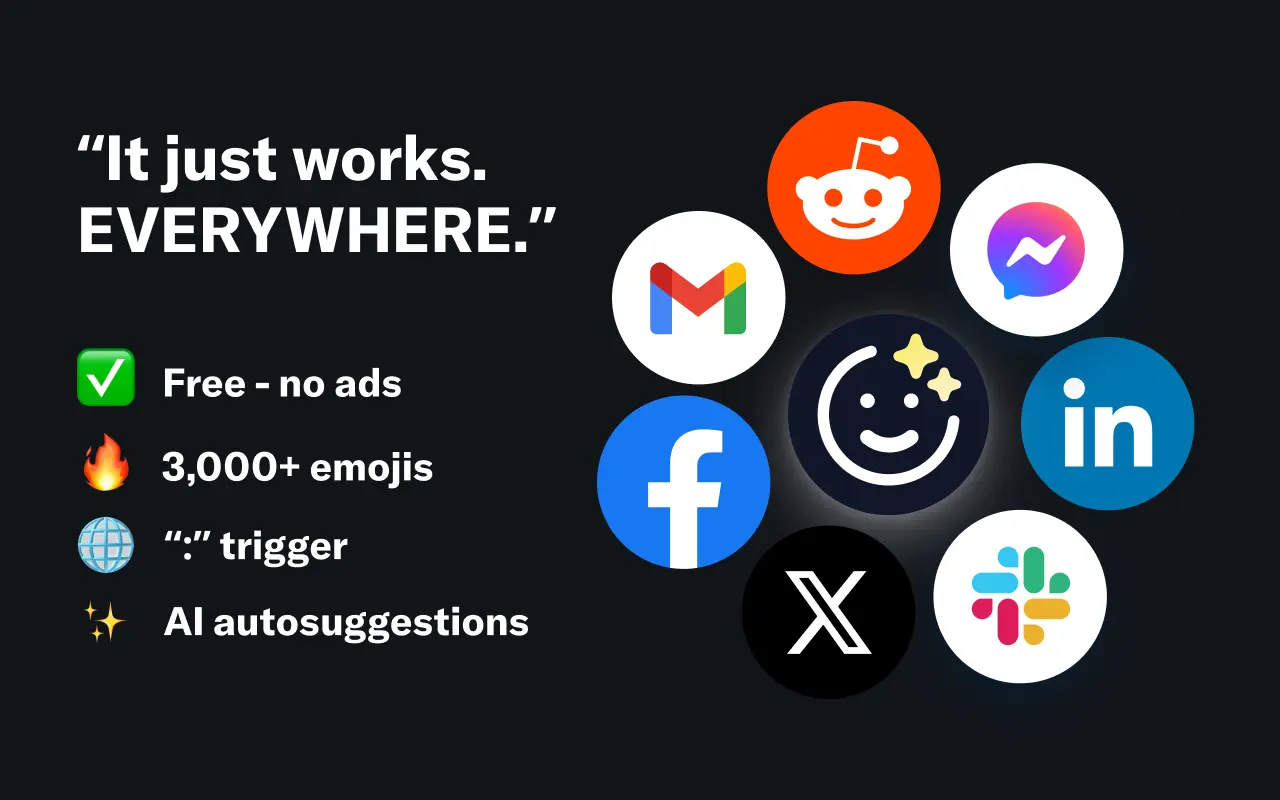
EmojAI
AI-powered emoji picker with smart, context-aware suggestions 🤖

Solohacker
Autonomous company launcher - AI agents work 24/7, escalate what matters, and you stay in control 🤖
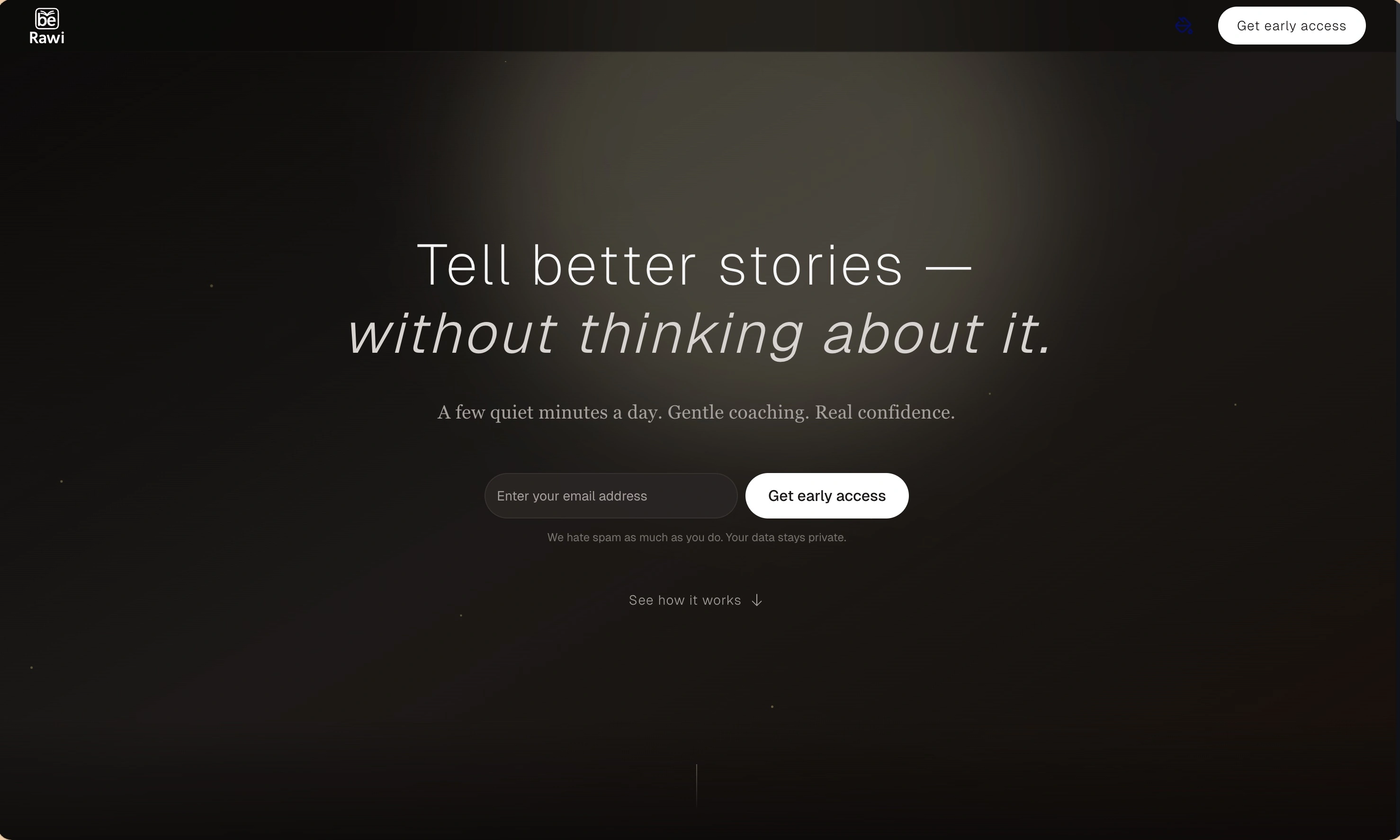
BeRawi: Storytelling Coach
Practice storytelling daily with instant feedback to sound clearer, more engaging, and confident 🎤
Omichat
Chat with 50+ AI models, including ChatGPT and Claude, in one place - switch models anytime without losing context 🤖
Claude Fast
Supercharge your Claude Code with 6x effective context window and specialized AI agents 🤖
EmojAI
AI-powered emoji picker with smart, context-aware suggestions 🤖
Solohacker
Autonomous company launcher - AI agents work 24/7, escalate what matters, and you stay in control 🤖
BeRawi: Storytelling Coach
Practice storytelling daily with instant feedback to sound clearer, more engaging, and confident 🎤
Omichat
Chat with 50+ AI models, including ChatGPT and Claude, in one place - switch models anytime without losing context 🤖
Claude Fast
Supercharge your Claude Code with 6x effective context window and specialized AI agents 🤖
EmojAI
AI-powered emoji picker with smart, context-aware suggestions 🤖
Solohacker
Autonomous company launcher - AI agents work 24/7, escalate what matters, and you stay in control 🤖
BeRawi: Storytelling Coach
Practice storytelling daily with instant feedback to sound clearer, more engaging, and confident 🎤
Omichat
Chat with 50+ AI models, including ChatGPT and Claude, in one place - switch models anytime without losing context 🤖
Claude Fast
Supercharge your Claude Code with 6x effective context window and specialized AI agents 🤖
EmojAI
AI-powered emoji picker with smart, context-aware suggestions 🤖
Solohacker
Autonomous company launcher - AI agents work 24/7, escalate what matters, and you stay in control 🤖
BeRawi: Storytelling Coach
Practice storytelling daily with instant feedback to sound clearer, more engaging, and confident 🎤

Connect with like-minded people
Join our community to get feedback, support, and grow together with 1,000+ builders on board, let's ship it!
Join usShip your startup everywhere. In minutes.
Don't burn tokens on setup and start building features on day one.