EventLinker
EventLinker connects locals for instant, spontaneous meetups and micro-events based on shared interests—perfect for monetizing through ticketing and premium listings.
Understanding EventLinker: Connecting People for Spontaneous Local Meetups
EventLinker is designed as a next-generation social SaaS that facilitates instant, local meetups and micro-events based on shared interests. It targets a real gap in the event and community space—helping people find and connect with others nearby for spontaneous gatherings, activities, or discussions, all while offering new monetization opportunities through ticketing and premium event listings.
Let's dive deep into what makes EventLinker a timely, relevant, and defensible SaaS opportunity, and how you can turn this idea into a fast-growing business.
Who is EventLinker for? Target audience analysis
A successful SaaS starts with crystallizing its audience. EventLinker's primary user personas include:
- Urban Millennials & Gen Z: Young professionals, students, and digital nomads eager for social connection—especially in large, transient cities.
- Relocators & Expats: Recently moved individuals seeking new community ties and organic local experiences.
- Interest-Based Hobbyists: People passionate about niche interests—book clubs, board games, running, cooking classes, etc.—looking to coordinate spontaneous meetups.
- Event Hosts and Local Businesses: Cafes, coworking spaces, activity centers, and community managers seeking to attract foot traffic and fill empty slots through micro-events.
- Solo Travelers: Visitors hungry for local flavor and authentic connections without long planning cycles.
Pain points EventLinker addresses:
- Existing event platforms focus on planned, large-scale gatherings rather than “spur of the moment” interactions.
- Social networks are not optimized for connecting with verified, interest-matched locals in real time.
- Organizing or finding small, casual events is time-consuming and clunky.
Why now? Market opportunity and gap analysis
The landscape for local event discovery is rapidly evolving:
- Post-pandemic demand: There's a growing appetite for in-person connection after years of restrictions.
- Fragmented solutions: While platforms like Meetup and Eventbrite serve planned events, they miss the “real-time, hyperlocal” use case.
- Rise of micro-communities: People increasingly prefer small, curated groups over massive crowds ([reference: Eventbrite trends report]).
- Mobile-first discovery: Gen Z expects intuitive, mobile-driven experiences with low friction.
Critical market gaps EventLinker exploits:
- Real-time, interest-based matching: Most tools aggregate events for browsing, not for instant “who’s nearby and up for something now”.
- Verified, trust-building layers: Users are wary of impromptu arrangements without social proof, vetting, or messaging.
- Local business integration: There's unmet demand for tools that help businesses or venues to instantly advertise and fill micro-events during quiet periods.
Market validation tip
For further credibility, cite statistics from reputable event industry reports or mobile social networking trend analyses to back up the demand for hyperlocal, spontaneous event discovery.
Core features: What makes EventLinker unique?
EventLinker’s value lies in a few battle-tested, user-centric features, making it a standout in the social SaaS space:
Hyper-relevant, live matching
- Interest-based instant search: Users select broad or niche interests (e.g., 'pickup basketball', 'French film night', 'dog-walking') and see real-time calls for meetups nearby.
- Availability-based filtering: Only show users who are free right now or within the next X hours—tailored for spontaneous plans.
Seamless event creation and discovery
- Rapid event setup: Create a “micro-event” (max 10-20 attendees, for organic vibes) in 60 seconds or less.
- Verified user profiles: Social trust signals (ratings, prior attendance, social accounts) encourage safe, respectful participation.
- Map-based discovery: Live event pins on a city map for quick scanning.
In-app messaging and RSVP
- Secure in-platform chat to coordinate before committing.
- Instant RSVP: 1-click to reserve or join a spot, with automated calendar integration.
Monetization-ready tools
- Integrated ticketing: Host or business can charge nominal fees or require minimum spend for special events.
- Premium listings: Featured events surface to the top or get highlighted for maximum visibility.
- Business dashboards: Analytics and scheduling tools for venue partners.
Safety and moderation
- Optional photo verification and anti-spam measures.
- Community reporting tools with moderation backend.
EventLinker is not a replacement for planned, large-scale events. Instead, it's designed for fleeting, hyperlocal connections—spur-of-the-moment coffee catchups, hobby meetups, or venue flash events. Features prioritize instant availability and matching, rather than scheduled events weeks in advance.
EventLinker emphasizes trust via profile verification, community moderation, and optional anonymity for certain event types. All users interact within the app, and event locations are only shared shortly before the start time or after vetting.
Recommended tech stack: Reliable, scalable, and secure
The technical foundation of EventLinker must enable real-time interaction, location-based APIs, and scalable growth. Here's a suggested modern stack with trade-off analysis:
| Frontend | Backend | Database | Realtime | Cloud/Infra |
|---|---|---|---|---|
| React + Next.js | Node.js | PostgreSQL | Firebase/WebSockets | Vercel |
| React Native (mobile) | Express | MongoDB (for event logs) | Pusher | AWS |
Key trade-offs:
- React Native enables a true mobile-first experience but may require deeper QA for iOS/Android parity.
- Firebase or Pusher offer developer-friendly real-time messaging, but careful user privacy implementations are required.
- Serverless/Vercel allows easy scaling of microservices, but may require tuning for high-frequency location-based API calls.
- PostgreSQL is ideal for complex queries (e.g., geo-filtering events), while MongoDB can handle unstructured log or message data for auditing/moderation.
Consider initial rapid prototyping using a framework like TurboStarter to get your MVP to market quickly, with robust scaffolding for SaaS best practices.
Monetization strategy: Turning social connection into revenue
A critical aspect of any SaaS—especially in the "social" domain—is identifying sustainable monetization without harming user experience. EventLinker unlocks several revenue streams:
1. Freemium + Premium event listings
- Basic usage remains free—users can join or host a limited number of spontaneous meetups each month.
- Premium upgrades unlock:
- Featured event placement (surface your event at the top/search highlights)
- Extended attendee caps
- Visibility to larger or more exclusive interest groups
2. Integrated ticketing and payments
- Charge per micro-event: Organizers or partnered businesses can add a ticket fee (e.g., $2–$10 per spot), with EventLinker taking a small transaction cut.
- Subscription-based hosts: Offer business or power-users a flat monthly fee for unlimited premium listings, paid group management, or advanced analytics.
3. Sponsored events and venue partnerships
- Local businesses pay for real-time promotions—e.g., happy hour pop-ups, off-peak lunch clubs, or "open seat" notifications.
- In-app advertisements: Select, non-intrusive ads (e.g., a gym promoting drop-in classes) aligned with user interests.
4. Advanced analytics dashboards
- Offer data tools, insights, and custom audience segmentation to business partners for a monthly fee.
Why this approach works:
- Users pay for increased exposure or convenience, not just basic access.
- Businesses value instant, measurable foot traffic during slow periods.
- Tickets monetize user intent with genuine value, not just attention or engagement.
Risks and mitigation strategies
Launching and scaling a local, real-time social SaaS presents unique challenges. Here are key risks, with proactive countermeasures:
Chicken-and-egg problem
Without initial users or hosts, network effects stall. Mitigate by partnering with venues and 'seed' event hosts in key launch cities.
Privacy and safety concerns
On-the-fly, hyperlocal events can introduce trust or moderation issues. Prioritize verification, robust messaging moderation, and clear reporting tools.
Event spam or low-quality listings
Maintain content quality with manual reviews, tiered moderation, and anti-abuse algorithms. Limit free event creation to prevent dilution.
Scaling real-time features
Location-heavy, instant matching demands cloud cost control and solid infra. Use serverless, managed APIs to start, and reinvest early profits into scalable databases and cache layers.
Competitive advantage analysis: What makes EventLinker defensible?
EventLinker’s USP is the focus on instant, hyperlocal, interest-matched meetups that significantly lower the barrier for in-person connection. Here’s how it stands out:
1. Lighter, faster event flows
- Competing platforms (like Meetup) focus on scheduled, formal activities—EventLinker is optimized for speed and spontaneity.
- Quick event setup and matching means no long application processes or approvals.
2. Trust, safety, and real verification
- Optional photo verification, trusted host tiers, and short-term engagement windows reduce the hassle and concern of last-minute meetups.
- In-app messaging and moderation tools help facilitate safe, respectful interactions—addressing core safety user intent.
3. Deep local business integration
- Real-time business partnerships (cafes, coworking spaces, studios) create value for both users and local economies, encouraging venue buy-in.
- Ticketing and premium features subsidize costs and drive higher quality gatherings.
4. Proprietary matching & availability logic
- A recommendation engine tailored to live interest and availability ensures hosts and attendees make the right connections—a strong defensibility point for ongoing user retention.
Pro tip for defensibility
Leverage user attendance data and event interactions to create highly personalized recommendations, resulting in network effects that generalist event apps cannot duplicate.
Industry trends and future landscape
- Micro-communities are rising: Smaller groups drive more meaningful, lasting engagement ([suggested reference:2023 Event Trends Report]).
- Mobile-first event SaaS: Over 75% of Gen Z prefer to discover and join events via mobile ([suggested reference: Pew Research Center]).
- Trust and safety tools: Post-pandemic, users expect built-in transparency, verification, and reporting.
- Real-time, location-based tech: Improvements in device GPS, PWA support, and instant push notifications enable new classes of “here and now” apps like EventLinker.
Implementation steps: From MVP to growth
Building EventLinker requires a phased, lean, and user-validated approach:
Wrapping up: Why EventLinker stands apart
To summarize:
- EventLinker solves a real pain point—modern, urban users want instant, high-trust local meetups, not just scheduled events.
- Its USP is the blend of real-time matching, trust-building layers, easy monetization, and deep local business integration.
- Monetization potential is broad: from freemium subscriptions to business partnerships and ticketing revenue.
- Defensibility comes from strong network effects, proprietary recommendation logic, and early partnerships with local businesses (hard to replicate at scale).
- The market is primed for micro-community and mobile-first SaaS that make real-life connections quick, safe, and delightful.
By focusing relentlessly on user trust, seamless flows, and strategic go-to-market execution, EventLinker can carve a unique, profitable niche in the next era of social platforms.
Interested in building the future of social SaaS? Start prototyping with TurboStarter and turn the vision of EventLinker into a thriving reality.
More 🌐 Social Network SaaS ideas
Discover more innovative social network SaaS ideas that are trending in 2026. Each idea is AI-generated with market validation and growth potential to help you find your next profitable venture faster than competitors.
Your competitors are building with TurboStarter
Below are some of the SaaS ideas that have been generated and built with our starter kit.
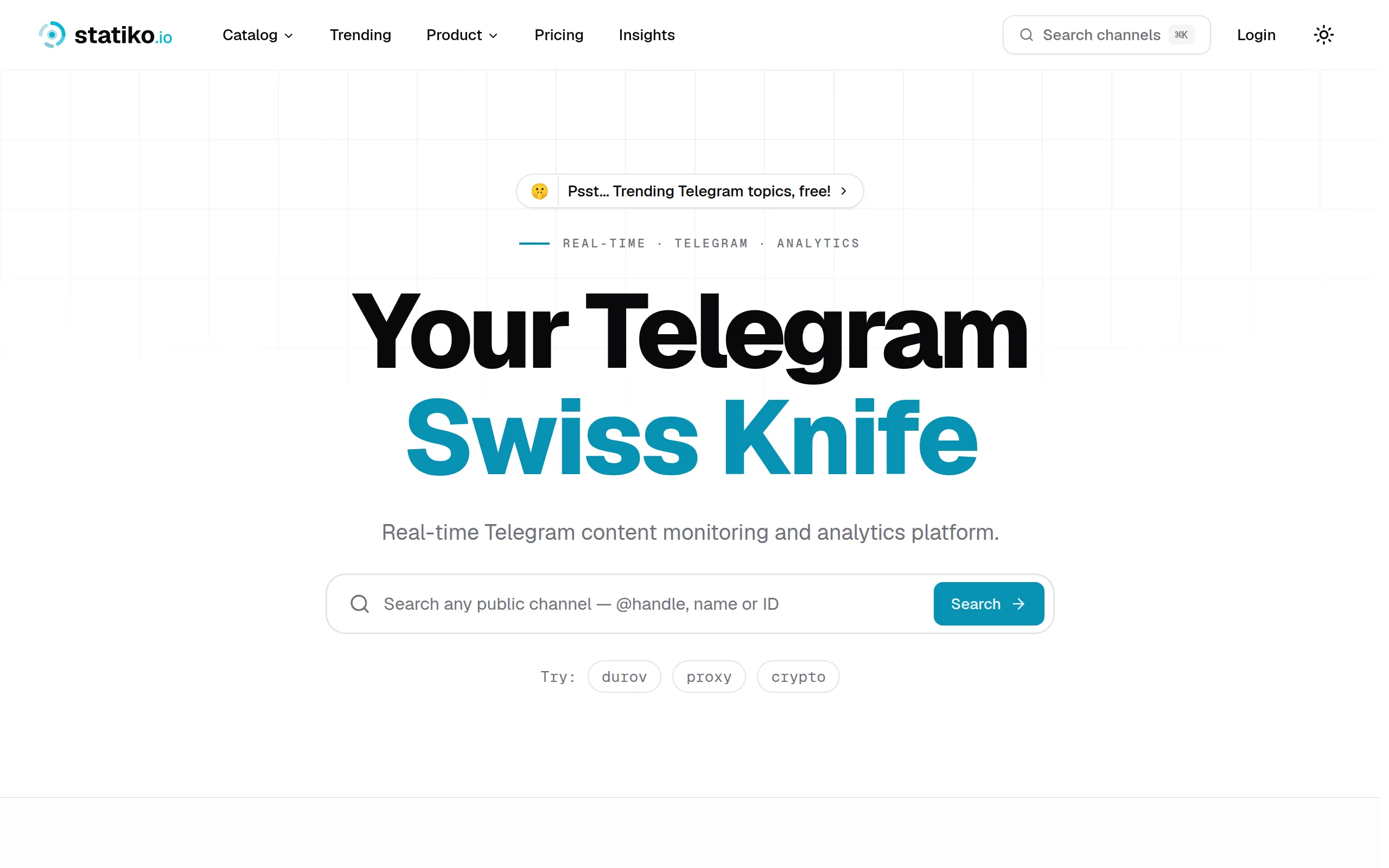
Statiko
Monitor any Telegram channel in real time - track posts, edits, deletions, and growth with AI recaps 📡
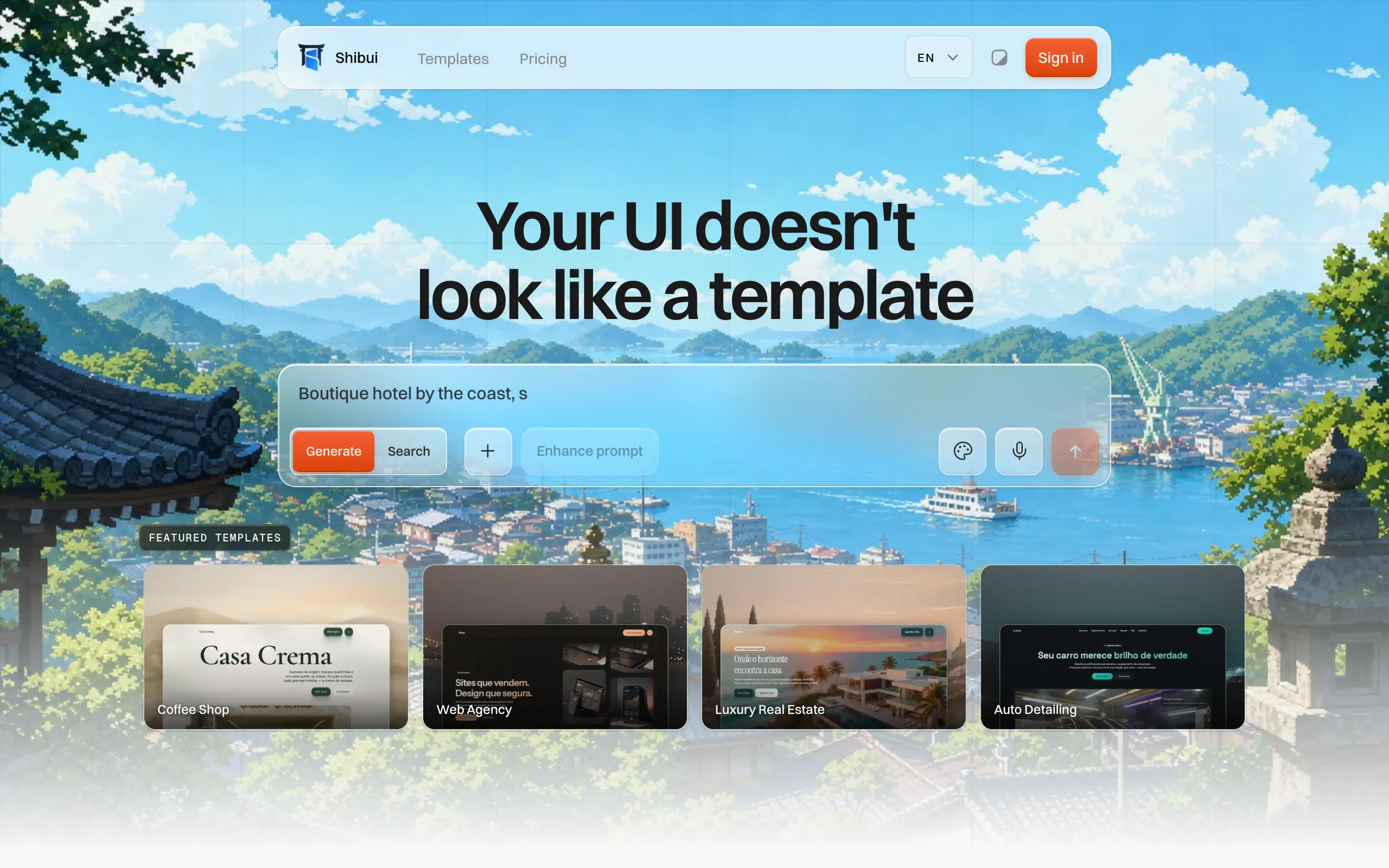
Shibui
AI website builder - describe your business, pick a niche template, edit by chatting, and publish instantly ✨
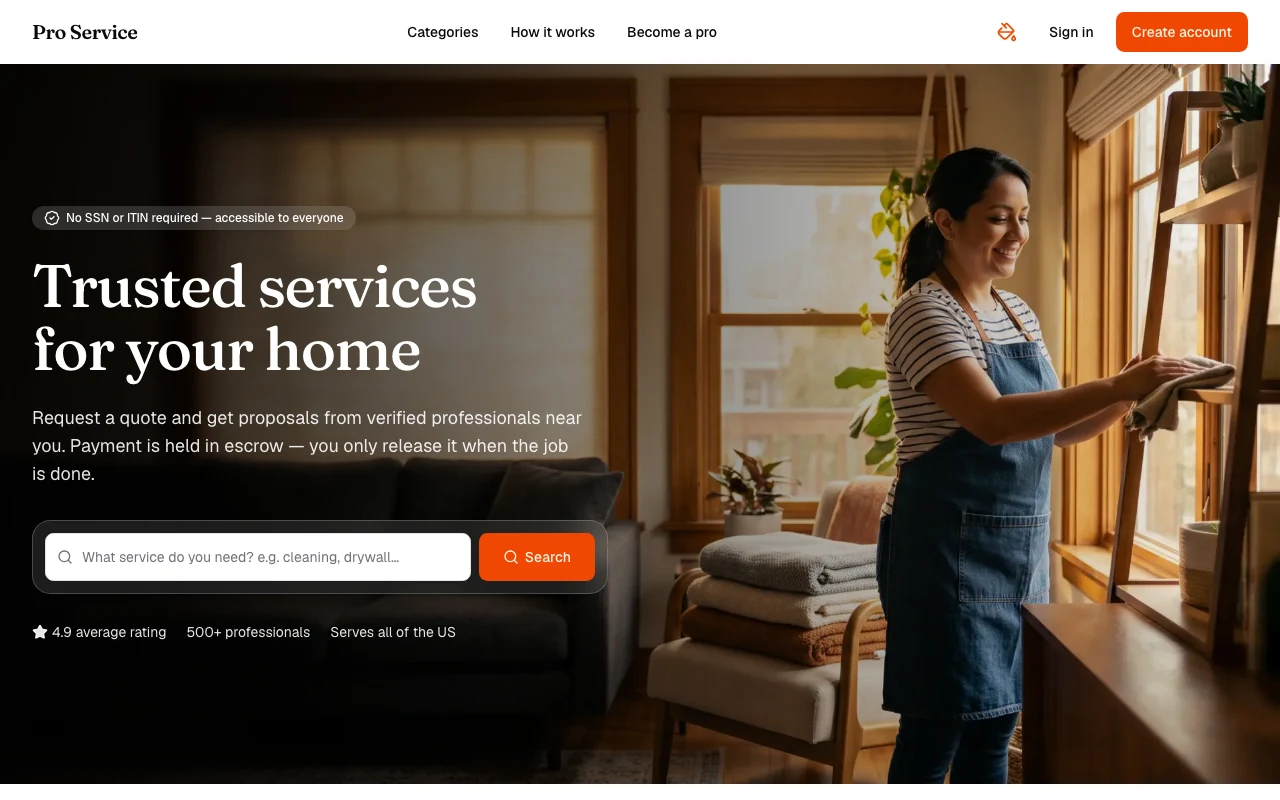
Pro Service
Find verified home service professionals, compare quotes, and pay securely through escrow - built for Brazilians across the US 🏠
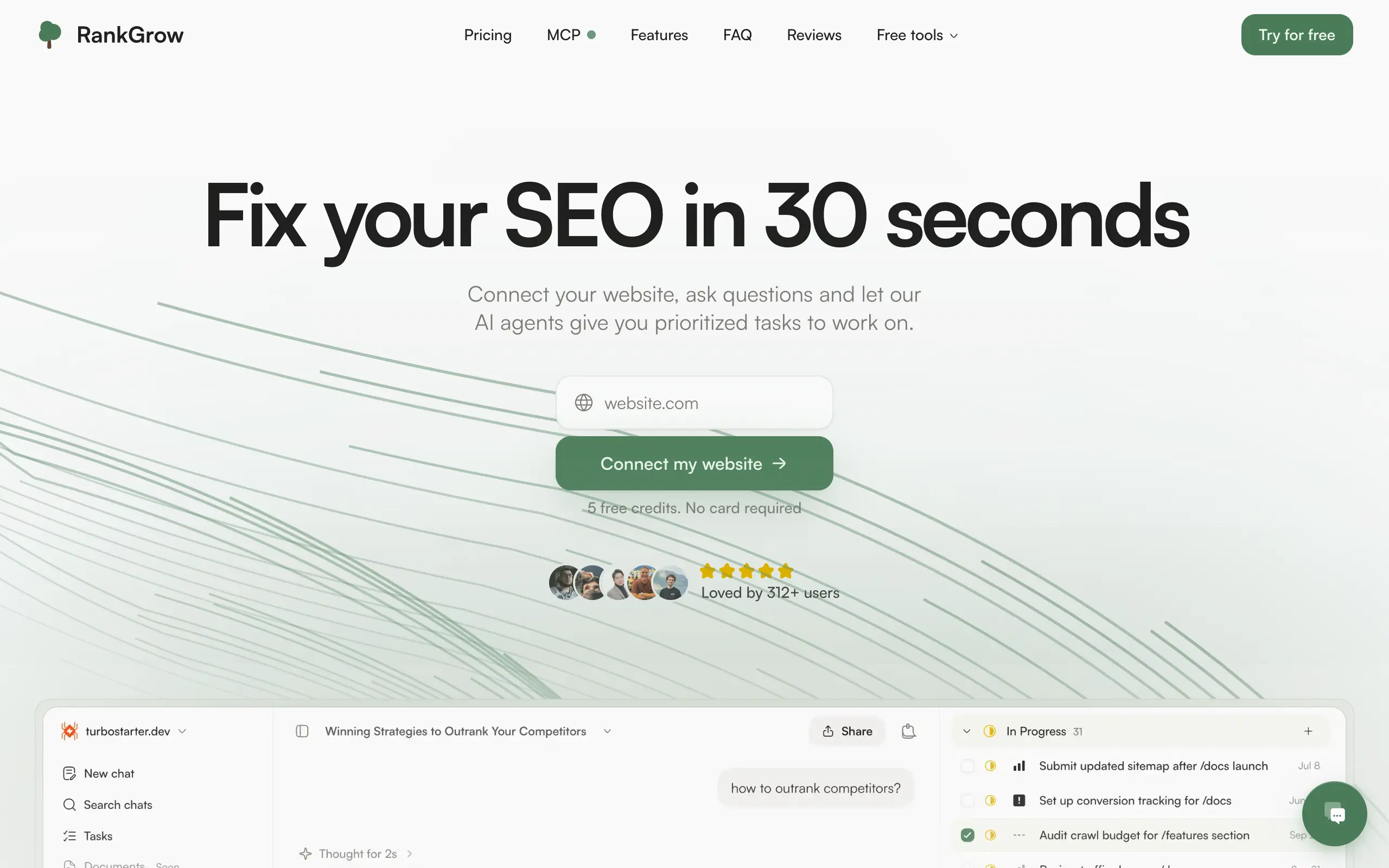
RankGrow
Fix your SEO with AI agents - connect Search Console, get prioritized tasks, and grow organic traffic 📈
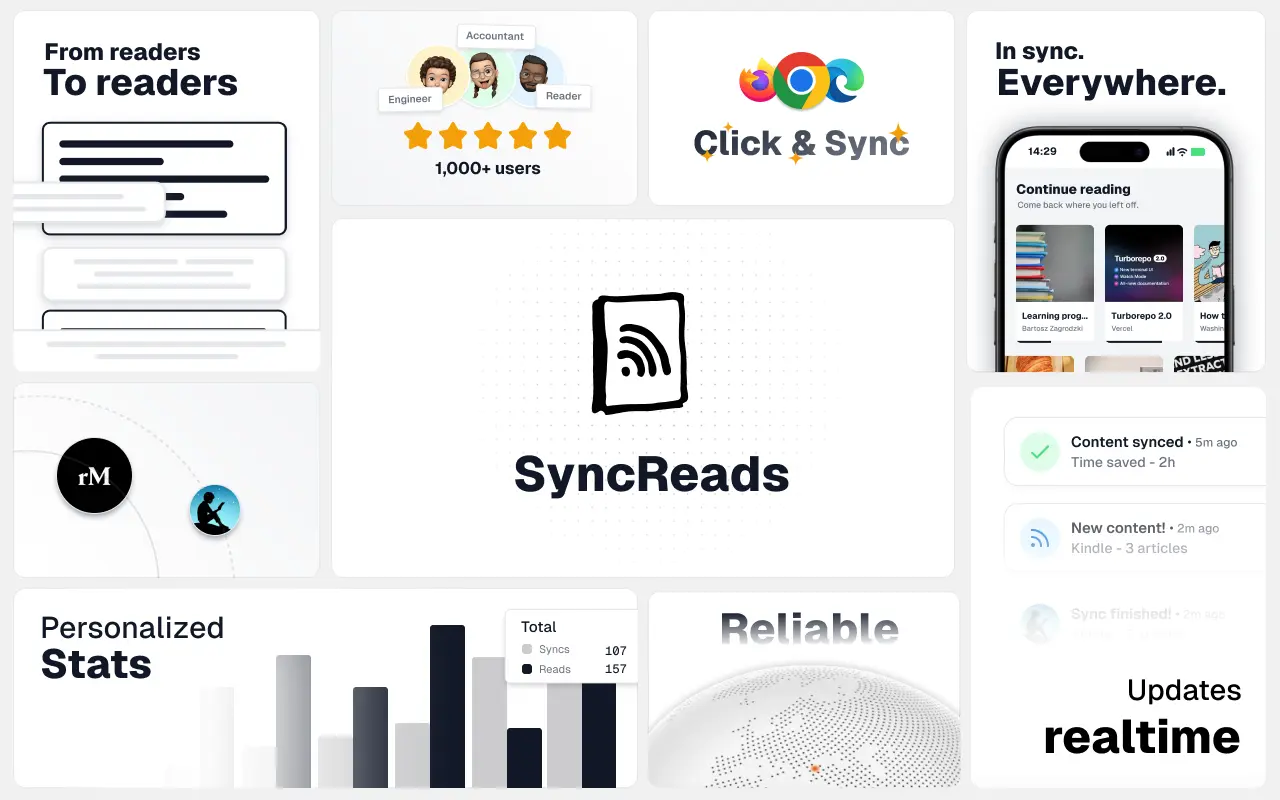
SyncReads
Sync your favorite content for distraction-free reading, save time and replace multiple apps. Anytime, anywhere 🔄
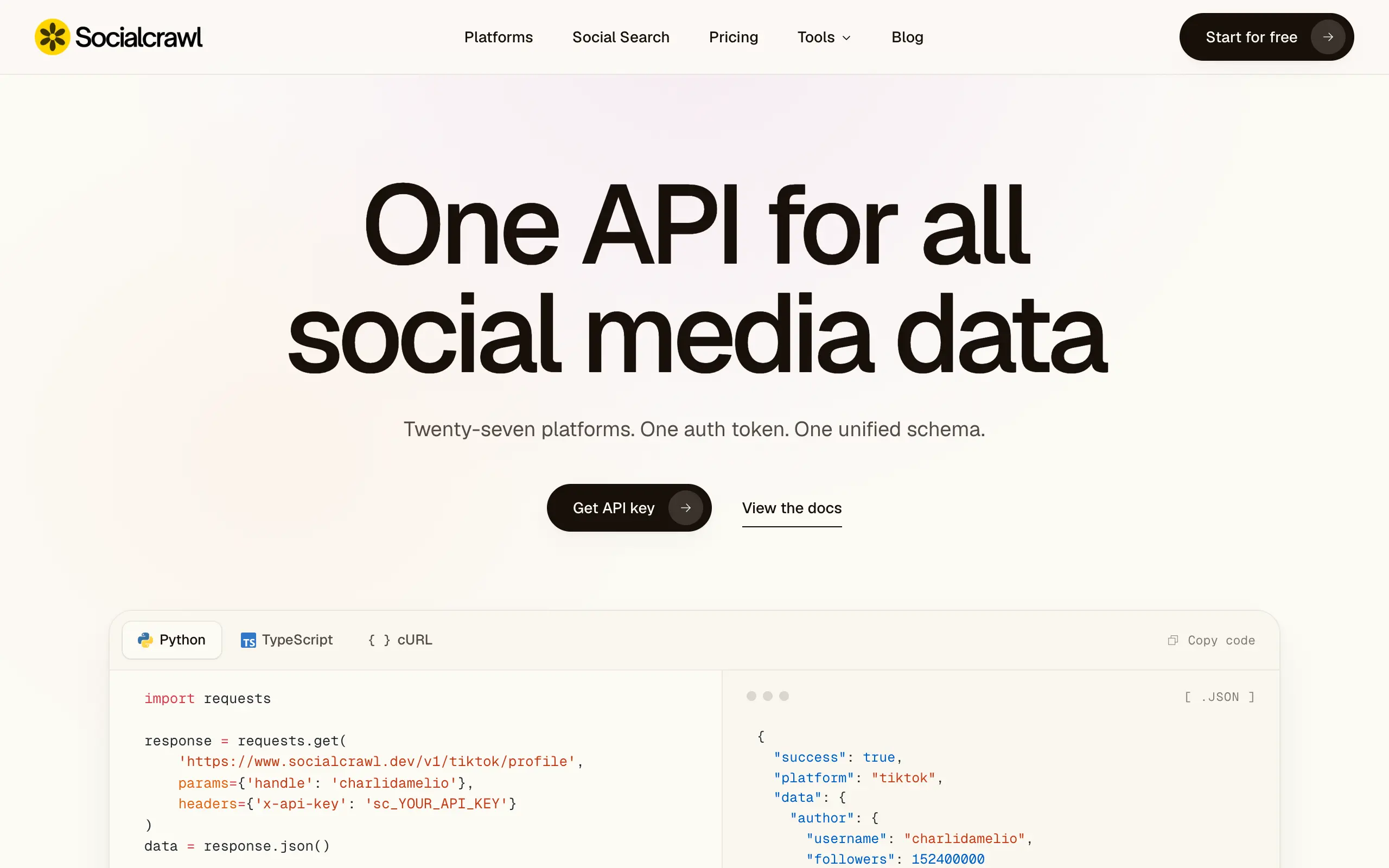
Socialcrawl
Get clean, structured data from 21 platforms like TikTok, Instagram, and YouTube with a single request 📊
Statiko
Monitor any Telegram channel in real time - track posts, edits, deletions, and growth with AI recaps 📡
Shibui
AI website builder - describe your business, pick a niche template, edit by chatting, and publish instantly ✨
Pro Service
Find verified home service professionals, compare quotes, and pay securely through escrow - built for Brazilians across the US 🏠
RankGrow
Fix your SEO with AI agents - connect Search Console, get prioritized tasks, and grow organic traffic 📈
SyncReads
Sync your favorite content for distraction-free reading, save time and replace multiple apps. Anytime, anywhere 🔄
Socialcrawl
Get clean, structured data from 21 platforms like TikTok, Instagram, and YouTube with a single request 📊
Statiko
Monitor any Telegram channel in real time - track posts, edits, deletions, and growth with AI recaps 📡
Shibui
AI website builder - describe your business, pick a niche template, edit by chatting, and publish instantly ✨
Pro Service
Find verified home service professionals, compare quotes, and pay securely through escrow - built for Brazilians across the US 🏠
RankGrow
Fix your SEO with AI agents - connect Search Console, get prioritized tasks, and grow organic traffic 📈
SyncReads
Sync your favorite content for distraction-free reading, save time and replace multiple apps. Anytime, anywhere 🔄
Socialcrawl
Get clean, structured data from 21 platforms like TikTok, Instagram, and YouTube with a single request 📊
Statiko
Monitor any Telegram channel in real time - track posts, edits, deletions, and growth with AI recaps 📡
Shibui
AI website builder - describe your business, pick a niche template, edit by chatting, and publish instantly ✨
Pro Service
Find verified home service professionals, compare quotes, and pay securely through escrow - built for Brazilians across the US 🏠
RankGrow
Fix your SEO with AI agents - connect Search Console, get prioritized tasks, and grow organic traffic 📈
SyncReads
Sync your favorite content for distraction-free reading, save time and replace multiple apps. Anytime, anywhere 🔄
Socialcrawl
Get clean, structured data from 21 platforms like TikTok, Instagram, and YouTube with a single request 📊
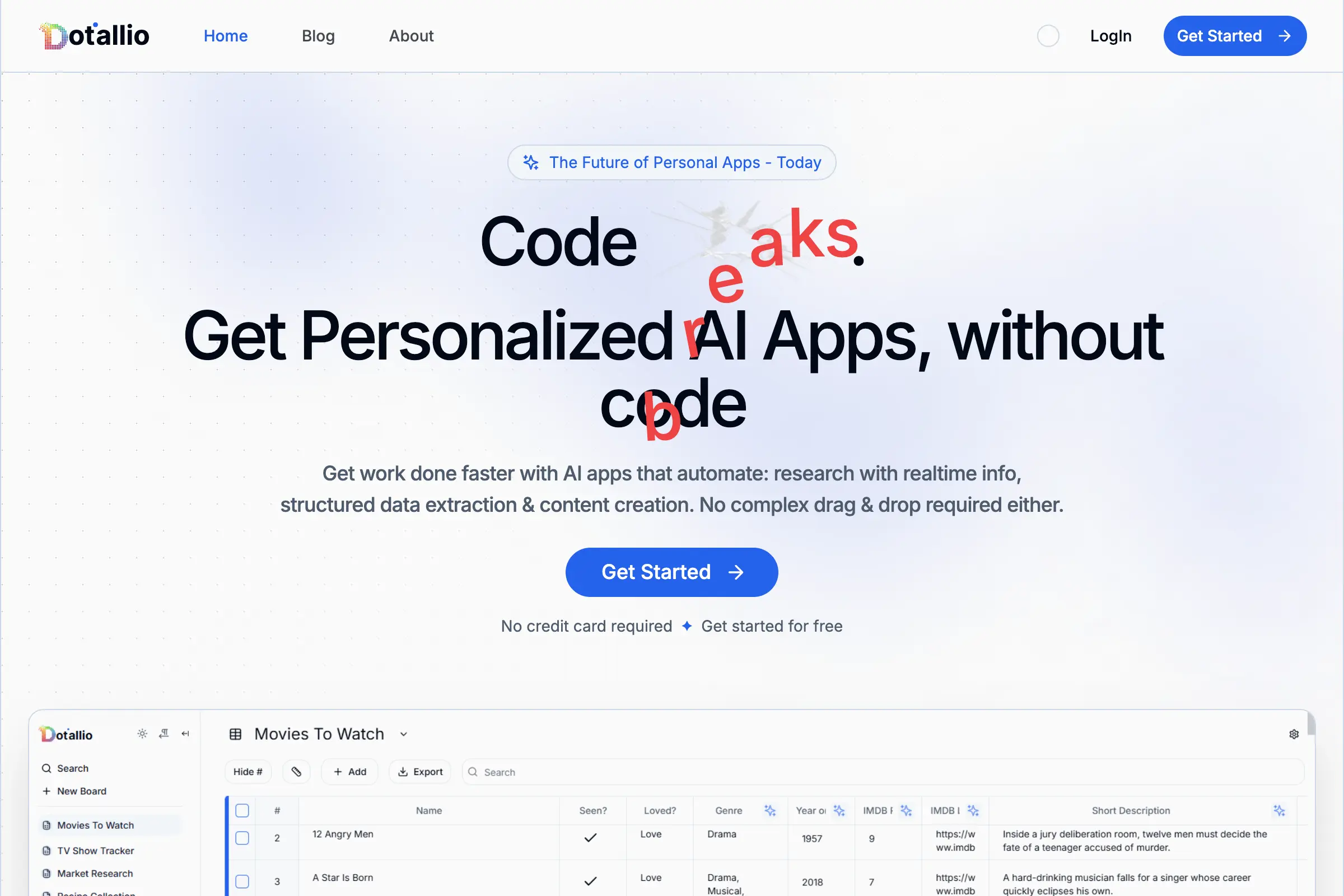
Dotallio
Personalized AI apps that automate research, data extraction, and content creation without code 🤖
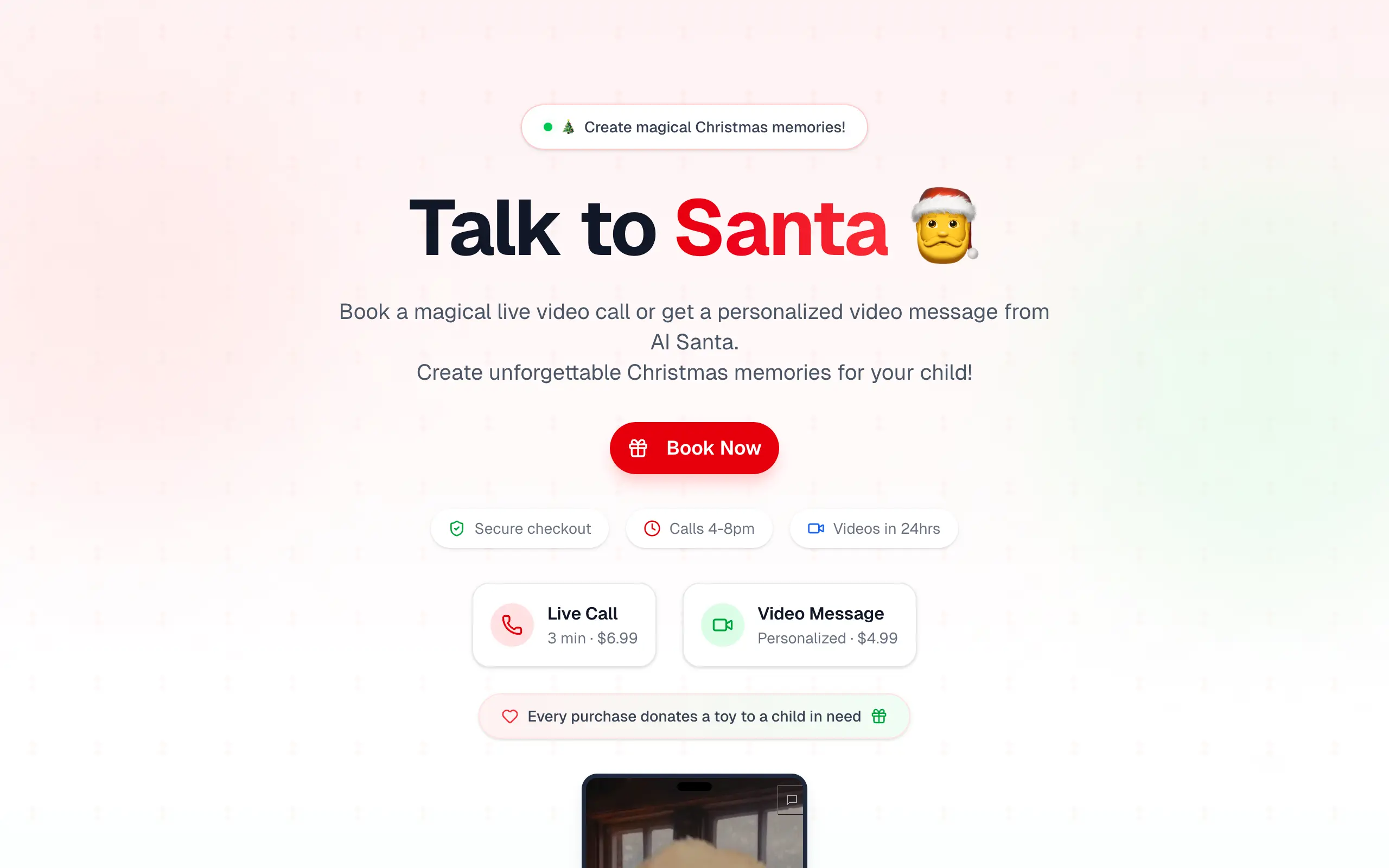
Talk to Santa
Enjoy a magical live video chat or receive a unique AI-generated video greeting from Santa Claus 🎅
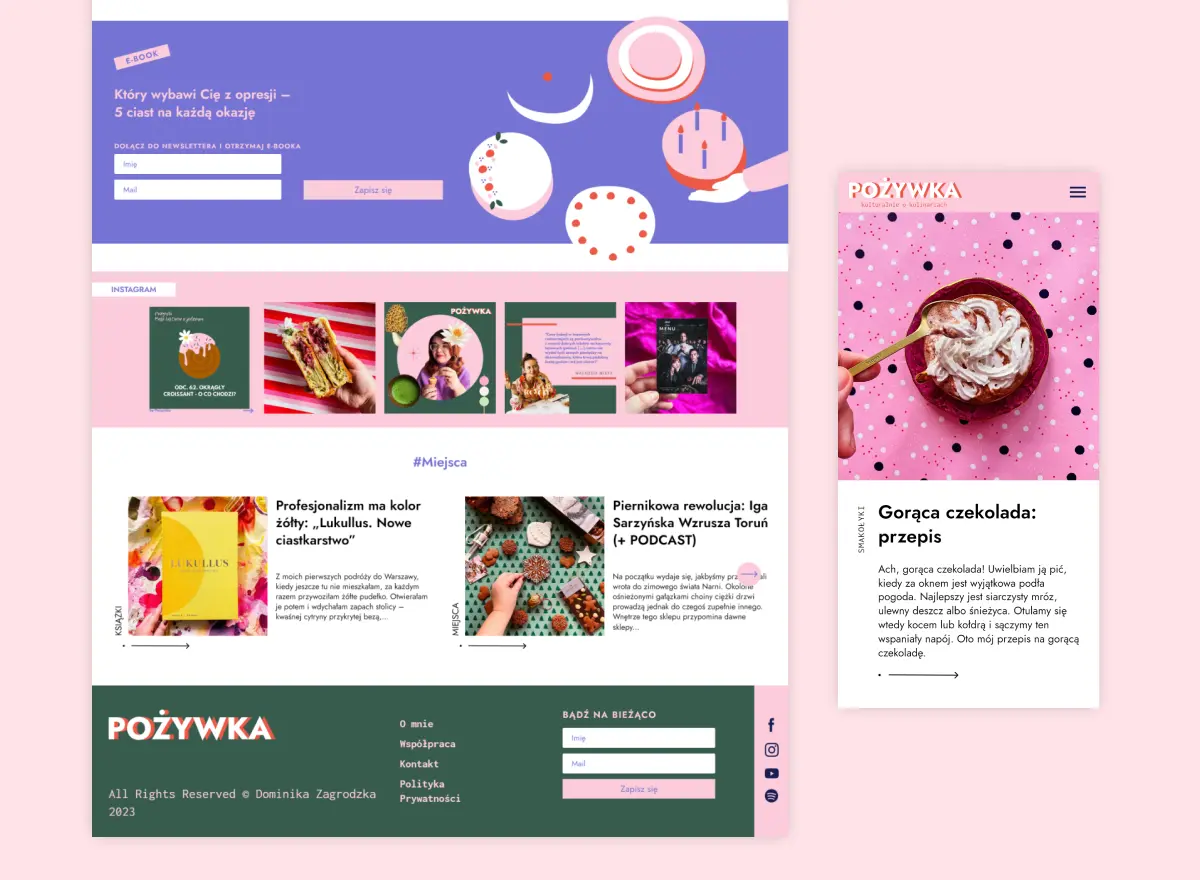
pozywka.pl
Scalable blog for food journalist, focused on performance and user experience 🌭
zagrodzki.me
Personal blog and portfolio of Bart Zagrodzki, where he shares his knowledge and work 💼
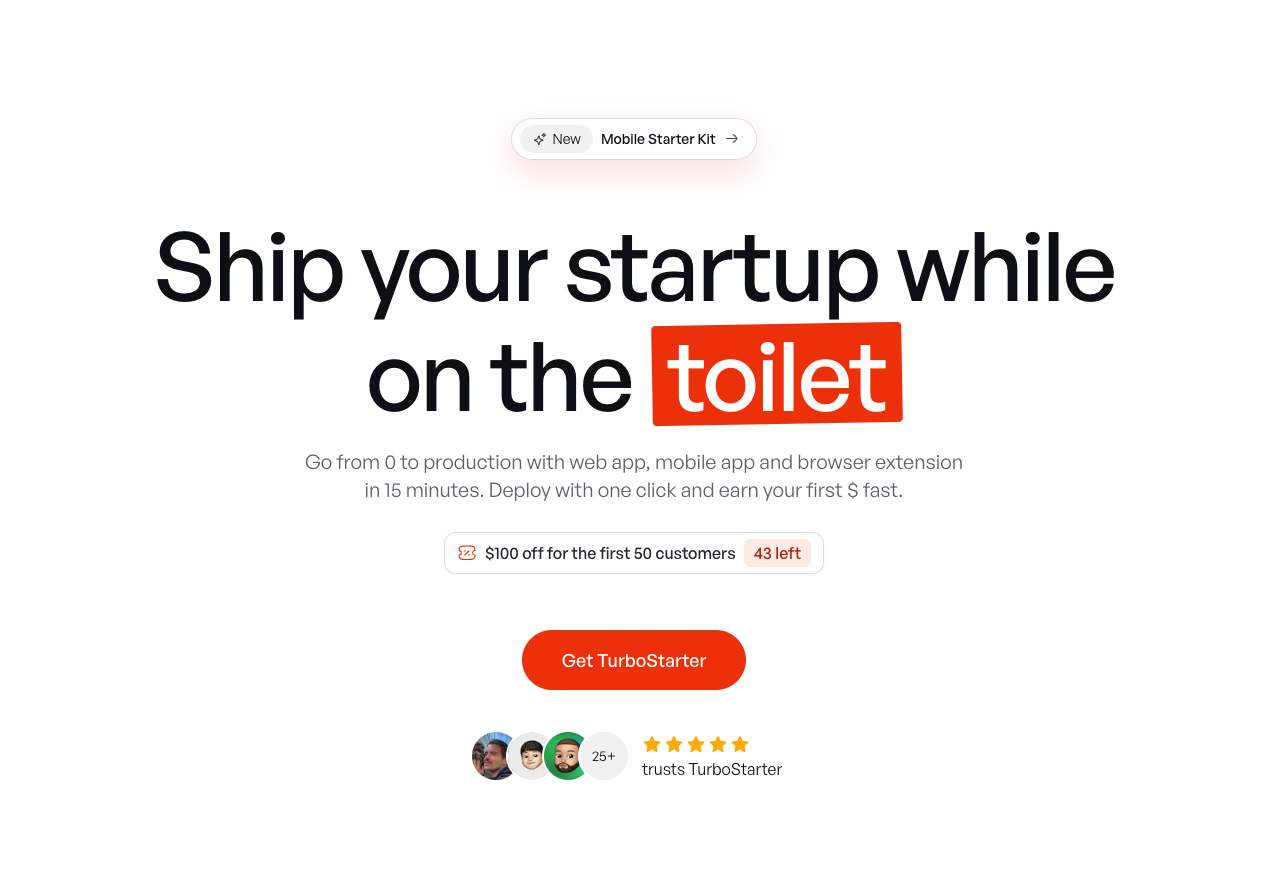
TurboStarter
Ship your startup everywhere. In minutes.
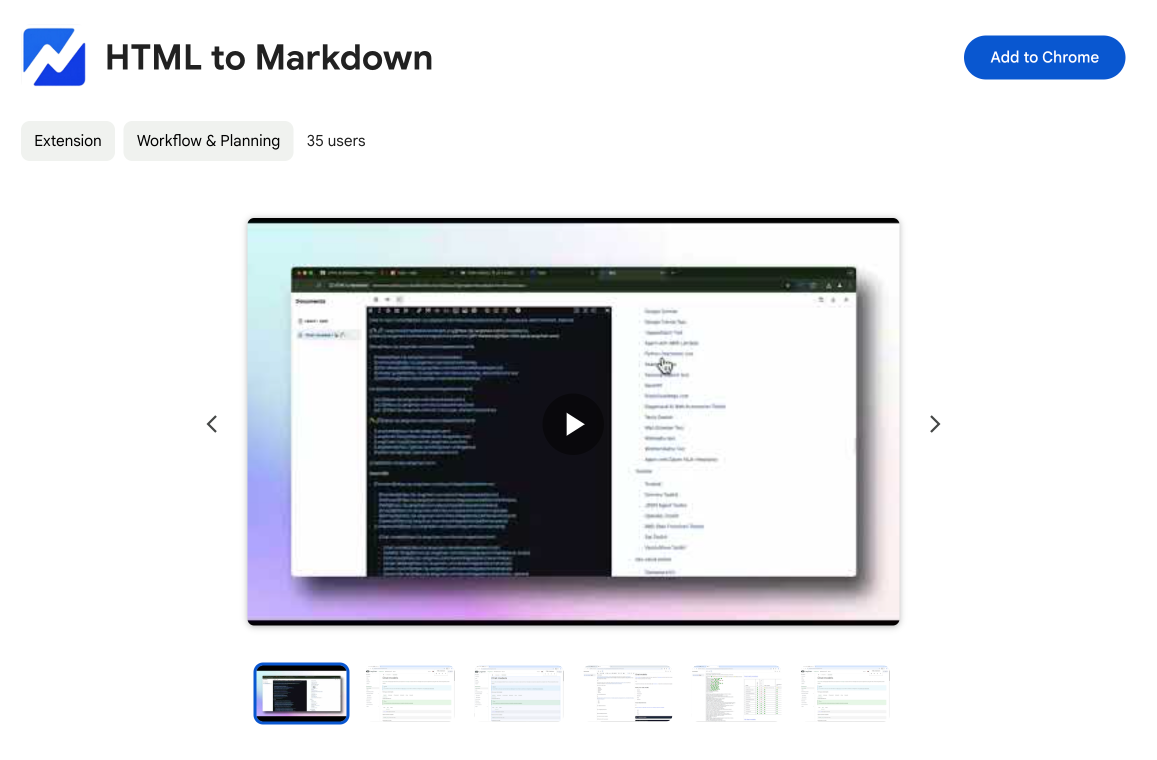
HTML to Markdown
Convert HTML to Markdown with ease, directly in your browser 📄
Dotallio
Personalized AI apps that automate research, data extraction, and content creation without code 🤖
Talk to Santa
Enjoy a magical live video chat or receive a unique AI-generated video greeting from Santa Claus 🎅
pozywka.pl
Scalable blog for food journalist, focused on performance and user experience 🌭
zagrodzki.me
Personal blog and portfolio of Bart Zagrodzki, where he shares his knowledge and work 💼
TurboStarter
Ship your startup everywhere. In minutes.
HTML to Markdown
Convert HTML to Markdown with ease, directly in your browser 📄
Dotallio
Personalized AI apps that automate research, data extraction, and content creation without code 🤖
Talk to Santa
Enjoy a magical live video chat or receive a unique AI-generated video greeting from Santa Claus 🎅
pozywka.pl
Scalable blog for food journalist, focused on performance and user experience 🌭
zagrodzki.me
Personal blog and portfolio of Bart Zagrodzki, where he shares his knowledge and work 💼
TurboStarter
Ship your startup everywhere. In minutes.
HTML to Markdown
Convert HTML to Markdown with ease, directly in your browser 📄
Dotallio
Personalized AI apps that automate research, data extraction, and content creation without code 🤖
Talk to Santa
Enjoy a magical live video chat or receive a unique AI-generated video greeting from Santa Claus 🎅
pozywka.pl
Scalable blog for food journalist, focused on performance and user experience 🌭
zagrodzki.me
Personal blog and portfolio of Bart Zagrodzki, where he shares his knowledge and work 💼
TurboStarter
Ship your startup everywhere. In minutes.
HTML to Markdown
Convert HTML to Markdown with ease, directly in your browser 📄
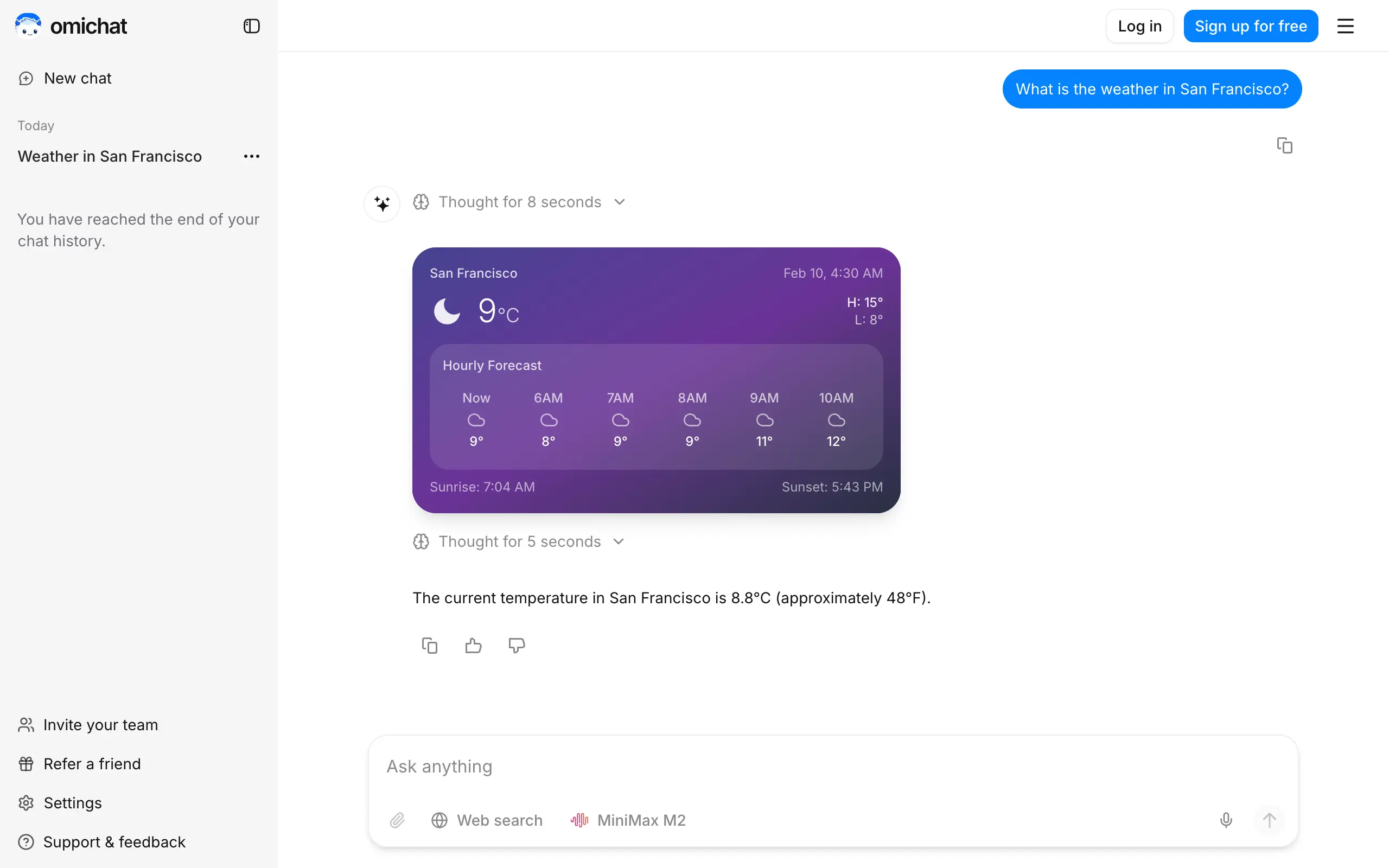
Omichat
Chat with 50+ AI models, including ChatGPT and Claude, in one place - switch models anytime without losing context 🤖
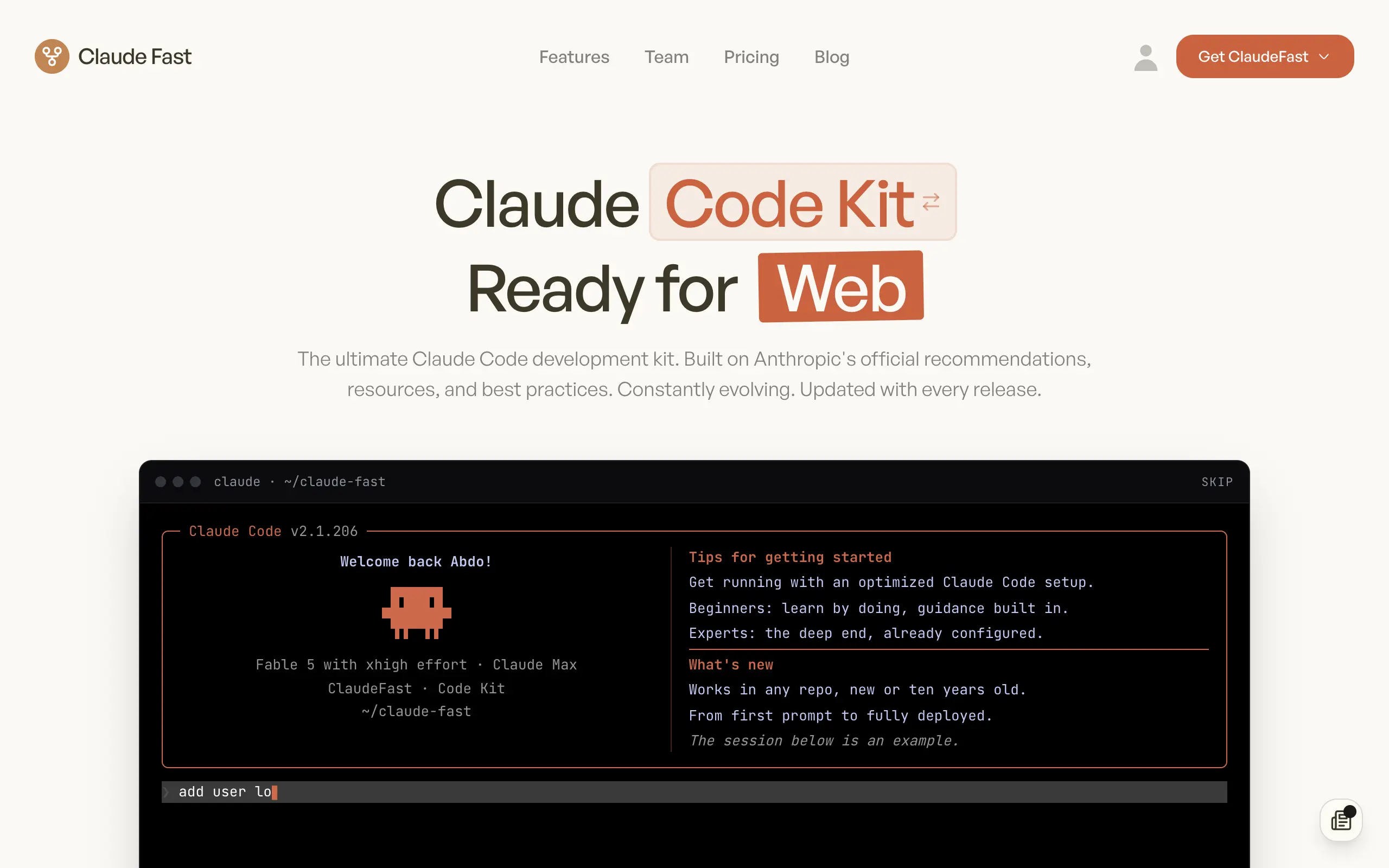
Claude Fast
Supercharge your Claude Code with 6x effective context window and specialized AI agents 🤖
EmojAI
AI-powered emoji picker with smart, context-aware suggestions 🤖
Solohacker
Autonomous company launcher - AI agents work 24/7, escalate what matters, and you stay in control 🤖
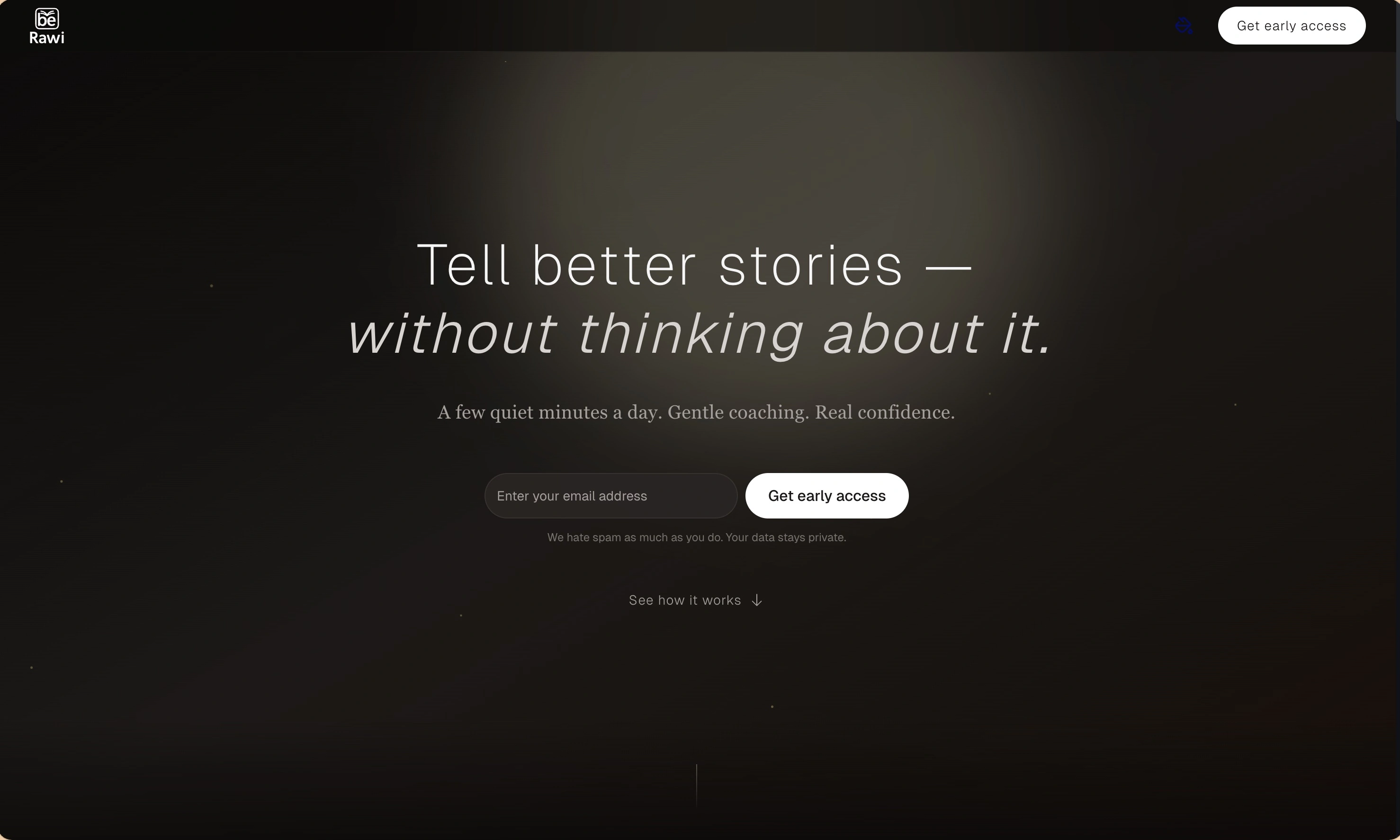
BeRawi: Storytelling Coach
Practice storytelling daily with instant feedback to sound clearer, more engaging, and confident 🎤
Omichat
Chat with 50+ AI models, including ChatGPT and Claude, in one place - switch models anytime without losing context 🤖
Claude Fast
Supercharge your Claude Code with 6x effective context window and specialized AI agents 🤖
EmojAI
AI-powered emoji picker with smart, context-aware suggestions 🤖
Solohacker
Autonomous company launcher - AI agents work 24/7, escalate what matters, and you stay in control 🤖
BeRawi: Storytelling Coach
Practice storytelling daily with instant feedback to sound clearer, more engaging, and confident 🎤
Omichat
Chat with 50+ AI models, including ChatGPT and Claude, in one place - switch models anytime without losing context 🤖
Claude Fast
Supercharge your Claude Code with 6x effective context window and specialized AI agents 🤖
EmojAI
AI-powered emoji picker with smart, context-aware suggestions 🤖
Solohacker
Autonomous company launcher - AI agents work 24/7, escalate what matters, and you stay in control 🤖
BeRawi: Storytelling Coach
Practice storytelling daily with instant feedback to sound clearer, more engaging, and confident 🎤
Omichat
Chat with 50+ AI models, including ChatGPT and Claude, in one place - switch models anytime without losing context 🤖
Claude Fast
Supercharge your Claude Code with 6x effective context window and specialized AI agents 🤖
EmojAI
AI-powered emoji picker with smart, context-aware suggestions 🤖
Solohacker
Autonomous company launcher - AI agents work 24/7, escalate what matters, and you stay in control 🤖
BeRawi: Storytelling Coach
Practice storytelling daily with instant feedback to sound clearer, more engaging, and confident 🎤

Connect with like-minded people
Join our community to get feedback, support, and grow together with 1,000+ builders on board, let's ship it!
Join usShip your startup everywhere. In minutes.
Don't burn tokens on setup and start building features on day one.