FanFormation
Connect with fellow football enthusiasts to form virtual fan clubs, collaborate on creative projects, and showcase your design skills through themed group challenges.
Understanding the FanFormation opportunity
Football is more than just a sport—it's a global culture, a shared language, and a creative outlet for millions. Yet, while social media connects fans, it rarely offers structured spaces for collaboration, creativity, and community-building around the beautiful game. FanFormation aims to fill this gap by providing a dedicated platform where football enthusiasts can form virtual fan clubs, collaborate on creative projects, and participate in themed group challenges to showcase their design skills.
In this comprehensive guide, we'll explore the FanFormation SaaS concept in depth, analyzing its target audience, market opportunity, core features, recommended tech stack, monetization strategies, risks, and competitive advantages. We'll also provide actionable steps for implementation, ensuring you have a clear roadmap to bring this innovative social platform to life.
Who is FanFormation for? Target audience analysis
Understanding your audience is the foundation of any successful SaaS product. FanFormation targets a unique intersection of football passion and creative expression.
Primary user segments
- Football fans seeking community: Individuals who want to connect with like-minded supporters beyond generic social media groups.
- Aspiring and professional designers: Creatives looking to showcase their skills through football-themed projects, gain recognition, and build portfolios.
- Content creators and influencers: Those who want to collaborate on unique football content, grow their audience, and engage with fans in new ways.
- Football clubs and supporter groups: Official or unofficial organizations seeking digital spaces to organize, engage, and mobilize their fanbase.
- Brands and sponsors: Companies interested in tapping into football culture through branded challenges or partnerships.
User motivations and pain points
- Desire for deeper fan engagement: Existing platforms are noisy and lack structure for meaningful collaboration.
- Limited opportunities for creative expression: Few platforms allow fans to co-create, compete, and display their football-inspired designs.
- Fragmented communities: Fans are scattered across forums, social media, and chat apps, making sustained collaboration difficult.
- Recognition and rewards: Creatives want their work to be seen, appreciated, and potentially rewarded.
Did you know?
Football is the world's most popular sport, with over 3.5 billion fans globally. The intersection of sports fandom and digital creativity is a rapidly growing niche, especially among Gen Z and Millennials.
Identifying the market gap and opportunity
Despite the massive size of the football fanbase, most digital platforms focus on news, live scores, or basic social interaction. There is a clear gap for a community-driven, creativity-focused platform tailored to football enthusiasts.
Key market trends
- Rise of user-generated content: Platforms like Behance and Dribbble have shown the demand for creative showcases, but none are football-specific.
- Growth of virtual communities: The pandemic accelerated the shift to online fan engagement, with virtual watch parties and digital fan clubs becoming mainstream.
- Brand interest in fan-driven campaigns: Brands increasingly seek authentic engagement through fan-created content and challenges.
Competitive landscape
While there are many football forums and social media groups, few offer structured collaboration, creative challenges, or portfolio-building features. FanFormation's unique blend of virtual fan clubs, collaborative projects, and themed design challenges sets it apart.
| Community focus | Creative challenges | Portfolio features | Football-specific | Brand integration |
|---|---|---|---|---|
| ✅ | ❌ | ❌ | ✅ | ❌ |
| ✅ | ❌ | ✅ | ✅ | ❌ |
Core features and solution details
FanFormation's value lies in its feature set, designed to foster creativity, collaboration, and community among football fans.
Virtual fan clubs
- Create or join clubs: Users can form clubs based on teams, countries, or creative interests.
- Club management tools: Roles, permissions, and moderation features for smooth operation.
- Club feeds and chat: Dedicated spaces for discussion, sharing, and planning.
Collaborative creative projects
- Project workspaces: Clubs can launch collaborative design projects (e.g., kit redesigns, poster art, digital banners).
- Version control and feedback: Members can upload iterations, comment, and vote on submissions.
- Showcase galleries: Finished projects are displayed in public galleries, boosting visibility.
Themed group challenges
- Weekly/monthly challenges: Platform-wide or club-specific design competitions (e.g., "Redesign your club's crest").
- Voting and leaderboards: Community voting, expert judging, and public leaderboards to recognize top talent.
- Rewards and recognition: Badges, digital trophies, and potential real-world prizes.
User portfolios
- Personal showcase: Each user has a profile displaying their best work, challenge wins, and club contributions.
- Social sharing: Easy sharing to external platforms to boost reach and engagement.
Brand and sponsor integration
- Branded challenges: Brands can sponsor challenges, offering prizes and exposure.
- Analytics for brands: Insights into engagement, reach, and creative impact.
Virtual fan clubs
Form or join clubs, manage members, and build a digital fan community.
Creative collaboration
Work together on design projects, iterate, and showcase your club's talent.
Themed challenges
Compete in regular design contests and earn recognition.
User portfolios
Build a public profile to display your football-inspired creations.
Brand partnerships
Engage with brands through sponsored challenges and campaigns.
Recommended tech stack for FanFormation
Building a scalable, interactive social platform requires a modern, robust tech stack. Here’s a recommended approach, with trade-offs and alternatives.
Frontend
- React: Popular, component-based UI library with a large ecosystem and community support.
- Next.js: Framework for server-side rendering, SEO optimization, and fast performance.
- Tailwind CSS: Utility-first CSS framework for rapid, consistent styling.
- Socket.IO: Real-time communication for chat and live collaboration features.
Backend
- Node.js: Scalable, event-driven backend runtime.
- Express.js: Minimalist web framework for building APIs.
- PostgreSQL: Reliable, scalable relational database for user data, projects, and clubs.
- Redis: In-memory data store for caching and real-time features.
Cloud & DevOps
- Vercel: Seamless deployment for Next.js apps, with global CDN.
- AWS S3: Scalable storage for user-uploaded images and assets.
- TurboStarter: For rapid SaaS boilerplate, authentication, payments, and scalable infrastructure.
Optional integrations
- Figma API: For design collaboration and importing/exporting creative assets.
- Stripe: Secure payment processing for premium features or brand partnerships.
- SendGrid: Transactional email for notifications and updates.
Why TurboStarter?
TurboStarter accelerates SaaS development by providing pre-built authentication, payments, and scalable infrastructure—ideal for launching FanFormation quickly and securely.
Trade-offs and considerations
- Monolithic vs. microservices: Starting with a monolithic architecture (e.g., Next.js + Node.js) simplifies early development. As the platform scales, consider breaking out services (e.g., chat, notifications) for better performance.
- Real-time features: Socket.IO is easy to implement but may require scaling strategies (e.g., Redis pub/sub) for large user bases.
- Design collaboration: Integrating with Figma or similar tools can enhance creative workflows but adds complexity.
Monetization strategy options
A sustainable SaaS must balance user value with revenue generation. FanFormation can leverage several monetization models:
1. Freemium with premium features
- Free tier: Access to basic clubs, challenges, and portfolios.
- Premium tier: Advanced collaboration tools, exclusive challenges, enhanced portfolio customization, and analytics.
2. Brand and sponsor partnerships
- Sponsored challenges: Brands pay to host themed competitions, offering prizes and exposure.
- Featured placements: Brands or clubs can pay for featured spots in galleries or leaderboards.
3. Transactional revenue
- Marketplace for assets: Allow users to sell or license their designs (e.g., digital posters, kit concepts).
- Commission on sales: Platform takes a percentage of each transaction.
4. Club subscriptions
- Premium clubs: Clubs can charge membership fees for exclusive content or events, with FanFormation taking a cut.
Freemium is ideal for rapid user acquisition, while brand partnerships and marketplace features can be layered in as the community grows.
Potential risks and mitigation strategies
Launching a social SaaS platform comes with challenges. Here’s how to anticipate and address them:
1. Community moderation and safety
- Risk: Toxic behavior, spam, or copyright infringement.
- Mitigation: Robust moderation tools, user reporting, and clear community guidelines.
2. User engagement and retention
- Risk: Initial excitement may fade if features are shallow or repetitive.
- Mitigation: Regularly introduce new challenges, highlight top creators, and foster club loyalty through gamification.
3. Scalability and performance
- Risk: Real-time features and media uploads can strain infrastructure.
- Mitigation: Use scalable cloud services, CDN for assets, and optimize code for performance.
4. Monetization backlash
- Risk: Over-monetization can alienate users.
- Mitigation: Keep core features free, ensure premium features add real value, and be transparent about sponsored content.
5. Intellectual property concerns
- Risk: Users may upload copyrighted material.
- Mitigation: Implement content review, DMCA takedown processes, and educate users on copyright.
Competitive advantage analysis
FanFormation stands out in a crowded digital landscape by focusing on the intersection of football fandom and creative collaboration.
Unique selling propositions (USPs)
- Football-specific creative platform: Unlike generic design or social platforms, FanFormation is tailored for football fans and creatives.
- Structured collaboration: Virtual clubs and project workspaces enable sustained, organized teamwork.
- Gamified challenges: Regular themed competitions keep users engaged and motivated.
- Portfolio-building: Users can build a public profile, gain recognition, and even monetize their work.
- Brand integration: Brands can authentically engage with fans through creative campaigns.
Why FanFormation is hard to replicate
- Niche focus: Deep understanding of football culture and creative workflows.
- Community-first approach: Prioritizing user experience, safety, and recognition.
- Scalable tech stack: Modern infrastructure supports growth and feature expansion.
Actionable implementation steps
Ready to bring FanFormation to life? Here’s a step-by-step roadmap:
Conclusion: Why FanFormation is the next big thing in football fandom
FanFormation is more than just another social platform—it's a creative playground for football fans, a launchpad for designers, and a new channel for brands to engage authentically with the world's largest sports community. By combining virtual fan clubs, collaborative projects, and gamified challenges, it fills a genuine gap in the market and offers a scalable, engaging, and monetizable solution.
If you're looking to build a SaaS that unites passion, creativity, and community, FanFormation is a winning strategy. With the right tech stack, a focus on user experience, and a clear go-to-market plan, you can turn this idea into a thriving digital hub for football enthusiasts worldwide.
Frequently asked questions
FanFormation offers structured collaboration, creative challenges, and portfolio features specifically for football fans and designers—something generic forums and groups lack.
Yes, through a marketplace feature, users can sell or license their football-inspired creations, with the platform taking a commission.
Both! Official clubs can use it to engage their fanbase, while fans and creatives can form their own clubs and collaborate.
Community moderation, user retention, scalability, and intellectual property concerns are key risks, but can be mitigated with robust tools and clear policies.
Next steps
- Research your target audience: Conduct interviews and surveys to refine your feature set.
- Prototype and test: Use Figma or similar tools to design and validate your MVP.
- Leverage TurboStarter: Accelerate your SaaS launch with pre-built infrastructure and authentication.
- Build, launch, and iterate: Focus on community, creativity, and continuous improvement.
FanFormation has the potential to redefine digital football fandom. With the right execution, it can become the go-to platform for fans, creatives, and brands alike.
More 🌐 Social Network SaaS ideas
Discover more innovative social network SaaS ideas that are trending in 2026. Each idea is AI-generated with market validation and growth potential to help you find your next profitable venture faster than competitors.
Your competitors are building with TurboStarter
Below are some of the SaaS ideas that have been generated and built with our starter kit.
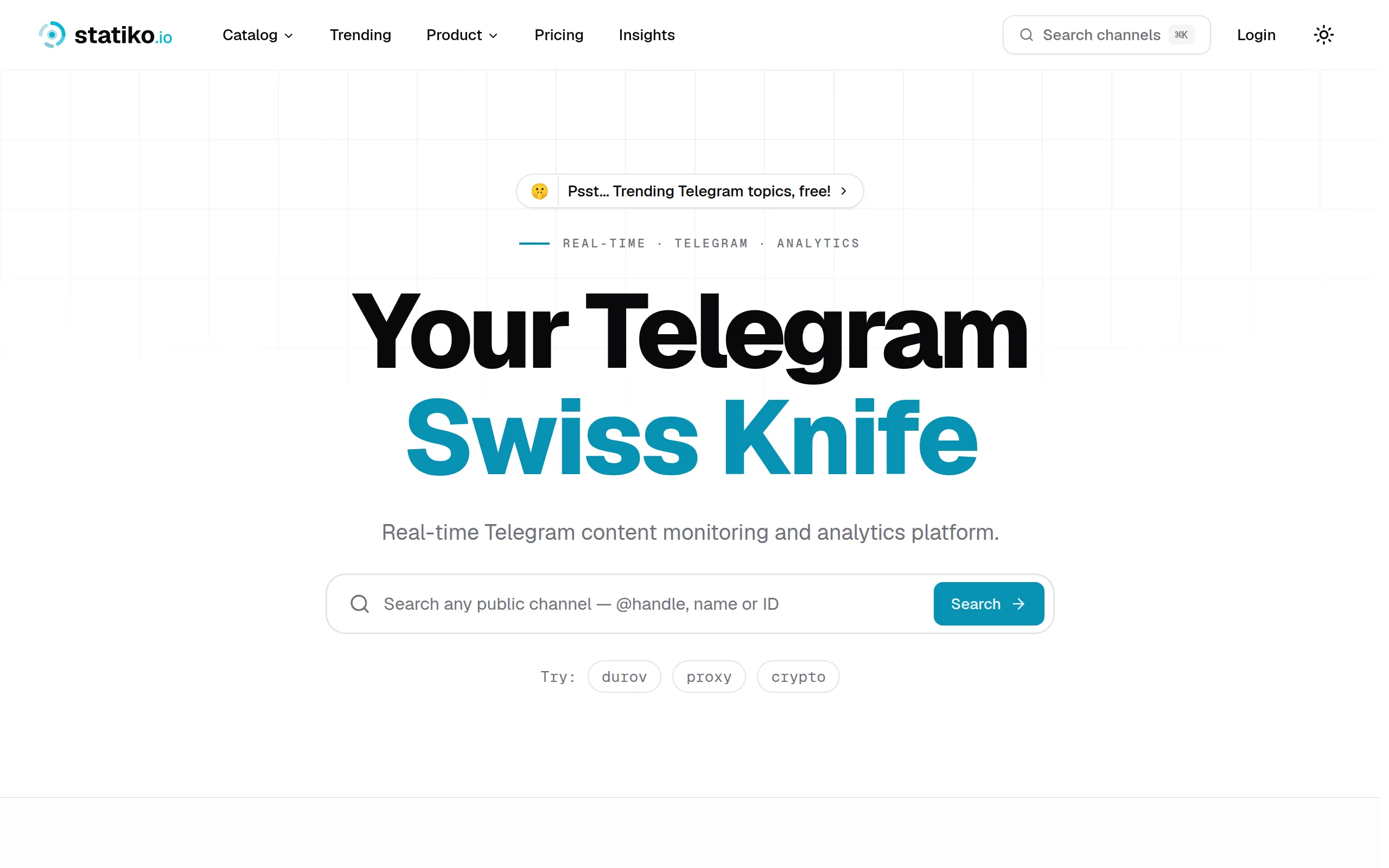
Statiko
Monitor any Telegram channel in real time - track posts, edits, deletions, and growth with AI recaps 📡

Shibui
AI website builder - describe your business, pick a niche template, edit by chatting, and publish instantly ✨

Pro Service
Find verified home service professionals, compare quotes, and pay securely through escrow - built for Brazilians across the US 🏠
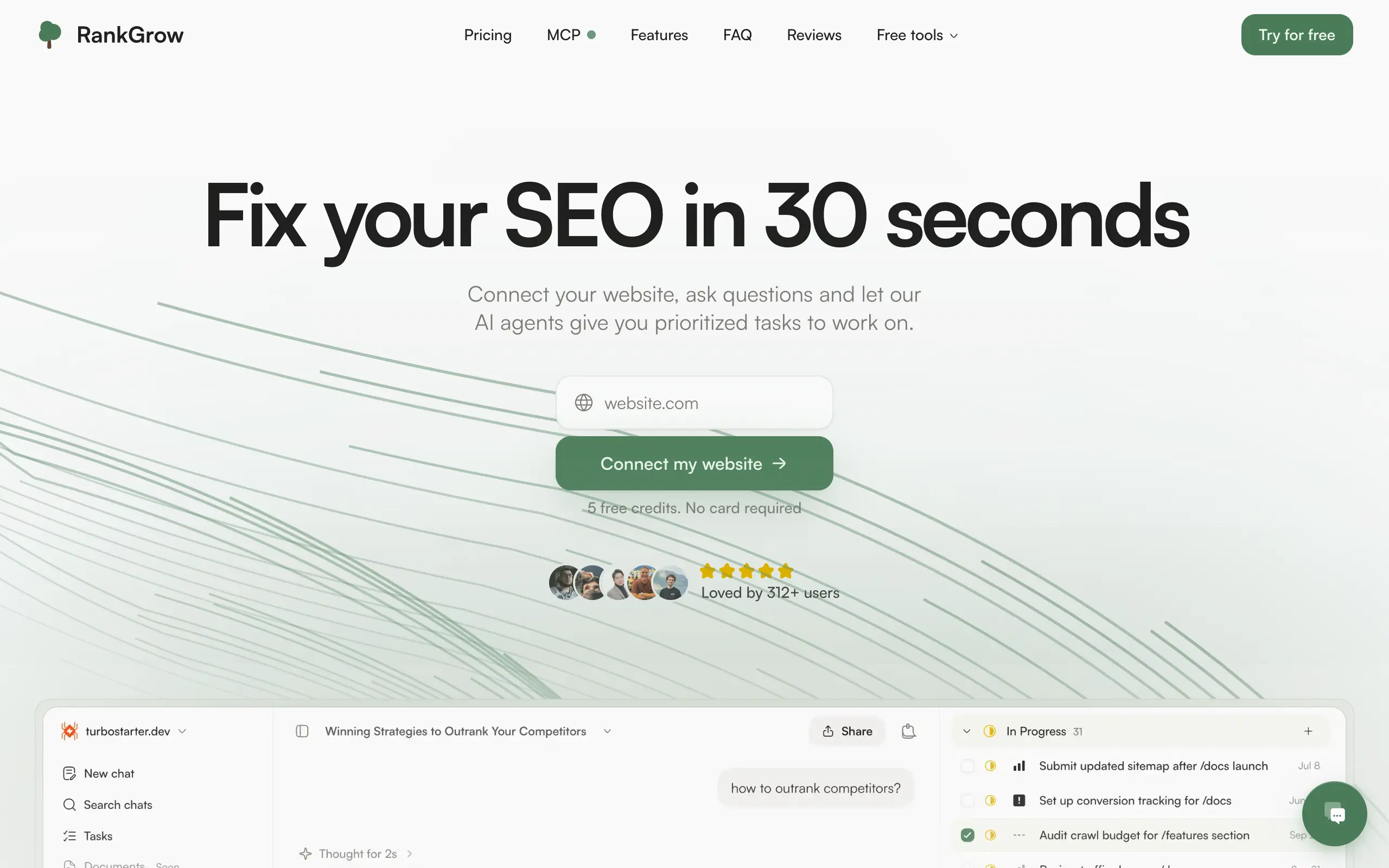
RankGrow
Fix your SEO with AI agents - connect Search Console, get prioritized tasks, and grow organic traffic 📈
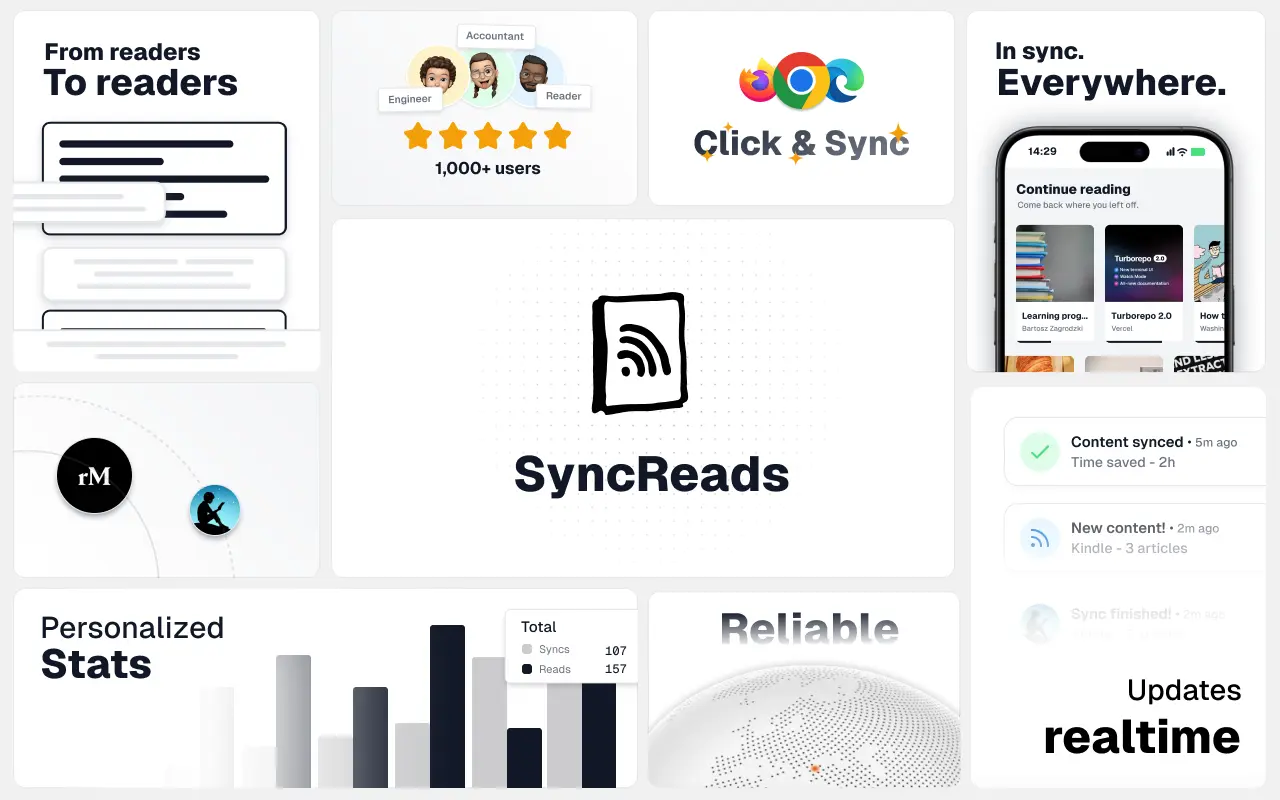
SyncReads
Sync your favorite content for distraction-free reading, save time and replace multiple apps. Anytime, anywhere 🔄
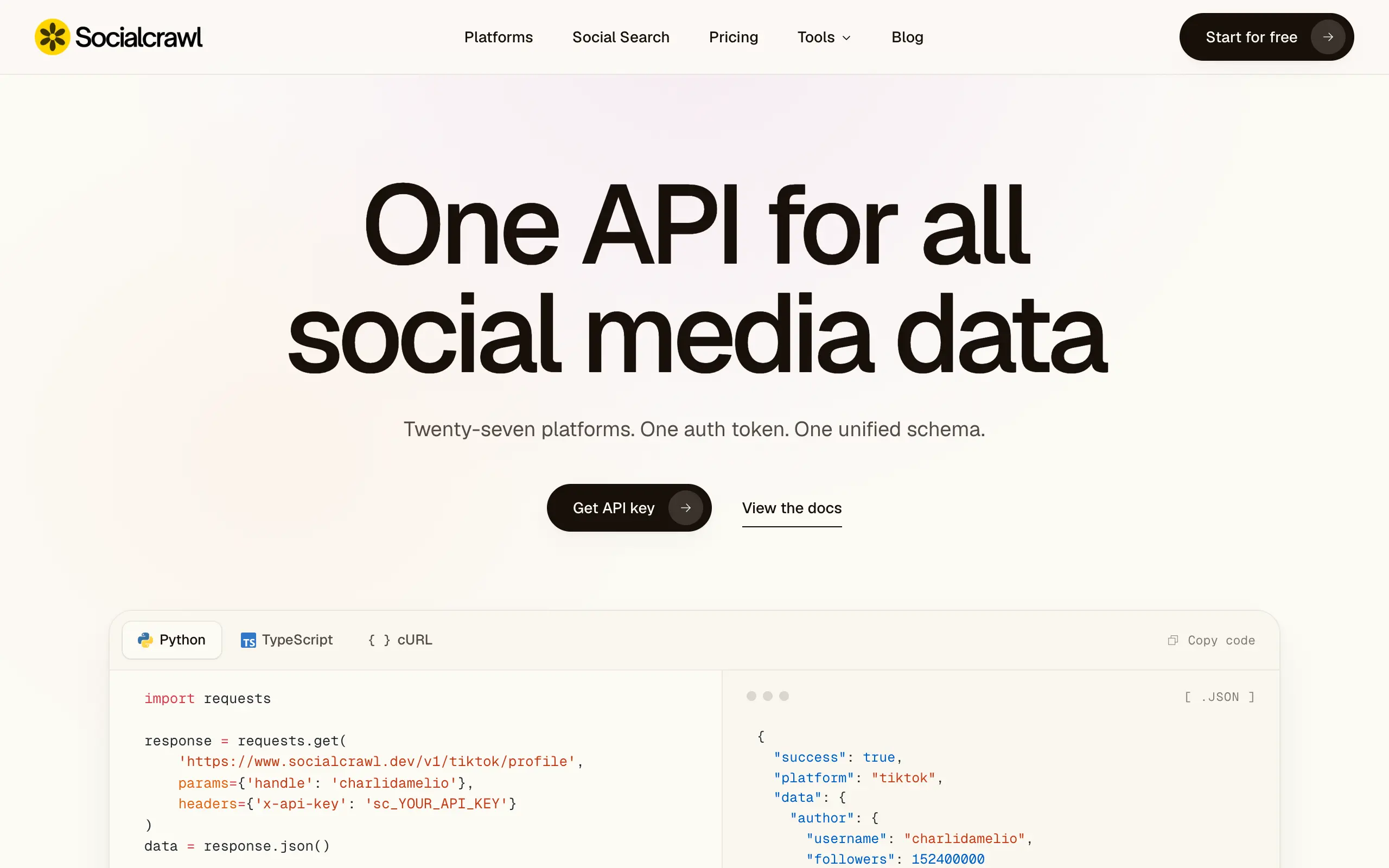
Socialcrawl
Get clean, structured data from 21 platforms like TikTok, Instagram, and YouTube with a single request 📊
Statiko
Monitor any Telegram channel in real time - track posts, edits, deletions, and growth with AI recaps 📡
Shibui
AI website builder - describe your business, pick a niche template, edit by chatting, and publish instantly ✨
Pro Service
Find verified home service professionals, compare quotes, and pay securely through escrow - built for Brazilians across the US 🏠
RankGrow
Fix your SEO with AI agents - connect Search Console, get prioritized tasks, and grow organic traffic 📈
SyncReads
Sync your favorite content for distraction-free reading, save time and replace multiple apps. Anytime, anywhere 🔄
Socialcrawl
Get clean, structured data from 21 platforms like TikTok, Instagram, and YouTube with a single request 📊
Statiko
Monitor any Telegram channel in real time - track posts, edits, deletions, and growth with AI recaps 📡
Shibui
AI website builder - describe your business, pick a niche template, edit by chatting, and publish instantly ✨
Pro Service
Find verified home service professionals, compare quotes, and pay securely through escrow - built for Brazilians across the US 🏠
RankGrow
Fix your SEO with AI agents - connect Search Console, get prioritized tasks, and grow organic traffic 📈
SyncReads
Sync your favorite content for distraction-free reading, save time and replace multiple apps. Anytime, anywhere 🔄
Socialcrawl
Get clean, structured data from 21 platforms like TikTok, Instagram, and YouTube with a single request 📊
Statiko
Monitor any Telegram channel in real time - track posts, edits, deletions, and growth with AI recaps 📡
Shibui
AI website builder - describe your business, pick a niche template, edit by chatting, and publish instantly ✨
Pro Service
Find verified home service professionals, compare quotes, and pay securely through escrow - built for Brazilians across the US 🏠
RankGrow
Fix your SEO with AI agents - connect Search Console, get prioritized tasks, and grow organic traffic 📈
SyncReads
Sync your favorite content for distraction-free reading, save time and replace multiple apps. Anytime, anywhere 🔄
Socialcrawl
Get clean, structured data from 21 platforms like TikTok, Instagram, and YouTube with a single request 📊
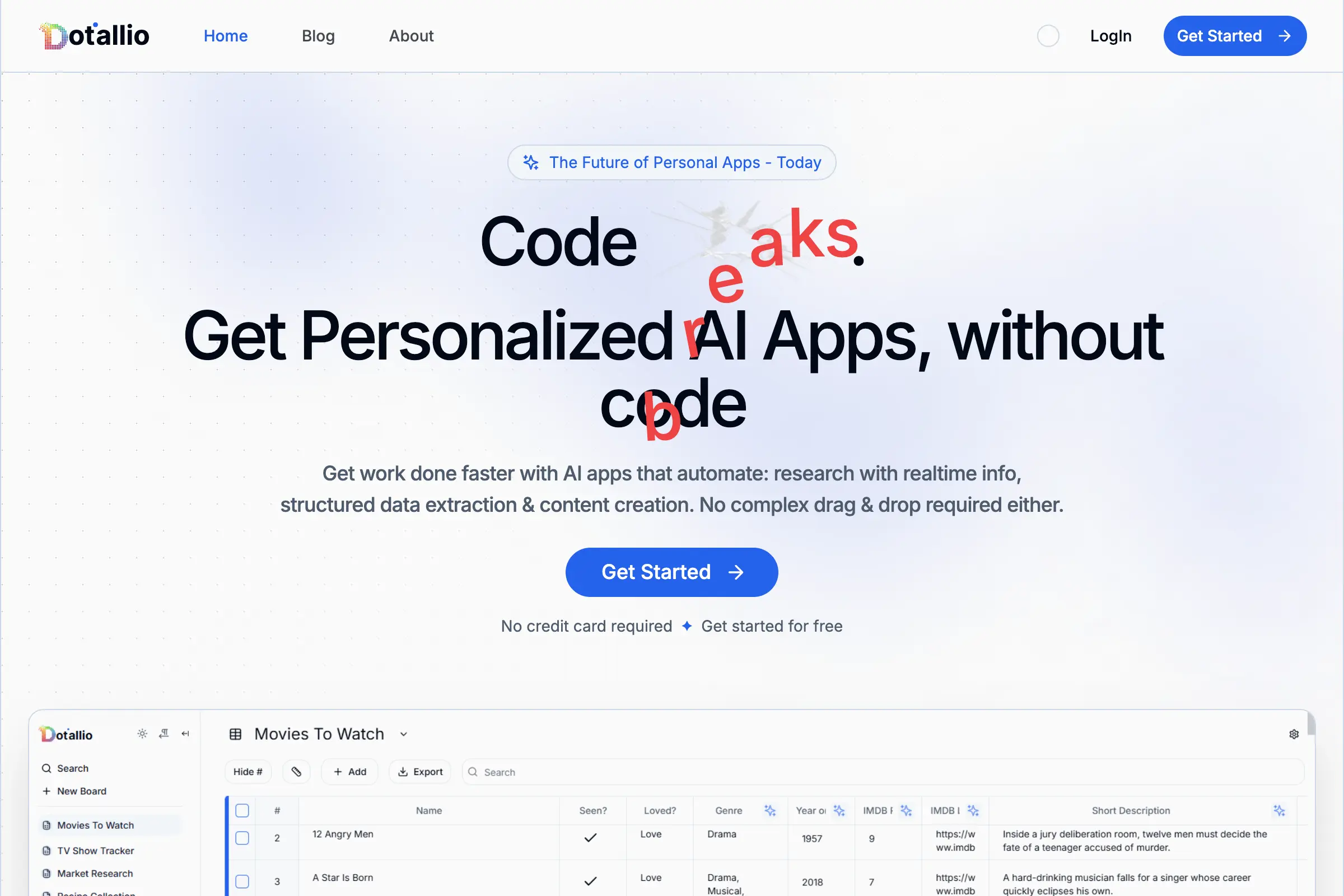
Dotallio
Personalized AI apps that automate research, data extraction, and content creation without code 🤖

Talk to Santa
Enjoy a magical live video chat or receive a unique AI-generated video greeting from Santa Claus 🎅
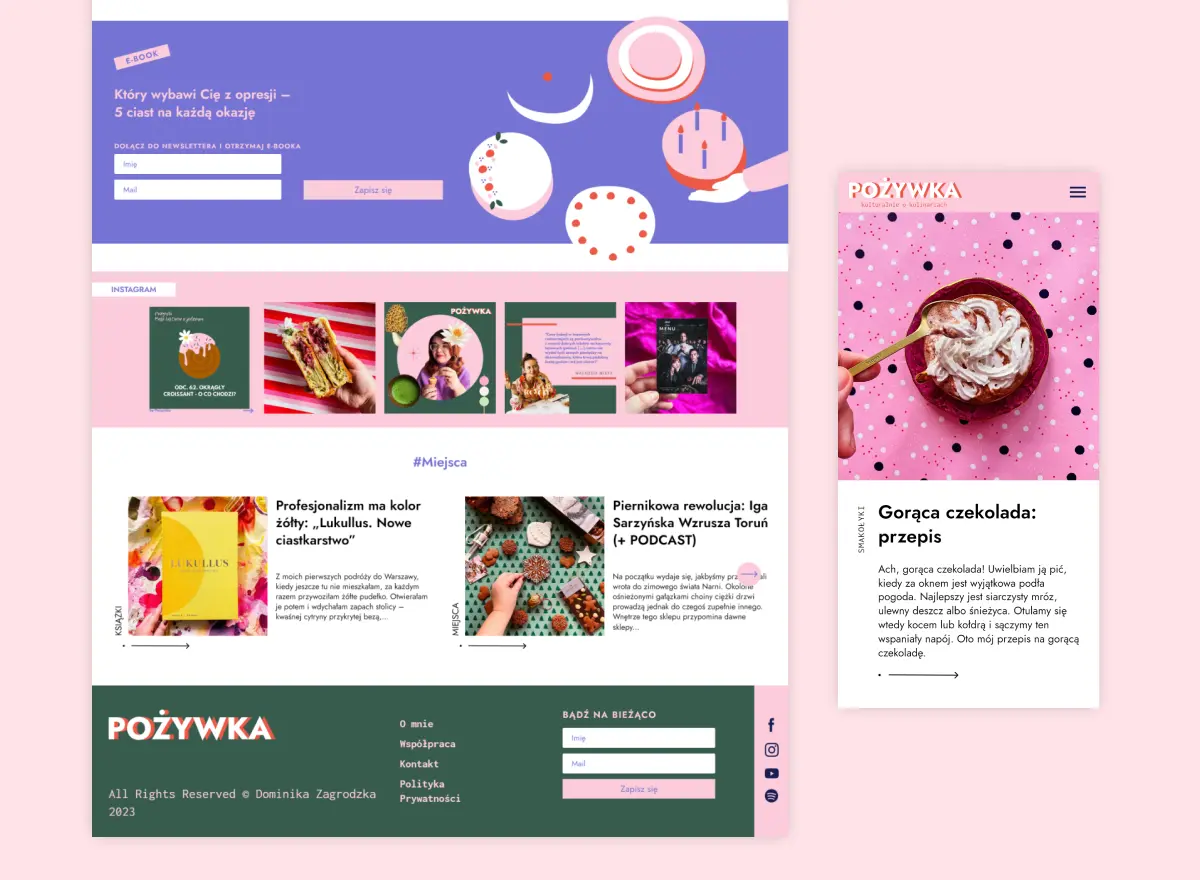
pozywka.pl
Scalable blog for food journalist, focused on performance and user experience 🌭
zagrodzki.me
Personal blog and portfolio of Bart Zagrodzki, where he shares his knowledge and work 💼
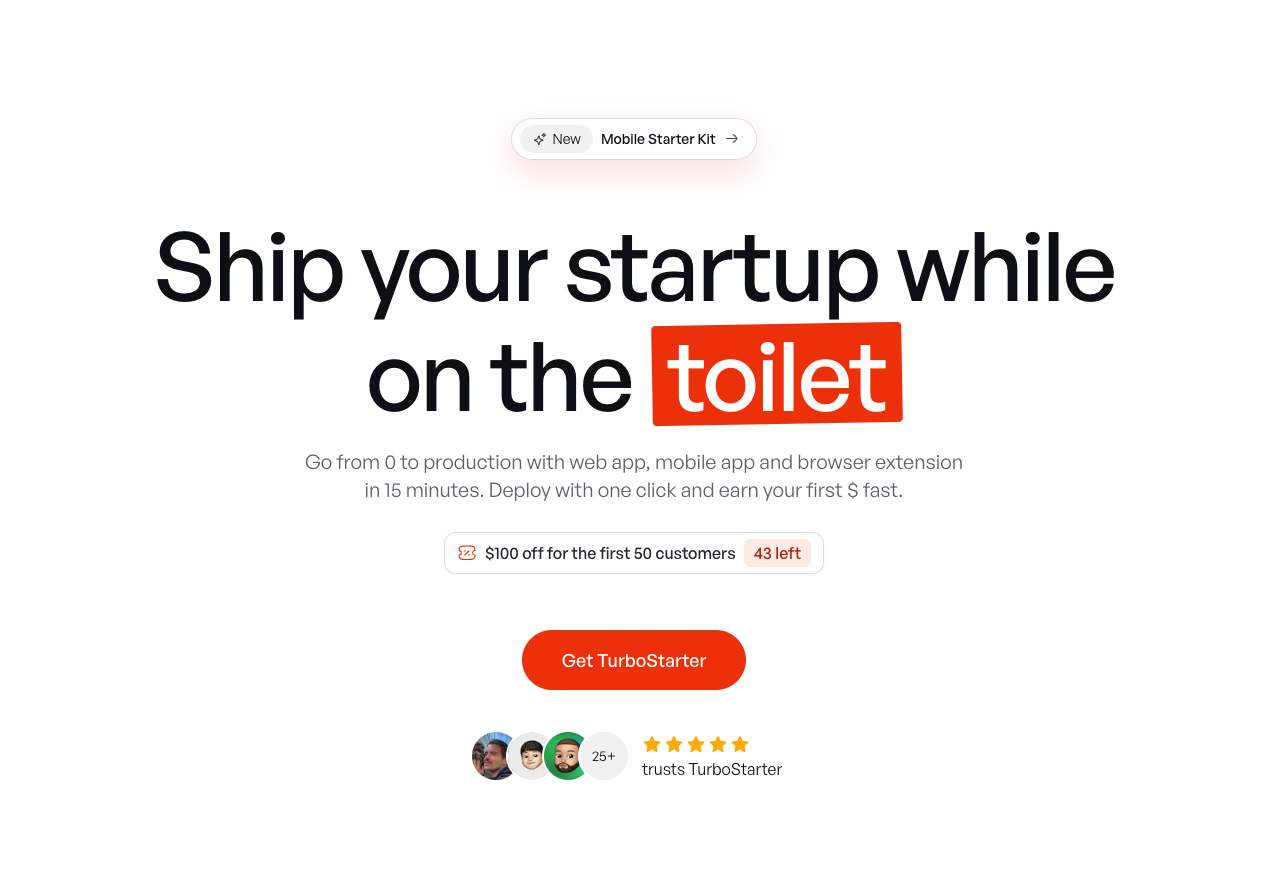
TurboStarter
Ship your startup everywhere. In minutes.
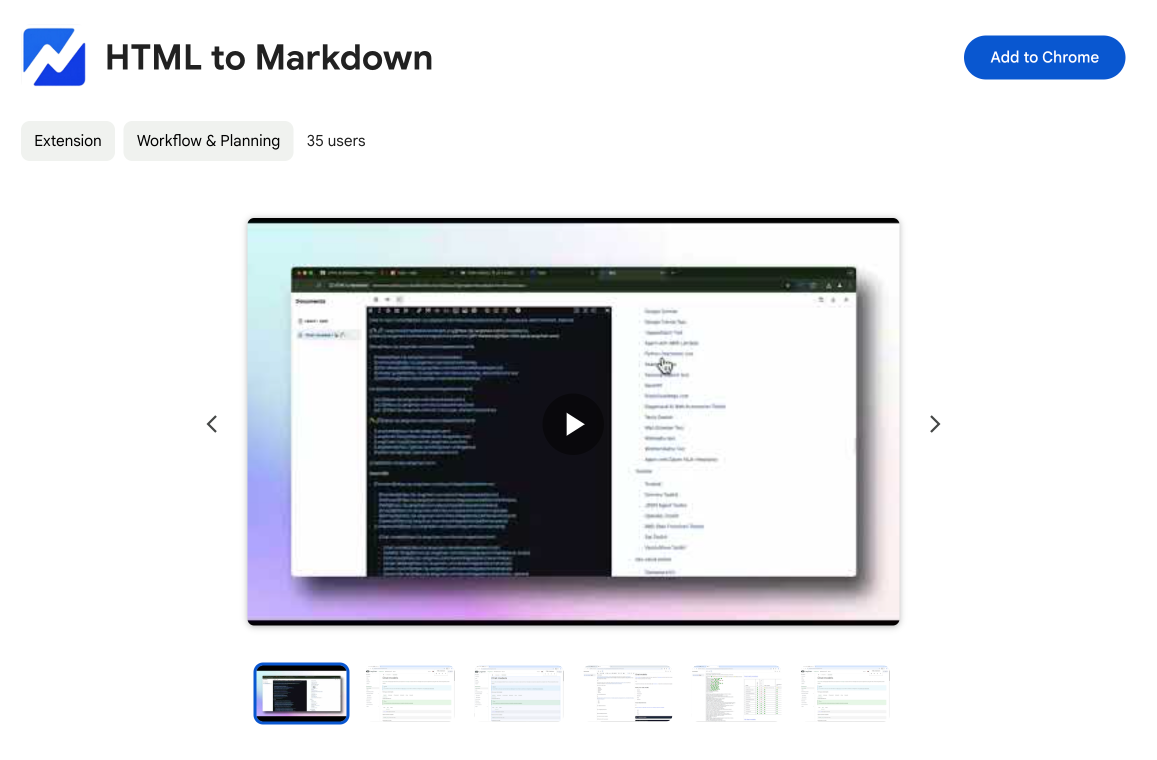
HTML to Markdown
Convert HTML to Markdown with ease, directly in your browser 📄
Dotallio
Personalized AI apps that automate research, data extraction, and content creation without code 🤖
Talk to Santa
Enjoy a magical live video chat or receive a unique AI-generated video greeting from Santa Claus 🎅
pozywka.pl
Scalable blog for food journalist, focused on performance and user experience 🌭
zagrodzki.me
Personal blog and portfolio of Bart Zagrodzki, where he shares his knowledge and work 💼
TurboStarter
Ship your startup everywhere. In minutes.
HTML to Markdown
Convert HTML to Markdown with ease, directly in your browser 📄
Dotallio
Personalized AI apps that automate research, data extraction, and content creation without code 🤖
Talk to Santa
Enjoy a magical live video chat or receive a unique AI-generated video greeting from Santa Claus 🎅
pozywka.pl
Scalable blog for food journalist, focused on performance and user experience 🌭
zagrodzki.me
Personal blog and portfolio of Bart Zagrodzki, where he shares his knowledge and work 💼
TurboStarter
Ship your startup everywhere. In minutes.
HTML to Markdown
Convert HTML to Markdown with ease, directly in your browser 📄
Dotallio
Personalized AI apps that automate research, data extraction, and content creation without code 🤖
Talk to Santa
Enjoy a magical live video chat or receive a unique AI-generated video greeting from Santa Claus 🎅
pozywka.pl
Scalable blog for food journalist, focused on performance and user experience 🌭
zagrodzki.me
Personal blog and portfolio of Bart Zagrodzki, where he shares his knowledge and work 💼
TurboStarter
Ship your startup everywhere. In minutes.
HTML to Markdown
Convert HTML to Markdown with ease, directly in your browser 📄
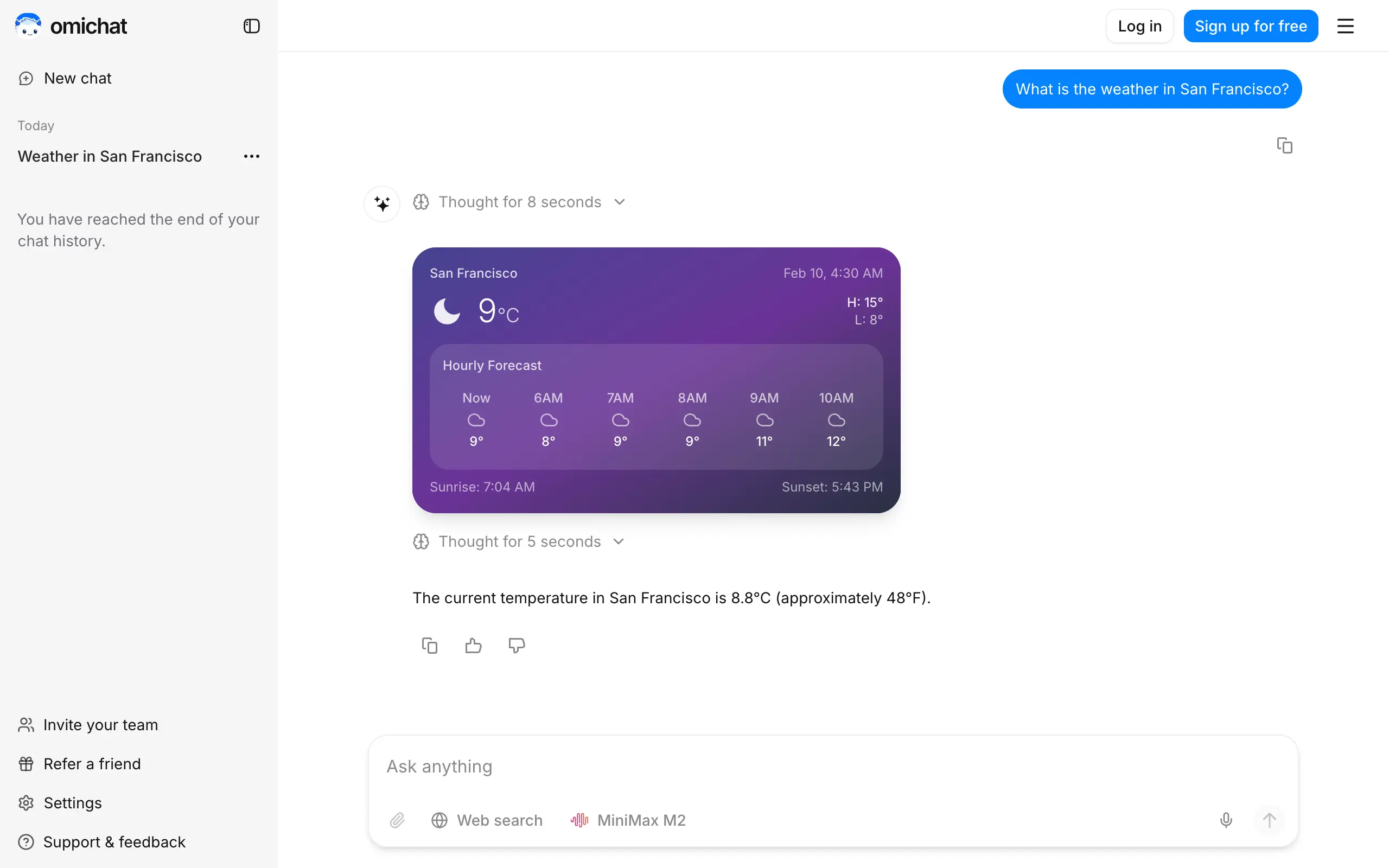
Omichat
Chat with 50+ AI models, including ChatGPT and Claude, in one place - switch models anytime without losing context 🤖
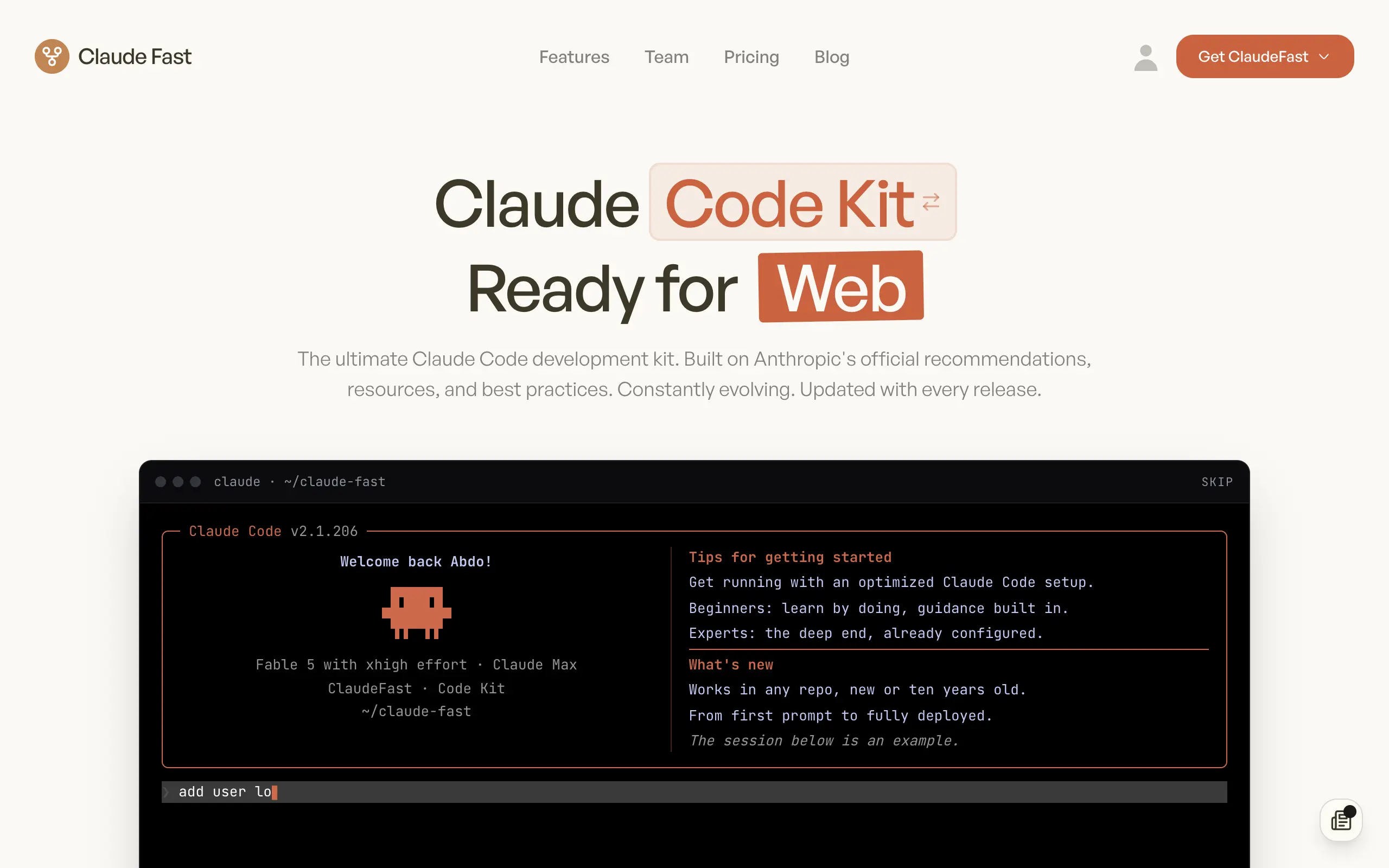
Claude Fast
Supercharge your Claude Code with 6x effective context window and specialized AI agents 🤖
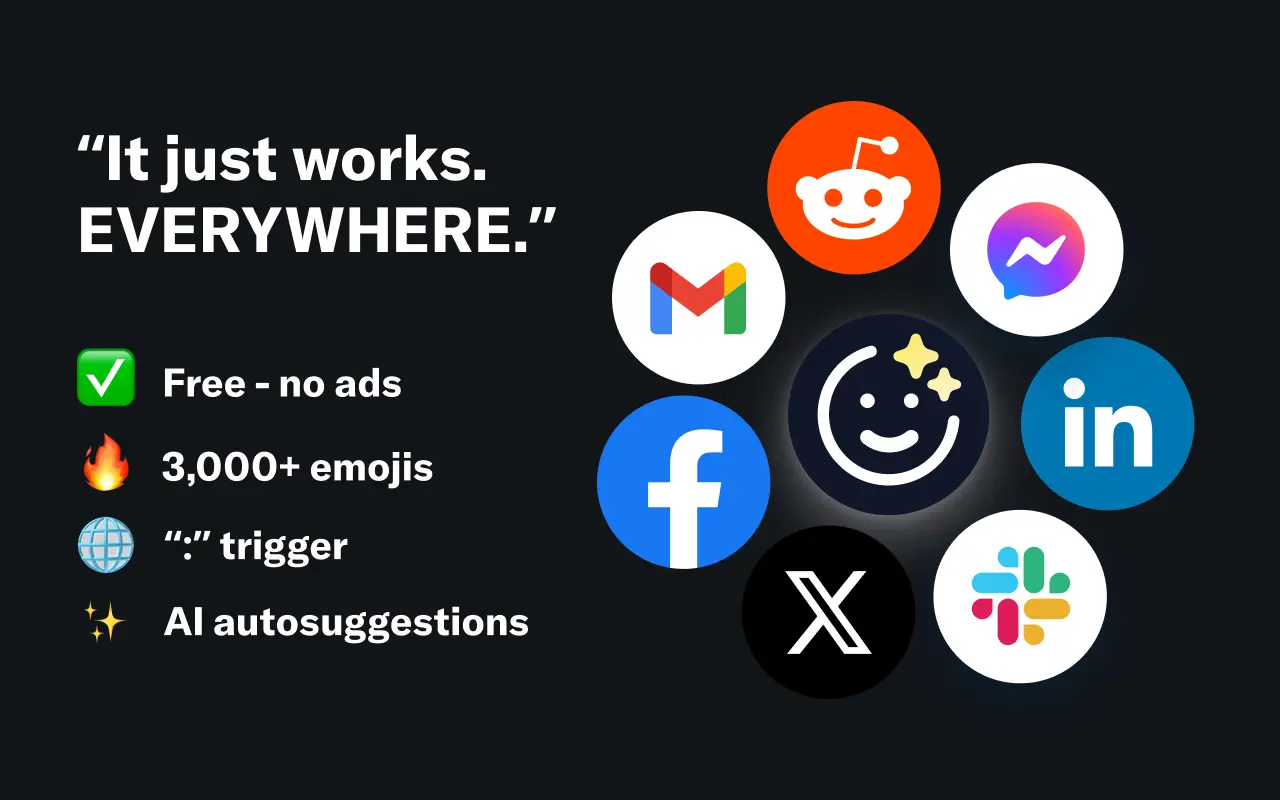
EmojAI
AI-powered emoji picker with smart, context-aware suggestions 🤖
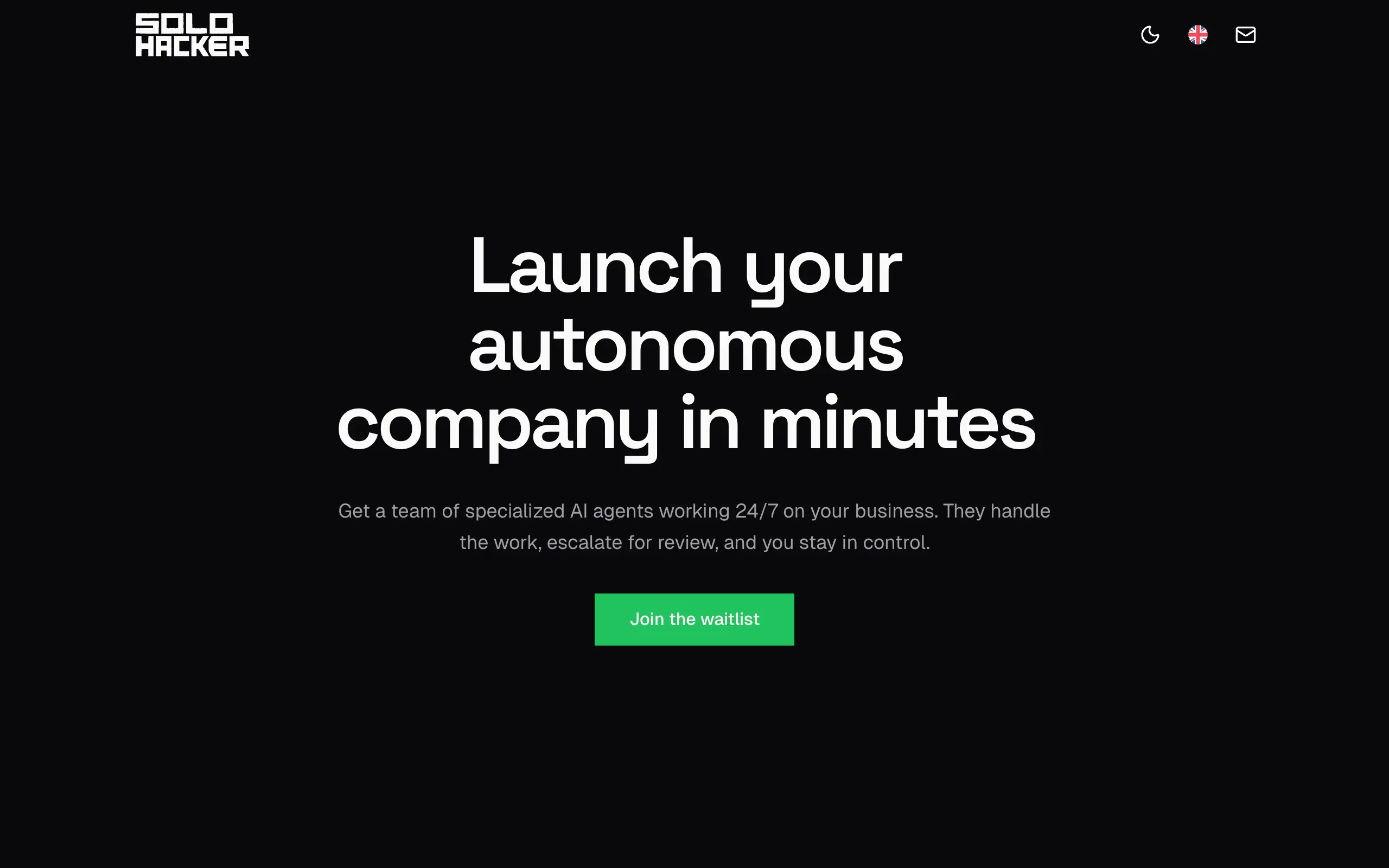
Solohacker
Autonomous company launcher - AI agents work 24/7, escalate what matters, and you stay in control 🤖
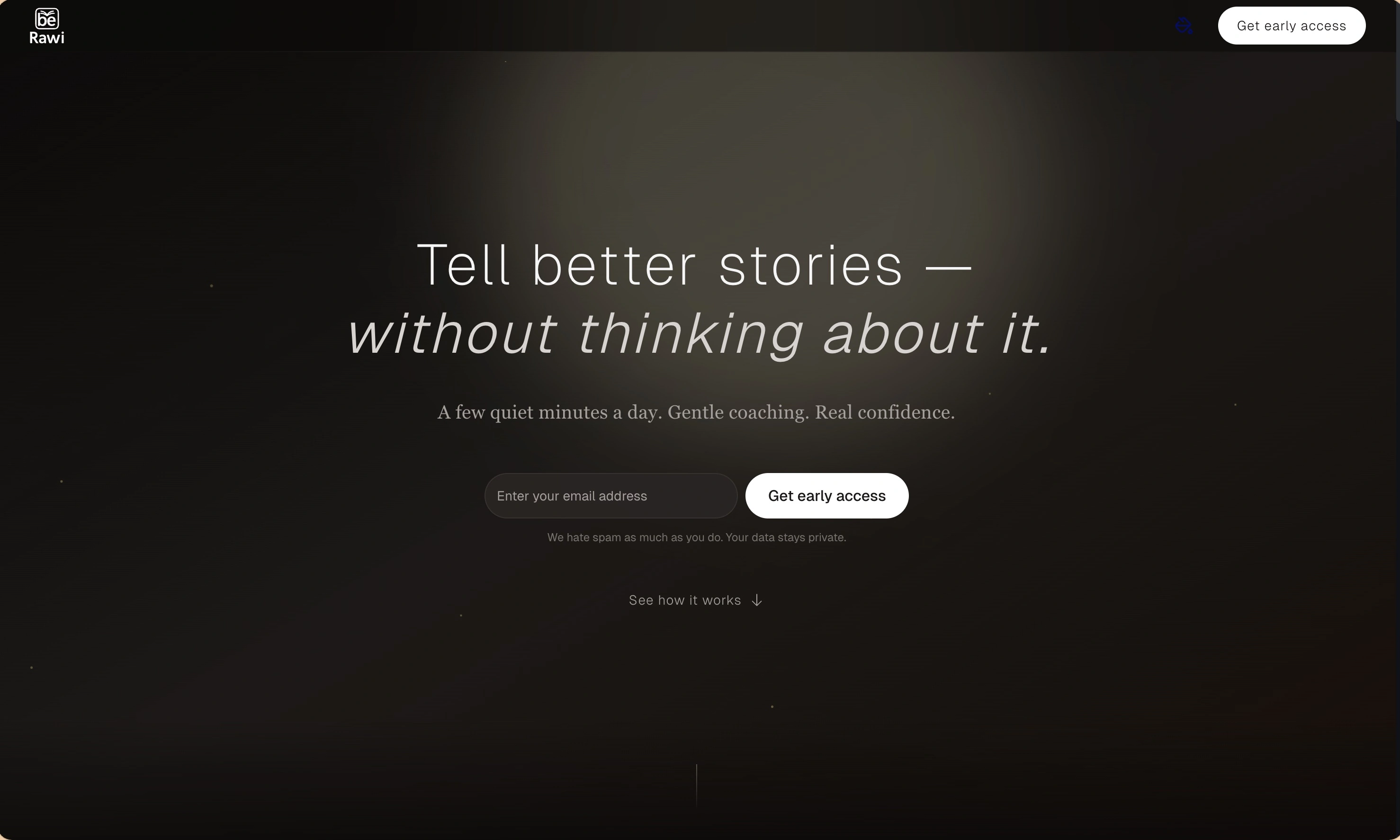
BeRawi: Storytelling Coach
Practice storytelling daily with instant feedback to sound clearer, more engaging, and confident 🎤
Omichat
Chat with 50+ AI models, including ChatGPT and Claude, in one place - switch models anytime without losing context 🤖
Claude Fast
Supercharge your Claude Code with 6x effective context window and specialized AI agents 🤖
EmojAI
AI-powered emoji picker with smart, context-aware suggestions 🤖
Solohacker
Autonomous company launcher - AI agents work 24/7, escalate what matters, and you stay in control 🤖
BeRawi: Storytelling Coach
Practice storytelling daily with instant feedback to sound clearer, more engaging, and confident 🎤
Omichat
Chat with 50+ AI models, including ChatGPT and Claude, in one place - switch models anytime without losing context 🤖
Claude Fast
Supercharge your Claude Code with 6x effective context window and specialized AI agents 🤖
EmojAI
AI-powered emoji picker with smart, context-aware suggestions 🤖
Solohacker
Autonomous company launcher - AI agents work 24/7, escalate what matters, and you stay in control 🤖
BeRawi: Storytelling Coach
Practice storytelling daily with instant feedback to sound clearer, more engaging, and confident 🎤
Omichat
Chat with 50+ AI models, including ChatGPT and Claude, in one place - switch models anytime without losing context 🤖
Claude Fast
Supercharge your Claude Code with 6x effective context window and specialized AI agents 🤖
EmojAI
AI-powered emoji picker with smart, context-aware suggestions 🤖
Solohacker
Autonomous company launcher - AI agents work 24/7, escalate what matters, and you stay in control 🤖
BeRawi: Storytelling Coach
Practice storytelling daily with instant feedback to sound clearer, more engaging, and confident 🎤

Connect with like-minded people
Join our community to get feedback, support, and grow together with 1,000+ builders on board, let's ship it!
Join usShip your startup everywhere. In minutes.
Don't burn tokens on setup and start building features on day one.