FanLoop
A unified fan engagement hub where creators manage superfans, rewards, and cross-platform communities with gamified loyalty systems.
what is a unified fan engagement platform and why it matters now
The creator economy has matured into a multi-billion-dollar ecosystem, but the infrastructure supporting fan engagement is still fragmented. Creators juggle platforms like Discord, Patreon, YouTube, Twitch, X, and email newsletters—each with its own audience segment, analytics, and monetization mechanics. This fragmentation creates a major inefficiency: no single source of truth for superfans.
A unified fan engagement platform like FanLoop addresses this gap by centralizing fan interactions, rewards, and loyalty systems into one cohesive ecosystem. It enables creators to identify, nurture, and monetize their most engaged followers—often referred to as superfans—without being locked into a single platform.
The timing for this idea is strong. According to widely cited industry reports (e.g., Influencer Marketing Hub, SignalFire), the creator economy continues to expand rapidly, with millions of creators seeking better tools to manage and monetize their audiences.
understanding the target audience
primary users: creators and community builders
FanLoop targets a broad but clearly defined segment:
- Content creators (YouTubers, streamers, TikTok creators)
- Indie game developers and esports personalities
- Podcasters and newsletter writers
- Musicians and digital artists
- Online educators and course creators
These users share a common challenge: they have audiences spread across multiple platforms but lack a unified engagement layer.
secondary users: superfans
Superfans are the backbone of any creator business. They:
- Engage frequently (comments, shares, participation)
- Spend money (subscriptions, merch, donations)
- Influence others (community leaders, moderators)
FanLoop isn't just built for creators—it’s built around superfans. The platform gives them:
- Recognition
- Status
- Rewards
- A sense of belonging
key pain points
- Fragmented audience data
- No cross-platform loyalty tracking
- Limited gamification tools
- Difficulty identifying top supporters
- Platform dependency risks (algorithm changes, bans)
market gap and opportunity
The current landscape includes tools like:
- Patreon (membership monetization)
- Discord (community building)
- Ko-fi / Buy Me a Coffee (donations)
- Streamlabs (stream monetization)
- Mailchimp / ConvertKit (email engagement)
But none offer a unified, gamified, cross-platform engagement system.
| Feature | FanLoop | Patreon | Discord | Ko-fi |
|---|---|---|---|---|
| Cross-platform fan tracking | ✅ | ❌ | ❌ | ❌ |
| Gamified loyalty system | ✅ | ⚠️ Limited | ❌ | ❌ |
| Unified fan profiles | ✅ | ✅ | ❌ | ❌ |
| Community management | ✅ | ⚠️ Partial | ✅ | ❌ |
the opportunity
FanLoop sits at the intersection of:
- CRM (customer relationship management)
- Community platforms
- Gamification systems
- Creator monetization tools
This positioning allows it to become a system of record for fan relationships, similar to how HubSpot became central for marketing.
core features of FanLoop
1. unified fan profiles
FanLoop aggregates data from multiple platforms into a single fan identity:
- Social accounts (YouTube, Twitch, X, Instagram)
- Purchase history (merch, subscriptions)
- Engagement metrics (comments, likes, watch time)
This creates a 360-degree fan view.
2. gamified loyalty engine
Gamification is the core differentiator.
Creators can define:
- Points systems (e.g., earn points for engagement)
- Levels (bronze → silver → gold → elite)
- Achievements (badges, milestones)
- Leaderboards
Why gamification works
Gamification taps into intrinsic motivation—status, competition, and achievement. Platforms like Duolingo and Reddit have proven its effectiveness in driving engagement and retention.
3. cross-platform engagement tracking
FanLoop connects APIs from major platforms to track:
- Comments and interactions
- Livestream participation
- Subscription activity
This enables creators to reward fans regardless of where they engage.
4. reward marketplace
Creators can offer:
- Exclusive content
- Early access drops
- Private community access
- Real-world perks (meetups, merch)
Fans redeem points or unlock rewards based on loyalty level.
5. community hub
A centralized space where fans interact:
- Discussion threads
- Events
- Announcements
- Challenges
Unlike Discord, this is structured around loyalty and progression.
6. analytics dashboard
Creators gain insights into:
- Top fans (by engagement or spend)
- Retention rates
- Reward effectiveness
- Community growth
recommended tech stack
Choosing the right stack is critical for scalability and integrations.
frontend
- React for UI
- Next.js for SSR and performance
- TailwindCSS for styling
backend
- Node.js with NestJS or Express
- GraphQL for flexible data querying
- REST APIs for external integrations
database
- PostgreSQL for structured data
- Redis for caching and real-time features
integrations
- OAuth for platform connections (Google, Twitch, Discord)
- Webhooks for real-time updates
infrastructure
- Vercel or AWS for hosting
- Supabase or Firebase for rapid MVP builds
// Example: fetching unified fan data
const getFanProfile = async (fanId: string) => {
  const response = await fetch(`/api/fans/${fanId}`);
  return response.json();
};
trade-offs
- GraphQL adds flexibility but increases complexity
- Real-time features (leaderboards) require careful scaling
- API rate limits from platforms can restrict data sync
monetization strategies
FanLoop has multiple revenue streams:
subscription model (primary)
- Free tier (limited features)
- Pro tier (advanced analytics, automation)
- Enterprise tier (teams, agencies)
transaction fees
Take a percentage from:
- Reward redemptions
- Digital product sales
- Fan contributions
marketplace commissions
If FanLoop enables third-party rewards or integrations, it can take a cut.
white-label solutions
Offer branded versions for:
- Agencies
- Esports organizations
- Creator collectives
competitive advantage
FanLoop’s edge lies in its combination of features, not just individual capabilities.
Cross-platform intelligence
Tracks fan activity across multiple ecosystems, breaking data silos.
Gamification-first design
Built around engagement loops, not bolted-on features.
Superfan CRM
Transforms fans into structured, actionable data.
defensibility
- Network effects (fans + creators)
- Data aggregation (hard to replicate)
- Custom reward ecosystems
potential risks and mitigation
1. API dependency risk
Platforms like YouTube or Twitch can change APIs.
Mitigation:
- Cache data aggressively
- Build fallback systems
- Diversify integrations
2. user adoption friction
Creators may resist switching tools.
Mitigation:
- Offer seamless onboarding
- Provide migration tools
- Emphasize ROI (higher engagement, revenue)
3. over-gamification
Too many mechanics can overwhelm users.
Mitigation:
- Provide templates
- Keep default systems simple
- Allow customization
4. privacy concerns
Handling user data across platforms raises trust issues.
Mitigation:
- Transparent data policies
- GDPR compliance
- Secure authentication systems
SEO and growth strategy
To grow FanLoop organically:
content marketing
Target keywords like:
- "fan engagement platform"
- "creator loyalty program"
- "gamification for creators"
- "superfan management tools"
Create:
- Guides
- Case studies
- Comparisons
partnerships
- Creator agencies
- Influencer platforms
- Streaming tools
community-led growth
- Early adopter programs
- Creator ambassador network
- Referral incentives
implementation roadmap
MVP scope
Focus on:
- Fan identity aggregation
- Basic gamification
- Simple reward system
Avoid overbuilding early.
using a starter kit
To accelerate development, tools like TurboStarter can help you launch faster with pre-built SaaS infrastructure, including authentication, billing, and dashboards.
future trends and expansion
FanLoop aligns with several macro trends:
rise of owned audiences
Creators are moving away from platform dependency toward owned communities.
AI-powered personalization
Future versions could include:
- Smart reward suggestions
- Fan segmentation
- Predictive engagement scoring
web3 and digital ownership
While still evolving, integrating:
- NFTs for rewards
- Tokenized loyalty systems
could unlock new monetization layers.
Not initially. Focus on core value first. Blockchain can be added later if it aligns with user demand and usability.
Yes. Creator ecosystems exist worldwide, and the need for fan engagement tools is universal.
actionable next steps
If you're building FanLoop or a similar fan engagement SaaS:
- Identify a niche (e.g., streamers, musicians)
- Build a simple gamification layer
- Focus on one integration first
- Prove engagement lift
- Expand horizontally
final thoughts
FanLoop represents a shift from passive audiences to active, rewarded communities. By unifying fan data, introducing gamification, and enabling cross-platform engagement, it solves one of the creator economy’s most persistent problems.
The real power isn’t just in managing fans—it’s in turning them into invested participants.
That’s where the next generation of creator platforms is heading.
More 🌐 Social Network SaaS ideas
Discover more innovative social network SaaS ideas that are trending in 2026. Each idea is AI-generated with market validation and growth potential to help you find your next profitable venture faster than competitors.
Your competitors are building with TurboStarter
Below are some of the SaaS ideas that have been generated and built with our starter kit.
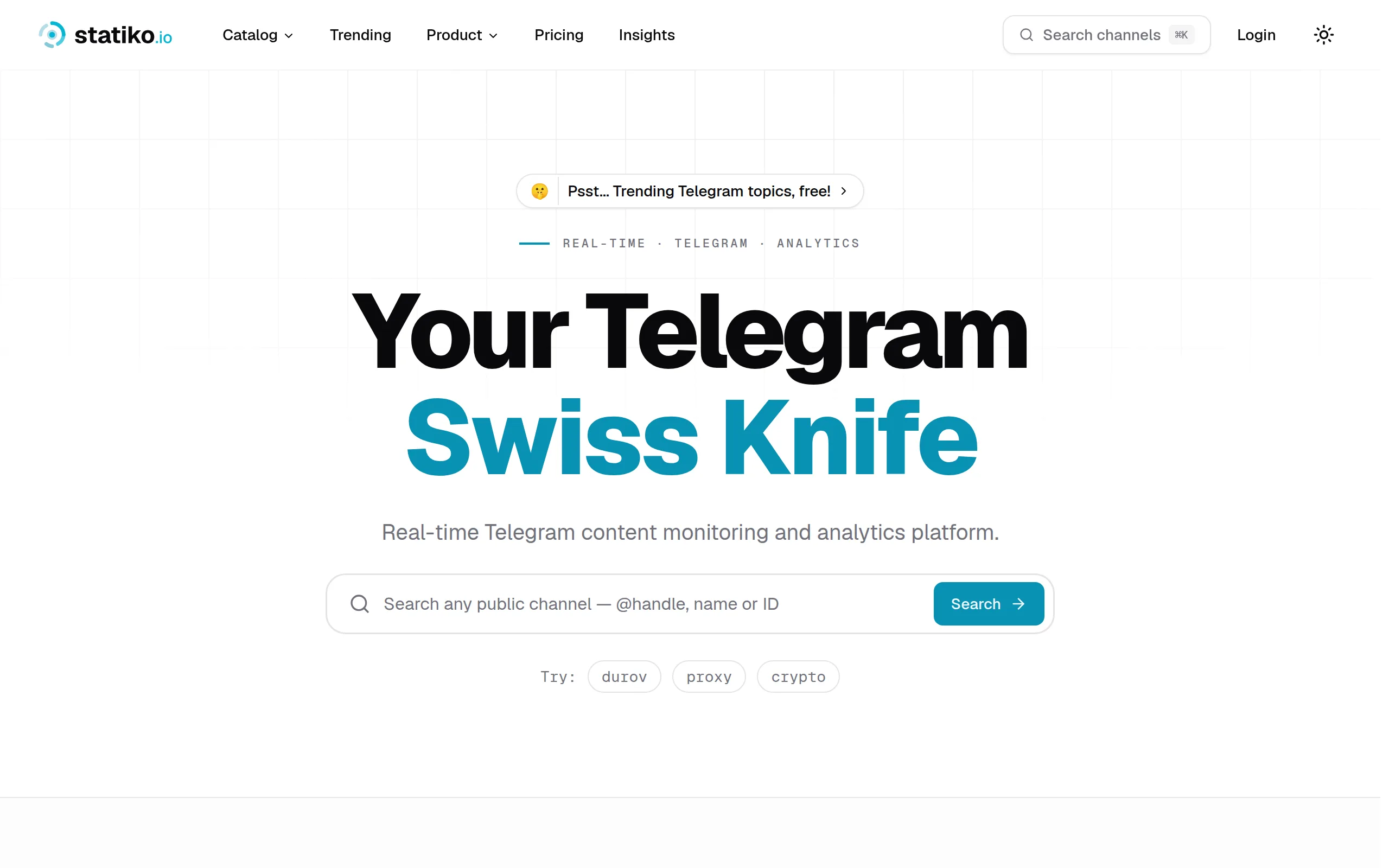
Statiko
Monitor any Telegram channel in real time - track posts, edits, deletions, and growth with AI recaps 📡

Shibui
AI website builder - describe your business, pick a niche template, edit by chatting, and publish instantly ✨

Pro Service
Find verified home service professionals, compare quotes, and pay securely through escrow - built for Brazilians across the US 🏠
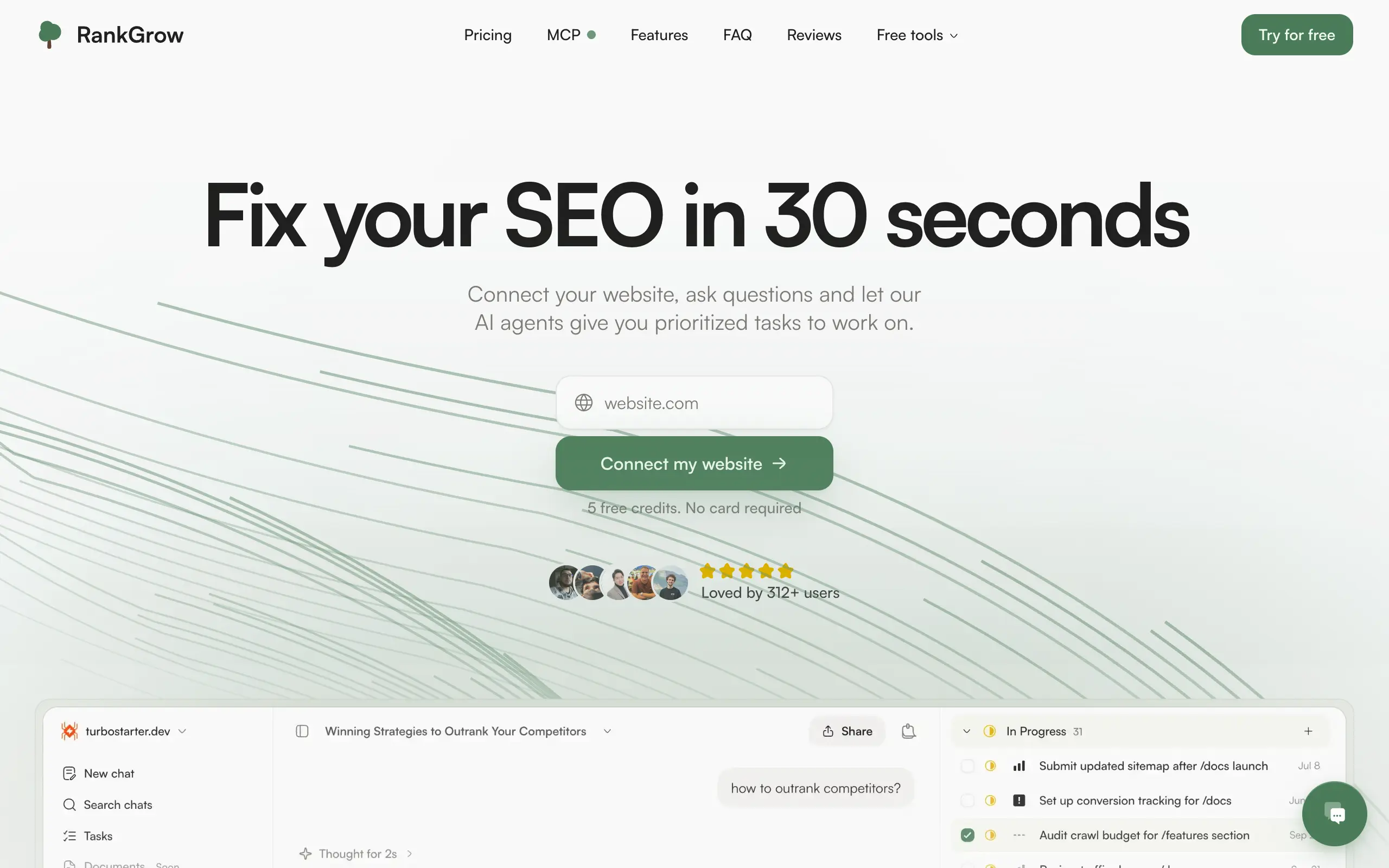
RankGrow
Fix your SEO with AI agents - connect Search Console, get prioritized tasks, and grow organic traffic 📈
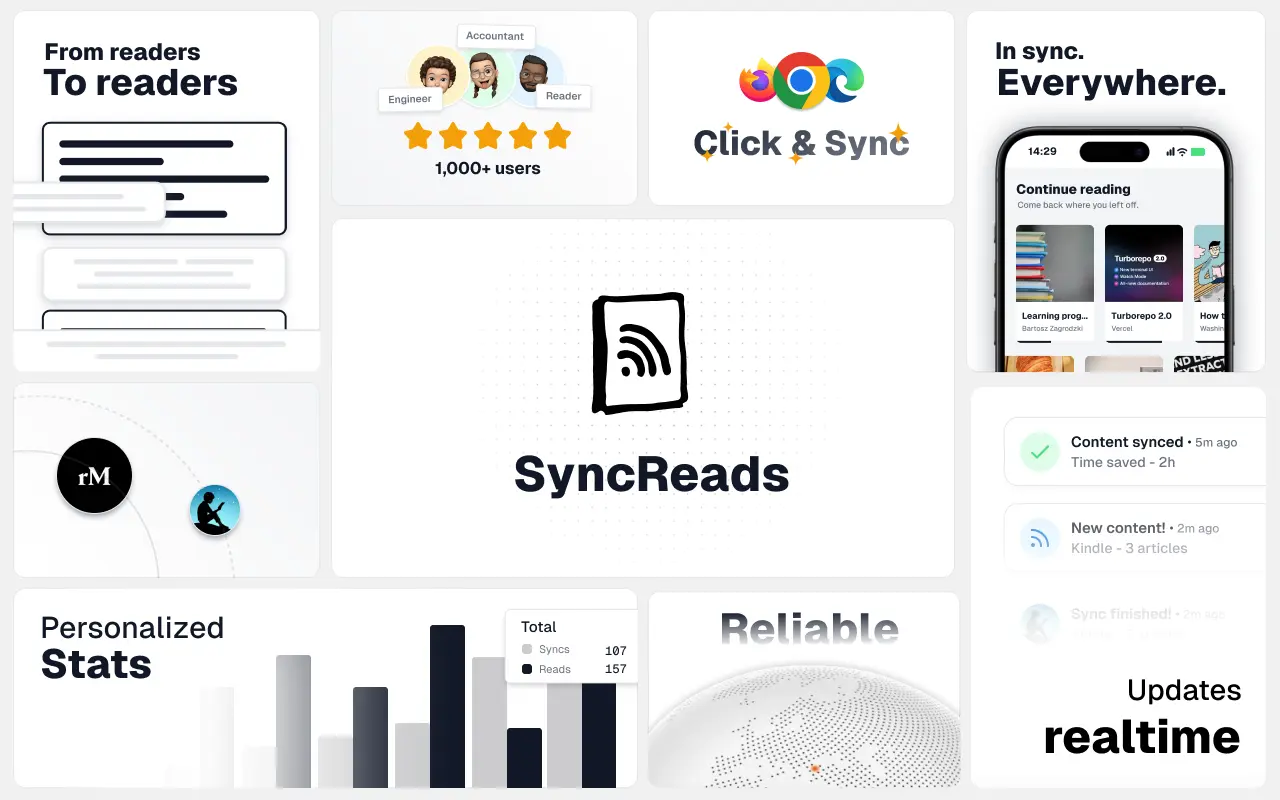
SyncReads
Sync your favorite content for distraction-free reading, save time and replace multiple apps. Anytime, anywhere 🔄
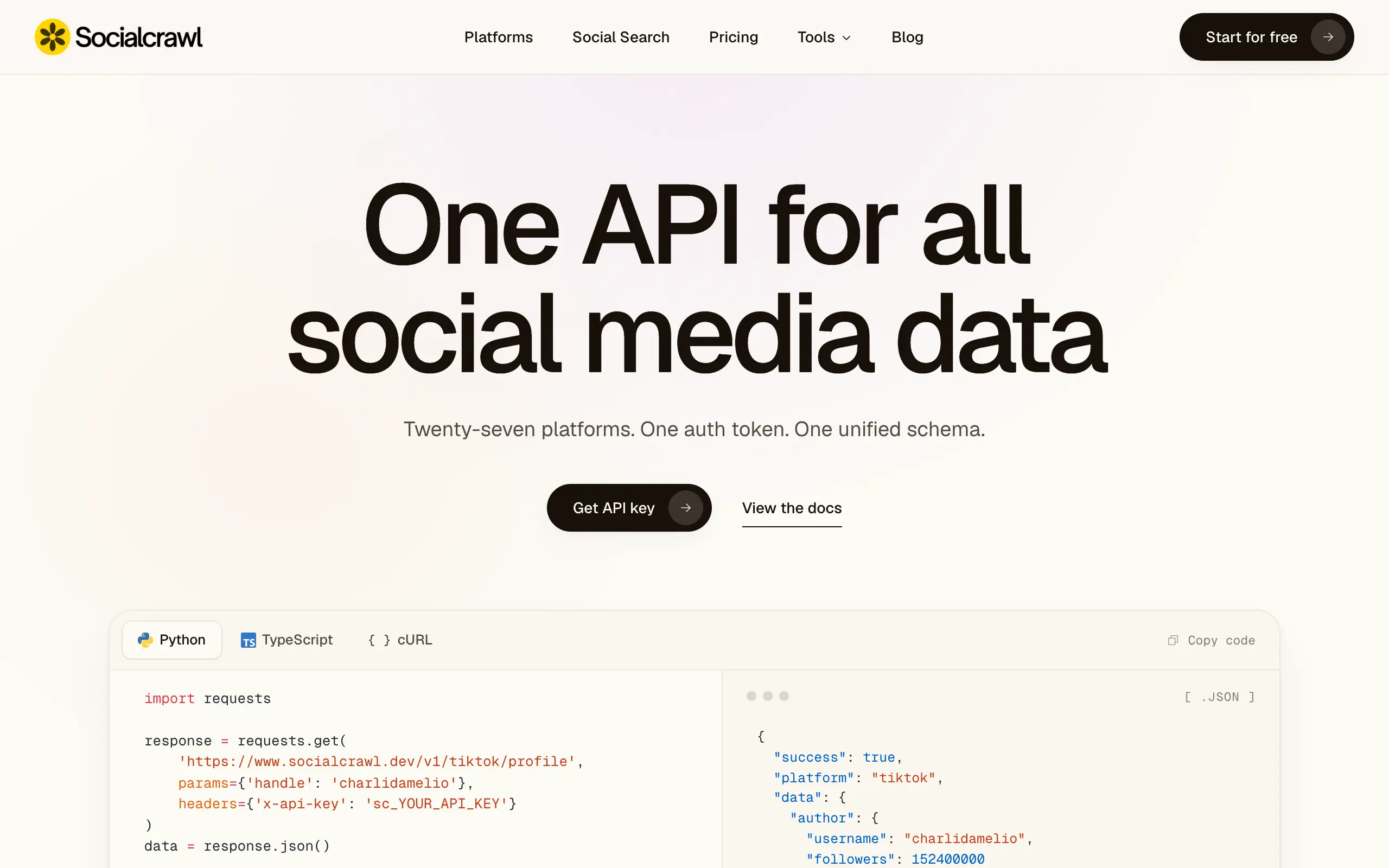
Socialcrawl
Get clean, structured data from 21 platforms like TikTok, Instagram, and YouTube with a single request 📊
Statiko
Monitor any Telegram channel in real time - track posts, edits, deletions, and growth with AI recaps 📡
Shibui
AI website builder - describe your business, pick a niche template, edit by chatting, and publish instantly ✨
Pro Service
Find verified home service professionals, compare quotes, and pay securely through escrow - built for Brazilians across the US 🏠
RankGrow
Fix your SEO with AI agents - connect Search Console, get prioritized tasks, and grow organic traffic 📈
SyncReads
Sync your favorite content for distraction-free reading, save time and replace multiple apps. Anytime, anywhere 🔄
Socialcrawl
Get clean, structured data from 21 platforms like TikTok, Instagram, and YouTube with a single request 📊
Statiko
Monitor any Telegram channel in real time - track posts, edits, deletions, and growth with AI recaps 📡
Shibui
AI website builder - describe your business, pick a niche template, edit by chatting, and publish instantly ✨
Pro Service
Find verified home service professionals, compare quotes, and pay securely through escrow - built for Brazilians across the US 🏠
RankGrow
Fix your SEO with AI agents - connect Search Console, get prioritized tasks, and grow organic traffic 📈
SyncReads
Sync your favorite content for distraction-free reading, save time and replace multiple apps. Anytime, anywhere 🔄
Socialcrawl
Get clean, structured data from 21 platforms like TikTok, Instagram, and YouTube with a single request 📊
Statiko
Monitor any Telegram channel in real time - track posts, edits, deletions, and growth with AI recaps 📡
Shibui
AI website builder - describe your business, pick a niche template, edit by chatting, and publish instantly ✨
Pro Service
Find verified home service professionals, compare quotes, and pay securely through escrow - built for Brazilians across the US 🏠
RankGrow
Fix your SEO with AI agents - connect Search Console, get prioritized tasks, and grow organic traffic 📈
SyncReads
Sync your favorite content for distraction-free reading, save time and replace multiple apps. Anytime, anywhere 🔄
Socialcrawl
Get clean, structured data from 21 platforms like TikTok, Instagram, and YouTube with a single request 📊
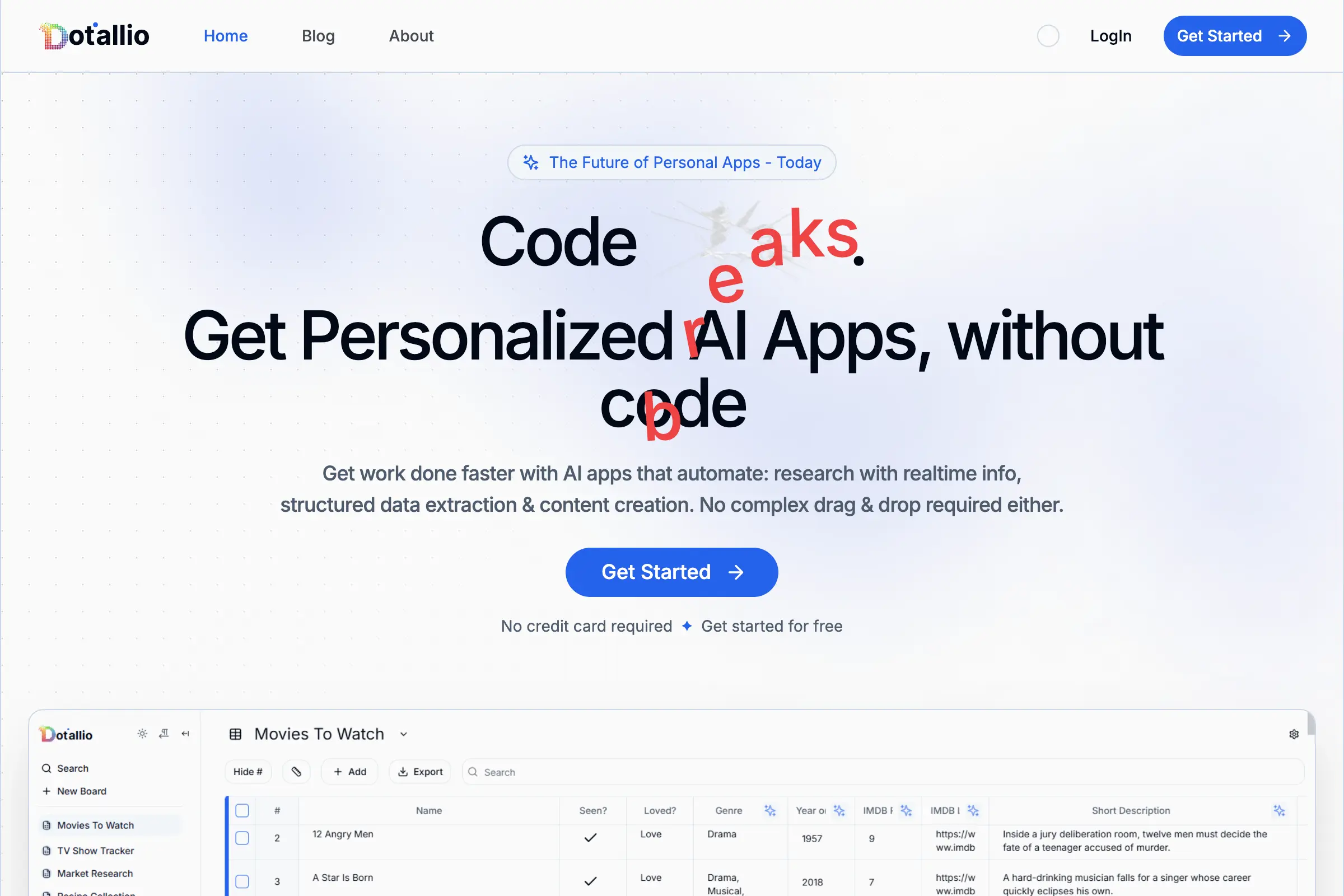
Dotallio
Personalized AI apps that automate research, data extraction, and content creation without code 🤖

Talk to Santa
Enjoy a magical live video chat or receive a unique AI-generated video greeting from Santa Claus 🎅
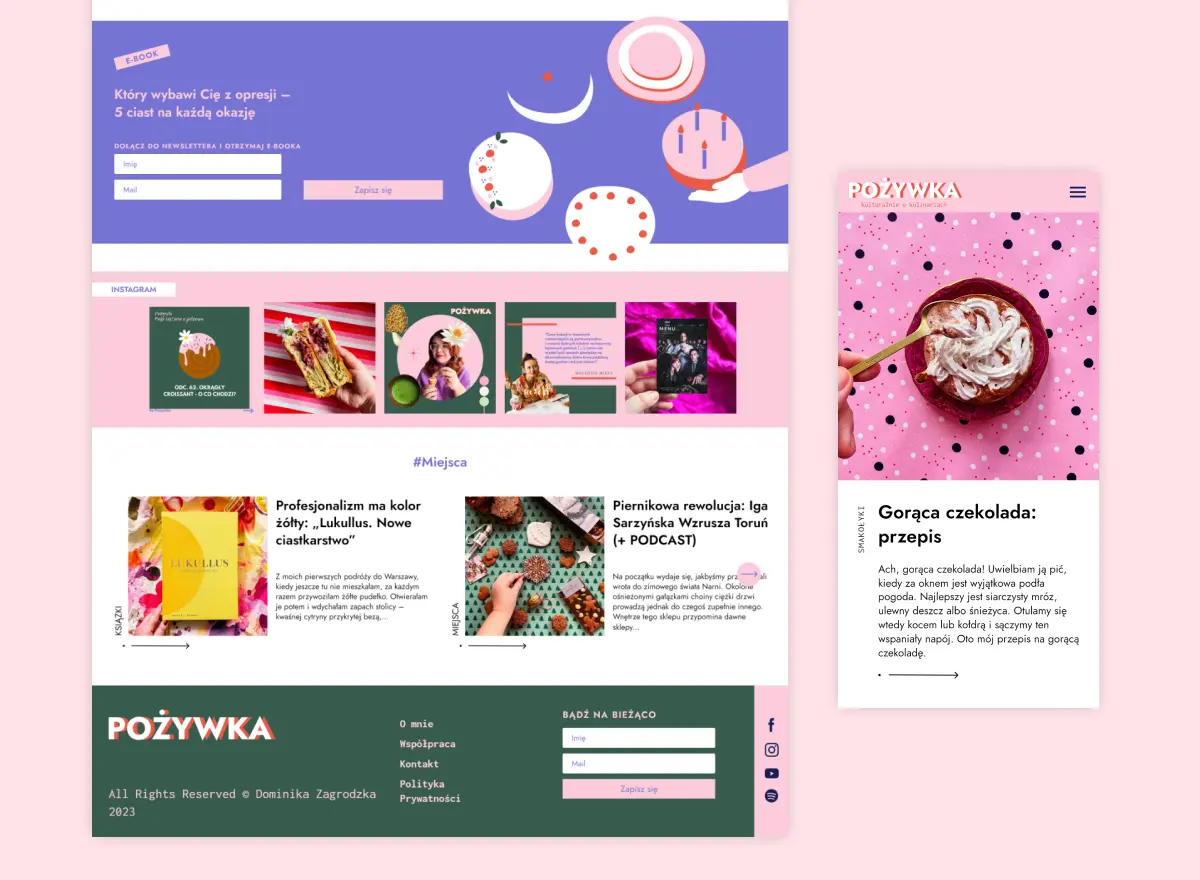
pozywka.pl
Scalable blog for food journalist, focused on performance and user experience 🌭
zagrodzki.me
Personal blog and portfolio of Bart Zagrodzki, where he shares his knowledge and work 💼
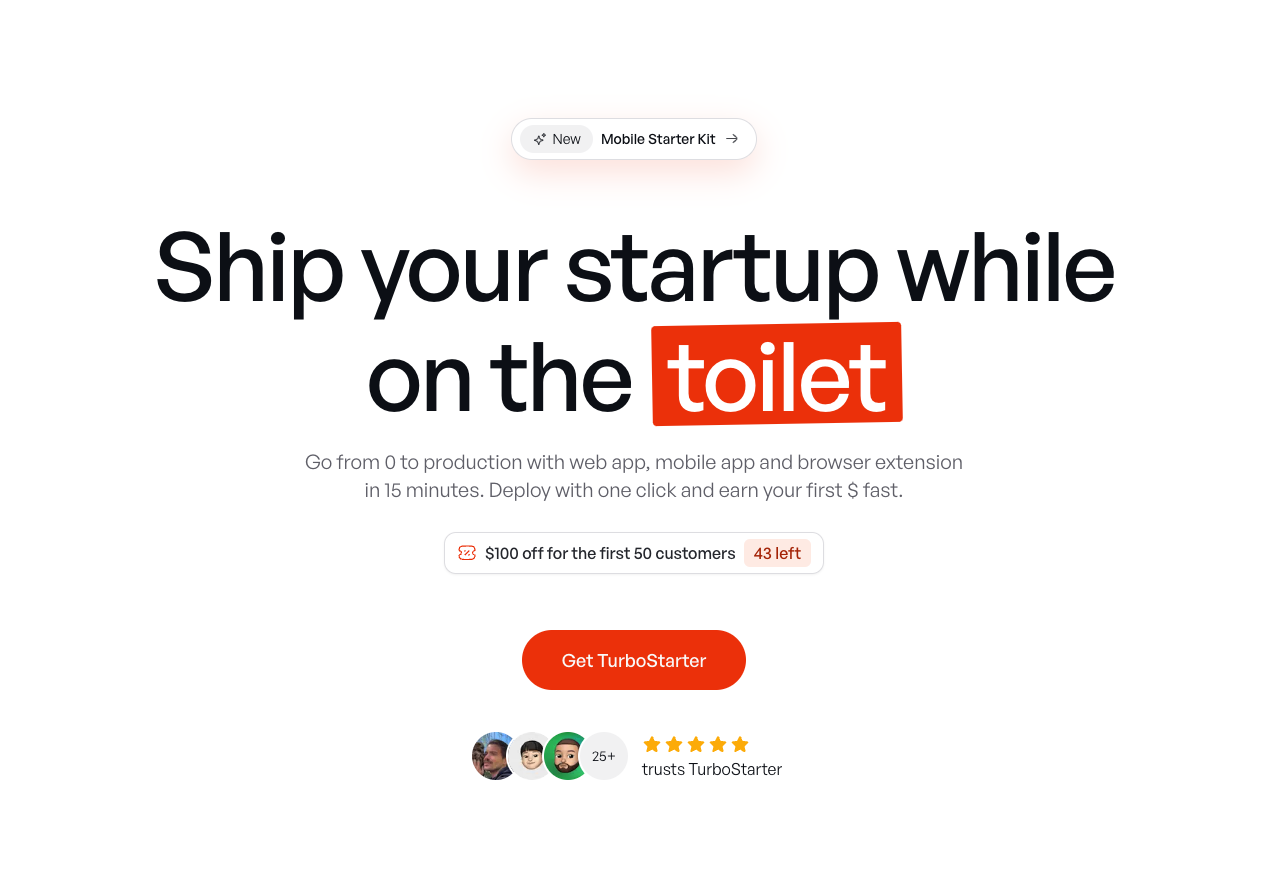
TurboStarter
Ship your startup everywhere. In minutes.
HTML to Markdown
Convert HTML to Markdown with ease, directly in your browser 📄
Dotallio
Personalized AI apps that automate research, data extraction, and content creation without code 🤖
Talk to Santa
Enjoy a magical live video chat or receive a unique AI-generated video greeting from Santa Claus 🎅
pozywka.pl
Scalable blog for food journalist, focused on performance and user experience 🌭
zagrodzki.me
Personal blog and portfolio of Bart Zagrodzki, where he shares his knowledge and work 💼
TurboStarter
Ship your startup everywhere. In minutes.
HTML to Markdown
Convert HTML to Markdown with ease, directly in your browser 📄
Dotallio
Personalized AI apps that automate research, data extraction, and content creation without code 🤖
Talk to Santa
Enjoy a magical live video chat or receive a unique AI-generated video greeting from Santa Claus 🎅
pozywka.pl
Scalable blog for food journalist, focused on performance and user experience 🌭
zagrodzki.me
Personal blog and portfolio of Bart Zagrodzki, where he shares his knowledge and work 💼
TurboStarter
Ship your startup everywhere. In minutes.
HTML to Markdown
Convert HTML to Markdown with ease, directly in your browser 📄
Dotallio
Personalized AI apps that automate research, data extraction, and content creation without code 🤖
Talk to Santa
Enjoy a magical live video chat or receive a unique AI-generated video greeting from Santa Claus 🎅
pozywka.pl
Scalable blog for food journalist, focused on performance and user experience 🌭
zagrodzki.me
Personal blog and portfolio of Bart Zagrodzki, where he shares his knowledge and work 💼
TurboStarter
Ship your startup everywhere. In minutes.
HTML to Markdown
Convert HTML to Markdown with ease, directly in your browser 📄
Omichat
Chat with 50+ AI models, including ChatGPT and Claude, in one place - switch models anytime without losing context 🤖
Claude Fast
Supercharge your Claude Code with 6x effective context window and specialized AI agents 🤖
EmojAI
AI-powered emoji picker with smart, context-aware suggestions 🤖
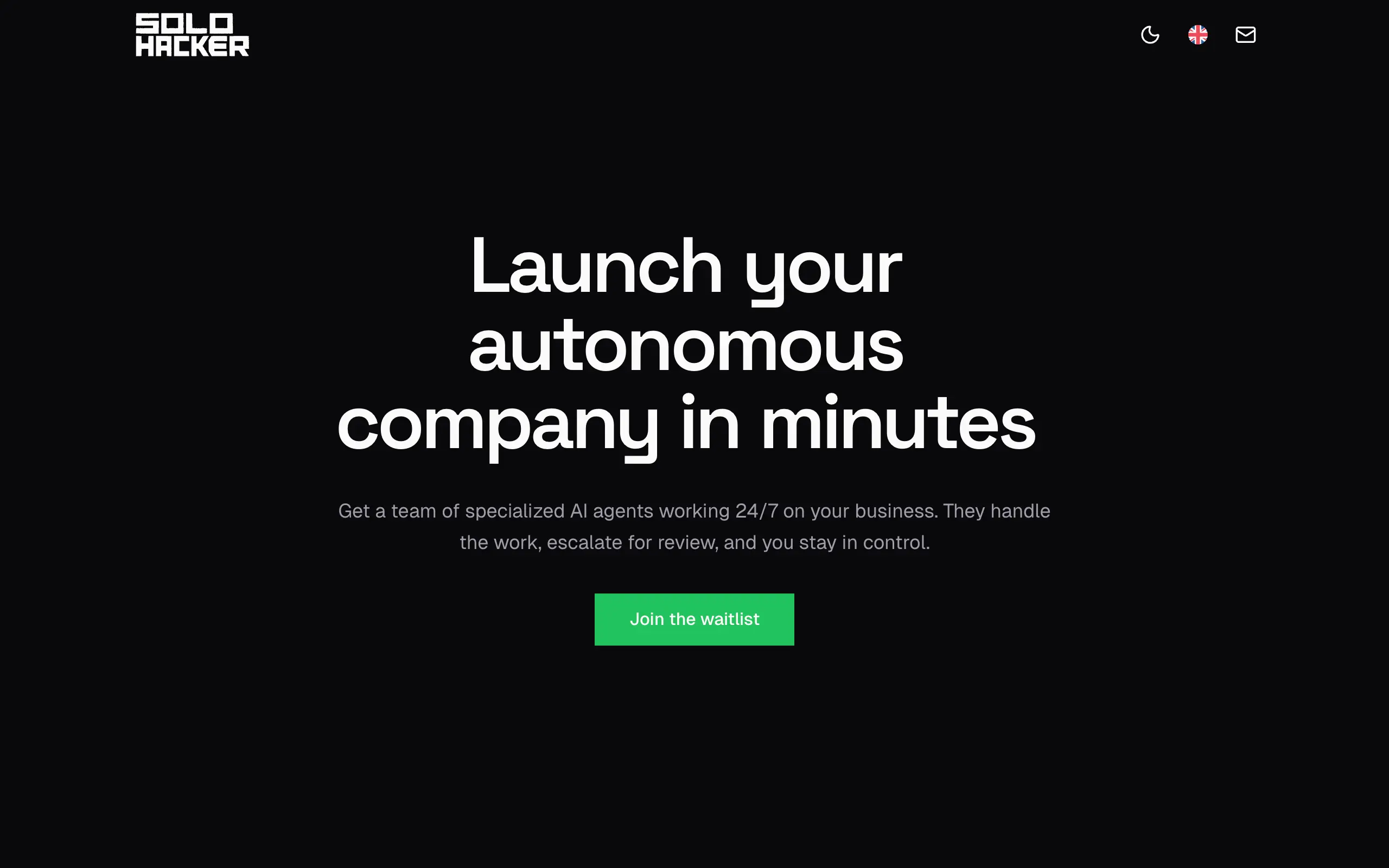
Solohacker
Autonomous company launcher - AI agents work 24/7, escalate what matters, and you stay in control 🤖
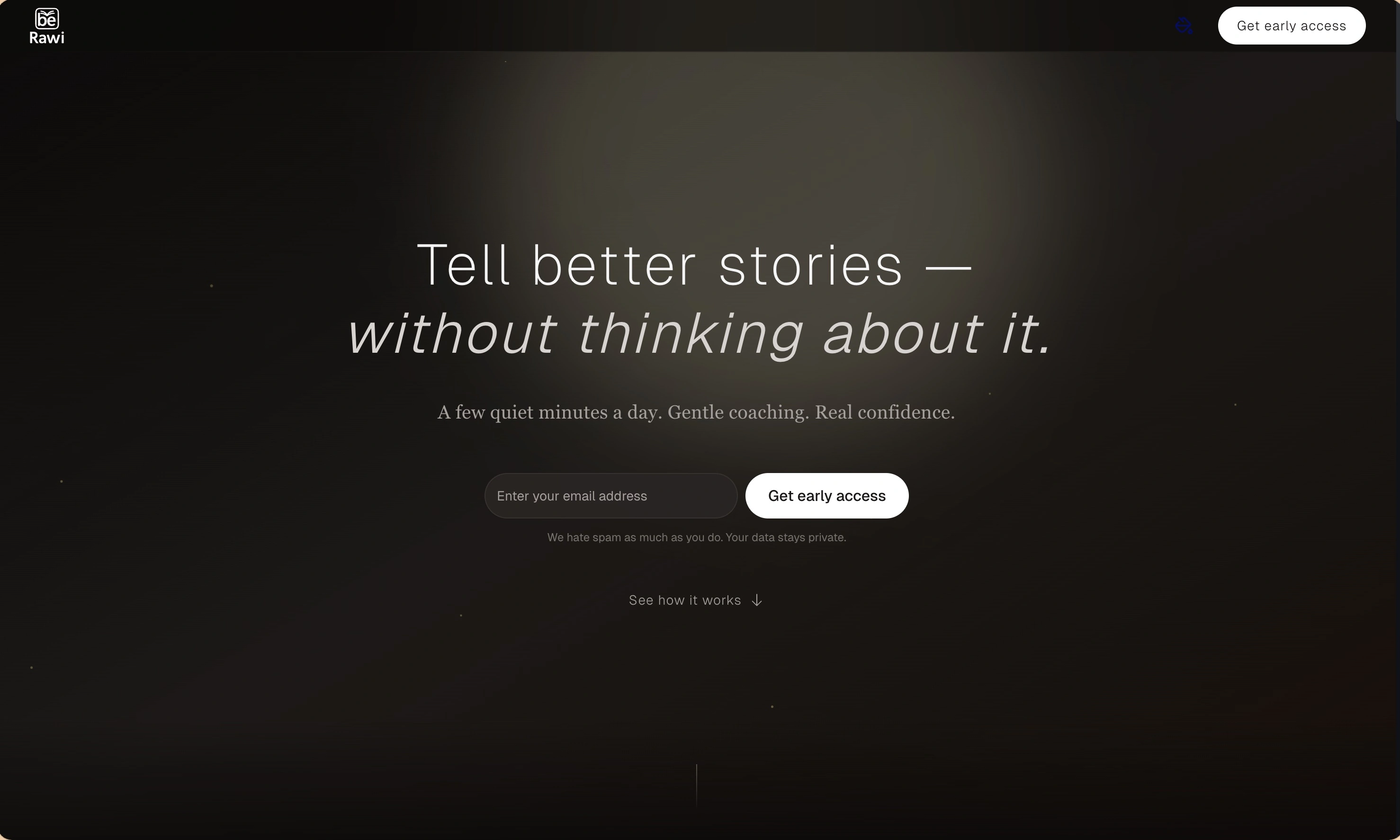
BeRawi: Storytelling Coach
Practice storytelling daily with instant feedback to sound clearer, more engaging, and confident 🎤
Omichat
Chat with 50+ AI models, including ChatGPT and Claude, in one place - switch models anytime without losing context 🤖
Claude Fast
Supercharge your Claude Code with 6x effective context window and specialized AI agents 🤖
EmojAI
AI-powered emoji picker with smart, context-aware suggestions 🤖
Solohacker
Autonomous company launcher - AI agents work 24/7, escalate what matters, and you stay in control 🤖
BeRawi: Storytelling Coach
Practice storytelling daily with instant feedback to sound clearer, more engaging, and confident 🎤
Omichat
Chat with 50+ AI models, including ChatGPT and Claude, in one place - switch models anytime without losing context 🤖
Claude Fast
Supercharge your Claude Code with 6x effective context window and specialized AI agents 🤖
EmojAI
AI-powered emoji picker with smart, context-aware suggestions 🤖
Solohacker
Autonomous company launcher - AI agents work 24/7, escalate what matters, and you stay in control 🤖
BeRawi: Storytelling Coach
Practice storytelling daily with instant feedback to sound clearer, more engaging, and confident 🎤
Omichat
Chat with 50+ AI models, including ChatGPT and Claude, in one place - switch models anytime without losing context 🤖
Claude Fast
Supercharge your Claude Code with 6x effective context window and specialized AI agents 🤖
EmojAI
AI-powered emoji picker with smart, context-aware suggestions 🤖
Solohacker
Autonomous company launcher - AI agents work 24/7, escalate what matters, and you stay in control 🤖
BeRawi: Storytelling Coach
Practice storytelling daily with instant feedback to sound clearer, more engaging, and confident 🎤

Connect with like-minded people
Join our community to get feedback, support, and grow together with 1,000+ builders on board, let's ship it!
Join usShip your startup everywhere. In minutes.
Don't burn tokens on setup and start building features on day one.