FitFrame
A collaborative fashion community for creating premium 3:4 outfit thumbnails, collecting aesthetic references, and discovering creator-curated looks.
Fashion discovery is increasingly visual, fast-moving, and community-led. Yet most tools force creators to work across disconnected platforms: one place for saving inspiration, another for editing outfit images, and another for publishing looks or finding collaborators. This fragmentation makes it harder for stylists, fashion creators, vintage sellers, and aesthetically driven shoppers to build a recognizable visual point of view.
FitFrame can fill that gap as a collaborative fashion community platform built around premium 3:4 outfit thumbnails, curated visual references, and creator-led style discovery. Rather than positioning itself as another generic social feed, it can become the workspace and publishing layer for people who care about fashion presentation, aesthetic curation, and highly shareable outfit visuals.
The strongest opportunity is not simply helping users make outfit collages. It is helping them transform scattered inspiration into coherent, discoverable, and collaborative style worlds.
The core positioning opportunity
FitFrame should position itself as a visual operating system for outfit curation: a place where creators collect references, compose editorial-quality outfit frames, collaborate on moodboards, and discover looks through trusted human taste.
Why a collaborative fashion community has market potential
The fashion creator economy has grown beyond polished campaign photography. Audiences now seek outfit inspiration that feels personal, attainable, niche-aware, and immediately useful. They want to understand how a look is assembled, where its visual references come from, and which creators consistently share a style that matches their own.
This behavior creates room for a focused fashion community app that prioritizes visual quality and curation over endless short-form content.
Platforms such as Pinterest, Instagram, TikTok, and Lemon8 have proven that people actively save, remix, and share fashion inspiration. However, each platform has structural limitations for dedicated outfit curation:
- Social feeds prioritize engagement velocity over long-term reference organization.
- General-purpose boards make it difficult to standardize visual formatting.
- Image editing tools do not provide community discovery or creator attribution.
- Existing fashion marketplaces focus on product transactions rather than aesthetic storytelling.
- Mainstream social networks often make deep collaboration feel secondary to public posting.
FitFrame can unite these workflows around a recognizable visual object: the 3:4 outfit thumbnail. This aspect ratio is well suited to portrait-oriented fashion imagery, mobile browsing, editorial outfit cards, and creator portfolios. A consistent frame gives the platform a stronger visual language while making every published look more comparable, saveable, and reusable.
For market sizing, the eventual business plan should reference current reports from sources such as McKinsey, Business of Fashion, Statista, and creator economy research firms. Rather than relying on broad market numbers alone, validate demand through behavior-based signals:
- Search volume for terms such as “outfit moodboard,” “fashion moodboard app,” “outfit collage maker,” and “aesthetic outfit ideas”
- Pinterest and TikTok engagement around niche aesthetics
- Creator feedback from fashion, thrift, styling, and streetwear communities
- The number of users currently saving looks across disconnected folders, boards, camera rolls, and design tools
- Conversion intent from creators looking for portfolio, sponsorship, affiliate, or styling opportunities
The key insight is that FitFrame does not need to replace every fashion platform. It needs to own a high-value workflow that users currently complete poorly across multiple products.
The audience for FitFrame
A successful fashion community platform needs clear initial user segments. “Anyone interested in fashion” is too broad for an early-stage social product. FitFrame should begin with users who already have a repeated need to collect, create, and share visual outfit inspiration.
Primary audience: fashion creators and outfit curators
The first core audience includes creators who post outfit content regularly or aspire to build an audience around personal style.
These users may include:
- Outfit creators on TikTok, Instagram, Pinterest, and YouTube
- Streetwear, vintage, minimalist, coquette, dark academia, and avant-garde curators
- Fashion students building visual portfolios
- Personal stylists who need a clean way to communicate recommendations
- Fashion editors and digital moodboard creators
- Thrift and resale sellers who want to merchandise products as complete looks
- Emerging designers researching references and communicating concepts
Their central pain point is not a lack of inspiration. It is the lack of a specialized space for turning inspiration into visually consistent, attributable, and discoverable look content.
Secondary audience: style seekers and shoppers
The second audience is made up of people who enjoy fashion discovery but may not identify as creators. They want fresh outfit ideas, niche style references, and practical ways to save looks for later.
These users may search for:
- Summer outfit inspiration
- Capsule wardrobe ideas
- Outfit ideas for specific events
- Streetwear lookbooks
- Vintage fashion references
- Wedding guest outfit inspiration
- Travel outfit moodboards
- Color palette ideas for clothing
For these members, FitFrame should feel less overwhelming than a generic social feed and more useful than an unstructured image board. They should be able to find a style, follow trusted curators, save references, and create their own visual collections with minimal friction.
Tertiary audience: fashion businesses and collaborators
Once the consumer community has enough content and engagement, FitFrame can support professional users:
- Boutique owners
- Vintage shops
- Stylists
- Fashion brands
- Creative agencies
- Photographers
- Wardrobe departments
- Influencer marketing teams
- Designers seeking visual research tools
These groups can use collaborative fashion boards to align on concepts, source visual references, and publish creator-friendly lookbooks.
Creators
Need a polished way to turn saved references into a recognizable visual identity and public portfolio.
Style seekers
Want trustworthy outfit inspiration without digging through noisy, generalized social feeds.
Fashion professionals
Need collaborative moodboards, presentation-ready looks, and clearer creative feedback loops.
The market gap in fashion moodboards and outfit discovery
The strongest FitFrame opportunity comes from combining three separate product categories.
First, there are visual bookmarking tools. These are excellent for collecting inspiration, but they typically lack structured outfit construction, creator-centric portfolio features, and nuanced collaboration.
Second, there are graphic design tools. They allow users to create beautiful fashion boards, yet they can be too complex for quick daily use and do not usually provide social discovery, shared taste graphs, or fashion-specific publishing formats.
Third, there are social media platforms. They offer reach and trend distribution, but they tend to reward constant posting, short-lived formats, and algorithmic performance rather than thoughtful reference libraries.
FitFrame’s product gap is the overlap:
A dedicated platform where fashion inspiration can be collected, transformed into premium 3:4 visual looks, collaboratively refined, and discovered through people with proven aesthetic taste.
This creates a clearer job to be done:
“Help me create and organize outfit inspiration that looks editorial, reflects my taste, and can be shared with the right fashion audience.”
The platform should avoid becoming a clone of Instagram or Pinterest. The differentiator is not simply an image feed. It is the structured relationship between references, outfit frames, curation, and collaboration.
FitFrame’s unique value proposition
FitFrame’s unique selling proposition is a fashion-native creation and discovery workflow built for the way visual style communities already work.
A typical user journey could look like this:
- A user saves references from the web, uploads personal photos, or browses looks from other creators.
- They organize references into aesthetic collections such as “Tokyo minimalist,” “late-90s runway denim,” or “soft tailoring.”
- They create a 3:4 outfit thumbnail using a purpose-built fashion composition tool.
- They tag style attributes, garments, creators, brands, palettes, seasons, and occasions.
- They publish the look to a profile, group board, challenge, or curated collection.
- Others save, remix, comment on, or add the look to a collaborative fashion board.
- The creator gains a searchable portfolio and a clearer record of their taste and influence.
This workflow solves more than one problem. It helps creators make better content, helps followers discover relevant style ideas, and gives fashion professionals a more organized way to communicate visually.
What makes the 3:4 outfit thumbnail important
A deliberate 3:4 format can become FitFrame’s visual signature. It is large enough for clothing detail, compact enough for mobile grids, and suited to editorial composition. It also reduces the inconsistency that occurs when users upload images with radically different crops and quality levels.
The product should provide safe zones, smart cropping, background treatments, typography presets, and layout templates specifically designed for fashion visuals.
The objective is not to constrain creativity. It is to create a recognizable publishing standard that makes the feed feel premium.
Core features for a fashion community platform
The initial feature set should focus on the core loop: collect, compose, publish, discover, and return.
Reference collection and aesthetic libraries
Users need a fast way to collect visual references before they create a finished outfit frame.
Essential capabilities include:
- Browser-friendly image saving through share sheets or a browser extension
- Image uploads from a phone camera roll
- Private, shared, and public collections
- Tags for aesthetics, colors, seasons, fabrics, silhouettes, occasions, and eras
- Notes attached to individual references
- Source attribution fields for original creators and publications
- Duplicate detection for repeated reference uploads
- Searchable collections and saved look libraries
At launch, reference collection should be frictionless. If users cannot save inspiration in a few seconds, they will continue relying on existing folders and social bookmarking tools.
Premium 3:4 outfit thumbnail creator
The visual editor is FitFrame’s primary product differentiator. It should feel faster than a full design suite while producing results that feel more polished than a basic photo collage app.
A strong minimum viable editor could include:
- 3:4 canvas presets optimized for mobile discovery
- Drag-and-drop image placement
- Smart crop and focal point adjustment
- Background colors and texture presets
- Image layering and masking
- Typography templates for editorial titles
- Color palette extraction
- Simple shadows, borders, and spacing controls
- Export options for social sharing
- Reusable creator templates
- Draft saving and version history
Avoid overbuilding advanced design controls initially. A fashion creator should be able to build a polished frame in under five minutes without learning professional design software.
Collaborative moodboards
Collaboration turns FitFrame from a single-user creation tool into a community product. Shared boards should support real creative workflows rather than merely allowing multiple people to save images in the same folder.
Useful collaboration features include:
- Invite-only shared boards
- Roles for owner, editor, commenter, and viewer
- Comments on an entire board or a specific visual item
- Approval states for team boards
- Activity history
- Version-aware comments for edited outfit frames
- Board deadlines for client, campaign, or event planning
- Shared collections for friend groups and creative teams
Collaboration can be especially valuable for stylists working with clients, creators planning content series, and small fashion brands preparing campaigns.
Creator profiles and curated lookbooks
Profiles should operate as both a social identity and a durable visual portfolio.
A creator profile can include:
- A bio with style identity and location
- A featured collection or signature aesthetic
- Public outfit frames
- Curated boards
- Saved looks and remixes
- Brand, product, or affiliate links where appropriate
- Collaboration availability
- Follow and notification controls
The profile should reward consistency. Unlike platforms where a creator’s work disappears into an endless chronological feed, FitFrame should make it easy to see someone’s complete visual point of view.
Search, tags, and style discovery
Discovery quality will determine whether FitFrame becomes a true community rather than a personal moodboard tool.
Search should eventually support combinations such as:
- “Neutral summer workwear”
- “Vintage denim and leather”
- “Paris-inspired rainy day outfits”
- “Affordable wedding guest looks”
- “Minimalist capsule wardrobe”
- “Red and brown color palette”
- “Tokyo streetwear references”
The platform should combine keyword search with structured tags and visual similarity. AI-assisted semantic search can help interpret natural-language queries, but results should remain understandable and controllable. Users need to know why they are seeing a look and how to refine the search.
Attribution, credits, and ethical fashion discovery
Fashion inspiration often exists in a gray area between reference, remix, and reproduction. FitFrame can earn trust by making attribution a product feature rather than an afterthought.
Include workflows for:
- Crediting original photographers, creators, publications, and brands
- Linking to original source material when available
- Reporting unauthorized uploads
- Marking editorial inspiration versus original work
- Identifying brand items only when the creator has verified information
- Clear content ownership and licensing settings
This approach is both ethically sound and strategically useful. Creators are more likely to contribute high-quality work when they believe their authorship will be respected.
| Feature area | User problem solved | MVP priority | Long-term advantage | Revenue potential |
|---|---|---|---|---|
| 3:4 outfit editor | Slow, inconsistent visual creation | High | Distinct publishing language | High |
| Reference collections | Scattered inspiration | High | Retention through saved value | Medium |
| Shared boards | Fragmented creative feedback | Medium | Team and professional adoption | High |
| Creator discovery | Generic fashion feeds | Medium | Network effects and audience growth | Medium |
A recommended tech stack for FitFrame
FitFrame needs a stack that supports a visually intensive consumer experience while leaving room for collaboration, search, moderation, and monetization. The best early architecture is not necessarily the most complex one. It should prioritize fast iteration, reliable media handling, and sensible operational costs.
Front end and application framework
A practical choice is Next.js with React. This combination supports server-rendered pages for SEO, dynamic user experiences for the editor, and a mature ecosystem for authentication, analytics, and payment integrations.
For visual styling, Tailwind CSS is a strong option because it enables rapid design-system iteration without creating a heavy custom CSS maintenance burden.
Recommended front-end considerations include:
- Server-rendered public profiles and collection pages for search visibility
- Client-side interactivity for editing, dragging, and commenting
- Responsive image delivery for mobile performance
- Optimistic interface updates for saves, follows, and comments
- Accessibility support for keyboard navigation and image descriptions
- A component library with consistent spacing, typography, and states
Back end, database, and real-time collaboration
A relational database such as PostgreSQL is well suited to FitFrame because the product includes connected entities such as users, boards, references, posts, tags, comments, roles, subscriptions, and moderation reports.
A sensible architecture may include:
- PostgreSQL for core relational data
- Object storage for user-uploaded images and generated thumbnails
- A CDN for image delivery
- A background job queue for image processing and moderation tasks
- A search index for tags, captions, creator profiles, and collections
- WebSocket or managed real-time infrastructure for collaborative board updates
For an MVP, real-time collaboration can begin with simple presence states and near-real-time updates. Full multiplayer canvas editing is technically demanding and may not be necessary until users demonstrate a clear need.
Image processing and AI capabilities
Image quality is central to FitFrame. The platform should generate multiple optimized derivatives from each upload, including thumbnail, feed, high-resolution export, and blurred placeholder versions.
AI can improve the experience, but it should not replace creative control. High-value use cases include:
- Automatic background removal with a user review step
- Smart crop recommendations
- Color palette extraction
- Suggested tags based on image content
- Similar-look recommendations
- Duplicate and near-duplicate image detection
- Content moderation assistance
- OCR for detecting visible text in references
The trade-off is cost and trust. AI inference can be expensive at scale, and automated labeling can be wrong. Keep AI suggestions editable, clearly labeled, and optional.
Payments, authentication, and analytics
Use a mature payment provider such as Stripe for subscriptions and future marketplace payouts. For product analytics, define event tracking before launch so the team can understand the creation funnel, retention behavior, and sharing patterns.
The earliest events to track include:
- Account created
- First reference saved
- First collection created
- First outfit frame published
- Board collaboration invite sent
- Look saved
- Creator followed
- Shared link opened
- Upgrade screen viewed
- Subscription started
Do not over-engineer the first version
A complex canvas editor, a full recommendation engine, live multiplayer editing, and a marketplace can each become separate products. Build the fastest path to a complete first user outcome: collecting references and publishing a premium outfit frame.
Monetization strategies for FitFrame
A social product should avoid charging users before they understand the value. The most effective approach is likely a freemium model where the core creation and discovery loop remains accessible, while power users and professionals pay for more capability.
Freemium creator plan
The free plan should provide enough value for people to build a habit.
Possible free plan limits include:
- A limited number of private boards
- Standard export quality
- Basic template library
- Limited storage
- Public creator profile
- Community discovery and saves
- A small number of collaborator invitations
The goal is to let users experience the platform’s defining moment: turning scattered references into a polished, shareable outfit frame.
Pro plan for fashion creators
A paid creator tier can unlock tools that directly improve content quality and workflow efficiency.
Potential pro features include:
- Unlimited private collections
- High-resolution exports
- Premium editorial templates
- Brand kit and custom typography
- More storage
- Advanced organization filters
- AI-assisted tagging and smart cropping credits
- Analytics for profile and look performance
- Scheduling and cross-platform export support
- Priority customer support
The pricing should be tested against alternatives such as design software subscriptions, creator tools, and fashion portfolio services. A lower entry point may work best early, with annual billing to improve cash flow and retention.
Team and professional workspace plans
Collaboration is an opportunity for higher-value subscriptions. Fashion businesses, stylists, creative agencies, and small teams may pay for shared spaces that reduce coordination time.
A professional plan can include:
- Multiple team members
- Shared asset libraries
- Client-facing presentation mode
- Permission management
- Commenting and approval workflows
- Project folders
- White-label exports
- Brand and campaign workspaces
- Centralized billing
- Audit and activity history
This segment can create stronger revenue per account than individual creators, but it should be pursued after the core consumer workflow is stable.
Affiliate and commerce opportunities
Fashion discovery naturally creates product-intent moments. However, commerce should be introduced carefully so it does not make the community feel like an advertising feed.
Potential revenue streams include:
- Affiliate links for verified products
- Creator storefronts
- Sponsored collections with clear disclosures
- Brand partnerships
- Commission on resale or marketplace transactions
- Paid placement for relevant brands with strict quality controls
Trust is the constraint. Sponsored content and affiliate links must be visibly labeled. FitFrame’s long-term value depends on users believing that discovery is driven by taste and relevance, not hidden commercial incentives.
Competitive advantage and defensibility
FitFrame will compete for attention with large platforms, so it needs a defensible wedge rather than generic feature parity.
Its strongest competitive advantages can emerge from five connected areas.
A distinctive visual format
The 3:4 outfit thumbnail is more than a design choice. It can become a recognizable content primitive that makes FitFrame content easy to create, browse, share, and identify across channels.
Structured fashion metadata
Most social images are weakly structured. FitFrame can build a richer style graph through tags, aesthetic categories, color palettes, silhouettes, seasons, brands, creators, and collections. Over time, this metadata improves search, recommendations, and trend analysis.
Collaborative creative workflows
Private and shared moodboards give users a practical reason to return even when they are not publishing publicly. This reduces reliance on feed engagement alone and can create stronger retention among professional users.
Taste-based discovery
Instead of relying only on broad engagement signals, FitFrame can surface people with relevant style proximity. A user who consistently saves minimalist tailoring should see thoughtful creators in that space, even if they are not the largest accounts.
Creator ownership and attribution
By giving creators better profile organization, source crediting, export control, and portfolio value, FitFrame can attract higher-quality contributions than platforms that treat every post as disposable feed inventory.
Key risks and how to mitigate them
Building a fashion social platform includes product, legal, economic, and community risks. Addressing these early improves trust and reduces expensive rework.
Early users may see an empty feed and leave before experiencing discovery value. Seed the platform with invited curators, fashion students, stylists, and niche creator cohorts. Launch around specific aesthetics or cities rather than attempting to serve every fashion audience at once.
Fashion references often originate from photographers, magazines, brands, and creators. Build reporting tools, source fields, takedown procedures, clear terms, and proactive moderation workflows before encouraging broad public uploads.
Image uploads, transformations, and AI processing can become expensive quickly. Generate responsive derivatives, use lifecycle storage policies, limit expensive AI features by plan, and measure cost per active creator.
An open publishing model can quickly fill with spam, copied boards, and generic collage content. Use creator reputation signals, rate limits, moderation queues, duplicate detection, and human curation for featured areas.
Trying to build editing, social networking, commerce, messaging, and professional collaboration simultaneously can delay product-market fit. Keep the MVP centered on reference collecting, premium outfit framing, and focused discovery.
Go-to-market strategy for a fashion creator community
FitFrame should not launch as a broad consumer social app. The better approach is to win a specific community with a clear aesthetic need, then expand through content and collaboration.
Start with a niche that creates frequently
Potential launch communities include:
- Vintage and thrift outfit creators
- Streetwear curators
- Fashion school students
- Personal stylists
- Capsule wardrobe creators
- Editorial moodboard accounts
- Emerging designer communities
- Event and travel outfit creators
A niche launch allows the product team to tune discovery, templates, tags, and community norms around real users rather than abstract personas.
Use shareable outputs as acquisition loops
Every exported FitFrame should carry subtle but useful attribution, such as a “Made with FitFrame” marker on free exports or a share link that opens the original collection. The shared image should look valuable enough to travel across social platforms while creating curiosity about the tool behind it.
The acquisition loop should be:
- A creator makes a polished outfit frame.
- They share it to their existing audience.
- Viewers discover the source collection or creator profile.
- Interested viewers create an account to save, remix, or make their own frame.
- New users publish content that reaches additional communities.
Partner with tastemakers, not only large influencers
Early partnerships should prioritize creators with strong curation credibility over raw follower count. A smaller creator with a highly engaged fashion niche can set the tone for the platform and provide valuable product feedback.
Offer founding creator benefits such as:
- Verified founding profile status
- Early access to advanced templates
- Featured collections
- Feedback sessions with the product team
- Revenue share opportunities for future commerce features
- Invitation codes for their community
SEO strategy for FitFrame’s public content
FitFrame itself can create a meaningful search acquisition channel through indexable profiles, collections, and style guides. Fashion searches are highly visual, but users still use search engines for specific outfit questions and aesthetic terms.
High-value SEO page types may include:
- Creator profile pages
- Public outfit collections
- Aesthetic landing pages
- Seasonal style guides
- Event outfit inspiration pages
- Color palette pages
- Wardrobe capsule guides
- Trend explainers
- Curated city style pages
Examples of useful search-focused topics include:
- “What is dark academia fashion?”
- “How to build a capsule wardrobe moodboard”
- “Summer wedding guest outfit ideas”
- “How to create an outfit collage”
- “Best outfit moodboard apps”
- “How to find your personal style aesthetic”
- “Streetwear color palette ideas”
Each indexable page should provide original context rather than merely rendering a grid of user uploads. Include descriptive copy, accessible image alt text, creator attribution, related collections, and clear internal links.
User-generated content requires quality safeguards. Thin, duplicate, or unmoderated pages can weaken organic performance. Index only pages that meet quality thresholds, have meaningful titles and descriptions, and offer actual discovery value.
An MVP roadmap for FitFrame
The MVP should prove that users will return to create and save fashion content within FitFrame, not just test the editor once.
A useful initial north-star metric could be weekly published outfit frames that receive at least one save. This measures creation, community visibility, and perceived value better than a simple sign-up count.
Supporting metrics should include:
- Time from sign-up to first saved reference
- Time from first saved reference to first published frame
- Percentage of users who create a second collection
- Saves per published look
- Follow conversion after viewing a creator profile
- Collaboration invite acceptance rate
- Seven-day and 30-day creator retention
- Cost per active creator
- Percentage of content with complete attribution fields
For founders who want to move quickly, TurboStarter can reduce time spent on common SaaS foundations such as authentication, billing, database workflows, and production-ready application structure. That lets the team focus its effort on FitFrame’s differentiated fashion editor, collection system, and community experience.
Final implementation priorities
FitFrame has a credible opportunity to become more than an outfit collage maker. Its strongest form is a collaborative fashion community where visual references become structured creative assets, premium outfit frames become a shared language, and individual taste becomes easier to discover.
The initial implementation should remain disciplined:
- Validate the reference-to-outfit-frame creation workflow with real fashion creators.
- Make the 3:4 editor feel distinctly premium, simple, and fast.
- Build collection organization before attempting complex social features.
- Seed a specific style community with creators who already curate actively.
- Treat attribution, moderation, and content rights as core product requirements.
- Measure whether users save, publish, return, and share before expanding monetization.
- Add professional collaboration and commerce only when the underlying community loop is healthy.
A focused launch can help FitFrame earn a place between image bookmarking, design software, and social media. By owning the workflow of fashion reference collection, outfit composition, and taste-based discovery, the platform can develop a recognizable identity that generic social products will find difficult to replicate.
More 🌐 Social Network SaaS ideas
Discover more innovative social network SaaS ideas that are trending in 2026. Each idea is AI-generated with market validation and growth potential to help you find your next profitable venture faster than competitors.
Your competitors are building with TurboStarter
Below are some of the SaaS ideas that have been generated and built with our starter kit.
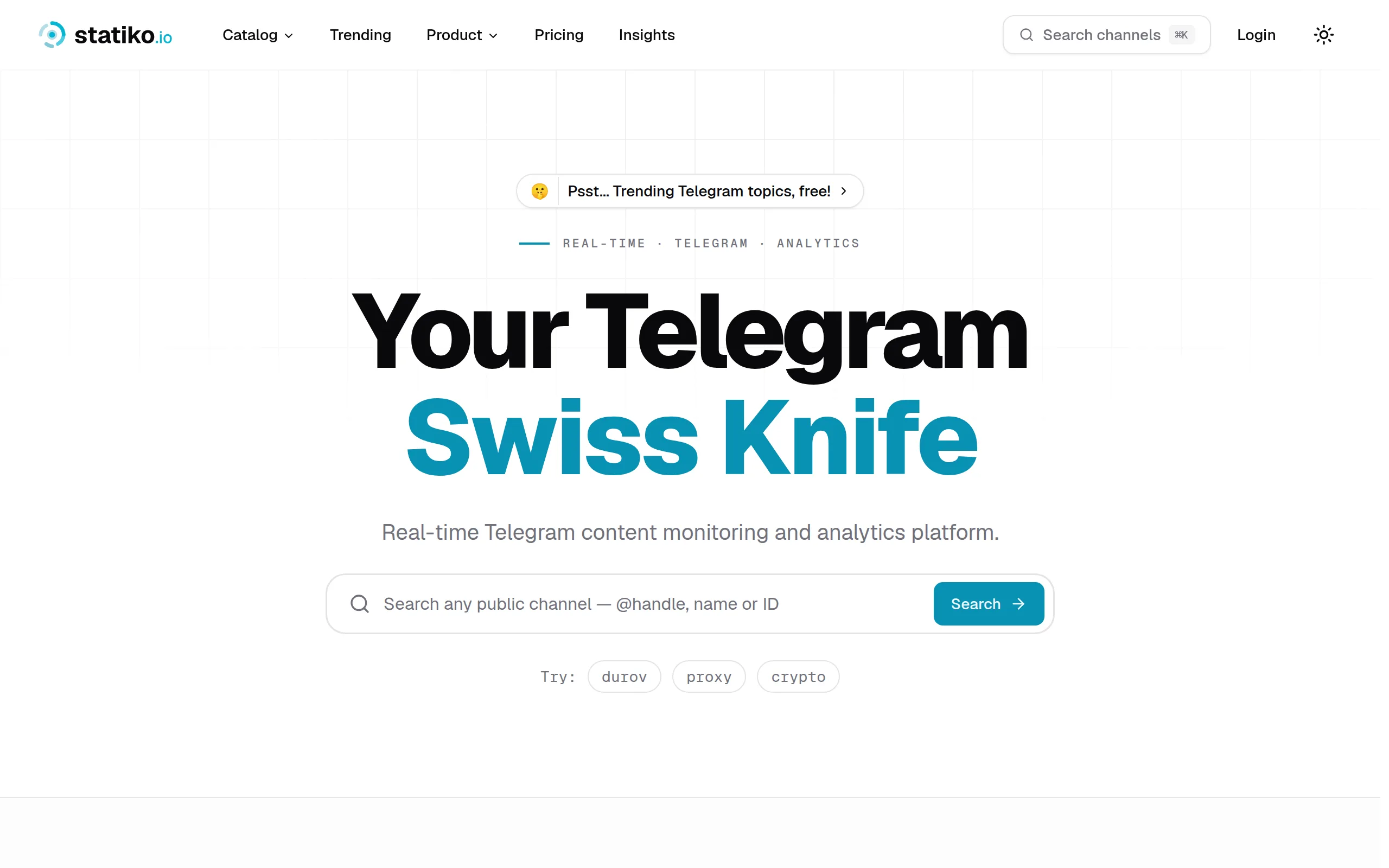
Statiko
Monitor any Telegram channel in real time - track posts, edits, deletions, and growth with AI recaps 📡
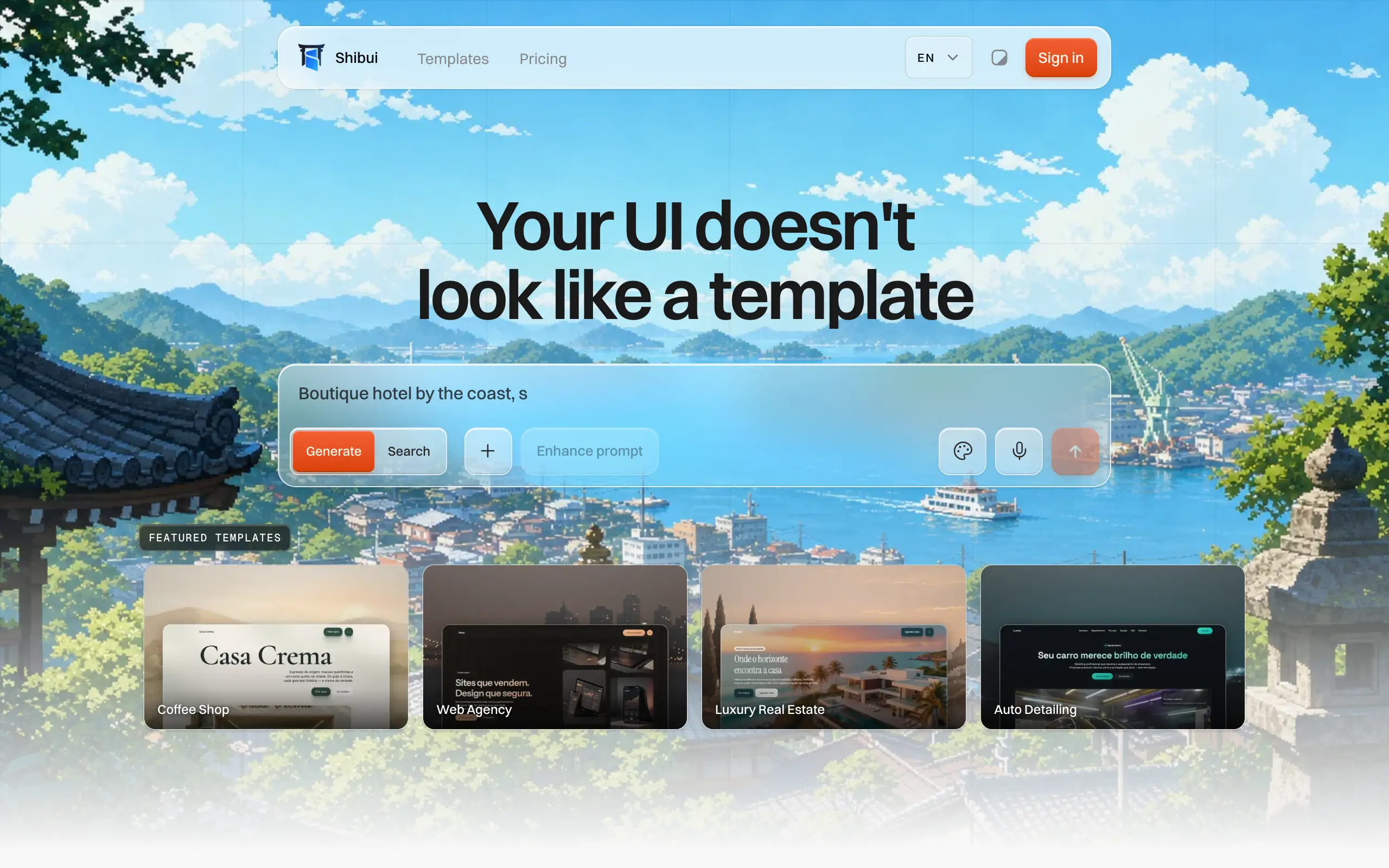
Shibui
AI website builder - describe your business, pick a niche template, edit by chatting, and publish instantly ✨
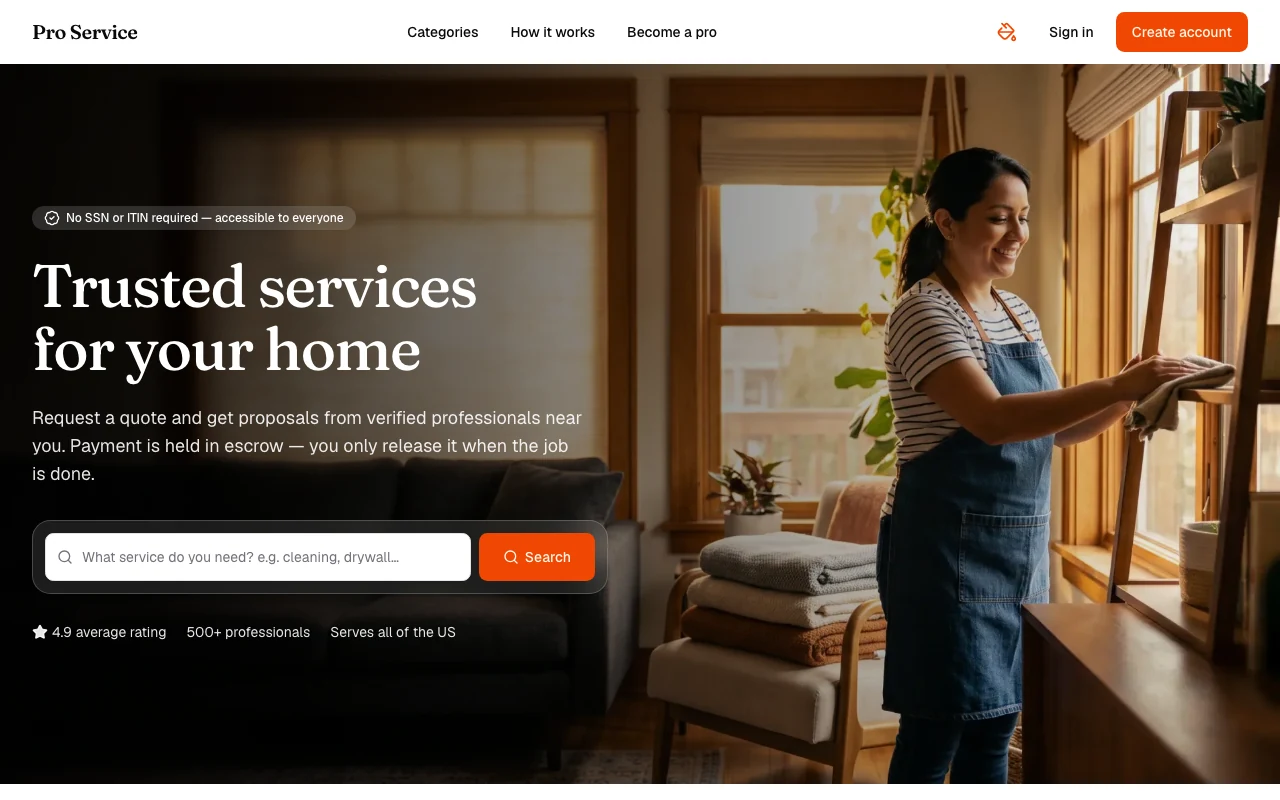
Pro Service
Find verified home service professionals, compare quotes, and pay securely through escrow - built for Brazilians across the US 🏠
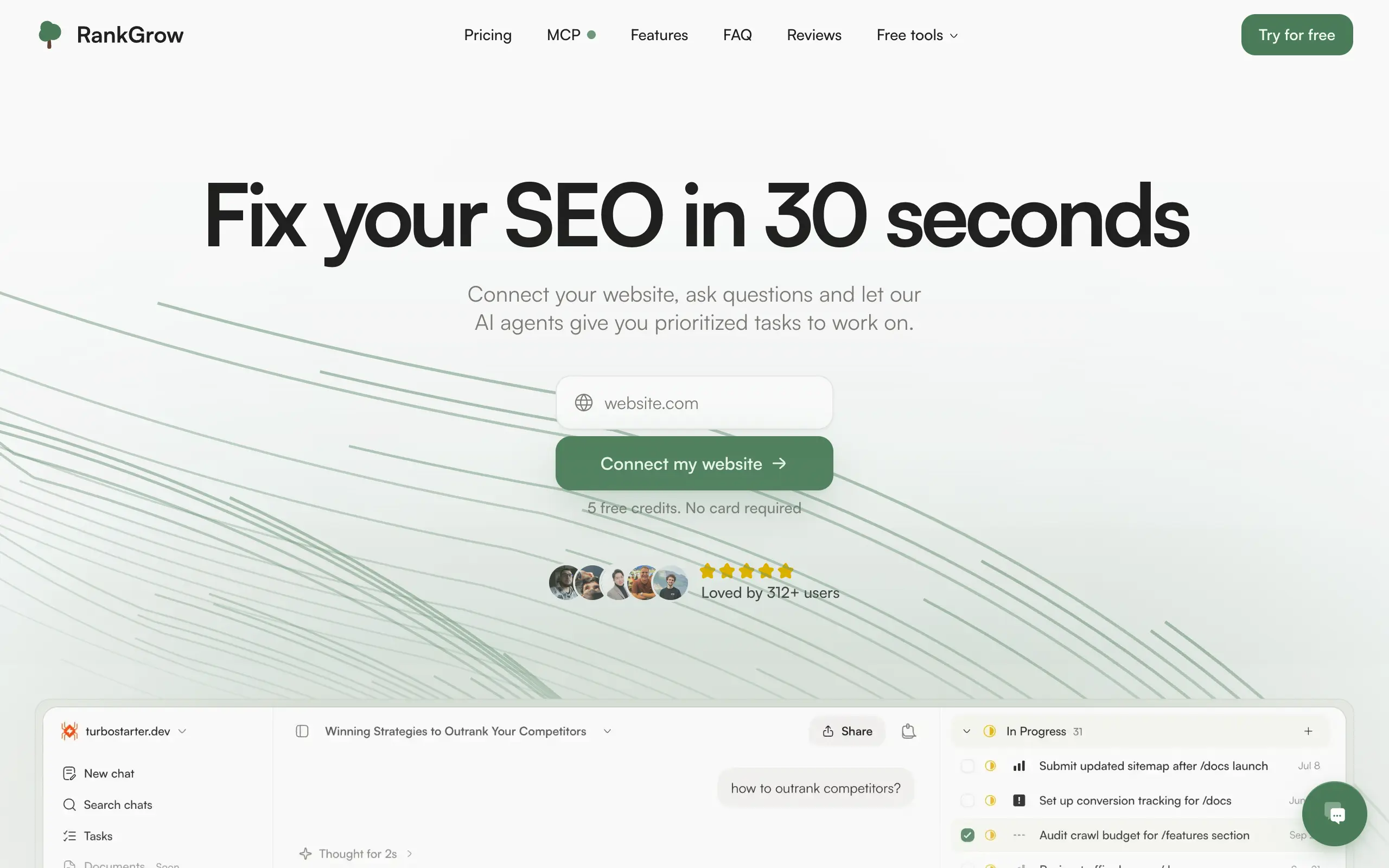
RankGrow
Fix your SEO with AI agents - connect Search Console, get prioritized tasks, and grow organic traffic 📈
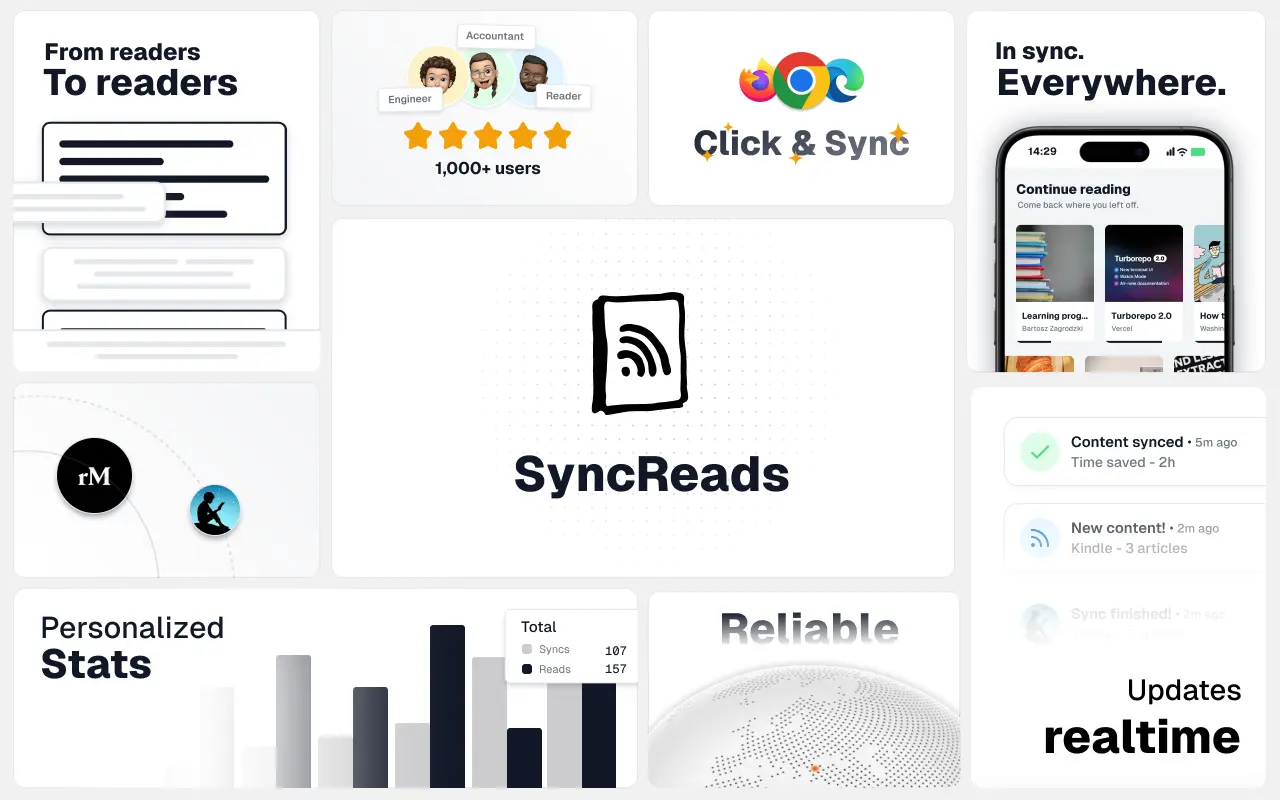
SyncReads
Sync your favorite content for distraction-free reading, save time and replace multiple apps. Anytime, anywhere 🔄
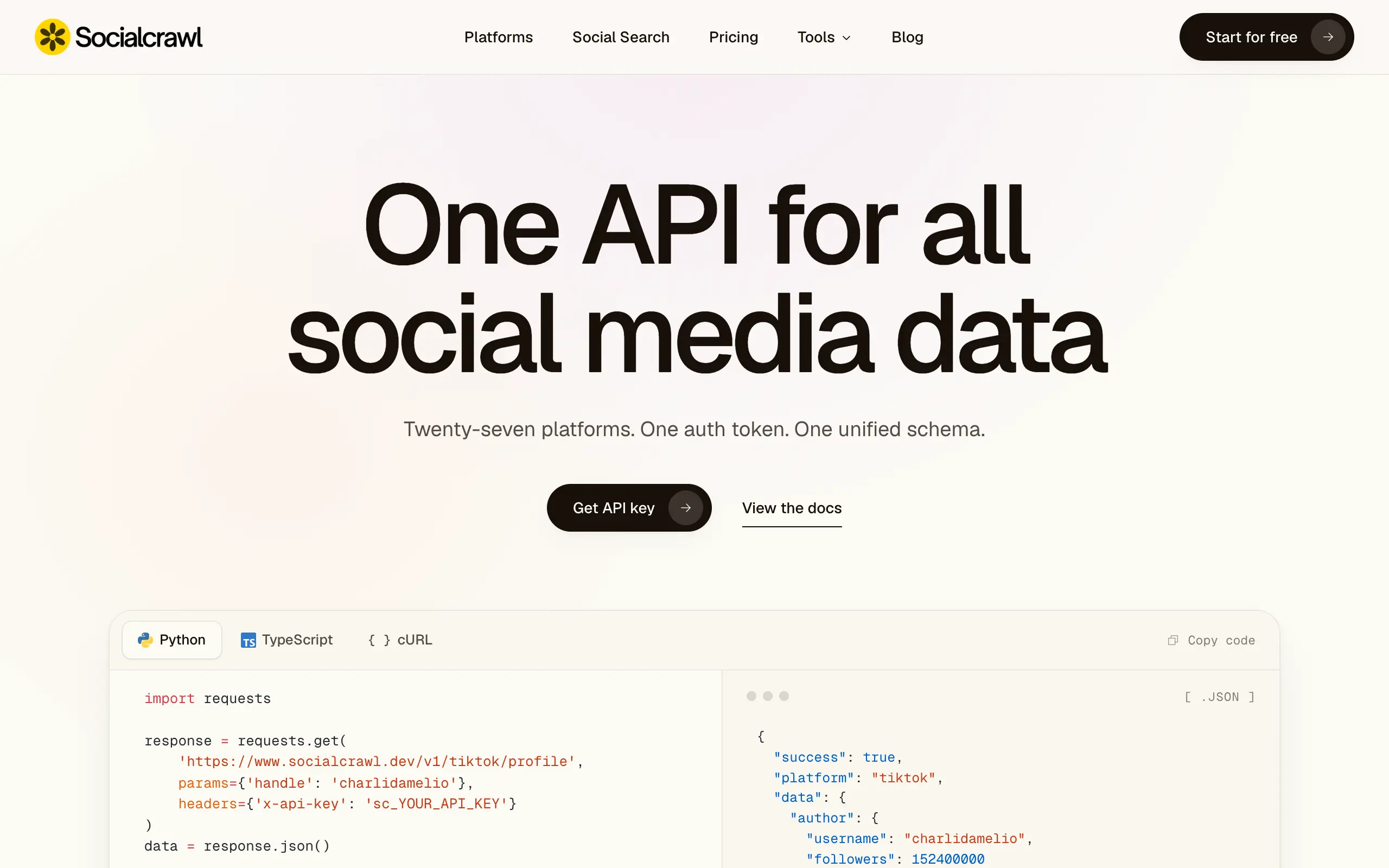
Socialcrawl
Get clean, structured data from 21 platforms like TikTok, Instagram, and YouTube with a single request 📊
Statiko
Monitor any Telegram channel in real time - track posts, edits, deletions, and growth with AI recaps 📡
Shibui
AI website builder - describe your business, pick a niche template, edit by chatting, and publish instantly ✨
Pro Service
Find verified home service professionals, compare quotes, and pay securely through escrow - built for Brazilians across the US 🏠
RankGrow
Fix your SEO with AI agents - connect Search Console, get prioritized tasks, and grow organic traffic 📈
SyncReads
Sync your favorite content for distraction-free reading, save time and replace multiple apps. Anytime, anywhere 🔄
Socialcrawl
Get clean, structured data from 21 platforms like TikTok, Instagram, and YouTube with a single request 📊
Statiko
Monitor any Telegram channel in real time - track posts, edits, deletions, and growth with AI recaps 📡
Shibui
AI website builder - describe your business, pick a niche template, edit by chatting, and publish instantly ✨
Pro Service
Find verified home service professionals, compare quotes, and pay securely through escrow - built for Brazilians across the US 🏠
RankGrow
Fix your SEO with AI agents - connect Search Console, get prioritized tasks, and grow organic traffic 📈
SyncReads
Sync your favorite content for distraction-free reading, save time and replace multiple apps. Anytime, anywhere 🔄
Socialcrawl
Get clean, structured data from 21 platforms like TikTok, Instagram, and YouTube with a single request 📊
Statiko
Monitor any Telegram channel in real time - track posts, edits, deletions, and growth with AI recaps 📡
Shibui
AI website builder - describe your business, pick a niche template, edit by chatting, and publish instantly ✨
Pro Service
Find verified home service professionals, compare quotes, and pay securely through escrow - built for Brazilians across the US 🏠
RankGrow
Fix your SEO with AI agents - connect Search Console, get prioritized tasks, and grow organic traffic 📈
SyncReads
Sync your favorite content for distraction-free reading, save time and replace multiple apps. Anytime, anywhere 🔄
Socialcrawl
Get clean, structured data from 21 platforms like TikTok, Instagram, and YouTube with a single request 📊
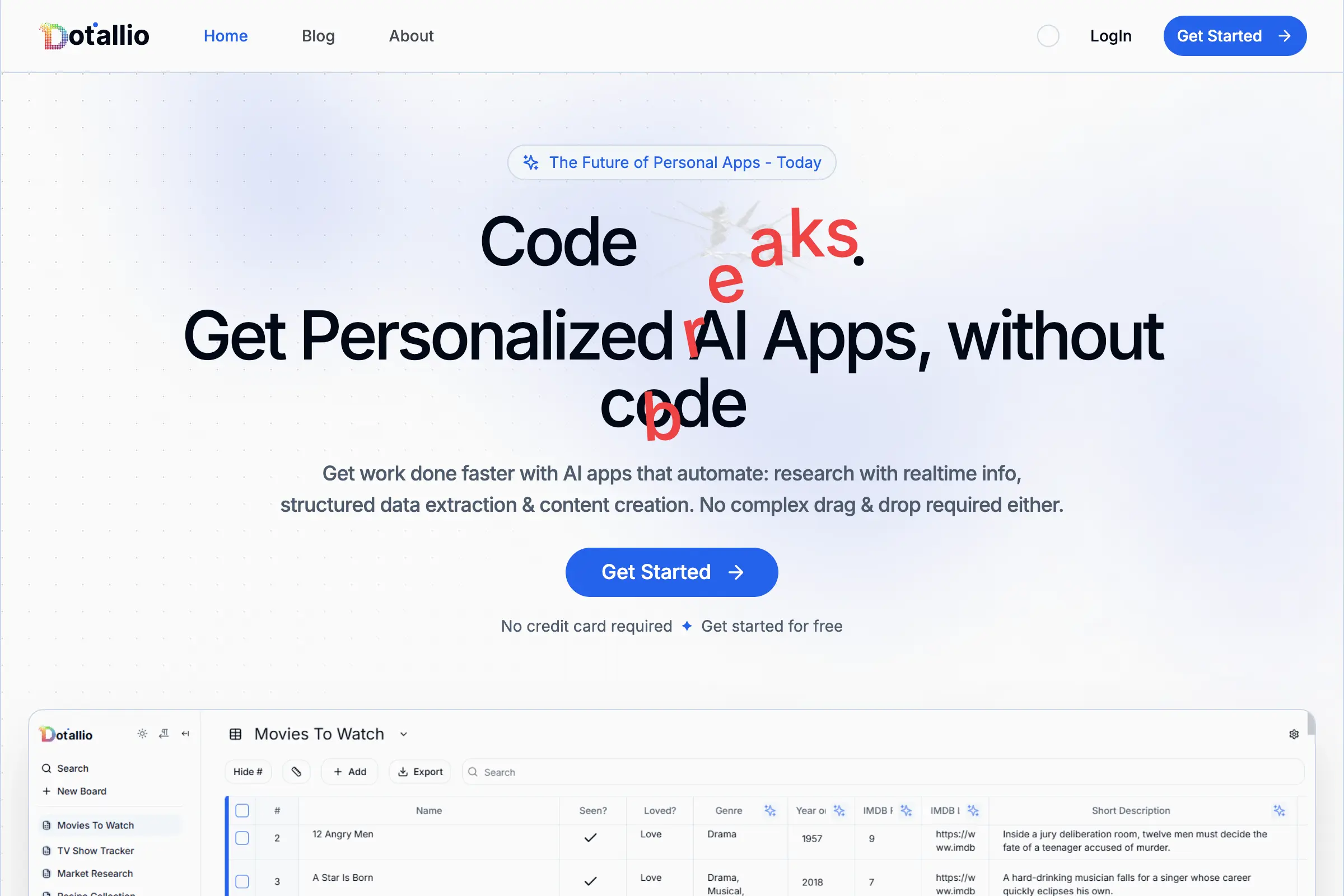
Dotallio
Personalized AI apps that automate research, data extraction, and content creation without code 🤖
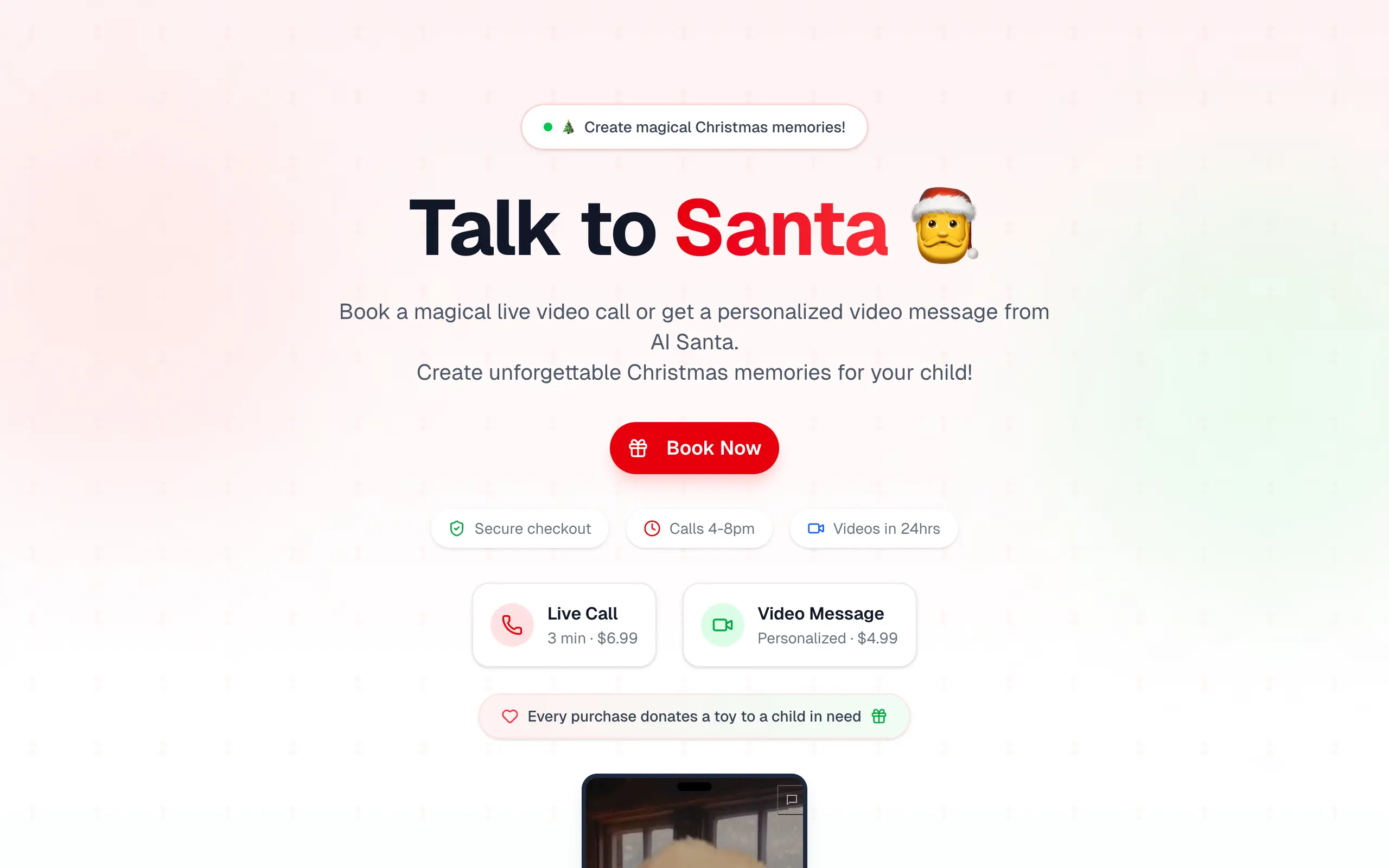
Talk to Santa
Enjoy a magical live video chat or receive a unique AI-generated video greeting from Santa Claus 🎅
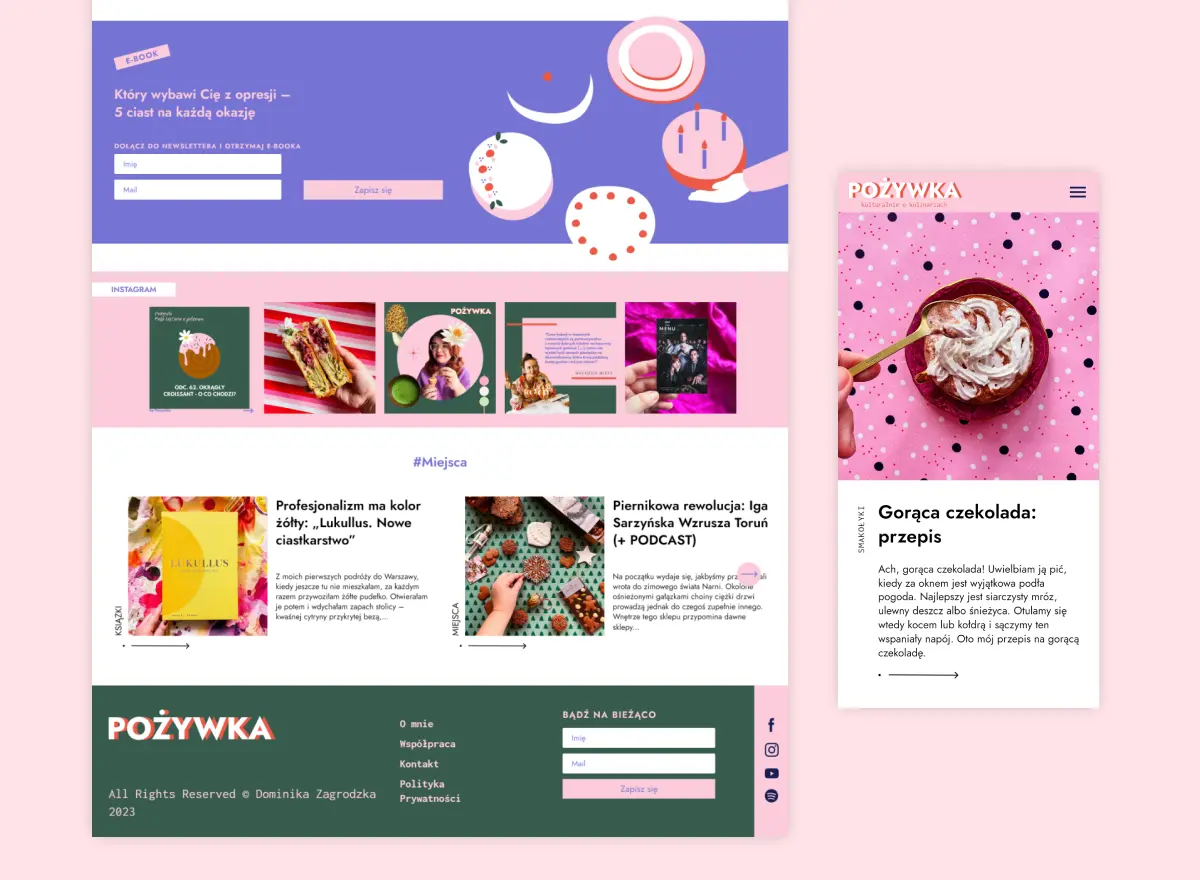
pozywka.pl
Scalable blog for food journalist, focused on performance and user experience 🌭
zagrodzki.me
Personal blog and portfolio of Bart Zagrodzki, where he shares his knowledge and work 💼
TurboStarter
Ship your startup everywhere. In minutes.
HTML to Markdown
Convert HTML to Markdown with ease, directly in your browser 📄
Dotallio
Personalized AI apps that automate research, data extraction, and content creation without code 🤖
Talk to Santa
Enjoy a magical live video chat or receive a unique AI-generated video greeting from Santa Claus 🎅
pozywka.pl
Scalable blog for food journalist, focused on performance and user experience 🌭
zagrodzki.me
Personal blog and portfolio of Bart Zagrodzki, where he shares his knowledge and work 💼
TurboStarter
Ship your startup everywhere. In minutes.
HTML to Markdown
Convert HTML to Markdown with ease, directly in your browser 📄
Dotallio
Personalized AI apps that automate research, data extraction, and content creation without code 🤖
Talk to Santa
Enjoy a magical live video chat or receive a unique AI-generated video greeting from Santa Claus 🎅
pozywka.pl
Scalable blog for food journalist, focused on performance and user experience 🌭
zagrodzki.me
Personal blog and portfolio of Bart Zagrodzki, where he shares his knowledge and work 💼
TurboStarter
Ship your startup everywhere. In minutes.
HTML to Markdown
Convert HTML to Markdown with ease, directly in your browser 📄
Dotallio
Personalized AI apps that automate research, data extraction, and content creation without code 🤖
Talk to Santa
Enjoy a magical live video chat or receive a unique AI-generated video greeting from Santa Claus 🎅
pozywka.pl
Scalable blog for food journalist, focused on performance and user experience 🌭
zagrodzki.me
Personal blog and portfolio of Bart Zagrodzki, where he shares his knowledge and work 💼
TurboStarter
Ship your startup everywhere. In minutes.
HTML to Markdown
Convert HTML to Markdown with ease, directly in your browser 📄
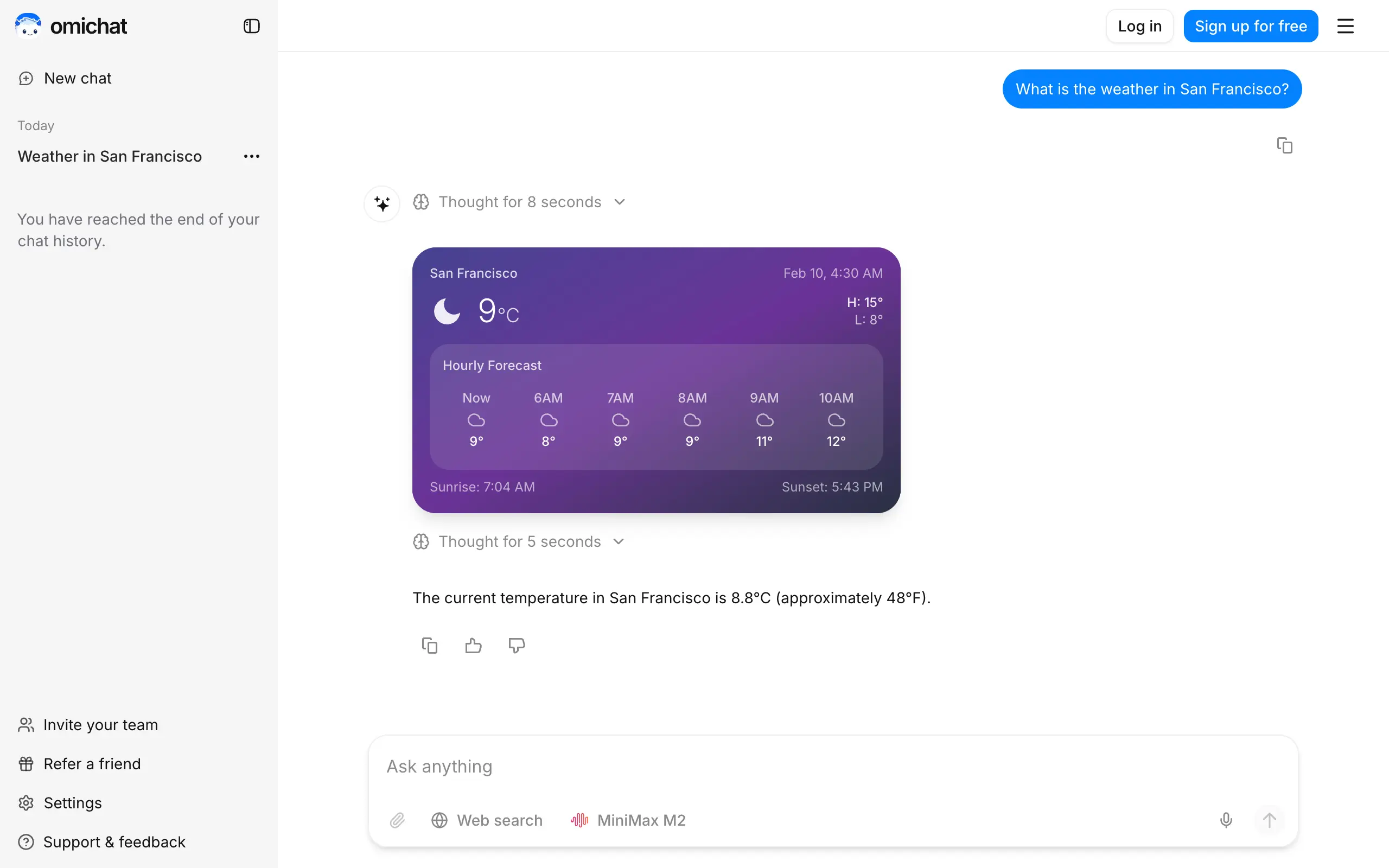
Omichat
Chat with 50+ AI models, including ChatGPT and Claude, in one place - switch models anytime without losing context 🤖
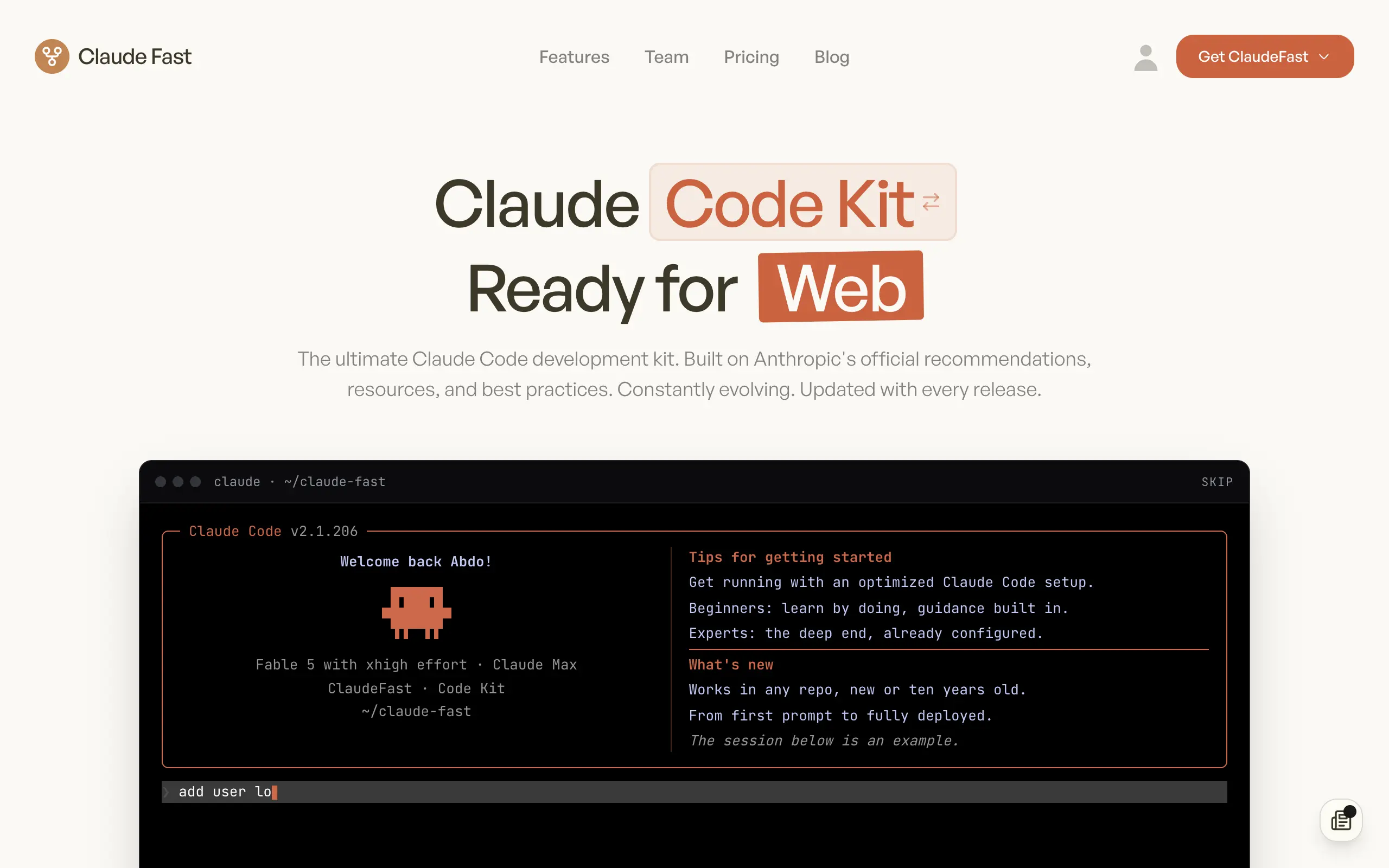
Claude Fast
Supercharge your Claude Code with 6x effective context window and specialized AI agents 🤖
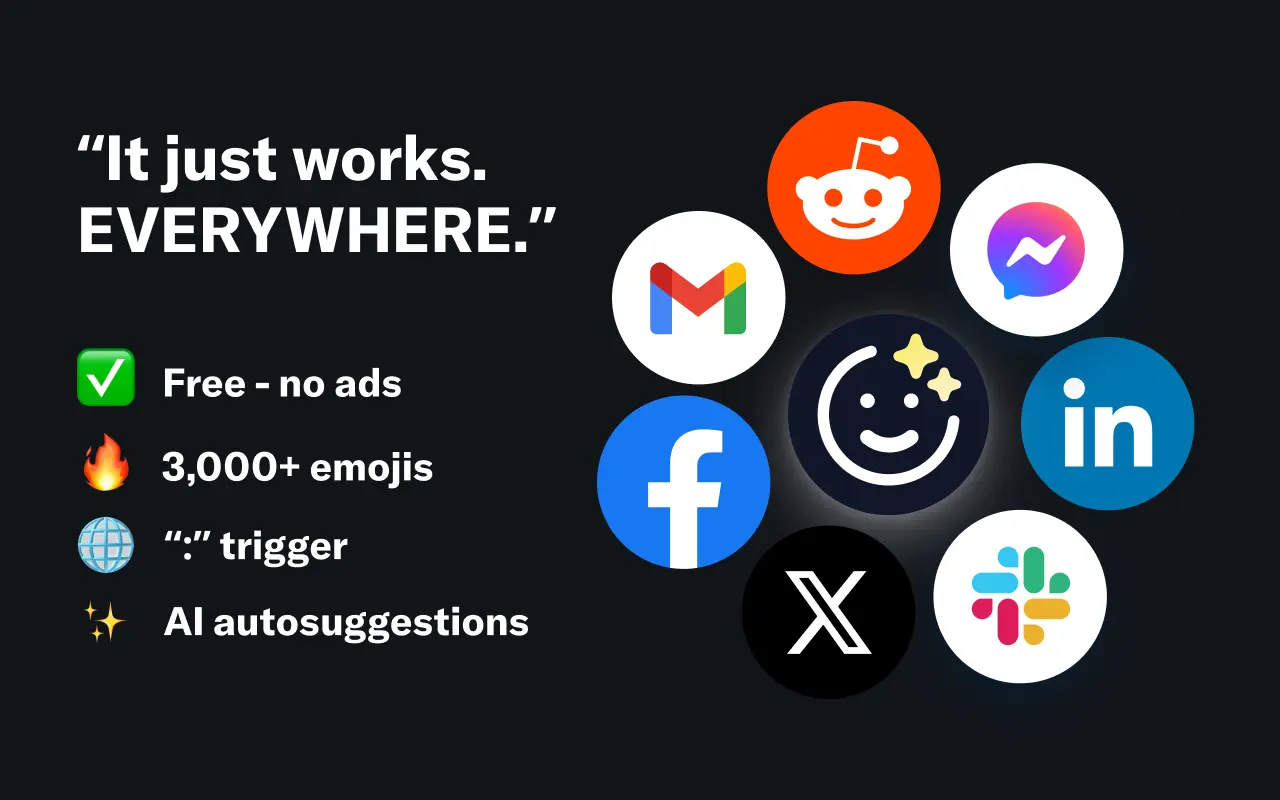
EmojAI
AI-powered emoji picker with smart, context-aware suggestions 🤖
Solohacker
Autonomous company launcher - AI agents work 24/7, escalate what matters, and you stay in control 🤖
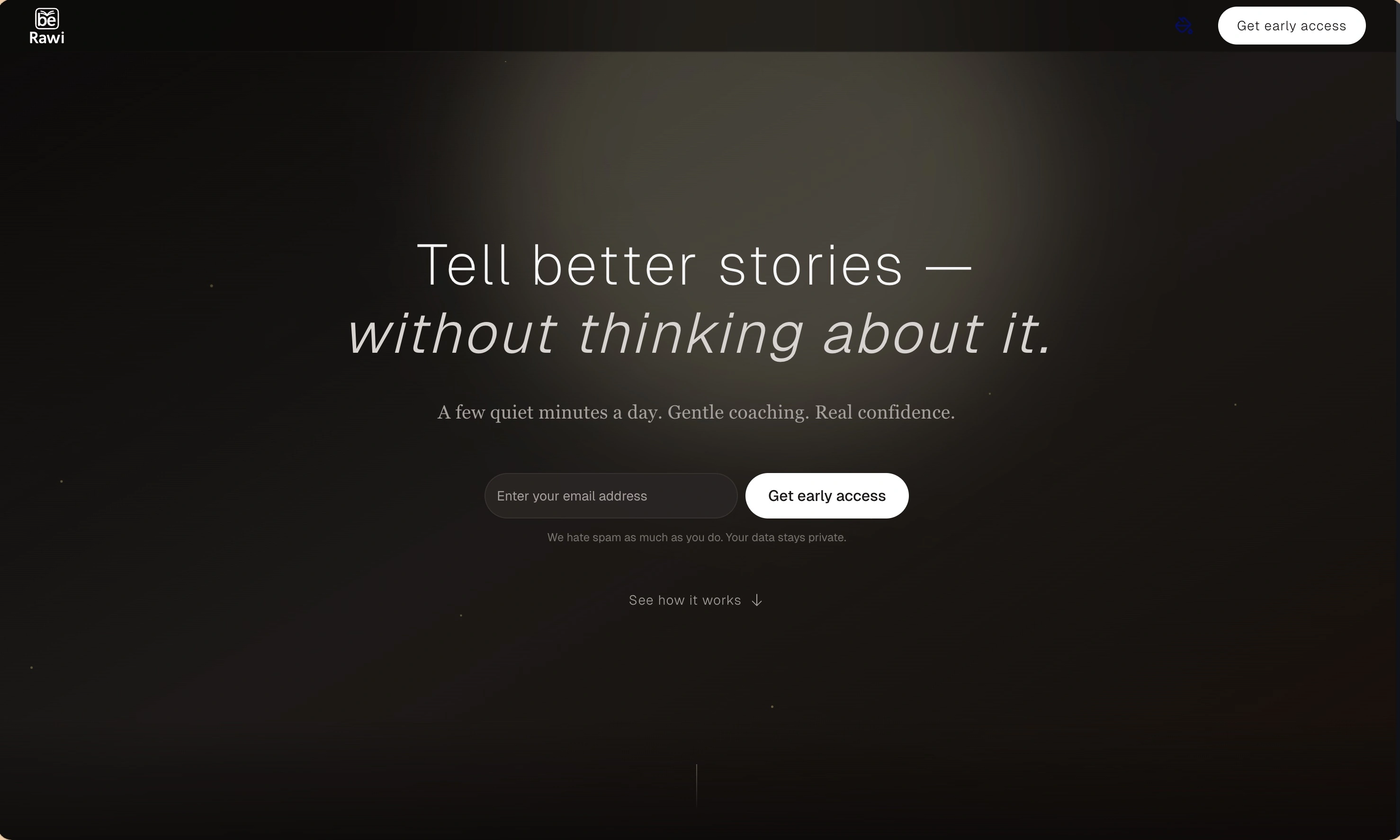
BeRawi: Storytelling Coach
Practice storytelling daily with instant feedback to sound clearer, more engaging, and confident 🎤
Omichat
Chat with 50+ AI models, including ChatGPT and Claude, in one place - switch models anytime without losing context 🤖
Claude Fast
Supercharge your Claude Code with 6x effective context window and specialized AI agents 🤖
EmojAI
AI-powered emoji picker with smart, context-aware suggestions 🤖
Solohacker
Autonomous company launcher - AI agents work 24/7, escalate what matters, and you stay in control 🤖
BeRawi: Storytelling Coach
Practice storytelling daily with instant feedback to sound clearer, more engaging, and confident 🎤
Omichat
Chat with 50+ AI models, including ChatGPT and Claude, in one place - switch models anytime without losing context 🤖
Claude Fast
Supercharge your Claude Code with 6x effective context window and specialized AI agents 🤖
EmojAI
AI-powered emoji picker with smart, context-aware suggestions 🤖
Solohacker
Autonomous company launcher - AI agents work 24/7, escalate what matters, and you stay in control 🤖
BeRawi: Storytelling Coach
Practice storytelling daily with instant feedback to sound clearer, more engaging, and confident 🎤
Omichat
Chat with 50+ AI models, including ChatGPT and Claude, in one place - switch models anytime without losing context 🤖
Claude Fast
Supercharge your Claude Code with 6x effective context window and specialized AI agents 🤖
EmojAI
AI-powered emoji picker with smart, context-aware suggestions 🤖
Solohacker
Autonomous company launcher - AI agents work 24/7, escalate what matters, and you stay in control 🤖
BeRawi: Storytelling Coach
Practice storytelling daily with instant feedback to sound clearer, more engaging, and confident 🎤

Connect with like-minded people
Join our community to get feedback, support, and grow together with 1,000+ builders on board, let's ship it!
Join usShip your startup everywhere. In minutes.
Don't burn tokens on setup and start building features on day one.