LaunchSync
An ecosystem for startups to announce launches, share milestones, and collaborate with other startups, investors, and service providers in a dynamic feed.
Understanding LaunchSync: Empowering the Startup Ecosystem
The modern startup landscape thrives on visibility, community, and rapid feedback loops. Yet, founders often face a fragmented experience when announcing launches, celebrating milestones, or connecting with key stakeholders. LaunchSync aims to bridge these gaps by providing a dynamic ecosystem where startups, investors, and service providers seamlessly interact, share progress, and discover partnership opportunities—all within a unified social feed.
In this article, we’ll explore who benefits from LaunchSync, analyze its market potential, unpack its core features, and provide expert recommendations on implementation and growth strategy. We’ll also dive into relevant technology stacks, monetization avenues, risk factors, and clearly define LaunchSync’s competitive edge in a crowded digital landscape.
Target audience analysis: Who will use LaunchSync?
A successful SaaS product starts with a deep understanding of its users and their intent. LaunchSync is engineered for a multi-sided audience, each with tailored needs and high engagement potential:
1. Startup Founders & Teams
- Primary intent: Announce product launches, share roadmap milestones, attract investors, and gain early community feedback.
- Pain points addressed: Scattered communication channels (email, Twitter, Product Hunt), limited discoverability, and lack of structured milestone sharing.
2. Investors (Angels, VCs, Corporate)
- Primary intent: Discover promising early-stage startups, track product milestones, and reach out proactively for deal flow.
- Pain points addressed: Information overload, lack of curated deal flow, difficulty in tracking real progress of startups.
3. Service Providers (Agencies, Legal, Marketing, SaaS Tools)
- Primary intent: Identify startups needing their expertise, time launch-based outreach, and showcase relevant services.
- Pain points addressed: Inefficient lead generation, poorly timed outreach, and limited brand presence in early-stage communities.
4. Startup Enthusiasts & Early Adopters
- Primary intent: Stay updated with the latest product launches, participate in alpha/beta testing, and contribute feedback.
- Pain points addressed: Difficulty tracking emerging products, lack of centralized discovery, and fragmented access to startup news.
Audience needs mapping
Startup founders
Broadcast launches, get discovered, celebrate milestones, grow network
Investors
Track startups, receive milestone notifications, connect with founders
Service providers
Spot new opportunities, time their outreach, build credibility
Early adopters
Discover new products, join alpha/betas, connect with founders
Segmenting audiences allows LaunchSync to tailor experiences—feeds, notifications, and collaboration tools—improving retention and organic growth.
Identifying the market opportunity and gap
The global startup ecosystem has exploded, with over 100 million startups launched each year and thousands of platforms vying for attention. However, most tools offer either generic social feeds (Twitter, LinkedIn), launch aggregation (Product Hunt, BetaList), or limited investor relations (AngelList). There’s a clear gap for a unified, interactive space connecting these worlds.
Key findings from market research (cite credible sources as needed):
- Fragmented visibility: Startups must post across multiple platforms to reach varied stakeholders, leading to repetitive work and lost engagement opportunities.
- Missing context: Traditional feeds lack structured tags/categorization for milestones (e.g., funding, feature launches).
- Poor collaboration: Messaging and discovery between founders, investors, and service providers is cumbersome and siloed.
- Limited continuous storytelling: Announcements are event-based, not ongoing narratives.
LaunchSync’s unique opportunity:
By addressing these gaps with a dynamic, structured social ecosystem, LaunchSync serves not just as a launchpad but also as the connective tissue for continual startup growth, investor tracking, and partner collaboration.
Core features of LaunchSync and their benefits
1. Dynamic launch & milestone feed
A real-time, filterable feed where startups can:
- Announce new product launches or features.
- Share funding rounds, hires, pivots, and other news.
- Tag posts by category (e.g., “Seed Funding,” “Beta Launch,” “Major Feature”).
- Engage via reactions, comments, and shares.
2. Startup and stakeholder profiles
- Verified startup pages with milestone timelines and roadmaps.
- Stakeholder directories: investors, service providers, and enthusiasts.
- Follow and subscribe options for personalized notifications.
3. Collaboration hub
- Secure in-app messaging and connection requests.
- Group forums for launches, verticals, or geographic regions.
- Event scheduling and RSVP functionalities.
4. LaunchPlaybooks and Resources
- Curated templates and checklists—"How to announce a launch," "Investor update templates," "Press release toolkit."
- Access to TurboStarter for technical and marketing kickstarts.
5. Analytics and engagement dashboards
- Track views, interactions, reach, and follower growth per milestone post.
- Benchmark engagement vs. ecosystem averages (e.g., “Your launch received 30% more investor views than average”).
6. Rich notification infrastructure
- Smart notifications based on user roles and interests.
- Alerts for trending launches, matching investors, or collaboration requests.
7. Collaboration API and integrations
- Sync with CRMs, investor update tools, and social channels for streamlined workflows.
Feature-benefit matrix
| Feature | Startups | Investors | Service Providers | Adopters |
|---|---|---|---|---|
| Dynamic feed | ✅ | ✅ | ✅ | ✅ |
| Milestone tagging | ✅ | ✅ | ❌ | ✅ |
| Collaboration hub | ✅ | ✅ | ✅ | ❌ |
Semantic keywords used:
- startup launches platform
- milestone announcement SaaS
- startup investor collaboration
- dynamic startup feed
- early-stage startup visibility
Recommended tech stack and implementation considerations
Building LaunchSync as a scalable, interactive social SaaS demands a robust, modern tech stack capable of handling real-time feeds, secure profiles, and collaboration features. Let’s analyze options for each layer:
1. Frontend
- React: Ideal for dynamic UIs, component-based architecture, and robust community support.
- Next.js: Server-side rendering for SEO, fast navigation, and easy API routing.
- TailwindCSS: Rapidly build and iterate user interfaces with utility-first CSS.
- TypeScript: Type safety, better maintainability, and improved collaboration.
Trade-offs:
React and Next.js enable a performant web experience. However, there’s a learning curve and initial setup investment for SSR and TypeScript integration.
2. Backend & APIs
- Node.js: Non-blocking, suitable for real-time operations.
- Express or NestJS: For rapid development of RESTful APIs.
- GraphQL: If complex querying/filtering on feeds is essential.
Trade-offs:
Express offers simplicity and wide adoption, while NestJS or GraphQL may add complexity but are future-proof for ambitious features.
3. Real-time communication
- Socket.IO: Enables bidirectional event-based communication (messaging, live feed updates).
- Firebase: Offers fast real-time database and notification services, though not as customizable as custom Socket.IO.
4. Database
- PostgreSQL: Robust, structured, and supports relational data (user roles, permissions, milestones).
- Redis: For caching and fast in-memory operations (notifications, trending posts).
5. Search and indexing
- Elasticsearch: Powerful, scalable, and excellent for advanced feed filtering.
6. Hosting and DevOps
7. Integrations
- OAuth 2.0: For easy sign-in with Google, GitHub, LinkedIn.
- Webhooks/API: Connections to CRMs, email apps, and TurboStarter.
Example: Feed posting endpoint in Express/TypeScript
import express from 'express';
const router = express.Router();

router.post('/launch', async (req, res) => {
  const { startupId, title, description, milestone } = req.body;
  // Validate, insert into DB, send notifications...
  res.status(201).json({ success: true, message: "Launch posted!" });
});

export default router;
Pro tip
Scalable architecture is crucial. Modularize features—user auth, feed, notifications, messaging—so teams can iterate independently.
Monetization strategies: How LaunchSync generates value
A robust social SaaS must balance free engagement with premium features and B2B opportunities. Here are potential monetization models for LaunchSync:
1. Freemium tiers
- Basic profile & feed access: Free.
- Premium for startups: Enhanced analytics, priority feed placement, unlimited milestone posts, and custom branding.
- Premium for investors/service providers: Advanced search, direct messaging, unlimited saved startups.
2. Sponsored placements
- Paid launch promotions to boost visibility in feeds.
- Sponsored posts from partners (accelerators, SaaS vendors).
3. Partner integrations
- White-label LaunchSync for accelerators/co-working spaces.
- API access for investor CRMs, update tools, or portfolio platforms.
4. Transaction-based
- Commission on successful service provider introductions.
- Optional payments for event RSVPs, direct deal introductions, or feature unlocks.
5. Data insights
- Carefully anonymized ecosystem analytics (launch trends, investor interests) offered as subscription insights to VCs or corporates.
Pricing example
Access feed, basic profiles, limited milestone posts.
Advanced analytics, featured launches, team collaboration, direct messaging.
API access, white-labeling, dedicated onboarding, deep ecosystem analytics.
Competitive advantage: What makes LaunchSync unique?
The primary keyword—startup launch social platform—is highly competitive. Here’s how LaunchSync rises above alternatives:
- Purpose-built for the startup journey: Unlike LinkedIn or Twitter, every interface and interaction is focused on launches, milestones, and startup discovery.
- End-to-end ecosystem: Unites startups, investors, and service providers—not just for launch day but for ongoing storytelling and community support.
- Structured, filterable milestones: Go beyond generic posts; facilitate nuanced filtering (funded, launched, hiring, pivot, major news) rarely possible elsewhere.
- Built-in collaboration tools: Messaging, forums, and event scheduling make on-platform relationships easy.
- Rich analytics: Not just vanity metrics—benchmark your startup’s traction within the community.
- Open integrations: APIs and webhooks allow LaunchSync to fit into existing workflows, unlike closed networks.
Comparative feature table
| LaunchSync | Product Hunt | AngelList | ||
|---|---|---|---|---|
| ✅ | ❌ | ❌ | ✅ | ❌ |
| ✅ | ❌ | ✅ | ✅ | ❌ |
Why it matters:
With its highly differentiated social feed, real-time collaboration, and actionable analytics, LaunchSync isn’t just another launch aggregator—it’s the essential SaaS platform for the modern startup journey.
Potential risks and their mitigation
Launching a new SaaS in a fast-paced ecosystem comes with both technical and business risks. Here’s an expert breakdown:
1. User acquisition and engagement
- Risk: Competing with entrenched platforms for founder and investor attention.
- Mitigation: Launch with strategic partners (accelerators, VC syndicates), focus on a “startup-first” niche, and offer remarkable onboarding (e.g., import launch history from other platforms).
2. Feed noise/bloat
- Risk: Low-quality posts and spam could dilute value.
- Mitigation: Verified user onboarding, milestone moderation, upvote/downvote systems, and machine learning for spam detection.
3. Security and privacy
- Risk: Sensitive startup data requires robust security.
- Mitigation: End-to-end encrypted messaging, strong role-based permissions, regular security audits.
4. Monetization friction
- Risk: Over-aggressive monetization could stifle early community growth.
- Mitigation: Offer core value for free, introduce paid features only after strong user adoption and feedback.
5. Feature latency and scaling challenges
- Risk: Real-time feeds and messaging require scalable, low-latency infrastructure.
- Mitigation: Use proven solutions (Socket.IO, Redis, cloud functions), start with MVP scope, and scale features with demand.
Freshness & industry trends
The startup community is shifting toward “build in public,” transparent milestone sharing, and networked collaboration. According to multiple SaaS market research studies, platforms facilitating open updates and real-time feedback see higher engagement and retention.
Recent trends impacting LaunchSync’s relevance:
- Remote-first collaboration: Startups often lack physical networks—digital ecosystems become more valuable.
- Rise of micro-VC and operator angel networks: These users crave curated, actionable updates rather than generic social noise.
- API-first tools: Investors and service providers demand seamless API access for deal tracking—an opportunity for LaunchSync’s integration roadmap.
Actionable steps to implement LaunchSync
Ready to bring the LaunchSync vision to life? Here’s a step-by-step blueprint, from discovery to MVP launch and beyond.
Summary and next steps
LaunchSync enters the SaaS social platform market with a focused, actionable strategy: transform launch announcements into an ongoing, dynamic ecosystem. By solving visibility fragmentation, enabling milestone-based storytelling, and fostering real collaborations, LaunchSync positions itself as the essential network for startups, investors, and the broader innovation community.
Key takeaways:
- Target a core niche (early-stage startups, investors, and providers) with specialized, high-value features before expanding.
- Design for clarity and context: milestone-driven feeds, structured tagging, and relevant notifications.
- Build defensible advantages—API integrations, analytics, and moderated community features.
- Monetize thoughtfully to maximize engagement and value for all ecosystem sides.
The space is primed for disruption. With clear differentiation, a robust tech stack, and relentless user focus, LaunchSync can become the connective layer every startup needs for launch, growth, and collaboration.
Explore TurboStarter
For rapid MVP development, consider leveraging TurboStarter to bootstrap integrations, authentication, and analytics—accelerating your journey to product-market fit.
More 🌐 Social Network SaaS ideas
Discover more innovative social network SaaS ideas that are trending in 2026. Each idea is AI-generated with market validation and growth potential to help you find your next profitable venture faster than competitors.
Your competitors are building with TurboStarter
Below are some of the SaaS ideas that have been generated and built with our starter kit.

Statiko
Monitor any Telegram channel in real time - track posts, edits, deletions, and growth with AI recaps 📡

Shibui
AI website builder - describe your business, pick a niche template, edit by chatting, and publish instantly ✨

Pro Service
Find verified home service professionals, compare quotes, and pay securely through escrow - built for Brazilians across the US 🏠
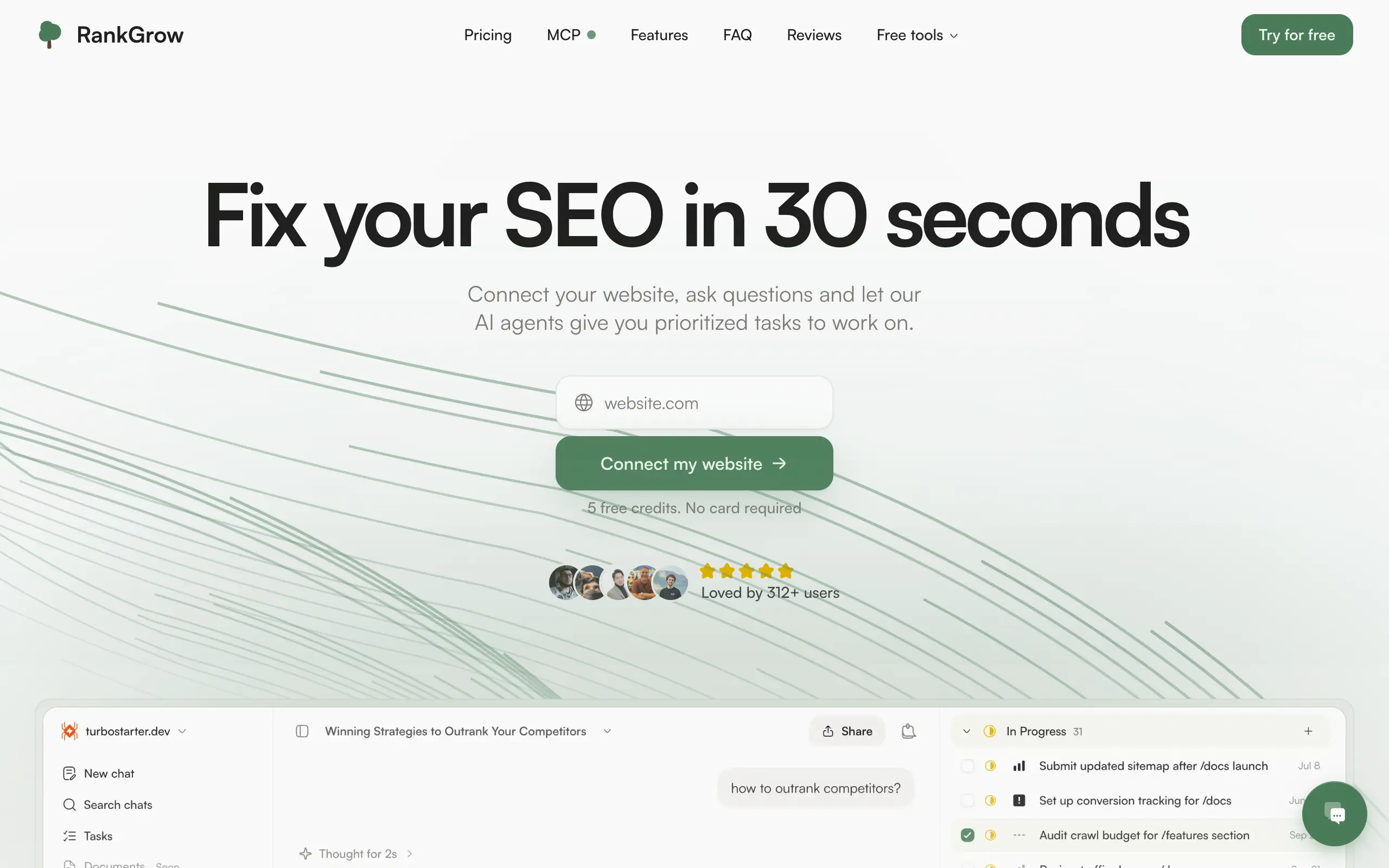
RankGrow
Fix your SEO with AI agents - connect Search Console, get prioritized tasks, and grow organic traffic 📈
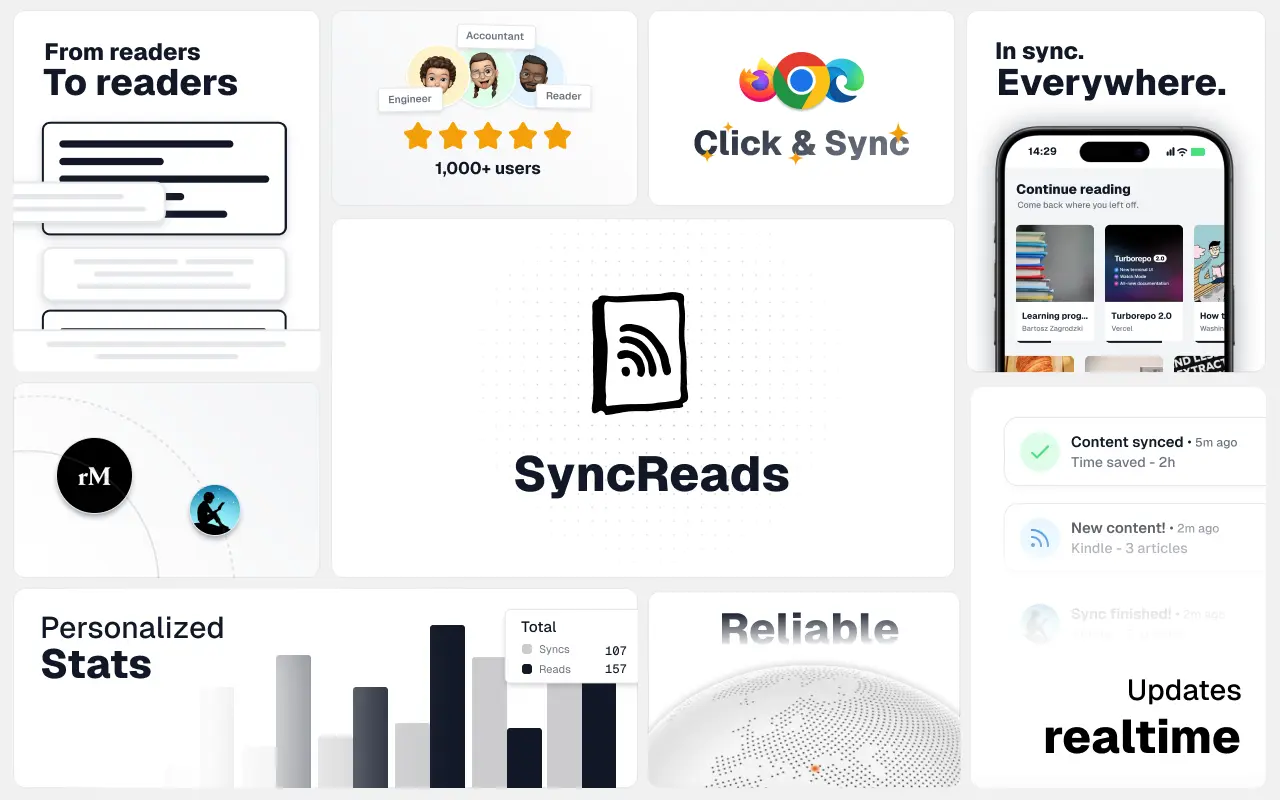
SyncReads
Sync your favorite content for distraction-free reading, save time and replace multiple apps. Anytime, anywhere 🔄
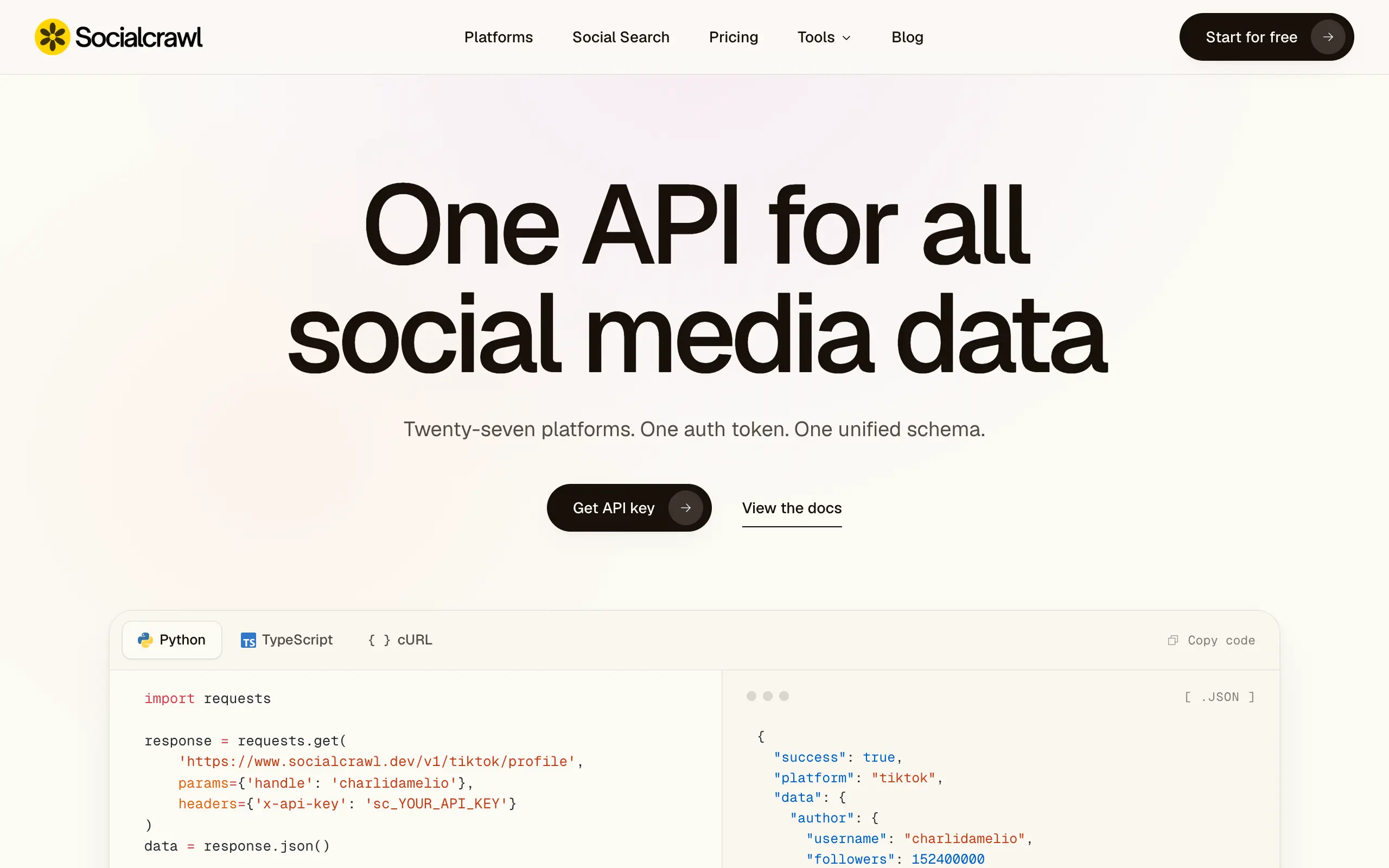
Socialcrawl
Get clean, structured data from 21 platforms like TikTok, Instagram, and YouTube with a single request 📊
Statiko
Monitor any Telegram channel in real time - track posts, edits, deletions, and growth with AI recaps 📡
Shibui
AI website builder - describe your business, pick a niche template, edit by chatting, and publish instantly ✨
Pro Service
Find verified home service professionals, compare quotes, and pay securely through escrow - built for Brazilians across the US 🏠
RankGrow
Fix your SEO with AI agents - connect Search Console, get prioritized tasks, and grow organic traffic 📈
SyncReads
Sync your favorite content for distraction-free reading, save time and replace multiple apps. Anytime, anywhere 🔄
Socialcrawl
Get clean, structured data from 21 platforms like TikTok, Instagram, and YouTube with a single request 📊
Statiko
Monitor any Telegram channel in real time - track posts, edits, deletions, and growth with AI recaps 📡
Shibui
AI website builder - describe your business, pick a niche template, edit by chatting, and publish instantly ✨
Pro Service
Find verified home service professionals, compare quotes, and pay securely through escrow - built for Brazilians across the US 🏠
RankGrow
Fix your SEO with AI agents - connect Search Console, get prioritized tasks, and grow organic traffic 📈
SyncReads
Sync your favorite content for distraction-free reading, save time and replace multiple apps. Anytime, anywhere 🔄
Socialcrawl
Get clean, structured data from 21 platforms like TikTok, Instagram, and YouTube with a single request 📊
Statiko
Monitor any Telegram channel in real time - track posts, edits, deletions, and growth with AI recaps 📡
Shibui
AI website builder - describe your business, pick a niche template, edit by chatting, and publish instantly ✨
Pro Service
Find verified home service professionals, compare quotes, and pay securely through escrow - built for Brazilians across the US 🏠
RankGrow
Fix your SEO with AI agents - connect Search Console, get prioritized tasks, and grow organic traffic 📈
SyncReads
Sync your favorite content for distraction-free reading, save time and replace multiple apps. Anytime, anywhere 🔄
Socialcrawl
Get clean, structured data from 21 platforms like TikTok, Instagram, and YouTube with a single request 📊
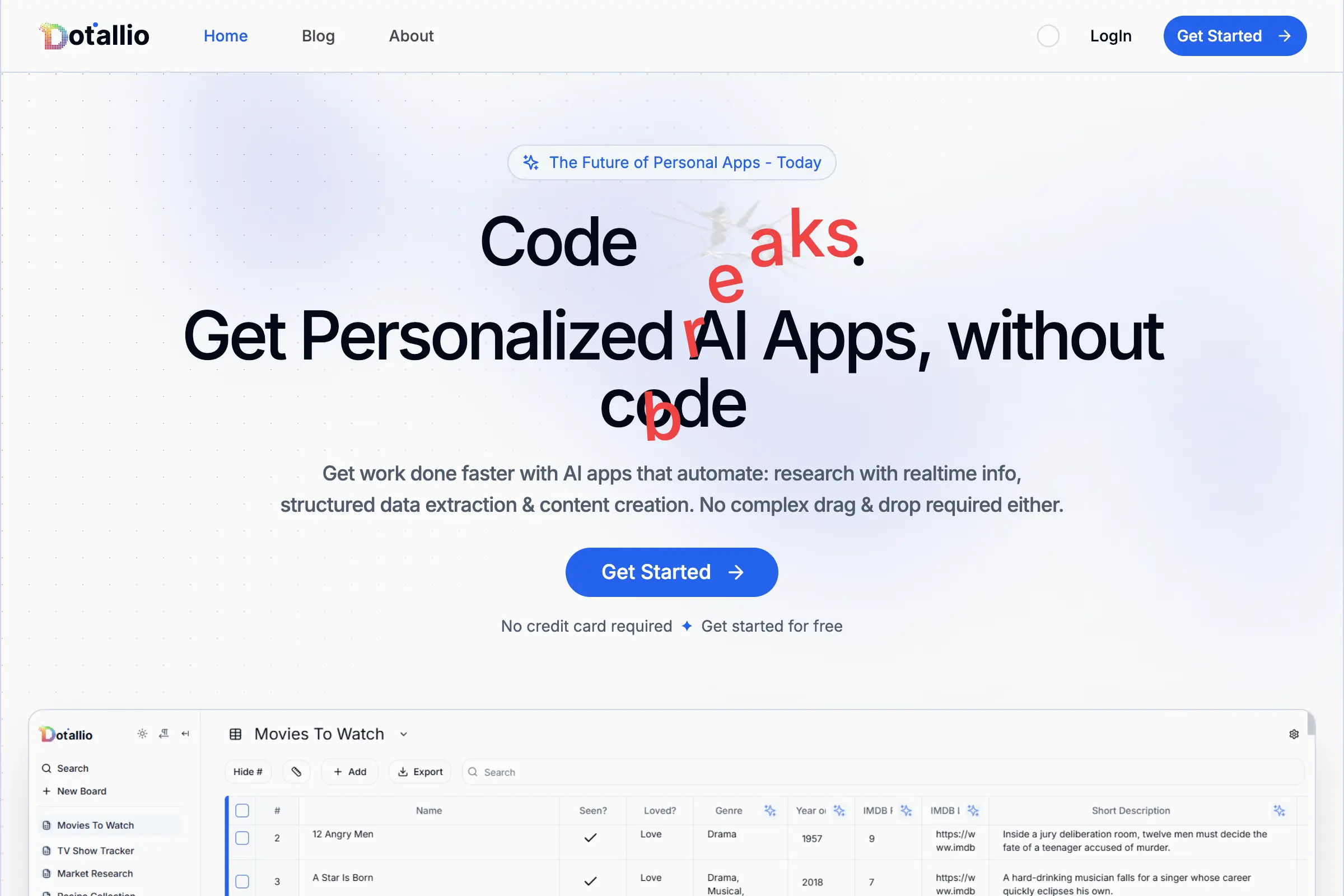
Dotallio
Personalized AI apps that automate research, data extraction, and content creation without code 🤖
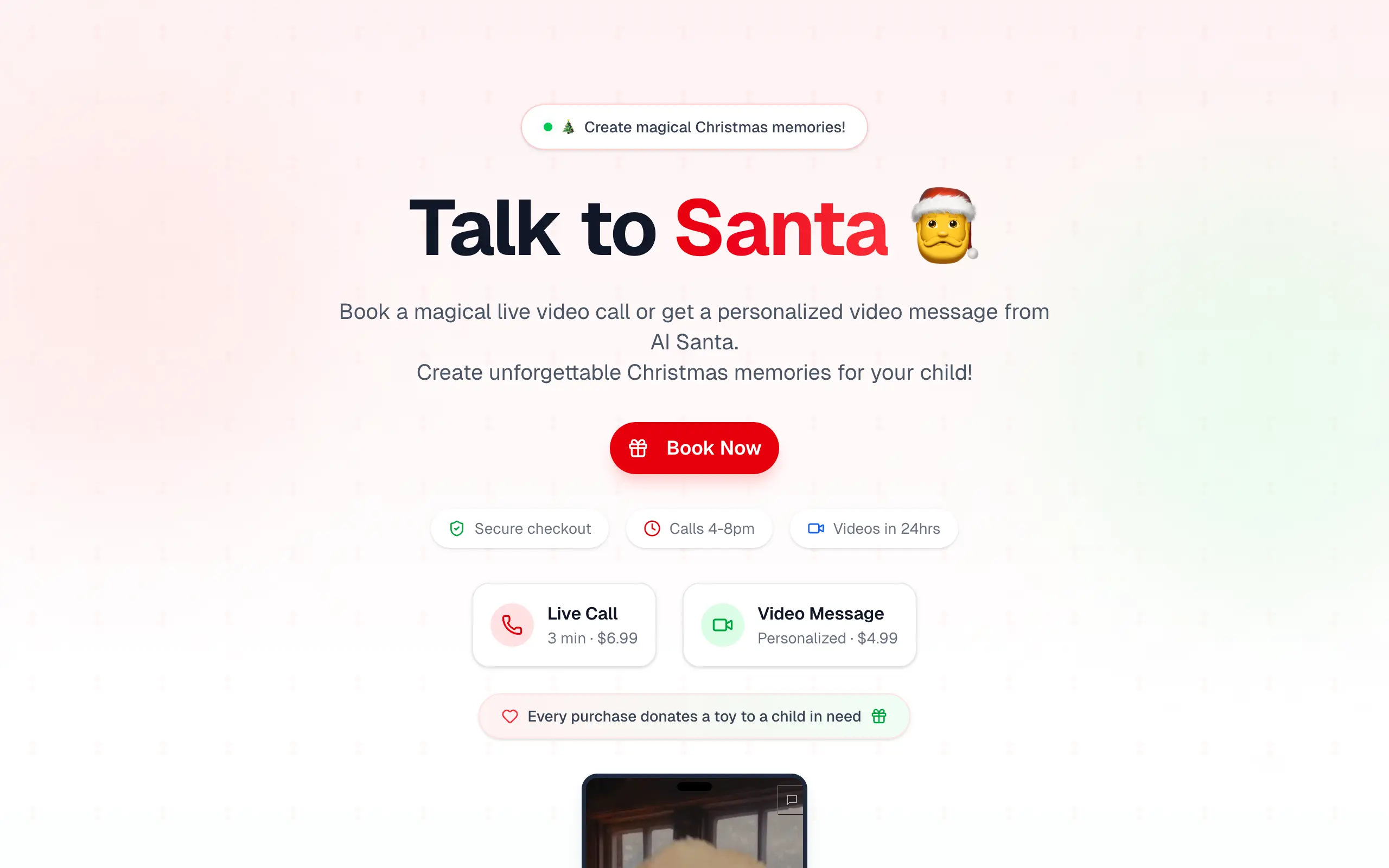
Talk to Santa
Enjoy a magical live video chat or receive a unique AI-generated video greeting from Santa Claus 🎅

pozywka.pl
Scalable blog for food journalist, focused on performance and user experience 🌭
zagrodzki.me
Personal blog and portfolio of Bart Zagrodzki, where he shares his knowledge and work 💼
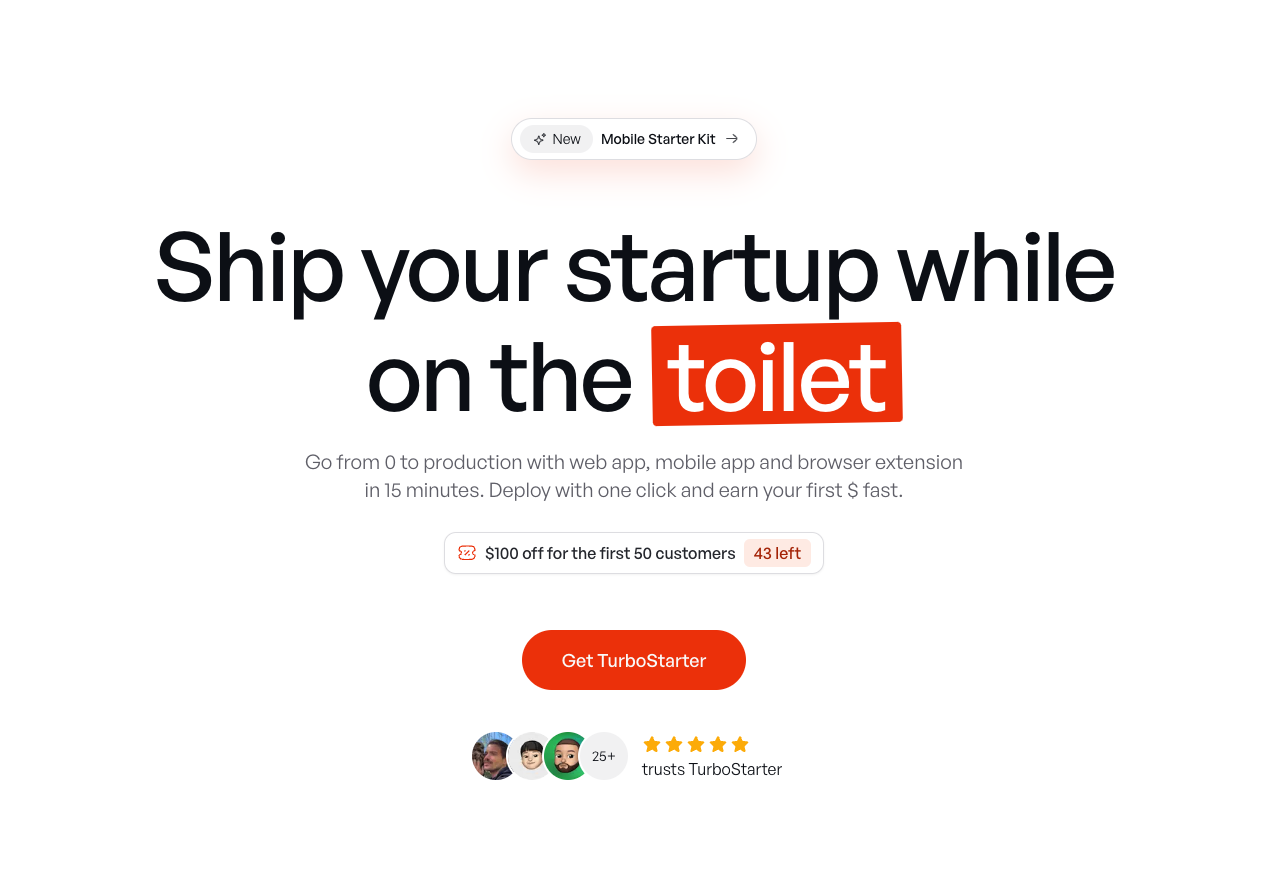
TurboStarter
Ship your startup everywhere. In minutes.
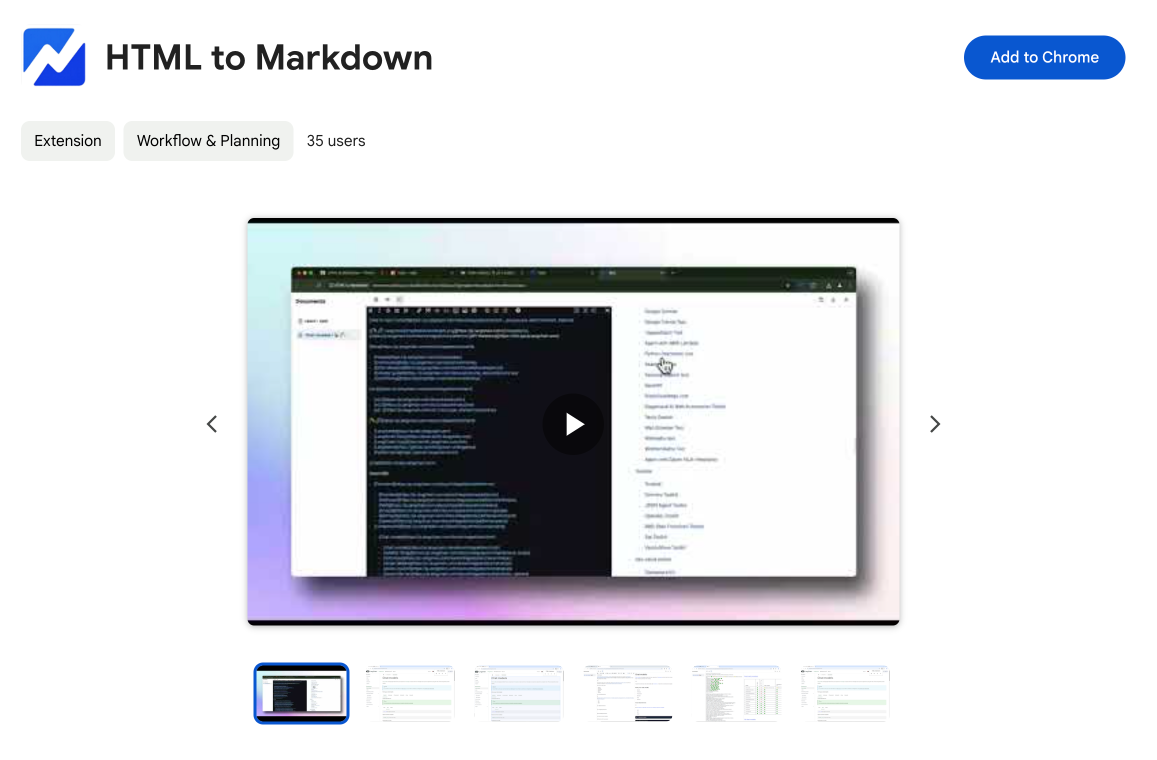
HTML to Markdown
Convert HTML to Markdown with ease, directly in your browser 📄
Dotallio
Personalized AI apps that automate research, data extraction, and content creation without code 🤖
Talk to Santa
Enjoy a magical live video chat or receive a unique AI-generated video greeting from Santa Claus 🎅
pozywka.pl
Scalable blog for food journalist, focused on performance and user experience 🌭
zagrodzki.me
Personal blog and portfolio of Bart Zagrodzki, where he shares his knowledge and work 💼
TurboStarter
Ship your startup everywhere. In minutes.
HTML to Markdown
Convert HTML to Markdown with ease, directly in your browser 📄
Dotallio
Personalized AI apps that automate research, data extraction, and content creation without code 🤖
Talk to Santa
Enjoy a magical live video chat or receive a unique AI-generated video greeting from Santa Claus 🎅
pozywka.pl
Scalable blog for food journalist, focused on performance and user experience 🌭
zagrodzki.me
Personal blog and portfolio of Bart Zagrodzki, where he shares his knowledge and work 💼
TurboStarter
Ship your startup everywhere. In minutes.
HTML to Markdown
Convert HTML to Markdown with ease, directly in your browser 📄
Dotallio
Personalized AI apps that automate research, data extraction, and content creation without code 🤖
Talk to Santa
Enjoy a magical live video chat or receive a unique AI-generated video greeting from Santa Claus 🎅
pozywka.pl
Scalable blog for food journalist, focused on performance and user experience 🌭
zagrodzki.me
Personal blog and portfolio of Bart Zagrodzki, where he shares his knowledge and work 💼
TurboStarter
Ship your startup everywhere. In minutes.
HTML to Markdown
Convert HTML to Markdown with ease, directly in your browser 📄
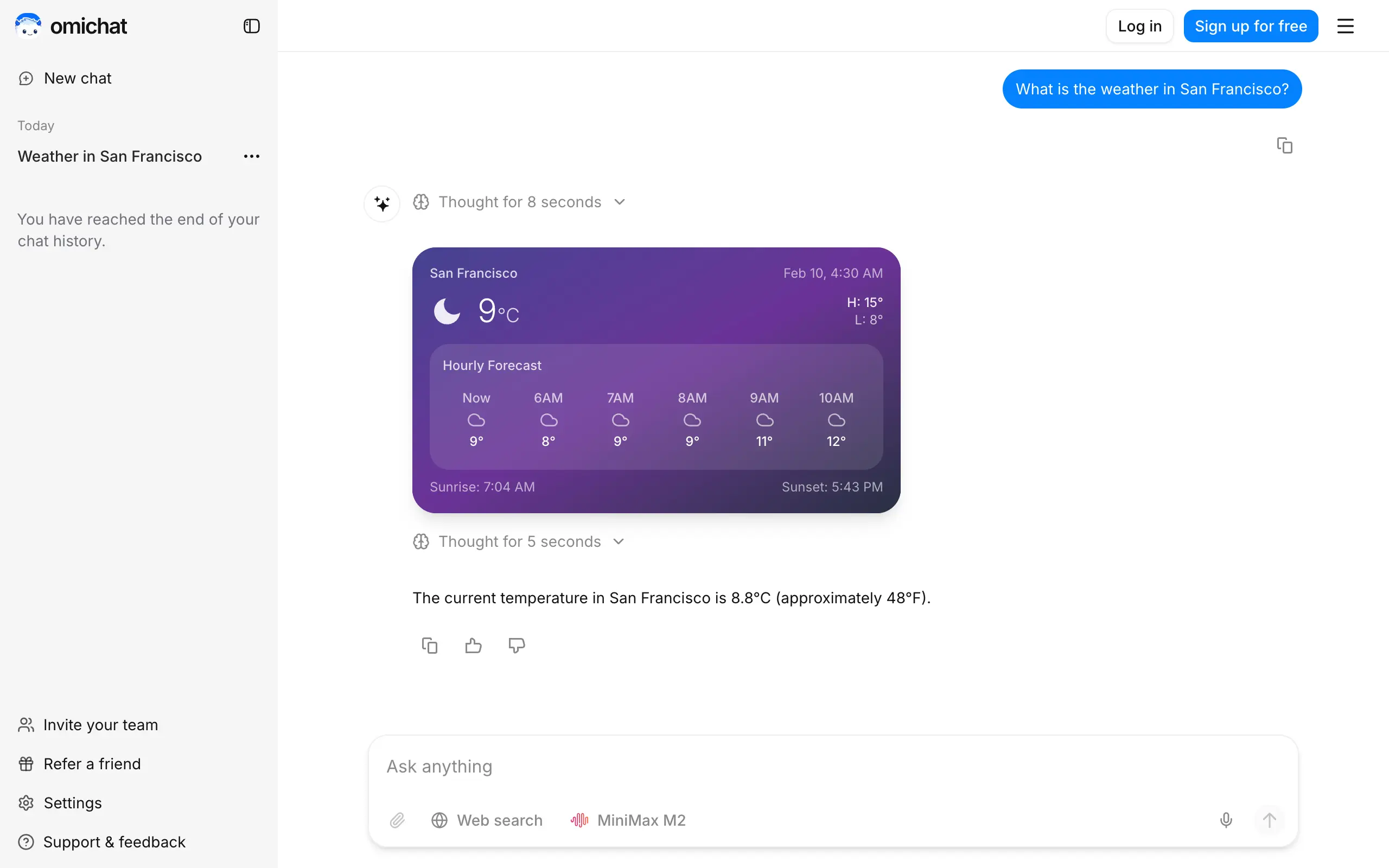
Omichat
Chat with 50+ AI models, including ChatGPT and Claude, in one place - switch models anytime without losing context 🤖
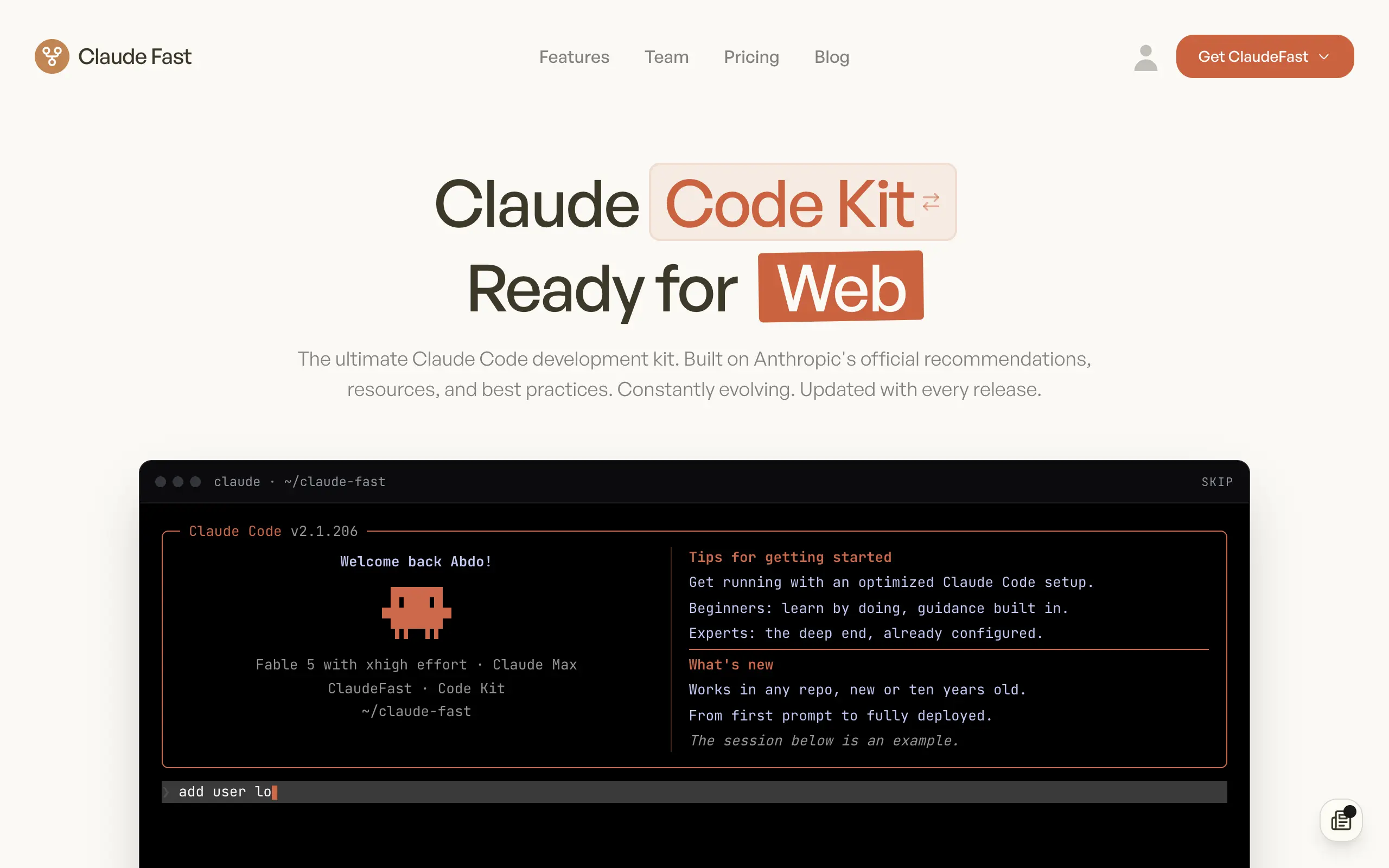
Claude Fast
Supercharge your Claude Code with 6x effective context window and specialized AI agents 🤖
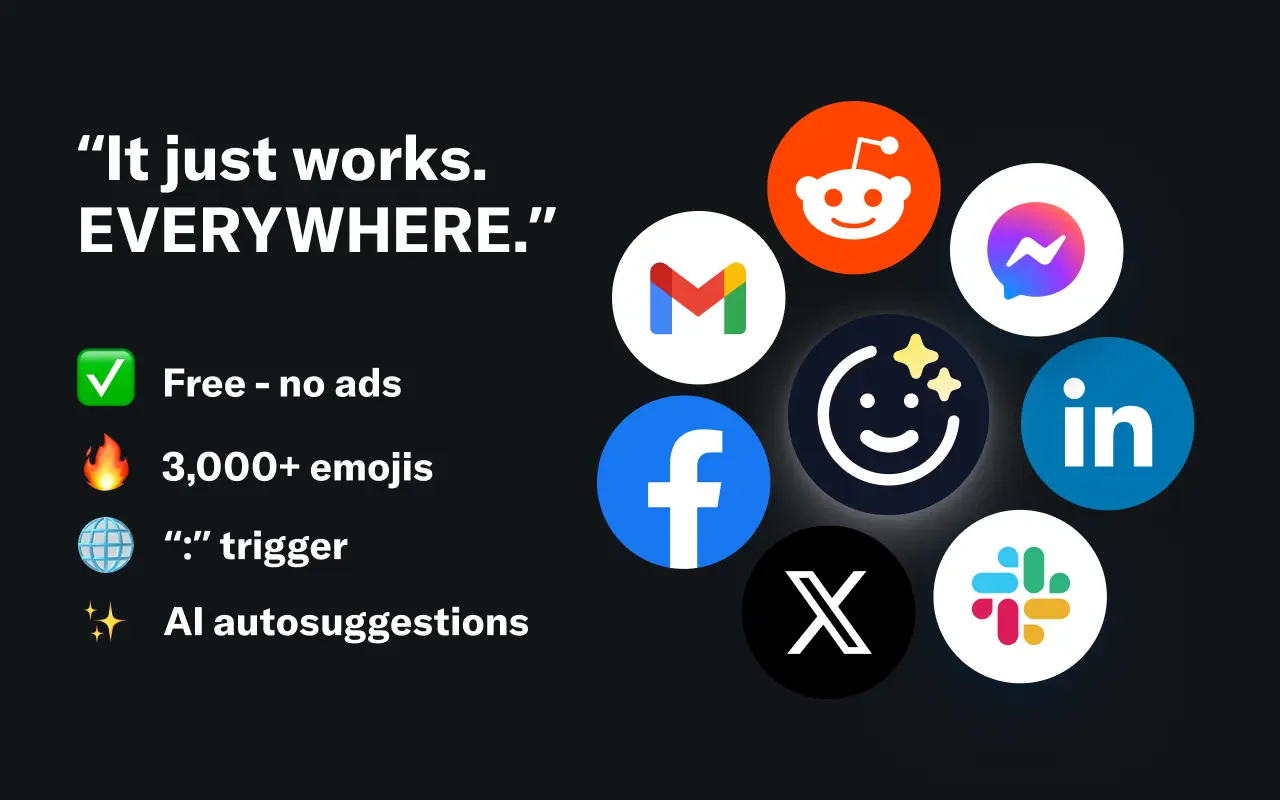
EmojAI
AI-powered emoji picker with smart, context-aware suggestions 🤖
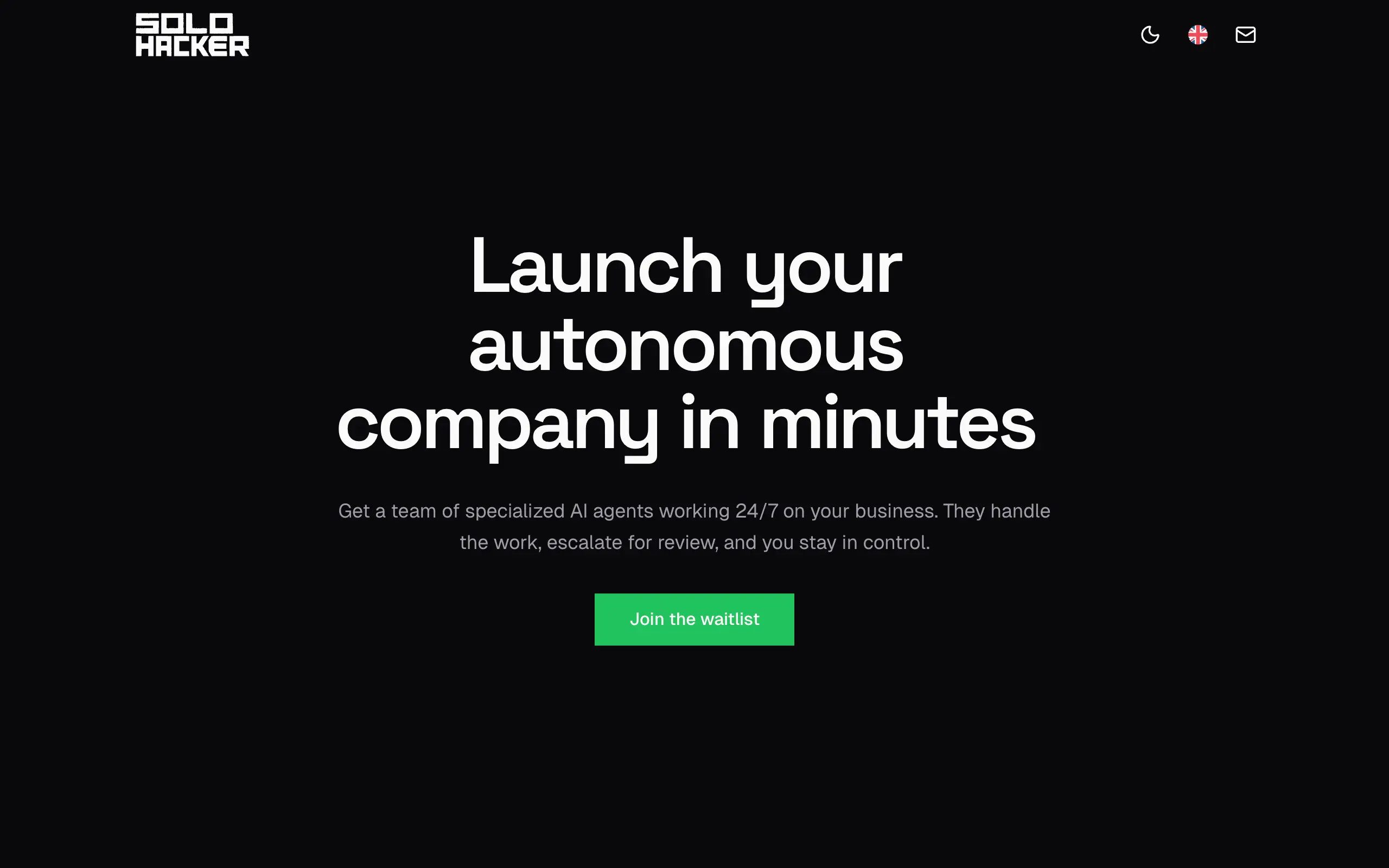
Solohacker
Autonomous company launcher - AI agents work 24/7, escalate what matters, and you stay in control 🤖

BeRawi: Storytelling Coach
Practice storytelling daily with instant feedback to sound clearer, more engaging, and confident 🎤
Omichat
Chat with 50+ AI models, including ChatGPT and Claude, in one place - switch models anytime without losing context 🤖
Claude Fast
Supercharge your Claude Code with 6x effective context window and specialized AI agents 🤖
EmojAI
AI-powered emoji picker with smart, context-aware suggestions 🤖
Solohacker
Autonomous company launcher - AI agents work 24/7, escalate what matters, and you stay in control 🤖
BeRawi: Storytelling Coach
Practice storytelling daily with instant feedback to sound clearer, more engaging, and confident 🎤
Omichat
Chat with 50+ AI models, including ChatGPT and Claude, in one place - switch models anytime without losing context 🤖
Claude Fast
Supercharge your Claude Code with 6x effective context window and specialized AI agents 🤖
EmojAI
AI-powered emoji picker with smart, context-aware suggestions 🤖
Solohacker
Autonomous company launcher - AI agents work 24/7, escalate what matters, and you stay in control 🤖
BeRawi: Storytelling Coach
Practice storytelling daily with instant feedback to sound clearer, more engaging, and confident 🎤
Omichat
Chat with 50+ AI models, including ChatGPT and Claude, in one place - switch models anytime without losing context 🤖
Claude Fast
Supercharge your Claude Code with 6x effective context window and specialized AI agents 🤖
EmojAI
AI-powered emoji picker with smart, context-aware suggestions 🤖
Solohacker
Autonomous company launcher - AI agents work 24/7, escalate what matters, and you stay in control 🤖
BeRawi: Storytelling Coach
Practice storytelling daily with instant feedback to sound clearer, more engaging, and confident 🎤

Connect with like-minded people
Join our community to get feedback, support, and grow together with 1,000+ builders on board, let's ship it!
Join usShip your startup everywhere. In minutes.
Don't burn tokens on setup and start building features on day one.