LocalLens
Discover underrated local spots through short user video reviews and personalized recommendations based on your vibe and budget.
The opportunity behind LocalLens: a new way to discover underrated local spots
Consumers are overwhelmed by generic “top 10” lists, sponsored Google Maps results, and influencer content that often prioritizes brand deals over authenticity. At the same time, people crave unique, local experiences — hidden cafés, low-key bars, cozy bookstores, late-night food stalls, community art spaces — that match their vibe and budget.
LocalLens is a social discovery SaaS platform focused on:
- Short-form user video reviews
- Personalized recommendations based on vibe and budget
- Underrated local spots instead of mainstream chains
In a market dominated by Yelp, Google Maps, and TikTok, LocalLens positions itself as a hyper-personalized, authenticity-first local discovery platform.
This article breaks down the full strategic blueprint: target audience, market gap, product features, tech stack, monetization, risks, competitive edge, and step-by-step implementation guidance.
Understanding the user intent behind “local discovery apps”
When users search for:
- “best local spots near me”
- “underrated restaurants in my city”
- “hidden gems in [city name]”
- “apps to discover cool places”
- “budget-friendly places near me”
They are typically looking for:
- Authenticity – not tourist traps.
- Social proof – real people, real experiences.
- Personalization – something that matches their mood and budget.
- Speed – fast, scrollable content.
- Inspiration – not just data, but vibes.
LocalLens satisfies this search intent by combining:
- Social short-form content (like TikTok)
- Local search functionality (like Google Maps)
- Personalized recommendation engines (like Netflix/Spotify)
- Budget filtering (rarely prioritized in discovery platforms)
Target audience analysis
To build LocalLens effectively, we must deeply understand who it serves.
1. Gen Z and Millennials (18–35)
Primary drivers:
- Social validation
- Short-form video consumption
- Budget-conscious spending
- Experience-first lifestyle
They:
- Prefer authentic video over text reviews
- Trust peers over brands
- Share everything on social media
- Seek “aesthetic” and “vibe-based” experiences
2. Urban explorers & digital nomads
This segment actively searches for:
- Hidden gems in new cities
- Affordable co-working cafés
- Community events
- Neighborhood-specific experiences
They value:
- Discovery beyond tourist hotspots
- Real local insights
- Location-aware personalization
3. Budget-conscious consumers
Many users filter experiences by:
- “Under $10”
- “Cheap date night ideas”
- “Free activities near me”
LocalLens integrates budget as a core filter, not an afterthought.
4. Small local businesses
On the supply side, LocalLens serves:
- Independent cafés
- Small restaurants
- Art studios
- Local event organizers
- Boutique stores
These businesses often:
- Can’t compete with big brands in paid ads
- Rely on organic word of mouth
- Want video-based exposure
Market gap and opportunity in local discovery apps
The current landscape
Let’s analyze existing players:
- Google Maps → functional but not vibe-driven.
- Yelp → text-heavy, often outdated.
- TikTok → discovery-friendly but not structured or localized.
- Instagram → visual but algorithmically chaotic.
- TripAdvisor → tourist-centric.
None of them combine:
- Hyperlocal focus
- Short video reviews
- Budget-aware filtering
- Vibe-based personalization
Where LocalLens wins
LocalLens focuses on:
- ✅ Underrated spots, not chains
- ✅ Video-first discovery
- ✅ AI-powered vibe matching
- ✅ Budget filtering baked into UX
- ✅ Social layer for engagement
This positioning is especially strong in dense urban markets.
Core features of LocalLens
Below is a strategic breakdown of the most impactful features.
1. Short-form video reviews (vertical, 30–60 seconds)
Users can:
- Record quick clips
- Add location tag
- Add price range
- Select vibe tags (e.g., cozy, loud, romantic, aesthetic, late-night)
Why video?
- Video builds trust.
- It shows ambience.
- It reduces fake reviews.
- It aligns with modern attention patterns.
2. Personalized “vibe + budget” recommendation engine
This is the heart of LocalLens.
Users set:
- Mood (chill, romantic, party, work-friendly, artsy)
- Budget range ($, $$, $$$)
- Time of day
- Distance radius
The algorithm ranks content based on:
- Viewing behavior
- Saves
- Shares
- Watch time
- Past liked vibes
Over time, the feed becomes uniquely tailored.
3. Map + feed hybrid UX
Instead of separating “map” and “social,” LocalLens merges them:
- Scroll feed → see short videos
- Tap → open mini map view
- Save → build personal local list
This bridges the gap between entertainment and utility.
4. Smart budget filters
Budget is structured, not vague:
- Under $10
- $10–$20
- $20–$50
- $50+
This is a major differentiator compared to most discovery platforms.
5. Gamification and community trust
Features:
- “Hidden gem hunter” badges
- City-level leaderboards
- Creator tiers
- Verified local reviewer status
This increases retention and combats low-quality spam.
Feature comparison snapshot
| Feature | Google Maps | Yelp | TikTok | LocalLens |
|---|---|---|---|---|
| Short video reviews | ❌ | ❌ | ✅ | ✅ |
| Budget-based personalization | ❌ | ❌ | ❌ | ✅ |
| Vibe tagging | ❌ | Limited | Informal | ✅ Structured |
| Map + social hybrid | ✅ | ✅ | ❌ | ✅ |
Recommended tech stack for LocalLens
Building a video-first social SaaS platform requires thoughtful architecture.
Frontend
Why?
- Excellent SSR and SEO support
- Fast UI iteration
- Scalable component structure
Backend
Options:
- Node.js + Express
- Or Next.js API routes
- PostgreSQL for relational data
- Redis for caching
- Cloud storage (e.g., AWS S3)
Video infrastructure
Video is expensive and performance-sensitive.
Options:
- Use Mux or AWS MediaConvert
- Adaptive streaming
- Auto compression
Trade-offs:
- Self-hosted → cheaper long-term, higher complexity
- Managed service → higher cost, lower operational burden
Recommendation engine
Phase 1:
- Rule-based filtering (vibe + budget + distance)
Phase 2:
- Collaborative filtering
- Behavioral clustering
- ML-based personalization
Geo and mapping
- Google Maps API
- Or Mapbox
Cost considerations:
- Mapping APIs scale with usage
- Optimize by caching coordinates
Monetization strategy for LocalLens
Monetization must preserve trust.
1. Freemium for businesses
Small businesses can:
- Claim listing (free)
- Promote video ($)
- Access analytics ($)
- Run local promotions ($)
2. Sponsored but labeled placements
Important:
- Clearly marked
- Based on user vibe compatibility
Transparency builds trust.
3. Creator marketplace
Top creators can:
- Partner with local brands
- Earn affiliate commissions
- Get paid campaigns
LocalLens takes a platform fee.
4. Premium user tier
Optional features:
- Early access to trending spots
- Curated city drops
- Private recommendation lists
- Ad-free experience
Competitive advantage of LocalLens
LocalLens stands out through:
1. Vibe-first discovery
Instead of:
“Best restaurants in Chicago”
Users explore:
“Chill late-night under $20 in West Loop”
This emotional framing is powerful.
2. Budget embedded in UX
Budget isn’t buried — it’s core to recommendations.
This is especially strong during economic uncertainty.
3. Underrated algorithm bias
Instead of promoting most-reviewed places:
LocalLens can:
- Boost low-visibility but high-quality spots
- Promote new businesses
- Avoid corporate dominance
4. Video authenticity filter
Fake reviews are harder via video.
Visual proof increases trustworthiness.
Potential risks and mitigation strategies
Platform risk awareness
Every social platform faces growth and moderation challenges. Proactive systems are essential.
Risk 1: Low initial content volume
Solution:
- City-by-city launch
- Recruit micro-creators
- Seed content manually
- Partner with local communities
Risk 2: Video moderation challenges
Solution:
- AI moderation tools
- Manual city moderators
- Flagging system
- Verified creator badges
Risk 3: Monetization harming trust
Solution:
- Clear “Sponsored” tags
- Algorithm separation
- Transparent guidelines
Risk 4: Platform cold start problem
Mitigation:
- Hyperlocal launch strategy
- Campus rollouts
- Influencer partnerships
- Referral incentives
Go-to-market strategy for LocalLens
Phase 1: Choose one city
Focus:
- Dense urban area
- Strong café/food culture
- High Gen Z population
Example targets:
- Austin
- Berlin
- Toronto
- Barcelona
Phase 2: Recruit 50 micro creators
Offer:
- Early access
- Creator badge
- Revenue share
- City ambassador title
Phase 3: Launch local events
Offline → Online loop.
- Host “Hidden Gems Walk”
- Film live reviews
- Encourage hashtag challenges
Step-by-step implementation roadmap
Building faster with the right foundation
Instead of building everything from scratch, founders can use pre-built SaaS foundations like TurboStarter to accelerate:
- Authentication
- Payments
- User roles
- Admin dashboard
- SaaS billing infrastructure
This dramatically reduces time to MVP.
SEO growth strategy for LocalLens
To rank organically for:
- “Hidden gems in [city]”
- “Underrated restaurants near me”
- “Budget-friendly date spots”
- “Best local cafés under $20”
LocalLens should:
- Create dynamic city pages
- Generate SEO-optimized spot pages
- Embed short videos
- Use structured data (Schema.org LocalBusiness)
Content + UGC + structured SEO = compounding organic traffic.
Long-term vision: becoming the “Spotify for local experiences”
Spotify personalizes music. Netflix personalizes movies.
LocalLens can personalize:
- Cafés
- Bars
- Events
- Art spaces
- Nightlife
- Experiences
The long-term moat becomes:
- Data depth
- User behavior insights
- City-specific personalization
- Creator ecosystem
Final thoughts: why LocalLens has strong SaaS potential
LocalLens sits at the intersection of:
- Social media
- Local commerce
- Personalization AI
- Short-form video
- Budget-conscious discovery
It addresses modern consumer behavior shifts:
- Trust in peers over brands
- Preference for video over text
- Desire for personalization
- Experience-first spending
By focusing on:
- One city at a time
- Authentic creators
- Budget-first filtering
- Vibe-driven UX
LocalLens can carve out a defensible niche in the crowded local discovery market.
If executed with precision, LocalLens can redefine how people discover their cities — not through ads, but through authentic, personalized, vibe-matched experiences.
More 🌐 Social Network SaaS ideas
Discover more innovative social network SaaS ideas that are trending in 2026. Each idea is AI-generated with market validation and growth potential to help you find your next profitable venture faster than competitors.
Your competitors are building with TurboStarter
Below are some of the SaaS ideas that have been generated and built with our starter kit.
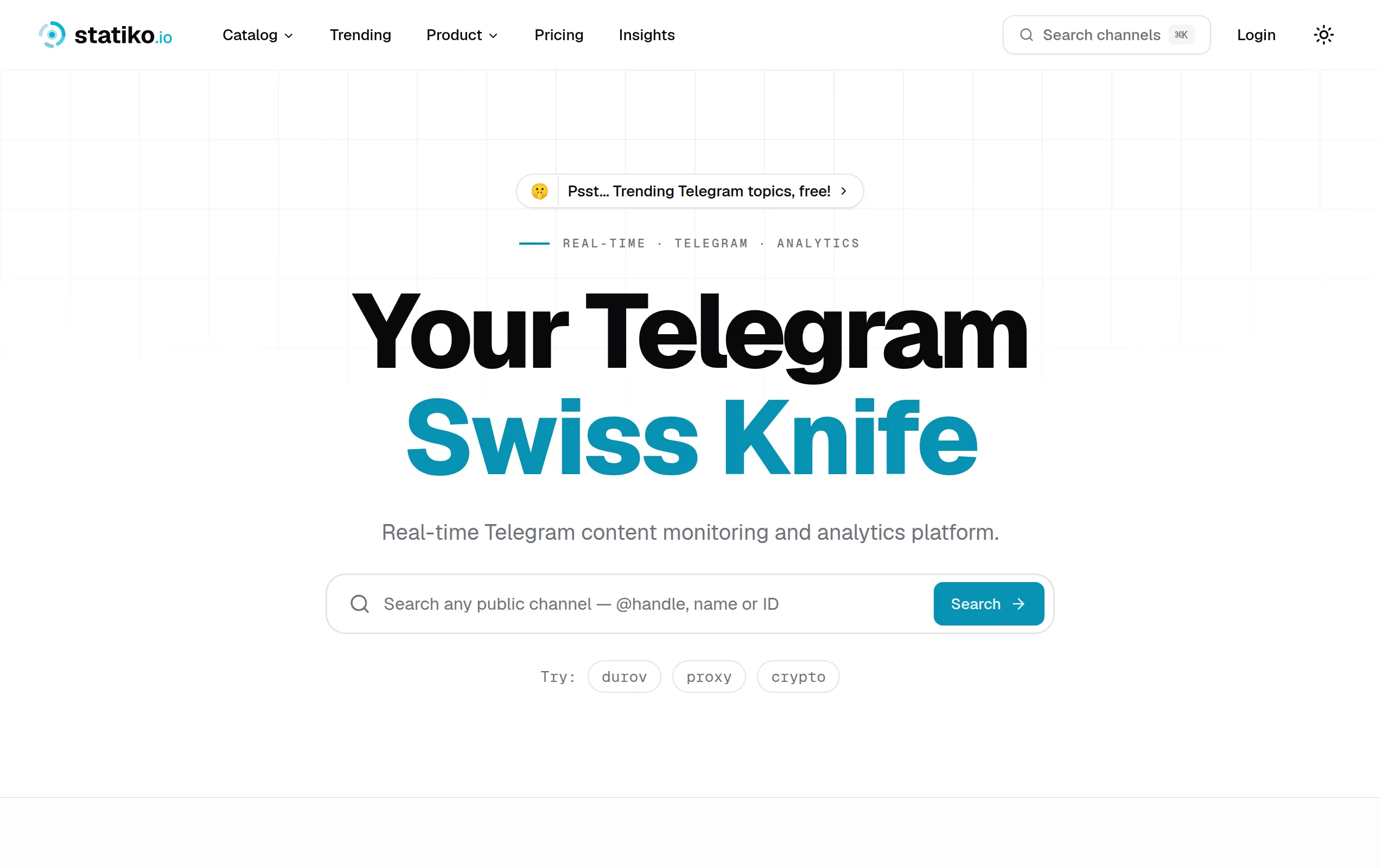
Statiko
Monitor any Telegram channel in real time - track posts, edits, deletions, and growth with AI recaps 📡
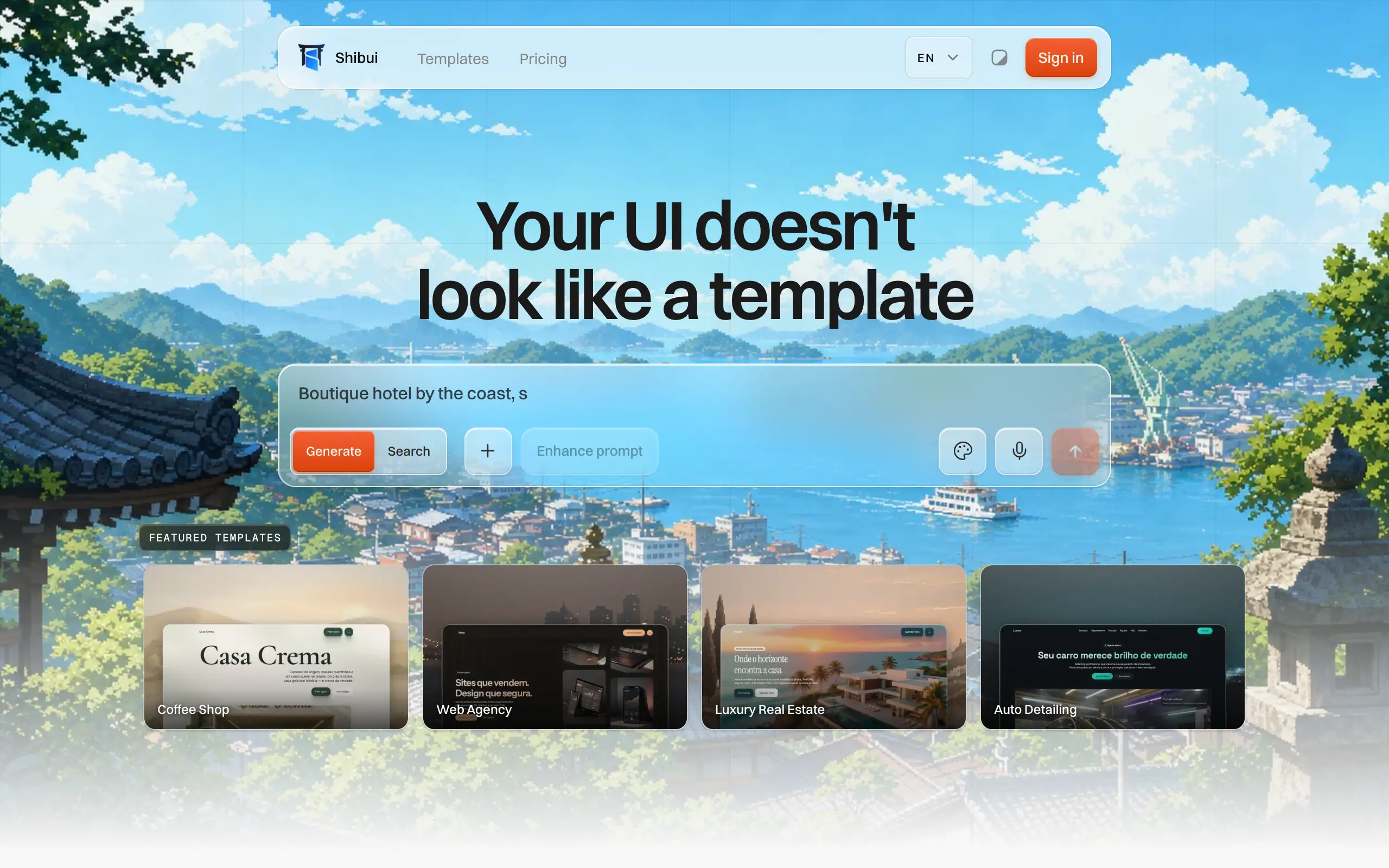
Shibui
AI website builder - describe your business, pick a niche template, edit by chatting, and publish instantly ✨
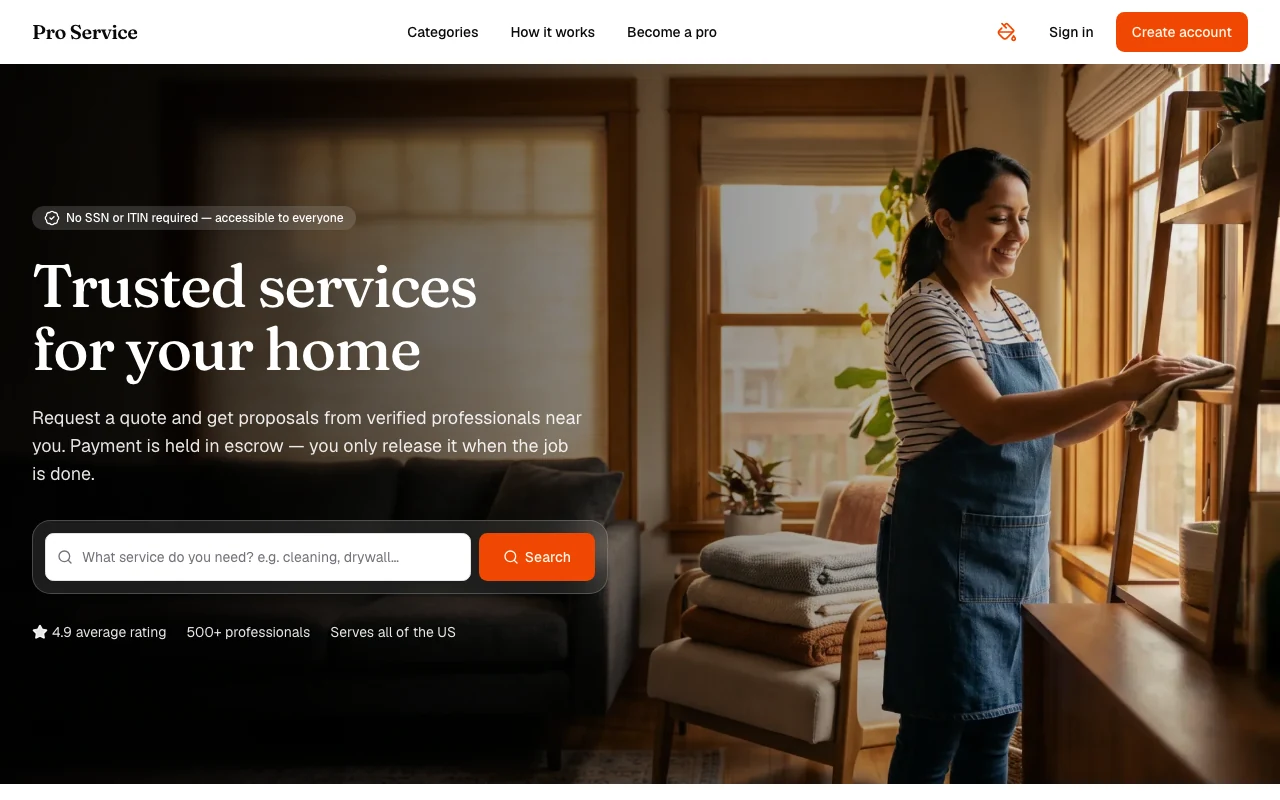
Pro Service
Find verified home service professionals, compare quotes, and pay securely through escrow - built for Brazilians across the US 🏠
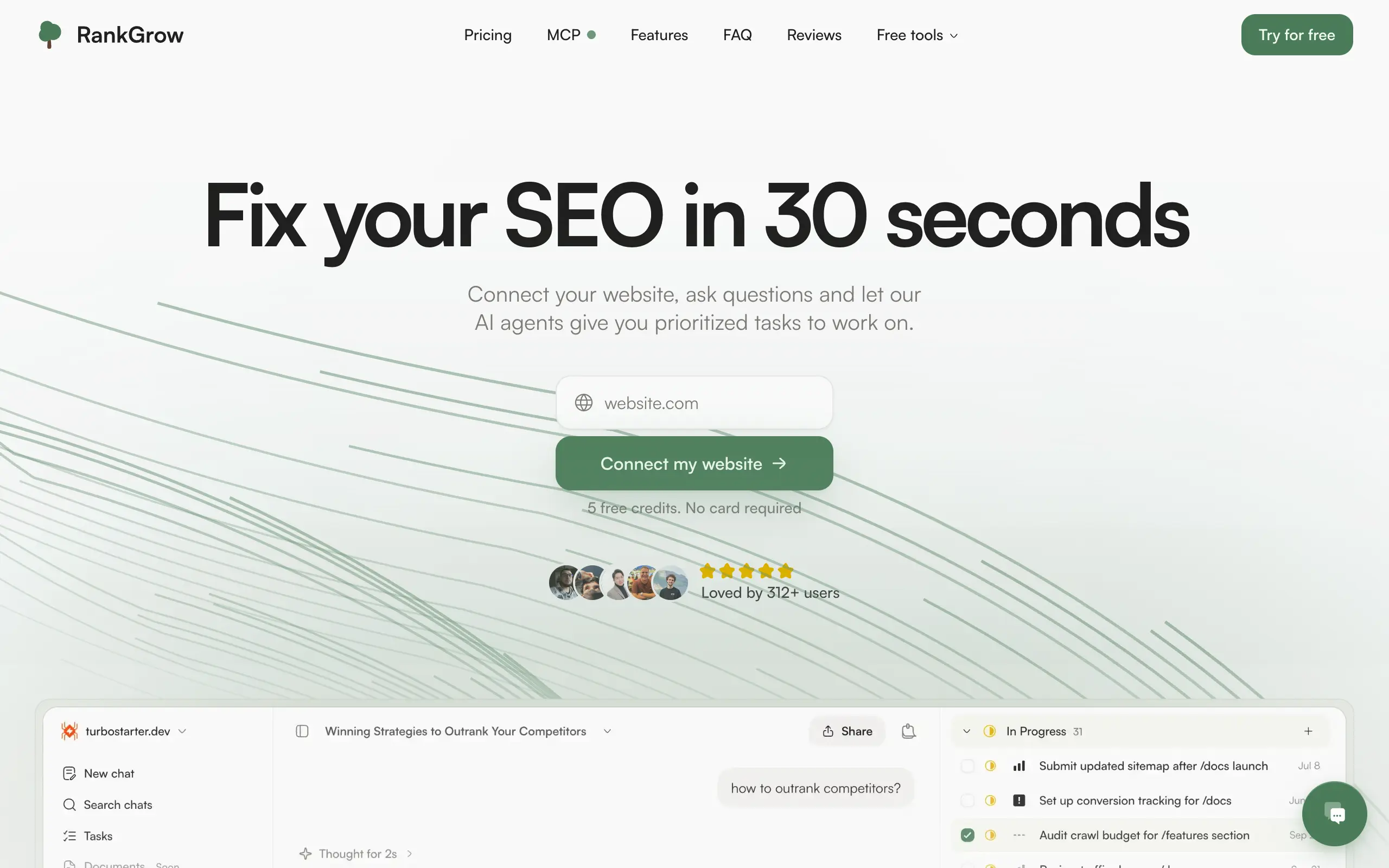
RankGrow
Fix your SEO with AI agents - connect Search Console, get prioritized tasks, and grow organic traffic 📈
SyncReads
Sync your favorite content for distraction-free reading, save time and replace multiple apps. Anytime, anywhere 🔄
Socialcrawl
Get clean, structured data from 21 platforms like TikTok, Instagram, and YouTube with a single request 📊
Statiko
Monitor any Telegram channel in real time - track posts, edits, deletions, and growth with AI recaps 📡
Shibui
AI website builder - describe your business, pick a niche template, edit by chatting, and publish instantly ✨
Pro Service
Find verified home service professionals, compare quotes, and pay securely through escrow - built for Brazilians across the US 🏠
RankGrow
Fix your SEO with AI agents - connect Search Console, get prioritized tasks, and grow organic traffic 📈
SyncReads
Sync your favorite content for distraction-free reading, save time and replace multiple apps. Anytime, anywhere 🔄
Socialcrawl
Get clean, structured data from 21 platforms like TikTok, Instagram, and YouTube with a single request 📊
Statiko
Monitor any Telegram channel in real time - track posts, edits, deletions, and growth with AI recaps 📡
Shibui
AI website builder - describe your business, pick a niche template, edit by chatting, and publish instantly ✨
Pro Service
Find verified home service professionals, compare quotes, and pay securely through escrow - built for Brazilians across the US 🏠
RankGrow
Fix your SEO with AI agents - connect Search Console, get prioritized tasks, and grow organic traffic 📈
SyncReads
Sync your favorite content for distraction-free reading, save time and replace multiple apps. Anytime, anywhere 🔄
Socialcrawl
Get clean, structured data from 21 platforms like TikTok, Instagram, and YouTube with a single request 📊
Statiko
Monitor any Telegram channel in real time - track posts, edits, deletions, and growth with AI recaps 📡
Shibui
AI website builder - describe your business, pick a niche template, edit by chatting, and publish instantly ✨
Pro Service
Find verified home service professionals, compare quotes, and pay securely through escrow - built for Brazilians across the US 🏠
RankGrow
Fix your SEO with AI agents - connect Search Console, get prioritized tasks, and grow organic traffic 📈
SyncReads
Sync your favorite content for distraction-free reading, save time and replace multiple apps. Anytime, anywhere 🔄
Socialcrawl
Get clean, structured data from 21 platforms like TikTok, Instagram, and YouTube with a single request 📊
Dotallio
Personalized AI apps that automate research, data extraction, and content creation without code 🤖
Talk to Santa
Enjoy a magical live video chat or receive a unique AI-generated video greeting from Santa Claus 🎅

pozywka.pl
Scalable blog for food journalist, focused on performance and user experience 🌭
zagrodzki.me
Personal blog and portfolio of Bart Zagrodzki, where he shares his knowledge and work 💼
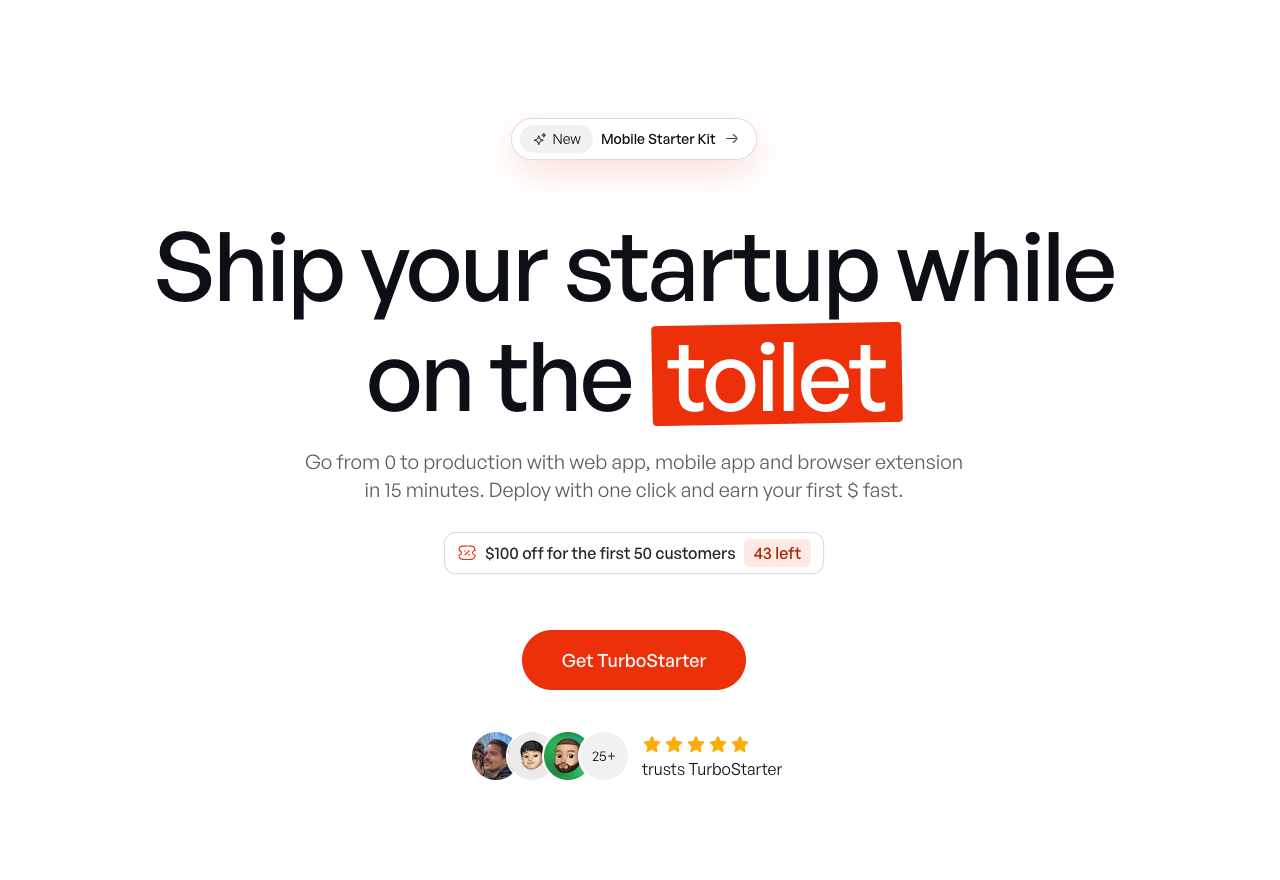
TurboStarter
Ship your startup everywhere. In minutes.
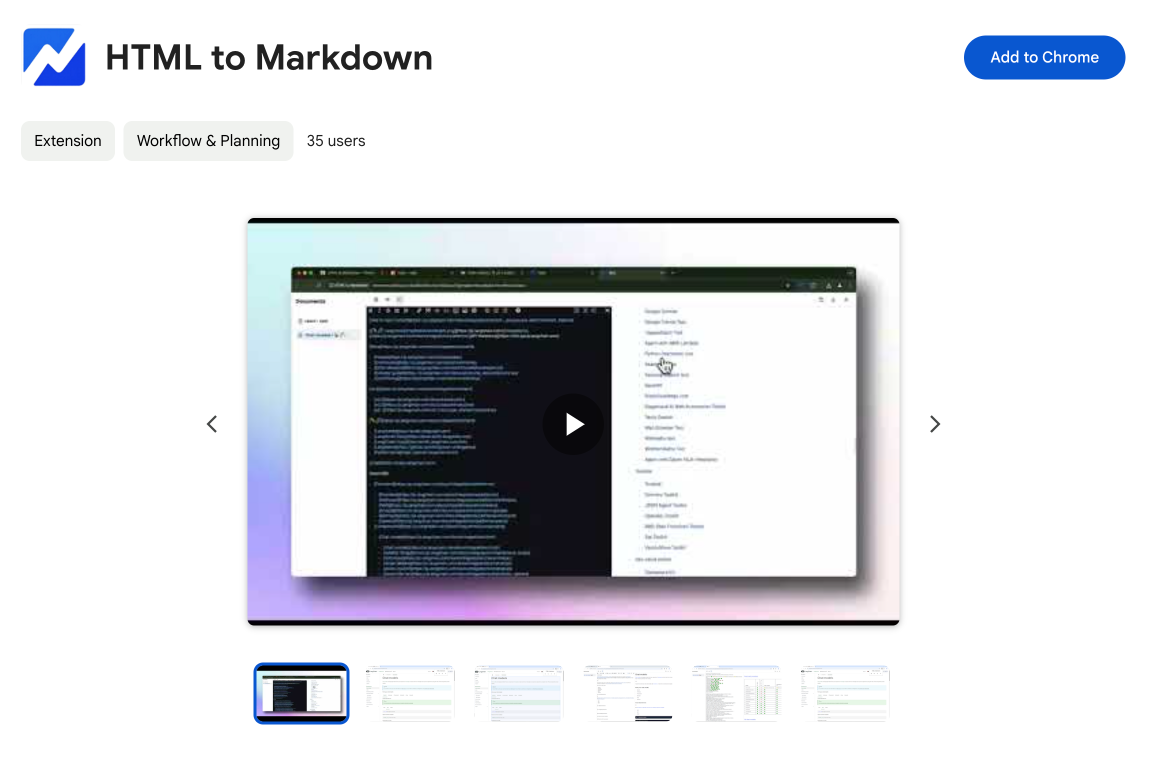
HTML to Markdown
Convert HTML to Markdown with ease, directly in your browser 📄
Dotallio
Personalized AI apps that automate research, data extraction, and content creation without code 🤖
Talk to Santa
Enjoy a magical live video chat or receive a unique AI-generated video greeting from Santa Claus 🎅
pozywka.pl
Scalable blog for food journalist, focused on performance and user experience 🌭
zagrodzki.me
Personal blog and portfolio of Bart Zagrodzki, where he shares his knowledge and work 💼
TurboStarter
Ship your startup everywhere. In minutes.
HTML to Markdown
Convert HTML to Markdown with ease, directly in your browser 📄
Dotallio
Personalized AI apps that automate research, data extraction, and content creation without code 🤖
Talk to Santa
Enjoy a magical live video chat or receive a unique AI-generated video greeting from Santa Claus 🎅
pozywka.pl
Scalable blog for food journalist, focused on performance and user experience 🌭
zagrodzki.me
Personal blog and portfolio of Bart Zagrodzki, where he shares his knowledge and work 💼
TurboStarter
Ship your startup everywhere. In minutes.
HTML to Markdown
Convert HTML to Markdown with ease, directly in your browser 📄
Dotallio
Personalized AI apps that automate research, data extraction, and content creation without code 🤖
Talk to Santa
Enjoy a magical live video chat or receive a unique AI-generated video greeting from Santa Claus 🎅
pozywka.pl
Scalable blog for food journalist, focused on performance and user experience 🌭
zagrodzki.me
Personal blog and portfolio of Bart Zagrodzki, where he shares his knowledge and work 💼
TurboStarter
Ship your startup everywhere. In minutes.
HTML to Markdown
Convert HTML to Markdown with ease, directly in your browser 📄
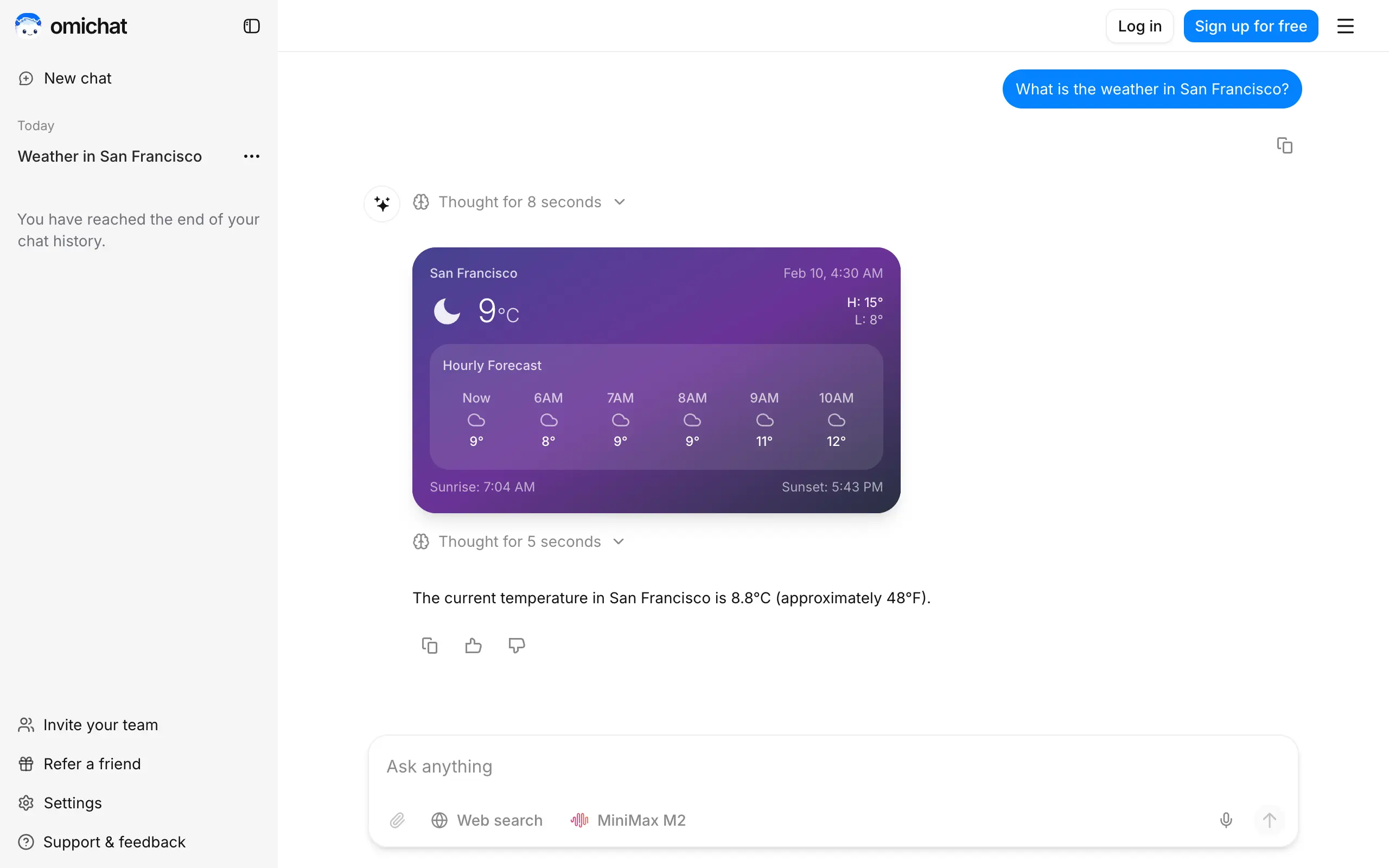
Omichat
Chat with 50+ AI models, including ChatGPT and Claude, in one place - switch models anytime without losing context 🤖
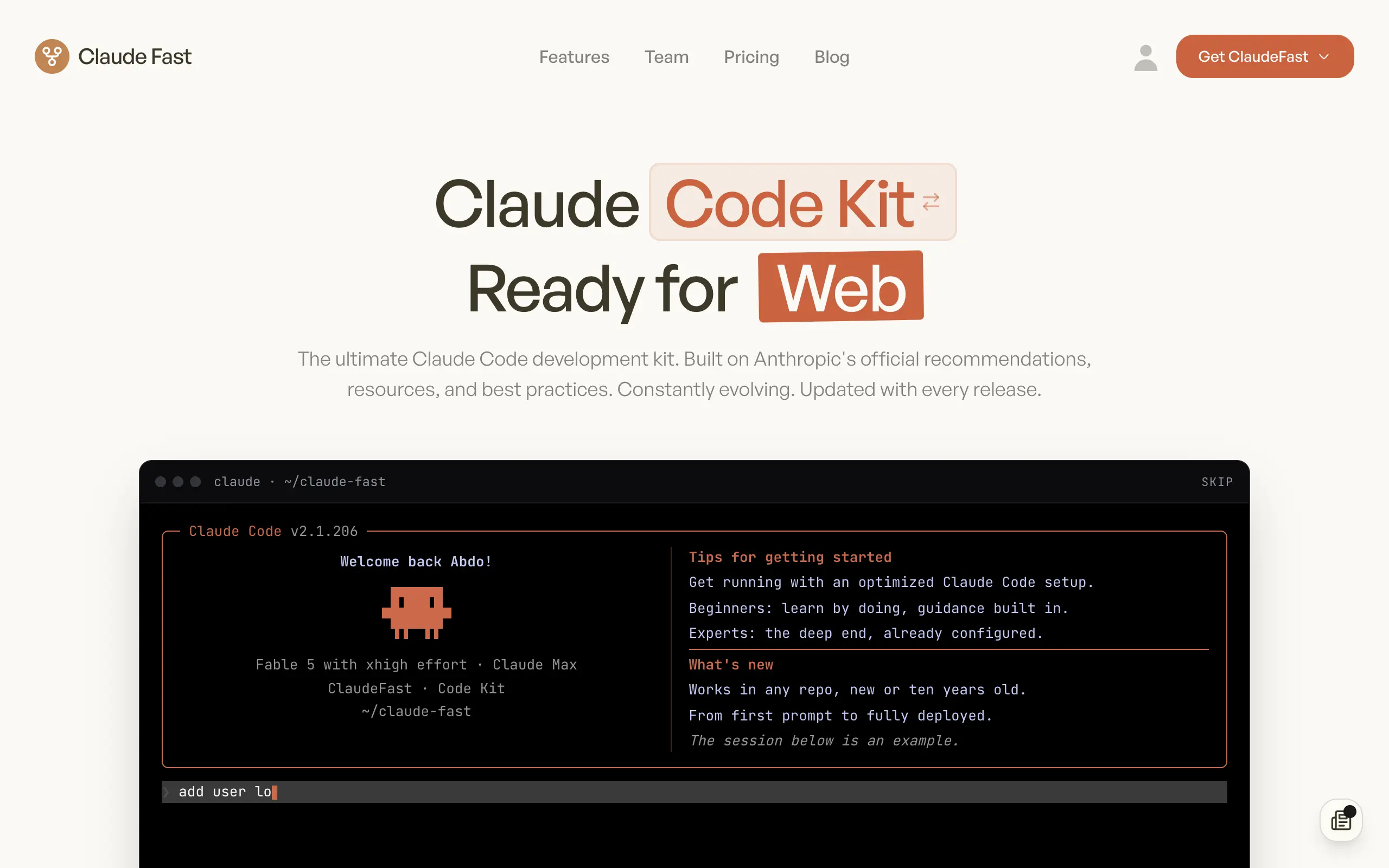
Claude Fast
Supercharge your Claude Code with 6x effective context window and specialized AI agents 🤖
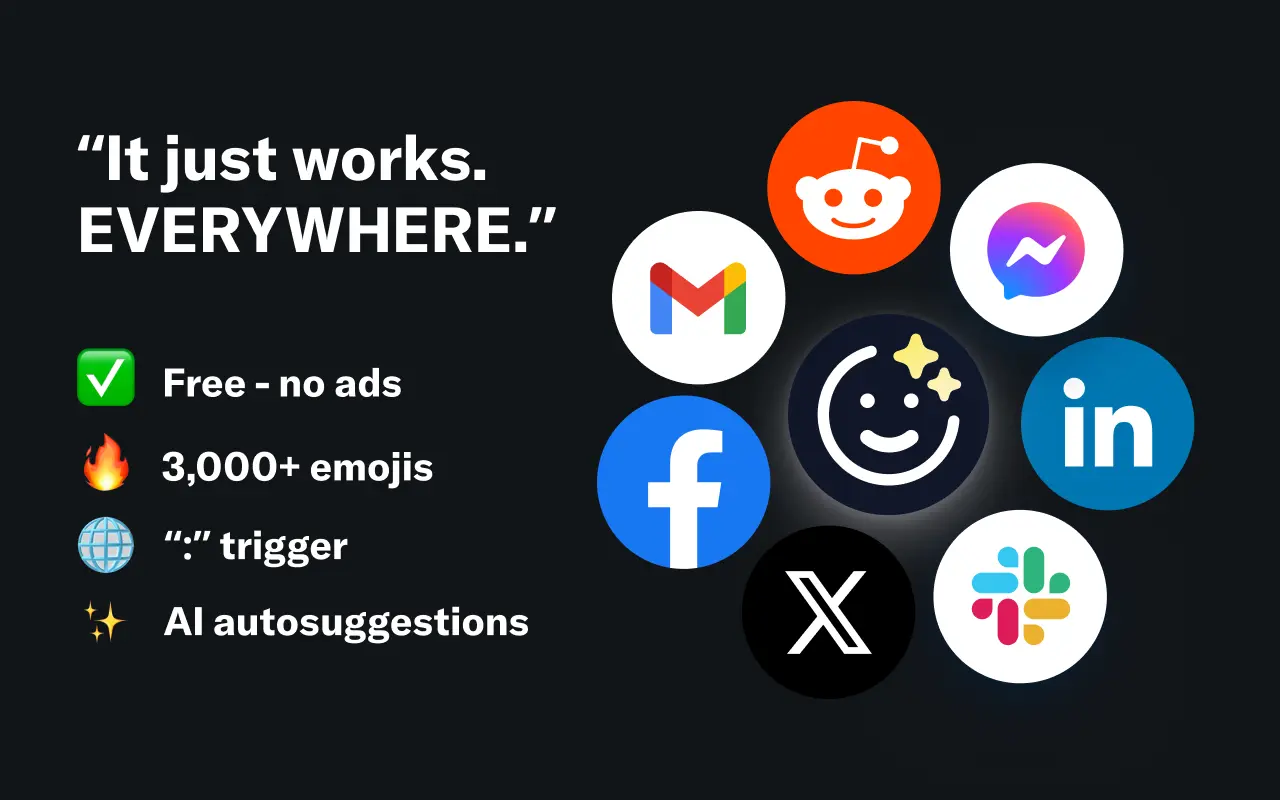
EmojAI
AI-powered emoji picker with smart, context-aware suggestions 🤖
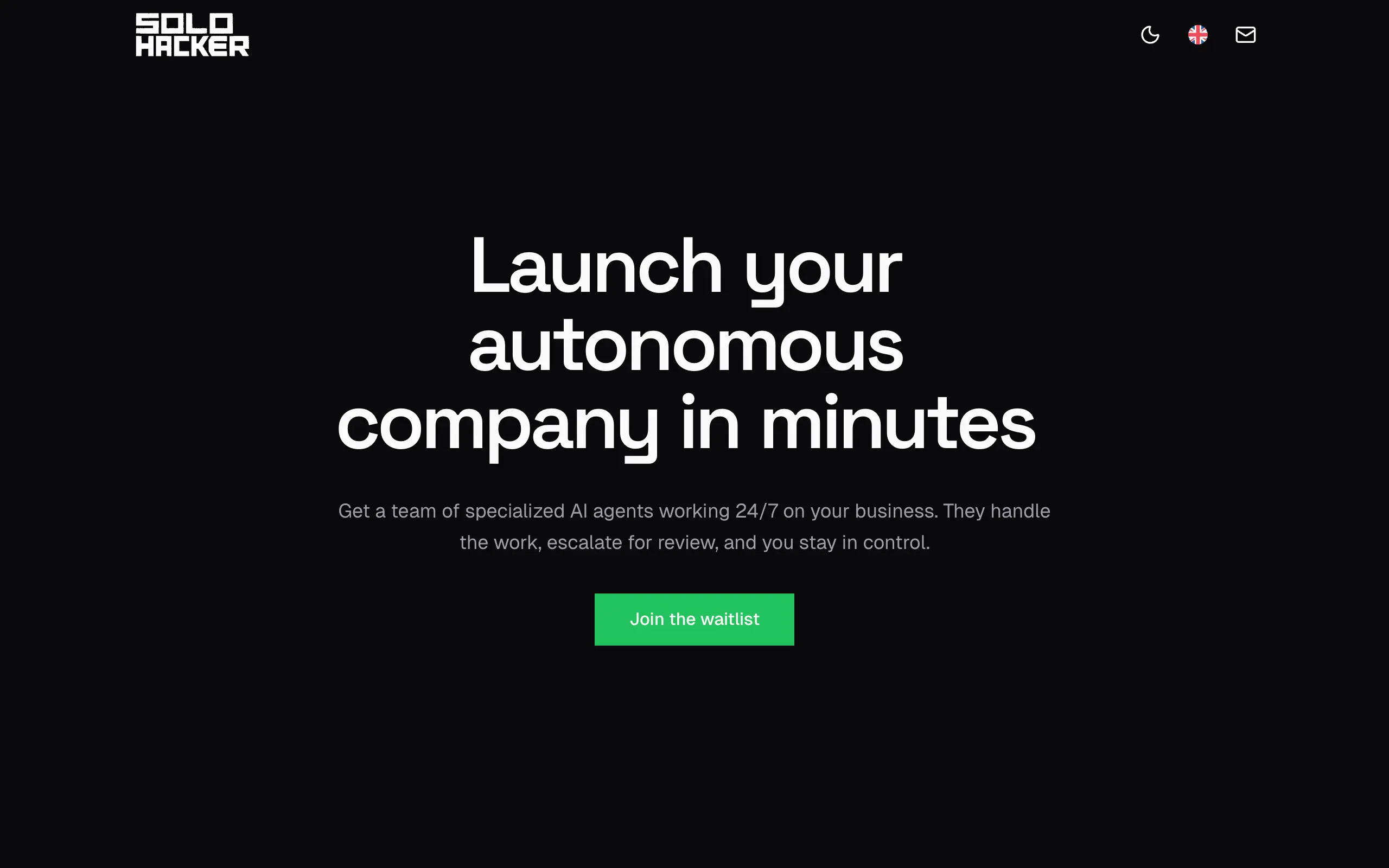
Solohacker
Autonomous company launcher - AI agents work 24/7, escalate what matters, and you stay in control 🤖
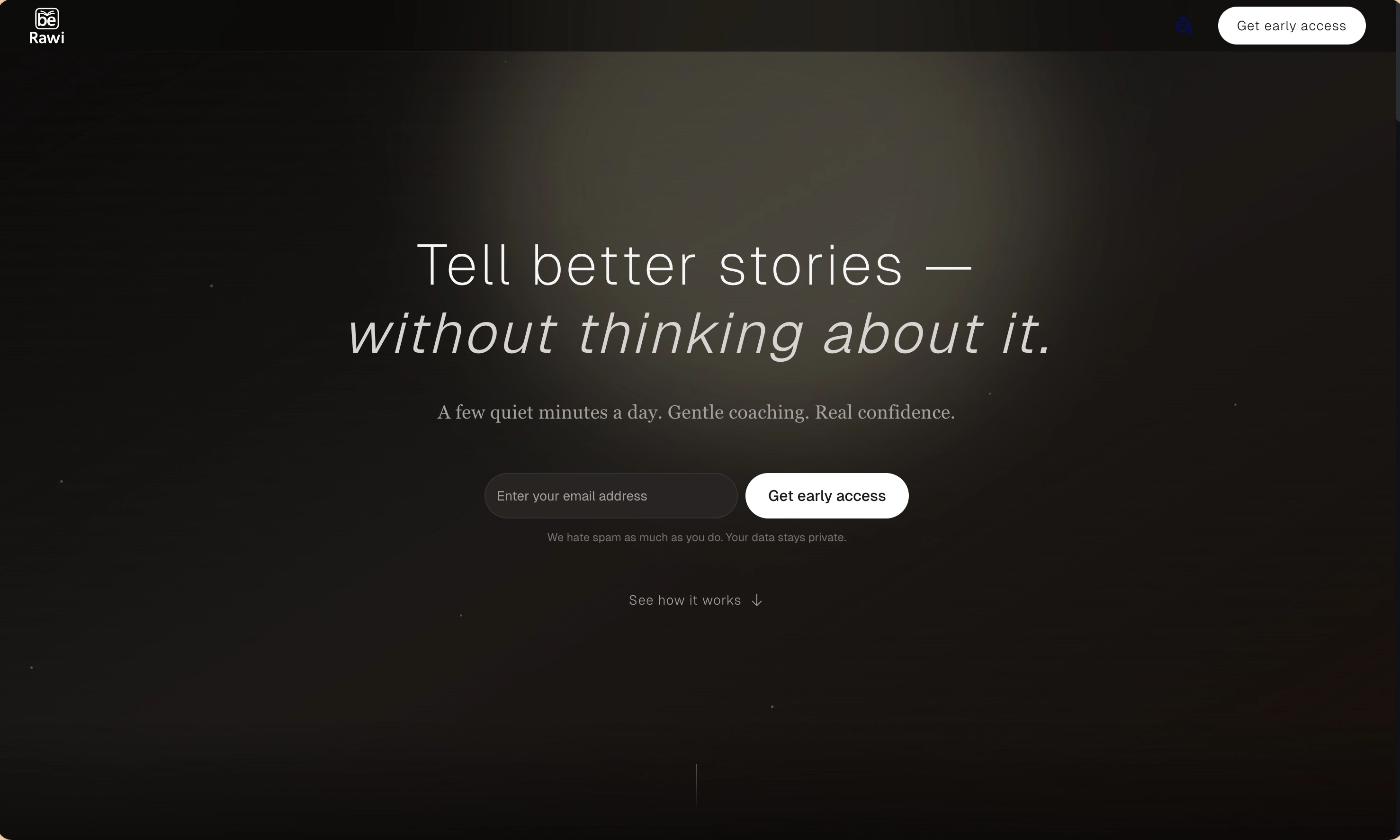
BeRawi: Storytelling Coach
Practice storytelling daily with instant feedback to sound clearer, more engaging, and confident 🎤
Omichat
Chat with 50+ AI models, including ChatGPT and Claude, in one place - switch models anytime without losing context 🤖
Claude Fast
Supercharge your Claude Code with 6x effective context window and specialized AI agents 🤖
EmojAI
AI-powered emoji picker with smart, context-aware suggestions 🤖
Solohacker
Autonomous company launcher - AI agents work 24/7, escalate what matters, and you stay in control 🤖
BeRawi: Storytelling Coach
Practice storytelling daily with instant feedback to sound clearer, more engaging, and confident 🎤
Omichat
Chat with 50+ AI models, including ChatGPT and Claude, in one place - switch models anytime without losing context 🤖
Claude Fast
Supercharge your Claude Code with 6x effective context window and specialized AI agents 🤖
EmojAI
AI-powered emoji picker with smart, context-aware suggestions 🤖
Solohacker
Autonomous company launcher - AI agents work 24/7, escalate what matters, and you stay in control 🤖
BeRawi: Storytelling Coach
Practice storytelling daily with instant feedback to sound clearer, more engaging, and confident 🎤
Omichat
Chat with 50+ AI models, including ChatGPT and Claude, in one place - switch models anytime without losing context 🤖
Claude Fast
Supercharge your Claude Code with 6x effective context window and specialized AI agents 🤖
EmojAI
AI-powered emoji picker with smart, context-aware suggestions 🤖
Solohacker
Autonomous company launcher - AI agents work 24/7, escalate what matters, and you stay in control 🤖
BeRawi: Storytelling Coach
Practice storytelling daily with instant feedback to sound clearer, more engaging, and confident 🎤

Connect with like-minded people
Join our community to get feedback, support, and grow together with 1,000+ builders on board, let's ship it!
Join usShip your startup everywhere. In minutes.
Don't burn tokens on setup and start building features on day one.