LookPin
Fashion lovers publish swipeable outfit boards, tag every piece, and remix trending cover templates into polished, shareable style stories.
Why LookPin addresses a real gap in fashion social media
Fashion discovery has always been visual, aspirational, and intensely social. Yet the current experience is fragmented. A person may save outfit screenshots to a camera roll, collect product links in a notes app, browse inspiration on visual platforms, and share final looks through short-form video or stories. None of those workflows makes it easy to create a polished, reusable, product-tagged fashion story in one place.
LookPin is a social fashion platform built around swipeable outfit boards. Users can publish complete looks, tag every item, remix trending cover templates, and share visually consistent style stories with friends, followers, or the wider fashion community.
The primary opportunity is not simply to build another social network for fashion lovers. It is to create a purpose-built outfit board app that turns inspiration into structured, interactive, and shareable content.
A strong LookPin-style product sits at the intersection of several established user behaviors:
- Saving outfit inspiration for later
- Building capsule wardrobes and seasonal wish lists
- Sharing “get ready with me” content
- Finding alternatives to expensive or sold-out fashion items
- Following creators for styling ideas rather than only entertainment
- Shopping through creator recommendations
- Curating visual identity through mood boards, aesthetic templates, and digital collages
The key difference is that LookPin can treat the outfit board as a first-class content format. Instead of asking users to adapt fashion content to a generic feed, the platform makes item-level tagging, visual sequencing, remixing, and style discovery native to the experience.
The central product thesis
People do not only want to see a good outfit. They want to understand it, save it, adapt it to their budget or body type, and publish their own version without starting from a blank canvas.
For founders, product teams, and creators evaluating this SaaS idea, the most compelling angle is clear: LookPin can become a structured fashion discovery layer that combines social engagement with high-intent commerce signals.
What is a social outfit board platform?
A social outfit board platform lets users assemble images, products, text, color palettes, accessories, and styling notes into a swipeable visual post. Unlike a standard image carousel, each board can include metadata that makes the content useful after the first view.
A LookPin board could include:
- A cover slide using a trending style template
- A hero image of the full outfit
- Individual item tags for clothing, shoes, bags, jewelry, and beauty products
- A breakdown of where each piece came from
- Price ranges and affordable alternatives
- Notes about fit, weather, occasion, sizing, or styling
- A remix action that lets another user recreate the layout or reinterpret the look
- Save, follow, comment, share, and collection actions
This content model supports both fashion inspiration and fashion utility. That distinction matters because utility drives repeat usage. Users might visit once to browse aesthetic content, but they return when they can organize an event outfit, revisit a saved item, compare alternatives, or publish their own wardrobe edit.
The unique selling proposition of LookPin
LookPin’s USP is its combination of swipeable visual storytelling, granular outfit tagging, and template-driven remixing.
Most fashion content platforms do one or two of these jobs well:
- Image-first discovery platforms help users gather inspiration.
- Social apps help creators reach audiences.
- Affiliate storefronts help creators monetize recommendations.
- Wardrobe apps help individuals catalog what they own.
- Ecommerce stores help shoppers purchase products.
LookPin can connect these workflows in a single product loop:
- A creator publishes a visually compelling outfit board.
- A viewer swipes through the story and sees tagged pieces.
- The viewer saves the board or remixes the format.
- The viewer publishes a new board with their own interpretation.
- New content creates more discovery, follows, and commerce intent.
That loop creates a stronger reason to participate than a passive visual feed. Users are not just consuming fashion content. They are building a visible, remixable record of personal style.
Target audience analysis for LookPin
A broad “fashion lovers” audience sounds attractive but is too vague for a successful launch. LookPin should start with defined communities whose content habits, social motivations, and purchasing behavior align with outfit boards.
Primary audience: style-conscious Gen Z and young millennials
The first audience is likely adults aged roughly 18 to 34 who already use fashion content to shape their identity, purchase decisions, and online presence.
Common characteristics include:
- They use visual platforms to discover trends and aesthetics.
- They share outfits, hauls, event looks, or wardrobe edits online.
- They care about visual presentation and personal branding.
- They are comfortable with templates, carousels, short-form media, and remix culture.
- They are price-sensitive enough to value alternatives and shopping links.
- They are likely to follow micro-creators with relatable style.
This audience does not need to be universally “fashion obsessed.” The stronger early cohort is people who already create or save fashion content several times per month.
Secondary audience: emerging fashion creators
Micro-creators, stylists, thrift curators, fashion students, boutique owners, and personal shoppers are especially valuable because they create content at a higher frequency.
For them, LookPin should solve practical publishing problems:
- Turning a single outfit shoot into multiple board formats
- Presenting product information without cluttering an image
- Reusing successful content structures
- Building an audience around a distinct aesthetic
- Sharing affiliate links in a more contextual way
- Demonstrating styling expertise through detailed look breakdowns
Creators are also a critical supply-side acquisition channel. A new social product needs high-quality content before casual consumers arrive. LookPin should make early creators feel like collaborators, not simply users.
Tertiary audience: shoppers with occasion-based intent
Occasion-based users may not identify as creators, but they have high commercial intent. Their searches and content needs are specific:
- “What to wear to a winter wedding”
- “Office outfits for petite women”
- “Concert outfit ideas”
- “Affordable summer vacation outfits”
- “Minimalist capsule wardrobe”
- “Wedding guest outfit ideas”
- “How to style wide-leg jeans”
- “Date night outfit ideas”
These visitors are ideal for SEO landing pages, shareable boards, and search-oriented discovery. They may initially arrive through Google or a shared link, then create an account to save boards, follow curators, or remix a look.
Audience needs by segment
| Audience | Main job to be done | Core feature | Retention trigger | Revenue potential |
|---|---|---|---|---|
| Style explorer | Find looks that match an aesthetic or event | Searchable outfit boards | Saved collections | Affiliate commerce |
| Fashion creator | Publish polished looks and grow an audience | Templates and product tags | Analytics and followers | Creator subscription |
| Stylist or curator | Package recommendations for clients or followers | Private boards and share links | Client workflow | Professional plan |
| Brand or boutique | Show products in complete outfits | Shoppable lookbooks | Campaign reporting | Business subscription |
Market opportunity and the fashion discovery gap
The fashion creator economy is mature enough to prove demand but still fragmented enough to create opportunity. Consumers increasingly expect social content to be actionable. They want to know where an item came from, how it fits into a full look, whether it is still available, and what to buy if it is out of stock.
At the same time, fashion discovery has several persistent weaknesses.
Inspiration is easy to save but difficult to use
A screenshot saved to a phone has no structured product data, no searchable context, and no update path when an item disappears from a retailer’s inventory. A generic saved post may be visually appealing, but it does not necessarily answer practical questions about sizing, affordability, or occasion.
LookPin can improve on this by treating every outfit board as structured content. The system should understand the difference between:
- A full outfit
- An individual garment
- A retailer product
- A user-uploaded vintage or thrifted item
- A similar alternative
- A style attribute, such as “coastal grandmother,” “quiet luxury,” “streetwear,” or “business casual”
- An occasion, season, weather condition, or body-fit note
That structure creates better search, recommendation, and monetization options over time.
Existing feeds prioritize reach over organization
Many creators publish strong fashion content in places where it is rapidly buried by a chronological or algorithmic feed. The content may receive views but become difficult to revisit later.
LookPin can give creators durable fashion portfolios. A user profile can function like a personal style archive, organized by:
- Season
- Occasion
- Aesthetic
- Budget
- Brand
- Color palette
- Body type or fit preference
- Travel destination
- Capsule wardrobe
- Trend cycle
This archive model makes the platform useful beyond the day of publication.
Shopping links often interrupt the visual experience
In many social environments, links are limited, buried, or detached from the actual content. On LookPin, product links and item tags should enhance the board rather than distract from it.
The interface should allow a viewer to tap an item and see a compact product card with retailer, price, availability, category, creator note, and alternatives. The viewer remains inside the look rather than being pushed prematurely into a storefront.
Trend participation is often too difficult for casual users
A template-remix system lowers the creative barrier. Users can take a trending “three ways to style it” board, “weekly outfit diary,” “one item, five looks,” or “what I packed” cover design and make it their own.
The important product decision is to distinguish between copying and remixing. A remix should preserve credit to the original board or template creator while allowing meaningful personalization. This supports community culture and gives creators an incentive to publish reusable formats.
Core LookPin features and product experience
The first version should focus on a narrow but complete publishing and discovery loop. Avoid building every possible fashion tool before validating whether people repeatedly create, save, and remix boards.
Swipeable outfit board editor
The board editor is the product’s center of gravity. It needs to feel fast enough for casual users and capable enough for creators who care deeply about design.
A board editor should support:
- Multi-slide swipeable posts
- Cover templates for recurring board formats
- Image upload, crop, and reorder controls
- Text overlays with accessible typography options
- Product stickers or tappable tags
- Item categories such as top, bottom, outerwear, shoes, bag, accessory, and beauty
- Board descriptions, hashtags, style attributes, and occasions
- Drafts and scheduled publishing
- Share-ready export formats for other social channels
For an MVP, avoid turning LookPin into a full design suite. Users should be able to publish an excellent board in minutes. Advanced layout controls can arrive later for higher-value creator plans.
Product tagging and item detail cards
Product tagging makes a LookPin outfit board more useful than a simple photo carousel. The product model should accommodate both direct retail items and non-retail pieces.
Useful item states include:
- “Available now” for an active product link
- “Sold out” for expired or unavailable products
- “Vintage” for one-of-one items
- “Thrifted” for secondhand finds
- “Borrowed” for non-purchasable pieces
- “Similar options” for replacement recommendations
- “Already owned” for personal wardrobe items
This flexibility matters because fashion communities value authenticity. Not every desirable outfit must become a shopping transaction.
Remixable templates and attribution
Templates are a growth lever because they make content creation easier and trends more visible. Each template should have a dedicated page showing:
- The original creator
- Number of remixes
- Example boards
- Suggested use cases
- Default layouts
- Editable colors and fonts
- Related tags and seasonal context
Creators should receive visible attribution whenever their template is remixed. Later, LookPin could offer template analytics, featured-template placement, and revenue sharing for premium template packs.
Fashion discovery search
Search should be designed around how people actually look for outfits. Keyword-only search is not sufficient. A strong fashion search experience combines free-text input with structured filters.
High-value filters include:
- Occasion
- Season
- Weather
- Budget range
- Color
- Aesthetic
- Garment category
- Brand
- Price point
- Size inclusivity
- Creator location
- New, vintage, thrifted, or rental
- Shoppable versus inspiration-only
Search pages can become one of LookPin’s most defensible assets because well-structured, indexable boards can meet high-intent organic search demand.
Collections, private boards, and wardrobe planning
Public publishing drives network effects, but private organization supports retention. Users should be able to create private collections for needs such as:
- Wedding guest outfit planning
- Vacation packing
- Fall capsule wardrobe
- Birthday wishlist
- Workwear inspiration
- Shopping list
- Shared mood board with friends
- Client styling board
Private boards also create a natural path toward a professional stylist offering. A stylist could prepare a client-specific outfit board and share it through a secure link.
Social graph and community safety
The social layer should include follows, likes, comments, saves, reposts, and collaborative collections. However, fashion communities can also be vulnerable to harassment, body shaming, impersonation, and affiliate spam.
From day one, LookPin should include:
- Reporting and blocking workflows
- Comment controls
- Creator account verification options
- Clear disclosure fields for affiliate relationships and gifted products
- Moderation review queues
- Rules against deceptive product links
- Privacy controls for public, followers-only, and private boards
Trust is not an optional polish feature. It directly determines whether creators will publish personal style content consistently.
Create
Build polished swipeable outfit boards from photos, templates, text, and tagged items.
Discover
Search looks by occasion, aesthetic, budget, color, and product category.
Remix
Adapt a trending board format while preserving credit to its original creator.
Shop or save
Explore linked items, alternatives, and private collections without losing the fashion context.
Competitive advantage: how LookPin can stand out
LookPin should not compete head-on by claiming it has a bigger audience than established visual or social platforms. Its advantage needs to come from specialization and workflow quality.
A dedicated content primitive for outfits
A generic image post is too unstructured for fashion. A generic product page is too transactional for inspiration. LookPin’s outfit board is a middle layer that can include visual storytelling, metadata, opinions, and product relationships.
This creates richer content than a single product link and more practical content than an untagged image.
Structured data creates compounding value
Every tagged board can contribute to an internal fashion graph. Over time, LookPin can understand relationships between:
- Garments and brands
- Looks and occasions
- Creators and aesthetics
- Price ranges and save behavior
- Trending templates and engagement
- Similar items and substitute demand
- Seasonal trend shifts
This data can improve recommendations, search results, creator analytics, and commerce matching. The platform should collect only the data needed to improve user value, provide transparent privacy controls, and avoid making opaque claims about personalization.
Remix culture turns consumption into creation
The remix feature creates a more participatory dynamic. A user who saves a board can take the next step and adapt its format for their own wardrobe, body type, budget, or lifestyle.
That is valuable because user-generated content is difficult to sustain when creation starts with an empty page. Templates make the platform feel active even before every user becomes an advanced creator.
A creator-first approach to commerce
Creators need monetization, but aggressive shopping behavior can erode audience trust. LookPin should make transparency a product feature.
Each product tag can show whether it is:
- An affiliate link
- A gifted item
- A paid partnership
- A creator’s own product
- A non-sponsored recommendation
By making disclosures clear and unobtrusive, LookPin can position itself as a more trustworthy fashion recommendation environment.
Recommended tech stack for a LookPin MVP
The right stack depends on team expertise, budget, expected media volume, and how quickly the team needs to validate the social loop. A modern TypeScript web stack is a strong starting point because it supports rapid iteration, shared types, and a large hiring ecosystem.
Application framework and interface layer
Use Next.js with React and TypeScript. This combination supports server-rendered public board pages, a responsive client-side editor, API routes or route handlers, and strong SEO foundations.
For styling, Tailwind CSS is a practical choice for building a consistent design system quickly. A visual fashion product needs tight control over spacing, typography, responsive card layouts, and image presentation. Utility-first styling can accelerate that work when paired with reusable UI primitives.
The primary trade-off is that a highly interactive canvas-like board editor can become complex in a server-oriented framework. Keep the editing experience modular and client-side where necessary, but do not overbuild a freeform design canvas in the first release.
Database, authentication, and storage
A relational database such as PostgreSQL is well suited to LookPin’s connected data model. Users, boards, slides, tags, products, collections, follows, saves, comments, templates, and attribution relationships all benefit from relational integrity.
Use Prisma or another typed ORM if the team values faster schema iteration and safer queries. For authentication, Auth.js offers a flexible option for social login and credential-based flows.
Media storage should be separated from the application server. Store original uploads and optimized derivatives in object storage, then deliver images through a CDN. Fashion products are image-heavy, so image optimization, responsive formats, compression, and caching are not performance afterthoughts.
Search and recommendation architecture
Start simple. PostgreSQL full-text search and structured filters may be enough during MVP validation. Add a dedicated search engine when relevance requirements, filtering volume, typo tolerance, or response times demand it.
For example, Algolia can accelerate polished search and faceting, while Meilisearch can be an appealing alternative for teams that want greater infrastructure control.
Do not begin with a complex machine learning recommendation system. Start with explainable recommendation rules:
- Similar aesthetics
- Shared item categories
- Saved board overlap
- Followed creators
- Trending within a category
- Seasonal or occasion relevance
- New boards from creators a user follows
As engagement data grows, ranking can become more personalized.
Payments, analytics, and observability
For subscriptions and creator plans, Stripe is a natural choice. It supports recurring billing, customer portals, webhooks, tax-related workflows, and the flexibility to add marketplace-style payouts later if the business model requires them.
Use product analytics from the first private beta. Track the actions that prove product-market fit:
- Board creation completion rate
- Time to first published board
- Save rate per board view
- Remix rate
- Product tag click-through rate
- Follow conversion
- Seven-day and 30-day retention
- Percentage of creators publishing more than once
Add error monitoring and performance instrumentation early. A broken upload, failed publish action, or slow image feed directly affects the core product loop.
Suggested architecture boundaries
Build a responsive web app with server-rendered public boards, authenticated profiles, object storage, relational data, basic filters, and rule-based recommendations. Optimize for learning speed rather than infrastructure sophistication.
Add advanced search, background media processing, notification queues, creator analytics, caching, scheduled publishing, and a moderation operations dashboard as usage grows.
Introduce event-driven services for feed generation, product catalog synchronization, fraud detection, ML-assisted ranking, and high-volume image processing only when actual demand justifies the operational complexity.
Monetization strategies for a fashion social platform
LookPin should avoid relying on a single revenue stream. Fashion discovery products can monetize through software subscriptions, affiliate commerce, brand tools, and creator services. The best initial model depends on where early traction appears.
Freemium creator subscriptions
A freemium model can make publishing accessible while reserving advanced workflow tools for paying creators.
A free plan might include:
- Public profile
- Limited boards per month
- Standard templates
- Basic product tags
- Community discovery
- Public collection sharing
A premium creator plan could include:
- Unlimited boards
- Advanced templates
- Custom branding
- Scheduled publishing
- Detailed analytics
- Link performance reporting
- Private client boards
- Export options
- Priority support
The subscription value should be tied to outcomes, such as saving time, improving content quality, and understanding audience behavior. Charging merely for more uploads may feel arbitrary.
Affiliate commerce revenue
Affiliate revenue is a strong fit when users click through from tagged products to retailers. However, the platform should be careful about retailer availability, pricing freshness, and attribution disclosures.
An affiliate strategy works best when LookPin can provide value beyond a raw outbound link:
- Product availability status
- Price changes
- Similar products
- Creator-curated alternatives
- Brand and category filters
- Saved shopping lists
- Alerts for restocks or discounts
Start with a limited set of reliable retail relationships or affiliate networks rather than attempting to ingest every fashion retailer at once.
Professional styling and boutique plans
A business tier can target stylists, personal shoppers, resale sellers, fashion consultants, and independent boutiques.
Potential features include:
- White-labeled client boards
- Private share links
- Collaborative feedback
- Product list exports
- Client notes
- Team seats
- Brand catalog imports
- Conversion reporting
- Campaign templates
This can become a meaningful B2B SaaS revenue stream, especially if the consumer social experience creates a pipeline of credible style professionals.
Sponsored templates and brand partnerships
Brands may pay for promoted templates, featured product collections, or themed campaigns. These should be carefully labeled and should not dominate organic discovery.
A strong rule is that sponsored content must still be genuinely useful. For example, a “festival packing board” template can be valuable if it gives users a creative format, not just a branded ad unit.
Risks and mitigation strategies
Every social fashion platform faces execution risk. The goal is not to eliminate uncertainty but to identify it early and build practical safeguards.
Cold-start marketplace risk
A social platform needs creators, viewers, and interactions at the same time. Without compelling boards, viewers do not stay. Without an audience, creators do not publish.
Mitigation options include:
- Launching with a curated creator cohort in one style niche
- Recruiting fashion students, thrift creators, and local stylists
- Providing concierge onboarding and template support
- Seeding editorial boards around evergreen search topics
- Featuring early creators prominently
- Running recurring remix challenges with clear creative prompts
Start narrow. A strong community around thrifted streetwear, workwear, modest fashion, bridal styling, or capsule wardrobes is more valuable than a weakly defined general fashion feed.
Content moderation and safety risk
Fashion content can create body-image pressure, harassment, spam, counterfeit product promotion, and deceptive affiliate behavior.
Mitigation should include:
- Community guidelines written in plain language
- Reporting, blocking, and comment-limiting controls
- Human moderation processes for escalated reports
- Automated detection for obvious spam patterns
- Clear affiliate and sponsorship disclosures
- Restricted promotion rules for counterfeit or prohibited goods
For policy decisions involving health, body image, advertising disclosures, or consumer protection, consult qualified legal and trust-and-safety professionals in relevant jurisdictions.
Copyright and image rights risk
Users may upload editorial photography, retailer images, or other people’s content without permission. LookPin needs clear terms, reporting mechanisms, repeat-infringer handling, and a process for rights-holder requests.
The product can reduce risk by encouraging original photography, credited source links, retailer-approved images, and creator-owned assets. Do not assume that publicly accessible fashion images are free to republish.
Product catalog quality risk
Broken links, inaccurate prices, and unavailable products damage trust quickly.
Mitigation approaches include:
- Displaying “last checked” status when feasible
- Allowing creators to mark an item as sold out
- Supporting manual alternatives
- Prioritizing quality over catalog breadth
- Regularly validating merchant feeds
- Letting users report incorrect product data
Overbuilding risk
It is tempting to add virtual try-on, AI styling, closet inventory, social video, marketplaces, and direct checkout immediately. Doing so can dilute the core promise.
The first proof point should be simple: do people repeatedly create, save, and remix outfit boards because the experience is better than their current workaround?
Avoid premature AI features
AI styling can be useful for tag suggestions, accessibility descriptions, search enrichment, and template assistance. It should not replace the human taste, creator credit, and community trust that make LookPin distinctive.
SEO strategy for LookPin and public outfit boards
LookPin has a meaningful organic growth opportunity because fashion searches are often specific, visual, and evergreen. Public boards can serve queries that traditional product pages do not answer well.
Examples of SEO-friendly board topics include:
- Outfit ideas for a summer wedding
- Casual work outfit ideas
- Capsule wardrobe for travel
- Affordable dinner date outfits
- How to style loafers
- Winter layering outfit ideas
- Concert outfit ideas for women
- Minimalist office wardrobe
- Vintage-inspired party outfits
- What to wear in Paris in spring
Each public board page should have a unique, descriptive title, a useful introductory summary, item metadata where appropriate, accessible image alt text, and links to related boards and creators. Avoid thin pages generated from generic tags alone.
Build pages around user value, not keyword templates
Search engines reward content that genuinely helps users complete a task. A page titled “What to wear to a fall wedding” should not contain only a grid of images. It should explain the context, show varied outfit options, identify dress-code considerations, provide weather-sensitive advice, and include relevant product or alternative information.
LookPin can combine editorial and community content:
- Editorial hubs provide trustworthy style guidance.
- Creator boards provide lived experience and multiple perspectives.
- Search filters help users narrow results.
- Internal links connect occasion pages, categories, creators, and templates.
For major fashion, ecommerce, and creator-economy statistics, reference current reports from credible organizations in the published version. Use dated citations and avoid presenting volatile market figures without a source.
Actionable implementation plan
A successful LookPin launch requires disciplined sequencing. Build the smallest version that lets a user discover a board, create one, tag it, publish it, and get an interaction.
Recommended MVP acceptance criteria
Before expanding the product, LookPin should demonstrate several signs of real user value:
- New users can publish a board without extensive support.
- Viewers save boards at a meaningful rate.
- A portion of active users return to create or remix another board.
- Creators feel that templates improve their publishing workflow.
- Product tags are used because they help viewers, not because the interface forces them.
- Users can explain the difference between LookPin and a generic image-sharing app.
- Early creators invite friends or followers without being heavily incentivized.
A practical product dashboard should track activation from account creation to first saved board, first followed creator, first published board, and first remix. These behaviors are more informative than raw sign-up volume.
Build LookPin with a focused product foundation
LookPin is a compelling social SaaS idea because it serves a behavior that already exists: people collect, explain, adapt, and share outfit inspiration every day. The opportunity is to replace scattered screenshots, disconnected affiliate links, and short-lived social posts with a structured fashion board experience.
The winning version of LookPin will not try to be every fashion product at once. It will make one workflow exceptionally good:
Create a polished outfit story, tag what matters, make it easy to save, and invite others to remix it.
Start with a focused audience, an intuitive board editor, trustworthy item tagging, and a community model that credits creators. Then use the resulting content and engagement data to deepen search, recommendations, commerce, and professional tools.
TurboStarter can help accelerate the foundation for a modern SaaS build, so the team can spend more of its early effort validating the fashion community, creator workflow, and social product loop that make LookPin valuable.
More 🌐 Social Network SaaS ideas
Discover more innovative social network SaaS ideas that are trending in 2026. Each idea is AI-generated with market validation and growth potential to help you find your next profitable venture faster than competitors.
Your competitors are building with TurboStarter
Below are some of the SaaS ideas that have been generated and built with our starter kit.
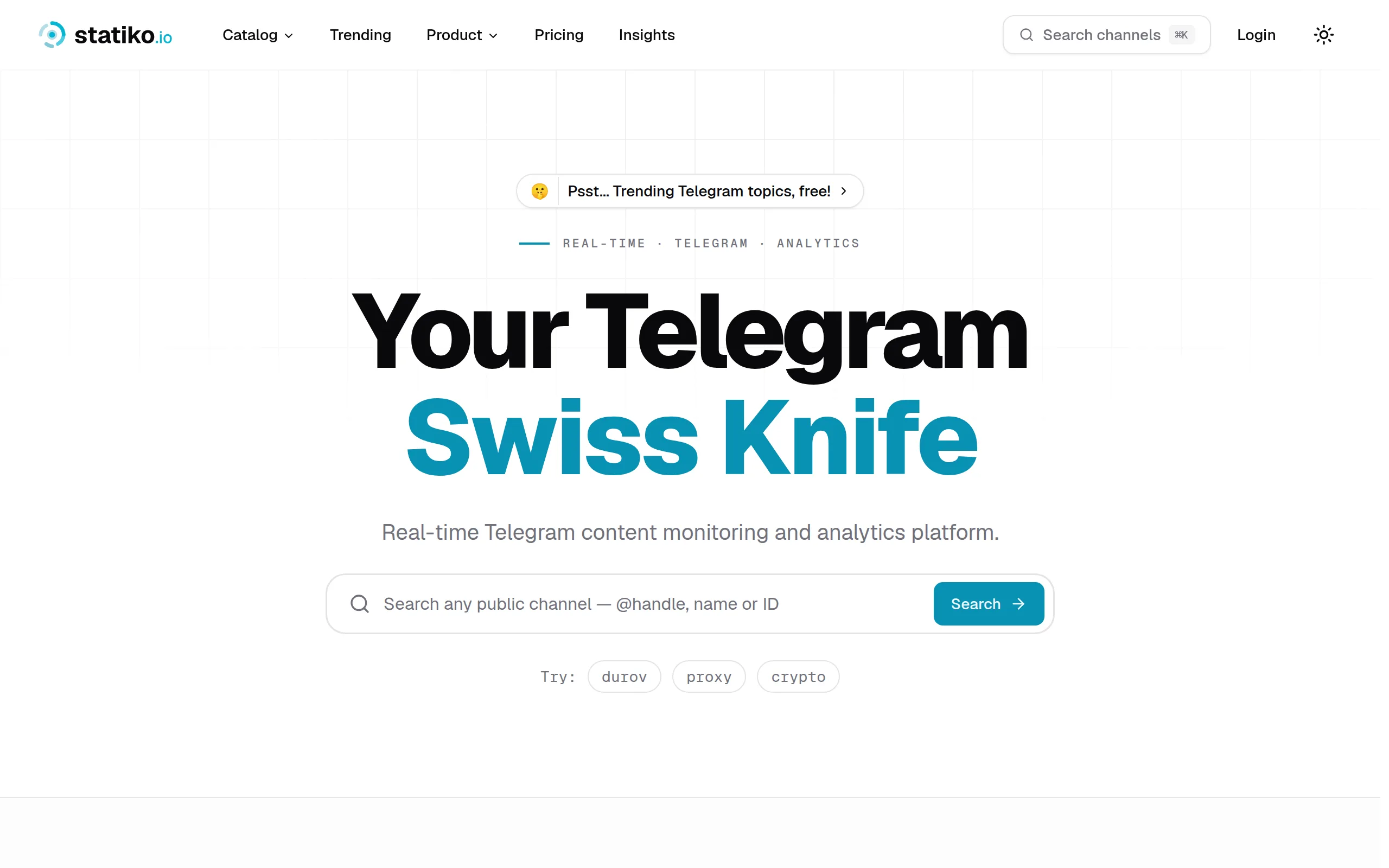
Statiko
Monitor any Telegram channel in real time - track posts, edits, deletions, and growth with AI recaps 📡

Shibui
AI website builder - describe your business, pick a niche template, edit by chatting, and publish instantly ✨
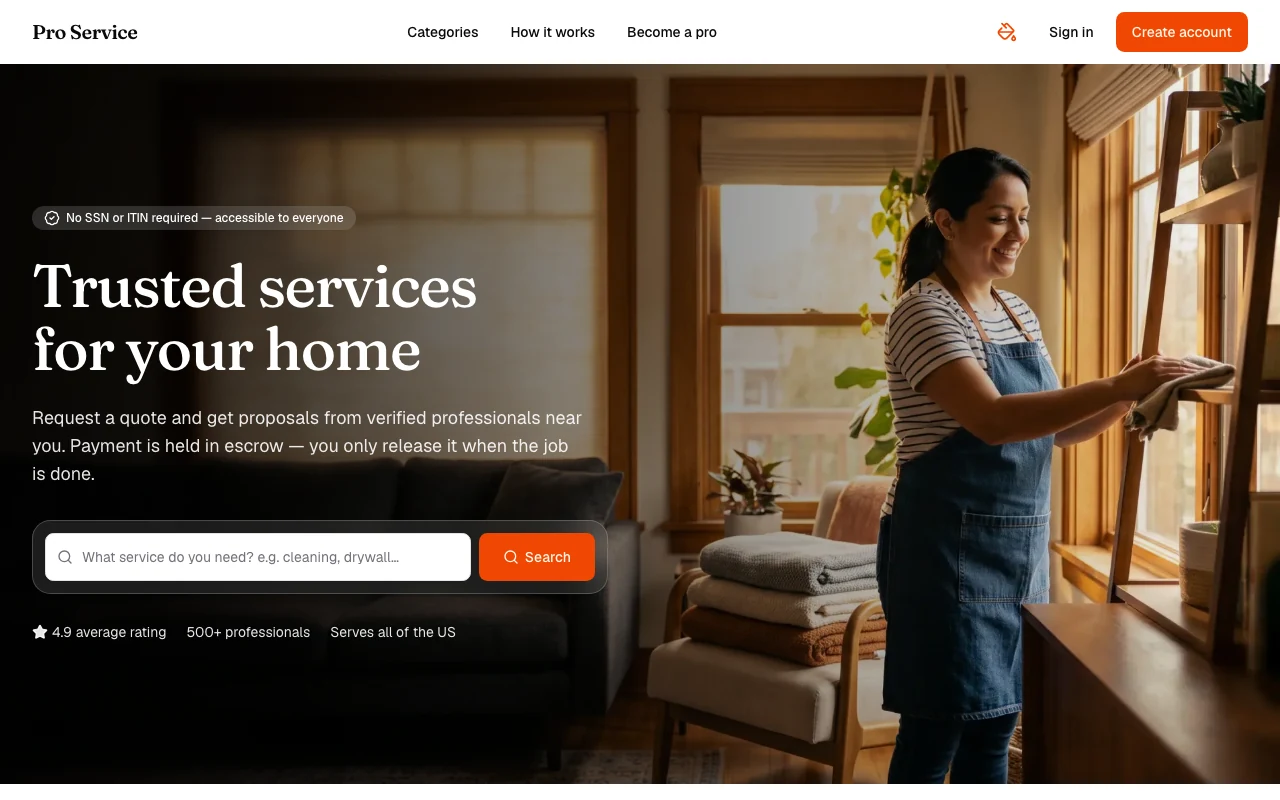
Pro Service
Find verified home service professionals, compare quotes, and pay securely through escrow - built for Brazilians across the US 🏠
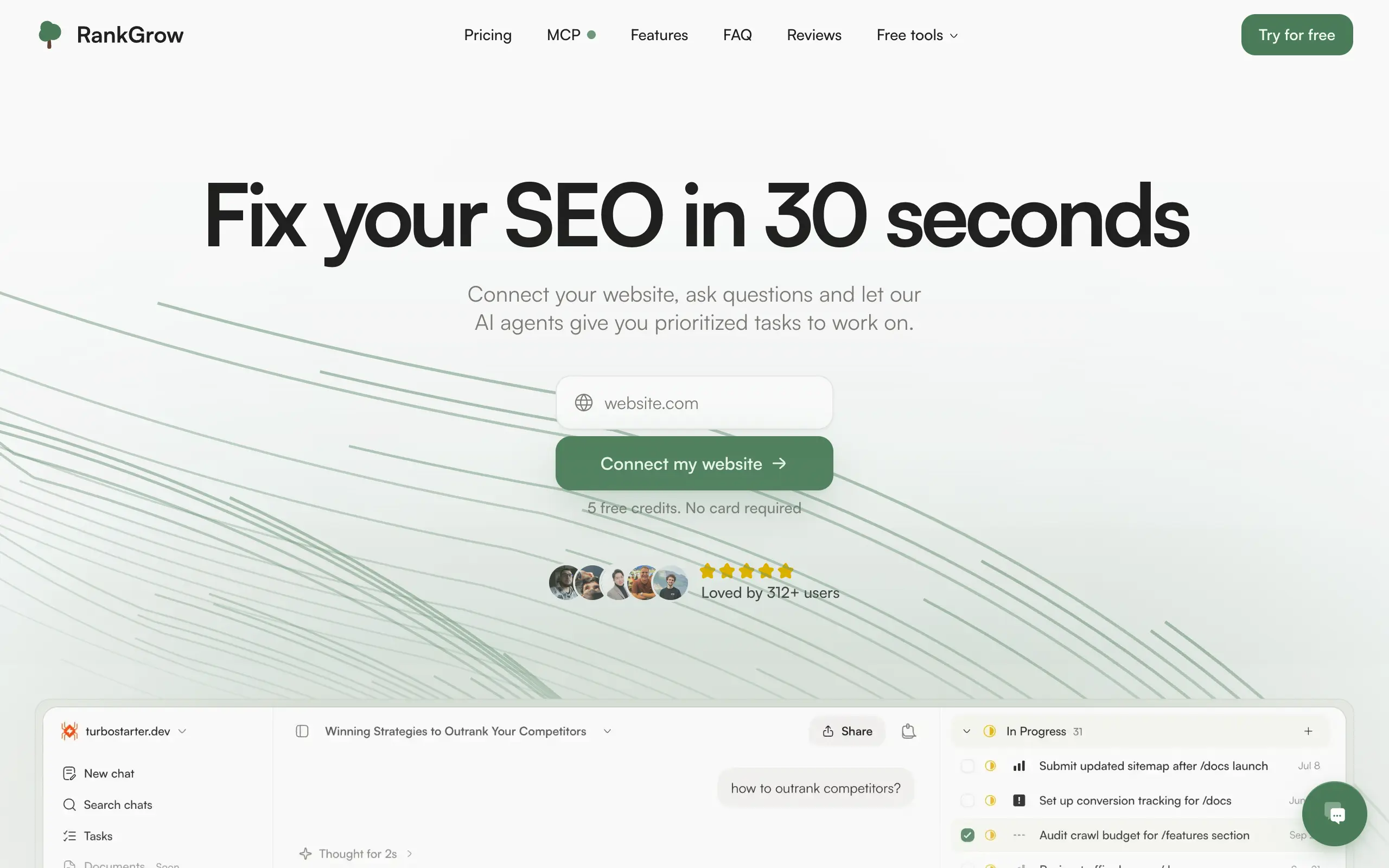
RankGrow
Fix your SEO with AI agents - connect Search Console, get prioritized tasks, and grow organic traffic 📈
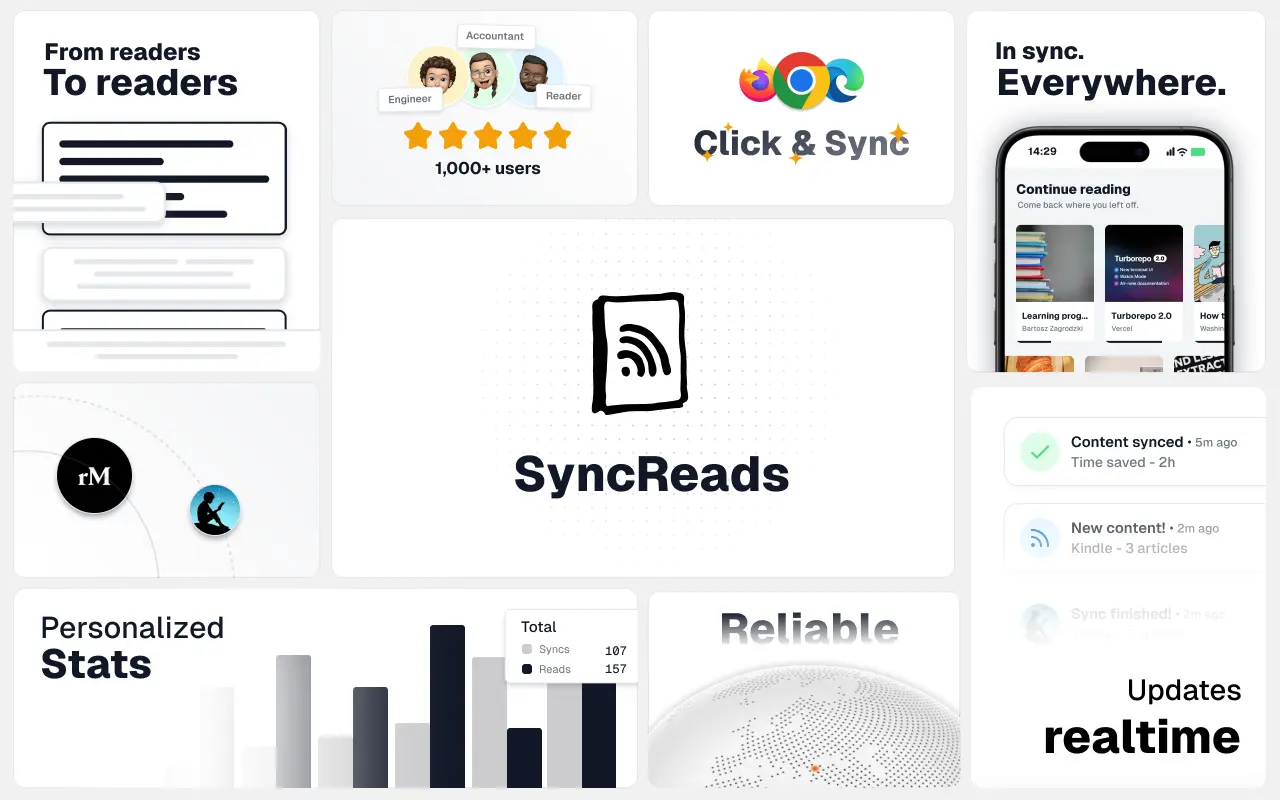
SyncReads
Sync your favorite content for distraction-free reading, save time and replace multiple apps. Anytime, anywhere 🔄
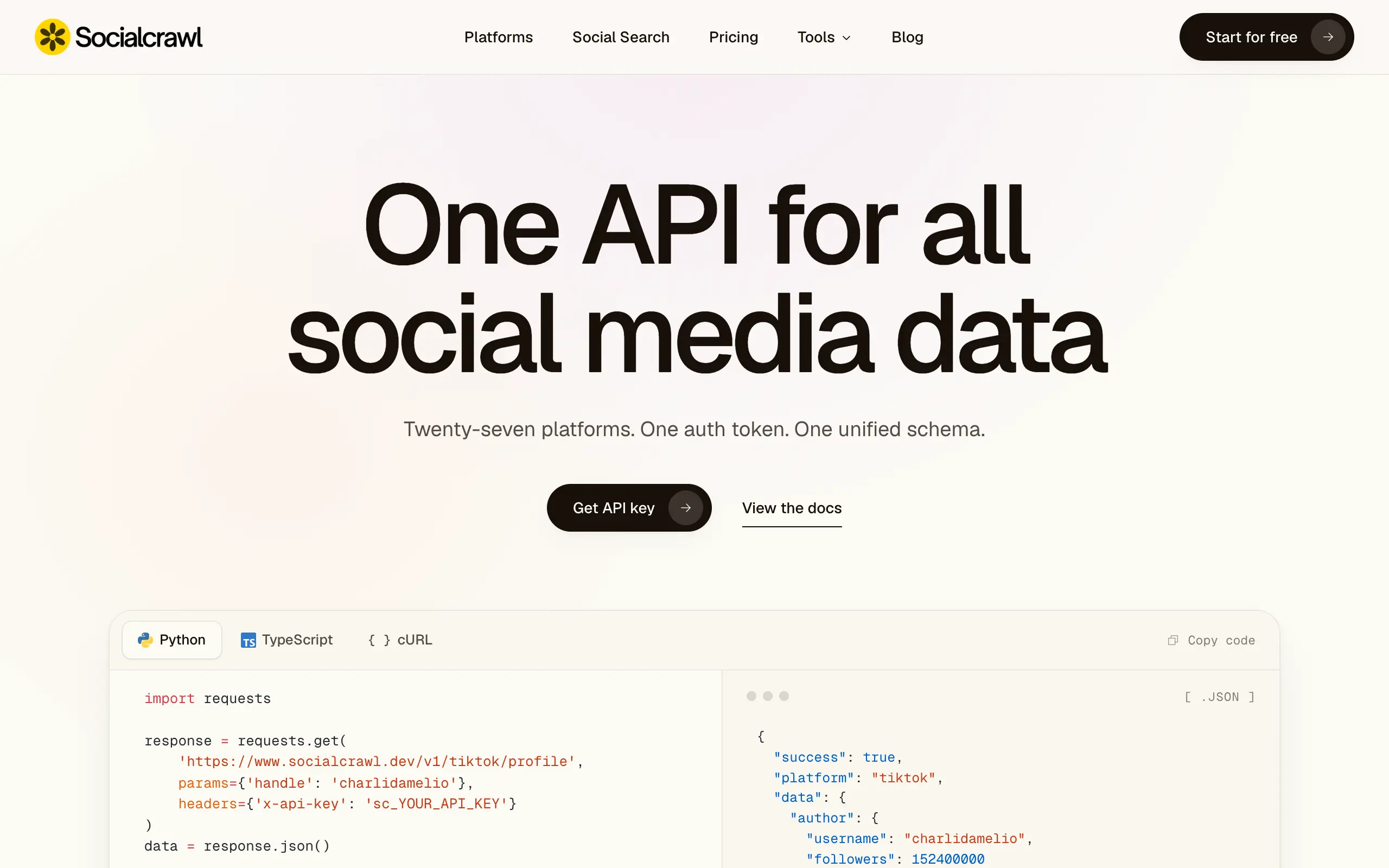
Socialcrawl
Get clean, structured data from 21 platforms like TikTok, Instagram, and YouTube with a single request 📊
Statiko
Monitor any Telegram channel in real time - track posts, edits, deletions, and growth with AI recaps 📡
Shibui
AI website builder - describe your business, pick a niche template, edit by chatting, and publish instantly ✨
Pro Service
Find verified home service professionals, compare quotes, and pay securely through escrow - built for Brazilians across the US 🏠
RankGrow
Fix your SEO with AI agents - connect Search Console, get prioritized tasks, and grow organic traffic 📈
SyncReads
Sync your favorite content for distraction-free reading, save time and replace multiple apps. Anytime, anywhere 🔄
Socialcrawl
Get clean, structured data from 21 platforms like TikTok, Instagram, and YouTube with a single request 📊
Statiko
Monitor any Telegram channel in real time - track posts, edits, deletions, and growth with AI recaps 📡
Shibui
AI website builder - describe your business, pick a niche template, edit by chatting, and publish instantly ✨
Pro Service
Find verified home service professionals, compare quotes, and pay securely through escrow - built for Brazilians across the US 🏠
RankGrow
Fix your SEO with AI agents - connect Search Console, get prioritized tasks, and grow organic traffic 📈
SyncReads
Sync your favorite content for distraction-free reading, save time and replace multiple apps. Anytime, anywhere 🔄
Socialcrawl
Get clean, structured data from 21 platforms like TikTok, Instagram, and YouTube with a single request 📊
Statiko
Monitor any Telegram channel in real time - track posts, edits, deletions, and growth with AI recaps 📡
Shibui
AI website builder - describe your business, pick a niche template, edit by chatting, and publish instantly ✨
Pro Service
Find verified home service professionals, compare quotes, and pay securely through escrow - built for Brazilians across the US 🏠
RankGrow
Fix your SEO with AI agents - connect Search Console, get prioritized tasks, and grow organic traffic 📈
SyncReads
Sync your favorite content for distraction-free reading, save time and replace multiple apps. Anytime, anywhere 🔄
Socialcrawl
Get clean, structured data from 21 platforms like TikTok, Instagram, and YouTube with a single request 📊
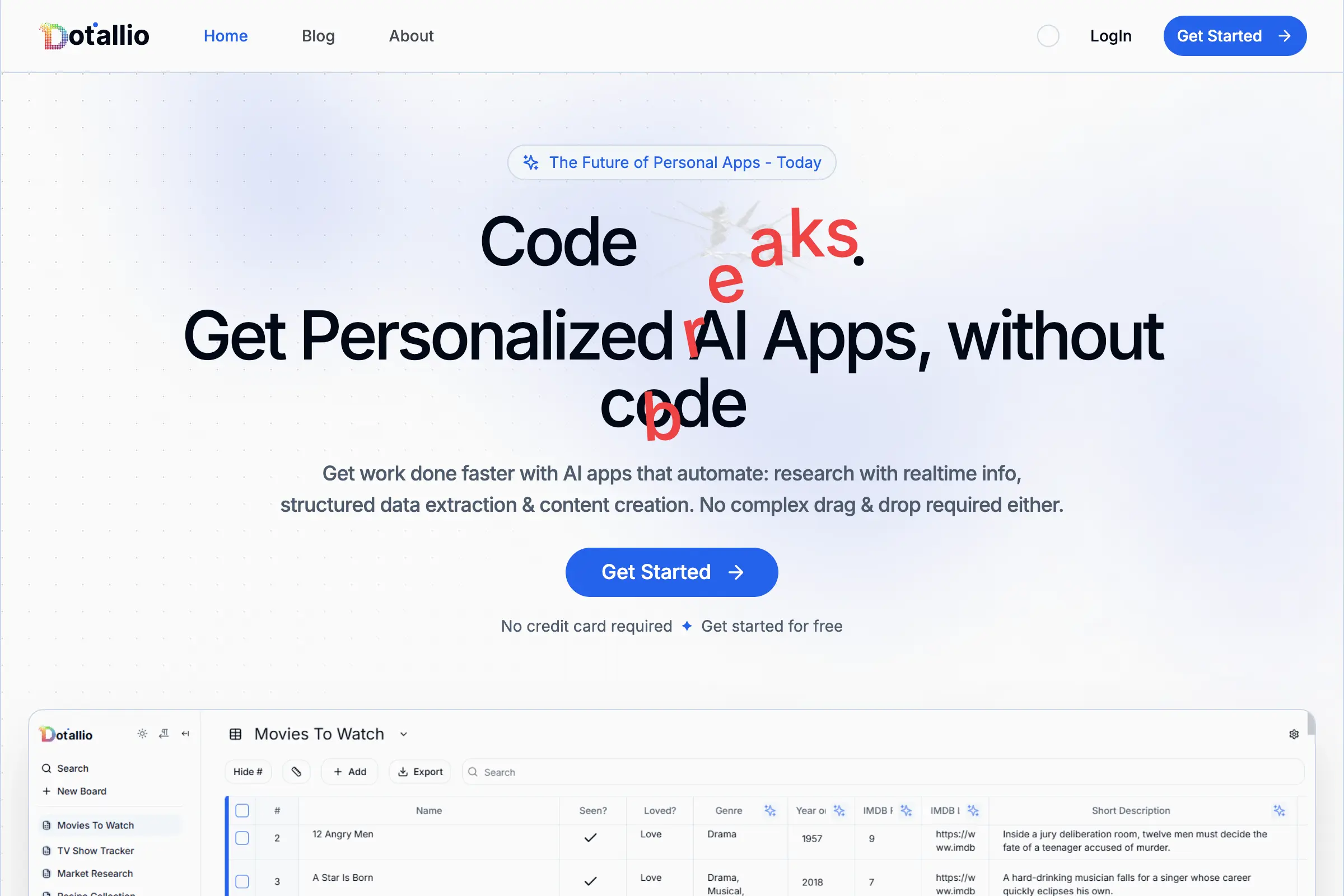
Dotallio
Personalized AI apps that automate research, data extraction, and content creation without code 🤖
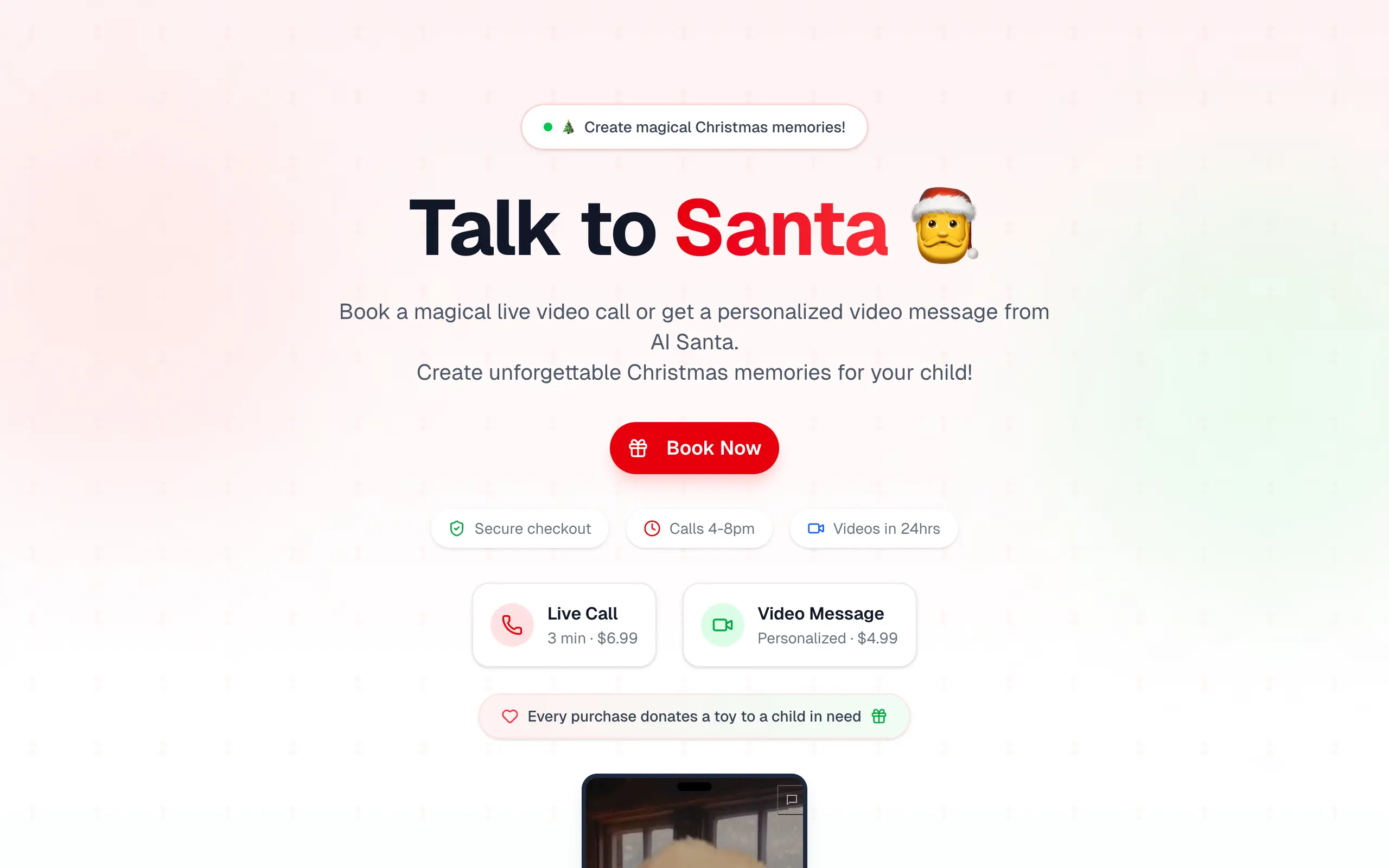
Talk to Santa
Enjoy a magical live video chat or receive a unique AI-generated video greeting from Santa Claus 🎅
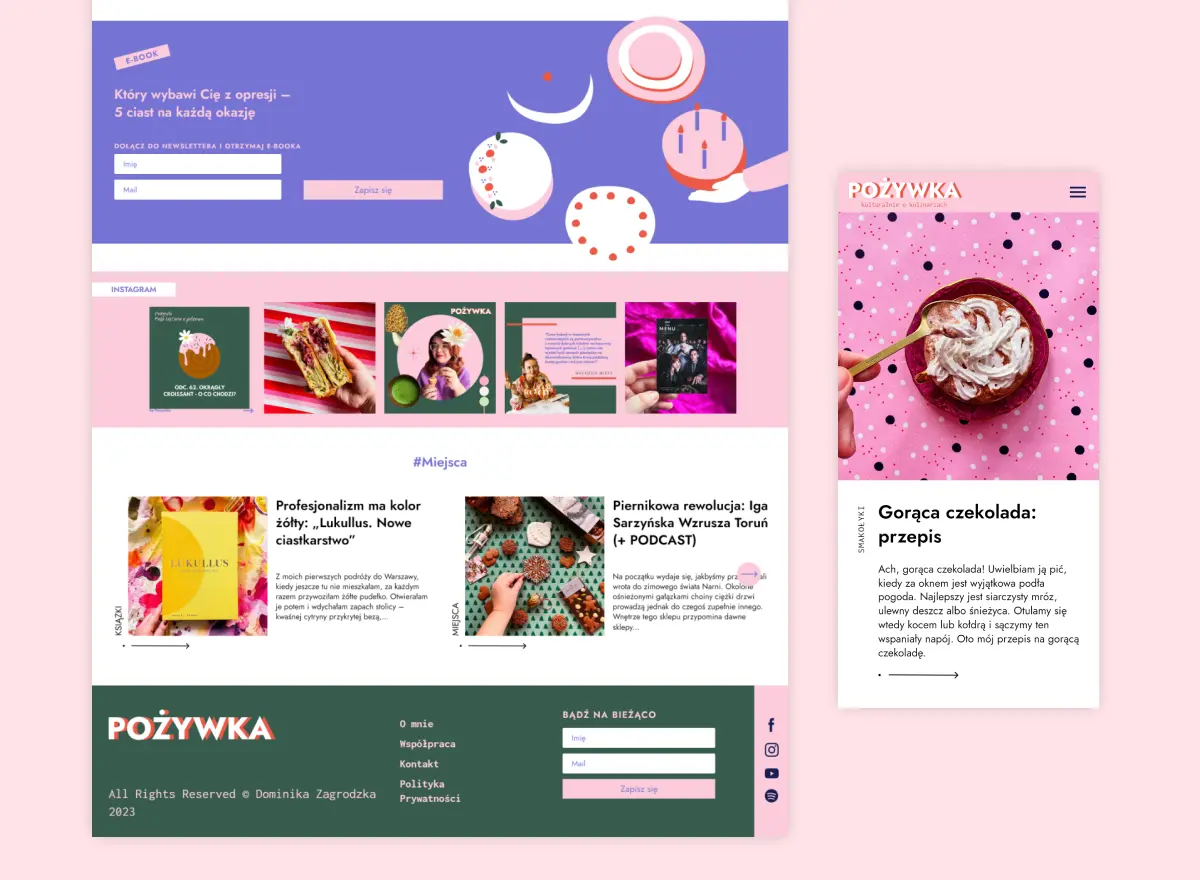
pozywka.pl
Scalable blog for food journalist, focused on performance and user experience 🌭
zagrodzki.me
Personal blog and portfolio of Bart Zagrodzki, where he shares his knowledge and work 💼
TurboStarter
Ship your startup everywhere. In minutes.
HTML to Markdown
Convert HTML to Markdown with ease, directly in your browser 📄
Dotallio
Personalized AI apps that automate research, data extraction, and content creation without code 🤖
Talk to Santa
Enjoy a magical live video chat or receive a unique AI-generated video greeting from Santa Claus 🎅
pozywka.pl
Scalable blog for food journalist, focused on performance and user experience 🌭
zagrodzki.me
Personal blog and portfolio of Bart Zagrodzki, where he shares his knowledge and work 💼
TurboStarter
Ship your startup everywhere. In minutes.
HTML to Markdown
Convert HTML to Markdown with ease, directly in your browser 📄
Dotallio
Personalized AI apps that automate research, data extraction, and content creation without code 🤖
Talk to Santa
Enjoy a magical live video chat or receive a unique AI-generated video greeting from Santa Claus 🎅
pozywka.pl
Scalable blog for food journalist, focused on performance and user experience 🌭
zagrodzki.me
Personal blog and portfolio of Bart Zagrodzki, where he shares his knowledge and work 💼
TurboStarter
Ship your startup everywhere. In minutes.
HTML to Markdown
Convert HTML to Markdown with ease, directly in your browser 📄
Dotallio
Personalized AI apps that automate research, data extraction, and content creation without code 🤖
Talk to Santa
Enjoy a magical live video chat or receive a unique AI-generated video greeting from Santa Claus 🎅
pozywka.pl
Scalable blog for food journalist, focused on performance and user experience 🌭
zagrodzki.me
Personal blog and portfolio of Bart Zagrodzki, where he shares his knowledge and work 💼
TurboStarter
Ship your startup everywhere. In minutes.
HTML to Markdown
Convert HTML to Markdown with ease, directly in your browser 📄
Omichat
Chat with 50+ AI models, including ChatGPT and Claude, in one place - switch models anytime without losing context 🤖
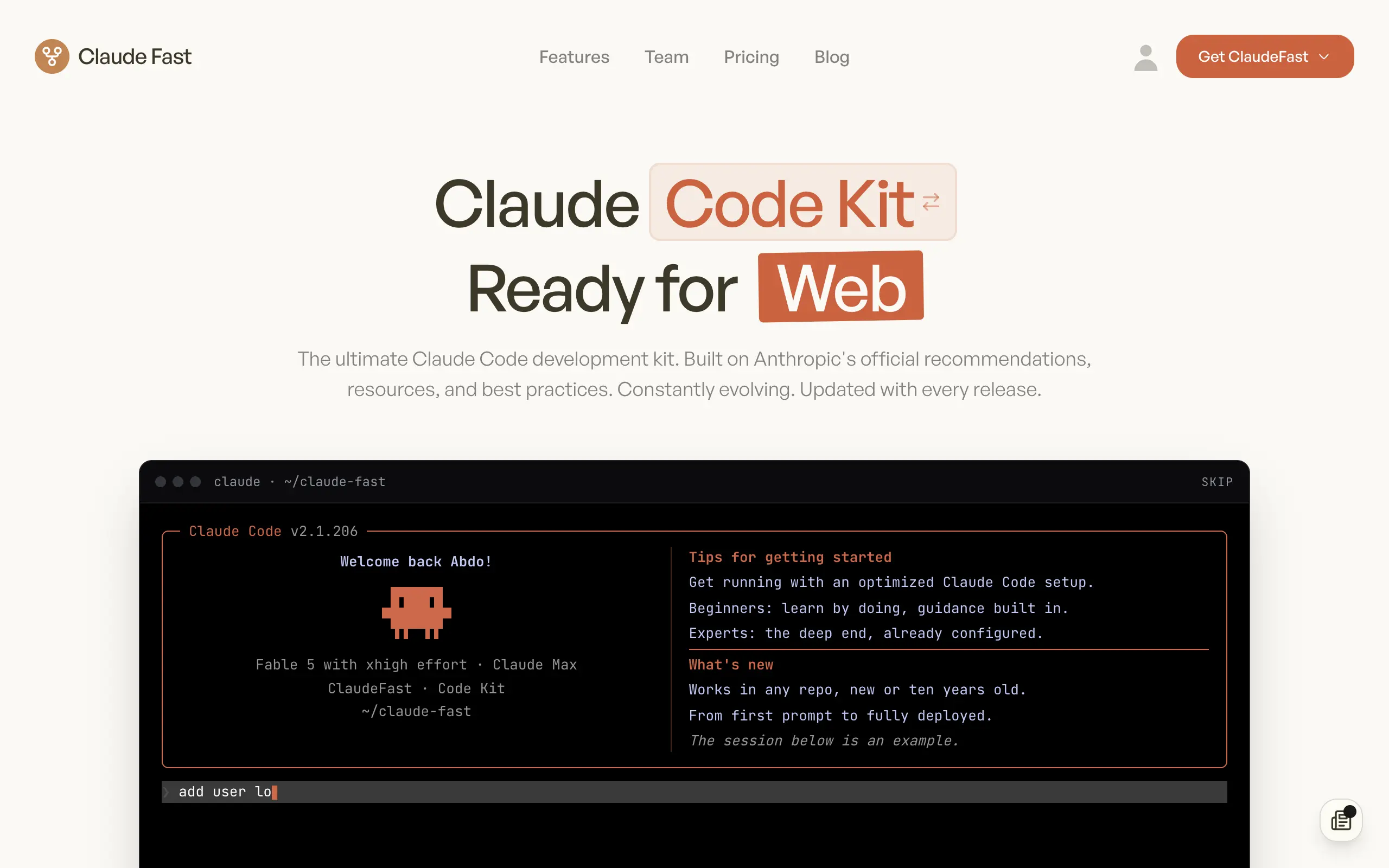
Claude Fast
Supercharge your Claude Code with 6x effective context window and specialized AI agents 🤖
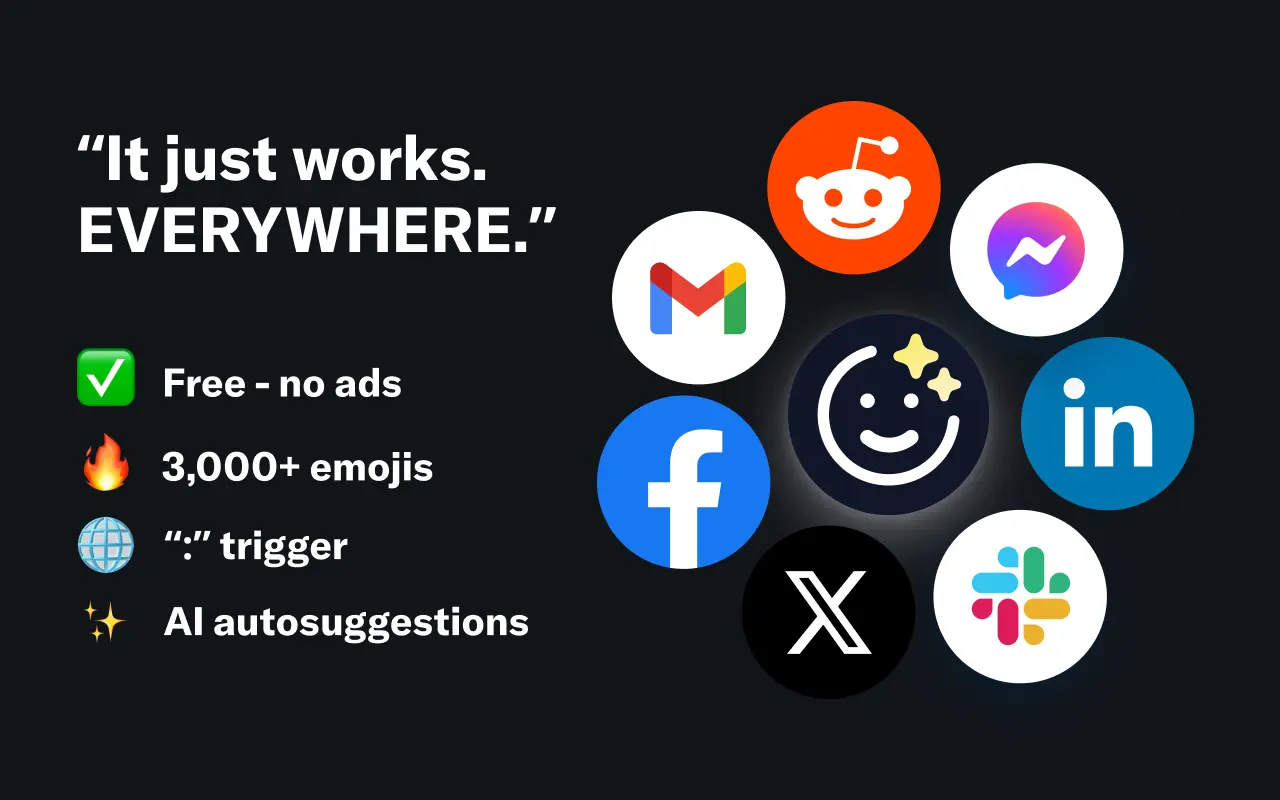
EmojAI
AI-powered emoji picker with smart, context-aware suggestions 🤖
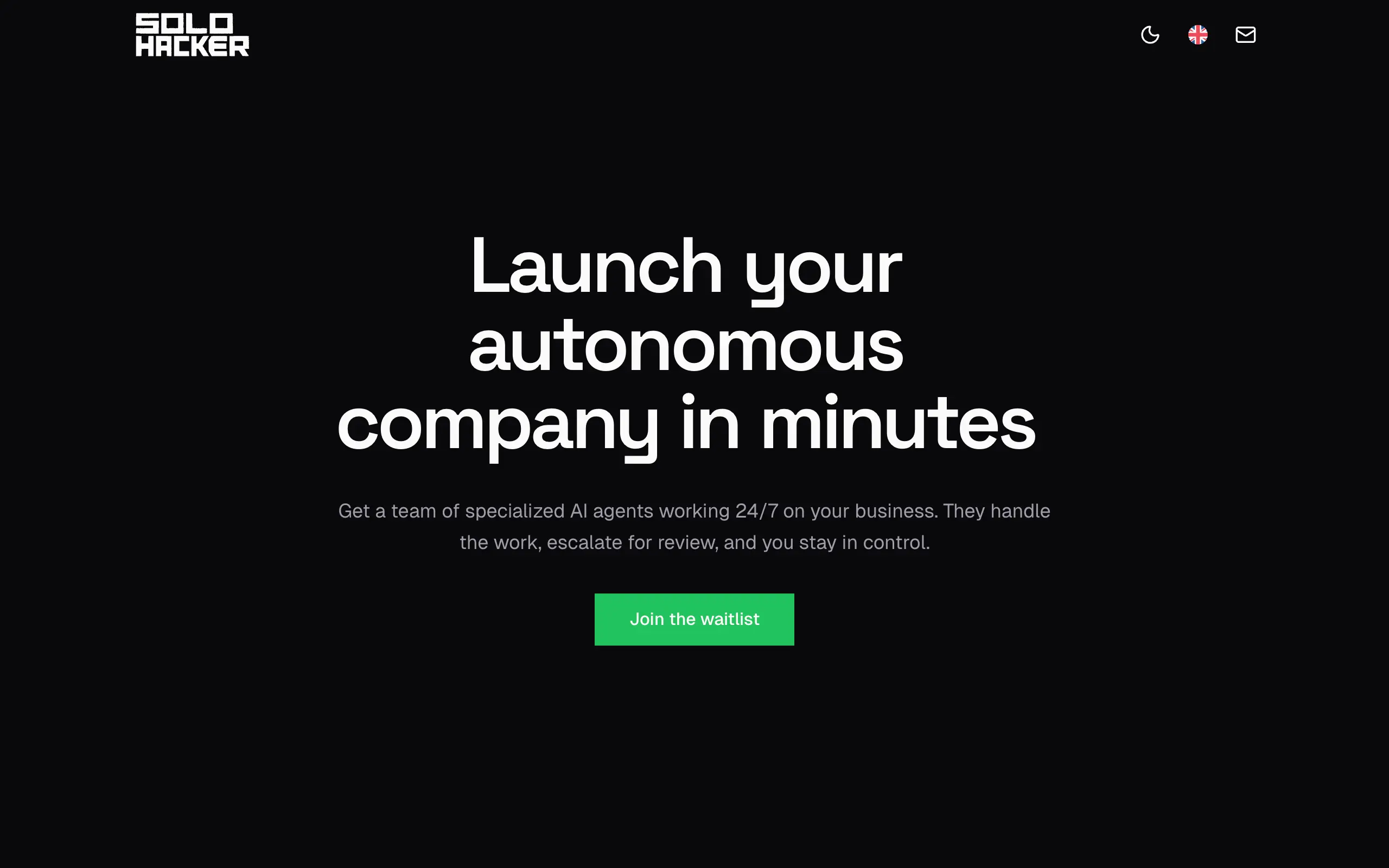
Solohacker
Autonomous company launcher - AI agents work 24/7, escalate what matters, and you stay in control 🤖
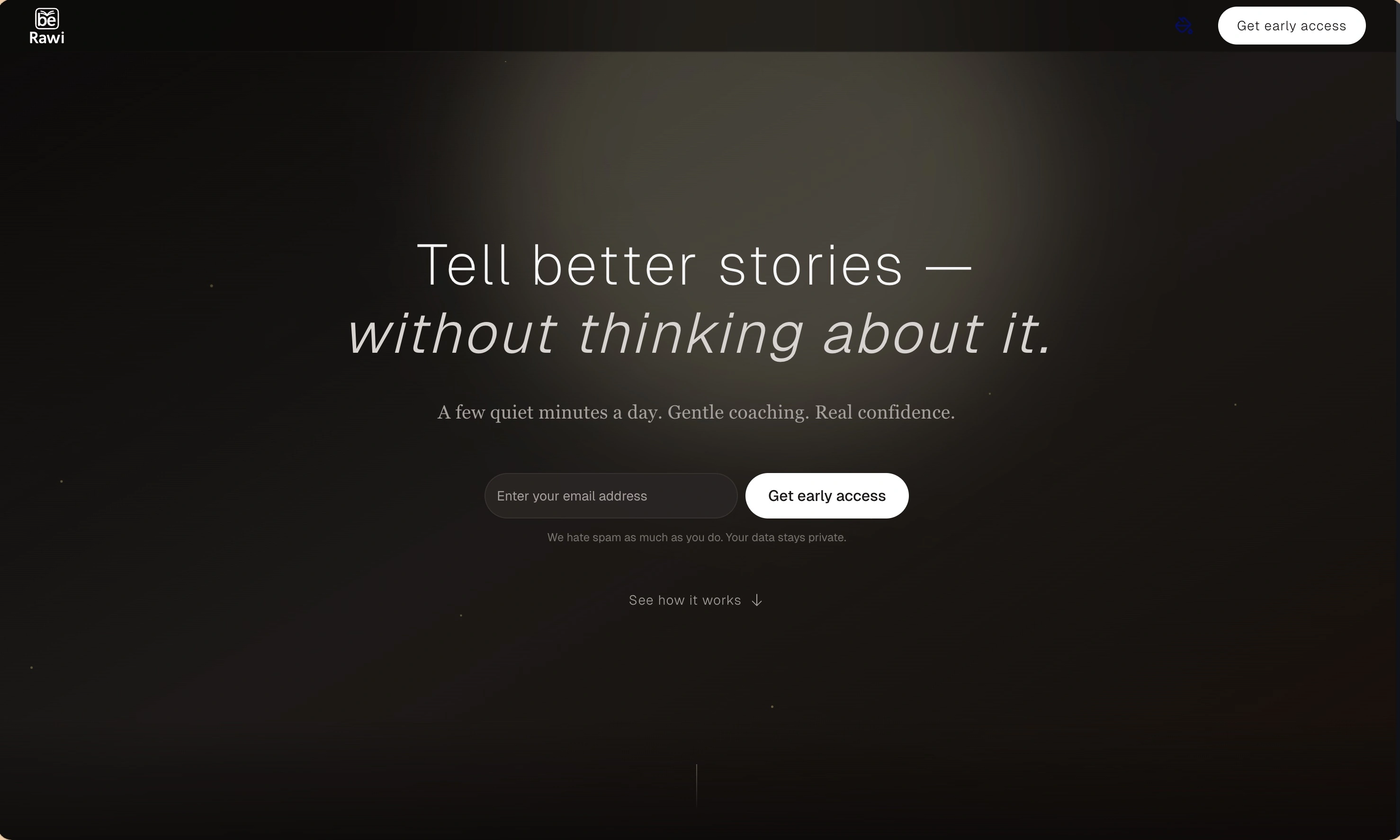
BeRawi: Storytelling Coach
Practice storytelling daily with instant feedback to sound clearer, more engaging, and confident 🎤
Omichat
Chat with 50+ AI models, including ChatGPT and Claude, in one place - switch models anytime without losing context 🤖
Claude Fast
Supercharge your Claude Code with 6x effective context window and specialized AI agents 🤖
EmojAI
AI-powered emoji picker with smart, context-aware suggestions 🤖
Solohacker
Autonomous company launcher - AI agents work 24/7, escalate what matters, and you stay in control 🤖
BeRawi: Storytelling Coach
Practice storytelling daily with instant feedback to sound clearer, more engaging, and confident 🎤
Omichat
Chat with 50+ AI models, including ChatGPT and Claude, in one place - switch models anytime without losing context 🤖
Claude Fast
Supercharge your Claude Code with 6x effective context window and specialized AI agents 🤖
EmojAI
AI-powered emoji picker with smart, context-aware suggestions 🤖
Solohacker
Autonomous company launcher - AI agents work 24/7, escalate what matters, and you stay in control 🤖
BeRawi: Storytelling Coach
Practice storytelling daily with instant feedback to sound clearer, more engaging, and confident 🎤
Omichat
Chat with 50+ AI models, including ChatGPT and Claude, in one place - switch models anytime without losing context 🤖
Claude Fast
Supercharge your Claude Code with 6x effective context window and specialized AI agents 🤖
EmojAI
AI-powered emoji picker with smart, context-aware suggestions 🤖
Solohacker
Autonomous company launcher - AI agents work 24/7, escalate what matters, and you stay in control 🤖
BeRawi: Storytelling Coach
Practice storytelling daily with instant feedback to sound clearer, more engaging, and confident 🎤

Connect with like-minded people
Join our community to get feedback, support, and grow together with 1,000+ builders on board, let's ship it!
Join usShip your startup everywhere. In minutes.
Don't burn tokens on setup and start building features on day one.