PromptPals
A peer community for young vibe-coders to post prompts, share quick builds, remix projects, and learn practical AI-assisted development together.
What PromptPals is and why it matters
PromptPals is a peer community for young vibe-coders: people who use AI tools to turn ideas into working websites, apps, games, and other small software projects. Members can post prompts, share quick builds, remix one another’s projects, and learn practical AI-assisted development together.
The idea sits at the intersection of several growing interests: generative AI, beginner-friendly coding, project-based learning, and online communities. But its opportunity is not simply to host a feed of prompts. A useful PromptPals product would help members understand how a prompt became a working feature, see what changed when a project was remixed, and get constructive feedback from people at a similar stage.
That distinction matters. A large collection of prompts can be copied, scraped, or recreated in a document. A trusted community built around learning through making is harder to replicate because its value grows with its members, contributions, relationships, and shared project history.
PromptPals should therefore be designed as a practical learning environment—not just another social network. Its core experience should help a member move from inspiration to a small, finished build:
- Find a project or prompt that interests them.
- Understand the goal, tools, and limitations.
- Try the build or remix it.
- Share what happened.
- Get useful feedback.
- Carry a new skill into the next project.
This product analysis covers the target audience, market opportunity, features, technical approach, monetization, risks, competitive positioning, and a practical launch plan for PromptPals.
The audience PromptPals should serve
“People who use AI to code” is too broad to guide product decisions. PromptPals will be more useful if its first version focuses on specific groups with shared needs.
Primary audience: curious beginner builders
These are people who have an idea for a website, tool, game, or creative project but do not yet have the confidence or experience to build it from scratch. They may use AI coding tools to generate code, troubleshoot errors, or add features, but often struggle to know what to ask next.
Their common challenges include:
- Getting a promising first result but not knowing how to improve it.
- Receiving code that works only partially or is difficult to understand.
- Feeling overwhelmed by technical jargon and setup instructions.
- Finding examples that are either too basic to be useful or too advanced to follow.
- Wanting feedback without feeling judged by experienced developers.
For this group, PromptPals should emphasize approachable projects, clear instructions, and supportive feedback. “Here is what I tried and what broke” should be an acceptable contribution—not a sign that a member failed.
Secondary audience: young creators and students
Students and young creators may be interested in building projects for school, clubs, portfolios, personal interests, or fun. They may benefit from guided challenges and peer inspiration, but their needs also make safety and privacy essential product requirements.
If PromptPals serves minors, the company should decide early which age groups it supports and obtain qualified legal advice on applicable child-privacy, consent, data-retention, and safeguarding obligations. Age-appropriate community design is not something to add after growth.
Secondary audience: educators and youth programs
Teachers, libraries, coding clubs, and nonprofit programs may want structured activities for helping learners explore AI-assisted development. They need more than an entertaining feed. They may need:
- Curated project collections.
- Clear learning objectives and estimated completion times.
- Group or classroom spaces.
- Simple ways to review participation.
- Strong moderation and privacy controls.
- Exportable instructions or facilitator notes.
These organizations could become valuable partners, but they should not define the first product before PromptPals has validated its member experience.
The behavior to design for
The most valuable early user is not necessarily the person who posts the most. It may be the member who:
- Completes a project after discovering it in the community.
- Remixes another member’s work and explains their changes.
- Gives specific, kind feedback to a peer.
- Returns to share a result or ask a follow-up question.
- Helps another beginner get unstuck.
Those actions indicate that PromptPals is creating learning and connection, rather than merely generating impressions.
The market opportunity and product gap
PromptPals enters a landscape where people can already find AI coding tutorials, developer forums, social media posts, code repositories, and maker communities. That is a challenge, but it also clarifies the opportunity: the product does not need to replace every existing tool. It needs to solve a particular gap between seeing an impressive AI-generated result and learning how to make one.
Where existing options can fall short
Different platforms serve different needs:
- Tutorials provide structured explanations, but may not reflect the learner’s own project or questions.
- Short-form social posts make it easy to discover exciting builds, but often omit the process, failed attempts, or reusable context.
- Code repositories can preserve project files and history, but may assume technical fluency and do little to support beginner-friendly discussion.
- General chat communities can provide quick help, but useful answers may be difficult to find later.
- AI coding tools help users create and debug, but do not automatically provide peer encouragement, accountable learning, or community knowledge.
PromptPals can connect these experiences with a consistent project format. A build should include enough context to make it understandable and remixable: what the creator wanted, what tools they used, which prompt or instruction mattered, what worked, what failed, and what someone else could try next.
A promising product gap
The clearest opportunity is beginner-friendly, project-based learning for AI-assisted development. PromptPals can make each shared build both a social post and a small learning resource.
That means a project page should answer practical questions:
- What does this project do?
- Who is it for?
- What should a beginner know before trying it?
- Which AI tool or development environment did the creator use?
- What prompt, workflow, or code change was important?
- What are the project’s current limitations?
- How can another member remix it or ask for help?
A product that answers these questions will be more useful than a prompt library alone. Prompts are often highly dependent on the model, interface, context, and user’s code. Showing the surrounding workflow helps the community learn transferable problem-solving rather than treating a prompt as a magic phrase.
PromptPals’ unique value proposition
PromptPals’ strongest positioning is:
A friendly, project-first community where young AI builders learn by sharing, remixing, and improving real builds together.
The differentiators are not simply “AI” or “community.” Both are broad categories. The more defensible combination is:
- Builds instead of isolated prompts: Members share a result and its context, not just an instruction to paste into a tool.
- Remixing instead of passive browsing: Every project can lead to a meaningful next step.
- Learning in public without expert-level expectations: Beginners can ask questions and document imperfect attempts.
- Peer feedback designed for improvement: The product encourages specific, supportive responses over popularity contests.
- A structured record of the build process: Members can describe decisions, iterations, and limitations in a consistent format.
The product should make these principles visible in its interface and community guidelines. If the feed rewards only polished outcomes, beginners may conclude that they do not belong. If it recognizes useful explanations, thoughtful remixing, and helpful feedback, it reinforces the intended culture.
Core features for an initial PromptPals product
A strong first release should focus on a small number of connected behaviors. Building a complex social platform before verifying that members want to share and remix projects creates unnecessary cost and risk.
1. Project posts with reusable context
Each project post should have a clear structure without making publishing feel like paperwork. Useful fields could include:
- Project name and short description.
- A screenshot, preview, or demo link.
- Project category, such as game, website, automation, or creative tool.
- Difficulty or experience level.
- Tools used, selected from a maintained list.
- The goal or problem the creator wanted to address.
- A prompt, workflow, or technical decision worth sharing.
- What worked and what did not.
- A question or invitation for feedback.
- A remix or source link, when appropriate.
Keep mandatory fields limited. A beginner may abandon a post if publishing requires a complete technical report. Prompt with optional questions and provide examples of good, concise answers.
2. Remixing with attribution
Remixing should be more meaningful than copying a link. A remix should point back to the original project and let the new creator explain:
- What they kept.
- What they changed.
- What they learned.
- Which new feature or prompt they added.
This makes credit part of the product model. It also creates a visible lineage of ideas, helping members discover how projects evolve. Before supporting code imports or automated forks, PromptPals should decide how attribution, licensing, and ownership will work. A creator’s public post should not automatically mean that every part of their work is available for unrestricted reuse.
3. Feedback that teaches
A single generic comment box can produce low-quality replies. PromptPals can offer lightweight feedback prompts, such as:
- “What is working well?”
- “What is one clear next improvement?”
- “What question would help you understand the project?”
- “What did you learn from trying this?”
These prompts should be optional and easy to bypass. The goal is not to make every conversation feel like a classroom assessment; it is to make useful feedback easier to give.
4. Discovery by interest and skill level
The main feed should help members find projects they can actually learn from. Useful filters may include:
- Project type.
- Tools or platforms used.
- Beginner, intermediate, or advanced level.
- Recently shared or actively discussed.
- Remixable projects.
- Short builds or guided challenges.
Recommendations should initially be understandable and controllable. For a young learning community, explain why a project appears and allow members to tune their interests. Avoid letting opaque engagement ranking become the only way to discover work.
5. Beginner-friendly challenges
Challenges can give members a reason to return and reduce the pressure to invent a project from nothing. Examples might include:
- Build a personal homepage with an AI coding tool.
- Create a simple study helper.
- Add an accessible feature to a small app.
- Improve the instructions for an existing project.
- Remix a project to solve a different problem.
Challenges should have clear boundaries, optional extensions, and a reminder not to publish sensitive personal information. If PromptPals later offers sponsored challenges, sponsorship should be disclosed clearly.
6. Profiles and progress
Member profiles can show interests, projects, remixes, and helpful contributions. For younger audiences, keep profiles privacy-conscious and avoid defaulting to public exposure of personal details.
Progress should reward learning behaviors rather than raw posting volume. Possible signals include:
- Completing a first build.
- Publishing a helpful project explanation.
- Giving constructive feedback.
- Creating a credited remix.
- Returning to document an improvement.
Badges are optional. They should not encourage unsafe competition, spam, or pressure to share personal information.
7. Searchable learning collections
As posts accumulate, discovery becomes a product challenge. Curated collections can organize projects into themes such as “first AI-assisted website,” “small games to remix,” or “projects that teach APIs.”
Collections can be assembled manually at first. That gives the team a chance to observe what members find genuinely useful before investing in sophisticated recommendation systems.
A simple product model for a project post
The following example illustrates a structure that could be used in an internal content model or API. It is not a complete database schema, but it shows the information PromptPals should preserve.
type ProjectPost = {
  id: string;
  title: string;
  description: string;
  creatorId: string;
  projectType: "website" | "game" | "tool" | "creative";
  skillLevel: "beginner" | "intermediate" | "advanced";
  tools: string[];
  demoUrl?: string;
  sourceUrl?: string;
  promptNotes?: string;
  whatWorked?: string;
  whatDidNotWork?: string;
  remixOf?: string;
  visibility: "public" | "group" | "private";
  createdAt: string;
};
In production, fields should be validated on both the client and server. URLs should be checked, visibility should have safe defaults, and optional text should have length limits. The structure should also accommodate deletion, moderation, and attribution—not only publishing.
Recommended technology stack
PromptPals should choose technology based on the team’s skills, expected product complexity, privacy requirements, and ability to maintain the system. A familiar stack that supports reliable iteration is usually better than a fashionable stack that no one on the team can operate.
Front end
React is a reasonable choice for an interactive community interface, especially if the team already has JavaScript experience. A framework such as Next.js can support server-rendered pages, routing, and a mix of public content and authenticated application views.
Trade-offs to consider:
- Server rendering can help public project pages load quickly and be discoverable by search engines.
- Client-side interactions work well for feeds, editors, and comments, but too much client-side complexity can slow down the initial experience.
- Framework conventions speed up common work but require the team to understand its routing, rendering, and deployment model.
Use accessible components and keyboard navigation from the beginning. These are essential for usability and reduce the risk of retrofitting basic accessibility later.
Data and authentication
A relational database such as PostgreSQL fits the relationships among users, projects, remixes, comments, reports, and moderation actions. It provides clear data constraints and supports the kinds of queries a community platform needs.
A managed backend can reduce operational work, but product requirements should determine whether it is suitable. Evaluate:
- Authentication options and account recovery.
- Database backups and restoration.
- Access-control policies.
- Data location and retention.
- Moderation workflows.
- Export and deletion capabilities.
- Costs as traffic and storage grow.
Do not rely on hiding a button in the interface as an authorization mechanism. Permissions must be enforced on the server or database layer.
File storage and media
Project screenshots and optional demo assets can be stored in an object-storage service. Set limits for file size and accepted formats, scan or moderate uploads where appropriate, and consider image optimization. Avoid allowing arbitrary file uploads in the first version unless the team is prepared to handle malware, storage abuse, and content-safety concerns.
Payments and analytics
A payment provider such as Stripe can support paid subscriptions or organizational plans, subject to regional availability and the needs of the business. If a significant portion of the audience is under 18, payment and account flows require particular care. Do not make monetization dependent on collecting unnecessary personal data.
Analytics should answer product questions rather than maximize surveillance. Early metrics can be measured with privacy-conscious event tracking, such as whether a new member completes a project post or whether a project receives a remix. Minimize collection, set retention periods, and document what is tracked.
Build versus buy
PromptPals should build its distinctive learning and remix workflows while using established services for commodity infrastructure when appropriate. It may make sense to buy or adopt managed authentication, email delivery, and hosting. It is more important to own the project schema, moderation policy, community experience, and attribution model.
If the team wants a faster route to a SaaS foundation, TurboStarter can be evaluated as a starting point. A starter kit can accelerate common application scaffolding, but the team should still review its architecture, security assumptions, and fit for PromptPals’ audience before committing.
Monetization options for PromptPals
The business model should support the community without undermining trust or making basic learning inaccessible. Monetization can be tested after members demonstrate repeat use; charging before the product delivers recurring value can make early feedback harder to interpret.
Freemium membership
A free plan could include browsing, a limited number of project posts, basic feedback, and participation in public challenges. A paid plan might offer private project collections, advanced portfolio tools, or additional workspace features.
The risk is creating a two-tier community where the most useful learning is hidden behind a paywall. Keep core safety, attribution, and peer participation features available without payment.
Classroom and organization plans
Schools, coding clubs, libraries, and youth programs may pay for structured spaces, facilitator tools, private cohorts, and administrative controls. This model can fit the product if the organization is willing to pay and the product meets its privacy and procurement requirements.
Validate willingness to pay through conversations and small pilots. An educator’s enthusiasm does not always translate into an approved budget, so test the purchasing process as well as the learning experience.
Paid workshops and guided programs
PromptPals could offer short, instructor-led programs that use community projects as course material. This can produce revenue while helping the team learn which activities and formats have educational value. It also requires qualified instructors, clear expectations, and consistent moderation.
Carefully selected sponsorships
Technology companies may sponsor a challenge, learning collection, or event. Sponsorship can work if it is clearly labeled and does not turn the community into an advertising channel. Do not allow sponsors to access young members’ personal data or directly target them without a carefully reviewed policy and appropriate consent.
Revenue model comparison
| Model | Best fit | Strength | Main risk | Early test |
|---|---|---|---|---|
| Freemium | Individual members | Can scale with member value | Paywalls may weaken community learning | Test demand for optional advanced tools |
| Organization plans | Schools and clubs | Can support structured cohorts | Long sales and procurement cycles | Run a small paid pilot |
| Workshops | Guided learning groups | Produces revenue and product insight | Requires instructor time and operations | Offer one limited cohort |
| Sponsorship | Relevant tools and events | Can fund free programming | Trust and advertising concerns | Test a clearly disclosed challenge sponsor |
Competitive advantage: what PromptPals should own
PromptPals will compete for attention with many alternatives, but it does not need to win every feature comparison. It needs to become especially good at a particular job: helping a beginner learn by building alongside peers.
| Alternative | What it does well | Opportunity for PromptPals |
|---|---|---|
| AI coding tools | Generate, explain, or revise code | Add peer learning, project context, and continued practice |
| Video and written tutorials | Teach a planned sequence | Let learners apply ideas to their own builds and ask peers |
| Social media | Make discovery and sharing easy | Preserve useful build details and remix attribution |
| Code hosting platforms | Store and collaborate on source code | Make projects approachable to non-experts and beginners |
| General communities | Enable broad discussion | Organize discussion around concrete projects and learning actions |
The defensible asset is likely to be the combination of community norms, structured project data, useful remix histories, and trusted learning experiences. It will take time to build. A large volume of low-context posts is not automatically an advantage; a smaller archive of clear, reusable projects may be more valuable.
Potential moat-building activities
- Develop a repeatable format for explaining AI-assisted builds.
- Make project attribution and remix lineage easy to understand.
- Curate high-quality beginner projects with creator permission.
- Build trust through dependable moderation and clear community rules.
- Partner with educators and clubs that can introduce members in groups.
- Learn from common beginner questions and improve challenges accordingly.
Risks and ways to reduce them
A social product for young builders has risks that should influence the architecture and launch plan from the start.
Privacy and safeguarding
If minors may use PromptPals, age-appropriate privacy and safety decisions are foundational. Consider age eligibility, parental or guardian consent where legally required, direct messaging defaults, profile visibility, data retention, reporting, and escalation procedures. Consult qualified legal and child-safety professionals before opening access to young users.
Collect only the information necessary to provide the service. Avoid encouraging members to post school names, locations, contact information, faces, or other sensitive details.
Harmful or inappropriate content
User-generated content can include harassment, unsafe instructions, copyrighted material, spam, or content that is inappropriate for the intended age group. A moderation plan should include:
- Community rules written in plain language.
- Easy reporting and blocking.
- A process for reviewing reports.
- Clear consequences for repeated violations.
- Escalation procedures for serious safety concerns.
- Human review for difficult cases.
Automated filters can help flag content, but they should not be treated as a complete moderation system. They can miss context and produce false positives.
Low-quality AI-generated projects
AI-generated code may contain bugs, security weaknesses, accessibility problems, or misleading claims. PromptPals should not imply that a shared project is safe or production-ready merely because it works in a demo.
Encourage creators to disclose limitations and distinguish a prototype from a deployed service. For projects that collect data or accept payments, provide plain-language reminders to get qualified review before real users rely on them.
Intellectual property and attribution
Members may use third-party code, assets, models, or prompts. Create straightforward rules for credit, licensing, and permitted reuse. Make it easy to link to sources and identify a remix. If PromptPals hosts code or project files, review how licenses and takedown requests should be handled.
Community cold start
A new community can feel empty if it launches before there is enough useful content and conversation. Recruit a small founding group, prepare starter projects, and run a guided challenge before opening broad signups. Founding content should be real and accurately labeled; fabricated engagement damages trust.
Engagement incentives
Likes, streaks, and leaderboards can increase activity but may also encourage shallow posting or unhealthy competition. Measure whether members are building, learning, and helping one another—not only whether they open the app frequently.
Platform dependence
AI tools and development platforms change quickly. Avoid structuring the entire product around one provider or model. Store tool names as flexible metadata, let members describe manual workflows, and review integrations before making them core dependencies.
Metrics that indicate genuine value
PromptPals should define success around meaningful progress. Vanity metrics such as registered accounts or total posts can obscure whether members are learning and returning.
Useful early metrics include:
- Activation: the percentage of new members who view, save, or publish a project during their first session.
- First-build completion: the percentage who finish a small guided project.
- Remix rate: the share of projects that lead to a credited remix.
- Helpful response rate: the percentage of feedback requests that receive a substantive reply.
- Return contribution: the percentage of members who come back to document an improvement or share another build.
- Time to first useful interaction: how long it takes a new member to receive constructive feedback.
- Safety response time: how quickly the team reviews and acts on reports.
- Learning confidence: a short, optional self-assessment before and after a challenge.
These metrics need context. A low remix rate might mean members do not find projects reusable, or it might mean that the product makes remixing too difficult. Pair quantitative data with member interviews and direct observation.
Actionable implementation steps
A focused launch plan can help PromptPals test its central assumptions before investing in a large platform.
Interview the intended members
Speak with beginner builders, educators, and youth-program organizers separately. Ask what they have tried, where they get stuck, how they currently share builds, and what would make them comfortable asking for help. Do not start by pitching the product. Look for repeated behaviors and unmet needs.
Choose one initial audience
Select a primary group for the first release, such as beginner builders in a coding club or young creators working on personal projects. Define age eligibility and safeguarding requirements before inviting members. A clear first audience makes onboarding, moderation, and product decisions easier.
Validate the project-sharing format
Test a simple project page with real examples. Ask potential members whether they can understand what the project does, how it was made, and how to try or remix it. Remove fields that feel burdensome and improve sections that are frequently unclear.
Run a small, moderated pilot
Invite a manageable group through a school, club, or creator network. Provide a few starter projects and host one challenge. Observe whether members publish, ask questions, remix work, and return. Keep the pilot small enough that reports and support requests can receive timely attention.
Build only the core loop
The first software release can focus on accounts, project posts, discovery, comments or feedback prompts, reporting, and attribution for remixes. Defer complex recommendations, direct messaging, public leaderboards, and extensive integrations until there is evidence they solve a real problem.
Review safety and operations before growth
Write community guidelines, moderation procedures, data-retention rules, and an incident-response plan. Test blocking and reporting flows. Confirm that access controls work on the server, not just in the interface. For a youth audience, obtain appropriate professional guidance before expansion.
Measure learning and retention
Track whether members complete a build, receive useful feedback, and return to share progress. Conduct follow-up interviews with both active and inactive members. Use what you learn to improve the project format and onboarding before adding more features.
Test a revenue path after value is clear
Once a group is returning and receiving consistent value, test one monetization path at a time. A paid workshop or small organization pilot can reveal willingness to pay without placing essential community participation behind a paywall.
How PromptPals can build a lasting community
PromptPals has a compelling opportunity if it treats AI-assisted development as a way to make building more accessible—not as a shortcut that removes the need to understand, test, and improve what has been made.
The product’s strongest version will combine a welcoming culture with practical project context. Members should be able to discover a build, understand how it came together, try their own version, and share what they learned. That experience gives PromptPals a clearer purpose than a generic social feed or a repository of copyable prompts.
The central product principle is simple: make progress visible and make participation useful. Celebrate thoughtful explanations, credited remixes, honest descriptions of failures, and feedback that helps a peer take the next step. If PromptPals protects that culture while building reliable safety and privacy practices, it can become a trusted place for young builders to learn together.
For a team ready to move from concept to implementation, TurboStarter may help accelerate the foundation. Use it as a starting point, then shape the product around PromptPals’ specific community, learning, and safeguarding requirements.
Frequently asked questions about PromptPals
PromptPals is best understood as a project-first learning community. Prompts can be part of a post, but the product’s value should come from the project context, peer feedback, and ability to remix and learn from another member’s work.
Beginner builders are a strong starting point because they benefit directly from approachable projects and peer support. A pilot with one coding club, creator group, or beginner cohort can help validate the experience before expanding to broader audiences.
Start with structured project posts, basic discovery, constructive feedback, reporting and blocking, and credited remixes. These features test the core learning loop. Advanced recommendations and integrations can wait until member behavior shows they are needed.
Potential options include optional individual features, organization plans, guided workshops, and clearly disclosed sponsorships. Keep core community participation and safety features accessible, and validate willingness to pay before building a complex subscription system.
The biggest risks are likely to include insufficient community activity, weak moderation, privacy issues if minors participate, and low-context content that does not help people learn. A focused pilot, strong safety planning, and a project format that rewards useful explanations can reduce these risks.
More 🌐 Social Network SaaS ideas
Discover more innovative social network SaaS ideas that are trending in 2026. Each idea is AI-generated with market validation and growth potential to help you find your next profitable venture faster than competitors.
Your competitors are building with TurboStarter
Below are some of the SaaS ideas that have been generated and built with our starter kit.
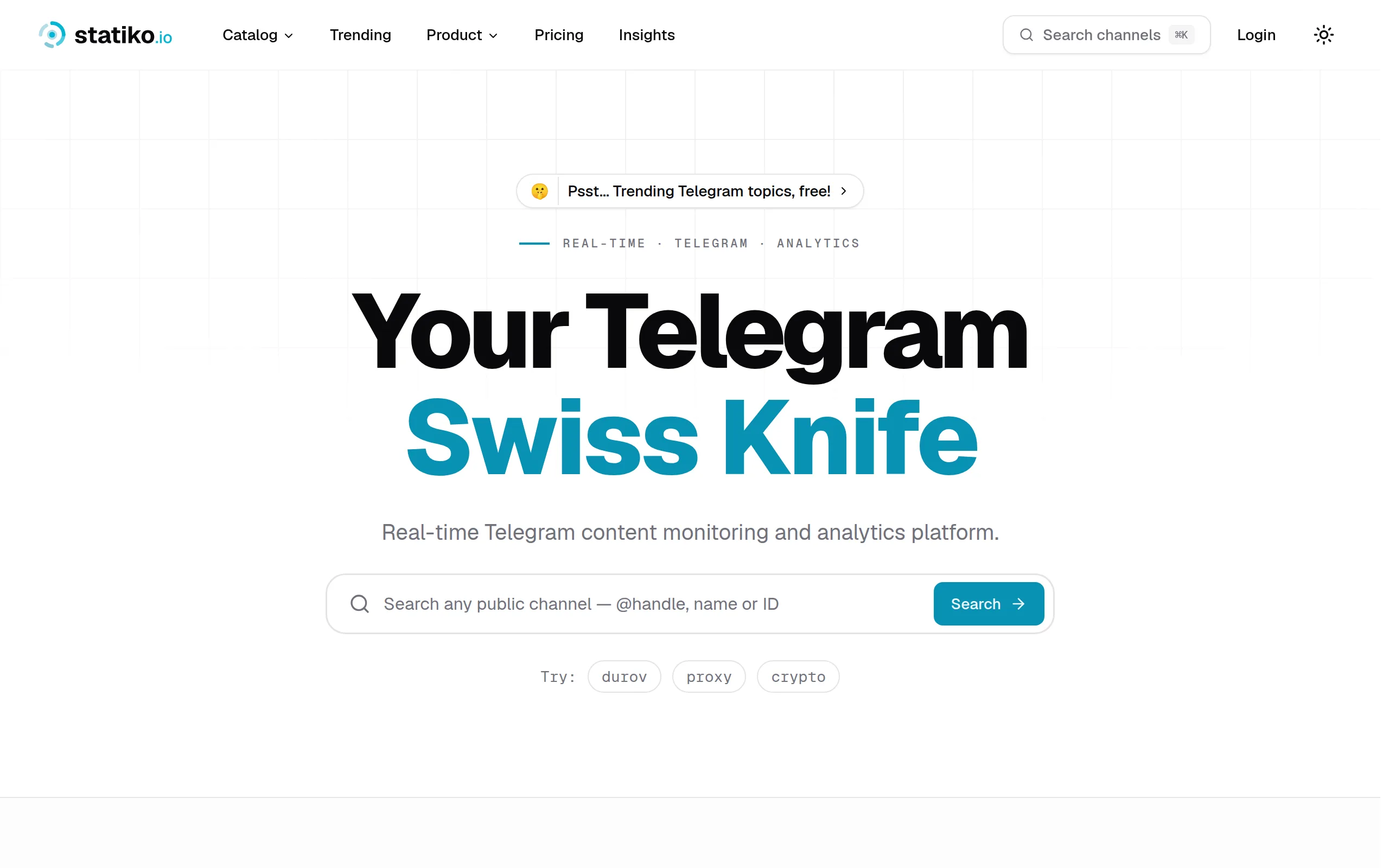
Statiko
Monitor any Telegram channel in real time - track posts, edits, deletions, and growth with AI recaps 📡

Shibui
AI website builder - describe your business, pick a niche template, edit by chatting, and publish instantly ✨

Pro Service
Find verified home service professionals, compare quotes, and pay securely through escrow - built for Brazilians across the US 🏠
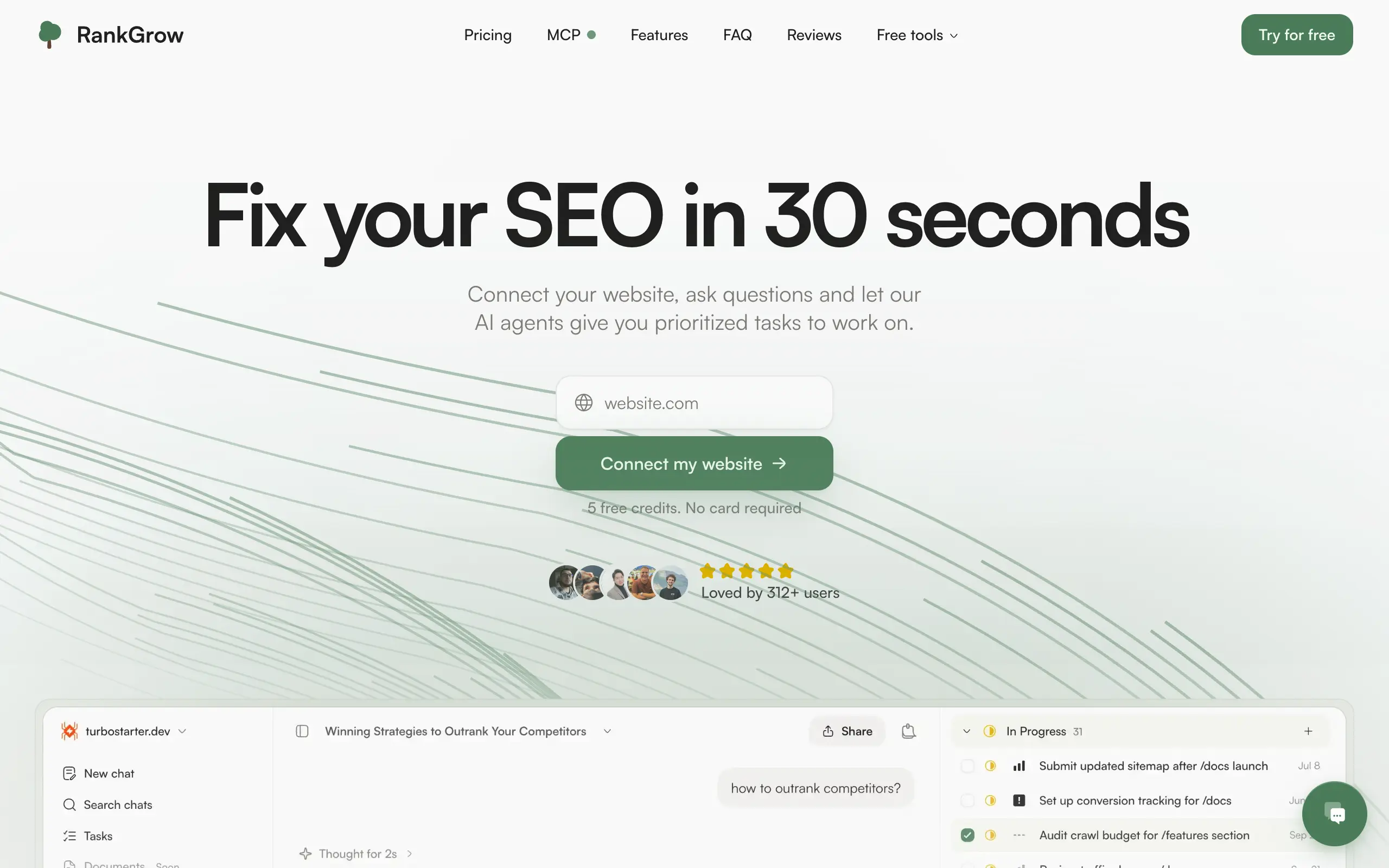
RankGrow
Fix your SEO with AI agents - connect Search Console, get prioritized tasks, and grow organic traffic 📈
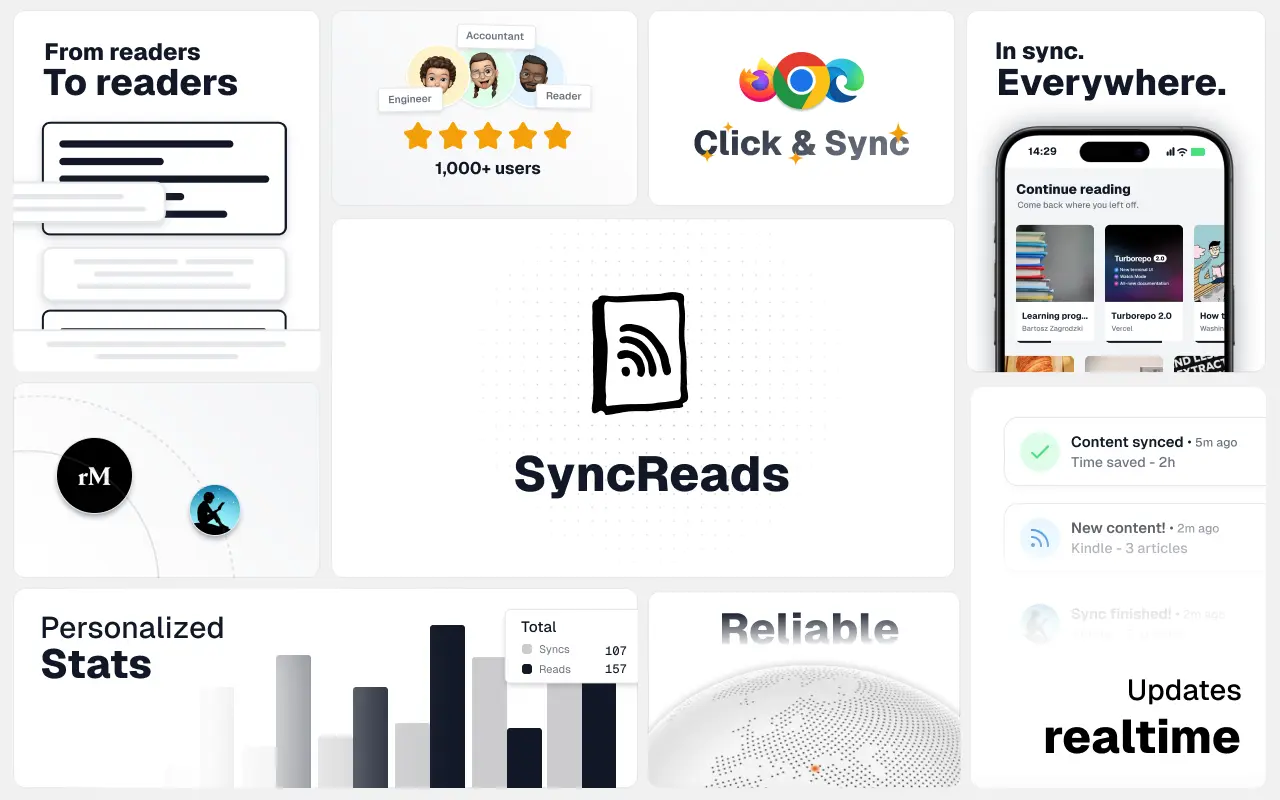
SyncReads
Sync your favorite content for distraction-free reading, save time and replace multiple apps. Anytime, anywhere 🔄
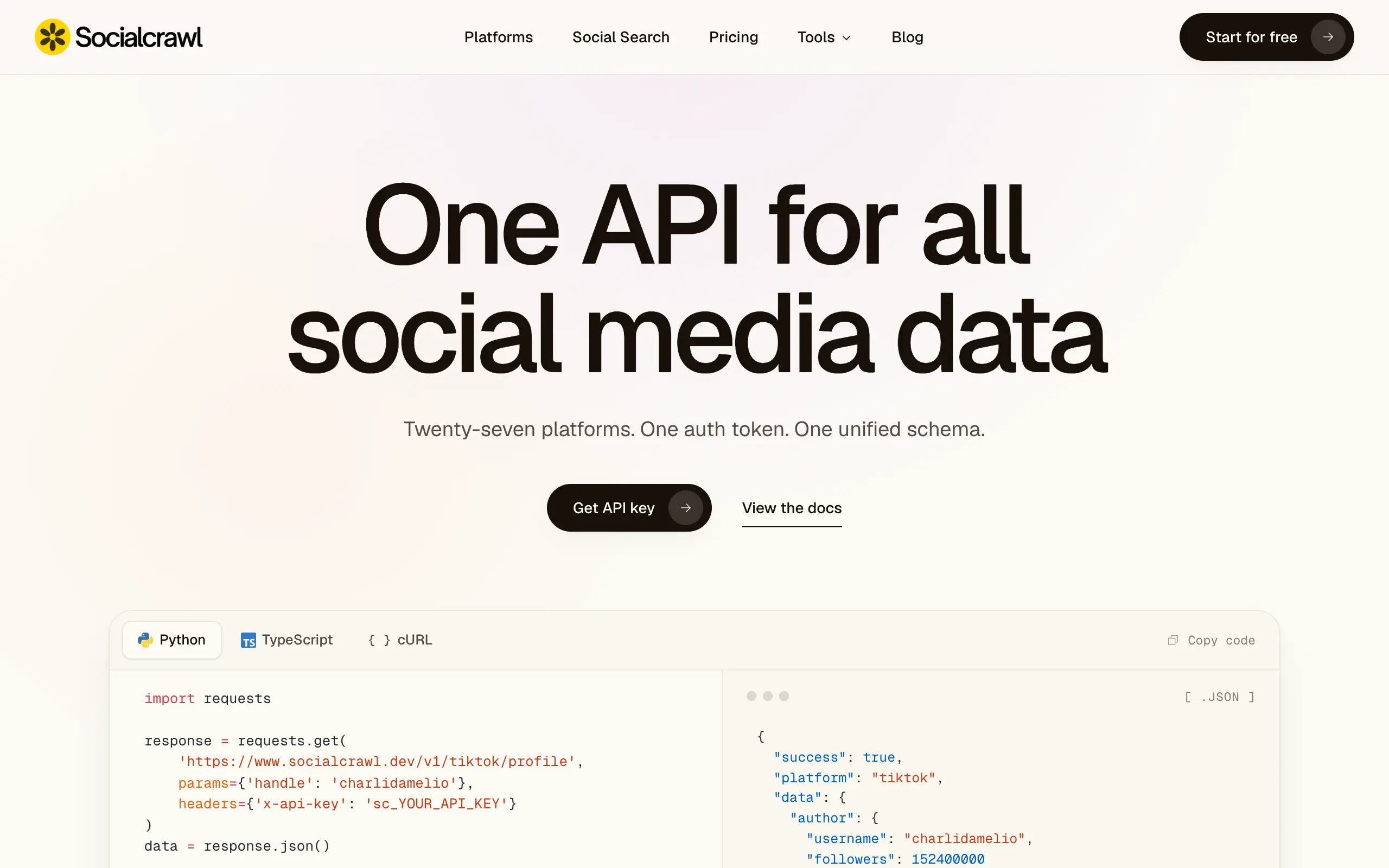
Socialcrawl
Get clean, structured data from 21 platforms like TikTok, Instagram, and YouTube with a single request 📊
Statiko
Monitor any Telegram channel in real time - track posts, edits, deletions, and growth with AI recaps 📡
Shibui
AI website builder - describe your business, pick a niche template, edit by chatting, and publish instantly ✨
Pro Service
Find verified home service professionals, compare quotes, and pay securely through escrow - built for Brazilians across the US 🏠
RankGrow
Fix your SEO with AI agents - connect Search Console, get prioritized tasks, and grow organic traffic 📈
SyncReads
Sync your favorite content for distraction-free reading, save time and replace multiple apps. Anytime, anywhere 🔄
Socialcrawl
Get clean, structured data from 21 platforms like TikTok, Instagram, and YouTube with a single request 📊
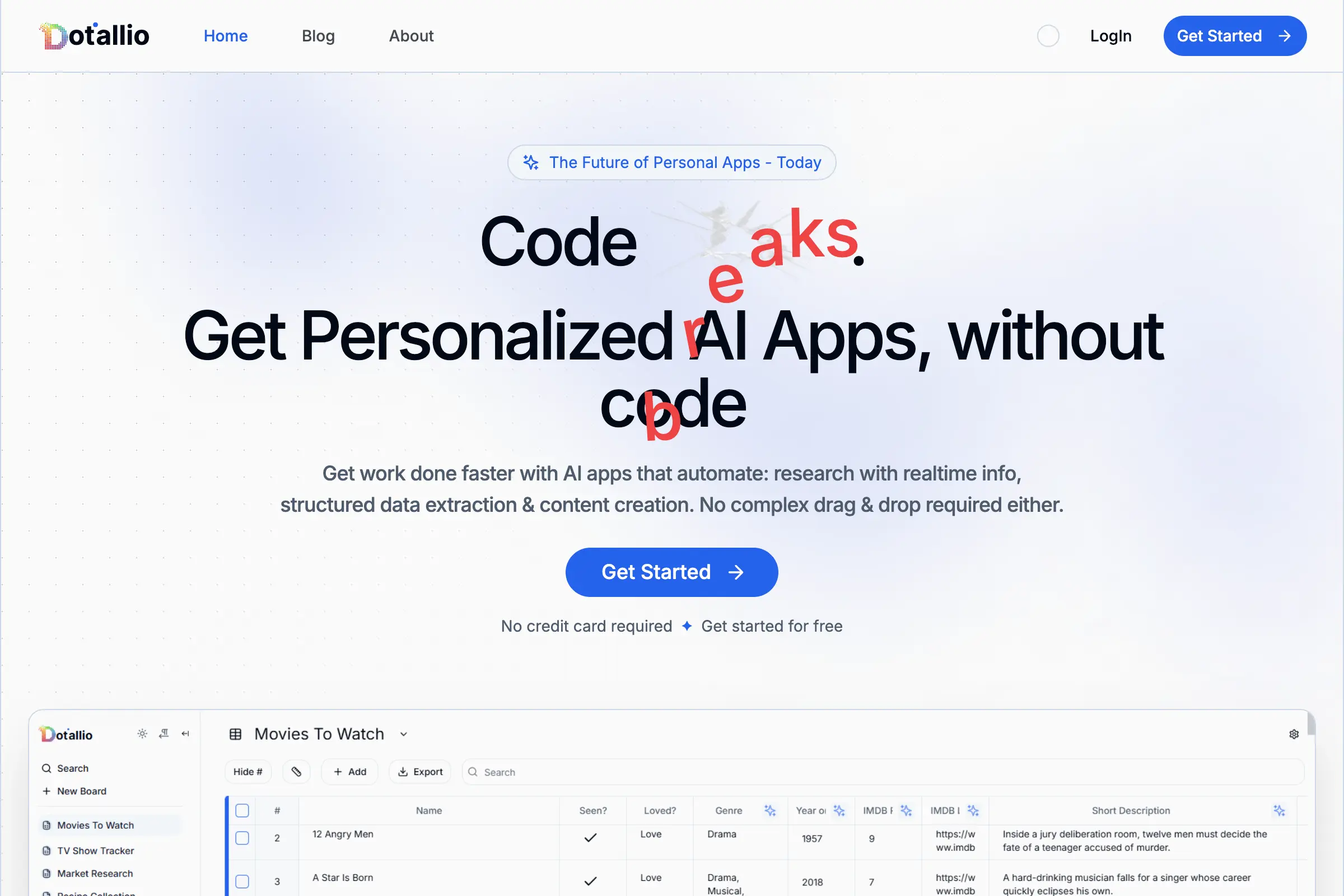
Dotallio
Personalized AI apps that automate research, data extraction, and content creation without code 🤖
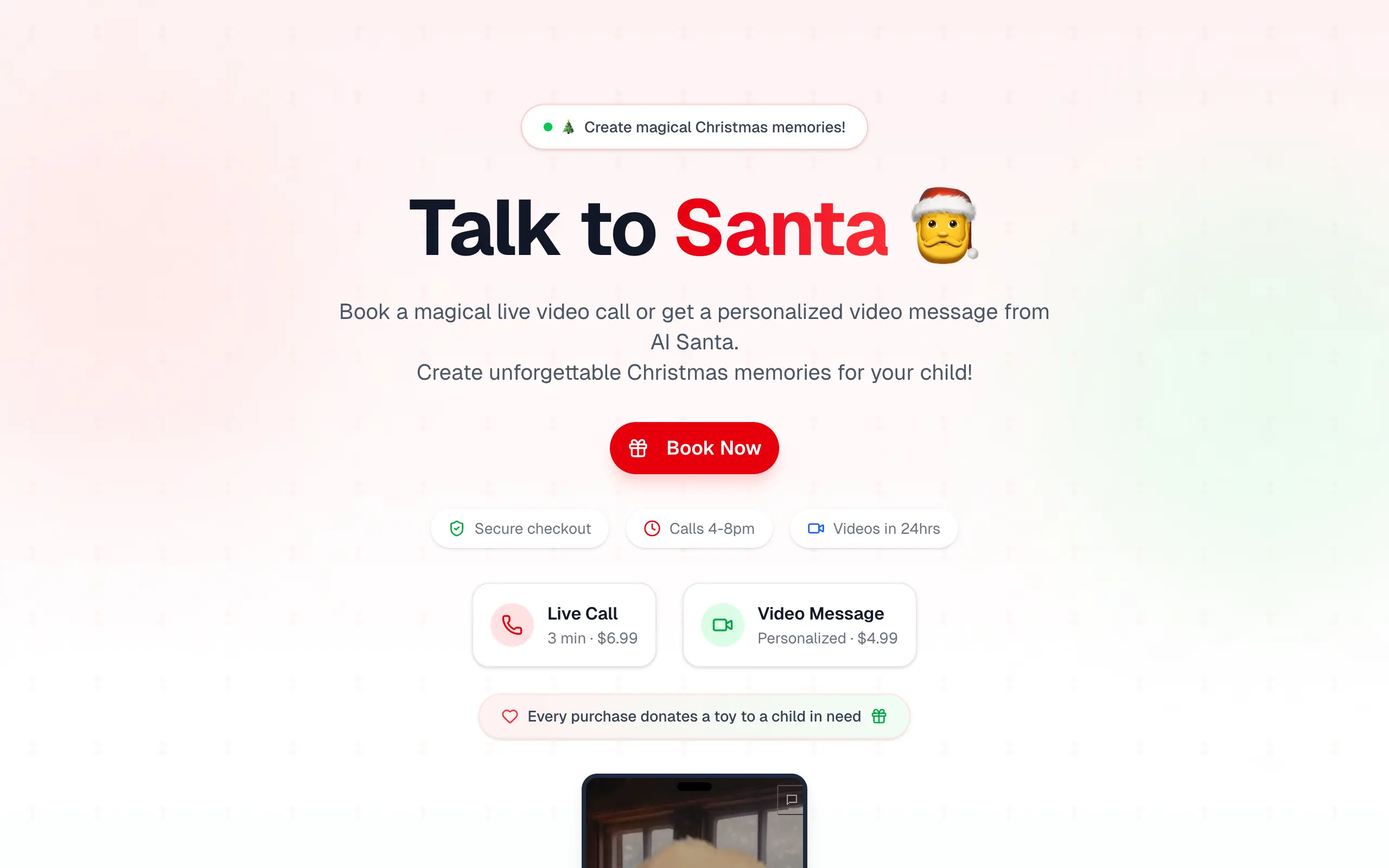
Talk to Santa
Enjoy a magical live video chat or receive a unique AI-generated video greeting from Santa Claus 🎅

pozywka.pl
Scalable blog for food journalist, focused on performance and user experience 🌭
zagrodzki.me
Personal blog and portfolio of Bart Zagrodzki, where he shares his knowledge and work 💼
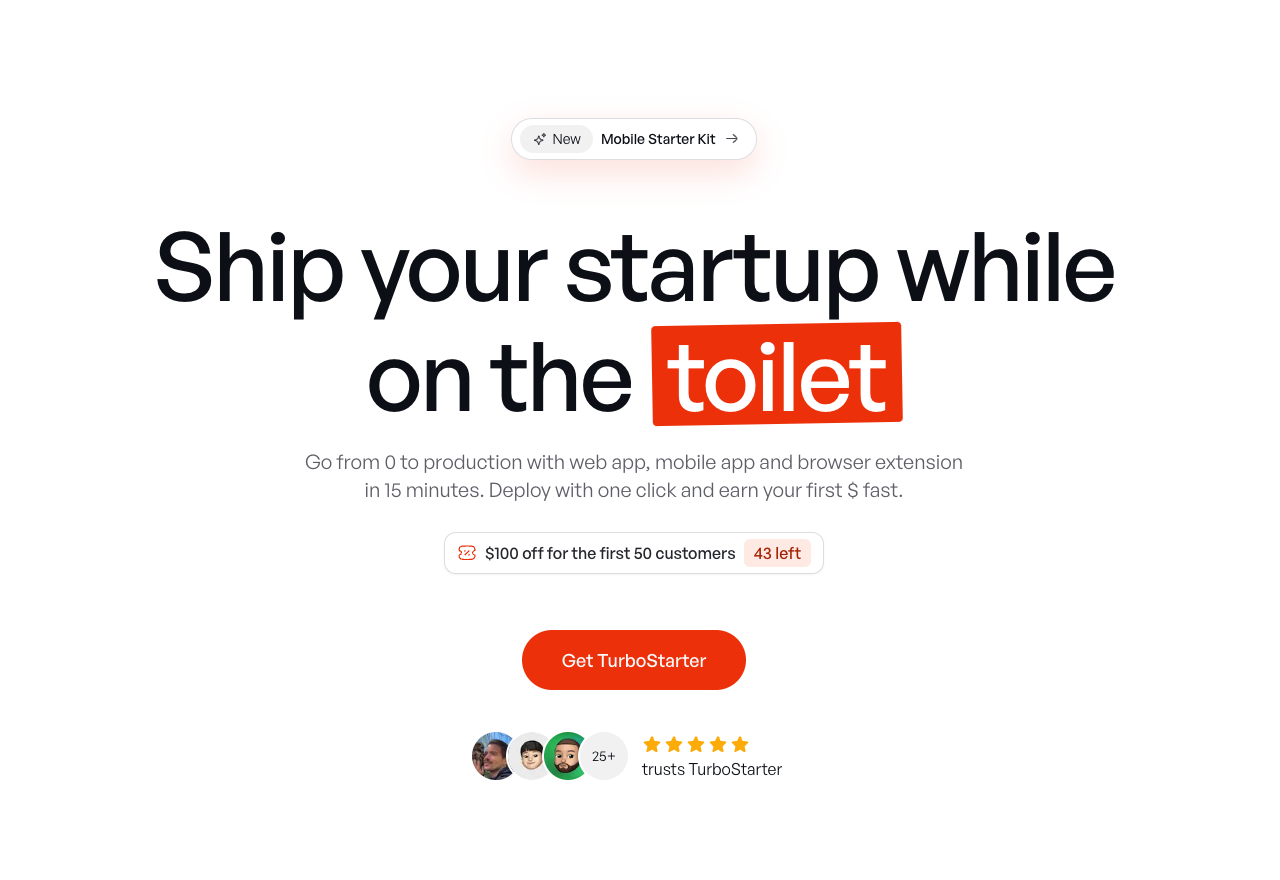
TurboStarter
Ship your startup everywhere. In minutes.
HTML to Markdown
Convert HTML to Markdown with ease, directly in your browser 📄
Dotallio
Personalized AI apps that automate research, data extraction, and content creation without code 🤖
Talk to Santa
Enjoy a magical live video chat or receive a unique AI-generated video greeting from Santa Claus 🎅
pozywka.pl
Scalable blog for food journalist, focused on performance and user experience 🌭
zagrodzki.me
Personal blog and portfolio of Bart Zagrodzki, where he shares his knowledge and work 💼
TurboStarter
Ship your startup everywhere. In minutes.
HTML to Markdown
Convert HTML to Markdown with ease, directly in your browser 📄
Omichat
Chat with 50+ AI models, including ChatGPT and Claude, in one place - switch models anytime without losing context 🤖
Claude Fast
Supercharge your Claude Code with 6x effective context window and specialized AI agents 🤖
EmojAI
AI-powered emoji picker with smart, context-aware suggestions 🤖
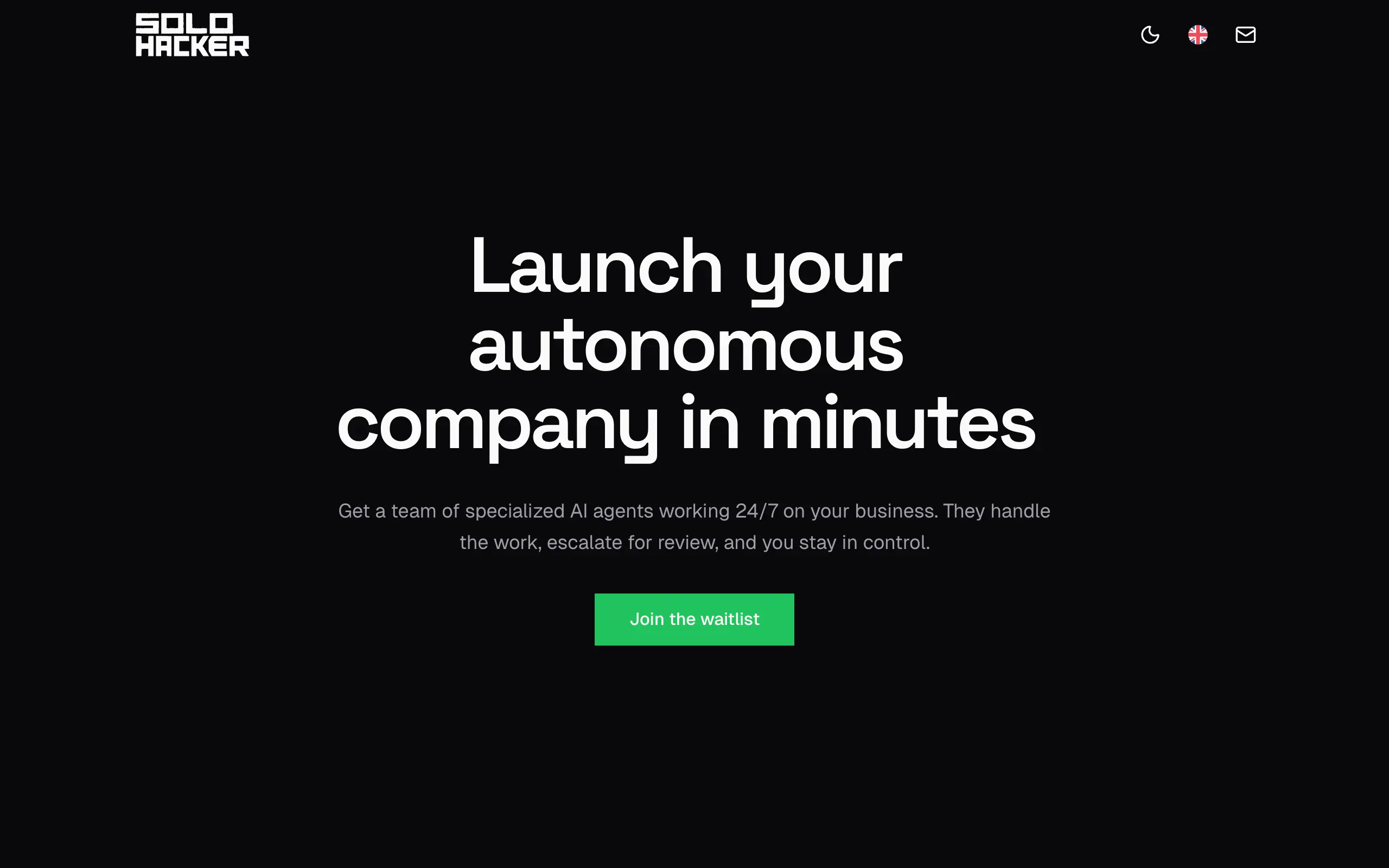
Solohacker
Autonomous company launcher - AI agents work 24/7, escalate what matters, and you stay in control 🤖
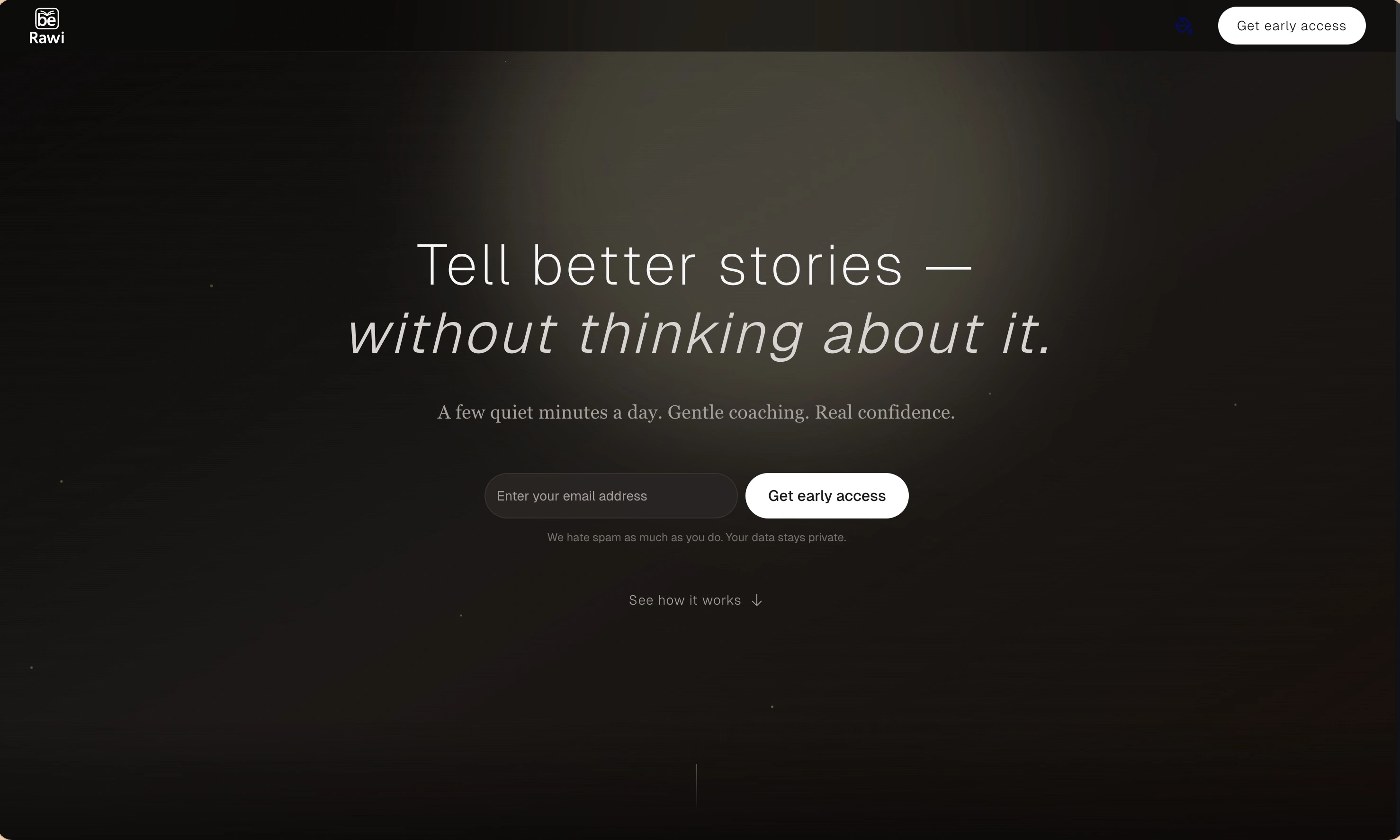
BeRawi: Storytelling Coach
Practice storytelling daily with instant feedback to sound clearer, more engaging, and confident 🎤
Omichat
Chat with 50+ AI models, including ChatGPT and Claude, in one place - switch models anytime without losing context 🤖
Claude Fast
Supercharge your Claude Code with 6x effective context window and specialized AI agents 🤖
EmojAI
AI-powered emoji picker with smart, context-aware suggestions 🤖
Solohacker
Autonomous company launcher - AI agents work 24/7, escalate what matters, and you stay in control 🤖
BeRawi: Storytelling Coach
Practice storytelling daily with instant feedback to sound clearer, more engaging, and confident 🎤

Connect with like-minded people
Join our community to get feedback, support, and grow together with 1,000+ builders on board, let's ship it!
Join usShip your startup everywhere. In minutes.
Don't burn tokens on setup and start building features on day one.