SkillShareHub
A social platform designed for skill exchange and learning, where users can connect based on skills they want to learn or teach. It promotes peer-to-peer learning and community building around shared knowledge.
Unlocking New Horizons in Peer-to-Peer Learning
In today’s digital era, communities centered around skill exchange and learning have witnessed an exponential growth. This social platform is built to bring together individuals who are passionate about both learning and teaching, offering a dynamic environment for peer-to-peer development. Seamlessly merging social interaction with educational content, it creates a vibrant hub where skills are shared, nurtured, and grown.
Target Audience: Who Will Benefit?
The heart of this platform is its diverse and enthusiastic audience. Whether you’re a student eager to acquire new skills or an experienced professional with valuable insights to share, this environment is designed for you.
- Lifelong Learners: Individuals of all ages who are looking to expand their skill set, ranging from everyday practical skills to niche technical expertise.
- Educators and Mentors: Professionals who wish to give back by sharing their industry know-how, creative techniques, and practical experiences.
- Hobbyists and Passionate Practitioners: People who are engaged in personal projects or creative activities and enjoy informal interactive learning.
- Community Builders: Users who thrive on making meaningful social connections centered around continuous improvement.
The platform is optimized to cater to these segments by enabling tailored interactions and specialized content distribution. It prioritizes transforming traditional learning models into dynamic ecosystems where every user is both a teacher and a learner.
Market Opportunity: Tapping Into a Growing Trend
The market for online education and social learning is booming, with an increasing demand for decentralized and peer-powered knowledge exchange. Several forces drive the market:
- Growing Demand for Microlearning: Bite-sized learning sessions are more accessible and easier to integrate into daily routines.
- Decentralized Learning Models: People are moving away from traditional classroom-based platforms in favor of community-driven experiences.
- Technological Advancements: The use of mobile devices and cloud computing has made it easier to access and share educational resources.
- Community and Social Media Influence: With the rise of platforms that promote interactive learning, users are actively seeking environments where they can both contribute and benefit.
Investors and innovators see a significant opportunity in platforms that focus on sustainable, peer-to-peer learning ecosystems. As the e-learning market expands, this model stands at the intersection of social media dynamics and educational delivery—a position that is primed for exponential growth.
Did You Know?
Peer-to-peer learning not only improves understanding but also fosters greater community engagement.
Technology Stack: Building a Robust Foundation
The technical backbone of this platform is designed with modern web technologies that ensure rapid development, scalability, and resilience. Developers are choosing a stack that facilitates both foundational robustness and rapid iteration. Here’s an overview of the potential tech stack:
- Frontend Frameworks: React, Vue, or Angular offer component-based architectures that provide reusability and maintainability.
- Backend Infrastructure: Node.js with Express, Ruby on Rails, or Django deliver powerful APIs and server-side logic.
- Database Solutions: PostgreSQL, MongoDB, or Firebase handle data storage, offering structured and unstructured data management.
- Cloud Platforms: AWS, Google Cloud, or Azure provide scalability and robust support for microservices.
- Real-Time Communication: WebSockets or libraries like Socket.IO ensure seamless live chat and interactive sessions.
- Rapid Development Alternative: For those who want to accelerate the development process, consider using the TurboStarter kit. It’s a brilliant starting point for web, mobile, and browser extension projects that can significantly cut down the time to market.
Below is a small code snippet that showcases the basic structure of a component-driven approach:
const TestComponent = () => {
  console.log("This is a code snippet!");
  return <div>Hello, world!</div>;
}
Utilizing these modern technologies not only improves the user experience but also streamlines the development process, ensuring a responsive and secure platform that can handle a high volume of simultaneous users.
Monetization Strategy: Sustainable Revenue Models
Sustaining the platform requires a balanced monetization strategy that aligns with its community-first values. Here are a few key approaches:
-
Freemium Model:
- Basic membership is free, granting users access to standard features and community interactions.
- Premium subscriptions offer advanced features, detailed analytics, exclusive content, and enhanced networking opportunities.
-
Transactional Revenue:
- Facilitated exchanges such as booking personalized mentoring sessions or premium workshops could be monetized with a service fee.
- Commission on skill-specific courses that members can create and sell on the platform.
-
Advertisement and Sponsorship:
- Targeted ads that align with educational resources and learning materials can provide additional revenue.
- Partnerships with educational institutions and industry leaders that sponsor community events or webinars.
-
Corporate Partnerships:
- Collaborations with companies interested in continuous employee learning can involve integrating the platform into their training programs.
- Custom solutions for enterprises can be developed, creating bespoke dashboards and reporting tools.
-
Community-Driven Features:
- Crowdfunding features for innovative projects or in-depth course series can help secure resources and drive engagement.
Each revenue stream is designed to maintain a balance between profitability and preserving value for the users. Regular feedback loops and beta testing with target users contribute to adaptive strategies that ensure both revenue generation and community trust.
Key Benefit
Offer a value-driven model through freemium access and premium learning enhancements.
Risks and Mitigation Strategies
While the potential is significant, several risks must be managed carefully:
-
User Adoption and Engagement:
- Risk: Low initial engagement can slow down network effects.
- Mitigation: Implement targeted marketing campaigns, gamification, and referral incentives to stimulate growth.
-
Platform Security and Privacy:
- Risk: Data breaches and user privacy concerns could erode trust.
- Mitigation: Adopt rigorous security protocols, end-to-end encryption, and transparent privacy policies. Regular security audits and compliance with regulations (like GDPR) ensure user data is well protected.
-
Scalability Challenges:
- Risk: Sudden surges in user activity could impact performance.
- Mitigation: Use cloud-native solutions and auto-scaling infrastructure to maintain performance levels. Employ load balancing and content delivery networks (CDN) for efficient content distribution.
-
Content Quality Control:
- Risk: User-generated content might vary in quality and relevance.
- Mitigation: Introduce moderation guidelines, community voting mechanisms, and expert panels for content curation.
-
Quicker Competitor Adaptation:
- Risk: New entrants with innovative features might capture market share.
- Mitigation: Focus on building a robust, community-oriented platform that emphasizes continuous improvement and personalized learning. Regular updates and user feedback sessions will continuously elevate the platform's offerings.
Through proactive planning and iterative testing, these risks can be managed effectively, ensuring the platform's longevity and relevance in a competitive market landscape.
Implement multi-factor authentication, regular code reviews, and vulnerability scanning along with a responsive incident management plan.
Competitive Advantages: Standing Out in a Crowded Space
What makes this platform a frontrunner in the social learning niche is a confluence of strategic strengths that create a sustainable advantage:
-
Community-Centric Experience:
- Leveraging social networking principles, the platform promotes an environment where users build connections beyond mere skill transactions.
- It encourages users to form micro-communities based on interests, fostering trust and long-term engagement.
-
User Empowerment:
- Unlike traditional learning platforms, users are at the forefront – as both content creators and learners.
- The emphasis on peer-to-peer feedback mechanisms fosters a sense of ownership and motivation among users.
-
Flexibility and Customization:
- With a modular approach to features, users can tailor their learning pathways according to their personal or professional goals.
- Integrated tools for both synchronous (live sessions) and asynchronous (recorded tutorials) interaction widen the access to learning opportunities.
-
Technology-Driven Simplicity:
- Emphasizing a seamless user experience through a modern tech stack helps reduce friction in content sharing and networking.
- The use of progressive technologies ensures that the platform is accessible, fast, and secure, which in turn boosts user satisfaction.
-
Sustainable Scalability:
- With the right mix of community engagement and technical infrastructure, the platform is designed to easily scale as the user base grows.
- The iterative release of new features based on user feedback ensures the platform remains relevant and competitive.
-
Innovation at the Core:
- By consistently integrating new learning methodologies and tech-driven tools (such as AI-based content recommendations), the platform keeps evolving.
- Strategic partnerships with educational content providers and tech innovators add an extra layer of credibility and appeal.
The community-focused approach ensures that every feature, from skill matching to discussion forums, is designed with the user in mind, promoting organic growth and deep engagement.
Meanwhile, leveraging state-of-the-art technologies enables scalable development and a personalized user experience, setting the platform apart from its competitors.
User Engagement and Growth Strategies
Long-term success will be built on the platform’s ability to foster a thriving, engaged community. Here are several strategies that can be employed:
-
Gamification and Recognition:
- Introduce badges, leaderboards, and rewards systems for active participation.
- Regular challenges and competitions can drive user activity and maintain a fun learning environment.
-
Content Curation and Mentorship Programs:
- Expert-curated content and mentorship initiatives can help guide new users and ensure high-quality learning experiences.
- A robust rating and review system will help highlight top contributors, promoting a culture of excellence.
-
Regular Community Events:
- Webinars, live workshops, and Q&A sessions with industry experts can form the backbone of the platform’s interactive approach.
- These events can also lead to collaboration and networking opportunities that extend beyond the digital space.
-
Seamless Integration with Social Media:
- Enable sharing of achievements and milestones on popular social platforms to attract new users.
- Interactive integrations such as social logins and embedded content further enhance the community feel.
-
Feedback-Driven Iteration:
- Encourage users to share their ideas through surveys, beta testing programs, and open forums.
- Transparent communication about how feedback is being implemented fosters user loyalty and continuous improvement.
By focusing on these engagement strategies, the platform ensures that every user journey contributes not only to personal growth but also to the overall vibrancy of the community.
Accelerating Development and Deployment
Getting from idea to a fully functional product demands clarity in the development process. Utilizing robust frameworks and starter kits can simplify the journey from planning to execution. For example, adopting solutions like TurboStarter can provide pre-built components and ready-to-use boilerplate code that speeds up the process. This “jumpstart” approach is invaluable when trying to rapidly deploy features and adapt to evolving user demands.
Below is an example of how a component might be initialized using modern coding standards:
const initializeFeature = () => {
  console.log("Initializing new learning feature...");
  // Additional logic here
};
The clarity in the development process brings discipline to what might otherwise be a chaotic project environment. The incorporation of automated testing, continuous integration, and agile methodologies ensures that every code commit strengthens the platform.
Conclusion: Clear Implementation Steps
A successful rollout of this innovative skill exchange platform should follow a structured, iterative process. Here are the steps needed to bring the vision to reality:
Conduct comprehensive market research to further understand the needs and behaviors of your target audience.
Define a clear product roadmap, prioritizing features based on community needs and technological feasibility.
Assemble a multidisciplinary team of developers, UX/UI designers, and content curators.
Leverage modern frameworks and rapid development kits like TurboStarter to kickstart the project.
Start with an MVP (Minimum Viable Product) that focuses on core functionalities such as user profiles, skill matching, and community interactions.
Execute beta testing with select users and gather iterative feedback to continuously refine the product.
Plan a multi-channel marketing strategy to drive initial adoption, including targeted ads, influencer collaborations, and community events.
Monitor key performance indicators (KPIs) continuously to ensure the platform scales while maintaining exemplary performance.
Roll out subsequent feature updates based on evolving market trends and user demands.
By following these implementation steps, developers and entrepreneurs can transform a compelling concept into a robust, scalable, and engaging platform that revolutionizes peer-to-peer learning and skill exchange.
Embracing a model where every user can be both a teacher and a learner places the power of education back into the community. With a well-planned tech stack, diversified monetization strategy, and a clear path forward to mitigate risks, this platform is positioned to thrive in today's fast-paced digital marketplace.
Every element, from the initial development to the eventual scaling, is done with the user experience at its core—a community-driven space where learning knows no bounds. Whether you’re an educator, a student, or simply a lifelong learner, this platform redefines how we connect, grow, and succeed together in the world of skills and knowledge.
More 🌐 Social Network SaaS ideas
Discover more innovative social network SaaS ideas that are trending in 2026. Each idea is AI-generated with market validation and growth potential to help you find your next profitable venture faster than competitors.
Your competitors are building with TurboStarter
Below are some of the SaaS ideas that have been generated and built with our starter kit.

Shibui
AI website builder - describe your business, pick a niche template, edit by chatting, and publish instantly ✨

Pro Service
Find verified home service professionals, compare quotes, and pay securely through escrow - built for Brazilians across the US 🏠
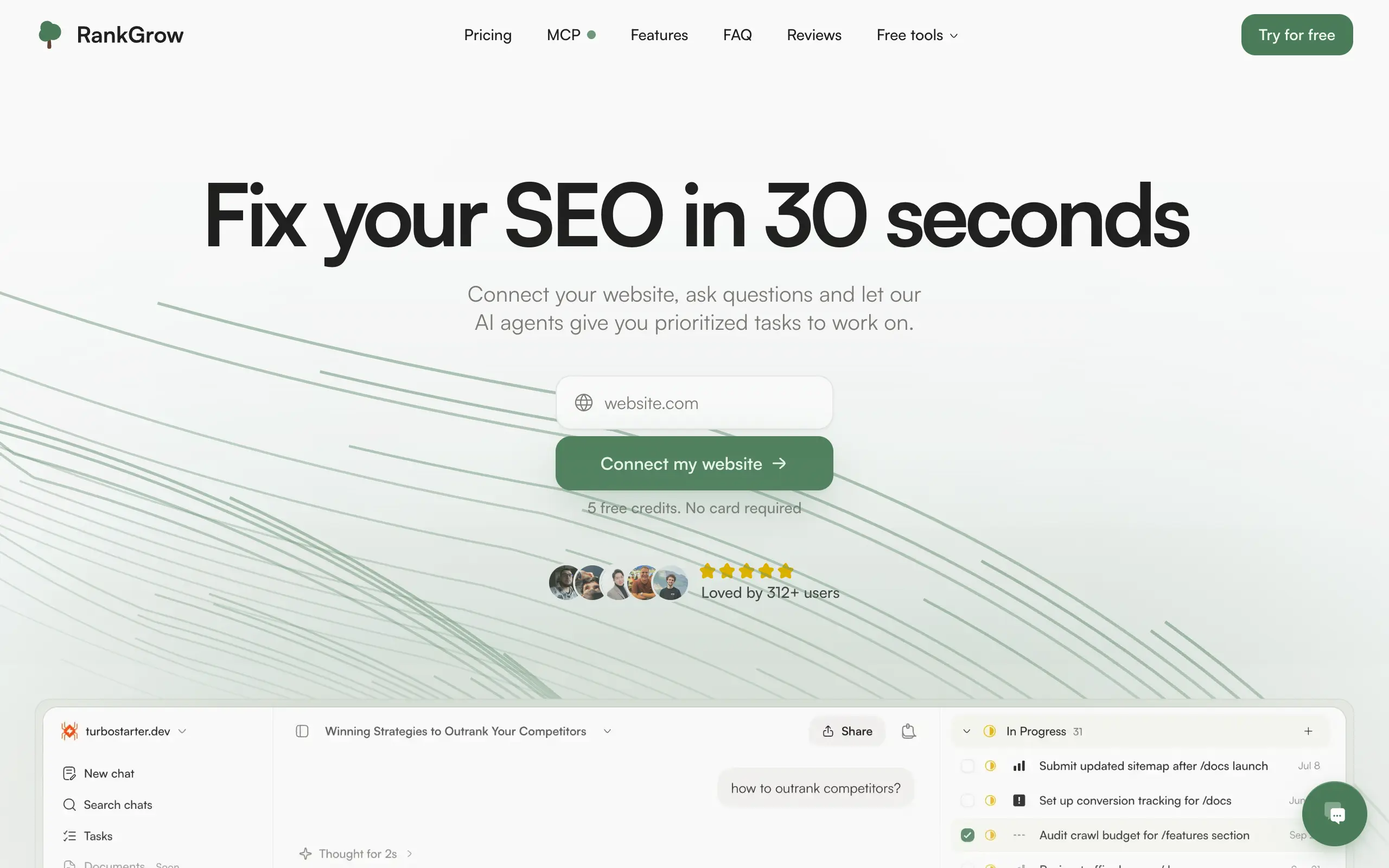
RankGrow
Fix your SEO with AI agents - connect Search Console, get prioritized tasks, and grow organic traffic 📈
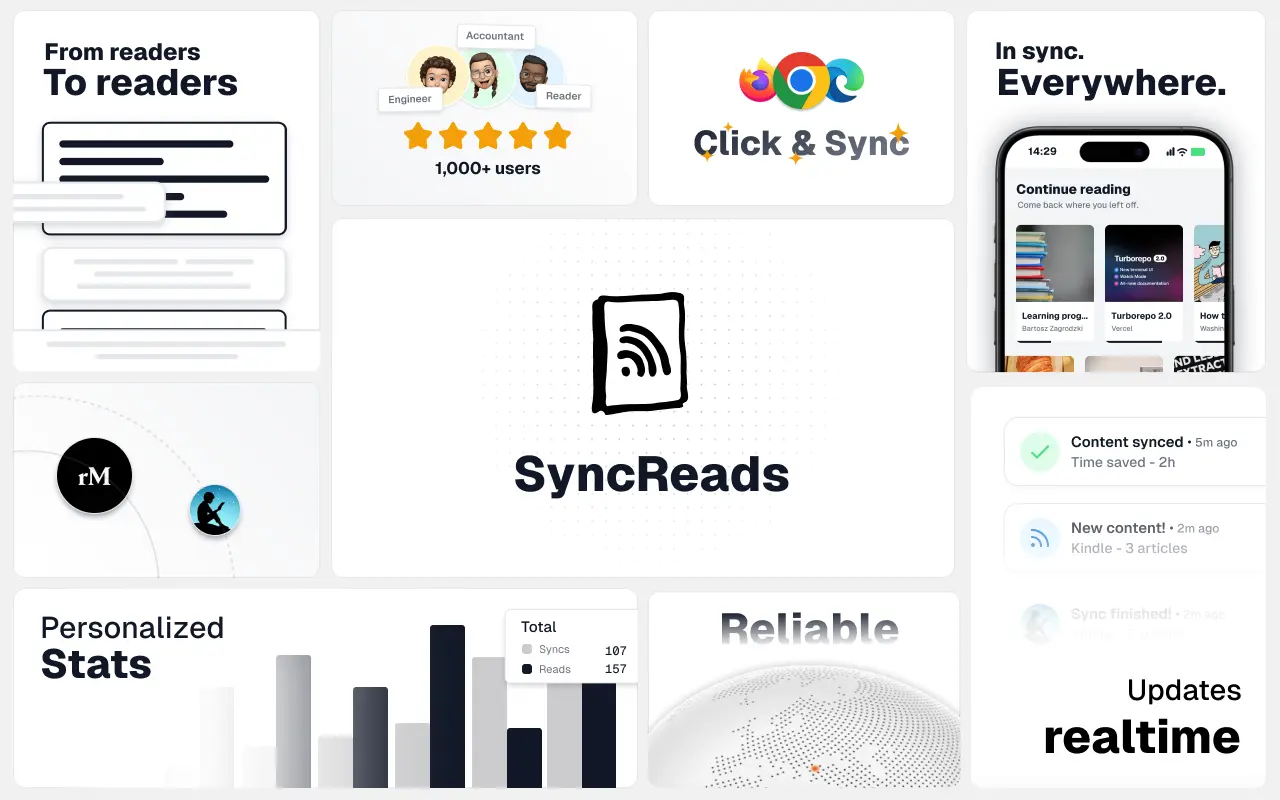
SyncReads
Sync your favorite content for distraction-free reading, save time and replace multiple apps. Anytime, anywhere 🔄
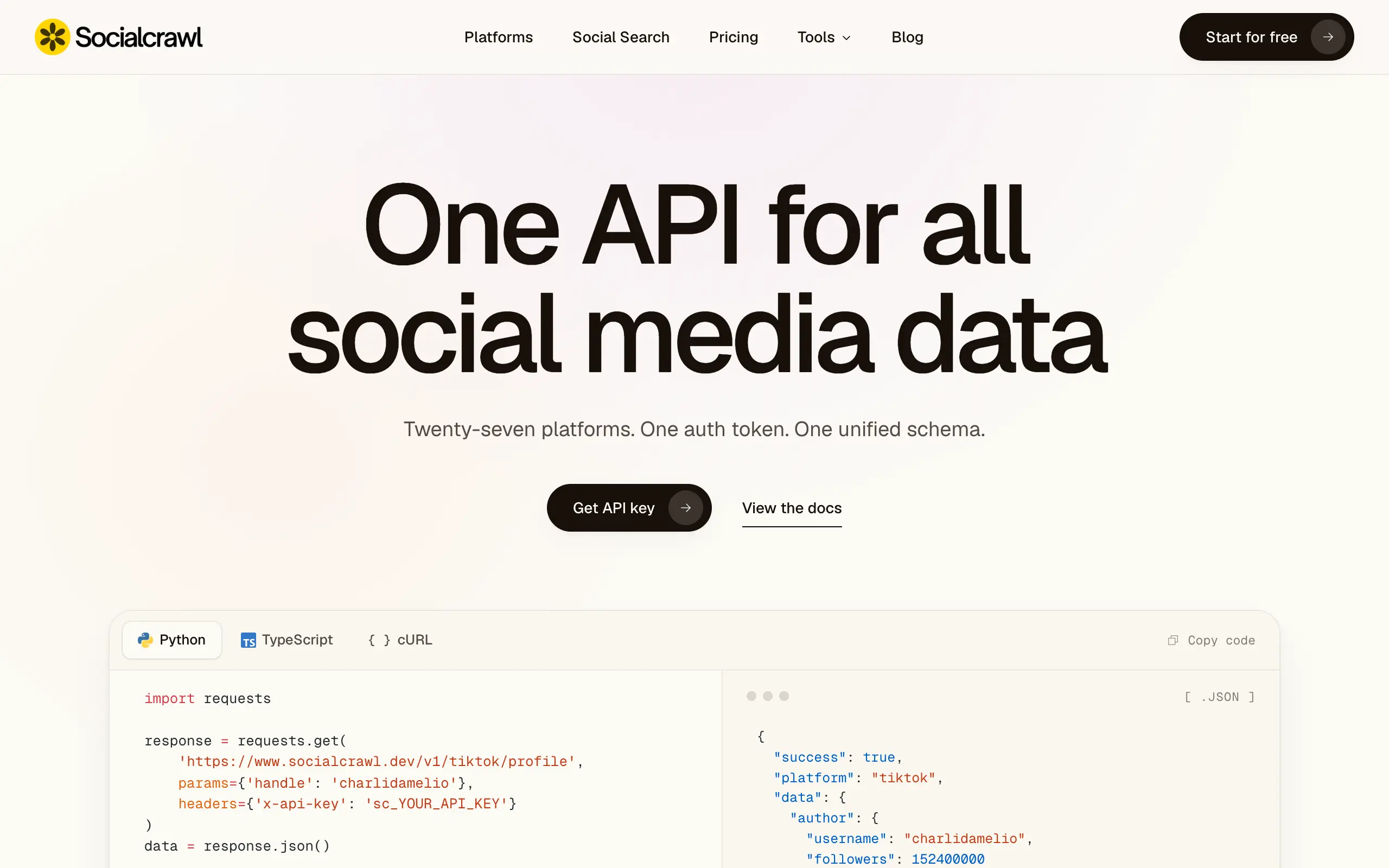
Socialcrawl
Get clean, structured data from 21 platforms like TikTok, Instagram, and YouTube with a single request 📊
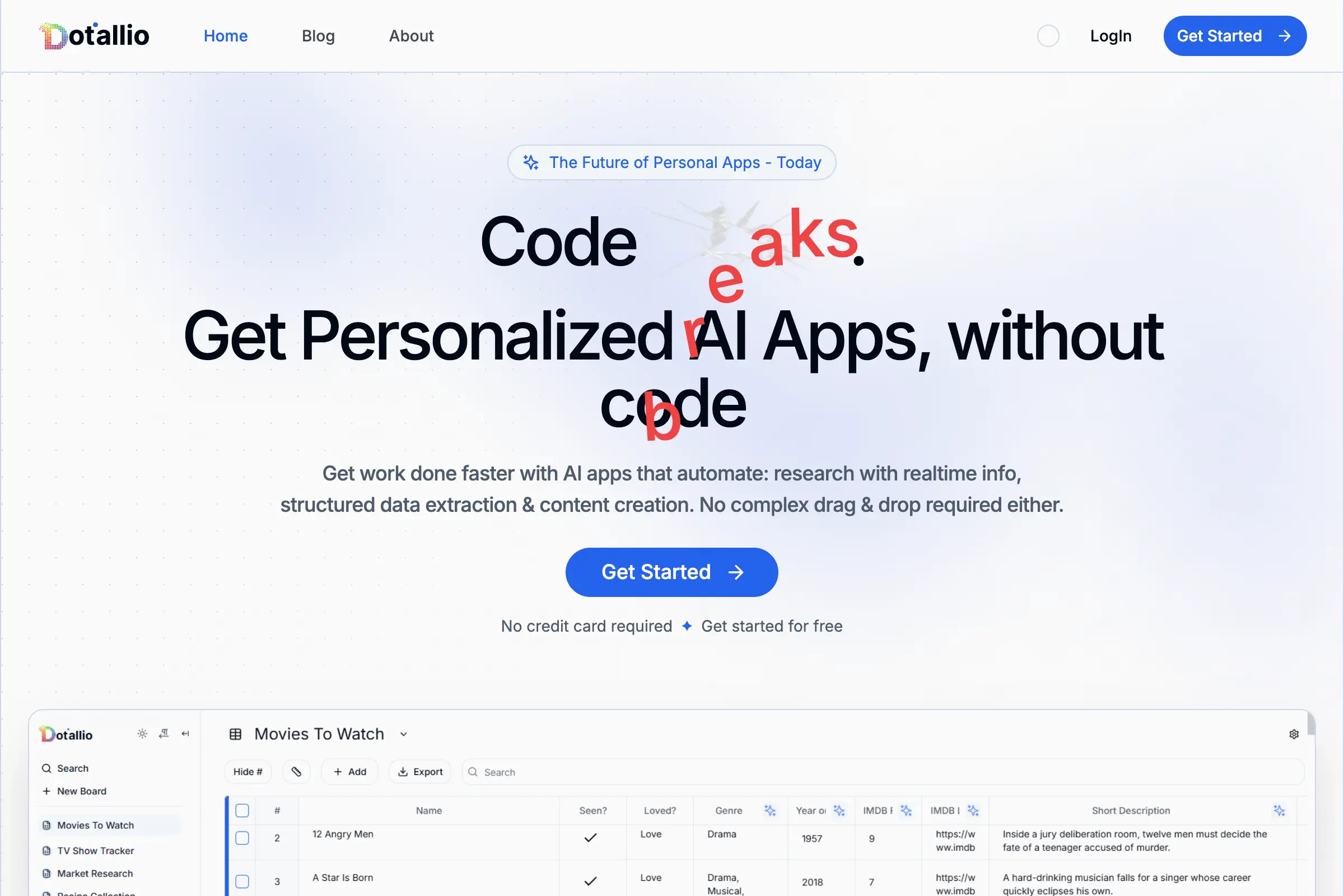
Dotallio
Personalized AI apps that automate research, data extraction, and content creation without code 🤖
Shibui
AI website builder - describe your business, pick a niche template, edit by chatting, and publish instantly ✨
Pro Service
Find verified home service professionals, compare quotes, and pay securely through escrow - built for Brazilians across the US 🏠
RankGrow
Fix your SEO with AI agents - connect Search Console, get prioritized tasks, and grow organic traffic 📈
SyncReads
Sync your favorite content for distraction-free reading, save time and replace multiple apps. Anytime, anywhere 🔄
Socialcrawl
Get clean, structured data from 21 platforms like TikTok, Instagram, and YouTube with a single request 📊
Dotallio
Personalized AI apps that automate research, data extraction, and content creation without code 🤖
Shibui
AI website builder - describe your business, pick a niche template, edit by chatting, and publish instantly ✨
Pro Service
Find verified home service professionals, compare quotes, and pay securely through escrow - built for Brazilians across the US 🏠
RankGrow
Fix your SEO with AI agents - connect Search Console, get prioritized tasks, and grow organic traffic 📈
SyncReads
Sync your favorite content for distraction-free reading, save time and replace multiple apps. Anytime, anywhere 🔄
Socialcrawl
Get clean, structured data from 21 platforms like TikTok, Instagram, and YouTube with a single request 📊
Dotallio
Personalized AI apps that automate research, data extraction, and content creation without code 🤖
Shibui
AI website builder - describe your business, pick a niche template, edit by chatting, and publish instantly ✨
Pro Service
Find verified home service professionals, compare quotes, and pay securely through escrow - built for Brazilians across the US 🏠
RankGrow
Fix your SEO with AI agents - connect Search Console, get prioritized tasks, and grow organic traffic 📈
SyncReads
Sync your favorite content for distraction-free reading, save time and replace multiple apps. Anytime, anywhere 🔄
Socialcrawl
Get clean, structured data from 21 platforms like TikTok, Instagram, and YouTube with a single request 📊
Dotallio
Personalized AI apps that automate research, data extraction, and content creation without code 🤖
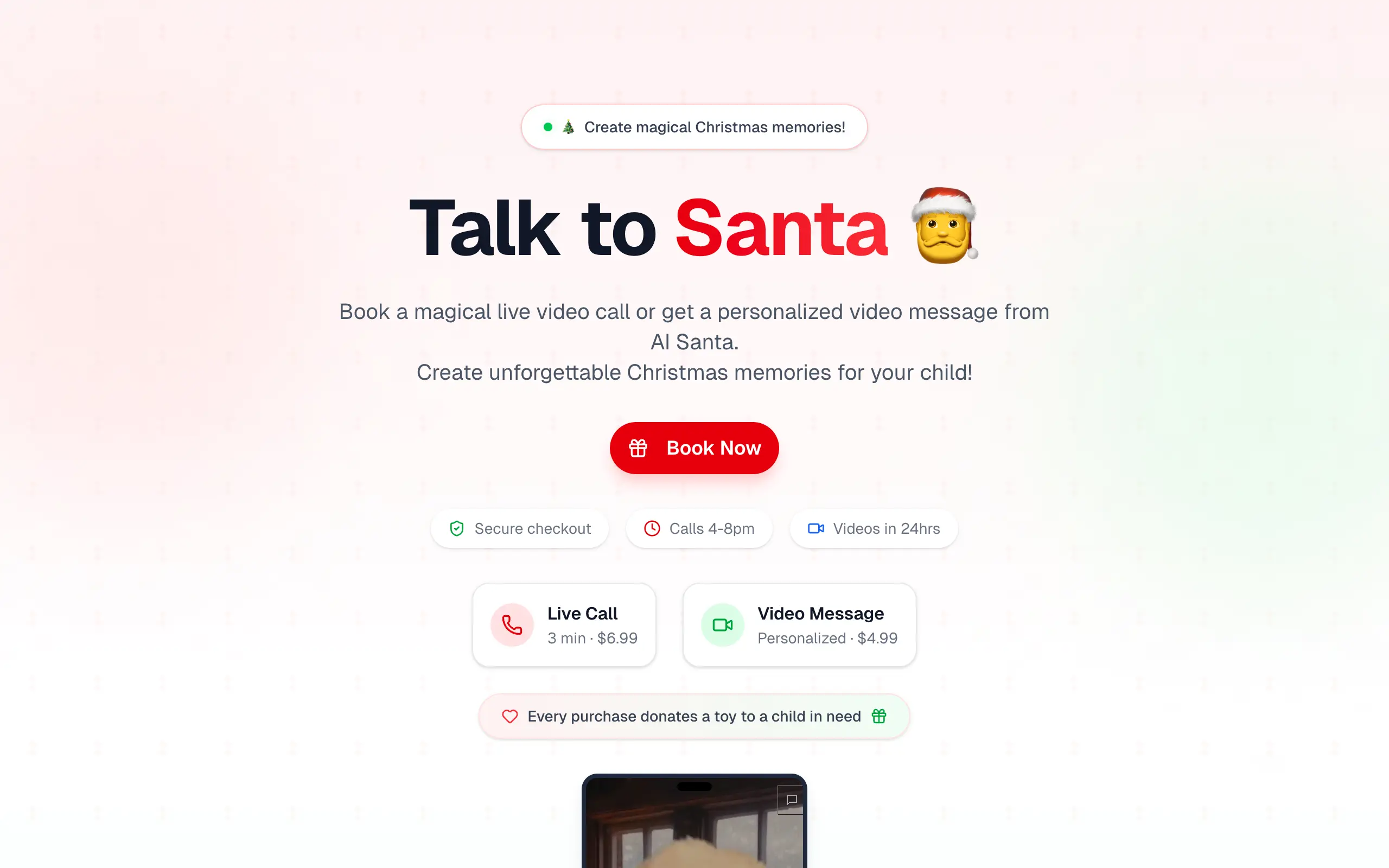
Talk to Santa
Enjoy a magical live video chat or receive a unique AI-generated video greeting from Santa Claus 🎅
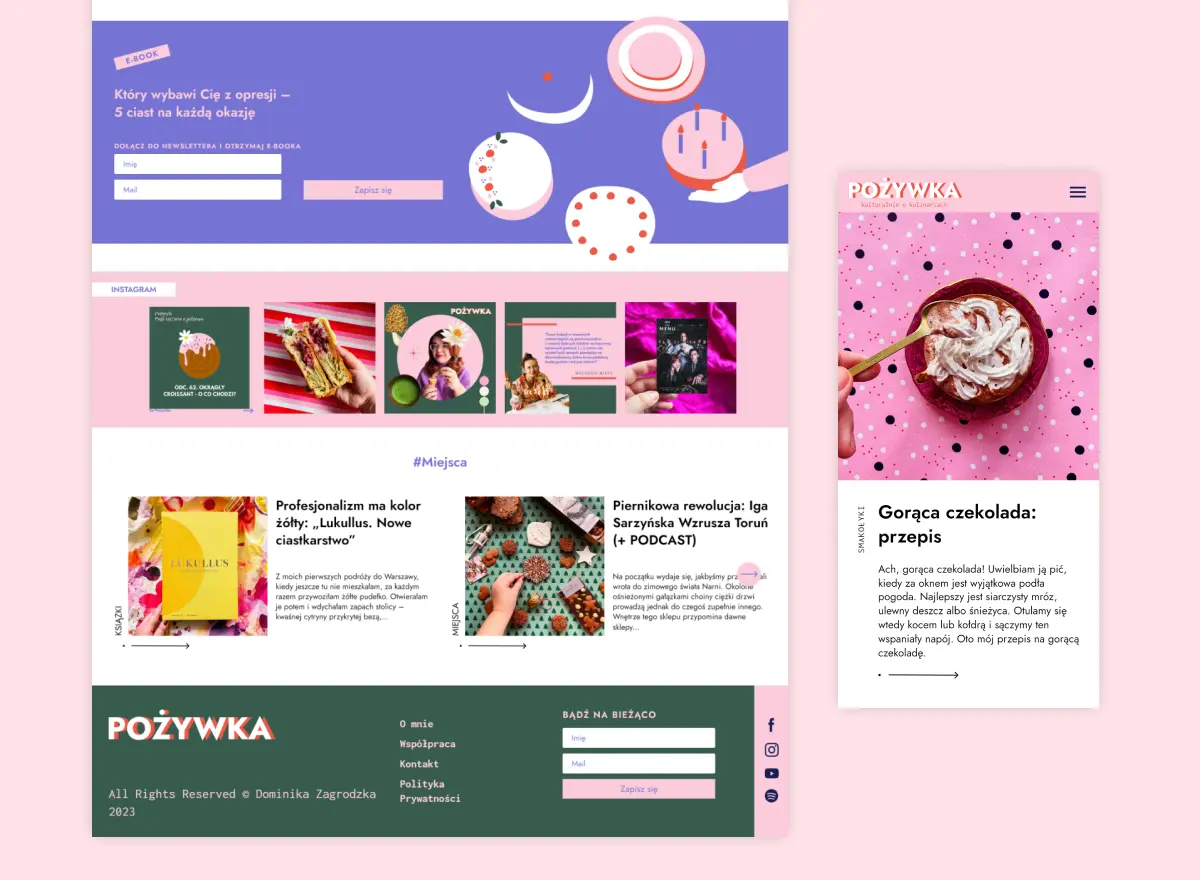
pozywka.pl
Scalable blog for food journalist, focused on performance and user experience 🌭
zagrodzki.me
Personal blog and portfolio of Bart Zagrodzki, where he shares his knowledge and work 💼
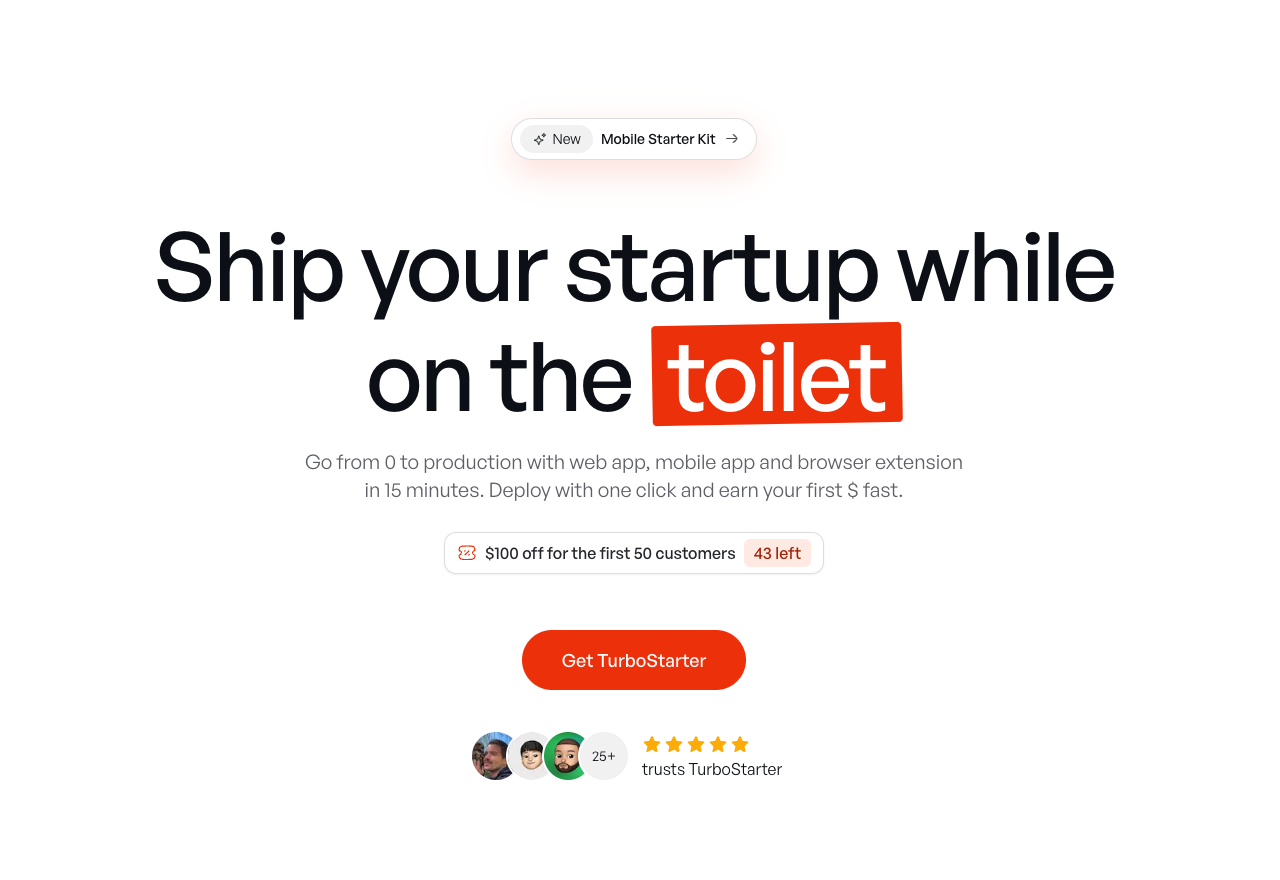
TurboStarter
Ship your startup everywhere. In minutes.
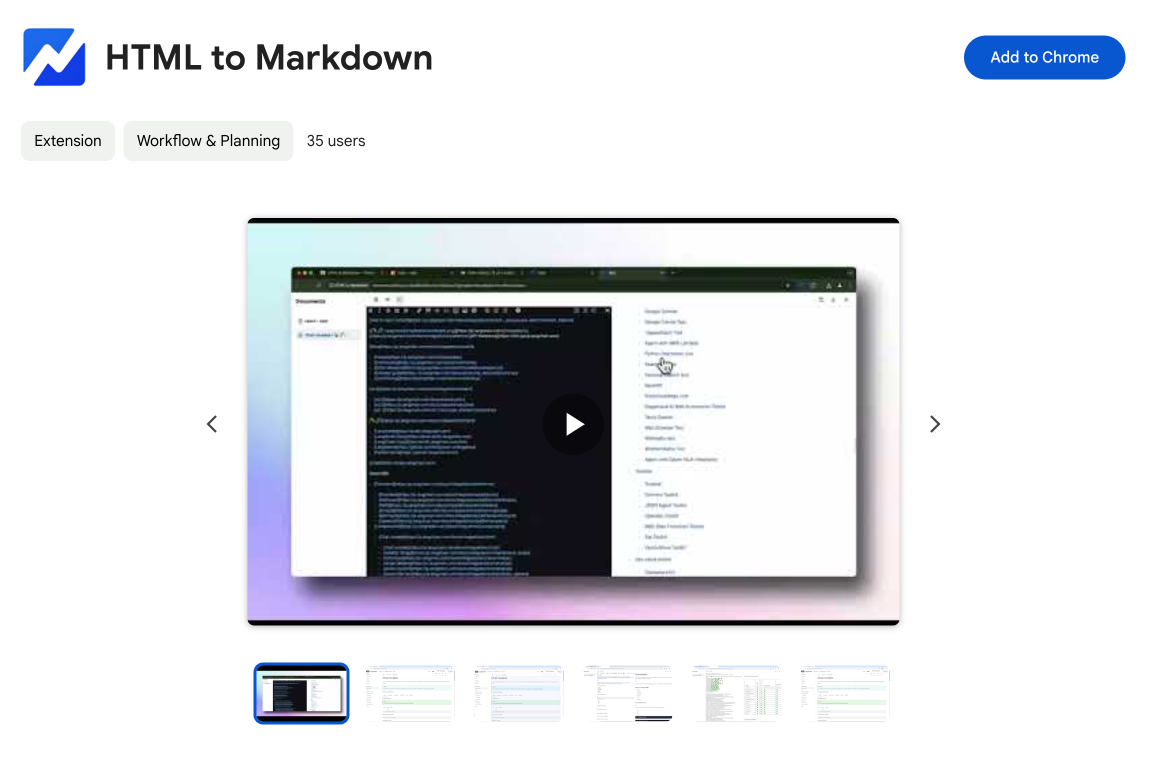
HTML to Markdown
Convert HTML to Markdown with ease, directly in your browser 📄
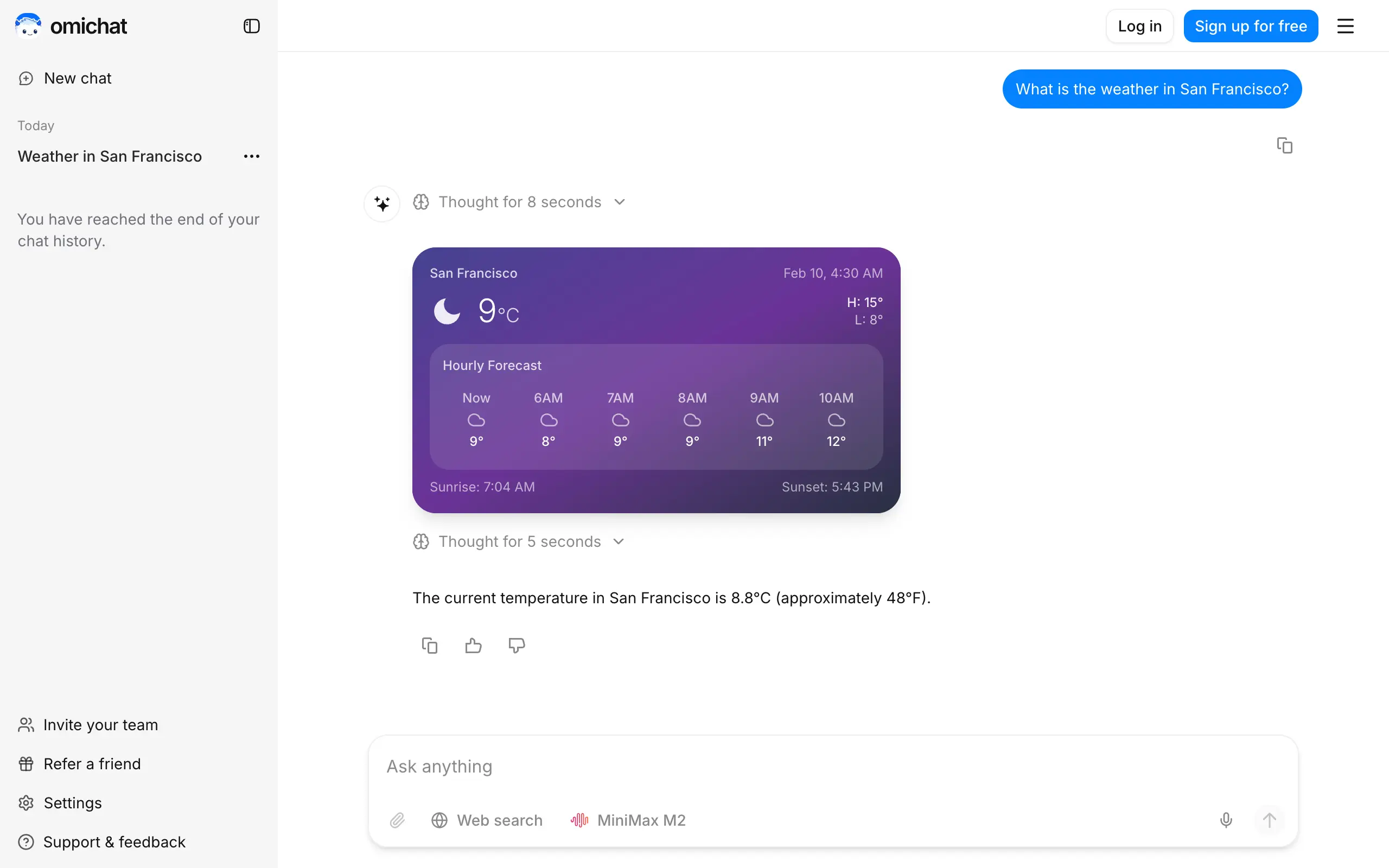
Omichat
Chat with 50+ AI models, including ChatGPT and Claude, in one place - switch models anytime without losing context 🤖
Talk to Santa
Enjoy a magical live video chat or receive a unique AI-generated video greeting from Santa Claus 🎅
pozywka.pl
Scalable blog for food journalist, focused on performance and user experience 🌭
zagrodzki.me
Personal blog and portfolio of Bart Zagrodzki, where he shares his knowledge and work 💼
TurboStarter
Ship your startup everywhere. In minutes.
HTML to Markdown
Convert HTML to Markdown with ease, directly in your browser 📄
Omichat
Chat with 50+ AI models, including ChatGPT and Claude, in one place - switch models anytime without losing context 🤖
Talk to Santa
Enjoy a magical live video chat or receive a unique AI-generated video greeting from Santa Claus 🎅
pozywka.pl
Scalable blog for food journalist, focused on performance and user experience 🌭
zagrodzki.me
Personal blog and portfolio of Bart Zagrodzki, where he shares his knowledge and work 💼
TurboStarter
Ship your startup everywhere. In minutes.
HTML to Markdown
Convert HTML to Markdown with ease, directly in your browser 📄
Omichat
Chat with 50+ AI models, including ChatGPT and Claude, in one place - switch models anytime without losing context 🤖
Talk to Santa
Enjoy a magical live video chat or receive a unique AI-generated video greeting from Santa Claus 🎅
pozywka.pl
Scalable blog for food journalist, focused on performance and user experience 🌭
zagrodzki.me
Personal blog and portfolio of Bart Zagrodzki, where he shares his knowledge and work 💼
TurboStarter
Ship your startup everywhere. In minutes.
HTML to Markdown
Convert HTML to Markdown with ease, directly in your browser 📄
Omichat
Chat with 50+ AI models, including ChatGPT and Claude, in one place - switch models anytime without losing context 🤖
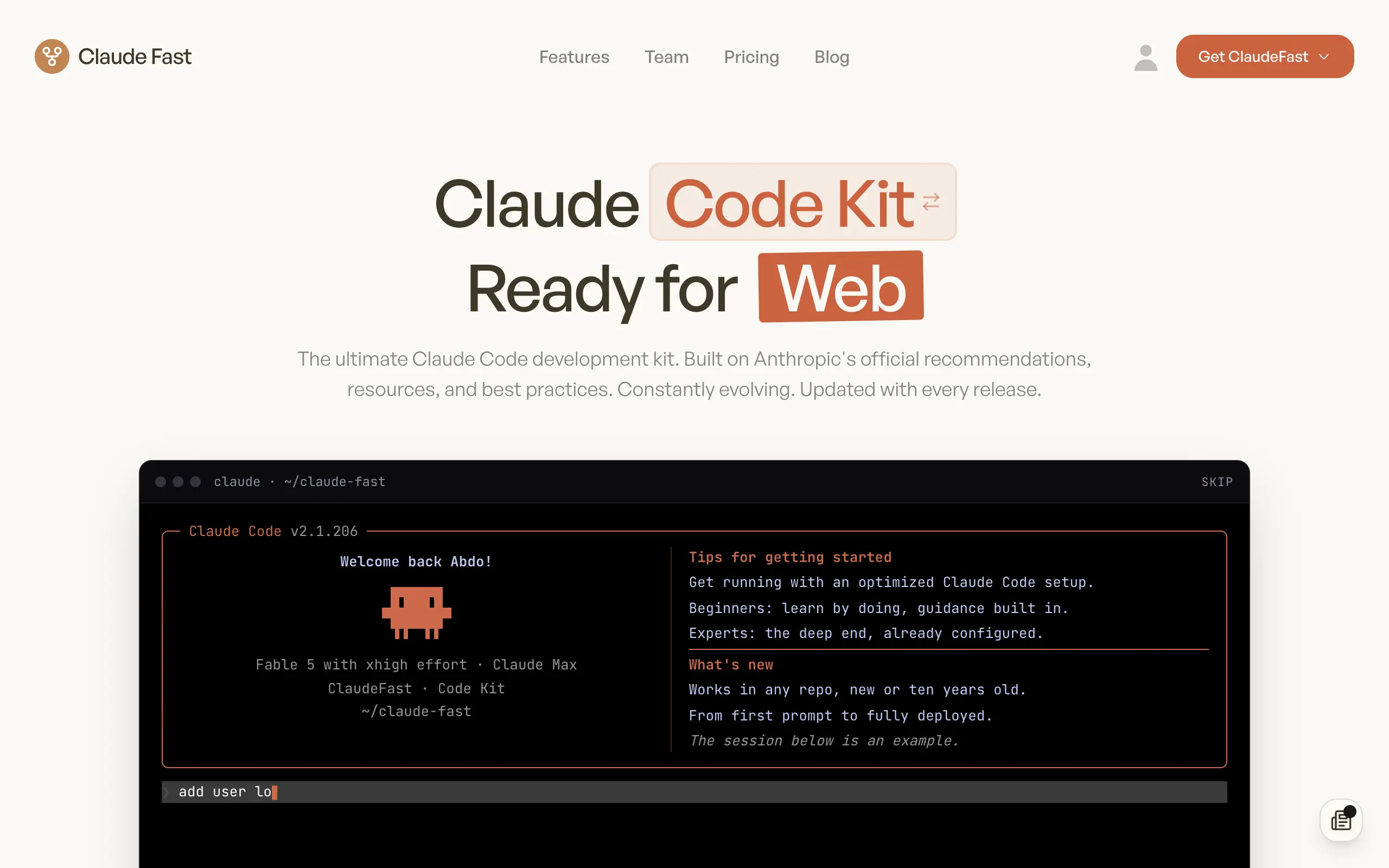
Claude Fast
Supercharge your Claude Code with 6x effective context window and specialized AI agents 🤖
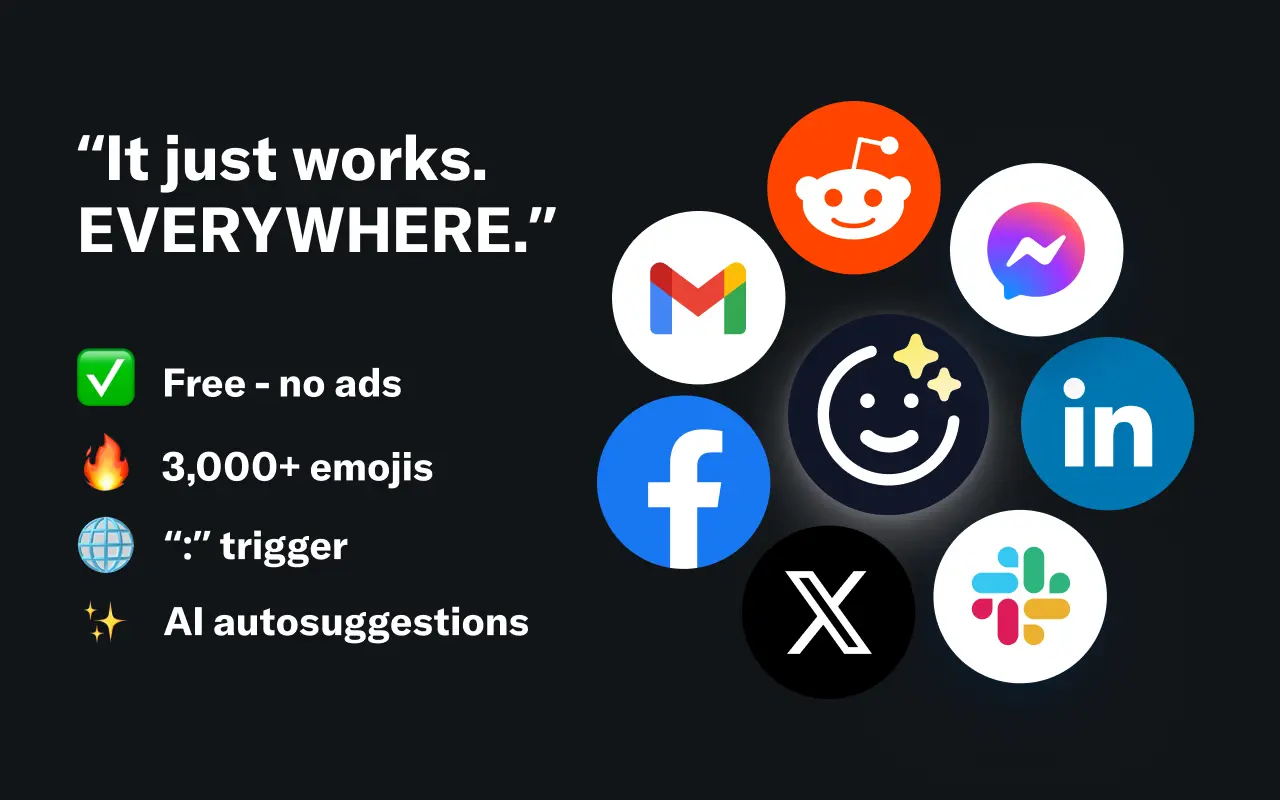
EmojAI
AI-powered emoji picker with smart, context-aware suggestions 🤖
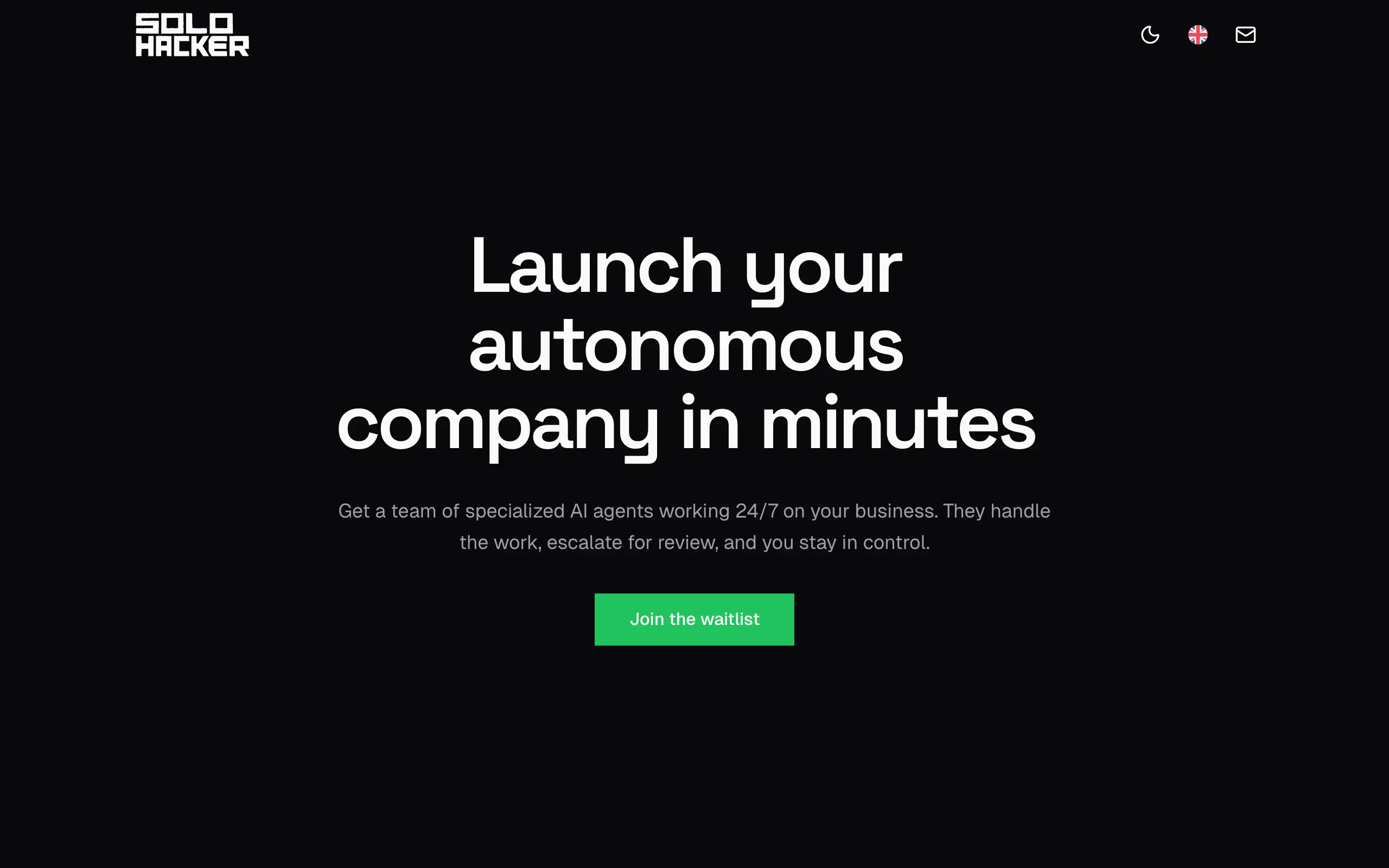
Solohacker
Autonomous company launcher - AI agents work 24/7, escalate what matters, and you stay in control 🤖
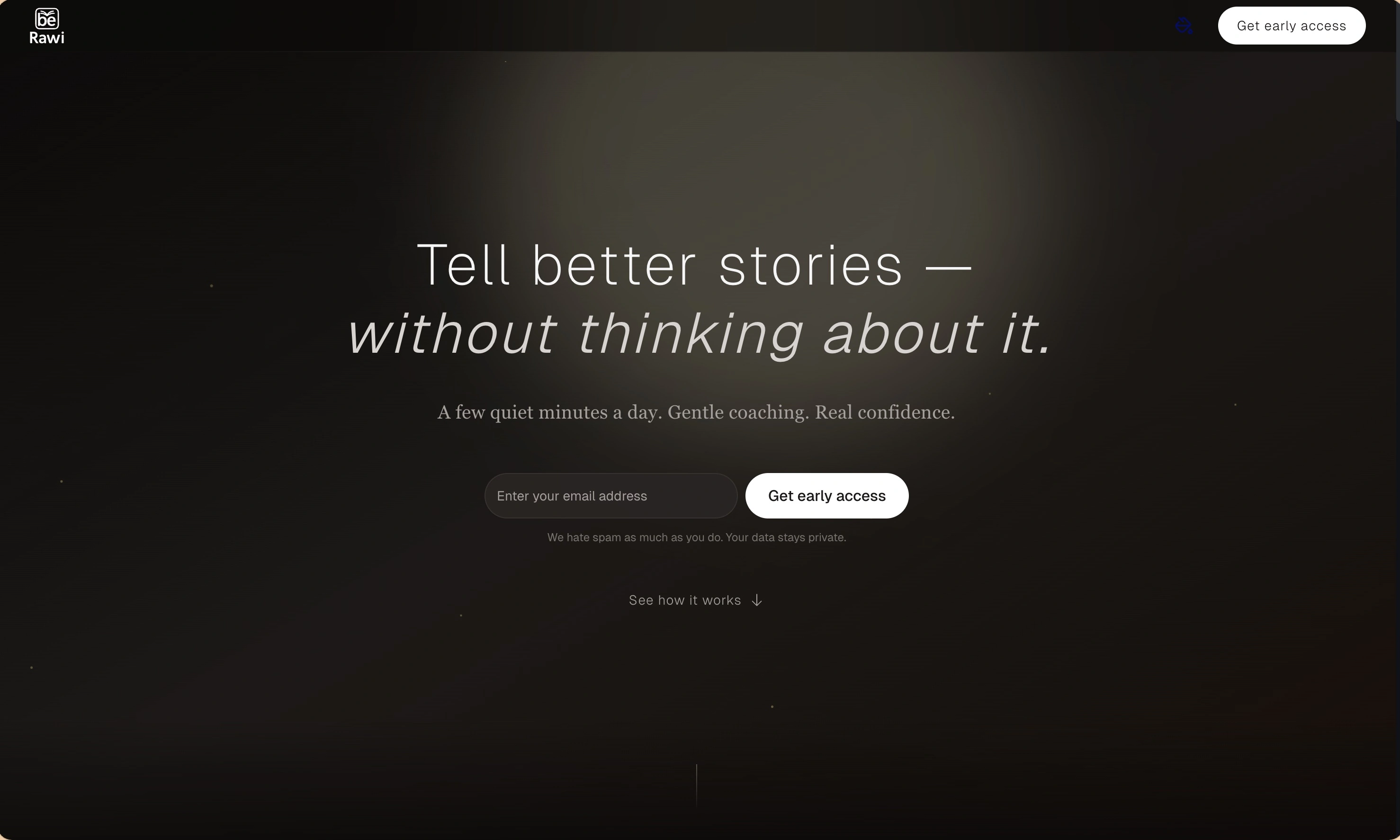
BeRawi: Storytelling Coach
Practice storytelling daily with instant feedback to sound clearer, more engaging, and confident 🎤
Claude Fast
Supercharge your Claude Code with 6x effective context window and specialized AI agents 🤖
EmojAI
AI-powered emoji picker with smart, context-aware suggestions 🤖
Solohacker
Autonomous company launcher - AI agents work 24/7, escalate what matters, and you stay in control 🤖
BeRawi: Storytelling Coach
Practice storytelling daily with instant feedback to sound clearer, more engaging, and confident 🎤
Claude Fast
Supercharge your Claude Code with 6x effective context window and specialized AI agents 🤖
EmojAI
AI-powered emoji picker with smart, context-aware suggestions 🤖
Solohacker
Autonomous company launcher - AI agents work 24/7, escalate what matters, and you stay in control 🤖
BeRawi: Storytelling Coach
Practice storytelling daily with instant feedback to sound clearer, more engaging, and confident 🎤
Claude Fast
Supercharge your Claude Code with 6x effective context window and specialized AI agents 🤖
EmojAI
AI-powered emoji picker with smart, context-aware suggestions 🤖
Solohacker
Autonomous company launcher - AI agents work 24/7, escalate what matters, and you stay in control 🤖
BeRawi: Storytelling Coach
Practice storytelling daily with instant feedback to sound clearer, more engaging, and confident 🎤

Connect with like-minded people
Join our community to get feedback, support, and grow together with 1,000+ builders on board, let's ship it!
Join usShip your startup everywhere. In minutes.
Don't burn tokens on setup and start building features on day one.