WanderWave
A social networking app that helps travelers and nomads share their journeys through interactive maps and stories. Users can follow each other's travels, exchange tips, and collaborate on itineraries.
Target Audience for an Interactive Travel Social Network
Travel enthusiasts, digital nomads, and globe-trotters form the core audience for this social platform. These are people who love to explore new cultures, share personal stories, and discover insider travel tips from a community that understands their wanderlust. The application is perfect for:
- Backpackers and budget travelers looking for cost-effective trip planning.
- Digital nomads who work remotely from exotic locations.
- Luxury travelers seeking exclusive experiences recommended by fellow globetrotters.
- Cultural enthusiasts keen on deep-diving into local traditions and hidden gems.
- Solo adventurers who want the reassurance of shared experiences on their journeys.
By targeting these groups, the app leverages existing communities on social media, blogs, and travel forums, creating a dynamic environment where storytelling and interactive maps enhance both travel planning and real-world adventures.
Uncovering a Market Opportunity in the Travel Tech Space
The surge in social networking app usage combined with the steady growth in global tourism represents a significant market opportunity. Travelers are increasingly relying on technology for planning, documenting, and sharing their experiences:
- Growing User Base: With more people traveling than ever before, there's a large, untapped market of individuals who value personalized travel recommendations and interactive maps.
- Niche Focus: Unlike mainstream social networks, positioning the app solely for travelers allows for niche content, exclusive travel tips, and the ability to connect users with shared interests.
- Data Insights: Implementing interactive maps means that accumulated travel data can guide users towards lesser-known destinations or trending travel paths, which can become a powerful marketing tool.
- Community-Driven Features: Users collaborating on itineraries, sharing experiences, and rating destinations bolster organic growth and long-term engagement.
Insight
Leveraging the intersection of social networking and travel technology opens avenues for strategic partnerships with tourism boards, travel agencies, and local businesses.
Embracing an Agile Tech Stack
Modern Web and Mobile Development
The technical side of the platform demands an agile, responsive, and reliable stack that supports scalability and rapid deployment. Key components might include:
- Frontend:
- React for dynamic user interfaces.
- Next.js ensures fast server-side rendering and smooth transitions.
- Tailwind CSS for responsive styling and design consistency.
- Backend:
- Node.js paired with Express or NestJS for robust API endpoints.
- GraphQL may be deployed to streamline data fetching and reduce bandwidth overhead.
- Database:
- MongoDB or PostgreSQL to store user profiles, travel maps, and shared itineraries.
- Real-time Communication:
- Socket.io for live chat and collaboration features.
- Mapping and Geo-location:
- Integration with APIs like Mapbox or Google Maps for interactive maps.
- Deployment:
- Cloud solutions such as AWS, Google Cloud, or Vercel for a scalable, distributed architecture.
For rapid development and to accelerate the implementation timeline, consider using TurboStarter, a starter kit that includes pre-configured templates for web, mobile, and even browser extensions. This can significantly reduce the time-to-market for an iterative launch.
const test = () => {
  console.log("this is a code snippet!");
}
Interactive Mapping
Enables real-time tracking of user journeys and collaboration on travel itineraries.
Maximizing Monetization Potential
A strategic monetization model is vital for sustainability. Several revenue streams can be integrated into the app:
- Freemium Model:
- Offer basic features for free to expand the user base and charge for premium functionalities, such as offline maps or exclusive travel insights.
- Advertisement:
- Targeted ads based on user travel interests can drive significant revenue while keeping engagement high.
- Affiliate Partnerships:
- Collaborate with hotels, travel agencies, and local tour operators, where the app earns commissions on referred bookings.
- In-App Purchases:
- Users might purchase curated travel itineraries, exclusive content, or travel guides directly within the platform.
- Subscription Service:
- Monthly or annual subscriptions can unlock advanced tools, such as personalized trip planners, collaboration features, and priority customer support.
Seamless integration with payment gateways like Stripe or PayPal allows for secure transactions. Personalized travel itineraries become a valuable premium service.
The diversity in revenue streams means that early stage experimentation can help pinpoint the most lucrative opportunities, allowing iterative adjustment of each model as the user base scales.
Identifying Tech-Driven Competitive Advantages
Innovation in technical execution is essential to stay ahead of the competition:
- Unique User Experience:
- The combination of interactive maps and rich storytelling offers an immersive user experience not commonly found in traditional social networks.
- Community and Collaboration:
- Enabling users to build and share itineraries fosters community engagement, which is a significant advantage over static travel review sites.
- Scalability:
- A thoughtful tech stack based on modern frameworks and cloud infrastructure ensures smooth handling of rapid traffic growth.
- Real-Time Updates:
- Utilizing Socket.io and real-time data streaming gives users live updates on travel trends, enhancing the timely relevance of recommendations.
- Security and Privacy:
- With the increasing emphasis on data privacy, incorporating strong encryption for user data and secure authentication methods will build trust.
Innovation: Continuous improvement through user feedback and data-driven feature releases.
Security: Regular security audits and GDPR-compliant data handling practices protect user information and build trust.
Competitive Edge Tip
Monitoring competitor activity and market trends is crucial; pivot and optimize features based on user feedback to ensure a sustained advantage.
Mitigating Risks in a Dynamic Environment
No product launch is without risk. To ensure sustained success, it's crucial to understand and mitigate potential challenges:
- User Adoption:
- A new social network faces the "chicken and egg" problem; generating initial user engagement requires strategic marketing and onboarding incentives.
- Scalability Issues:
- Early architecture decisions must focus on scalability; any oversight might lead to performance bottlenecks during traffic spikes.
- Privacy Concerns:
- Handling location-based data demands rigorous data protection measures to maintain trust.
- Market Competition:
- The travel app market is competitive, and well-funded incumbents could leverage their resources to enter the niche space.
- Regulatory Compliances:
- Adherence to international data privacy laws (such as GDPR) is essential, especially when handling location data and personal stories.
These risks can be managed with robust planning and layering in protective strategies. Early adoption of agile development and iterative testing is recommended to pre-emptively address issues as they arise.
Strategic Roadmap and Operational Execution
A detailed implementation plan facilitates a smoother transition from concept to market-ready product. Each phase of development is crucial for building a stable and competitive platform.
Phase 1: Concept Validation and Early Prototyping
- Market Research: Deep-dive into target audiences, competitors, and travel behavior analytics.
- Prototype Development: Create proof-of-concept prototypes focusing on core functionalities such as interactive maps, story sharing, and itinerary collaboration.
- User Feedback: Engage with focus groups of travel enthusiasts, digital nomads, and early adopters to refine the user experience.
Gathering detailed user feedback is essential before scaling the product. Identify pain points and iterate quickly.
Phase 2: MVP Development and Beta Launch
- Feature Prioritization: Determine which features are essential for the minimum viable product (MVP), such as user profiles, mapping integration, and social sharing.
- Tech Stack Implementation: Utilize tools like TurboStarter to accelerate the development process and integrate modern frameworks seamlessly.
- Beta Testing: Launch a beta version to a restricted audience. Monitor performance, gather usage data, and iterate on feedback.
// Simple example of logging interactions during beta
const logInteraction = () => {
  console.log("User interaction logged successfully");
}- Performance Optimization: Optimize the backend and frontend to handle increased load and ensure smooth user experiences.
Phase 3: Full-Scale Launch and Marketing Rollout
- Marketing Campaigns: Leverage social media, influencer partnerships, and targeted online advertising to reach a broader audience.
- Community Building: Launch initiatives that encourage users to share their travel stories and itineraries, turning them into advocates for the platform.
- Monetization Trials: Experiment with various revenue models including subscription services, in-app purchases, and targeted ads to discern the best mix.
- Feedback Loops: Establish continuous channels for user feedback and rapid iteration to keep the platform responsive to user needs.
Comprehensive Feature Analysis and Scalability Considerations
The advanced features of the platform extend beyond simple travel sharing. The integration of interactive mapping and story-based itineraries creates an ecosystem that supports deep travel experiences. Key elements include:
- Interactive Mapping:
- Real-time geolocation services allow users to visualize travel paths dynamically.
- Users can interact with geographic markers to explore travel tips, local recommendations, and cultural insights.
- Social Networking Features:
- Follow-friend functionalities to stay updated on friends’ and influencers’ travel adventures.
- Comment, like, and share capabilities to foster community engagement.
- Collaborative Planning:
- Group itineraries where friends can co-create travel plans.
- Collaborative features that allow users to integrate suggestions and updates in real time.
- Content Sharing:
- Rich media support for photos, videos, and blogs that capture the vibrancy of travel experiences.
- Easy integration with other social media platforms for cross-posting and expanded reach.
These features are designed with scalability in mind, ensuring that as the platform grows, so does its capacity to handle a diverse and active user base. The architecture should support growth without sacrificing performance or user satisfaction. By choosing a robust tech stack and following agile methodologies, the platform can rapidly adapt to increasing demand.
Engaging and Retaining a Global Community
Creating value goes beyond just features; it’s about fostering a community. Ensuring high engagement and active participation are central to preventing stagnation:
- User-Generated Content (UGC):
- Encourage users to contribute travel stories, tips, and local experiences.
- Highlight featured stories and itineraries weekly to incentivize participation.
- Gamification:
- Introduce badges, milestones, or travel challenges that reward active users.
- Leaderboards showcasing the most influential travelers can add a competitive edge.
- Regular Updates:
- Monthly or bi-monthly feature updates keep the platform fresh.
- Community events, such as travel contests or live chats with travel influencers, maintain a continuous buzz.
- Personalization:
- Utilize machine learning algorithms to suggest personalized travel recommendations based on user behavior.
- Tailor the content feed to match individual interests and travel preferences.
By creating a vibrant, engaged community, the app not only retains existing users but also attracts new ones via word-of-mouth and social sharing, strengthening overall network effects.
Balancing User Experience and Business Objectives
Designing a user-centric application while meeting business goals requires a thoughtful approach to interface design, performance, and functionality:
- User-Centric Design:
- Prioritize clean and intuitive interfaces that facilitate effortless navigation across interactive maps, story feeds, and planning tools.
- Incorporate responsive design practices to ensure seamless usage across devices.
- Business Integration:
- Design scalable ad frameworks that integrate smoothly into the user experience without being intrusive.
- Ensure that premium services and monetization models are clearly communicated and offer genuine value.
- Optimized Performance:
- Leverage caching and CDN strategies to reduce load times and ensure speed, especially when serving dynamic map content.
- Implement A/B testing to continuously refine user interface elements and feature functionalities.
With the right balance, the platform can maintain robust user engagement while simultaneously driving sustainable revenue growth.
Preparing for Future Enhancements
Long-term success relies on continuous evolution. Post-launch, the development team should focus on:
- Regular Updates:
- Iterative feature rollouts based on user feedback and industry trends.
- Ensuring that the app stays ahead of competitor innovations by embracing emerging technologies.
- Community-Driven Roadmap:
- Utilize community input for prioritizing new features and refining existing ones.
- Transparent communication about upcoming changes builds trust and anticipation among users.
- Scalability Improvements:
- Ongoing performance optimization to address scalability as user numbers climb.
- Integration of analytics tools for measuring user engagement and identifying bottlenecks before they become issues.
Pro Tip
Regularly investing in research and development is key to maintaining a competitive edge in the rapidly evolving travel tech market.
Implementation Steps for a Rapid Deployment
A clear, actionable roadmap will ensure the platform transitions smoothly from concept to a fully-fleshed product:
Following these steps will allow your innovative social travel platform to not only hit the ground running but also evolve and adapt in response to the ever-changing landscape of global travel. The fusion of interactive technology, community-driven content, and innovative monetization paves the way for a robust, engaging, and commercially viable platform ready to revolutionize how travelers share their journeys.
By combining cutting-edge technology with strategic business insights, this platform stands as a beacon in the travel tech space—a solution that truly meets the needs of modern explorers eager to connect, share, and plan their next adventure with a community of kindred spirits.
More 🌐 Social Network SaaS ideas
Discover more innovative social network SaaS ideas that are trending in 2026. Each idea is AI-generated with market validation and growth potential to help you find your next profitable venture faster than competitors.
Your competitors are building with TurboStarter
Below are some of the SaaS ideas that have been generated and built with our starter kit.

Statiko
Monitor any Telegram channel in real time - track posts, edits, deletions, and growth with AI recaps 📡
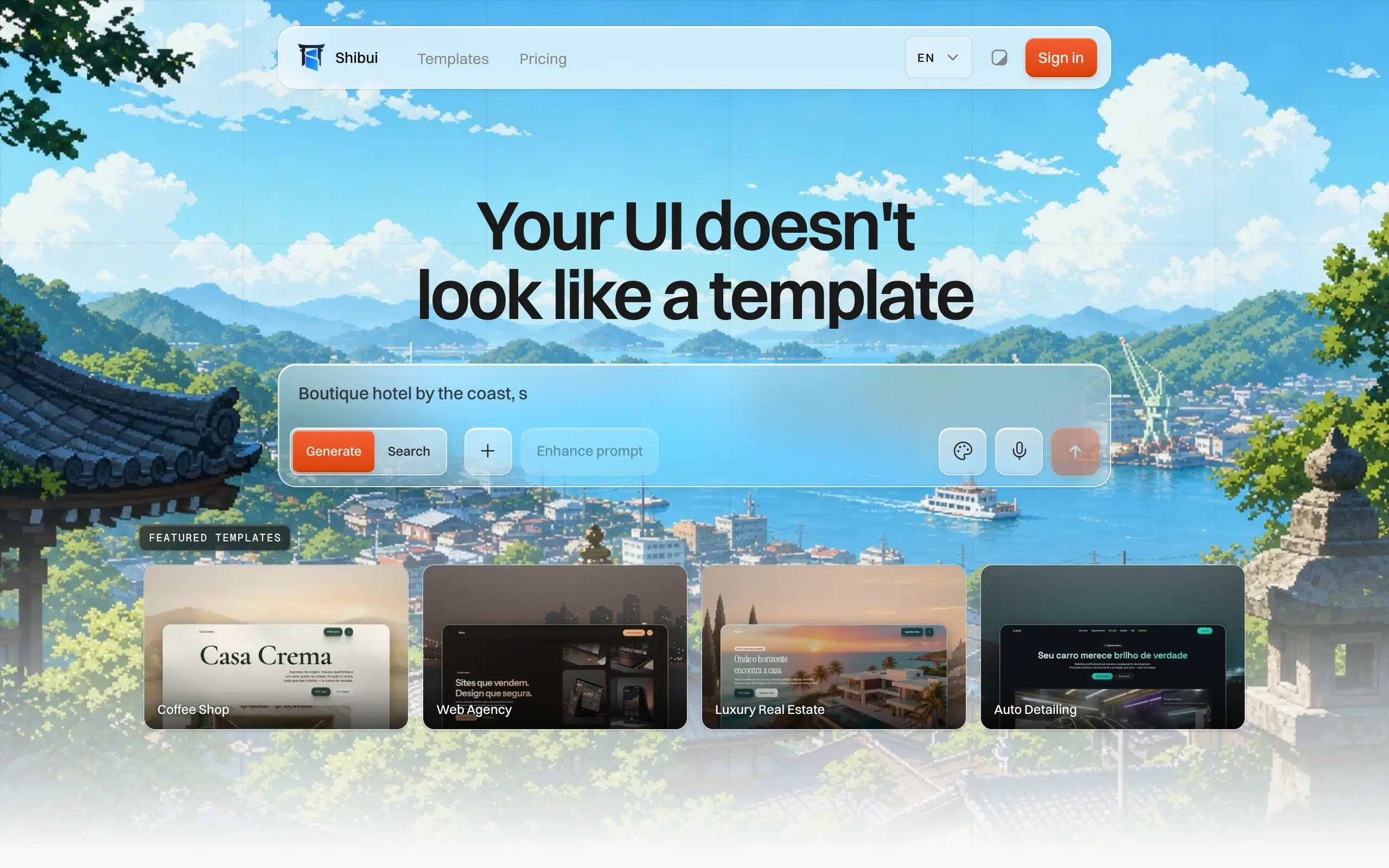
Shibui
AI website builder - describe your business, pick a niche template, edit by chatting, and publish instantly ✨

Pro Service
Find verified home service professionals, compare quotes, and pay securely through escrow - built for Brazilians across the US 🏠
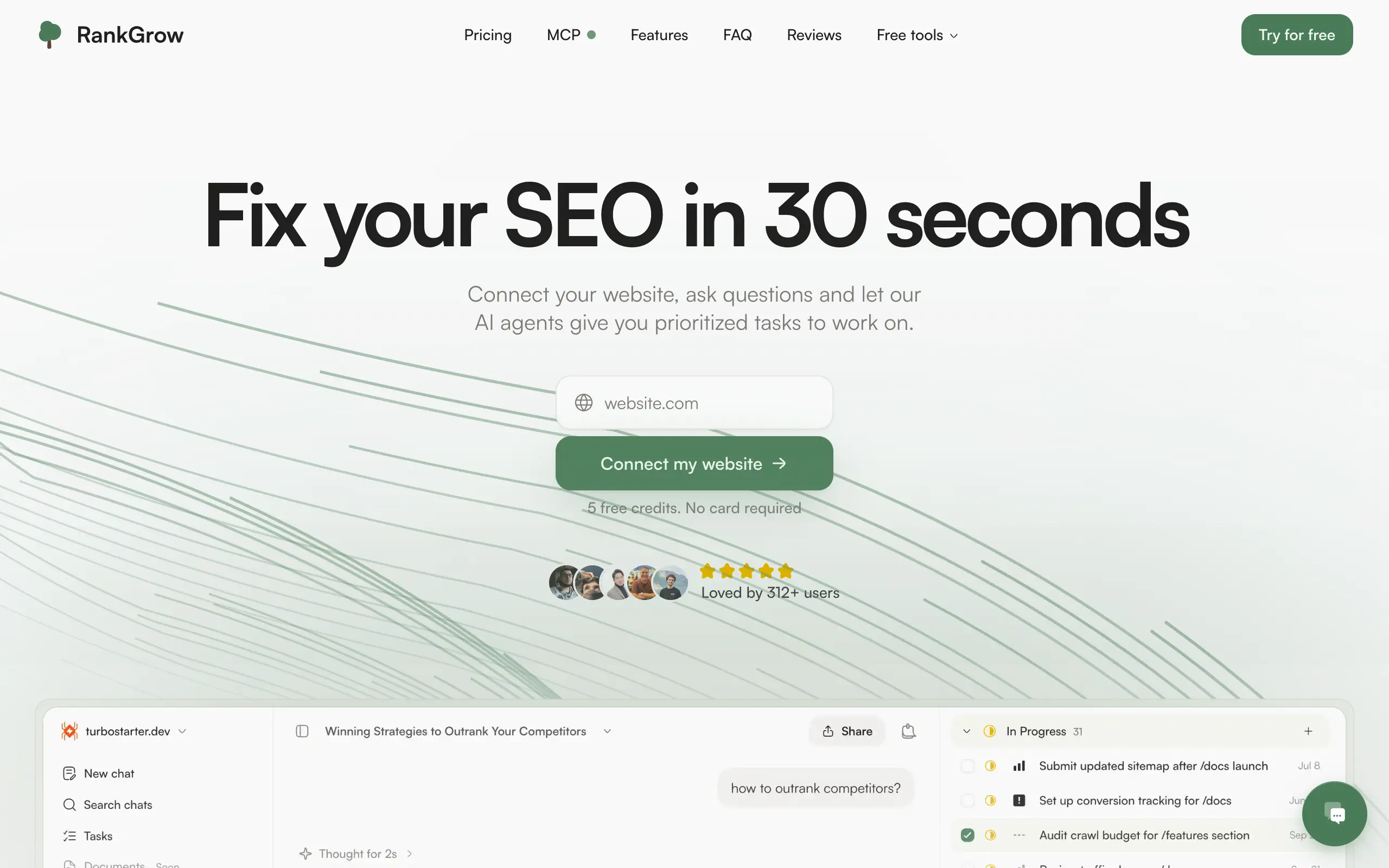
RankGrow
Fix your SEO with AI agents - connect Search Console, get prioritized tasks, and grow organic traffic 📈
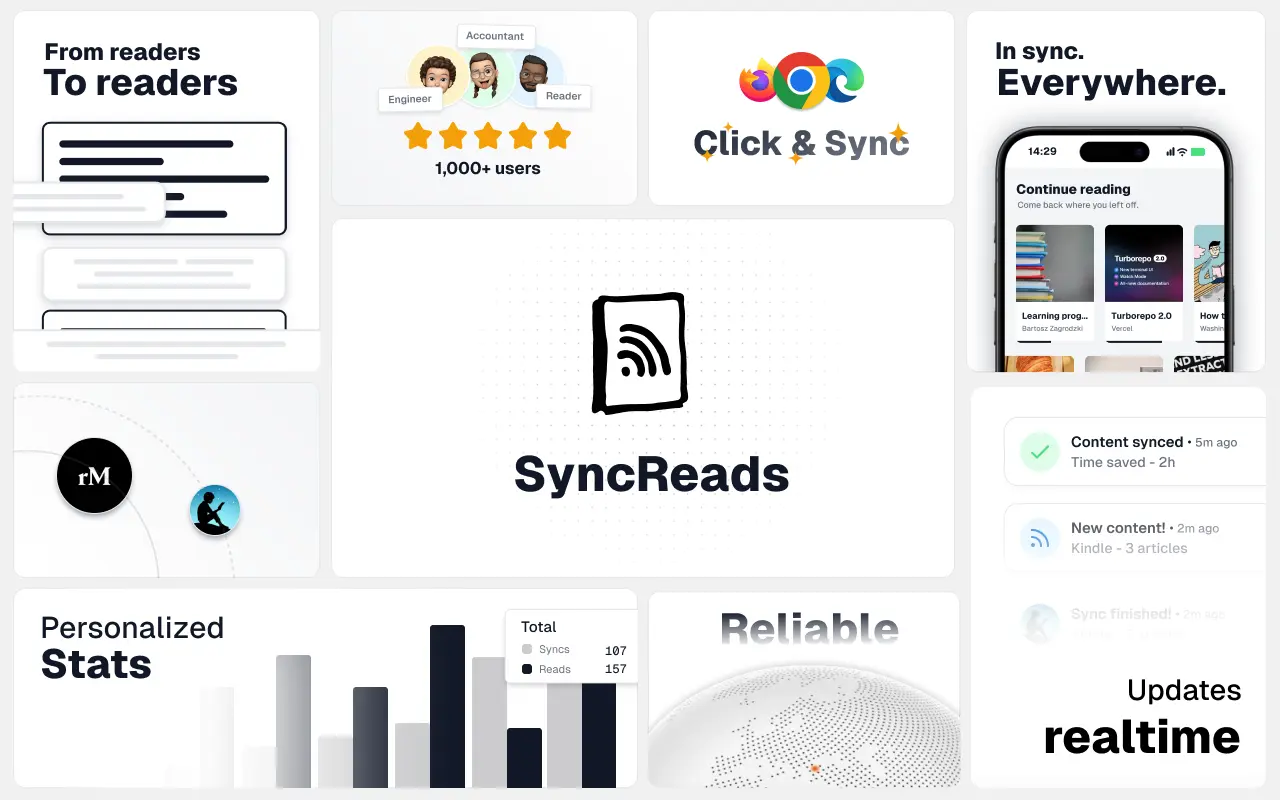
SyncReads
Sync your favorite content for distraction-free reading, save time and replace multiple apps. Anytime, anywhere 🔄
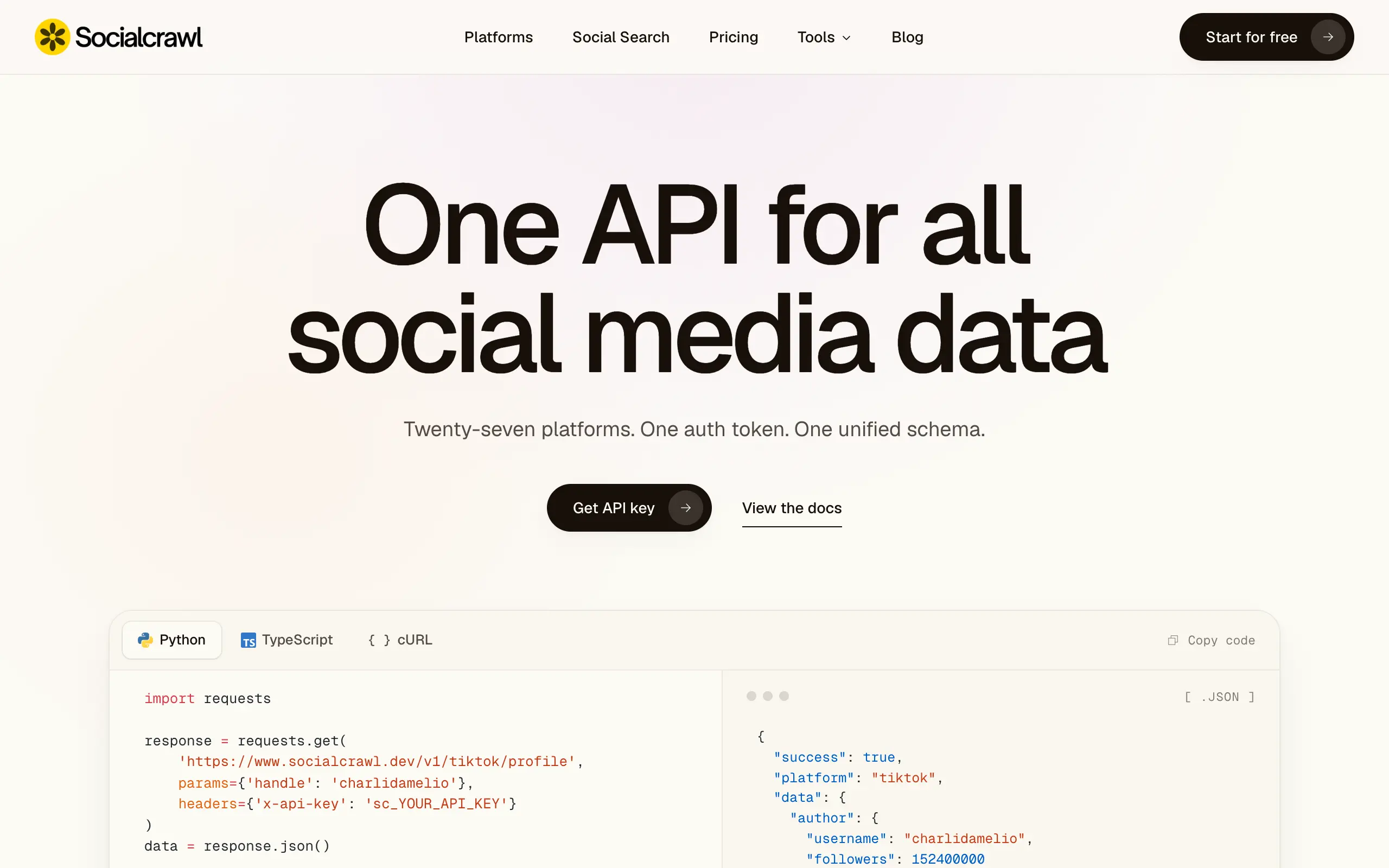
Socialcrawl
Get clean, structured data from 21 platforms like TikTok, Instagram, and YouTube with a single request 📊
Statiko
Monitor any Telegram channel in real time - track posts, edits, deletions, and growth with AI recaps 📡
Shibui
AI website builder - describe your business, pick a niche template, edit by chatting, and publish instantly ✨
Pro Service
Find verified home service professionals, compare quotes, and pay securely through escrow - built for Brazilians across the US 🏠
RankGrow
Fix your SEO with AI agents - connect Search Console, get prioritized tasks, and grow organic traffic 📈
SyncReads
Sync your favorite content for distraction-free reading, save time and replace multiple apps. Anytime, anywhere 🔄
Socialcrawl
Get clean, structured data from 21 platforms like TikTok, Instagram, and YouTube with a single request 📊
Statiko
Monitor any Telegram channel in real time - track posts, edits, deletions, and growth with AI recaps 📡
Shibui
AI website builder - describe your business, pick a niche template, edit by chatting, and publish instantly ✨
Pro Service
Find verified home service professionals, compare quotes, and pay securely through escrow - built for Brazilians across the US 🏠
RankGrow
Fix your SEO with AI agents - connect Search Console, get prioritized tasks, and grow organic traffic 📈
SyncReads
Sync your favorite content for distraction-free reading, save time and replace multiple apps. Anytime, anywhere 🔄
Socialcrawl
Get clean, structured data from 21 platforms like TikTok, Instagram, and YouTube with a single request 📊
Statiko
Monitor any Telegram channel in real time - track posts, edits, deletions, and growth with AI recaps 📡
Shibui
AI website builder - describe your business, pick a niche template, edit by chatting, and publish instantly ✨
Pro Service
Find verified home service professionals, compare quotes, and pay securely through escrow - built for Brazilians across the US 🏠
RankGrow
Fix your SEO with AI agents - connect Search Console, get prioritized tasks, and grow organic traffic 📈
SyncReads
Sync your favorite content for distraction-free reading, save time and replace multiple apps. Anytime, anywhere 🔄
Socialcrawl
Get clean, structured data from 21 platforms like TikTok, Instagram, and YouTube with a single request 📊
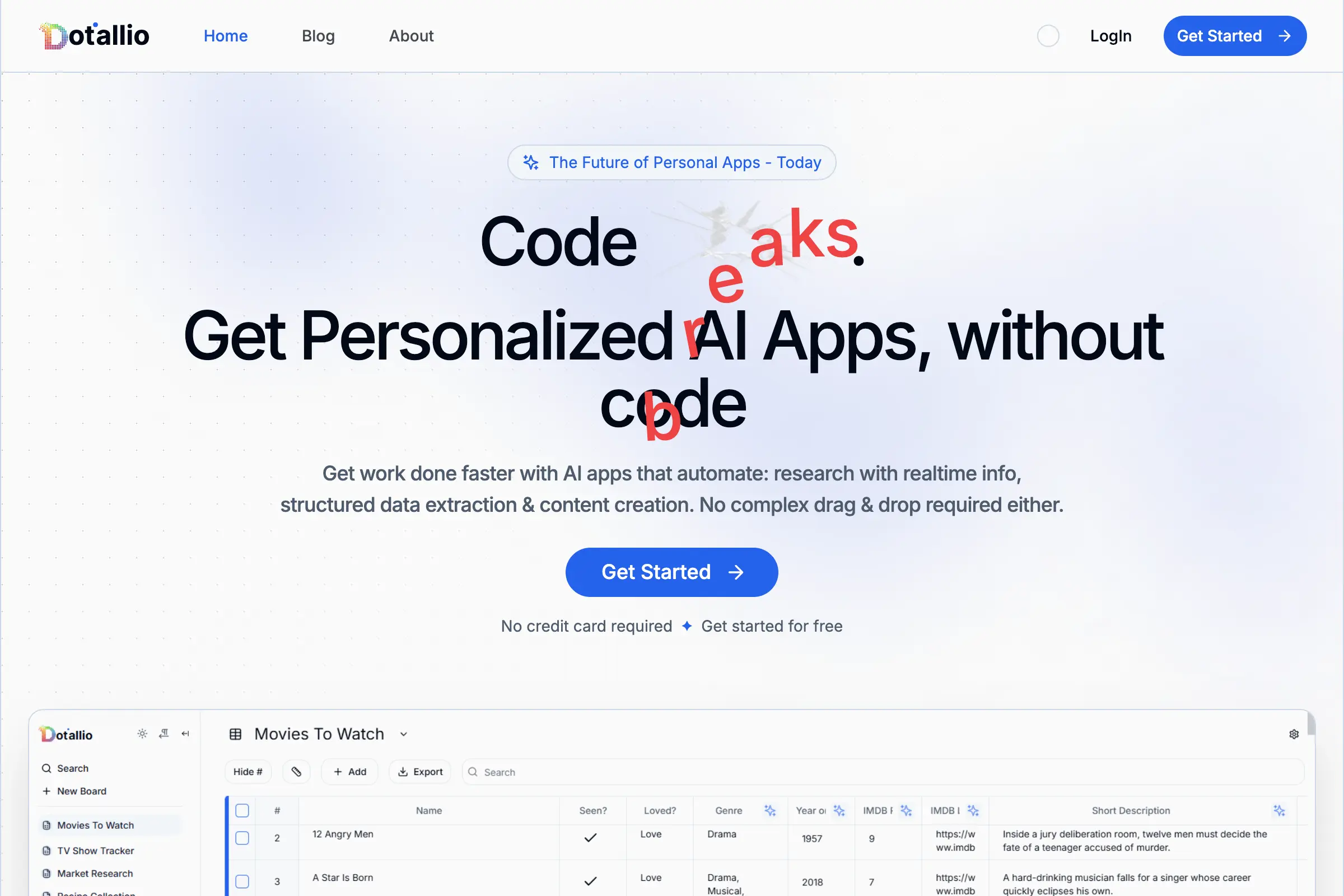
Dotallio
Personalized AI apps that automate research, data extraction, and content creation without code 🤖
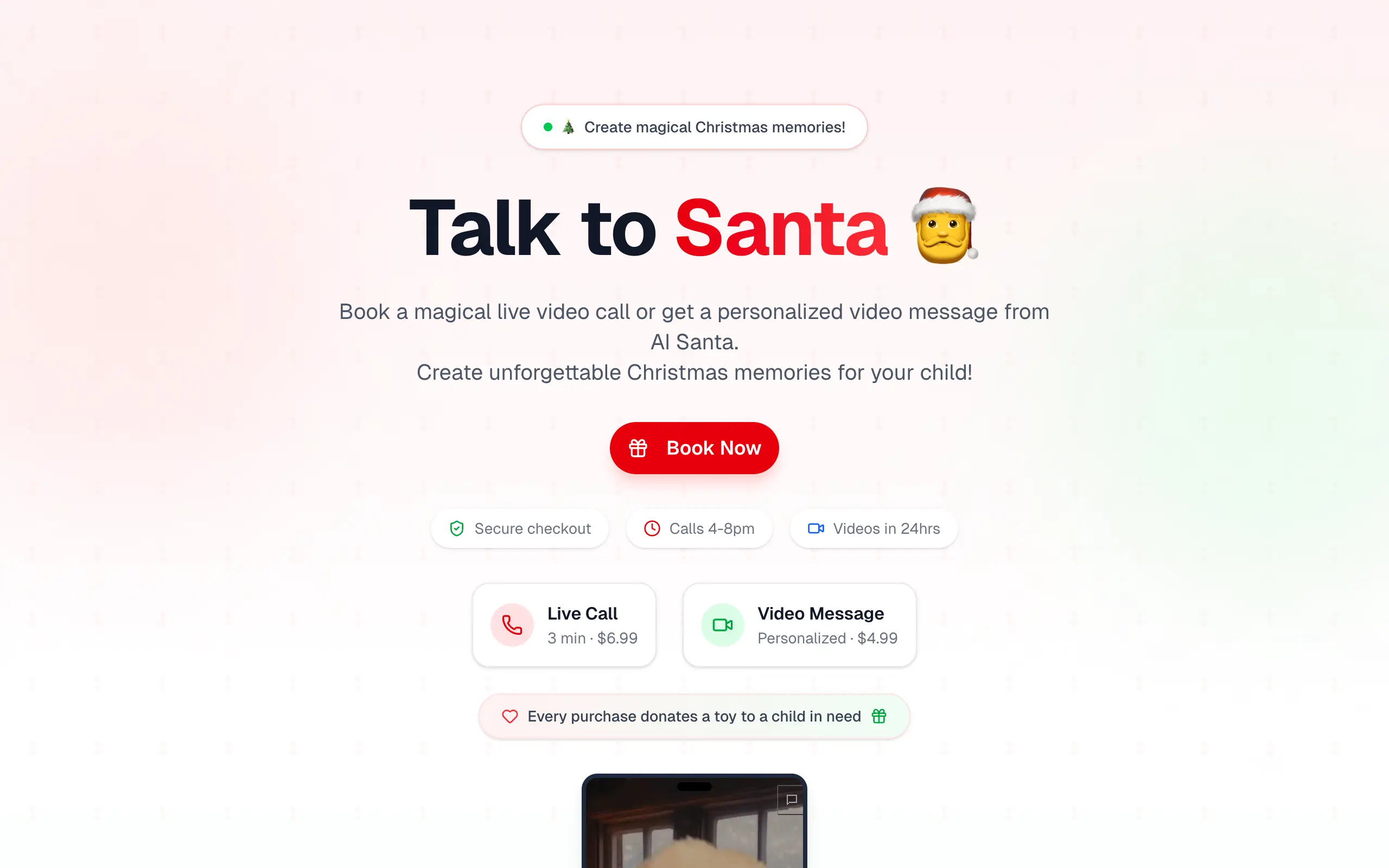
Talk to Santa
Enjoy a magical live video chat or receive a unique AI-generated video greeting from Santa Claus 🎅
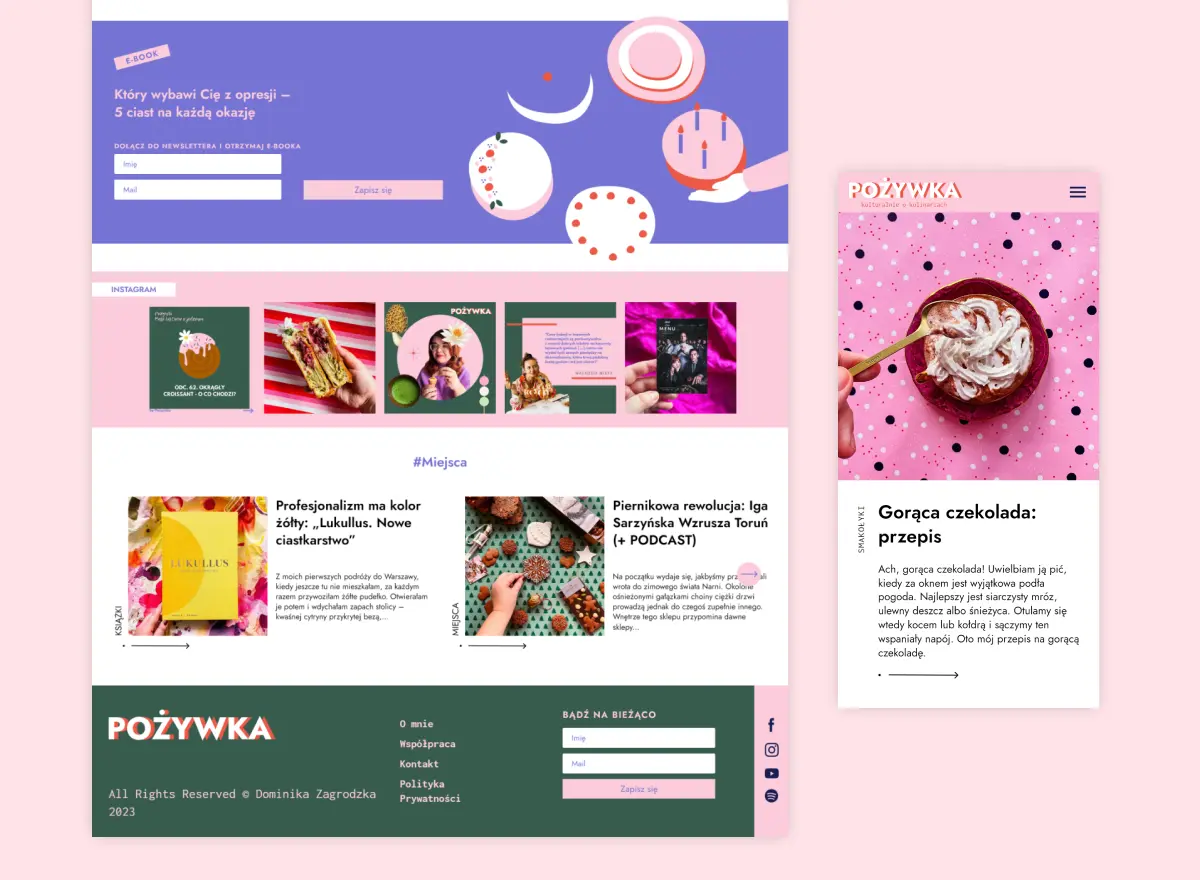
pozywka.pl
Scalable blog for food journalist, focused on performance and user experience 🌭
zagrodzki.me
Personal blog and portfolio of Bart Zagrodzki, where he shares his knowledge and work 💼
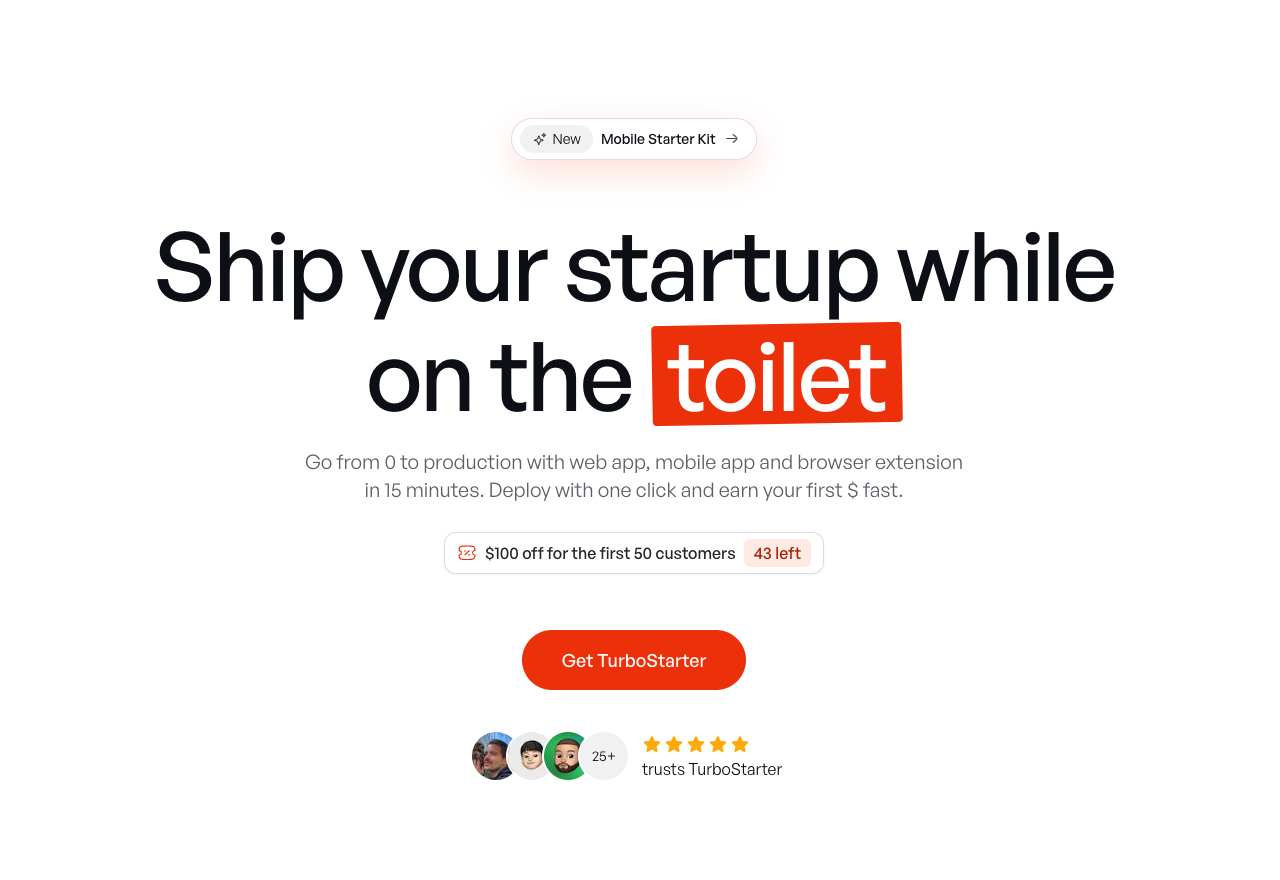
TurboStarter
Ship your startup everywhere. In minutes.
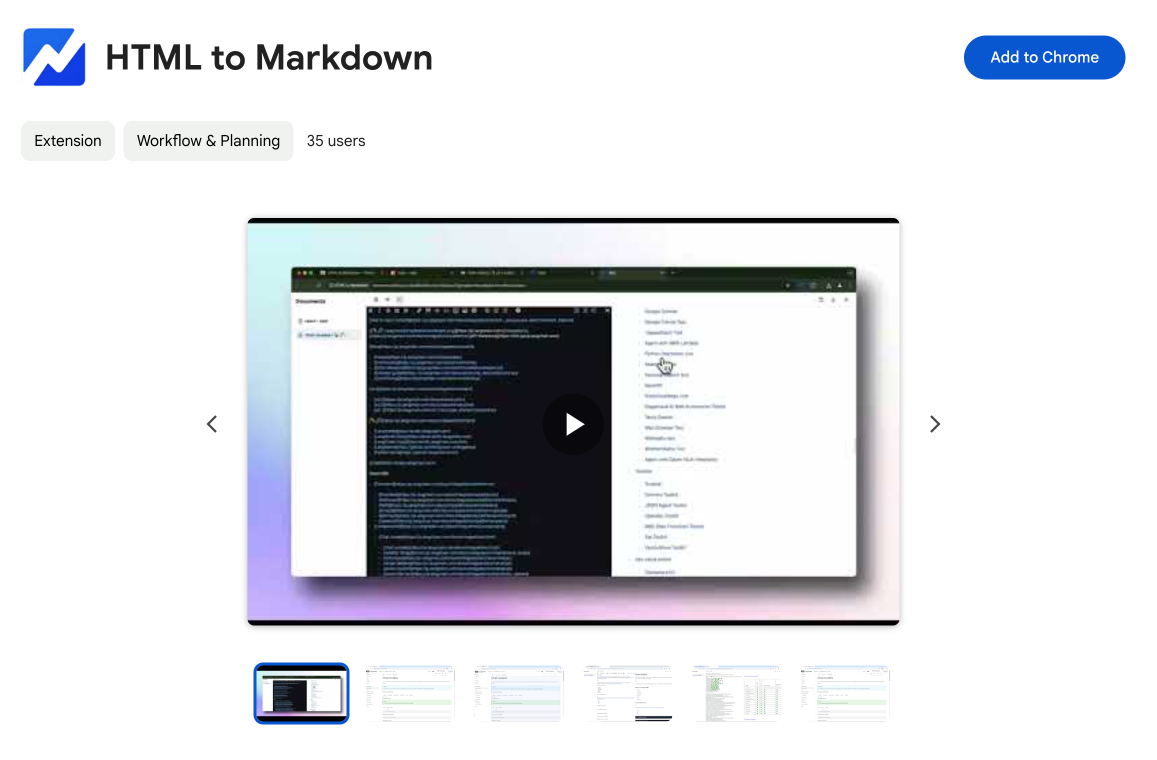
HTML to Markdown
Convert HTML to Markdown with ease, directly in your browser 📄
Dotallio
Personalized AI apps that automate research, data extraction, and content creation without code 🤖
Talk to Santa
Enjoy a magical live video chat or receive a unique AI-generated video greeting from Santa Claus 🎅
pozywka.pl
Scalable blog for food journalist, focused on performance and user experience 🌭
zagrodzki.me
Personal blog and portfolio of Bart Zagrodzki, where he shares his knowledge and work 💼
TurboStarter
Ship your startup everywhere. In minutes.
HTML to Markdown
Convert HTML to Markdown with ease, directly in your browser 📄
Dotallio
Personalized AI apps that automate research, data extraction, and content creation without code 🤖
Talk to Santa
Enjoy a magical live video chat or receive a unique AI-generated video greeting from Santa Claus 🎅
pozywka.pl
Scalable blog for food journalist, focused on performance and user experience 🌭
zagrodzki.me
Personal blog and portfolio of Bart Zagrodzki, where he shares his knowledge and work 💼
TurboStarter
Ship your startup everywhere. In minutes.
HTML to Markdown
Convert HTML to Markdown with ease, directly in your browser 📄
Dotallio
Personalized AI apps that automate research, data extraction, and content creation without code 🤖
Talk to Santa
Enjoy a magical live video chat or receive a unique AI-generated video greeting from Santa Claus 🎅
pozywka.pl
Scalable blog for food journalist, focused on performance and user experience 🌭
zagrodzki.me
Personal blog and portfolio of Bart Zagrodzki, where he shares his knowledge and work 💼
TurboStarter
Ship your startup everywhere. In minutes.
HTML to Markdown
Convert HTML to Markdown with ease, directly in your browser 📄
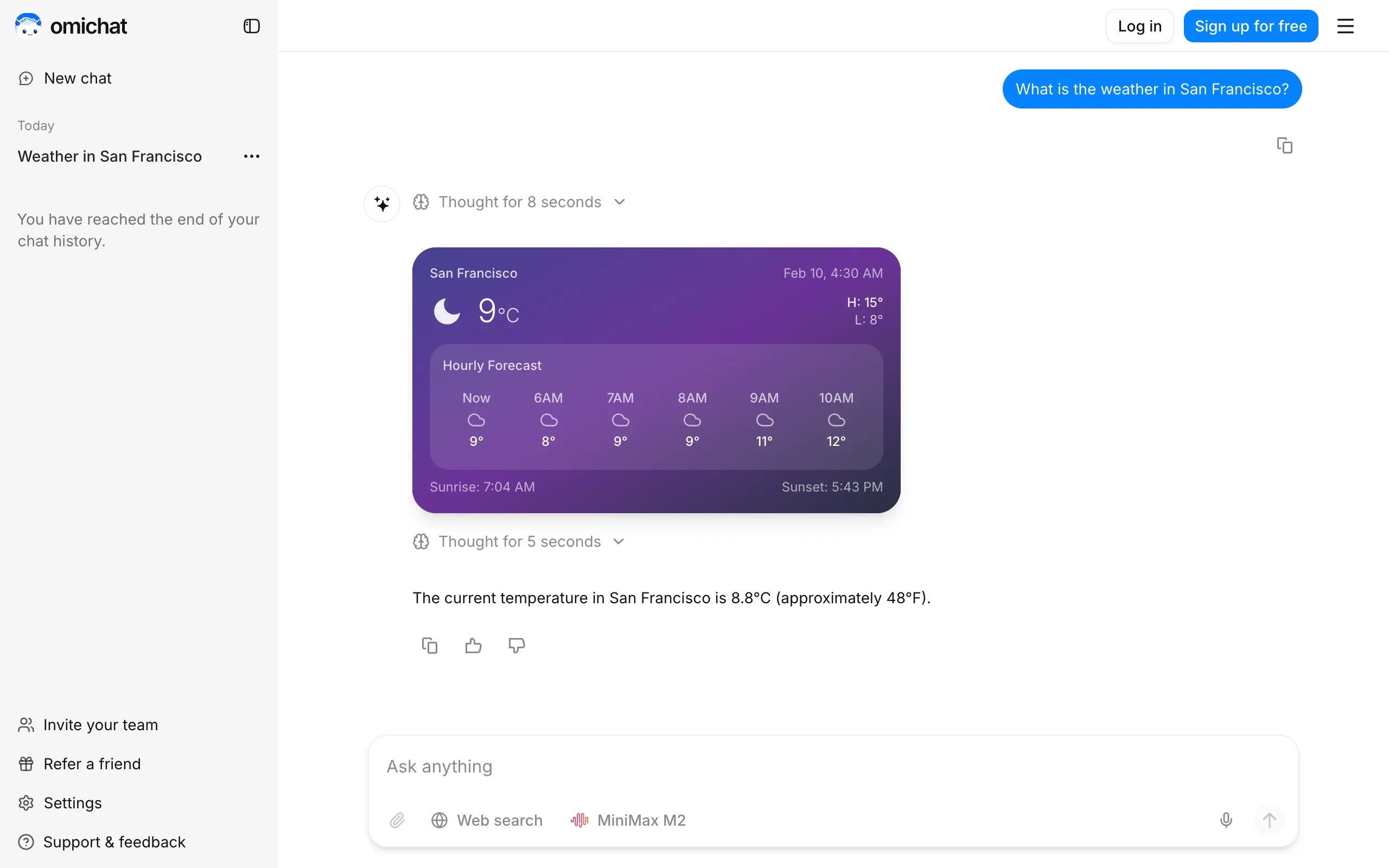
Omichat
Chat with 50+ AI models, including ChatGPT and Claude, in one place - switch models anytime without losing context 🤖
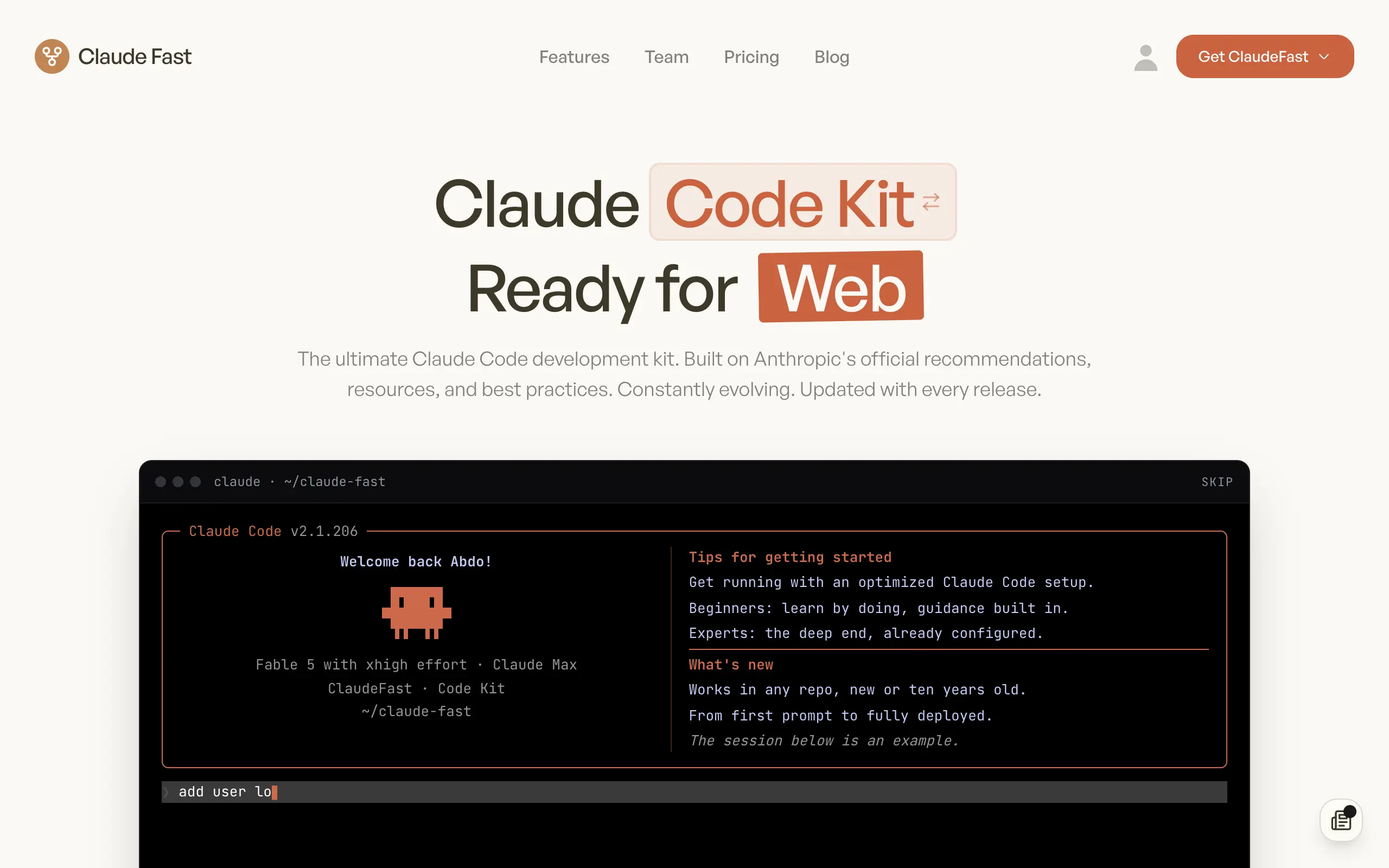
Claude Fast
Supercharge your Claude Code with 6x effective context window and specialized AI agents 🤖
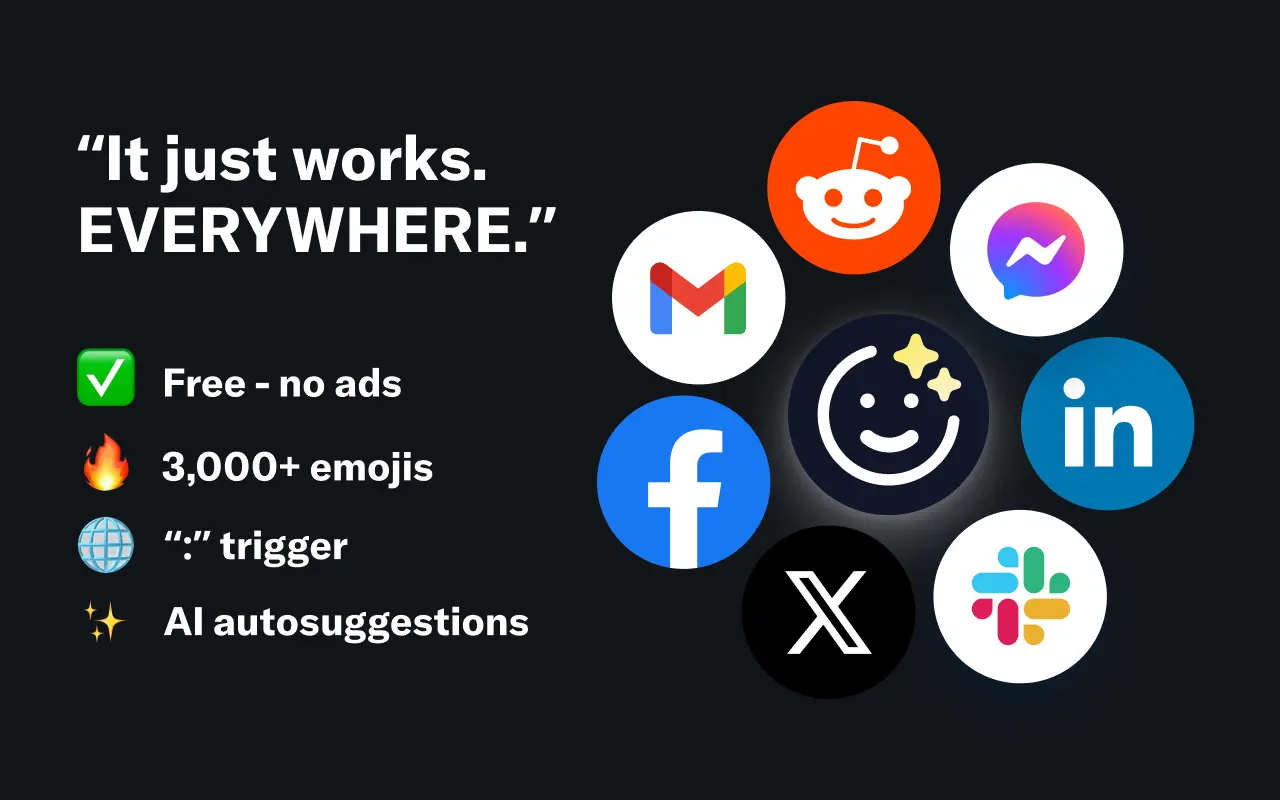
EmojAI
AI-powered emoji picker with smart, context-aware suggestions 🤖
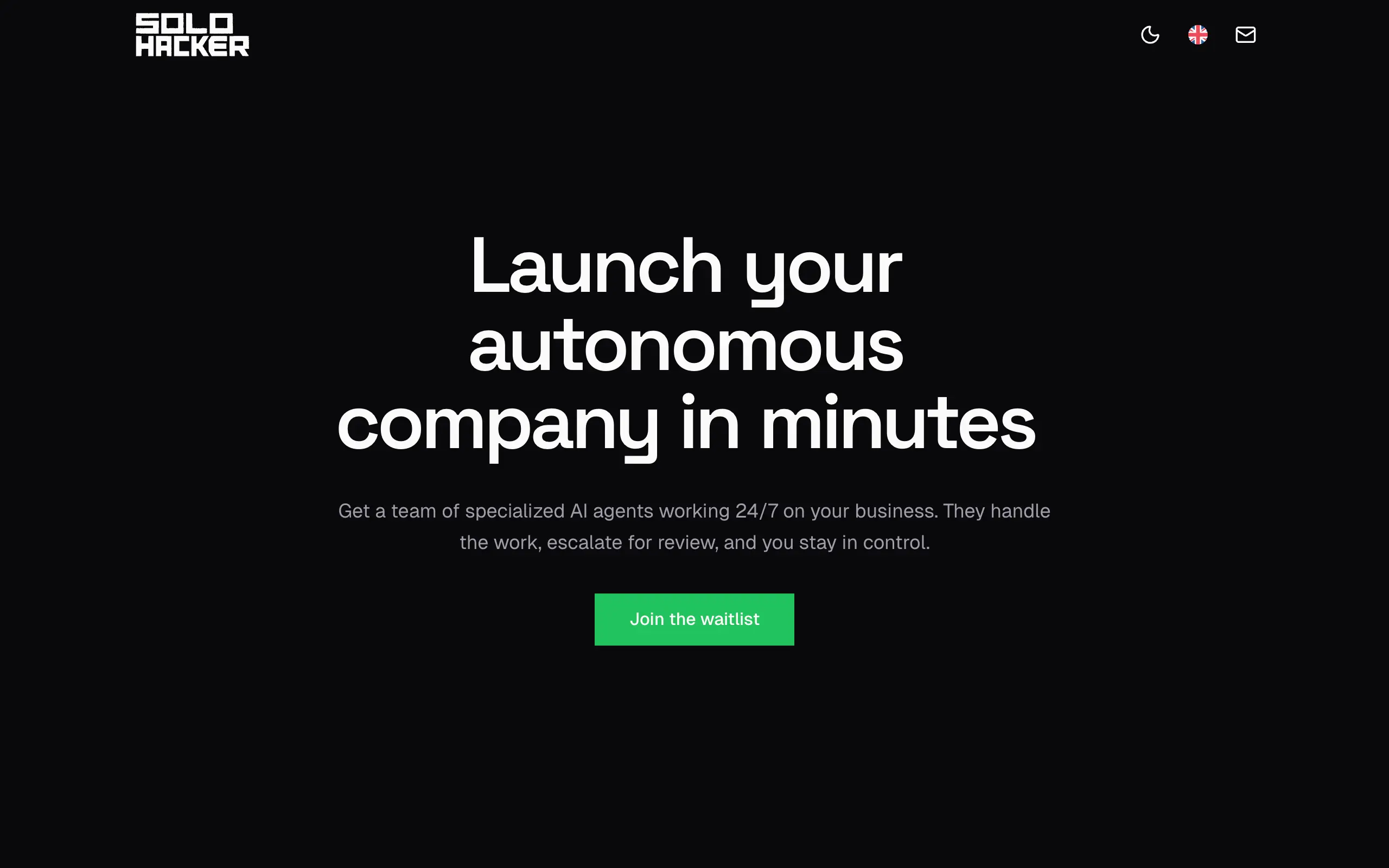
Solohacker
Autonomous company launcher - AI agents work 24/7, escalate what matters, and you stay in control 🤖
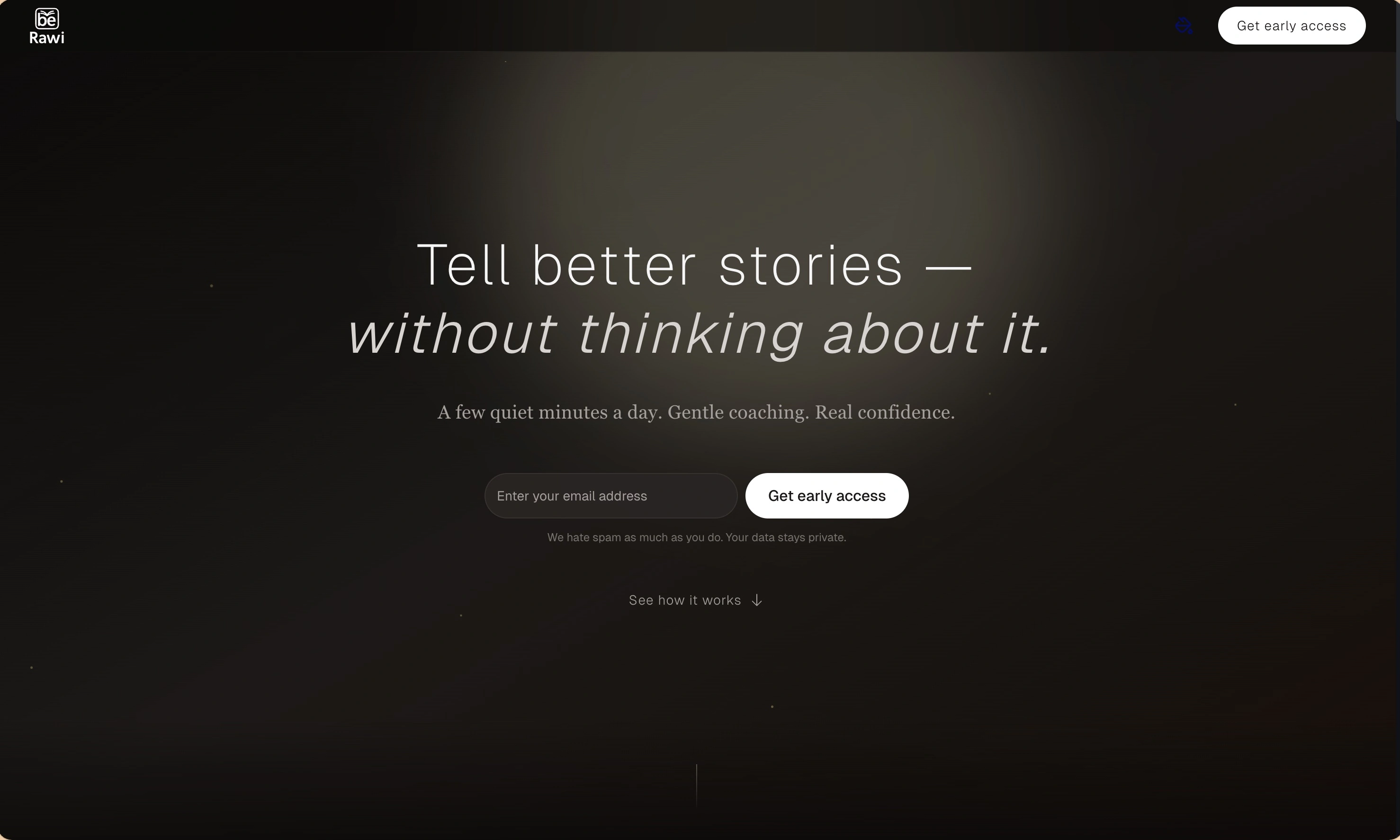
BeRawi: Storytelling Coach
Practice storytelling daily with instant feedback to sound clearer, more engaging, and confident 🎤
Omichat
Chat with 50+ AI models, including ChatGPT and Claude, in one place - switch models anytime without losing context 🤖
Claude Fast
Supercharge your Claude Code with 6x effective context window and specialized AI agents 🤖
EmojAI
AI-powered emoji picker with smart, context-aware suggestions 🤖
Solohacker
Autonomous company launcher - AI agents work 24/7, escalate what matters, and you stay in control 🤖
BeRawi: Storytelling Coach
Practice storytelling daily with instant feedback to sound clearer, more engaging, and confident 🎤
Omichat
Chat with 50+ AI models, including ChatGPT and Claude, in one place - switch models anytime without losing context 🤖
Claude Fast
Supercharge your Claude Code with 6x effective context window and specialized AI agents 🤖
EmojAI
AI-powered emoji picker with smart, context-aware suggestions 🤖
Solohacker
Autonomous company launcher - AI agents work 24/7, escalate what matters, and you stay in control 🤖
BeRawi: Storytelling Coach
Practice storytelling daily with instant feedback to sound clearer, more engaging, and confident 🎤
Omichat
Chat with 50+ AI models, including ChatGPT and Claude, in one place - switch models anytime without losing context 🤖
Claude Fast
Supercharge your Claude Code with 6x effective context window and specialized AI agents 🤖
EmojAI
AI-powered emoji picker with smart, context-aware suggestions 🤖
Solohacker
Autonomous company launcher - AI agents work 24/7, escalate what matters, and you stay in control 🤖
BeRawi: Storytelling Coach
Practice storytelling daily with instant feedback to sound clearer, more engaging, and confident 🎤

Connect with like-minded people
Join our community to get feedback, support, and grow together with 1,000+ builders on board, let's ship it!
Join usShip your startup everywhere. In minutes.
Don't burn tokens on setup and start building features on day one.