Plotwise
Gives small greenhouse growers a daily plan that turns sensor readings into watering and venting actions. Growers stop losing crops to missed heat spikes and overwatering.
Plotwise is an AI greenhouse planning tool for small growers: it reads data from the sensors they already own and turns it into a short daily plan of watering and venting actions. In 2026 the pieces finally line up: sensors are cheap, language models can reason over messy time series with context, and small growers are squeezed enough by input costs and weather swings that a lost crop hurts. The opportunity is not another dashboard. It is a "what should I do today" answer for people who do not have an agronomist on payroll.
Key takeaways
- Target customer: owners of small commercial greenhouses and polytunnels (market gardeners, specialty flower and herb growers, small tomato and pepper operations) who already have a few sensors.
- Pricing angle: a flat monthly subscription per greenhouse, for example $29 to $79/month, justified by one saved crop cycle per year.
- Biggest risk: bad advice. A wrong venting or watering recommendation can kill plants, so trust and guardrails matter more than model quality.
- Time to MVP: about 4 to 6 weeks for a web app with one sensor integration and email or SMS plans, faster if you start from a starter kit.
What problem does an AI greenhouse planning tool solve?
Small growers lose crops to two boring failures: heat spikes that nobody caught in time and watering that drifted from what the plants needed. Sensors record both events perfectly, but the data sits in an app nobody checks at 2 p.m. on a hot Tuesday.
The result is a gap between measuring and acting. The grower has numbers, and what they need is a decision.
Who is Plotwise for?
The ideal customer is a one to three person market garden or specialty grower running one to six greenhouses or high tunnels. They sell at farmers markets, to restaurants or through a CSA, so a single failed batch of seedlings or tomatoes is a visible hit to the month's revenue.
They typically already own a handful of temperature, humidity and soil moisture sensors, or a basic controller. They are not buying a full climate computer, which is built for large commercial glasshouses and priced accordingly.
What do they do today, and why does it fail?
Current workarounds are familiar:
- Checking the sensor app manually: works when the grower is on site and fails when they are at market, asleep or on another plot.
- Threshold alerts: a text when temperature passes 32°C. It arrives after the damage begins and says nothing about what to do. Growers also mute them after too many false alarms.
- Rules of thumb and memory: "I water every other day." This ignores weather, crop stage and the fact that last week was cloudy.
- Spreadsheets and notebooks: useful for records, useless for forward-looking decisions.
Alerts tell you something is wrong. A plan tells you what to do before it goes wrong, and that is the gap.
Why is now the right time for AI greenhouse tools for small growers?
The gap in the market sits between two extremes. At one end are professional climate-control systems and consultant-led setups aimed at large operations. At the other end are consumer garden gadgets and generic sensor dashboards that show charts with no interpretation.
Small commercial growers fall in the middle and are underserved by both.
Why 2026 specifically
- Sensors are cheap and standardized. Many growers already own hardware that exposes data through an app or API, which removes the biggest historic barrier.
- Models handle context well. Combining sensor trends, a weather forecast, crop type and growth stage into plain-language instructions is now feasible without building custom ML for each crop.
- Weather volatility. Growers describe less predictable seasons, which makes fixed routines less reliable. Treat this as a hypothesis to confirm in interviews, not a statistic.
- Tight margins. When inputs are expensive, preventing one loss event has a clear payback.
Be honest about the other side: agriculture software is a slow-adoption market, hardware integrations are messy, and growers are rightly skeptical of "AI" that has never touched soil.
What should the AI greenhouse planner build first?
The MVP does one thing: every morning, and again when conditions change, it tells the grower what to do in each greenhouse. Everything else is secondary.
The aha moment is the first time a grower receives a heat warning with an action ("Vent the north tunnel by 11:30, forecast peaks at 2 p.m.") and it turns out to be right. Design the whole onboarding to reach that moment within a day or two of connecting data.
Sensor ingestion
Connect one or two popular sensor sources, or accept CSV and manual entry, so data flows in without hardware changes.
Daily action plan
A short morning message listing watering and venting actions per greenhouse, with the reason for each in one line.
Heat spike and overwatering watch
Forecast-aware warnings that fire before thresholds are crossed, with a specific action attached.
Feedback and logbook
One tap to mark an action done, skipped or wrong, which tunes future plans and builds a record of the season.
What to cut from version one
- Automated actuator control. Start with recommendations only. Controlling vents and valves is a liability and a hardware support burden.
- Support for every crop. Pick two or three (for example tomatoes, peppers, salad greens) and encode their needs well.
- Native mobile apps. A responsive web app with email, SMS or push notifications is enough to prove value.
- Pest and disease modules, yield forecasting and marketplace features.
How is Plotwise different from sensor dashboards and climate controllers?
The unique selling proposition is simple: sensor data in, specific actions out, explained in plain language, priced for a grower with a few tunnels. It does not replace the hardware. It sits on top of what the grower already owns.
| Option | Tells you what to do | Forecast-aware | Fits a small budget | Needs new hardware |
|---|---|---|---|---|
| Plotwise | ✅ | ✅ | ✅ | ❌ |
| Spreadsheets and notebooks | ❌ | ❌ | ✅ | ❌ |
| Sensor vendor apps | Charts and alerts | Rarely | ✅ | Their own |
| Professional climate computers | Automated control | ✅ | ❌ | ✅ |
| Hiring a consultant | ✅ | Depends | ❌ | ❌ |
The defensible part over time is not the model. It is the accumulated, crop-specific feedback data from growers marking plans right or wrong, plus trust earned through consistent, explainable advice.
How would Plotwise make money?
Pricing should be tied to a unit growers understand: the greenhouse or growing site. Here are three realistic options.
- Flat per-site subscription: for example $39/month per greenhouse group. Simple to explain and easy to compare with the cost of a lost tray of seedlings. This is the best starting point.
- Tiered by number of zones or sensors: a lower tier for one zone, a higher tier for multi-zone operations and extra notification channels. Works once you see usage vary a lot between customers.
- Seasonal plans: growers think in seasons. An annual or seasonal prepay, perhaps at a discount, improves cash flow and reduces churn from winter downtime.
Assume you charge $39/month and 10% of trial growers convert (a guess to test, not a benchmark). You would need roughly 130 paying sites for about $5,000 in monthly recurring revenue. Seasonality is the catch: expect cancellations in the off-season and consider a low-cost "pause" plan.
Which growth channel works first?
Start with direct, community-led outreach: grower associations, regional market garden Facebook and forum groups, extension events and sensor-brand user communities. Growers trust peers, so a handful of success stories from local early users beats paid ads. Partnering with a sensor reseller or an installer is a strong second channel once you have proof.
How do you validate a greenhouse AI idea in two weeks?
You can test demand before writing much code. The goal is to find out whether growers will give you data access and pay.
Interview 10 to 15 growers
Ask about their last crop loss, how they found out, and what they check each day. Listen for recurring pain and for what they currently pay to avoid it.
Map their sensor setups
Note which hardware and apps they use. Pick the one or two integrations that cover most of your interviewees.
Run a manual concierge pilot
Get read access to data from three to five growers and send a hand-written daily plan by text, informed by the data and forecast. Track whether they act on it and whether it was right.
Launch a landing page and waitlist
State one promise, such as "A daily plan for your greenhouse, not another chart." Drive traffic from the communities you interviewed in.
Ask for a pre-sale
Offer pilot growers a discounted first season in exchange for payment upfront. Even three to five paying growers is a stronger signal than a long waitlist.
What tech stack do you need to build an AI greenhouse planner?
The product has a straightforward shape: a web app, a scheduled pipeline that pulls sensor and weather data, an AI layer that generates plans, and notifications. Most of the work that is not unique (accounts, payments, emails) should come from a starter kit. TurboStarter ships a monorepo with web and mobile apps, plus the pieces below, so you spend your time on the plan engine instead.
- Accounts and sites: authentication covers sign-in, and growers with employees can share a site through organizations.
- Subscriptions: billing handles recurring plans and one-time payments, which fits per-site and seasonal pricing.
- Scheduled jobs: background tasks suit the polling of sensors and the morning plan generation.
- Data and emails: the database and email layers cover readings, logs and daily plan messages, and the AI layer helps with model calls.
If growers later ask for a field app, the same monorepo supports mobile without starting over.
A simple data model
Keep raw readings separate from generated plans so you can audit every recommendation.
create table reading (
  id uuid primary key,
  site_id uuid not null,
  zone text not null,
  metric text not null, -- temperature, humidity, soil_moisture
  value double precision not null,
  recorded_at timestamptz not null
);

create table plan_action (
  id uuid primary key,
  site_id uuid not null,
  zone text not null,
  action text not null, -- vent, water
  reason text not null,
  due_at timestamptz not null,
  feedback text -- done, skipped, wrong
);
Which database should you choose?
Plain Postgres is the right start. Readings at a few-minute interval for a few hundred sites are well within its range, and you keep one system for users, billing and data. Add indexes on site and time, and aggregate old data.
A time-series extension such as TimescaleDB makes sense if you ingest high-frequency data from many sites and need fast rollups. It adds operational complexity, so adopt it when queries slow down, not before.
How should the AI layer work?
Do not let a model improvise from raw numbers. Compute features first (rate of temperature rise, hours since last watering, forecast peak), apply crop-specific rules as guardrails, and use the language model to prioritize and explain. That keeps advice consistent and testable, and lets you reject any recommendation that violates a hard limit.
What could make this idea fail?
Biggest risk: wrong advice that costs a crop
If Plotwise tells a grower to hold off venting and a heat spike cooks a tray of seedlings, you lose that customer and your reputation in a small community. Launch with recommendations only, show the reason and confidence for each action, encode hard safety limits that override the model, and keep a human review of plans during the pilot.
- Integration friction: sensor vendors differ and some lock down data. Mitigate by supporting the two most common sources first, offering CSV or manual input, and asking pilot growers which hardware they use before building.
- Seasonal churn: growers may cancel in winter. Offer seasonal or pause plans and add value in the off-season, such as planning and record keeping.
- Low willingness to pay: small growers are price-sensitive. Test pre-sales early and anchor the price to the cost of one lost crop cycle.
- Weak crop knowledge: generic advice will feel naive. Narrow to a few crops, and have a grower or agronomist review your rules before launch.
What are the next steps to launch in 30 days?
Days 1 to 7: talk to growers
Complete the interviews, choose two target crops and pick the first sensor integration.
Days 8 to 14: run the concierge pilot
Send manual daily plans to a few growers and record accuracy and what they acted on.
Days 15 to 21: build the core loop
Set up the app from a starter kit, ingest sensor and weather data, and generate the daily plan with guardrails.
Days 22 to 26: onboard pilot growers
Move pilot users onto the product, add the feedback buttons and watch every plan for errors.
Days 27 to 30: charge and learn
Turn on billing, convert pilots to paid seasonal plans and decide what to build next based on what they actually used.
If you want to build an AI greenhouse planning tool for small growers, start with the interviews this week and build the smallest version that sends one correct, useful action each morning. Using TurboStarter for the app foundation keeps the first version focused on the plan engine that growers will actually pay for.
FAQ
Interview growers about their last crop loss, then run a manual pilot where you send daily plans by hand using their sensor data. If a few of them act on the advice and agree to prepay for a season, you have real demand. A waitlist alone is a weak signal in this market.
Start with a flat monthly price per site, commonly in the tens of dollars, and anchor it to the cost of one lost tray or crop cycle. Test two price points with your pilot group and offer a seasonal prepay. Adjust once you see how many zones and sensors typical customers have.
You compete with sensor vendor apps, professional climate-control systems, consultants and plain spreadsheets. Most either show charts without advice or target large operations. Your angle is actionable daily plans at a small-grower price, using hardware they already own.
A TypeScript web app with Postgres, scheduled background jobs for sensor and weather polling, and a language model behind rule-based guardrails is enough. A starter kit like TurboStarter covers authentication, billing, emails and the monorepo so you only build the data pipeline and plan engine.
Expect roughly 4 to 6 weeks of part-time to full-time work for a web MVP with one integration, assuming a solo technical founder and a starter kit. Main costs are your time, model usage, weather data and notifications, which stay modest at pilot scale. Integrations and crop rules, not the app shell, are where most time goes.
Not at first. Automated control brings hardware support, safety liability and trust problems. Begin with recommendations, measure how often growers follow and confirm them, and consider control only for narrow, well-tested cases later.
More 🤖 AI Startup SaaS ideas
Discover more innovative ai startup SaaS ideas that are trending in 2026. Each idea is AI-generated with market validation and growth potential to help you find your next profitable venture faster than competitors.
Your competitors are building with TurboStarter
Below are some of the SaaS ideas that have been generated and built with our starter kit.

Monitor any Telegram channel in real time - track posts, edits, deletions, and growth with AI recaps 📡

AI website builder - describe your business, pick a niche template, edit by chatting, and publish instantly ✨
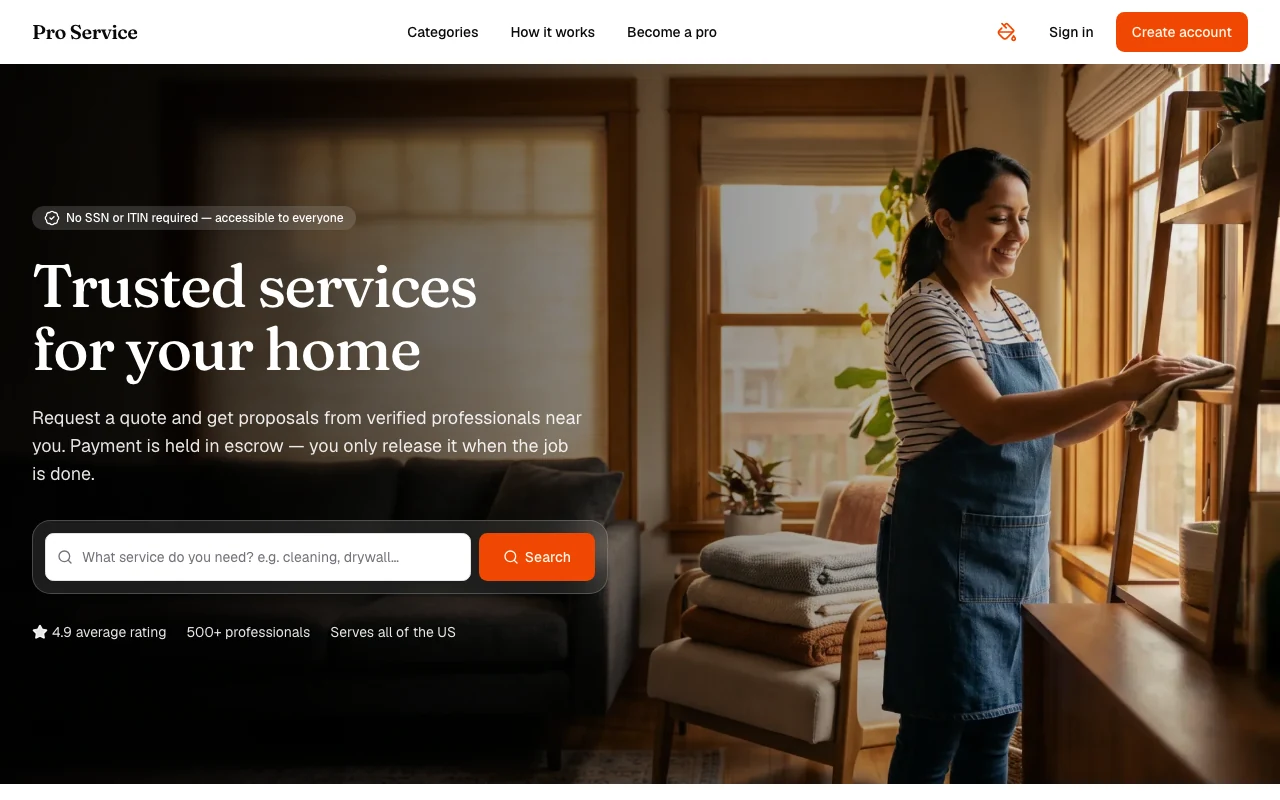
Find verified home service professionals, compare quotes, and pay securely through escrow - built for Brazilians across the US 🏠
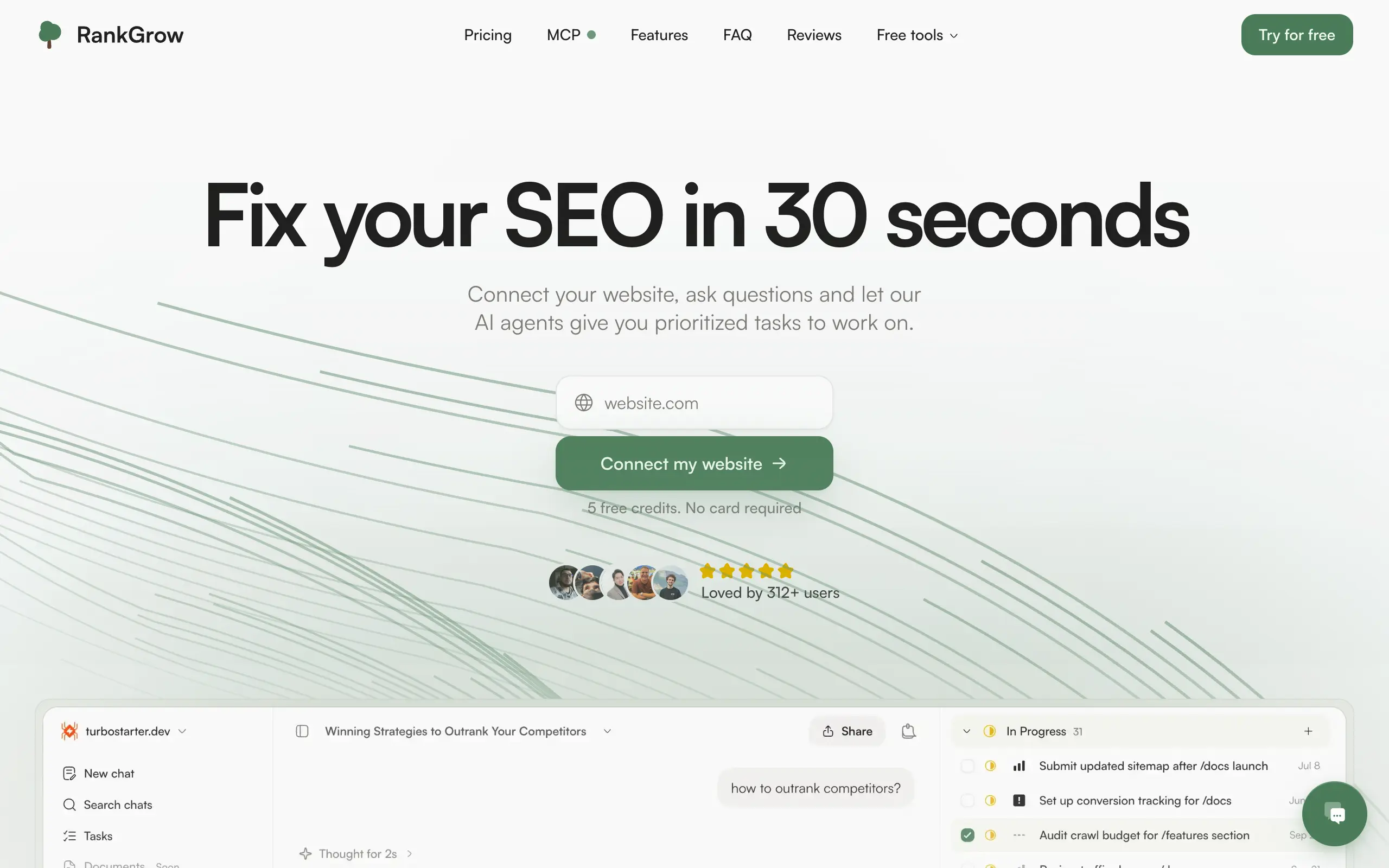
Fix your SEO with AI agents - connect Search Console, get prioritized tasks, and grow organic traffic 📈

Sync your favorite content for distraction-free reading, save time and replace multiple apps. Anytime, anywhere 🔄

Get clean, structured data from 21 platforms like TikTok, Instagram, and YouTube with a single request 📊
Monitor any Telegram channel in real time - track posts, edits, deletions, and growth with AI recaps 📡
AI website builder - describe your business, pick a niche template, edit by chatting, and publish instantly ✨
Find verified home service professionals, compare quotes, and pay securely through escrow - built for Brazilians across the US 🏠
Fix your SEO with AI agents - connect Search Console, get prioritized tasks, and grow organic traffic 📈
Sync your favorite content for distraction-free reading, save time and replace multiple apps. Anytime, anywhere 🔄
Get clean, structured data from 21 platforms like TikTok, Instagram, and YouTube with a single request 📊

Personalized AI apps that automate research, data extraction, and content creation without code 🤖

Enjoy a magical live video chat or receive a unique AI-generated video greeting from Santa Claus 🎅

Scalable blog for food journalist, focused on performance and user experience 🌭

Personal blog and portfolio of Bart Zagrodzki, where he shares his knowledge and work 💼

Ship your startup everywhere. In minutes.

Convert HTML to Markdown with ease, directly in your browser 📄
Personalized AI apps that automate research, data extraction, and content creation without code 🤖
Enjoy a magical live video chat or receive a unique AI-generated video greeting from Santa Claus 🎅
Scalable blog for food journalist, focused on performance and user experience 🌭
Personal blog and portfolio of Bart Zagrodzki, where he shares his knowledge and work 💼
Ship your startup everywhere. In minutes.
Convert HTML to Markdown with ease, directly in your browser 📄

Chat with 50+ AI models, including ChatGPT and Claude, in one place - switch models anytime without losing context 🤖

Supercharge your Claude Code with 6x effective context window and specialized AI agents 🤖

AI-powered emoji picker with smart, context-aware suggestions 🤖

Autonomous company launcher - AI agents work 24/7, escalate what matters, and you stay in control 🤖

Practice storytelling daily with instant feedback to sound clearer, more engaging, and confident 🎤
Chat with 50+ AI models, including ChatGPT and Claude, in one place - switch models anytime without losing context 🤖
Supercharge your Claude Code with 6x effective context window and specialized AI agents 🤖
AI-powered emoji picker with smart, context-aware suggestions 🤖
Autonomous company launcher - AI agents work 24/7, escalate what matters, and you stay in control 🤖
Practice storytelling daily with instant feedback to sound clearer, more engaging, and confident 🎤

Connect with like-minded people
Join our community to get feedback, support, and grow together with 1,000+ builders on board, let's ship it!
Join usShip your startup everywhere. In minutes.
Don't burn tokens on setup and start building features on day one.