Rupee Relay
Lets Indian expatriate workers in the UAE compare remittance rates and send money home in minutes. The AI flags hidden fees and suggests the cheapest timing for each transfer.
Rupee Relay is an AI chat assistant that compares remittance rates and fees across UAE exchange houses and apps, then shows the exact rupees a recipient in India will receive before the sender commits. It has potential in 2026 because the UAE to India corridor is one of the busiest in the world, the price differences between providers change daily, and almost nobody does the comparison math properly at the moment of sending. The best remittance comparison tool for Indian households in Dubai will win by being fast, neutral and trusted, not by moving money itself.
Key takeaways
- Target customer: Indian expat households in the UAE who send money home every month, especially families sending a fixed amount for rent, school fees or EMIs.
- Pricing angle: free comparison for users, with revenue from provider referral fees plus an optional paid plan for rate alerts and scheduled transfer reminders.
- Biggest risk: trusted, live rate data. If you cannot get accurate quotes from providers, the product is worthless.
- Time to MVP: roughly 3 to 5 weeks for a web chat with manual or semi-automated rate collection for 5 to 8 providers.
What problem does Rupee Relay solve?
Rupee Relay solves the "which provider gives my family the most rupees today?" problem. Sending AED to INR looks simple, but the final amount depends on the exchange rate offered, the flat fee, any percentage fee, the payout method (bank account, UPI, cash pickup) and sometimes promotional rates for new users. Comparing all of that by hand is tedious, so most people don't.
Who is Rupee Relay for?
The ideal customer is a salaried Indian professional or a skilled worker in Dubai, Sharjah or Abu Dhabi who sends money home at least once a month. Think of a household sending a similar amount on or near salary day to parents, a spouse or a home loan account in Kerala, Maharashtra, Tamil Nadu or Punjab.
They are not price obsessives. They are busy people who have a habit: one exchange house near the office, or one app their colleague recommended.
What is the current workaround, and why does it fail?
The typical workaround is some mix of habit, WhatsApp advice and opening two or three apps to compare quotes. It fails for a few reasons:
- Quotes are not comparable: one provider shows a great rate with a fee, another shows a worse rate with no fee, and the headline "zero fee" often hides the margin inside the rate.
- Rates move during the day: a screenshot from the morning may be wrong by the afternoon.
- Payout differences are buried: bank transfer, UPI and cash pickup can have different costs and speeds.
- Switching feels risky: people stay with a known provider because they fear a failed or delayed transfer more than a small loss on the rate.
That last point matters. Your product has to sell confidence, not just a better number.
Why is a remittance comparison tool a good AI startup idea in 2026?
The gap is a neutral, conversational layer on top of many providers, and the timing is good because UAE digital remittance options keep multiplying while the comparison experience stays fragmented. Established exchange houses, bank apps and fintech remittance apps all compete for the same corridor, and each one only shows its own quote.
What exists today?
The landscape has a few categories, none of which fully covers this niche:
- Exchange houses and their apps: Al Ansari Exchange, LuLu Exchange and similar providers show their own rates only.
- Global remittance fintechs: Wise and Remitly publish their own prices and some comparison content, but they are also sellers.
- Generic comparison sites: these exist for international transfers, but they are usually broad, not built around UAE households, local payout habits and chat.
- Rate-watching habits: screenshots, group chats and bookmarked pages.
Why now?
Three trends make 2026 a reasonable moment. Chat interfaces are now a normal way to ask a financial question, so "I want to send 5,000 AED, what is best today?" feels natural. LLMs make it cheap to build a conversational layer that explains fees in plain language. And the UAE-India corridor is large and habitual, so a modest improvement per transfer repeats every month.
The caveat: comparison alone is a thin moat. You need distribution and data quality to turn it into a business.
What should the Rupee Relay MVP include?
Build the smallest thing that answers one question perfectly: "If I send X AED today, how many rupees will arrive, and from which provider?" The aha moment is seeing a ranked list with the exact INR amount received, after all fees, in under 10 seconds.
Chat-based quote comparison
The user types an amount and payout method, and the assistant returns a ranked list of providers with the final INR amount.
Fee transparency breakdown
Each result splits the rate, flat fee and percentage fee, and shows the effective rate versus the mid-market rate.
Rate freshness labels
Every quote shows when it was last updated and how it was sourced, so users know how much to trust it.
Rate alerts by email or WhatsApp
Users set a target rate or amount and get notified when a provider beats it, which brings them back monthly.
What should you cut from version one?
Cut moving money entirely. Do not become a licensed remittance provider. Also skip a mobile app, multi-corridor support (Philippines, Pakistan, Bangladesh), credit products and complex user dashboards. Start with AED to INR, 5 to 8 providers, and two payout methods.
How is Rupee Relay different from spreadsheets and provider apps?
The unique selling proposition is neutral, all-in, rupee-denominated comparison in one chat. You do not show "rate and fee" as separate puzzle pieces. You show what lands in the recipient's account.
| Option | Compares many providers | Shows final INR received | Neutral | Conversational |
|---|---|---|---|---|
| Rupee Relay | ✅ | ✅ | Mostly, see risks | ✅ |
| Spreadsheet or notes | Manual | Manual | ✅ | ❌ |
| Single provider app | ❌ | ✅ | ❌ | ❌ |
| Generic comparison site | ✅ | Varies | Varies | ❌ |
| WhatsApp group advice | ❌ | ❌ | ❌ | ✅ |
Be careful with the word "neutral". If you earn referral fees, disclose it clearly and show how ranking works. Ranking by the amount received, never by commission, is the rule that protects your credibility.
How would Rupee Relay make money?
Start with affiliate or referral revenue, and add a small subscription only if retention supports it.
Option 1: referral fees from providers
Many remittance providers pay for new customers, and some pay per completed transfer. This fits the free-to-user model. The risk is incentive conflict, so keep ranking independent from payout.
Option 2: a paid plan for power users
A plan around $3 to $5 per month could include rate alerts, scheduled reminders and a history of how much you saved. As an assumption: if 10,000 monthly users visit and 2% pay $4, that is about $800 per month. It is modest, so treat subscriptions as secondary.
Option 3: lead generation for adjacent services
Once you have trust, you can surface related offers such as multi-currency accounts or insurance. This is riskier and regulated in places, so postpone it until the core product works.
Which growth channel works first?
Community distribution. Indian expat Facebook groups, WhatsApp communities, Reddit threads and employer-adjacent forums are where "which exchange is best this week?" gets asked. Consider a simple shareable result card: "5,000 AED gets you X INR via Y today." Check the rules of each community before posting.
How do you validate Rupee Relay before building?
Spend one to two weeks proving that people care and that you can source the data.
Interview 10 senders
Talk to Indian households in the UAE about their last three transfers: which provider, why, and whether they ever compared. Listen for loyalty, fear and the amounts involved.
Prove the data source
Collect quotes manually from 5 to 8 providers for a week, noting how often rates move and whether official APIs, partner feeds or public pages are usable. This is the real feasibility test.
Ship a landing page
Promise one thing: "See exactly how many rupees your family receives, before you send." Add an email or WhatsApp waitlist.
Run a concierge version
Post in a community offering to answer comparison requests by hand for a day. Count requests and repeat users.
Test willingness to pay
Offer rate alerts for a small monthly fee, or ask providers about a referral agreement. A few real commitments beat a hundred polite compliments.
What tech stack should you use to build Rupee Relay?
Use a TypeScript web app with a relational database, a scheduled job system for rate collection and an LLM for the conversational layer. The most important design principle: the LLM explains and routes, but the numbers come from deterministic code. Never let a model calculate or invent rates.
Recommended architecture
- Rate collectors: scheduled jobs that fetch or ingest quotes per provider, normalize them and store timestamps.
- Calculation engine: pure functions that compute final INR from rate, flat fee and percentage fee.
- Chat layer: the model parses intent (amount, payout method) and calls tools that return computed quotes.
- Alerts: a job that checks saved targets and sends email or messages.
A minimal data model might look like this:
create table quote (
  id uuid primary key,
  provider text not null,
  payout_method text not null,
  rate_inr_per_aed numeric(10,4) not null,
  flat_fee_aed numeric(10,2) not null default 0,
  percent_fee numeric(5,4) not null default 0,
  source text not null,
  fetched_at timestamptz not null
);
How does TurboStarter speed this up?
TurboStarter gives you the undifferentiated parts in a monorepo: web app, authentication, billing for the paid alerts plan, database, emails, an admin panel and background tasks for scheduled rate collection. That leaves your time for the hard part: data sources, ranking rules and trust. If WhatsApp-style usage proves strong, the same repo can grow into a mobile app later.
Which AI provider should you pick?
Best for the MVP. Tool calling is reliable and you ship faster, at a per-request cost that is small at low volume. The trade-off is vendor dependence and variable latency.
Worth considering once volume grows. Intent parsing for "send 5,000 AED to a bank account" is a simple task, so a smaller model can handle it cheaply. The trade-off is more setup and evaluation work.
What could make Rupee Relay fail?
Most failure modes are about data, trust and money, not code.
Biggest risk: unreliable or unavailable rate data
If providers do not expose reliable rates, or if scraped quotes differ from what users see at checkout, trust collapses after one bad comparison. Mitigate by starting with sources you can verify, labelling freshness on every quote, showing an estimate range when needed, and pursuing partner feeds early. Check each provider's terms before collecting data automatically.
- Regulatory and advice risk: you are comparing, not moving money, but financial claims must be accurate and referral relationships disclosed. Get local legal advice before launch.
- Incentive conflict: if commission influences ranking, users will notice. Keep ranking based on rupees received and publish the rule.
- Low switching behavior: people may like the comparison but still use their habitual provider. Track how many users click through, not just visits.
- Thin moat: a competitor could copy the idea. Your defense is data quality, community trust and the saved-alert habit.
What are the next steps? A 30-day launch plan
Week 1: interviews and data check
Complete the interviews and manually log quotes from your target providers. Decide which five to eight you can support reliably.
Week 2: build the calculator
Create the calculation engine and a simple quote table. Test it against real transfers from friendly users.
Week 3: add the chat layer and auth
Add the conversational interface, saved preferences and email alerts. Keep the model limited to parsing and explaining.
Week 4: launch in communities
Invite waitlist users, post in relevant expat groups and watch click-through to providers. Fix confusing outputs daily.
Start with one corridor, one promise and one number the user can trust. If you want to skip the setup work and get to the rate engine quickly, begin from a starter kit and build the part only you can build.
FAQ
Test the data and the demand separately. Manually collect quotes for a week to see whether comparison is feasible, then run a landing page and community concierge test to see whether people actually ask for it and return.
Most commonly through referral or affiliate fees from providers, and sometimes through premium features like alerts. Ranking should stay independent of commission, and referral relationships should be disclosed.
Exchange houses and their apps, global fintech senders such as Wise and Remitly, and generic comparison sites. Most of them either sell transfers themselves or are not built around UAE households and chat.
A TypeScript web app, a relational database for quotes and users, scheduled jobs for rate collection, and an LLM with tool calling. Keep calculations in deterministic code, not in the model.
Assuming one developer and a starter kit, a focused MVP typically takes 3 to 5 weeks. Costs are mostly your time, hosting, model usage and any paid data feeds, which is the item to price first.
More 🤖 AI Startup SaaS ideas
Discover more innovative ai startup SaaS ideas that are trending in 2026. Each idea is AI-generated with market validation and growth potential to help you find your next profitable venture faster than competitors.
Your competitors are building with TurboStarter
Below are some of the SaaS ideas that have been generated and built with our starter kit.

Statiko
Monitor any Telegram channel in real time - track posts, edits, deletions, and growth with AI recaps 📡

Shibui
AI website builder - describe your business, pick a niche template, edit by chatting, and publish instantly ✨

Pro Service
Find verified home service professionals, compare quotes, and pay securely through escrow - built for Brazilians across the US 🏠
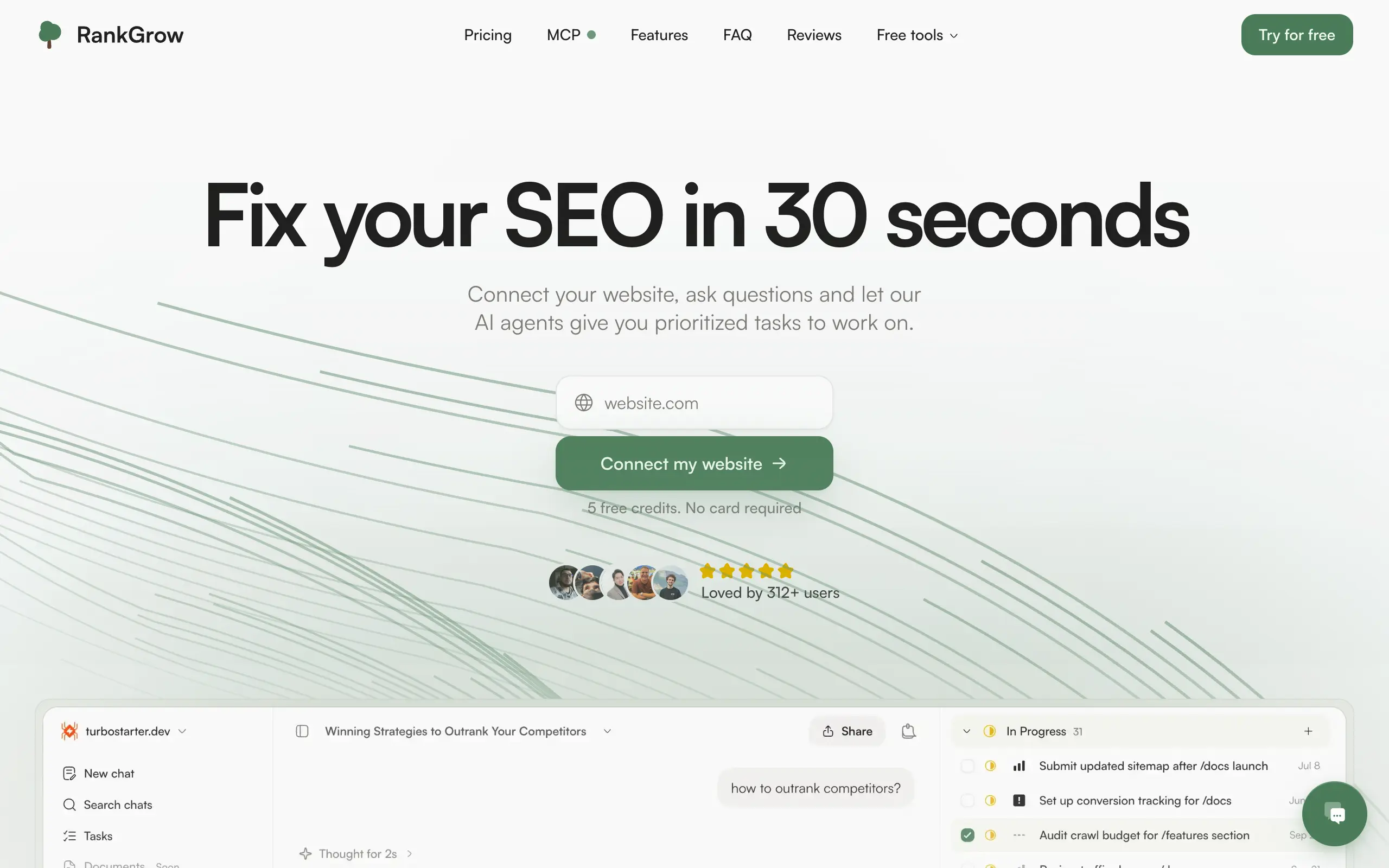
RankGrow
Fix your SEO with AI agents - connect Search Console, get prioritized tasks, and grow organic traffic 📈
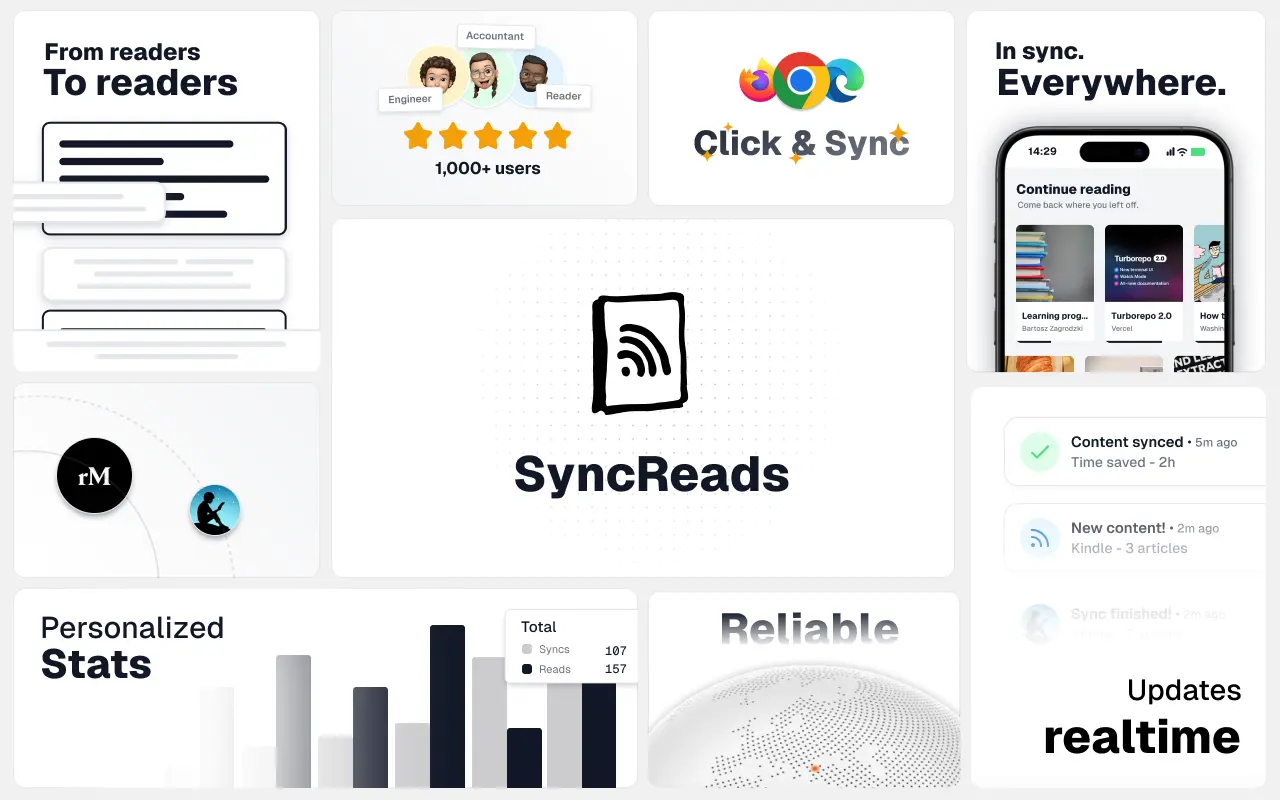
SyncReads
Sync your favorite content for distraction-free reading, save time and replace multiple apps. Anytime, anywhere 🔄
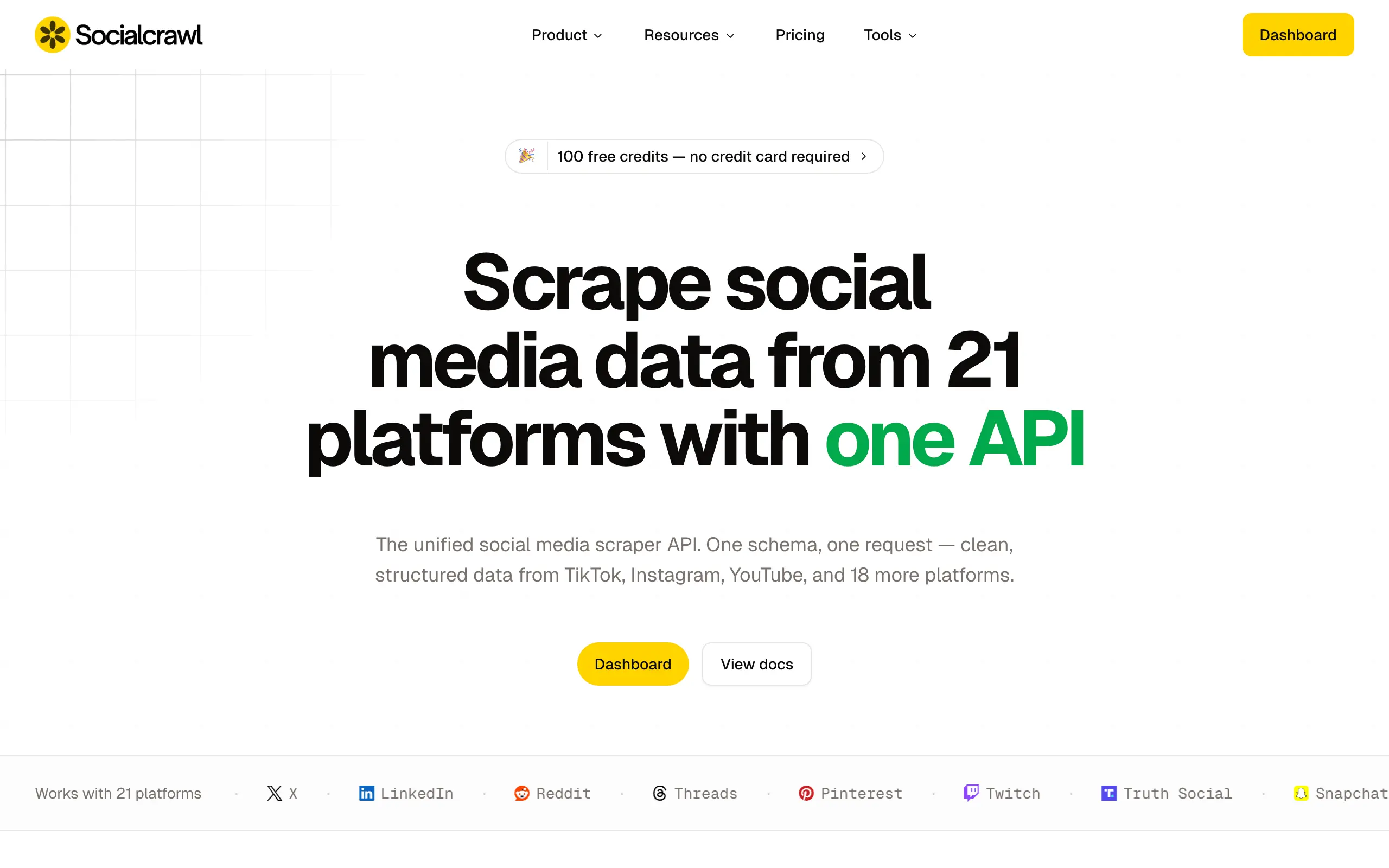
Socialcrawl
Get clean, structured data from 21 platforms like TikTok, Instagram, and YouTube with a single request 📊
Statiko
Monitor any Telegram channel in real time - track posts, edits, deletions, and growth with AI recaps 📡
Shibui
AI website builder - describe your business, pick a niche template, edit by chatting, and publish instantly ✨
Pro Service
Find verified home service professionals, compare quotes, and pay securely through escrow - built for Brazilians across the US 🏠
RankGrow
Fix your SEO with AI agents - connect Search Console, get prioritized tasks, and grow organic traffic 📈
SyncReads
Sync your favorite content for distraction-free reading, save time and replace multiple apps. Anytime, anywhere 🔄
Socialcrawl
Get clean, structured data from 21 platforms like TikTok, Instagram, and YouTube with a single request 📊
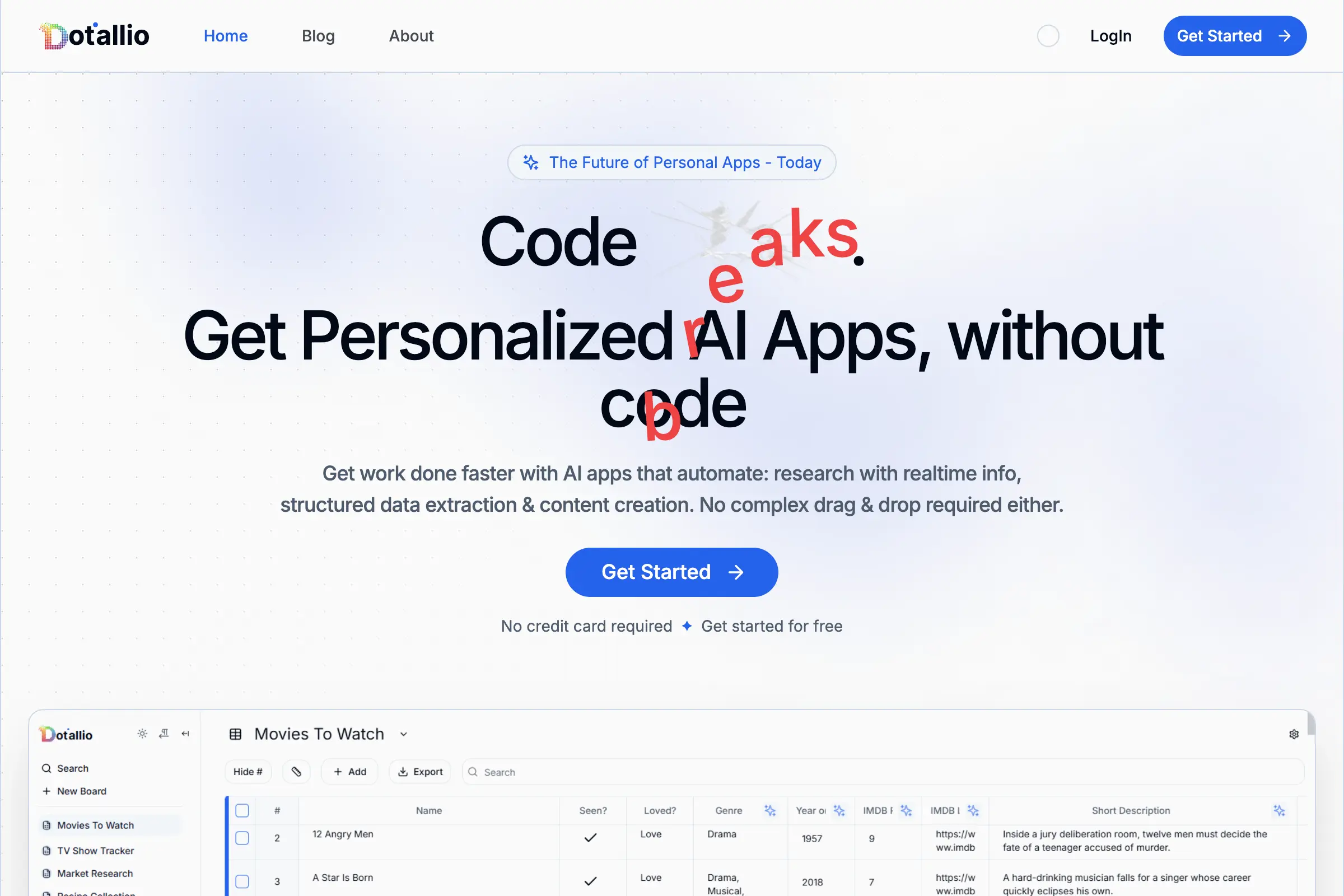
Dotallio
Personalized AI apps that automate research, data extraction, and content creation without code 🤖
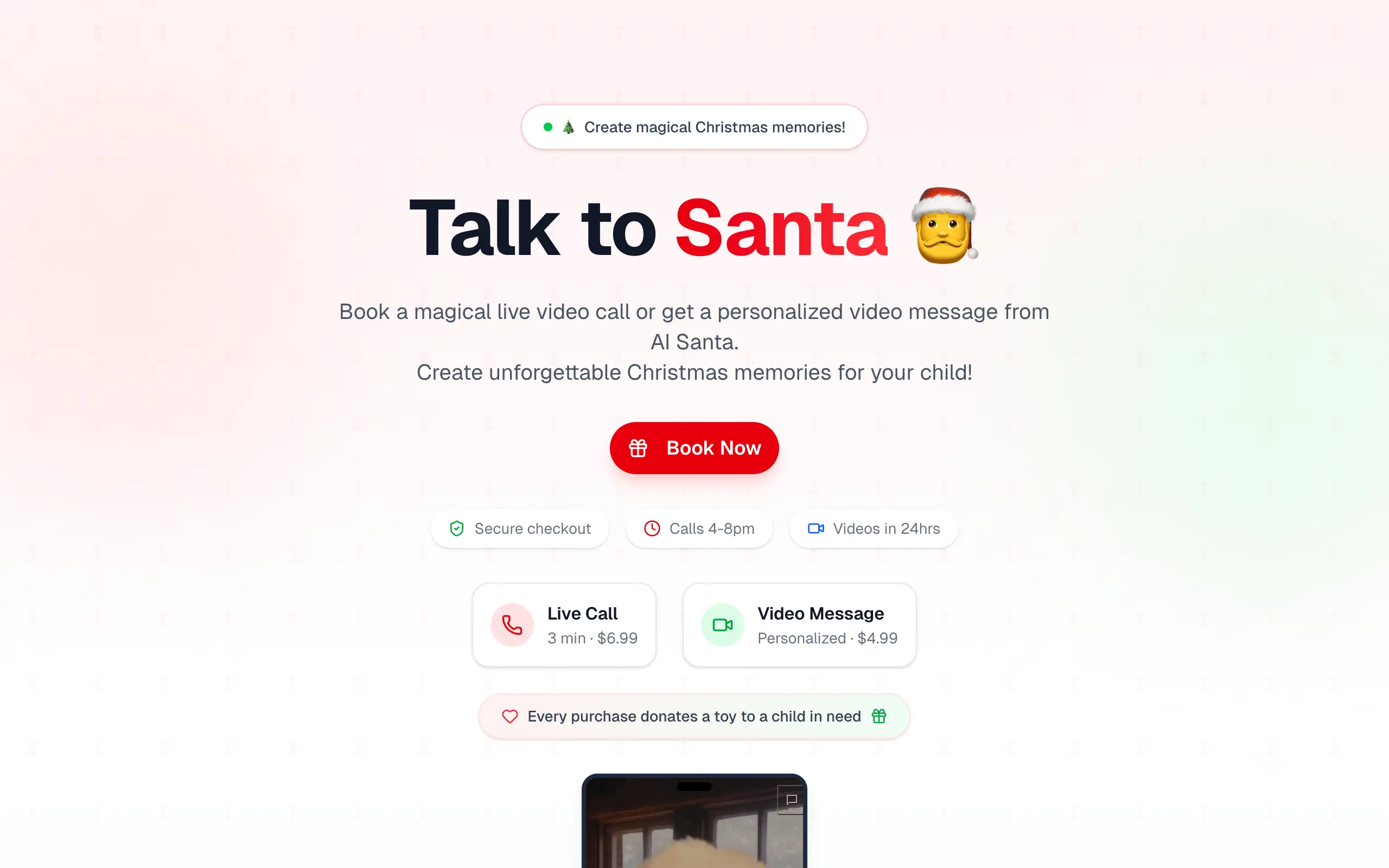
Talk to Santa
Enjoy a magical live video chat or receive a unique AI-generated video greeting from Santa Claus 🎅

pozywka.pl
Scalable blog for food journalist, focused on performance and user experience 🌭
zagrodzki.me
Personal blog and portfolio of Bart Zagrodzki, where he shares his knowledge and work 💼
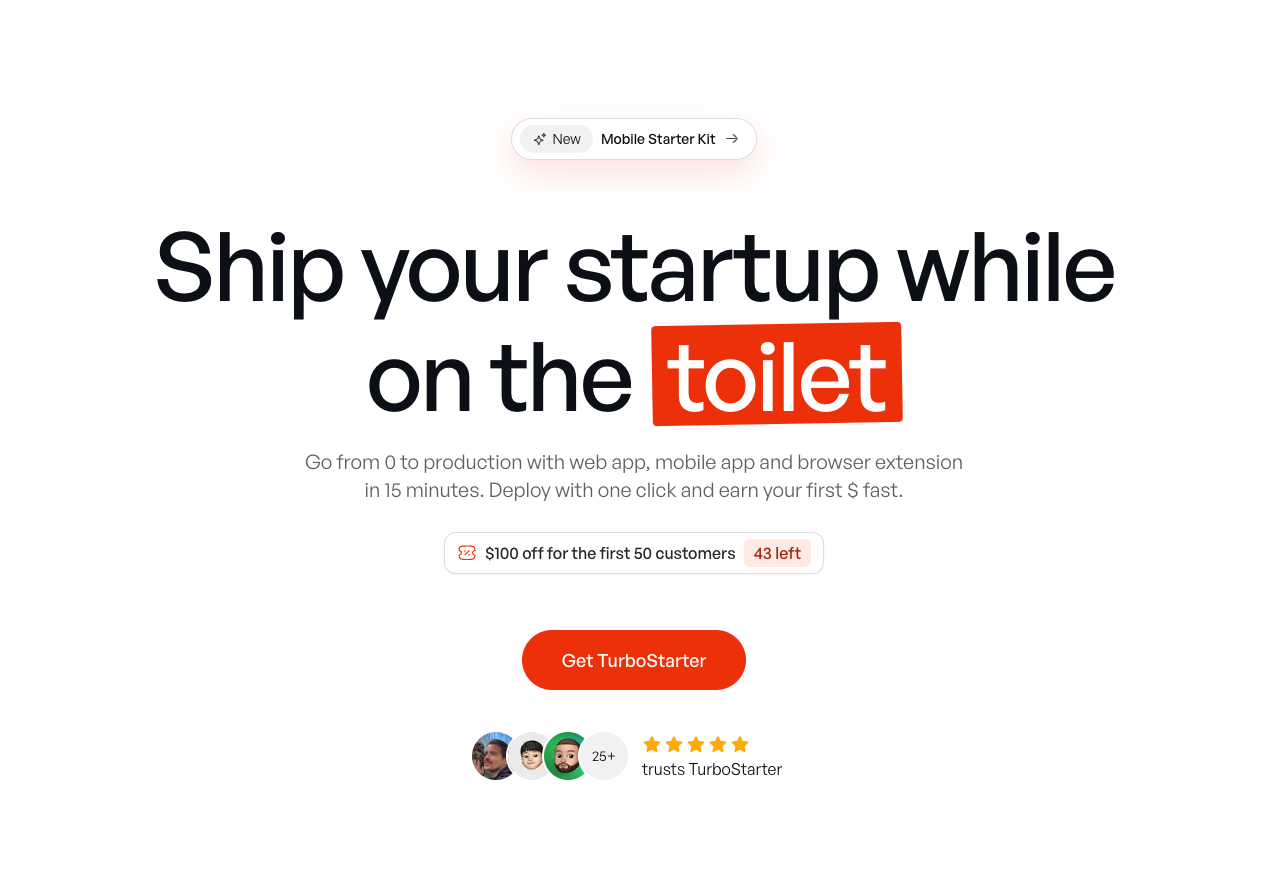
TurboStarter
Ship your startup everywhere. In minutes.
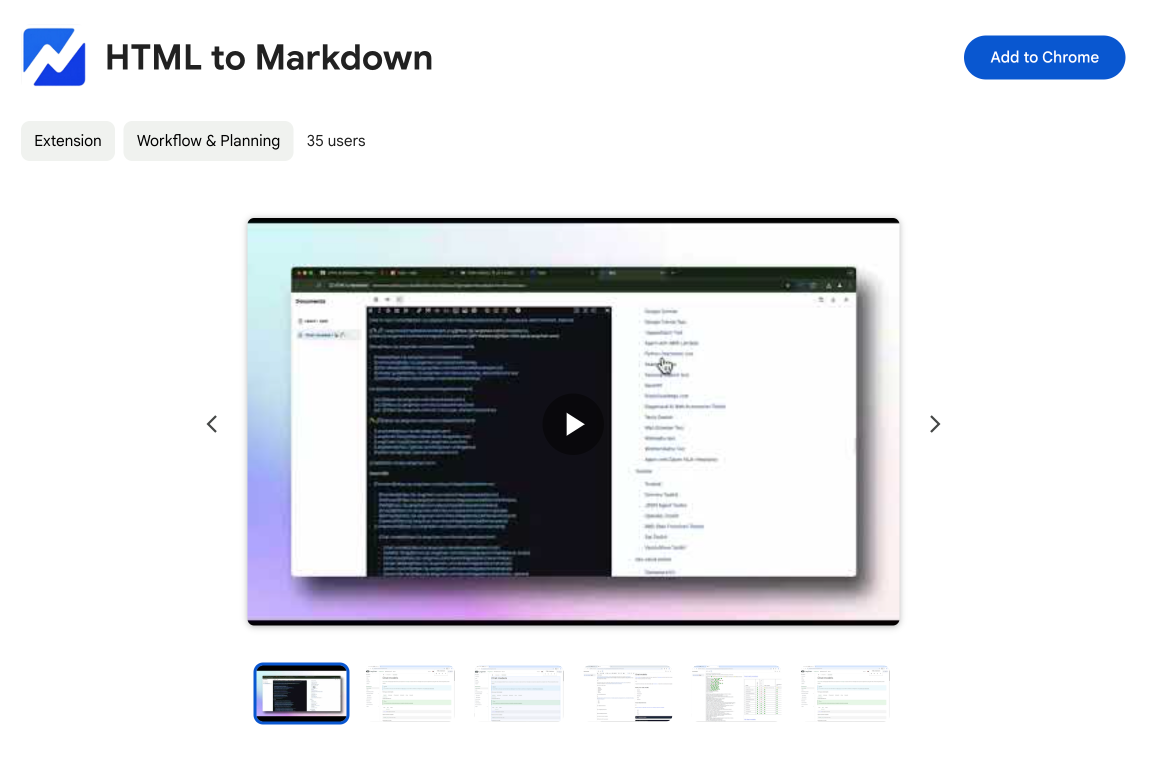
HTML to Markdown
Convert HTML to Markdown with ease, directly in your browser 📄
Dotallio
Personalized AI apps that automate research, data extraction, and content creation without code 🤖
Talk to Santa
Enjoy a magical live video chat or receive a unique AI-generated video greeting from Santa Claus 🎅
pozywka.pl
Scalable blog for food journalist, focused on performance and user experience 🌭
zagrodzki.me
Personal blog and portfolio of Bart Zagrodzki, where he shares his knowledge and work 💼
TurboStarter
Ship your startup everywhere. In minutes.
HTML to Markdown
Convert HTML to Markdown with ease, directly in your browser 📄
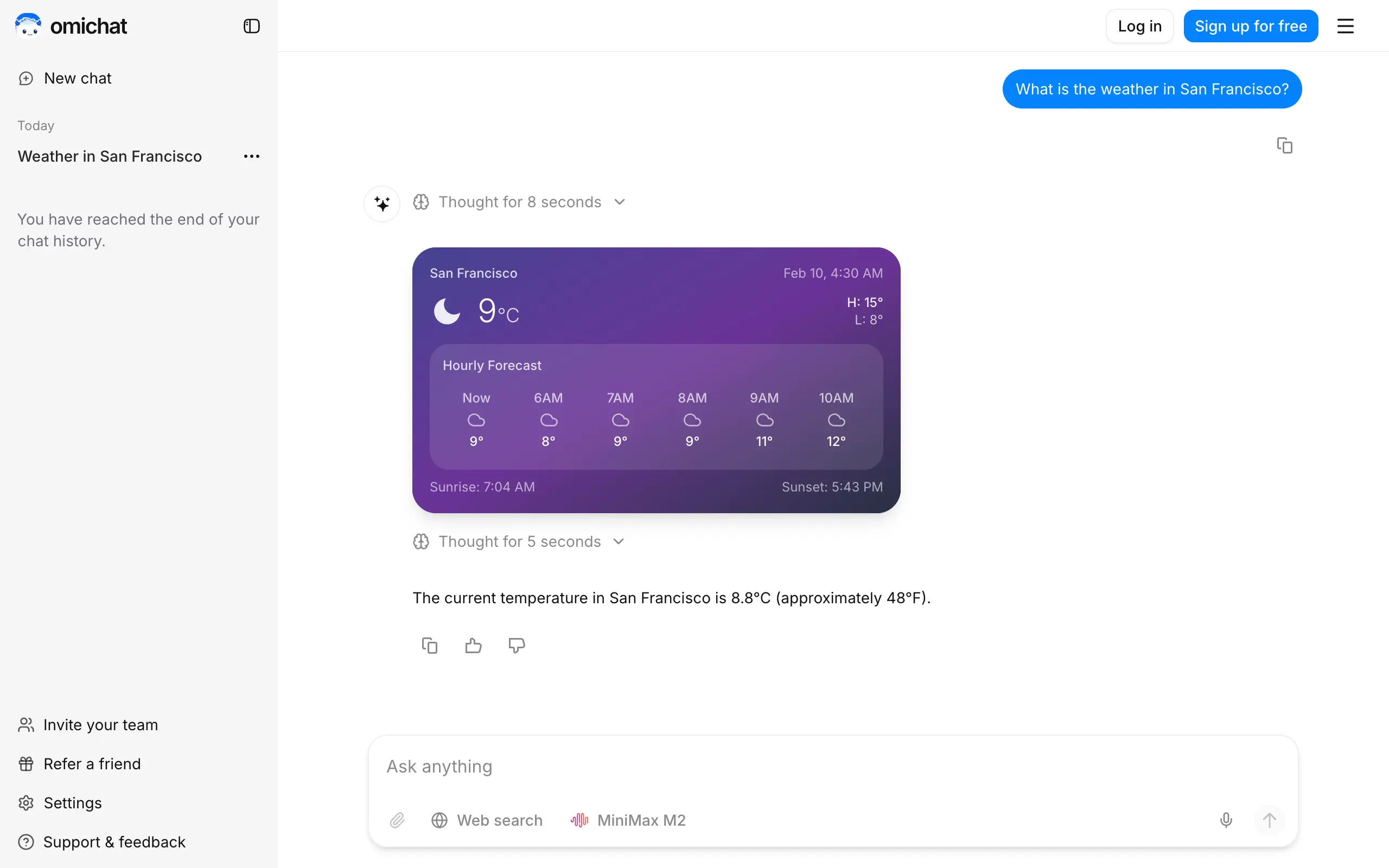
Omichat
Chat with 50+ AI models, including ChatGPT and Claude, in one place - switch models anytime without losing context 🤖
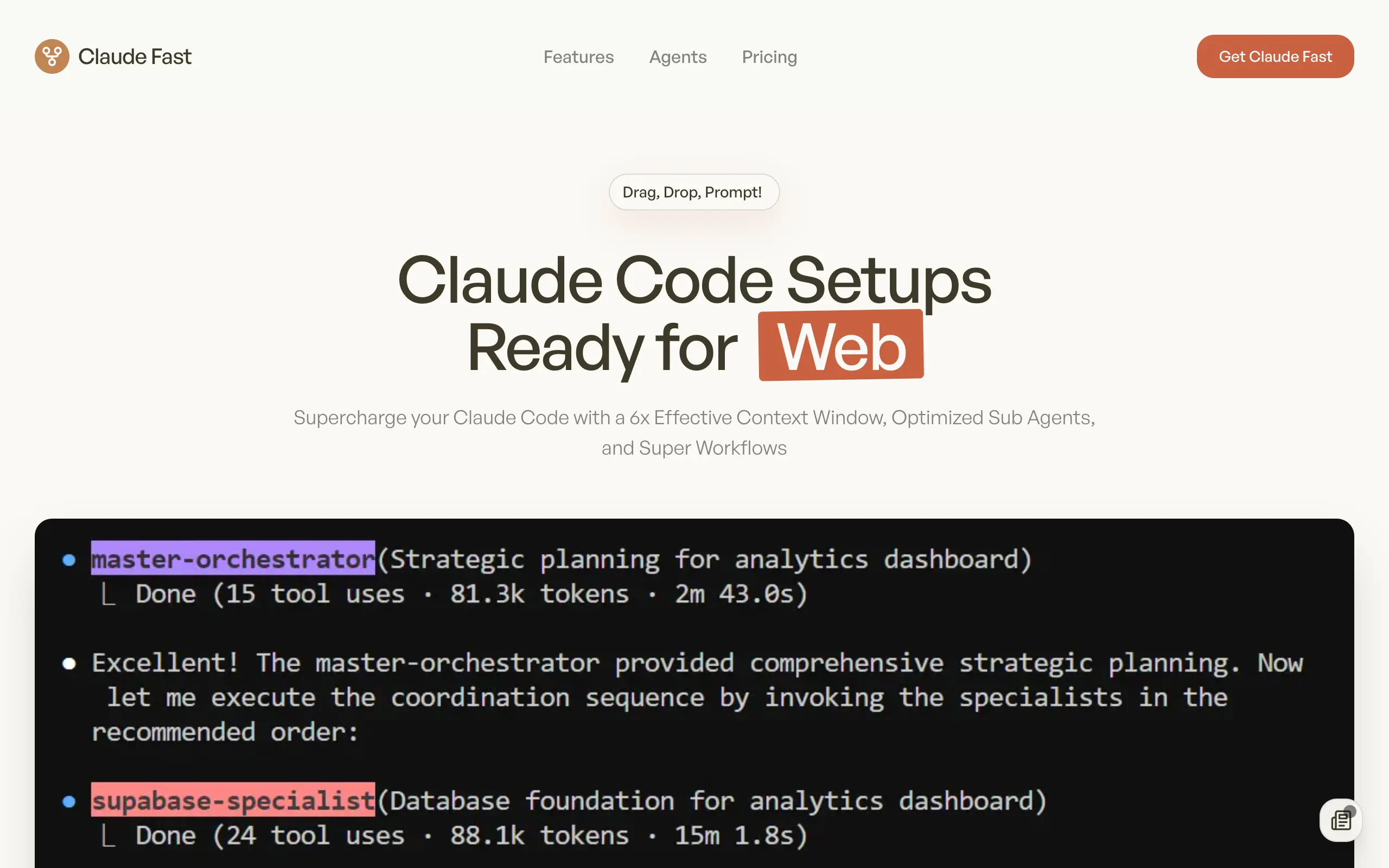
Claude Fast
Supercharge your Claude Code with 6x effective context window and specialized AI agents 🤖
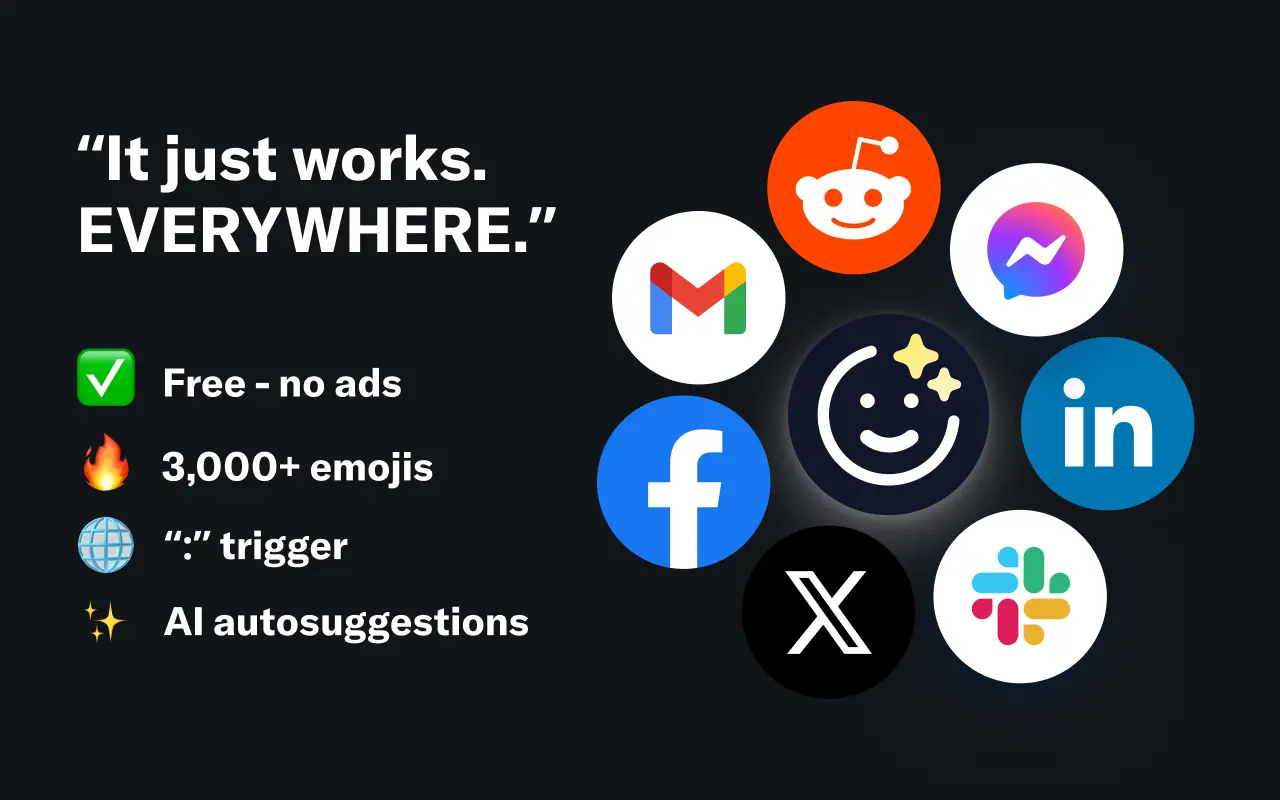
EmojAI
AI-powered emoji picker with smart, context-aware suggestions 🤖

Solohacker
Autonomous company launcher - AI agents work 24/7, escalate what matters, and you stay in control 🤖

BeRawi: Storytelling Coach
Practice storytelling daily with instant feedback to sound clearer, more engaging, and confident 🎤
Omichat
Chat with 50+ AI models, including ChatGPT and Claude, in one place - switch models anytime without losing context 🤖
Claude Fast
Supercharge your Claude Code with 6x effective context window and specialized AI agents 🤖
EmojAI
AI-powered emoji picker with smart, context-aware suggestions 🤖
Solohacker
Autonomous company launcher - AI agents work 24/7, escalate what matters, and you stay in control 🤖
BeRawi: Storytelling Coach
Practice storytelling daily with instant feedback to sound clearer, more engaging, and confident 🎤

Connect with like-minded people
Join our community to get feedback, support, and grow together with 1,000+ builders on board, let's ship it!
Join usShip your startup everywhere. In minutes.
Don't burn tokens on setup and start building features on day one.