Clinicbook
Lets small Singapore dental clinics send appointment reminders and recall notices via WhatsApp without staff typing each message. Clinics regain hours of front-desk time every week.
Clinicbook is a WhatsApp-based appointment reminder and recall tool built for small dental clinics in Singapore. It sends confirmations, reminders and "time for your six-month cleaning" notices automatically, so front-desk staff stop typing the same messages all day. In 2026, WhatsApp is where Singapore patients already answer messages, which makes WhatsApp appointment reminders for dental clinics a narrow, buildable B2B SaaS idea with a clear payback story.
Key takeaways
- Target customer: independent dental clinics in Singapore with 1 to 4 dentists and one or two front-desk staff.
- Pricing angle: flat monthly subscription per clinic, with message costs bundled or passed through transparently.
- Biggest risk: WhatsApp Business Platform rules and integration with the clinic's existing practice management software.
- Time to MVP: roughly 3 to 5 weeks for a solo founder using a starter kit, assuming you begin with CSV or calendar import instead of deep integrations.
Who is Clinicbook for?
The ideal customer is an owner-dentist running a single-location clinic in Singapore, often with a part-time or full-time receptionist who also handles phones, payments and walk-ins. The clinic sees somewhere between 15 and 40 patients a day, and no-shows and lapsed recalls directly hit revenue.
What do they do today?
Most small clinics use one of three workarounds:
- Manual WhatsApp messages: the receptionist opens tomorrow's schedule and types or pastes a reminder to each patient, one by one.
- SMS from the practice software: some systems send reminders, but patients often ignore them or the messages look like spam.
- Phone calls: slow, interrupted constantly, and usually skipped when the front desk is busy.
Why the workaround fails
Manual messaging works until the clinic gets busy, which is exactly when it gets skipped. Recall notices are the worst case: nobody has time to scan for patients who had a cleaning six months ago, so that revenue quietly leaks.
There is also a consistency problem. Messages vary by who sends them, replies get lost in a personal-looking inbox, and when a staff member leaves, the habit leaves with them.
Is there a market for dental appointment automation in Singapore?
Yes, but it is a niche you win through focus rather than breadth. Large dental groups and chains typically have their own systems and processes. The gap sits with independent clinics that have outgrown paper and phone calls but will not adopt a heavy enterprise platform.
Why now
- WhatsApp is the default channel: in Singapore it is the everyday messaging app for most patients, so reminders land where people actually look.
- WhatsApp Business APIs are more accessible: providers and the official Cloud API make programmatic messaging far easier than a few years ago.
- Front-desk labor is tight and expensive: clinics feel the cost of every manual hour, so time saved is easy to explain.
- AI makes replies cheaper to handle: classifying responses like "yes", "reschedule please" or "can I come at 4pm?" is now a small task rather than a research project.
The existing landscape
Practice management software and generic booking tools exist, and general WhatsApp marketing platforms are widely available. Few of them are built around the specific rhythm of a dental clinic: confirm the visit, remind, handle reschedules, then recall at the right interval. Check which systems your target clinics use before you build, since that decides your integration strategy.
What features should the first version include?
Build the smallest loop that proves value: appointments in, correct WhatsApp messages out, replies tracked. Everything else waits.
Appointment import
Upload a CSV or connect a calendar so tomorrow's appointments appear without retyping them.
Automated reminders
Send confirmation and reminder messages on a schedule using approved WhatsApp templates.
Recall notices
Flag patients due for a cleaning or checkup and send a recall message at the interval the clinic sets.
Reply inbox
Show confirmations, reschedule requests and questions in one simple list so staff handle exceptions only.
What to cut at first
- Online booking pages for patients.
- Payments, invoicing and treatment plans.
- Deep two-way sync with every practice management system.
- Multi-branch reporting and analytics dashboards.
The aha moment
The aha moment is the receptionist opening the app on Monday morning and seeing that tomorrow's patients were already messaged, with three confirmed and one asking to move. Design the entire onboarding to reach that screen within a day of signup.
How is Clinicbook different from spreadsheets and booking tools?
The unique selling proposition is simple: dental-specific WhatsApp reminders and recalls that run themselves, set up in under an hour. You are not selling a clinic management suite. You are selling back hours of the front desk's week.
| Option | WhatsApp-first | Automated recall | Dental-specific setup | Staff time needed |
|---|---|---|---|---|
| Clinicbook | ✅ | ✅ | ✅ | Low |
| Manual WhatsApp + spreadsheet | ✅ | ❌ | ❌ | High |
| Practice software SMS | ❌ | Depends | Depends | Medium |
| Generic marketing tools | ✅ | ❌ | ❌ | Medium to high |
The honest caveat: if a clinic's existing software already does recalls well, your pitch weakens. Target clinics where the reminders are manual or ignored.
How would Clinicbook make money?
Charge clinics a flat monthly fee, because owners prefer predictable costs and dislike per-message surprises.
Pricing options
- Flat tier by clinic size: for example a lower plan for solo-dentist clinics and a higher one for multi-dentist clinics, with a fair-use message allowance.
- Base fee plus message pass-through: a smaller subscription, with WhatsApp conversation costs billed at cost plus a margin. Fairer, but harder to explain.
- Setup fee plus subscription: a one-time onboarding charge to import data and approve templates, which also filters out uncommitted clinics.
As an assumption: at $79 per month, 40 clinics gives about $3,160 in monthly recurring revenue. If your messaging costs are a modest share of that, the margin is workable, but measure real per-message costs early.
First growth channel
Direct outreach works best. Visit or call clinics, offer a two-week pilot, and ask satisfied owners to introduce peers, since dentists often know each other through associations and referrals. Paid ads are a poor first bet in such a small, relationship-driven market.
How do I validate this idea before building?
Spend one to two weeks proving that owners care and will pay before you write serious code.
Interview eight to ten clinic owners or managers
Ask how many reminders they send per week, who sends them and what happens when they skip. Listen for pain in hours and missed appointments, not polite interest.
Shadow a front desk for an hour
Watch the actual workflow, including which software they use and where they copy and paste. This reveals integration needs no interview will surface.
Publish a simple landing page
State one promise, such as fewer no-shows without typing reminders, and collect waitlist emails and clinic names. Send it directly to the people you interviewed.
Run a manual pilot
For one or two friendly clinics, send reminders yourself from a spreadsheet and a WhatsApp Business setup. If they notice the difference, you have your first proof.
Ask for a pre-sale
Offer a discounted founding price for three months in exchange for a commitment. Even two or three paying clinics tells you more than fifty waitlist signups.
What tech stack should I use to build Clinicbook?
Keep it boring: a TypeScript web app, a Postgres database, a background job queue and the WhatsApp Business Platform. The unique work is message scheduling, template handling and reply parsing, not login screens or billing.
TurboStarter covers the undifferentiated parts in a ready-made monorepo: authentication, billing for clinic subscriptions, a database layer, and background tasks for scheduled reminders. It also includes organizations and teams, which map naturally to a clinic and its staff, plus emails, file storage and an admin panel. That lets you spend your first weeks on messaging logic.
Core data model
A minimal schema shows the shape of the product:
create table patient (
  id uuid primary key,
  clinic_id uuid not null,
  name text not null,
  whatsapp_number text not null,
  opted_in boolean not null default false,
  last_visit_at timestamptz
);

create table appointment (
  id uuid primary key,
  clinic_id uuid not null,
  patient_id uuid not null references patient(id),
  starts_at timestamptz not null,
  status text not null default 'scheduled'
);

create table message (
  id uuid primary key,
  appointment_id uuid references appointment(id),
  kind text not null, -- reminder, recall, reply
  sent_at timestamptz,
  delivery_status text
);
Choosing a WhatsApp provider
Connect directly to Meta's WhatsApp Business Platform. You get lower per-message overhead and full control, but you handle business verification, template approval and webhooks yourself. A good fit once you have a handful of clinics and want better margins.
Use a provider that wraps the platform with its own dashboard and APIs. Setup is faster and support is easier, but you pay a markup and depend on their roadmap. A sensible choice for the first pilots.
Where AI fits
Use a language model only for classifying replies and suggesting responses, with the clinic confirming anything ambiguous. The AI docs cover how to wire a model in. Keep reminders themselves template-based, since approved WhatsApp templates are predictable and safer.
What could make Clinicbook fail?
Messaging rules and patient consent
Biggest risk: WhatsApp policy and patient consent
WhatsApp requires approved templates and opt-in for business-initiated messages, and Singapore has its own data protection rules for patient information. If templates get rejected, numbers get flagged or consent is unclear, your core feature stops working. Record opt-in per patient, keep messages free of clinical detail, and confirm the current requirements with Meta's documentation and a Singapore data protection adviser before launch.
Integration friction
If clinics cannot get appointments into Clinicbook easily, they will not stay. Start with CSV import and calendar sync, then build one integration only after several clinics ask for the same system.
Low willingness to pay
Owners may like the idea but see reminders as a minor cost. Counter this by quantifying recovered chair time during the pilot and pricing against a fraction of a receptionist's hour.
Thin moat
Practice software vendors could add WhatsApp reminders. Your defense is speed, focus on small clinics and service quality, so treat onboarding and support as part of the product.
What should I do in the first 30 days?
- Days 1 to 5: interview clinic owners, shadow a front desk and decide your first import method.
- Days 6 to 10: publish the landing page, start a waitlist and apply for WhatsApp Business verification early, since approvals take time.
- Days 11 to 18: scaffold the app with TurboStarter, set up clinics, staff accounts and subscription billing, and build appointment import.
- Days 19 to 24: implement scheduled reminders, template management and the reply inbox.
- Days 25 to 28: run a live pilot with one or two clinics and fix what breaks.
- Days 29 to 30: convert pilot clinics to paid founding plans and write down their results.
Pick the clinics you will call tomorrow, then start building the reminder loop.
FAQ
Talk to clinic owners and shadow a front desk before building anything. Then run the reminders manually for one or two clinics and ask for a paid commitment. Pre-sales are the strongest signal.
Start with a flat monthly plan and test a few price points in interviews. Anchor against the time saved for front-desk staff rather than against other software. Make sure your plan covers actual WhatsApp message costs with some margin.
Practice management systems with built-in SMS, generic booking tools and WhatsApp marketing platforms all overlap partially. Few focus on small Singapore dental clinics with recall workflows. Your real competitor is often the receptionist and a spreadsheet.
A TypeScript web app with Postgres, a background job system and the WhatsApp Business Platform is enough. A starter kit like TurboStarter handles authentication, billing, teams and emails so you can focus on scheduling and messaging.
Assuming CSV import and a single WhatsApp provider, a solo developer can typically ship a usable pilot in three to five weeks. WhatsApp verification and template approval can take longer than the code, so start those first.
Generally yes with proper opt-in, approved templates and careful handling of personal data. Rules in Singapore around patient information are strict, so keep messages minimal and get professional advice before launch.
More 🏢 B2B Application SaaS ideas
Discover more innovative b2b application SaaS ideas that are trending in 2026. Each idea is AI-generated with market validation and growth potential to help you find your next profitable venture faster than competitors.
Your competitors are building with TurboStarter
Below are some of the SaaS ideas that have been generated and built with our starter kit.

Monitor any Telegram channel in real time - track posts, edits, deletions, and growth with AI recaps 📡

AI website builder - describe your business, pick a niche template, edit by chatting, and publish instantly ✨
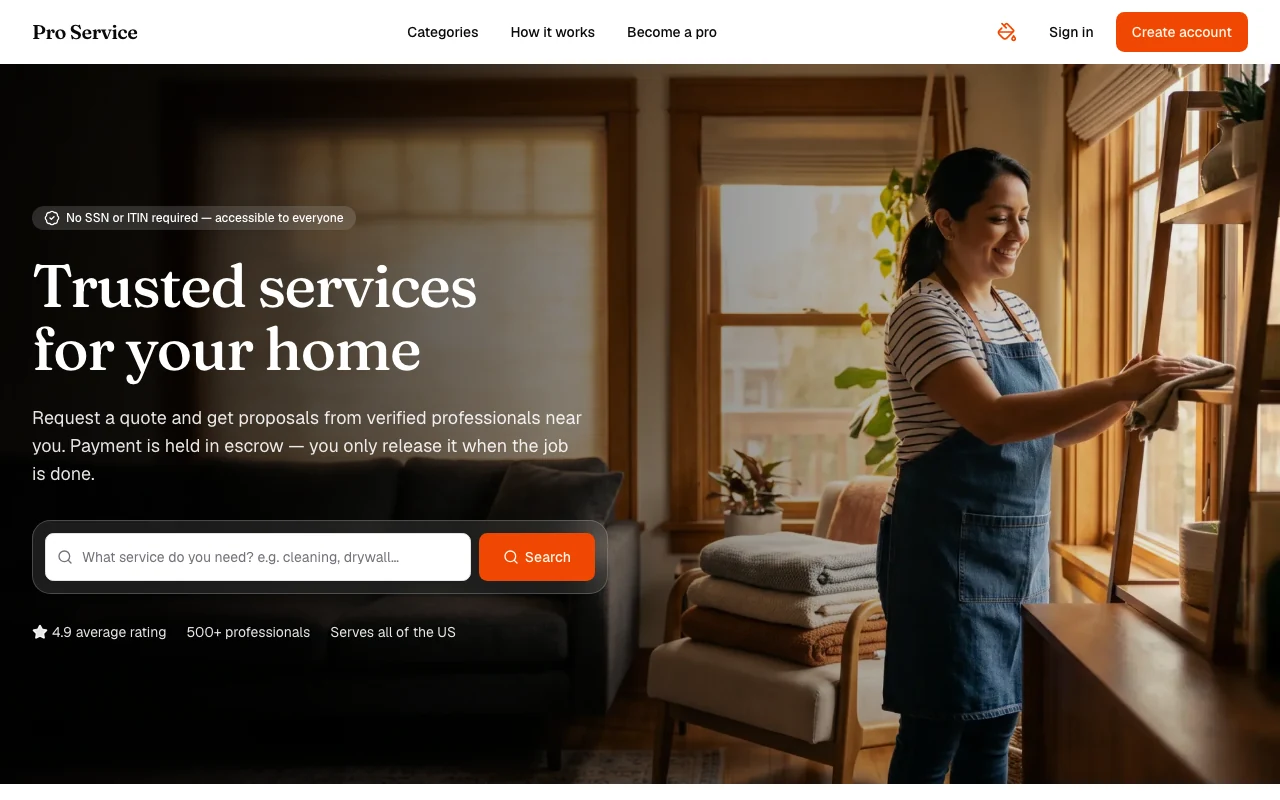
Find verified home service professionals, compare quotes, and pay securely through escrow - built for Brazilians across the US 🏠
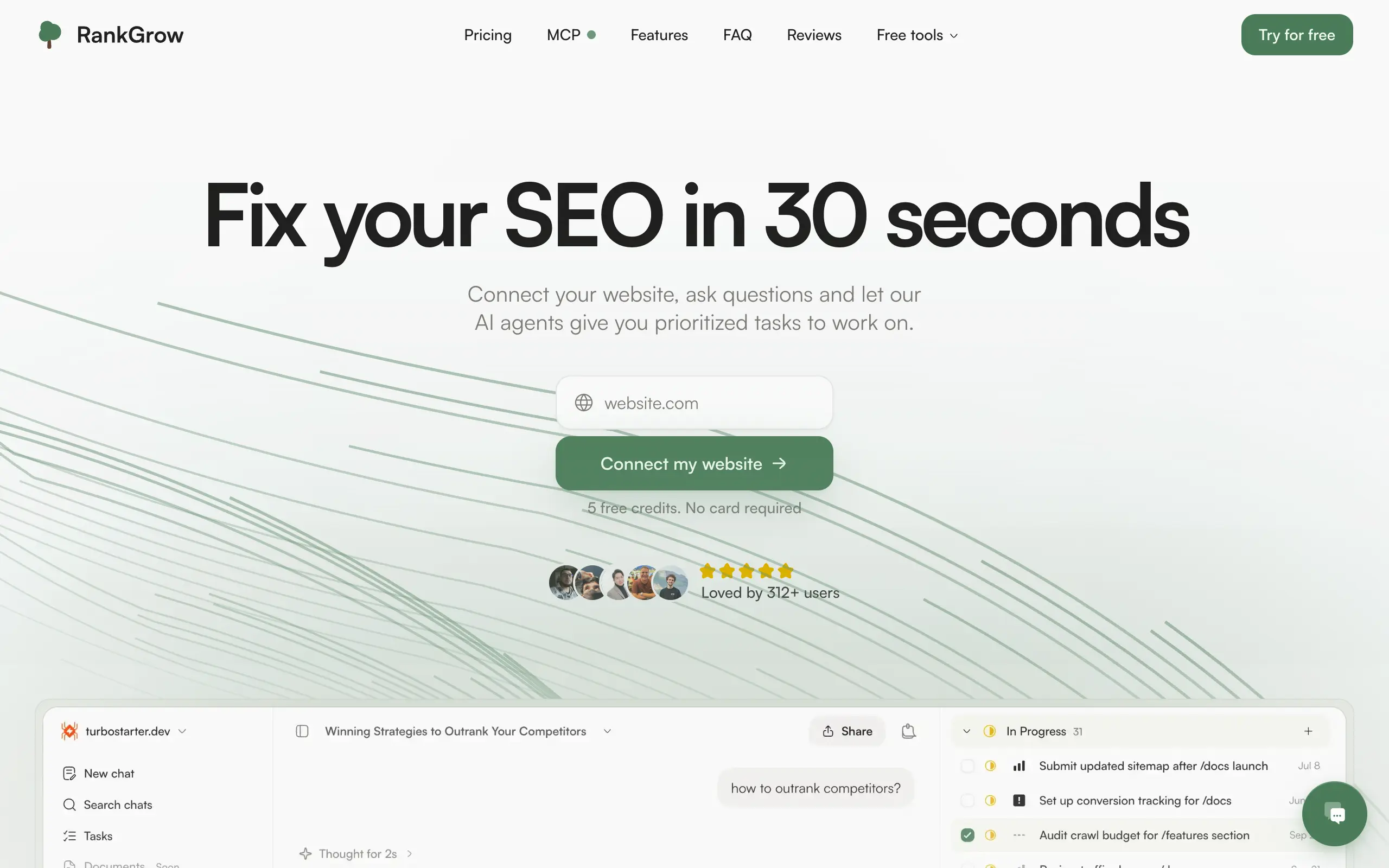
Fix your SEO with AI agents - connect Search Console, get prioritized tasks, and grow organic traffic 📈

Sync your favorite content for distraction-free reading, save time and replace multiple apps. Anytime, anywhere 🔄

Get clean, structured data from 21 platforms like TikTok, Instagram, and YouTube with a single request 📊
Monitor any Telegram channel in real time - track posts, edits, deletions, and growth with AI recaps 📡
AI website builder - describe your business, pick a niche template, edit by chatting, and publish instantly ✨
Find verified home service professionals, compare quotes, and pay securely through escrow - built for Brazilians across the US 🏠
Fix your SEO with AI agents - connect Search Console, get prioritized tasks, and grow organic traffic 📈
Sync your favorite content for distraction-free reading, save time and replace multiple apps. Anytime, anywhere 🔄
Get clean, structured data from 21 platforms like TikTok, Instagram, and YouTube with a single request 📊

Personalized AI apps that automate research, data extraction, and content creation without code 🤖

Enjoy a magical live video chat or receive a unique AI-generated video greeting from Santa Claus 🎅

Scalable blog for food journalist, focused on performance and user experience 🌭

Personal blog and portfolio of Bart Zagrodzki, where he shares his knowledge and work 💼

Ship your startup everywhere. In minutes.

Convert HTML to Markdown with ease, directly in your browser 📄
Personalized AI apps that automate research, data extraction, and content creation without code 🤖
Enjoy a magical live video chat or receive a unique AI-generated video greeting from Santa Claus 🎅
Scalable blog for food journalist, focused on performance and user experience 🌭
Personal blog and portfolio of Bart Zagrodzki, where he shares his knowledge and work 💼
Ship your startup everywhere. In minutes.
Convert HTML to Markdown with ease, directly in your browser 📄

Chat with 50+ AI models, including ChatGPT and Claude, in one place - switch models anytime without losing context 🤖

Supercharge your Claude Code with 6x effective context window and specialized AI agents 🤖

AI-powered emoji picker with smart, context-aware suggestions 🤖

Autonomous company launcher - AI agents work 24/7, escalate what matters, and you stay in control 🤖

Practice storytelling daily with instant feedback to sound clearer, more engaging, and confident 🎤
Chat with 50+ AI models, including ChatGPT and Claude, in one place - switch models anytime without losing context 🤖
Supercharge your Claude Code with 6x effective context window and specialized AI agents 🤖
AI-powered emoji picker with smart, context-aware suggestions 🤖
Autonomous company launcher - AI agents work 24/7, escalate what matters, and you stay in control 🤖
Practice storytelling daily with instant feedback to sound clearer, more engaging, and confident 🎤

Connect with like-minded people
Join our community to get feedback, support, and grow together with 1,000+ builders on board, let's ship it!
Join usShip your startup everywhere. In minutes.
Don't burn tokens on setup and start building features on day one.