Clubrota
Helps municipal sports departments schedule pitches, halls and coaches across clubs without double bookings. It cuts the weekly admin hours that organizers spend on spreadsheets and phone calls.
Clubrota is a scheduling tool for municipal sports organizers who allocate gym halls, pitches and pools across dozens of clubs, and need every change to reach coaches and team leaders within minutes. Most councils still run this on spreadsheets, shared calendars and phone calls, which breaks the moment a hall closes or two clubs want to swap a slot. In 2026, a focused tool for municipal sports facility scheduling is a realistic B2B business because the buyer is clear, the pain is recurring, and generic booking software handles slot swaps and mass notification poorly.
Key takeaways
- Target customer: municipal sports departments and umbrella sports associations that allocate shared halls and pitches to many clubs.
- Pricing angle: a flat annual subscription per municipality, tiered by number of facilities, rather than per-seat pricing.
- Biggest risk: slow public-sector sales cycles and procurement rules, not technology.
- Time to MVP: about 4 to 6 weeks for a solo founder using a starter kit, assuming you cut payments for facility rental and public booking.
Who is Clubrota for?
The ideal customer is a sports facility coordinator at a small to mid-sized municipality or a regional sports federation. This person typically manages 10 to 60 clubs across several school gyms, a sports hall and a few outdoor pitches. They are often not a full-time scheduler. Scheduling is one task among many.
The secondary users matter just as much for adoption:
- Club coaches who need to know where and when they train this week.
- Team leaders who relay changes to parents and players.
- Facility caretakers who open and close the buildings.
What is the current workaround?
The usual setup is a master spreadsheet, a shared calendar and a stack of email threads or messaging groups. The coordinator builds a season plan in late summer, then spends the rest of the year handling exceptions: a flooded gym, a school event, a tournament, a club asking to swap Tuesday for Thursday.
Why does the workaround fail?
- Changes do not propagate. The spreadsheet is updated, but the coach in a different club still shows up at a locked hall.
- Swaps are manual negotiations. Two clubs agree by phone, and the coordinator finds out later, or never.
- No single source of truth. Different people hold different versions, and nobody is sure which is current.
- Conflicts are invisible. Double-booked halls are discovered on the day.
Why is municipal sports scheduling a good SaaS opportunity in 2026?
The gap sits between two categories that both miss the job. General booking and calendar tools (shared calendars, spreadsheets, generic reservation software) assume individual users booking one-off slots. Club management platforms such as TeamSnap or Spond focus on a single club's members, fixtures and messaging. Neither models the municipal reality: one owner allocating scarce facilities across many independent clubs, with seasonal base plans and constant exceptions.
Why now?
- Budget pressure on public facilities. Councils are asked to show that halls are actually used, which requires data a spreadsheet does not produce.
- Expectation of instant notification. Coaches and parents are used to push notifications and messaging apps, and a phone tree feels broken.
- Cheap, mature building blocks. Authentication, billing, email and push are commodity now, so a small team can ship a credible product without a large budget.
- Volunteer fatigue. Clubs are run by volunteers who will adopt anything that removes admin work.
The honest caveat: this is a niche. It will not become a venture-scale market by itself, but a few hundred paying municipalities or associations can support a healthy small business.
What should the Clubrota MVP include?
Build the smallest product that makes one thing true: when the coordinator changes a slot, every affected coach hears about it within minutes. That is the aha moment. Everything else is secondary.
Facility and season plan
Define facilities, time slots and a recurring weekly base plan that assigns each slot to a club.
Slot swaps and changes
Let coordinators move, cancel or swap slots, and let clubs request swaps that the coordinator approves.
Instant notifications
Send email and push or message alerts to the exact coaches and team leaders affected by each change.
Conflict detection
Block or warn on double bookings and closures before a change is published.
What should you cut from version one?
- Online payments for facility rental.
- Public booking by individual residents.
- Invoicing and usage reports (add after the first customers ask).
- Native mobile apps. Start with a responsive web app and email, and add push once the core loop works.
- Deep integrations with municipal ERP systems.
What is the one metric to watch?
Measure the time between a published change and the moment the last affected coach opens the notification. If that number is small and reliable, you have the product.
How is Clubrota different from spreadsheets and club apps?
The unique selling proposition is narrow and defensible: a facility-first scheduler where every change is pushed to the right people automatically. Club apps are member-first. Calendars are event-first. Clubrota is allocation-first.
| Option | Many clubs per facility | Swap workflow | Targeted instant alerts | Setup effort |
|---|---|---|---|---|
| Clubrota | ✅ | ✅ | ✅ | Low |
| Spreadsheets | Manual | ❌ | ❌ | Low |
| Shared calendars | Partial | ❌ | Basic | Low |
| Club apps (TeamSnap, Spond) | ❌ | Limited | ✅ per club | Medium |
| Custom municipal software | ✅ | Depends | Depends | High |
The weakest competitor is the status quo. Your real work is making the switch from a familiar spreadsheet feel painless, which means importing an existing plan on day one.
How would Clubrota make money?
Municipal buyers prefer predictable annual budgets, so price accordingly.
Option 1: annual plan per municipality
Tier by number of facilities, for example a small, medium and large plan. If you charged 600 per year for a small town and 1,800 for a larger one (assumptions, not benchmarks), twenty customers would already give a meaningful base. This is the primary model.
Option 2: free for clubs, paid for the organizer
Clubs and coaches never pay. This removes friction, spreads the app through word of mouth, and keeps the buyer unambiguous.
Option 3: paid add-ons later
Usage reports, multi-municipality dashboards for regional federations, and custom branding are natural upsells once the core is established.
Which growth channel works first?
Direct outreach to coordinators, backed by a pilot in one town. Public-sector software sells on references. One municipality that visibly runs smoothly is worth more than any ad campaign. Regional sports federations and association newsletters are the second channel, since one federation can introduce you to many towns.
How do you validate Clubrota before building it?
Spend one to two weeks proving that coordinators feel the pain and will commit.
Interview eight to ten coordinators
Ask how they built last season's plan, how many changes they handled last month, and how each change reached coaches. Listen for stories of wasted trips and angry emails.
Map one real schedule
Ask a friendly coordinator for their current spreadsheet and rebuild it as a clickable prototype. If they recognize their own week in it, the model fits.
Launch a single-promise landing page
State one claim: every schedule change reaches every coach within minutes. Collect waitlist emails from coordinators and federation contacts.
Ask for a pilot commitment
Request a signed letter of intent or a small paid pilot from two or three organizations. A verbal "interesting" does not count as validation.
What tech stack should you use to build Clubrota?
Choose boring, well-supported tools. The product is a multi-tenant web app with a scheduling model, a notification pipeline and role-based access. The differentiation lives in the scheduling logic and notification reliability, not in infrastructure.
TurboStarter removes most of the undifferentiated work: a monorepo for web and mobile, authentication, organizations for each municipality and its teams, billing for subscriptions, and emails for transactional messages. That means your first weeks go into the schedule model and the notification flow, which are the parts customers will judge you on.
Core data model
A minimal model keeps conflict detection simple:
create table facility (
  id uuid primary key,
  organization_id uuid not null,
  name text not null
);

create table slot (
  id uuid primary key,
  facility_id uuid not null references facility(id),
  club_id uuid,
  starts_at timestamptz not null,
  ends_at timestamptz not null,
  status text not null default 'scheduled'
);
Conflict detection then becomes a query for overlapping starts_at and ends_at on the same facility_id. Store the weekly base plan as recurrence rules and materialize concrete slots, so exceptions are simple row edits.
Notification delivery: which channel first?
Every coach already has email, so reach is near universal and setup is quick. The trade-off is that people read email late, which weakens the "within minutes" promise. Pick this for the MVP and pair it with a clear subject line that states the change.
Push notifications get attention fastest but need an installed app or a messaging integration, and adoption among volunteers is uneven. Add this after the core loop works, using the mobile support in the same monorepo.
Run reminders and fan-out sends through background tasks so a single change that affects thirty recipients never blocks the coordinator's screen.
What could make Clubrota fail?
Biggest risk: slow public-sector sales
Municipalities have procurement rules, committee approvals and annual budget cycles. A great product can still wait six to twelve months for a decision. Mitigate this by selling small pilots under the purchasing threshold, targeting sports federations and associations that buy faster, and keeping runway for a long sales cycle.
Other real risks:
- Notification reliability. One missed alert about a closed hall damages trust. Track delivery status, retry failures and show the coordinator who has confirmed.
- Coach adoption. If coaches ignore messages, the product looks useless. Add one-tap confirmation and let team leaders forward changes easily.
- Data and privacy duties. You will hold names and contact details, often of minors' coaches or parents. Store the minimum, document your data processing, and check local data protection rules before launch.
What are the next steps? A 30-day launch plan
Week 1: validate
Run the interviews, build the landing page and secure two pilot candidates.
Week 2: scaffold
Start from TurboStarter, set up organizations, roles and billing, and model facilities and slots.
Week 3: build the core loop
Ship the base plan, swap flow, conflict checks and email notifications. Import a pilot's real spreadsheet.
Week 4: run the pilot
Onboard one municipality, watch the first real changes go out, and fix whatever confuses coaches.
If you want to start building municipal sports facility scheduling software this month, begin with the interviews and a pilot spreadsheet, then scaffold the app the same week.
FAQ
The pain is real wherever one body allocates shared halls to many clubs, but demand must be proven locally. Interview coordinators and ask for a pilot commitment rather than interest. Paid pilots are the strongest signal.
Start with an annual plan per municipality, tiered by facility count, and test price in your pilot conversations. If a coordinator saves several hours per month and avoids double bookings, a modest annual fee is easy to justify. Avoid per-seat pricing since coaches should never pay.
Spreadsheets and shared calendars are the biggest competitor, followed by club apps like TeamSnap and Spond, and custom municipal software. Most club apps are built around a single club, not around a facility owner serving many clubs.
A TypeScript web app with a relational database such as Postgres suits scheduling and conflict queries well. Using a starter kit like TurboStarter covers authentication, organizations, billing and emails, so you spend time on schedule logic and notifications.
A solo founder can typically reach a usable MVP in four to six weeks with a starter kit, assuming the scope above. Costs are mostly your time plus modest hosting and email fees at pilot scale.
No. A responsive web app with email notifications proves the core promise. Add push or a mobile app once pilot users ask for faster alerts.
More 🏢 B2B Application SaaS ideas
Discover more innovative b2b application SaaS ideas that are trending in 2026. Each idea is AI-generated with market validation and growth potential to help you find your next profitable venture faster than competitors.
Your competitors are building with TurboStarter
Below are some of the SaaS ideas that have been generated and built with our starter kit.

Monitor any Telegram channel in real time - track posts, edits, deletions, and growth with AI recaps 📡

AI website builder - describe your business, pick a niche template, edit by chatting, and publish instantly ✨
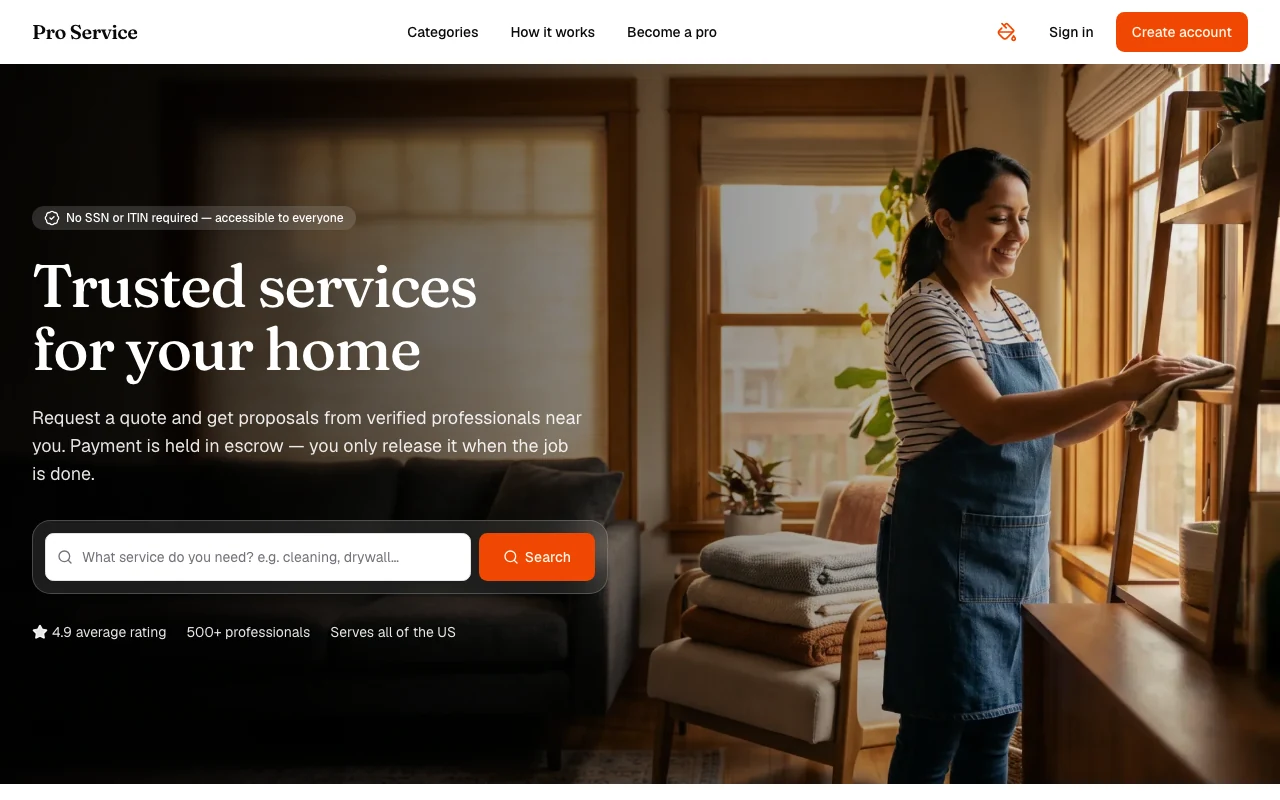
Find verified home service professionals, compare quotes, and pay securely through escrow - built for Brazilians across the US 🏠
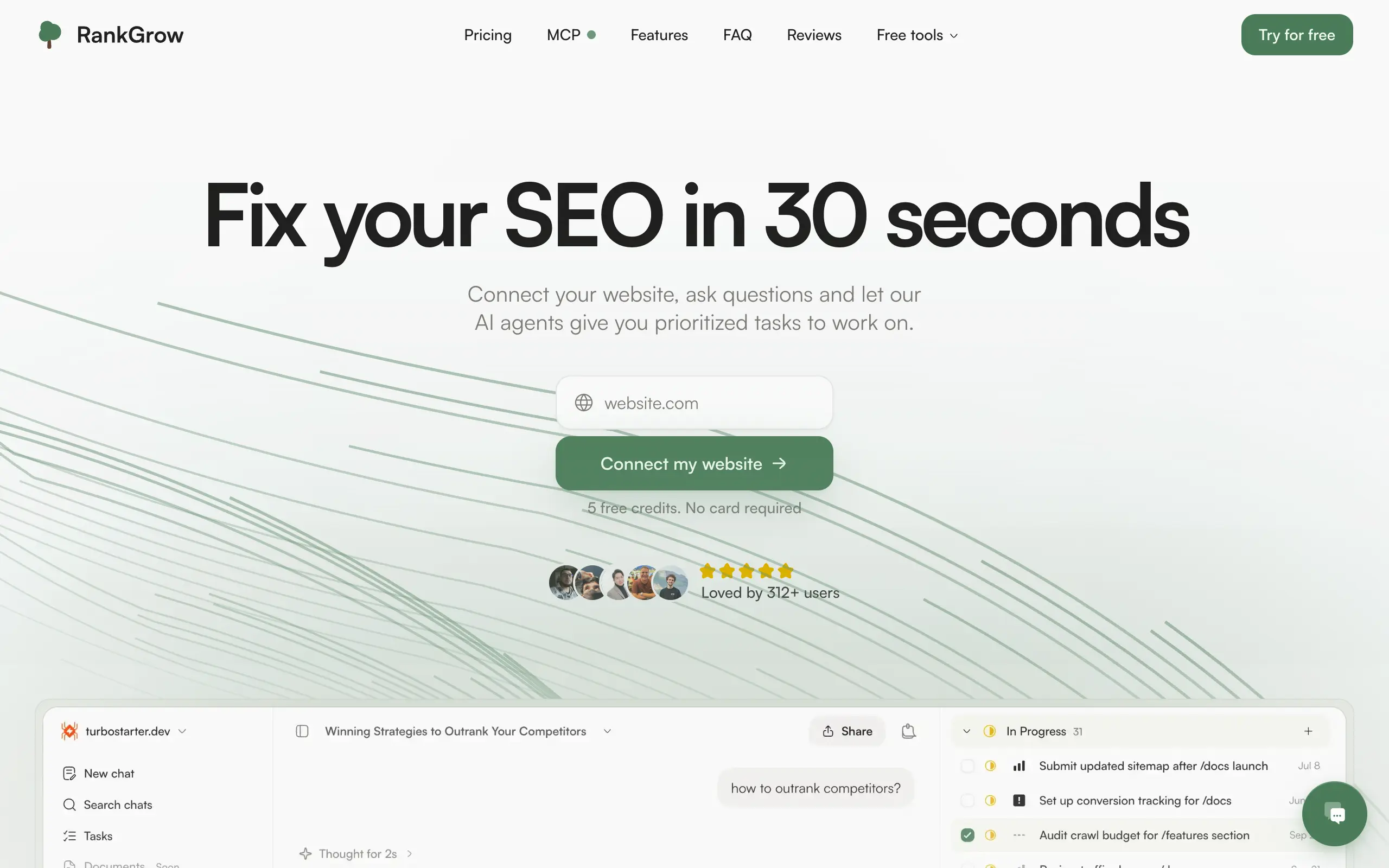
Fix your SEO with AI agents - connect Search Console, get prioritized tasks, and grow organic traffic 📈
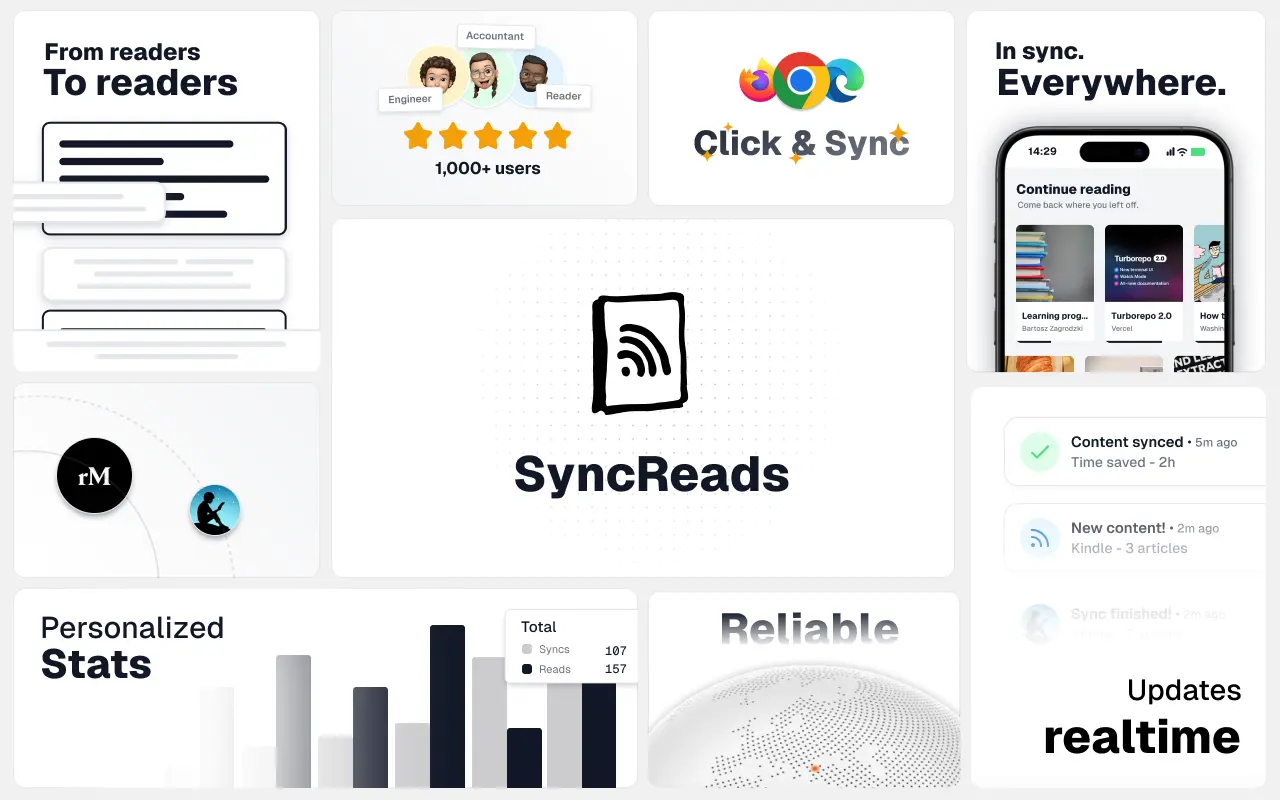
Sync your favorite content for distraction-free reading, save time and replace multiple apps. Anytime, anywhere 🔄
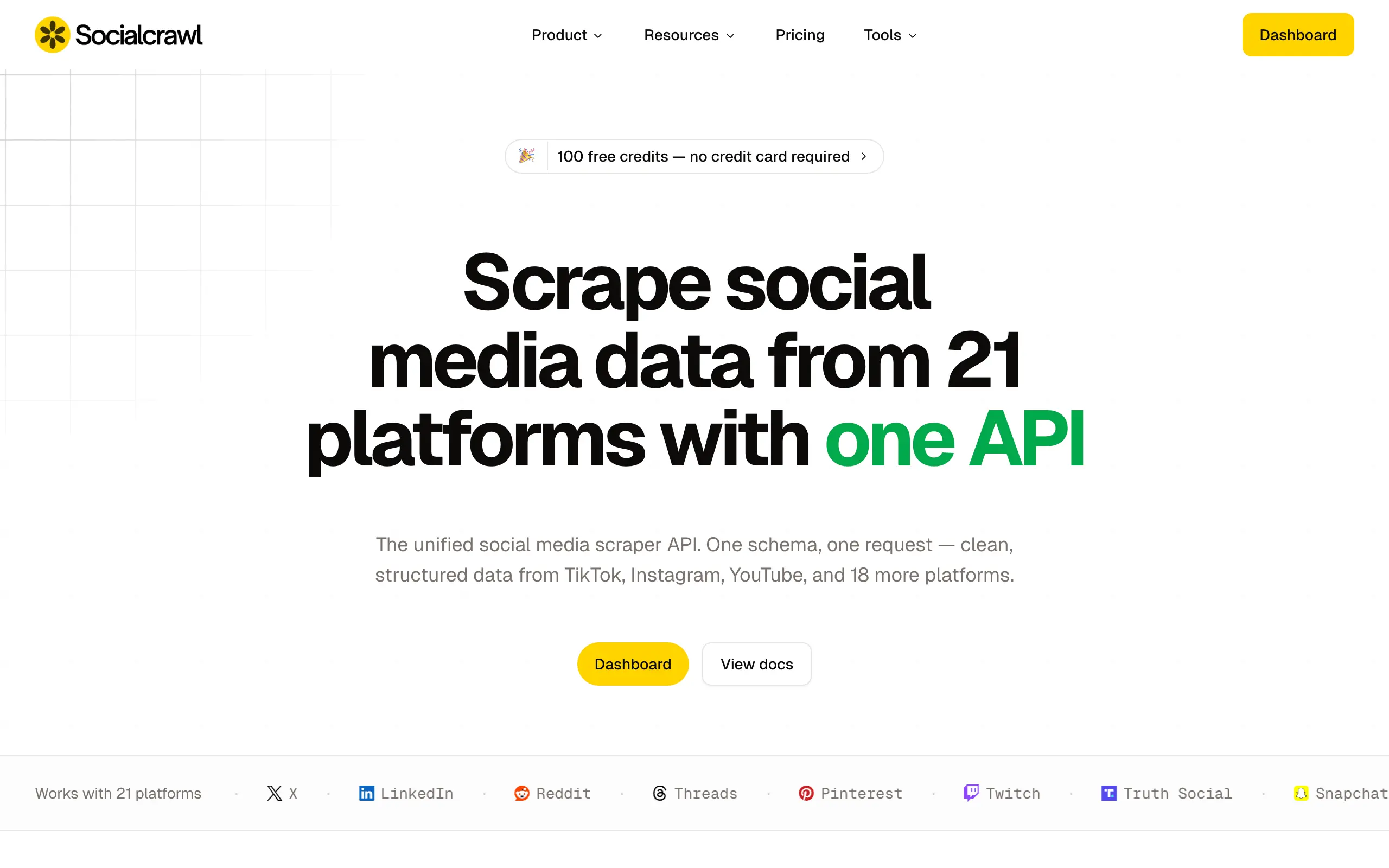
Get clean, structured data from 21 platforms like TikTok, Instagram, and YouTube with a single request 📊
Monitor any Telegram channel in real time - track posts, edits, deletions, and growth with AI recaps 📡
AI website builder - describe your business, pick a niche template, edit by chatting, and publish instantly ✨
Find verified home service professionals, compare quotes, and pay securely through escrow - built for Brazilians across the US 🏠
Fix your SEO with AI agents - connect Search Console, get prioritized tasks, and grow organic traffic 📈
Sync your favorite content for distraction-free reading, save time and replace multiple apps. Anytime, anywhere 🔄
Get clean, structured data from 21 platforms like TikTok, Instagram, and YouTube with a single request 📊
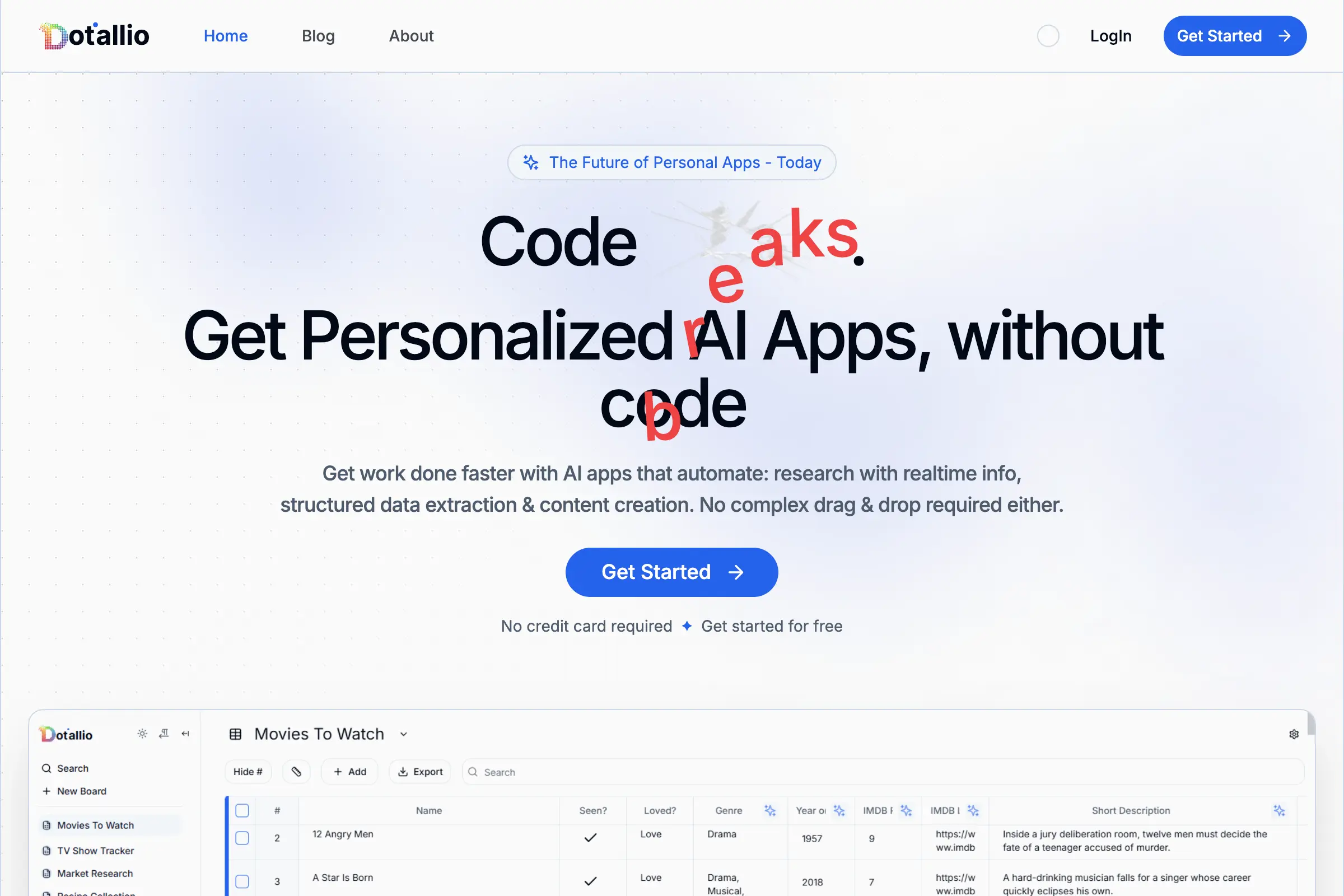
Personalized AI apps that automate research, data extraction, and content creation without code 🤖
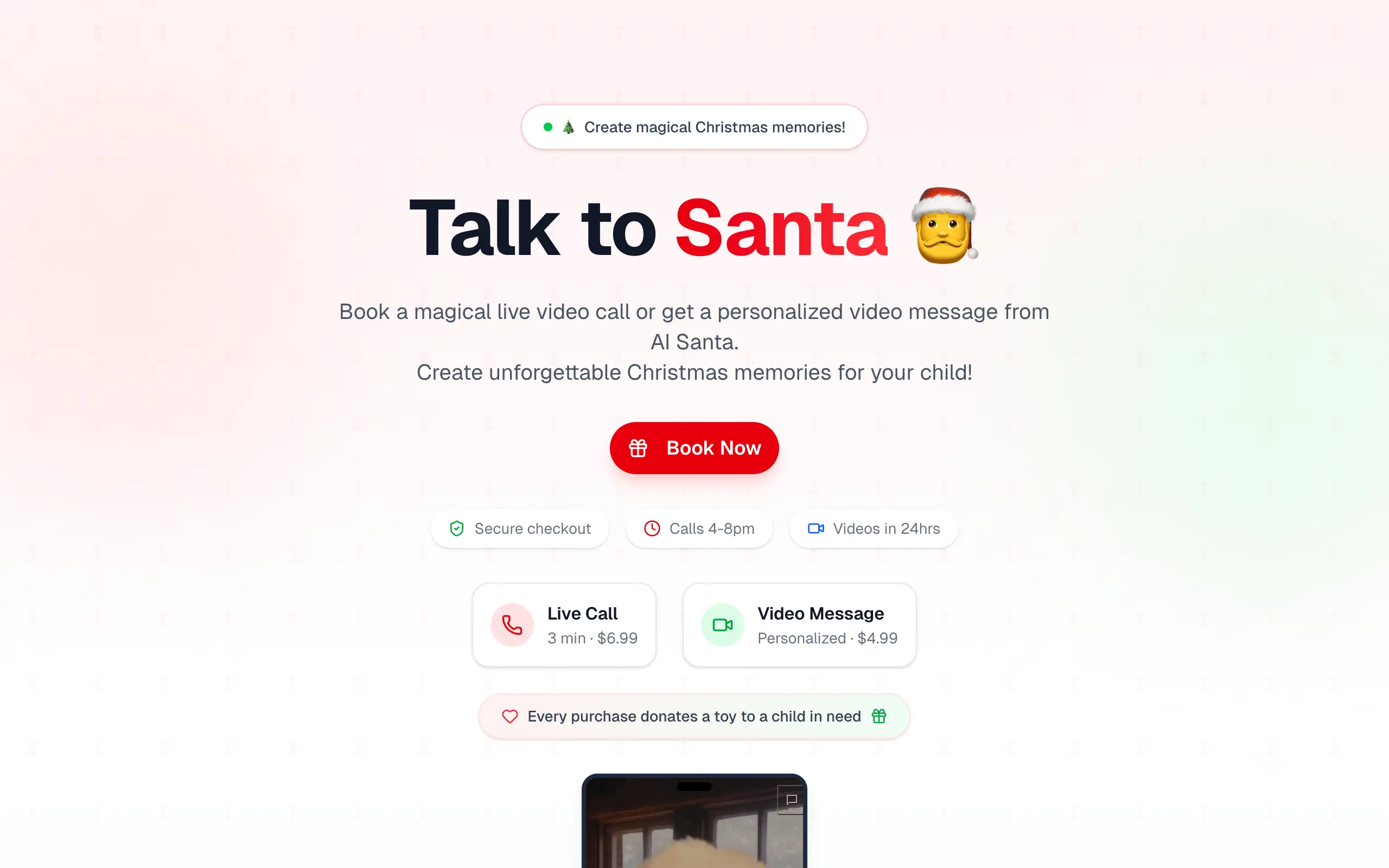
Enjoy a magical live video chat or receive a unique AI-generated video greeting from Santa Claus 🎅
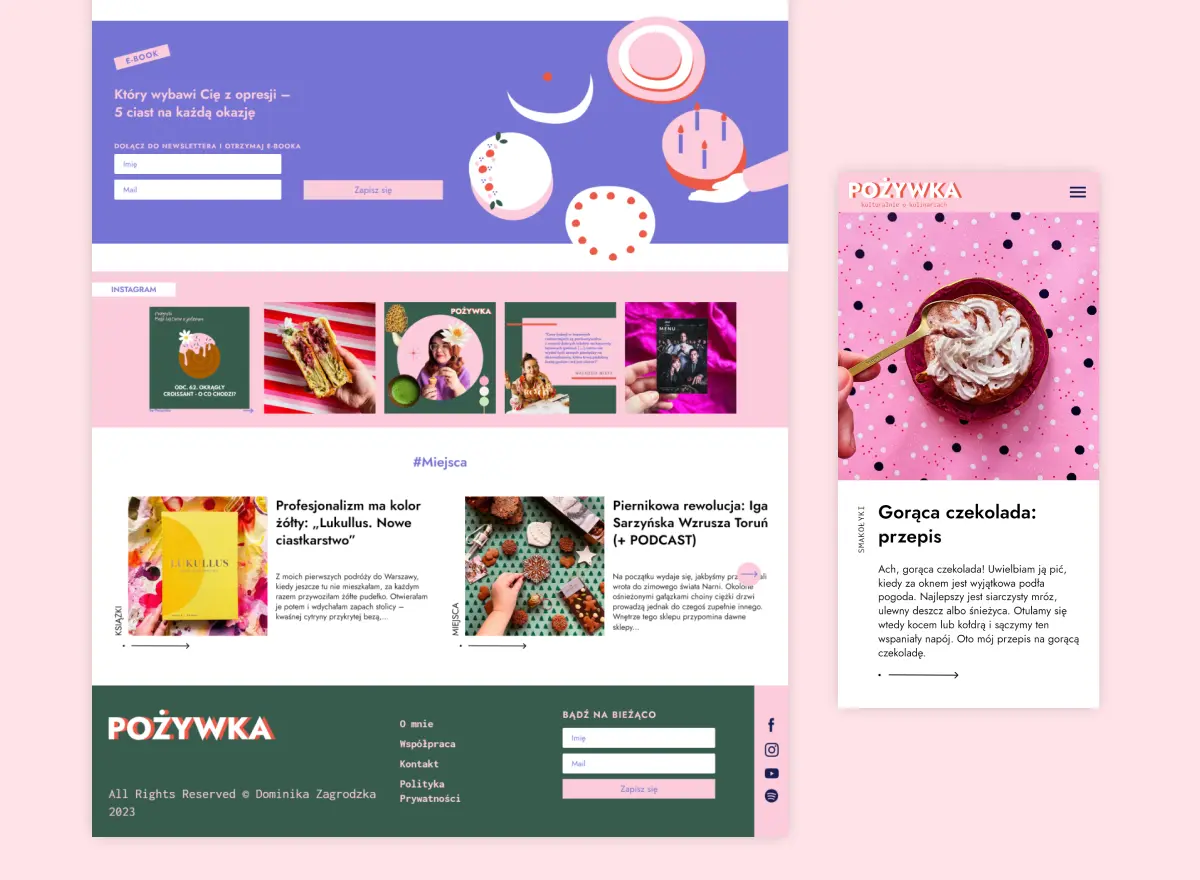
Scalable blog for food journalist, focused on performance and user experience 🌭
Personal blog and portfolio of Bart Zagrodzki, where he shares his knowledge and work 💼
Ship your startup everywhere. In minutes.
Convert HTML to Markdown with ease, directly in your browser 📄
Personalized AI apps that automate research, data extraction, and content creation without code 🤖
Enjoy a magical live video chat or receive a unique AI-generated video greeting from Santa Claus 🎅
Scalable blog for food journalist, focused on performance and user experience 🌭
Personal blog and portfolio of Bart Zagrodzki, where he shares his knowledge and work 💼
Ship your startup everywhere. In minutes.
Convert HTML to Markdown with ease, directly in your browser 📄
Chat with 50+ AI models, including ChatGPT and Claude, in one place - switch models anytime without losing context 🤖
Supercharge your Claude Code with 6x effective context window and specialized AI agents 🤖
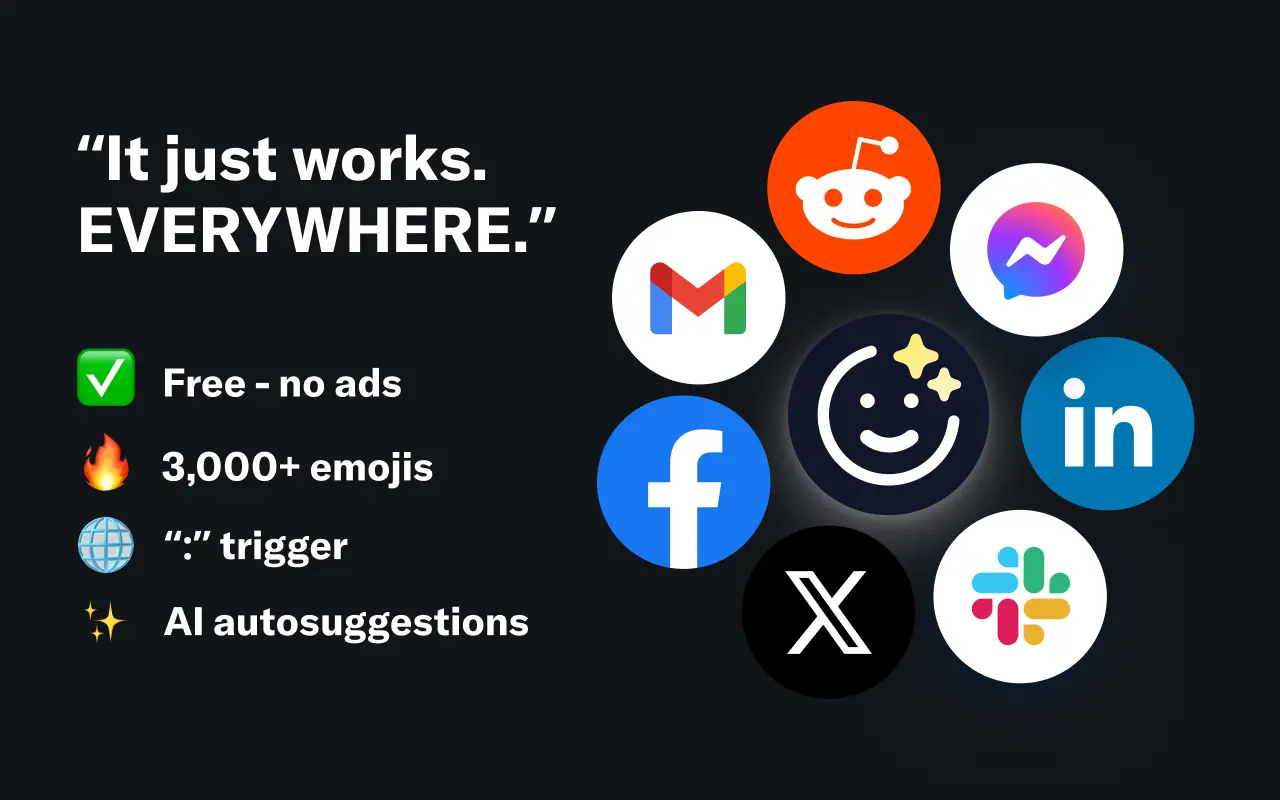
AI-powered emoji picker with smart, context-aware suggestions 🤖
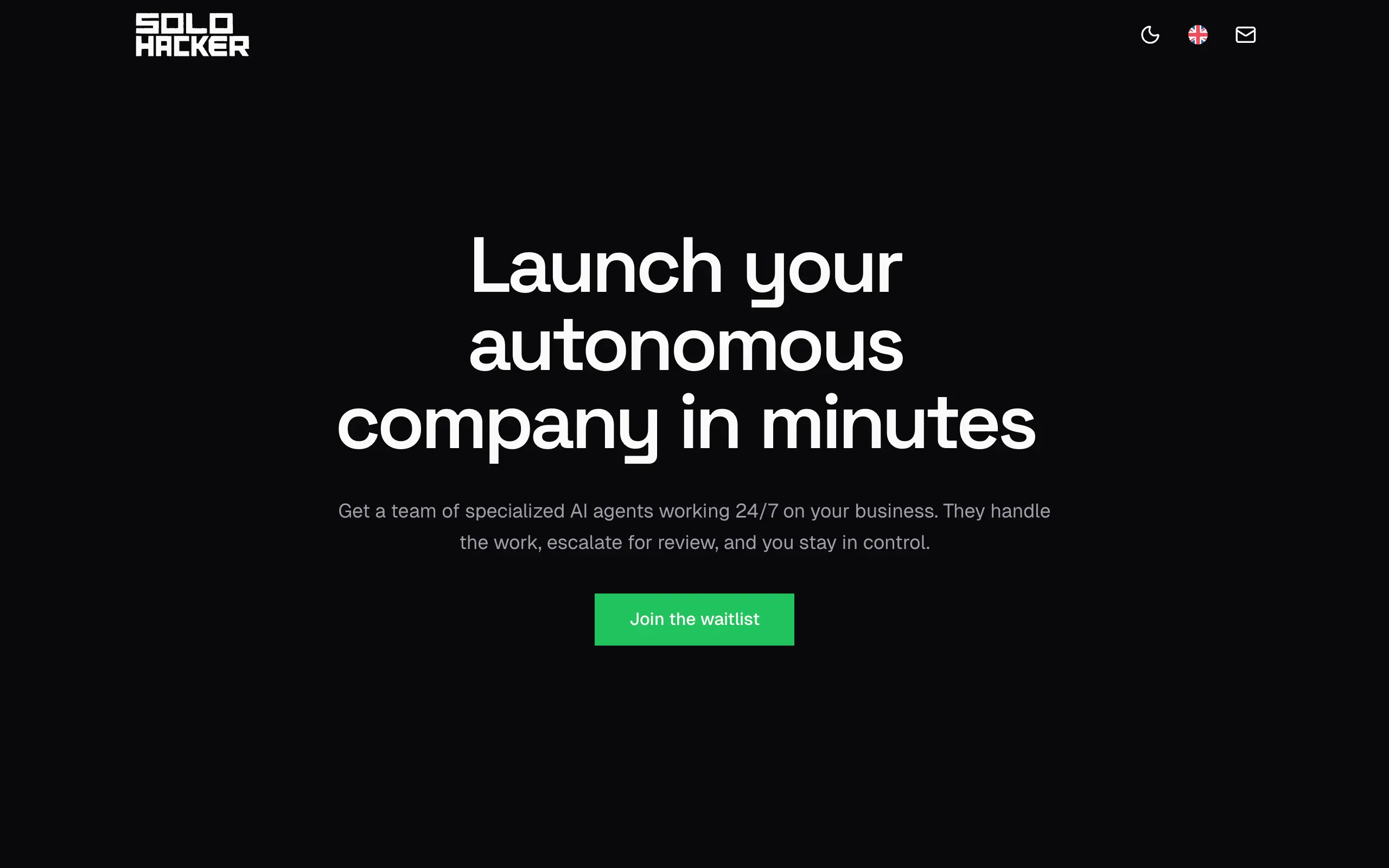
Autonomous company launcher - AI agents work 24/7, escalate what matters, and you stay in control 🤖
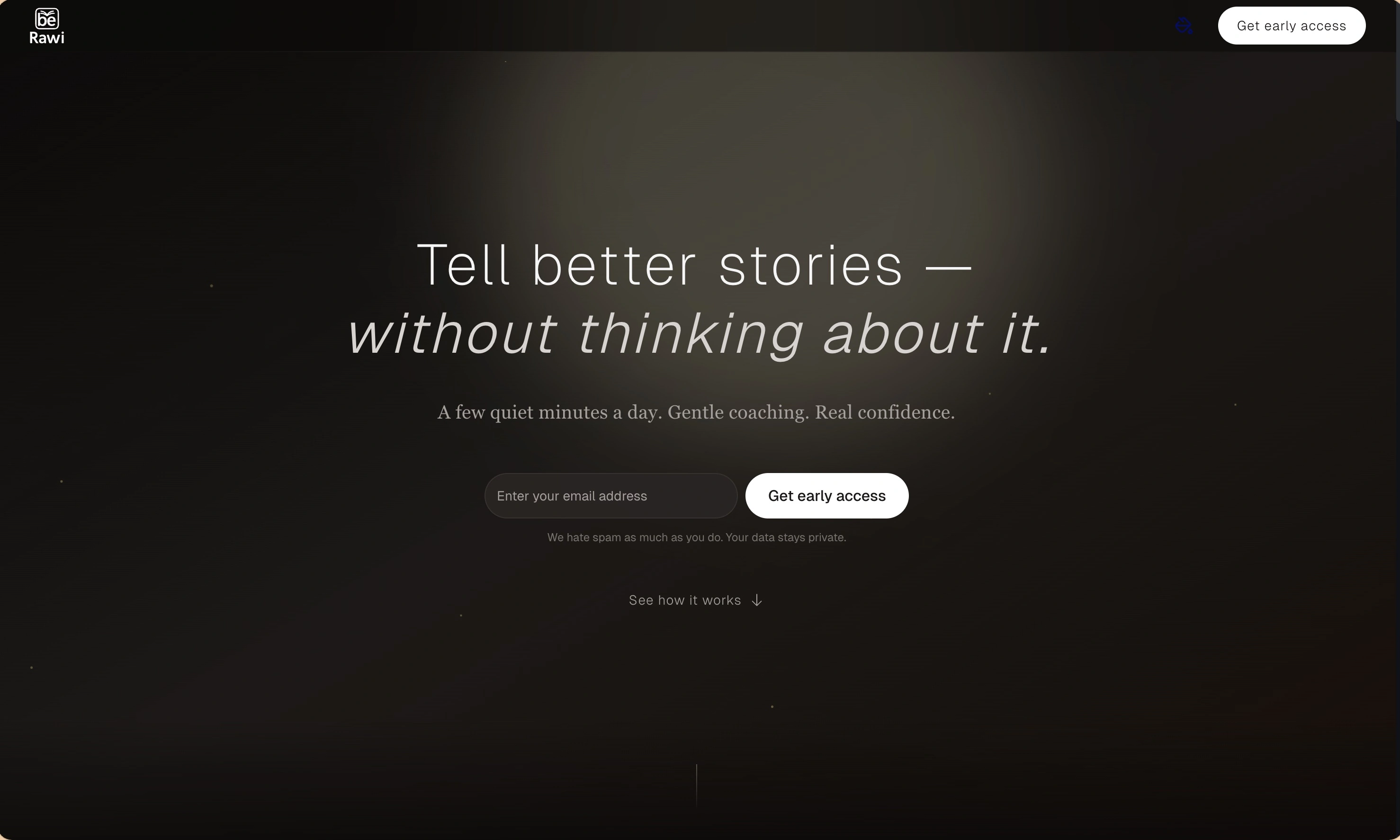
Practice storytelling daily with instant feedback to sound clearer, more engaging, and confident 🎤
Chat with 50+ AI models, including ChatGPT and Claude, in one place - switch models anytime without losing context 🤖
Supercharge your Claude Code with 6x effective context window and specialized AI agents 🤖
AI-powered emoji picker with smart, context-aware suggestions 🤖
Autonomous company launcher - AI agents work 24/7, escalate what matters, and you stay in control 🤖
Practice storytelling daily with instant feedback to sound clearer, more engaging, and confident 🎤

Connect with like-minded people
Join our community to get feedback, support, and grow together with 1,000+ builders on board, let's ship it!
Join usShip your startup everywhere. In minutes.
Don't burn tokens on setup and start building features on day one.