Dentwise
A scheduling and recall tool for independent orthodontists that texts patients when aligner refills or check-ins are due. It cuts no-shows and keeps chairs full without front-desk calls.
A scheduling and recall tool for independent orthodontists is a narrow, buildable B2B product: it texts patients when aligner refills or check-ins are due, so the front desk stops chasing people by phone. Orthodontic recall software for independent practices has potential in 2026 because treatment is increasingly remote-monitored and staggered, while small practices still run recall from spreadsheets, a practice management system's clunky reminders, or a staff member with a phone.
Key takeaways
- Target customer: independent orthodontic practices with one to three doctors and a small front desk, not DSO-owned groups.
- Pricing angle: flat monthly subscription per location, positioned against the cost of one recovered appointment per week.
- Biggest risk: integration with practice management systems. Without reading the schedule and patient data, you are another place to type.
- Time to MVP: roughly four to six weeks for a texting and recall workflow, assuming you start with a CSV import or calendar sync before deep integrations.
- Growth channel: direct outreach to orthodontists plus referrals from practice consultants and study clubs.
What problem does orthodontic recall software solve?
Orthodontic treatment is a long series of small appointments, and every missed one stretches the treatment timeline. Aligner cases add another loop: refills, new trays and progress check-ins must happen on a schedule, or patients drift.
Who feels it most
The ideal customer is an independent orthodontist with one location, two to six staff, and a treatment coordinator who is also answering phones, checking in patients and handling insurance questions. Recall is the task that gets squeezed when the lobby is busy.
The current workaround and why it fails
Most practices use some mix of the following:
- Practice management reminders: appointment confirmations exist, but they rarely handle treatment-specific triggers like "refill due in 10 days."
- Spreadsheets and sticky notes: a coordinator tracks who is overdue by hand.
- Phone calls between patients: slow, interrupted, and usually the first thing dropped on a busy day.
- Generic reminder tools: they text on a fixed schedule but don't understand treatment stages.
The failure is not lack of reminders. It is that nobody owns the follow-up logic, so overdue patients are found late, after a chair has already gone empty.
Why is now a good time for orthodontic patient recall tools?
The gap is treatment-aware recall. General dental reminder and patient communication platforms exist, and large practice management systems include basic messaging. What is thinly served is the independent orthodontist who wants refill and check-in logic without buying an enterprise suite.
Several shifts make 2026 reasonable timing:
- Texting is the default channel for appointment communication, and patients, especially teens and young adults, ignore voicemail.
- Aligner and remote-monitoring workflows create more touchpoints between visits, which means more things to miss.
- Front-desk staffing is tight in many practices, so automation that removes calls has a clear value story.
- Independent practices are under pressure from consolidated groups that have central operations teams, and they want comparable tooling.
Be honest about the counterweight: incumbents can add a "treatment recall" feature, and some practices are locked into suites. Your window is speed and focus, not a permanent moat.
What should the MVP include?
Build the smallest loop that proves chairs get filled: know who is due, text them, let them book or reply, and show the practice what happened. The aha moment is the first morning a coordinator sees a list of patients who were texted overnight and three of them have already confirmed.
Treatment-aware triggers
Rules such as refill due, check-in due or missed appointment that fire texts based on the patient's treatment stage.
Two-way texting
Patients reply to confirm, reschedule or ask a question, and staff see the thread in one inbox.
Recall worklist
A daily list of overdue and at-risk patients so the coordinator knows who still needs a human touch.
Schedule and patient sync
CSV import first, then calendar or practice system connection, so the tool knows appointments without double entry.
What to cut from version one
- Online payments and financing.
- Reviews and reputation management.
- Marketing campaigns and newsletters.
- A patient mobile app. Plain text messages and a mobile-friendly link are enough.
- Deep analytics. A simple "appointments recovered" count is sufficient.
How is Dentwise different from spreadsheets and generic reminder tools?
The unique selling proposition is simple: recall that understands orthodontic treatment, set up in an afternoon, priced for a single-location practice. It is not a full practice management system and should not pretend to be.
| Option | Treatment-aware triggers | Two-way texting | Setup effort | Fits a small practice budget |
|---|---|---|---|---|
| Dentwise | ✅ | ✅ | Low | ✅ |
| Spreadsheets and calls | ❌ | ❌ | Manual daily | ✅ |
| Practice management reminders | Limited | Varies | Already installed | Bundled |
| Generic reminder tools | ❌ | Varies | Medium | Varies |
| Enterprise patient engagement suites | ✅ | ✅ | High | ❌ |
How would Dentwise make money?
Charge per location with a flat monthly fee. Practices understand "one price, unlimited texts within reason," and it avoids per-message anxiety.
Option 1: flat monthly subscription
If you charge $149 per month per location, the practice needs to recover only one or two appointments a month to justify it, assuming a typical orthodontic visit has meaningful revenue behind it. That is an assumption to test in interviews, not a given.
Option 2: tiered by active patients
A lower tier for small caseloads and a higher tier for larger ones. This matches value to size but adds pricing friction early. Consider it after your first twenty customers.
Option 3: setup fee plus subscription
A one-time onboarding fee covers data import and rule configuration. It filters for serious buyers and funds hands-on support, though it can slow sales.
Which growth channel works first
Direct outreach to orthodontists, followed by referrals from practice consultants, local study clubs and orthodontic association events. Cold email to practice owners works only with a specific hook, such as "how many patients missed a refill check last quarter?" One happy practice that refers a colleague is worth more than any ad.
How do you validate an orthodontic recall tool before building?
Spend one to two weeks proving that practices feel the pain and will pay.
Interview eight to ten practices
Talk to orthodontists and treatment coordinators. Ask how they track overdue patients today, how many chair slots went empty last month, and what they pay for reminders.
Map the integration reality
Find out which practice management systems your interviewees use. If most use the same two or three, you know your first integration target.
Ship a landing page
State one promise: fewer no-shows and refill gaps without front-desk calls. Collect waitlist emails from practices only.
Run a manual pilot
Offer two practices a done-for-you version: you receive a CSV, send texts through a basic SMS provider, and report results weekly. This tests the outcome before you build software.
Ask for a pre-sale
Request a paid commitment or signed letter of intent at a discounted founding rate. Three paying practices beats fifty waitlist signups.
What tech stack should you use to build it?
Use a standard web stack with a queue for scheduled messages. The product is mostly rules, a database of patients and appointments, an SMS provider, and a dashboard.
Starting from TurboStarter removes the undifferentiated work: a monorepo for web and mobile apps, authentication, organizations for practices and staff roles, billing for subscriptions, plus emails, storage and an admin panel. That leaves your time for trigger logic, texting and integrations. Scheduled recall jobs also fit its background tasks support.
Core data model
A minimal schema keeps triggers explicit:
create table patients (
  id uuid primary key,
  practice_id uuid not null,
  name text not null,
  phone text not null,
  sms_consent boolean not null default false,
  treatment_type text not null,
  next_due_at timestamptz
);

create table recall_rules (
  id uuid primary key,
  practice_id uuid not null,
  trigger text not null,
  days_before int not null,
  message_template text not null
);
Choosing an SMS provider
A mature API with strong documentation and flexible control. You handle number registration, opt-out logic and delivery edge cases yourself, which is more work but gives you control over cost and behavior.
Faster to launch if a provider handles compliance and inbox features, but you may pay more per message and be limited in customization. Reasonable for the first pilots.
What could make Dentwise fail?
Biggest risk: patient data and messaging compliance
You will handle patient names, phone numbers and appointment details, which in the US typically brings HIPAA obligations, and texting brings consent and opt-out rules. Get legal review before onboarding real patients, store explicit consent, keep message content minimal, and sign the agreements practices will ask for. Skipping this can end the company.
- Integration dependence: if you cannot read schedules, you become double entry. Start with CSV and calendar sync, then build one integration based on interview data.
- Incumbent copy: a practice management vendor can ship similar recall. Compete on speed, treatment-specific rules and support quality.
- Slow sales cycles: doctors are busy and skeptical of new software. Use pilots with a clear before-and-after metric.
- Low message impact: if texts don't change attendance, there is no business. Measure recovered appointments from day one.
What are the next steps for the first 30 days?
- Days 1-5: interview practices and identify the most common practice management system.
- Days 6-10: launch the landing page and start a manual pilot with two practices.
- Days 11-20: build the MVP on TurboStarter: import, rules, two-way texting and the recall worklist.
- Days 21-25: onboard pilot practices, with consent and opt-out handling in place.
- Days 26-30: measure recovered appointments, convert pilots to paid, and ask each for a referral.
Pick one orthodontic practice, offer to cut their overdue list in half, and start building the recall loop this week.
FAQ
Interview practice owners and treatment coordinators, then run a manual pilot using a CSV and an SMS provider. If a practice pays for the outcome before you have software, you have real validation.
A flat monthly fee per location is the simplest starting point. Anchor it to the value of a few recovered appointments per month, and test the number in interviews before publishing pricing.
Practice management systems with built-in reminders, generic dental patient communication tools, and enterprise engagement suites. Your gap is orthodontic-specific triggers for independent practices.
A TypeScript web app with a relational database, a job queue for scheduled sends and an SMS API is enough. A starter kit like TurboStarter covers authentication, billing, organizations and background tasks so you can focus on recall logic.
A solo technical founder can typically ship an MVP in four to six weeks. Costs are mostly your time, hosting, and per-message SMS fees, plus legal review for compliance.
More 🏢 B2B Application SaaS ideas
Discover more innovative b2b application SaaS ideas that are trending in 2026. Each idea is AI-generated with market validation and growth potential to help you find your next profitable venture faster than competitors.
Your competitors are building with TurboStarter
Below are some of the SaaS ideas that have been generated and built with our starter kit.

Monitor any Telegram channel in real time - track posts, edits, deletions, and growth with AI recaps 📡

AI website builder - describe your business, pick a niche template, edit by chatting, and publish instantly ✨
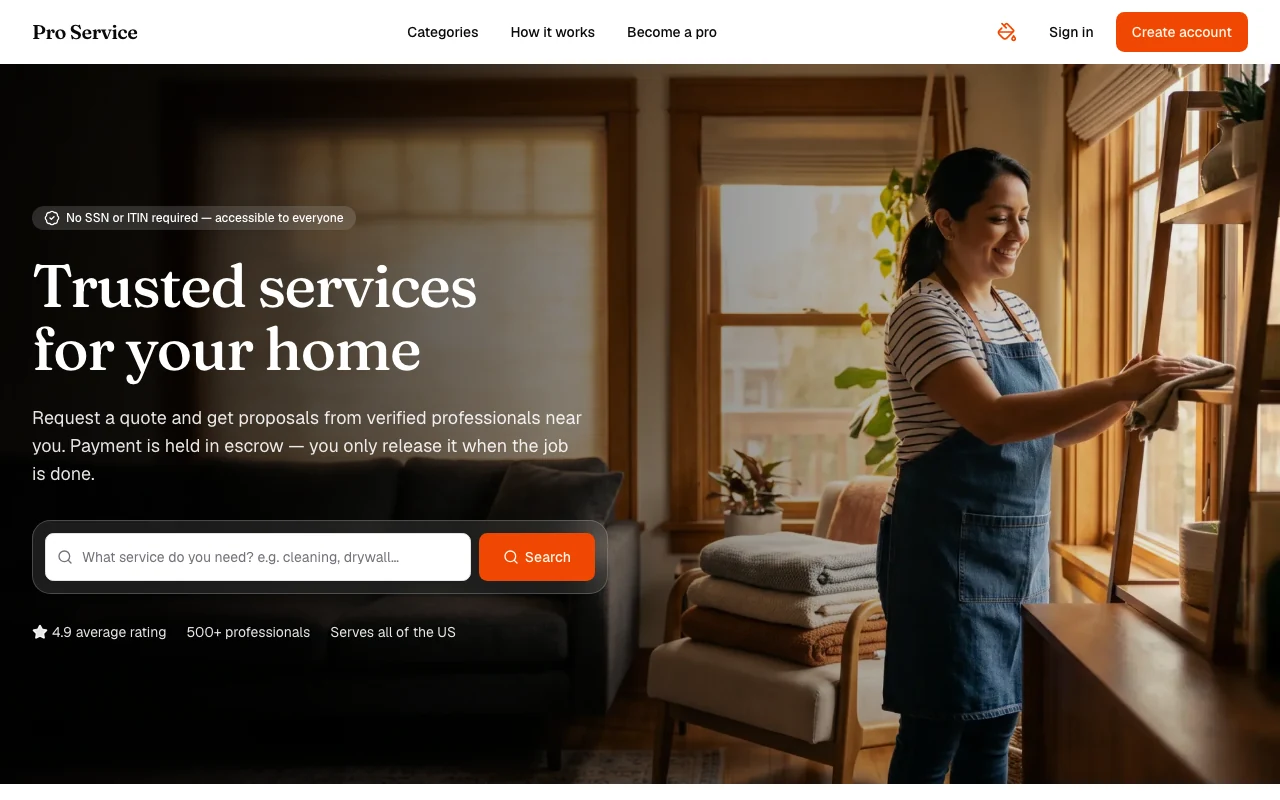
Find verified home service professionals, compare quotes, and pay securely through escrow - built for Brazilians across the US 🏠
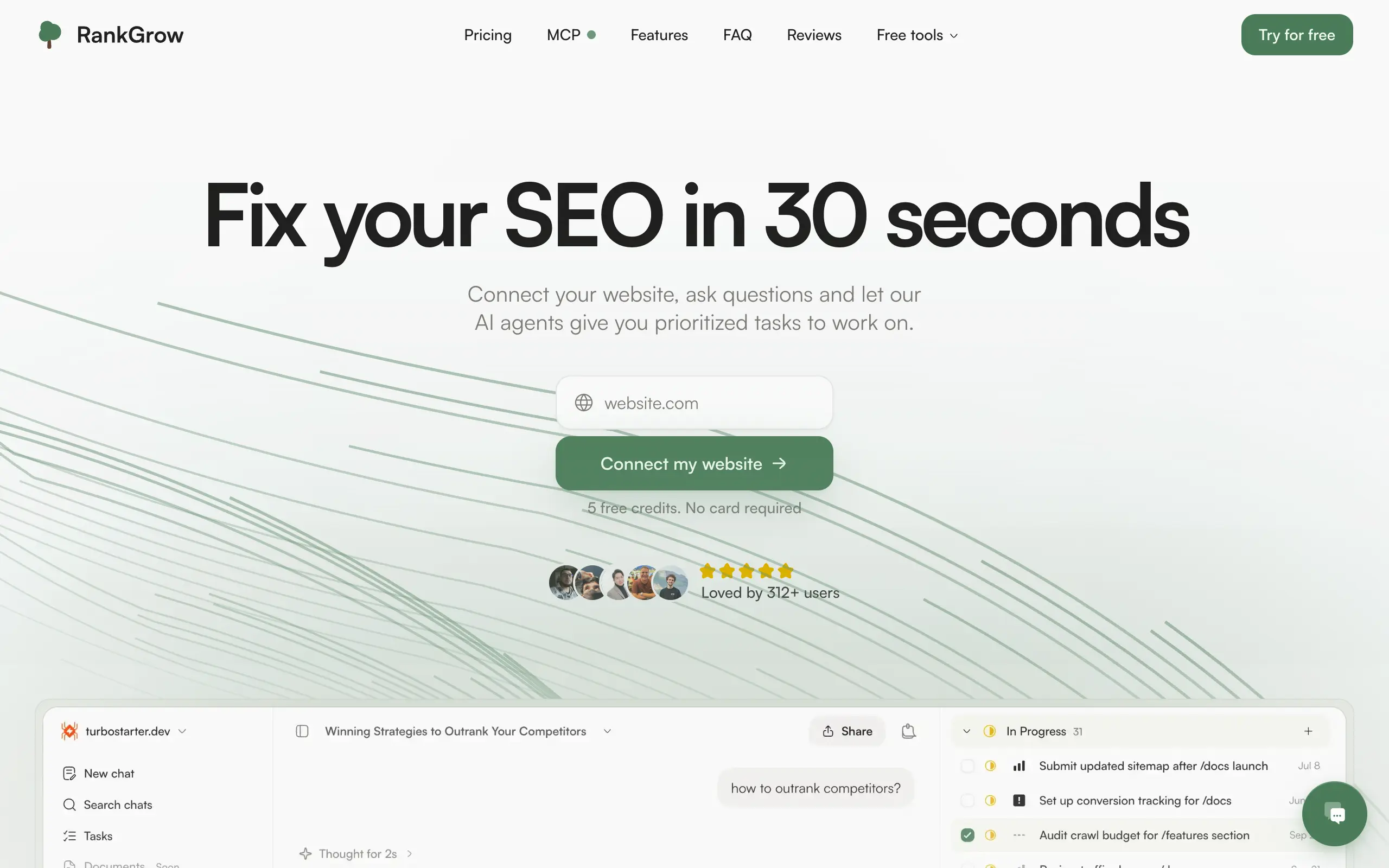
Fix your SEO with AI agents - connect Search Console, get prioritized tasks, and grow organic traffic 📈
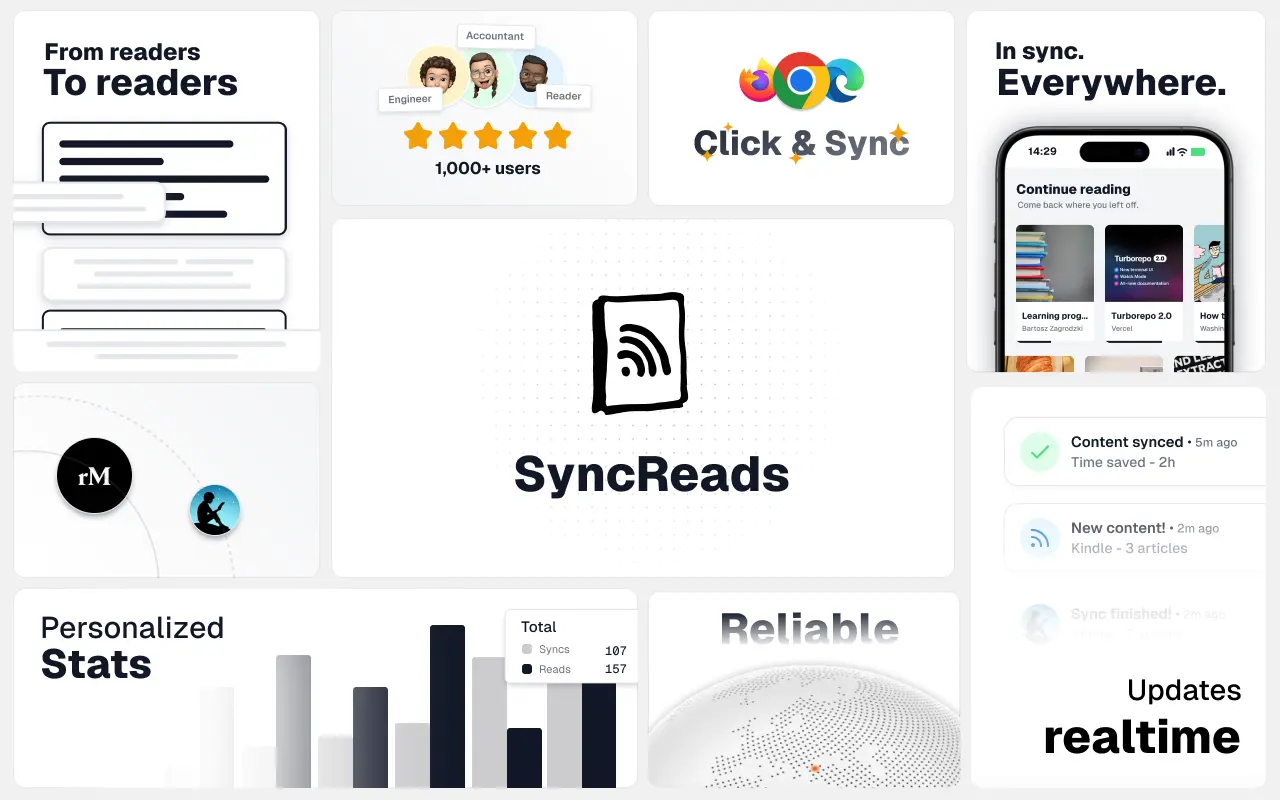
Sync your favorite content for distraction-free reading, save time and replace multiple apps. Anytime, anywhere 🔄
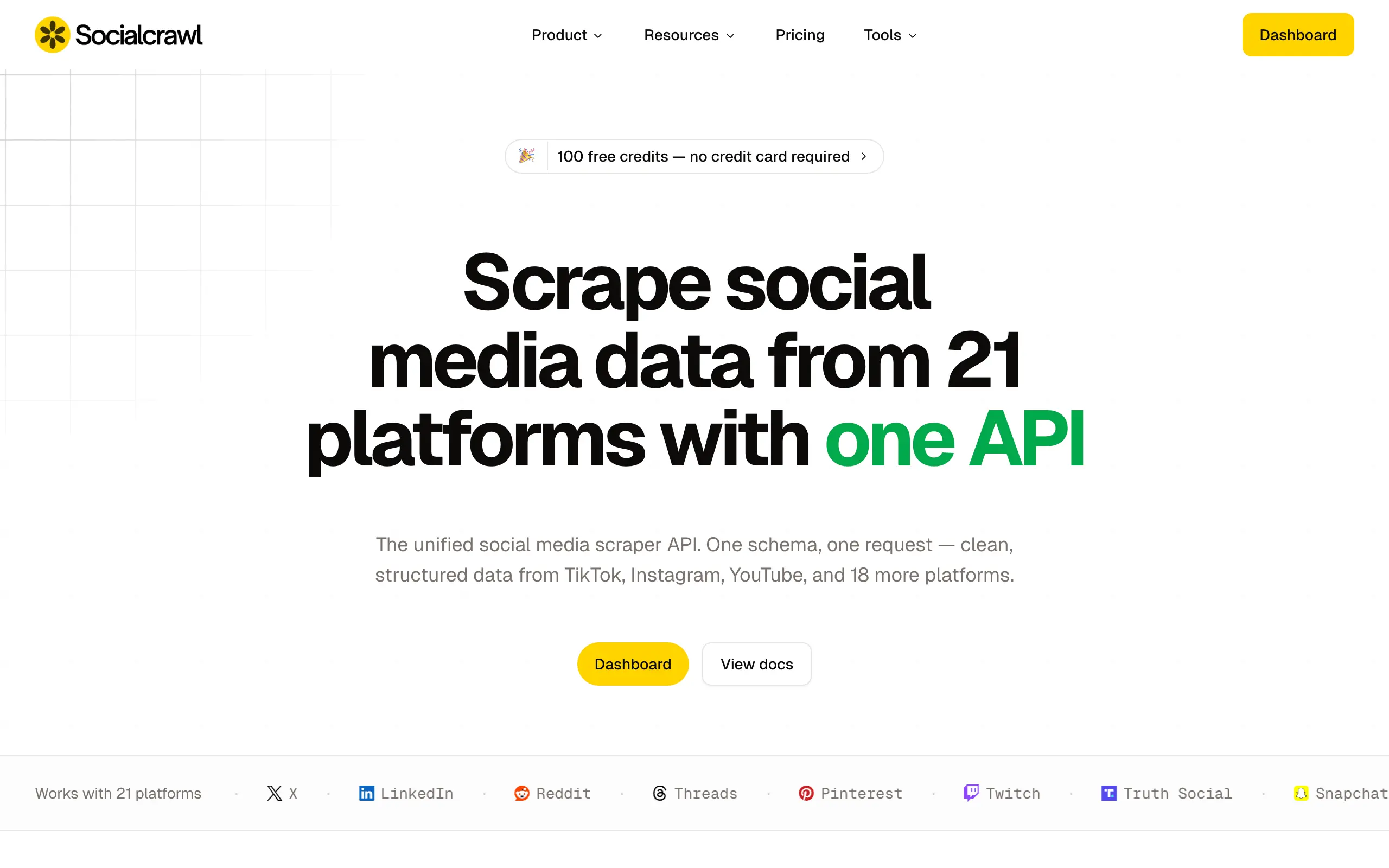
Get clean, structured data from 21 platforms like TikTok, Instagram, and YouTube with a single request 📊
Monitor any Telegram channel in real time - track posts, edits, deletions, and growth with AI recaps 📡
AI website builder - describe your business, pick a niche template, edit by chatting, and publish instantly ✨
Find verified home service professionals, compare quotes, and pay securely through escrow - built for Brazilians across the US 🏠
Fix your SEO with AI agents - connect Search Console, get prioritized tasks, and grow organic traffic 📈
Sync your favorite content for distraction-free reading, save time and replace multiple apps. Anytime, anywhere 🔄
Get clean, structured data from 21 platforms like TikTok, Instagram, and YouTube with a single request 📊
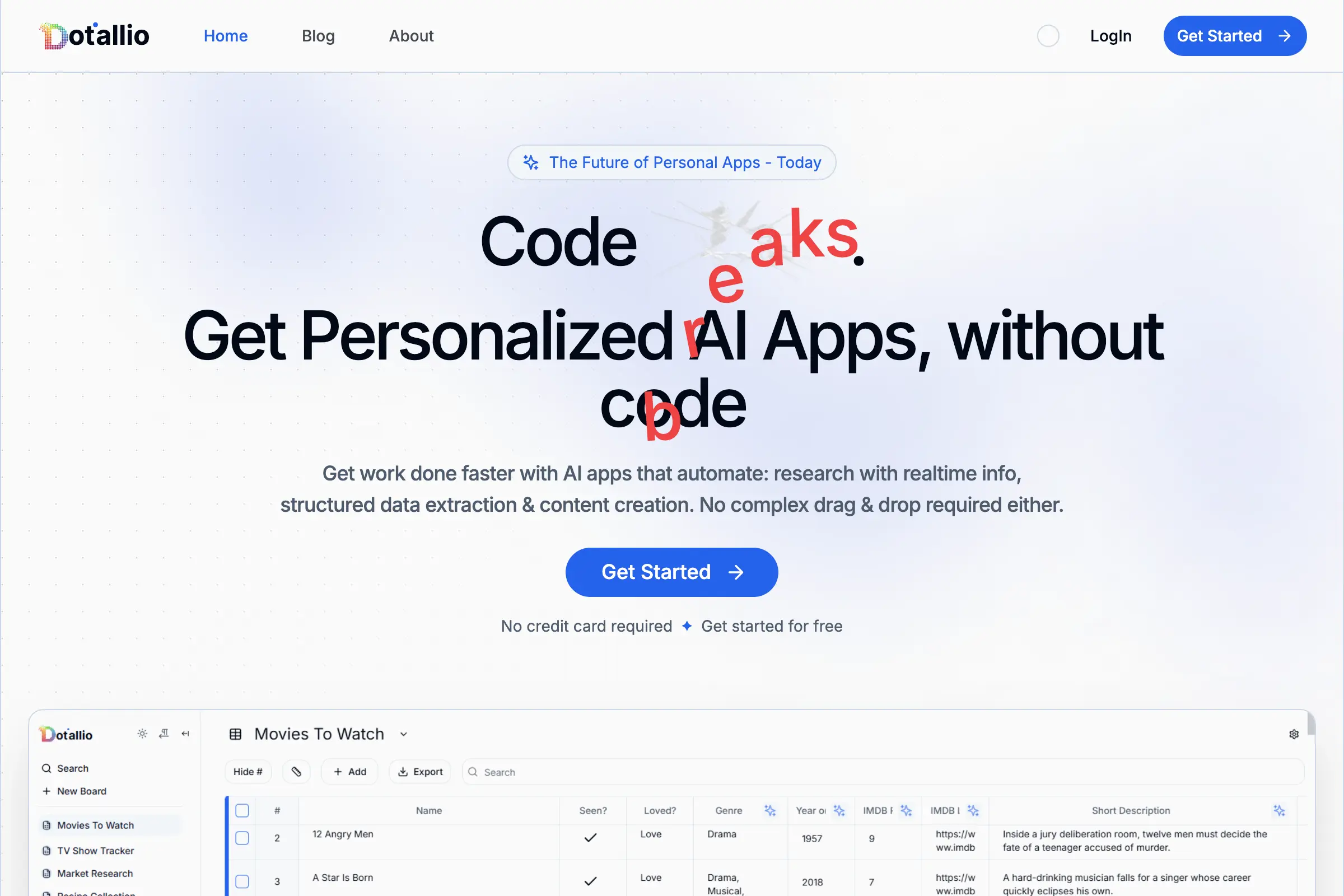
Personalized AI apps that automate research, data extraction, and content creation without code 🤖
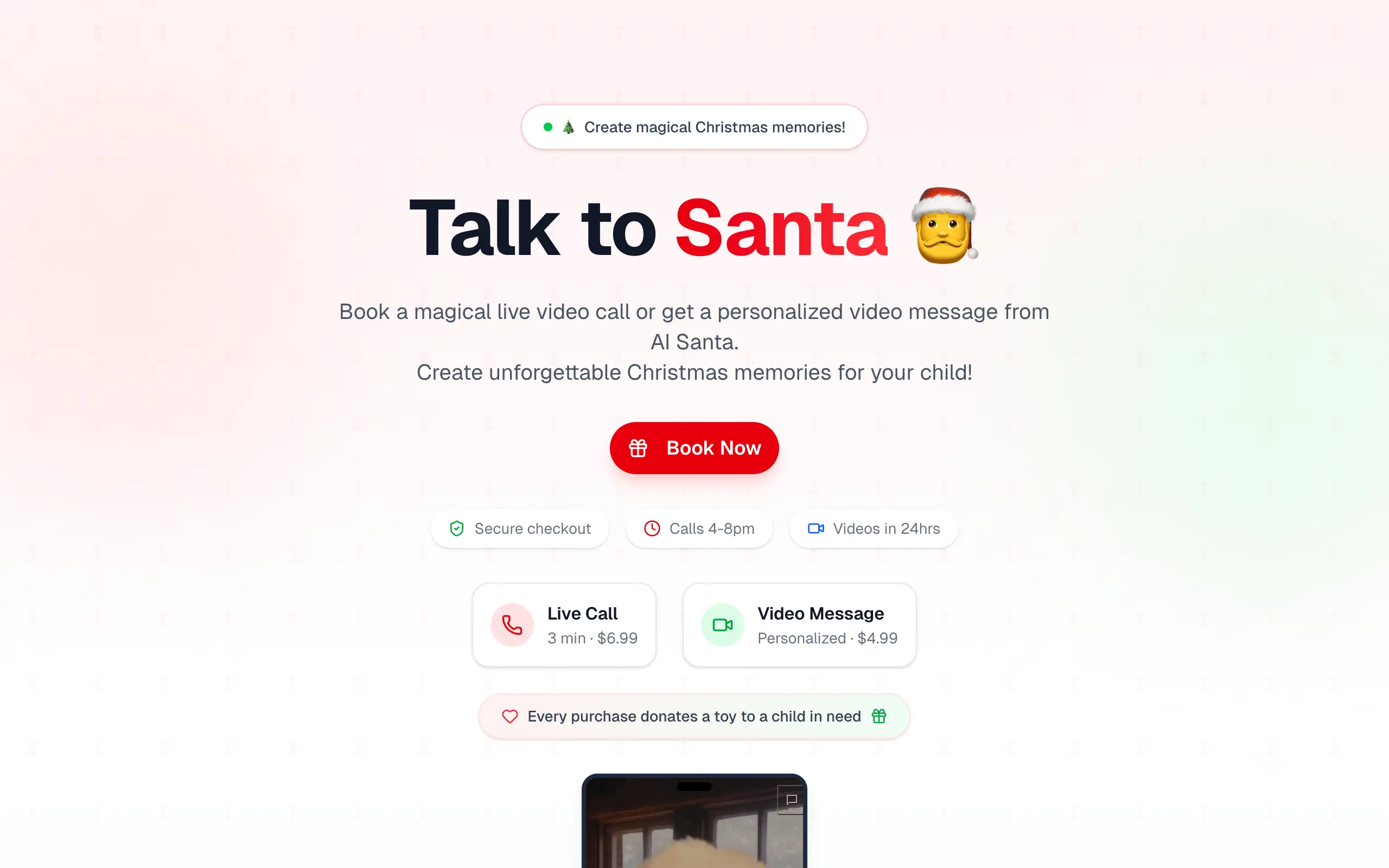
Enjoy a magical live video chat or receive a unique AI-generated video greeting from Santa Claus 🎅
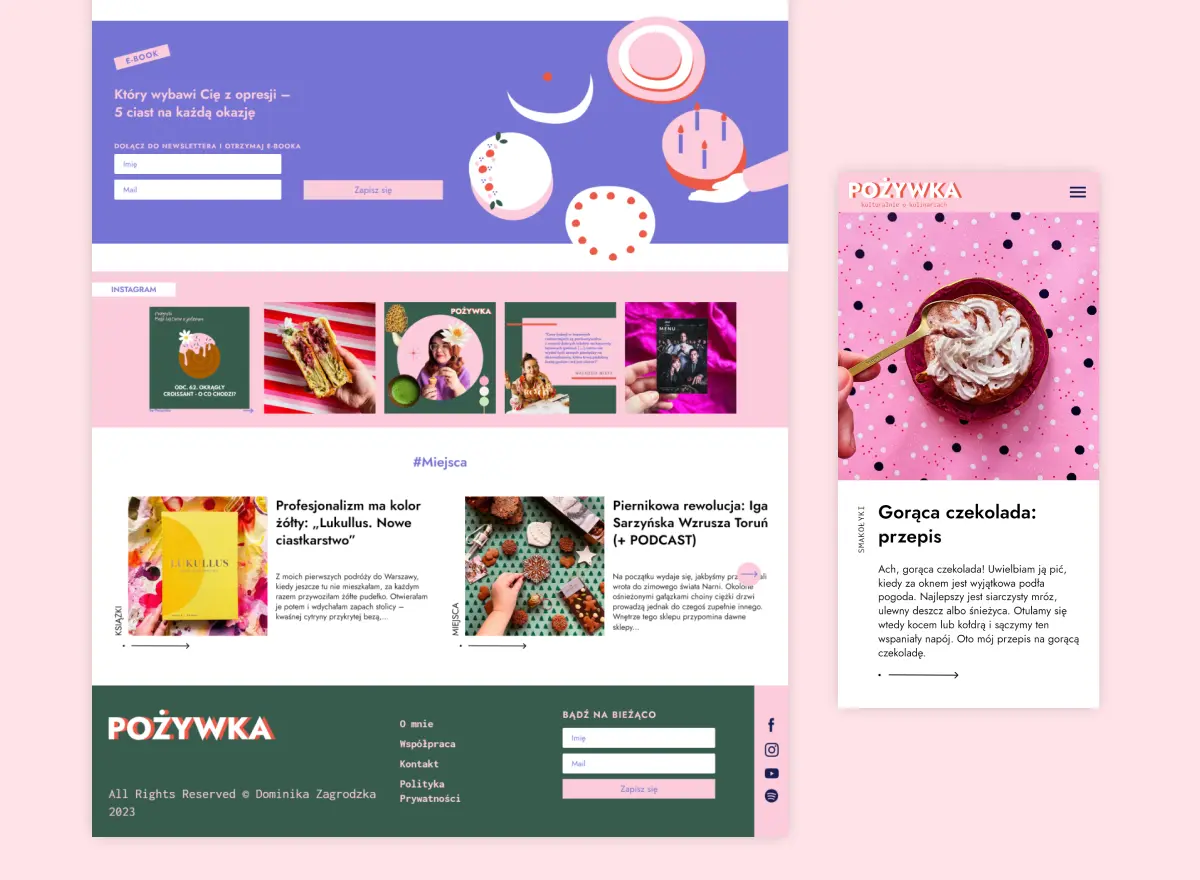
Scalable blog for food journalist, focused on performance and user experience 🌭
Personal blog and portfolio of Bart Zagrodzki, where he shares his knowledge and work 💼
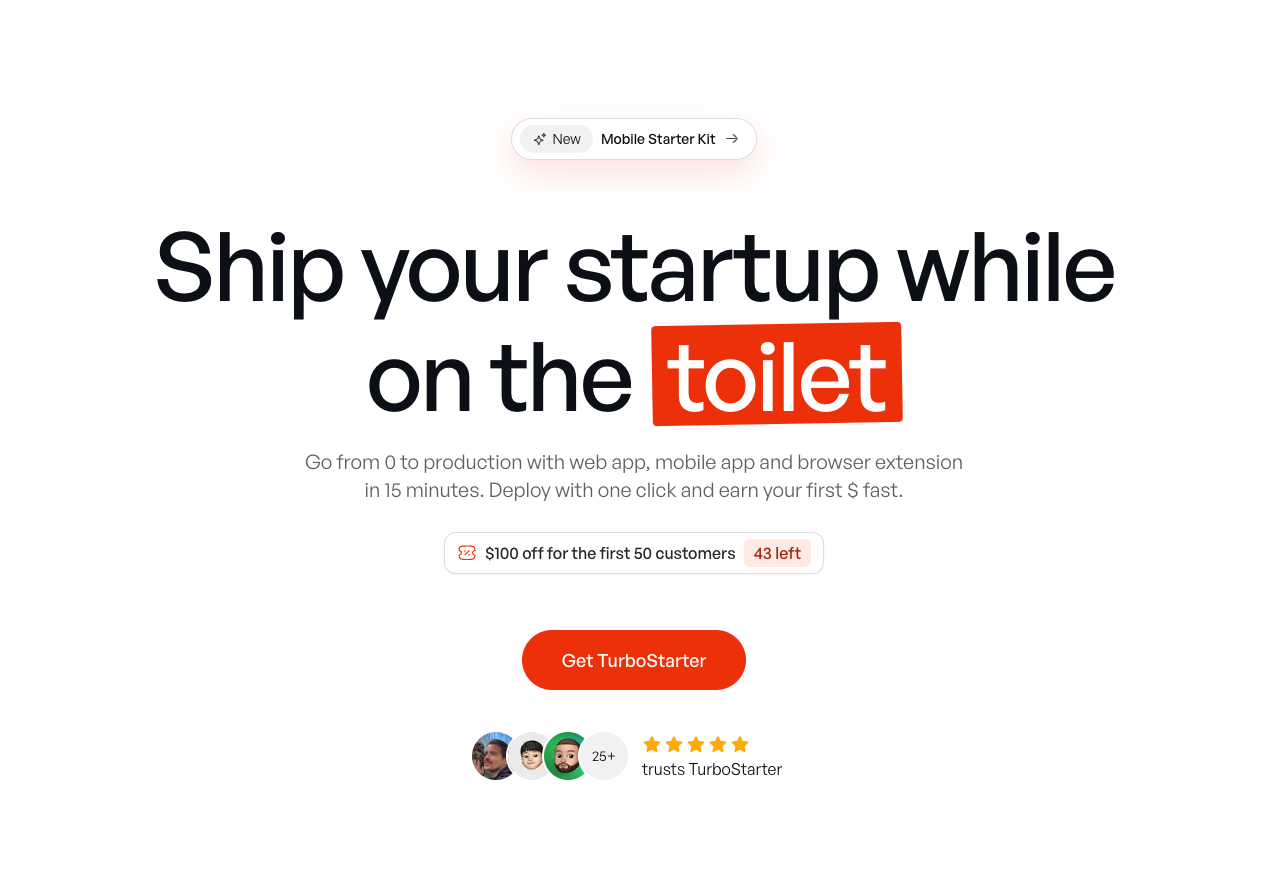
Ship your startup everywhere. In minutes.
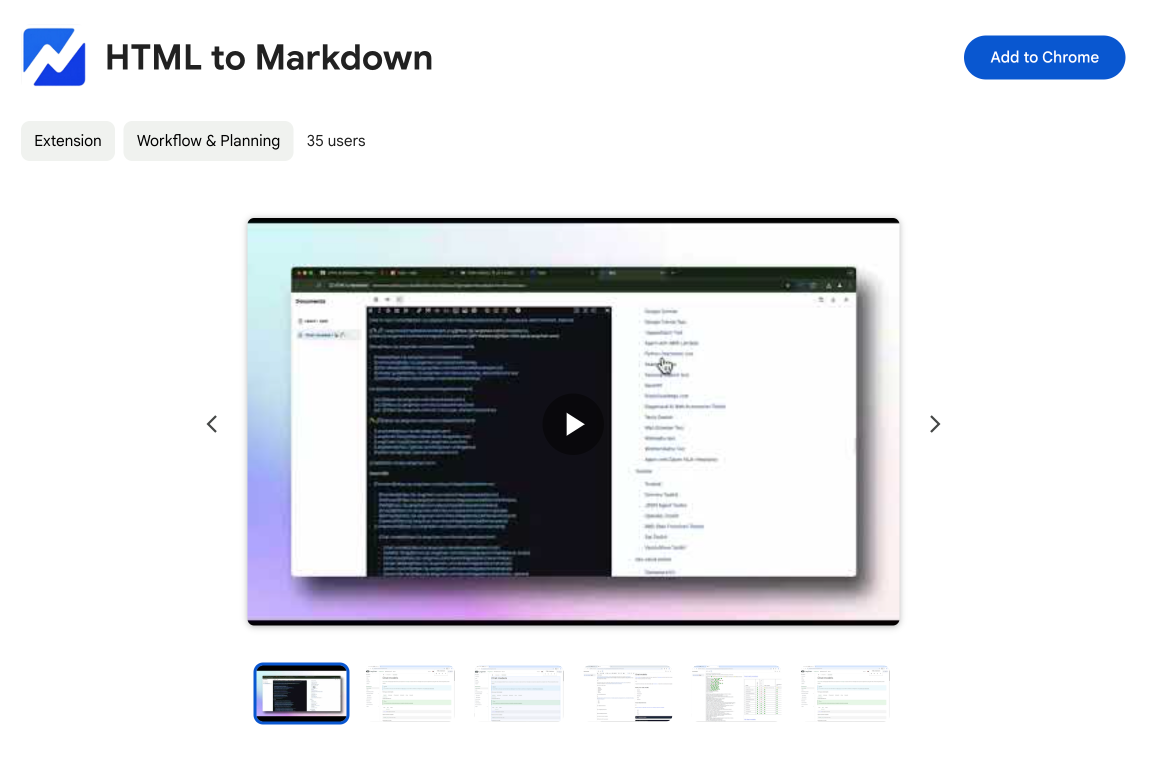
Convert HTML to Markdown with ease, directly in your browser 📄
Personalized AI apps that automate research, data extraction, and content creation without code 🤖
Enjoy a magical live video chat or receive a unique AI-generated video greeting from Santa Claus 🎅
Scalable blog for food journalist, focused on performance and user experience 🌭
Personal blog and portfolio of Bart Zagrodzki, where he shares his knowledge and work 💼
Ship your startup everywhere. In minutes.
Convert HTML to Markdown with ease, directly in your browser 📄
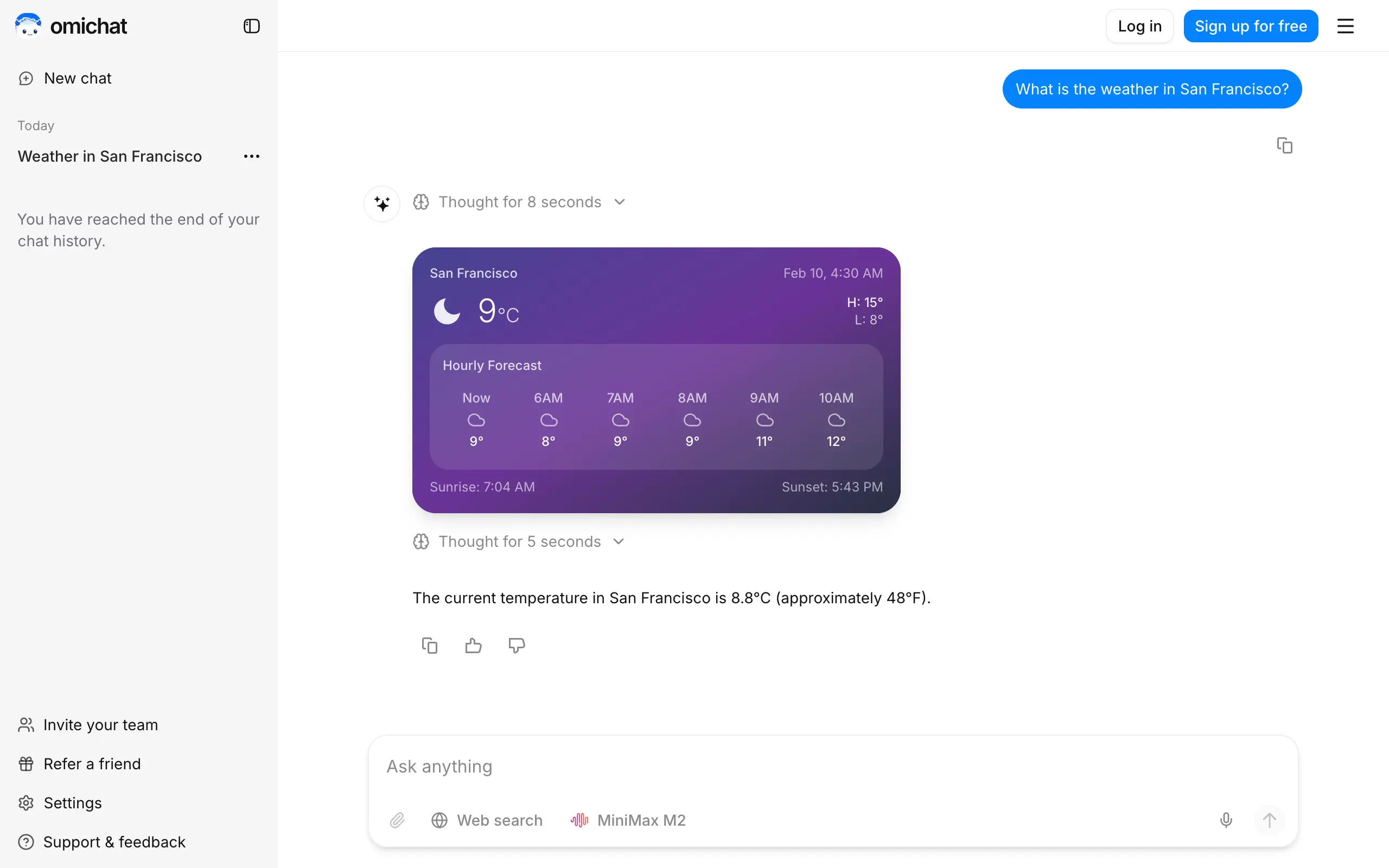
Chat with 50+ AI models, including ChatGPT and Claude, in one place - switch models anytime without losing context 🤖
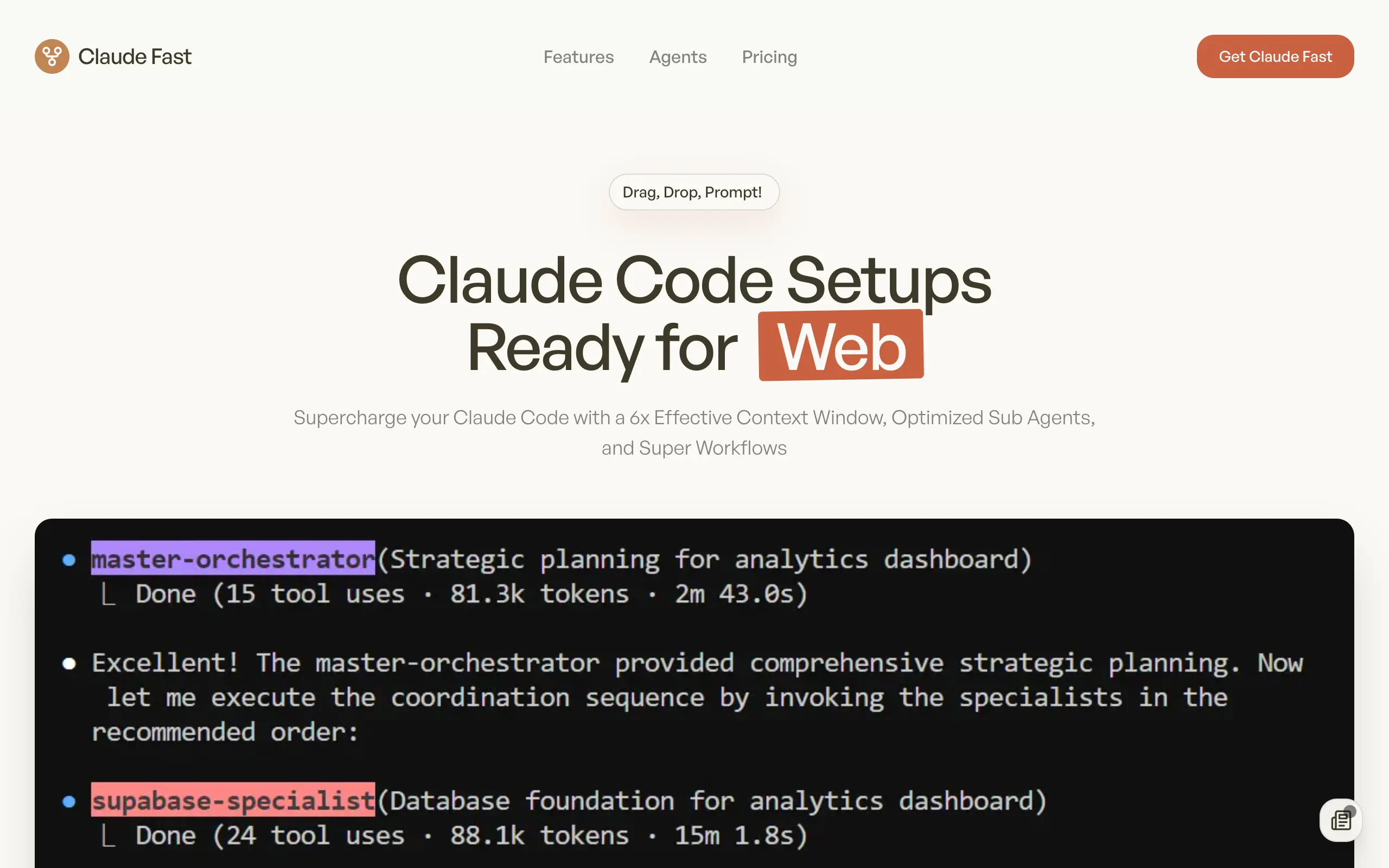
Supercharge your Claude Code with 6x effective context window and specialized AI agents 🤖
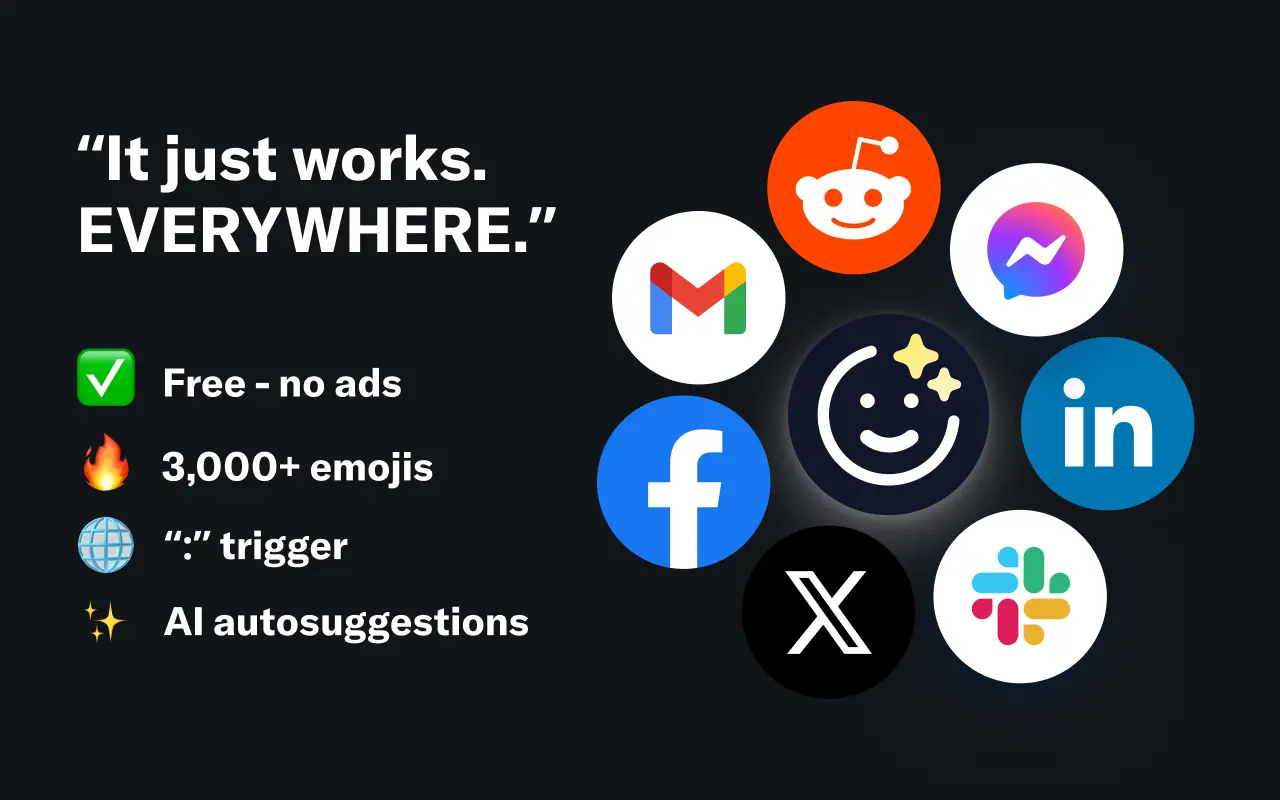
AI-powered emoji picker with smart, context-aware suggestions 🤖
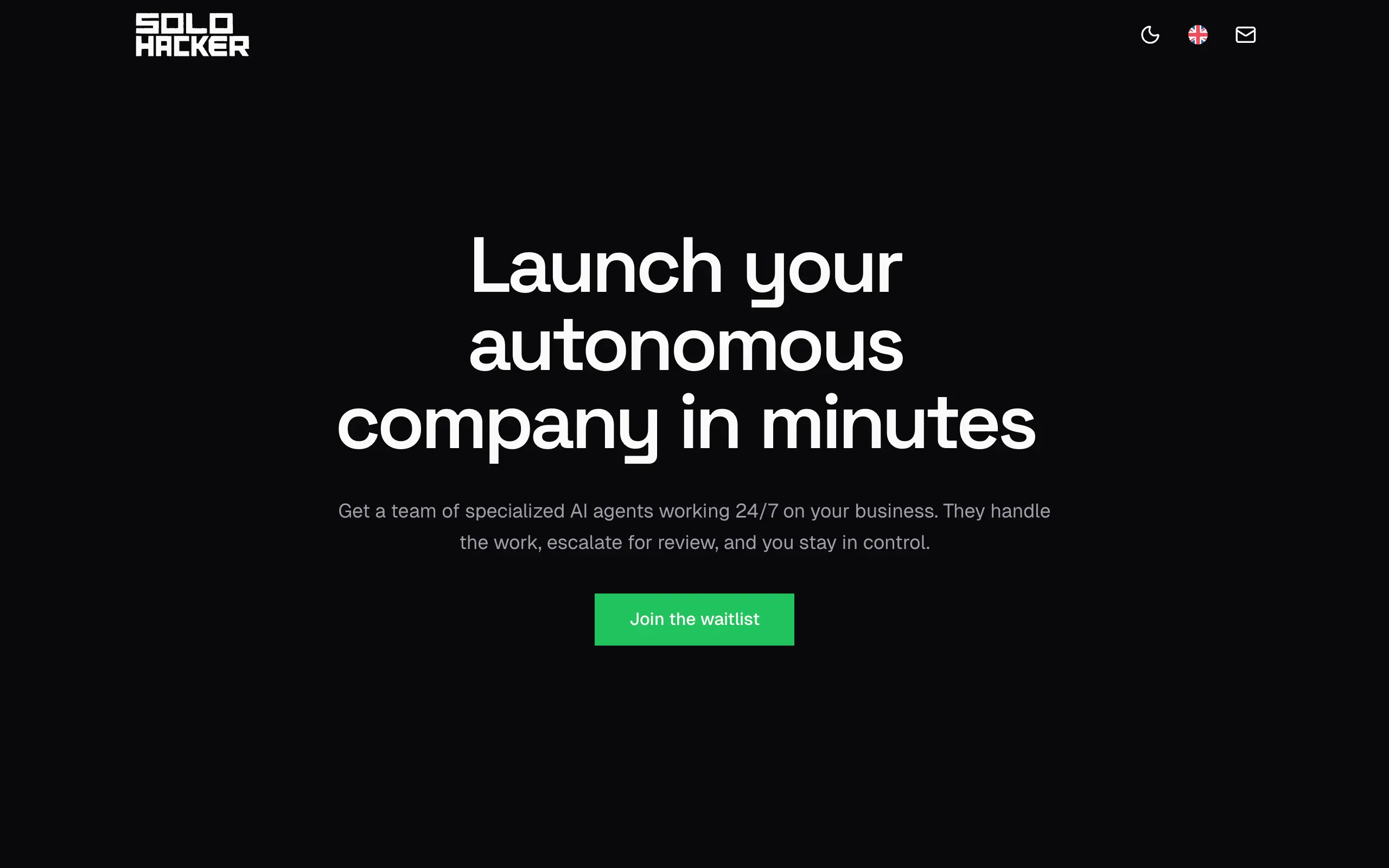
Autonomous company launcher - AI agents work 24/7, escalate what matters, and you stay in control 🤖
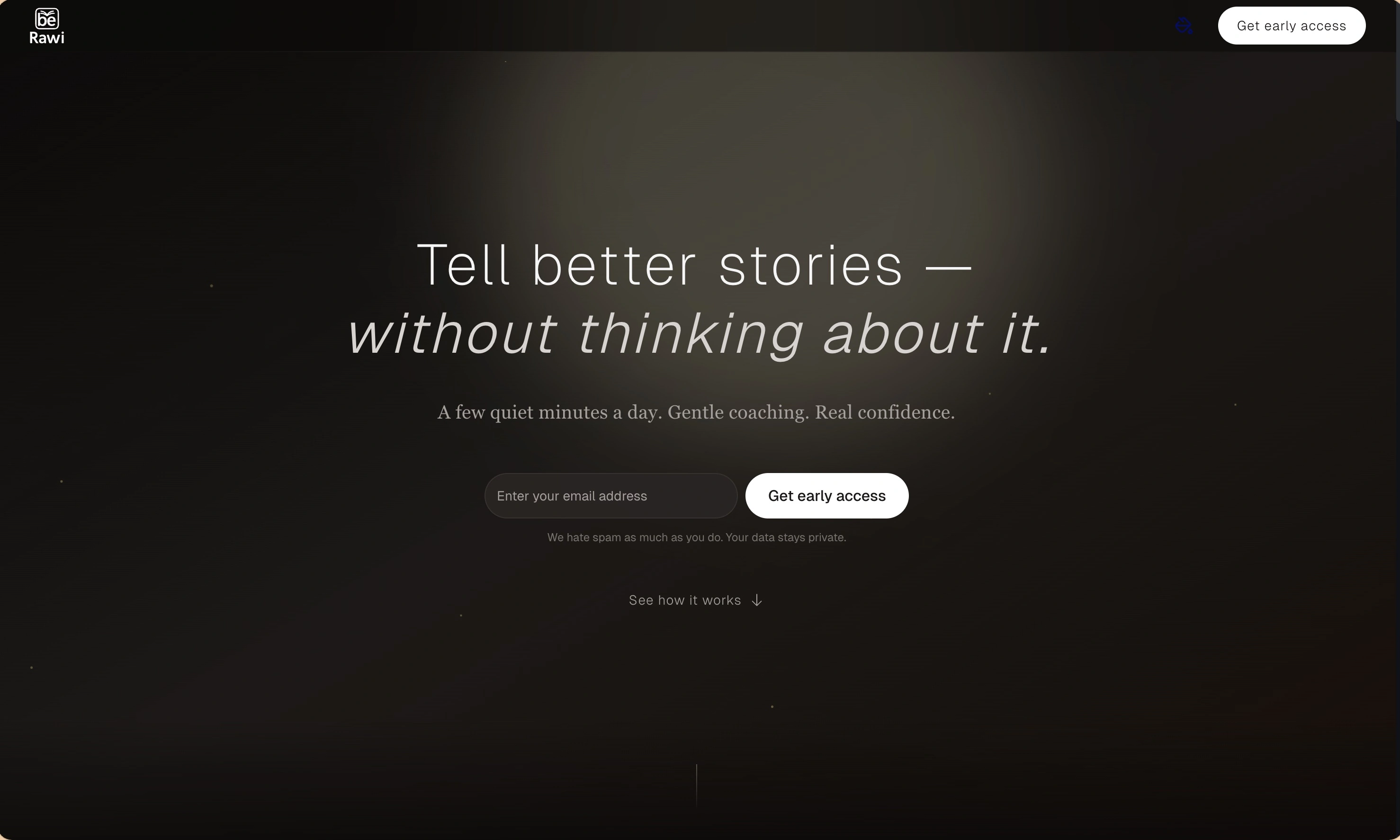
Practice storytelling daily with instant feedback to sound clearer, more engaging, and confident 🎤
Chat with 50+ AI models, including ChatGPT and Claude, in one place - switch models anytime without losing context 🤖
Supercharge your Claude Code with 6x effective context window and specialized AI agents 🤖
AI-powered emoji picker with smart, context-aware suggestions 🤖
Autonomous company launcher - AI agents work 24/7, escalate what matters, and you stay in control 🤖
Practice storytelling daily with instant feedback to sound clearer, more engaging, and confident 🎤

Connect with like-minded people
Join our community to get feedback, support, and grow together with 1,000+ builders on board, let's ship it!
Join usShip your startup everywhere. In minutes.
Don't burn tokens on setup and start building features on day one.