Dockmaster
Lets small marina operators assign slips, track seasonal rental renewals, and collect payments by text message. Harbor staff spend less time chasing late boat owners across phone calls.
Dockmaster is marina management software for small, independent marinas: it assigns slips, tracks seasonal rental renewals and collects payments by text message. It has potential in 2026 because small marina operators still run on spreadsheets, paper ledgers and phone calls, while boat owners now expect to pay for almost everything from their phone. If you are looking at b2b application SaaS ideas for 2026, this is a narrow, unglamorous vertical where one focused product can win. The core job is marina slip management software that gets seasonal renewals paid without staff chasing owners.
Key takeaways
- Target customer: independent marinas with roughly 30 to 250 slips, run by an owner-operator and a small seasonal staff.
- Pricing angle: flat monthly subscription by slip count, plus an optional small payment processing margin.
- Biggest risk: marinas switch software rarely, so getting the first 20 customers will be slow and relationship-driven.
- Time to MVP: about 4 to 6 weeks for a solo founder using a starter kit, assuming you cut everything beyond slips, renewals and text payments.
Who is Dockmaster for?
Dockmaster is for the owner or dockmaster of a small marina who manages the whole operation with a whiteboard, a spreadsheet and a phone. Picture a 80-slip marina on a lake or coastal town: two year-round staff, a few seasonal dock hands, and most revenue coming from seasonal slip leases that renew once a year.
What do they do today?
The typical workaround is a mix of an Excel or Google Sheets slip map, a paper contract file, a card reader at the office and a lot of calls. When renewals come due, someone phones or emails each boat owner, waits, then calls again. Payments arrive as checks in the mail, cards over the phone or cash at the dock.
Why does the workaround fail?
- Chasing is manual: staff spend hours each renewal cycle on reminders that a system could send.
- Cash flow is lumpy: late renewals push revenue into the season, and unpaid slips can't be re-let to waitlisted boaters in time.
- Slip data drifts: boat length, beam, insurance and owner contact info live in several places and go stale.
- Owners are hard to reach by email: many boaters ignore email but answer a text within minutes.
The pain peaks twice a year: renewal season and the first weeks of the boating season, when a mismatch between who is paid and who is in which slip causes real conflict on the dock.
Is there a market for marina management software in 2026?
Yes, but it is a quiet one. Established marina and boatyard platforms exist, and well-known ones such as Dockwa, Molo and Marina Office target different slices of the market, often larger or transient-focused operations. The gap is the small, seasonal-lease marina that finds those tools too heavy, too expensive or built around reservations rather than renewals.
Why now?
- Text-first behavior: customers across service businesses are used to paying through a link in a text message.
- Embedded payments are easy to add: payment providers make card and ACH collection through a hosted link a few days of work, not a few months.
- Generational turnover: many family-run marinas are changing hands, and new operators expect modern tools.
- Small teams want less software: an owner who runs fuel, repairs and docks does not want a 40-feature suite.
Where is the honest limit?
The market is small per customer and fragmented. You will not find a single channel that reaches every marina, and you should assume most prospects use some existing tool or nothing at all. That is fine for a bootstrapped product, less fine if you need venture-scale growth.
What should the Dockmaster MVP include?
Build only the loop that gets a renewal paid: a slip map, a renewal date per tenant, a reminder text and a payment link. The aha moment is the dockmaster watching a renewal go from "due" to "paid" overnight without making a single call.
Slip assignment
A simple visual list or map of slips with boat size limits, current tenant and status, so conflicts are obvious.
Renewal tracking
Each seasonal lease has a term, a price and a due date, with a dashboard of who is paid, pending or late.
Text message reminders
Automated, editable texts sent on a schedule before and after the due date, with replies logged.
Pay by text link
A secure link in the message opens a mobile payment page for card or bank payment and marks the lease paid.
What to cut from version one
- Transient and nightly reservations, which are a different product with different competitors.
- Fuel dock point of sale, boatyard work orders and inventory.
- Owner portals with logins. A tokenized link is enough at first.
- Accounting integrations beyond a CSV export.
- A native mobile app. A responsive web app handles the dockmaster's phone fine.
How to get data in
Onboarding is where this product lives or dies. Offer a spreadsheet import and, for the first customers, do the import yourself. A marina that sees its own slips and tenants on screen in the first call is far more likely to stay.
How is Dockmaster different from spreadsheets and incumbents?
Dockmaster's position is simple: the fastest way for a small marina to collect seasonal renewals, not a full marina operating system. It wins by being easy to adopt in an afternoon and by treating text message as the main channel rather than an add-on.
| Option | Built for seasonal renewals | Pay by text link | Setup effort | Fit for small marinas |
|---|---|---|---|---|
| Dockmaster | ✅ | ✅ | Low | ✅ |
| Spreadsheets and phone calls | ❌ | ❌ | None | Works until it doesn't |
| Reservation-focused platforms | Partial | Varies | Medium | Depends on size |
| Full marina suites | ✅ | Varies | High | Often overkill |
| DIY with invoicing tools | ❌ | Partial | Medium | Clunky for slips |
The comparison is directional: features change, so check each competitor's current offering during your interviews. The point is that general invoicing tools don't understand slips and full suites don't respect a small operator's time.
How would Dockmaster make money?
The cleanest model is a flat monthly subscription tied to slip count, because it scales with the marina's revenue and is easy to explain.
Option 1: tiered subscription by slip count
Assume three tiers, for example up to 50 slips, up to 150 and up to 300. If you charge $79 per month for a 100-slip marina, 50 customers would bring in about $3,950 per month. Those numbers are assumptions to test, not benchmarks.
Option 2: subscription plus payment margin
Charge a lower subscription and add a small markup on card processing. This aligns you with collected revenue, but it can feel opaque to marinas that already negotiate card rates. Be transparent, and let them see the fee before they sign.
Option 3: annual prepay with onboarding fee
Seasonal businesses think in seasons. Offering a discount for annual prepayment improves your cash flow and reduces churn risk. A paid onboarding that includes data import filters out unserious leads.
Which growth channel should come first?
Direct outreach. Make a list of marinas in two or three regions, call or visit them in the off-season and offer to set up their renewals for the next cycle. Regional marina associations and boating trade shows are the second channel, but they are slower. Paid ads are rarely efficient for a niche this small.
How do you validate Dockmaster before building it?
Spend one to two weeks talking to operators and collecting commitments before writing code.
Interview 10 marina operators
Ask how they handled the last renewal cycle, how many hours it took and which tools they used. Listen for specific complaints about late payers and double-booked slips.
Map their renewal calendar
Find out when renewals are due in each region. Your launch window depends on it, and missing a cycle can cost you a year.
Publish a one-page site
State a single promise, such as collecting seasonal slip renewals by text, and add a form for a demo request. Send it to every interviewee.
Run a manual pilot
Offer to send the reminder texts yourself from a spreadsheet and a payment link for one marina. If the marina pays on time and wants to continue, you have proof of demand.
Ask for a pre-sale
Request a deposit or signed letter of intent for the next season. Three paying marinas is a stronger signal than fifty waitlist emails.
How do you build Dockmaster?
Use a standard web stack and avoid anything exotic. Marina software is a CRUD app with scheduled jobs, text delivery and payments. The differentiator is workflow and trust, not technology.
The undifferentiated work is large: accounts, billing for your own subscriptions, a database layer, transactional email, file uploads for contracts and insurance documents, and multi-tenant organizations. TurboStarter ships these in a ready-made monorepo, so you can spend your first weeks on slips and renewals. Relevant pieces here are authentication for staff logins, organizations so each marina is its own tenant, background tasks for scheduled reminder texts, and billing for your subscription tiers.
Core data model
A minimal schema is enough to begin:
type Slip = {
  id: string;
  marinaId: string;
  label: string;
  maxLengthFt: number;
  maxBeamFt: number;
  status: "available" | "leased" | "maintenance";
};

type Lease = {
  id: string;
  slipId: string;
  tenantName: string;
  tenantPhone: string;
  seasonStart: Date;
  seasonEnd: Date;
  amountCents: number;
  dueDate: Date;
  paidAt: Date | null;
};
Which SMS and payments provider should you pick?
Twilio handles texting and Stripe handles payment links and card or bank payments. You get mature documentation and flexibility, but you manage two vendors and need to build the connection between a reply, a link and a paid status yourself.
Some payment providers bundle messaging or payment-link delivery. That reduces integration work, but you often accept less control over message content, deliverability and pricing. Choose this only if it covers compliance and reporting you need.
For marina payouts, consider whether marinas should be paid directly through connected accounts. That keeps you out of holding customer funds, though it adds onboarding steps for each marina.
What could make Dockmaster fail?
Biggest risk: slow, trust-based sales
Marinas change software rarely, and a failed renewal season damages their cash flow. If you cannot reach 10 to 20 paying marinas before the next renewal cycle, you may wait a full year to try again. Mitigate this by choosing one region, doing onboarding by hand and timing your pilot to the off-season.
Text messaging compliance
Sending texts to boat owners requires consent and opt-out handling, and carriers enforce registration rules for business messaging. Build opt-out and consent records from the start, and confirm current requirements for your country before launch.
Seasonality of revenue and feedback
Usage spikes at renewal and the start of the season, then drops. Plan cash and support around that rhythm, and use the quiet months to ship improvements.
Competitors moving down-market
An established platform could release a lightweight renewal tier. Your defense is service: faster onboarding, direct support and a product shaped by your first 20 customers.
What should you do in the first 30 days?
- Days 1 to 7: interview operators, list 100 target marinas in one region and note their renewal dates.
- Days 8 to 14: publish the landing page, run a manual pilot with one marina and collect a pre-sale or letter of intent.
- Days 15 to 24: set up the project with TurboStarter, build slips, leases, the reminder schedule and the payment link flow.
- Days 25 to 30: import a real marina's data, send the first live reminder texts and track how many leases are paid within a week.
If the first marina collects renewals faster than before, you have a product worth selling to the next ten. Start with one marina, one region and one season.
FAQ
Interview at least 10 operators about their last renewal cycle, then run a manual pilot where you send the texts and payment links yourself. A signed pre-sale for the next season is the strongest signal.
For small marinas, a flat monthly price tied to slip count is typical, for example under $100 per month for a mid-sized marina. Treat that as a starting hypothesis and test it against what operators currently spend on admin time and card fees.
Platforms such as Dockwa, Molo and Marina Office serve parts of the market, many with a focus on reservations or larger operations. Spreadsheets and paper ledgers remain the most common alternative for small marinas.
A TypeScript web app with Postgres, scheduled background jobs, an SMS provider and a payments provider covers the MVP. A starter kit such as TurboStarter covers authentication, organizations, billing and emails so you can focus on leases and reminders.
A focused MVP with slips, leases, reminders and payment links usually takes 4 to 6 weeks for one developer, assuming you skip reservations and accounting integrations. Onboarding your first marinas will take longer than building the product.
More 🏢 B2B Application SaaS ideas
Discover more innovative b2b application SaaS ideas that are trending in 2026. Each idea is AI-generated with market validation and growth potential to help you find your next profitable venture faster than competitors.
Your competitors are building with TurboStarter
Below are some of the SaaS ideas that have been generated and built with our starter kit.

Monitor any Telegram channel in real time - track posts, edits, deletions, and growth with AI recaps 📡

AI website builder - describe your business, pick a niche template, edit by chatting, and publish instantly ✨

Find verified home service professionals, compare quotes, and pay securely through escrow - built for Brazilians across the US 🏠
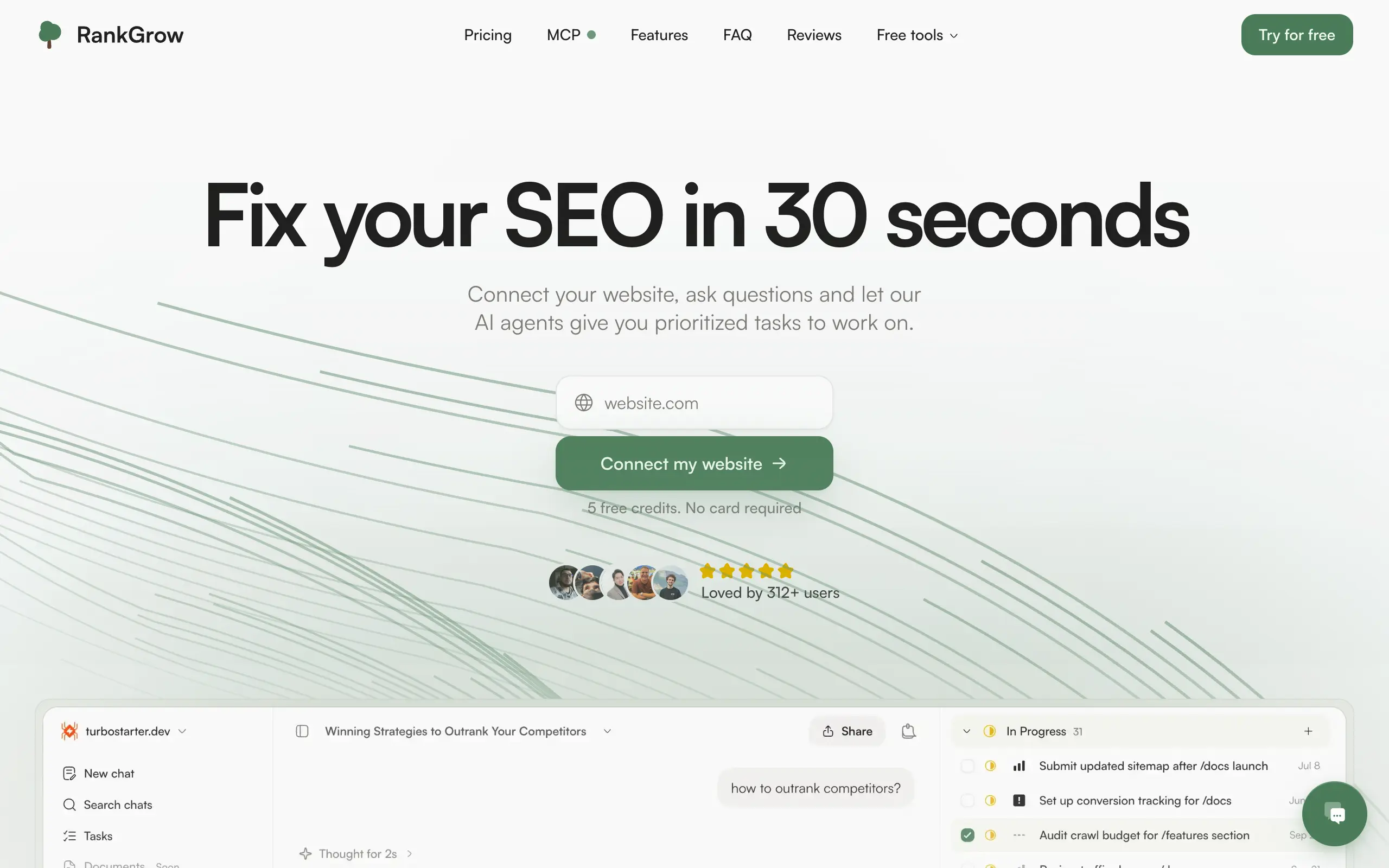
Fix your SEO with AI agents - connect Search Console, get prioritized tasks, and grow organic traffic 📈
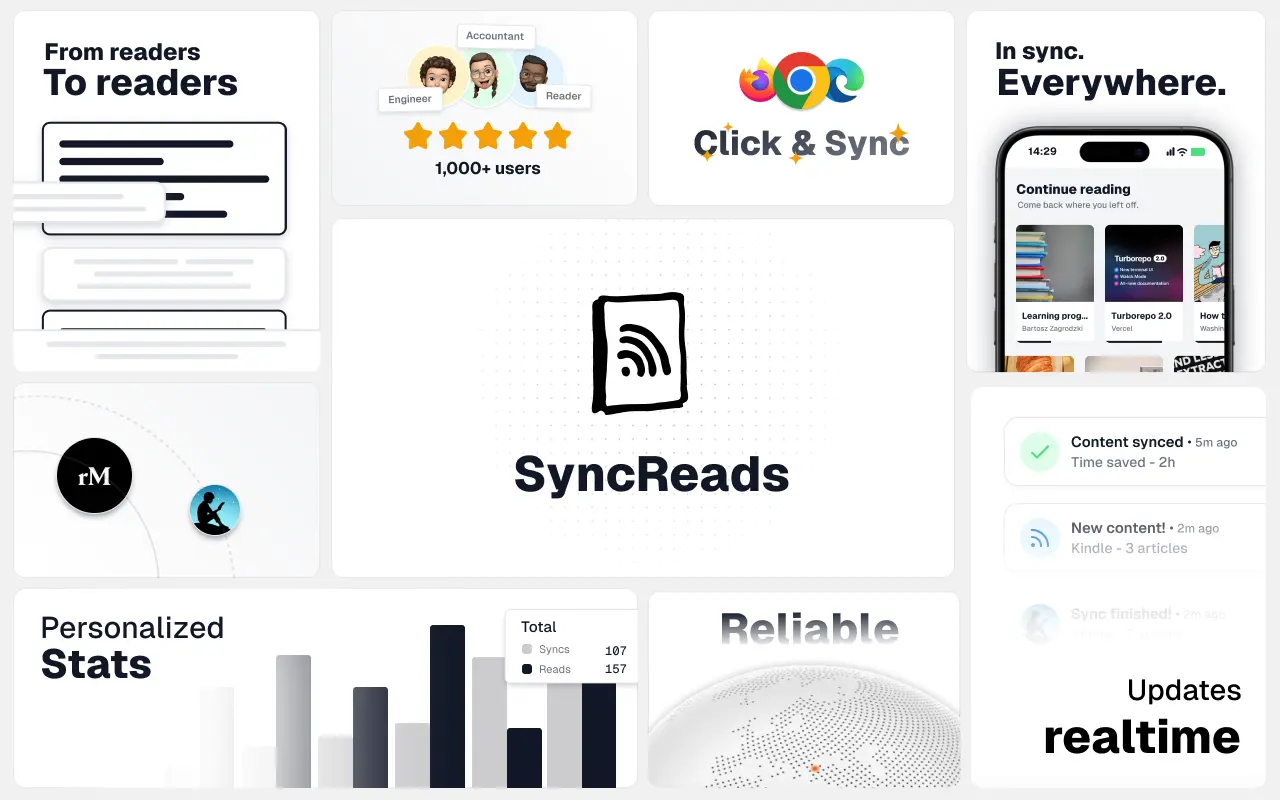
Sync your favorite content for distraction-free reading, save time and replace multiple apps. Anytime, anywhere 🔄
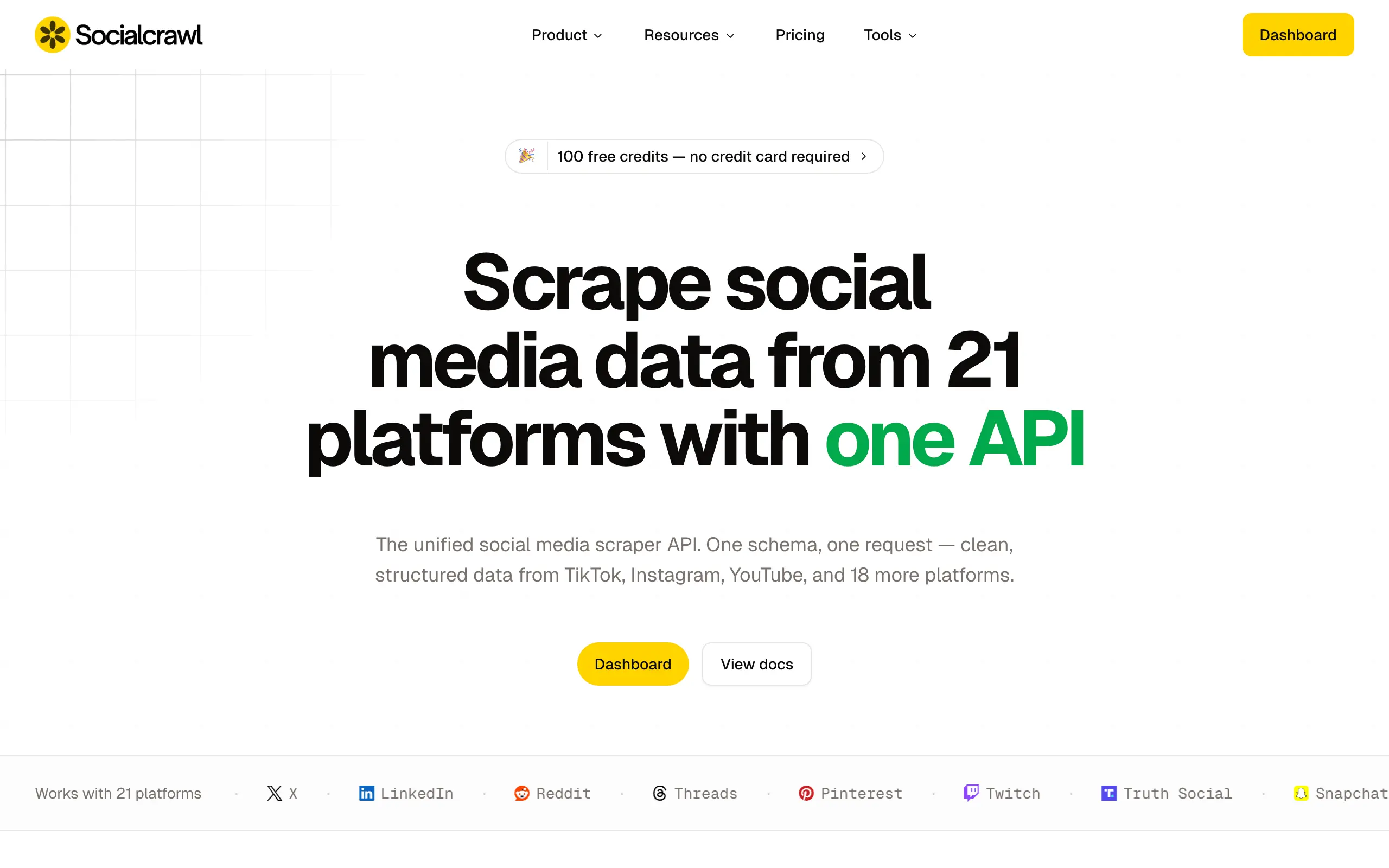
Get clean, structured data from 21 platforms like TikTok, Instagram, and YouTube with a single request 📊
Monitor any Telegram channel in real time - track posts, edits, deletions, and growth with AI recaps 📡
AI website builder - describe your business, pick a niche template, edit by chatting, and publish instantly ✨
Find verified home service professionals, compare quotes, and pay securely through escrow - built for Brazilians across the US 🏠
Fix your SEO with AI agents - connect Search Console, get prioritized tasks, and grow organic traffic 📈
Sync your favorite content for distraction-free reading, save time and replace multiple apps. Anytime, anywhere 🔄
Get clean, structured data from 21 platforms like TikTok, Instagram, and YouTube with a single request 📊

Personalized AI apps that automate research, data extraction, and content creation without code 🤖
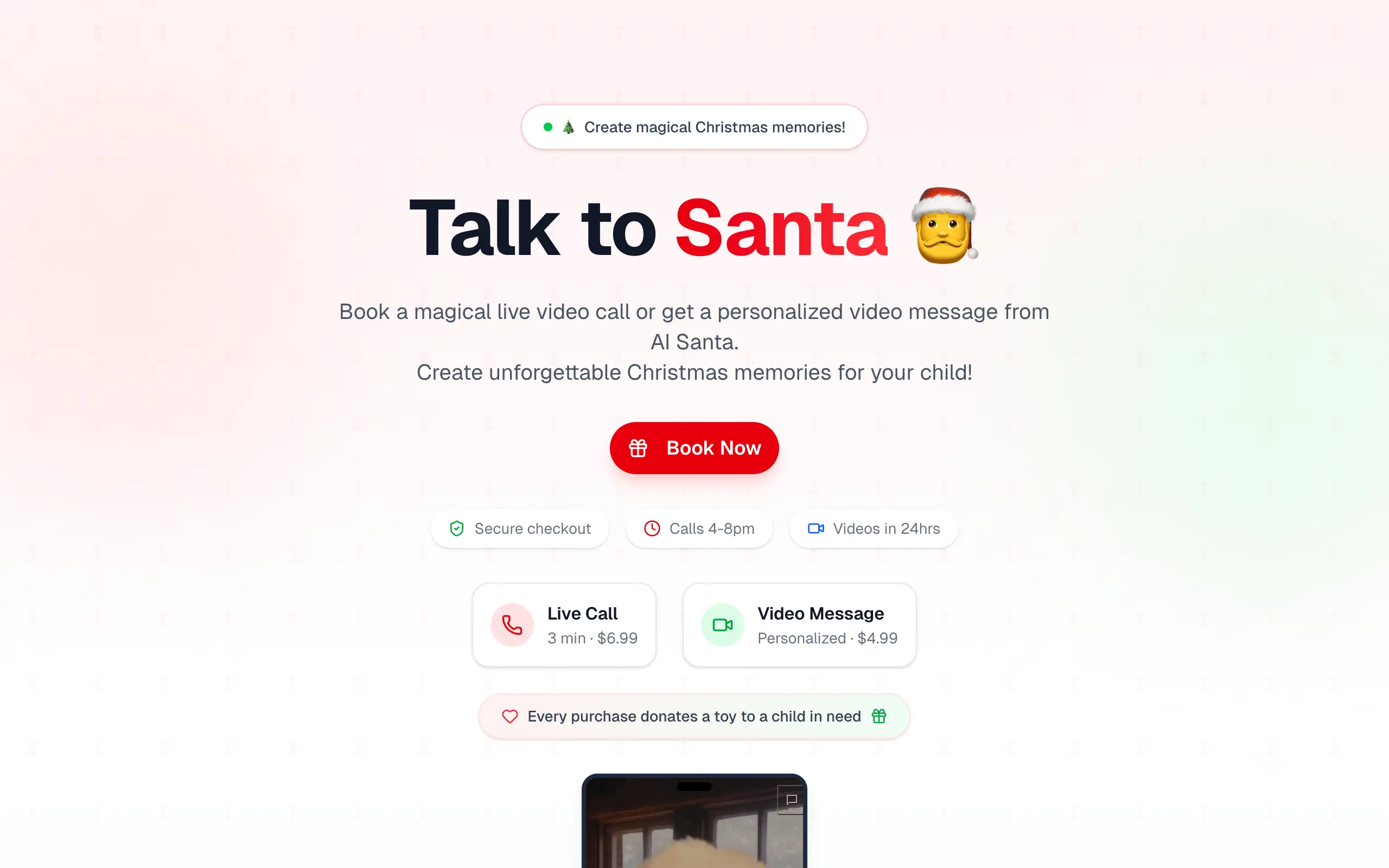
Enjoy a magical live video chat or receive a unique AI-generated video greeting from Santa Claus 🎅
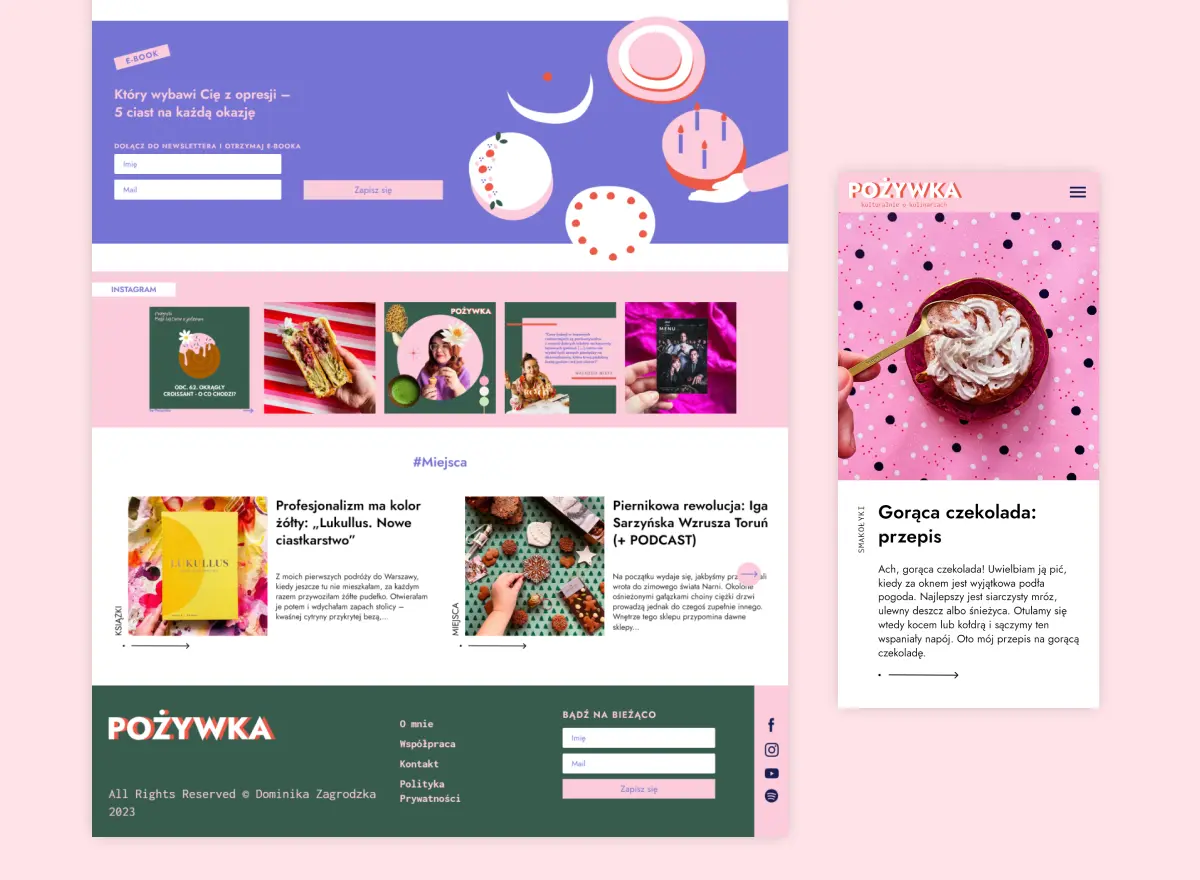
Scalable blog for food journalist, focused on performance and user experience 🌭
Personal blog and portfolio of Bart Zagrodzki, where he shares his knowledge and work 💼
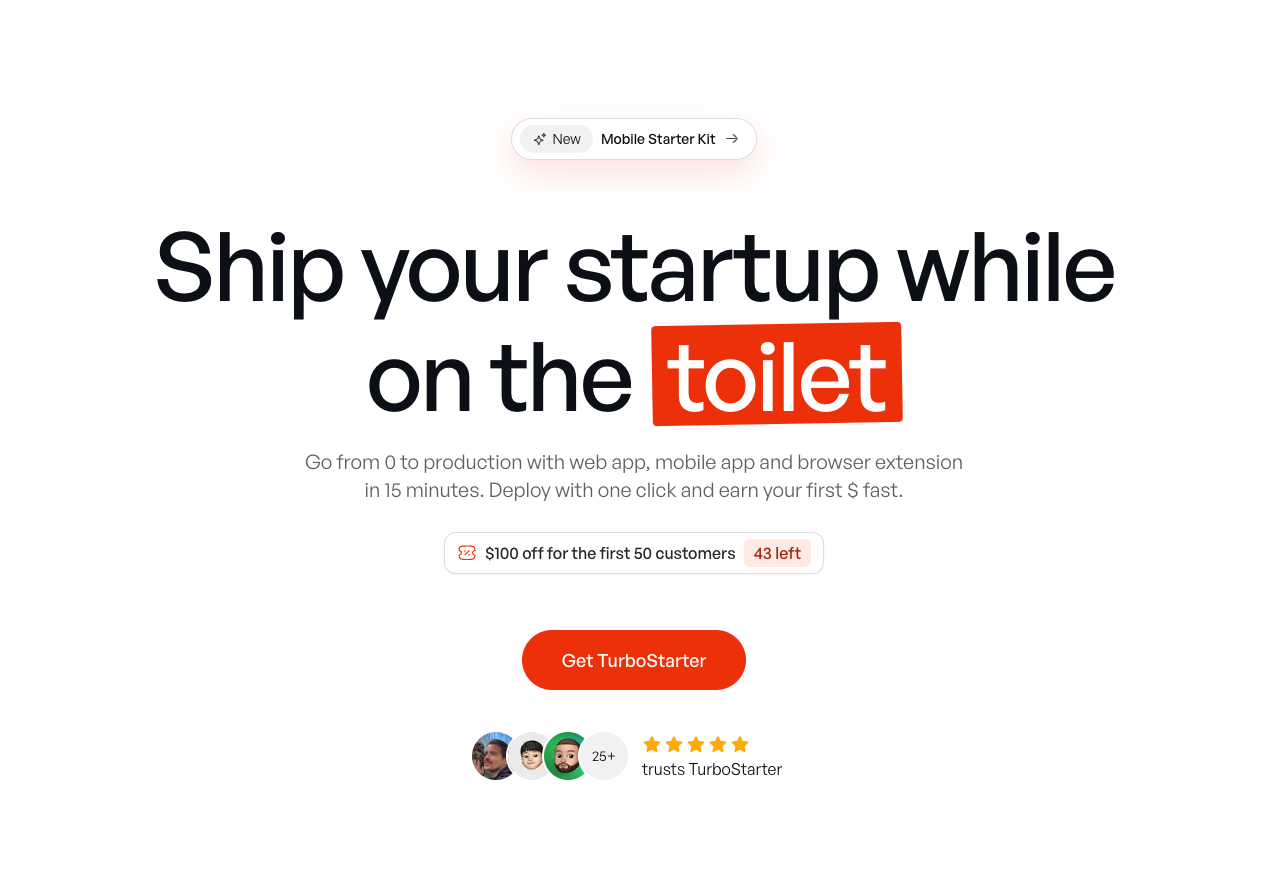
Ship your startup everywhere. In minutes.
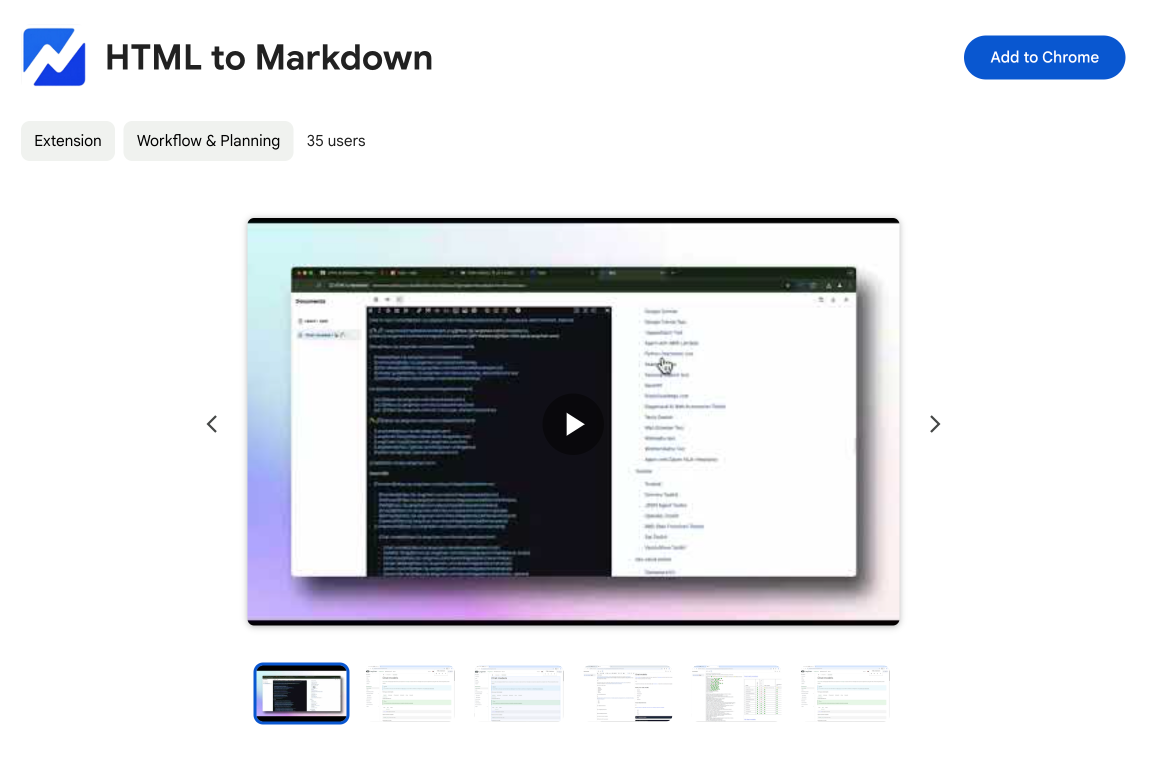
Convert HTML to Markdown with ease, directly in your browser 📄
Personalized AI apps that automate research, data extraction, and content creation without code 🤖
Enjoy a magical live video chat or receive a unique AI-generated video greeting from Santa Claus 🎅
Scalable blog for food journalist, focused on performance and user experience 🌭
Personal blog and portfolio of Bart Zagrodzki, where he shares his knowledge and work 💼
Ship your startup everywhere. In minutes.
Convert HTML to Markdown with ease, directly in your browser 📄
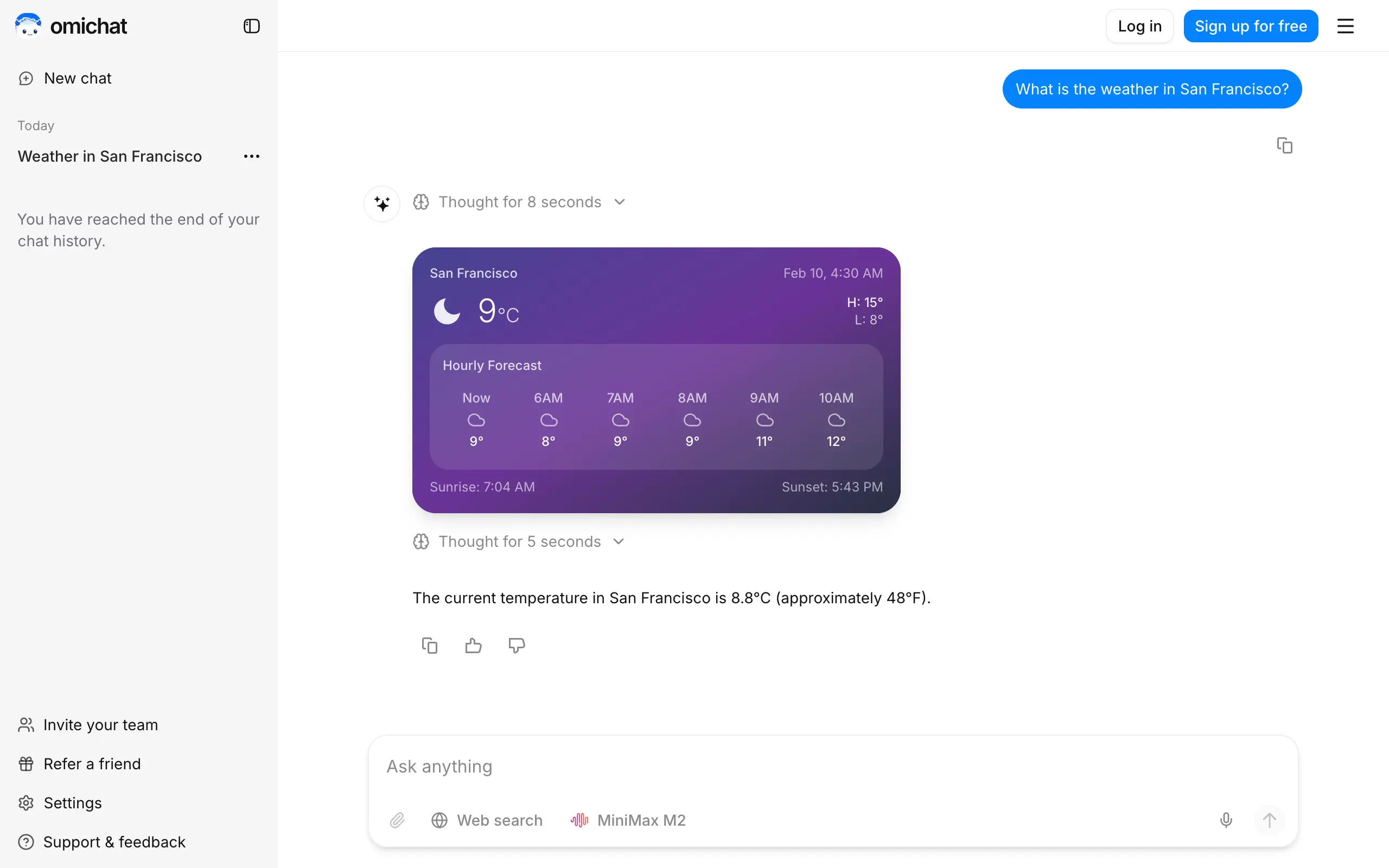
Chat with 50+ AI models, including ChatGPT and Claude, in one place - switch models anytime without losing context 🤖
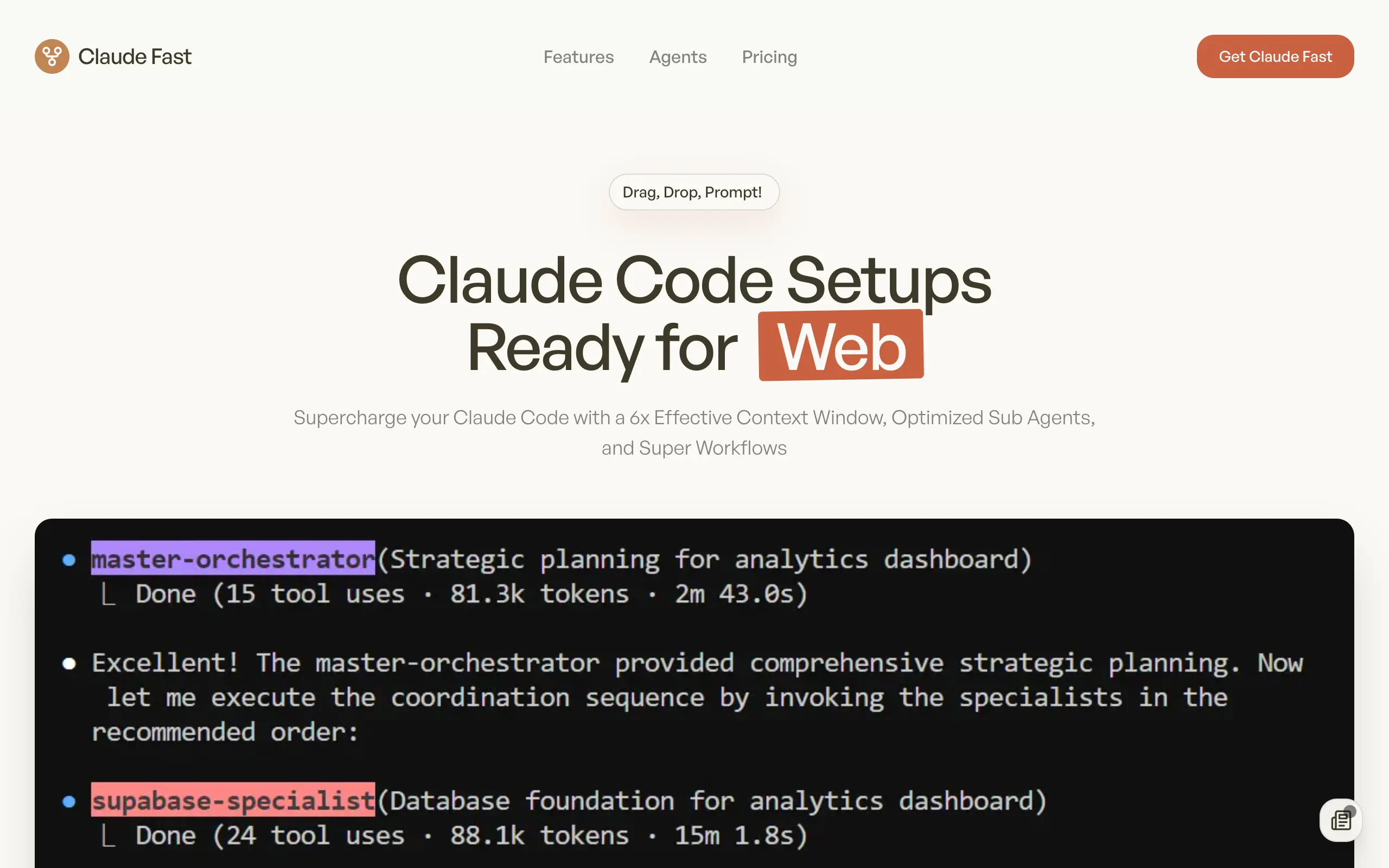
Supercharge your Claude Code with 6x effective context window and specialized AI agents 🤖
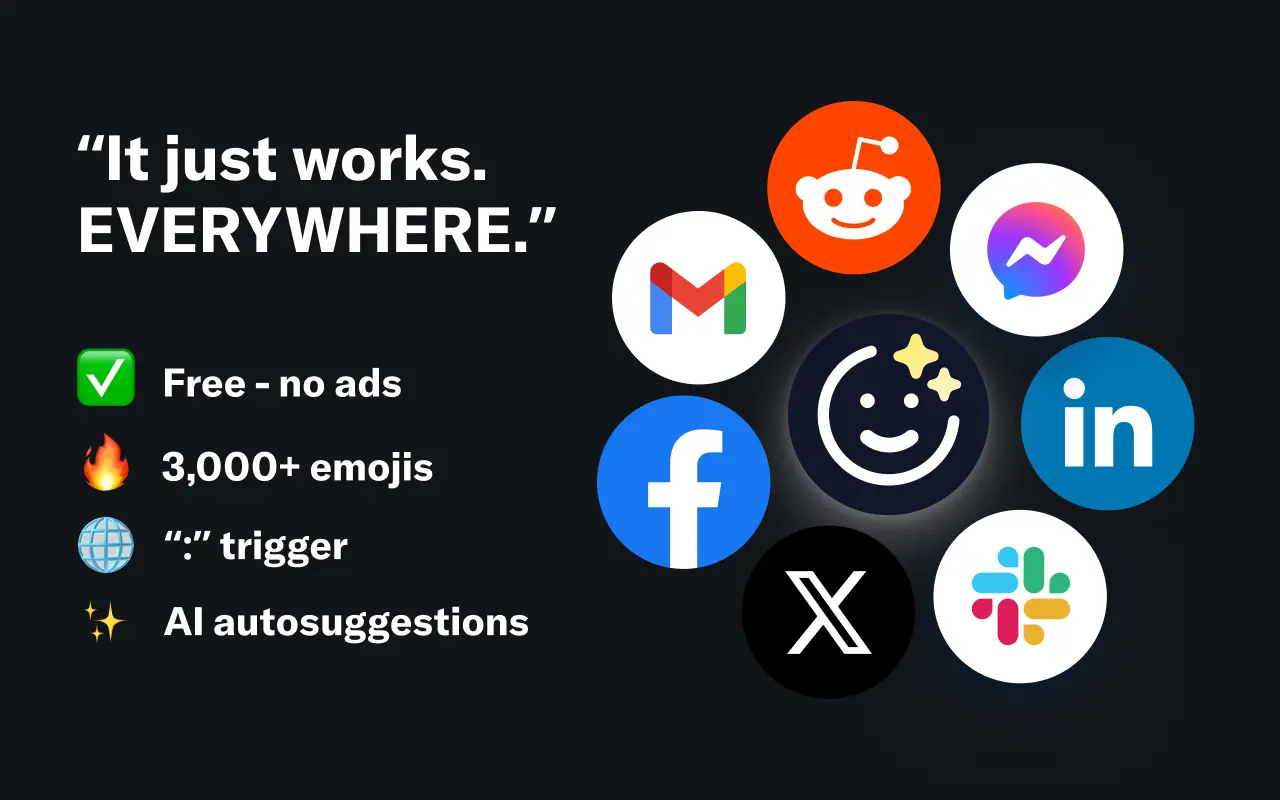
AI-powered emoji picker with smart, context-aware suggestions 🤖
Autonomous company launcher - AI agents work 24/7, escalate what matters, and you stay in control 🤖
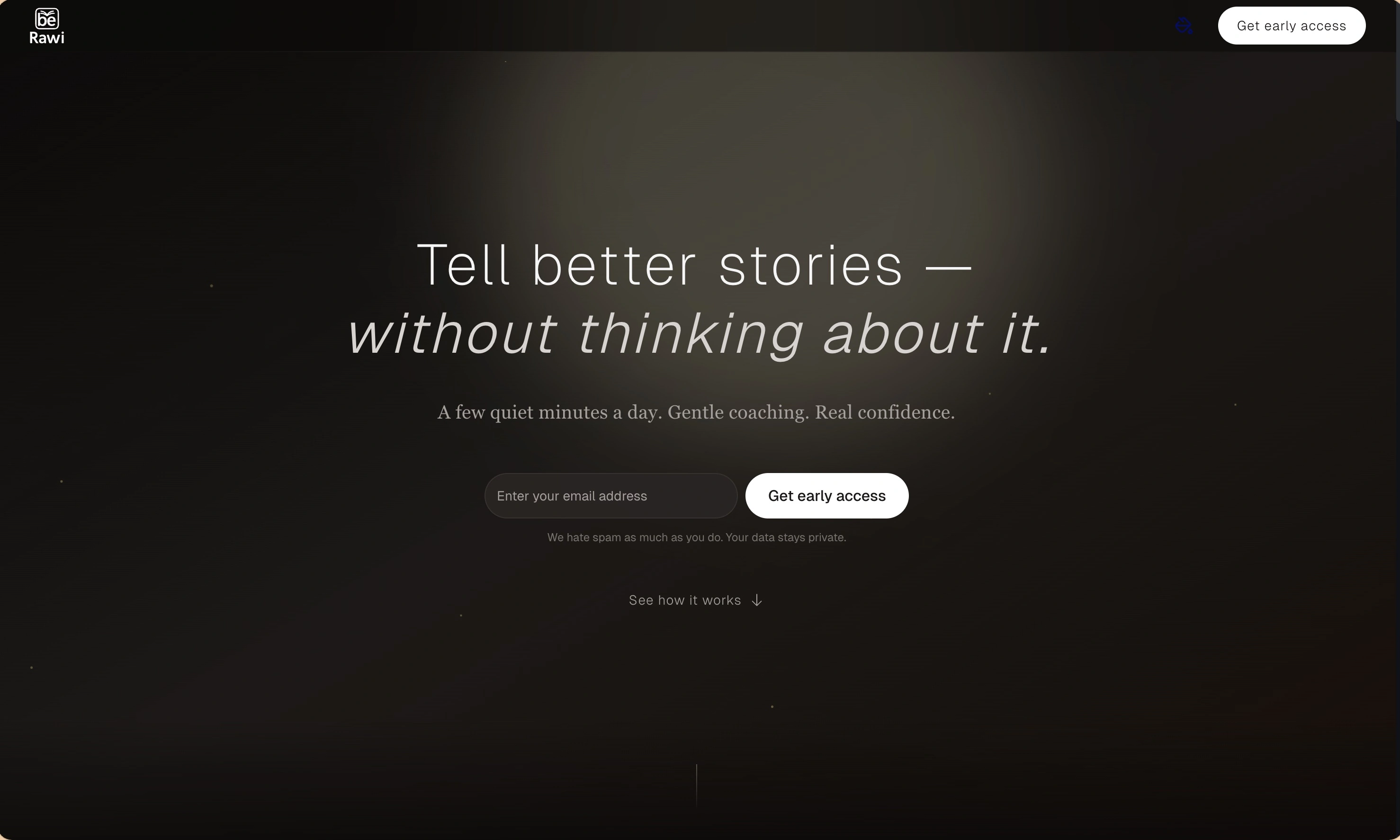
Practice storytelling daily with instant feedback to sound clearer, more engaging, and confident 🎤
Chat with 50+ AI models, including ChatGPT and Claude, in one place - switch models anytime without losing context 🤖
Supercharge your Claude Code with 6x effective context window and specialized AI agents 🤖
AI-powered emoji picker with smart, context-aware suggestions 🤖
Autonomous company launcher - AI agents work 24/7, escalate what matters, and you stay in control 🤖
Practice storytelling daily with instant feedback to sound clearer, more engaging, and confident 🎤

Connect with like-minded people
Join our community to get feedback, support, and grow together with 1,000+ builders on board, let's ship it!
Join usShip your startup everywhere. In minutes.
Don't burn tokens on setup and start building features on day one.