Farrier Route
Gives mobile farriers a simple scheduler that plots horse visits by location and sends reminder texts to barn owners. Farriers recover the unpaid hours they lose to driving between scattered farms.
Farrier Route is a scheduling and route-planning app for mobile farriers. It groups horse visits by location, orders the day's stops to cut drive time, and texts barn owners reminders so cancellations and no-shows drop. In 2026 it has potential because routing and SMS are now cheap to buy through APIs, while most farriers still run their businesses from paper calendars, phone contacts and memory.
Key takeaways
- Target customer: solo and two-person mobile farriers who serve 15 to 60 barns across a wide rural area.
- Pricing angle: a flat monthly subscription, for example $29 to $49/month, justified by recovered driving hours and fewer missed appointments.
- Biggest risk: low software adoption in a trade that runs on relationships and text messages, so the product has to be easier than a paper notebook.
- Time to MVP: about 4 to 6 weeks for one developer using a starter kit, with scheduling, route ordering and SMS reminders only.
What problem does a farrier scheduling app solve?
Farriers lose paid hours to unplanned driving. A mobile farrier typically shoes or trims horses on a 6 to 8 week cycle, which means a book of dozens of barns, each with a handful of horses. Every barn is in a different direction, and appointments are usually made by text or phone call.
The result is a day that looks efficient on paper but includes backtracking, waiting at gates and detours to a barn that was only supposed to be a quick reset. Time spent driving is time not spent under a horse.
Who is Farrier Route for?
The ideal customer is a self-employed mobile farrier running a one or two person operation. They own a truck with a forge or rig, charge per horse or per visit, and handle their own booking and invoicing. Their schedule changes weekly because of lost shoes, lameness calls and weather.
Secondary users are barn managers and horse owners. They never log in at first, but they receive the texts, so they shape whether the product works.
What do farriers do today, and why does it fail?
Most use a mix of a paper planner, the phone calendar, text threads and a general maps app. Some use generic scheduling tools built for salons or home services.
- Paper and memory: works for 15 clients, breaks at 40. Nothing reminds the barn owner, and nothing optimizes the route.
- Phone calendar plus texts: reminders are manual, so they get skipped on busy weeks.
- Generic field service software: priced and designed for crews with dispatchers, with no concept of a horse, a shoeing interval or a barn with six animals.
- Google Maps: can order stops, but knows nothing about due dates or which horses are at which barn.
The common failure is that none of these connect the three things a farrier cares about: when each horse is due, where it lives, and whether the owner knows you are coming.
Is there a market for farrier route planning software in 2026?
Yes, but it is a small, focused niche, not a mass market. The opportunity is that existing tools are either general (Google Calendar, Square Appointments, Jobber-style field service apps) or built for larger operations. A product designed around recurring equine care cycles has little direct competition that you can be certain of, which is both a signal and a warning.
Why now:
- Routing and geocoding are commodities. Mapping APIs let a small team build multi-stop ordering without owning any map data.
- SMS is cheap and expected. Barn owners already prefer text over email or apps.
- Rural users own smartphones. The device is no longer the barrier, but patience for complex software is.
- AI-assisted setup lowers onboarding cost. Importing a messy client list from a phone contact export or a spreadsheet used to require manual work.
The honest caveat: the total number of farriers is limited, so this is a lifestyle-to-small-SaaS business unless you expand to adjacent trades such as mobile vets, equine dentists and hoof trimmers. Treat expansion as a later option, not a launch assumption.
What should the first version of Farrier Route include?
Build the smallest product that turns a list of due horses into a driven route and a sent reminder. The aha moment is the first morning a farrier opens the app, sees tomorrow's stops already ordered, and watches reminders go out without typing a message.
Barn and horse records
Store barns with addresses and gate notes, horses per barn, and each horse's usual interval in weeks.
Due list and scheduler
Show which horses are due this week and let the farrier drag them into days with a simple calendar.
Route ordering
Sort each day's barns into a sensible drive order and show estimated drive time with a one-tap link to navigation.
Reminder texts
Send automatic SMS reminders to barn owners with a reply to confirm or reschedule.
What to cut from the MVP
- Invoicing and payments: farriers already use cash, checks or existing invoicing apps. Add it later if interviews demand it.
- Barn owner portal: SMS replies are enough for now.
- Native mobile app: a responsive web app that works well on a phone covers the first version.
- Inventory and shoe stock tracking: useful but not what makes the first purchase decision.
How is Farrier Route different from calendars and field service apps?
The differentiator is the horse-aware data model. The product knows that a horse is due every 6 to 8 weeks, that several horses live at one barn, and that a barn owner needs one text, not six. Generic tools treat each appointment as an isolated event.
| Option | Recurring care intervals | Route ordering | Owner reminders | Fits a solo farrier |
|---|---|---|---|---|
| Farrier Route | ✅ | ✅ | ✅ | ✅ |
| Paper planner | ❌ | ❌ | ❌ | ✅ |
| Phone calendar and texts | Manual | ❌ | Manual | ✅ |
| Generic field service software | Partial | Often | ✅ | Often too heavy |
| Google Maps only | ❌ | ✅ | ❌ | ✅ |
The unique selling proposition in one line: fewer driving hours and fewer no-shows without changing how you talk to clients.
How would Farrier Route make money?
Subscription pricing fits best because farriers think in monthly business costs and the value recurs weekly. Consider three options.
- Flat monthly plan, $29 to $49. Simple to explain: "less than one horse's trim pays for the month." If you charge $39/month and a farrier recovers even one billable hour a week, the math is easy to defend. Assume a conversion of 15 to 25% of trial users as a starting hypothesis and measure it.
- Tiered by client count. A lower tier for up to 30 barns and a higher one for larger books. This aligns price with value but adds decision friction.
- Annual plan with a discount. Farriers have seasonal income swings, so offer annual billing after they have used the product for a few months.
Avoid charging barn owners. They are the recipients of messages, not buyers, and any friction on their side reduces confirmations.
Which growth channel will work first?
Direct, relationship-led outreach. Farriers cluster around farrier associations, regional clinics, hoof care forums and Facebook groups, and trust peers over ads. Get ten farriers using it, ask for referrals to their colleagues, and offer to import their client list for free. Cold paid ads are a poor first bet for a niche this small.
How do I validate a farrier scheduling app in two weeks?
Validation here is conversation-heavy, because your buyers do not browse SaaS directories. Aim to learn whether the pain is strong enough to pay for, not whether people say the idea is nice.
Interview eight to ten farriers
Ask them to walk through last week's schedule and tell you how many miles were wasted and how many appointments needed chasing. Listen for unprompted complaints about driving and no-shows.
Shadow one working day
Ride along or review a full day's texts and calendar. You will see where the real friction is, which is often different from what people describe.
Publish a single-promise landing page
State one outcome, such as "Plan your week's barns in minutes and text reminders automatically," and add a waitlist form. Share it in farrier groups and with interviewees.
Run a manual concierge test
Take one farrier's client list, order routes in a spreadsheet and send reminders by hand for a week. If they ask to keep it going, the value is real.
Ask for a pre-sale
Offer a discounted founding price, for example a reduced annual rate, to five farriers. Three paying commitments is a stronger signal than fifty waitlist signups.
What tech stack should you use to build Farrier Route?
Choose boring, well-supported tools so you spend time on routing and reminder logic, not infrastructure. A TypeScript web app with a relational database, a mapping API and an SMS provider covers the MVP.
TurboStarter removes much of the undifferentiated work: it ships with authentication, billing for subscriptions, a database layer, and a monorepo that covers web and mobile. Transactional emails, file storage and background tasks are available too, and background tasks are exactly what you need for scheduled reminder jobs. That lets you start on the product logic in the first week.
Data model
Keep the model small and horse-centric:
create table barn (
  id uuid primary key,
  account_id uuid not null,
  name text not null,
  address text not null,
  lat double precision,
  lng double precision,
  owner_phone text,
  gate_notes text
);

create table horse (
  id uuid primary key,
  barn_id uuid references barn(id),
  name text not null,
  interval_weeks int not null default 6,
  last_done date
);

create table visit (
  id uuid primary key,
  barn_id uuid references barn(id),
  scheduled_for date not null,
  stop_order int,
  reminder_sent_at timestamptz,
  status text not null default 'planned'
);
A horse is due when last_done plus interval_weeks falls in the planning window. A nightly job selects visits happening in two days and sends texts.
Which routing provider should you choose?
Familiar geocoding and strong rural address coverage, which matters for farm roads. Costs scale with usage, so watch request volume and cache geocoded barn locations.
Good optimization and a developer-friendly API. Check how it handles unpaved or unnamed rural roads for your target region before committing.
Open-source based and cheaper at scale, but expect more work on reliability and address quality. Reasonable if margins matter more than polish.
For stops per day in the single digits to low teens, a simple nearest-neighbor ordering plus a provider's drive-time matrix is enough. Do not build a full vehicle routing solver for the MVP.
SMS and mobile
Use a provider such as Twilio for texts and make sure you handle opt-out keywords and consent from day one. If farriers ask for an app after launch, the same codebase approach lets you add mobile later without a rewrite.
What could make Farrier Route fail?
Biggest risk: farriers will not change habits
Your competitor is a notebook and a good memory. If setup takes more than 30 minutes or the daily workflow needs more taps than texting a client, farriers will quietly stop using it. Mitigate by importing their existing client list for them, keeping the home screen to one view (tomorrow's route), and measuring week-four retention before building anything else.
Other real risks:
- Small market ceiling. Mitigation: keep costs low, price fairly, and plan expansion to mobile vets, equine dentists and similar trades once the core works.
- SMS compliance and deliverability. Mitigation: collect consent, include opt-out language, and use a registered sender as your provider and country require.
- Poor rural data and signal. Mitigation: cache the day's route for offline viewing and let farriers correct pin locations manually.
- Mapping API costs. Mitigation: geocode each barn once, store coordinates, and only request drive times for the days being planned.
What are the next steps to launch in 30 days?
Days 1 to 7: validate and decide
Complete the interviews and landing page, and secure at least three pre-sale commitments before writing production code.
Days 8 to 14: scaffold the product
Set up the project with TurboStarter, configure auth and subscription billing, and create the barn, horse and visit tables.
Days 15 to 21: build the core loop
Implement the due list, day planner, route ordering and the nightly reminder job. Import your pilot farriers' client lists.
Days 22 to 26: pilot with five farriers
Have them run a real week on it. Watch for confusion, missed reminders and wrong pins, and fix those before anything else.
Days 27 to 30: open paid access
Convert pilot users to the founding price, publish a simple pricing page and ask each farrier to introduce one colleague.
Start with the smallest version that sends a route and a reminder, and let paying farriers decide what comes next. A farrier scheduling app wins by saving hours, not by having more features.
FAQ
Interview eight to ten working farriers and ask about last week's schedule, not hypothetical features. Then run the product manually for one farrier for a week using a spreadsheet and hand-sent texts. If they want to keep it and will pay, build it.
A flat monthly price in the range of $29 to $49 is a sensible starting hypothesis, since the benefit is measured in recovered billable hours. Test two price points with your first pre-sales and watch which one closes without negotiation.
Indirect alternatives include paper planners, phone calendars, Google Maps and general field service or appointment tools such as Jobber or Square Appointments. Few are built around recurring equine care intervals, so your main competition is habit, not another product.
A TypeScript web app, a Postgres database, a mapping API for geocoding and drive times, and an SMS provider is enough. A starter kit such as TurboStarter covers authentication, billing and background jobs so you can focus on routing and reminders.
Expect about 4 to 6 weeks for one developer who has already validated the idea. Costs are mostly your time plus small monthly fees for hosting, mapping and SMS, which stay low until you have a meaningful number of customers.
More 🏢 B2B Application SaaS ideas
Discover more innovative b2b application SaaS ideas that are trending in 2026. Each idea is AI-generated with market validation and growth potential to help you find your next profitable venture faster than competitors.
Your competitors are building with TurboStarter
Below are some of the SaaS ideas that have been generated and built with our starter kit.

Monitor any Telegram channel in real time - track posts, edits, deletions, and growth with AI recaps 📡

AI website builder - describe your business, pick a niche template, edit by chatting, and publish instantly ✨

Find verified home service professionals, compare quotes, and pay securely through escrow - built for Brazilians across the US 🏠
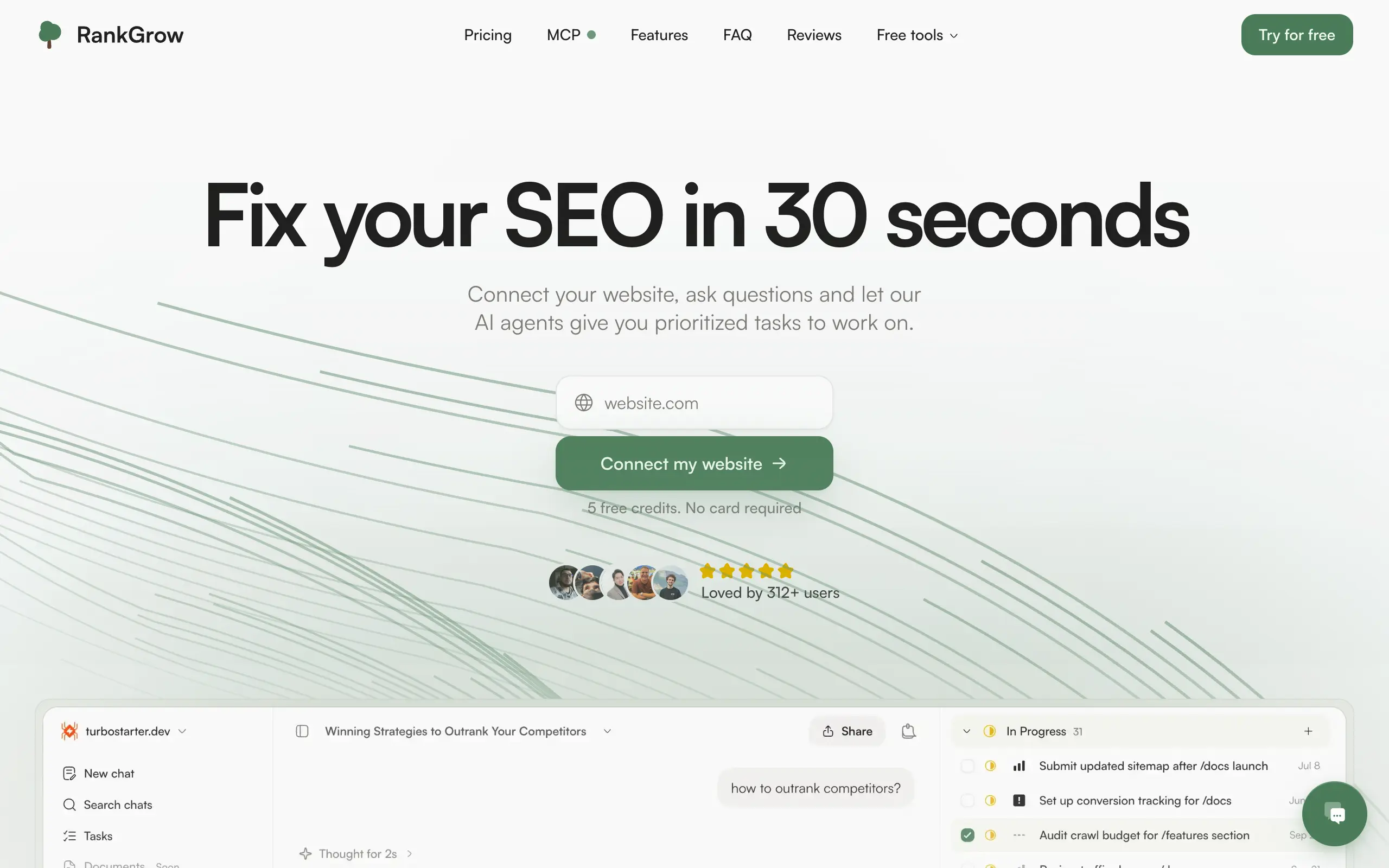
Fix your SEO with AI agents - connect Search Console, get prioritized tasks, and grow organic traffic 📈
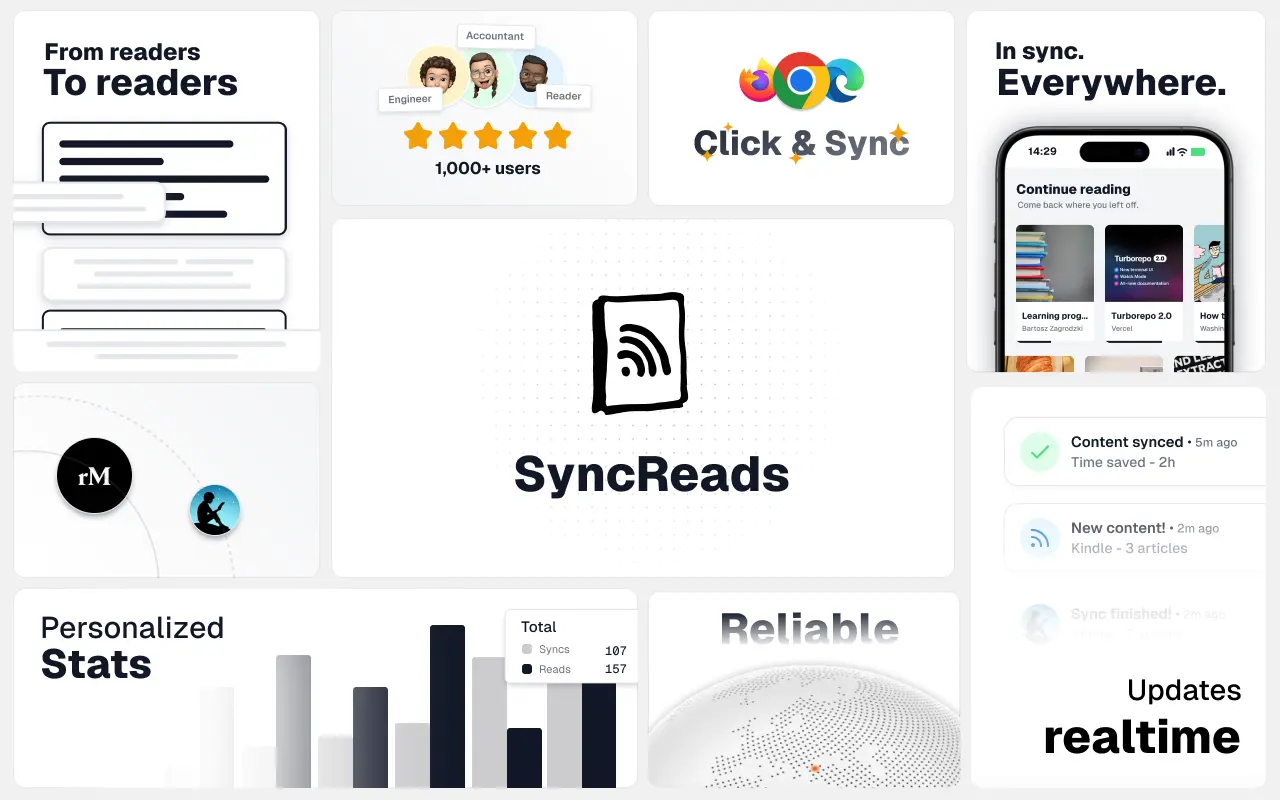
Sync your favorite content for distraction-free reading, save time and replace multiple apps. Anytime, anywhere 🔄
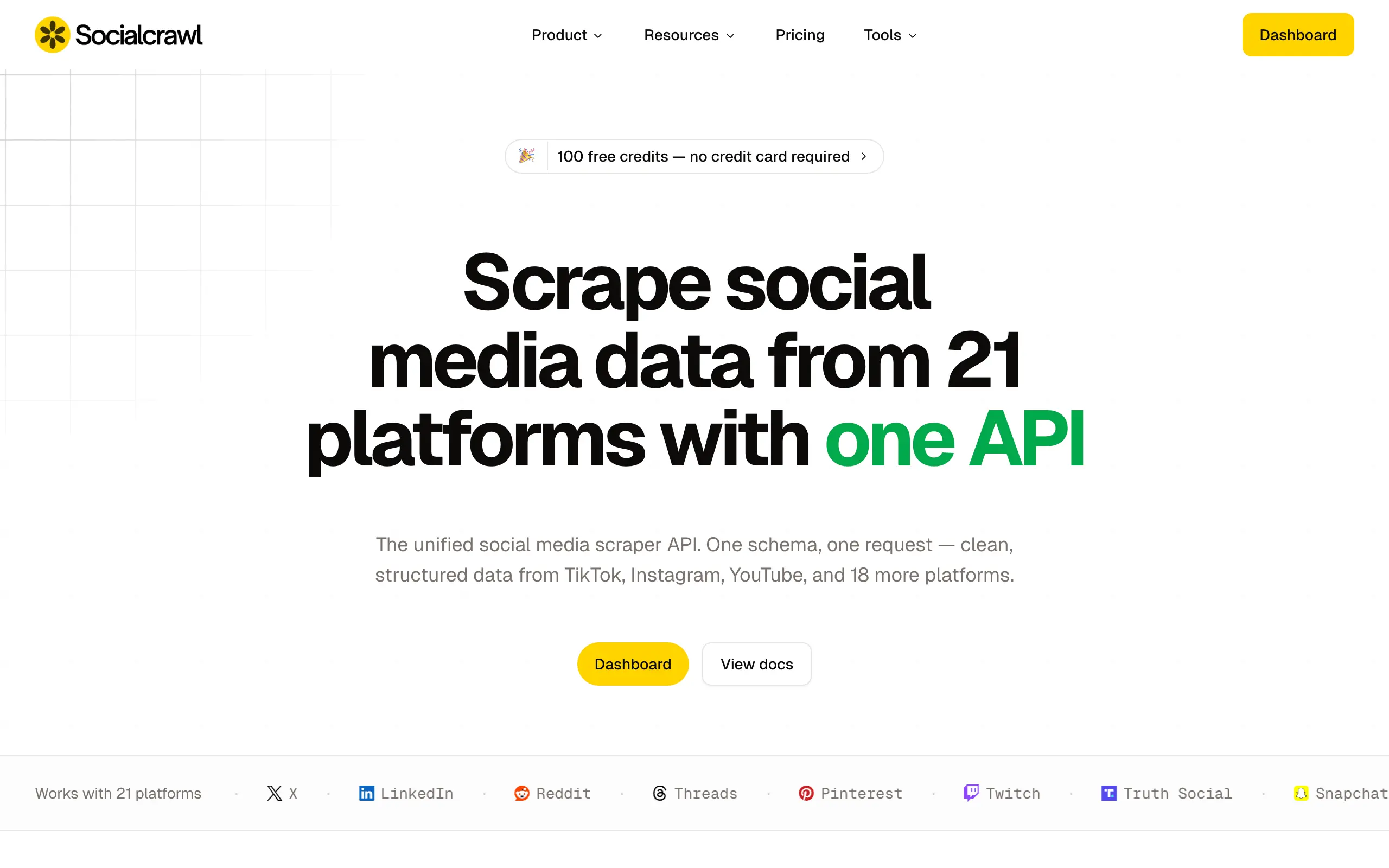
Get clean, structured data from 21 platforms like TikTok, Instagram, and YouTube with a single request 📊
Monitor any Telegram channel in real time - track posts, edits, deletions, and growth with AI recaps 📡
AI website builder - describe your business, pick a niche template, edit by chatting, and publish instantly ✨
Find verified home service professionals, compare quotes, and pay securely through escrow - built for Brazilians across the US 🏠
Fix your SEO with AI agents - connect Search Console, get prioritized tasks, and grow organic traffic 📈
Sync your favorite content for distraction-free reading, save time and replace multiple apps. Anytime, anywhere 🔄
Get clean, structured data from 21 platforms like TikTok, Instagram, and YouTube with a single request 📊
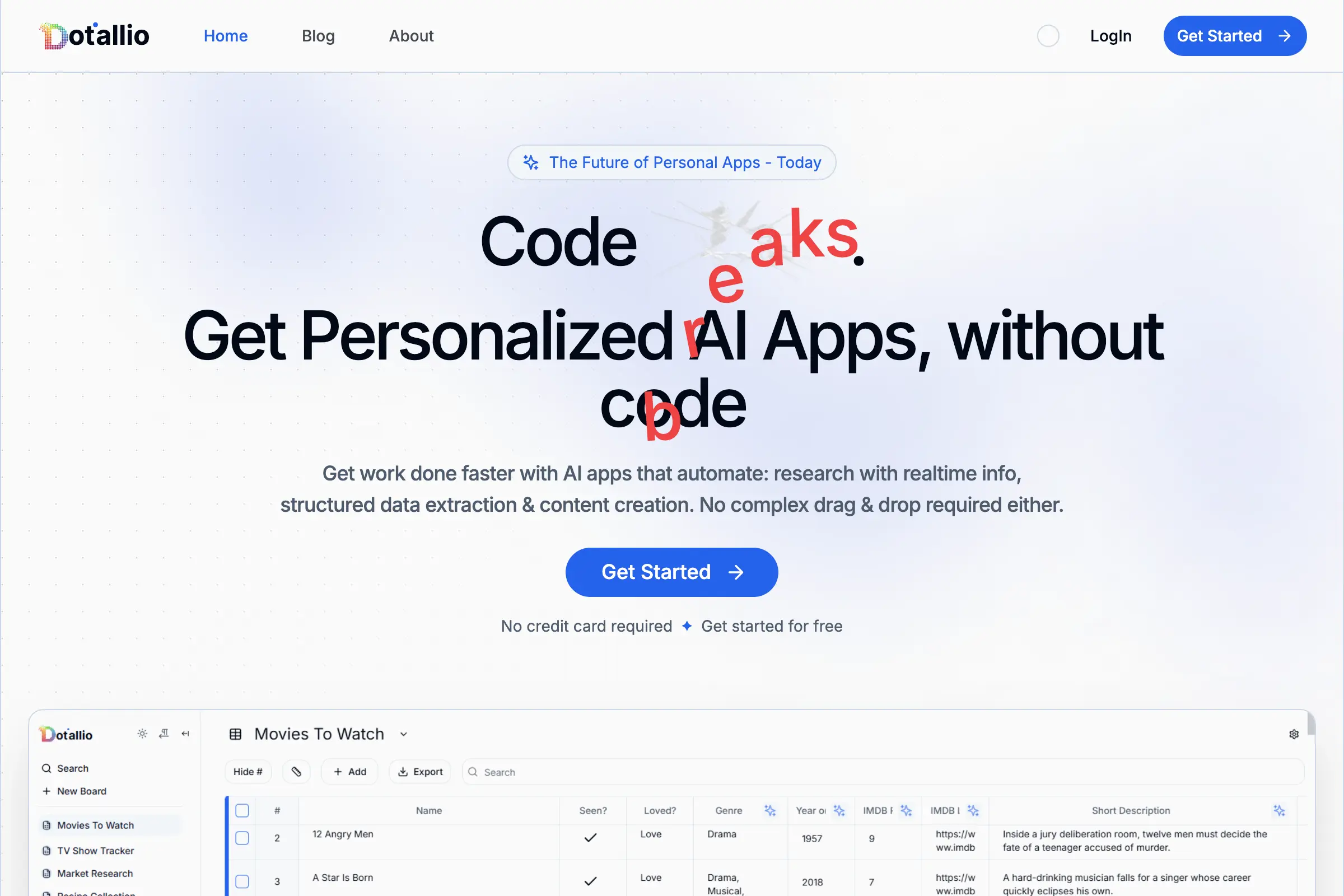
Personalized AI apps that automate research, data extraction, and content creation without code 🤖
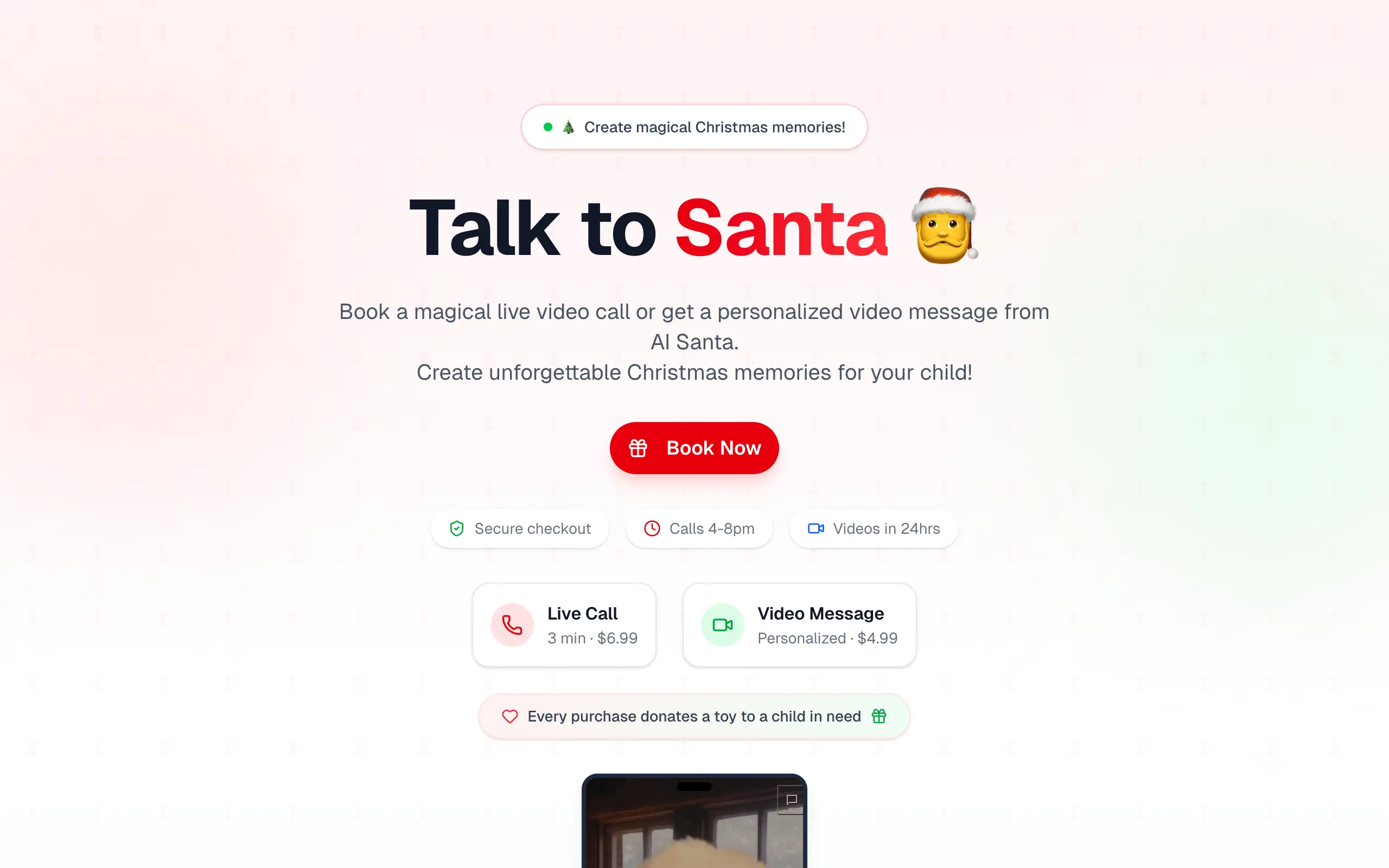
Enjoy a magical live video chat or receive a unique AI-generated video greeting from Santa Claus 🎅
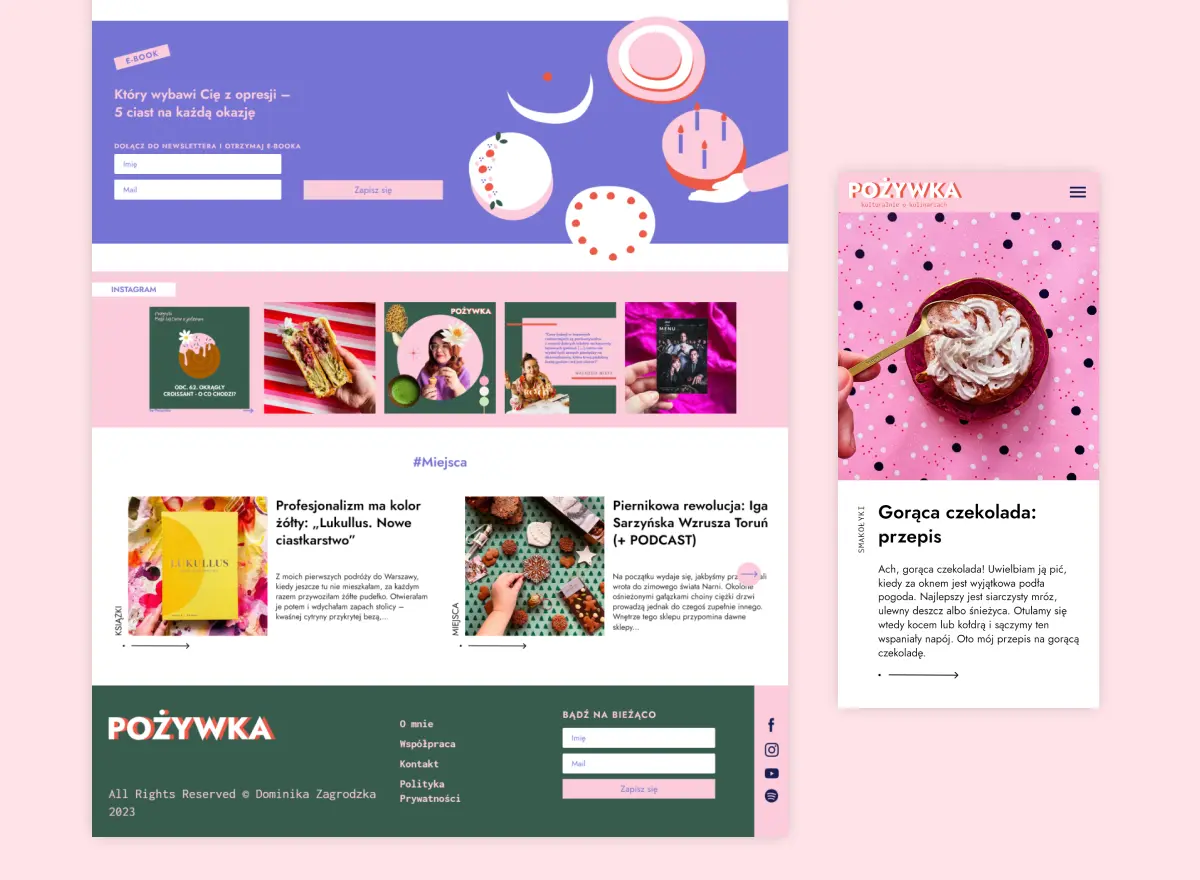
Scalable blog for food journalist, focused on performance and user experience 🌭
Personal blog and portfolio of Bart Zagrodzki, where he shares his knowledge and work 💼
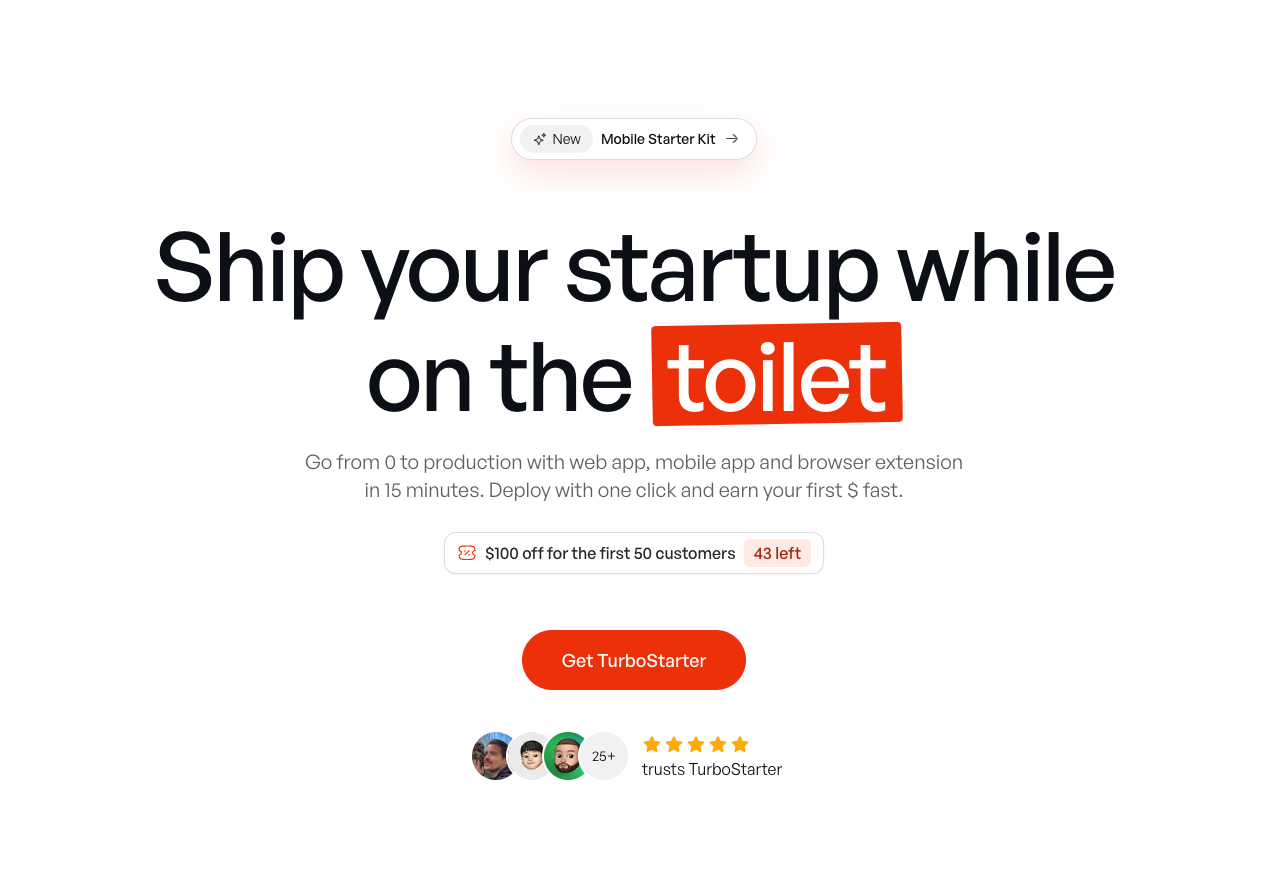
Ship your startup everywhere. In minutes.
Convert HTML to Markdown with ease, directly in your browser 📄
Personalized AI apps that automate research, data extraction, and content creation without code 🤖
Enjoy a magical live video chat or receive a unique AI-generated video greeting from Santa Claus 🎅
Scalable blog for food journalist, focused on performance and user experience 🌭
Personal blog and portfolio of Bart Zagrodzki, where he shares his knowledge and work 💼
Ship your startup everywhere. In minutes.
Convert HTML to Markdown with ease, directly in your browser 📄
Chat with 50+ AI models, including ChatGPT and Claude, in one place - switch models anytime without losing context 🤖
Supercharge your Claude Code with 6x effective context window and specialized AI agents 🤖
AI-powered emoji picker with smart, context-aware suggestions 🤖
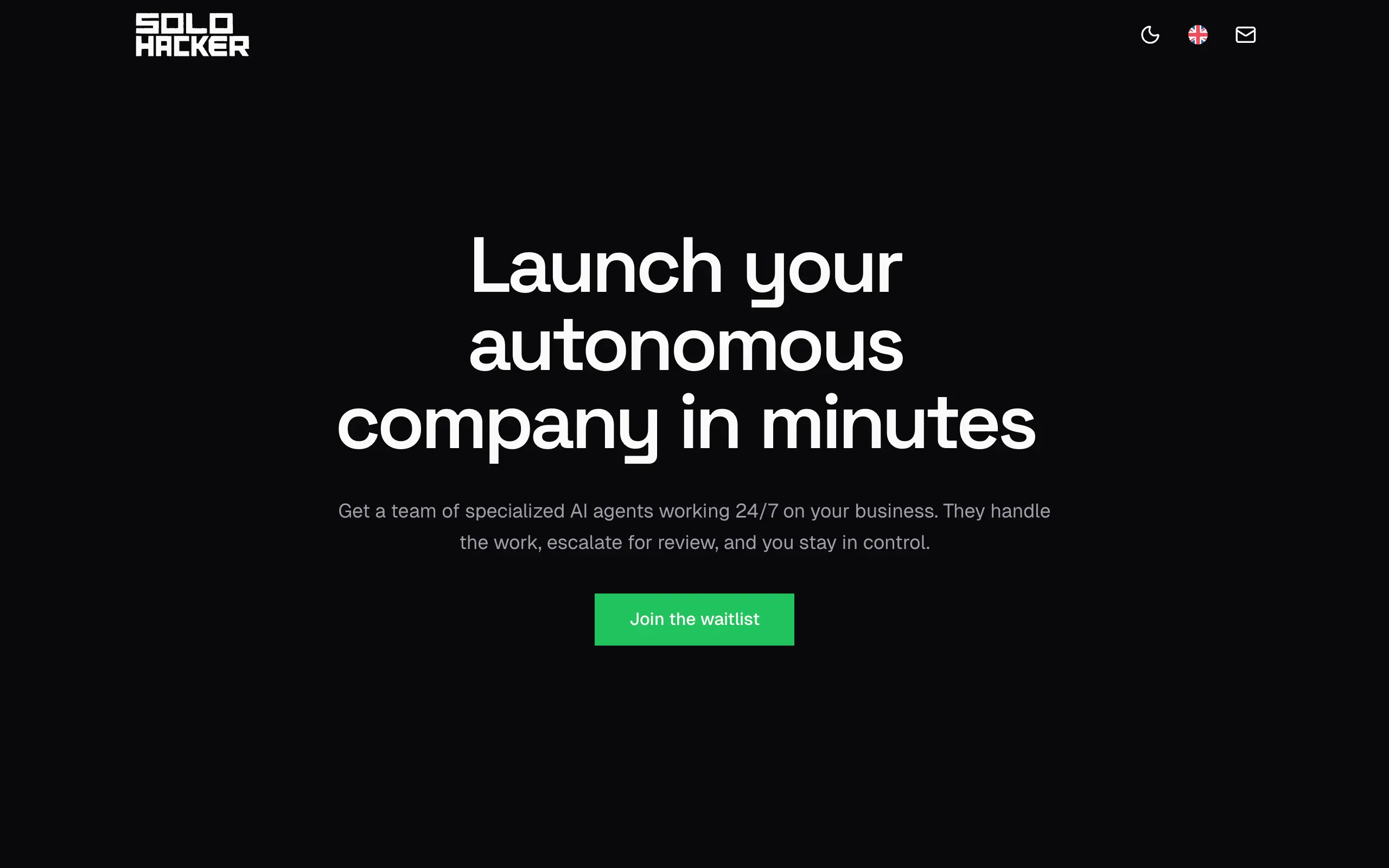
Autonomous company launcher - AI agents work 24/7, escalate what matters, and you stay in control 🤖
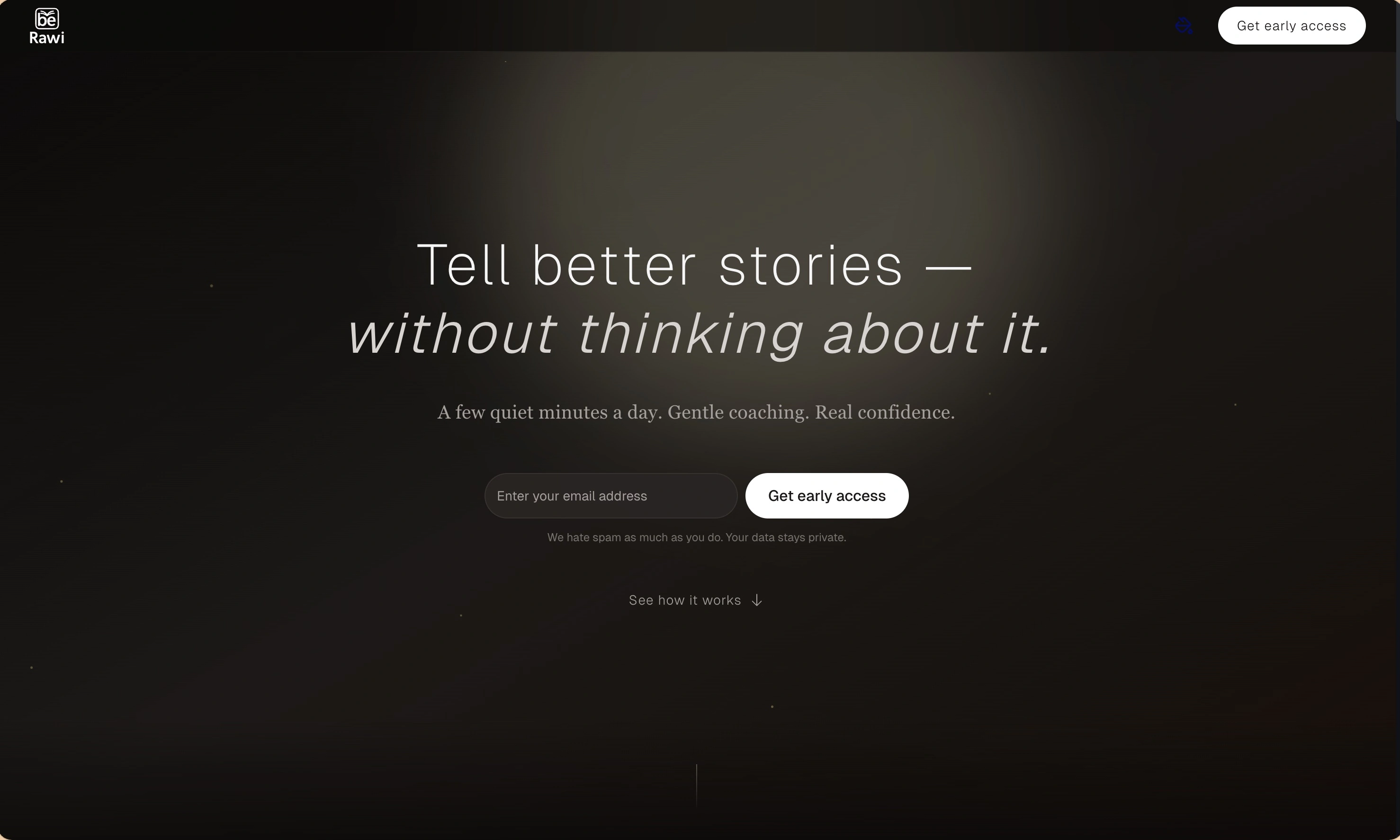
Practice storytelling daily with instant feedback to sound clearer, more engaging, and confident 🎤
Chat with 50+ AI models, including ChatGPT and Claude, in one place - switch models anytime without losing context 🤖
Supercharge your Claude Code with 6x effective context window and specialized AI agents 🤖
AI-powered emoji picker with smart, context-aware suggestions 🤖
Autonomous company launcher - AI agents work 24/7, escalate what matters, and you stay in control 🤖
Practice storytelling daily with instant feedback to sound clearer, more engaging, and confident 🎤

Connect with like-minded people
Join our community to get feedback, support, and grow together with 1,000+ builders on board, let's ship it!
Join usShip your startup everywhere. In minutes.
Don't burn tokens on setup and start building features on day one.