Kennelcount
Gives boarding kennels and dog daycares a simple tool to manage vaccination records and capacity. Owners avoid turning away pets and catch expired shot certificates before drop-off.
Kennelcount is a niche B2B SaaS for boarding kennels and dog daycares that tracks vaccination records and capacity in one place. It flags expired or missing shot certificates before drop-off and shows which days are truly full, so owners stop turning away dogs they could have taken or accepting dogs they should not have. In 2026, small pet-care businesses are still running on paper folders, shared inboxes and spreadsheets, which makes a focused vaccination tracking and capacity software for dog kennels a realistic, buildable business.
Key takeaways
- Target customer: independent boarding kennels and dog daycares with 1 to 5 staff, typically 20 to 100 dogs of capacity
- Pricing angle: flat monthly subscription by capacity tier, roughly $29 to $79 per month (an assumption to test, not a benchmark)
- Biggest risk: incumbent kennel management suites already bundle basic vaccine tracking, so you must win on speed and simplicity
- Time to MVP: about 3 to 5 weeks for one developer using a starter kit
What problem does Kennelcount solve?
Kennels carry two operational risks that are easy to underestimate: expired vaccinations and inaccurate capacity. A dog arriving with an expired Bordetella or rabies certificate creates a health risk for every other animal and a liability problem for the owner. A kennel that believes it is full when it is not loses revenue, and one that overbooks has to make awkward calls on the day.
Who is the ideal customer?
The best first customer is an owner-operated kennel or daycare with a small team and no dedicated office manager. The owner usually does intake, answers the phone and checks paperwork in the same hour. They are comfortable with a phone and email but do not want a heavy system with a long setup.
Look for businesses that offer both boarding and daycare. They have the messiest capacity math, because daycare dogs, overnight dogs and different run sizes compete for the same space.
What do they do today, and why does it fail?
The typical workaround is a mix of paper folders, photos of certificates texted by owners, a shared inbox and a spreadsheet or calendar. It works until volume rises.
- Certificates arrive in scattered formats: photos, PDFs, emails and handwritten vet cards
- Expiry dates live in someone's head: nobody is alerted before a booking starts
- Capacity is estimated, not calculated: holidays and peak weekends turn into guesswork
- Chasing owners is manual: staff send reminders one by one, usually the day before drop-off, when it is too late
The failure is not that the workaround is impossible. It is that it depends on a busy person remembering to check, and the cost of missing one case is high.
Is there a market for kennel vaccination and capacity software?
Yes, but it is a crowded adjacent category, not an empty one. Established pet-care business tools such as Gingr, PetExec and Time To Pet already cover booking, invoicing and customer records for kennels, daycares and groomers. Many small operators still find them heavy, or only use a fraction of the features.
The gap is a narrow tool that does two jobs well: compliance tracking and capacity visibility. It can sit beside an existing system or replace a spreadsheet for owners who never adopted a full suite.
Why does 2026 look like a good moment?
Several shifts make a lightweight tool easier to build and sell:
- Document extraction is cheap now: vision-capable AI models can read a vaccination certificate photo and pull out vaccine names and dates, which used to require manual entry or custom OCR
- Owners expect to upload from their phone: a link by text or email is a normal intake step
- Small businesses resist big suites: many prefer a focused tool with a low monthly price over a platform migration
- Subscription fatigue is selective: owners pay when a tool prevents a visible loss, such as an empty run or an incident
The honest caveat is that kennels are a small, fragmented market. You will not build a venture-scale company here quickly, but a profitable niche product is plausible with a few hundred customers.
What features should the Kennelcount MVP include?
Build the smallest product that reaches the aha moment: a kennel owner uploads a photo of a certificate, sees the dates extracted correctly, and later gets an alert that a dog's rabies shot expires before an upcoming stay. Everything else supports that moment.
Owner upload links
Send pet owners a link to upload vaccine certificates from their phone, no account needed.
Expiry tracking and alerts
Track each vaccine by dog and flag shots that expire before or during a booked stay.
Capacity calendar
Set runs or total spots by service type and see which days are full, tight or open.
Reminder emails
Automatically ask owners to send updated records before the stay begins.
What should you cut from version one?
Cut payments, full customer messaging, grooming, report cards, staff scheduling and any attempt to replace a complete kennel management system. Also skip native mobile apps at first. A responsive web app and a mobile-friendly upload page cover the real workflow.
Manual entry of vaccine dates should work from day one, with AI extraction as a convenience that staff can confirm. Never auto-approve a certificate without a human check, because a wrong date is worse than no automation.
How is Kennelcount different from spreadsheets and kennel software?
The unique selling point is simple: never accept a dog with an expired shot, and never turn away a dog you had room for. It is not a full back-office suite. It is a compliance and capacity layer that works in minutes.
| Option | Setup time | Auto expiry alerts | Owner self-upload | Capacity view |
|---|---|---|---|---|
| Kennelcount | Under an hour | ✅ | ✅ | ✅ |
| Spreadsheet and paper | Fast, but manual | ❌ | ❌ | Manual |
| Full kennel suites | Often days | Varies | Varies | ✅ |
| Generic calendar and inbox | Fast | ❌ | ❌ | Partial |
Treat the table as a positioning guide: check the specific competitors your prospects use, since features and plans change.
The defensible edge is the workflow around the certificate, not the calendar. Owner upload links, extraction, reminders and a clear approved or not approved status per dog are what staff touch every day.
How would Kennelcount make money?
Subscription pricing fits this customer best, because the value is ongoing and the buyer is a small business that prefers predictable bills.
Which pricing models are realistic?
- Tiered by capacity: for example $29 for up to 30 dogs, $49 for up to 75, $79 beyond that. Simple and tied to business size.
- Flat price with unlimited dogs: one plan around $39 per month. Easier to explain and sell, but it leaves money on the table for large daycares.
- Per-location pricing for small chains: useful later for multi-site owners, with an annual discount.
As an assumption, if you charge $49 per month and convert 20% of kennels that complete onboarding, 100 onboarded kennels would produce about 20 customers and roughly $980 in monthly recurring revenue. Measure your own activation rate before trusting any projection.
What growth channel should come first?
Direct outreach and local communities will most likely work first. Kennel owners gather in trade associations, Facebook groups and regional events, and many respond to a personal email or call. Offer to import their first 20 dogs for free, which shows value immediately. Content such as a vaccination requirements checklist template can support search traffic later.
How do you validate the idea before building?
Spend one to two weeks proving that owners care enough to try or pay.
Interview ten kennel owners
Ask how they check vaccinations today, what happened the last time a record was missing, and how they decide when they are full.
Shadow one drop-off day
Watch intake at a friendly kennel and note how many records are checked, where they live and what slows staff down.
Ship a landing page
State one promise, such as catching expired vaccinations before drop-off, and collect waitlist emails from local owners.
Run a manual concierge test
Take a kennel's records, build the expiry tracker in a spreadsheet and send alerts by hand for a week. If they would be upset to lose it, you have signal.
Ask for a pre-sale
Offer founding customers a discounted annual plan. Even three or four paid commitments are stronger evidence than fifty waitlist signups.
What tech stack should you use to build Kennelcount?
A standard web SaaS stack is enough: a React frontend, a relational database, file storage for certificate images, scheduled jobs for alerts and a transactional email provider. The data is highly relational (owners, dogs, vaccines, bookings, runs), which favors SQL.
TurboStarter removes most of the undifferentiated work. You get a monorepo with web and mobile apps, authentication, organizations and teams, billing, database, emails, file storage, AI, background tasks and an admin panel, so your time goes into the certificate workflow and capacity logic.
Which parts of the stack matter most?
- Accounts per kennel: each business is an organization with staff members, handled by organizations
- Subscriptions: tiered plans and trials through billing
- Certificate images: uploads from owners, stored through storage
- Nightly expiry checks: scheduled jobs using background tasks
Which certificate extraction approach should you pick?
Send the uploaded image to a vision-capable model and request structured output with vaccine name, date given and expiry date. It speeds up intake and feels impressive in demos. The trade-offs are per-call cost, occasional misreads and the need for a staff confirmation step.
Staff or owners type the dates, with the image attached as proof. It is cheaper, fully predictable and enough for the first few customers. It is slower and less differentiated, so add extraction once you see real usage.
A starting data model could look like this:
create table vaccination (
  id uuid primary key,
  dog_id uuid not null references dog(id),
  vaccine_type text not null,
  administered_on date,
  expires_on date not null,
  document_url text,
  status text not null default 'pending'
);
Capacity can be a table of run types with counts plus a query that sums booked stays per day. Keep that logic simple at first and avoid modeling every kennel layout.
What could make Kennelcount fail?
Biggest risk: incumbents already cover the basics
Kennel management suites often include vaccine fields and calendars. If owners see Kennelcount as a duplicate feature, they will not switch or pay for a second tool. Counter this by focusing on speed, owner self-upload and alerts, and by offering exports or integrations so the tool complements what they already use.
What are the other real risks?
- Small, fragmented market: customer acquisition is manual and slow. Mitigate with low support costs, annual plans and a narrow focus on reaching the first 50 customers.
- Extraction errors: a wrongly read date can cause a real incident. Always require staff confirmation and show the source image next to the parsed data.
- Low switching urgency: owners may feel the spreadsheet is good enough. Sell around a concrete incident, such as a missed expiry, and make onboarding nearly effortless.
- Compliance expectations: vaccine requirements vary by region and insurer. Let each kennel define its own required vaccines instead of hard-coding rules.
What should your first 30 days look like?
- Week 1: complete interviews, shadow a drop-off day and publish the landing page.
- Week 1 to 2: run the concierge test with two or three kennels and collect pre-sale commitments.
- Week 2: set up the project with TurboStarter and configure auth, organizations, billing and email.
- Week 3: build the dog and owner records, upload links, manual vaccine entry and expiry tracking.
- Week 3 to 4: add the capacity calendar, nightly alert job and reminder emails.
- Week 4: onboard the first pilot kennels by importing their records yourself, then fix what slows them down.
- Day 30: review activation, alerts acted on and willingness to pay, then decide whether to add AI extraction or expand the audience.
Pick one local kennel this week, ask to see how they check vaccines at drop-off, and start from that conversation.
FAQ
Interview ten owners, shadow a drop-off day and run a manual version of the expiry tracker for one kennel. If they ask to keep it after a week, or agree to pre-pay, the problem is real enough to build for.
Small independent kennels typically accept low monthly prices tied to capacity. A range of $29 to $79 per month is a reasonable starting assumption, but test it in pre-sale conversations rather than guessing.
Not feature for feature, and it should not try. Compete by being faster to adopt and better at one job: certificate collection, expiry alerts and capacity visibility. Integrations or exports can make it a companion to larger suites.
A TypeScript web app with a relational database, file storage, scheduled jobs and email is enough. Using a starter kit like TurboStarter covers authentication, billing, organizations and storage so you can focus on the vaccine and capacity workflow.
A solo developer with a starter kit can typically ship a usable MVP in three to five weeks. Manual vaccine entry, expiry alerts and a simple capacity calendar come first, with AI extraction added after real customers confirm the workflow.
More 🏢 B2B Application SaaS ideas
Discover more innovative b2b application SaaS ideas that are trending in 2026. Each idea is AI-generated with market validation and growth potential to help you find your next profitable venture faster than competitors.
Your competitors are building with TurboStarter
Below are some of the SaaS ideas that have been generated and built with our starter kit.

Monitor any Telegram channel in real time - track posts, edits, deletions, and growth with AI recaps 📡

AI website builder - describe your business, pick a niche template, edit by chatting, and publish instantly ✨

Find verified home service professionals, compare quotes, and pay securely through escrow - built for Brazilians across the US 🏠
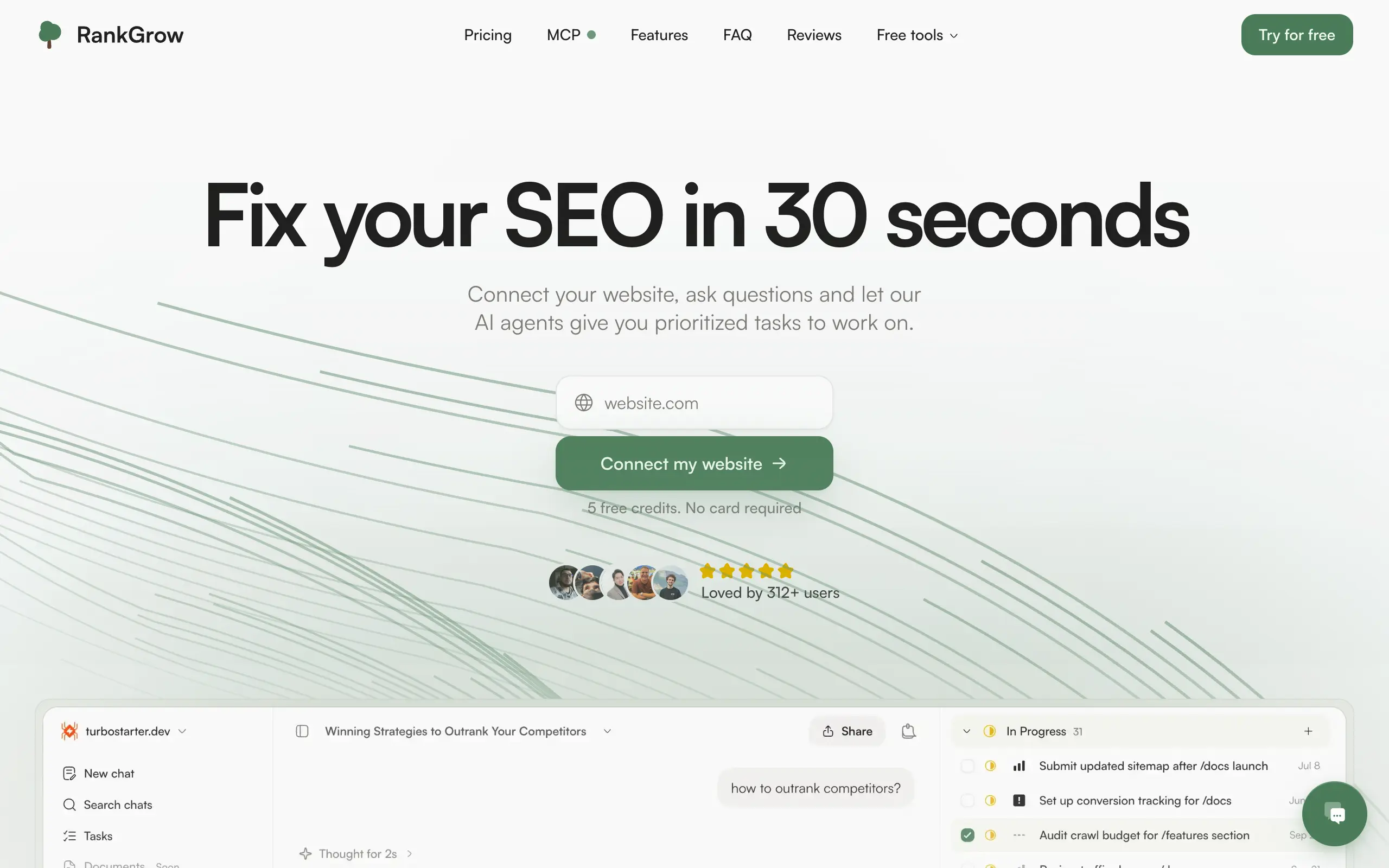
Fix your SEO with AI agents - connect Search Console, get prioritized tasks, and grow organic traffic 📈
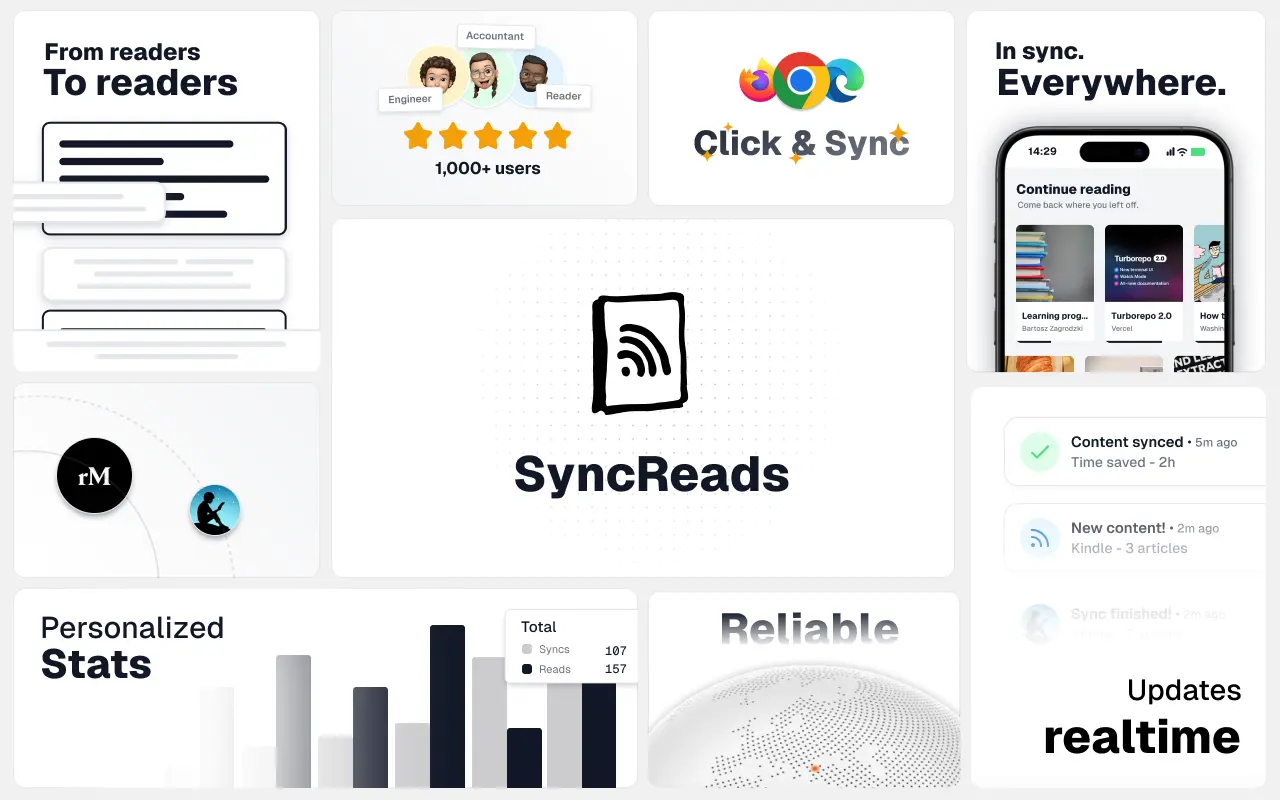
Sync your favorite content for distraction-free reading, save time and replace multiple apps. Anytime, anywhere 🔄
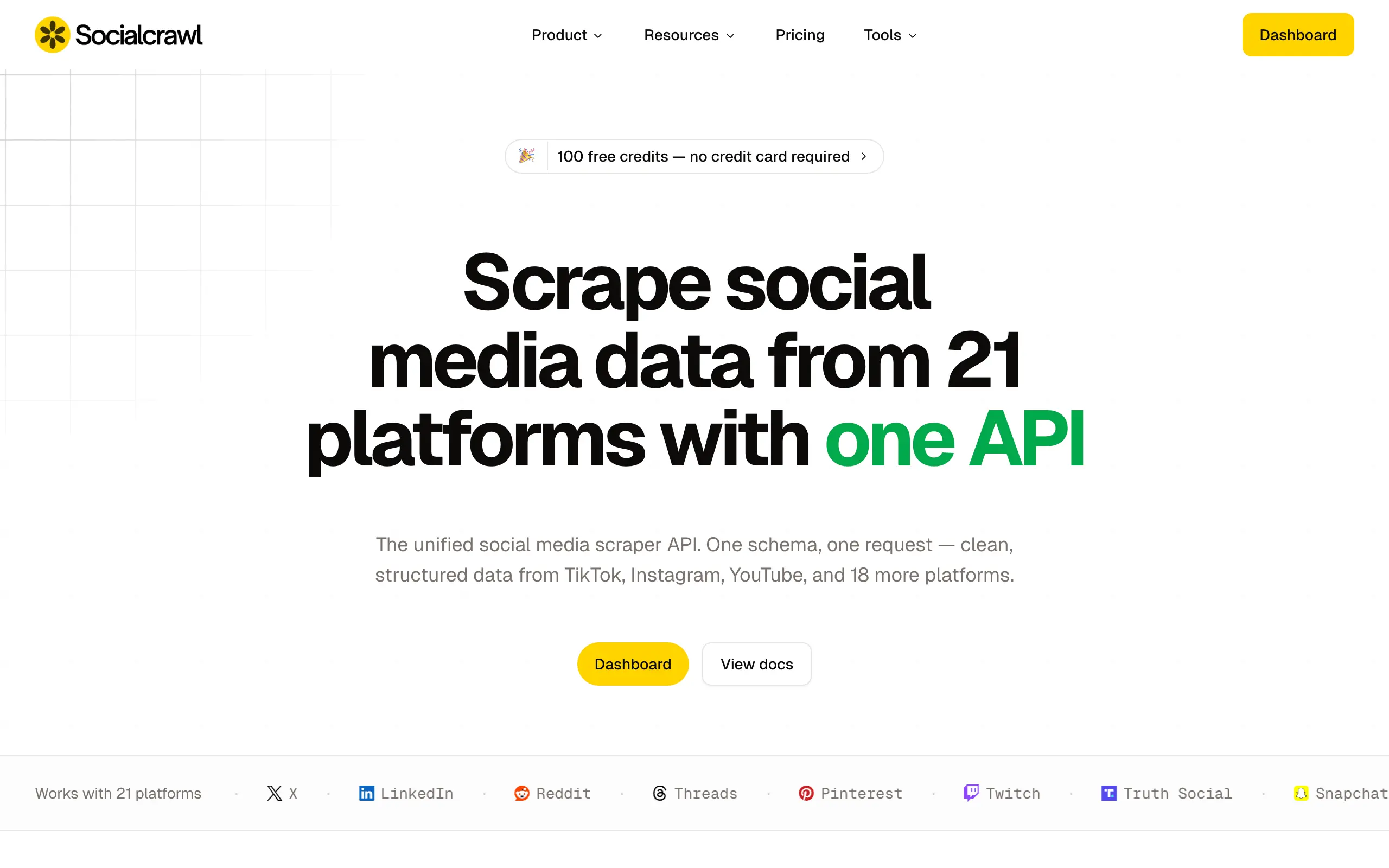
Get clean, structured data from 21 platforms like TikTok, Instagram, and YouTube with a single request 📊
Monitor any Telegram channel in real time - track posts, edits, deletions, and growth with AI recaps 📡
AI website builder - describe your business, pick a niche template, edit by chatting, and publish instantly ✨
Find verified home service professionals, compare quotes, and pay securely through escrow - built for Brazilians across the US 🏠
Fix your SEO with AI agents - connect Search Console, get prioritized tasks, and grow organic traffic 📈
Sync your favorite content for distraction-free reading, save time and replace multiple apps. Anytime, anywhere 🔄
Get clean, structured data from 21 platforms like TikTok, Instagram, and YouTube with a single request 📊
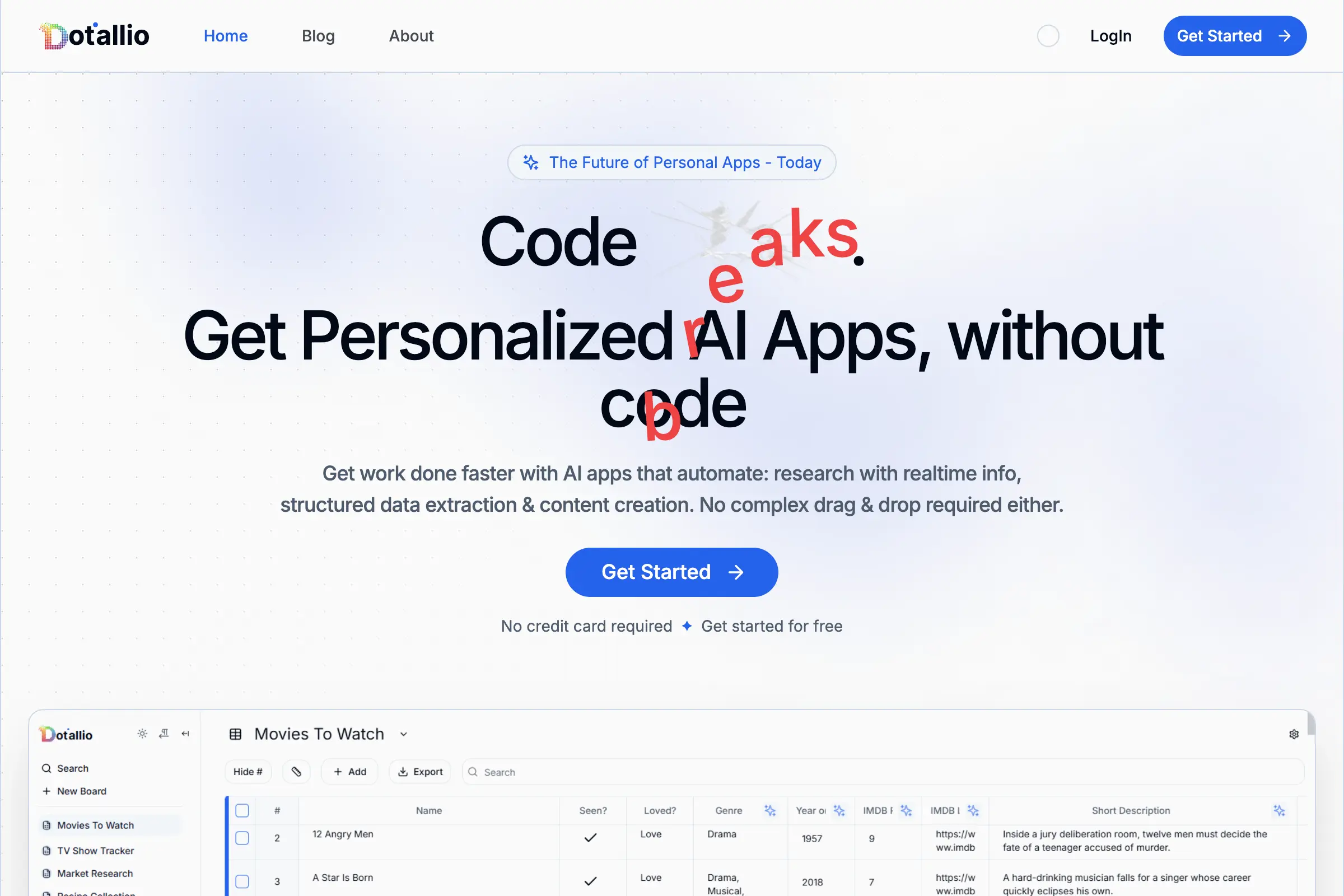
Personalized AI apps that automate research, data extraction, and content creation without code 🤖

Enjoy a magical live video chat or receive a unique AI-generated video greeting from Santa Claus 🎅

Scalable blog for food journalist, focused on performance and user experience 🌭
Personal blog and portfolio of Bart Zagrodzki, where he shares his knowledge and work 💼
Ship your startup everywhere. In minutes.
Convert HTML to Markdown with ease, directly in your browser 📄
Personalized AI apps that automate research, data extraction, and content creation without code 🤖
Enjoy a magical live video chat or receive a unique AI-generated video greeting from Santa Claus 🎅
Scalable blog for food journalist, focused on performance and user experience 🌭
Personal blog and portfolio of Bart Zagrodzki, where he shares his knowledge and work 💼
Ship your startup everywhere. In minutes.
Convert HTML to Markdown with ease, directly in your browser 📄
Chat with 50+ AI models, including ChatGPT and Claude, in one place - switch models anytime without losing context 🤖
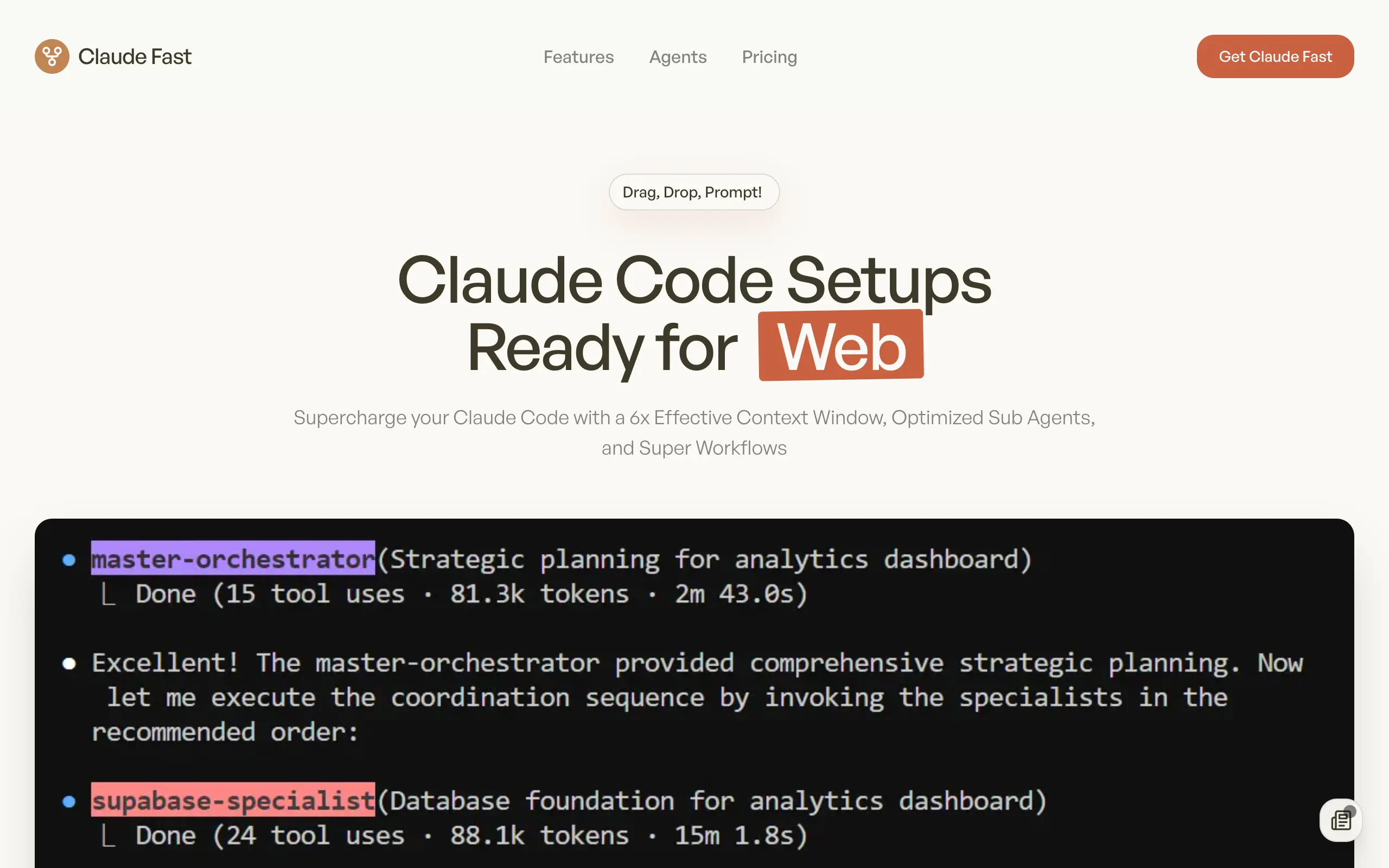
Supercharge your Claude Code with 6x effective context window and specialized AI agents 🤖
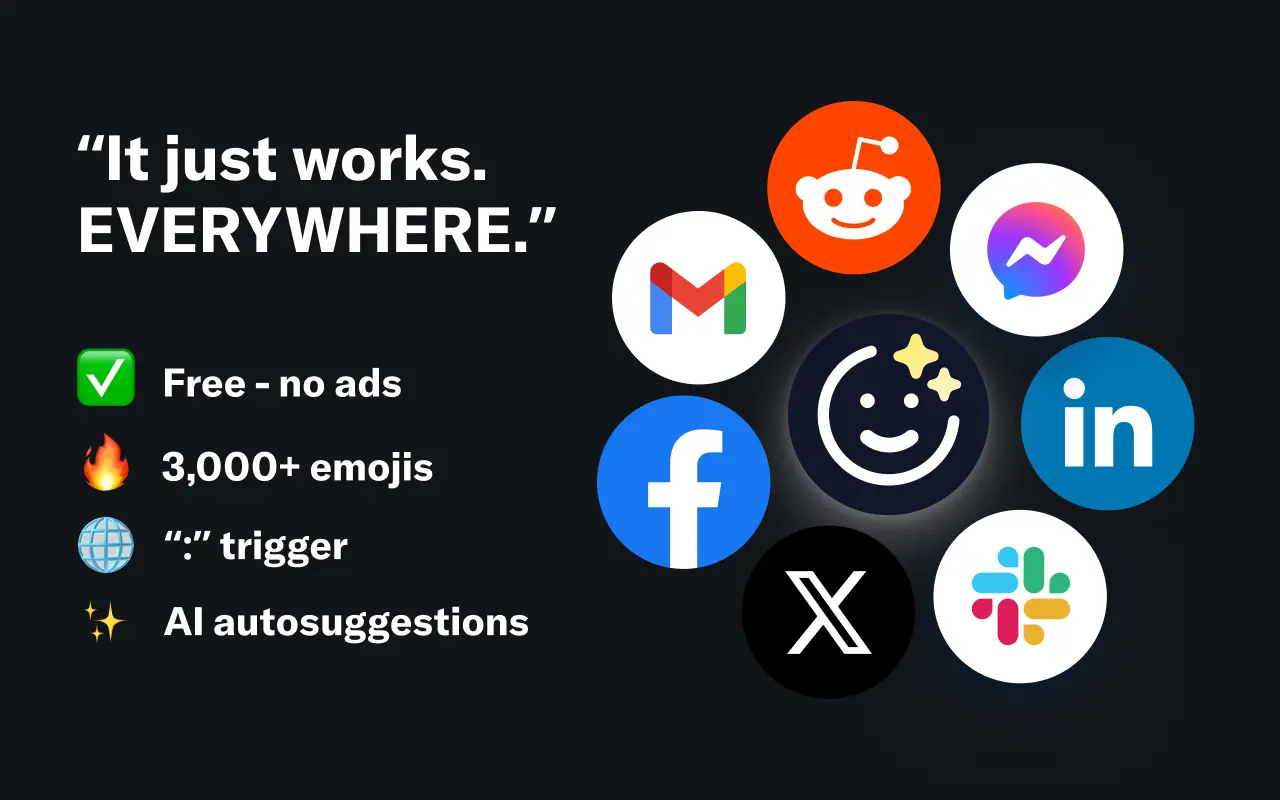
AI-powered emoji picker with smart, context-aware suggestions 🤖
Autonomous company launcher - AI agents work 24/7, escalate what matters, and you stay in control 🤖

Practice storytelling daily with instant feedback to sound clearer, more engaging, and confident 🎤
Chat with 50+ AI models, including ChatGPT and Claude, in one place - switch models anytime without losing context 🤖
Supercharge your Claude Code with 6x effective context window and specialized AI agents 🤖
AI-powered emoji picker with smart, context-aware suggestions 🤖
Autonomous company launcher - AI agents work 24/7, escalate what matters, and you stay in control 🤖
Practice storytelling daily with instant feedback to sound clearer, more engaging, and confident 🎤

Connect with like-minded people
Join our community to get feedback, support, and grow together with 1,000+ builders on board, let's ship it!
Join usShip your startup everywhere. In minutes.
Don't burn tokens on setup and start building features on day one.