Kennelpath
Helps independent dog boarding kennel owners send vaccination reminders and book returning clients automatically. It cuts no-shows and lets owners fill empty runs without answering the phone all day.
Kennelpath is a booking and compliance tool for independent dog boarding kennels. It tracks each dog's vaccination expiry dates, chases owners for updated records, and rebooks returning clients automatically so owners stop living on the phone. The opportunity in 2026 is that most small kennels still run on paper cards, spreadsheets and voicemail, while their customers expect text-message convenience. A focused dog boarding software product can win by solving two expensive problems (expired vaccines and empty runs) instead of trying to be a full pet-business suite.
Key takeaways
- Target customer: owner-operated boarding kennels with roughly 10 to 60 runs, one to six staff and no dedicated office manager.
- Pricing angle: flat monthly subscription per location, likely in the $49 to $129 range depending on run count, with no per-booking fees.
- Biggest risk: getting kennel owners to change habits. Adoption, not technology, decides whether this works.
- Time to MVP: about 4 to 6 weeks for one developer using a starter kit, assuming you skip payments for deposits at first.
What problem does Kennelpath solve for dog boarding kennels?
Kennel owners lose money in two quiet ways: dogs arrive with expired vaccinations, and runs sit empty because nobody followed up with last year's clients. Both problems exist because the owner is the receptionist, the cleaner and the dog handler at once.
Who is Kennelpath for?
The ideal customer is an independent kennel owner who runs a single location and takes most bookings by phone, text or Facebook message. They typically have a few hundred past clients, a strong holiday peak (summer, Christmas, school breaks) and a thin off-season.
Chains and large pet resorts are not the first target. They usually have enterprise tools or dedicated front-desk staff, and they buy slowly.
What do kennels do today, and why does it fail?
The common workaround is a mix of a paper or spreadsheet vaccine log, a shared calendar and a phone that never stops ringing. Reminders happen when someone remembers.
This fails in predictable ways:
- Vaccine checks happen at drop-off. An expired rabies or Bordetella record found at the door means an awkward conversation, a turned-away dog or a risky exception.
- Rebooking is passive. Owners who boarded last Christmas are never nudged to book this Christmas, so the owner relies on memory or word of mouth.
- No-shows and late cancellations go unmanaged. Without deposits or confirmation prompts, a held run is a lost run.
- Calls interrupt care. Every ring pulls a staff member away from the dogs.
Is there a market for dog boarding software in 2026?
Yes, but the gap is in the middle. Broad pet-business platforms exist, and well-known names such as Gingr and PetExec serve kennels and daycares with feature-heavy systems. Generic scheduling tools such as Calendly or Square Appointments handle appointments but know nothing about vaccines, runs or species-specific rules.
Why now?
Several shifts make a narrow product viable:
- Text-first communication is normal. Pet owners expect confirmations and reminders by SMS or email, not a callback.
- Owners are comfortable with online booking. Years of salon, vet and restaurant apps have trained customers to self-serve.
- AI-assisted parsing is practical. Reading a vaccine certificate photo and extracting dates is far more reliable than it was a few years ago, though it still needs human confirmation.
- Small businesses resist heavyweight software. Many owners have tried an all-in-one system, found it overwhelming and gone back to paper.
The honest read: the market is real but unglamorous. You will not get viral growth. You will get steady, sticky revenue if you save owners hours each week.
What features should the Kennelpath MVP include?
Build the smallest product that makes an owner say, "I didn't have to chase anyone this week." The aha moment is the first time an expired vaccine gets fixed by the owner uploading a new record before the stay, with zero staff effort.
Vaccine tracking and reminders
Store each dog's records and expiry dates, then text or email owners automatically before a record lapses or a stay begins.
Client self-service portal
A simple link where owners upload a vaccine certificate, confirm contact details and request dates without calling.
Returning-client rebooking
Automated nudges to past clients ahead of peak seasons, with a one-tap request for their usual dates.
Run availability calendar
A clear view of open and held runs so the owner can accept, decline or waitlist requests in seconds.
What should you cut from version one?
Leave out payroll, grooming, retail point of sale, daycare packages, multi-location reporting and a native mobile app. Skip full payment processing at first and use a manual deposit link or note field.
Photo-to-record vaccine extraction is tempting, but start with manual date entry plus an uploaded file. Add automated reading once you see how messy real certificates are.
How is Kennelpath different from existing kennel software?
The unique selling proposition is narrow and measurable: fewer expired vaccines at the door and fewer empty runs, set up in an afternoon. Incumbents sell breadth. Kennelpath sells two outcomes and a short setup.
| Option | Automatic vaccine reminders | Rebooking campaigns | Setup in under a day | Fits a small kennel budget |
|---|---|---|---|---|
| Kennelpath | ✅ | ✅ | ✅ | ✅ |
| Spreadsheet and paper | ❌ | ❌ | ✅ | ✅ |
| Full kennel suites | Varies | Varies | ❌ | Depends |
| Generic booking tools | ❌ | ❌ | ✅ | ✅ |
| DIY with forms and calendar | ❌ | ❌ | Depends | ✅ |
Be careful with the "Varies" cells: established suites may offer some of these features, so check their current plans during your interviews. Your edge is focus and onboarding speed, not an exclusive capability.
How would Kennelpath make money?
The simplest model is a flat monthly subscription per location. Kennel owners dislike percentage cuts of bookings, and a flat fee is easy to justify against one saved boarding night.
Pricing options
- Tiered by run count: for example a starter tier for up to 20 runs and a larger tier above that. This scales with the kennel's revenue without feeling punitive.
- Flat price with SMS credits: one plan, with text messages billed at cost plus a margin. Useful because SMS has a real per-message cost.
- Annual prepay discount: offer two months free for yearly payment. Seasonal businesses like paying once, and you get cash up front.
As an assumption: if you charge $79 per month and a kennel fills just two extra nights from rebooking campaigns, the tool may pay for itself. Measure that in your pilot rather than assuming it.
What growth channel works first?
Direct outreach to kennel owners, plus presence where they already gather. That means local and regional boarding associations, owner Facebook groups and a handful of kennel-supply newsletters. Offer free migration of their existing vaccine list. It is manual and slow, but a satisfied owner tends to tell peers.
How do you validate a dog boarding software idea before building?
Spend one to two weeks proving owners will change their routine and pay.
Interview ten kennel owners
Ask how they handled their last three vaccine problems and last holiday's empty runs. Listen for hours lost and money lost, not feature wishes.
Audit their current records
Ask to see their vaccine tracking method. Count how many dogs have expired or missing records right now, as that number becomes your pitch.
Launch a one-page waitlist
State one promise: no more expired vaccines at drop-off. Drive traffic from owner groups and your interview contacts, and track signups against visits.
Offer a paid pilot
Ask three to five owners to pre-pay a discounted first quarter in exchange for hands-on setup. A credit card or invoice paid before launch is the strongest signal you can get.
Run a concierge test
Before coding automation, send reminders manually from a shared inbox for one pilot kennel. If owners respond and rebookings happen, the workflow is worth building.
What tech stack should you use to build Kennelpath?
Use a conventional web stack and avoid anything exotic. The product is mostly forms, scheduled jobs, messaging and a calendar. The hard part is the workflow, not the infrastructure.
TurboStarter removes most undifferentiated work: it ships with web and mobile apps in a monorepo, plus authentication, organizations and teams, billing, a database layer, emails, file storage, background tasks, an admin panel, analytics, internationalization and monitoring. That lets you spend your first weeks on vaccine rules and rebooking logic.
Which parts map to Kennelpath?
- Accounts and staff access: authentication covers owner and staff login, while client portal links can be tokenized and passwordless.
- Subscriptions: billing handles the monthly plans and annual prepay.
- Reminder scheduling: background tasks run the daily job that finds expiring vaccines and queues messages.
- Certificate uploads: storage holds the files owners submit. Check the docs for the storage options available.
A starting data model
Keep the core model small. A vaccination belongs to a dog, and reminders are derived from its expiry date.
type Vaccination = {
  id: string;
  dogId: string;
  type: "rabies" | "dhpp" | "bordetella" | "other";
  expiresOn: string; // ISO date
  documentUrl?: string;
  verifiedByStaff: boolean;
};

type Stay = {
  id: string;
  dogId: string;
  runId: string;
  startsOn: string;
  endsOn: string;
  status: "requested" | "confirmed" | "cancelled" | "no_show";
};
Which messaging approach should you choose?
Cheapest and simplest to launch, with no carrier registration. Open rates may be lower for time-sensitive reminders, so use it for the pilot and for document requests.
Better response for urgent vaccine reminders and booking confirmations. It adds per-message cost and carrier compliance steps, such as sender registration and opt-in handling, so plan extra setup time.
Start with email and add SMS once pilot kennels ask for it. For the front end and API, TurboStarter's React-based web app is enough, using standard tools such as React and Tailwind CSS.
What could make Kennelpath fail?
Most failures here are about people and trust, not code.
Biggest risk: owners will not change their routine
A kennel owner who is busy and skeptical may abandon any tool that adds data entry. If importing existing dogs and vaccine dates takes more than an afternoon, adoption will stall. Offer done-for-you import, accept a spreadsheet upload, and make the first reminders go out within a day of signup.
Other risks
- Incorrect vaccine rules: requirements vary by state, county and kennel. Let each kennel define its own required vaccines and never present the tool as legal or veterinary advice.
- Messaging deliverability and consent: reminders can be blocked or complain-flagged. Collect clear opt-in, include opt-out and warm up sending slowly.
- Seasonality and churn: owners may cancel in the quiet months. Offer a pause option and an annual plan to smooth revenue.
- Incumbent response: established suites can add similar reminders. Compete on onboarding speed, price and attention to small kennels.
What does a 30-day launch plan look like?
Days 1 to 5: interviews and offer
Complete the interviews, pick the pilot kennels and write a clear one-sentence promise.
Days 6 to 10: scaffold the app
Start from TurboStarter so login, billing and the database are in place, then build the dog, owner and vaccination models.
Days 11 to 18: reminders and portal
Build the daily expiry job, the reminder emails and the owner upload page. Test with a pilot kennel's real data.
Days 19 to 24: calendar and rebooking
Add the run calendar and a simple seasonal rebooking campaign to past clients.
Days 25 to 30: pilot and charge
Onboard three to five kennels hands-on, collect payment, and track expired vaccines caught and rebookings generated.
If you want to ship a focused dog boarding software product quickly, start with the vaccine reminder loop and sell it to ten kennels before adding anything else.
FAQ
Interview ten owners, review how many of their current dogs have missing or expired records, and ask for a paid pilot. A pre-payment from even a few kennels tells you more than a hundred waitlist signups.
Small independent kennels typically respond best to a flat monthly fee rather than per-booking charges. Test a range such as $49 to $129 per month by run count, and judge by whether the tool plausibly pays for itself in a few extra boarding nights.
Established pet-business suites such as Gingr and PetExec, plus generic scheduling tools and spreadsheets. Your competition in practice is often paper and habit, so position around simplicity and fast setup.
A standard web stack with a relational database, scheduled background jobs and an email provider is enough. A starter kit such as TurboStarter covers authentication, billing, database, emails and storage so you can focus on reminders and rebooking.
Roughly four to six weeks for a solo developer who uses a starter kit and limits scope to vaccine reminders, an owner portal and a calendar. Costs are mostly your time, plus modest hosting and messaging fees during the pilot.
Not at first. Owners and staff can work from a responsive web app, and clients use links in texts and emails. Consider a mobile app only if staff ask for it during the pilot.
More 🏢 B2B Application SaaS ideas
Discover more innovative b2b application SaaS ideas that are trending in 2026. Each idea is AI-generated with market validation and growth potential to help you find your next profitable venture faster than competitors.
Your competitors are building with TurboStarter
Below are some of the SaaS ideas that have been generated and built with our starter kit.

Monitor any Telegram channel in real time - track posts, edits, deletions, and growth with AI recaps 📡

AI website builder - describe your business, pick a niche template, edit by chatting, and publish instantly ✨
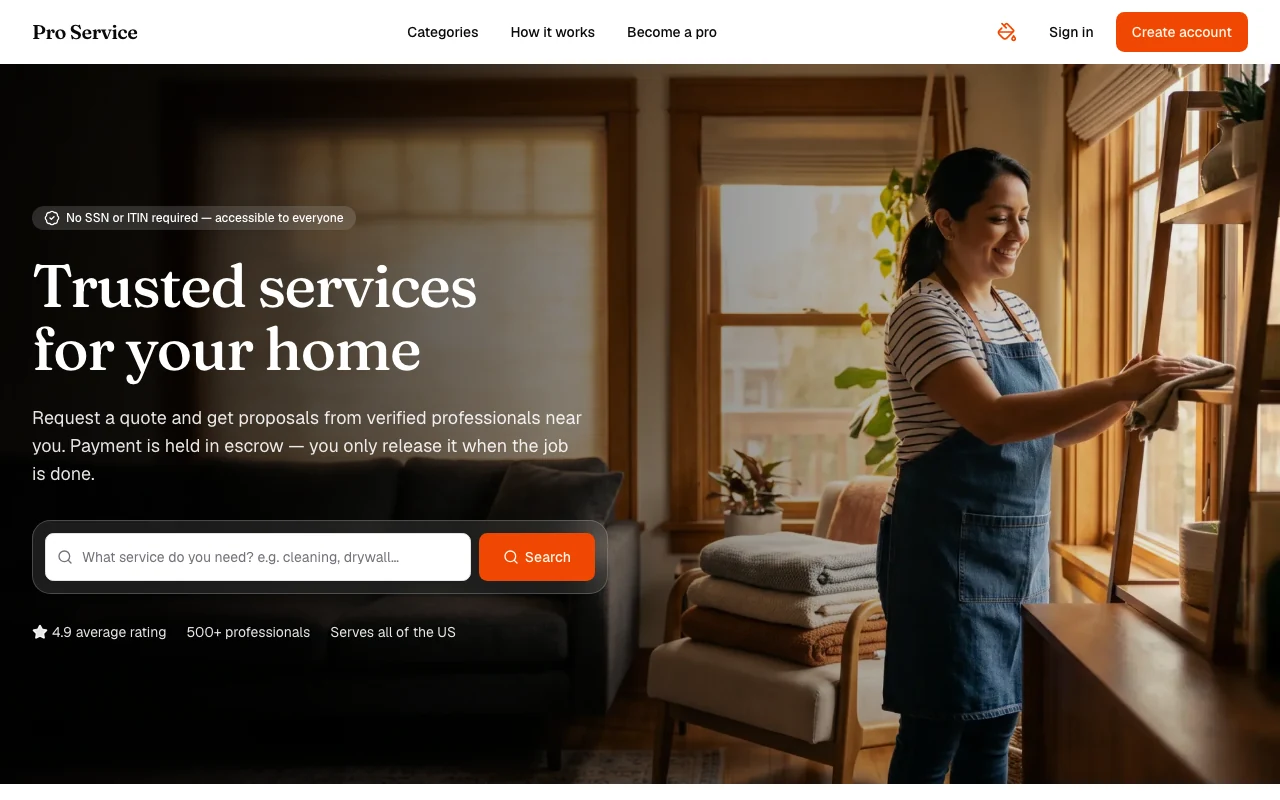
Find verified home service professionals, compare quotes, and pay securely through escrow - built for Brazilians across the US 🏠
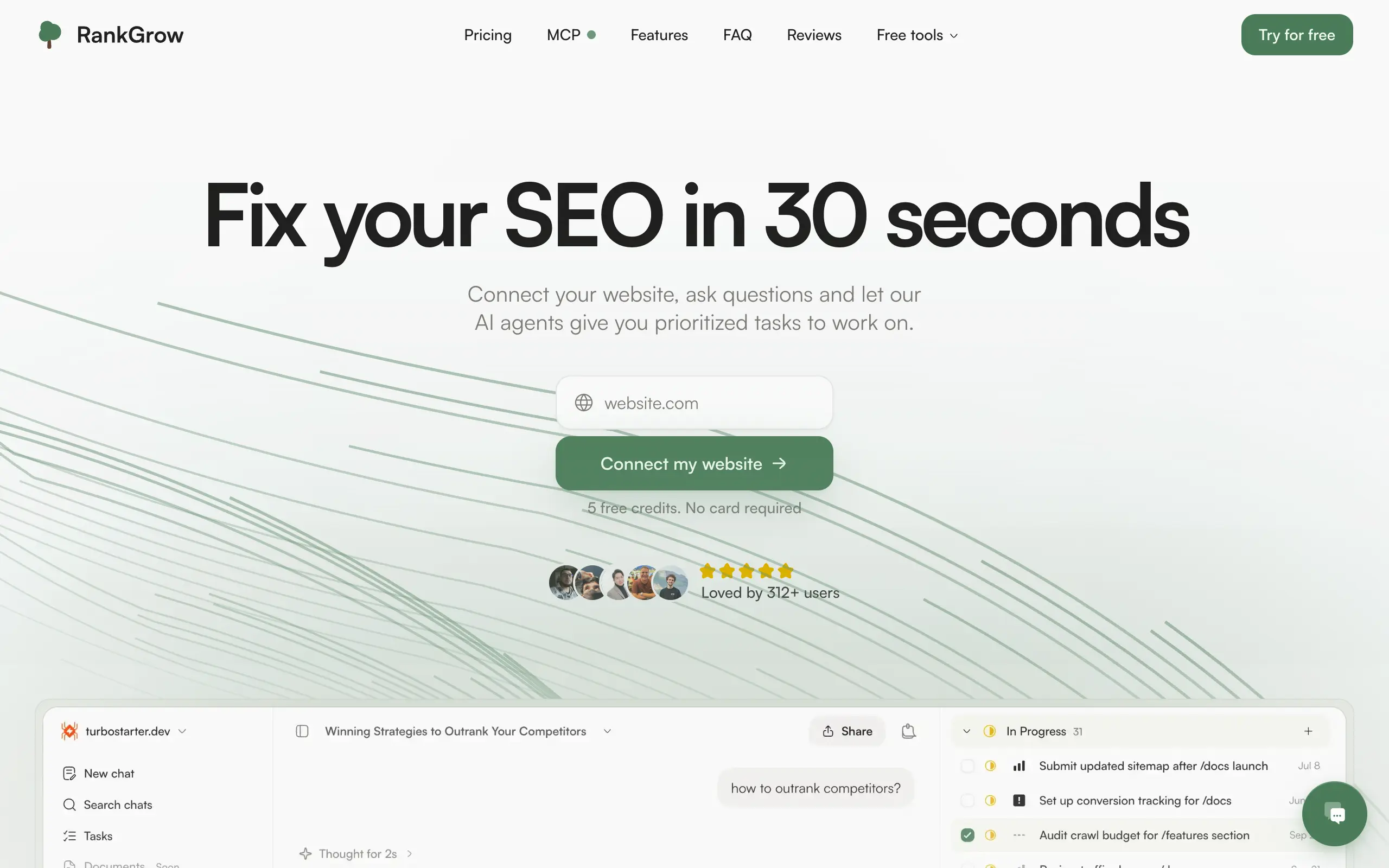
Fix your SEO with AI agents - connect Search Console, get prioritized tasks, and grow organic traffic 📈
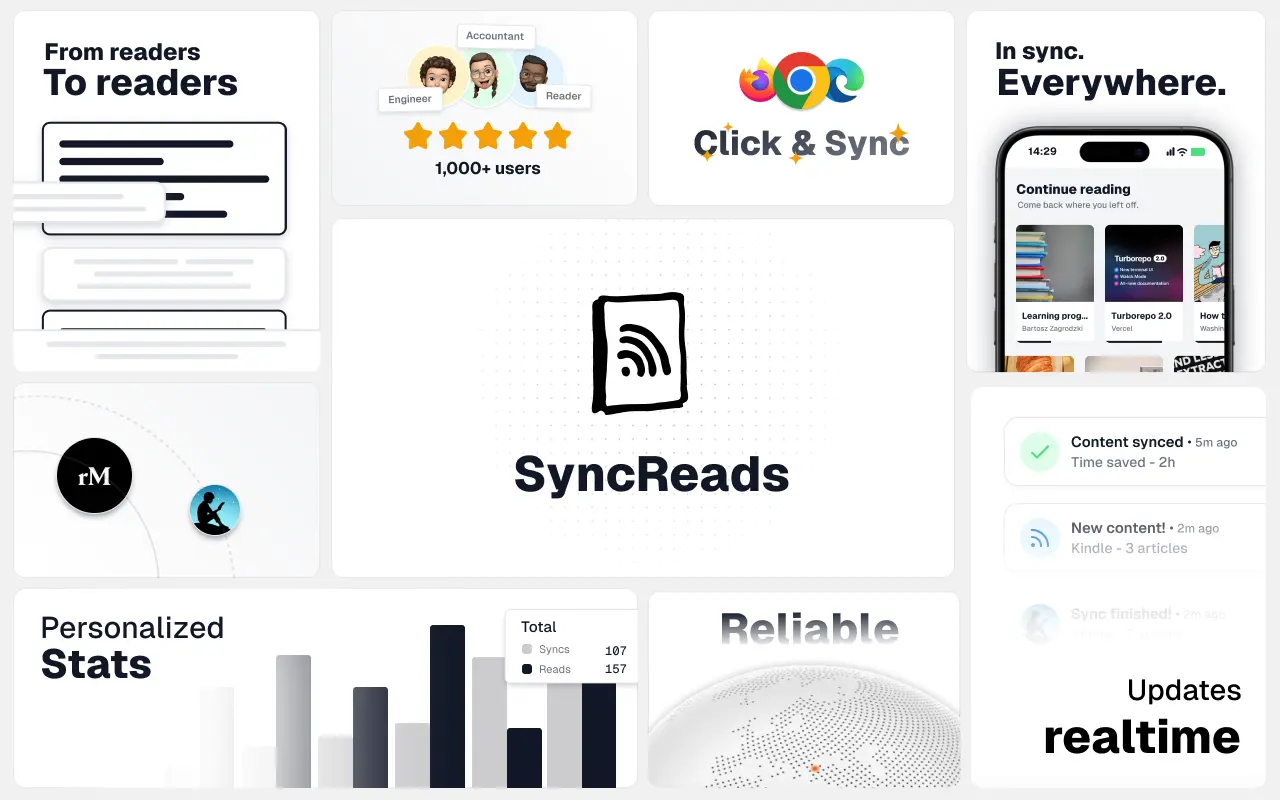
Sync your favorite content for distraction-free reading, save time and replace multiple apps. Anytime, anywhere 🔄
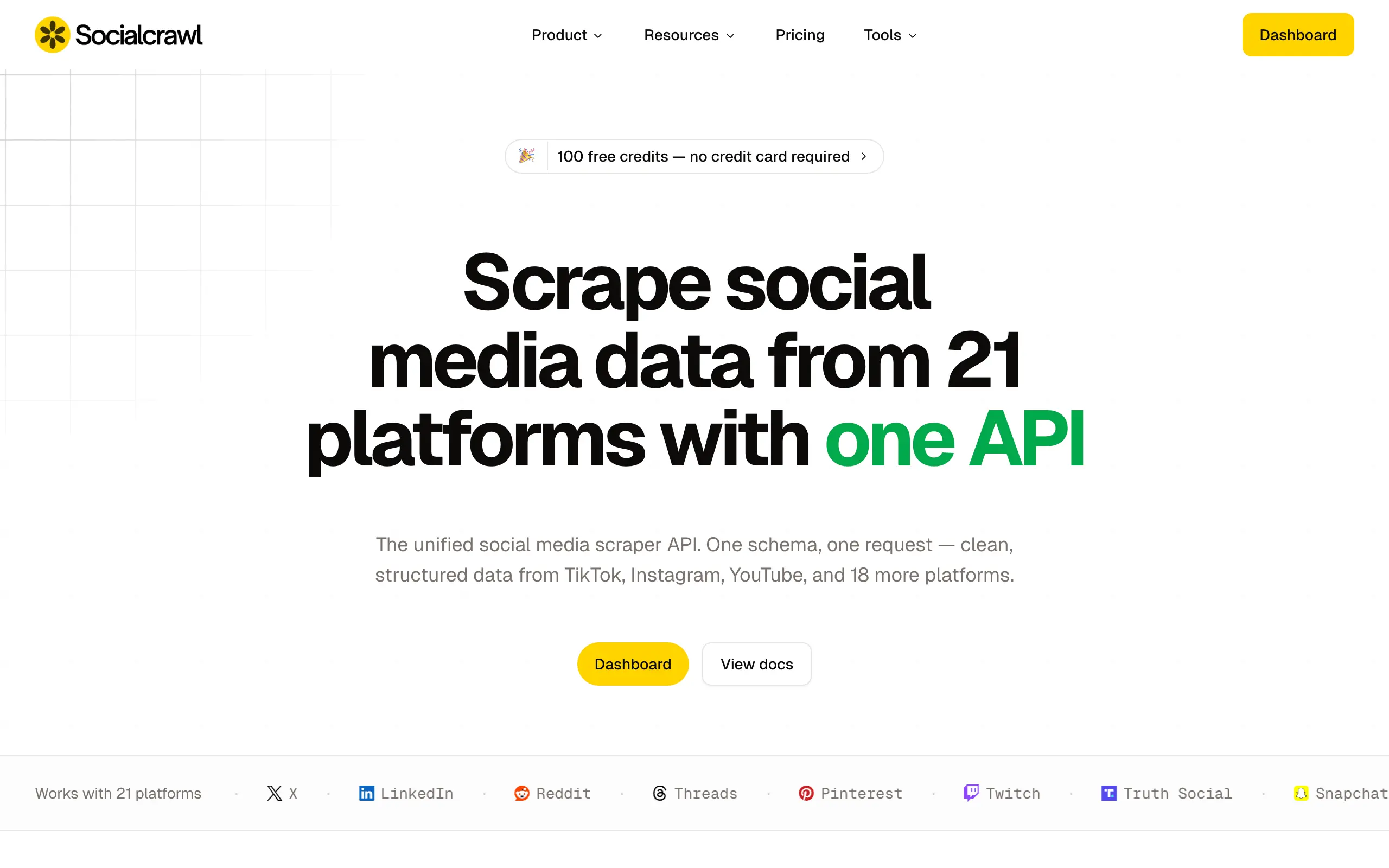
Get clean, structured data from 21 platforms like TikTok, Instagram, and YouTube with a single request 📊
Monitor any Telegram channel in real time - track posts, edits, deletions, and growth with AI recaps 📡
AI website builder - describe your business, pick a niche template, edit by chatting, and publish instantly ✨
Find verified home service professionals, compare quotes, and pay securely through escrow - built for Brazilians across the US 🏠
Fix your SEO with AI agents - connect Search Console, get prioritized tasks, and grow organic traffic 📈
Sync your favorite content for distraction-free reading, save time and replace multiple apps. Anytime, anywhere 🔄
Get clean, structured data from 21 platforms like TikTok, Instagram, and YouTube with a single request 📊
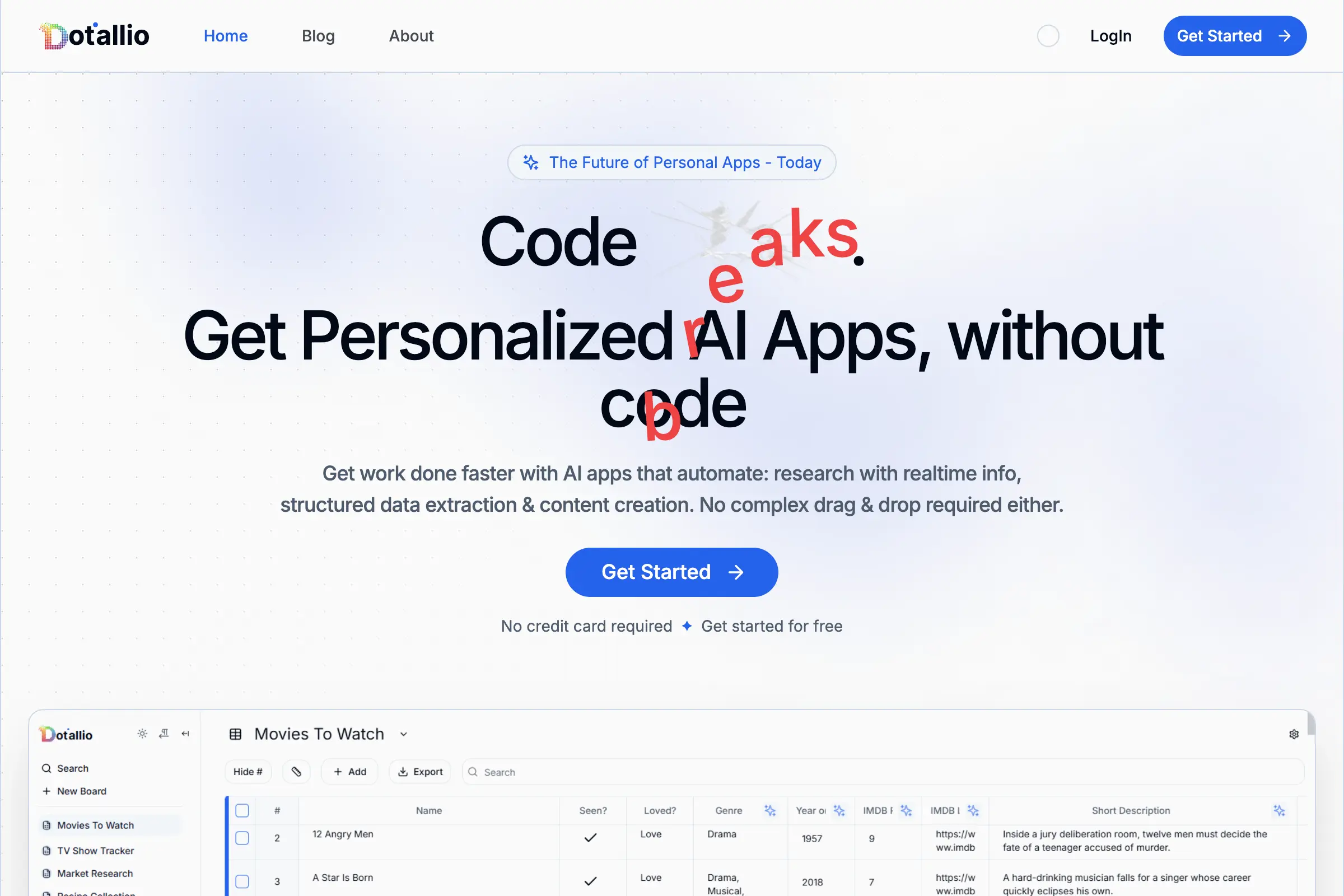
Personalized AI apps that automate research, data extraction, and content creation without code 🤖
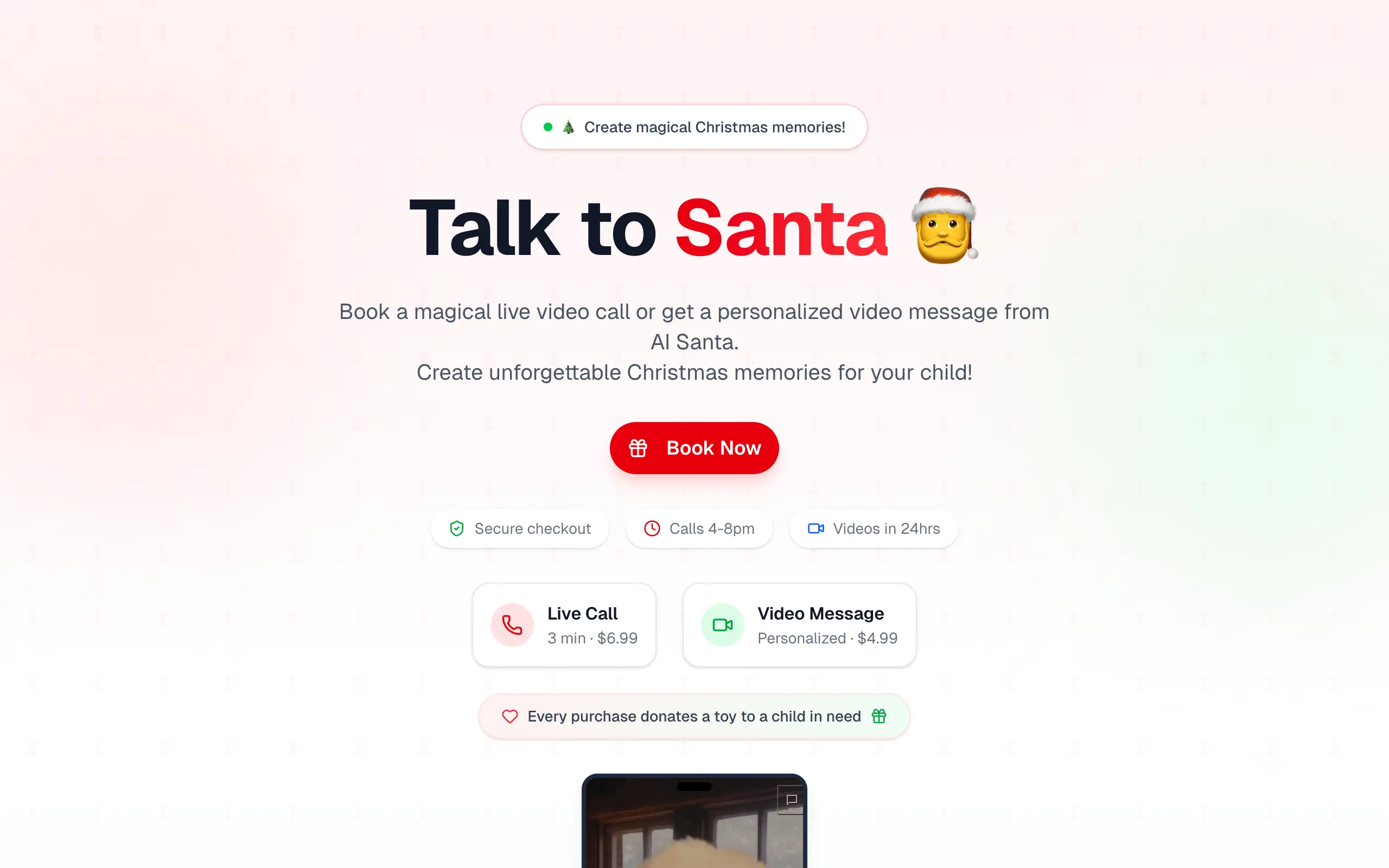
Enjoy a magical live video chat or receive a unique AI-generated video greeting from Santa Claus 🎅
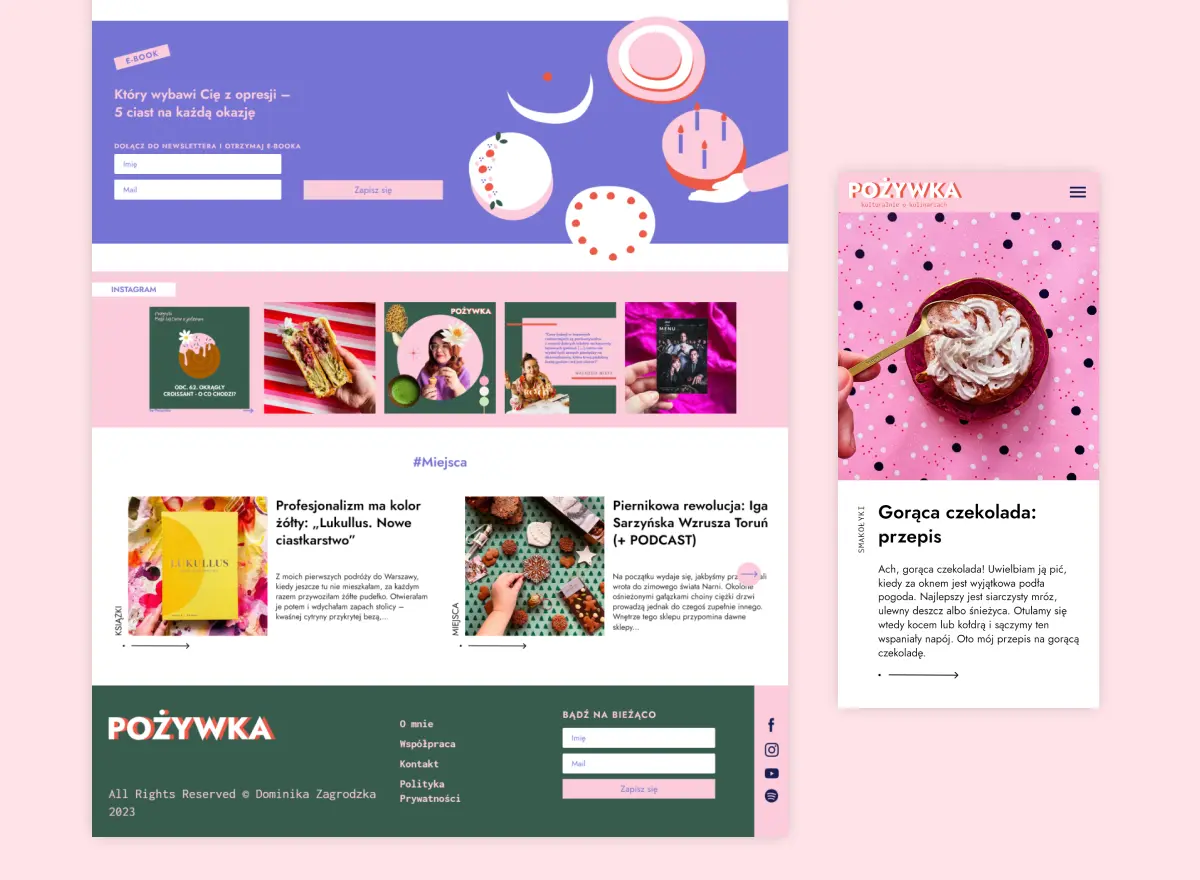
Scalable blog for food journalist, focused on performance and user experience 🌭
Personal blog and portfolio of Bart Zagrodzki, where he shares his knowledge and work 💼
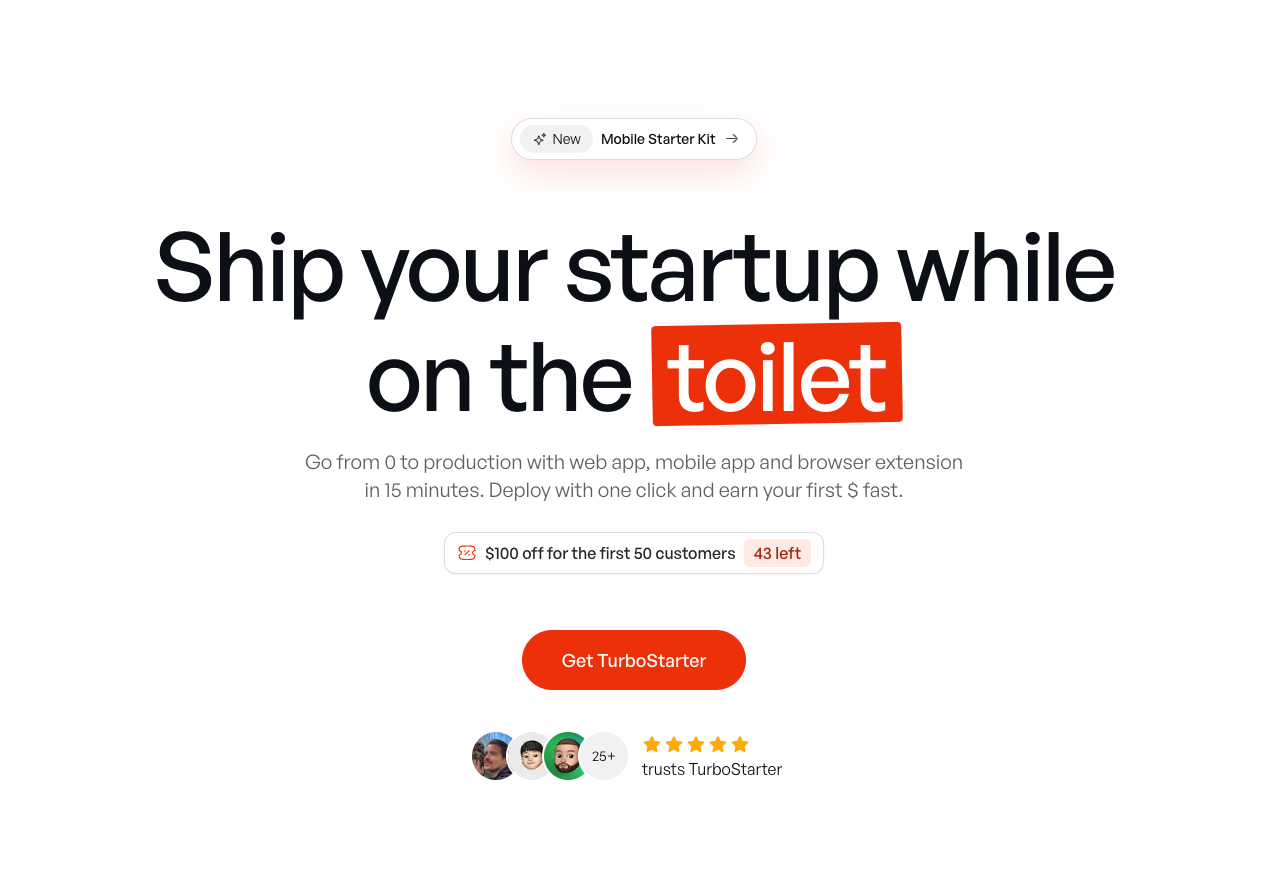
Ship your startup everywhere. In minutes.
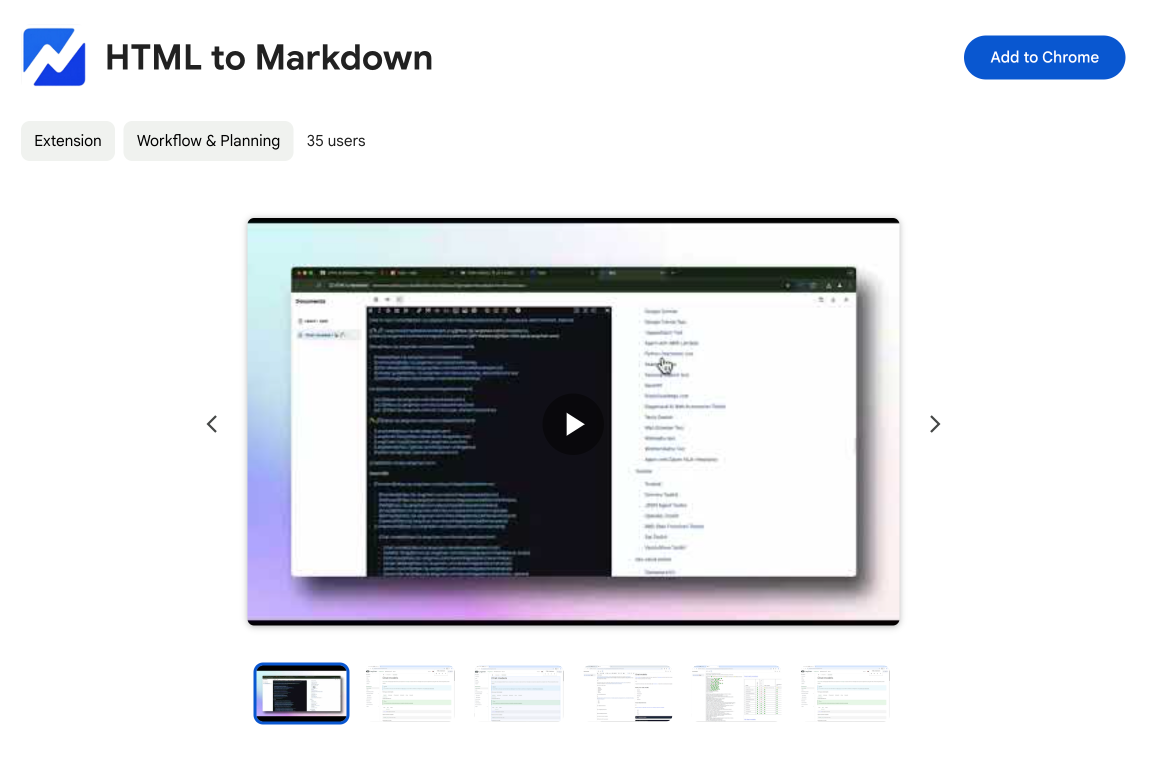
Convert HTML to Markdown with ease, directly in your browser 📄
Personalized AI apps that automate research, data extraction, and content creation without code 🤖
Enjoy a magical live video chat or receive a unique AI-generated video greeting from Santa Claus 🎅
Scalable blog for food journalist, focused on performance and user experience 🌭
Personal blog and portfolio of Bart Zagrodzki, where he shares his knowledge and work 💼
Ship your startup everywhere. In minutes.
Convert HTML to Markdown with ease, directly in your browser 📄
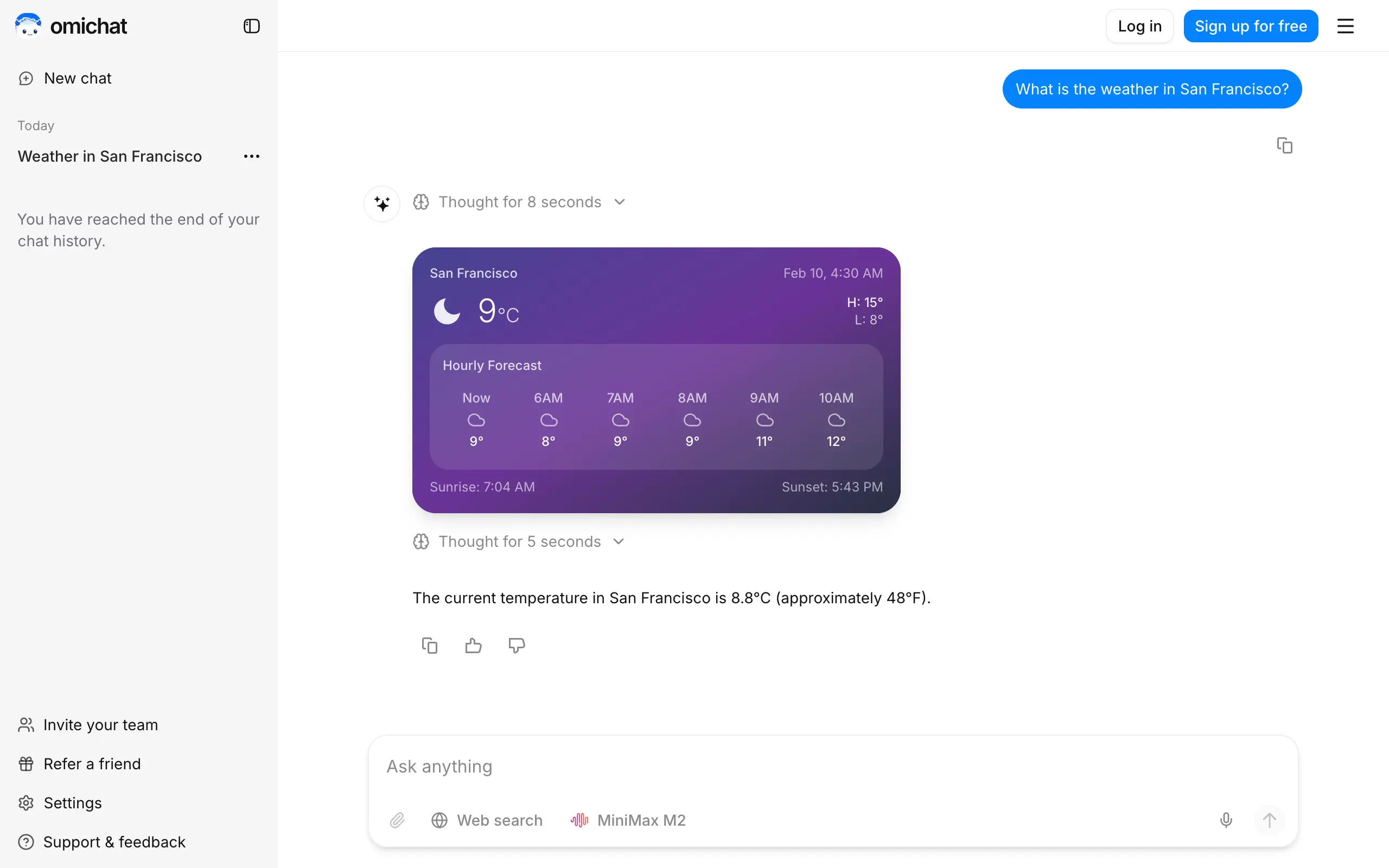
Chat with 50+ AI models, including ChatGPT and Claude, in one place - switch models anytime without losing context 🤖
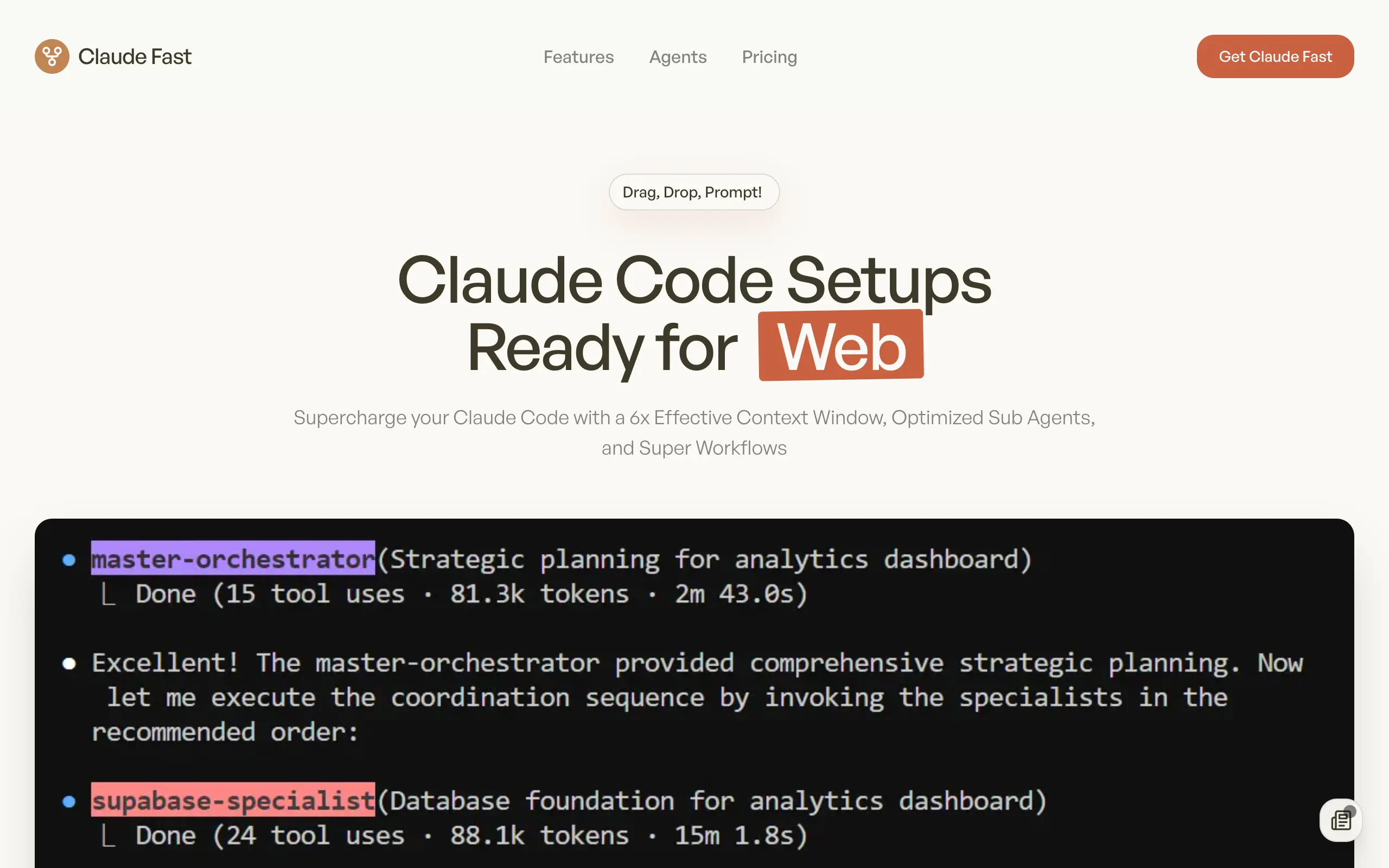
Supercharge your Claude Code with 6x effective context window and specialized AI agents 🤖
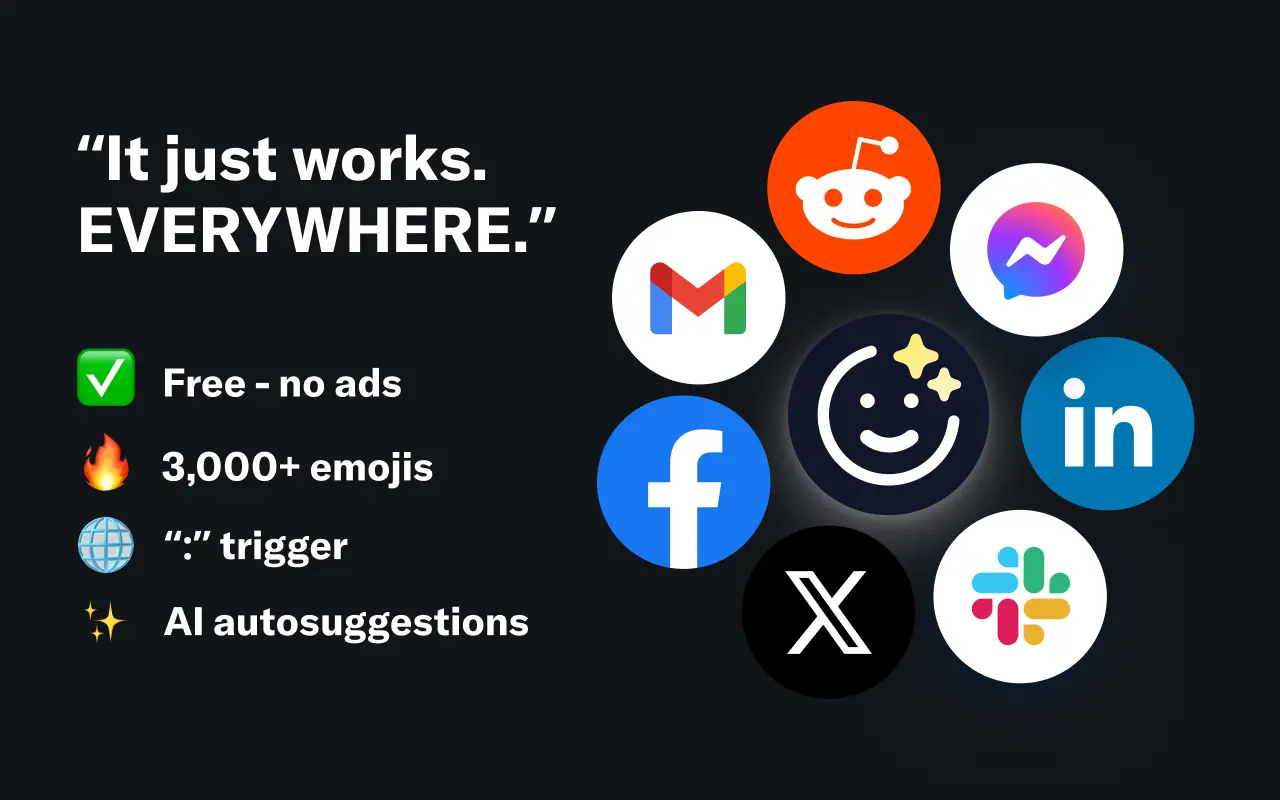
AI-powered emoji picker with smart, context-aware suggestions 🤖
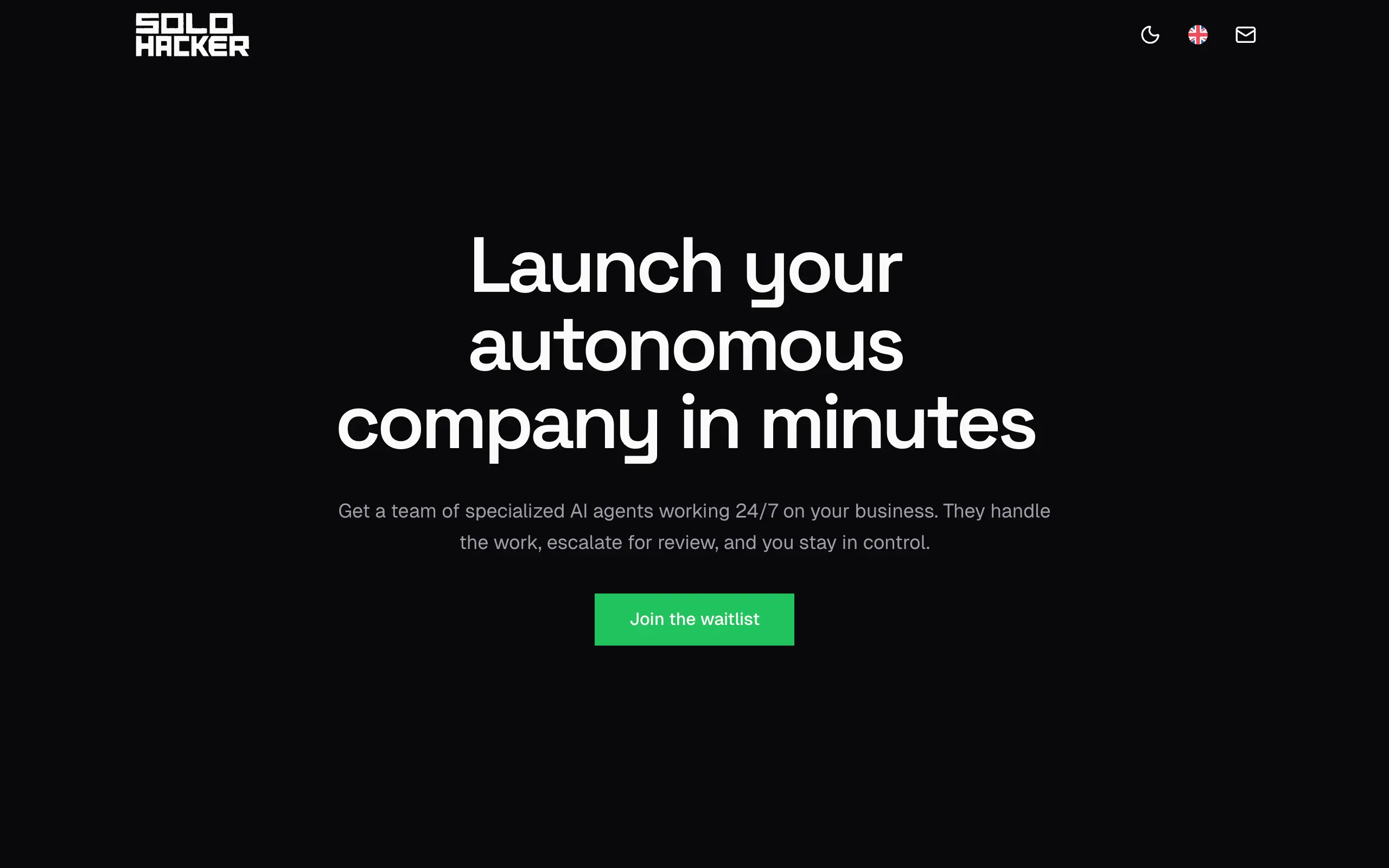
Autonomous company launcher - AI agents work 24/7, escalate what matters, and you stay in control 🤖
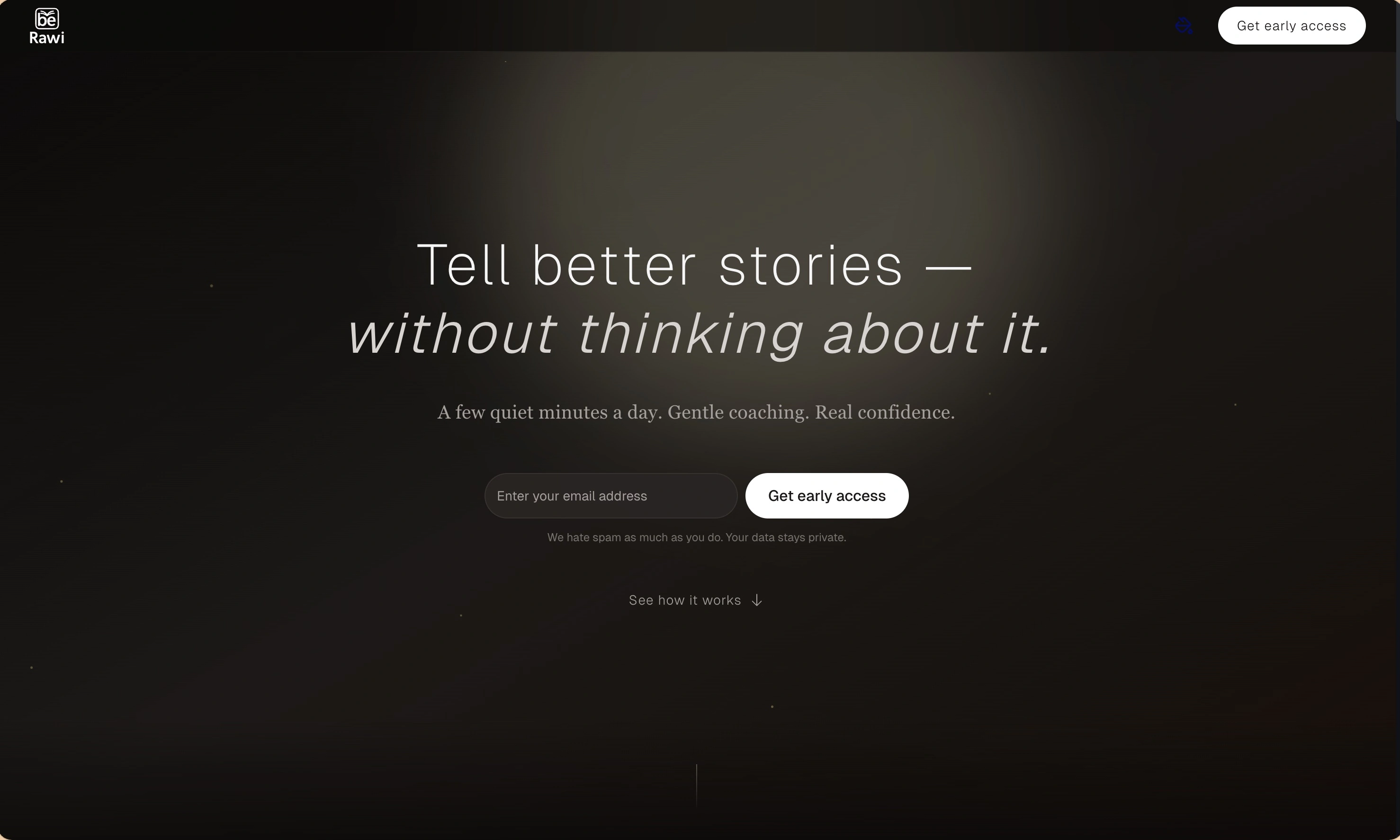
Practice storytelling daily with instant feedback to sound clearer, more engaging, and confident 🎤
Chat with 50+ AI models, including ChatGPT and Claude, in one place - switch models anytime without losing context 🤖
Supercharge your Claude Code with 6x effective context window and specialized AI agents 🤖
AI-powered emoji picker with smart, context-aware suggestions 🤖
Autonomous company launcher - AI agents work 24/7, escalate what matters, and you stay in control 🤖
Practice storytelling daily with instant feedback to sound clearer, more engaging, and confident 🎤

Connect with like-minded people
Join our community to get feedback, support, and grow together with 1,000+ builders on board, let's ship it!
Join usShip your startup everywhere. In minutes.
Don't burn tokens on setup and start building features on day one.