Lashbook
Booking and reminder software for independent eyelash extension artists who run solo studios. It cuts no-shows and fills empty chairs by texting clients automatically before each refill is due.
Lashbook is booking and reminder software built for independent eyelash extension artists who run solo studios. It texts clients automatically when their refill is due, which cuts no-shows and fills empty chairs without the artist chasing anyone. In 2026 the opportunity is that generic salon schedulers treat every appointment as a one-off, while lash work is a predictable fill cycle that rewards software built around it.
Key takeaways
- Target customer: solo lash artists working from a home studio, a suite or a rented room, with roughly one chair and no front desk.
- Pricing angle: a flat monthly subscription, for example $19 to $29 per month, with SMS costs bundled up to a fair-use limit.
- Biggest risk: crowded booking tools and SMS compliance, so the product must win on the refill cycle, not on generic scheduling.
- Time to MVP: about 3 to 5 weeks for one developer using a starter kit, assuming you skip payments between artist and client at first.
Who is Lashbook for?
Lashbook is for the solo lash artist who personally books, performs and chases every appointment. She typically works alone, takes clients through Instagram DMs or text, and has somewhere between a few dozen and a couple hundred regulars. Her income depends on keeping a chair full on a schedule.
What does she do today?
The usual workaround is a mix of Instagram messages, a notes app, a paper planner and sometimes a free tier of a general booking tool. Reminders are manual: she scrolls back through chats and writes "Hey, ready for your fill?" when she remembers.
Why does the workaround fail?
- Fills are time-sensitive: lash extensions are typically refilled every few weeks, and clients who wait too long often need a full set again, which costs more of the artist's time for less money.
- Reminders happen when she is free: which is usually when she is already behind.
- No-shows hit hard: one missed slot in a solo studio is lost revenue with nobody else to absorb it.
- Generic tools remind about appointments, not about the next one: they confirm what is booked but rarely prompt the client to book again.
Why is there room for lash booking software in 2026?
The gap sits between generic booking tools and large salon suites. Well-known products such as Square Appointments, Vagaro, Fresha, Acuity Scheduling and Booksy handle scheduling well. They are built for broad service businesses, so refill timing is usually a setting you work around rather than the core idea.
Why now?
- Solo beauty businesses keep growing: more artists rent a suite or work from home and run everything from a phone.
- Clients expect texting: booking by text link feels normal, and email reminders are often ignored.
- Social platforms are unreliable as a CRM: artists increasingly want their client list somewhere they own.
- Building is cheaper: a small team can ship auth, billing and messaging quickly, so a narrow niche product is viable at modest revenue.
The honest caveat: incumbents can add a "rebook reminder" feature in a sprint. Your edge has to be the lash-specific workflow and tone, not the feature alone.
What should you build first in a lash booking app?
Build the smallest loop that gets a client from "last appointment" to "next appointment" without the artist touching her phone. The aha moment is the first time a client books a fill from a text the artist never wrote.
Refill reminders
Set a fill interval per service and text each client automatically when they are due, with a booking link.
Simple booking page
A mobile-first page with services, availability and deposit-free booking that works from an Instagram bio link.
Appointment confirmations
Automatic text confirmations and day-before reminders with one-tap confirm or reschedule to reduce no-shows.
Empty chair fill
Notify a short list of due or waitlisted clients when a slot opens after a cancellation.
What should you cut from the MVP?
- Client-facing payments and deposits (add later, once artists ask).
- Inventory, retail sales and staff scheduling.
- A native mobile app. A responsive web app is enough at first.
- Marketing campaigns and review requests.
How is Lashbook different from Square, Vagaro or Fresha?
The unique selling proposition is simple: Lashbook is organized around the fill cycle. Every client has a "next due" date, and the product's job is to turn that date into a booked slot. Most alternatives are organized around the calendar.
| Option | Refill-cycle reminders | Fast setup for a solo artist | Fills cancelled slots |
|---|---|---|---|
| Lashbook | ✅ | ✅ | ✅ |
| Spreadsheet plus texting | ❌ | ✅ | ❌ |
| Instagram DMs and notes app | ❌ | ✅ | ❌ |
| General booking tools | Partial, usually manual | Varies | Varies |
| Full salon suites | Partial | ❌ | Varies |
Position it as "software that rebooks your regulars," not "another scheduler." The language, defaults (such as 2, 3 and 4 week fill templates) and message tone should feel like they were written by someone who has held a lash tweezer.
How would Lashbook make money?
Charge the artist a flat monthly fee. Solo artists dislike per-booking commissions, and a predictable price is easier to justify against one saved appointment.
Option 1: single flat plan
Something like $19 to $29 per month, with a fair-use SMS allowance. If an artist recovers even one lapsed fill a month, the tool plausibly pays for itself. That is the pitch to test, not a guarantee.
Option 2: tiered by client count
A lower entry plan for up to a set number of active clients and a higher plan for larger books. This aligns cost with SMS usage, but adds friction at signup.
Option 3: base plan plus payments add-on
Keep the subscription simple, then later add deposits and card payments for a small processing margin. This is attractive but adds compliance and support work, so treat it as phase two.
Assumption to model: if you convert 3% of trial users at $19 per month, you need a lot of trials to reach meaningful revenue, so plan acquisition before pricing tweaks. Measure SMS cost per active artist early, since it drives your margin.
Which growth channel works first?
Instagram and TikTok content aimed at lash artists, plus direct outreach to artists in lash communities and training groups. Offer a free migration of their client list. Referrals between artists who share a suite or training cohort tend to be the cheapest source once ten or so customers love it.
How do you validate Lashbook before building it?
Spend one to two weeks proving that artists will give you their client list and some money.
Interview ten solo artists
Ask how they remind clients today, how many fills lapse per month and what they pay for tools. Listen for specific lost-revenue stories, not general interest.
Ship a one-page waitlist
Promise one outcome: "Your regulars rebook automatically." Collect an email and a rough client count.
Run a manual concierge test
For three artists, import their clients into a spreadsheet and send the reminder texts yourself for a week. Track how many clients book.
Ask for a pre-sale
Offer a discounted founding-member rate for a few months. Even five paid commitments is a stronger signal than a hundred waitlist signups.
What tech stack should you use to build a lash booking app?
Use a conventional web stack and spend your effort on the reminder engine. Starting from TurboStarter removes the undifferentiated setup: it ships with a monorepo for web and mobile, plus authentication, billing, database, emails, file storage and background tasks already wired together.
What does TurboStarter cover for this idea?
- Accounts: authentication for artist login, with no custom session code.
- Subscriptions: billing for the monthly plan and trial handling.
- Data: database setup for clients, services and appointments.
- Scheduled jobs: background tasks for the daily "who is due" run that powers reminders.
What remains is the part customers pay for: the fill-cycle logic, booking page and message templates. A mobile app can come later from the same monorepo.
Which SMS approach should you choose?
The default choice with mature docs, good deliverability tooling and pay-as-you-go pricing. Trade-off: you handle sender registration and opt-out compliance yourself, which takes real time.
Some providers bundle number registration and compliance help. Typically you pay more per message, but you reach launch faster. Pick this if compliance paperwork is your biggest worry.
What does the core data model look like?
The heart of the product is one calculation: last appointment date plus the service's fill interval.
create table client (
  id uuid primary key,
  artist_id uuid not null,
  name text not null,
  phone text not null,
  sms_opt_in boolean not null default false,
  last_visit_at timestamptz,
  fill_interval_days int not null default 21
);

-- Clients due for a reminder
select id, name, phone
from client
where sms_opt_in = true
  and last_visit_at + (fill_interval_days || ' days')::interval
      <= now() + interval '2 days';
Run this daily in a background job, send a message with a booking link, and record the send to avoid duplicates.
What could make Lashbook fail?
Biggest risk: SMS compliance and deliverability
Texting clients requires explicit opt-in, clear opt-out handling and, in many regions, sender registration. If messages get blocked or an artist texts clients who never consented, the product's core value disappears and you carry the reputational damage. Collect consent at booking, honor STOP replies automatically, register your sending numbers early and check the rules for each country you serve.
Other risks
- Incumbents copy the feature: stay narrow, own the lash vocabulary and ship improvements faster than a general tool can.
- Low willingness to pay: many solo artists use free tools. Validate with pre-sales and keep the price near the cost of one fill.
- Migration friction: clients live in DMs and notes. Offer free import help, since switching effort kills adoption more than price.
- Churn from small businesses: artists quit or change careers. Aim for fast time to value and keep acquisition cheap.
What is a 30-day plan to launch Lashbook?
Days 1 to 7: validate
Run interviews, publish the waitlist page and start the concierge test with a few artists.
Days 8 to 14: set up the foundation
Clone the starter kit, configure auth, billing and the database, and model clients, services and appointments.
Days 15 to 21: build the reminder loop
Ship the booking page, the daily due-client job, SMS sending with opt-in and opt-out, and confirmation messages.
Days 22 to 26: onboard pilot artists
Import their client lists by hand, watch where they get stuck and fix those issues first.
Days 27 to 30: charge and launch
Turn on billing, convert pilots to paid, and post real before-and-after rebooking results from your own pilots in artist communities.
Start with the smallest version that rebooks one artist's regulars, then expand. If you want to ship the first version quickly, build it on TurboStarter and spend your time on the fill-cycle logic.
FAQ
Solo lash artists already pay for scheduling tools, so the need exists. The open question is whether a refill-focused product beats the generic tools they have. Test it with a concierge pilot and pre-sales before writing much code.
A flat $19 to $29 per month is a reasonable starting range to test, because it sits near the price of one fill. Avoid per-booking commissions, which solo artists tend to resent. Adjust after you know your SMS cost per artist.
General booking tools such as Square Appointments, Vagaro, Fresha, Acuity Scheduling and Booksy, plus free workarounds like spreadsheets and Instagram DMs. Most are calendar-first. Lashbook competes by being fill-cycle-first and specific to lash work.
A TypeScript web app with a Postgres database, a background job runner and an SMS provider such as Twilio covers it. A starter kit like TurboStarter provides auth, billing, database and background tasks so you only build the reminder logic and booking page.
For one developer on a starter kit, roughly 3 to 5 weeks is realistic for the core loop. Ongoing costs are mainly SMS messages, hosting and your time, and they stay low until you have many active artists.
Yes, in most regions you need explicit opt-in and a working opt-out. Collect consent in the booking flow, store it with a timestamp and check the rules for each country you operate in before launch.
More 🏢 B2B Application SaaS ideas
Discover more innovative b2b application SaaS ideas that are trending in 2026. Each idea is AI-generated with market validation and growth potential to help you find your next profitable venture faster than competitors.
Your competitors are building with TurboStarter
Below are some of the SaaS ideas that have been generated and built with our starter kit.

Monitor any Telegram channel in real time - track posts, edits, deletions, and growth with AI recaps 📡

AI website builder - describe your business, pick a niche template, edit by chatting, and publish instantly ✨
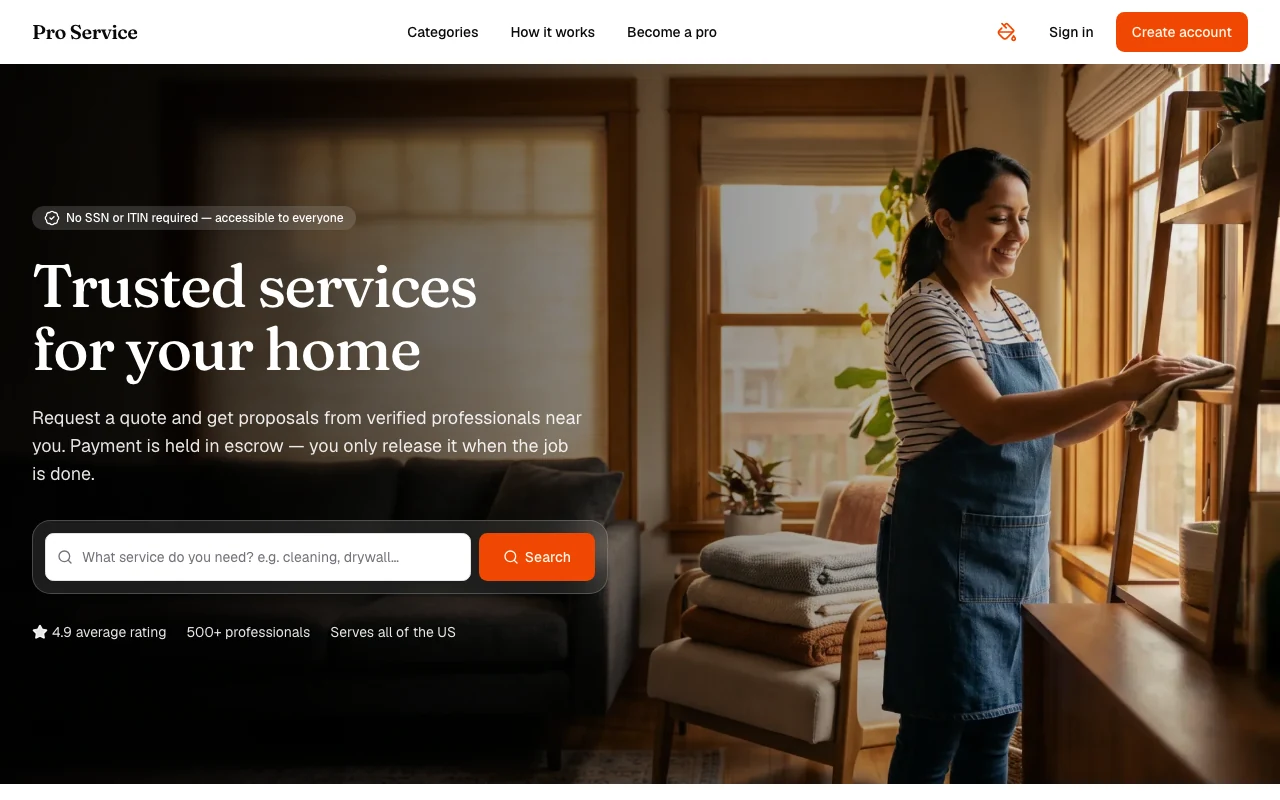
Find verified home service professionals, compare quotes, and pay securely through escrow - built for Brazilians across the US 🏠
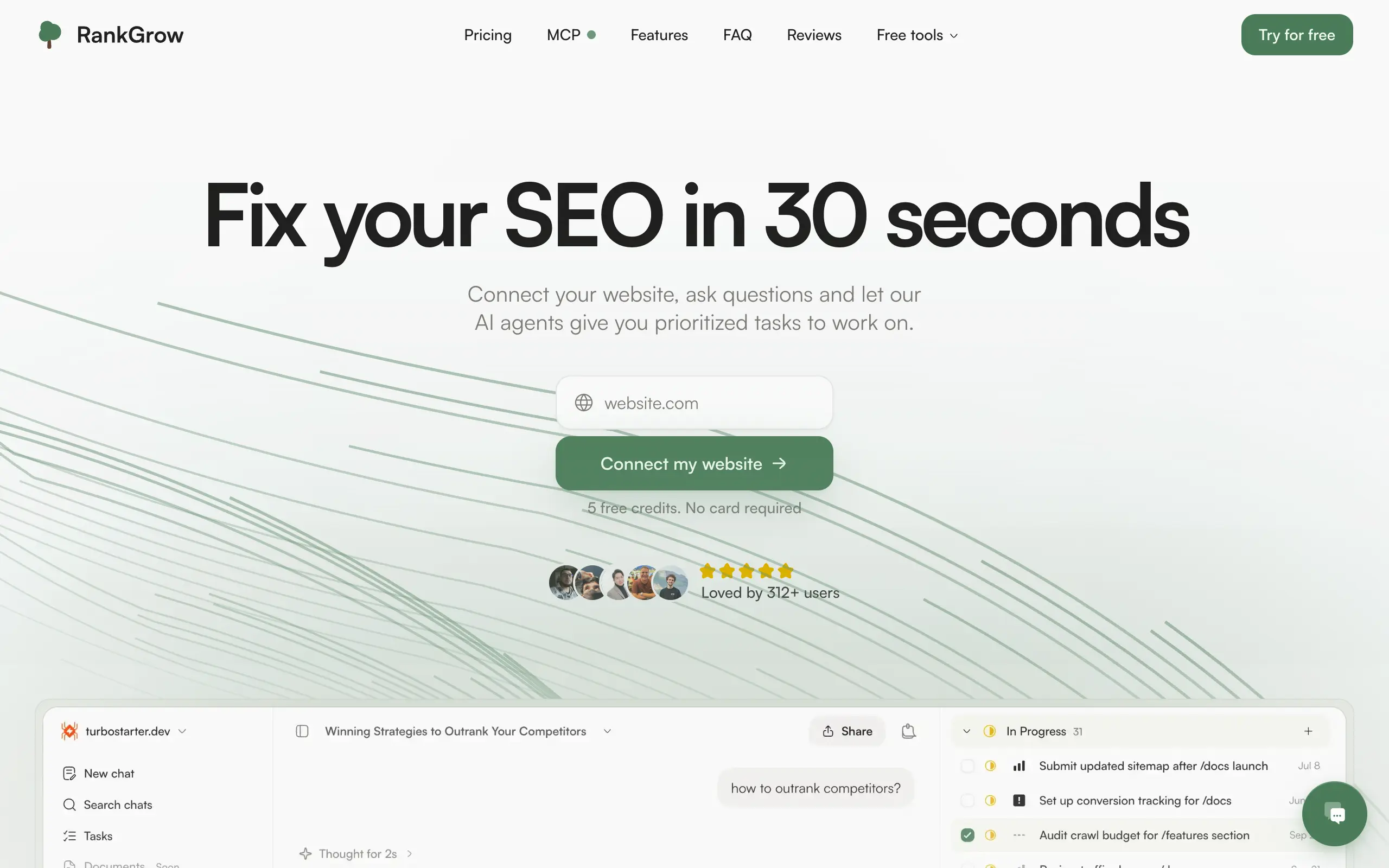
Fix your SEO with AI agents - connect Search Console, get prioritized tasks, and grow organic traffic 📈

Sync your favorite content for distraction-free reading, save time and replace multiple apps. Anytime, anywhere 🔄

Get clean, structured data from 21 platforms like TikTok, Instagram, and YouTube with a single request 📊
Monitor any Telegram channel in real time - track posts, edits, deletions, and growth with AI recaps 📡
AI website builder - describe your business, pick a niche template, edit by chatting, and publish instantly ✨
Find verified home service professionals, compare quotes, and pay securely through escrow - built for Brazilians across the US 🏠
Fix your SEO with AI agents - connect Search Console, get prioritized tasks, and grow organic traffic 📈
Sync your favorite content for distraction-free reading, save time and replace multiple apps. Anytime, anywhere 🔄
Get clean, structured data from 21 platforms like TikTok, Instagram, and YouTube with a single request 📊

Personalized AI apps that automate research, data extraction, and content creation without code 🤖

Enjoy a magical live video chat or receive a unique AI-generated video greeting from Santa Claus 🎅

Scalable blog for food journalist, focused on performance and user experience 🌭

Personal blog and portfolio of Bart Zagrodzki, where he shares his knowledge and work 💼

Ship your startup everywhere. In minutes.

Convert HTML to Markdown with ease, directly in your browser 📄
Personalized AI apps that automate research, data extraction, and content creation without code 🤖
Enjoy a magical live video chat or receive a unique AI-generated video greeting from Santa Claus 🎅
Scalable blog for food journalist, focused on performance and user experience 🌭
Personal blog and portfolio of Bart Zagrodzki, where he shares his knowledge and work 💼
Ship your startup everywhere. In minutes.
Convert HTML to Markdown with ease, directly in your browser 📄

Chat with 50+ AI models, including ChatGPT and Claude, in one place - switch models anytime without losing context 🤖

Supercharge your Claude Code with 6x effective context window and specialized AI agents 🤖

AI-powered emoji picker with smart, context-aware suggestions 🤖

Autonomous company launcher - AI agents work 24/7, escalate what matters, and you stay in control 🤖

Practice storytelling daily with instant feedback to sound clearer, more engaging, and confident 🎤
Chat with 50+ AI models, including ChatGPT and Claude, in one place - switch models anytime without losing context 🤖
Supercharge your Claude Code with 6x effective context window and specialized AI agents 🤖
AI-powered emoji picker with smart, context-aware suggestions 🤖
Autonomous company launcher - AI agents work 24/7, escalate what matters, and you stay in control 🤖
Practice storytelling daily with instant feedback to sound clearer, more engaging, and confident 🎤

Connect with like-minded people
Join our community to get feedback, support, and grow together with 1,000+ builders on board, let's ship it!
Join usShip your startup everywhere. In minutes.
Don't burn tokens on setup and start building features on day one.