Sealcount
Tracks inspection certificates and calibration dates for small marine repair yards and their boat owners. Yards stop missing renewal deadlines that can ground a vessel and cost them charter work.
Sealcount is a compliance tracker for small marine repair yards: it records inspection certificates and calibration dates for every vessel and instrument the yard touches, and warns the yard and the boat owner before anything expires. In 2026 the opportunity is that yards still run this on paper files, spreadsheets and memory, while charter operators face real consequences, such as a grounded vessel and lost bookings, when a renewal slips. A narrow, boring, high-stakes tool like this is a realistic marine compliance tracking software business for a small team.
Key takeaways
- Target customer: independent marine repair yards with roughly 3 to 20 staff that service charter, commercial and private vessels.
- Pricing angle: a flat monthly fee per yard, with a per-vessel tier, for example $49 to $149 per month, treated as an assumption to test.
- Biggest risk: yards may not change habits for a tool that feels like admin, so adoption and data entry effort decide everything.
- Time to MVP: about 3 to 5 weeks for one developer using a starter kit, once five yards have confirmed the problem.
What problem does marine compliance tracking software solve?
It prevents missed renewals. Vessels carry a long list of dated items: safety equipment servicing, survey and inspection certificates, liferaft and fire extinguisher service, and calibrated instruments such as gauges and test equipment. When one lapses, a vessel can be pulled from service until it is fixed, and a charter operator loses days of income.
Who is the ideal customer?
Start with the yard manager or owner at a small independent yard. They typically juggle repair jobs, parts orders and owner communication, and nobody has "compliance" as a job title. The second user is the boat owner or charter operator, who needs to see what is due without phoning the yard.
A sharper starting niche is yards that service charter fleets. Those owners lose money every day a vessel sits idle, so they feel the pain most and pay fastest.
What do they do today and why does it fail?
The usual workaround is a mix of folders, a whiteboard, a shared spreadsheet and calendar reminders on someone's phone. It fails in predictable ways:
- Single point of failure: the person who knows the dates goes on holiday or leaves.
- No owner visibility: owners ask by phone or email, which interrupts the yard.
- No document link: the certificate scan lives in one place and the due date in another.
- Reminders without accountability: nobody knows whether a warning was seen or acted on.
Is there a market gap for marine compliance tracking software?
Yes, but a narrow one. Large fleet operators use enterprise maintenance and asset management systems, and general maintenance tools such as work order software exist. Spreadsheets and generic reminder apps cover everything else. What is largely missing is a lightweight tool built around the yard-to-owner relationship at small yards.
Why now?
Several shifts make this more buildable in 2026:
- Cheap document extraction: AI models can read a scanned certificate and pull out the issue date, expiry date and certificate type, which removes the biggest data entry barrier.
- Owners expect transparency: people are used to tracking deliveries and bookings online, and they now expect status on their boat.
- Low cost of shipping software: a small team can launch a multi-tenant product without a large engineering effort.
The honest caveat: regulations differ by country and vessel type, so you should not claim to define what a vessel needs. Sealcount tracks dates the yard enters or confirms, rather than interpreting regulations.
What should the Sealcount MVP include?
Build the smallest thing that stops a missed deadline. The aha moment is when a yard manager uploads a stack of certificates and sees a clean "expiring in the next 60 days" list across every vessel within the first ten minutes.
Vessel and item register
Each vessel holds its certificates and calibrated instruments with type, issue date, expiry date and owner.
Document upload with date extraction
Upload a scan or PDF and get suggested dates to confirm, so setup takes minutes instead of hours.
Escalating reminders
Email alerts to the yard and the owner at set intervals before expiry, with a record of who was notified.
Owner portal
A read-only view where boat owners see what is due and download current certificates without calling the yard.
What to cut at first
Leave out work orders, invoicing, parts inventory, a mobile app and regulation databases. Each is a product on its own, and they pull you into competing with full yard management systems. Add a CSV import so yards can move their spreadsheet in on day one.
How is Sealcount different from spreadsheets and maintenance software?
The unique selling proposition is simple: the yard and the owner share one live list of what expires next, and nobody has to retype it. It does one job and sets up in an afternoon.
| Option | Setup effort | Owner visibility | Auto date extraction | Fits a small yard |
|---|---|---|---|---|
| Sealcount | Low | ✅ | ✅ | ✅ |
| Spreadsheet | Low | ❌ | ❌ | ✅ |
| Calendar reminders | Low | ❌ | ❌ | ✅ |
| General maintenance software | High | Depends | ❌ | Often too heavy |
| Enterprise asset management | Very high | Depends | Depends | ❌ |
Your real competitor is inertia. A spreadsheet is free and familiar, so Sealcount has to be clearly faster than the folder it replaces.
How would Sealcount make money?
Charge the yard, because it owns the workflow and the liability. Boat owners get access through the yard at no cost, which also acts as your distribution.
Pricing options
- Flat yard plan: one price per yard with a vessel cap. Simple to sell, easy to explain. If you charge $79 per month and 20 yards sign up, that is about $1,580 monthly recurring revenue, which is an assumption to test rather than a forecast.
- Per-vessel pricing: a small fee per active vessel. It scales with yard size but makes bills unpredictable, which small yards dislike.
- Owner upgrade: a paid tier for charter operators with multiple vessels across yards, adding fleet-wide views and extra alert recipients. Add this later once owners ask.
I would start with the flat plan and an annual discount. Annual contracts suit this buyer because compliance cycles run on yearly dates.
First growth channel
Direct outreach to yards, then referrals through owners. Visit or call local yards, run their real certificate list through the tool for free, and show the result. Marine trade associations and local boating forums are also worth a look, but treat them as secondary until direct outreach proves the message.
How do you validate the idea in two weeks?
Validate with yard owners before writing code. The goal is five yards who say the problem is real and one or two who will pay.
Interview eight yard managers
Ask how they tracked renewals over the last year and whether a deadline ever slipped. Listen for lost jobs, rushed fees and angry owners.
Audit one real spreadsheet
Ask a yard to share their current tracking method. Count the vessels and items, and note how often it goes stale.
Publish a landing page
State one promise, such as "Never miss a certificate renewal again", and collect waitlist emails from yards and charter operators.
Run a manual concierge pilot
Enter a yard's certificates yourself and email them reminders from a simple sheet. If they use it and ask for more, you have demand.
Ask for a pre-sale
Offer a discounted annual plan before the product exists. Even two or three paid commitments are stronger than fifty waitlist signups.
What tech stack should you use to build Sealcount?
Use a multi-tenant web app with Postgres, file storage and a background job runner for reminders. Most of the surface area is standard SaaS, so the sensible move is to start from TurboStarter rather than build accounts, billing and teams yourself. It ships a monorepo for web and mobile with authentication, billing, database, emails, storage, AI and background tasks already wired.
What does TurboStarter cover?
- Accounts and roles: authentication for yard staff and owners.
- Yard workspaces: organizations map naturally to a yard with staff members and invited boat owners.
- Subscriptions: billing handles your flat yard plans.
- Reminders: background tasks can run the daily expiry scan and send email alerts.
That leaves your time for the parts that make Sealcount different: the register, date extraction and the owner view.
A simple data model
create table vessel (
  id uuid primary key,
  organization_id uuid not null,
  name text not null,
  owner_email text
);

create table compliance_item (
  id uuid primary key,
  vessel_id uuid references vessel(id),
  kind text not null,
  issued_on date,
  expires_on date not null,
  document_url text,
  confirmed boolean default false
);
The confirmed flag matters: AI-extracted dates stay unconfirmed until a human approves them, so a misread date never silently drives a reminder.
Which AI approach for date extraction?
Send the scan to a multimodal model and ask for structured fields. It handles messy layouts and varied certificate formats with little tuning. The trade-offs are per-document cost and sending customer documents to a third party, so check your terms and data handling.
Run OCR and parse dates with patterns. It is cheaper and more predictable, but breaks on unusual formats and handwriting. It makes sense if you later focus on a small number of known certificate types.
For an MVP, start with the hosted model and always require confirmation. Optimize cost after you know which documents customers actually upload.
What could make Sealcount fail?
Four reasons are most likely, and the first matters most.
Biggest risk: yards never finish setup
If entering the first twenty vessels feels like homework, yards will abandon the tool before it sends a single useful reminder. Mitigate this with CSV import, document upload with extraction, and a done-with-you onboarding call for the first customers. Measure the share of signups who reach a populated register in the first week.
- Liability worries: a missed alert could be blamed on the software. State clearly that Sealcount is a reminder aid, keep a notification log, and have terms reviewed by a lawyer.
- Small market per region: independent yards are a limited group. Expand to charter operators, inspectors and equipment service firms with the same engine.
- Free alternatives: spreadsheets are good enough for some. Focus on yards with charter clients, where a missed date has a clear cost.
What is a 30-day plan to launch Sealcount?
Week 1: talk to yards
Complete the interviews and the spreadsheet audit, then pick one niche, such as charter-focused yards in a single region.
Week 2: landing page and pilot
Publish the page, run a manual pilot with two yards and ask for a pre-sale.
Week 3: build the core
Start from the starter kit and ship the register, uploads, reminders and a basic owner view.
Week 4: onboard and charge
Migrate the pilot yards, switch on billing and ask each to introduce one owner or another yard.
Start small, prove one yard never misses a date, then expand. When you are ready to build, TurboStarter gets the foundation running so your first weeks go into the product itself.
FAQ
Interview yard managers about the last time a renewal slipped, then run a manual pilot with one yard using their real certificates. A pre-sale of an annual plan is the strongest signal. Waitlist signups alone are weak evidence.
Start with a flat monthly price with a vessel cap and test a few levels, for example in the range of $49 to $149. Anchor against the cost of one lost charter day or one rushed re-inspection. Annual billing fits the yearly renewal cycle.
Spreadsheets and calendar reminders are the main ones, followed by general maintenance and asset management software that is often too heavy for a small yard. Few tools focus on the yard-to-owner certificate workflow, but check your target region before committing.
A TypeScript web app with Postgres, file storage, email and scheduled background jobs covers it. A starter kit such as TurboStarter provides the accounts, organizations and billing, so you only build the register and extraction.
Assuming one developer and a starter kit, expect roughly 3 to 5 weeks for the first usable version. Main costs are hosting, email delivery and AI extraction per document, which are low at the start. Your largest cost is time spent onboarding the first yards.
More 🏢 B2B Application SaaS ideas
Discover more innovative b2b application SaaS ideas that are trending in 2026. Each idea is AI-generated with market validation and growth potential to help you find your next profitable venture faster than competitors.
Your competitors are building with TurboStarter
Below are some of the SaaS ideas that have been generated and built with our starter kit.

Monitor any Telegram channel in real time - track posts, edits, deletions, and growth with AI recaps 📡

AI website builder - describe your business, pick a niche template, edit by chatting, and publish instantly ✨

Find verified home service professionals, compare quotes, and pay securely through escrow - built for Brazilians across the US 🏠
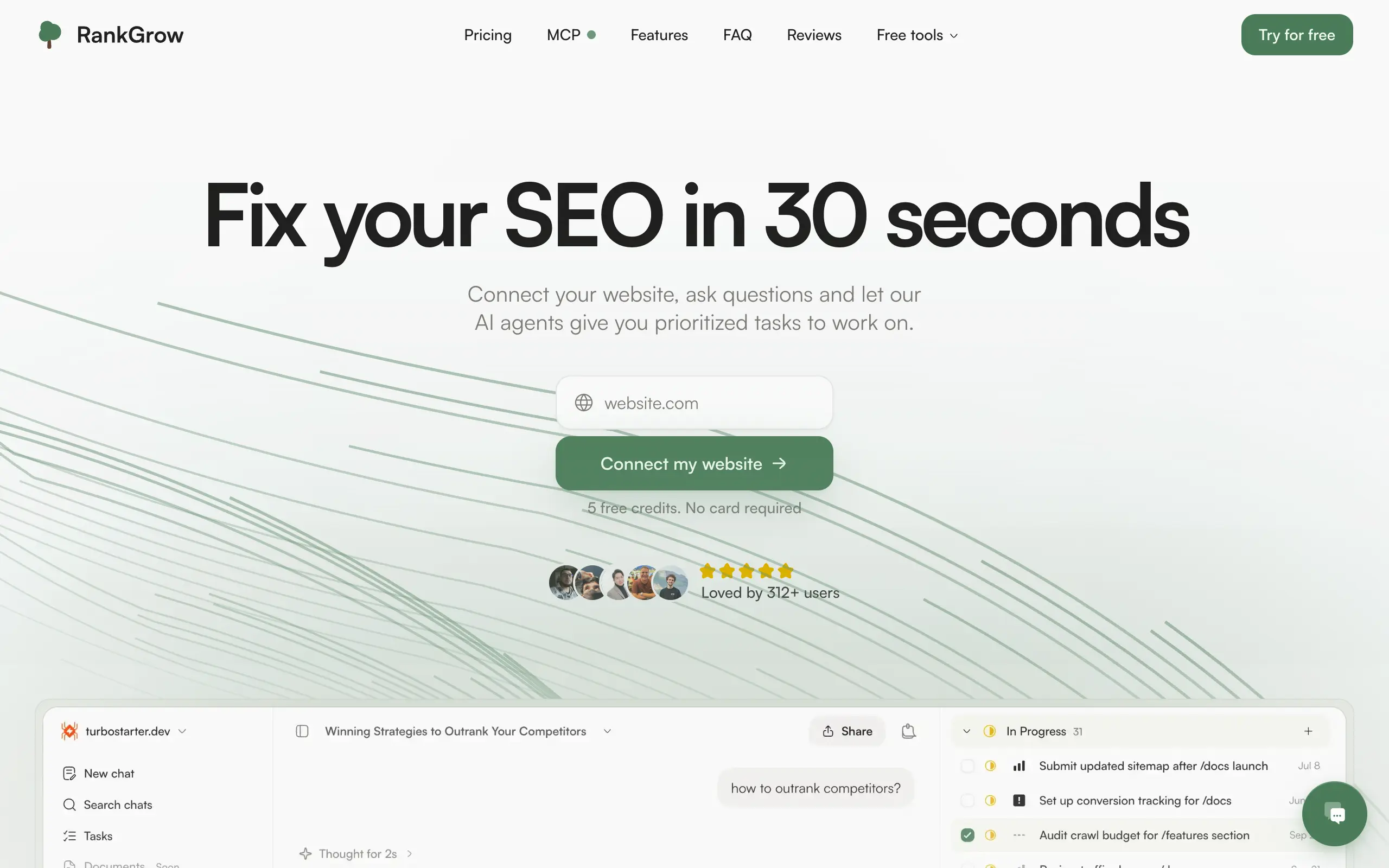
Fix your SEO with AI agents - connect Search Console, get prioritized tasks, and grow organic traffic 📈
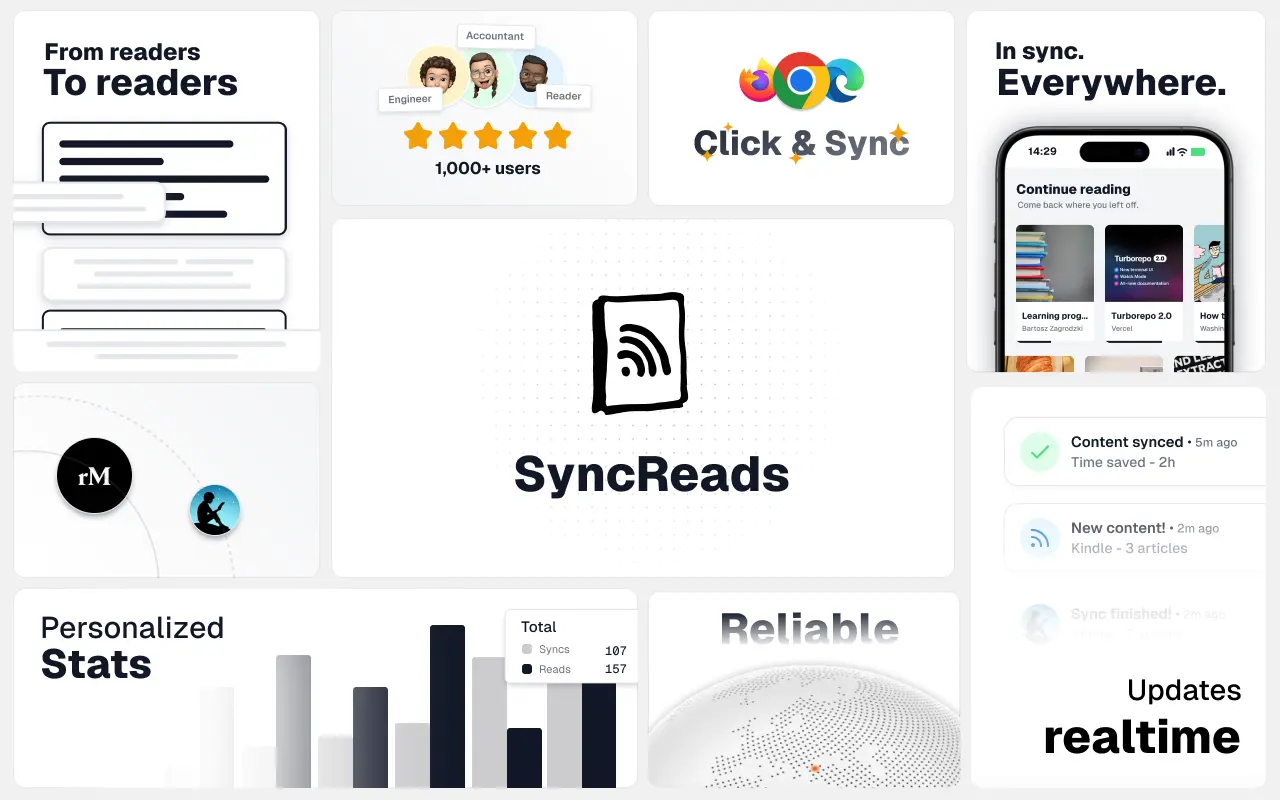
Sync your favorite content for distraction-free reading, save time and replace multiple apps. Anytime, anywhere 🔄
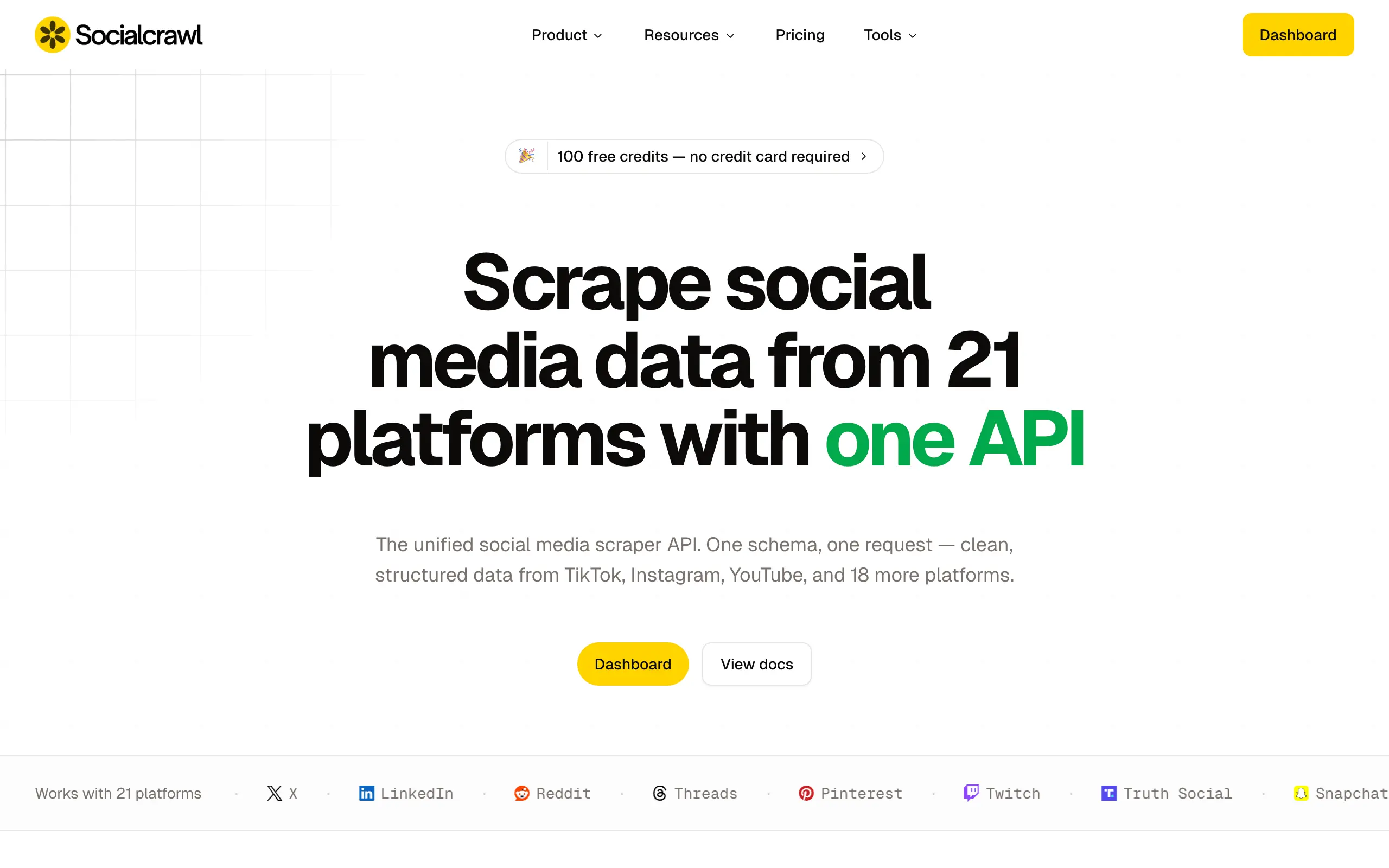
Get clean, structured data from 21 platforms like TikTok, Instagram, and YouTube with a single request 📊
Monitor any Telegram channel in real time - track posts, edits, deletions, and growth with AI recaps 📡
AI website builder - describe your business, pick a niche template, edit by chatting, and publish instantly ✨
Find verified home service professionals, compare quotes, and pay securely through escrow - built for Brazilians across the US 🏠
Fix your SEO with AI agents - connect Search Console, get prioritized tasks, and grow organic traffic 📈
Sync your favorite content for distraction-free reading, save time and replace multiple apps. Anytime, anywhere 🔄
Get clean, structured data from 21 platforms like TikTok, Instagram, and YouTube with a single request 📊
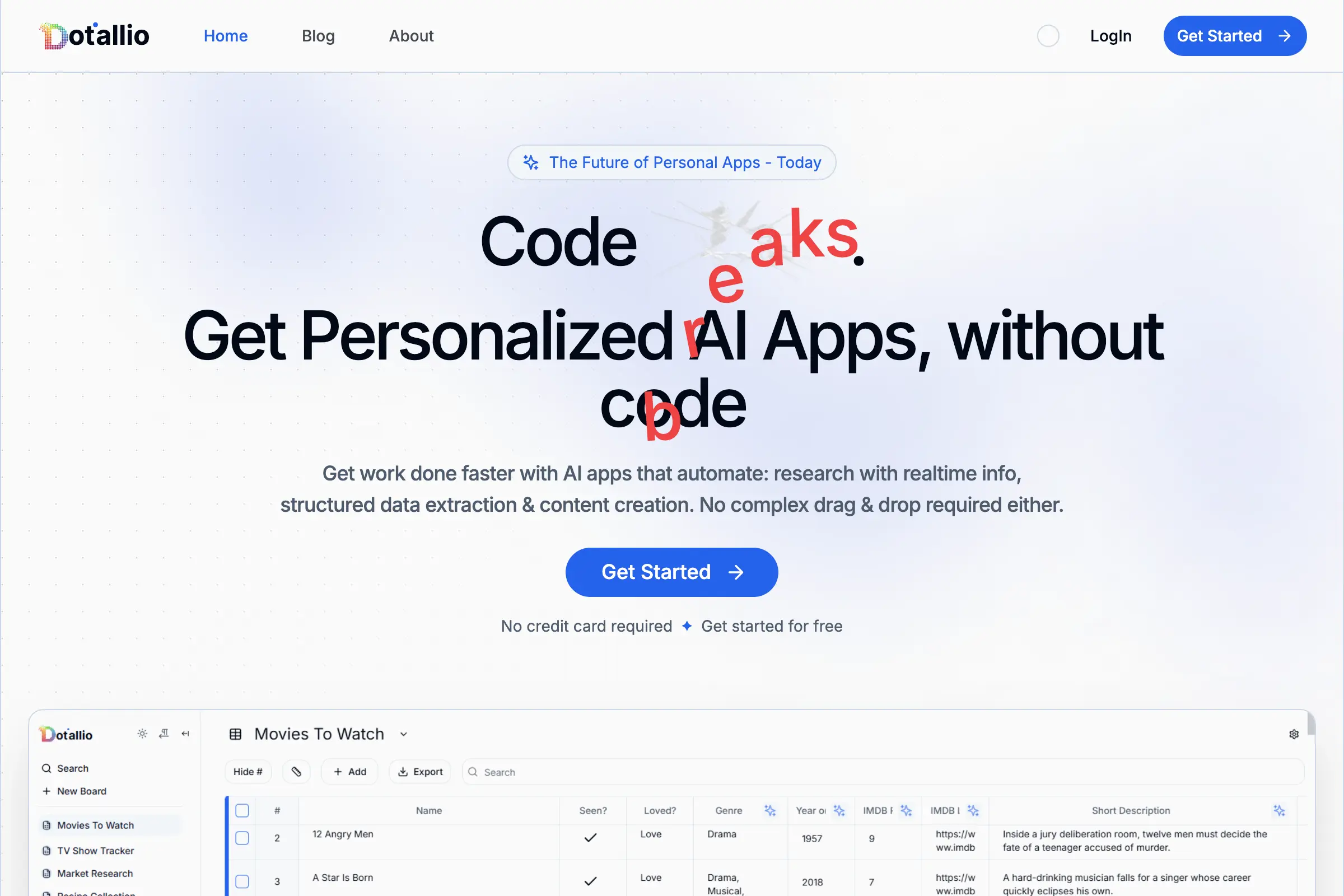
Personalized AI apps that automate research, data extraction, and content creation without code 🤖

Enjoy a magical live video chat or receive a unique AI-generated video greeting from Santa Claus 🎅

Scalable blog for food journalist, focused on performance and user experience 🌭
Personal blog and portfolio of Bart Zagrodzki, where he shares his knowledge and work 💼
Ship your startup everywhere. In minutes.
Convert HTML to Markdown with ease, directly in your browser 📄
Personalized AI apps that automate research, data extraction, and content creation without code 🤖
Enjoy a magical live video chat or receive a unique AI-generated video greeting from Santa Claus 🎅
Scalable blog for food journalist, focused on performance and user experience 🌭
Personal blog and portfolio of Bart Zagrodzki, where he shares his knowledge and work 💼
Ship your startup everywhere. In minutes.
Convert HTML to Markdown with ease, directly in your browser 📄
Chat with 50+ AI models, including ChatGPT and Claude, in one place - switch models anytime without losing context 🤖
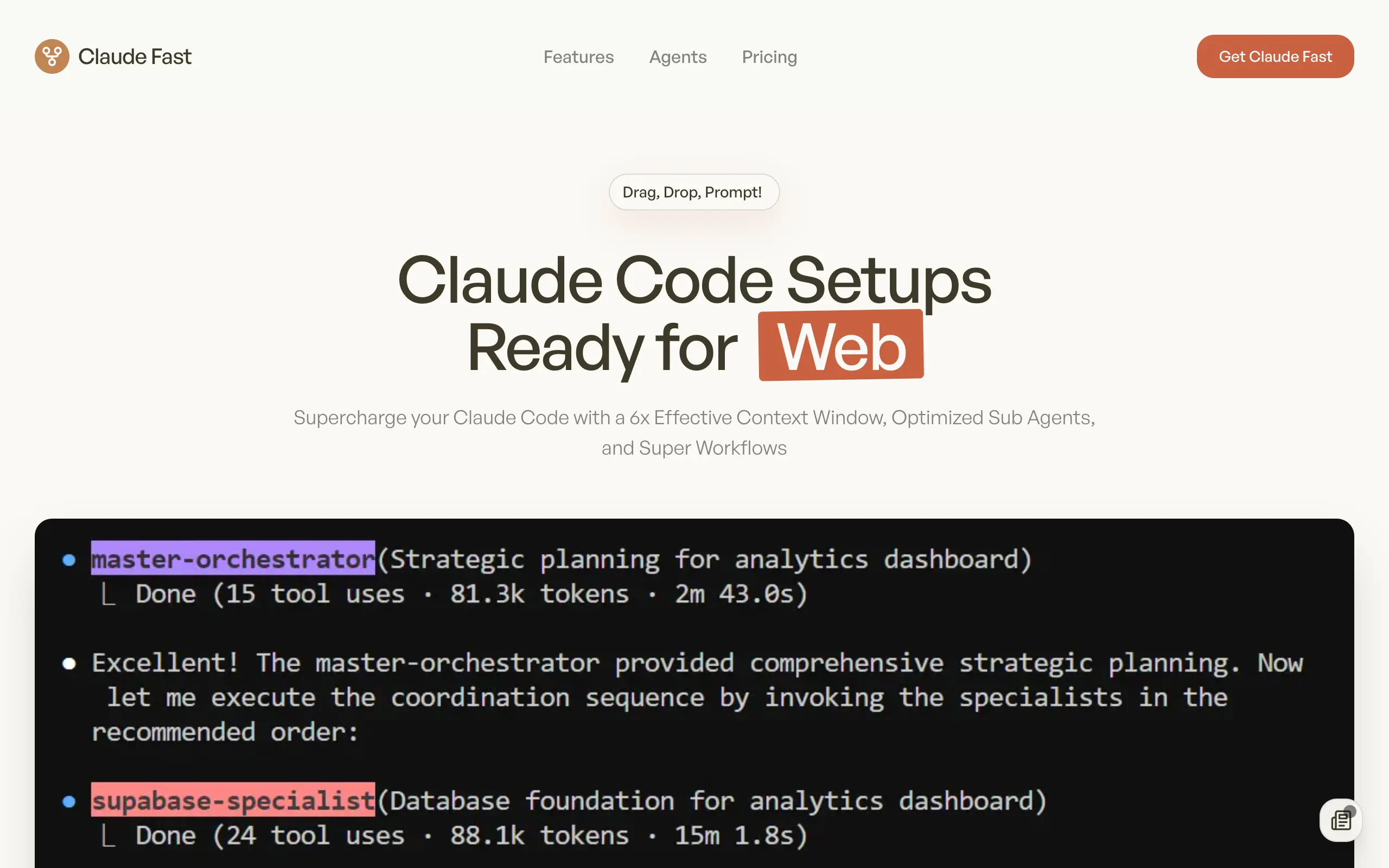
Supercharge your Claude Code with 6x effective context window and specialized AI agents 🤖

AI-powered emoji picker with smart, context-aware suggestions 🤖

Autonomous company launcher - AI agents work 24/7, escalate what matters, and you stay in control 🤖

Practice storytelling daily with instant feedback to sound clearer, more engaging, and confident 🎤
Chat with 50+ AI models, including ChatGPT and Claude, in one place - switch models anytime without losing context 🤖
Supercharge your Claude Code with 6x effective context window and specialized AI agents 🤖
AI-powered emoji picker with smart, context-aware suggestions 🤖
Autonomous company launcher - AI agents work 24/7, escalate what matters, and you stay in control 🤖
Practice storytelling daily with instant feedback to sound clearer, more engaging, and confident 🎤

Connect with like-minded people
Join our community to get feedback, support, and grow together with 1,000+ builders on board, let's ship it!
Join usShip your startup everywhere. In minutes.
Don't burn tokens on setup and start building features on day one.