Shareholder Pulse
Helps small public companies track who is buying and selling their shares each week. Investor relations leads get a plain digest of ownership shifts without paying a retainer firm.
Shareholder Pulse is a weekly ownership digest for small public companies: it shows investor relations leads who is buying and selling their shares, in plain language, without a retainer firm. The opportunity in 2026 is that microcap and small-cap issuers still pay for shareholder intelligence built for large caps, or they go without and learn about a new activist or a fund exit from the stock price. A focused product for shareholder ownership tracking for small public companies can be built by a small team because the underlying filings are public.
Key takeaways
- Target customer: the IR lead, CFO or general counsel at a listed company with a small team and no dedicated IR budget for a retainer firm.
- Pricing angle: flat monthly subscription per ticker, with a higher tier for peer comparison and board-ready reports.
- Biggest risk: ownership data is lagged and incomplete, so the product can be accused of showing a picture that is out of date or wrong.
- Time to MVP: about 4 to 6 weeks for a weekly digest from public filings, faster if you start from a starter kit.
- Aha moment: the first email that names a holder change the customer did not know about.
What problem does shareholder ownership tracking solve?
Small public companies often do not know who owns them in any current sense. They know their top holders from the last proxy statement, but the weekly movement between filings is invisible. That gap matters when a fund quietly builds a position, an index change forces selling, or a long-time holder exits before earnings.
Who feels it most?
The ideal customer is the investor relations lead, or the CFO who also does IR, at a company with a small market capitalization and a handful of staff. They are usually not at a firm with an IR department, a market intelligence budget or an analyst covering them every week.
Typical profile:
- Listed on a US exchange, with a small float and thin analyst coverage.
- One person owns investor communications alongside other duties.
- The board or CEO asks "who is buying us?" with no fast answer.
What do they do today?
The common workarounds are a spreadsheet updated by hand from public filings, free filing alerts, a retainer-based IR or market intelligence firm, or an expensive terminal seat shared by the finance team.
Each fails in a different way:
- Spreadsheets go stale the moment the owner gets busy, and nobody trusts them in a board meeting.
- Free alerts show raw filings, not what changed or why it matters.
- Retainer firms deliver good analysis but charge for a relationship the company may not need every week.
- Terminals are built for investors, not for the company being analyzed.
Why is now a good time for a Shareholder Pulse-style product?
The gap sits between raw public filings and expensive services. Incumbent platforms such as S&P Capital IQ and Bloomberg serve large institutions, and established IR vendors tend to sell bundled services to larger issuers. Small issuers are an awkward customer for them: low contract value, high support needs.
Several 2026 trends make a lightweight alternative practical:
- Public filings are machine-readable. SEC EDGAR exposes structured filing data, so ingestion no longer needs a data vendor on day one.
- Language models summarize well. Turning a table of position changes into two plain sentences is now cheap and reliable enough, assuming a human-checkable source link accompanies every claim.
- Small teams buy software, not retainers. Lean finance teams are used to monthly SaaS with a card, not annual services contracts.
- Retail and activist attention moves fast. Issuers want earlier warning than a quarterly filing cycle.
The honest caveat: some of the most valuable data, such as precise institutional positions, arrives with a delay. The product wins by being clear about what is known and when, not by pretending to be real time.
What should the Shareholder Pulse MVP include?
The MVP is one email per week per ticker, plus a simple dashboard that backs it up. Resist building a full IR platform. The aha moment is opening the first digest and seeing a named holder who increased or cut a position, with a source link and a one-line explanation.
Weekly ownership digest
A plain-language email listing new, increased, reduced and exited positions, each linked to its source filing.
Holder change timeline
A per-ticker view showing how each major holder moved over time, so the answer to a board question takes seconds.
Filing and date transparency
Every line shows the filing type and the as-of date, so users know exactly how fresh the data is.
Shareable board summary
A one-page export of the latest changes that an IR lead can forward to the CEO or paste into a board deck.
What to cut first
Leave out these items in version one:
- Investor targeting and CRM features.
- Sentiment analysis and social media monitoring.
- Peer benchmarking, until you have enough customers to justify the data work.
- Mobile apps. Email is the product.
How is Shareholder Pulse different from spreadsheets and IR firms?
The unique selling proposition: a weekly, plain-language answer to "who changed their position in our stock?" at a price a one-person IR function can expense without approval. It is narrower than a terminal and cheaper than a retainer.
| Option | Plain-language digest | Built for issuers | Low monthly cost | Source links per change |
|---|---|---|---|---|
| Shareholder Pulse | ✅ | ✅ | ✅ | ✅ |
| Manual spreadsheet | ❌ | Depends | ✅ | Manual |
| Free filing alerts | ❌ | ❌ | ✅ | ✅ |
| Retainer IR firm | ✅ | ✅ | ❌ | Varies |
| Market data terminal | ❌ | ❌ | ❌ | ✅ |
The moat is not the data, since filings are public. It is the interpretation, the reliability of the weekly habit and the trust you build by being explicit about what you do not know.
How would Shareholder Pulse make money?
Subscription pricing fits, since the value recurs weekly. Three realistic options:
- Flat per-ticker plan. Something like $99 to $199 per month per company is plausible to test. It is simple to explain and easy to expense. Assuming $149 per month and 40 customers, that is roughly $6,000 monthly recurring revenue, enough to validate the business.
- Tiered plans. A basic digest tier and a higher tier with history, exports and extra seats. This helps once you learn what the IR lead shares with the board.
- Annual contracts with a discount. Issuers budget annually, so offering a lower effective monthly price for a yearly commitment improves cash flow and reduces churn.
Avoid usage-based pricing at first. Budget owners at small issuers want a predictable line item.
Which growth channel works first?
Direct outreach. The buyers are findable: company filings list officers and investor contacts. A short, personalized email that includes a sample digest for their own ticker is stronger than any ad. Content marketing and IR association communities can follow once you have proof.
How do you validate Shareholder Pulse in two weeks?
Validate demand before building ingestion pipelines. You can fake the first digests by hand.
Interview eight to ten IR leads
Ask how they learn about holder changes today, what they pay and who asks them for the answer. Listen for repeated pain, not polite interest.
Send a manual sample digest
Build a one-page digest for a few target tickers from public filings and email it to the contact. Ask whether they would want it every week.
Launch a landing page and waitlist
State one promise: know who is buying and selling your stock, every week. Drive outreach traffic there and track replies and signups.
Ask for a pre-sale
Offer a discounted first year to a handful of respondents. Even three paid commitments tell you more than fifty waitlist signups.
What tech stack do you need to build Shareholder Pulse?
The product is a data pipeline, a summarization layer and a standard SaaS shell. The shell is where founders waste weeks, so start from TurboStarter and spend your time on ingestion and accuracy. It ships authentication, billing, a database layer, emails, storage, background tasks and an admin panel in a ready-made monorepo.
Relevant pieces for this idea:
- Authentication for IR leads and invited colleagues.
- Billing for per-company subscriptions.
- Background tasks for scheduled filing ingestion and weekly digest generation.
- Emails for the digest itself, which is your core delivery channel.
Data model
A minimal model keeps the diffing logic simple:
create table holdings (
  id uuid primary key,
  ticker text not null,
  holder_name text not null,
  shares bigint not null,
  as_of date not null,
  source_url text not null,
  filing_type text not null
);

create index on holdings (ticker, holder_name, as_of);
The weekly job compares the latest row per holder with the previous one and writes a change record, which the digest then summarizes.
Choosing the summarization approach
Generate sentences from structured change records with fixed templates. It is cheap, deterministic and easy to audit. Pick this for launch, since a wrong sentence in an investor email damages trust.
Use a language model to group changes and write a short narrative on top of the structured records. It reads better and spots patterns, but needs guardrails: only pass verified records and always show the source link. Add it once the template version is stable.
Start with Postgres for the data, since the queries are relational and time-based. Keep the pipeline in scheduled jobs rather than a streaming system. Weekly cadence does not need more.
What could make Shareholder Pulse fail?
Biggest risk: wrong or stale data
Ownership filings arrive on delay and can be incomplete or ambiguous. If a digest states a holder sold when the data was misread, an IR lead may repeat it to a CEO or board. Label every line with filing type and as-of date, link the source, and flag low-confidence matches for manual review before sending.
Other real risks:
- Entity matching errors. The same fund appears under several names. Maintain an alias table and review new holders by hand early on.
- Small market. Only so many small issuers exist and some will not pay. Mitigate by proving per-ticker economics and later adding adjacent buyers such as advisors who manage several issuers.
- Free substitutes. Free filing alerts are good enough for some. Compete on interpretation, history and time saved, not on access.
- Regulatory sensitivity. Do not position the product as investment advice or as a way to identify individuals. Keep to public information and have counsel review wording.
What are the next steps to launch in 30 days?
Days 1 to 5: interviews and manual samples
Talk to IR leads and send hand-built digests for several tickers.
Days 6 to 10: landing page and pre-sale ask
Publish the page, run outreach and collect commitments.
Days 11 to 20: build the pipeline
Scaffold the app with TurboStarter, ingest filings for a fixed list of tickers and implement change detection.
Days 21 to 25: digest and review flow
Generate the weekly email with source links and add a manual approval step before sending.
Days 26 to 30: onboard first customers
Switch on billing, onboard pre-sale customers and ask for feedback after the first two digests.
If you want to test shareholder ownership tracking for small public companies, start with the manual digest this week. The code can wait until someone replies asking for the next one.
FAQ
Demand is plausible but unproven until you test it. Interview IR leads and pre-sell a plan before building. If several will pay for a weekly digest, the pain is real.
Start by testing a flat monthly price per ticker in the low hundreds of dollars. Adjust based on what buyers compare you to, typically a retainer or a terminal seat. Offer an annual discount for cash flow.
Large market intelligence platforms like Capital IQ and Bloomberg, retainer-based IR firms, and free filing alerts. None is built as a cheap weekly digest for small issuers, which is the wedge.
A TypeScript web app with Postgres, scheduled background jobs for ingestion and an email provider for delivery. A starter kit like TurboStarter covers auth, billing, emails and jobs so you focus on the data.
Expect roughly 4 to 6 weeks for a solo technical founder, mostly on ingestion and entity matching. Costs stay low at the start: hosting, an email service and modest model usage if you add summaries.
More 🏢 B2B Application SaaS ideas
Discover more innovative b2b application SaaS ideas that are trending in 2026. Each idea is AI-generated with market validation and growth potential to help you find your next profitable venture faster than competitors.
Your competitors are building with TurboStarter
Below are some of the SaaS ideas that have been generated and built with our starter kit.

Monitor any Telegram channel in real time - track posts, edits, deletions, and growth with AI recaps 📡

AI website builder - describe your business, pick a niche template, edit by chatting, and publish instantly ✨

Find verified home service professionals, compare quotes, and pay securely through escrow - built for Brazilians across the US 🏠
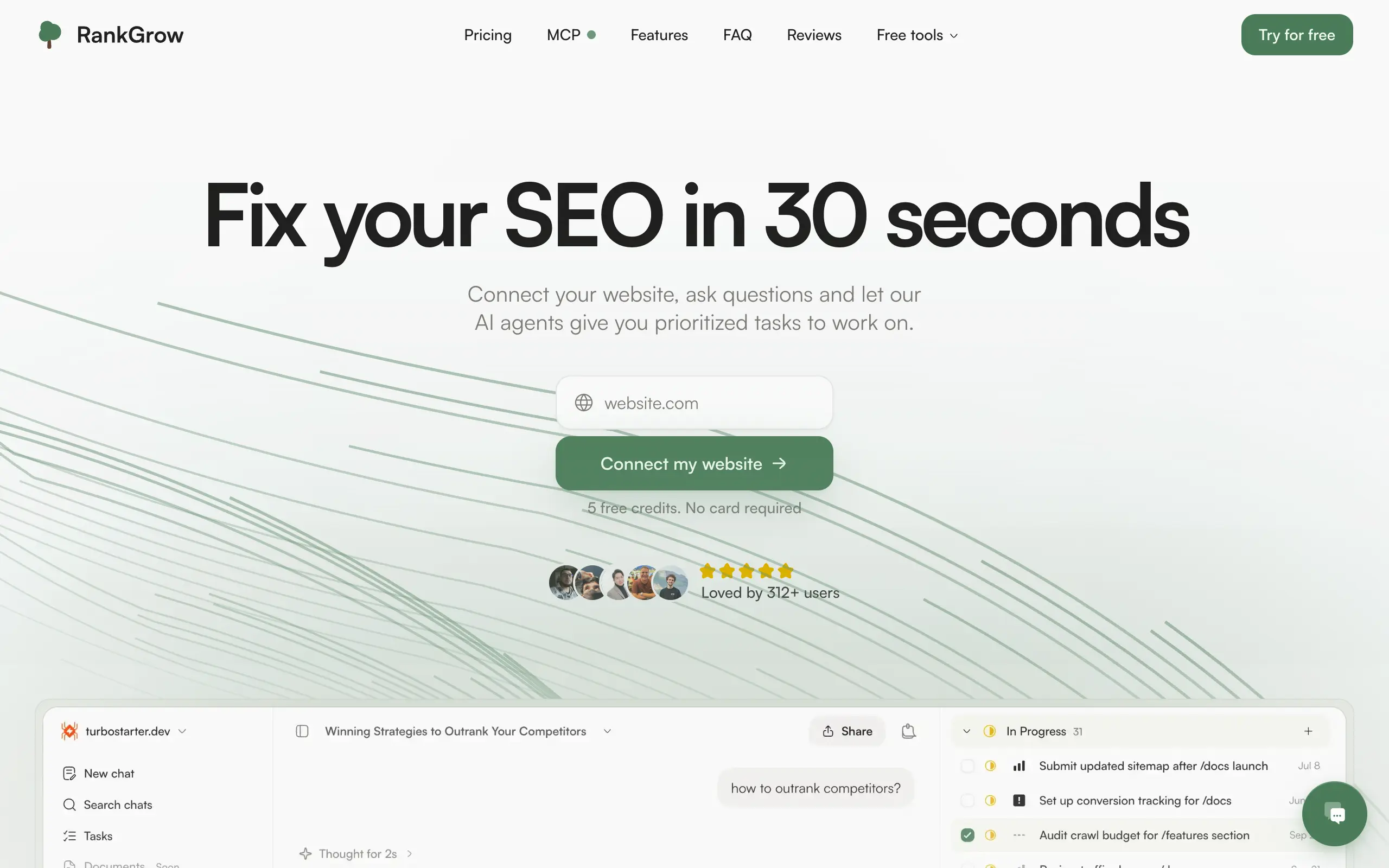
Fix your SEO with AI agents - connect Search Console, get prioritized tasks, and grow organic traffic 📈
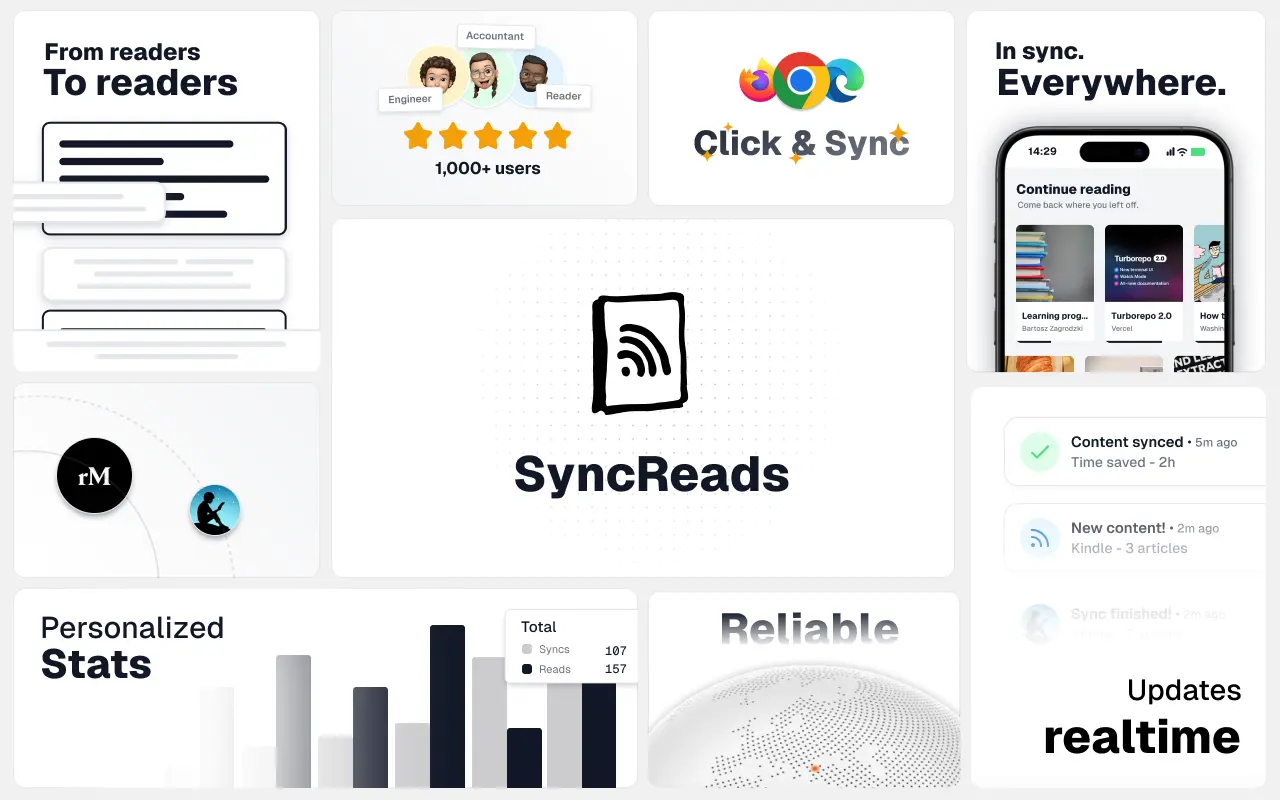
Sync your favorite content for distraction-free reading, save time and replace multiple apps. Anytime, anywhere 🔄
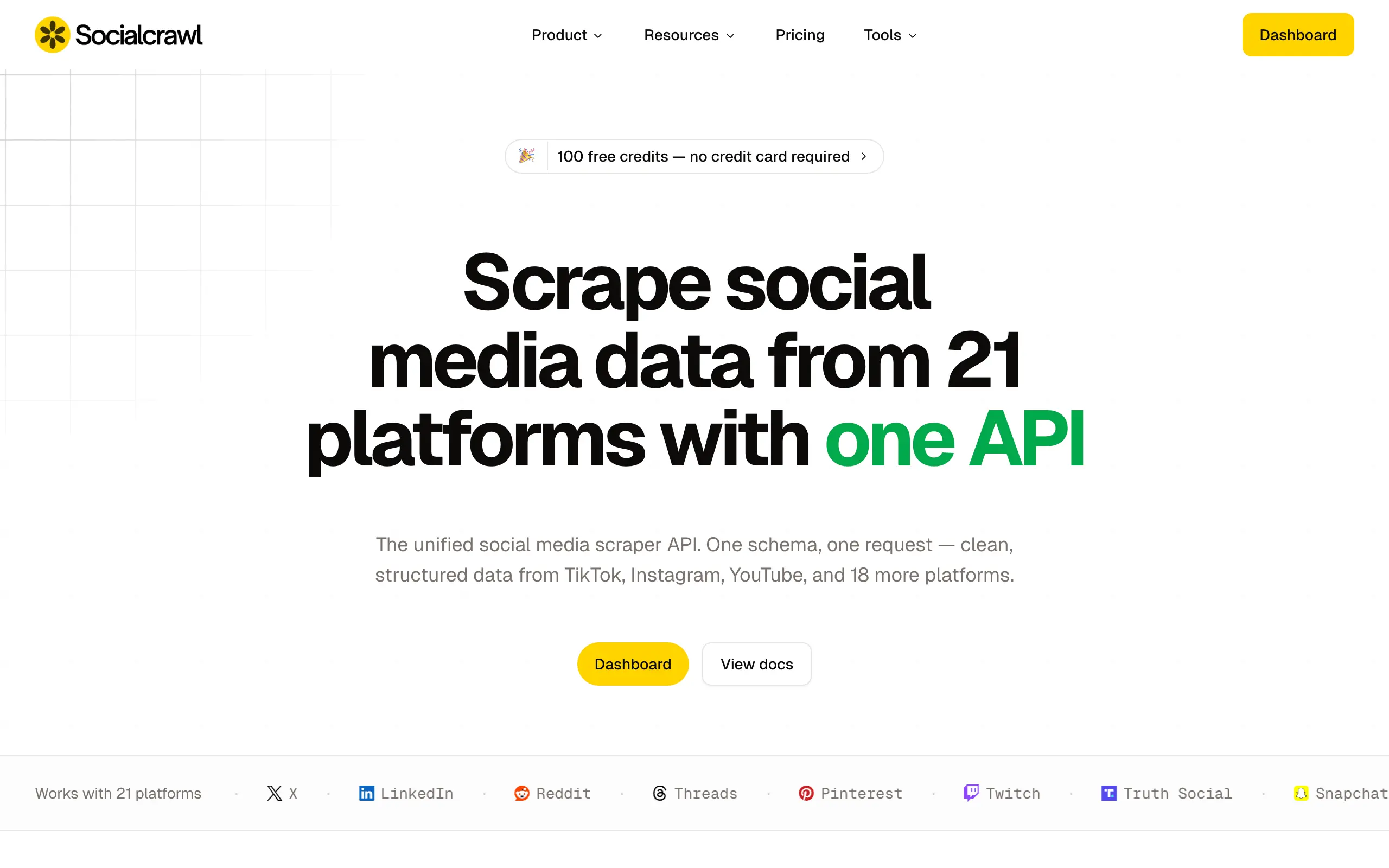
Get clean, structured data from 21 platforms like TikTok, Instagram, and YouTube with a single request 📊
Monitor any Telegram channel in real time - track posts, edits, deletions, and growth with AI recaps 📡
AI website builder - describe your business, pick a niche template, edit by chatting, and publish instantly ✨
Find verified home service professionals, compare quotes, and pay securely through escrow - built for Brazilians across the US 🏠
Fix your SEO with AI agents - connect Search Console, get prioritized tasks, and grow organic traffic 📈
Sync your favorite content for distraction-free reading, save time and replace multiple apps. Anytime, anywhere 🔄
Get clean, structured data from 21 platforms like TikTok, Instagram, and YouTube with a single request 📊
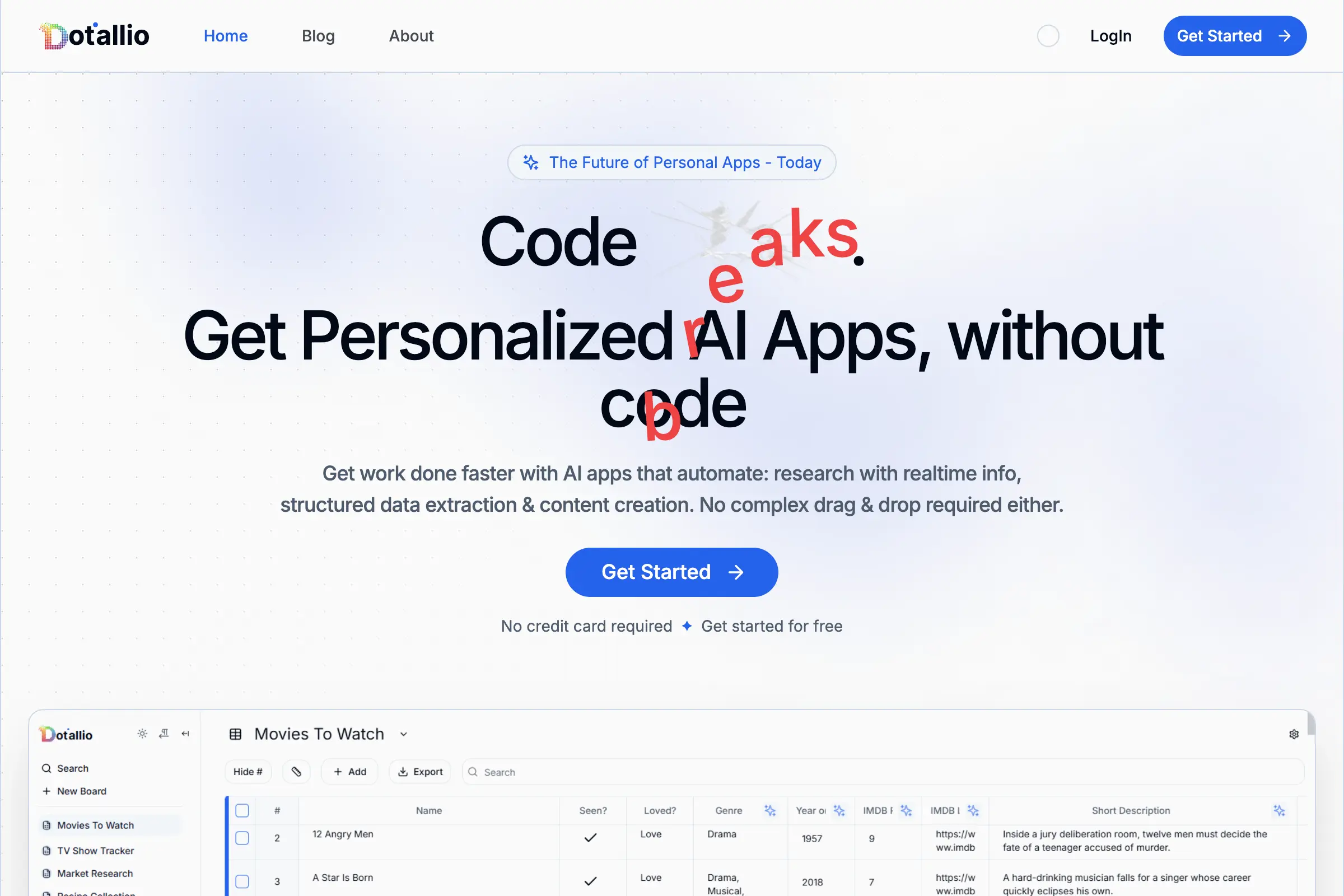
Personalized AI apps that automate research, data extraction, and content creation without code 🤖

Enjoy a magical live video chat or receive a unique AI-generated video greeting from Santa Claus 🎅

Scalable blog for food journalist, focused on performance and user experience 🌭
Personal blog and portfolio of Bart Zagrodzki, where he shares his knowledge and work 💼
Ship your startup everywhere. In minutes.
Convert HTML to Markdown with ease, directly in your browser 📄
Personalized AI apps that automate research, data extraction, and content creation without code 🤖
Enjoy a magical live video chat or receive a unique AI-generated video greeting from Santa Claus 🎅
Scalable blog for food journalist, focused on performance and user experience 🌭
Personal blog and portfolio of Bart Zagrodzki, where he shares his knowledge and work 💼
Ship your startup everywhere. In minutes.
Convert HTML to Markdown with ease, directly in your browser 📄
Chat with 50+ AI models, including ChatGPT and Claude, in one place - switch models anytime without losing context 🤖
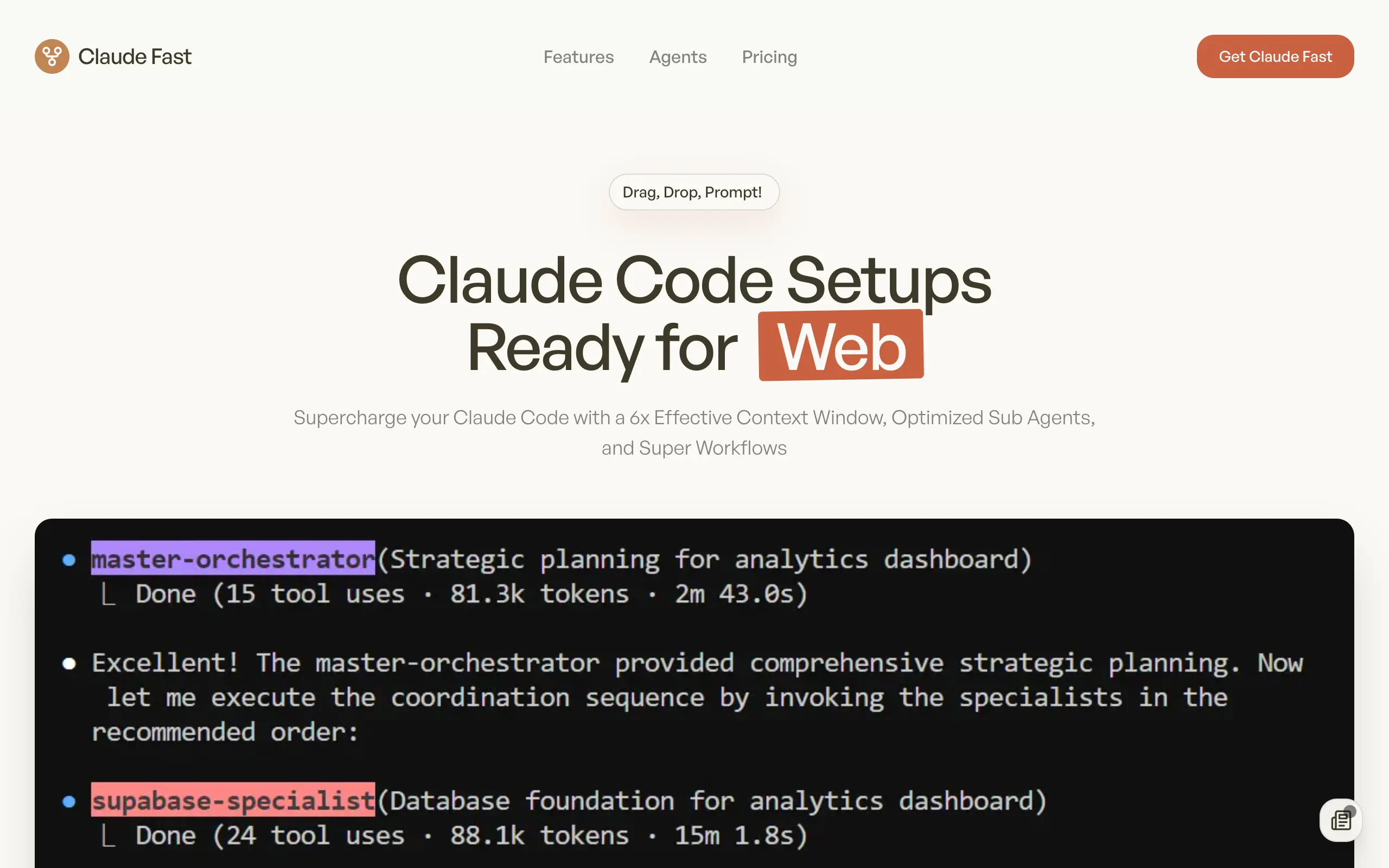
Supercharge your Claude Code with 6x effective context window and specialized AI agents 🤖

AI-powered emoji picker with smart, context-aware suggestions 🤖
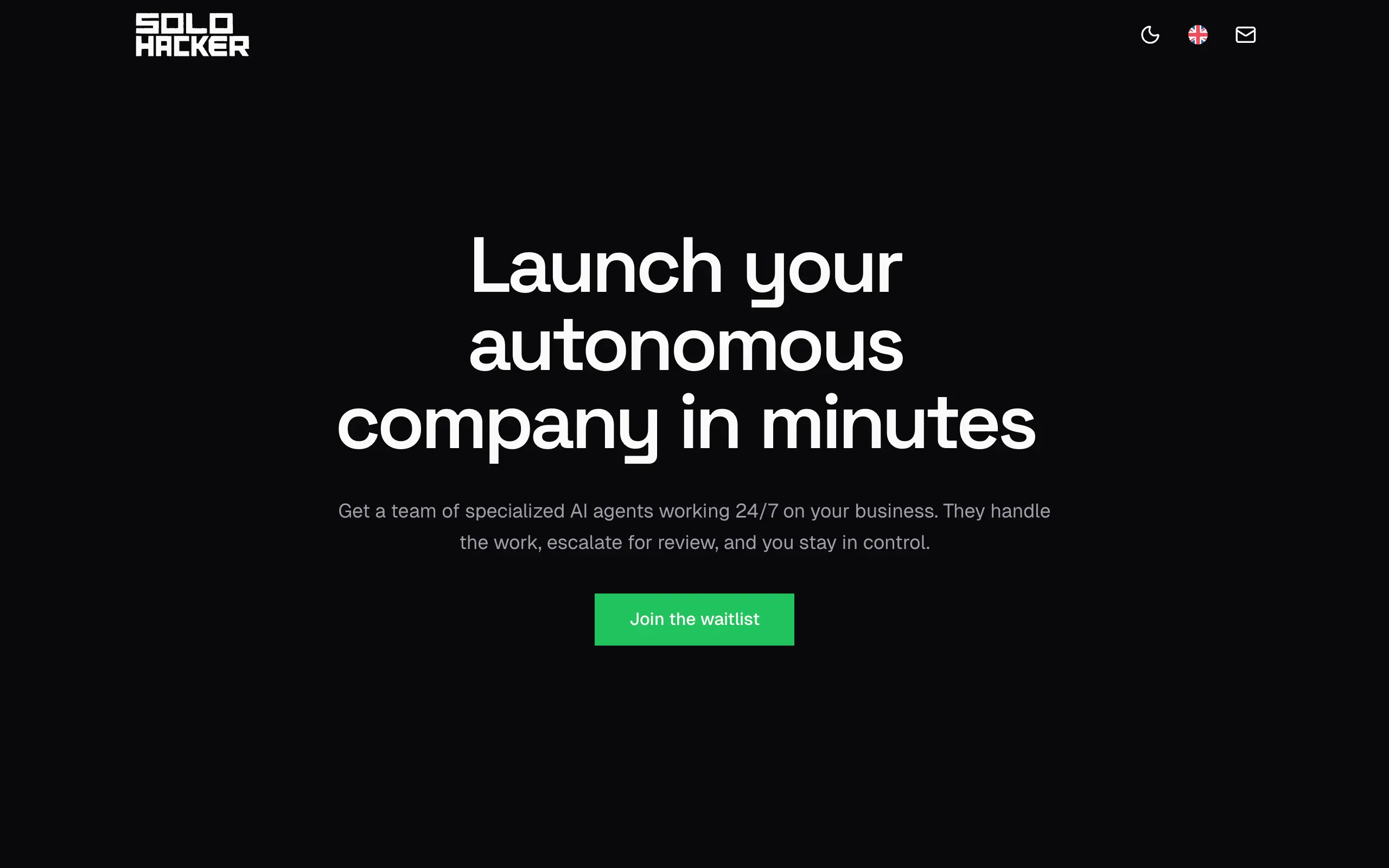
Autonomous company launcher - AI agents work 24/7, escalate what matters, and you stay in control 🤖

Practice storytelling daily with instant feedback to sound clearer, more engaging, and confident 🎤
Chat with 50+ AI models, including ChatGPT and Claude, in one place - switch models anytime without losing context 🤖
Supercharge your Claude Code with 6x effective context window and specialized AI agents 🤖
AI-powered emoji picker with smart, context-aware suggestions 🤖
Autonomous company launcher - AI agents work 24/7, escalate what matters, and you stay in control 🤖
Practice storytelling daily with instant feedback to sound clearer, more engaging, and confident 🎤

Connect with like-minded people
Join our community to get feedback, support, and grow together with 1,000+ builders on board, let's ship it!
Join usShip your startup everywhere. In minutes.
Don't burn tokens on setup and start building features on day one.