Tickerdesk
A shared inbox for investor questions that lets IR staff answer retail and institutional shareholders from one place. Companies stop losing emails and get consistent answers logged for compliance.
Tickerdesk is an investor relations inbox for OTC-listed microcaps. It puts shareholder questions, filing deadlines and analyst coverage in one place, so a two-person finance team can run credible investor communications without paying an outside IR firm. In 2026 the opportunity is that retail shareholders are louder and better organized than ever, while the tools built for IR teams still assume a budget most microcaps do not have. This is an investor relations software idea for small public companies, and it is a narrow, buildable B2B niche.
Key takeaways
- Target customer: CFOs, controllers and part-time IR leads at OTC-listed companies with fewer than 10 finance and admin staff.
- Pricing angle: flat monthly subscription, roughly $99 to $299 per month, positioned against retainers that typically cost far more.
- Biggest risk: compliance. Replies to shareholders can create selective disclosure problems, so the product must guide, not just send.
- Time to MVP: about 4 to 6 weeks for a shared inbox, filing calendar and reply workflow, using a starter kit for the plumbing.
What problem does an investor relations inbox for microcaps solve?
Small public companies get shareholder questions through every channel and answer them inconsistently. The questions land in a general email address, on social platforms, in investor message boards and in phone calls to whoever picks up. Nobody owns them, and nobody can say what was answered last quarter.
Who is Tickerdesk for?
The ideal customer is a CFO or controller at an OTC Markets company who also acts as the de facto IR contact. The company might have a market cap in the low tens of millions, a handful of employees in finance and legal, and a retail-heavy shareholder base. They cannot justify a full-time IR hire and often cannot afford a traditional IR retainer.
A secondary buyer is the corporate secretary or outside counsel's paralegal who tracks deadlines. They care less about shareholder replies and more about not missing a filing.
What do they do today, and why does it fail?
The current workaround is a shared Gmail inbox, a spreadsheet of deadlines and a calendar reminder set by whoever remembers. Some pay a small IR consultant for a monthly retainer. Others ignore retail shareholders until a complaint turns public.
This fails in predictable ways:
- No ownership: questions sit unanswered because it is unclear who should reply.
- No memory: the same question about a share structure or a past press release gets a different answer each time.
- No consistency check: replies may contain information that has not been publicly disclosed.
- Fragmented coverage tracking: analyst and newsletter mentions live in bookmarks and forwarded emails.
Why is there a gap in microcap investor relations software in 2026?
The gap exists because existing IR tools are priced and designed for larger issuers. Platforms from the big IR and disclosure vendors serve exchange-listed companies with dedicated IR teams. Their packages bundle surveillance, targeting and earnings call tooling that a microcap does not need.
At the other end, generic tools like shared inboxes, Notion, Airtable and helpdesk products such as Zendesk or Help Scout can handle conversations but know nothing about filings, disclosure rules or analyst coverage.
Why now?
Several trends make the timing reasonable, though you should verify each with your own interviews:
- Retail investors are organized. Social platforms and message boards let shareholders coordinate questions and amplify complaints quickly.
- AI drafting is good enough. Language models can classify questions, retrieve past answers and draft replies for human review at low cost.
- Small teams are expected to do more. Finance leads at small issuers increasingly absorb IR duties instead of hiring.
- Filing data is public. SEC EDGAR and OTC Markets disclosure information are accessible, so deadline tracking can be automated instead of typed in by hand.
The honest caveat: the market is small and specific. You are betting on a niche where each customer pays modestly, so efficient acquisition matters more than feature breadth.
What should the first version of Tickerdesk include?
Build the smallest product that makes a CFO say, "I would have missed that." The aha moment is opening Tickerdesk on Monday and seeing three things: new shareholder questions with suggested answers, the next filing deadline and any new analyst mention, all in one view.
Shareholder inbox
Forward or connect an IR email address, assign questions to an owner and track status from new to answered.
Filing reminders
A calendar of expected periodic report and disclosure deadlines with owner assignment and email nudges.
Answer library
Approved past answers, searchable and reusable, so replies stay consistent across quarters.
Coverage tracker
A simple log of analyst notes, newsletters and media mentions, added manually or via forwarded email.
What should you cut from the MVP?
Cut anything that smells like a full IR suite. That means no shareholder database enrichment, no earnings call hosting, no press release distribution and no social media monitoring. Skip a mobile app at first. Start with email forwarding instead of deep integrations, because it works with any provider.
AI drafting is worth including, but only as a suggestion with a mandatory human approval step. Keep an audit trail of who approved each reply from day one.
How is Tickerdesk different from the alternatives?
The unique selling proposition is simple: a compliance-aware IR workspace priced for companies that cannot afford an IR firm. It is not a generic helpdesk, and it is not an enterprise IR platform.
| Option | Built for public company IR | Filing reminders | Reply consistency | Affordable for microcaps |
|---|---|---|---|---|
| Tickerdesk | ✅ | ✅ | ✅ | ✅ |
| Shared Gmail and spreadsheet | ❌ | Manual | ❌ | ✅ |
| Generic helpdesk | ❌ | ❌ | Partial | ✅ |
| Enterprise IR platforms | ✅ | ✅ | Partial | ❌ |
| Outside IR consultant | ✅ | Depends | Depends | Varies |
The consultant is the real competitor, not software. Position Tickerdesk as what the finance team uses between consultant conversations, or as the thing that makes a consultant unnecessary for routine questions.
How would Tickerdesk make money?
Subscription pricing fits best, because the value is ongoing and the buyer wants predictable costs. Here are three realistic options.
Flat tiered subscription
Charge a monthly fee per company, for example $99 for the core inbox and calendar, and $249 with AI drafting and the answer library. If you reach 100 customers at an average of $150 per month, that is $15,000 in monthly recurring revenue, which is a useful business for a small team but not venture scale. Treat those numbers as assumptions to test.
Per-seat add-ons
Include two seats, then charge for extra seats for counsel or board members. This works only if multiple people genuinely collaborate. Many microcaps will not need it.
Annual plans with onboarding
Offer a discount for annual prepayment and a paid setup session where you import past questions and filing history. Small issuers often value hands-on help, and prepayment improves cash flow.
What growth channel works first?
Direct outreach is the most likely first channel. OTC issuers and their officers are listed publicly, so you can build a targeted list and email CFOs with a specific hook, such as an upcoming filing deadline. Pair it with content aimed at searches like "how to respond to shareholder emails" and partnerships with small securities law firms and transfer agents.
How do you validate the idea in two weeks?
Validate the pain and the willingness to pay before building. The goal is a handful of conversations and some real commitments.
Interview ten finance leads
Find CFOs and controllers at OTC companies and ask how they handled the last five shareholder emails. Listen for missed replies, inconsistent answers and consultant costs.
Map the current workflow
Ask to see the inbox, the spreadsheet or the calendar they use. Note which steps they do manually and which they dread.
Launch a one-page site
State one promise: never miss a shareholder question or a filing deadline. Add a waitlist form and a clear price range.
Ask for a pre-sale
Offer a discounted founding-customer rate for a three-month commitment. Even three or four paid pilots tell you more than fifty waitlist signups.
Check the compliance angle
Talk to one securities lawyer about how small issuers handle shareholder replies. Their view will shape the approval workflow.
How do you build Tickerdesk quickly?
A standard web stack is enough. The product is mostly a multi-tenant app with email ingestion, scheduled jobs and a text-heavy database. Your effort should go into the workflow and the compliance guardrails, not into rebuilding login and billing.
Where does TurboStarter fit?
TurboStarter provides the undifferentiated foundation: a monorepo for web (and mobile later), authentication, organizations for company workspaces and teams, billing for subscriptions, plus a database layer, emails, storage and AI integrations. Starting there means your first weeks go to the inbox and the filing calendar. The background tasks support also suits reminders and email processing.
What does the data model look like?
A minimal model centers on a company, its threads and the approval state of each reply:
create table thread (
  id uuid primary key,
  organization_id text not null,
  from_email text not null,
  subject text not null,
  status text not null default 'new',
  owner_id text,
  created_at timestamptz default now()
);

create table reply (
  id uuid primary key,
  thread_id uuid references thread(id),
  body text not null,
  drafted_by_ai boolean default false,
  approved_by text,
  approved_at timestamptz
);
Which AI provider should you choose?
Best for the MVP. You get strong drafting quality with little setup. The trade-off is sending shareholder email content to a third party, so review data handling terms and tell customers clearly.
Useful later if customers demand stricter data control. It costs more engineering time and hosting effort, so it rarely makes sense before you have paying users who ask for it.
Use email forwarding or an inbound email service for ingestion first. Retrieval over the answer library can start with Postgres full-text search before you add embeddings.
What could make Tickerdesk fail?
Biggest risk: compliance
A reply that discloses material non-public information to one shareholder can create regulatory trouble for your customer, and they will blame the tool. Never auto-send. Require human approval, flag replies that mention numbers or unreleased events, keep an audit trail and state plainly that Tickerdesk does not provide legal advice.
Other risks are more ordinary:
- Small market and low willingness to pay: many microcaps are cash-constrained. Mitigate with a low entry price and annual plans, and confirm real pre-sales before building much.
- Churn when companies go dark or delist: some customers will disappear. Diversify toward slightly larger issuers and companies preparing to uplist.
- Consultants as gatekeepers: IR consultants may see you as a threat. Offer a partner mode so they can manage several clients inside Tickerdesk.
What is the 30-day plan to launch?
Week 1: interviews and pre-sales
Finish ten interviews, publish the landing page and ask for three paid pilot commitments.
Week 2: scaffold the product
Set up the codebase, authentication, organizations and billing from a starter kit, then build the thread model and email forwarding.
Week 3: build the core loop
Ship the inbox with assignment, the approval workflow and the filing calendar with reminders. Add AI drafting last.
Week 4: onboard pilots
Import each pilot's recent questions and deadlines by hand, watch how they use it and fix the top three friction points.
Start with the interviews this week, because they decide whether the rest is worth building. When you are ready to ship, TurboStarter can cut the setup time so the investor relations inbox for microcaps is in front of pilots within weeks.
FAQ
Interview finance leads at OTC companies about their last few shareholder emails and filing deadlines. Then ask for a paid pilot at a founding-customer price. Paid commitments from a few companies are a stronger signal than a large waitlist.
Anchor against the monthly cost of an IR consultant or the time of a finance lead. A starting range of $99 to $299 per month is reasonable to test. Adjust based on how many pilots accept without negotiation.
Enterprise IR platforms serve larger issuers, and generic helpdesks and shared inboxes serve everyone loosely. The most direct competition is the outside IR consultant and the manual spreadsheet workflow.
A TypeScript web app with Postgres, an inbound email service, scheduled background jobs and an LLM API is enough. A starter kit like TurboStarter covers authentication, organizations, billing and emails so you can focus on the workflow.
Expect roughly 4 to 6 weeks for an MVP if you build solo with a starter kit. Costs are mainly your time, hosting, an email service and AI usage, which stay modest at pilot scale.
More 🏢 B2B Application SaaS ideas
Discover more innovative b2b application SaaS ideas that are trending in 2026. Each idea is AI-generated with market validation and growth potential to help you find your next profitable venture faster than competitors.
Your competitors are building with TurboStarter
Below are some of the SaaS ideas that have been generated and built with our starter kit.

Monitor any Telegram channel in real time - track posts, edits, deletions, and growth with AI recaps 📡

AI website builder - describe your business, pick a niche template, edit by chatting, and publish instantly ✨

Find verified home service professionals, compare quotes, and pay securely through escrow - built for Brazilians across the US 🏠
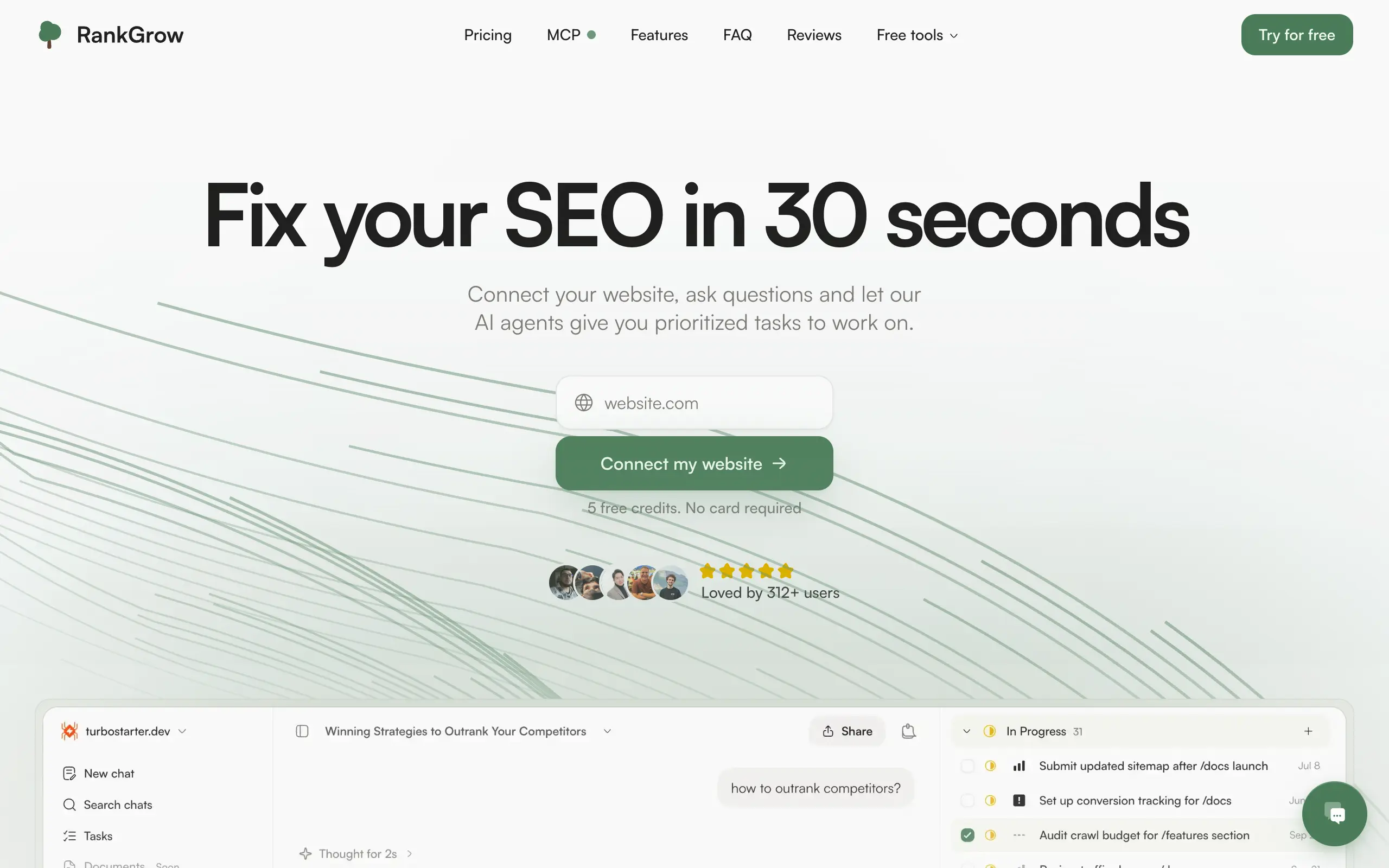
Fix your SEO with AI agents - connect Search Console, get prioritized tasks, and grow organic traffic 📈
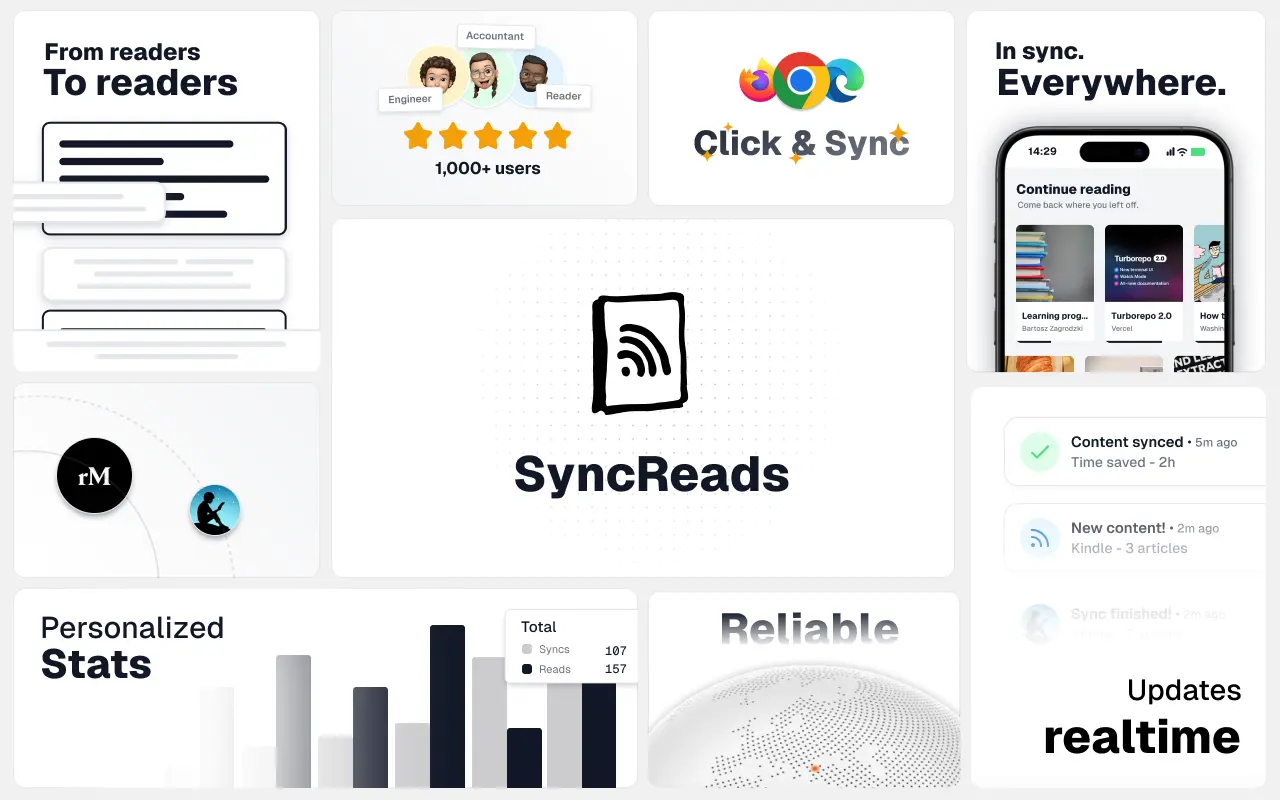
Sync your favorite content for distraction-free reading, save time and replace multiple apps. Anytime, anywhere 🔄
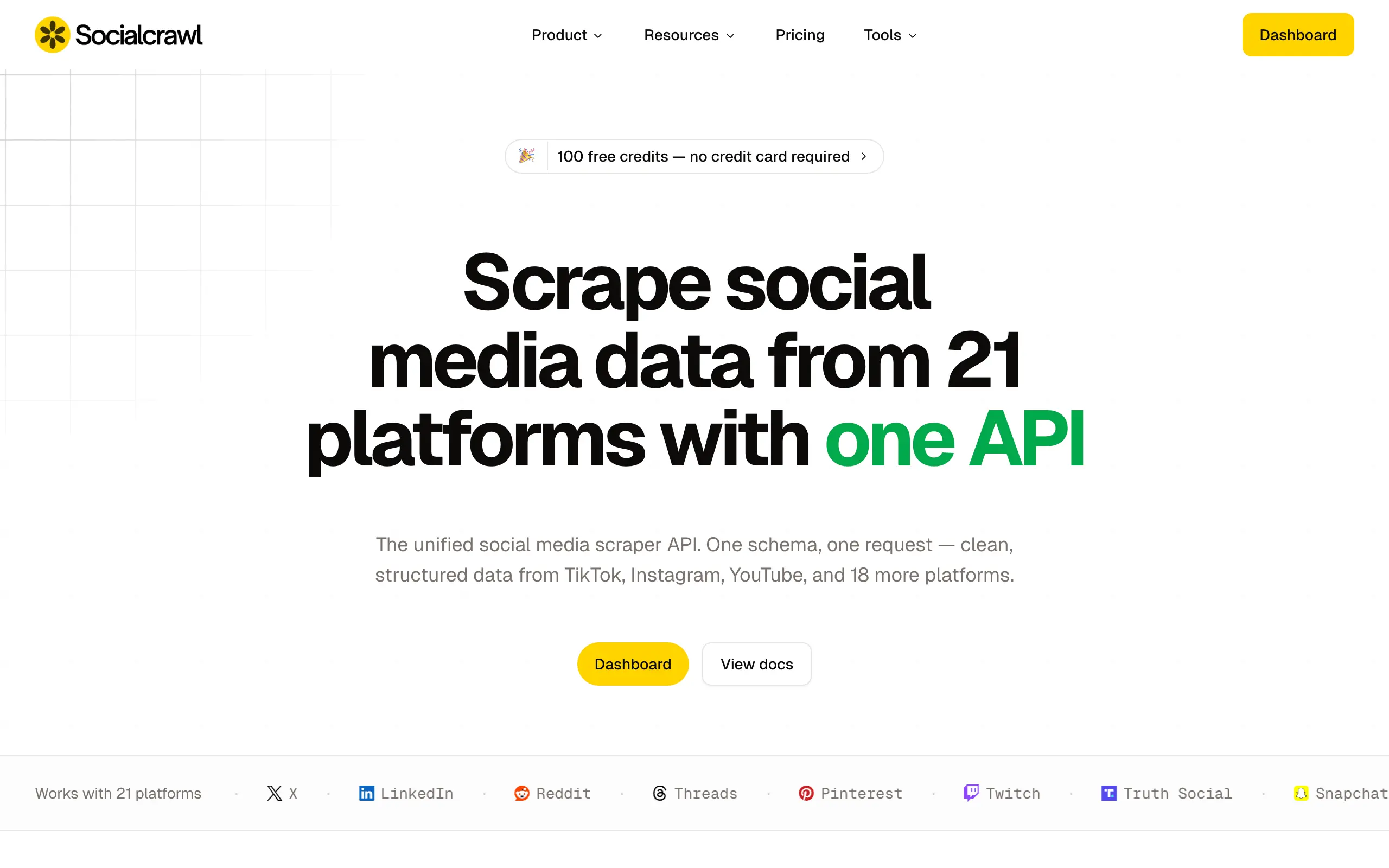
Get clean, structured data from 21 platforms like TikTok, Instagram, and YouTube with a single request 📊
Monitor any Telegram channel in real time - track posts, edits, deletions, and growth with AI recaps 📡
AI website builder - describe your business, pick a niche template, edit by chatting, and publish instantly ✨
Find verified home service professionals, compare quotes, and pay securely through escrow - built for Brazilians across the US 🏠
Fix your SEO with AI agents - connect Search Console, get prioritized tasks, and grow organic traffic 📈
Sync your favorite content for distraction-free reading, save time and replace multiple apps. Anytime, anywhere 🔄
Get clean, structured data from 21 platforms like TikTok, Instagram, and YouTube with a single request 📊
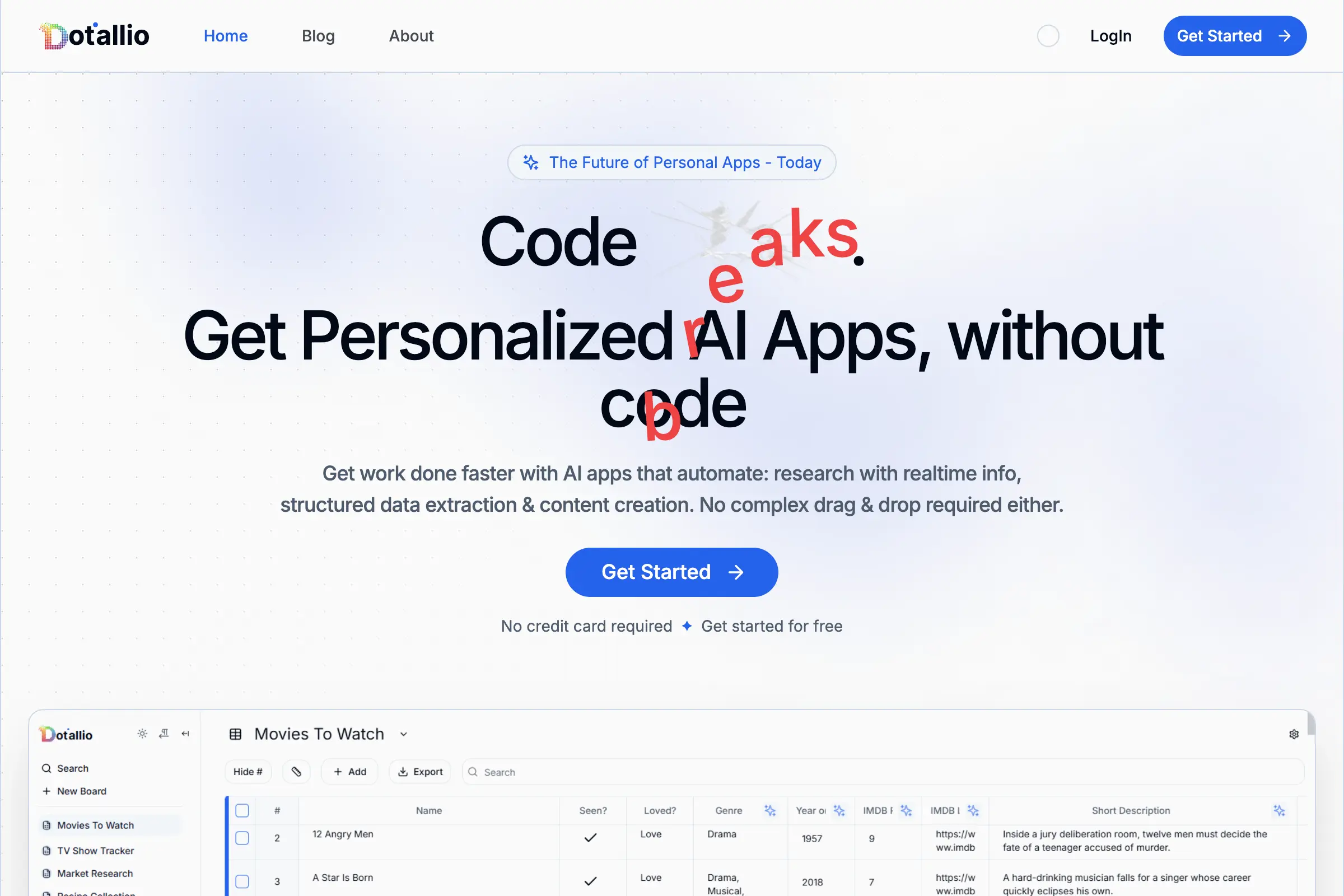
Personalized AI apps that automate research, data extraction, and content creation without code 🤖

Enjoy a magical live video chat or receive a unique AI-generated video greeting from Santa Claus 🎅

Scalable blog for food journalist, focused on performance and user experience 🌭
Personal blog and portfolio of Bart Zagrodzki, where he shares his knowledge and work 💼
Ship your startup everywhere. In minutes.
Convert HTML to Markdown with ease, directly in your browser 📄
Personalized AI apps that automate research, data extraction, and content creation without code 🤖
Enjoy a magical live video chat or receive a unique AI-generated video greeting from Santa Claus 🎅
Scalable blog for food journalist, focused on performance and user experience 🌭
Personal blog and portfolio of Bart Zagrodzki, where he shares his knowledge and work 💼
Ship your startup everywhere. In minutes.
Convert HTML to Markdown with ease, directly in your browser 📄
Chat with 50+ AI models, including ChatGPT and Claude, in one place - switch models anytime without losing context 🤖
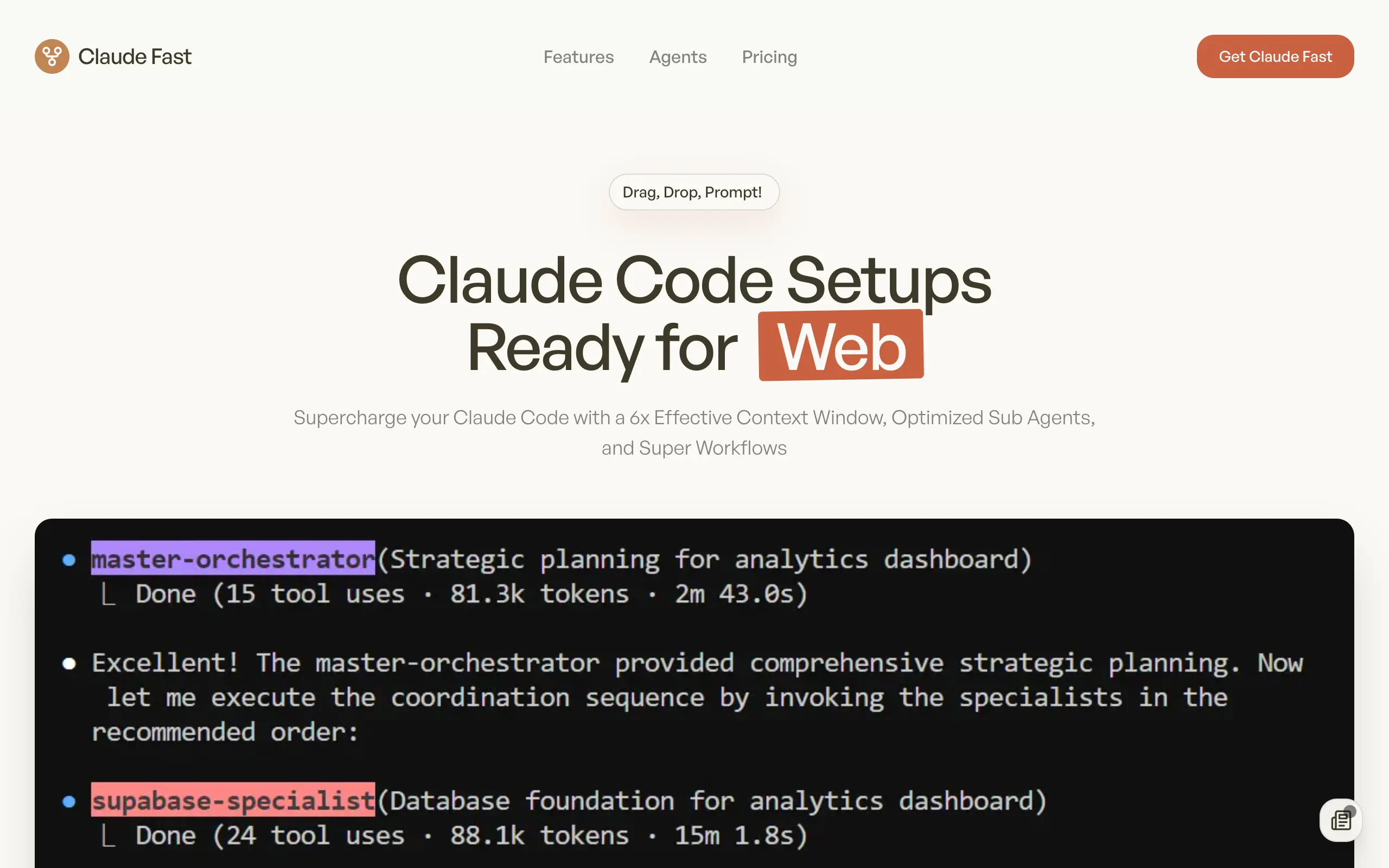
Supercharge your Claude Code with 6x effective context window and specialized AI agents 🤖
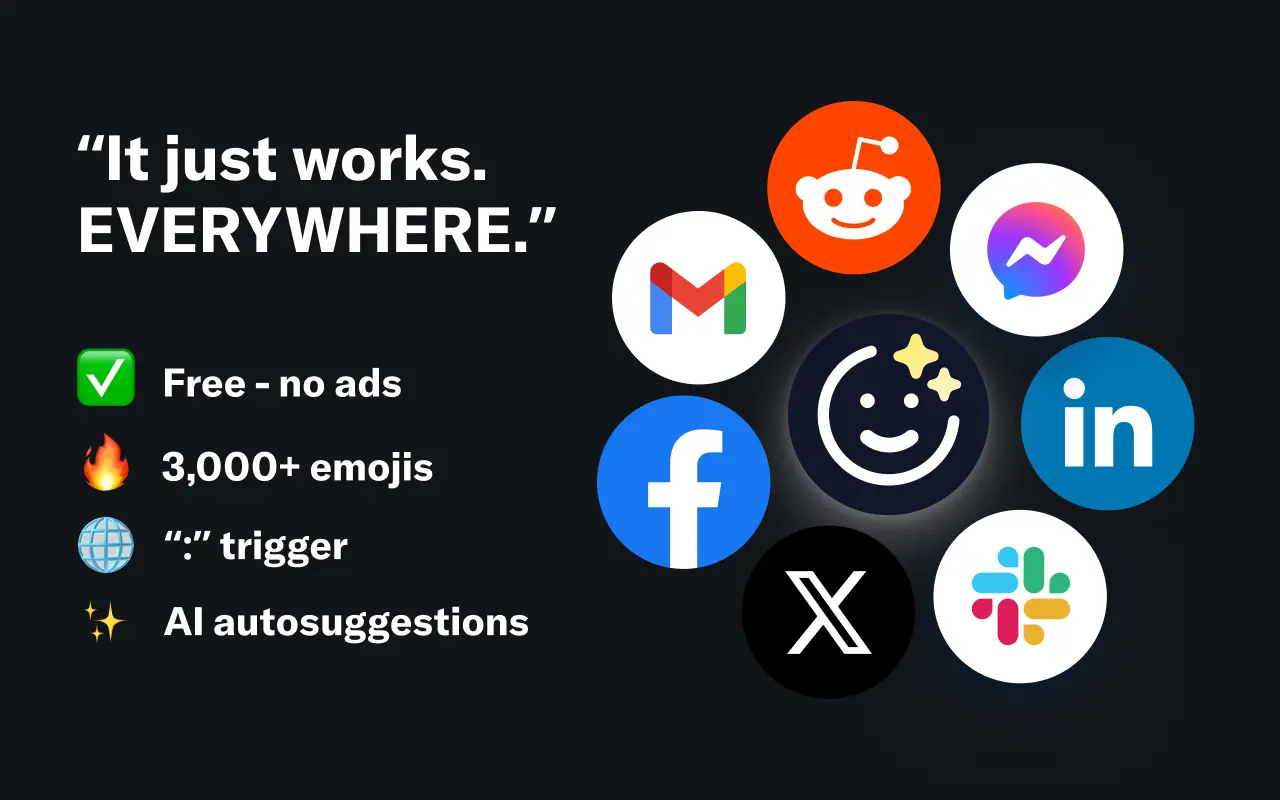
AI-powered emoji picker with smart, context-aware suggestions 🤖
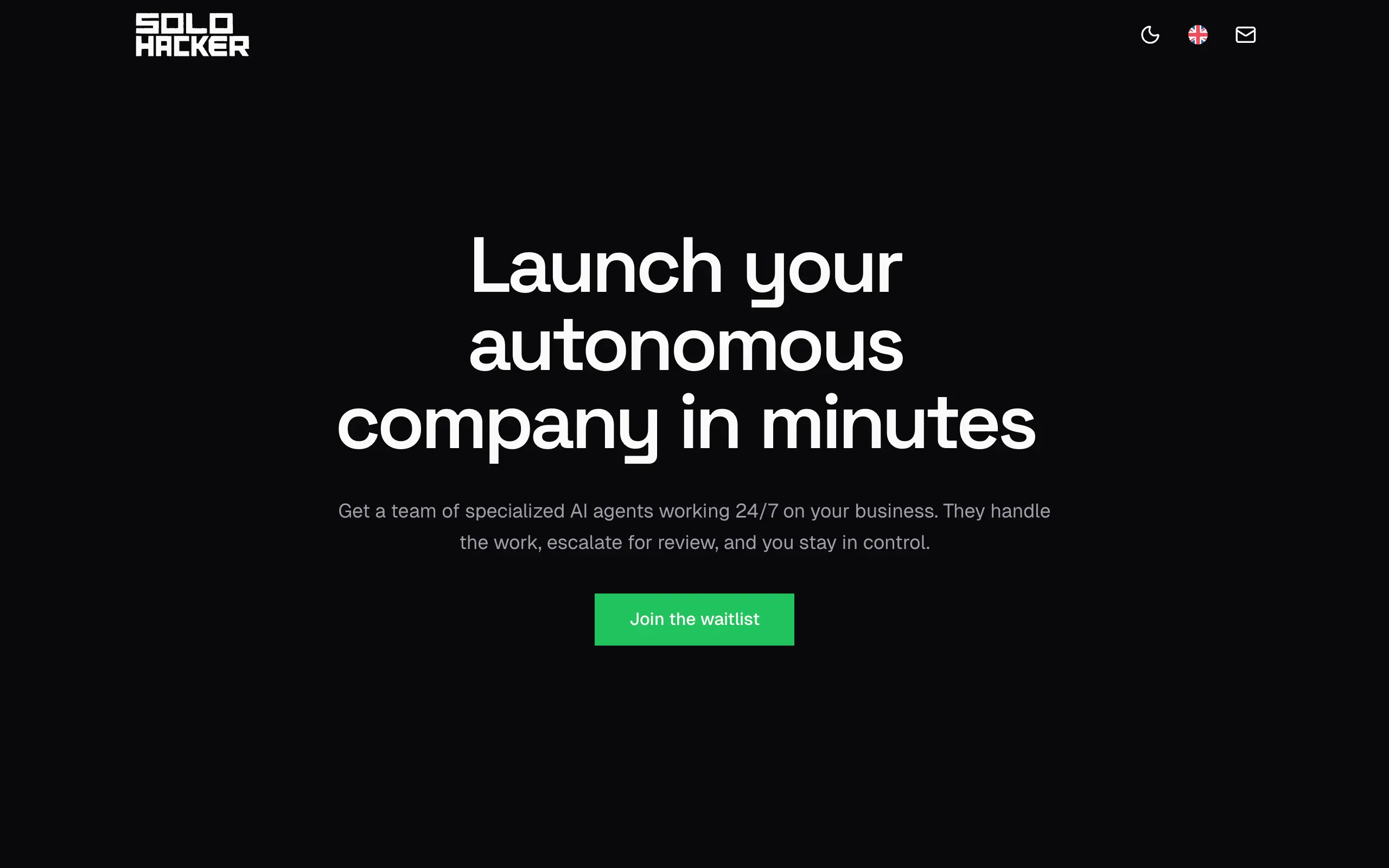
Autonomous company launcher - AI agents work 24/7, escalate what matters, and you stay in control 🤖

Practice storytelling daily with instant feedback to sound clearer, more engaging, and confident 🎤
Chat with 50+ AI models, including ChatGPT and Claude, in one place - switch models anytime without losing context 🤖
Supercharge your Claude Code with 6x effective context window and specialized AI agents 🤖
AI-powered emoji picker with smart, context-aware suggestions 🤖
Autonomous company launcher - AI agents work 24/7, escalate what matters, and you stay in control 🤖
Practice storytelling daily with instant feedback to sound clearer, more engaging, and confident 🎤

Connect with like-minded people
Join our community to get feedback, support, and grow together with 1,000+ builders on board, let's ship it!
Join usShip your startup everywhere. In minutes.
Don't burn tokens on setup and start building features on day one.