Tintry
Gives mobile hair color specialists a shareable booking page that tracks each client's formula history. Stylists stop re-asking for past shades and clients come back on schedule.
Tintry is a booking page for mobile hair color specialists that also stores each client's formula history, so the stylist never has to ask "what shade did we use last time?" again. In 2026, more colorists work independently from suites, home studios and client homes, and they need a tool built around formulas and rebooking cycles, not generic appointment slots. A booking tool for hair color specialists that remembers every formula is a narrow, buildable wedge into a service business where repeat visits drive most revenue.
Key takeaways
- Target customer: independent and mobile hair color specialists working solo or with one assistant, who book mostly through Instagram DMs and text.
- Pricing angle: a flat monthly subscription per stylist, for example $19 to $29 per month, with a free tier limited to a small client count.
- Biggest risk: stylists already pay for a general booking tool and may see formula tracking as a feature, not a reason to switch.
- Time to MVP: roughly 3 to 5 weeks for a solo founder using a starter kit, with a booking page, client records and reminders.
What problem does Tintry solve for mobile colorists?
Mobile colorists lose time and credibility because formula knowledge lives in scattered notes, photos and memory. A client who says "same as last time, but a bit warmer" is asking the stylist to reconstruct a mix of brand, shade, developer volume, ratios and processing time from a camera roll.
Who is the ideal customer?
The ideal customer is a solo colorist who travels to clients or rents a suite, sees roughly 15 to 40 recurring clients, and does balayage, root touch-ups, gloss or corrective work. Color is formula-heavy and cyclical, so notes matter more than they do for a basic cut.
They are usually not technical. They run the business from a phone between appointments, and their client base grows mostly by referral and Instagram.
What is the current workaround, and why does it fail?
Most use some mix of the following:
- Notes app or paper cards: fast to write, impossible to search, and lost when a phone changes.
- Camera roll photos of the bowl or the result: useful for the look, useless for ratios.
- General booking tools: good at calendars and payments, weak at structured formula records. Notes fields exist but are free text.
- Instagram DMs and text: where bookings actually happen, so nothing is centralized.
The failure shows up at the worst moment: the client is in the chair, the stylist is guessing, and a wrong guess means a visible color difference. It also hurts rebooking, because nobody is tracking when each client is due for a root touch-up.
Why is 2026 a good time for a hair color booking app?
The opening exists because independent beauty work keeps growing while tools stay generic. Many stylists have moved to suite rentals, booth rentals or mobile setups, which means no salon software, no front desk and no shared client database.
Three shifts help a product like this:
- Social-first discovery: clients find stylists on Instagram and TikTok, so a link in bio is the real storefront.
- Low-friction software expectations: stylists accept a phone-first tool that takes minutes to set up.
- Cheaper product building: auth, billing and email are solved problems, so a narrow vertical tool is viable for one developer.
Where do existing tools fall short?
The category includes well-known general booking and salon platforms such as Square Appointments, Vagaro, Fresha and Acuity Scheduling. They handle calendars, deposits and reminders well. Their client notes are typically unstructured, and their interfaces assume a salon with staff and inventory.
Some salon platforms and professional color brands offer formula features, but these tend to be tied to a brand or to a full salon system. The gap is a lightweight, brand-agnostic, mobile-first tool designed for the solo specialist. Check this yourself in interviews: ask what each stylist uses today and what they would never give up.
What should the Tintry MVP include?
Build the smallest product that makes the first rebooking easier than it is today. The aha moment is the second appointment: the stylist opens a returning client and sees the last formula, the processing notes and a suggested rebooking date in one screen.
Shareable booking page
A link-in-bio page where clients pick a service and a time, with a short intake form for new clients.
Formula history
Structured records per visit: brand, shades, ratios, developer, processing time, notes and an optional photo.
Rebooking reminders
Email or text nudges based on each client's service cycle, so appointments get rebooked before roots show.
Client profile
One screen with contact details, allergies, patch test dates and every past visit, readable on a phone.
What should you cut from version one?
Cut anything that makes Tintry a full salon suite:
- Inventory and product reordering
- Staff scheduling and payroll
- Marketing campaigns and loyalty programs
- A native mobile app (a fast mobile web app is enough to start)
- Complex payment splitting
Take deposits only if stylists ask for them in interviews. No-shows are a real pain, but payments add compliance and support work you can add in week six.
How is Tintry different from Square, Vagaro and a notes app?
Tintry wins by treating the formula as the core record and the appointment as a side effect. A general scheduler stores the booking and attaches a note. Tintry stores the formula and attaches a booking.
| Option | Structured formula history | Built for solo or mobile work | Rebooking by color cycle | Setup time |
|---|---|---|---|---|
| Tintry | ✅ | ✅ | ✅ | Minutes |
| General booking apps | ❌ Free-text notes | Partly | ❌ | Moderate |
| Salon suites | Partly | ❌ Salon-oriented | Partly | Long |
| Notes app or paper | ❌ | ✅ | ❌ | None |
The unique selling proposition is simple: "Never ask a client what shade you used last time." That line is specific enough to sell and to test on a landing page.
How would Tintry make money?
A flat monthly subscription per stylist is the most realistic model, because the buyer is the person who sees the value.
Option 1: free tier plus paid plan
Offer a free plan for up to around 10 clients and a paid plan at roughly $19 to $29 per month for unlimited clients, reminders and photos. If you charge $19 per month and convert 3% of free signups, you need roughly 1,700 signups to reach about 50 paying users and around $950 in monthly revenue. Those are assumptions to test, not benchmarks.
Option 2: paid trial, no free tier
A 14-day trial with a card upfront filters for serious users and reduces support load. It converts fewer visitors, but the ones who convert tend to stay.
Option 3: add-on for deposits
Later, take a small payment fee on deposits and prepayments. It aligns your revenue with theirs, but it adds payment compliance and refund handling, so treat it as a second-stage feature.
Which growth channel works first?
Start with Instagram and stylist communities. Colorists share tools in Facebook groups, in education communities and under each other's posts. Short screen recordings of "a formula lookup in 10 seconds" work better than feature lists. Referral credits suit this audience too, because stylists know other stylists.
How do you validate Tintry in two weeks?
You can test demand before writing much code. The goal is ten conversations, one landing page and a handful of people willing to pay.
Interview ten colorists
Find solo and mobile specialists through Instagram and local groups. Ask them to walk you through their last returning client: where the formula lived, what they forgot and how they scheduled the next visit.
Collect real examples
Ask to see how they store formulas today, with names removed. This tells you which fields matter, such as brand, ratios, developer and timing.
Launch a landing page
Write one promise, show a mockup of the formula screen and add a waitlist form. Send the link to everyone you interviewed.
Ask for a pre-sale
Offer a founding price, for example a discounted first year, to the most engaged people. Even three or four commitments are a stronger signal than fifty email signups.
Decide with a clear bar
Set a threshold before you start, such as five paid commitments or ten stylists agreeing to a pilot. If you miss it, change the niche (for example, lash or nail techs) before building.
What tech stack should you use to build Tintry?
Choose a boring, well-supported stack and spend your time on the formula model and the rebooking logic. A TypeScript monorepo with a Postgres database, server-rendered web app and responsive mobile layout is enough.
Starting from TurboStarter removes the undifferentiated work. It ships with web and mobile apps, authentication, billing, database, emails, file storage, background tasks, an admin panel, analytics, internationalization and monitoring, so you can begin with the booking and formula features on day one.
The parts of the TurboStarter docs most relevant here:
- Authentication for stylist accounts and optional client logins
- Billing for the monthly subscription and trial
- Database for clients, visits and formulas
- Background tasks for rebooking reminder jobs
How should you model formulas?
Keep formulas structured but flexible, because stylists mix brands and use their own shorthand. A visit holds many formula lines, each with a bowl or step.
type FormulaLine = {
  brand: string;
  shade: string;
  grams: number;
  step: "root" | "mid-length" | "ends" | "gloss" | "other";
};

type Visit = {
  id: string;
  clientId: string;
  date: string;
  developer: string; // for example "20 vol"
  processingMinutes: number;
  lines: FormulaLine[];
  notes?: string;
  photoUrl?: string;
};
Allow free-text brand and shade fields at first. Normalizing brands into a catalog is tempting, but it slows onboarding and you can add it after you see what stylists type.
Which database should you choose?
The safer default for a multi-tenant SaaS. Hosted Postgres gives you backups, relational integrity between clients, visits and formula lines, and room to grow into reporting. It is the better pick if you plan on a mobile client or multiple stylists per account later.
Simple and cheap for a prototype, and fine for a single-region pilot. The trade-off is operational: backups, replication and concurrent writes need more thought as you add users. Pick it only if you want a very small first deployment.
How do reminders work?
Run a daily background job that finds clients whose last color visit plus their typical cycle (for example 6 to 8 weeks) falls within the coming week. Send one email or text with a link to the booking page. Let the stylist set the cycle per client, since a gloss and a full highlight follow different rhythms. Use emails for the first channel and add SMS only if stylists ask, since it adds cost and consent rules.
What could make Tintry fail?
Most failures here are about distribution and habit, not code.
Biggest risk: stylists will not switch booking tools
Many specialists already have clients booking through an existing app and will not move them for formula tracking alone. Reduce this risk by letting Tintry work next to their current tool: import clients from a spreadsheet, let formulas be used without the booking page, and prove value on the first returning client before asking for a full switch.
Other risks to plan for:
- Data entry fatigue: if logging a formula takes more than a minute, stylists stop. Use templates, copy-last-visit and large touch targets, and test on a phone with gloves-off, rushed use.
- Small market per customer: a solo stylist pays modestly, so churn hurts. Keep onboarding short, reduce price friction and consider annual plans.
- Client privacy and consent: you store contact details, photos and allergy notes. Collect only what you need, let stylists export or delete a client record, and check local rules on messaging consent before adding SMS.
What are the next steps? A 30-day launch plan
Days 1 to 7: validate
Run the interviews, publish the landing page and ask for pre-sales. Decide whether to continue using your pre-set bar.
Days 8 to 14: set up the foundation
Start from TurboStarter, configure authentication, billing and the database, and define the client, visit and formula models.
Days 15 to 21: build the core loop
Ship the booking page, client profile and visit form with copy-last-visit. Onboard two pilot stylists and watch them use it live.
Days 22 to 26: add reminders
Build the background job and email template for rebooking nudges. Add a spreadsheet import so pilots can bring their existing clients.
Days 27 to 30: launch to a small group
Invite your waitlist and pre-sale customers, record a short demo of the formula lookup and collect feedback on every point where they hesitate.
The fastest way to learn if Tintry works is to put it in front of ten working colorists and watch their next returning client. Start with the validation plan this week, and build the first version on a starter kit so the time goes into the formula experience.
FAQ
Interview ten solo colorists about their last returning client, then test a landing page with a clear promise and a founding-price offer. A handful of paid commitments is a better signal than a large waitlist.
A range of $19 to $29 per month per stylist is a reasonable starting assumption, since it is small next to the revenue from one color appointment. Test two price points in your pre-sale conversations and watch which one people accept without negotiating.
General booking tools such as Square Appointments, Vagaro, Fresha and Acuity Scheduling are the main alternatives, alongside notes apps and paper cards. Few are built around structured formula history for solo and mobile specialists, which is your opening.
A TypeScript monorepo with Postgres, a responsive web app, a background job runner and transactional email covers the MVP. A starter kit such as TurboStarter provides the auth, billing and database layers so you do not build them again.
A solo developer with a starter kit can typically ship a first version in 3 to 5 weeks. Costs are mostly your time plus modest hosting, email and domain fees, which usually stay low until you have real usage.
Yes, lash artists, nail technicians and barbers also rely on repeat visits and client history. Start with hair color because formulas are the clearest structured data, then test adjacent niches once the core loop works.
More 🏢 B2B Application SaaS ideas
Discover more innovative b2b application SaaS ideas that are trending in 2026. Each idea is AI-generated with market validation and growth potential to help you find your next profitable venture faster than competitors.
Your competitors are building with TurboStarter
Below are some of the SaaS ideas that have been generated and built with our starter kit.

Monitor any Telegram channel in real time - track posts, edits, deletions, and growth with AI recaps 📡

AI website builder - describe your business, pick a niche template, edit by chatting, and publish instantly ✨
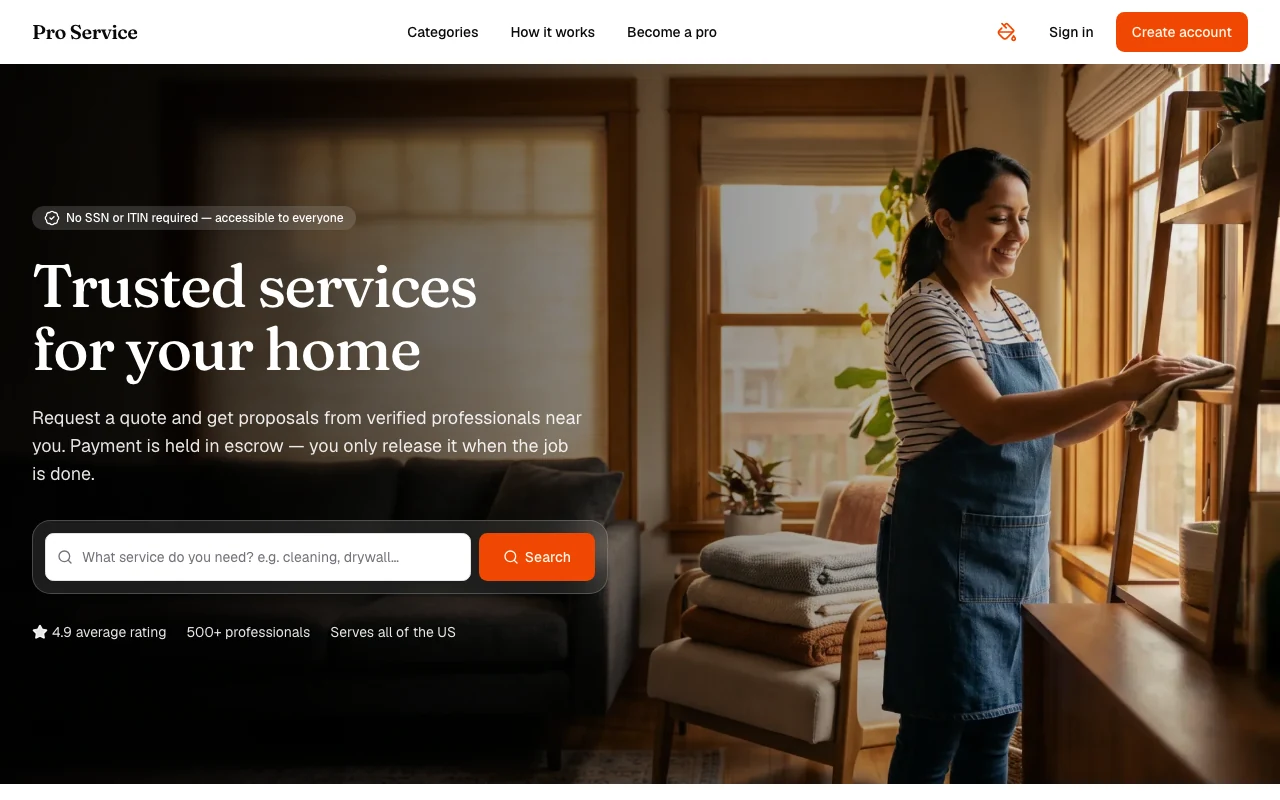
Find verified home service professionals, compare quotes, and pay securely through escrow - built for Brazilians across the US 🏠
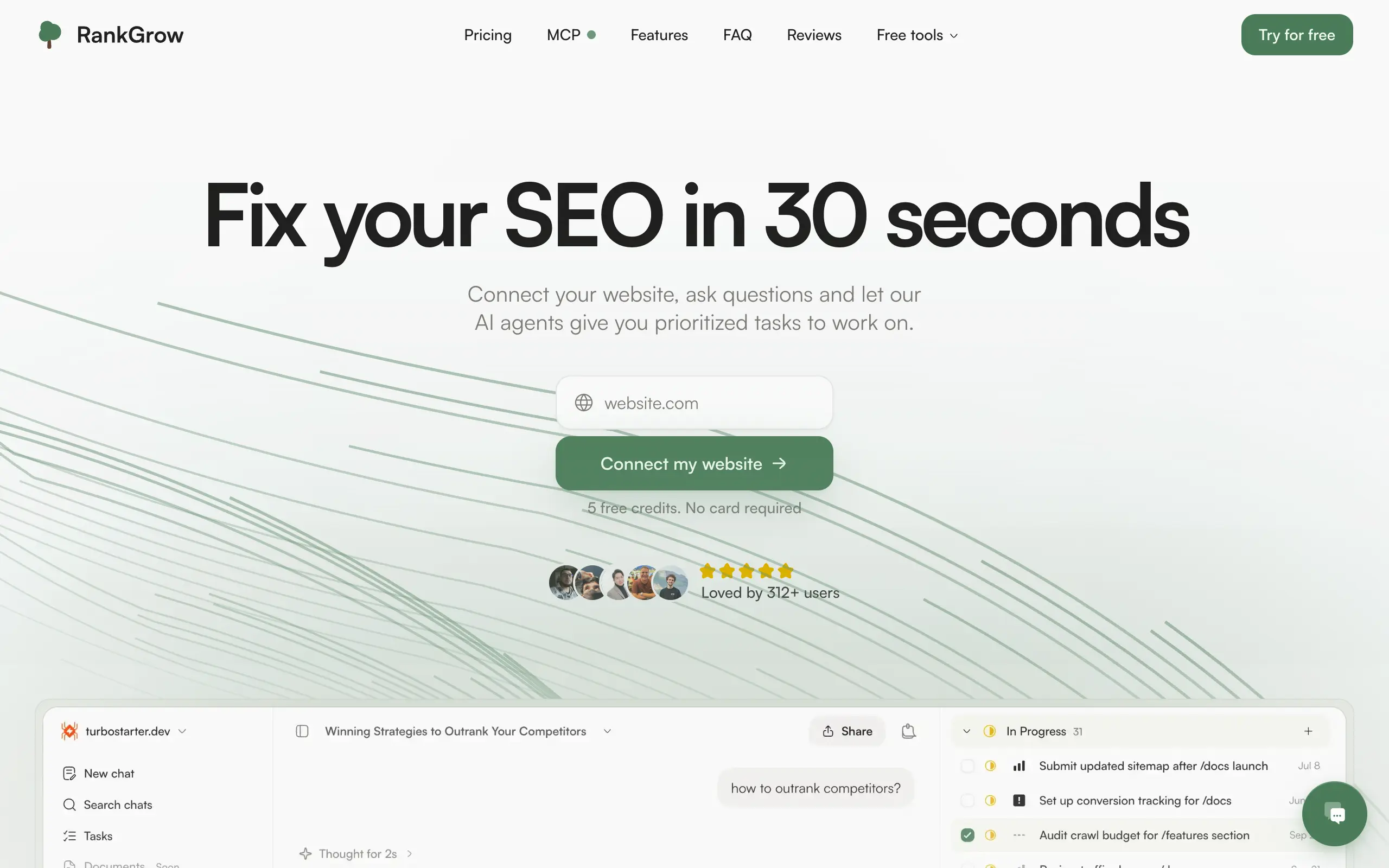
Fix your SEO with AI agents - connect Search Console, get prioritized tasks, and grow organic traffic 📈
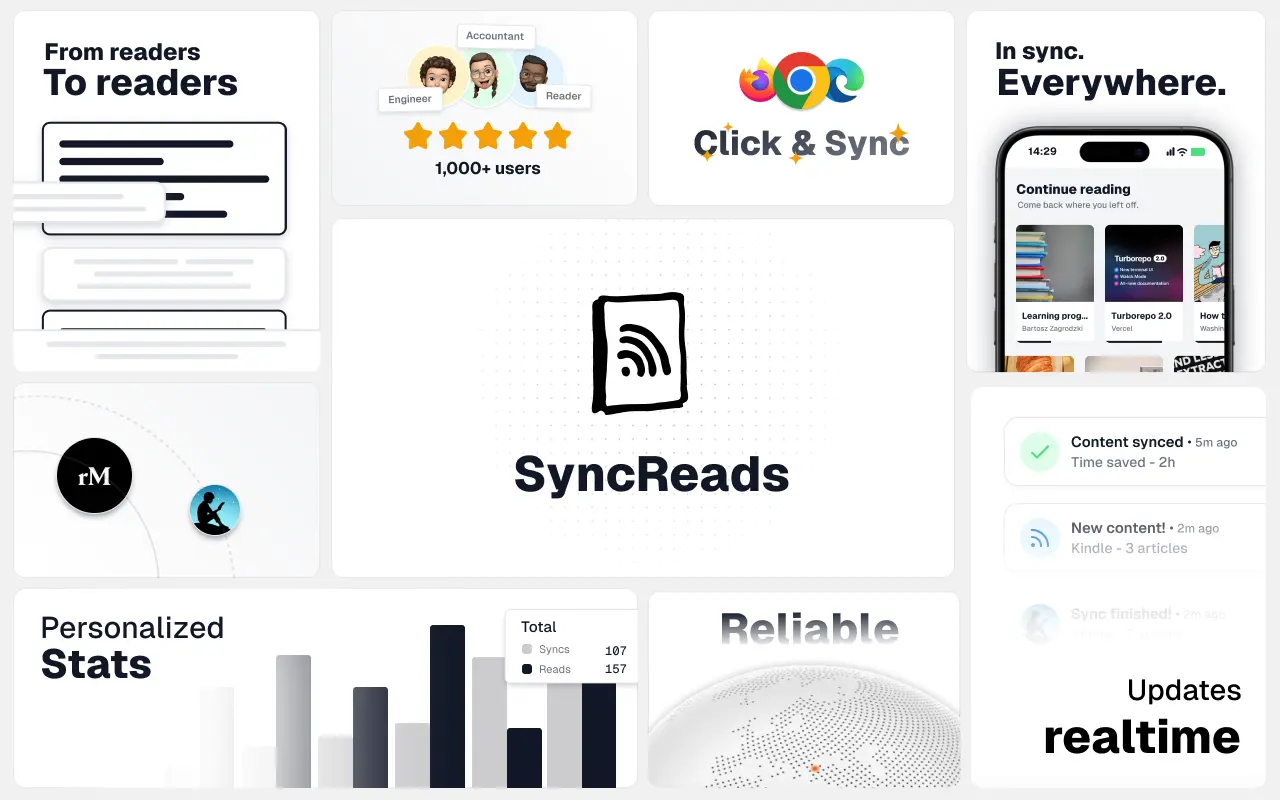
Sync your favorite content for distraction-free reading, save time and replace multiple apps. Anytime, anywhere 🔄
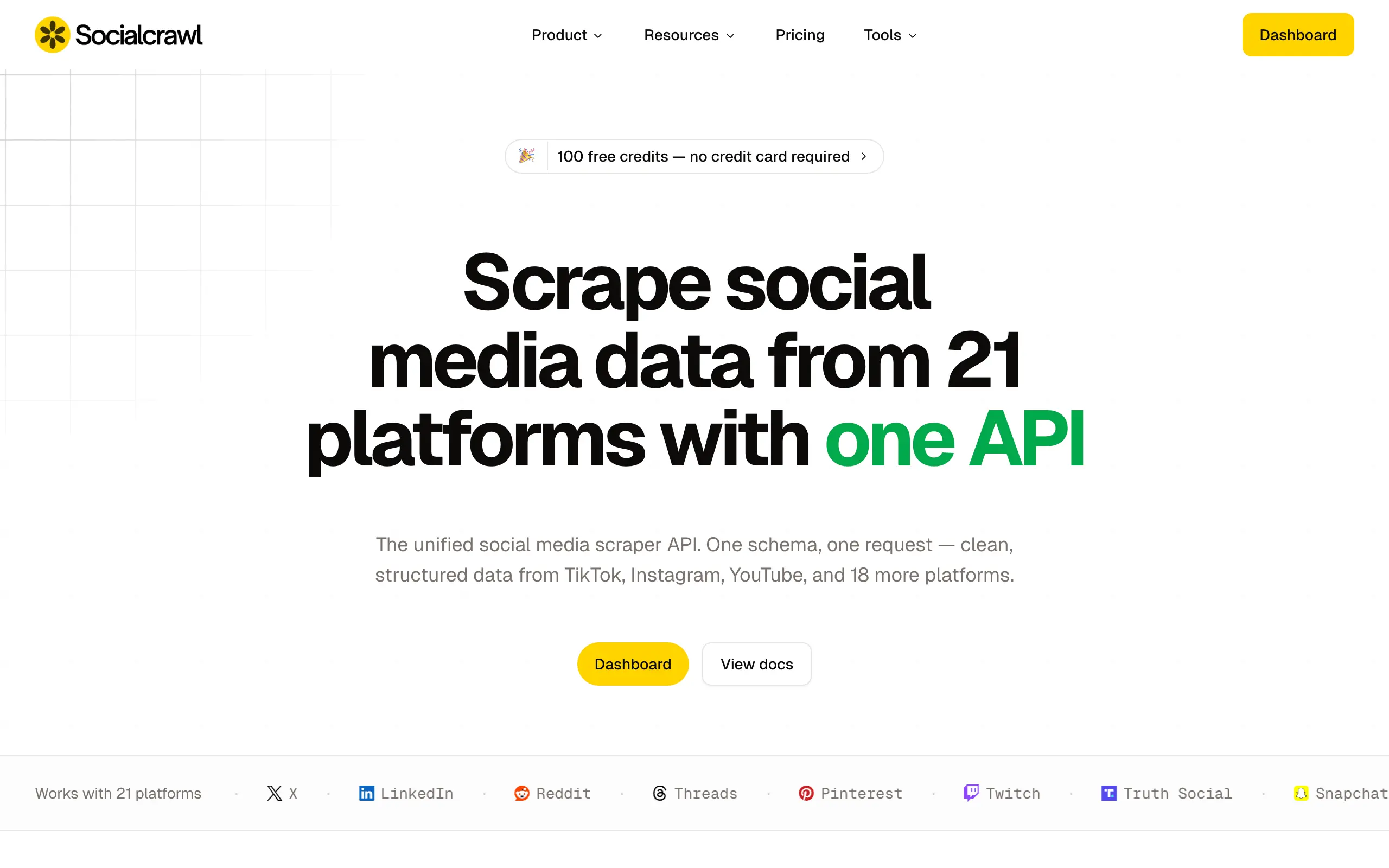
Get clean, structured data from 21 platforms like TikTok, Instagram, and YouTube with a single request 📊
Monitor any Telegram channel in real time - track posts, edits, deletions, and growth with AI recaps 📡
AI website builder - describe your business, pick a niche template, edit by chatting, and publish instantly ✨
Find verified home service professionals, compare quotes, and pay securely through escrow - built for Brazilians across the US 🏠
Fix your SEO with AI agents - connect Search Console, get prioritized tasks, and grow organic traffic 📈
Sync your favorite content for distraction-free reading, save time and replace multiple apps. Anytime, anywhere 🔄
Get clean, structured data from 21 platforms like TikTok, Instagram, and YouTube with a single request 📊
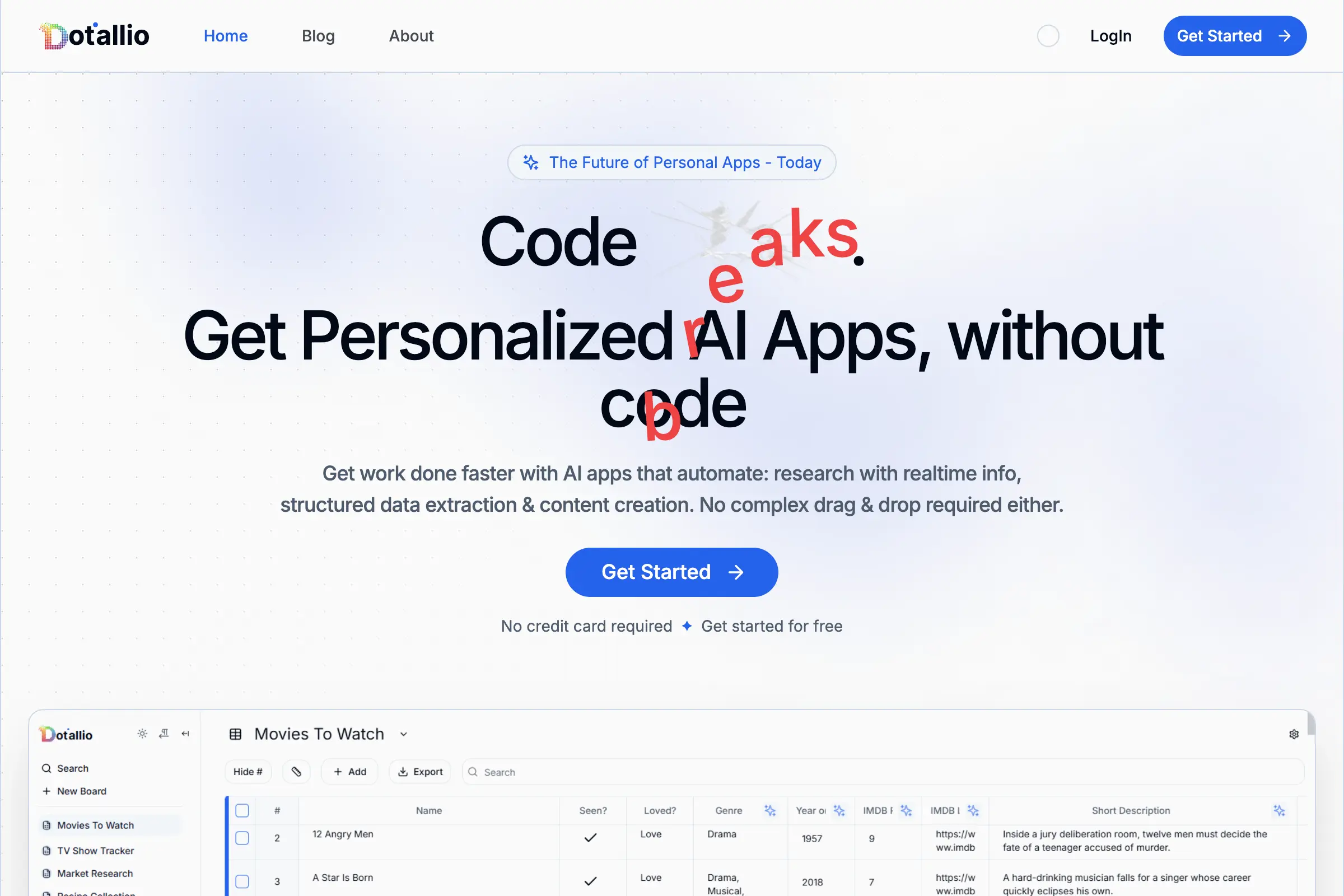
Personalized AI apps that automate research, data extraction, and content creation without code 🤖
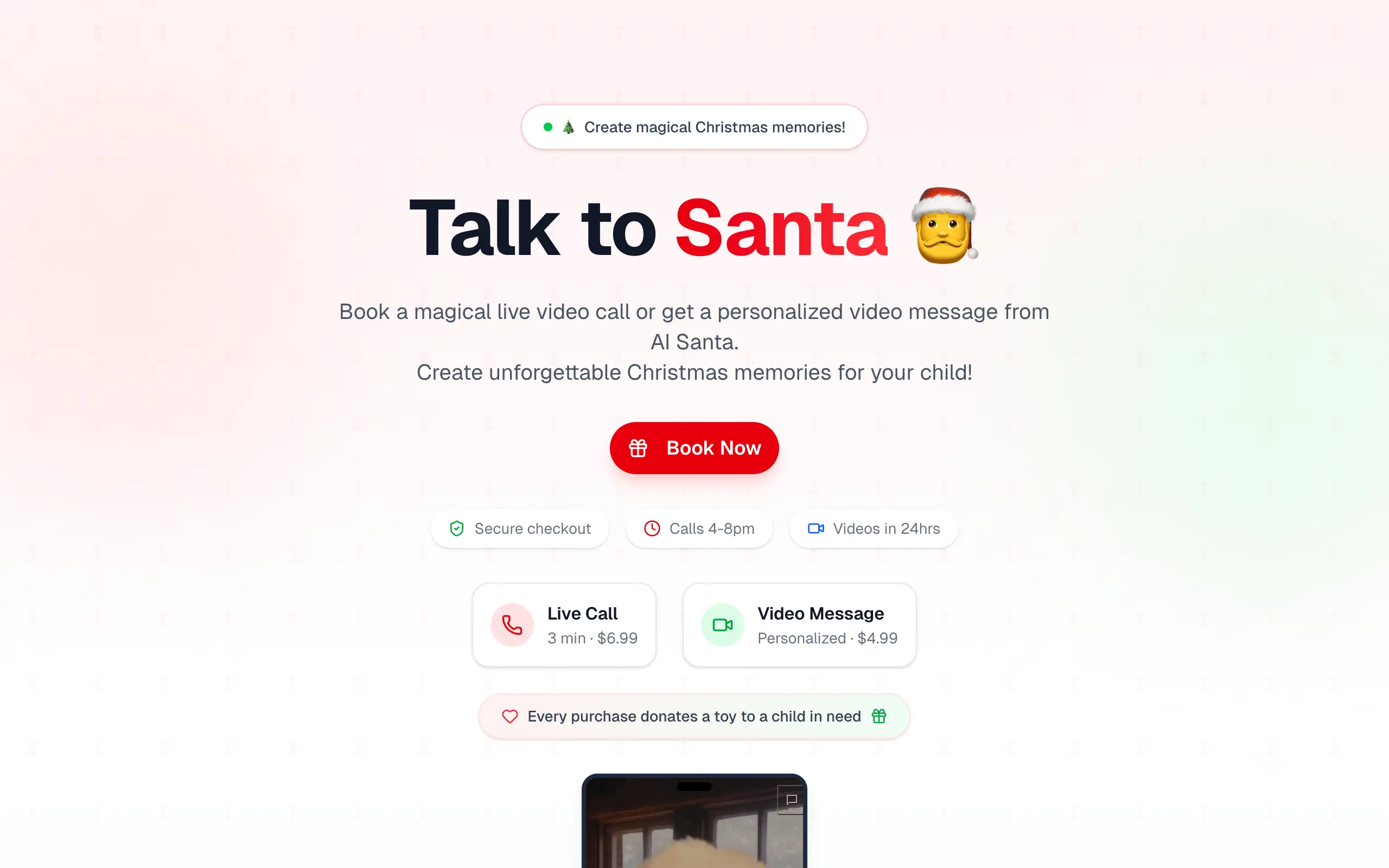
Enjoy a magical live video chat or receive a unique AI-generated video greeting from Santa Claus 🎅
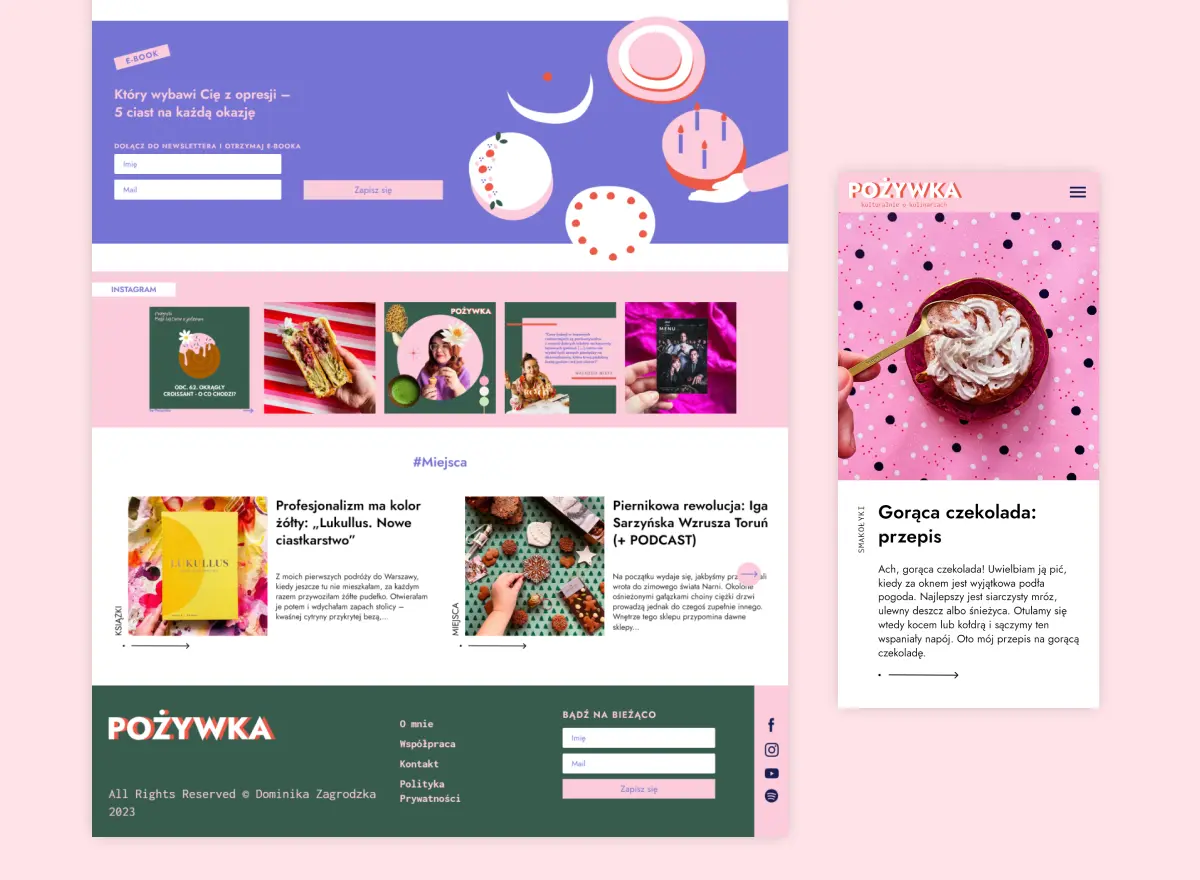
Scalable blog for food journalist, focused on performance and user experience 🌭
Personal blog and portfolio of Bart Zagrodzki, where he shares his knowledge and work 💼
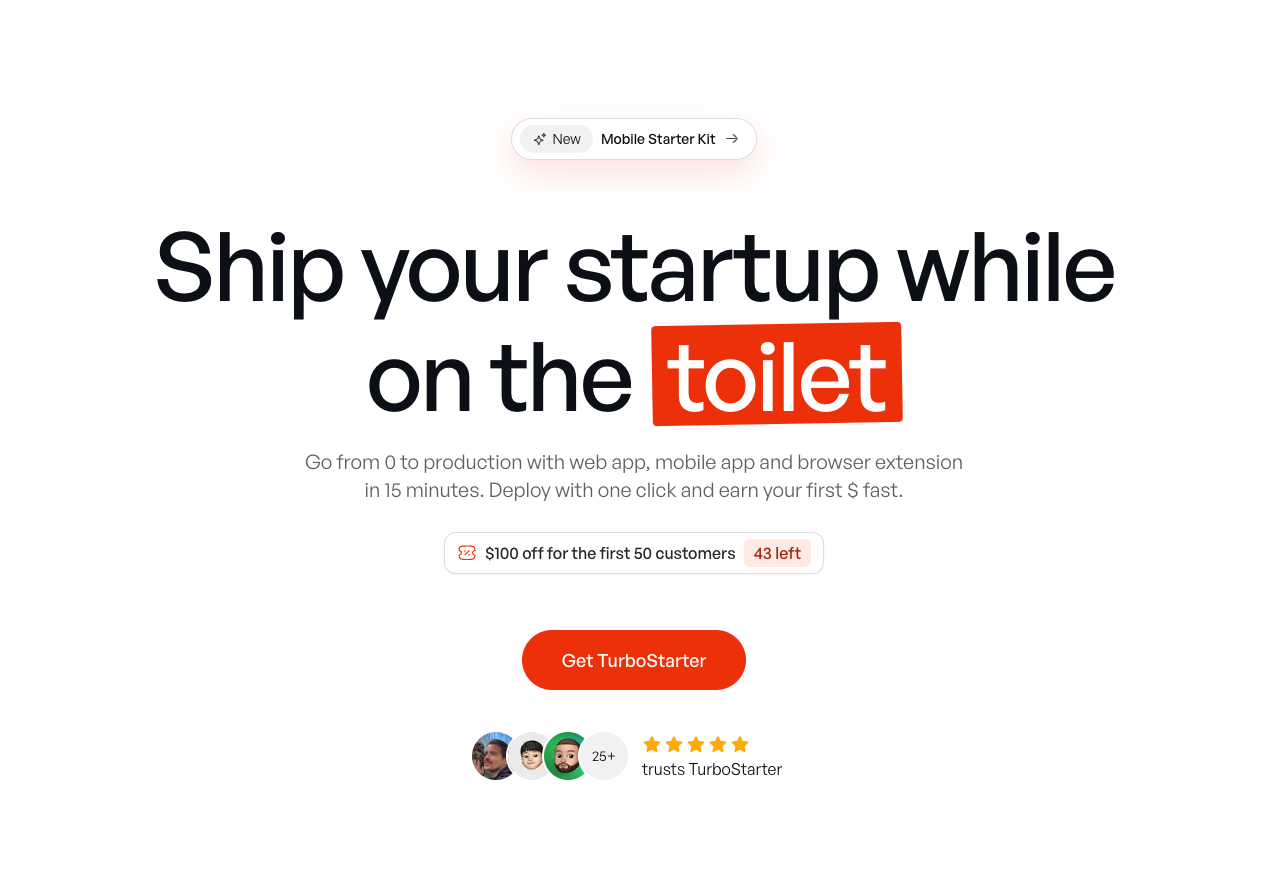
Ship your startup everywhere. In minutes.
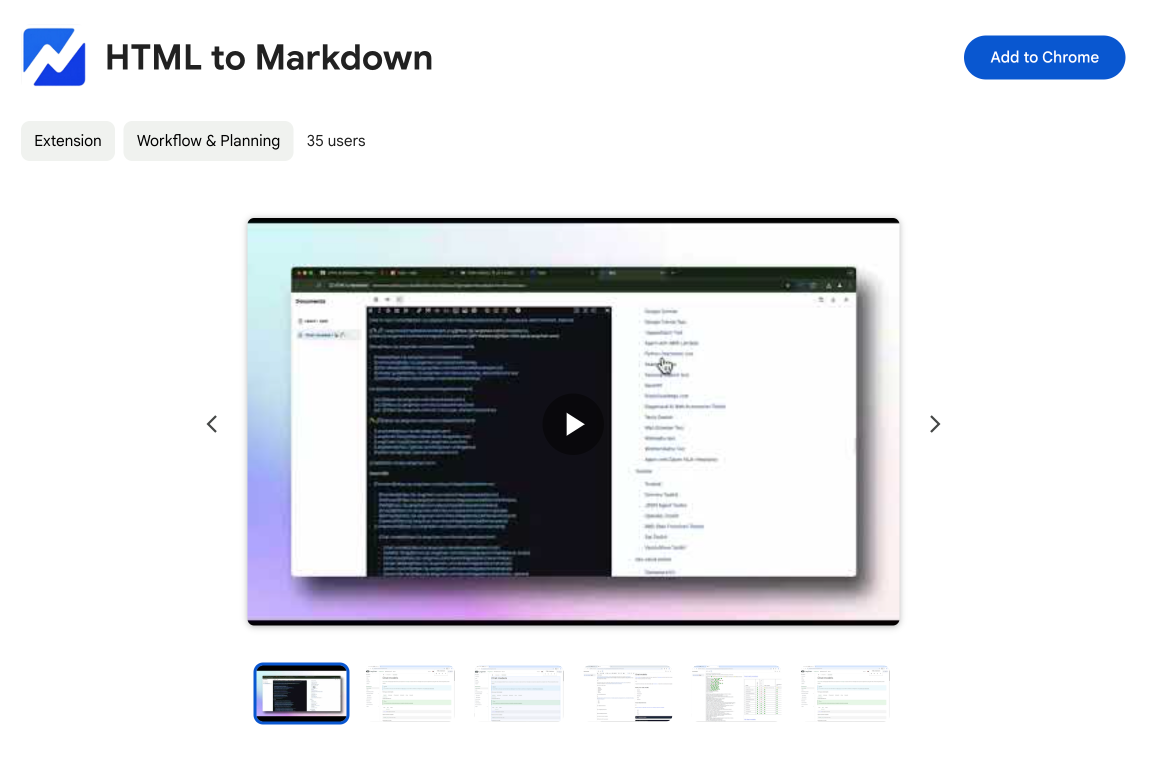
Convert HTML to Markdown with ease, directly in your browser 📄
Personalized AI apps that automate research, data extraction, and content creation without code 🤖
Enjoy a magical live video chat or receive a unique AI-generated video greeting from Santa Claus 🎅
Scalable blog for food journalist, focused on performance and user experience 🌭
Personal blog and portfolio of Bart Zagrodzki, where he shares his knowledge and work 💼
Ship your startup everywhere. In minutes.
Convert HTML to Markdown with ease, directly in your browser 📄
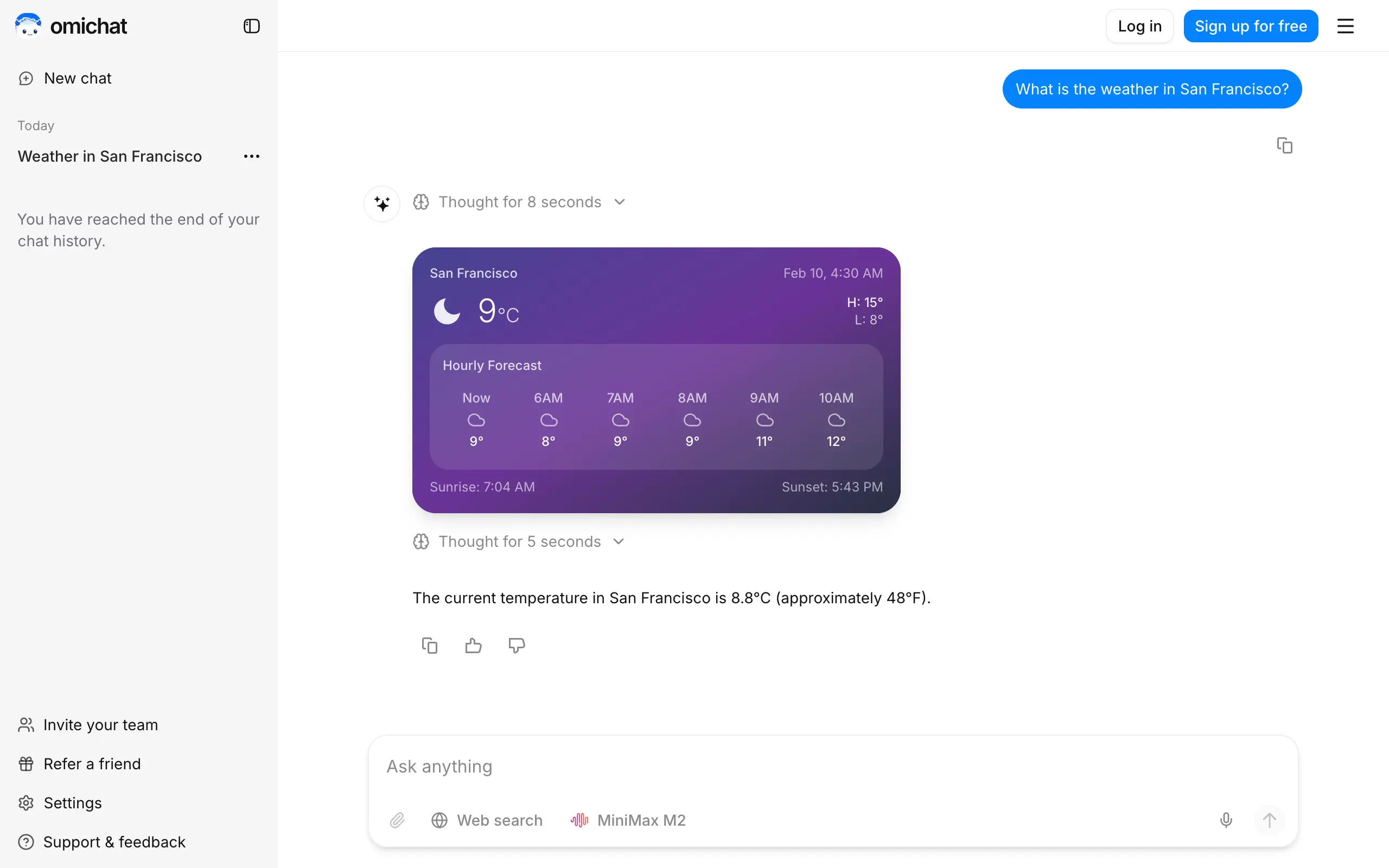
Chat with 50+ AI models, including ChatGPT and Claude, in one place - switch models anytime without losing context 🤖
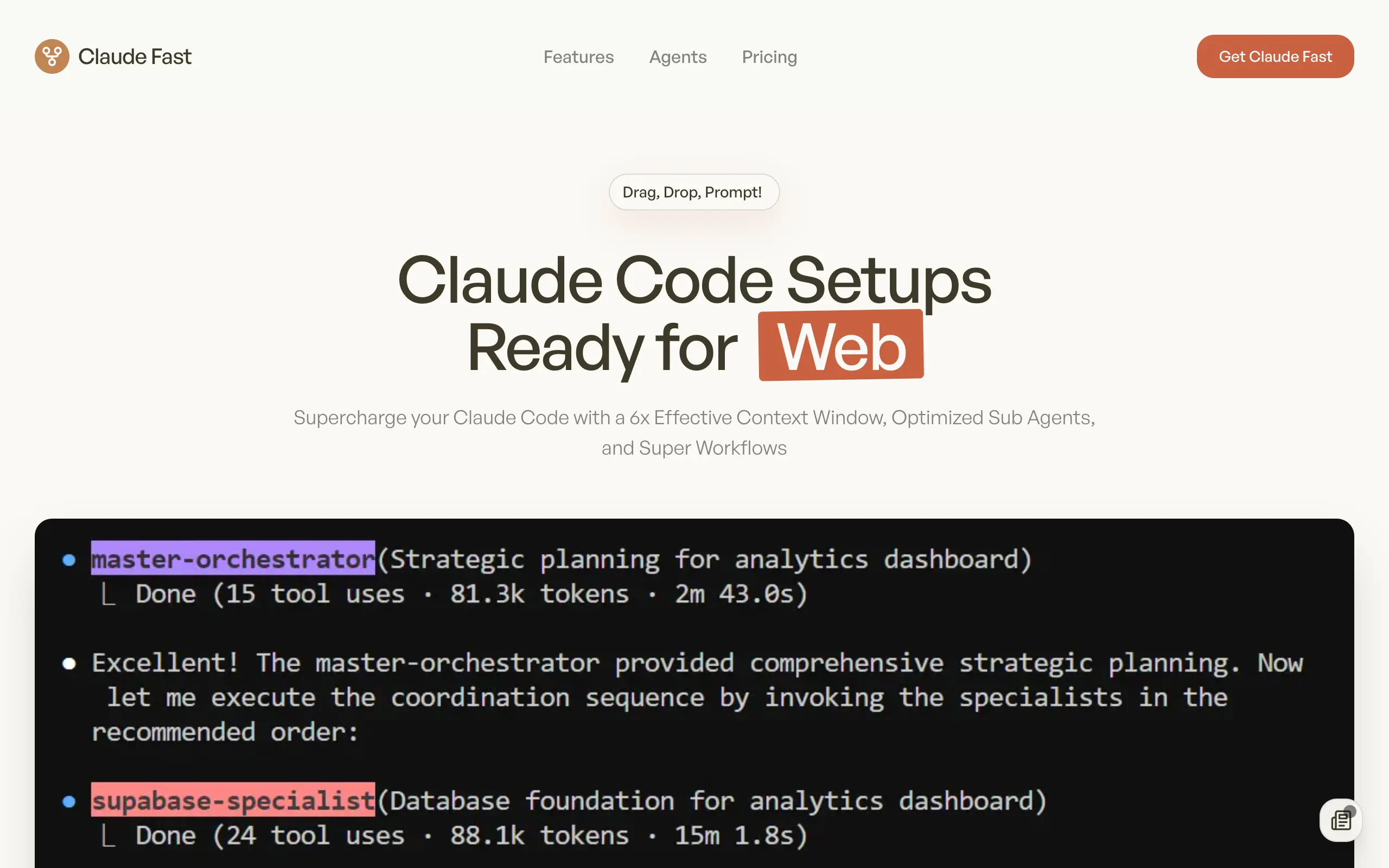
Supercharge your Claude Code with 6x effective context window and specialized AI agents 🤖
AI-powered emoji picker with smart, context-aware suggestions 🤖
Autonomous company launcher - AI agents work 24/7, escalate what matters, and you stay in control 🤖
Practice storytelling daily with instant feedback to sound clearer, more engaging, and confident 🎤
Chat with 50+ AI models, including ChatGPT and Claude, in one place - switch models anytime without losing context 🤖
Supercharge your Claude Code with 6x effective context window and specialized AI agents 🤖
AI-powered emoji picker with smart, context-aware suggestions 🤖
Autonomous company launcher - AI agents work 24/7, escalate what matters, and you stay in control 🤖
Practice storytelling daily with instant feedback to sound clearer, more engaging, and confident 🎤

Connect with like-minded people
Join our community to get feedback, support, and grow together with 1,000+ builders on board, let's ship it!
Join usShip your startup everywhere. In minutes.
Don't burn tokens on setup and start building features on day one.