Tradeboard
Lets licensed HVAC contractors in small towns send recall reminders for annual furnace tune-ups. Technicians fill idle weeks with booked service calls.
Tradeboard is a recall reminder tool for small-town HVAC contractors: it tracks every furnace and AC unit a shop has serviced, then texts and emails customers when their annual tune-up is due, with a booking link that drops straight into open technician slots. In 2026 it has potential because small trade shops are still run on paper, QuickBooks and memory, while customers expect text-based booking. Seasonal gaps in the schedule are expensive for a shop with three to eight technicians, and a recall system fills them with the lowest-cost work there is: existing customers.
Key takeaways
- Target customer: owner-operators of licensed HVAC shops with 2 to 10 technicians in towns and small cities, who do not use ServiceTitan.
- Pricing angle: flat monthly subscription, roughly $49 to $99, justified by a handful of recovered tune-ups per month.
- Biggest risk: distribution. These buyers are hard to reach and slow to switch tools, and contractors already pay for field service software that bundles reminders.
- Time to MVP: about 3 to 4 weeks for a solo founder using a starter kit, with a customer import, reminder engine and booking page.
- Aha moment: the owner uploads a customer list and sees the first booked tune-up appear on the calendar within days.
What problem does a recall reminder tool for HVAC contractors solve?
HVAC shops lose money in the shoulder seasons. Spring and fall are slow, the technicians are paid anyway, and the owner spends evenings calling past customers or hoping the phone rings. Meanwhile hundreds of customers whose furnaces were serviced last year have no idea it is time again.
Tradeboard turns that existing customer base into a predictable booking pipeline. It is a narrow tool, and that is the point: HVAC recall reminders for small-town contractors is a problem an owner can understand in one sentence.
Who feels this problem most?
The ideal customer profile is specific:
- Business: a licensed HVAC contractor with 2 to 10 technicians, often family-owned, in a town or small city.
- Buyer: the owner, who also handles dispatch, quoting and billing.
- Current stack: QuickBooks or paper invoices, a shared Google Calendar or whiteboard, a personal phone for texting.
- Season pain: idle technician weeks in spring and early fall, and overloaded phones in the first cold snap.
What do they do today, and why does it fail?
The common workarounds are a spreadsheet of past customers, a postcard mailing once a year, or nothing at all. Spreadsheets go stale, because nobody updates install dates or equipment details after a job. Postcards are slow and hard to track. Manual texting works for a week, then gets dropped when the busy season starts.
The deeper failure is that none of these connect the reminder to the schedule. A reminder that says "call us" creates a phone call. A reminder that says "pick a time on Tuesday" creates a booked job.
Is there a market for HVAC service reminder software in 2026?
Yes, but the opening is in the gap between tools, not in a blank market. Large field service platforms such as ServiceTitan and Housecall Pro include reminders and maintenance agreements, but they are priced and built for bigger operations or for owners willing to move their entire workflow. Generic tools such as Mailchimp or a texting app can send messages, but they know nothing about equipment, service dates or technician availability.
Small shops sit between these two. They need one job done well, not a platform migration.
Why now?
- Text-first customers: homeowners increasingly expect to book through a link in a text message rather than a phone call.
- Cheap messaging and AI: sending SMS and parsing messy customer lists (old invoices, exported spreadsheets) is far cheaper than it was a few years ago.
- Labor pressure: skilled technicians are hard to hire and keep, so owners care about keeping the ones they have fully booked.
- Shops are digitizing slowly: many are ready for a simple tool but not for a full software rollout.
What is the honest limit of the opportunity?
This is a modest-ticket product. If a shop pays $79 per month, you need around 125 shops to reach $10k in monthly revenue. That is a good indie business, not a venture-scale one, unless you expand into other trades such as plumbing, pest control and chimney sweeps, which share the same recurring-service pattern.
What should the Tradeboard MVP include?
Build the shortest path from "customer list" to "booked appointment". Everything else can wait.
Customer and equipment import
Upload a CSV or invoice export and map it to customers, addresses, equipment and last service date.
Recall rules
Set when each unit is due, such as 11 months after the last tune-up, and which message sequence to send.
Text and email reminders
Send branded messages in the shop's name with a short link, and stop automatically once the customer books.
Open-slot booking page
Let customers pick from slots the owner marks as available, so reminders fill idle technician days.
What should you cut from version one?
- Full dispatch, routing and GPS tracking.
- Invoicing and payments. Shops already have QuickBooks.
- Technician mobile apps.
- Review requests and marketing campaigns.
- Deep integrations. Start with CSV import and add one integration only after customers ask for it.
What is the aha moment?
The aha moment is the first booking that arrives without the owner lifting a phone. Design onboarding around it: import the list, pick the 100 most overdue customers, send the first batch the same day. If the owner sees a confirmed appointment within 72 hours, retention takes care of itself.
How is Tradeboard different from ServiceTitan, spreadsheets and generic texting tools?
The unique selling proposition is simple: recalls that fill the technicians' real open slots, set up in an afternoon, for a flat price a small shop can approve without a meeting. It is not a field service platform and does not try to be.
| Option | Equipment-aware recalls | Books into open slots | Setup effort | Fits a 3-person shop |
|---|---|---|---|---|
| Tradeboard | ✅ | ✅ | Hours | ✅ |
| Spreadsheet plus manual texts | ❌ | ❌ | Low, but constant upkeep | ✅ |
| Full field service platforms | ✅ | ✅ | Weeks | Often too heavy |
| Generic email or SMS tools | ❌ | ❌ | Medium | ✅ |
| Postcard mailings | ❌ | ❌ | Medium | ✅ |
The honest caveat: if a shop already runs a full platform with reminders switched on, you will not win them. Your market is shops that have no working recall process at all.
How would Tradeboard make money?
Subscription pricing fits best, because the value repeats every season. Three realistic options:
- Flat tier: $59 to $99 per month per shop, unlimited customers, with a fair-use messaging cap. Simple to explain and easy for an owner to approve.
- Tiered by customer count: for example, a lower price up to 500 customers and a higher one beyond. This scales with shop size but adds a decision at checkout.
- Base fee plus message usage: covers SMS costs transparently, but usage billing makes owners nervous and complicates support.
Start with the flat tier. A useful sanity check, framed as an assumption: if a tune-up is worth $120 to $180 to the shop and the tool books even four extra per month, a $79 plan pays for itself several times over. Measure booked appointments per shop from day one, because that number is your sales pitch.
Which growth channel should come first?
Direct outreach to local shops, starting in one region. Call or visit owners, offer to import their list for free and send the first batch together. Local HVAC Facebook groups, supplier counters and trade associations are secondary channels worth testing once you have a few referenceable shops. Paid ads to a broad audience are unlikely to work early on.
How do you validate an HVAC recall tool before building it?
Spend one to two weeks proving that owners will hand over a customer list and pay.
Interview ten shop owners
Ask how they currently remind customers, how many past customers they have, and what an idle week costs them. Listen for whether anyone already pays for a solution.
Run a manual pilot with two shops
Take their customer list and send the reminders yourself using a spreadsheet and a texting tool. Count the bookings produced.
Publish a one-page site
State one promise, such as "fill your slow weeks with tune-ups from your own customers", and collect waitlist emails from local owners.
Ask for pre-sales
Offer a discounted founding-shop price for the first ten customers, paid upfront or with a card on file. A verbal yes without payment is weak evidence.
If two of ten owners will pay and the manual pilot books real jobs, build. If owners like the idea but will not share their data, fix that trust problem first.
What tech stack do you need to build Tradeboard?
The product is a multi-tenant web app: each shop is an organization with customers, equipment, reminders and a public booking page. Most of the work is ordinary SaaS plumbing, which is where TurboStarter saves the most time. It ships a monorepo with web and mobile apps, authentication, organizations and teams, billing, a database layer, emails, file storage, background tasks and an admin panel.
For Tradeboard specifically:
- Accounts and shops: authentication and organizations cover owner logins and later technician or office-staff seats.
- Subscriptions: billing handles the flat monthly plan and trials.
- Scheduled sends: background tasks are the natural home for the nightly job that finds due units and queues reminders.
That leaves your time for the parts that are unique: import mapping, recall rules and the booking flow.
A simple data model
create table equipment (
  id uuid primary key,
  organization_id uuid not null,
  customer_id uuid not null,
  type text not null, -- furnace, ac, heat_pump
  last_serviced_at date,
  recall_interval_months int not null default 12,
  opted_out boolean not null default false
);
A nightly task selects equipment where last_serviced_at plus the interval falls within the next 30 days, the customer has not opted out, and no reminder was sent recently.
Which messaging provider should you choose?
The standard choice for SMS, with good documentation and delivery tooling. Expect to register your sending numbers for US carrier compliance, which takes time, so start early. SMS gets the highest response from homeowners.
Faster to launch and free of carrier registration, using a transactional email provider. Open rates and booking rates are typically lower for this audience, so treat it as a stopgap while SMS registration completes.
What about AI?
Use it narrowly: cleaning messy imports, matching equipment names ("Carrier 58STA" typed five different ways) and drafting message variants. Do not make AI central to the pitch. Owners care about booked jobs, not models.
What could make Tradeboard fail?
Biggest risk: distribution and switching inertia
Small-town contractors are reachable only one conversation at a time, and many will not change habits for a tool that saves them a task they have never formalized. If you cannot acquire your first 20 shops through direct outreach at a reasonable effort, the economics of a low-price product will not work. Prove the outreach motion before you invest in features.
- Data quality: customer lists are messy and equipment records are often missing. Mitigate by offering white-glove import for early customers and building forgiving mapping tools.
- Messaging compliance: SMS to consumers requires consent handling and opt-out support. Build opt-out, quiet hours and consent records from the start, and check current rules for your region.
- Incumbents adding the feature: a larger platform can ship a simple recall tool. Stay ahead with onboarding speed, price and a focus on small shops.
- Churn after the busy season: owners may cancel when the phone is ringing. Show monthly booked-appointment totals and offer an annual plan.
What should you do in the first 30 days?
- Days 1 to 5: interview owners and collect two or three real customer lists for the pilot.
- Days 6 to 10: run the manual pilot, count bookings and note every point of friction.
- Days 8 to 14: set up the project from TurboStarter and start SMS number registration.
- Days 12 to 22: build the import, recall rules, reminder sending and booking page.
- Days 22 to 26: onboard pilot shops onto the real product and fix what breaks.
- Days 26 to 30: convert pilot shops to paid plans and ask each for one referral to another owner.
Pick one town, one trade and one painful season, then get a single shop booking tune-ups through Tradeboard. The rest of the product follows from what that shop needs.
FAQ
Run a manual pilot. Take a shop's past customer list, send reminders yourself with a spreadsheet and a texting tool, and count the bookings. If a few owners also agree to pay upfront, you have much stronger evidence than survey answers.
A flat $59 to $99 per month is a sensible starting range, assuming a tune-up is worth well over $100 to the shop. Test the price in pre-sales, and track booked appointments per shop so you can show the tool paying for itself.
Field service platforms such as ServiceTitan and Housecall Pro include reminders as part of a larger system. Generic email and SMS tools can send messages but lack equipment and scheduling context. Your opening is shops that want one focused tool rather than a full migration.
A TypeScript web app with a Postgres database, background jobs for nightly reminder runs, and an SMS provider is enough. A starter kit such as TurboStarter provides authentication, organizations, billing and emails so you only build imports, recall rules and booking.
Assuming a solo developer using a starter kit, expect roughly 3 to 4 weeks for a usable MVP. Main costs are hosting, SMS usage and number registration, which are modest at the start and scale with messages sent.
More 🏢 B2B Application SaaS ideas
Discover more innovative b2b application SaaS ideas that are trending in 2026. Each idea is AI-generated with market validation and growth potential to help you find your next profitable venture faster than competitors.
Your competitors are building with TurboStarter
Below are some of the SaaS ideas that have been generated and built with our starter kit.

Monitor any Telegram channel in real time - track posts, edits, deletions, and growth with AI recaps 📡

AI website builder - describe your business, pick a niche template, edit by chatting, and publish instantly ✨
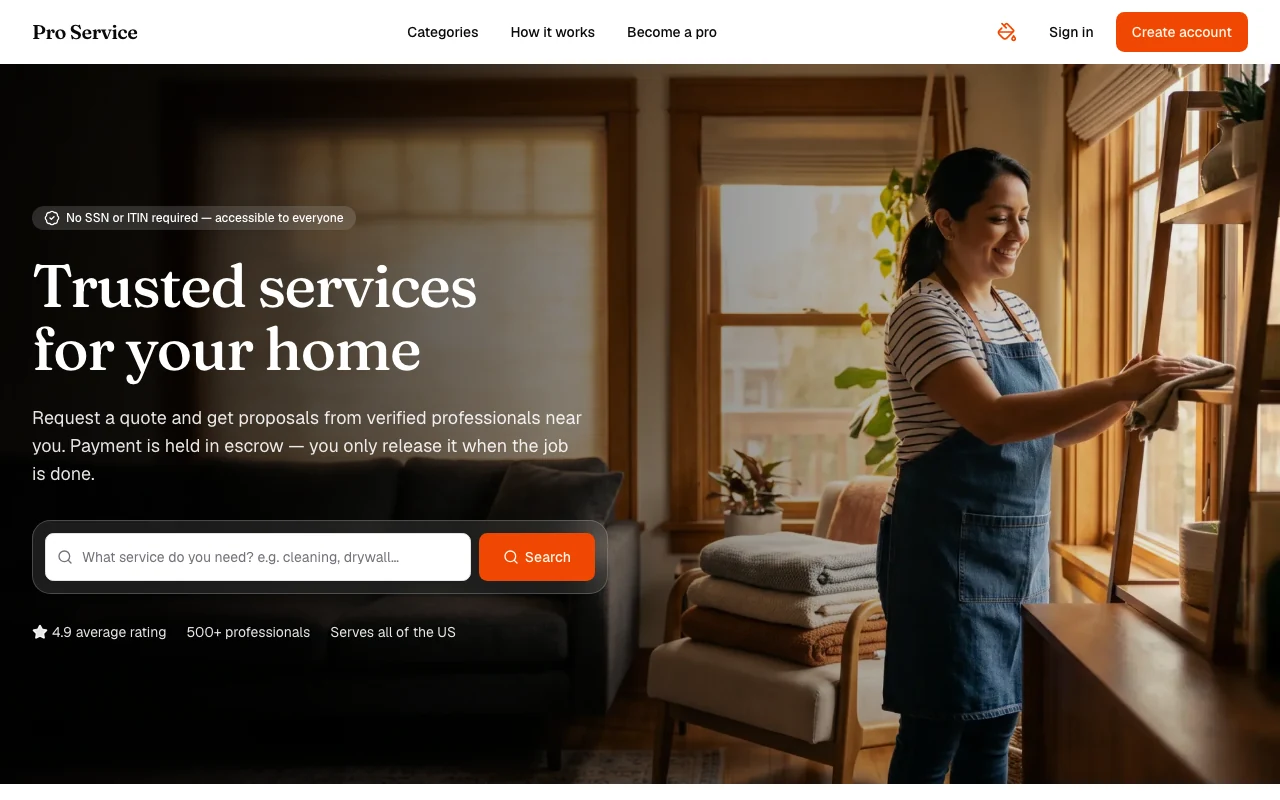
Find verified home service professionals, compare quotes, and pay securely through escrow - built for Brazilians across the US 🏠
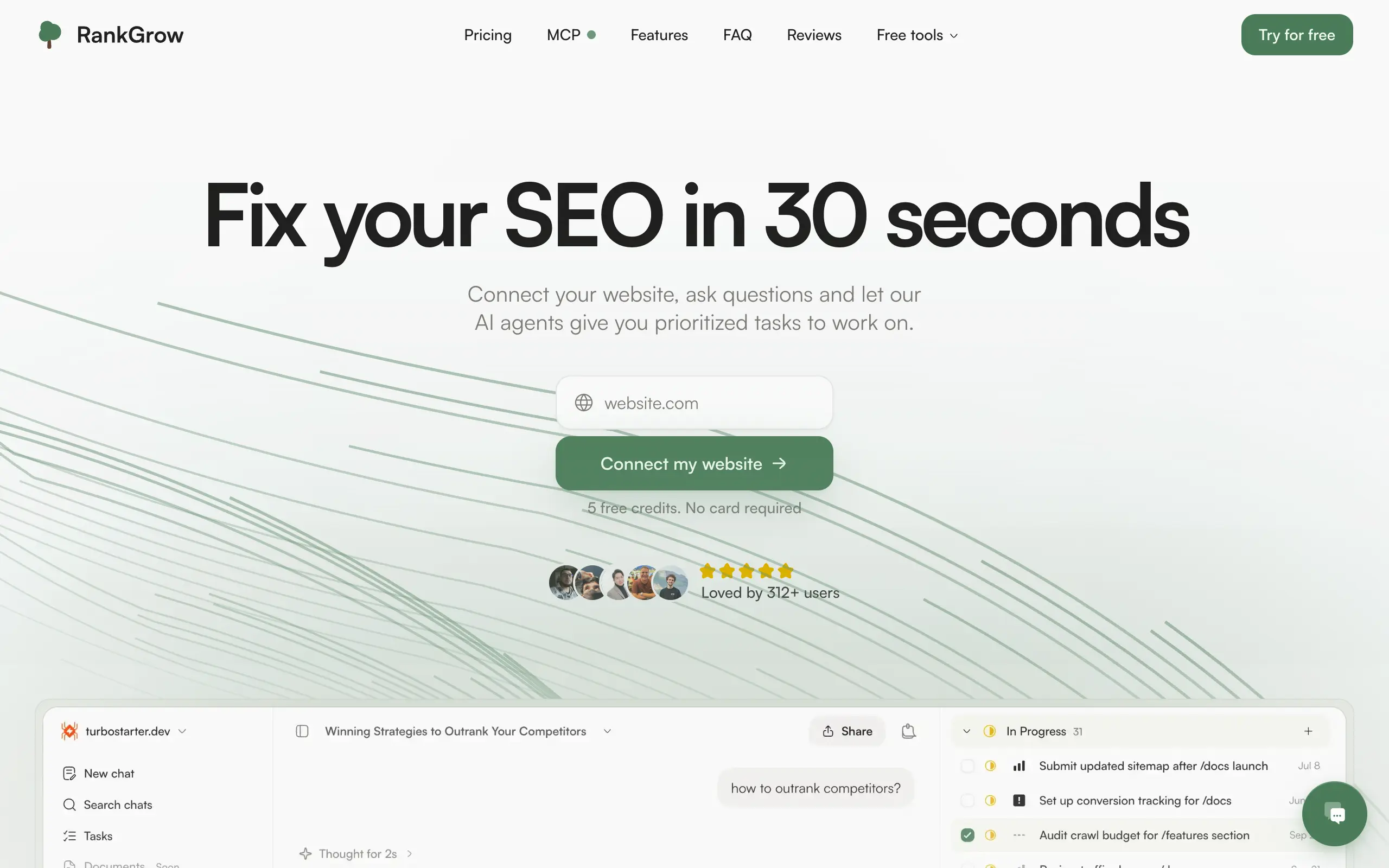
Fix your SEO with AI agents - connect Search Console, get prioritized tasks, and grow organic traffic 📈

Sync your favorite content for distraction-free reading, save time and replace multiple apps. Anytime, anywhere 🔄

Get clean, structured data from 21 platforms like TikTok, Instagram, and YouTube with a single request 📊
Monitor any Telegram channel in real time - track posts, edits, deletions, and growth with AI recaps 📡
AI website builder - describe your business, pick a niche template, edit by chatting, and publish instantly ✨
Find verified home service professionals, compare quotes, and pay securely through escrow - built for Brazilians across the US 🏠
Fix your SEO with AI agents - connect Search Console, get prioritized tasks, and grow organic traffic 📈
Sync your favorite content for distraction-free reading, save time and replace multiple apps. Anytime, anywhere 🔄
Get clean, structured data from 21 platforms like TikTok, Instagram, and YouTube with a single request 📊

Personalized AI apps that automate research, data extraction, and content creation without code 🤖

Enjoy a magical live video chat or receive a unique AI-generated video greeting from Santa Claus 🎅

Scalable blog for food journalist, focused on performance and user experience 🌭

Personal blog and portfolio of Bart Zagrodzki, where he shares his knowledge and work 💼

Ship your startup everywhere. In minutes.

Convert HTML to Markdown with ease, directly in your browser 📄
Personalized AI apps that automate research, data extraction, and content creation without code 🤖
Enjoy a magical live video chat or receive a unique AI-generated video greeting from Santa Claus 🎅
Scalable blog for food journalist, focused on performance and user experience 🌭
Personal blog and portfolio of Bart Zagrodzki, where he shares his knowledge and work 💼
Ship your startup everywhere. In minutes.
Convert HTML to Markdown with ease, directly in your browser 📄

Chat with 50+ AI models, including ChatGPT and Claude, in one place - switch models anytime without losing context 🤖

Supercharge your Claude Code with 6x effective context window and specialized AI agents 🤖

AI-powered emoji picker with smart, context-aware suggestions 🤖

Autonomous company launcher - AI agents work 24/7, escalate what matters, and you stay in control 🤖

Practice storytelling daily with instant feedback to sound clearer, more engaging, and confident 🎤
Chat with 50+ AI models, including ChatGPT and Claude, in one place - switch models anytime without losing context 🤖
Supercharge your Claude Code with 6x effective context window and specialized AI agents 🤖
AI-powered emoji picker with smart, context-aware suggestions 🤖
Autonomous company launcher - AI agents work 24/7, escalate what matters, and you stay in control 🤖
Practice storytelling daily with instant feedback to sound clearer, more engaging, and confident 🎤

Connect with like-minded people
Join our community to get feedback, support, and grow together with 1,000+ builders on board, let's ship it!
Join usShip your startup everywhere. In minutes.
Don't burn tokens on setup and start building features on day one.