Tuitionrun
Gives Singapore home tutors and enrichment centres one place to collect fees, send PayNow invoices, and chase late payments. Tutors stop losing track of who has paid for the month.
Tuitionrun is a billing and payment-chasing tool for Singapore home tutors and small enrichment centres. It replaces the mix of WhatsApp reminders, bank-app checks and spreadsheets with one place to issue PayNow invoices, see who has paid this month, and automatically follow up on late fees. In 2026 it has potential because PayNow is the default way Singaporeans pay, while most tutors still reconcile payments by hand. That is a clear, narrow problem a tuition payment tracker for Singapore home tutors can solve well.
Key takeaways
- Target customer: independent home tutors with 8 to 40 students, and small enrichment centres with 1 to 3 admins.
- Pricing angle: a flat monthly subscription tiered by student count, with a free tier for the smallest tutors.
- Biggest risk: PayNow has no simple public API for small businesses, so automatic payment matching is hard.
- Time to MVP: about 3 to 5 weeks for a solo founder using a starter kit, assuming manual or semi-automatic reconciliation first.
What problem does Tuitionrun solve for Singapore tutors?
Tutors lose time and money because nobody is tracking who has paid. Teaching is the job, and billing is a monthly chore squeezed between lessons. Late payments are rarely dramatic, just quietly awkward.
Who is the ideal customer?
The sharpest starting profile is a full-time independent home tutor (or a two to four person tutor team) with roughly 15 to 40 recurring students, billed monthly. A second profile is a small enrichment centre with a part-time admin who handles fees alongside everything else.
Both share one trait: payments arrive from parents, not students, through many channels and at irregular times in the month.
What do they do today?
The typical workaround looks like this:
- A spreadsheet or notebook listing students, rates and lessons attended.
- A WhatsApp message to each parent at month end with the amount and a PayNow number or QR.
- A manual check of the bank app, matching transfers to names, which often have unclear references.
- A second, more awkward WhatsApp message to parents who have not paid.
Why does the workaround fail?
It fails in three places. Reconciliation is manual, so mistakes happen when two siblings pay in one transfer or a parent pays from a relative's account. Chasing is emotional labour, so many tutors delay it and absorb the cost. And there is no record: when a parent disputes a month or a lesson count, the tutor has only chat history.
Is there a market opportunity for tuition billing software in 2026?
Yes, but a narrow one. The opportunity is the gap between generic invoicing tools and full tuition-centre management systems, with a local payment flow that fits how Singapore parents already pay.
What does the existing landscape look like?
Existing options fall into a few categories:
- Spreadsheets and chat apps: free, familiar and the real competitor for most tutors.
- General invoicing tools such as Stripe invoicing, Xero or QuickBooks: capable, but built around card payments and accounting, not recurring lesson fees paid by PayNow.
- Education management software for centres: broad scheduling, attendance and parent portals. These tend to be heavier and priced for larger centres, which leaves independent tutors underserved.
- Bank tools: PayNow itself moves money but does not track who owes what.
Why is now a good time?
Three trends matter, described qualitatively rather than as numbers. PayNow is now a habit across age groups, so asking parents to pay by it is not a behaviour change. Tutors increasingly run small, semi-formal businesses and want to look professional. And lightweight software is cheaper to build than before, so a niche product can be profitable at small scale.
What features should the Tuitionrun MVP include?
Build the smallest thing that answers one question: who has paid this month, and who hasn't? Everything else is secondary.
Student and fee roster
Store students, parents, rates and billing cycles so each month's invoices generate from one source of truth.
PayNow invoices
Send a branded invoice by link or WhatsApp-ready message with a PayNow QR and a unique payment reference.
Payment status board
A monthly view showing paid, pending and overdue, with manual mark-as-paid in one tap.
Automatic reminders
Scheduled, polite follow-ups to parents on set days after the due date, with tutor-approved wording.
What should you cut from version one?
Cut attendance tracking, lesson scheduling, parent logins, multi-branch reporting and accounting exports. Each is a reasonable request later, and each turns a simple tool into a management system that competes with heavier incumbents.
What is the aha moment?
The aha moment is the first month-end. The tutor opens Tuitionrun, sees a clear list of 22 paid and 4 overdue, and sends reminders to the four with one click. If that takes under a minute instead of an hour, the product has proven itself.
How is Tuitionrun different from spreadsheets and invoicing tools?
The unique selling proposition: a monthly fee tracker built around PayNow and parents, not around accountants. It is tuned for recurring lesson fees, polite chasing and sibling or shared payments.
| Option | PayNow-first | Recurring monthly fees | Late-payment reminders | Built for tutors |
|---|---|---|---|---|
| Tuitionrun | ✅ | ✅ | ✅ | ✅ |
| Spreadsheet plus WhatsApp | Manual | Manual | Manual | Depends |
| General invoicing tools | Limited | Partly | Partly | ❌ |
| Centre management systems | Varies | ✅ | Varies | Centres only |
The honest caveat: a spreadsheet is free and good enough for tutors with fewer than ten students. Tuitionrun wins when the pain of chasing grows, so target tutors who already feel it.
How would Tuitionrun make money?
Subscription pricing fits best, because the value recurs every month. Three realistic options:
- Tiered by student count: for example a free tier up to 5 students, then paid tiers as the roster grows. Pricing scales with the tutor's income, which keeps it easy to justify.
- Flat per-centre plan: a higher price for centres that need multiple admins. This usually needs organization and team features.
- Add-on for messaging or payment features: optional paid reminders by SMS or WhatsApp, if provider costs make that necessary.
As an assumption, if you charge $15 a month and convert 5% of free-tier tutors, you need roughly 700 paid tutors to reach about $10,000 monthly revenue. Test the price against how much a tutor loses in one unpaid month, rather than against other software.
Which growth channel works first?
Community and referral. Tutors share tips in Facebook groups, Telegram chats and tutor agency circles, and they trust each other's tools. Start with a direct presence there, offer a free setup for the first 20 tutors, and add a referral credit. Paid ads rarely pay off at this price point.
How do you validate the idea in two weeks?
Validate with real tutors before writing much code. The goal is to learn whether tutors feel the pain enough to pay.
Interview 10 tutors
Ask how they billed last month, how long it took, and what they did about late payers. Listen for money lost and awkward conversations, not feature wishes.
Test the manual version
Run the process by hand for three tutors using a shared sheet and PayNow QR messages. If they keep using it, the workflow is real.
Launch a one-page waitlist
Promise one outcome: know who has paid, and chase the rest in one click. Share it in tutor communities and track signups against visits.
Ask for a pre-commitment
Offer founding-member pricing, ideally a small deposit or a signed commitment to pay on launch. Five paying tutors teach more than fifty signups.
How do you build Tuitionrun, and which tech stack fits?
A standard web app is enough: a tutor dashboard, public invoice pages for parents, background jobs for reminders, and a database. Most of that is undifferentiated work. Starting from TurboStarter gives you a ready-made monorepo with web and mobile apps, authentication, billing, database, emails, storage and an admin panel, so your time goes into the payment logic.
What does TurboStarter cover for this idea?
- Accounts and sign-in: tutors need secure access, covered by authentication.
- Your own subscriptions: charging tutors is handled by billing.
- Reminders on a schedule: overdue chasing runs well as background tasks.
- Centre teams: admins and tutors under one centre map to organizations.
Emails, file storage for receipts and analytics are also part of the kit.
How should you model the data?
Keep the core model small. Invoices belong to a student's billing period, and each carries a unique payment reference you can match later.
create table invoice (
  id uuid primary key,
  student_id uuid not null,
  period date not null,
  amount_cents integer not null,
  reference text unique not null,
  status text not null default 'pending',
  due_date date not null,
  paid_at timestamptz
);
How should payments be reconciled?
This is the key technical decision, and the options trade off speed against automation.
Fastest to ship and enough for the MVP. The tutor ticks paid invoices after checking the bank app. It proves value without any integration risk.
The tutor uploads a CSV or statement, and the app matches amounts and references. It removes most manual work with no partner needed, but depends on consistent references and statement formats.
Use a provider that supports PayNow collection and webhooks, if one fits your pricing and compliance needs. This gives true automation but adds fees, onboarding and provider dependence, so check availability and terms first.
For AI features such as drafting polite reminder messages, the kit's AI support is enough, though plain templates are fine at first.
What are the risks, and how do you reduce them?
Biggest risk: payment reconciliation
If you cannot confirm payments automatically, the product risks being a prettier spreadsheet. Tutors will still check their bank app, and the core promise weakens. Reduce this by shipping manual and statement-import flows first, using unique references on every invoice, and only adding provider integrations once you have confirmed demand and terms.
Three more risks are worth planning for:
- Low willingness to pay: many tutors earn modestly and resist subscriptions. Keep a free tier, price below one lost lesson per month, and sell the time saved.
- Handling money and data: you hold parent and student details, and possibly payment flows. Avoid holding funds at first, store minimal data, and check local data protection and payment rules before adding collection features.
- Competition from bigger tools: centre systems may add similar features. Stay focused on independent tutors and keep the setup under ten minutes.
What should you do in the first 30 days?
A realistic plan for a solo founder:
- Days 1 to 5: interview tutors, collect real invoice and reminder examples, and agree the price range.
- Days 6 to 10: set up the project from TurboStarter, with auth, billing and the database ready.
- Days 11 to 18: build the roster, invoice creation with PayNow QR, and the status board.
- Days 19 to 23: add scheduled reminders and a simple parent invoice page.
- Days 24 to 27: onboard five to ten pilot tutors by hand and watch them run a real month-end.
- Days 28 to 30: fix the top three issues, set pricing, and open signups in tutor communities.
Start with the one workflow tutors dread most, and prove it with real money before adding more. A focused tuition payment tracker for Singapore home tutors is a small business, but a clear and buildable one.
FAQ
Interview at least ten tutors about how they billed last month, then run the process manually for a few of them. If they keep using it and agree to pre-pay for launch, the demand is real. Waitlist signups alone are a weak signal.
Tie the price to the cost of one missed or late payment. A modest monthly fee tiered by student count, with a small free tier, is typically easier to adopt than a flat high price. Test two or three price points in your pre-sale conversations.
Mostly spreadsheets and WhatsApp, followed by general invoicing and accounting tools and heavier education management software for centres. Your edge is a PayNow-first, tutor-sized workflow.
Possibly, but it depends on your payment provider and bank options, which change over time. Start with unique references and statement import, and confirm provider terms before promising automatic matching.
A TypeScript web app with a relational database, background jobs for reminders and transactional email is enough. A starter such as TurboStarter covers authentication, billing, database and emails so you can focus on invoicing and reconciliation.
Assuming a solo developer and a starter kit, expect about 3 to 5 weeks for a usable first version. Costs are mainly your time, hosting, email and messaging fees, which stay low until you have many users.
More 🏢 B2B Application SaaS ideas
Discover more innovative b2b application SaaS ideas that are trending in 2026. Each idea is AI-generated with market validation and growth potential to help you find your next profitable venture faster than competitors.
Your competitors are building with TurboStarter
Below are some of the SaaS ideas that have been generated and built with our starter kit.

Monitor any Telegram channel in real time - track posts, edits, deletions, and growth with AI recaps 📡

AI website builder - describe your business, pick a niche template, edit by chatting, and publish instantly ✨

Find verified home service professionals, compare quotes, and pay securely through escrow - built for Brazilians across the US 🏠

Fix your SEO with AI agents - connect Search Console, get prioritized tasks, and grow organic traffic 📈
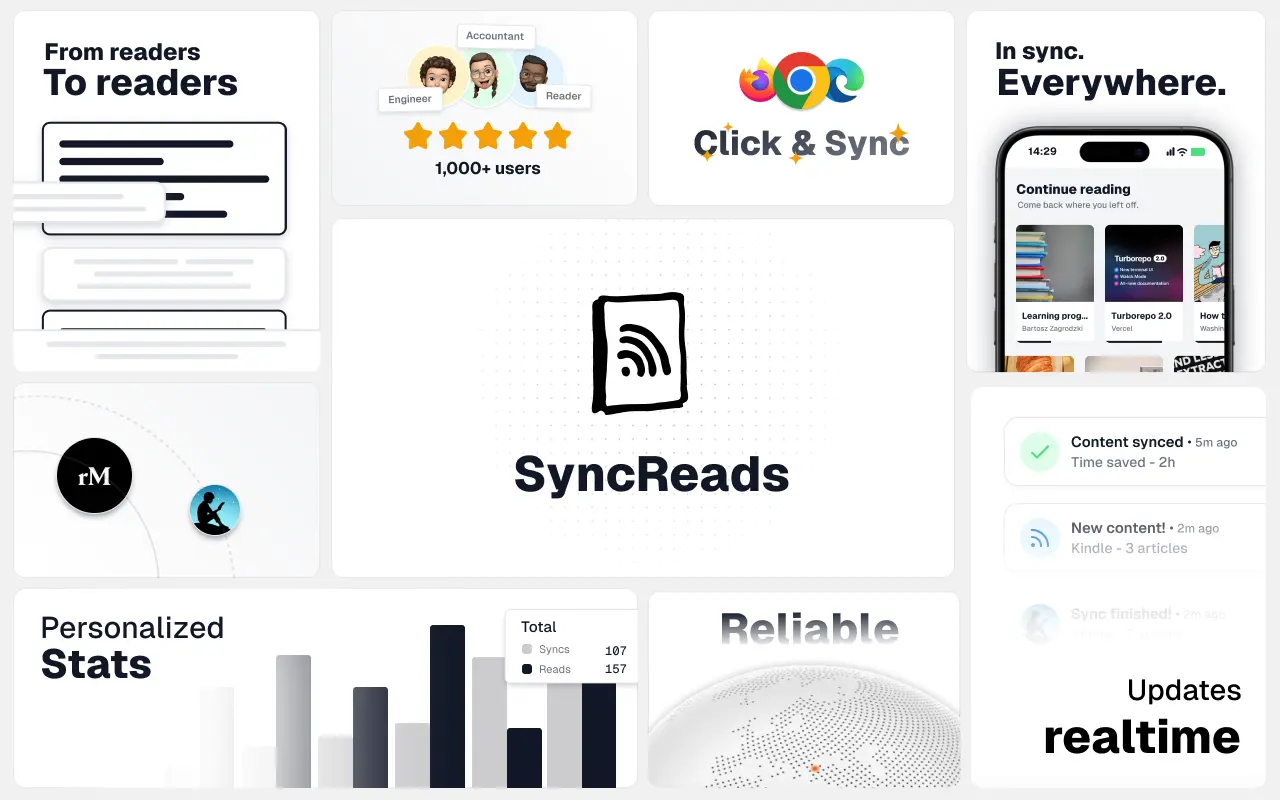
Sync your favorite content for distraction-free reading, save time and replace multiple apps. Anytime, anywhere 🔄
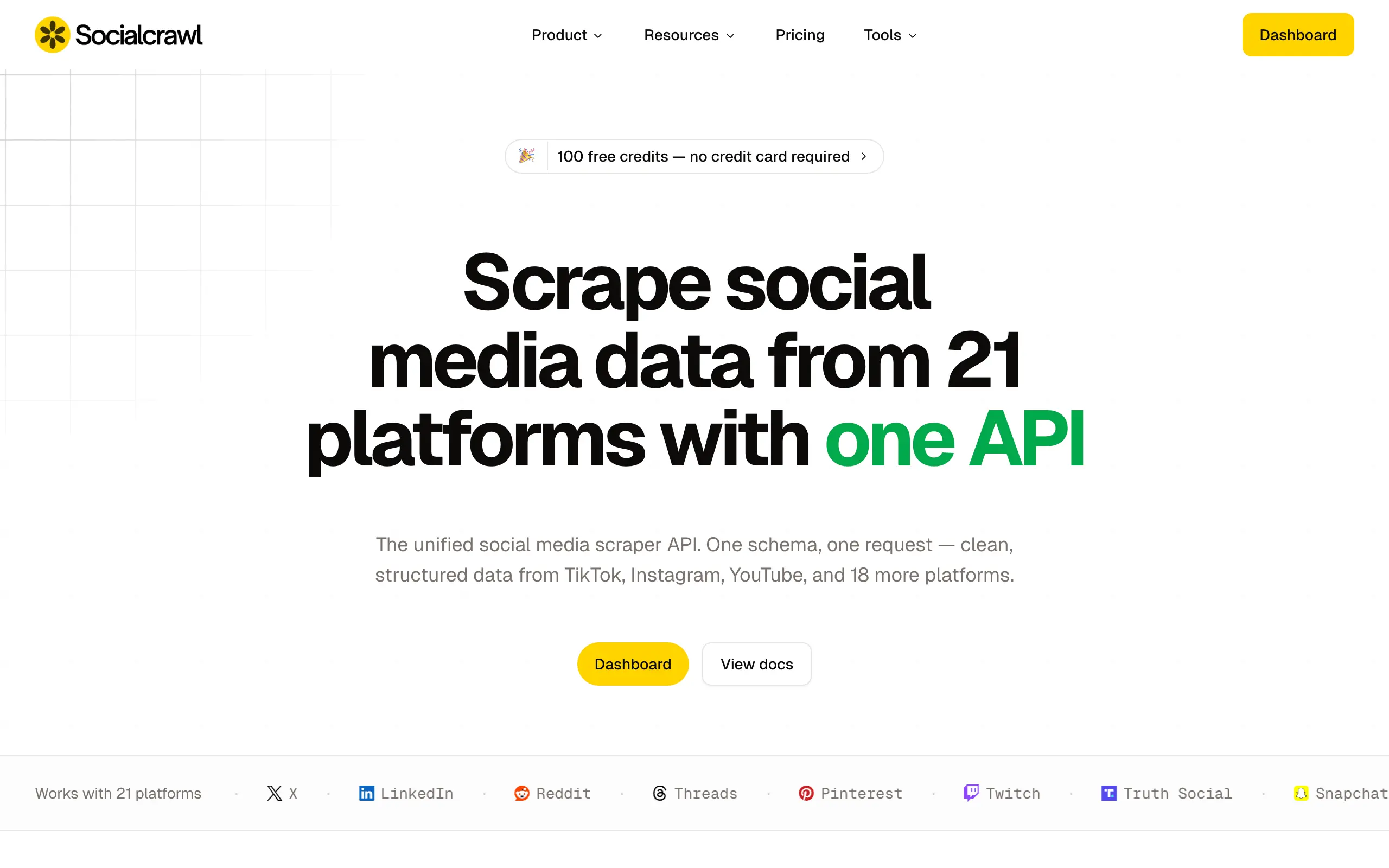
Get clean, structured data from 21 platforms like TikTok, Instagram, and YouTube with a single request 📊
Monitor any Telegram channel in real time - track posts, edits, deletions, and growth with AI recaps 📡
AI website builder - describe your business, pick a niche template, edit by chatting, and publish instantly ✨
Find verified home service professionals, compare quotes, and pay securely through escrow - built for Brazilians across the US 🏠
Fix your SEO with AI agents - connect Search Console, get prioritized tasks, and grow organic traffic 📈
Sync your favorite content for distraction-free reading, save time and replace multiple apps. Anytime, anywhere 🔄
Get clean, structured data from 21 platforms like TikTok, Instagram, and YouTube with a single request 📊
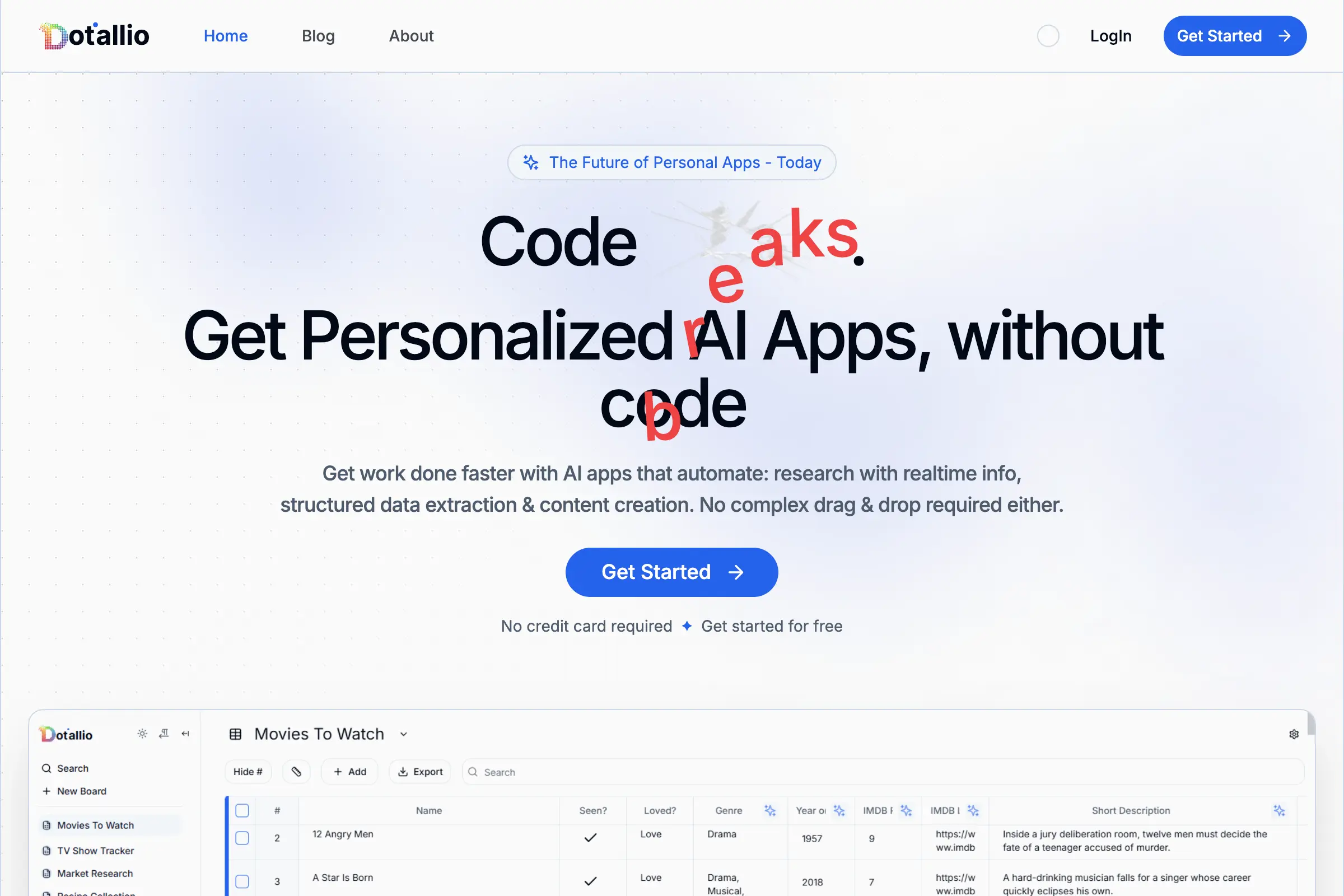
Personalized AI apps that automate research, data extraction, and content creation without code 🤖

Enjoy a magical live video chat or receive a unique AI-generated video greeting from Santa Claus 🎅

Scalable blog for food journalist, focused on performance and user experience 🌭
Personal blog and portfolio of Bart Zagrodzki, where he shares his knowledge and work 💼
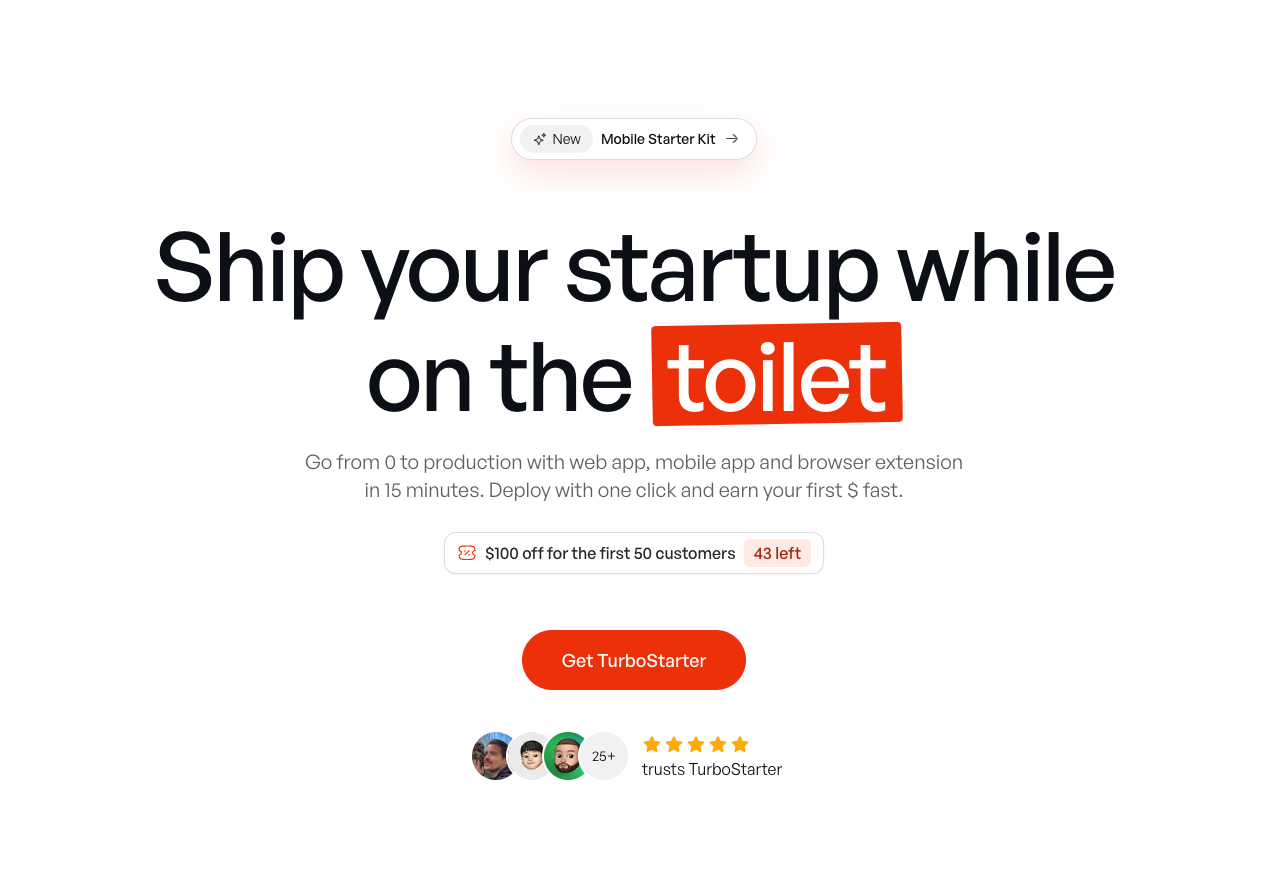
Ship your startup everywhere. In minutes.
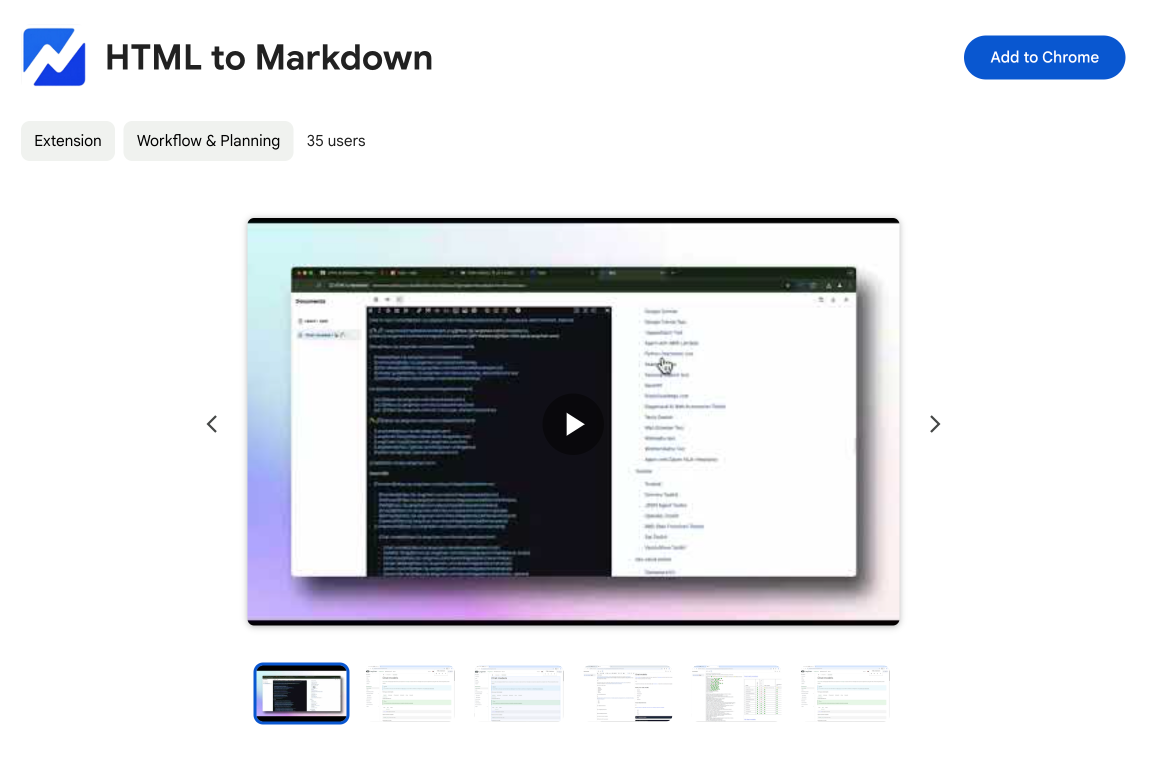
Convert HTML to Markdown with ease, directly in your browser 📄
Personalized AI apps that automate research, data extraction, and content creation without code 🤖
Enjoy a magical live video chat or receive a unique AI-generated video greeting from Santa Claus 🎅
Scalable blog for food journalist, focused on performance and user experience 🌭
Personal blog and portfolio of Bart Zagrodzki, where he shares his knowledge and work 💼
Ship your startup everywhere. In minutes.
Convert HTML to Markdown with ease, directly in your browser 📄
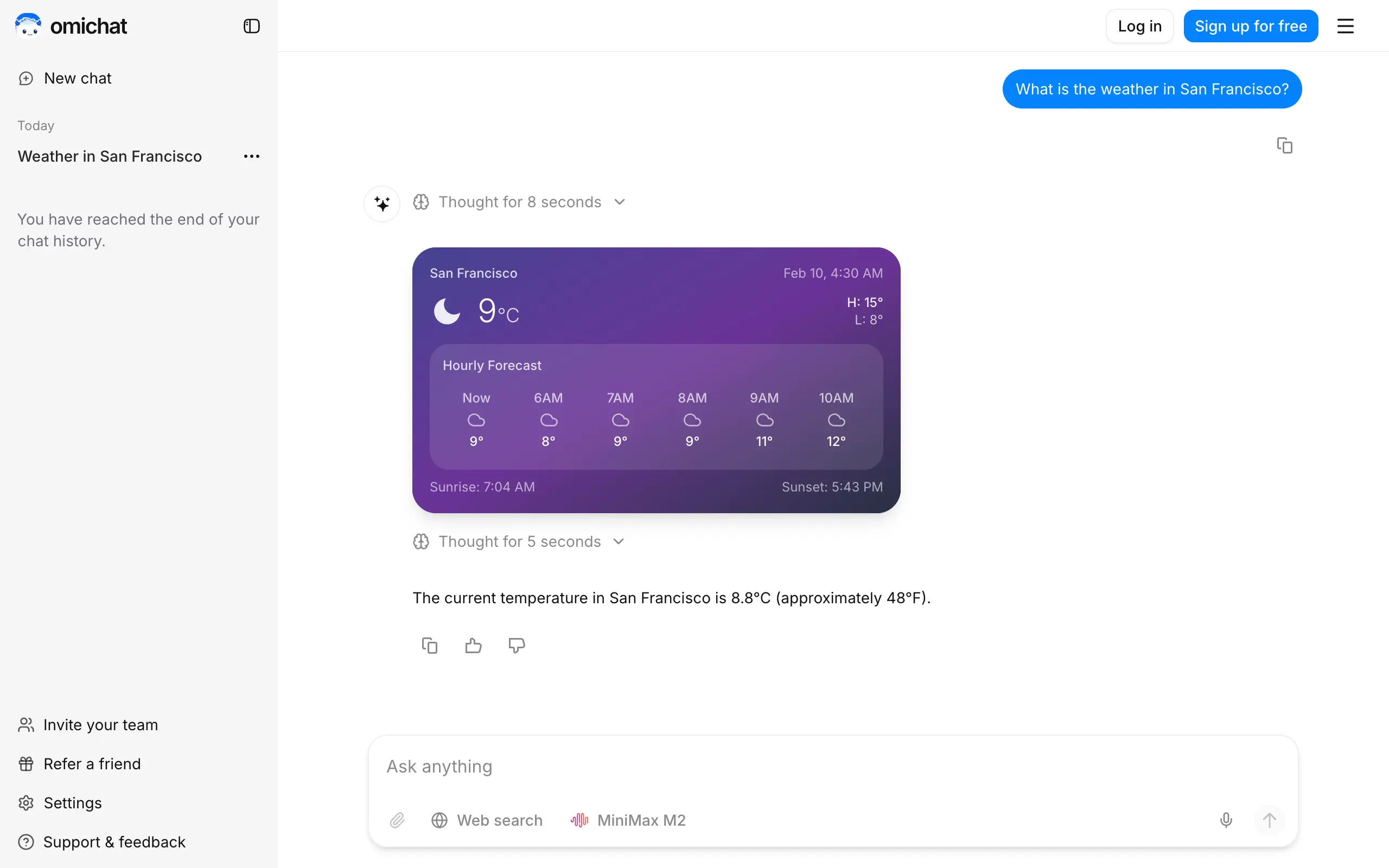
Chat with 50+ AI models, including ChatGPT and Claude, in one place - switch models anytime without losing context 🤖
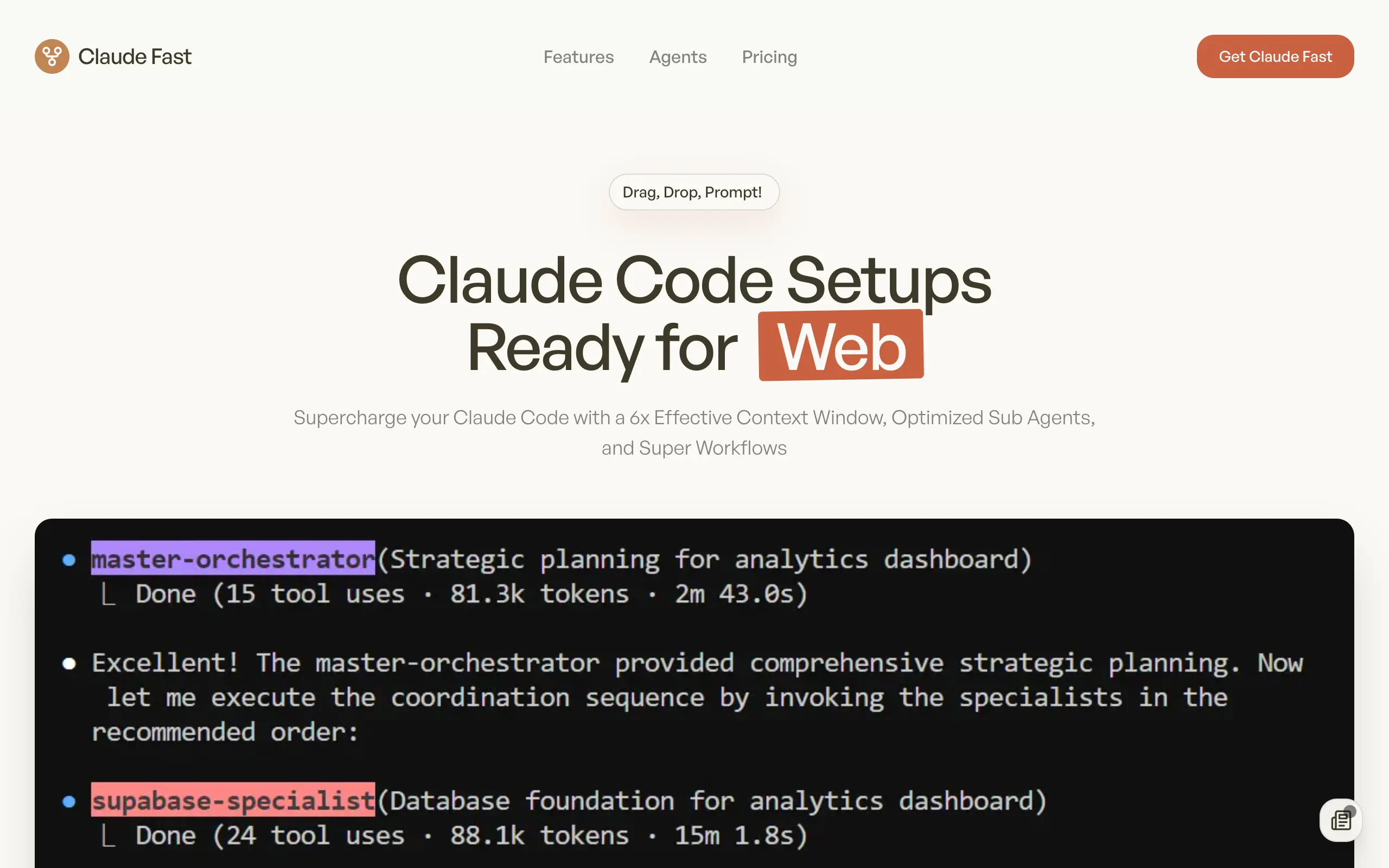
Supercharge your Claude Code with 6x effective context window and specialized AI agents 🤖
AI-powered emoji picker with smart, context-aware suggestions 🤖

Autonomous company launcher - AI agents work 24/7, escalate what matters, and you stay in control 🤖

Practice storytelling daily with instant feedback to sound clearer, more engaging, and confident 🎤
Chat with 50+ AI models, including ChatGPT and Claude, in one place - switch models anytime without losing context 🤖
Supercharge your Claude Code with 6x effective context window and specialized AI agents 🤖
AI-powered emoji picker with smart, context-aware suggestions 🤖
Autonomous company launcher - AI agents work 24/7, escalate what matters, and you stay in control 🤖
Practice storytelling daily with instant feedback to sound clearer, more engaging, and confident 🎤

Connect with like-minded people
Join our community to get feedback, support, and grow together with 1,000+ builders on board, let's ship it!
Join usShip your startup everywhere. In minutes.
Don't burn tokens on setup and start building features on day one.