Tuition Tally
Attendance, fee tracking, and parent payment reminders for independent tuition centre operators across Singapore. Owners collect overdue fees faster and stop chasing parents over email.
Tuition Tally is a lightweight management app for independent tuition centres in Singapore. It tracks attendance, calculates what each family owes, and sends parent payment reminders automatically, so owners stop chasing fees over WhatsApp and email. The opportunity in 2026 is that most small centres still run on spreadsheets and chat threads, while payment tools like PayNow have made it easy for parents to pay if someone simply asks at the right time. Tuition fee tracking software for small centres is a narrow, buildable niche with a clear ROI: faster collection.
Key takeaways
- Target customer: owner-operators of independent tuition centres in Singapore with roughly 30 to 300 students and one to three admin staff.
- Pricing angle: a flat monthly subscription tiered by active student count, for example $29 to $99 per month, since the value is cash collected faster.
- Biggest risk: reminders and attendance only matter if parents actually pay through a trackable flow, and payment reconciliation (PayNow, bank transfer) is messy.
- Time to MVP: about 3 to 5 weeks for a solo founder using a starter kit, assuming you skip a native parent app at first.
What problem does Tuition Tally solve for tuition centres?
Tuition centre owners lose time and cash because attendance, billing and follow-up live in three different places. A teacher marks attendance on paper or in a group chat, the owner updates a spreadsheet at month end, and then someone sends individual messages asking parents to pay. Every step is manual, so every step slips.
Who feels it most
The ideal customer is an owner-operator running an independent centre with one or a few locations. They often teach classes themselves, have a part-time admin or a family member helping, and bill monthly or per term. They are not served by enterprise school systems, and they are too busy to adopt something complicated.
Typical situations:
- Fees vary by level, subject and class size, plus sibling discounts or ad hoc adjustments.
- Students miss lessons and need replacement classes, so the amount owed is not always the same each month.
- Parents pay by PayNow, bank transfer or cash, and the owner matches payments by hand.
The current workaround and why it fails
The default workaround is a spreadsheet plus WhatsApp. It works at 20 students. At 100 students, someone spends hours each month building invoices, scanning bank statements and writing polite but firm reminders to each parent.
It fails in three ways. Attendance and billing drift apart, so disputes arise ("my child was absent that week"). Reminders are inconsistent because the owner dislikes confrontation. And nobody has a clear view of who is overdue and by how much, so cash flow is guesswork.
Is there a market for tuition centre management software in Singapore?
Yes, but it is a niche you should size by counting centres you can reach, not by quoting a large market number. Tuition is a deeply embedded habit in Singapore, and the supply side is fragmented: many small independent operators rather than a few large chains. That fragmentation is the opportunity and the challenge, because each customer is small and reaching them takes effort.
The gap in existing solutions
Existing options fall into broad categories:
- General school and class management tools that are feature-heavy and priced for larger institutions.
- Generic invoicing and accounting software such as Xero or QuickBooks, which handle invoices but not attendance-driven billing.
- Booking and scheduling tools built for fitness studios or salons, which do not model terms, levels or make-up lessons.
- Spreadsheets and chat apps, which remain the real competitor.
The gap is a tool that starts from attendance, produces the right fee automatically, and closes the loop with parent reminders. Few products are built around the specific Singapore workflow of monthly or term fees, PayNow payments and WhatsApp-first parent communication.
Why now
Several trends make 2026 a reasonable time to build this:
- Parents are comfortable with instant digital payments, so a clear payment request converts faster than it used to.
- Messaging APIs and email delivery are cheap and easy to integrate.
- Small operators increasingly expect simple subscription software, not a sales call and a custom quote.
- AI-assisted coding lets a solo founder ship a B2B application in weeks, which makes niche vertical SaaS economically viable at low price points.
What should the Tuition Tally MVP include?
Build the shortest path from "class happened" to "parent got a correct payment reminder." Everything else waits. The aha moment is the first month-end when the owner opens the dashboard, sees exactly who owes what, and sends reminders to all overdue parents in one click.
Fast attendance marking
Teachers tick present, absent or make-up per class on a phone in under a minute, which feeds billing directly.
Automatic fee calculation
Fees per student are computed from class rates, attendance, discounts and adjustments, so invoices are right the first time.
Parent payment reminders
Scheduled email and message reminders with a payment link or PayNow details go out before and after the due date.
Overdue dashboard
One screen shows who has paid, who is late and how much is outstanding, with manual mark-as-paid for cash and transfers.
What to cut from version one
Skip these until paying customers ask for them:
- A native parent mobile app. Email and a simple web payment page are enough.
- Full accounting, payroll or tutor commission tracking.
- Lesson scheduling with complex timetable optimisation.
- Automated bank reconciliation. Start with manual mark-as-paid and add payment matching later.
How is Tuition Tally different from spreadsheets and other tools?
The unique selling proposition is attendance-driven billing with automatic parent follow-up for small Singapore centres. It does not try to be a full school ERP. It is the cheapest way to stop doing month-end invoicing and awkward reminder messages by hand.
| Option | Attendance-linked fees | Automatic parent reminders | Fits small centre pricing | Setup effort |
|---|---|---|---|---|
| Tuition Tally | ✅ | ✅ | ✅ | Low |
| Spreadsheet plus WhatsApp | ❌ | ❌ | ✅ | Low, but ongoing manual work |
| Accounting software (Xero, QuickBooks) | ❌ | Partial | Depends | Medium |
| Large school management systems | ✅ | Varies | ❌ | High |
| Custom-built DIY tool | Depends | Depends | ❌ | High |
Your advantage is focus. Defaults for Singapore levels, term-based billing and sibling discounts mean a new centre can import a student list and be sending reminders the same day.
How would Tuition Tally make money?
Charge owners a flat monthly subscription, because they think in terms of "what does this cost me versus the hours and late fees it saves." Avoid per-transaction fees at the start, which complicate pricing and compete with the payment methods parents already use.
Pricing options
- Tiered by active students: for example $29/month up to 50 students, $59 up to 150, $99 beyond. Simple, predictable and scales with the centre's revenue.
- Flat price with a free trial: one plan at around $39/month and a 14-day trial. Easier to explain, but leaves money on the table from larger centres.
- Subscription plus optional payment processing margin: if you later add card or PayNow collection through a payments provider, you can earn a small margin. Treat this as a phase two, since it adds compliance and support burden.
As an assumption to test: if you charge $39/month and convert 20% of trials, you need roughly 130 paying centres to reach about $5,000 in monthly recurring revenue. Measure your actual trial conversion before planning around any number.
The first growth channel
Direct outreach is most likely to work first. Centre owners are findable through their websites, social pages and local education communities. Offer to import their spreadsheet for free and show them their overdue list within a day. Referrals between owners, who often know each other, tend to follow once a few are happy.
How do I validate Tuition Tally before building it?
Spend one to two weeks proving that owners will pay to fix collection, not just that they find it annoying.
Interview 10 centre owners
Ask how they currently track attendance, calculate fees and chase late payers, and what a late month costs them. Listen for specific hours spent and specific tools used.
Collect real spreadsheets
Ask two or three owners to share an anonymised fee sheet. This reveals real pricing rules, discounts and edge cases you must support.
Launch a focused landing page
State one promise, such as getting overdue fees paid faster without chasing parents, and add a waitlist form. Share it in owner groups and by direct message.
Offer a paid pilot
Ask five owners to pre-pay a discounted first quarter or commit to a pilot with a fixed price. A few who agree is a stronger signal than dozens of waitlist signups.
Run a concierge test
Manually produce one month's invoices and reminders for a pilot centre from their data. If it saves them real time and cash, you know the workflow is worth automating.
What tech stack should you use to build Tuition Tally?
Use a conventional web stack with a relational database, since the data is naturally structured: centres, students, parents, classes, sessions, attendance and invoices. The product is a web app first, with email as the primary parent channel.
Starting from TurboStarter removes the undifferentiated work. It ships with web and mobile apps in a monorepo, authentication, organizations and teams, billing for subscriptions, database setup, emails, file storage, background tasks, an admin panel, analytics, internationalization and monitoring. That lets you spend your time on fee rules and reminder logic.
How the pieces map to the product
- Centres as organizations: each tuition centre is a tenant with an owner and staff or teachers. See the organizations docs for how teams and roles work.
- Reminders as scheduled jobs: daily checks for upcoming and overdue invoices fit background tasks.
- Reminder delivery: parent notices and receipts use the emails setup.
- Your own subscriptions: charging centres monthly is handled by billing.
A starting data model
// Simplified schema sketch (Drizzle-style)
export const student = pgTable("student", {
  id: text("id").primaryKey(),
  organizationId: text("organization_id").notNull(),
  name: text("name").notNull(),
  parentEmail: text("parent_email").notNull(),
  level: text("level"),
});

export const attendance = pgTable("attendance", {
  id: text("id").primaryKey(),
  studentId: text("student_id").notNull(),
  classId: text("class_id").notNull(),
  date: date("date").notNull(),
  status: text("status").notNull(), // present | absent | makeup
});

export const invoice = pgTable("invoice", {
  id: text("id").primaryKey(),
  studentId: text("student_id").notNull(),
  period: text("period").notNull(), // e.g. 2026-03
  amountCents: integer("amount_cents").notNull(),
  dueDate: date("due_date").notNull(),
  paidAt: timestamp("paid_at"),
});
Choosing how parents receive reminders
Cheapest and simplest, with no approval process and full control over templates. Open rates among parents may be lower than chat, so test it with pilot centres before adding more.
Matches how Singapore parents already communicate and likely improves response. It requires a business messaging provider, template approval and per-message costs, so add it once the email flow proves the value.
What are the biggest risks for Tuition Tally?
Biggest risk: payments are not closed-loop
If parents pay by bank transfer or PayNow outside your app, owners must still mark invoices as paid by hand. If that step is tedious, the product becomes another spreadsheet. Mitigate it with one-tap bulk mark-as-paid, a simple upload of bank statement lines for matching, and later an integrated payment provider.
Other reasons this could fail:
- Low willingness to pay: owners may see software as a luxury. Validate with pre-sales and price against hours saved and late fees recovered.
- Hard-to-reach customers: many small owners are not searching for software. Plan on direct outreach and referrals, not just organic traffic.
- Data protection obligations: you will hold children's names and parent contact details. Follow Singapore's PDPA requirements, collect only what you need, and have clear consent and deletion processes.
What should you do in the first 30 days?
- Week 1: complete interviews, collect sample spreadsheets and define fee rules for three real centres.
- Week 1 to 2: publish the landing page and waitlist, and ask pilot owners for a paid commitment.
- Week 2 to 3: scaffold the app with TurboStarter, set up organizations, students, classes and attendance.
- Week 3: build fee calculation, the overdue dashboard and scheduled email reminders.
- Week 4: onboard two or three pilot centres by importing their data yourself, and watch what they do in the first month-end cycle.
- End of week 4: fix the top three friction points, set pricing, and turn pilots into paying customers.
Start with the narrowest version of this tuition fee tracking software for Singapore centres, get one owner collecting faster, and let their results guide what you build next.
Frequently asked questions
Interview owners about their month-end process, collect real fee spreadsheets, and ask for a paid pilot. A handful of owners prepaying a discounted first quarter is a stronger signal than a long waitlist.
A tiered monthly plan based on active students is a sensible starting point, for example $29 to $99 per month. Test it against the hours saved and overdue fees recovered, and adjust after your first ten customers.
The main competitor is the spreadsheet plus WhatsApp workflow. Beyond that, you will meet general accounting tools like Xero and QuickBooks and larger school management systems, which are usually broader and pricier than a small centre needs.
A TypeScript web app with a Postgres database, scheduled jobs for reminders and transactional email covers the MVP. A starter kit like TurboStarter provides authentication, organizations, billing and emails so you can focus on fee logic.
A solo founder can typically ship a usable MVP in 3 to 5 weeks using a starter kit. Costs are mostly your time plus low monthly infrastructure and email fees, rising when you add messaging providers.
Not at first. Start with reminders, payment instructions and manual mark-as-paid, then add integrated payment collection once you see how parents actually pay. This keeps scope small and avoids early compliance complexity.
More 🏢 B2B Application SaaS ideas
Discover more innovative b2b application SaaS ideas that are trending in 2026. Each idea is AI-generated with market validation and growth potential to help you find your next profitable venture faster than competitors.
Your competitors are building with TurboStarter
Below are some of the SaaS ideas that have been generated and built with our starter kit.

Monitor any Telegram channel in real time - track posts, edits, deletions, and growth with AI recaps 📡

AI website builder - describe your business, pick a niche template, edit by chatting, and publish instantly ✨

Find verified home service professionals, compare quotes, and pay securely through escrow - built for Brazilians across the US 🏠

Fix your SEO with AI agents - connect Search Console, get prioritized tasks, and grow organic traffic 📈
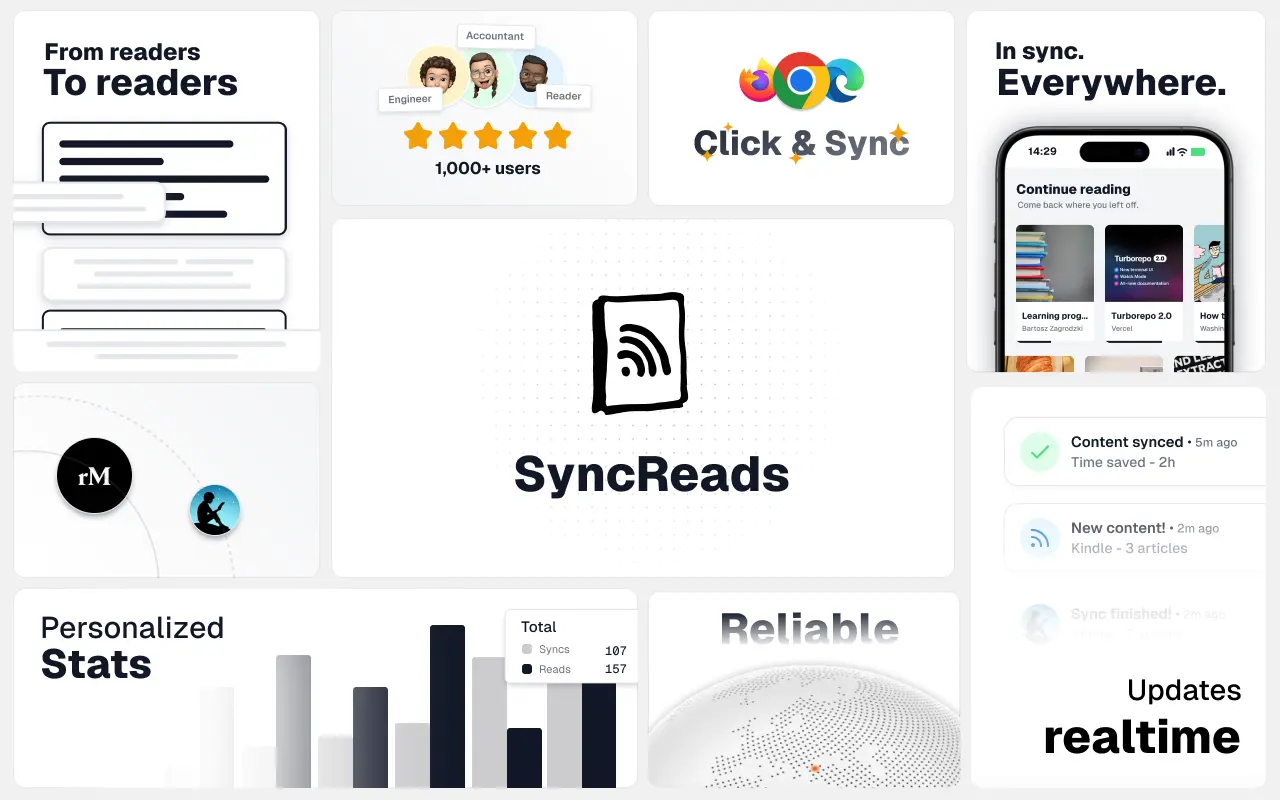
Sync your favorite content for distraction-free reading, save time and replace multiple apps. Anytime, anywhere 🔄
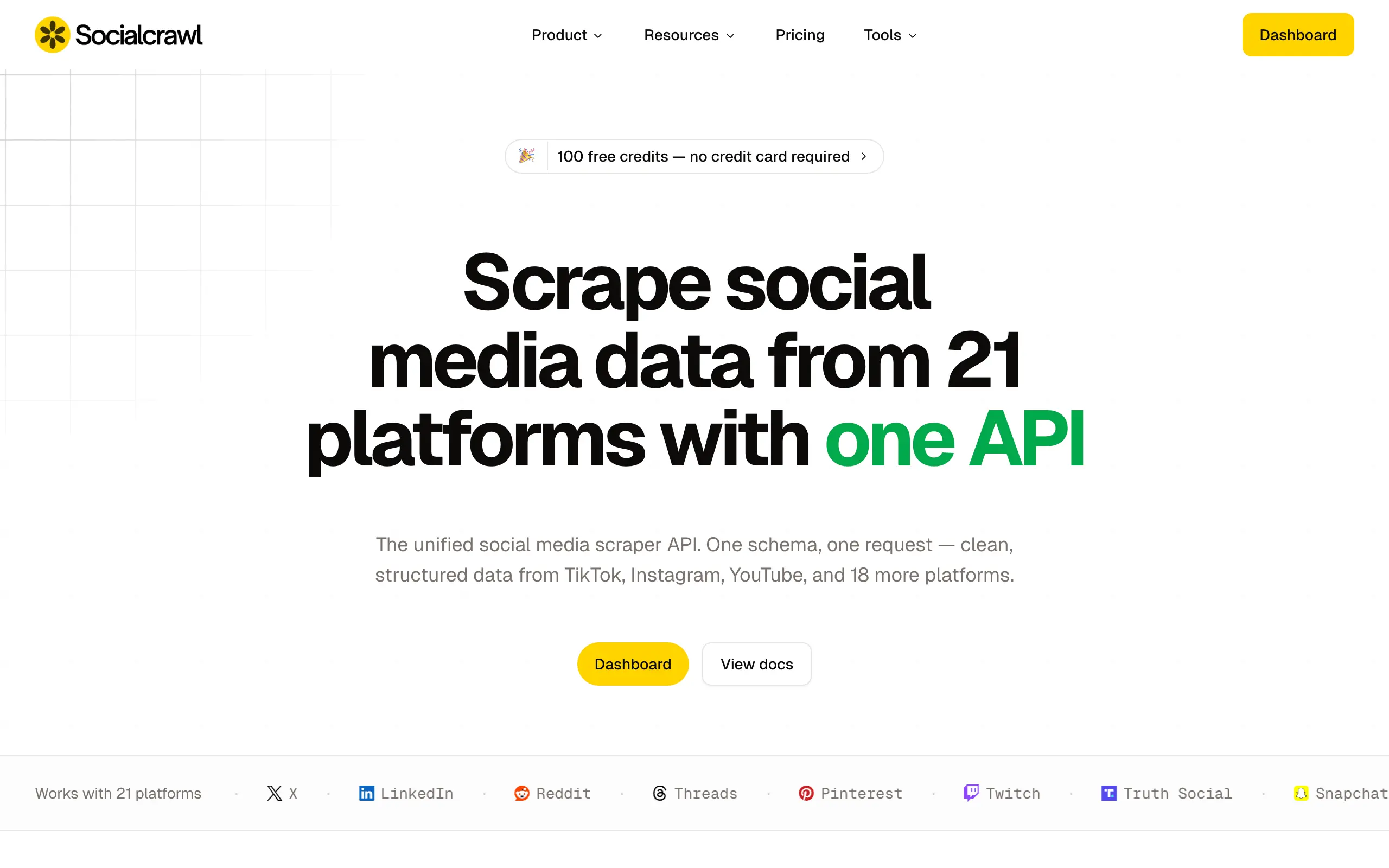
Get clean, structured data from 21 platforms like TikTok, Instagram, and YouTube with a single request 📊
Monitor any Telegram channel in real time - track posts, edits, deletions, and growth with AI recaps 📡
AI website builder - describe your business, pick a niche template, edit by chatting, and publish instantly ✨
Find verified home service professionals, compare quotes, and pay securely through escrow - built for Brazilians across the US 🏠
Fix your SEO with AI agents - connect Search Console, get prioritized tasks, and grow organic traffic 📈
Sync your favorite content for distraction-free reading, save time and replace multiple apps. Anytime, anywhere 🔄
Get clean, structured data from 21 platforms like TikTok, Instagram, and YouTube with a single request 📊

Personalized AI apps that automate research, data extraction, and content creation without code 🤖

Enjoy a magical live video chat or receive a unique AI-generated video greeting from Santa Claus 🎅

Scalable blog for food journalist, focused on performance and user experience 🌭
Personal blog and portfolio of Bart Zagrodzki, where he shares his knowledge and work 💼

Ship your startup everywhere. In minutes.
Convert HTML to Markdown with ease, directly in your browser 📄
Personalized AI apps that automate research, data extraction, and content creation without code 🤖
Enjoy a magical live video chat or receive a unique AI-generated video greeting from Santa Claus 🎅
Scalable blog for food journalist, focused on performance and user experience 🌭
Personal blog and portfolio of Bart Zagrodzki, where he shares his knowledge and work 💼
Ship your startup everywhere. In minutes.
Convert HTML to Markdown with ease, directly in your browser 📄
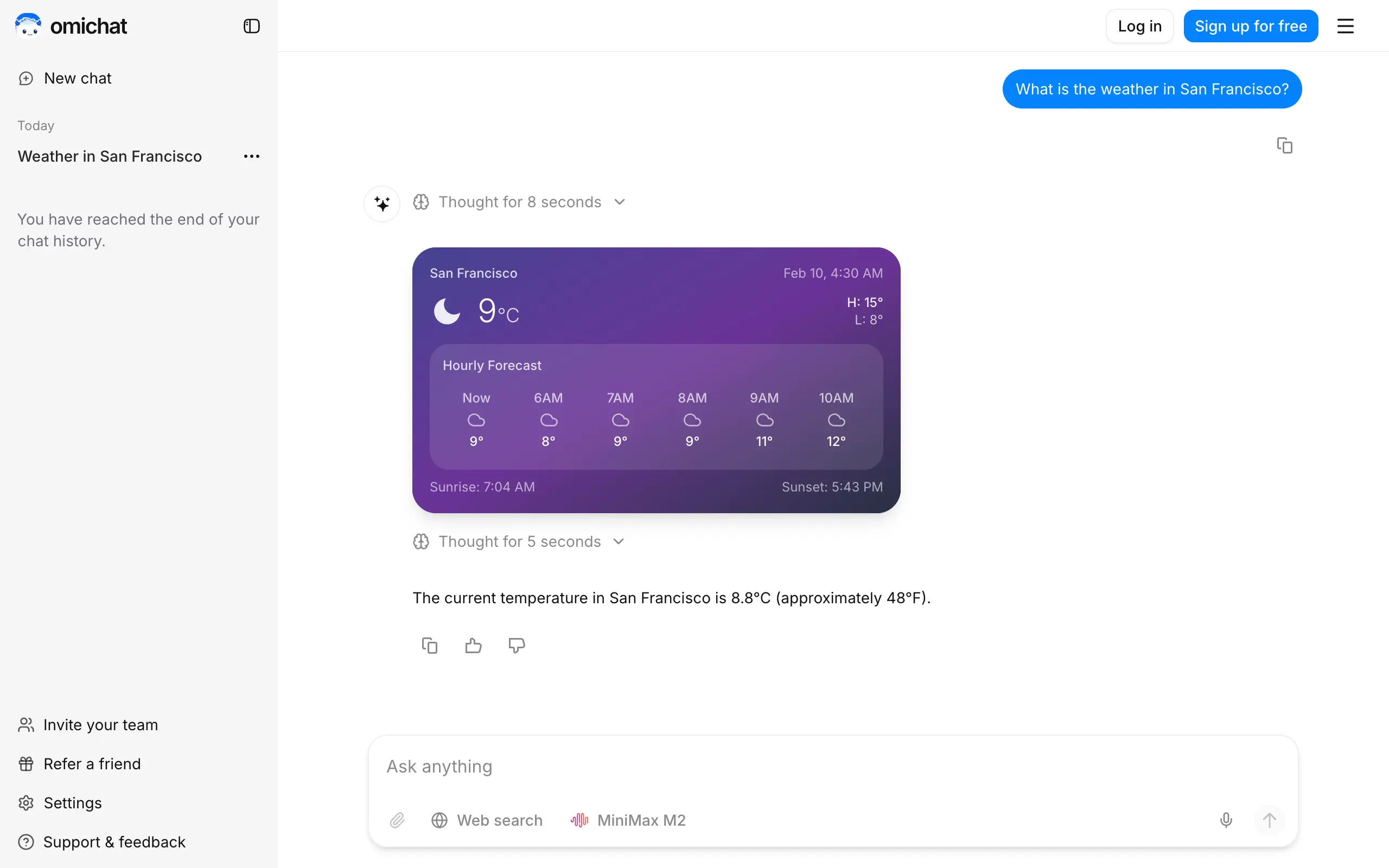
Chat with 50+ AI models, including ChatGPT and Claude, in one place - switch models anytime without losing context 🤖
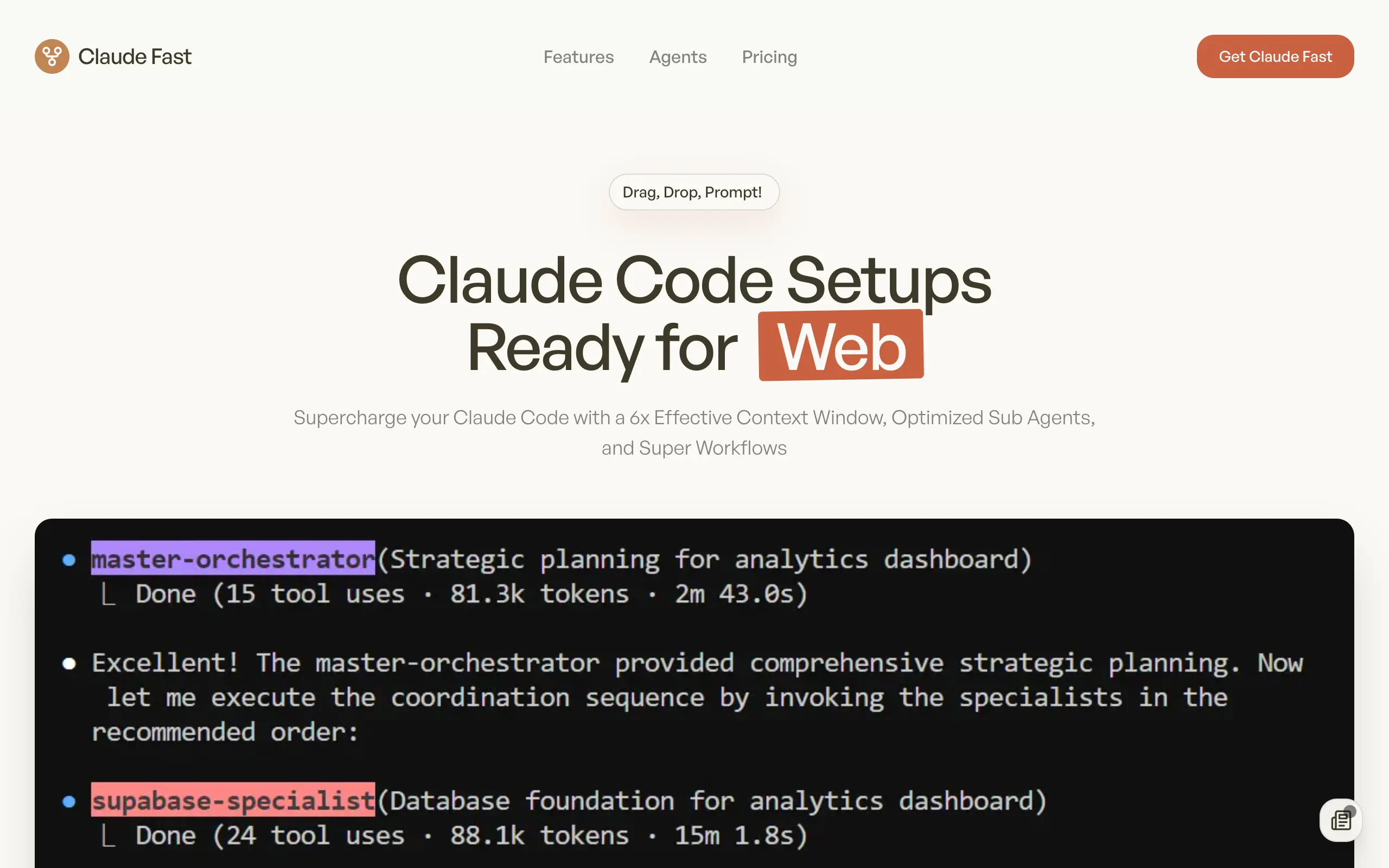
Supercharge your Claude Code with 6x effective context window and specialized AI agents 🤖

AI-powered emoji picker with smart, context-aware suggestions 🤖

Autonomous company launcher - AI agents work 24/7, escalate what matters, and you stay in control 🤖

Practice storytelling daily with instant feedback to sound clearer, more engaging, and confident 🎤
Chat with 50+ AI models, including ChatGPT and Claude, in one place - switch models anytime without losing context 🤖
Supercharge your Claude Code with 6x effective context window and specialized AI agents 🤖
AI-powered emoji picker with smart, context-aware suggestions 🤖
Autonomous company launcher - AI agents work 24/7, escalate what matters, and you stay in control 🤖
Practice storytelling daily with instant feedback to sound clearer, more engaging, and confident 🎤

Connect with like-minded people
Join our community to get feedback, support, and grow together with 1,000+ builders on board, let's ship it!
Join usShip your startup everywhere. In minutes.
Don't burn tokens on setup and start building features on day one.