Bundlewick
Lets Shopify apparel brands build size-matched bundles that lift average order value without manual discount codes. Stores typically see bigger baskets within the first month.
Bundlewick is a Shopify app idea that builds size-matched bundles for apparel brands, so a shopper who wears a medium top and a 32 pant sees a ready-made outfit in their size, with the bundle discount applied automatically. In 2026 it has potential because paid acquisition keeps getting more expensive, so apparel merchants care more about average order value (AOV) than about buying more traffic. Generic bundle apps treat every product as interchangeable, which breaks down the moment size and stock are part of the purchase.
Key takeaways
- Target customer: Shopify apparel brands with roughly 50 to 500 SKUs, a small team and no in-house developer.
- Pricing angle: a flat monthly subscription tiered by store revenue or order volume, starting around $29 to $49 per month (an assumption to test, not a benchmark).
- Biggest risk: Shopify's native bundle tooling and established bundle apps may be "good enough" for most merchants.
- Time to MVP: about 4 to 6 weeks for one developer using a starter kit for the admin app, billing and auth.
What problem do apparel bundles have on Shopify?
Apparel bundles break because size availability is different for every item. A "complete the look" bundle with a shirt, a jacket and a belt looks great until the jacket is sold out in the customer's size. Then the merchant either shows a bundle the shopper can't buy or hides it entirely.
Who is Bundlewick for?
The ideal customer is a direct-to-consumer apparel brand on Shopify with a few hundred SKUs, a lean team and a founder or marketing lead who edits the store themselves. Think of a streetwear label, a activewear brand or a workwear shop that sells tops, bottoms and accessories in size runs.
These merchants already know AOV is their lever. They have a conversion rate they are fairly happy with, and what they want is more revenue per visit without cutting margins through sitewide sales.
What do they do today?
The common workarounds all have a cost:
- Manual discount codes: a "buy 2 get 10% off" code announced in an email or banner. Shoppers forget it, apply it wrong or hunt for stacking codes.
- Hand-built bundle products: a merchant creates a separate product for each outfit, with variants for every size combination. This is tedious, and inventory drifts out of sync with the real items.
- Generic bundle apps: these work well for "3 candles for $30", but they typically treat variants as an afterthought for fashion.
- Merchandising by hand: "Shop the look" blocks that link to individual products, which leaves the shopper to pick sizes and add each item one by one.
The failure is the same everywhere: the shopper has to do the size work, and every extra click costs conversions.
Is there a market for size-matched bundling apps in 2026?
Yes, but it is a niche inside a crowded category, and that is the honest way to read it. Shopify's app store already has many bundle and upsell apps, and Shopify itself offers native bundling features that cover simple cases. The opportunity is not "bundles". It is bundles that understand sizing and inventory.
Why now?
Several trends make a focused apparel tool more appealing than it was a few years ago:
- Rising acquisition costs: most DTC brands are pushed toward raising order value and repeat purchases instead of buying more clicks.
- Return pressure: size-related returns hurt margins, so anything that helps shoppers pick correct sizes across a full outfit has real value.
- Automatic discounting maturing: Shopify's platform now supports more programmatic discount logic, which makes "no manual codes" a feasible promise.
- Vertical tools winning: merchants increasingly prefer apps built for their category over broad tools that need configuration.
Where is the gap?
Incumbent bundle apps are built for any product type. They handle fixed bundles, mix-and-match and volume discounts well. What is typically weak for fashion is size-aware logic: remembering a shopper's size, filtering a bundle to what is actually in stock in that size, and substituting gracefully when one item runs out.
What should the Bundlewick MVP include?
The MVP should do one thing: show a shopper a bundle in their size and apply the discount at checkout with zero codes. Everything else is a later release. The aha moment for a merchant is seeing a real product page where the bundle appears pre-sized, in stock and discounted, within minutes of installing.
The four core features
Size-matched bundle builder
Merchants group products into outfits, and the widget picks matching sizes for each item based on the shopper's selection.
Automatic bundle discount
The discount applies at cart and checkout without a code, so there is nothing for the shopper to forget or mistype.
Stock-aware fallbacks
If one item is out of stock in the chosen size, the bundle hides, swaps in an alternative or offers the closest size.
Bundle performance dashboard
Shows bundle views, add-to-cart rate and AOV on bundle orders versus non-bundle orders, so merchants see the lift.
What to cut from version one
Leave out these items until paying merchants ask for them:
- AI outfit recommendations and personalization
- Email and SMS flows for bundle upsells
- Support for non-Shopify platforms
- Complex tiered discount rules and subscriptions
- A fit-prediction or size-recommendation engine
A simple size mapping table per brand (for example, mapping "M" in tops to "32" in pants) is enough to prove the idea. If the mapping logic turns out to be what merchants value most, you can invest there later.
How is Bundlewick different from other bundle apps?
The unique selling proposition is narrow and testable: bundles that respect size and stock, with no discount codes. You are not competing on the number of bundle types. You are competing on how well one fashion-specific problem is solved.
| Option | Size-aware bundles | No discount codes | Stock fallbacks | Setup effort |
|---|---|---|---|---|
| Bundlewick | ✅ | ✅ | ✅ | Low |
| Manual discount codes | ❌ | ❌ | ❌ | Low, but ongoing |
| Hand-built bundle products | Partial | ✅ | ❌ | High |
| Generic bundle apps | Depends | ✅ | Depends | Medium |
| Shopify native bundles | Limited | ✅ | Limited | Low |
Treat the "Depends" and "Limited" cells as hypotheses. Before building, install the top bundle apps on a test store and check how each handles a three-item outfit where one size is sold out. Your positioning should rest on what you actually observe.
How would Bundlewick make money?
The simplest model is a monthly subscription tiered by store size, because merchants are used to this pattern in the Shopify app store and it scales with the value they get.
Pricing options
- Flat tiers by order volume: for example $29, $59 and $119 per month. Predictable for merchants and easy to explain. Assuming 100 paying stores at an average of $49, that is roughly $4,900 in monthly recurring revenue.
- Percentage of attributed bundle revenue: aligns your income with merchant results, but requires trustworthy attribution and makes revenue lumpy. It can work as an upper tier once you have clean reporting.
- Free tier plus paid upgrade: a limited number of bundles free, paid for unlimited bundles and the dashboard. This helps with app store discovery, but may attract merchants who never convert.
Start with flat tiers and a 14-day trial. If you charge $39 per month and convert 5% of trial installs, you need about 20 trials per paying customer, so acquisition volume matters more than pricing finesse early on.
Which growth channel works first?
The first channel is most likely the Shopify App Store itself, combined with direct outreach to apparel founders. Merchants searching for bundle tools are already motivated, and an app focused on fashion can rank for specific searches. Pair that with cold outreach to 50 to 100 small apparel brands whose product pages lack any bundle, and offer to set up their first bundle for free.
How do you validate Bundlewick before building it?
Spend one to two weeks proving that merchants feel this pain and will pay to fix it. You are looking for evidence in behavior (replies, signups, deposits), not polite interest.
Audit twenty apparel stores
Visit Shopify apparel stores and note which ones use bundles, how they handle sizes and whether any bundle shows an out-of-stock item. Screenshots become your outreach material.
Interview eight to ten merchants
Ask how they run bundles today, how long it takes and what happens when stock changes. Listen for time spent and abandoned attempts, not feature requests.
Build a one-page landing site
State one promise, such as "Bundles that match your customer's size, with no discount codes", and show a mockup of the product page widget. Collect emails with a short question about store size.
Run a concierge test
Manually set up bundles for two or three friendly stores using existing tools plus a spreadsheet, then compare AOV for a couple of weeks. This shows whether the idea works before you write the app.
Ask for a pre-sale
Offer founding-member pricing, for example a discounted annual plan, to the merchants who engaged most. Even three or four commitments are a stronger signal than a hundred waitlist emails.
What tech stack should you use to build Bundlewick?
Bundlewick is a Shopify app with an embedded admin interface, a storefront widget and a backend that syncs products, inventory and orders. The undifferentiated work (accounts, subscriptions, database setup, emails) is a big share of the first month, so it makes sense to start from a starter kit. TurboStarter gives you a monorepo with web and mobile apps, authentication, organizations and teams, billing, database, emails, file storage, AI, background tasks, an admin panel, analytics, internationalization and monitoring, so your time goes into the sizing and bundle logic.
Architecture overview
A practical split looks like this:
- Admin app: a React dashboard where merchants create bundles, map sizes and view results. TurboStarter's web app covers the account, settings and billing pages.
- Storefront widget: a lightweight script or Shopify theme app extension that renders the bundle on the product page.
- Backend: API routes that handle Shopify webhooks (products, inventory, orders) and compute which bundles are valid for a given size.
- Background jobs: inventory sync and re-validation of bundles when stock changes. See background tasks.
- Billing: subscription tiers per store, handled through billing. If you list on the Shopify App Store, check whether its billing requirements apply to your app, since Shopify typically requires its own charging mechanism for listed apps.
That last point is a real trade-off: the starter kit's billing helps for direct sales and your own site, but a listed Shopify app may need to use Shopify's billing API instead. Decide this early.
Data model
A minimal schema for bundles and size mapping:
type Bundle = {
  id: string;
  shopId: string;
  name: string;
  discountPercent: number;
  items: BundleItem[];
};

type BundleItem = {
  productId: string;
  // Maps a shopper's size choice to this product's variant
  sizeMap: Record<string, string>;
  fallbackProductId?: string;
};
Store this in Postgres through the database layer, keyed by shop, and cache variant availability so product pages stay fast.
Which database or discount approach should you choose?
The most important technical choice is how to apply the discount. Compare the two realistic options:
Discount logic runs inside Shopify's checkout, so it works with the standard checkout flow and needs no codes. It is the cleaner long-term path and the one to prefer for a public app, though it comes with Shopify's constraints on what logic you can express.
Using draft orders or custom cart handling gives more flexibility, but it can break checkout expectations, conflict with other apps and cause support headaches. It may be faster for a prototype, but it is risky as the foundation of a product.
For a quick proof of concept you can hardcode a few bundles, but plan for the native discount approach before onboarding real merchants.
What could make Bundlewick fail?
Biggest risk: being good enough to ignore
Shopify's native bundling and established bundle apps may cover 80% of what merchants need, and merchants rarely switch for a marginal improvement. If your interviews do not reveal a clear, repeated pain around sizes and stock, the idea is a feature rather than a product. Test this first, and be ready to narrow to a specific sub-niche (for example, activewear or workwear) where size logic matters most.
Other real risks:
- Platform dependency: Shopify can change APIs, checkout rules or app store policies. Mitigate by keeping logic modular and watching the developer changelog.
- Small merchants, small budgets: brands with few orders may not see enough lift to justify the fee. Target stores with steady traffic and track whether bundles move AOV.
- Integration complexity: themes vary widely and widgets can break. Start with a few popular themes and use theme app extensions instead of injecting scripts.
- Attribution disputes: merchants may doubt that bundles caused the lift. Show a simple before and after view and bundle versus non-bundle AOV.
What should you do in the first 30 days?
Week 1: validate
Audit stores, run interviews and publish the landing page. Aim to finish with a short list of merchants willing to try an early version.
Week 2: scaffold
Set up the monorepo with TurboStarter, connect a Shopify development store and get authentication working with a basic install flow.
Week 3: build the core
Implement the bundle builder, size mapping and automatic discount for a single bundle type. Keep the dashboard to three numbers.
Week 4: pilot
Install on two or three pilot stores, watch how shoppers use bundles and fix what breaks. Collect a testimonial only if a merchant volunteers a real result.
If the pilots show a lift and merchants ask to keep the app, submit to the Shopify App Store and start your outreach list. Building the first version on a starter kit means those four weeks go into the part merchants will pay for.
FAQ
Audit real stores, interview merchants about their current bundle process and run a manual concierge test before writing code. The strongest signal is a merchant paying or committing to a pre-sale, not joining a waitlist.
Most Shopify apps in this category use monthly tiers, and a starting range of roughly $29 to $59 per month is a reasonable hypothesis. Test price against the AOV lift a merchant actually sees, since the fee should be small compared with the extra revenue.
Dedicated bundle and upsell apps in the Shopify App Store, Shopify's own native bundle features and manual setups with discount codes. Your edge has to come from fashion-specific size and stock handling, so compare against them hands-on.
A React admin app, a backend that handles Shopify webhooks, a Postgres database, background jobs for inventory sync and a storefront widget through a theme app extension. A starter kit like TurboStarter covers accounts, billing, database, emails and background tasks.
A solo developer can typically ship a working MVP in four to six weeks when the boilerplate is handled by a starter kit. The Shopify-specific parts, such as discount logic and theme compatibility, usually take the most time.
Technically yes, but starting on one platform keeps scope small and distribution simple. Expand only after you have paying Shopify merchants and a clear view of which parts of the product they value most.
More 🛒 E-commerce SaaS ideas
Discover more innovative e-commerce SaaS ideas that are trending in 2026. Each idea is AI-generated with market validation and growth potential to help you find your next profitable venture faster than competitors.
Your competitors are building with TurboStarter
Below are some of the SaaS ideas that have been generated and built with our starter kit.

Monitor any Telegram channel in real time - track posts, edits, deletions, and growth with AI recaps 📡

AI website builder - describe your business, pick a niche template, edit by chatting, and publish instantly ✨
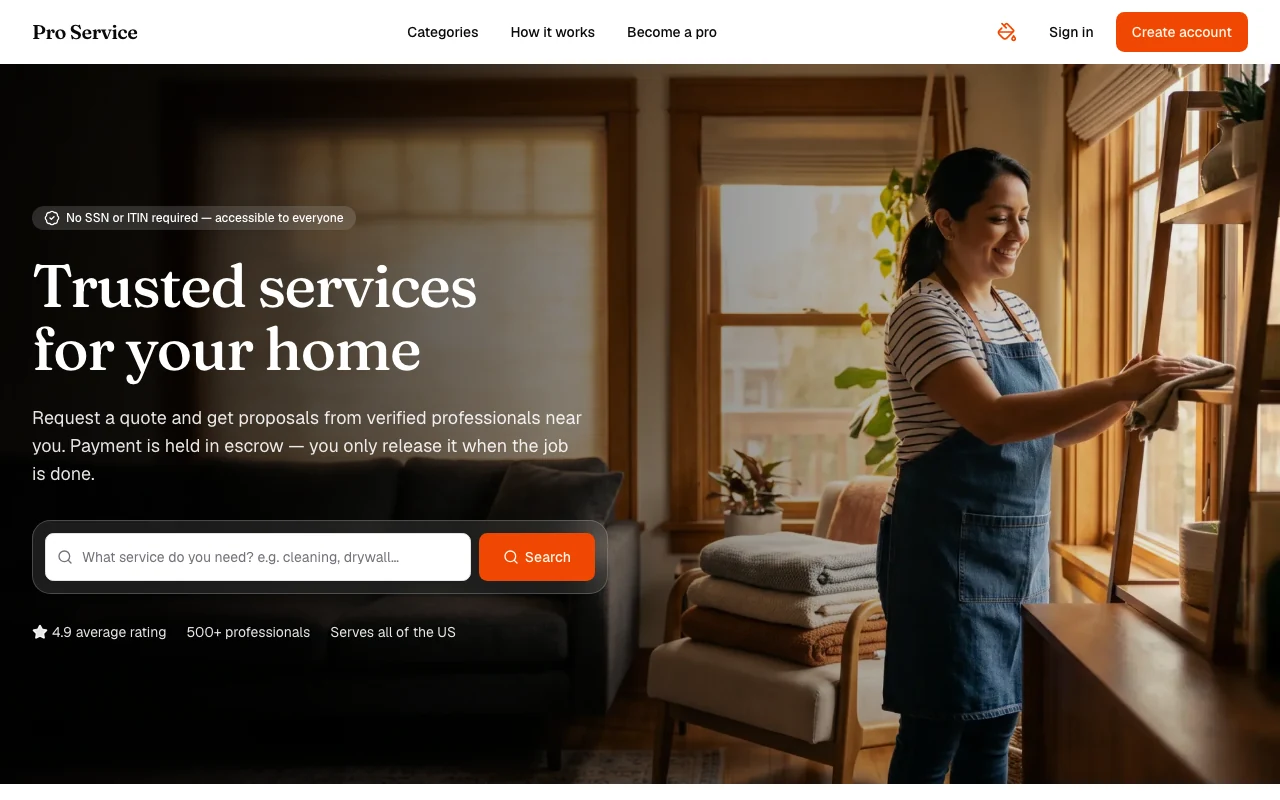
Find verified home service professionals, compare quotes, and pay securely through escrow - built for Brazilians across the US 🏠
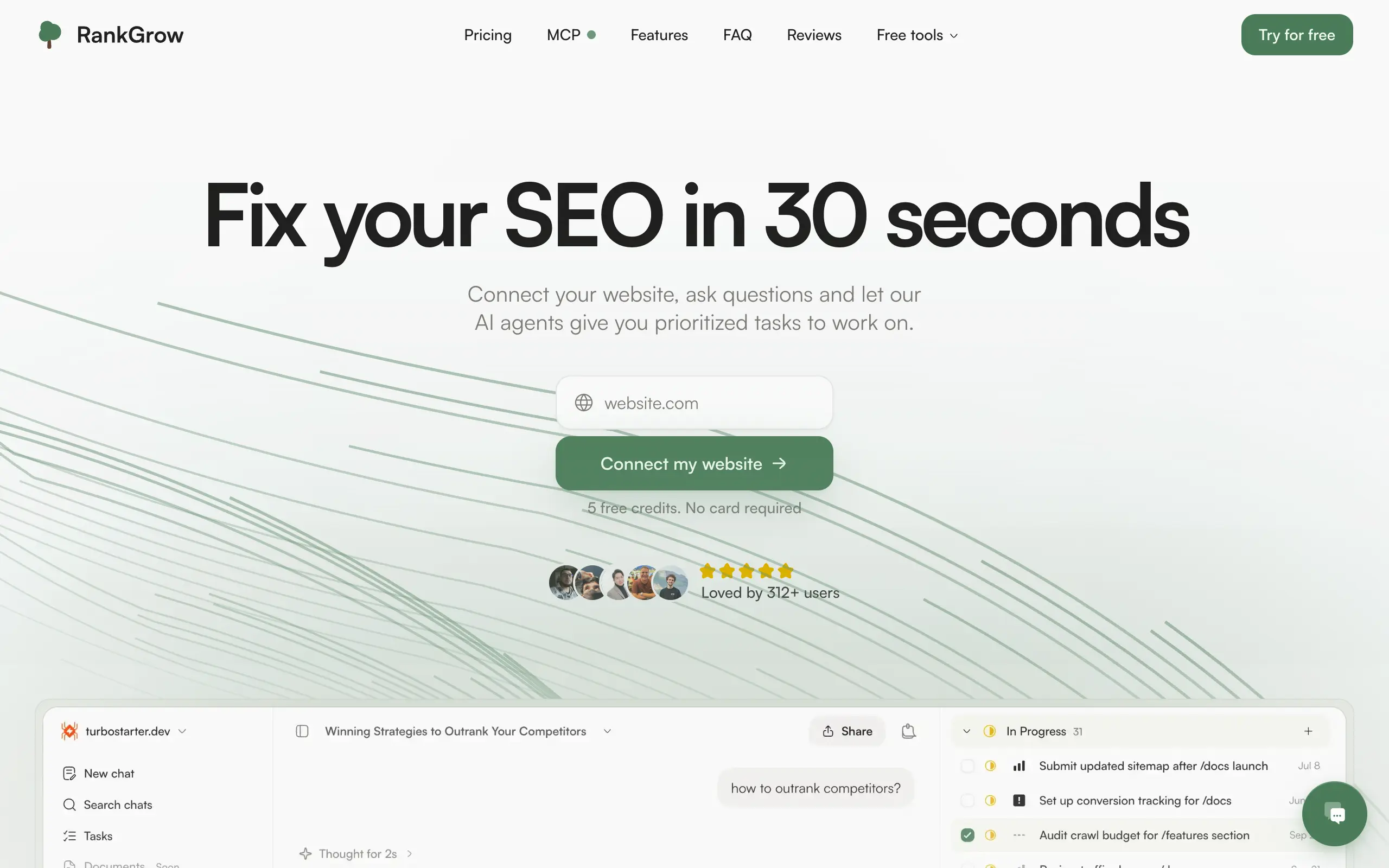
Fix your SEO with AI agents - connect Search Console, get prioritized tasks, and grow organic traffic 📈
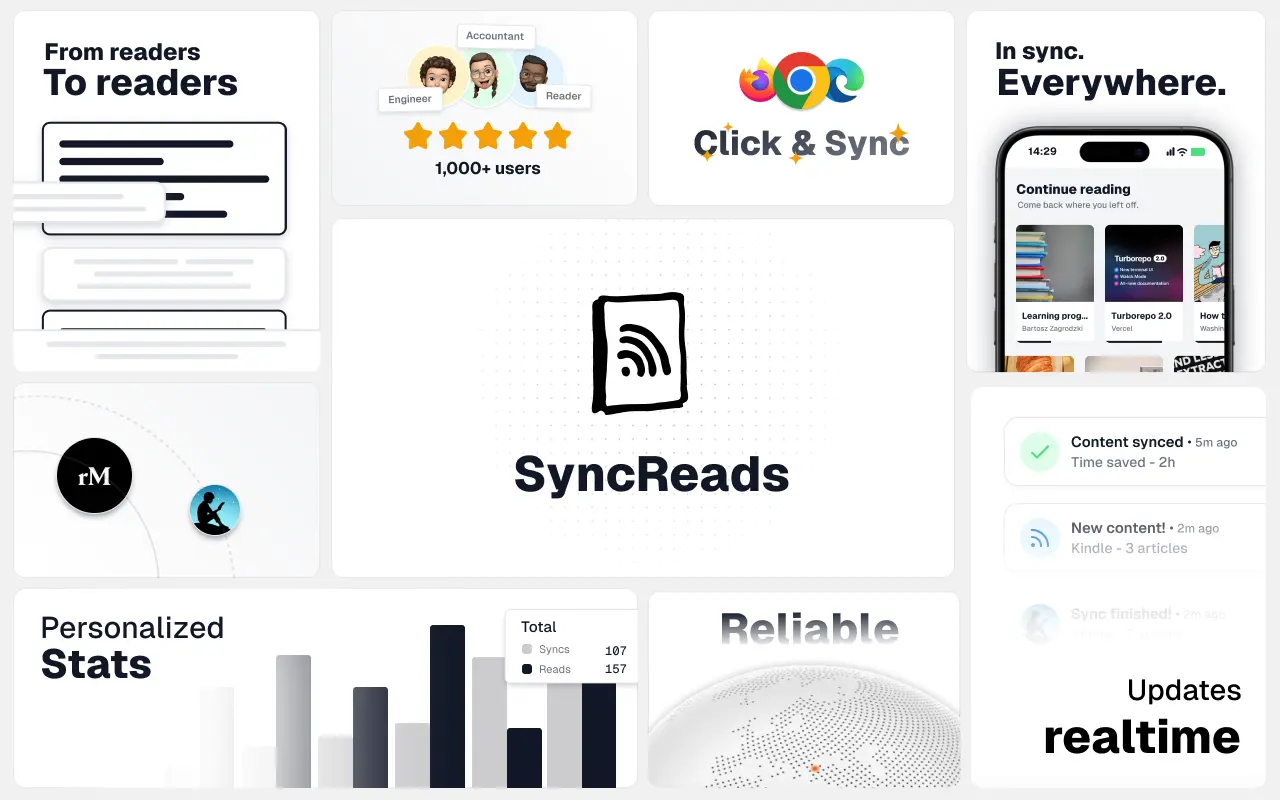
Sync your favorite content for distraction-free reading, save time and replace multiple apps. Anytime, anywhere 🔄
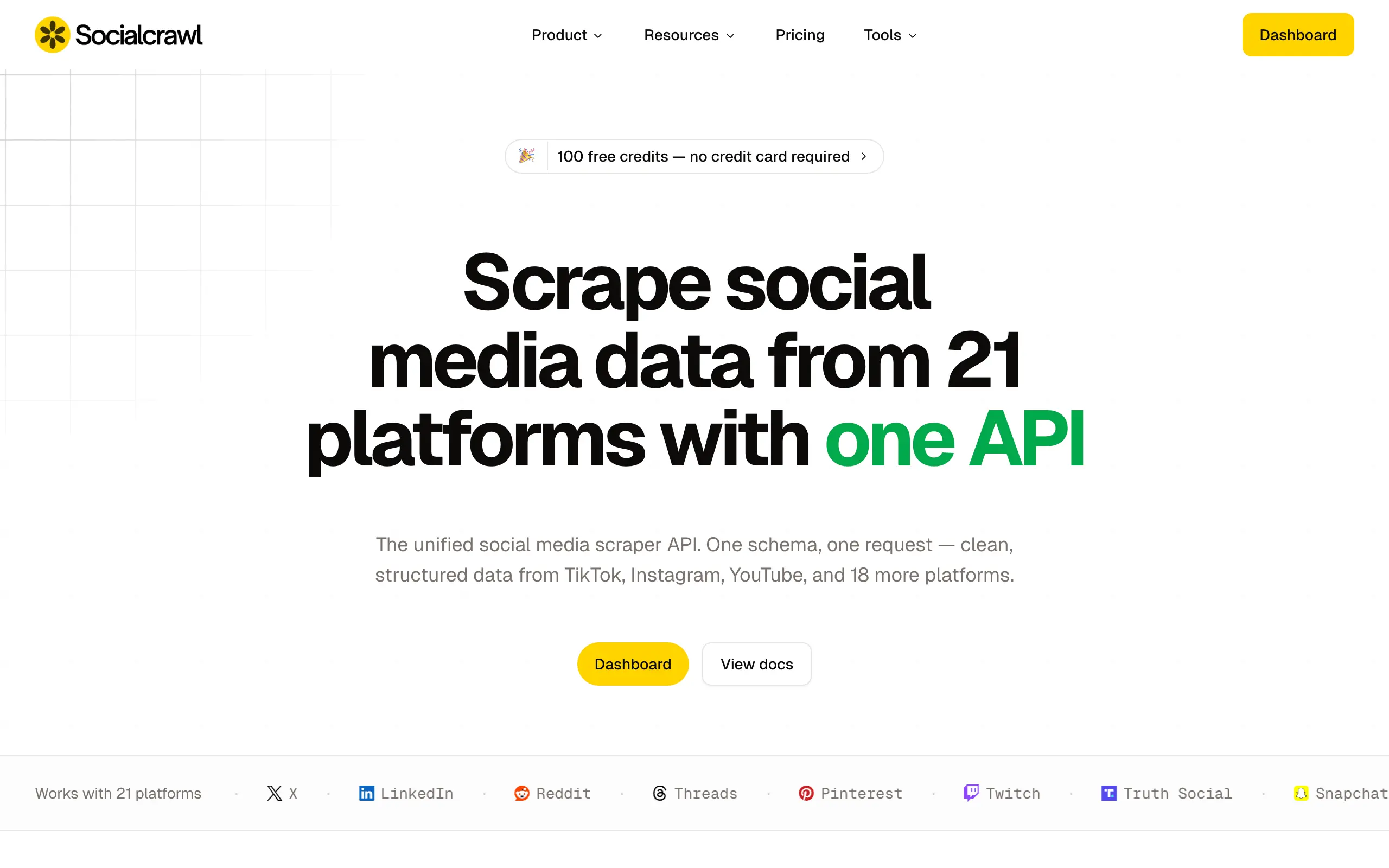
Get clean, structured data from 21 platforms like TikTok, Instagram, and YouTube with a single request 📊
Monitor any Telegram channel in real time - track posts, edits, deletions, and growth with AI recaps 📡
AI website builder - describe your business, pick a niche template, edit by chatting, and publish instantly ✨
Find verified home service professionals, compare quotes, and pay securely through escrow - built for Brazilians across the US 🏠
Fix your SEO with AI agents - connect Search Console, get prioritized tasks, and grow organic traffic 📈
Sync your favorite content for distraction-free reading, save time and replace multiple apps. Anytime, anywhere 🔄
Get clean, structured data from 21 platforms like TikTok, Instagram, and YouTube with a single request 📊
Personalized AI apps that automate research, data extraction, and content creation without code 🤖
Enjoy a magical live video chat or receive a unique AI-generated video greeting from Santa Claus 🎅
Scalable blog for food journalist, focused on performance and user experience 🌭
Personal blog and portfolio of Bart Zagrodzki, where he shares his knowledge and work 💼
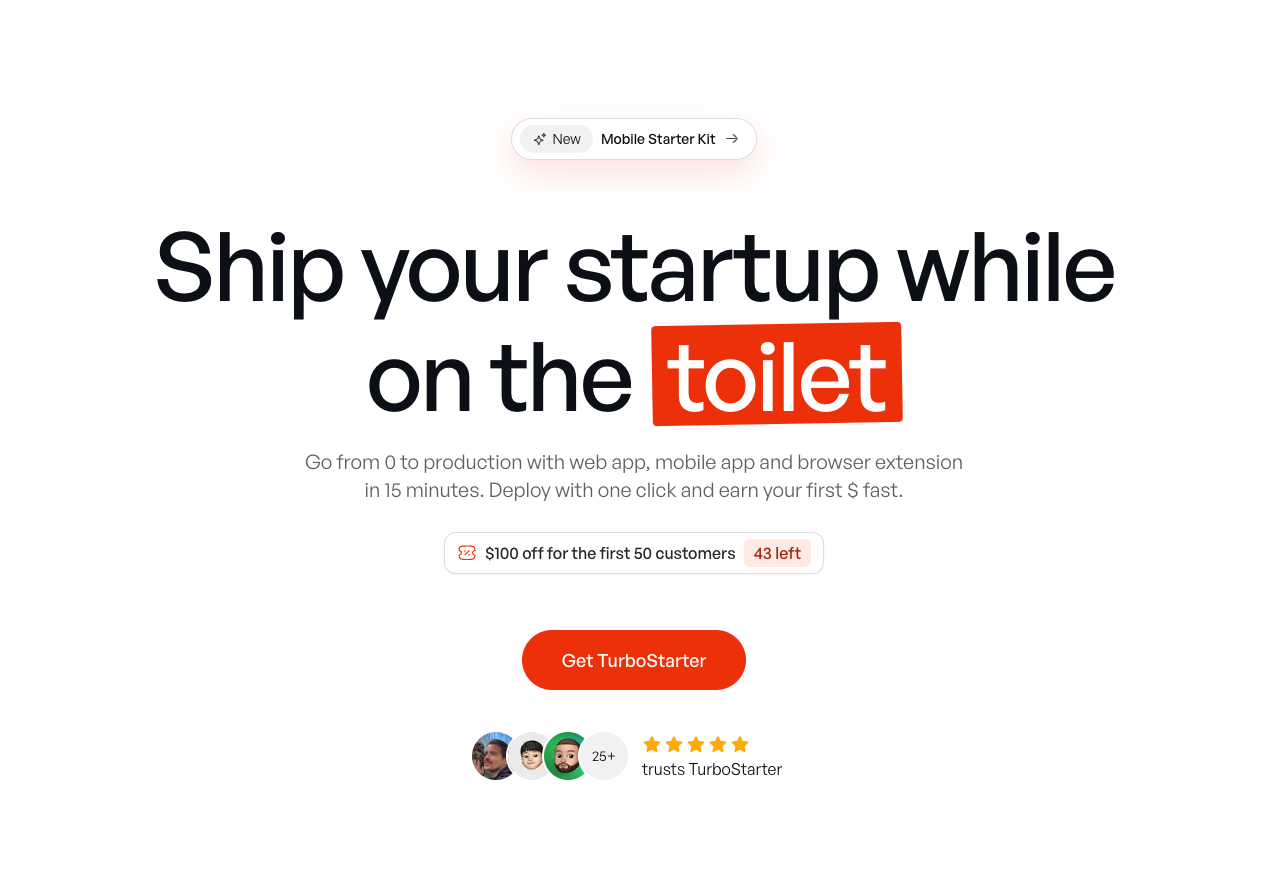
Ship your startup everywhere. In minutes.
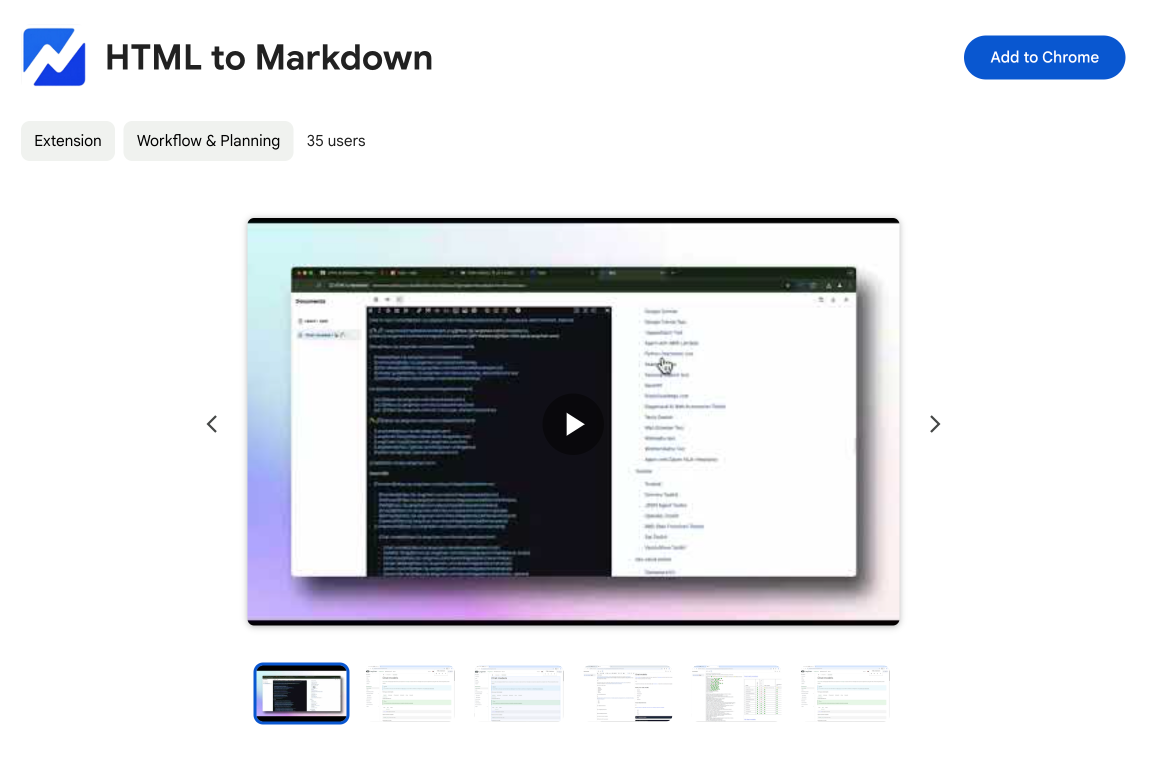
Convert HTML to Markdown with ease, directly in your browser 📄
Personalized AI apps that automate research, data extraction, and content creation without code 🤖
Enjoy a magical live video chat or receive a unique AI-generated video greeting from Santa Claus 🎅
Scalable blog for food journalist, focused on performance and user experience 🌭
Personal blog and portfolio of Bart Zagrodzki, where he shares his knowledge and work 💼
Ship your startup everywhere. In minutes.
Convert HTML to Markdown with ease, directly in your browser 📄
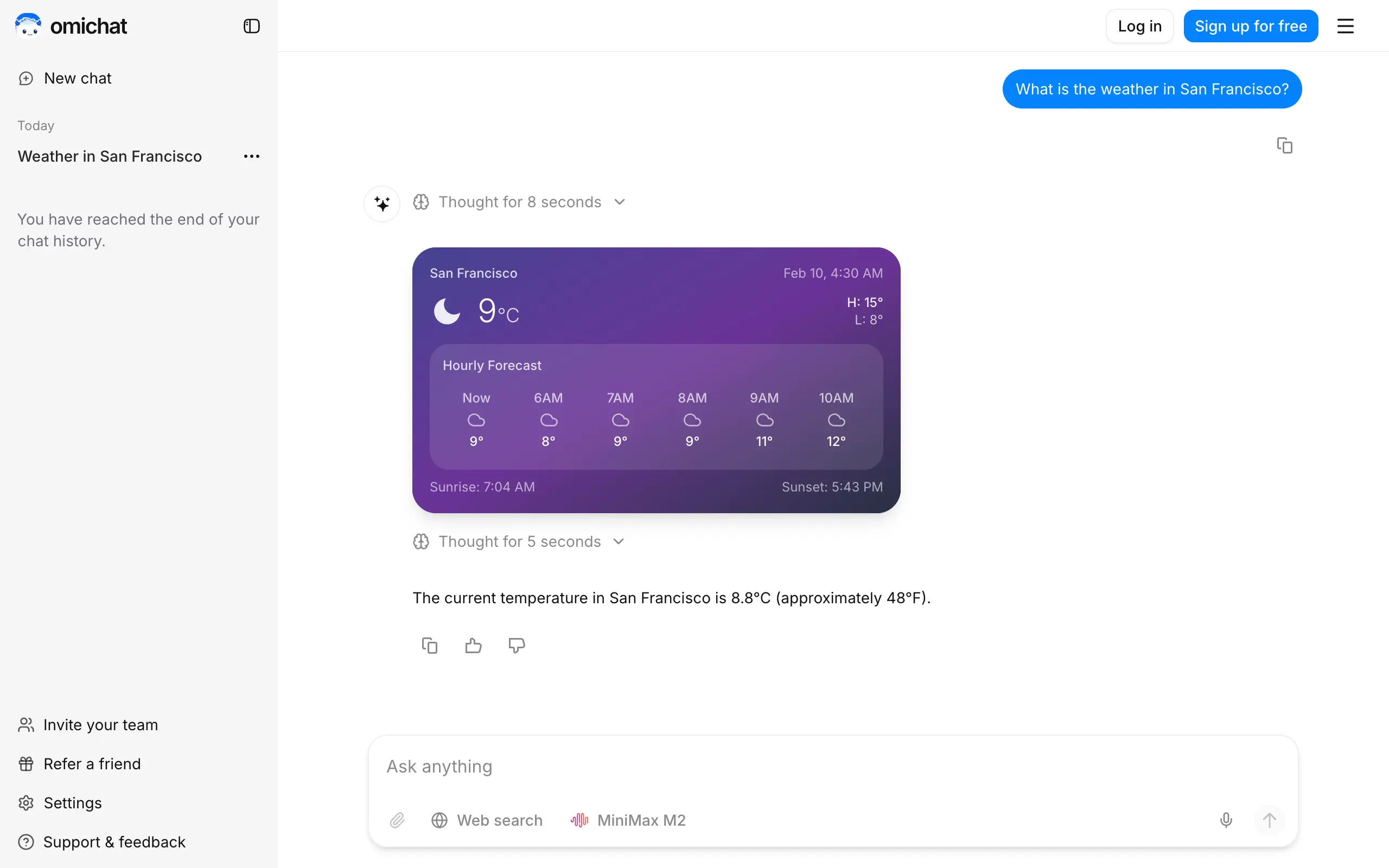
Chat with 50+ AI models, including ChatGPT and Claude, in one place - switch models anytime without losing context 🤖
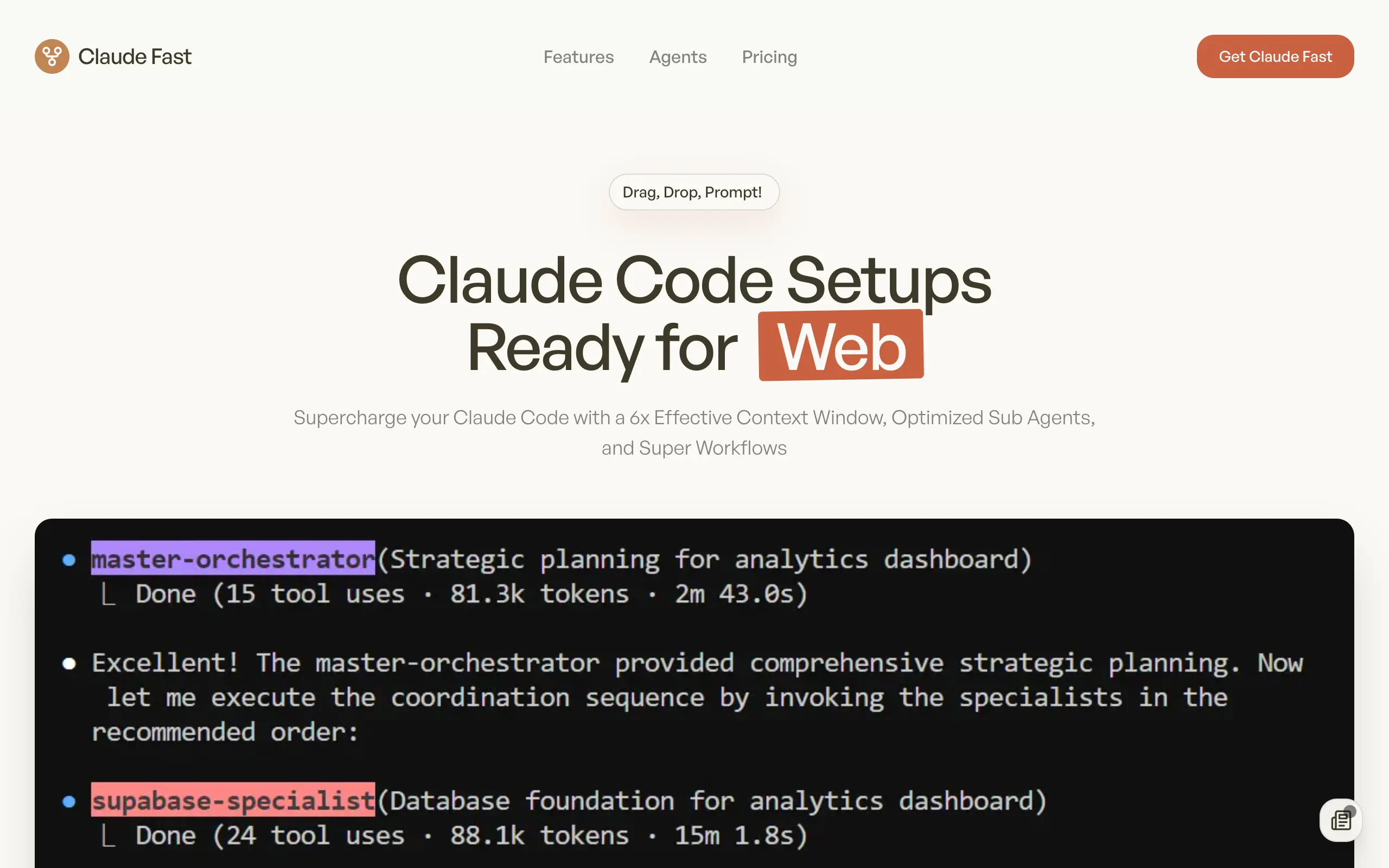
Supercharge your Claude Code with 6x effective context window and specialized AI agents 🤖
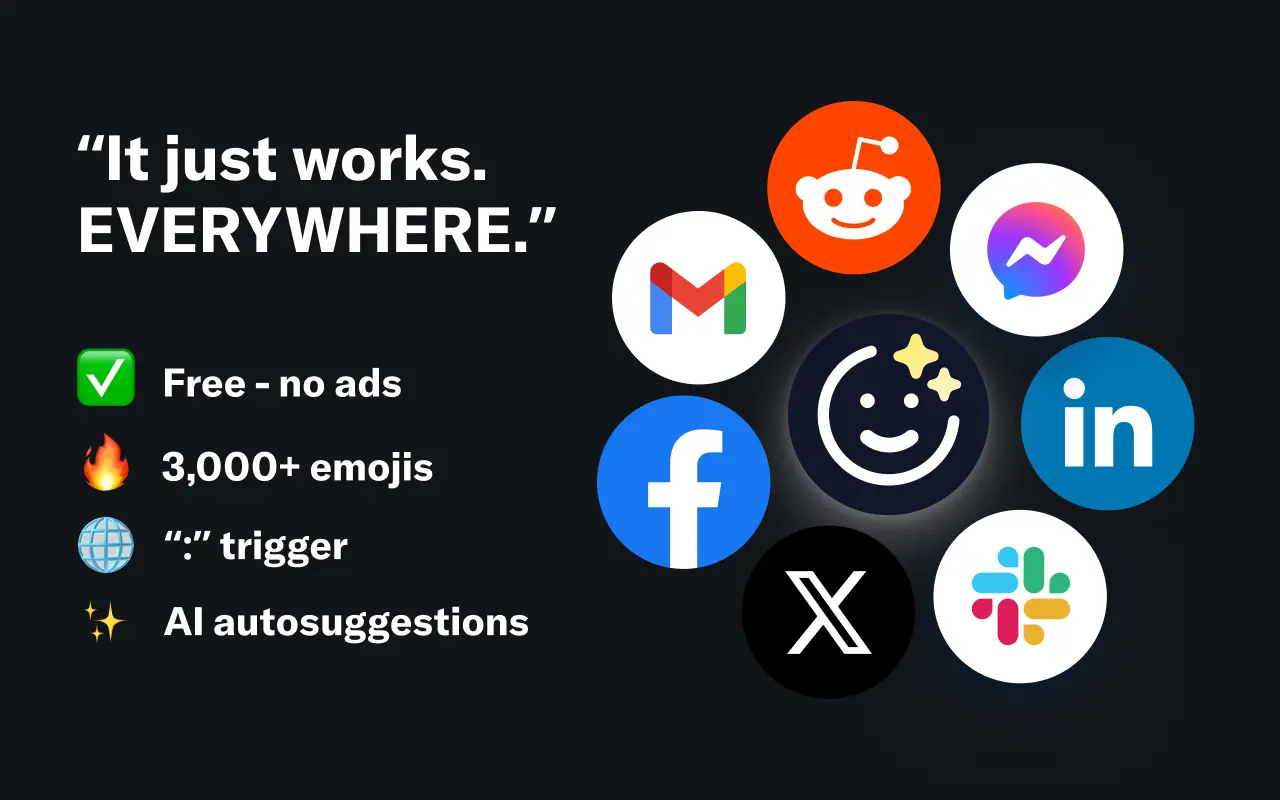
AI-powered emoji picker with smart, context-aware suggestions 🤖
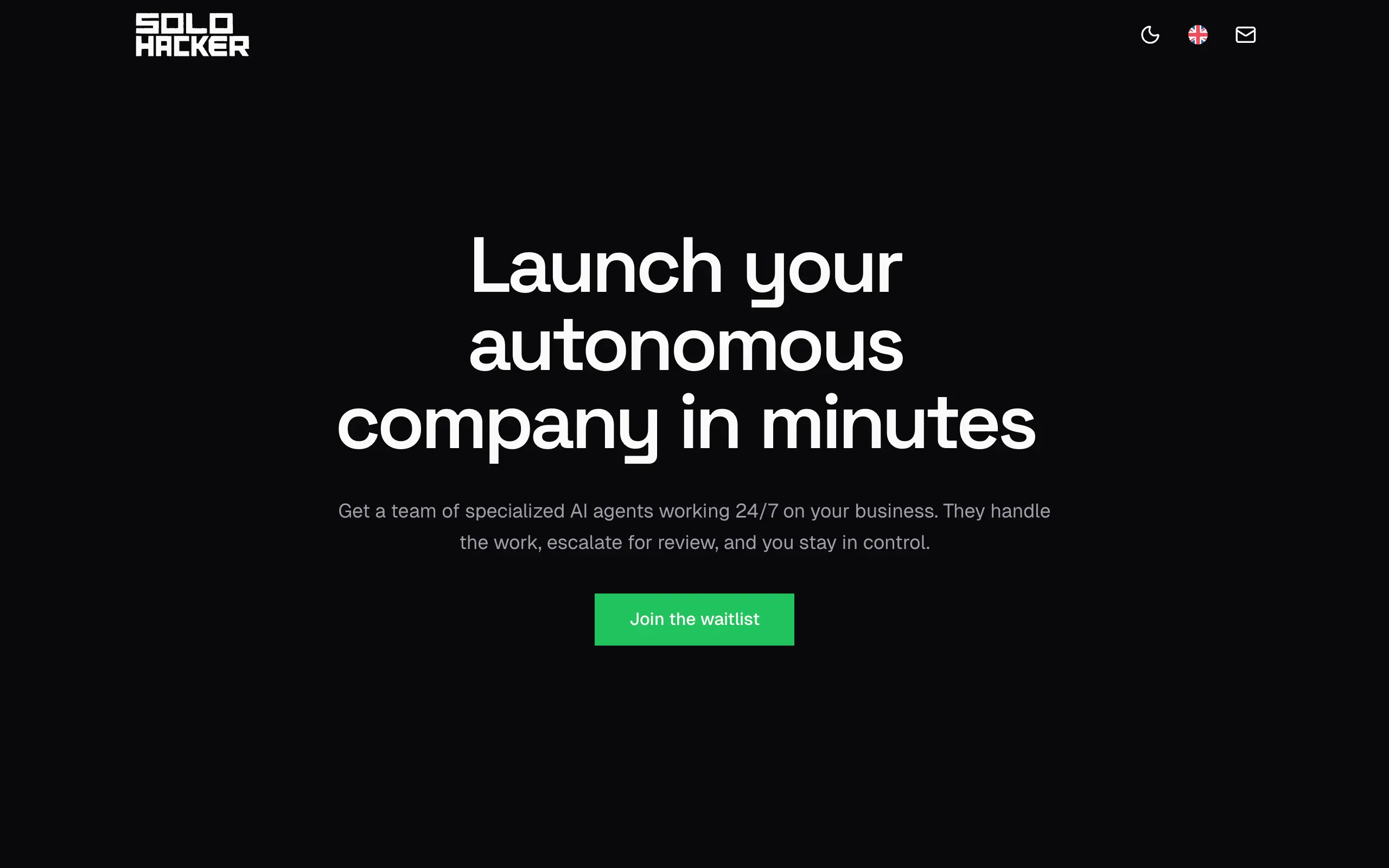
Autonomous company launcher - AI agents work 24/7, escalate what matters, and you stay in control 🤖
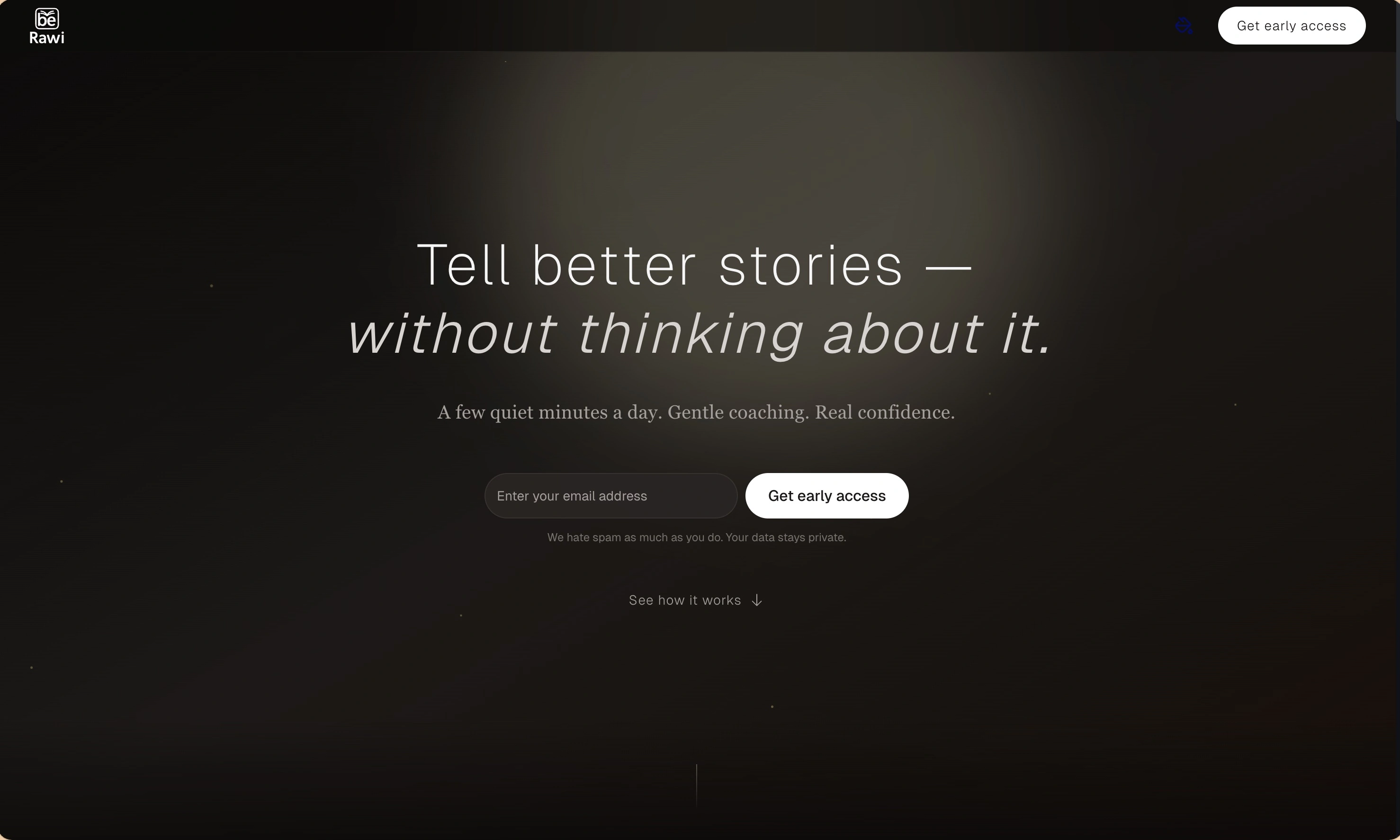
Practice storytelling daily with instant feedback to sound clearer, more engaging, and confident 🎤
Chat with 50+ AI models, including ChatGPT and Claude, in one place - switch models anytime without losing context 🤖
Supercharge your Claude Code with 6x effective context window and specialized AI agents 🤖
AI-powered emoji picker with smart, context-aware suggestions 🤖
Autonomous company launcher - AI agents work 24/7, escalate what matters, and you stay in control 🤖
Practice storytelling daily with instant feedback to sound clearer, more engaging, and confident 🎤

Connect with like-minded people
Join our community to get feedback, support, and grow together with 1,000+ builders on board, let's ship it!
Join usShip your startup everywhere. In minutes.
Don't burn tokens on setup and start building features on day one.