Renewly
Tracks software contracts and renewal dates for small agencies. It flags upcoming auto-renewals so owners can cancel before they are charged again.
Renewly is a contract and renewal tracker built for small agencies: it keeps every software subscription, its renewal date and its cancellation deadline in one place, then warns the owner before an auto-renewal charges the card. Software contract tracking for small agencies has potential in 2026 because agency stacks keep growing, annual plans with auto-renewal are the default, and the owner is usually the only person who remembers to cancel.
Key takeaways
- Target customer: owners of agencies with 3 to 25 people who pay for 20 to 80 tools and have no finance or procurement person.
- Pricing angle: flat monthly plans per agency (for example $19 to $49), anchored to the money saved on a single missed renewal.
- Biggest risk: getting contract data in reliably without forcing users into tedious manual entry.
- Time to MVP: roughly 3 to 4 weeks for a solo founder using a starter kit, assuming email forwarding and manual entry come first.
What problem does software contract tracking solve for agencies?
Small agencies lose money on renewals they meant to cancel. A tool used for one client project gets forgotten, the annual plan renews, and the owner discovers a charge of several hundred dollars on a card statement weeks later. Refunds are rare once the renewal window has passed.
Who is the ideal customer?
The sharpest profile is a founder-led agency of 3 to 25 people: design studios, marketing shops, development boutiques, small PR firms. Nobody owns procurement, so the founder or an office manager handles subscriptions between client work.
These agencies share a few traits:
- Tools are bought ad hoc by account leads, designers or freelancers, often on a shared company card.
- Many tools are annual plans with auto-renewal, chosen for the discount.
- Per-client tools (stock libraries, plugins, hosting, scheduling apps) appear and fade with projects.
- Nobody has time to audit the stack.
What do they do today, and why does it fail?
The common workaround is a spreadsheet plus calendar reminders. It works for the first ten tools and then decays. Rows go stale, nobody records the cancellation deadline (which is often earlier than the renewal date), and the person who bought the tool leaves or forgets to add it.
The other workaround is reading card statements monthly. That finds charges after the fact, which is exactly when it is too late.
Is there a market gap for renewal tracking in 2026?
Yes, in the middle. Large SaaS management platforms exist for companies with IT and procurement teams, and they are priced and scoped accordingly. Consumer subscription trackers exist, but they are built around personal streaming and app subscriptions, not business contracts with notice periods, seats and multiple owners.
Small agencies sit between those two. They have business-grade problems but no budget or patience for enterprise onboarding.
Why now?
- Stack sprawl continues. Agencies adopt new AI tools, design tools and automation tools constantly, and many are billed annually.
- Cost scrutiny is high. Owners are watching margins, and a recurring "zombie" subscription is an easy, visible saving.
- Inbox parsing is practical. Modern language models can extract vendor, price, renewal date and notice period from a receipt or renewal email reasonably well, which removes the worst part of manual entry.
- Remote teams hide purchases. When freelancers and staff buy tools on their own, the owner loses sight of what exists.
The honest caveat: this is a small-ticket product. It wins by being cheap, fast to set up and obviously worth it, not by deep functionality.
What should the Renewly MVP include?
Build the smallest thing that produces one moment: the owner sees a list of upcoming renewals with cancel-by dates and realizes something on it should be cancelled. That is the aha moment, and it should happen within ten minutes of signing up.
Renewal inbox import
Forward receipts and renewal emails to a unique address and have vendor, amount, date and notice period extracted for review.
Cancel-by calendar
A timeline of upcoming renewals sorted by the date you must act, not the date you get charged.
Smart alerts
Email and Slack-style reminders at 30, 14 and 3 days before the cancellation deadline, sent to the right owner.
Keep or cancel decisions
One-click marking of each contract as keep, cancel or review, with a short note and an assigned owner.
What to cut at first
- Bank and card connections. They add compliance and integration work and are not required to prove value.
- Automatic cancellation. It is fragile, vendor-specific and a support burden.
- Usage analytics per tool.
- Multi-currency accounting and approvals workflows.
Manual entry plus email forwarding is enough. Add a CSV import for people migrating from a spreadsheet, since that is your real competitor.
How is Renewly different from spreadsheets and incumbents?
The unique selling proposition is simple: Renewly tracks the cancel-by date, not just the renewal date, and chases the right person before it passes. Everything else in the product supports that promise.
| Option | Tracks cancel-by dates | Setup effort | Built for small agencies | Proactive alerts |
|---|---|---|---|---|
| Renewly | ✅ | Minutes | ✅ | ✅ |
| Spreadsheet and calendar | Manual | Low, then decays | Generic | Manual |
| Enterprise SaaS management | ✅ | Weeks | ❌ | ✅ |
| Personal subscription trackers | ❌ | Minutes | ❌ | Partial |
| Card statement review | ❌ | None | Generic | ❌ |
The moat is not technology. It is a focused workflow, good defaults for agencies and trust built by being right about dates.
How would Renewly make money?
Keep pricing flat and easy to justify. The buyer compares the price to one avoided renewal.
Option 1: flat tiers per agency
For example, $19/month for up to 30 tracked contracts and $49/month for unlimited contracts and multiple team members. Assuming you convert 3% of trial users and reach 1,000 trials over a few months, that is about 30 paying agencies, or roughly $570 to $1,500 in monthly revenue depending on mix. Treat these as planning assumptions, not forecasts.
Option 2: annual plans with a discount
Agencies understand annual billing. Offering two months free improves cash flow and reduces churn, though you should be aware that the churn risk here is real: if the tool does not catch a renewal in the first few months, people question its value.
Option 3: a one-time audit offer
Sell a paid "stack audit" where you import their data and produce a savings report. It is manual, but it can fund early development and reveals what customers actually need.
Which growth channel works first?
Direct outreach and communities where agency owners gather. Think founder groups, agency Slack communities and LinkedIn posts that show a real, anonymized renewal calendar. A free "renewal risk checker" that accepts a CSV and shows upcoming cancel-by dates is a strong lead magnet because it demonstrates the aha moment before signup.
How do you validate software contract tracking before building?
Run a one to two week plan aimed at proving that owners will hand over their data and pay.
Interview ten agency owners
Ask them to open their card statement and walk through the last three surprise charges. Note how they found out and how much it cost.
Test the spreadsheet baseline
Ask whether they keep a renewal list. If they do, ask to see it and check how many cancel-by dates are recorded.
Publish a landing page
State one promise, such as "Never pay for a tool you meant to cancel," and collect waitlist emails with a short question about team size.
Offer a manual pilot
Take five agencies' renewal emails or CSVs and build their calendar by hand in a spreadsheet. If they ask for the next month's update, you have pull.
Ask for a pre-sale
Offer a discounted annual plan before launch. Even three to five paid commitments are a stronger signal than hundreds of waitlist signups.
What tech stack do you need to build a renewal tracker?
The product is a standard multi-tenant web app with a database, scheduled jobs, inbound email handling and a small AI extraction step. The undifferentiated parts (accounts, billing, teams, emails) should not consume your first month.
TurboStarter provides a ready-made monorepo for web and mobile apps with authentication, organizations and teams, billing, database, emails, file storage, AI, background tasks, an admin panel, analytics, internationalization and monitoring. That lets you spend your time on the import pipeline and the alert logic, which is where Renewly actually wins.
Which parts map to what you need?
- Accounts and agencies: authentication and organizations cover sign-in and the agency workspace with several members.
- Subscriptions: billing handles your own plans, trials and upgrades.
- Reminders: background tasks run the daily job that finds contracts approaching their cancel-by date.
- Extraction: AI supports parsing forwarded emails into structured fields.
A minimal data model
type Contract = {
  id: string;
  organizationId: string;
  vendor: string;
  amountCents: number;
  currency: string;
  billingPeriod: "monthly" | "annual";
  renewalDate: Date;
  noticeDays: number; // cancel-by = renewalDate minus noticeDays
  ownerId: string | null;
  status: "keep" | "cancel" | "review";
  sourceEmailId: string | null;
};
The cancel-by date is derived, not stored, so changing the notice period never leaves stale data.
Which AI approach for extraction?
Send the email text to a hosted model and request structured JSON. This is the fastest route to a working import and handles messy vendor formats. The trade-off is per-email cost and the need to review low-confidence results.
Use regex and vendor templates for the top 30 tools, then fall back to a model for the rest. It lowers cost and increases consistency for common vendors, but takes longer to build and maintain. Start with the hosted API and add rules only where volume justifies it.
Always show extracted fields for human confirmation. A wrong date is worse than no date.
What could make Renewly fail?
Biggest risk: unreliable dates destroy trust
If Renewly misses a renewal or shows a wrong cancel-by date, the user pays the charge the product promised to prevent. Require confirmation on every extracted contract, show a confidence flag, and tell users plainly which entries are unverified. Accuracy matters more than automation in the first version.
The other real risks:
- Low urgency. Owners agree it is a problem but never act. Mitigate by selling on one concrete saving and getting the aha moment inside the first session.
- Small ticket size. Revenue per customer is low, so acquisition must be cheap. Favor outreach, communities and a free checker over paid ads.
- Data entry fatigue. If import is tedious, the calendar stays empty. Prioritize email forwarding and CSV import over polished dashboards.
- Competitors adding the feature. Broader finance or expense tools may add renewal alerts. Your defense is focus on agencies and speed of setup.
What is a 30-day plan to launch Renewly?
- Days 1 to 5: run owner interviews, publish the landing page and start the waitlist.
- Days 6 to 10: pilot manually with three to five agencies and collect their real renewal data.
- Days 11 to 18: set up the app from TurboStarter, model contracts and build manual entry plus CSV import.
- Days 19 to 24: add email forwarding, extraction with confirmation, and the daily alert job.
- Days 25 to 28: onboard pilot agencies, fix the rough edges and open paid plans.
- Days 29 to 30: post in two agency communities with the free renewal checker and book follow-up calls.
Pick one narrow audience, such as small design studios, and ship the smallest version that catches a real renewal. Everything else can wait for paying customers to ask for it.
FAQ
Probably, but confirm it with your own interviews. The signal to look for is owners who can name a specific recent renewal they missed and what it cost. If most shrug it off, the pain is too weak to charge for.
Start with flat pricing between roughly $19 and $49 per month per agency. The price should feel small next to one avoided annual renewal. Test two price points on your landing page and with pre-sales before committing.
Spreadsheets with calendar reminders are the main rival. Beyond that, enterprise SaaS management platforms and personal subscription trackers cover parts of the problem but are aimed at larger companies or consumers. Your gap is a fast, agency-specific tool focused on cancel-by dates.
A TypeScript web app with a relational database such as Postgres, a scheduled job runner and an LLM API for extraction is enough. Using a starter kit like TurboStarter covers auth, teams, billing and emails so you can focus on import and alerts.
A solo developer can typically ship a useful MVP in 3 to 4 weeks when using a starter kit and keeping scope to manual entry, CSV and email import, and reminders. Costs are mostly your time, hosting, email sending and per-email AI usage, which stay small at low volume.
Not at first. Card and bank connections add integration, security and compliance work before you have proven demand. Email forwarding and CSV import deliver the same aha moment with far less risk.
More 💡 Other SaaS ideas
Discover more innovative other SaaS ideas that are trending in 2026. Each idea is AI-generated with market validation and growth potential to help you find your next profitable venture faster than competitors.
Your competitors are building with TurboStarter
Below are some of the SaaS ideas that have been generated and built with our starter kit.

Monitor any Telegram channel in real time - track posts, edits, deletions, and growth with AI recaps 📡

AI website builder - describe your business, pick a niche template, edit by chatting, and publish instantly ✨

Find verified home service professionals, compare quotes, and pay securely through escrow - built for Brazilians across the US 🏠
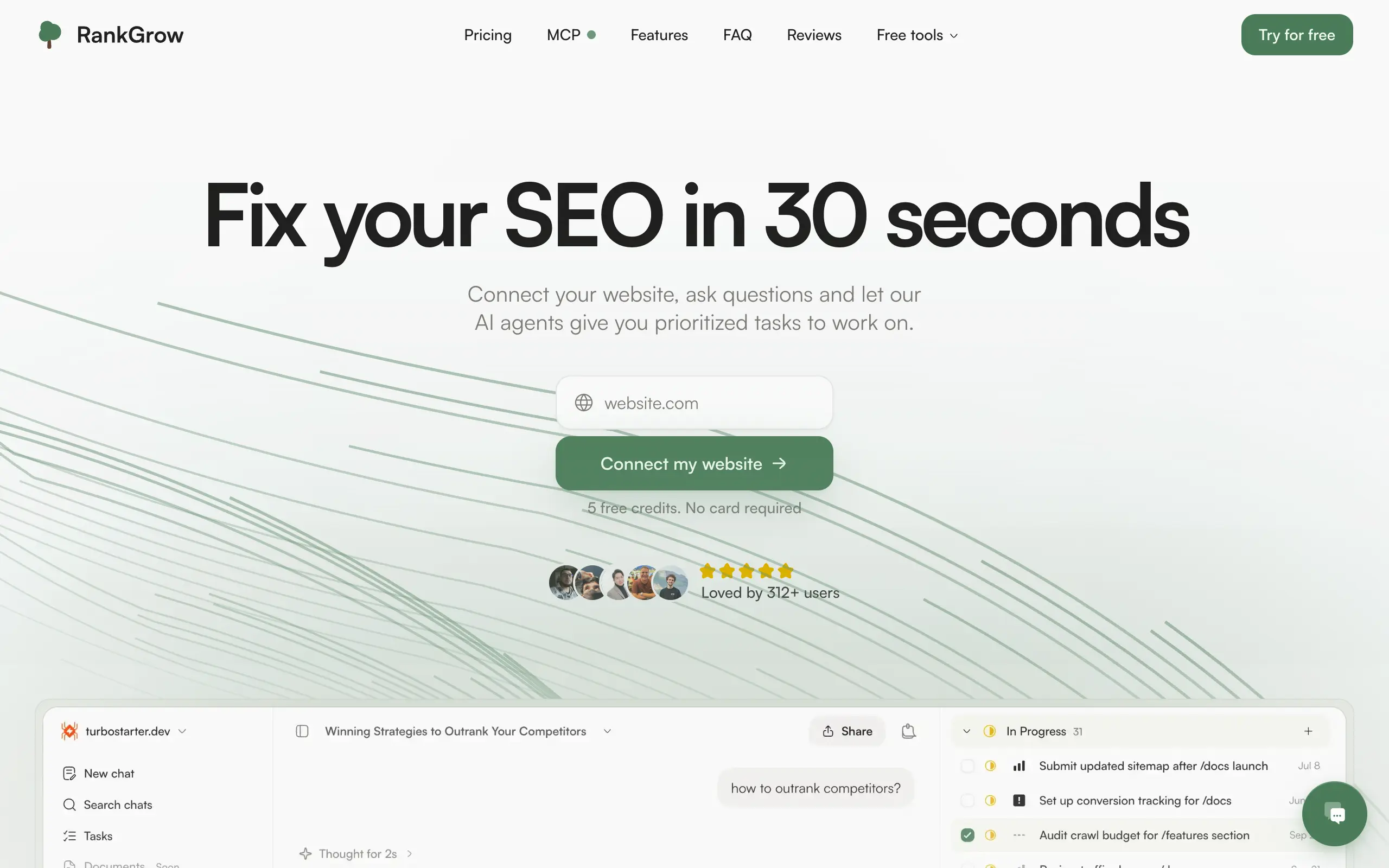
Fix your SEO with AI agents - connect Search Console, get prioritized tasks, and grow organic traffic 📈
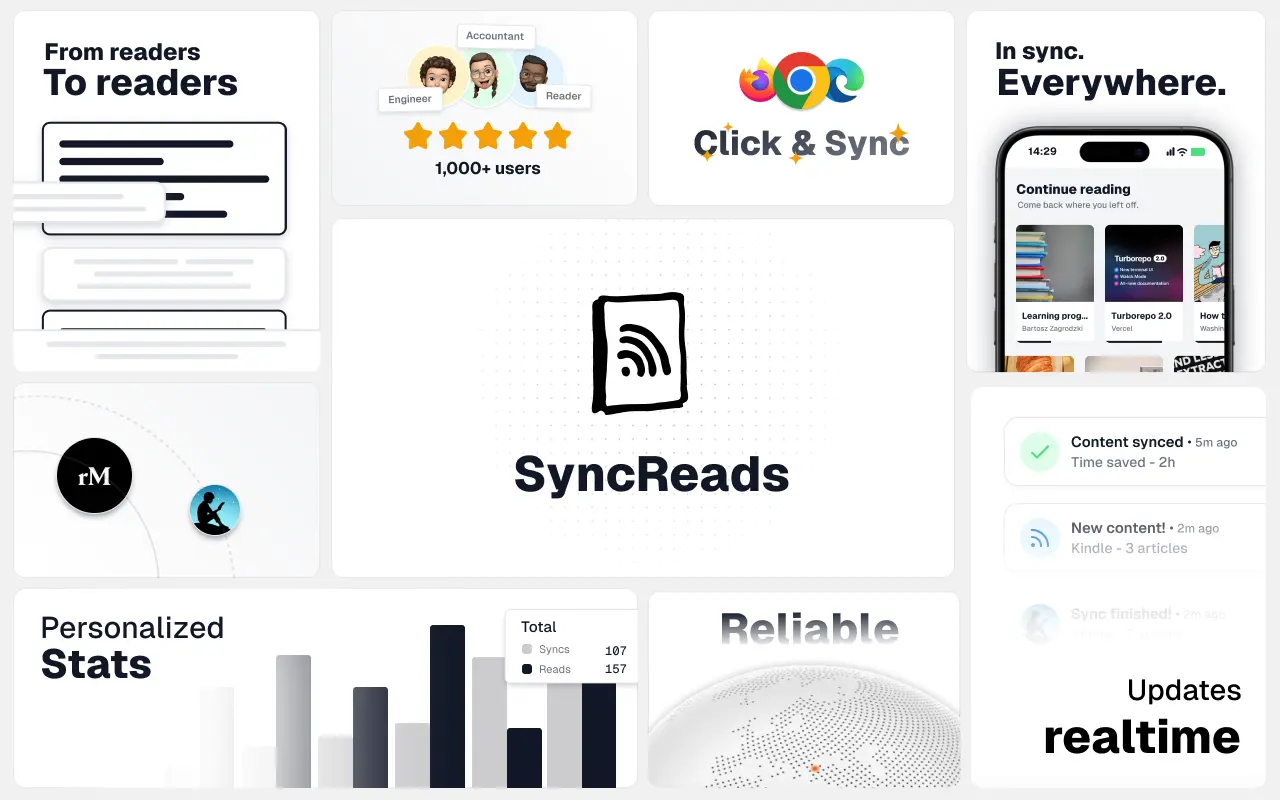
Sync your favorite content for distraction-free reading, save time and replace multiple apps. Anytime, anywhere 🔄
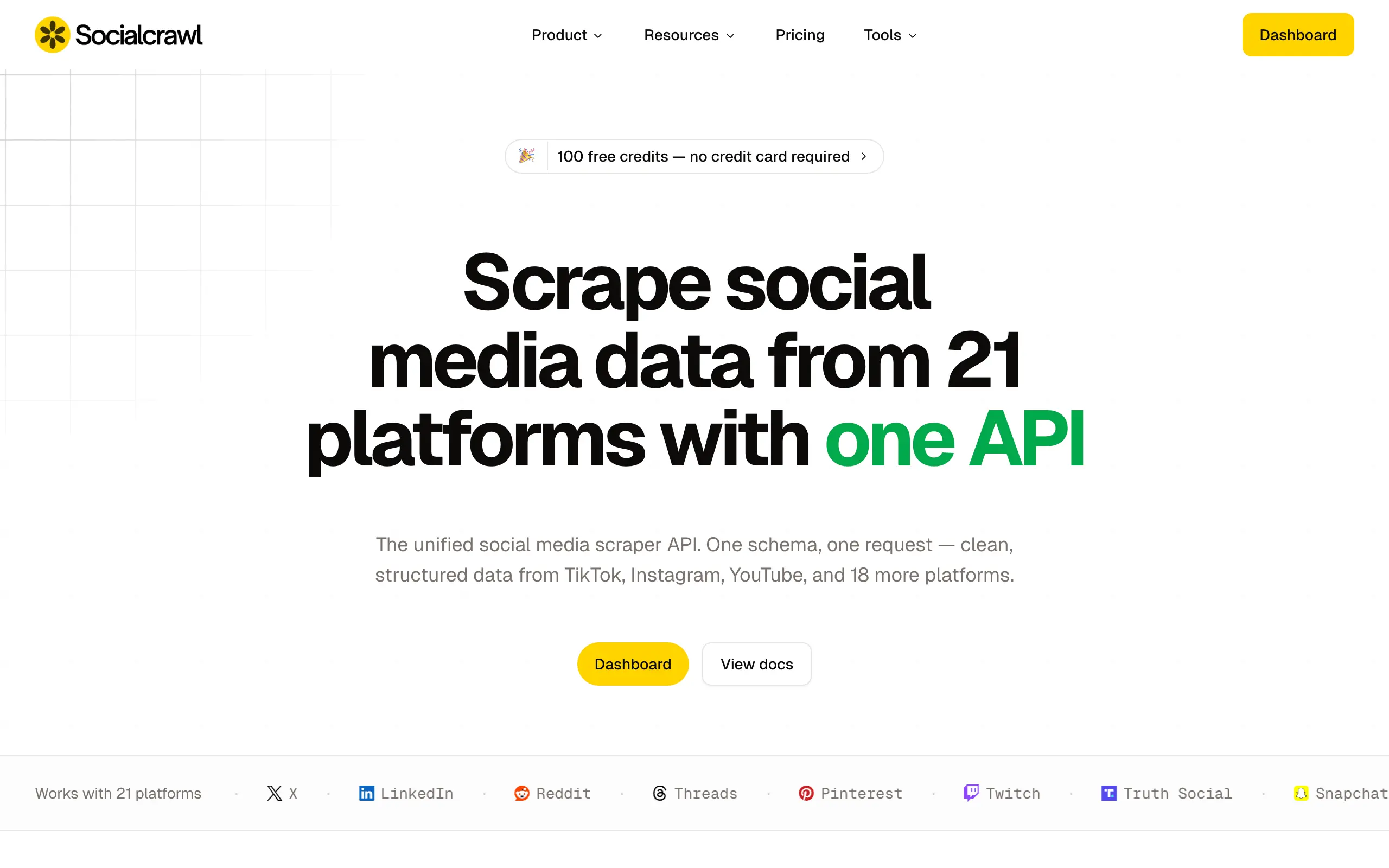
Get clean, structured data from 21 platforms like TikTok, Instagram, and YouTube with a single request 📊
Monitor any Telegram channel in real time - track posts, edits, deletions, and growth with AI recaps 📡
AI website builder - describe your business, pick a niche template, edit by chatting, and publish instantly ✨
Find verified home service professionals, compare quotes, and pay securely through escrow - built for Brazilians across the US 🏠
Fix your SEO with AI agents - connect Search Console, get prioritized tasks, and grow organic traffic 📈
Sync your favorite content for distraction-free reading, save time and replace multiple apps. Anytime, anywhere 🔄
Get clean, structured data from 21 platforms like TikTok, Instagram, and YouTube with a single request 📊
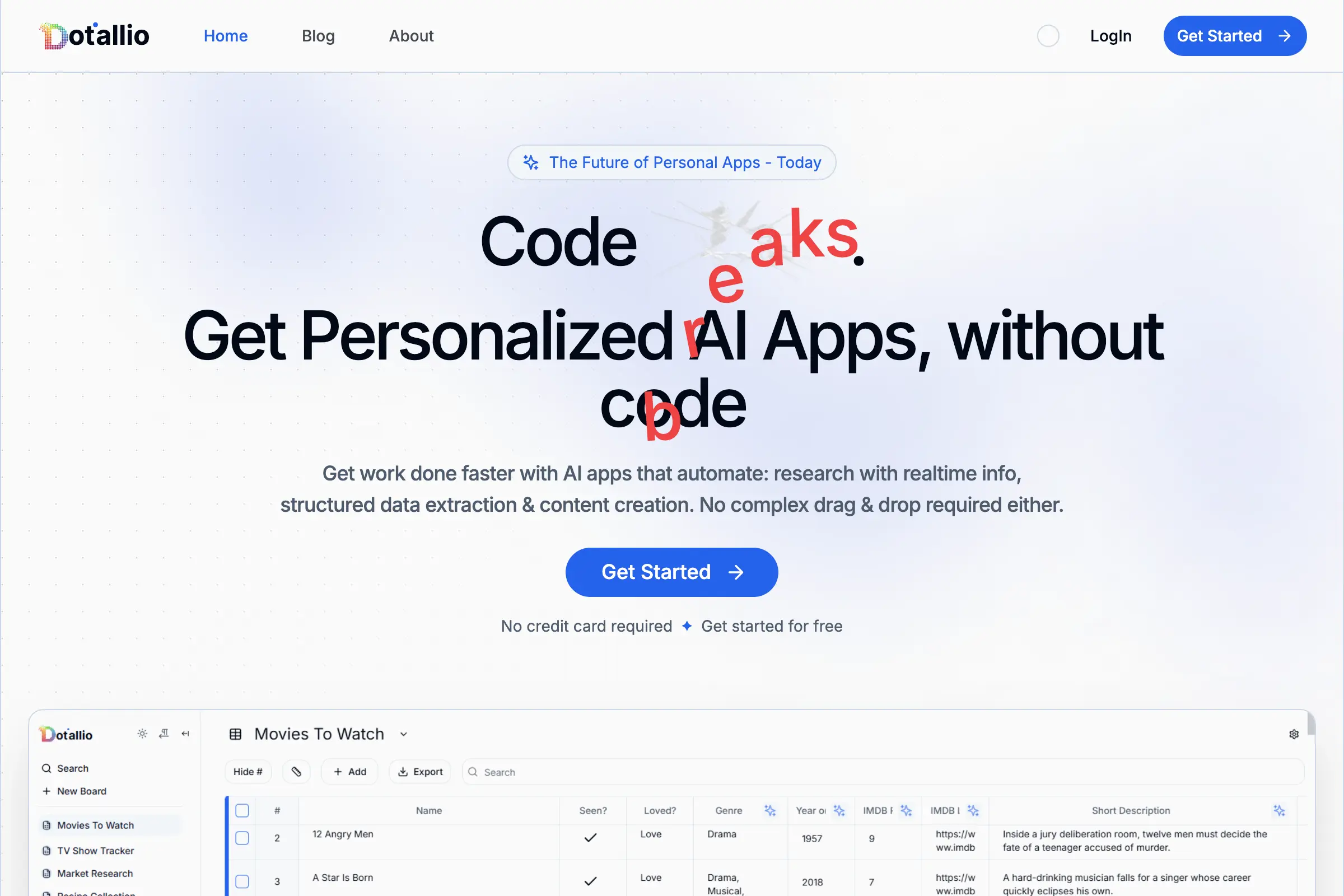
Personalized AI apps that automate research, data extraction, and content creation without code 🤖

Enjoy a magical live video chat or receive a unique AI-generated video greeting from Santa Claus 🎅

Scalable blog for food journalist, focused on performance and user experience 🌭
Personal blog and portfolio of Bart Zagrodzki, where he shares his knowledge and work 💼
Ship your startup everywhere. In minutes.
Convert HTML to Markdown with ease, directly in your browser 📄
Personalized AI apps that automate research, data extraction, and content creation without code 🤖
Enjoy a magical live video chat or receive a unique AI-generated video greeting from Santa Claus 🎅
Scalable blog for food journalist, focused on performance and user experience 🌭
Personal blog and portfolio of Bart Zagrodzki, where he shares his knowledge and work 💼
Ship your startup everywhere. In minutes.
Convert HTML to Markdown with ease, directly in your browser 📄
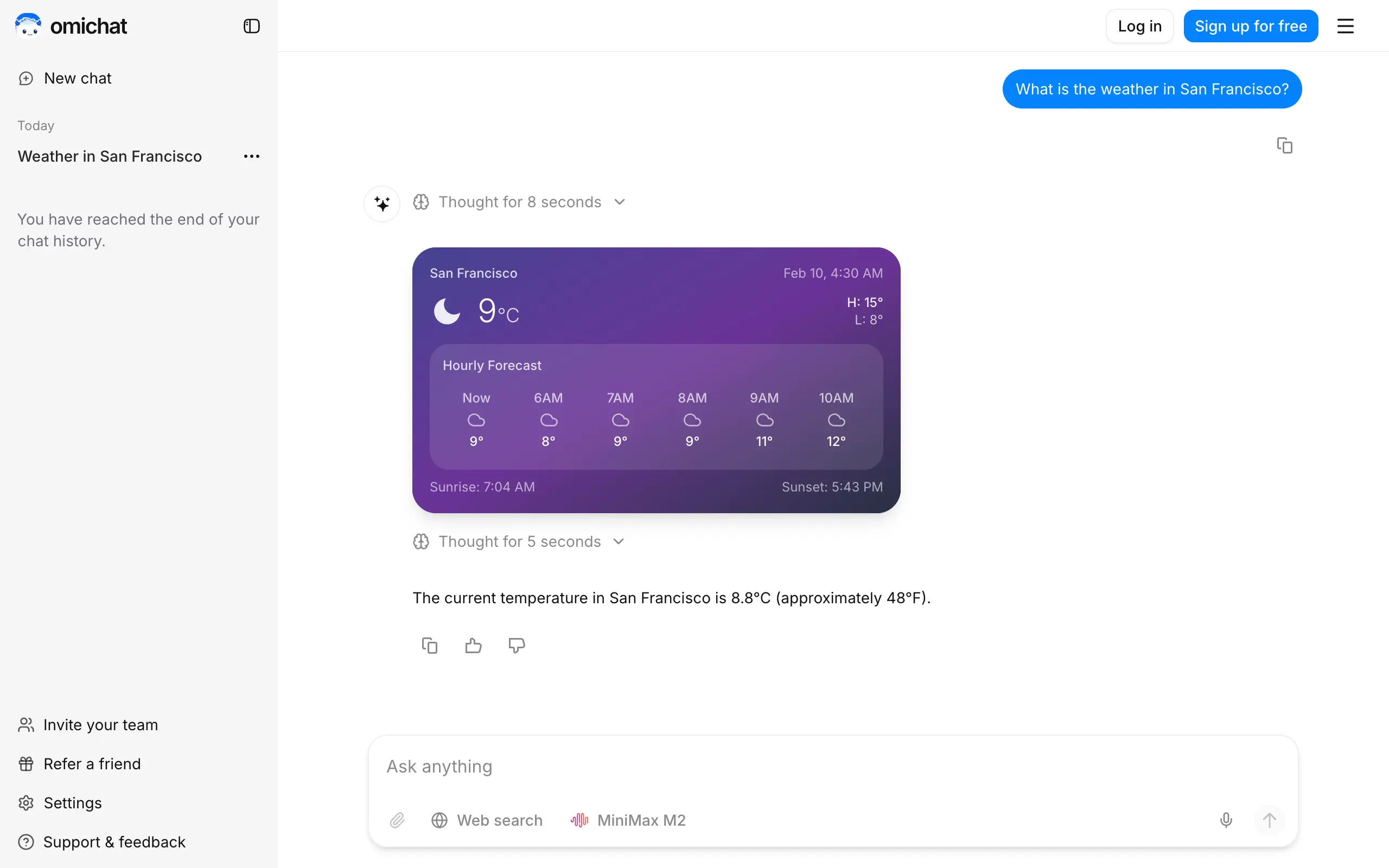
Chat with 50+ AI models, including ChatGPT and Claude, in one place - switch models anytime without losing context 🤖
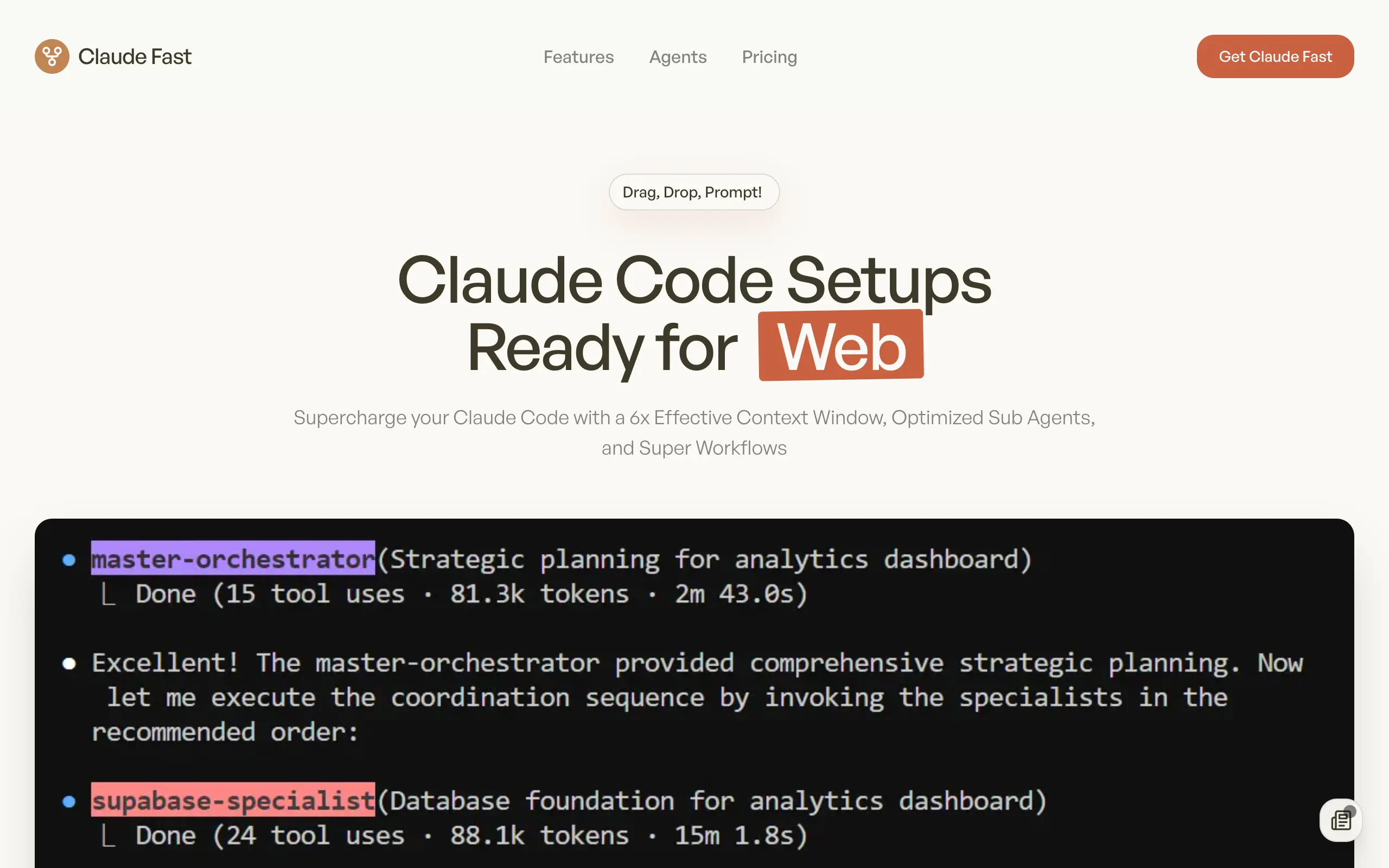
Supercharge your Claude Code with 6x effective context window and specialized AI agents 🤖
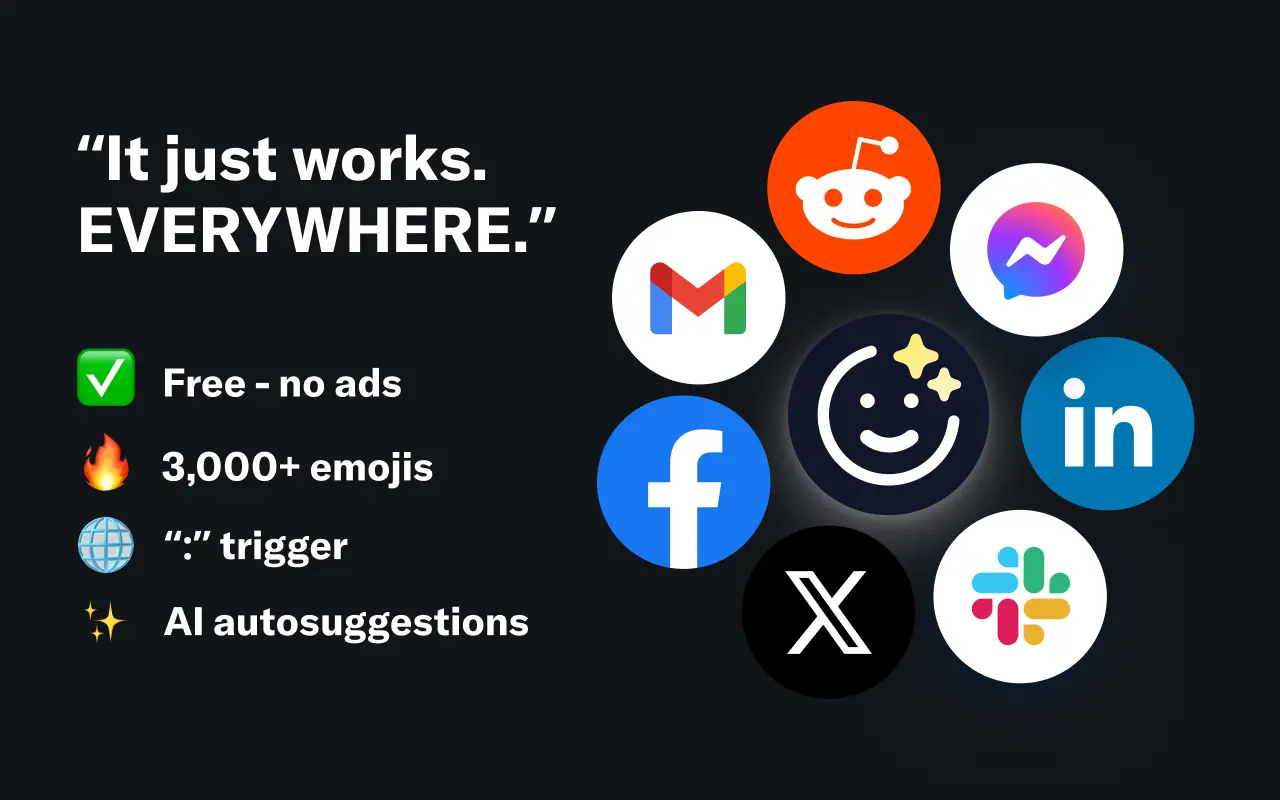
AI-powered emoji picker with smart, context-aware suggestions 🤖
Autonomous company launcher - AI agents work 24/7, escalate what matters, and you stay in control 🤖
Practice storytelling daily with instant feedback to sound clearer, more engaging, and confident 🎤
Chat with 50+ AI models, including ChatGPT and Claude, in one place - switch models anytime without losing context 🤖
Supercharge your Claude Code with 6x effective context window and specialized AI agents 🤖
AI-powered emoji picker with smart, context-aware suggestions 🤖
Autonomous company launcher - AI agents work 24/7, escalate what matters, and you stay in control 🤖
Practice storytelling daily with instant feedback to sound clearer, more engaging, and confident 🎤

Connect with like-minded people
Join our community to get feedback, support, and grow together with 1,000+ builders on board, let's ship it!
Join usShip your startup everywhere. In minutes.
Don't burn tokens on setup and start building features on day one.